

Kingsgrove Branch:


Send us a photo and our team will help identify it.

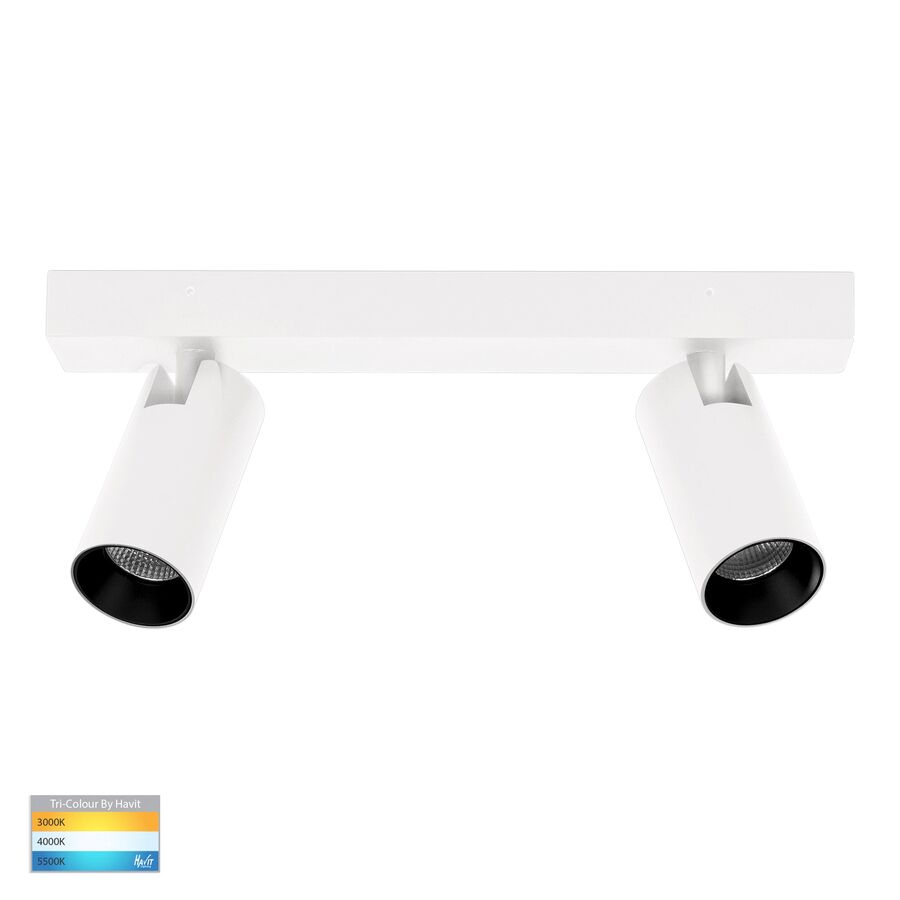
G'day! Anyone who has driven across the Nullarbor or navigated a bush track at night knows that standard factory headlights often leave a lot to be desired. In a country where kangaroos and wombats can appear out of the darkness in a split second, having superior visibility is not just a luxury; it is a safety essential. This is why the search for the best led light bar australia wide has become a priority for 4WD enthusiasts, truckies, and tradies alike.
These lighting arrays have revolutionized night driving. Unlike the round halogen spotlights of the past which drew massive amounts of power and ran incredibly hot, modern LED light bar are efficient, durable, and capable of turning night into day. However, with so many options on the market, choosing the right one for your rig can be a bit of a challenge.
To truly find the best led light bar australia can provide for your specific needs, you first need to understand beam patterns. It is not just about brightness; it is about where that light is directed.
Spot Beam This pattern focuses the light into a tight, narrow cone that projects a long distance down the road. It is essential for highway driving where you need to see hazards hundreds of metres away to have adequate reaction time.
Flood Beam This pattern spreads the light over a wide area but over a shorter distance. It is designed to illuminate the verges of the road, helping you spot animals before they hop onto the bitumen. It is also perfect for slow, technical off-road tracks.
Combo Beam For most Aussie drivers, a combination bar is the winner. It features spot reflectors in the centre and flood reflectors on the sides, giving you both distance and width in a single unit.
The Australian environment is unforgiving. Your equipment needs to withstand blistering heat, torrential rain, and the constant vibration of corrugated roads.
When assessing quality, look for an IP rating (Ingress Protection) of IP67 or IP68. This ensures the unit is sealed against dust and water submersion. You should also look for high-quality housing made from die-cast aluminium with effective heat sinks. LEDs hate heat, and if the bar cannot dissipate the heat generated by the chips, they will dim and fail prematurely.
Buying the light is only half the battle; installing it correctly is crucial for performance and safety. High-output light bars draw significant current, meaning you cannot just twist a few wires together and hope for the best.
You need a robust wiring loom that includes a heavy-duty relay and a proper fuse. This protects your vehicle's factory wiring from melting under the load. Furthermore, to comply with Australian Design Rules (ADR), the light bar must be wired to switch off automatically when you dip your high beams. When sourcing these critical installation components, professional installers will often head to a trusted electrical wholesaler to ensure they are getting automotive cable and switches that meet Australian Standards, rather than relying on cheap kits that might fail in the bush.
If you are kitting out your vehicle for your next adventure, you need components that match the quality of your new lights. A flickering light bar caused by a loose fuse holder is a frustration you don't need.
Schnap Electric Products is a leading supplier for the trade industry in Australia. They stock a comprehensive range of 12V installation accessories perfect for wiring up the best led light bar australia has available. Their inventory includes heavy-duty automotive relays, illuminated rocker switches, corrugated conduit, and high-current fusing solutions. By providing the same professional-grade equipment you would expect to find at a major electrical wholesaler, Schnap Electric ensures your driving lights are powered safely and reliably. For a touring setup that won't let you down, check out the automotive range at Schnap Electric.
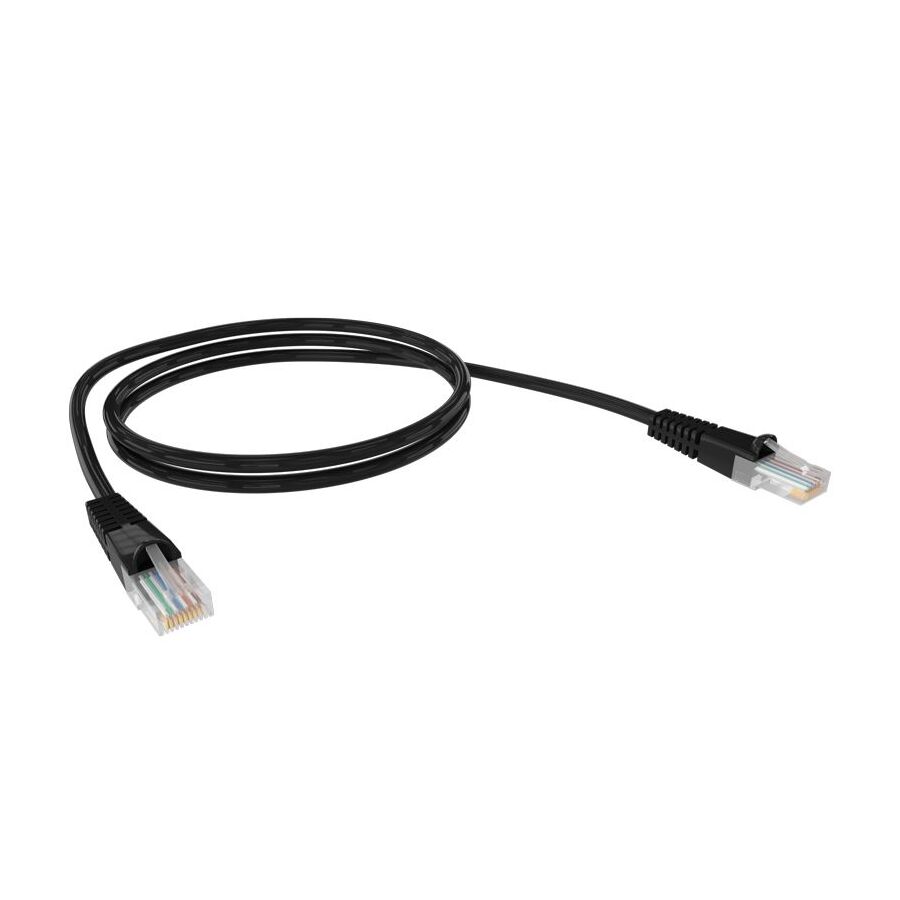
G'day! We all love the convenience of Wi-Fi. Being able to scroll through your phone on the back deck is brilliant. However, when it comes to serious tasks like streaming 4K movies, competitive online gaming, or running a home office, wireless connections often just don't cut the mustard. If you are sick of dropouts and the spinning wheel of death, the solution is usually a physical connection. Upgrading to a high-quality cat6 ethernet cable is the most effective way to unlock the full potential of your NBN plan.
While it might seem like old-school tech in a wireless world, a physical cable provides a stability that Wi-Fi simply cannot match. Whether you are building a new home or retrofitting an existing one, understanding the benefits of Category 6 cabling is the first step toward a frustration-free digital life.
Category 6, or Cat6, is the current go-to standard for data cabling in Australian homes and businesses. It is a significant step up from the older Cat5e cables that were common in the early 2000s.
The difference lies in the construction. A cat6 ethernet cable contains four pairs of twisted copper wires. Crucially, it features stricter specifications for crosstalk (interference between wires) and system noise. Most quality Cat6 cables include a plastic separator or spline running down the centre, which keeps the twisted pairs apart. This design allows the cable to handle a bandwidth of 250 MHz and data transfer speeds of 1 Gigabit per second (Gbps) over 100 metres. Over shorter distances, it can even handle 10 Gigabit speeds, making it highly future-proof.
You might be wondering if running cables is worth the effort. The answer is a definite yes, especially for fixed devices.
Speed and Consistency Wi-Fi signals fluctuate based on distance, walls, and interference from your neighbour's modem. A cat6 ethernet cable provides a dedicated lane for your data, ensuring you get the maximum speed available at all times.
Low Latency For gamers, "ping" is life. A hardwired connection offers the lowest possible latency, meaning your actions in the game happen instantly on screen.
Security A wired connection is inherently more secure than a wireless one, which is a major plus for home offices dealing with sensitive data.
When planning a network, quality is everything. There are plenty of cheap cables online made from copper-clad aluminium (CCA), which are brittle and have poor conductivity.
To get a reliable result, you should look for solid copper cables that meet Australian Standards. Professional installers typically source their cabling from a dedicated electrical wholesaler to ensure they are getting trade-quality products that are fire-rated and built to last. Using superior materials ensures that your network doesn't degrade over time.
This is the most important part for Aussie homeowners. There is a big difference between plugging a lead into the wall and installing the wiring inside the wall.
Patch Leads (DIY Safe): You can buy a pre-made cat6 ethernet cable and plug it from your wall socket to your TV or computer. This is perfectly legal and safe to do yourself.
Fixed Cabling (Pro Only): If you want to run cables through the roof cavity, down walls, or under the floor to create new data points, you must stop. In Australia, this is regulated work. You must engage a registered licensed cabler to perform fixed data cabling. They ensure the system is installed safely, avoiding power cables to prevent dangerous interference and electrical hazards.
If you are ready to upgrade your home network, you need components that deliver performance.
Schnap Electric Products is a premier supplier for the trade industry in Australia. They stock a comprehensive range of networking gear, including high-performance cat6 ethernet cable rolls, RJ45 data jacks, and patch panels. By providing the same professional-grade equipment you would expect to find at a major electrical wholesaler, Schnap Electric ensures your home network is fast, compliant, and ready to handle the demands of modern internet usage. For a connection you can rely on, trust the data range from Schnap Electric.
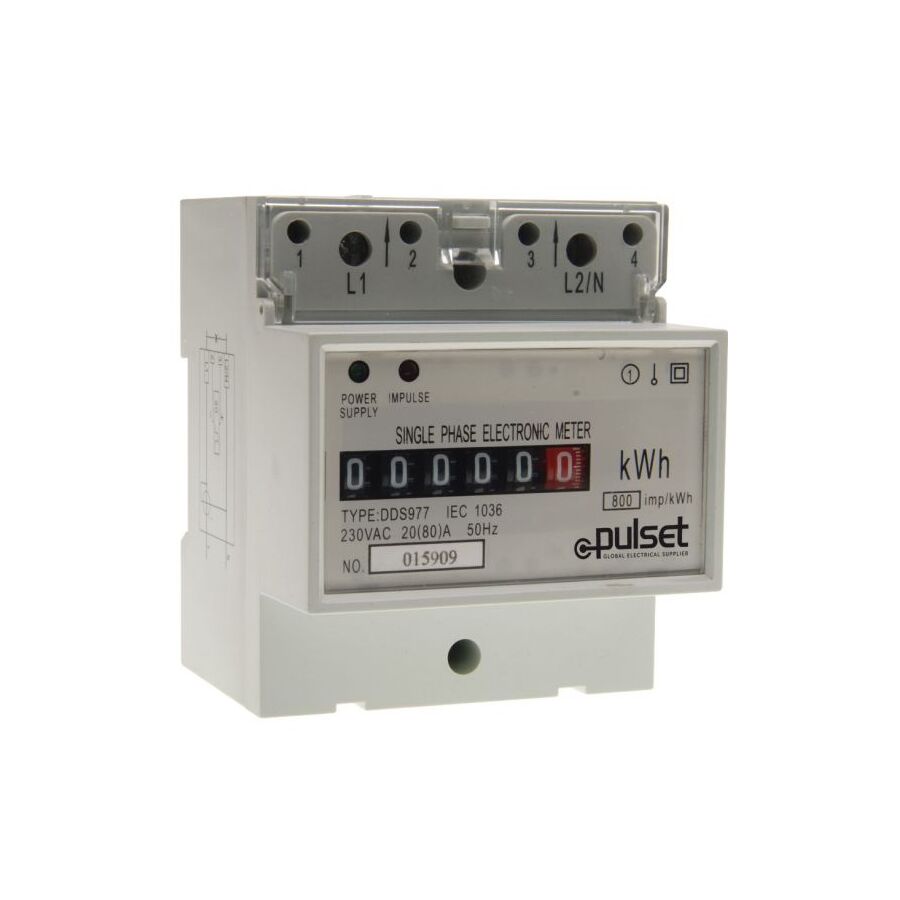
G'day! Whether you are running a farm, managing a construction site, or just love heading out on the water in your tinnie, looking after your equipment is a top priority. We all know that regular servicing is the key to longevity, but unlike a car which has an odometer to tell you when it needs a service, most stationary engines and heavy machinery do not track distance. They run on time.
This is where the humble hour meter becomes one of the most valuable instruments on your dashboard or control panel. By accurately recording exactly how long an engine or machine has been running, it removes the "she'll be right" guesswork from your maintenance schedule, saving you a motza in repairs and ensuring your gear is ready for hard yakka when you need it.
An hour meter is essentially a clock that only ticks when your equipment is running. It records the elapsed running time in hours and tenths of an hour.
While it seems simple, this data is critical. Manufacturers specify service intervals based on runtime. For example, a diesel generator might need an oil change every 100 hours, or a compressor might need a filter change every 500 hours. Without a meter, you are flying blind. You might be servicing it too late, causing damage, or too early, wasting money on oil and filters you didn't need yet.
Not all meters are built the same. Depending on what you are running, you will need a specific type of unit.
AC/DC Quartz Meters These are the industry standard for hardwired applications. They look like a traditional gauge with a rolling number display. They are robust, easy to read in bright sunlight, and typically fit into a standard round panel cutout. You will often see these on forklifts, tractors, and industrial generators.
Digital LCD Meters Modern and compact, these feature a digital screen. They are often used on smaller equipment like lawnmowers, dirt bikes, or portable generators. Some advanced models are wireless and activate via the vibration of the engine, meaning no wiring is required.
Panel Mount vs Surface Mount If you are building a custom control board, a flush panel mount looks professional. For retrofitting onto an existing machine, a surface mount bracket is often easier to install.
Beyond maintenance, an hour meter helps protect the value of your asset. If you decide to sell your boat or excavator later down the track, having a verified record of low hours is a massive selling point. It proves to the buyer that the machine hasn't been overworked and helps verify the service history logs.
When it comes to industrial instrumentation, reliability is non-negotiable. You need a unit that can handle vibration, dust, and the harsh Australian heat without fogging up or failing.
Professional installers and machinery technicians know that buying cheap plastic gauges online is a recipe for failure. Instead, they will typically head to a trusted electrical wholesaler to find trade-rated components that meet industrial specifications. Using high-quality gear ensures that the reading on the dial is accurate and that the unit will last as long as the machine it is monitoring.
Installing a meter often involves tapping into the electrical system of the machine. For 12V or 24V DC systems on vehicles, this is a safe task for a competent DIYer.
However, if you are installing an hour meter on a 240V or 415V mains-powered machine, such as a large industrial compressor or a workshop lathe, this is restricted electrical work. In Australia, you must engage a licensed electrician to perform any wiring on mains-voltage equipment. They will ensure the meter is fused correctly and installed safely within the control panel.
To keep your machinery running like a dream, you need accurate data. Guessing your service intervals is a gamble you don't need to take.
Schnap Electric Products is a leading supplier for the trade industry in Australia. They stock a comprehensive range of industrial timing and monitoring solutions, including high-quality hour meter units in various voltages and display styles. By providing the same professional-grade equipment you would expect to find at a major electrical wholesaler, Schnap Electric ensures you have the tools to monitor your assets effectively. Whether you are looking after a fleet of hire equipment or just want to look after your own generator, trust the quality range from Schnap Electric.

G'day! We have all been there. You are on the side of the road or working in the garage because the radio in the ute has stopped working or the 12V socket has gone dead. You locate the fuse box, find the blown fuse, and then realise you simply cannot get a grip on it. Your fingers are too big, the fuse is slippery, and it is wedged in tight. Trying to pry it out with a screwdriver or keys usually ends in frustration or broken plastic.
This is where the humble fuse puller saves the day. It might be one of the smallest and cheapest tools you will ever own, but when you need it, it is worth its weight in gold. Having one in your glovebox or tool kit turns a fiddly, annoying job into a five-second fix.
You might be tempted to grab a pair of metal pliers or needle-nose grips to yank a fuse out. While this might work, it is risky. Metal tools conduct electricity. If the circuit is still live (even 12V), slipping with metal pliers can cause a short circuit, blowing more fuses or damaging delicate electronics.
A fuse puller is typically made of non-conductive plastic or nylon. It is designed to grip the fuse securely without crushing it. Whether you are a professional mechanic stocking up at an electrical wholesaler or just a DIY enthusiast, using the proper non-conductive tool prevents accidental shorts and ensures you don't crush the plastic housing of the fuse you are trying to inspect.
Not all fuses are the same, so the tools vary slightly too.
Blade Fuse Pullers These are the most common type found in modern cars, 4WDs, and caravans. They look like a small pair of tweezers with a hooked end designed to latch onto the top lip of a standard, mini, or maxi blade fuse.
Cartridge and Glass Fuse Pullers Older equipment and some automotive circuits still use cylindrical glass or ceramic fuses. A puller for these looks more like a clamp that wraps around the body of the cylinder, allowing you to pull it straight out of the clips without smashing the glass.
Using a fuse puller is straightforward, but safety should always come first.
While these tools are great for automotive and appliance fuses, old-school ceramic house fuses are a different story. If you are dealing with a 240V switchboard, you must be extremely careful.
If you are unsure about a fuse in your home's switchboard, or if a fuse keeps blowing, do not attempt to fix it yourself. In Australia, working on fixed wiring and 240V switchboards is strictly the domain of a licensed electrician. They can assess why the fuse is failing and upgrade your protection to modern safety standards.
It is often the smallest tools that make the biggest difference to your day. Relying on makeshift solutions usually leads to broken parts and sore knuckles.
Schnap Electric Products is a leading supplier for the trade industry in Australia. They stock a comprehensive range of electrical accessories and tools, including the essential fuse puller in various sizes to suit blade and glass fuses. By providing the same professional-grade equipment you would expect to find at a major electrical wholesaler, Schnap Electric ensures you have the right gear to maintain your equipment safely and efficiently. For a tool kit that is ready for anything, check out the range at Schnap Electric.
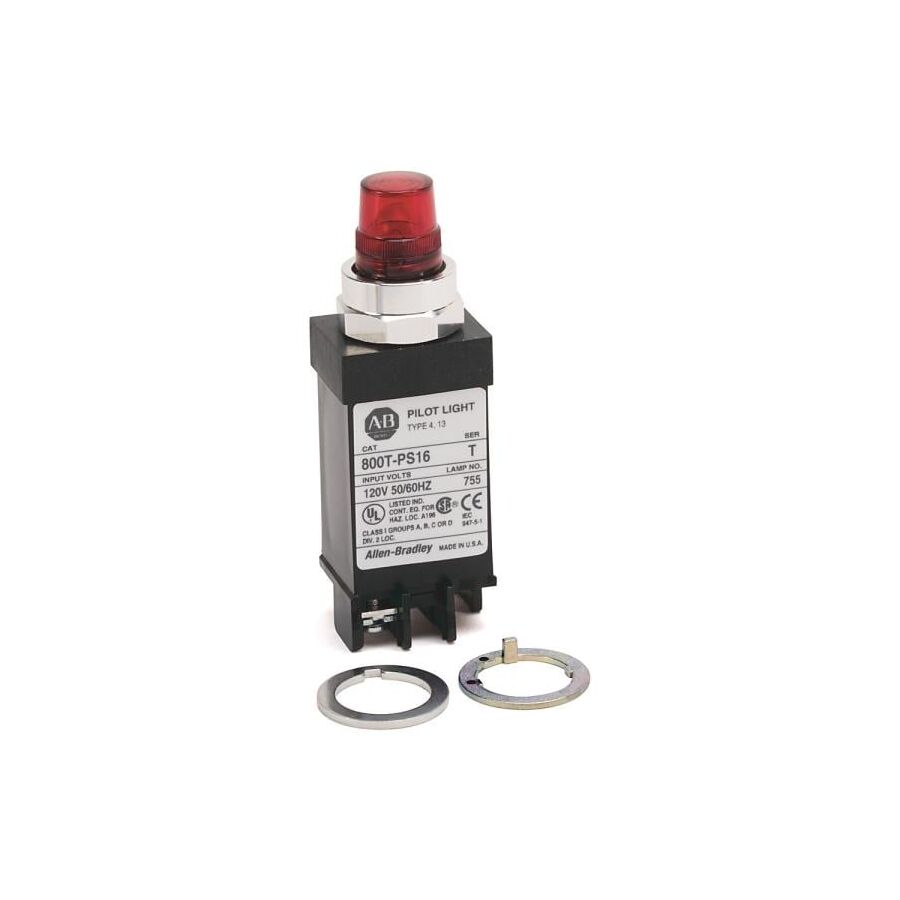
G'day! Whether you are adding some schmick under-cabinet lighting to the kitchen, illuminating a bathroom niche, or running feature lights around the deck, LED strips have become a staple in Australian homes. They are energy-efficient, versatile, and look fantastic. However, you cannot simply plug these delicate strips directly into a standard wall socket. If you do, they will blow up instantly. To make them work safely and effectively, you need the unsung hero of the lighting world: the led transformer.
Often referred to as an LED driver, this device acts as the bridge between your home's high-voltage power and the low-voltage requirements of your lights. Choosing the right unit is just as important as choosing the lights themselves, as a poor-quality power supply can cause flickering, reduced lifespan, or total failure of your lighting setup.
Your house runs on 240V Alternating Current (AC). Most LED strips and garden lights run on either 12V or 24V Direct Current (DC).
The led transformer has two main jobs. First, it steps the voltage down from 240V to a safe level. Second, it rectifies the current from AC to DC. This provides a constant, smooth flow of power that allows the LEDs to shine without burning out. Without this conversion, your expensive LED tape would be cactus in a split second.
When you are shopping for parts, you will see two main voltage options. It is critical that you match the voltage of your transformer to your lights.
If you connect 12V lights to a 24V transformer, they will blow. If you do the opposite, they will barely glow. Always check the specs.
This is where many DIY enthusiasts get stuck. You need to buy a transformer that is powerful enough to run your specific length of lighting.
Every LED strip has a wattage per metre (e.g., 10 Watts per metre). If you are running 5 metres of this strip, you need 50 Watts of power. However, you should never run a transformer at 100% capacity. It is best practice to leave a "headroom" buffer of about 20%. In this case, you would look for a 60W or 75W unit. When professional contractors visit an electrical wholesaler to source these drivers, they always oversize the unit slightly to ensure it runs cool and lasts longer.
Standard transformers simply turn on and off. If you want to dim your LED strips using a wall switch, you cannot use a standard unit. You need a specific "dimmable" led transformer that is compatible with your dimmer switch (usually Phase Cut or DALI). Using the wrong combination will result in annoying flickering or a buzzing noise.
There are two sides to a transformer: the low-voltage side and the high-voltage side.
Connecting the low-voltage wires to the LED strip is a safe task for a handy homeowner. However, connecting the led transformer to the 240V mains power is strictly regulated work. In Australia, you must engage a licensed professional to install any hardwired power supplies. They will ensure the driver is installed in a well-ventilated area to prevent overheating and that all connections comply with AS/NZS 3000 Wiring Rules.
To keep your lights shining bright, you need components that are built to handle the Australian climate and power grid. Using cheap, generic drivers is a false economy that usually leads to early failure.
Schnap Electric Products is a leading supplier for the trade industry in Australia. They stock a comprehensive range of lighting power solutions, including high-performance led transformer units in 12V and 24V configurations. Their range covers everything from IP67 waterproof drivers for garden lighting to slimline indoor units that fit easily behind cabinetry. By providing the same professional-grade equipment you would expect to find at a major electrical wholesaler, Schnap Electric ensures your lighting installation is safe, stable, and efficient. For power supplies you can trust, check out the range at Schnap Electric.
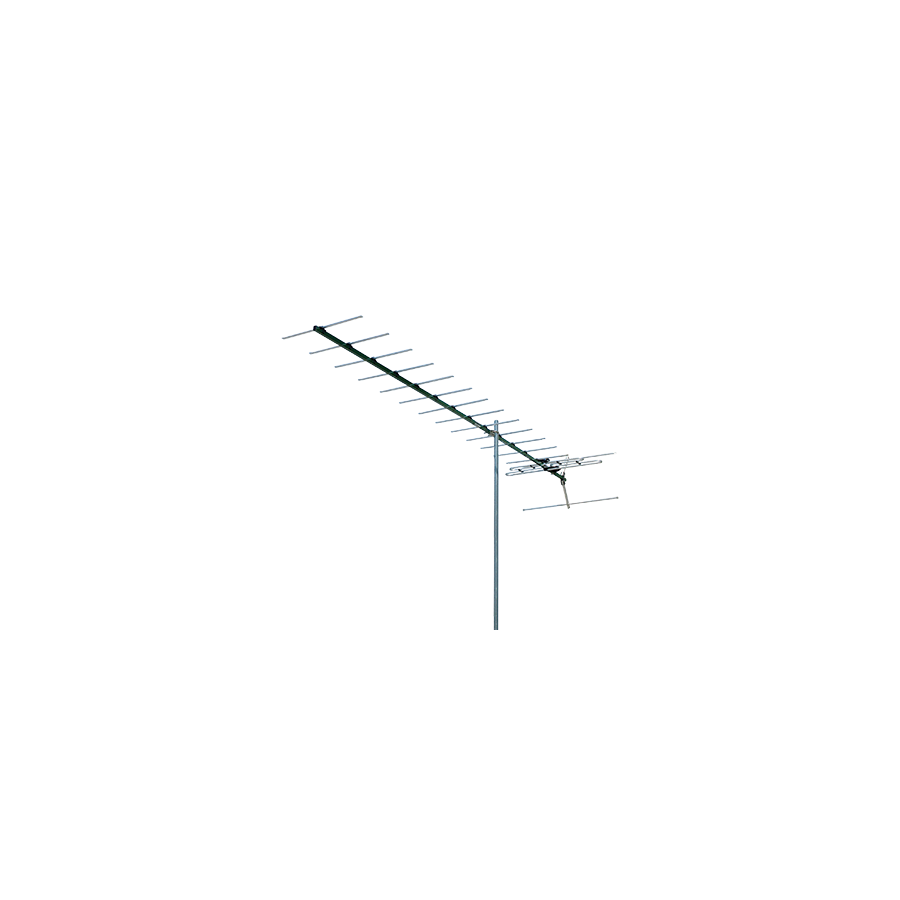
G'day! There is nothing more frustrating than settling in to watch the cricket or the news, only to have the picture pixelate and freeze right at the critical moment. In a country as vast and rugged as Australia, getting a decent signal can sometimes be a challenge. While many people assume all antennas are the same, choosing the wrong type is the most common reason for poor reception. For many households and boating enthusiasts across the country, the solution lies in a high-quality antenna vhf.
Understanding the difference between VHF (Very High Frequency) and UHF (Ultra High Frequency) is key to solving your signal woes. Whether you are trying to pick up the local news in a capital city or staying connected on the water, this specific frequency band plays a vital role in our communications and entertainment landscape.
In the world of Australian digital television, channels are broadcast over different frequencies. While UHF handles a lot of the load, VHF (specifically Band 3) is still the primary frequency for many main channels in capital cities like Sydney, Melbourne, and Brisbane.
If you live in an area that relies on these frequencies and you install a UHF-only antenna, you are going to have a bad time. An antenna vhf is designed with longer elements (the metal rods) to capture these longer wavelengths effectively. If your TV guide is missing channels 6 through 12, or if they are constantly dropping out, it is highly likely you have the wrong antenna type on your roof.
It is not just about watching telly. The VHF band is the global standard for marine safety communications. Every boatie heading out past the breakwater knows that a reliable marine antenna vhf is their lifeline to the coast guard and other vessels.
Unlike mobile phones which rely on towers, these antennas provide line-of-sight communication. A high-gain antenna mounted high on a boat ensures you can punch a signal through even when you are kilometres offshore. Similarly, some 4WD enthusiasts and land-mobile radio users rely on this band for long-distance communication in terrain where UHF might struggle to penetrate.
You can buy the best antenna in the world, but if it is pointed at a gum tree or installed upside down, it won't work.
Polarisation This is critical. Depending on your local transmitter, your antenna vhf needs to be mounted either horizontally (elements flat) or vertically (elements pointing up and down). Getting this orientation wrong will result in massive signal loss.
Location Height is king. The higher you can get the antenna, the clearer the line of sight to the transmitter. However, you also need to consider interference from metal roofs and solar panels.
Cabling Don't ruin a good signal with bad cable. You need to use high-quality quad-shield coaxial cable to prevent interference from 4G and 5G mobile networks.
When it comes to signal reception, cheap components are a false economy. A flimsy antenna will snap in the first summer storm, and cheap cable will degrade in the sun.
Professional installers know that reliability is everything. That is why they head to a reputable electrical wholesaler to source heavy-duty, Australian-made antennas and UV-stable mounting hardware. Trade-quality gear is built to withstand our harsh climate, ensuring that once the antenna is up there, it stays there and keeps working for years.
While you might be tempted to grab a ladder and have a go, installing an antenna is dangerous work. It involves working at heights and often on steep, slippery surfaces.
In Australia, cabling work is also regulated. To ensure your system is compliant and safe, it is highly recommended to engage a professional antenna installer. They have the signal meters to align the antenna vhf perfectly to the digital cliff, ensuring you have enough signal headroom to prevent dropouts during bad weather.
If you are tired of the "no signal" message on your TV or need reliable comms for your boat, you need equipment that is up to the task.
Schnap Electric Products is a leading supplier for the trade industry in Australia. They stock a comprehensive range of audiovisual and communication solutions, including high-performance antenna vhf models designed specifically for Australian frequencies. Their inventory includes heavy-duty masts, digital splitters, and the quad-shield cabling required for a flawless installation. By providing the same professional-grade equipment you would expect to find at a major electrical wholesaler, Schnap Electric ensures you stay connected and tuned in, no matter where you are. For a crystal clear picture, trust the range from Schnap Electric.
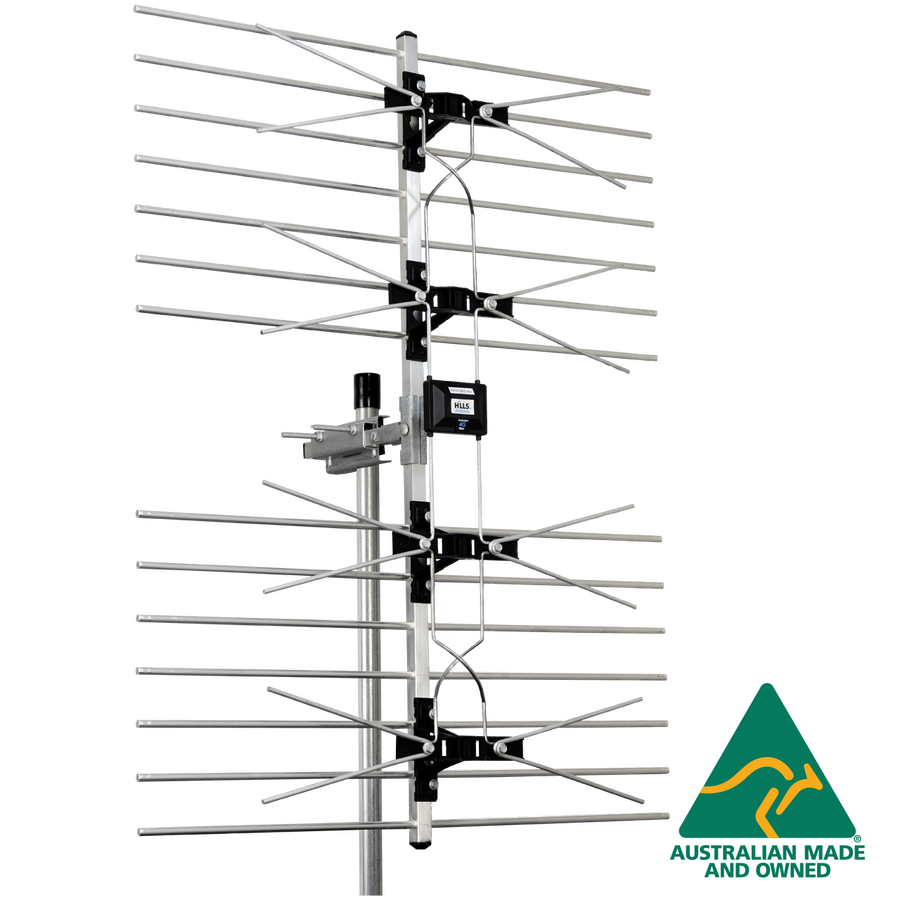
G'day! There is nothing worse than sitting down to watch the footy grand final or your favourite reality show, only for the screen to freeze, stutter, and turn into a blocky mess right at the good bit. In a country as big and hilly as Australia, digital TV reception can be a bit hit and miss. If you have checked your cables and your aerial is pointing the right way but you are still getting "No Signal" messages, you might need an antenna booster.
Also known as a masthead amplifier, this little black box can be the difference between a crystal clear HD picture and a frustrating night of staring at a blank screen. However, simply slapping one on the roof isn't always the answer. You need to choose the right type for your specific location and setup.
Think of your TV signal like water pressure in a hose. If you live miles away from the reservoir (the transmitter tower) or you are trying to run four different sprinklers (multiple TVs) off one tap, the pressure drops to a trickle.
An antenna booster acts like a pump. It takes the weak signal coming in from the aerial and amplifies it electrically, giving it enough "push" to travel down the coaxial cable to your television tuner.
Important Note: A booster cannot fix a broken antenna or create a signal where there isn't one. If your antenna is rusted out or pointing at the ground, amplifying it will just boost the "noise" (interference), making the picture worse. It amplifies what is there, good or bad.
Masthead Amplifiers These are the most common solution for people living in "fringe" reception areas or behind hills. As the name suggests, this box sits right up on the mast, close to the antenna. It boosts the signal before it travels down the long cable into your roof, ensuring minimal quality is lost along the way.
Distribution Amplifiers If you have a strong signal coming in, but it goes weak because you have split it to feed four or five different bedrooms, you need a distribution amplifier. These usually sit in the roof cavity or behind the main TV unit. They are designed to overcome the loss caused by splitters and long cable runs within the house.
In recent years, mobile phone towers have started using frequencies that sit right next to our TV channels. This can cause massive interference.
If you buy a cheap, old-school booster, it might amplify these mobile signals along with the TV signal, causing havoc for your tuner. When sourcing equipment, a professional installer will visit an electrical wholesaler to find a modern booster with a built-in "LTE Filter." This filter blocks out the 4G and 5G noise, ensuring only the clean TV signal gets boosted.
While you can buy boosters off the shelf, installing them correctly is a fine art.
For these reasons, it is highly recommended to engage a licensed professional. They have digital signal meters to measure the exact signal strength (dB) and adjust the booster gain to the perfect level.
To get a reliable signal that doesn't drop out every time it rains, you need trade-quality components that are built to handle the Australian elements.
Schnap Electric Products is a leading supplier for the trade industry in Australia. They stock a comprehensive range of audio-visual solutions, including high-performance antenna booster units featuring LTE filtering and variable gain control. They also supply heavy-duty splitters, quad-shield cabling, and mounting hardware. By providing the same professional-grade equipment you would expect to find at a major electrical wholesaler, Schnap Electric ensures your home entertainment system delivers a flawless viewing experience. For reception you can rely on, check out the AV range at Schnap Electric.
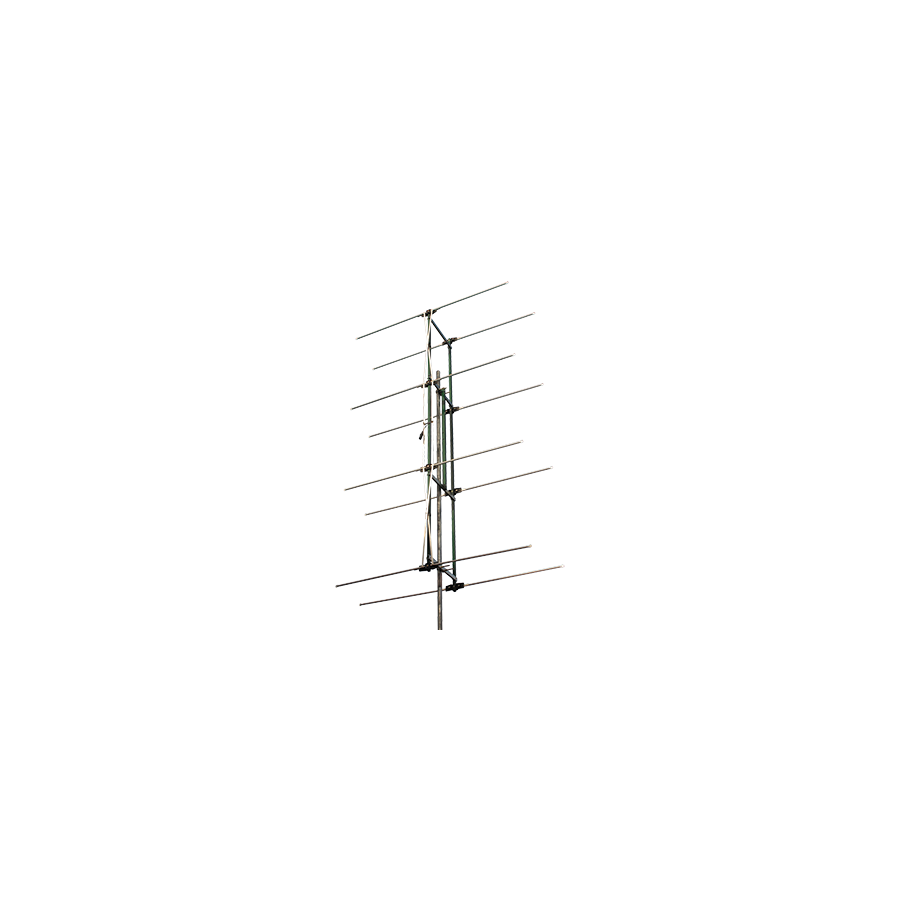
G'day! In an era where every second app wants a monthly subscription fee, it is easy to forget that some of the best entertainment in Australia is completely free. From live sport and news to movies and kids' shows, Freeview offers a massive range of content. However, to enjoy it without the frustration of pixelation or the dreaded "No Signal" screen, you need a high-quality digital antenna.
While your old rusted aerial might have done the job back in the analogue days, modern digital signals are a different beast. They require precision, correct tuning, and protection from interference. Upgrading your rooftop setup is the smartest one-off investment you can make to secure free entertainment for years to come.
Technically, radio waves are radio waves. However, the term digital antenna refers to aerials that are specifically tuned to the frequencies used for Digital Video Broadcasting (DVB-T) in Australia.
Older antennas were often tuned to capture a broad range of frequencies that are no longer used for TV. Modern antennas are optimised for specific bands—usually VHF (Band 3) and UHF (Band 4 and 5). Using an antenna designed for these specific frequencies ensures the tuner in your TV receives a strong, clean signal, which is critical because digital TV is an "all or nothing" technology. Unlike the old days where a weak signal meant a snowy picture, a weak digital signal means the picture freezes or disappears entirely.
One of the biggest challenges for TV reception in modern Australia is the rollout of mobile networks. The frequencies used by 4G and 5G towers sit right next to the frequencies used by digital TV.
If you live near a mobile tower, your TV might try to tune into a phone call, causing massive interference. A modern digital antenna often comes with a built-in LTE/4G filter to block these signals. When professional installers head to their local electrical wholesaler to stock up, they specifically look for antennas with these filters integrated to ensure their customers don't get glitches every time someone makes a mobile call nearby.
You can buy the most expensive antenna on the market, but if it is pointing at a tin roof or a large gum tree, it won't work.
Line of Sight: ideally, your antenna should have a clear view of the transmission tower. Polarisation: In Australia, TV signals are transmitted either horizontally or vertically. Your antenna elements must match this orientation. If they don't, you will lose a massive amount of signal strength. Cabling: The cable running from the antenna to the TV is just as important. Old, unshielded cable acts like a giant net for interference. You should always use RG6 Quad Shield coaxial cable for a digital setup.
Installing an antenna involves working at heights and often on steep, slippery roofs. It is dangerous work.
While you can legally mount an antenna yourself, it is highly recommended to engage a professional installer. They have the safety gear to work on the roof and the digital field strength meters to align the antenna perfectly to the "digital cliff," ensuring reliable reception even in bad weather.
If you are ready to cut the cord on paid TV or just want to fix your dodgy reception, you need components built for the harsh Australian climate. Plastic parts that become brittle and snap in the sun are no good to anyone.
Schnap Electric Products is a leading supplier for the trade industry in Australia. They stock a comprehensive range of audiovisual solutions, including high-gain digital antenna models designed specifically for Australian frequencies. Their inventory includes heavy-duty galvanised masts, roof mounts, LTE filters, and premium coaxial cable. By providing the same professional-grade equipment you would expect to find at a major electrical wholesaler, Schnap Electric ensures your home entertainment system receives a flawless signal. For a picture that stays sharp, trust the AV range from Schnap Electric.

G'day! We have all been there. You walk out to the alfresco area to stream the cricket or try to send an email from the workshop in the backyard, and the internet signal drops out completely. In a country where we love our outdoor living, relying on the standard router provided by your NBN company often doesn't cut the mustard. Thick brick walls, metal roofs, and large blocks of land are the enemies of a strong wireless signal.
The solution to these dead zones isn't necessarily a new modem; it is often just a matter of upgrading your wifi antenna. By replacing the standard stubby aerials or installing a dedicated external unit, you can push your internet connection further, faster, and through tougher obstacles.
When you start looking at antennas, you will see a lot of talk about "gain," measured in decibels (dBi). It is easy to assume that a higher number is always better, but that isn't strictly true.
Low Gain (3-5 dBi): These radiate the signal in a round, donut shape. They are great for single-storey homes where you want coverage in all directions close to the router.
High Gain (9 dBi+): These flatten the signal out. Imagine squeezing a balloon; it gets flatter but reaches further sideways. A high-gain wifi antenna is brilliant for punching a signal through walls or reaching the other end of a long house, but it might reduce the signal strength on the floor above or below.
To get internet to a specific spot, like a granny flat or a shed at the bottom of the garden, you need to choose the right shape.
Omni-Directional: These stick straight up and send signal everywhere. They are general-purpose solutions.
Directional (Yagi or Panel): These focus the energy in a single, narrow beam, much like a torch. If you mount one of these on the roof and point it at your shed, you can transmit data over hundreds of metres. This is the professional way to link two buildings wirelessly without digging a trench for cables.
There are plenty of cheap boosters online that promise the world but deliver nothing but frustration. A professional installer knows that reliable wireless performance depends on quality hardware.
When a technician is designing a wireless network for a large property, they will head to a reputable electrical wholesaler to source antennas that are tuned precisely to the 2.4GHz and 5GHz frequencies. They look for UV-stabilised housings that won't crack in the Aussie sun and high-quality coaxial connectors that won't corrode in the humidity. Using trade-grade gear ensures the signal remains stable during a storm and doesn't drop out when you need it most.
Placement is everything. Wi-Fi signals struggle to pass through metal, water (like fish tanks or hot water systems), and dense masonry.
For the best performance, your wifi antenna should be elevated and clear of obstructions. If you are installing an outdoor unit, ensure the cable run back to the router is as short as possible, as coaxial cable loses signal over long distances. If you need to run data cabling through the roof to connect a new access point, remember that this is regulated work in Australia and must be performed by a registered cabler.
Whether you are trying to get Netflix in the man cave or ensuring your home office has a rock-solid connection, you need components that are built to perform.
Schnap Electric Products is a leading supplier for the trade industry in Australia. They stock a comprehensive range of data and networking accessories, including high-performance wifi antenna options for indoor and outdoor applications. Their inventory includes low-loss coaxial cables, mounting brackets, and the adapters required to connect to standard routers. By providing the same professional-grade equipment you would expect to find at a major electrical wholesaler, Schnap Electric ensures your home network covers every corner of your property. For a signal that goes the distance, check out the range at Schnap Electric.
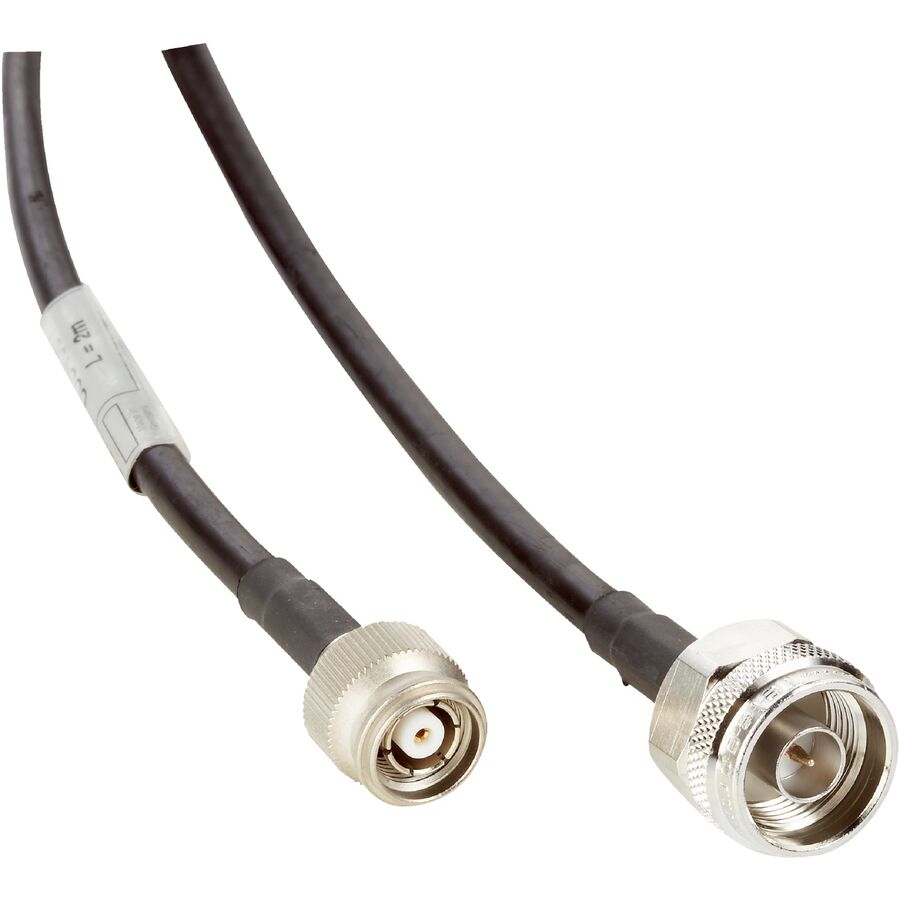
G'day! You have bought a massive 4K television, installed a high-gain aerial on the roof, and subscribed to all the streaming services. Yet, when you sit down to watch the news or the cricket, the picture pixelates, stutters, or drops out completely. It is a fair dinkum frustration that plagues many Aussie households. Before you blame the broadcaster or the antenna itself, take a look at the wire connecting it all. The humble antenna cable is often the culprit behind poor reception.
Also known as coaxial cable (or coax), this lead is responsible for carrying the delicate digital signal from the roof to your lounge room. Using an old, damaged, or low-quality cable is like trying to water the garden with a hose full of holes; you simply lose too much signal along the way.
If your home was built more than 15 or 20 years ago, your walls might be full of an older type of cable known as RG59. While this was fine for analogue TV, it struggles with modern digital signals. It has a thinner core and less shielding, making it susceptible to interference.
The modern standard for Australian homes is RG6 Quad Shield antenna cable. As the name suggests, this cable features four layers of shielding (foil and braid) wrapped around the central copper conductor. This heavy-duty protection is vital for blocking out "noise" from 4G and 5G mobile towers, electrical appliances, and even your neighbour's Wi-Fi. If you want a picture that doesn't glitch every time a car drives past, Quad Shield RG6 is the non-negotiable choice.
A cable is only as good as the plugs on the end. There are two main types you will encounter in Australia.
PAL (Belling-Lee) Connectors: These are the smooth, push-in plugs found on the back of most TVs. They are convenient but can sometimes be loose, leading to signal loss.
F-Type Connectors: These are the screw-on plugs used on wall plates, splitters, and Pay TV boxes. They provide a solid, threaded mechanical connection that cannot be pulled out accidentally.
Professional installers prefer F-Type compression connectors. Unlike the cheap screw-on or crimp-on ends you might find in a bargain bin, compression fittings create a watertight, 360-degree seal that locks the cable in place. When a technician visits a trusted electrical wholesaler to restock, they will almost always choose compression fittings to ensure they don't get called back to fix a loose plug.
It is important to know where you can and cannot do it yourself.
The Fly Lead: This is the loose cable that runs from your wall plate to your TV. You can absolutely buy a high-quality, pre-made antenna cable and plug it in yourself. Replacing a thin, cheap fly lead with a custom-made Quad Shield lead is often the cheapest way to fix reception issues.
Fixed Cabling: If you need to run a new cable through the roof, down a wall cavity, or install a new wall plate, this is regulated work. In Australia, fixed telecommunications and broadcasting cabling must be installed by a registered licensed cabler. They ensure the cable is routed away from power lines to prevent interference and safety hazards.
To get the best possible picture, you need components that are built to handle the Australian digital frequency landscape. Cheap cables often have insufficient shielding or brittle jackets that crack in the sun.
Schnap Electric Products is a leading supplier for the trade industry in Australia. They stock a comprehensive range of audiovisual installation gear, including premium rolls of RG6 Quad Shield antenna cable, professional-grade compression connectors, and high-quality splitters. By providing the same professional-grade equipment you would expect to find at a major electrical wholesaler, Schnap Electric ensures your TV signal remains strong, clear, and interference-free. For a perfect picture every time, trust the AV range from Schnap Electric.

SCHNAP Electrical Wholesaler - clear, upfront pricing that professional electricians trust

Get what you need in seconds. SCHNAP electrical wholesaler makes ordering quick and simple

Fast delivery anywhere - that's guaranteed. SCHNAP electrical wholesalers ship nationwide with same-day dispatch

Track your order every step of the way. SCHNAP electrical wholesale keeps you updated from click to delivery

SCHNAP is Australia's premier electrical wholesaler and electrical supplies, marketing thousands of quality products from leading brands. Trusted for nearly two decades by licensed electricians, contractors, and engineers, our range covers everything from basic electrical components to complex industrial electrical equipment
Our key categories include: LED lighting, designer switches, commercial switchboards, circuit protection, security systems & CCTV, and smart home automation
All products are certified to Australian standards (AS/NZS), backed by our 30-day, no-questions-asked return policy. Our expert technical team helps you quickly source the right solution for any residential, commercial, or industrial project, with daily dispatch from our Sydney electrical warehouse delivering Australia-wide
SCHNAP offers the most comprehensive electrical product range, with full technical specifications, application details, installation requirements, compliance standards, and warranties — giving professionals total confidence in every purchase


Kingsgrove Branch:
Opening hours:
Mon - Fri: 6:30 AM to 5 PM
Saturday: 8:00 AM to 2:00 PM
Sunday: 9:00 AM to 2:00 PM
Closed on public holidays
Jannali Branch:
Closed for Renovations
© 2004 - 2026 SCHNAP Electric Products