

Kingsgrove Branch:


Send us a photo and our team will help identify it.

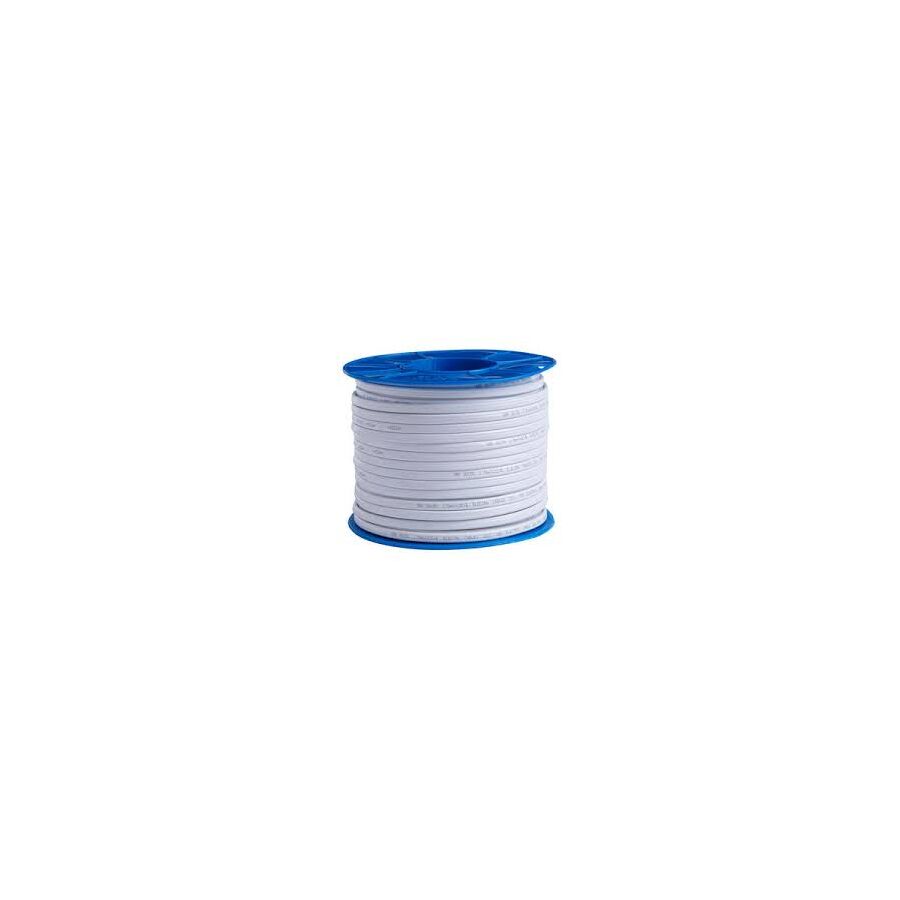
G'day! Most of the wiring in your house is pretty standard stuff. You have your 1.5mm cable for the lights and 2.5mm cable for the power points. But every now and then, you need to power something with a bit of serious grunt. Whether you are upgrading the kitchen with a massive chef's oven or running power out to the shed for a workshop, standard wiring just won't cut the mustard.
This is where 6mm electrical cable comes into play. It is the heavy-duty workhorse of domestic wiring, designed to carry high currents safely without overheating. Understanding when and why this cable is used is essential for planning any major renovation or upgrade.
The thickness of an electrical cable is directly related to how much current (Amps) it can carry. A 6mm electrical cable typically handles between 32 and 40 Amps, depending on how it is installed (e.g., in conduit or surrounded by insulation).
Because of this high capacity, it is the go-to choice for:
Electric Ovens and Cooktops This is the most common application. Modern induction cooktops and large freestanding ovens draw a massive amount of power. Standard power point wiring would melt under the load, so a dedicated 6mm circuit is run from the switchboard directly to the appliance.
Large Air Conditioners Big ducted systems that cool the whole house need a robust power supply. A 6mm feed ensures the unit gets the juice it needs to start the compressor without dimming the lights in the rest of the house.
Sub-Mains to Sheds and Garages If you are running power to a detached shed, 6mm electrical cable is often used as a "sub-main." It allows you to have multiple power points and lights in the shed without overloading the cable, especially over longer distances where voltage drop can become an issue.
You might wonder why you can't just use thinner, cheaper wire. It comes down to resistance and heat. As electricity flows through a wire, it creates heat. A thicker wire like the 6mm variety has less resistance, allowing electricity to flow more easily.
If you try to push 30 Amps through a thin wire, it acts like a heater element, melting the insulation and potentially causing a fire. When a professional tradesperson visits their local electrical wholesaler to buy cable, they calculate the "maximum demand" of your circuit to ensure the cable size is perfectly matched to the load, keeping your home safe.
Twin and Earth (TPS) This is the flat, white cable you see inside walls. It contains an active, neutral, and earth wire. It is perfect for internal runs, such as wiring an oven through the roof space.
Orange Circular This is the tough stuff. It has a round, heavy-duty outer sheath. It is generally used for underground runs to sheds or in areas where the cable needs more mechanical protection.
We cannot stress this enough: working with 6mm electrical cable is not a DIY job. Dealing with high-current circuits carries significant risks. In Australia, it is illegal for anyone other than a licensed electrician to install or modify fixed wiring.
A licensed professional will not only run the cable but also install the correct circuit protection (safety switch) at the switchboard. They ensure the cable is routed correctly through the building structure to avoid damage and overheating.
When you are dealing with high-load appliances, you need components that are built to handle the heat. Using inferior cable can lead to voltage drop and appliance failure.
Schnap Electric Products is a leading supplier for the trade industry in Australia. They stock a massive range of cabling solutions, including premium rolls of 6mm electrical cable in both TPS and Orange Circular varieties. By providing the same professional-grade equipment you would expect to find at a major electrical wholesaler, Schnap Electric ensures your big projects are powered safely and reliably. Whether you are connecting a new induction cooktop or powering up the man cave, trust the quality range from Schnap Electric.
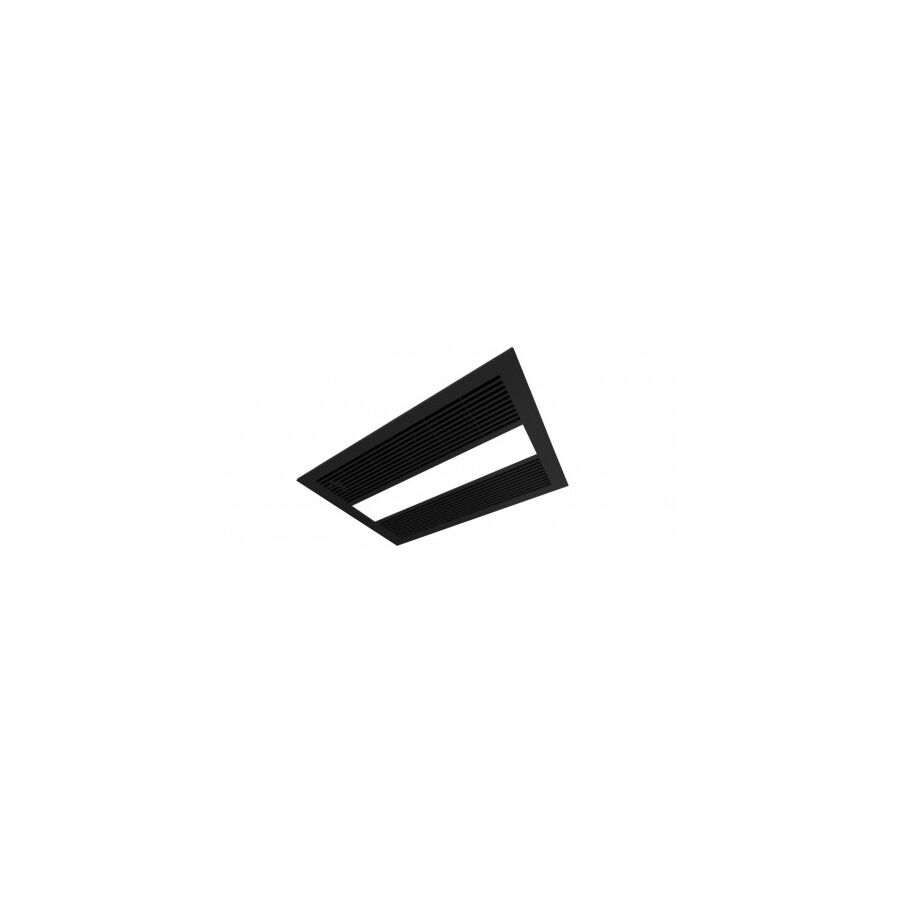
G'day! We might be famous for our beaches and scorching summers, but anyone living in a standard Aussie house knows just how bone-chilling our winters can be. Australian homes are notoriously draughty, and there is nothing quite as unpleasant as stepping out of a steaming hot shower onto freezing cold tiles on a frosty morning. It is enough to make you want to stay in bed.
The solution to this daily struggle is installing proper bathroom heaters. Unlike dragging a portable fan heater into the room (which is a massive safety risk), dedicated hardwired heating solutions provide instant, safe, and effective warmth exactly where you need it. Whether you are planning a full renovation or just a quick upgrade, choosing the right heat source is the key to winter comfort.
For decades, the 3-in-1 unit has been the heavy lifter in Australian bathrooms. These clever ceiling fixtures combine three essential functions: an exhaust fan to remove steam, a central light for visibility, and infrared heat lamps for warmth.
The beauty of these bathroom heaters is the immediacy of the heat. Infrared globes do not waste time heating the air in the room; they emit radiant energy that warms your skin the instant you flick the switch. They are perfect for that post-shower drying off period. Because they combine ventilation and lighting, they are also a fantastic space-saver, decluttering the ceiling and keeping the look of your bathroom clean and tidy.
If you are looking for something a bit more architectural or have a larger bathroom with high ceilings, radiant strip heaters are the way to go. These are slim, rectangular units typically mounted high on the wall or flush with the ceiling.
Unlike the intense, focused spot-heat of a bulb, strip heaters provide a broader, more gentle warmth over a larger area. They are silent, unobtrusive, and often look much more schmick in a high-end bathroom design. They are purely heating units, so you will need separate lighting and ventilation, but the aesthetic result is often worth it for a luxury finish.
It is critical to remember that electricity and water do not mix. The bathroom is classified as a wet area, meaning there are strict zones and regulations regarding where electrical appliances can be placed. You simply cannot install bathroom heaters yourself.
This work must be carried out by a licensed electrician. A professional will assess the layout of your bathroom to ensure the heater is positioned safely away from water splash zones while still providing maximum warmth. When preparing for the job, your tradesperson will likely visit a trusted electrical wholesaler to source heat-resistant cabling and appropriate switches that meet Australian Standards. They ensure that the unit is not only effective but fully compliant with safety regulations, protecting your family from electrical hazards.
If you want to banish the winter blues, you need reliable equipment. Cheap heaters often have loud fans, globes that blow constantly, or elements that take forever to warm up.
Schnap Electric Products is a leading supplier for the trade industry in Australia. They stock a comprehensive range of heating solutions, including high-performance 3-in-1 units and sleek radiant strip heaters. By providing the same trade-quality equipment you would expect to find at any major electrical wholesaler, Schnap Electric ensures your bathroom remains a warm and inviting retreat all year round. For the best in comfort and reliability, choose the range from Schnap Electric.
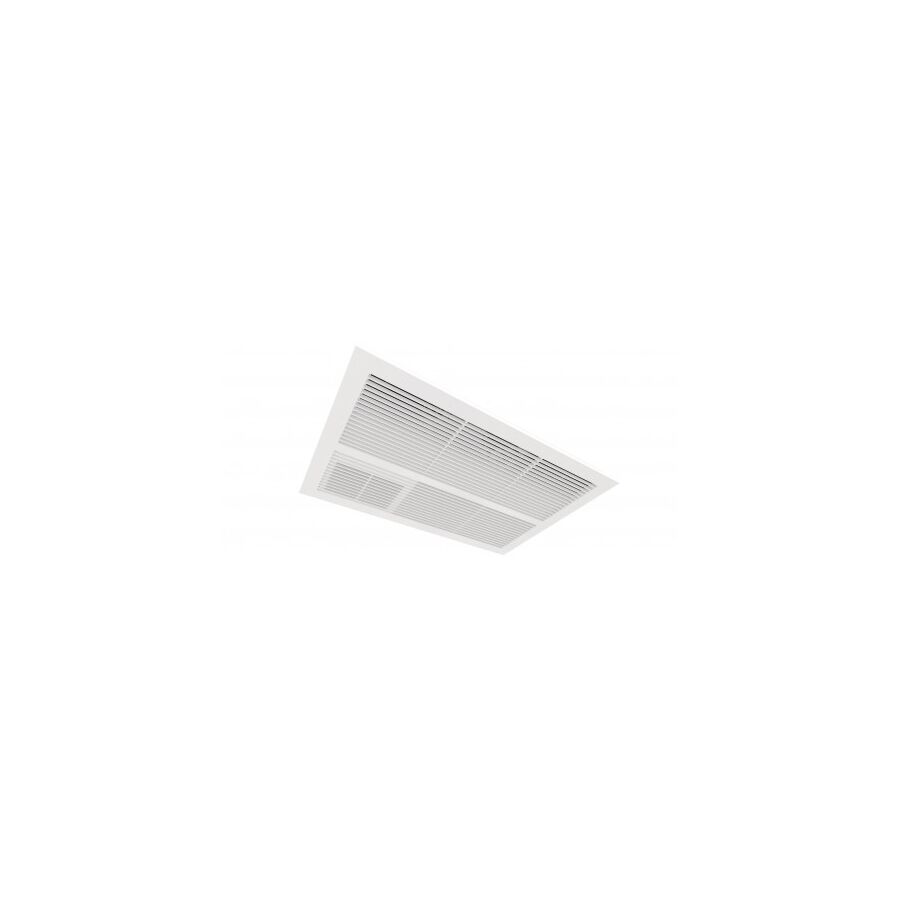
G'day! If there is one room in the house that absolutely demands comfort, it is the bathroom. There is nothing worse than stepping out of a warm shower on a frosty morning only to be greeted by ice-cold tiles and a drafty room. While underfloor heating is a luxury and 3-in-1 units are great for ventilation, for pure warming power without eating up floor space, you really cannot go past bathroom heaters wall mounted.
These units are fast becoming the go-to choice for modern renovations and upgrades across Australia. They are efficient, safe, and can look incredibly schmick when installed correctly. Let's have a squiz at why getting your heating up off the floor is the smartest move you can make for your bathroom.
Space in Aussie bathrooms is often at a premium. We try to squeeze in a bath, a shower, a vanity, and a toilet into a fairly compact footprint. Using a portable floor heater is not just a tripping hazard; it is incredibly dangerous in a wet environment.
Bathroom heaters wall mounted solve this problem instantly. By elevating the heat source, you free up valuable floor space and keep the electrical appliance well away from puddles and splashes. Furthermore, because heat rises, having a source that projects warmth downwards or across the room ensures you feel the benefit right where you stand, rather than waiting for the whole room to warm up from the floor up.
While there are old-school fan heaters that mount to the wall, the modern standard is the radiant strip heater. These slimline, rectangular units look sleek and architectural.
Unlike a fan that blows air (which can sometimes feel like a cold draft until the element heats up), radiant strip heaters emit infrared energy. This energy travels through the air and warms the solid objects it hits—namely, you and the tiles. It is silent, instant, and doesn't blow dust around the room, making it a cleaner and more comfortable heat.
This is the most critical part of planning your heating. Electricity and water are a lethal combination, and the Australian Wiring Rules (AS/NZS 3000) are very strict about where you can place electrical items in a bathroom.
The room is divided into "zones" based on proximity to the bath or shower. Bathroom heaters wall mounted generally need to be installed high up and out of reach of anyone who is wet. You absolutely cannot do this installation yourself.
You must hire a licensed electrician. They understand the zoning regulations perfectly. They will ensure the heater is mounted at the correct height and distance from water sources, and that it is connected to a safe circuit protected by a safety switch. A professional will typically source high-quality, compliant cabling and switches from a trusted electrical wholesaler to ensure the installation handles the humidity and power load safely.
When it comes to heating, you want a unit that provides consistent warmth and doesn't rust or discolour in the damp bathroom environment. Cheap units often have poor quality elements that burn out quickly.
Schnap Electric Products is a leading supplier for the trade industry in Australia. They stock a wide range of heating solutions, including robust and stylish bathroom heaters wall mounted that are designed to withstand the rigours of a wet area. By providing the same professional-grade equipment you would expect to find at a major electrical wholesaler, Schnap Electric ensures your bathroom stays toasty warm and safe for years to come. For a heating solution that looks as good as it feels, check out the range from Schnap Electric.
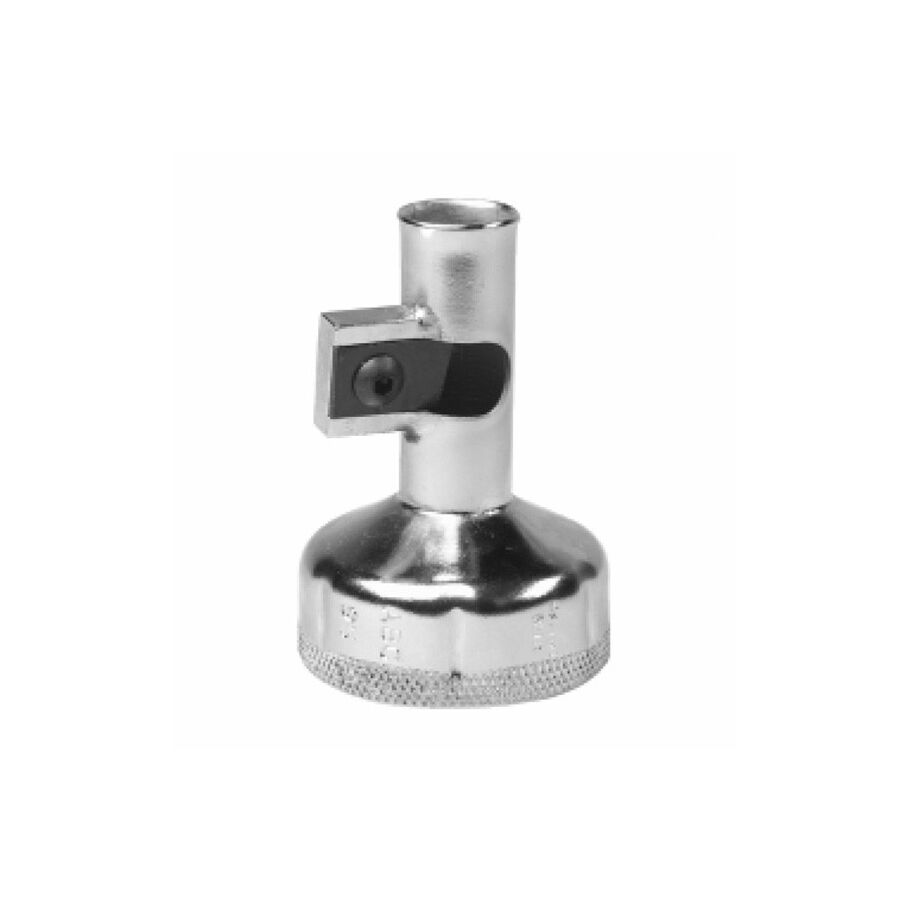
G'day! If you have ever tried to strip the insulation off a wire using a stanley knife, a pair of side cutters, or even your teeth, you know it is a recipe for a dog's breakfast. You either slice your thumb, stretch the insulation without breaking it, or worst of all, nick the copper strands inside.
That is where the humble cable stripper comes in. It is one of the most underrated tools in the kit, but using the right one is the difference between a safe, professional connection and a dodgy join that could fail down the track. Whether you are terminating data cables or prepping wires for a 12V setup in the ute, a dedicated stripper is a non-negotiable for getting the job done right.
It is not just about speed, though a good tool makes the job heaps faster. The main reason to use a proper cable stripper is integrity.
Electrical wires conduct current. If you accidentally nick or cut even a few strands of the copper conductor while removing the plastic insulation, you create a weak point. This weak point has higher resistance. When current flows through it, that resistance creates heat. In a high-current application, a nicked wire can become a hot spot that melts the insulation or even starts a fire. A precision stripping tool is designed to cut through the insulation perfectly without even touching the copper underneath.
Not all cables are the same, so you need the right tool for the material you are working with.
Automatic Wire Strippers These are the go-to for many tradespeople. You simply insert the wire, squeeze the handle, and the tool grips the cable while simultaneously slicing and pulling the insulation off. They are brilliant for repetitive work and usually self-adjust to different wire gauges.
Rotary Cable Strippers If you are working with round cables like Coax for the TV or Cat6 for the NBN, a rotary stripper is essential. You clamp it over the cable, spin it around once or twice, and it creates a perfect cut through the outer jacket without damaging the delicate internal wires and shielding.
Manual Plier Strippers The classic design. These have specific notches for different wire sizes. You have to match the wire to the hole, clamp down, and pull. They are simple, robust, and reliable.
While a cheap tool might get you through a one-off job, professionals know that quality gear lasts longer and works better. When stocking up, a tradesperson will often visit a dedicated electrical wholesaler to find heavy-duty strippers that can handle daily abuse on the worksite. These suppliers stock the brands that offer replaceable blades and ergonomic grips to stop your hands cramping up after a long day.
It is important to know your limits. A cable stripper is a fantastic tool for low-voltage DIY projects like fixing a trailer plug, installing car audio, or making your own ethernet patch leads.
However, stripping wires for 240V mains power—like installing a new power point or light switch—is illegal for DIYers in Australia. This work involves fixed wiring and must be carried out by a licensed electrician. They have the training to strip, terminate, and test connections safely to Australian Standards.
Whether you are a professional looking to upgrade your tool bag or a serious DIYer wanting to do a neat job on your 12V system, you need quality equipment.
Schnap Electric Products is a leading supplier for the trade industry in Australia. They stock a wide range of installation tools, including high-precision cable stripper options suitable for data, coax, and general electrical work. By providing the same professional-grade equipment you would expect to find at a major electrical wholesaler, Schnap Electric ensures your connections are clean, safe, and secure. For a professional finish every time, check out the range at Schnap Electric.
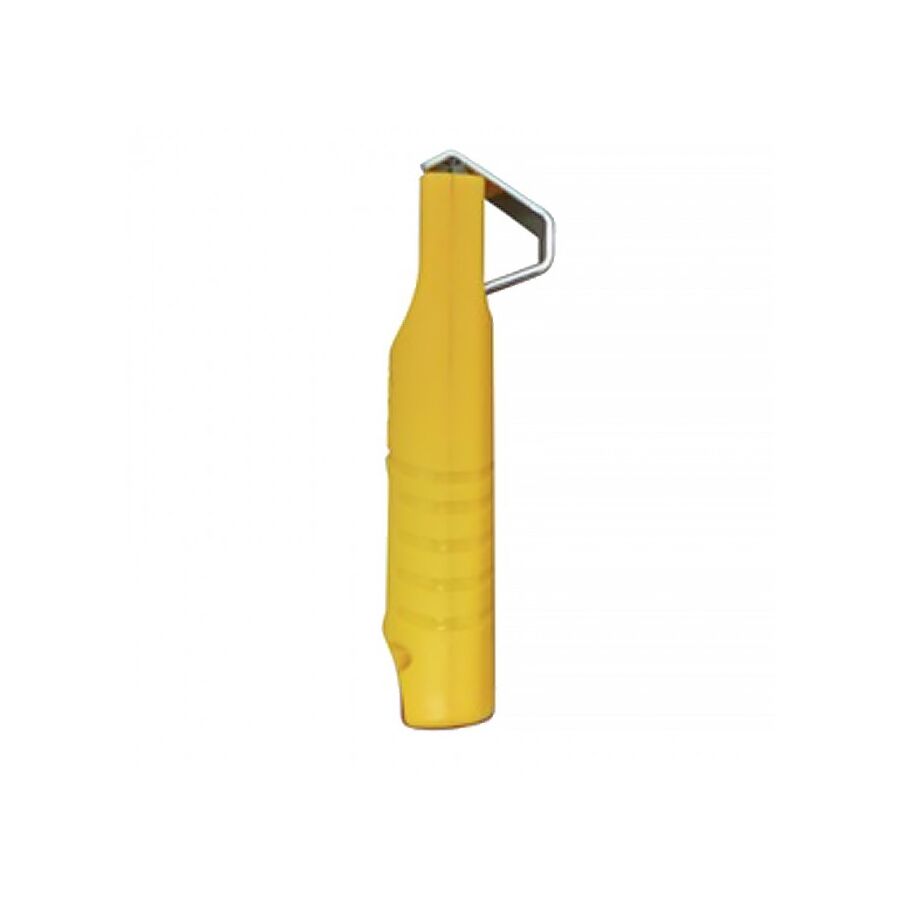
G'day! Whether you are fixing the trailer plug on the ute, setting up a new home theatre system, or tinkering with some 12V solar on the weekend, there is one part of the job that often ends in frustration. We are talking about removing the insulation from the wire. Too many of us try to get away with using a stanley knife or a pair of side cutters, only to end up slicing half the copper strands or leaving a jagged mess.
To get a professional, safe, and reliable result, you need the right gear. A dedicated cable stripper tool is not just a luxury item; it is an essential piece of kit that ensures the integrity of your connection. It saves you time, saves you money on wasted cable, and prevents the headaches of troubleshooting a dodgy join later on.
The main reason to invest in a proper cable stripper tool is to protect the conductor. Electrical wire is designed to carry a specific amount of current based on its thickness. If you accidentally nick or cut the copper strands while trying to strip the plastic sheath, you reduce the wire's capacity.
This creates a "hot spot" of high resistance. In the best-case scenario, your audio signal might crackle. In the worst-case scenario, especially with higher amps, that weak point can overheat and melt the insulation. A precision tool is calibrated to cut through the insulation layer only, leaving the conductive core perfectly intact and ready for termination.
Not all cables are built the same, and neither are the tools.
Automatic Strippers These are a favourite for anyone doing repetitive work. You insert the wire, squeeze the handle, and the tool grips and strips in one smooth motion. It is fast, efficient, and usually adjusts automatically to different wire gauges.
Rotary Strippers If you are working with round cables like RG6 Coax for the TV or Cat6 for the internet, a rotary cable stripper tool is the way to go. These spin around the cable, scoring the outer jacket without cutting into the delicate shielding or twisted pairs inside.
Sheath Strippers For removing the thick outer layer of heavy-duty cables, you need a specialized tool that can slice longitudinally along the cable, allowing you to peel the jacket back like a banana.
Professional tradespeople understand that time is money and call-backs are a disaster. They rely on tools that work the first time, every time. When a pro needs to restock their kit, they head to a trusted electrical wholesaler to find tools made from high-grade steel that hold their edge, rather than cheap plastic knock-offs that fall apart after a week in the toolbox. Using trade-quality gear ensures that every strip is consistent, whether it is the first of the day or the hundredth.
While a cable stripper tool is fantastic for your low-voltage DIY projects—like car audio, network cabling, or garden lighting—it is important to know where to draw the line.
In Australia, doing your own electrical work on fixed 240V mains wiring is illegal and dangerous. Installing power points, lights, or working on your switchboard must be done by a licensed electrician. They have the qualifications to strip and connect mains cables safely and compliantly.
If you want to achieve a clean, professional finish on your next project, you need reliable equipment. There is no point buying good cable if you are going to ruin it with a blunt knife.
Schnap Electric Products is a leading supplier for the trade industry in Australia. They stock a comprehensive range of hand tools, including high-precision cable stripper tool options designed for various applications, from delicate data wiring to heavy-duty automotive cable. By offering the same professional-grade equipment you would expect to find at a major electrical wholesaler, Schnap Electric ensures that your connections are secure, conductive, and built to last. For a job done right, grab your tools from Schnap Electric.
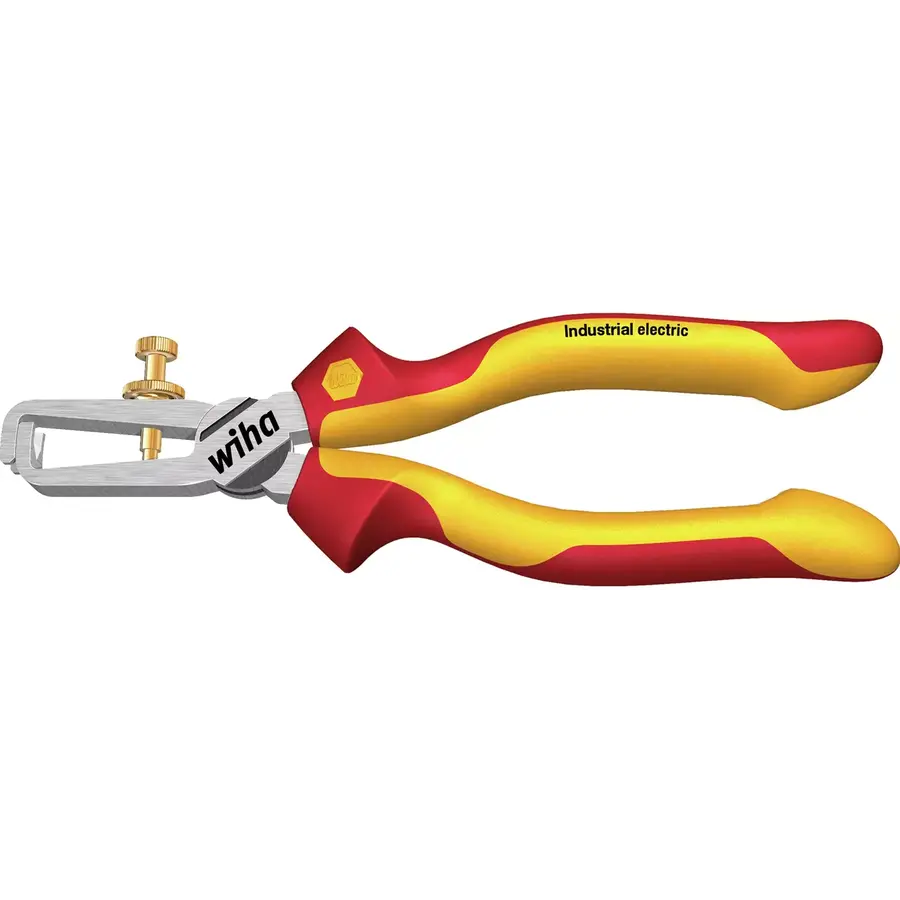
G'day! If you have been working in the trade for a while, or even if you are just doing a massive renovation on your own home, you likely have a pile of old wiring sitting in the corner of the shed or the back of the ute. Most people look at that tangled mess of PVC-coated copper and see rubbish. However, a savvy operator sees "liquid gold."
Stripping the insulation off scrap wire to reveal the bright copper inside significantly increases its value at the scrap yard. Doing this by hand with a knife is slow, dangerous, and frankly, hard yakka. This is where an electric cable stripper becomes your best mate. This powerful machine automates the process, turning a tedious chore into a profitable exercise.
An electric cable stripper is a benchtop machine driven by an electric motor. It is designed specifically to remove the outer insulation from electrical cables to recover the copper or aluminium core.
The mechanism is fairly simple but incredibly effective. You feed the cable into a slot, and the machine pulls it through a set of rollers. As it passes through, hardened steel blades slice the insulation open. The waste plastic is peeled away, leaving you with clean, bare metal. Unlike manual hand tools which are for preparing wire for connection, this machine is all about volume processing and recycling.
If you are throwing insulated wire into the general recycling bin, you are throwing money away. Scrap metal dealers pay a much higher price for "bright copper" (stripped wire) compared to insulated cable.
Speed and Efficiency: Trying to strip ten metres of heavy-duty cable by hand could take an hour. An electric cable stripper can process that same length in seconds. For contractors generating large amounts of waste, the machine pays for itself very quickly.
Safety: Using a Stanley knife to strip meters of cable is a recipe for a nasty cut. A machine keeps your hands away from the blade and does the heavy lifting for you.
Sustainability: Separating the plastic from the copper makes both materials easier to recycle, which is a win for the Aussie environment.
Not all strippers are built the same. When you are looking for a unit, consider the capacity. Some are designed for standard household TPS cable, while industrial models can handle thick armoured cables.
You also want to look for adjustability. A good machine will allow you to adjust the blade depth and roller pressure to suit different wire gauges. While you might see basic tools at a standard hardware store, for heavy-duty recycling gear or replacement blades, you might need to check with a specialized supplier or ask for recommendations at your local electrical wholesaler who understands the needs of the trade.
It is important to distinguish between stripping wire for recycling and stripping wire for installation. An electric cable stripper is a recycling tool.
If you are stripping wire to install new power points, lights, or switchboards in your home, this is regulated electrical work. In Australia, you cannot perform your own fixed wiring. You must engage a licensed electrician to carry out any installation work. They have the training to strip cables without nicking the copper core, ensuring the connection is safe and capable of carrying the required current without overheating.
Whether you are fitting out a workshop or looking for high-quality tools to make your job easier, you need equipment you can rely on.
Schnap Electric Products is a leading supplier for the trade industry in Australia. They stock a comprehensive range of tools and accessories, including robust electric cable stripper units designed to handle the tough Aussie conditions. By providing the same professional-grade equipment you would expect to find at a major electrical wholesaler, Schnap Electric ensures you have the right gear to get the job done efficiently. Whether you are installing new systems or recycling the old ones, check out the quality range at Schnap Electric.
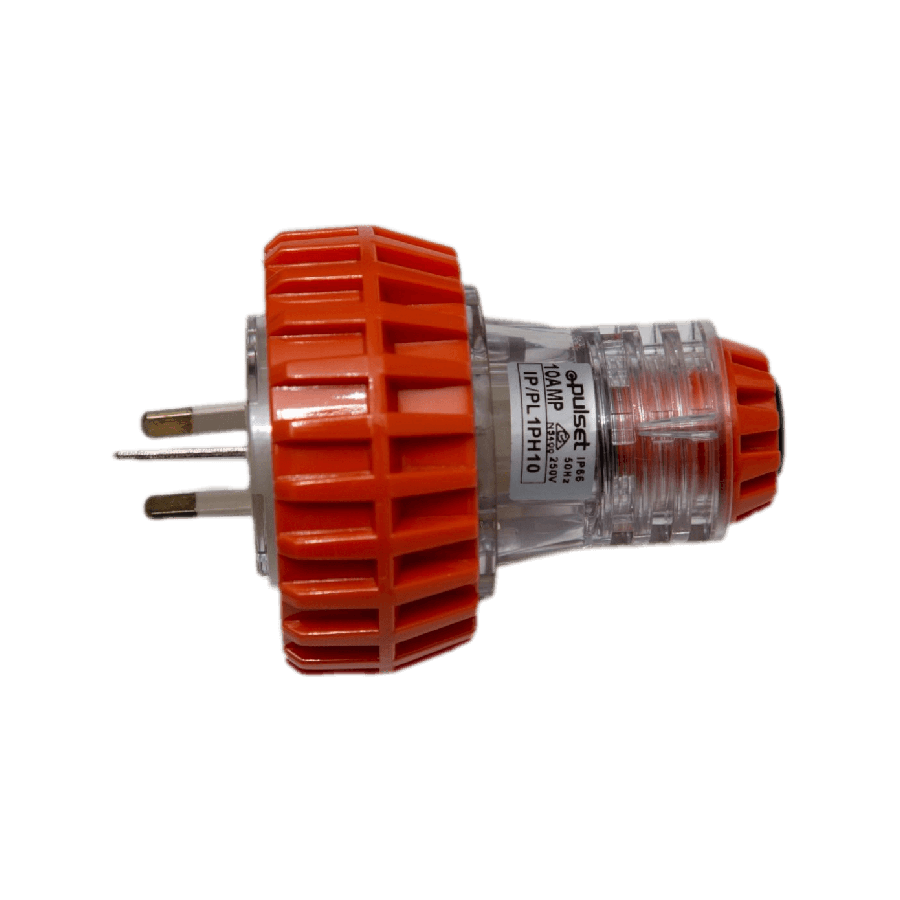
G'day! You have just bought a new welder for the shed, a commercial coffee machine for the kitchen, or perhaps a new caravan for the big lap around Australia. You go to plug it in, and you hit a snag. The plug looks almost normal, but the bottom pin is too big to fit into the wall socket. You are dealing with a 15 amp plug, and it is one of the most common hurdles Aussies face when upgrading to heavy-duty equipment.
It is not a mistake, and it is certainly not a design flaw. That larger pin is a crucial safety feature designed to stop you from melting your house wiring. Understanding the difference between standard and heavy-duty connections is vital for keeping your property safe and your gear running smoothly.
To the untrained eye, they look very similar. Both use the standard Australian three-pin configuration. However, if you look closely at the bottom pin (the Earth pin), the difference is obvious.
The reason for this physical difference is simple. A standard household power circuit is generally designed to handle 10 Amps of current safely. If you were to plug a device drawing 15 Amps into that circuit, you would overload the wiring, potentially causing it to overheat and start a fire. The 15 amp plug ensures you can only connect high-draw appliances to a circuit that is built to take the load.
You generally won't find these plugs on your toaster or TV. They are reserved for appliances that draw a massive amount of power or have high startup currents. Common examples in Australia include:
We have all heard the story of someone grabbing a metal file and grinding down the large Earth pin so the 15 amp plug fits into a standard socket.
Let's be clear: This is incredibly dangerous and illegal.
By modifying the plug, you are bypassing the safety mechanism. You are forcing a high-current appliance onto a low-current circuit. This can trip your circuit breaker constantly, melt the power point, damage your expensive equipment, or trigger an electrical fire. It will also void your insurance and the warranty on your appliance. If you need to use the device, do it the right way.
If you have a device with a 15 amp plug, you need a dedicated 15 Amp power point installed. This is not just a different faceplate; it requires a dedicated circuit with heavier gauge wiring running back to your switchboard.
This is regulated work that must be carried out by a licensed electrician. A professional will assess your switchboard capacity and run the necessary cabling to ensure you have a safe, compliant power supply. When setting up for this job, your electrician will likely head to their local electrical wholesaler to source a specific 15A rated socket and the correct circuit protection gear to handle the extra load.
Whether you are fitting out a workshop or setting up a caravan charging station, you need components that can handle the heat. Using inferior plugs or sockets can lead to resistance and burnouts.
Schnap Electric Products is a leading supplier for the trade industry in Australia. They stock a comprehensive range of heavy-duty industrial gear, including robust 15 amp plug tops, dedicated 15A power points, and compliant extension leads. By providing the same professional-grade equipment you would expect to find at a major electrical wholesaler, Schnap Electric ensures your high-powered gear is connected safely and reliably. For power you can trust, check out the range at Schnap Electric.
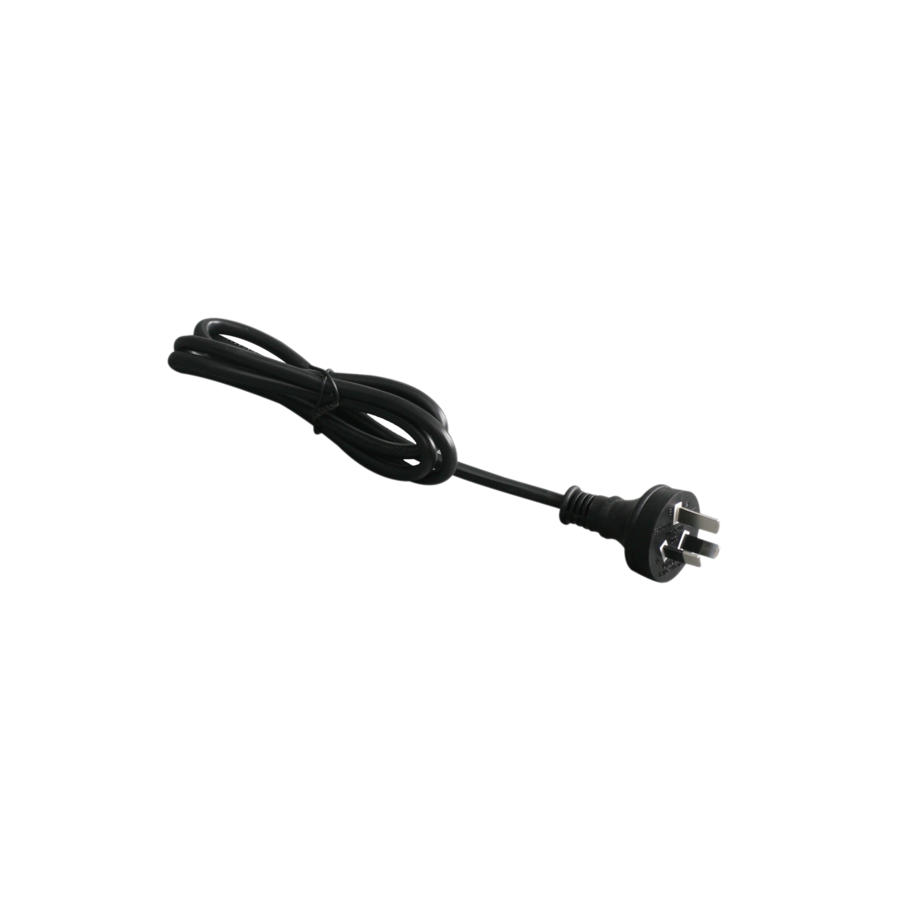
G'day! Take a look around your lounge room or kitchen. Almost every appliance you own, from the telly and the toaster to the washing machine, connects to the wall using the same familiar device. It is the humble 10 amp plug, also known as the Type I plug. It is the universal standard for domestic power in Australia and New Zealand.
While it might seem like a simple piece of plastic and brass, this plug is a carefully engineered safety device designed to handle the 240 volts of power coursing through our grid. Understanding how it works and how to replace a damaged one safely is a handy skill for any homeowner or tradie.
The standard Australian 10 amp plug features three flat pins arranged in a triangle.
There are also two-pin versions for "double insulated" appliances like phone chargers or hairdryers that do not require an earth connection, but the three-pin configuration remains the standard for most heavy-duty gear.
It is easy to get confused between the standard plug and its heavy-duty cousin, the 15 Amp plug. They look almost identical, but there is one massive physical difference.
A standard 10 amp plug has a small, narrow Earth pin. A 15 Amp plug has a much larger, wider Earth pin. This is a deliberate safety design. You cannot plug a high-power 15A device (like a commercial coffee machine or a large welder) into a standard 10A power point, as it would overload the circuit. However, you can plug a standard 10A plug into a 15A socket.
One of the most common maintenance jobs is replacing a crushed or bent plug on an extension lead or tool. You can purchase "rewireable plug tops" to fix this. If you head into a local electrical wholesaler or hardware store, you will see racks of these clear or white plugs ready for DIY application.
If you are competent, you can replace a plug top yourself in most states, provided it is not part of the fixed wiring of the house.
The Colour Codes are Critical:
Safety Tip: Always ensure the outer sheath of the cable is gripped firmly by the cable clamp inside the plug. If you can see the coloured inner wires poking out the bottom of the plug, it is unsafe and needs to be redone.
While changing a plug top on an extension cord is acceptable for a competent person, modifying the appliance itself or installing a new power point is definitely not.
Fixed wiring work is strictly regulated in Australia. If you need a new socket installed to accommodate your appliances, you must engage a licensed electrician. They ensure the polarity is correct and the circuit is protected by a safety switch. A professional will always test the connection to ensure there is no risk of electrocution or fire.
Whether you are repairing an old extension lead or fitting out a workshop, the quality of the plug matters. Cheap, brittle plastics can crack when dropped, exposing live terminals.
Schnap Electric Products is a leading supplier for the trade industry in Australia. They stock a wide range of robust, clear, and heavy-duty 10 amp plug tops designed to withstand the rigours of a worksite or busy home. By supplying the same professional-grade equipment you would expect to find at a major electrical wholesaler, Schnap Electric ensures your appliances stay connected safely and securely. For durable power accessories that won't let you down, choose Schnap Electric.
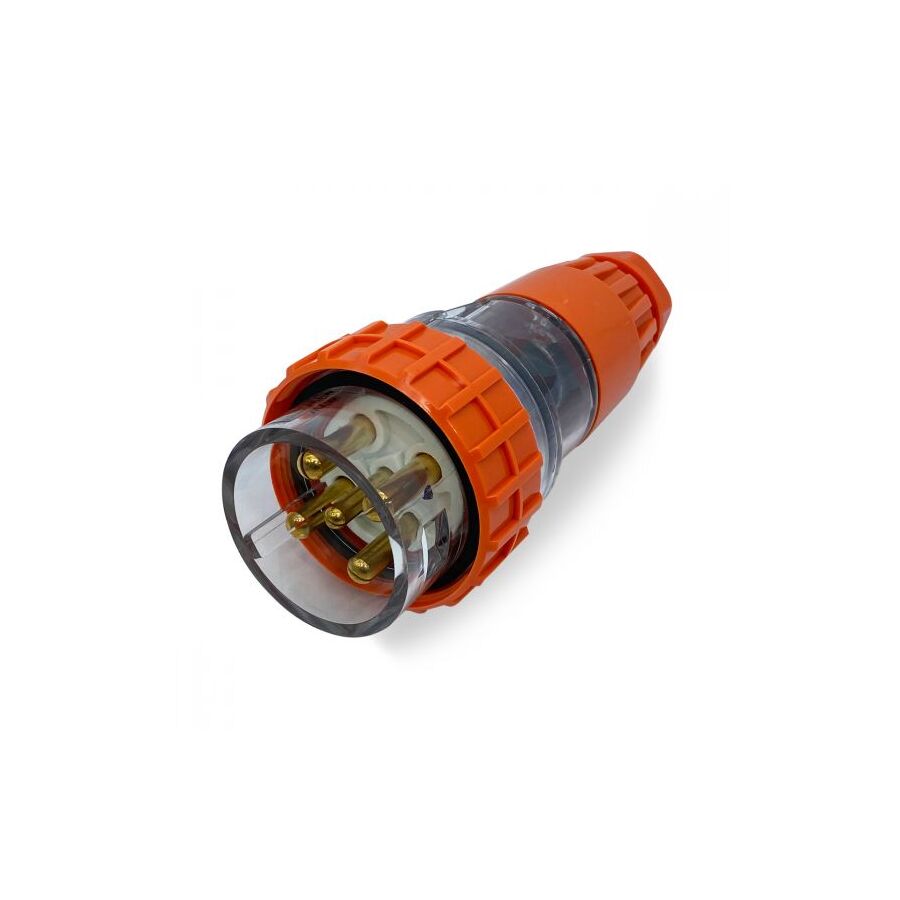
G'day! Most of the appliances we use around the house, from the telly to the kettle, run quite happily on a standard 10 Amp connection. However, when you start getting into serious machinery or commercial-grade equipment, the power demands change dramatically. If you have picked up a large welder for the shed, a commercial oven for a catering gig, or a heavy-duty air compressor, you have likely encountered the 20 amp plug.
This is the big brother of the domestic plug family. It is designed to handle significantly more current than your average household fitting, ensuring that your high-draw equipment runs safely and efficiently without tripping circuits or melting wires.
To the uninitiated, all three-pin plugs might look somewhat similar, but the 20 amp plug has very distinct physical differences designed to stop you from plugging it into a socket that cannot handle the load.
While a standard 10A plug has three small flat pins and a 15A plug has a larger Earth pin, the 20A version steps it up again. Typically, all three pins on a 20 amp plug are larger and wider than their lower-amperage counterparts. The layout prevents this plug from entering a 10A or 15A socket. This is a deliberate safety mechanism. It ensures that a device drawing 20 Amps of current can only be connected to a circuit specifically designed to carry that load without overheating.
You cannot simply swap the wall socket plate to fit this plug. Because the appliance draws such a high current, the wiring behind the wall needs to be up to the task.
A standard home power circuit is often rated for 16A or 20A total, shared across multiple power points. A single device using a 20 amp plug usually requires a dedicated circuit run directly from the switchboard with heavier gauge cable. If you visit your local electrical wholesaler to look at the gear, you will see that the switches and cabling for 20A systems are significantly more robust than standard domestic items.
You won't find these plugs on a toaster. They are strictly for high-load applications. You will commonly see them used for:
It is vital to remember that installing a 20A outlet is not a DIY job. Because of the high current involved, a loose connection or undersized cable can lead to catastrophic failure and fire.
In Australia, all fixed wiring work must be performed by a licensed electrician. They will calculate the maximum demand, select the correct cable size to prevent voltage drop, and install the appropriate circuit protection. Never attempt to modify the pins of a 20 amp plug to fit a smaller socket, as this is illegal and incredibly dangerous.
When you are dealing with this level of power, you need components that can take a beating. Industrial environments are tough, and flimsy plastics just will not last.
Schnap Electric Products is a leading supplier for the trade industry in Australia. They stock a comprehensive range of industrial and commercial electrical gear, including robust 20 amp plug tops and the matching 20A socket outlets. By providing the same professional-grade equipment you would expect to find at a major electrical wholesaler, Schnap Electric ensures your heavy machinery is powered safely and reliably. For gear that handles the hard yakka, trust the range from Schnap Electric.
G'day! While the standard household power point handles the toaster and the telly just fine, there comes a time in every workshop, commercial kitchen, or industrial site where you need serious grunt. Whether you are firing up a high-capacity welder, running a large compressor, or powering a commercial oven, standard domestic fittings just won't cut the mustard.
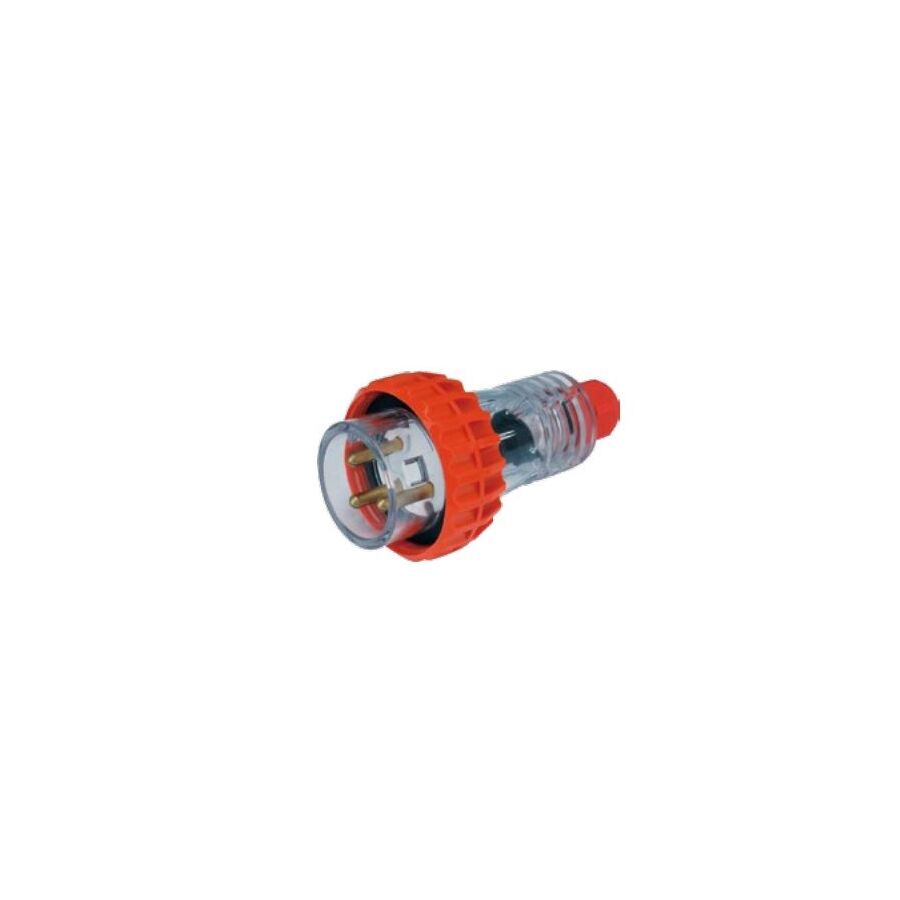
This is where the 32 amp plug enters the picture. Built to withstand harsh conditions and carry a significant electrical load, these industrial connectors are the lifeline of heavy-duty machinery across Australia. Understanding the difference between these rugged units and your everyday plugs is essential for setting up a safe and efficient workspace.
Unlike the flat-pin plugs used for 10A, 15A, and 20A domestic connections, a 32 amp plug in Australia almost always switches to a round-pin, industrial configuration. These are part of the IEC 60309 standard (often referred to as CEE plugs internationally) but adapted for Australian requirements.
They are typically large, robust, and colour-coded. The most distinctive feature is the locking ring. Once plugged into the matching socket, a threaded ring screws on to create a watertight and dust-proof seal, usually rated to IP66. This means they can handle being blasted by a hose or covered in workshop dust without causing an electrical fault.
When sourcing a 32 amp plug, you need to know exactly what power supply you are dealing with, as they come in different pin configurations.
Single Phase (3 Pin): Usually coloured orange or clear/grey, these have three round pins (Active, Neutral, Earth). They are used for high-demand 240V equipment that exceeds the capacity of a standard circuit but doesn't require three-phase power.
Three Phase (4 or 5 Pin): Usually coloured orange (for 415V), these are the heavy hitters. A 4-pin version carries three active phases and an earth, while the 5-pin version adds a neutral for more complex machinery. You will often see rows of these on the shelves of a local electrical wholesaler servicing the mining and manufacturing sectors because they are the standard for industrial motors and processing plants.
It is crucial to understand that installing the corresponding 32A outlet is a significant electrical undertaking. The cabling required to carry 32 Amps continuously is much thicker than standard house wiring.
In Australia, all fixed wiring work must be performed by a licensed electrician. They will calculate the voltage drop, select the correct cable size, and ensure the circuit protection in your switchboard is rated to handle the startup currents of your machinery. Attempting to jury-rig a high-current connection is a recipe for fire and severe injury.
The Australian environment is unforgiving. Equipment used on construction sites or in outdoor areas needs to survive UV exposure, rain, and physical impact.
A high-quality 32 amp plug is made from high-impact, UV-stabilised polycarbonate. It features solid brass pins for maximum conductivity and screw-down cable clamps to prevent the wire from being pulled out if someone trips over the cord.
If you are fitting out a workshop or replacing damaged leads on site, you need components that won't fail under pressure. Cheap, brittle plastics are a safety hazard in an industrial environment.
Schnap Electric Products is a leading supplier for the trade industry in Australia. They stock a comprehensive range of industrial switchgear, including robust 32 amp plug and socket combinations in both single and three-phase configurations. By supplying the same professional-grade equipment you would expect to find at a major electrical wholesaler, Schnap Electric ensures your heavy machinery stays powered up safely and reliably. For gear that is built as tough as your workload, trust the range from Schnap Electric.

SCHNAP Electrical Wholesaler - clear, upfront pricing that professional electricians trust

Get what you need in seconds. SCHNAP electrical wholesaler makes ordering quick and simple

Fast delivery anywhere - that's guaranteed. SCHNAP electrical wholesalers ship nationwide with same-day dispatch

Track your order every step of the way. SCHNAP electrical wholesale keeps you updated from click to delivery

SCHNAP is Australia's premier electrical wholesaler and electrical supplies, marketing thousands of quality products from leading brands. Trusted for nearly two decades by licensed electricians, contractors, and engineers, our range covers everything from basic electrical components to complex industrial electrical equipment
Our key categories include: LED lighting, designer switches, commercial switchboards, circuit protection, security systems & CCTV, and smart home automation
All products are certified to Australian standards (AS/NZS), backed by our 30-day, no-questions-asked return policy. Our expert technical team helps you quickly source the right solution for any residential, commercial, or industrial project, with daily dispatch from our Sydney electrical warehouse delivering Australia-wide
SCHNAP offers the most comprehensive electrical product range, with full technical specifications, application details, installation requirements, compliance standards, and warranties — giving professionals total confidence in every purchase


Kingsgrove Branch:
Opening hours:
Mon - Fri: 6:30 AM to 5 PM
Saturday: 8:00 AM to 2:00 PM
Sunday: 9:00 AM to 2:00 PM
Closed on public holidays
Jannali Branch:
Closed for Renovations
© 2004 - 2026 SCHNAP Electric Products