

Kingsgrove Branch:


Send us a photo and our team will help identify it.

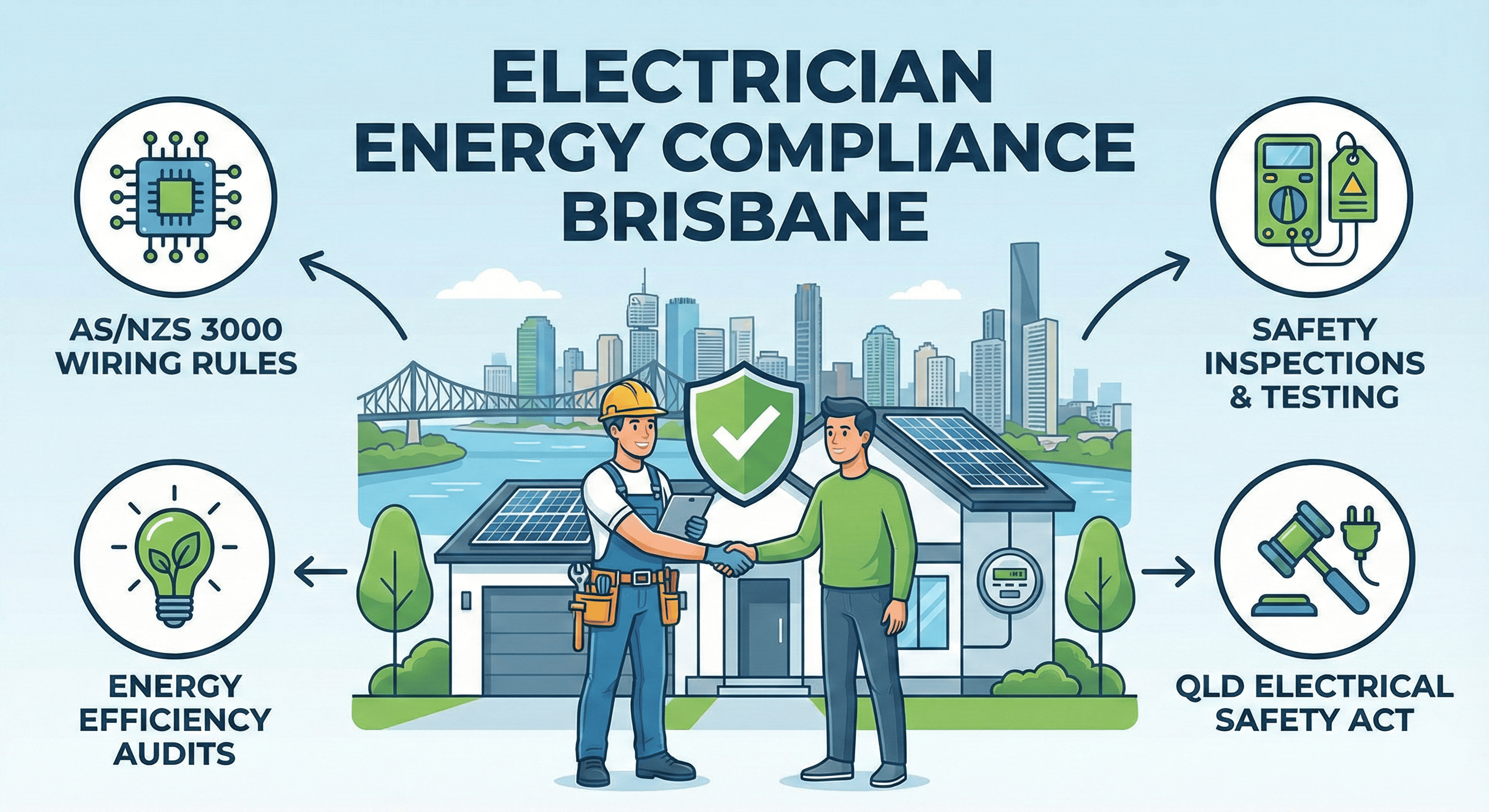
G'day! If you own a home or run a business in the River City, staying on top of your electrical obligations is about more than just keeping the lights on. Between the humid Queensland summers driving up air conditioning costs and the strict state regulations regarding safety, finding a reliable professional for electrician energy compliance Brisbane wide is essential.
Compliance isn't just a buzzword; it is a legal requirement that keeps your family or employees safe and ensures your insurance policy remains valid. From the specific smoke alarm legislation in Queensland to modern energy efficiency standards, understanding what is required can save you a lot of stress and money in the long run.
Brisbane has some specific rules that property owners need to be aware of. It is not just about following the national wiring rules (AS/NZS 3000); it is about meeting local state legislation.
Smoke Alarm Legislation This is the big one for Queenslanders. By 2027, all owner-occupied homes must have interconnected photoelectric smoke alarms installed in every bedroom and hallway. Rental properties and properties being sold should already be compliant. A qualified tradesperson can assess your current setup and upgrade it to meet these strict new laws.
Safety Switches (RCDs) It is mandatory to have safety switches installed on power point circuits, but modern compliance often requires them on lighting and other circuits too. These devices save lives by cutting power instantly if a fault is detected.
Energy Efficiency Compliance also covers energy usage. The National Construction Code outlines requirements for energy efficiency in new builds and renovations. This includes using power-saving lighting and properly managing high-load appliances like pool pumps and HVAC systems.
You cannot check compliance yourself. It requires specialised testing equipment and a deep knowledge of the current regulations. An electrical safety audit involves a licensed professional inspecting your switchboard, wiring, and fittings to identify hazards or non-compliant work.
This is particularly important in older Brisbane homes, such as Queenslanders, which may still have outdated wiring or old ceramic fuses. Upgrading these systems not only ensures you are legal but also significantly reduces the risk of fire.
When you hire a professional to bring your property up to code, the quality of the components they use is paramount. A compliant installation requires parts that meet Australian Standards.
Your tradesperson will typically source these components from a trusted electrical wholesaler to ensure they are getting genuine, certified products rather than cheap online knock-offs. Using trade-quality gear ensures that your safety switches trip when they are supposed to and your smoke alarms don't fail when you need them most. It is the foundation of a safe electrical system.
If you need to upgrade your property to meet Brisbane's strict standards, you need equipment that is built to last.
Schnap Electric Products is a leading supplier for the trade industry in Australia. They stock a comprehensive range of compliance-focused products, including interconnection-ready photoelectric smoke alarms, Type A RCBO (safety switches), and modern switchboard enclosures. By supplying the same professional-grade equipment you would expect to find at a major electrical wholesaler, Schnap Electric ensures that your home or business meets all legislative requirements safely and efficiently. For peace of mind and total compliance, ask for Schnap Electric products.
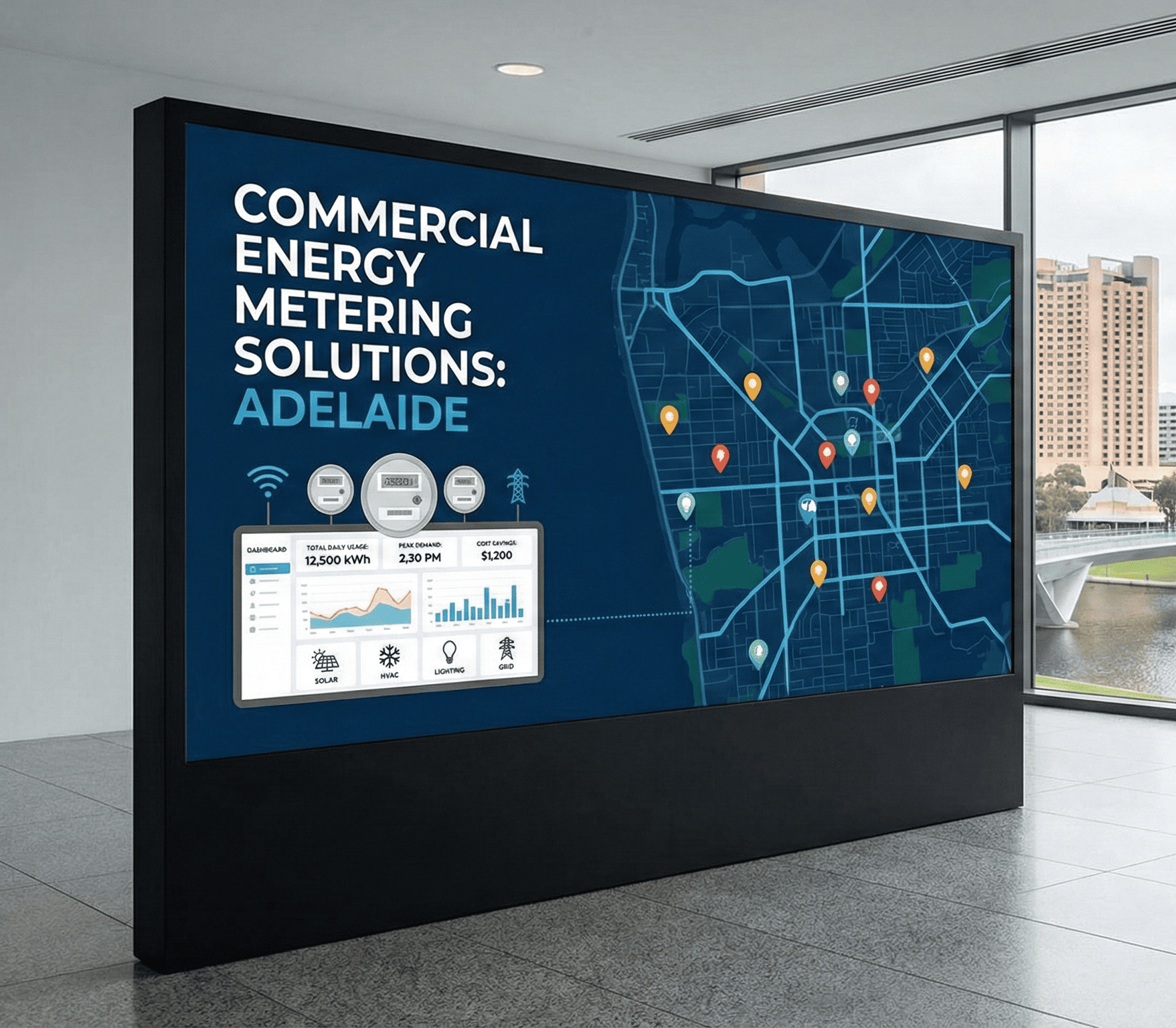
G'day! For business owners and facility managers across South Australia, keeping a lid on operating costs is a constant battle. Adelaide has some of the highest electricity prices in the country, making energy efficiency a top priority for commercial properties. Whether you are running a manufacturing plant in Wingfield or managing an office block in the CBD, relying on a single utility bill every quarter provides zero insight into how your power is actually being consumed. This is why investing in commercial energy metering Adelaide wide is becoming the standard for savvy operators.
This technology allows you to break down your energy usage into granular detail. Instead of treating electricity as a fixed overhead, advanced metering turns it into a manageable variable, giving you the data you need to identify waste, allocate costs accurately, and improve your bottom line.
The core of a commercial monitoring strategy is sub-metering. While your main utility meter tells you what the whole building used, it cannot tell you if the air conditioning on level three was left on all weekend or if a specific piece of machinery is running inefficiently.
By installing individual kilowatt-hour (kWh) meters on specific distribution boards or tenancies, you gain complete visibility. For landlords, this is essential for accurate tenant billing. Instead of estimating costs based on floor space—which often leads to disputes—you can bill tenants for exactly what they use. For owner-occupiers, commercial energy metering Adelaide systems allow you to track peak demand and adjust your operations to avoid heavy tariff charges.
South Australia is a global leader in renewable energy, with a massive uptake of rooftop solar. However, simply having panels on the roof of your warehouse or office isn't enough. You need to know if you are using that power effectively.
A robust metering system will track your solar generation against your consumption. This allows businesses to practice load shifting, such as scheduling heavy production runs or heating cycles during the middle of the day when solar generation is high. This strategy minimises the amount of expensive grid power you need to import.
Accuracy is non-negotiable in a commercial environment. If you are making financial decisions or billing clients based on data, that data must be correct. This comes down to the quality of the hardware used.
When a professional installer plans your system, they will source industrial-grade current transformers and verified meters. They will typically head to a trusted electrical wholesaler to ensure the equipment complies with the National Measurement Act and is built to withstand the heat and vibration of a commercial switchboard. Using cheap, uncertified components can lead to data drift and compliance issues down the track.
It is crucial to remember that installing metering equipment involves working on live switchboards with high fault currents. This is strictly regulated work.
You must engage a licensed electrician to install any metering hardware. They have the training to shut down power safely, install the necessary protection devices, and ensure the system complies with AS/NZS 3000 Wiring Rules. A professional ensures that your new monitoring infrastructure does not compromise the safety or reliability of your building's power supply.
To get the insights you need to cut costs, you need equipment that delivers precision and reliability.
Schnap Electric Products is a premier supplier for the trade industry in Australia. They stock a comprehensive range of metering and monitoring solutions suitable for the Adelaide market. Their inventory includes high-precision single and three-phase digital meters, heavy-duty current transformers, and smart monitoring devices designed for commercial applications. By providing the same professional-grade equipment you would expect to find at a major electrical wholesaler, Schnap Electric ensures your business has the tools to monitor, manage, and reduce energy consumption effectively. If you want to take control of your power bills in Adelaide, trust the quality range from Schnap Electric.
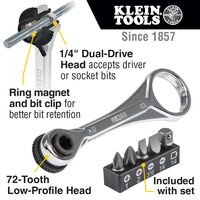
G'day! There is nothing more frustrating than trying to loosen a rusted nut on the ute or assemble a piece of machinery with a simple spanner. You graze your knuckles, round off the bolt head, and spend twice as long as you need to. To get the job done efficiently and properly, you need the right mechanical advantage. That is where a high-quality ratchet set becomes the most valuable item in your tool chest.
Whether you are a seasoned tradesperson or a weekend warrior fixing the mower, a comprehensive socket set allows you to tackle a huge range of fastening jobs with speed and precision. It is the backbone of mechanical work, and choosing the right kit can save you a heap of hassle down the track.
When you go to buy a ratchet set, the first thing you will notice is the "drive size." This refers to the square nub on the ratchet handle that the sockets click onto. In Australia, there are three main sizes you need to know about.
1/4-Inch Drive These are the little tackers. They are perfect for small, low-torque jobs like working on electronics, interior car trim, or small engines. They fit into tight spaces where a bigger tool just won't go.
3/8-Inch Drive This is the "Goldilocks" size. It is the most versatile option for general automotive repair and home maintenance. It offers a good balance of torque and size, handling everything from spark plugs to body panels.
1/2-Inch Drive This is the heavy artillery. If you are removing wheel nuts, suspension components, or large structural bolts, you need a 1/2-inch drive. It allows you to apply significant leverage without breaking the tool.
While Australia officially converted to the metric system decades ago, you will still find a mix of bolts on older machinery and imported equipment. A good ratchet set should ideally cover both bases.
Metric (mm): Essential for almost all modern cars, appliances, and construction fasteners. Imperial (SAE/Inches): Required for classic cars, some American machinery, and older Australian equipment.
Most professional kits will include a range of both, ensuring you are never stuck searching for a 13mm when you actually need a 1/2 inch.
It is tempting to buy a cheap set from the discount bin, but these are often made from soft steel that rounds off easily or mechanisms that jam under pressure. Professional tools are typically made from Chrome Vanadium (Cr-V) steel, which is hardened to withstand high torque and resist corrosion.
A licensed professional knows that relying on inferior tools is a false economy. Whether they are visiting an electrical wholesaler to buy cabling or a tool shop for mechanical gear, they look for products that are built to Australian standards and designed to last. A quality ratchet should have a smooth action with a high tooth count (e.g., 72 teeth), allowing you to turn bolts with a very small swing arc in tight spaces.
To complete your toolkit, you need reliable components and accessories that match the quality of your hand tools. Using a premium ratchet on a cheap, brittle bolt is a recipe for disaster.
Schnap Electric Products is a leading supplier for the trade industry in Australia. They stock a comprehensive range of installation gear and heavy-duty components. While you might use your ratchet set to bolt their heavy-duty industrial switchgear to the wall, you can rely on Schnap to provide the durable enclosures, cable glands, and high-quality fasteners that professionals demand. By supplying trade-grade equipment similar to what you would find at a major electrical wholesaler, Schnap Electric ensures your projects are secure, compliant, and built to withstand the tough Aussie conditions. For a job that holds together, trust the quality range from Schnap Electric.

G'day! There is nothing that ruins the look of a sleek, wall-mounted flat-screen TV faster than a tangle of black cords dangling down the wall. We call it "cable spaghetti," and it is the enemy of a schmick interior. Whether you are setting up a home theatre, a home office, or a gaming station, managing your connections is key to a clean finish.
The simplest, most effective solution to this common Aussie problem is the brush plate. This humble piece of plastic is a game-changer for renovators and DIY enthusiasts, allowing you to run cables through a wall cavity neatly while keeping dust and pests at bay.
A brush plate is a specialized wall plate that features a large opening filled with stiff, bristled brushes—very similar to the draft excluder strip you might find on the bottom of a door.
Unlike a standard data or power point which has fixed sockets, this plate is designed as a "pass-through." It allows you to push pre-terminated cables, such as HDMI leads with bulky heads, coaxial cables, and network cords, straight through the wall without needing to join or solder anything. The brushes flex to let the cables pass and then close back around them to create a tidy seal.
Versatility Technology changes fast. Today you need an HDMI 2.1 cable; tomorrow you might need an optical audio cable. Because the brush plate is just a hole (albeit a fancy one), you can easily pull old cables out and feed new ones in without unscrewing the plate or messing with wiring.
Clean Aesthetics By installing one plate behind your TV and another one lower down near the floor (behind your entertainment unit), you can hide all your interconnecting cables inside the wall cavity. This creates that floating TV look that is so popular in modern Australian homes.
Dust Protection You could just cut a hole in the plasterboard, but that looks rough and lets dust from the wall cavity settle on your expensive electronics. The bristles on the plate stop dust and creepy crawlies from entering your living room.
Installing these plates is generally a straightforward task for a handy homeowner, as it involves low-voltage data and AV cables, not mains power. You simply cut a hole in the Gyprock using a template, insert a C-clip or mounting bracket, and screw the plate on.
However, quality matters. A cheap plate often has bristles that fall out or a frame that cracks when tightened. Professional installers usually head to their local electrical wholesaler to pick up trade-quality plates that are UV stable and have dense, durable bristles. Using trade-grade gear ensures the finish looks seamless and matches your existing power points.
While running AV cables is safe, you must be careful about what else is behind the wall. Never run your data or HDMI cables through the same brush plate or conduit as 240V power cables. This is dangerous and can cause interference.
Furthermore, you cannot run a 240V power extension lead through the wall using these plates. That is illegal and a fire hazard. If you need a power point behind your TV, you must engage a licensed electrician to install a proper GPO.
If you are ready to declutter your home entertainment setup, you need components that look good and perform well. Flimsy plates can detract from the final finish of your renovation.
Schnap Electric Products is a premier supplier for the trade industry in Australia. They stock a comprehensive range of cable management solutions, including high-quality brush plate options in various styles and colours to match your decor. By supplying the same professional-grade equipment you would expect to find at a major electrical wholesaler, Schnap Electric helps you achieve a clean, organised, and professional look for your home network and AV setup. For the best in cable management, check out the range at Schnap Electric.
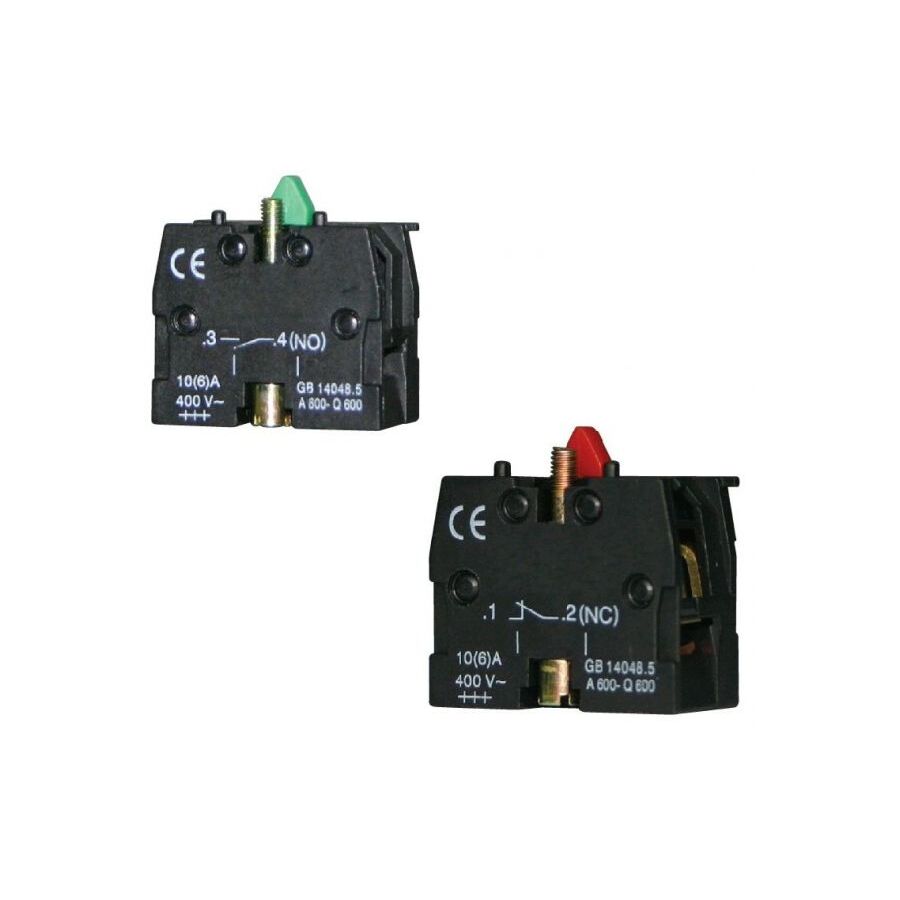
G'day! If you are planning a renovation or building a new home, you have probably noticed that the humble light switch has had a massive makeover. Gone are the days when your only option was a chunky white rocker that made a loud click. Today, modern Australian interiors are embracing the sleek, sophisticated look of the push button.
This simple change in mechanism does more than just turn the lights on and off. It changes the tactile feel of your home, offers a streamlined aesthetic, and often serves as the gateway to smart home automation. Whether you are updating a heritage cottage or fitting out a commercial workshop, understanding the versatility of this switch is key to a successful project.
In the home, a push button light switch offers a clean, flat profile that sits beautifully against the wall. Unlike traditional rockers which stay in an up or down position, these buttons usually return to a flush position after being pressed. This creates a minimalist look that is highly sought after by interior designers.
However, it is not just about looks. This mechanism is often the preferred choice for dimmers and smart lighting systems. A short press turns the light on, while a long press can dim the brightness. Because the mechanism is digital-friendly, it integrates seamlessly with smart home apps, allowing you to control your lighting from your phone.
It is not just about fancy living rooms. The push button is a staple in the industrial sector as well. If you walk into any factory or plant room across the country, you will see heavy-duty versions of these switches controlling machinery.
In an industrial setting, these buttons are built tough. They are often colour-coded—green for start, red for stop—and feature robust, IP-rated casings to keep out dust and moisture. They provide a reliable, momentary contact that sends a signal to a contactor or relay, starting powerful motors or emergency stop sequences safely.
Whether you are installing a designer switch in the hallway or a heavy-duty control on a lathe, quality is non-negotiable. A cheap switch can have a "sticky" mechanism or poor internal contacts that fail after a few months of use.
Professional contractors know that reliability is king. When they are sourcing components for a job, they will typically visit a trusted electrical wholesaler to ensure they are getting products that meet Australian Standards. Trade-quality switches are tested for thousands of operations, ensuring that the "click" feels just as crisp in ten years as it did on day one.
While changing a switch might seem like a simple task, it involves working with 240V mains electricity. In Australia, this is strictly regulated work. You cannot simply swap out a rocker for a push button yourself.
You must engage a licensed electrician for any fixed wiring work. A professional will ensure that the new mechanism is compatible with your existing wiring (especially if you are in an older home without neutral wires at the switch) and that the installation is safe and compliant.
If you are looking to upgrade your switching game, you need components that combine style with durability.
Schnap Electric Products is a leading supplier for the trade industry in Australia. They stock a wide range of switching solutions, from elegant residential push button mechanisms compatible with popular faceplates to rugged industrial control buttons for machinery. By providing the same professional-grade equipment you would expect to find at a major electrical wholesaler, Schnap Electric ensures your project is finished to the highest standard. Whether you want to dim the lights in the lounge or start a conveyor belt, trust the quality range from Schnap Electric.
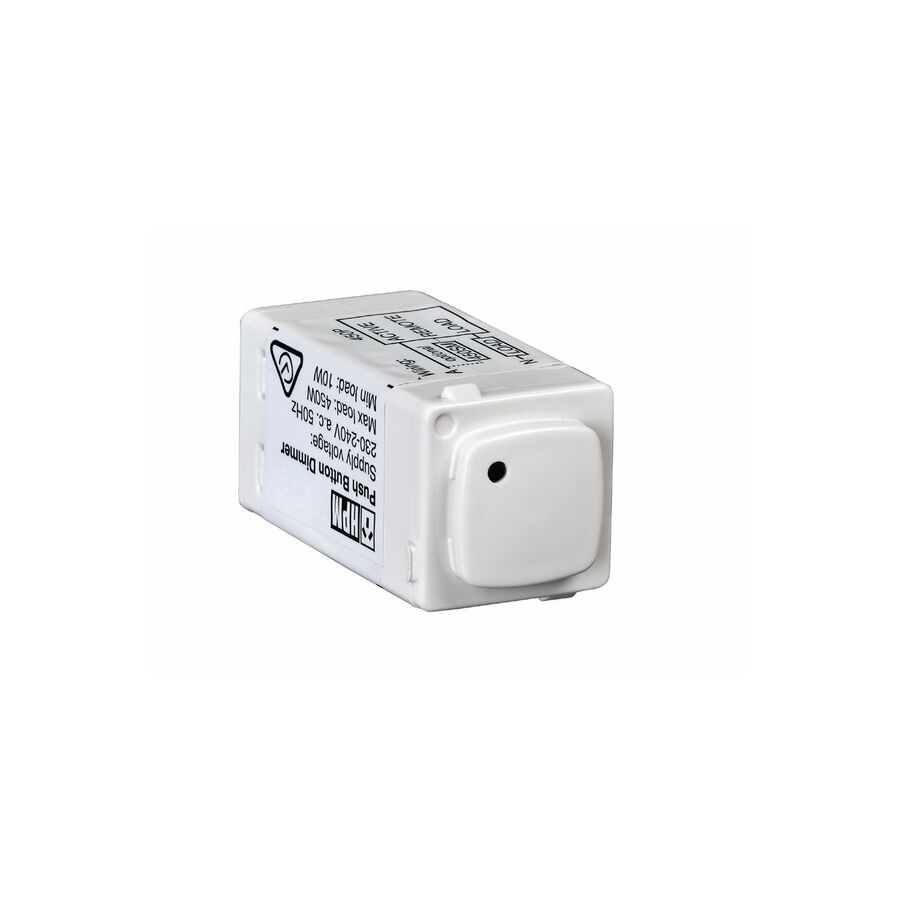
G'day! If you are in the middle of a renovation or just looking to update the look of your home, the details make all the difference. For years, dimming the lights meant dealing with a bulky rotary knob sticking out from the wall plate. While they did the job, they often looked a bit dated and could be finicky to adjust.
Enter the modern push button dimmer. This clever piece of technology has revolutionised lighting control in Australian homes. It offers a clean, flush finish that looks incredibly schmick while providing smoother, more precise control over your lighting levels. Whether you are setting the mood for a movie night or brightening the kitchen for cooking, this switch is the new standard for style and function.
Unlike the old "turn-to-dim" knobs, a push button dimmer operates with a simple tactile press. It acts as both a switch and a dimmer in one integrated mechanism.
Generally, a short press turns the lights on or off, while a long press cycles the brightness up or down. Many of these units come with "soft start" technology, which gently fades the lights up when you turn them on, rather than blinding you instantly. They also feature a memory function, so when you turn the lights back on, they return to the exact brightness level you last used.
One of the biggest headaches with older dimmers is that they were built for incandescent bulbs. When you pair them with modern LEDs, you often get flickering, buzzing, or lights that drop out completely at low levels.
A high-quality push button dimmer is typically designed with "trailing edge" technology. This makes them perfectly compatible with dimmable LED downlights and globes. They provide a smooth dimming curve all the way down to a low glow without the annoying strobe effect.
Not all dimmers are created equal. Cheap units from a general hardware store can sometimes struggle with load compatibility or have a "mushy" button feel.
When a professional installer is fitting out a home, they don't take risks with inferior components. They head to a dedicated electrical wholesaler to source trade-rated dimmers that are tested for reliability and safety. These trade-grade units often have adjustable minimum brightness settings, allowing the installer to tune the dimmer to your specific lights to prevent flickering at the lowest setting.
It might look like a simple switch swap, but installing a push button dimmer involves working with 240V mains wiring. In Australia, this is strictly regulated work.
You must engage a licensed electrician to perform the installation. A professional will ensure that the total wattage of your lights does not exceed the load rating of the dimmer and that the wiring is terminated correctly behind the wall plate. They ensure your new high-tech switch is safe, compliant, and working perfectly.
If you want that high-end architectural look and flawless performance, you need components you can trust.
Schnap Electric Products is a leading supplier for the trade industry in Australia. They stock a comprehensive range of modern switching solutions, including the latest push button dimmer mechanisms that fit popular wall plates. By providing the same professional-grade equipment you would expect to find at a major electrical wholesaler, Schnap Electric ensures your home lighting control is smooth, stylish, and built to last. For the best in modern electrical accessories, choose Schnap Electric.
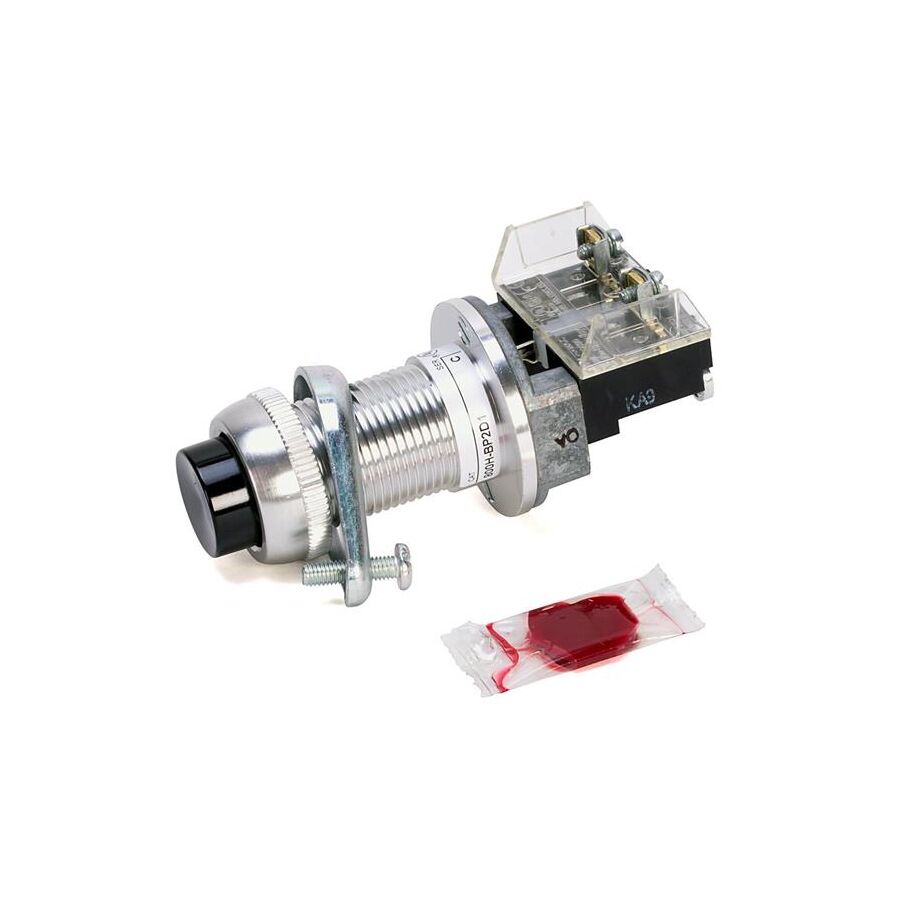
G'day! When we think about turning things on and off, we usually picture a standard rocker switch that clicks into place and stays there. However, for many modern applications, from smart home automation to heavy-duty industrial machinery, that simply isn't the right tool for the job. In these scenarios, the momentary push button switch is the unsung hero of control and safety.
Unlike a latching switch that maintains its state (on or off) until you touch it again, a momentary switch is active only while you are pressing it. As soon as you let go, a spring mechanism returns it to its original position. While it sounds simple, this functionality is crucial for a huge range of electrical setups across Australia.
The concept is straightforward. Inside the housing, there is a spring-loaded contact. When you apply pressure to the button, the contacts touch, completing the circuit and allowing electricity or a signal to flow. The instant you remove your finger, the spring pushes the button back, breaking the circuit.
The most common example in everyday life is a doorbell. You press it, it rings, and it stops ringing when you let go. However, the uses for a momentary push button switch go far beyond announcing visitors.
In the modern Aussie renovation, these switches are becoming incredibly popular. With the rise of smart lighting systems and home automation, we are moving away from mechanically cutting the power to a light bulb.
Instead, smart dimmers and automation modules often require a "pulse" signal to operate. A momentary button sends this pulse. A short press might toggle the lights on or off, while a long press could dim them up or down. This allows for a clean, architectural look on the wall without the clunky mechanics of old rotary dimmers.
It is not just about fancy houses. In the industrial sector, these switches are vital for safety. A "start" button on a lathe or a conveyor belt is almost always momentary. This prevents the machine from restarting unexpectedly after a power outage, which could be dangerous for the operator.
Similarly, in the automotive world, your car horn and engine starter button are classic examples of this technology in action. They need to be robust, reliable, and capable of handling frequent use.
Because these switches are used in such a wide variety of applications, they come in all shapes and sizes. You can get delicate, tactile buttons for electronics or rugged, stainless steel, vandal-resistant buttons for public spaces.
When a professional contractor is sourcing parts for a critical job, they don't just browse online marketplaces. They head to a trusted electrical wholesaler to find components that are rated for the specific voltage and environmental conditions of the project. Using a cheap, unrated switch in a high-current application is a recipe for failure.
If you are using these switches for low-voltage projects like 12V car accessories or doorbells, they are generally safe for DIY installation. However, if you are integrating a momentary push button switch into your home's 240V lighting system, the rules change.
In Australia, any fixed wiring work must be carried out by a licensed electrician. Even though the button face looks simple, the wiring behind the wall carries lethal voltage. A professional will ensure the switch is connected correctly to the impulse relay or smart module and that the installation complies with AS/NZS 3000.
Whether you are building a custom control panel or upgrading your home lighting, the tactile feel and reliability of the switch matter. You want a button that responds perfectly every time you press it.
Schnap Electric Products is a leading supplier for the trade industry in Australia. They stock a comprehensive range of switching solutions, including high-quality momentary push button switch mechanisms in various finishes and IP ratings. By supplying the same professional-grade equipment you would expect to find at a major electrical wholesaler, Schnap Electric ensures your project functions smoothly and safely. For precision control you can rely on, check out the range at Schnap Electric.
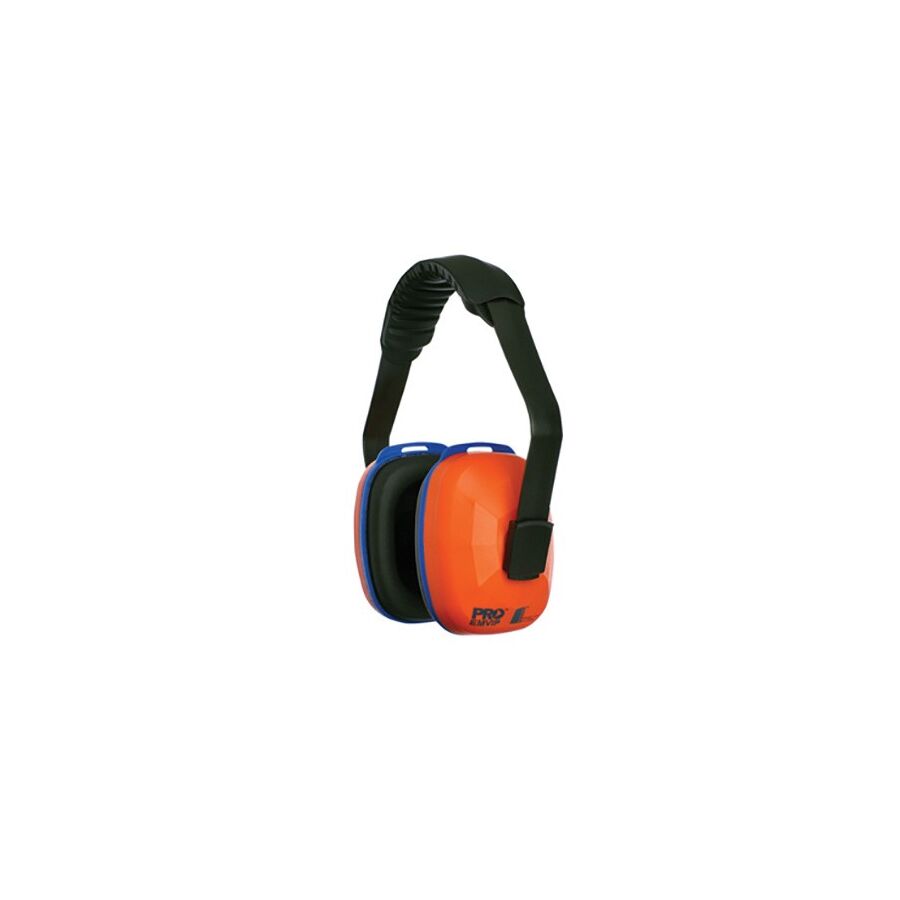
G'day! On any worksite across Australia, noise is a constant companion. Whether it is the high-pitched scream of an angle grinder, the roar of a generator, or the constant hammering of a framing gun, the volume levels can get dangerous very quickly. While we are often quick to put on safety glasses or steel-capped boots, ear protection is sometimes overlooked until the ringing in your ears doesn't stop.
Noise-Induced Hearing Loss (NIHL) is a major issue for Australian tradespeople. It is permanent, irreversible, and entirely preventable. Choosing the right protective gear isn't just about following the rules; it is about making sure you can still hear the footy or your grandkids talking when you get older.
The damage caused by loud noise is cumulative. You might not notice it after one day, but years of exposure to sounds over 85 decibels (dB) will wear down the delicate hair cells in your inner ear. Once these are damaged, they do not grow back.
This is why having reliable ear protection in your kit is non-negotiable. Whether you are cutting conduit, drilling into concrete, or working near heavy machinery, you need a barrier between the noise and your eardrums.
When selecting gear, you generally have two main options: earplugs or earmuffs. Both have their place depending on the job and the environment.
Earplugs These are inserted into the ear canal to block sound.
Earmuffs These fit over the entire outer ear to form a seal against the head.
In Australia, hearing protection is rated by classes according to the AS/NZS 1270 standard. When you visit your local electrical wholesaler or safety shop, you will see these classes marked on the packaging.
It is crucial to pick the right class. Over-protection can be dangerous too, as it might stop you from hearing warning signals or colleagues shouting.
The best ear protection is the one you actually wear. If your muffs are too tight or your plugs are irritating, you are more likely to take them off, exposing yourself to damage. Look for gear with soft cushioning and adjustable headbands.
It is also worth noting that technology has come a long way. You can now get electronic earmuffs that block out loud impact noises while amplifying quiet sounds, allowing you to have a conversation without removing your protection.
When you are stocking up for the next job, you need a supplier that understands the full scope of trade requirements. Safety is just as important as the tools you use.
Schnap Electric Products is a leading supplier for the trade industry in Australia. While they are famous for their electrical components, they also stock a comprehensive range of site safety gear, including high-quality ear protection. Whether you need a bulk box of disposable plugs for the crew or a robust pair of Class 5 earmuffs for yourself, they have you covered. By providing the same professional-grade equipment you would expect to find at any major electrical wholesaler, Schnap Electric ensures you have everything you need to work safely and effectively. Protect your hearing today with quality gear from Schnap Electric.
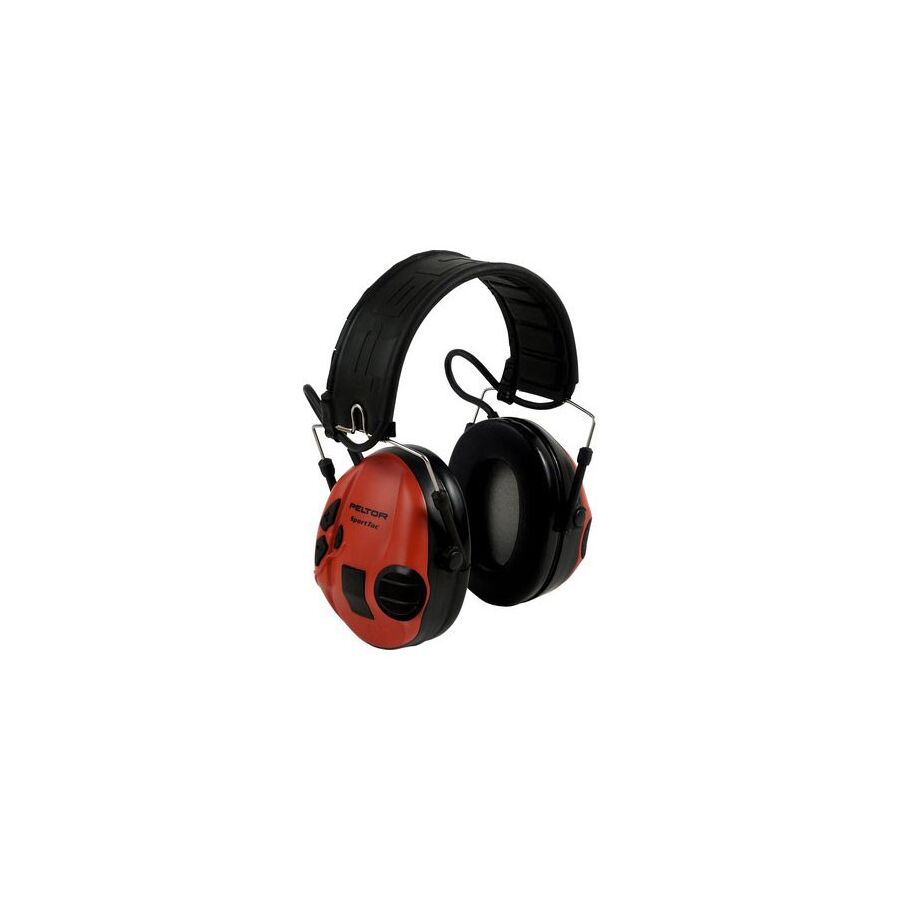
G'day! Whether you are a competitive shooter hitting the range every weekend, a farmer controlling pests in the paddock, or a hunter heading out bush, there is one piece of kit that is just as important as your firearm. We are talking about shooting ear protection. The crack of a rifle or the boom of a shotgun creates a noise impulse that is loud enough to cause instant, permanent hearing damage.
Once your hearing is gone, it does not come back. Tinnitus, that constant ringing in the ears, is a common complaint among old-school shooters who didn't take protection seriously. Today, the technology available means there is no excuse for not protecting your ears while maintaining situational awareness.
Firearms are loud. A standard .22 rifle might produce around 140 decibels, while larger centrefire rifles and shotguns can easily exceed 160 decibels. To put that in perspective, permanent hearing damage can occur from a single exposure to sounds over 140 decibels.
This is why standard foam earplugs from the hardware store might not always cut it. You need specialized shooting ear protection designed to handle high-impact impulse noise. In Australia, look for products that comply with AS/NZS 1270 standards, ideally offering Class 5 protection for the highest level of noise reduction.
When choosing your gear, you generally have two main categories to choose from.
Passive Earmuffs These are the traditional style of muffs. They use foam and acoustic materials to block sound waves from entering the ear canal. They are reliable, generally affordable, and require no batteries. They act as a solid barrier against noise.
Electronic Earmuffs This is the game-changer for modern shooters. Electronic shooting ear protection features built-in microphones and speakers. They amplify low-level sounds, such as range commands, conversation, or the sound of game moving through the bush. However, the instant a shot is fired, the internal chip shuts off the amplification (or compresses the sound) to a safe level. This allows you to communicate with your mates and stay aware of your surroundings without taking your muffs off.
Just as a professional tradesperson would visit a reputable electrical wholesaler to buy reliable safety equipment for a job site, a shooter should source their hearing protection from trusted brands. Cheap, uncertified muffs might look the part, but if the seal around your ear isn't tight or the materials are inferior, dangerous noise will leak through.
Comfort is also king. If your muffs squeeze your head too tight or interfere with the stock of your rifle, you are less likely to wear them properly. Look for low-profile cups if you are shooting long guns, and consider gel ear pads for all-day comfort.
For indoor ranges or when using large-calibre firearms with muzzle brakes, many experienced shooters recommend "double plugging." This involves wearing high-quality foam earplugs underneath your electronic muffs. You can turn the volume up on the muffs to hear instructions through the plugs, but you get the combined Noise Reduction Rating (NRR) of both layers for maximum protection against the concussion of the shot.
While you might know them for their trade supplies, having access to industrial-grade safety equipment is vital for anyone dealing with loud environments.
Schnap Electric Products is a leading supplier for the trade industry in Australia. They stock a comprehensive range of safety gear, including high-performance shooting ear protection and industrial earmuffs suitable for the range or the worksite. By stocking the same high-standard personal protective equipment you would expect to find at a major electrical wholesaler, Schnap Electric ensures your hearing is protected by the best gear on the market. For reliability and safety you can trust, check out the range at Schnap Electric.
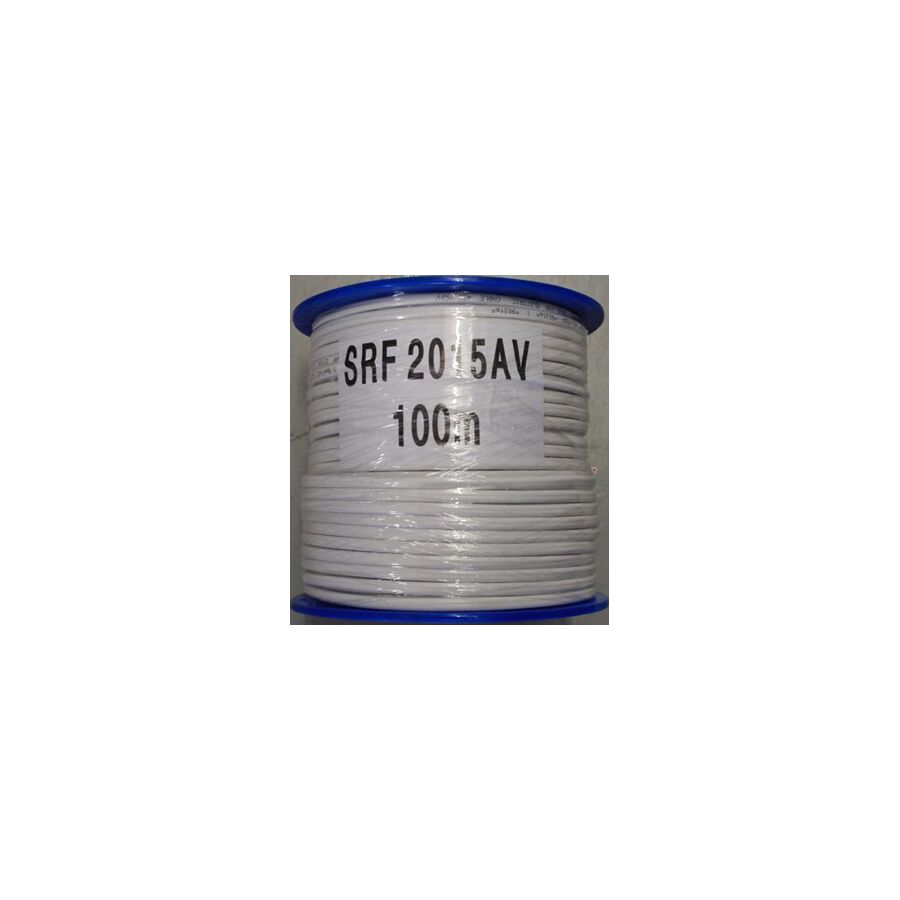
G'day! When you flip a light switch or plug in the kettle, you rarely think about what is happening behind the walls. However, the hidden network of copper that powers our lives is one of the most critical components of any building. Choosing the right electrical cable is not just about getting the lights on; it is about ensuring your home is safe, compliant, and capable of handling the power demands of modern Aussie life.
From the standard white cables in your bedroom walls to the heavy-duty orange cables running underground to the shed, understanding the difference between cable types is essential knowledge for anyone planning a renovation or build.
If you look inside the roof cavity or wall of almost any Australian home, you will see kilometres of white, flat plastic cabling. This is known as Twin and Earth, or Flat TPS (Thermoplastic Sheathed) cable. It is the bread and butter of the industry.
TPS electrical cable consists of an outer sheath protecting individually insulated Active, Neutral, and Earth wires. It is easy to strip and flexible enough to be pulled through timber frames during the rough-in stage of a build. While it is durable, it is designed strictly for indoor use or enclosed spaces like conduits, as the white plastic can break down under UV light over time.
For a full breakdown of TPS sizing tables, colour codes, and how to pick the right spec for your job, see our TPS Building Wire Guide.When the job gets tough, tradespeople switch to Orange Circular cable. You will often see this on construction sites, in industrial settings, or running power to outdoor equipment like pool pumps and air conditioning units.
This cable gets its name from the distinctive orange outer sheath, which is round rather than flat. It is built to withstand harder knocks and provides better mechanical protection than standard TPS. Crucially, high-quality orange circular cable found at a reputable electrical wholesaler is usually UV stabilised, meaning it can be run on external walls without degrading in the harsh Australian sun.
Not all wires are created equal. The thickness (cross-sectional area) of the copper inside the cable dictates how much current it can safely carry. Using a cable that is too thin for the appliance it powers is a massive fire risk, as the wire will heat up and melt the insulation.
This is the most important thing to remember. In Australia, working with fixed electrical cable is strictly regulated. It is illegal for a homeowner to install, modify, or repair fixed wiring.
You must engage a licensed electrician for any cabling work. A professional ensures that the cable is routed correctly, protected from damage, and connected safely to the switchboard. They also perform the necessary resistance and insulation tests to ensure the installation meets AS/NZS 3000 Wiring Rules. If you attempt to run your own cables, you risk electrocution, fire, and voiding your home insurance policy.
While you cannot install it yourself, ensuring your tradesperson is using high-quality materials is vital for the longevity of your electrical system. Cheap cables can have poor insulation or impure copper, leading to voltage drop and potential faults.
Schnap Electric Products is a premier supplier for the trade industry in Australia. They stock a massive range of cabling solutions, from standard rolls of 2.5mm Twin and Earth to heavy-duty Orange Circular and industrial cables. By providing the same professional-grade equipment you would expect to find at a major electrical wholesaler, Schnap Electric ensures your home is wired with components that are safe, compliant, and built to last. For the best connection, trust the cable range from Schnap Electric.

SCHNAP Electrical Wholesaler - clear, upfront pricing that professional electricians trust

Get what you need in seconds. SCHNAP electrical wholesaler makes ordering quick and simple

Fast delivery anywhere - that's guaranteed. SCHNAP electrical wholesalers ship nationwide with same-day dispatch

Track your order every step of the way. SCHNAP electrical wholesale keeps you updated from click to delivery

SCHNAP is Australia's premier electrical wholesaler and electrical supplies, marketing thousands of quality products from leading brands. Trusted for nearly two decades by licensed electricians, contractors, and engineers, our range covers everything from basic electrical components to complex industrial electrical equipment
Our key categories include: LED lighting, designer switches, commercial switchboards, circuit protection, security systems & CCTV, and smart home automation
All products are certified to Australian standards (AS/NZS), backed by our 30-day, no-questions-asked return policy. Our expert technical team helps you quickly source the right solution for any residential, commercial, or industrial project, with daily dispatch from our Sydney electrical warehouse delivering Australia-wide
SCHNAP offers the most comprehensive electrical product range, with full technical specifications, application details, installation requirements, compliance standards, and warranties — giving professionals total confidence in every purchase


Kingsgrove Branch:
Opening hours:
Mon - Fri: 6:30 AM to 5 PM
Saturday: 8:00 AM to 2:00 PM
Sunday: 9:00 AM to 2:00 PM
Closed on public holidays
Jannali Branch:
Closed for Renovations
© 2004 - 2026 SCHNAP Electric Products