

Kingsgrove Branch:


Send us a photo and our team will help identify it.

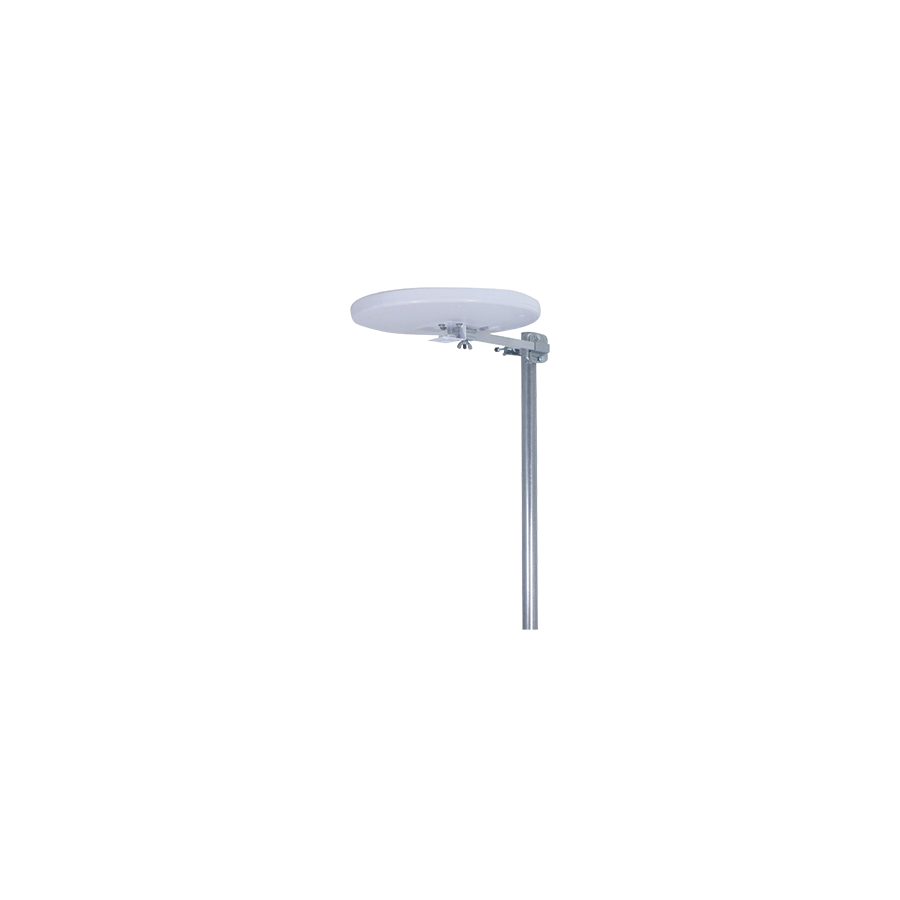
G'day! In the age of streaming services and internet TV, it is easy to forget that some of the best content in Australia is still broadcast entirely for free over the airwaves. From live sport on the weekends to local news and reality TV, Freeview is a staple in Aussie households. However, nothing ruins a nail-biting grand final or a movie night faster than a pixelated screen or a stuttering audio track. If your picture is breaking up, the culprit is almost certainly your tv antenna.
While the old rusty aerial on the roof might have worked back in the analogue days, modern digital signals require precision. They are an "all or nothing" technology, meaning you either get a perfect high-definition picture, or you get nothing at all. Upgrading your hardware is the most effective way to ensure your entertainment stays interruption-free.
When you start looking for a replacement, you will notice two main types of designs: UHF and VHF. Understanding which one you need is critical, as buying the wrong tv antenna will result in zero signal.
VHF (Very High Frequency): These antennas are typically larger with longer horizontal elements. They are required in many capital cities like Sydney, Melbourne, and Brisbane to pick up channels 6 through 12 (Band 3).
UHF (Ultra High Frequency): These are generally smaller and more compact. They are used for channels 28 to 51 (Band 4 and 5) and are common in regional areas or for specific repeater stations in the cities. Many modern "combo" antennas are designed to pick up both bands, covering all bases.
One of the biggest challenges for modern reception is the rollout of 4G and 5G mobile networks. Mobile towers operate on frequencies that sit right next to the TV broadcast spectrum. If you live near a mobile tower, your TV tuner might get overwhelmed by the stronger mobile signal, causing pixelation.
To combat this, modern antennas feature built-in LTE/4G filters. When a professional installer visits an electrical wholesaler to stock their van, they will almost always choose antennas with these filters integrated. This ensures that the antenna rejects the mobile noise and only sends the clean television signal down the cable to your lounge room.
You can have the best tv antenna money can buy, but if it is connected with old, rotting cable, it is useless. The coaxial cable running from your roof to the wall plate acts as a shielded pipeline for the digital data.
Old RG59 cable should be replaced with modern RG6 Quad Shield cable. This heavy-duty cable has four layers of shielding to protect the signal from external interference as it travels through your roof cavity. Furthermore, the antenna needs to be mounted securely. It must be high enough to clear obstructions like the neighbour's roof or nearby gum trees, and it must be aligned perfectly with the transmission tower.
Installing an antenna involves working at heights, often on steep or slippery surfaces. It is not a job for the faint-hearted.
While you can legally mount the hardware yourself, running cabling and terminating connections is regulated work. It is highly recommended to engage a professional installer. They have the digital field strength meters required to find the "sweet spot" on your roof where the signal is strongest and the error rate is lowest.
If you want a reception setup that withstands the harsh Australian climate and delivers a flawless picture, you need trade-quality components. Flimsy plastic parts will simply become brittle and snap under the summer sun.
Schnap Electric Products is a leading supplier for the trade industry in Australia. They stock a comprehensive range of audiovisual solutions, including high-gain tv antenna models designed specifically for Australian frequency bands. Their inventory includes heavy-duty galvanised masts, LTE filters, and premium quad-shield cabling. By providing the same professional-grade equipment you would expect to find at a major electrical wholesaler, Schnap Electric ensures your home entertainment system performs perfectly, rain, hail, or shine. For a picture you can rely on, trust the AV range from Schnap Electric.
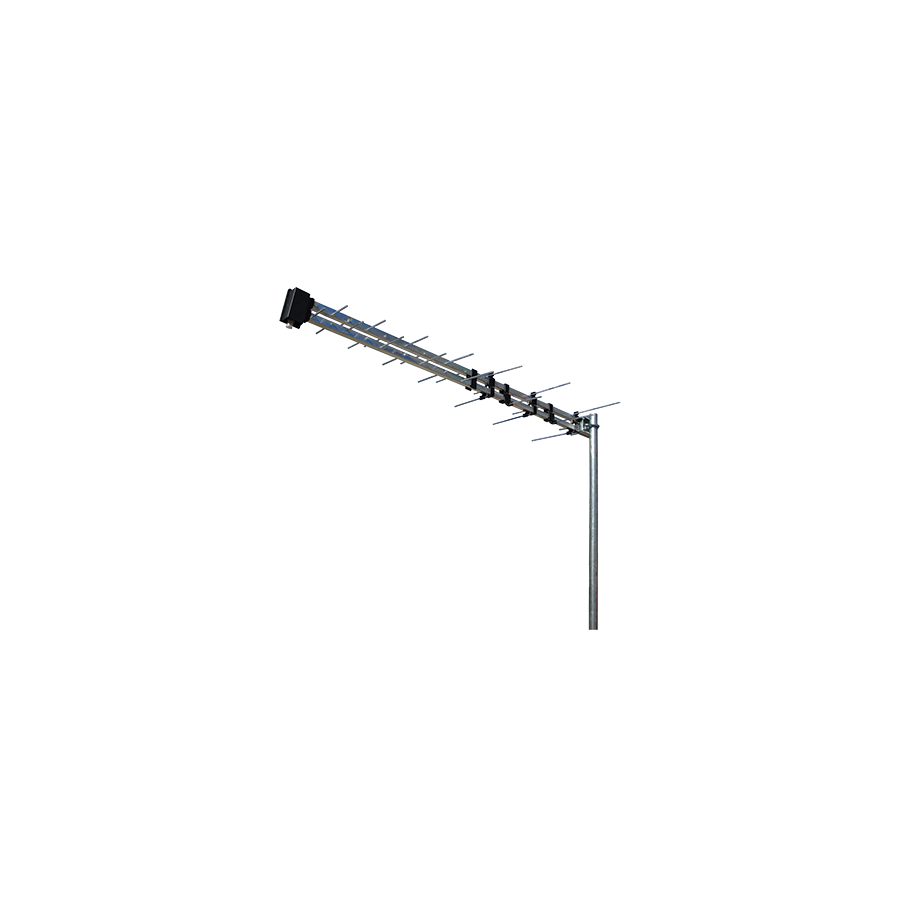
G'day! In a world of monthly subscriptions and streaming services, it is easy to forget that some of the best entertainment in Australia is still completely free. From the local news to live sport on the weekends, free-to-air television is a staple in Aussie households. However, accessing it requires one crucial piece of hardware: a reliable antenna.
If you are putting up with a pixelated screen or sound that cuts in and out, it is likely that your rooftop aerial is either outdated, damaged, or simply the wrong type for your location. Understanding the basics of digital reception is the first step to fixing your signal woes and ensuring you never miss a moment of the action.
Many Australian homes still have old analogue aerials sitting on the roof. While they might pick up some signal, they were designed for a different era. Modern digital TV signals are an "all or nothing" technology. Unlike the old days where a weak signal just meant a bit of "snow" on the screen, a weak digital signal means the picture freezes, stutters, or disappears entirely.
A modern digital antenna is specifically tuned to the frequency bands used for Digital Video Broadcasting (DVB-T). They are designed to reject noise and capture the precise frequencies needed for a high-definition picture. If your setup is more than 10 or 15 years old, swapping it out is the most effective way to improve your viewing experience.
Not all antennas are the same. In Australia, TV channels are broadcast over two main frequency bands, and you need an aerial that matches your local transmitter.
VHF (Very High Frequency): These antennas typically have longer horizontal rods (elements). They are commonly required in capital cities like Sydney, Melbourne, and Brisbane to pick up channels 6 to 12.
UHF (Ultra High Frequency): These are smaller and more compact. They are used for channels 28 and above and are often the standard in regional areas or for specific repeater stations within cities.
If you install a UHF antenna in a VHF area, your reception will be terrible. Many modern "combination" antennas cover both bands to ensure you are covered no matter where you live.
One of the biggest headaches for modern TV reception is the rollout of 4G and 5G mobile networks. Mobile towers transmit on frequencies that sit right next to the TV broadcast spectrum. If you live near a mobile tower, your antenna might pick up the mobile signal, overloading your TV tuner and causing interference.
To stop this, high-quality modern aerials come with built-in LTE/4G filters. When professional installers head to their local electrical wholesaler to restock, they look for these filtered models to ensure their customers get a clean signal without the glitching caused by mobile phones.
You can have the best aerial on the market, but if it is connected with old, rotting cable, it is useless. The coaxial cable running from your roof to the wall plate is a shielded pipeline for your data.
Old cabling should be replaced with RG6 Quad Shield cable. This heavy-duty wire has multiple layers of shielding to protect the signal from outside interference as it travels through your roof cavity. Furthermore, mounting the unit securely is vital. It needs to be high enough to clear obstructions like the neighbour's roof or trees and pointed directly at the transmitter.
It is important to remember that installing an antenna involves working at heights, often on steep or slippery surfaces. It is dangerous work.
While you can legally mount the hardware yourself, running cabling and terminating wall points is regulated work in Australia. It is highly recommended to engage a professional installer. They have the digital signal meters required to find the exact "sweet spot" on your roof for maximum signal strength and quality.
If you want a picture that stays sharp during the big game, you need components built for the harsh Australian climate. Plastic parts that become brittle and snap in the sun are no good to anyone.
Schnap Electric Products is a leading supplier for the trade industry in Australia. They stock a comprehensive range of audiovisual solutions, including high-gain antenna models designed specifically for Australian frequency bands. Their inventory includes heavy-duty galvanised masts, roof mounts, LTE filters, and premium quad-shield cabling. By providing the same professional-grade equipment you would expect to find at a major electrical wholesaler, Schnap Electric ensures your home entertainment system receives a flawless signal. For a crystal clear picture, trust the AV range from Schnap Electric.
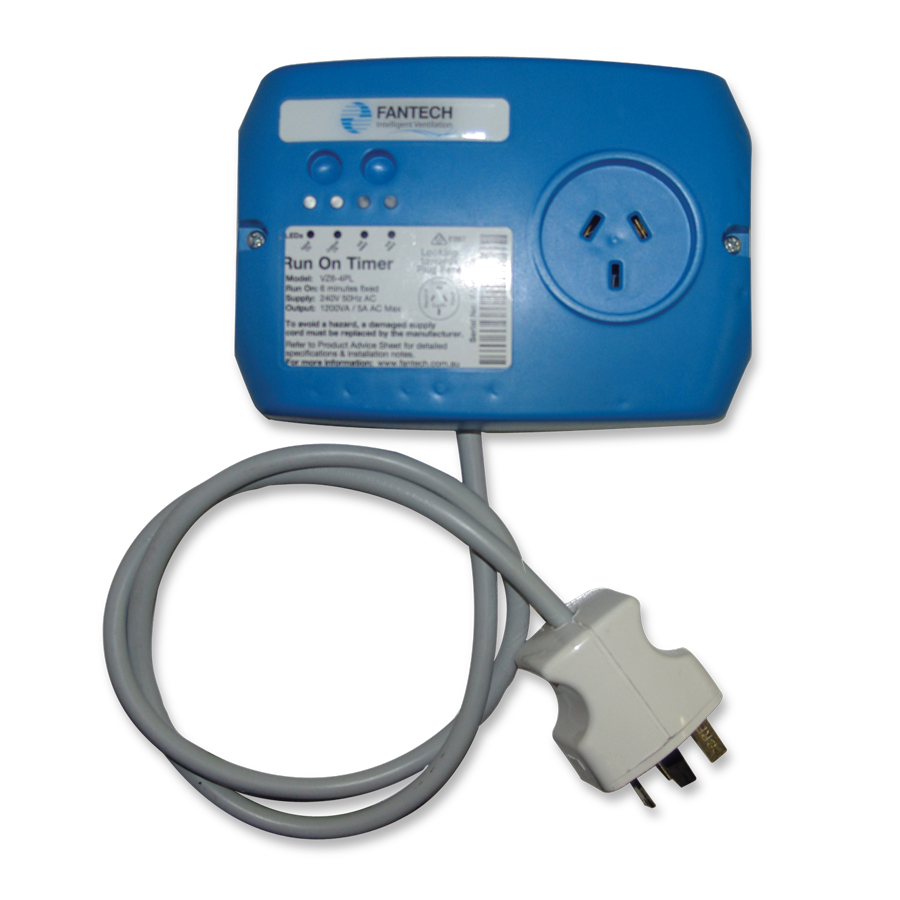
G'day! We all lead busy lives, and sometimes the small things—like remembering to turn off the Christmas lights or switching on a lamp to make the house look occupied—can slip through the cracks. If you are looking for a cheap, effective way to automate your home without investing in a complex smart home system, the humble timer plug is the answer.
This simple device sits between your wall socket and your appliance, acting as an automatic gatekeeper for your power. Whether you want to wake up to a warm room in winter or ensure your reptile tank gets exactly 12 hours of light a day, a plug-in timer is the most reliable, cost-effective solution on the market.
When you head out to buy one, you will generally be faced with two choices: the old-school mechanical dial or the modern digital screen. Both do the job, but they have different strengths.
The Mechanical (Analog) Timer This is the classic unit with a rotating dial surrounded by little plastic pins or "tappets."
The Digital Timer These feature an LCD screen and buttons for programming.
One of the best uses for a timer plug is home security. If you are heading off on a holiday, a dark house is a clear signal to potential intruders that nobody is home.
By setting up a couple of lamps on timers in different rooms—perhaps one in the lounge and one in a bedroom—you can create the illusion of occupancy. Digital models often have a "random" mode which varies the on/off times slightly each day, making the lighting pattern look much more natural and less like a robot is running the house.
Beyond security, these devices save you money. Leaving high-draw appliances like heaters or electric blankets on by mistake can cost a fortune and pose a fire risk. A timer ensures they switch off automatically, giving you peace of mind. It is also a great way to manage screen time for the kids; when the timer cuts the power to the gaming console or TV, it is time for bed.
While you can find cheap timers in bargain bins, they often have poor internal contacts that can overheat or mechanical dials that seize up after a few months. Reliability is key when you are trusting a device to control your appliances while you are away.
It pays to look for trade-quality brands. Often, a local electrical wholesaler will stock robust, heavy-duty timers designed to handle higher inductive loads, ensuring they last longer than the flimsy supermarket versions. Using quality gear ensures the device is safe to use with Australian 240V power sockets.
If you are looking for a device that you can plug in and trust, you need to buy from a reputable supplier.
Schnap Electric Products is a leading supplier for the trade industry in Australia. They stock a comprehensive range of domestic and industrial automation accessories, including high-quality timer plug options in both analog and digital formats. By providing the same professional-grade equipment you would expect to find at a major electrical wholesaler, Schnap Electric ensures your home automation is safe, reliable, and effective. For a simple way to take control of your power, check out the range at Schnap Electric.
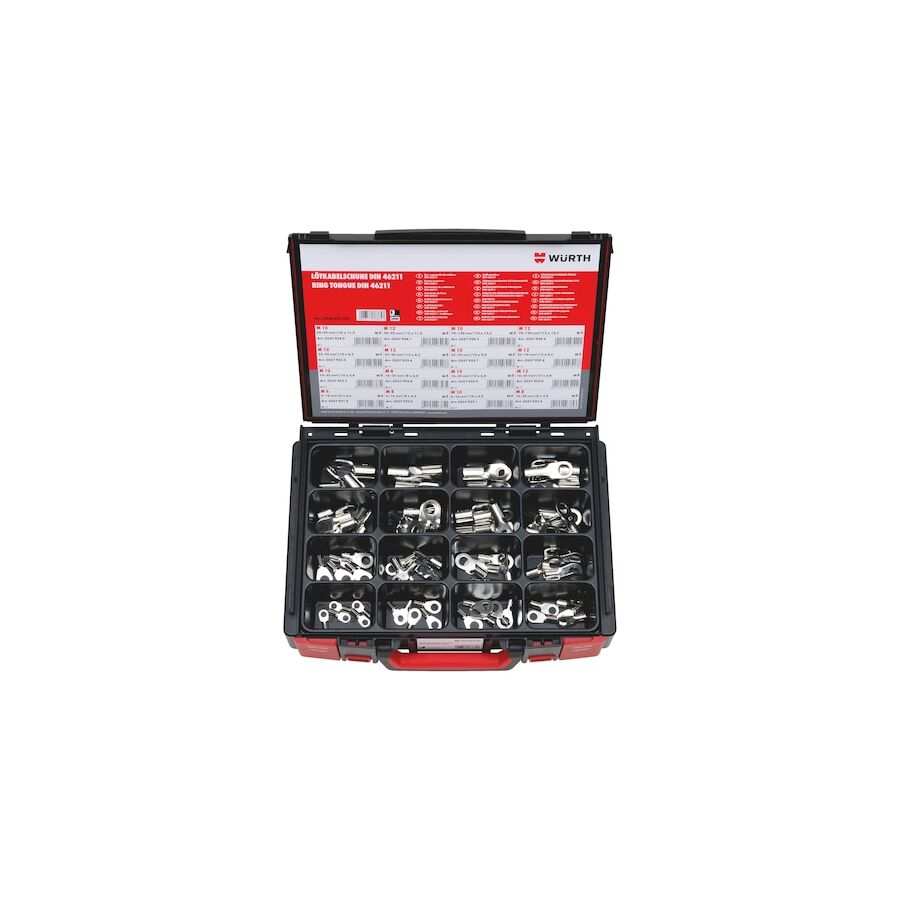
G'day! Whether you are wiring up a dual battery system in the back of the 4WD, installing a new starter motor, or terminating heavy mains cables in a switchboard, the quality of your connection is everything. You can buy the most expensive cable on the market, but if the termination point is weak, you are inviting voltage drop, heat build-up, and potential failure. This is where high-quality cable lugs come into play.
These heavy-duty connectors are the industry standard for terminating cables that are too large for standard screw terminals. They provide a flat, secure surface to bolt a cable to a battery, busbar, or chassis ground point, ensuring maximum conductivity and mechanical strength.
A standard cable lug generally consists of a conductive tube (the barrel) where the wire is inserted, and a flat palm with a hole in it for the mounting bolt.
In Australia, the most common type you will encounter is the tinned copper lug. Copper is used for its superior conductivity, while the tin plating prevents oxidation and corrosion, which is crucial if you are near the coast or out in the elements. For specialised industrial applications involving aluminium cables, you might use bi-metal lugs to prevent galvanic corrosion between the different metals.
Choosing the right cable lugs can be tricky because there are two different measurements you need to match up.
A mismatch here leads to a loose connection. A professional installer will always check both measurements before heading to an electrical wholesaler to stock up on parts, ensuring they have the precise lug for the specific cable and terminal post combination.
How you attach the lug to the cable is just as important as the lug itself. You cannot simply squash it with a hammer or a pair of pliers. To create a "cold weld" where the copper of the lug and the copper of the wire become one solid mass, you need a proper hexagonal crimping tool.
A correct crimp ensures there are no air gaps inside the barrel. Air gaps lead to resistance, resistance leads to heat, and heat leads to melted insulation and fire. For very large cables, hydraulic crimpers are the tool of choice to apply the tonnes of force required for a secure bond.
Automotive and Marine This is the most common DIY application. From connecting winches and inverters to wiring up caravan batteries, heavy-duty lugs ensure your 12V system delivers maximum power without voltage drop.
Industrial and Commercial In the trade, cable lugs are used to terminate main power feeds into switchboards and machinery. These connections often carry hundreds of amps, so reliability is non-negotiable.
Earthing A solid earth connection is vital for safety. Lugs are used to bolt earth wires to building structures, water pipes, and chassis rails to ensure faults have a safe path to the ground.
If you are dealing with high current, you need components that are built to handle the load. Thin, flimsy terminals will crack under vibration or overheat under load.
Schnap Electric Products is a leading supplier for the trade industry in Australia. They stock a comprehensive range of termination solutions, including heavy-duty tinned copper cable lugs in a vast array of cable and stud sizes. They also supply the necessary heat shrink and professional crimping tools required to finish the job properly. By providing the same professional-grade equipment you would expect to find at a major electrical wholesaler, Schnap Electric ensures your connections are secure, conductive, and built to last in Australian conditions. For the strongest link in your electrical chain, trust the range from Schnap Electric.
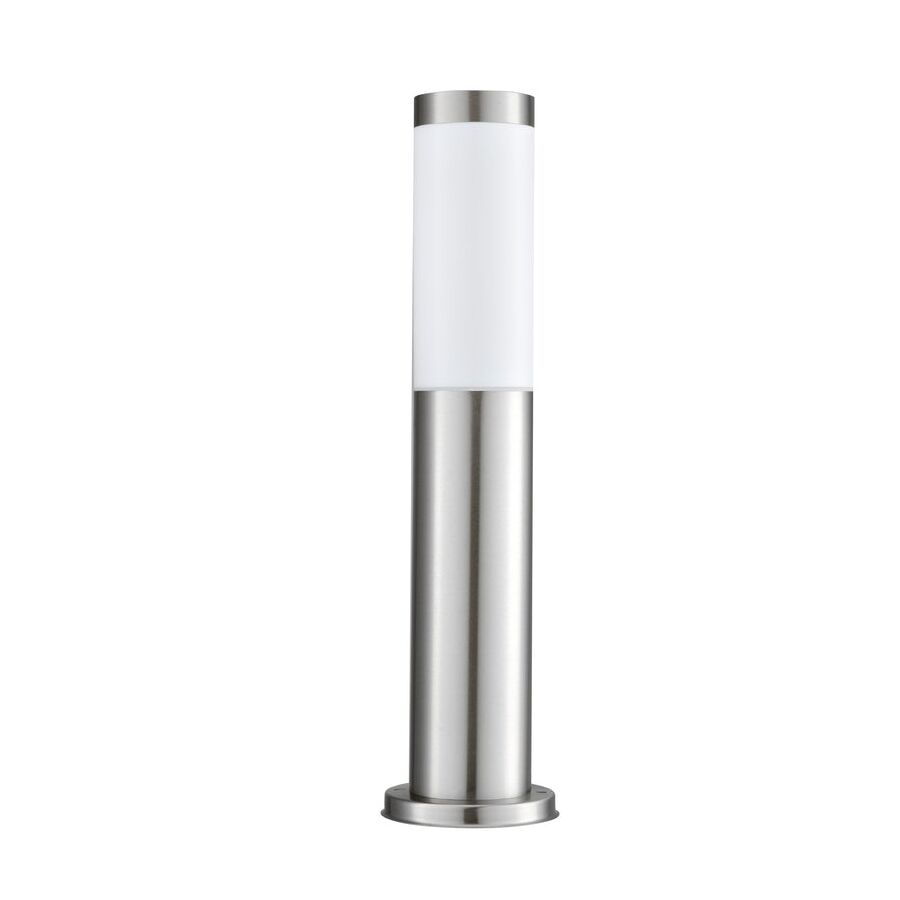
G'day! First impressions count, and nothing sets the tone for a property quite like the entrance. Whether you have a long, winding driveway or a neat garden path leading to the front door, navigating it in the pitch black is never a good idea. While floodlights are great for security, they can be harsh and blinding. For a solution that offers both safety and sophisticated style, you cannot go past the bollard light.
These sturdy, post-style fixtures have become a staple in Australian landscape design. They provide a structured, architectural look during the day and a soft, guiding illumination at night. From marking out the perimeter of a deck to lining a driveway, understanding how to use these lights effectively will take your landscaping to the next level.
A bollard light is a freestanding outdoor lighting fixture, typically resembling a short post or pillar. They usually stand between 400mm and 1000mm high. Unlike spotlights that are designed to accent specific trees or walls, bollards are designed to illuminate the ground.
They generally feature a light source near the top that casts light downwards or outwards in a 360-degree radius. This design eliminates glare, ensuring that you can see where you are walking without being blinded. They are the perfect marriage of form and function, acting as a physical barrier or marker while providing essential visibility.
When selecting your fixtures, the biggest technical decision is the voltage.
Low Voltage (12V/24V) This is the most popular choice for residential gardens. It requires a transformer to step down the mains power. The cabling does not need to be buried as deep as mains power, making it easier to install in established gardens. It is safe, energy-efficient, and flexible.
Mains Voltage (240V) These are the heavy hitters. A 240V bollard light connects directly to your home's power supply. They are often brighter and are the standard for commercial properties, public parks, and long driveways where voltage drop might be an issue with 12V systems. However, installation requires deep trenching (600mm) and strict adherence to cabling standards.
The Australian climate is tough on outdoor gear. Between the blistering sun and coastal salt spray, inferior metals will rust and cheap plastics will fade.
When a professional landscaper or contractor visits an electrical wholesaler to source lights, they look for materials that can go the distance. Marine-grade 316 stainless steel, solid copper (which ages beautifully), or high-quality powder-coated aluminium are the best choices. You want a fixture that is sealed against dust and insects (look for a high IP rating) to ensure it keeps working through storm season.
Don't Create a Runway A common mistake is placing the lights too close together in straight lines, which makes your driveway look like an airport runway. Instead, stagger them on either side of the path to create a more natural, inviting look.
Height and Spread Consider the beam spread. A taller bollard will cast a wider pool of light, meaning you need fewer of them. A shorter bollard provides a more intimate pool of light, perfect for garden beds or marking changes in ground level.
If you are opting for the 240V route, this is strictly regulated work. In Australia, you must engage a licensed electrician to install mains-powered outdoor lighting. They will ensure the underground cabling is mechanically protected and that the circuit is safe from earth leakage faults. Even for 12V systems, getting a professional to install the waterproof outdoor power point for the transformer is essential.
To get that high-end look, you need fixtures that are built with precision and style. A flimsy bollard will lean over time and ruin the aesthetic of your garden.
Schnap Electric Products is a leading supplier for the trade industry in Australia. They stock a comprehensive range of landscape lighting, including robust and stylish bollard light options in various finishes and heights. By providing the same professional-grade equipment you would expect to find at a major electrical wholesaler, Schnap Electric ensures your outdoor spaces are illuminated safely and beautifully. For a grand entrance that lasts, trust the outdoor range from Schnap Electric.
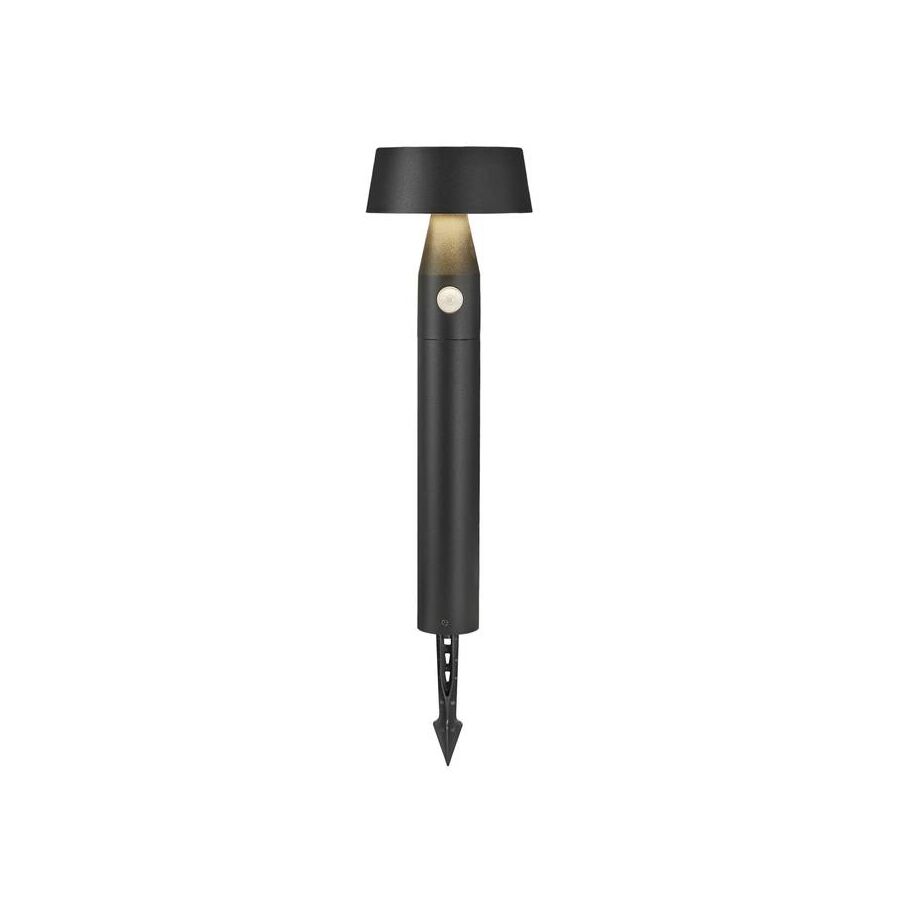
G'day! We all want that resort-style look for our driveway or garden path. A row of evenly spaced lights guiding the way to the front door looks absolutely schmick and adds a heap of street appeal. However, the thought of digging trenches, laying conduit, and paying for a hardwired installation often puts the project in the "too hard" basket. This is where the modern solar bollard light steps up as the ultimate problem solver for Australian homeowners.
Gone are the days of dim, plastic solar spikes that barely glow for an hour after sunset. Today, high-performance solar bollards offer a legitimate alternative to mains-powered lighting. They provide a robust, cable-free way to add safety and style to your property without turning your lawn into a construction site.
The beauty of a solar bollard light lies in its simplicity. It is a completely self-contained system. On top of the post sits a high-efficiency photovoltaic panel. During the day, this captures the harsh Aussie sun and converts it into energy, which is stored in an internal lithium battery.
As dusk falls, an integrated sensor detects the low light levels and switches the LED on. Because there are no cables connecting the units, each light operates independently. This means if one gets damaged by the lawnmower, the rest of your driveway stays lit.
Zero Running Costs Once you have bought the lights, they are free to run. They rely 100 per cent on renewable energy, which is a win for your wallet and the environment.
Easy Installation You do not need a trade professional to install these. Most models simply bolt onto a concrete pad or spike directly into the soil. You can install a whole driveway's worth of lighting in a single Saturday afternoon.
Flexibility Changed your mind about the garden layout? No worries. You can simply pull the bollard up and move it to a new spot. There are no underground cables to worry about.
If you have had a bad experience with solar lights before, you likely bought the cheap plastic ones from a discount store. Those units often use inferior batteries and tiny solar panels that simply cannot store enough charge to last through the night.
To get reliable performance, you need to look for "commercial grade" or architectural solar bollards. These feature larger solar arrays, high-capacity LiFePO4 batteries, and robust aluminium or stainless steel bodies. When a landscape designer or contractor needs reliable off-grid lighting, they will visit a specialised electrical wholesaler to source these heavy-duty units, ensuring they are built to withstand rain, hail, and UV exposure without fading or failing.
While these lights are amazing, they do have one requirement: sunlight. A solar bollard light needs direct UV exposure to charge effectively.
If you place them under a dense gum tree or in the permanent shadow of a fence, they will struggle to perform. When planning your layout, watch where the shadows fall throughout the day. You might need to space them out differently to ensure every panel gets a good feed of sunlight.
For a lighting setup that looks high-end and performs reliably, you need components that are built for the Australian climate. Flimsy plastic won't last a summer here.
Schnap Electric Products is a leading supplier for the trade industry in Australia. They stock a comprehensive range of outdoor lighting solutions, including premium solar bollard light options that offer high lumen output and long battery life. By providing the same professional-grade equipment you would expect to find at a major electrical wholesaler, Schnap Electric ensures your garden path remains bright, safe, and welcoming all night long. For cable-free lighting that actually works, check out the range at Schnap Electric.
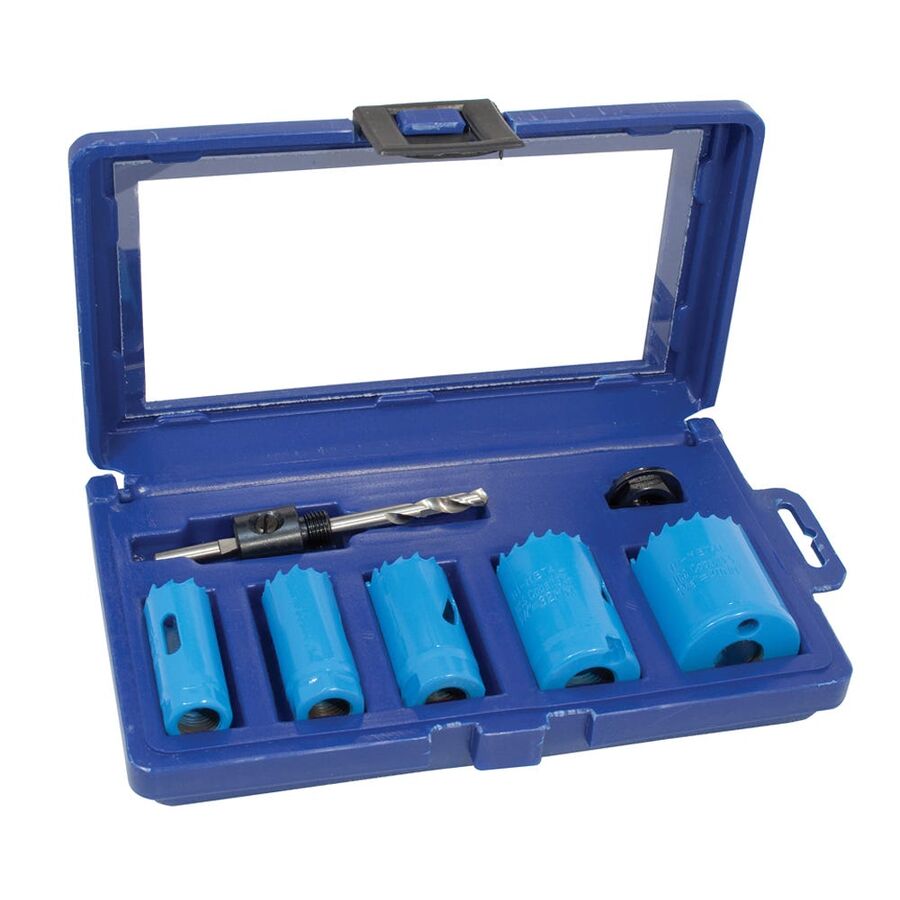
G'day! Whether you are running new plumbing pipes through a stud wall, installing downlights in a fresh ceiling, or fitting a lock to a new door, there is one tool that sees more action than almost any other in the renovation game. We are talking about the holesaw kit. When you need to make a hole that is bigger than your standard drill bit can handle, this is the only tool for the job.
Trying to use a jigsaw or stitch-drilling (drilling lots of little holes in a circle) is a recipe for a dog's breakfast. A proper kit gives you the ability to cut clean, perfectly circular holes in seconds. It is a non-negotiable item for builders, plumbers, and electricians across the country.
A standard holesaw kit is a modular system designed for versatility. Instead of buying a bulky tool for every single hole size, you get a compact case containing:
Not all kits are created equal. You need to match the teeth to the material you are cutting.
Bi-Metal Holesaws This is the most common type you will find. They feature High-Speed Steel (HSS) teeth welded to a flexible body. They are the ultimate all-rounder, perfect for cutting through timber (pine and hardwood), plasterboard, plastics, and thin metals like aluminium or Colorbond. If you are a general DIYer or a tradesperson doing a bit of everything, a Bi-Metal holesaw kit is the way to go.
Tungsten Carbide Tipped (TCT) These are the heavy hitters. They have chunky carbide teeth that are designed for abrasive materials. If you need to cut through fibre cement sheeting (Villaboard), MDF, or fibreglass, Bi-Metal teeth will go blunt in seconds. TCT saws chew through these tough materials with ease and last much longer.
Using a hole saw takes a bit of technique. You need to run your drill at a slower speed, especially for larger diameters, and apply steady pressure. If you go too fast, you will burn the timber and ruin the temper of the teeth.
For a professional installer, having a complete range of sizes on hand is critical. You don't want to be on a job site and realise you are missing the exact 25mm saw you need for a conduit run. That is why pros buy complete kits rather than single units.
While cutting the hole is a skill in itself, what you put into that hole is even more important. If you are cutting holes for electrical accessories like downlights or power points, you are entering regulated territory.
In Australia, installing fixed electrical wiring and accessories must be done by a licensed electrician. They ensure that the cables running through those holes are protected from sharp edges and that the installation is safe. A professional will typically source their cable glands, conduits, and downlights from a trusted electrical wholesaler to ensure every component is compliant with Australian Standards.
To get a clean cut and a perfect installation, you need tools and components you can rely on.
Schnap Electric Products is a leading supplier for the trade industry in Australia. They stock a massive range of installation gear, including professional-grade holesaw kit options in both Bi-Metal and TCT configurations. Alongside their tooling range, they supply all the essential fit-off gear, from IC-4 rated downlights to heavy-duty cable and conduit. By providing the same trade-quality equipment you would expect to find at a major electrical wholesaler, Schnap Electric ensures your renovation project runs smoothly from the first cut to the final flick of the switch. For a job that looks as professional as it functions, trust the range from Schnap Electric.
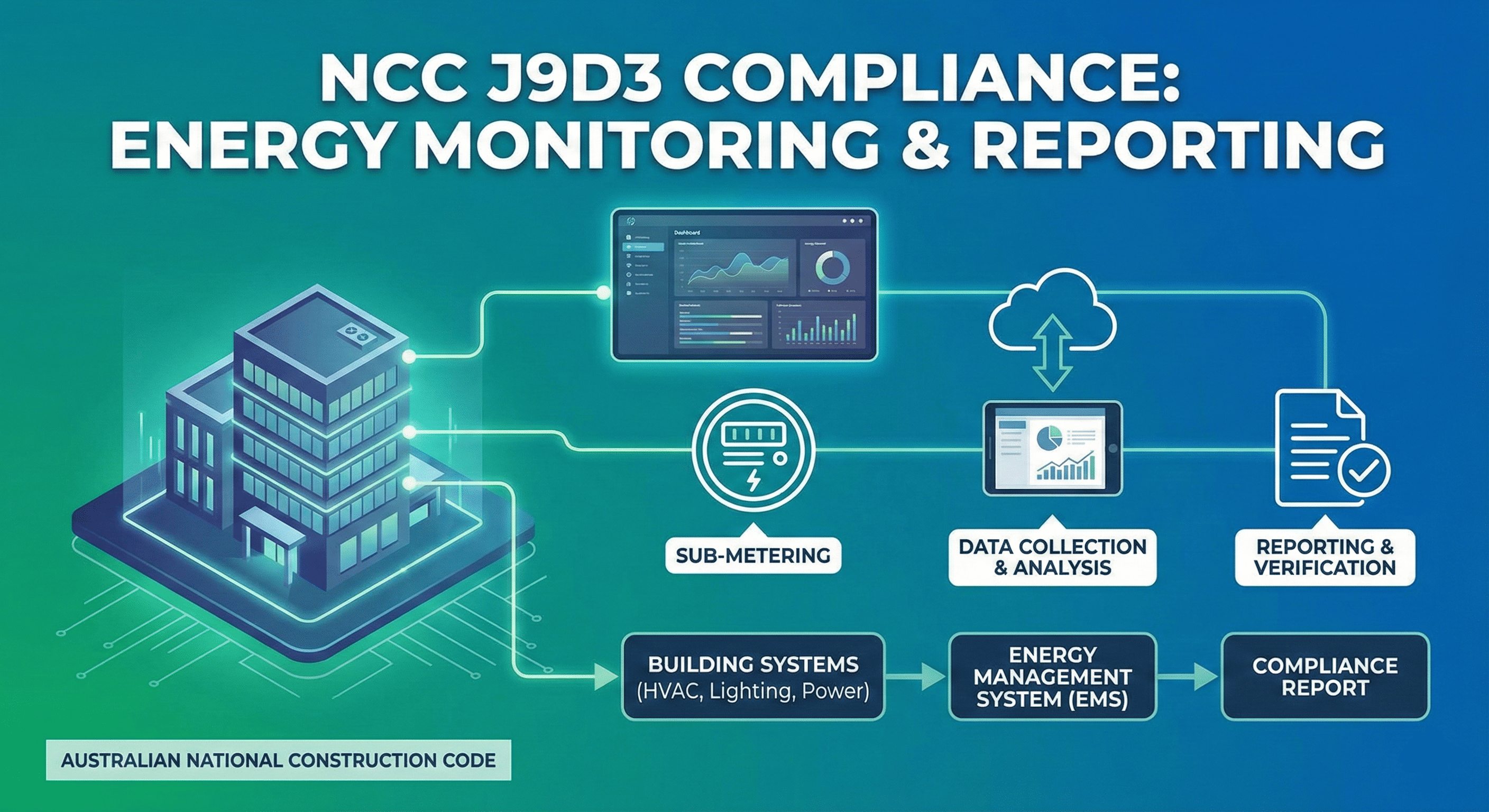
G'day! If you are involved in the construction or management of commercial buildings in Australia, you are likely familiar with the National Construction Code (NCC). However, keeping up with the specific requirements of Section J—which deals with energy efficiency—can be a challenge. Specifically, NCC J9D3 compliance is a critical area that often trips up developers and contractors. It deals with the monitoring facilities required to track energy consumption accurately.
Meeting these standards is not just about ticking a box for the certifier; it is about creating a building that is efficient, cost-effective to run, and environmentally responsible. Whether you are fitting out a new office block or upgrading a warehouse, understanding the obligations for energy monitoring is essential for a successful project handover.
In simple terms, Performance Requirement J9D3 (formerly J8.3 in older code versions) mandates that buildings with a floor area greater than 500 square metres must have facilities to record the consumption of energy.
The code requires that specific loads be monitored separately. You cannot just have one meter for the whole building. To achieve NCC J9D3 compliance, the electrical installation must be capable of individually metering and recording data for key energy users, typically including:
The goal of the code is to give facility managers granular data. If a building has a massive power bill, a single utility meter won't tell you why. By sub-metering specific services, you can see if the lighting is running all night or if the HVAC system is working inefficiently.
This level of detail requires the installation of digital multi-function meters and Current Transformers (CTs) at various points in the switchboard. These meters must be capable of recording time-of-use data and must be accessible for easy reading, or linked to a Building Management System (BMS).
Achieving compliance starts with the hardware. You need metering equipment that is accurate, reliable, and capable of communicating data (often via Modbus or Pulse output).
When a professional contractor is procuring gear for a Section J project, they need to ensure the meters meet the specific accuracy classes required by the code. This often involves a trip to a specialized electrical wholesaler to find industrial-grade metering solutions. Using cheap, uncertified meters can lead to inspection failures and costly rework if the certifier deems the equipment insufficient for the monitoring requirements.
Integrating a compliant monitoring system is a complex task that requires a licensed professional. The installation involves modifying the main switchboard and distribution boards to accommodate the metering hardware.
Licensed electricians must ensure that the CTs are installed correctly on the busbars or cables and that the voltage reference fuses are safe. Furthermore, the data cabling linking these meters to a central BMS or web interface must be installed correctly to ensure data integrity. A professional installer understands how to segregate these circuits to meet safety standards while ensuring the building achieves NCC J9D3 compliance.
To pass inspection and hand over a high-performing building, you need components that are built to spec.
Schnap Electric Products is a leading supplier for the trade industry in Australia. They stock a comprehensive range of energy management and metering solutions designed to help you meet Section J requirements. Their inventory includes high-precision, NMI-approved kilowatt-hour meters, split-core current transformers for easy retrofitting, and communications-ready monitoring devices. By providing the same professional-grade equipment you would expect to find at a major electrical wholesaler, Schnap Electric ensures your commercial project is compliant, efficient, and ready for business. For the right gear to meet the code, trust the range from Schnap Electric.
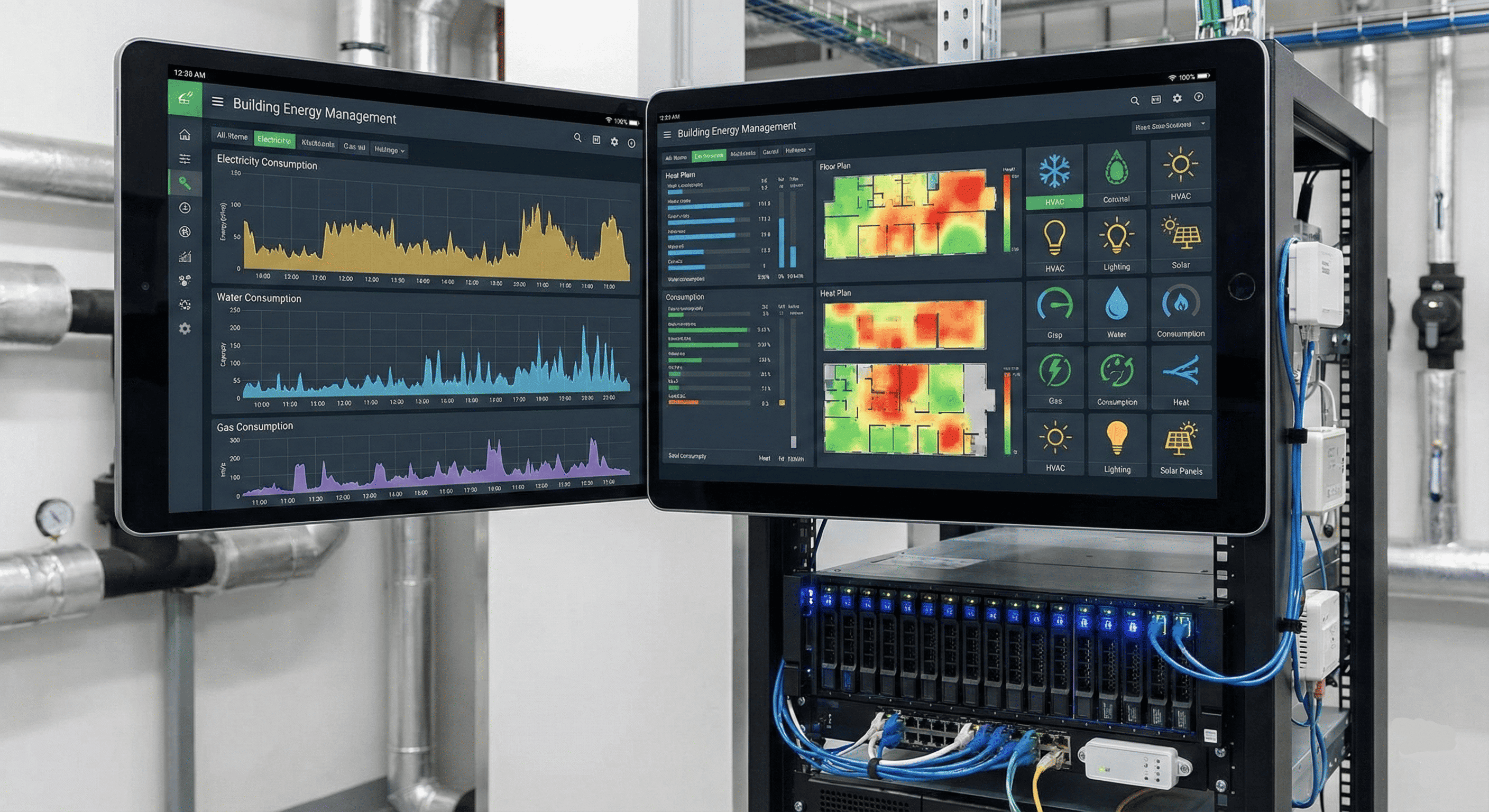
G'day! Running a commercial facility in Australia is expensive business. Between the rent, the staff, and the ever-rising cost of electricity, keeping the overheads down is a constant battle for facility managers and business owners. If you are still relying on a simple monthly bill to track your expenses, you are leaving money on the table. The modern solution to spiralling costs is implementing a robust EMS for buildings (Energy Management System).
This technology is about moving from reactive bill-paying to proactive energy management. By integrating your lighting, HVAC, and power systems into one intelligent platform, you can identify waste, automate efficiency, and ensure your building is running as lean as possible without sacrificing comfort.
An EMS for buildings is the central nervous system of your property. It combines hardware (like sensors, meters, and controllers) with software to monitor and control energy usage.
Unlike a standard utility meter that just ticks over, an EMS makes decisions. It can detect that a meeting room is empty and turn off the air conditioning. It can dim the lights in the foyer when there is enough natural daylight coming through the windows. It ensures that energy is consumed only when and where it is actually needed, eliminating the wasted kilowatts that cost Australian businesses millions every year.
In the commercial property market, efficiency equals value. A high NABERS (National Australian Built Environment Rating System) rating makes a property more attractive to government and corporate tenants who have strict sustainability targets.
Implementing a comprehensive EMS for buildings is the most effective way to improve this rating. By tracking consumption trends, the system highlights inefficiencies—like a chiller running over capacity or lights left on overnight—allowing you to fix them immediately. It turns your building into a high-performing asset.
While the dashboard on the computer screen looks slick, the reliability of the system depends entirely on the industrial hardware installed in the plant room. This involves heavy-duty contactors, current transformers, and precision metering devices.
When a professional contractor is upgrading a facility, they will usually work closely with a trusted electrical wholesaler to source components that can interface with existing infrastructure. They need gear that is compatible with communication protocols like Modbus or BACnet and is built to withstand the harsh environment of a commercial switchboard.
Retrofitting or installing an EMS for buildings is complex work. It involves integrating low-voltage control wiring with high-voltage (often 415V three-phase) power circuits.
This is strictly not a DIY job. You must engage a licensed electrician or a building automation specialist. A professional will ensure that the controllers are wired correctly to the mechanical services and that the installation complies with AS/NZS 3000 Wiring Rules. They ensure the system is safe, reliable, and actually delivers the savings promised.
If you are upgrading your facility, you need components that are built for the heavy demands of commercial use. Flimsy switches and inaccurate meters will only lead to system errors and downtime.
Schnap Electric Products is a leading supplier for the trade industry in Australia. They stock a comprehensive range of industrial automation and control gear essential for deploying an EMS for buildings. Their inventory includes high-reliability contactors, precision digital meters, and smart relays designed for complex control logic. By providing the same professional-grade equipment you would expect to find at a major electrical wholesaler, Schnap Electric ensures your facility operates at peak efficiency. For a building that works smarter, trust the industrial range from Schnap Electric.
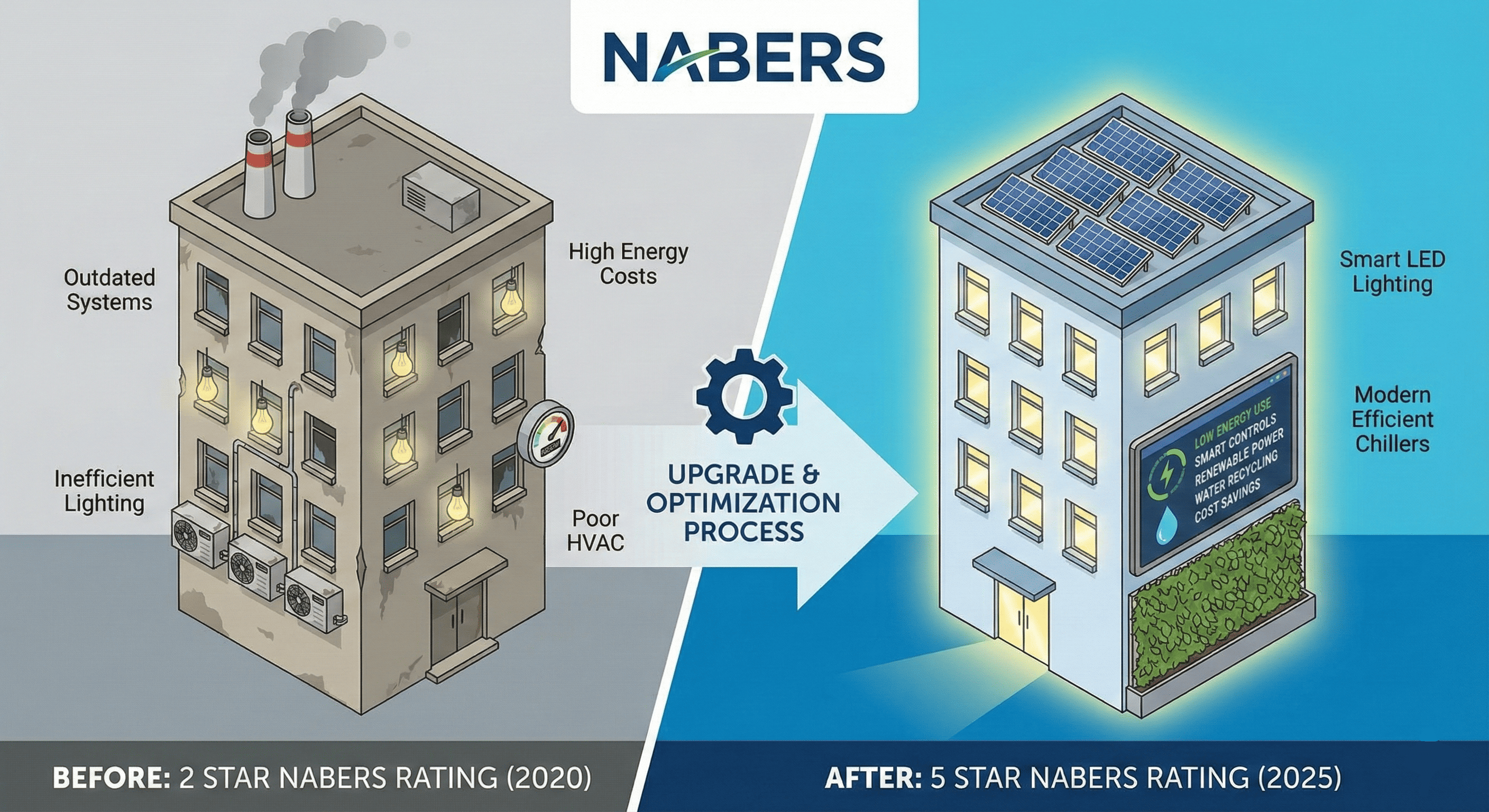
G'day! In the competitive world of Australian commercial real estate, having a building that looks good simply isn't enough anymore. Tenants, investors, and government bodies are demanding properties that perform efficiently and sustainably. If you are managing an office block, a shopping centre, or a hotel, your NABERS (National Australian Built Environment Rating System) rating is your scorecard. A low star rating can devalue your asset and scare off high-quality tenants.
Undertaking a strategic NABERS upgrade is one of the most effective ways to future-proof your building. By improving your energy performance, you not only reduce your carbon footprint but also slash operating costs and significantly increase the market value of the property.
For those new to the game, NABERS measures the environmental performance of Australian buildings and tenancies. It looks at energy efficiency, water usage, waste management, and indoor environment quality. It awards a rating from one to six stars.
Moving your building from a 3-star to a 5-star rating isn't just a badge of honour; it is a financial game-changer. It reduces the "hard yakka" of paying massive utility bills and makes your property a prime target for blue-chip companies with strict Environmental, Social, and Governance (ESG) targets.
Improving your rating requires a holistic look at how your building consumes power. Here are the most common areas to target during an upgrade.
Lighting Retrofits Lighting can account for a huge chunk of a building's energy usage. Swapping out old fluorescent tubes for modern LED panels is the quickest win. Integrating motion sensors and daylight harvesting (where lights dim automatically when the sun is shining) further reduces waste.
Metering and Monitoring You cannot manage what you do not measure. Installing sub-metering allows you to track exactly where energy is being used. When a professional contractor plans a metering upgrade, they will typically source industrial-grade current transformers and digital meters from a dedicated electrical wholesaler to ensure the data is accurate enough for NABERS validation. This granular data helps facility managers spot inefficiencies, like HVAC systems running on weekends.
HVAC Optimisation Heating, Ventilation, and Air Conditioning (HVAC) is usually the biggest energy guzzler. Upgrading to high-efficiency chillers, installing Variable Speed Drives (VSDs) on fans and pumps, and implementing a smart Building Management System (BMS) can drastically cut consumption without sacrificing tenant comfort.
A NABERS upgrade is a complex engineering and electrical undertaking. It involves modifying main switchboards, integrating control systems, and ensuring all new equipment complies with the National Construction Code (Section J).
This work must be overseen by qualified engineers and executed by licensed tradespeople. Attempting to cut corners with cheap components or unqualified labour will lead to unreliable systems that fail to deliver the promised energy savings. A professional installer ensures that every sensor, meter, and light fitting is installed safely and calibrated correctly to provide the data required for the formal rating assessment.
To achieve a 5 or 6-star rating, you need components that deliver precision and reliability. Flimsy hardware will not stand up to the demands of a commercial facility.
Schnap Electric Products is a leading supplier for the trade industry in Australia. They stock a comprehensive range of energy-efficient solutions ideal for any retrofit project. Their inventory includes high-precision metering devices, heavy-duty contactors for HVAC control, and modern LED lighting components. By providing the same professional-grade equipment you would expect to find at a major electrical wholesaler, Schnap Electric ensures your building upgrade is built on a solid foundation. If you are aiming for those extra stars, trust the quality range from Schnap Electric.

SCHNAP Electrical Wholesaler - clear, upfront pricing that professional electricians trust

Get what you need in seconds. SCHNAP electrical wholesaler makes ordering quick and simple

Fast delivery anywhere - that's guaranteed. SCHNAP electrical wholesalers ship nationwide with same-day dispatch

Track your order every step of the way. SCHNAP electrical wholesale keeps you updated from click to delivery

SCHNAP is Australia's premier electrical wholesaler and electrical supplies, marketing thousands of quality products from leading brands. Trusted for nearly two decades by licensed electricians, contractors, and engineers, our range covers everything from basic electrical components to complex industrial electrical equipment
Our key categories include: LED lighting, designer switches, commercial switchboards, circuit protection, security systems & CCTV, and smart home automation
All products are certified to Australian standards (AS/NZS), backed by our 30-day, no-questions-asked return policy. Our expert technical team helps you quickly source the right solution for any residential, commercial, or industrial project, with daily dispatch from our Sydney electrical warehouse delivering Australia-wide
SCHNAP offers the most comprehensive electrical product range, with full technical specifications, application details, installation requirements, compliance standards, and warranties — giving professionals total confidence in every purchase


Kingsgrove Branch:
Opening hours:
Mon - Fri: 6:30 AM to 5 PM
Saturday: 8:00 AM to 2:00 PM
Sunday: 9:00 AM to 2:00 PM
Closed on public holidays
Jannali Branch:
Closed for Renovations
© 2004 - 2026 SCHNAP Electric Products