

Kingsgrove Branch:


Send us a photo and our team will help identify it.

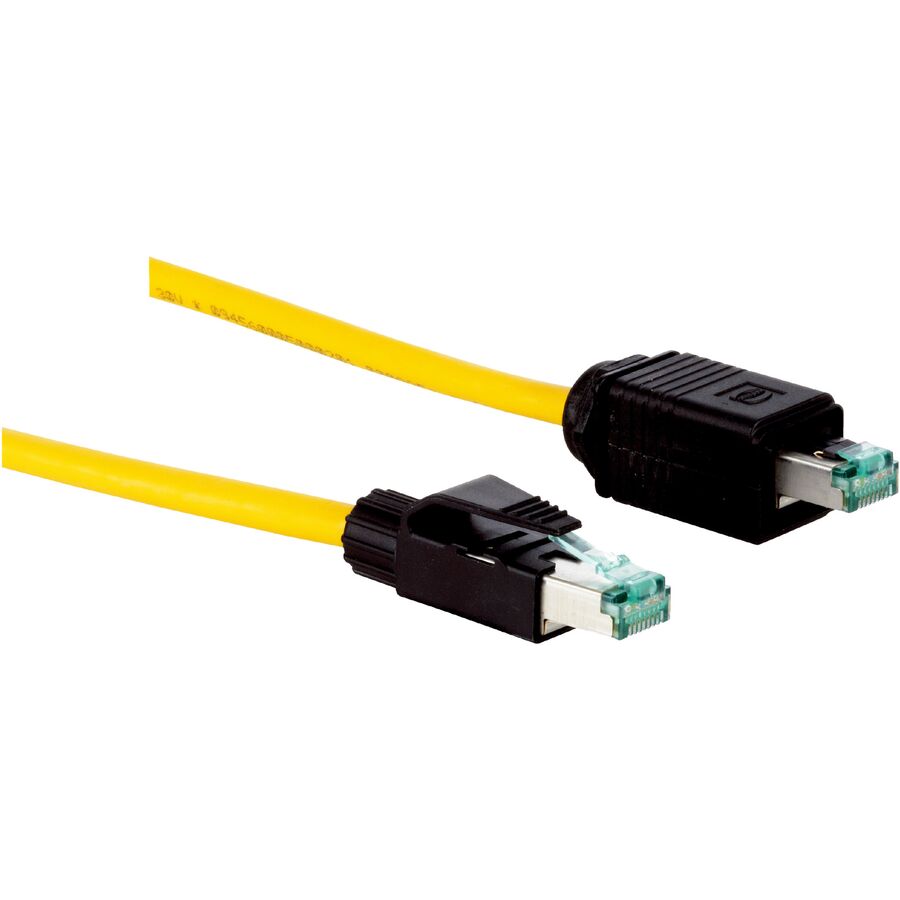
G'day! If you are building a new home, renovating, or just trying to get your home office up to scratch for the NBN, you have probably started looking at data cables. It can be confusing when you are staring at the specs and seeing numbers and letters jumbled together. The big debate these days usually comes down to cat6 vs cat6a.
While they might look similar on the outside, there are significant differences under the hood that can affect your internet speed, gaming latency, and how "future-proof" your home really is. Let's break down the differences so you can make the right call for your place.
Cat6 has been the gold standard for residential cabling in Australia for a good few years now. It is a twisted pair cable that offers a significant step up from the old Cat5e.
The Specs: Cat6 is rated for bandwidths up to 250 MHz. It is designed to handle Gigabit Ethernet (1000 Mbps) comfortably up to 100 metres.
The Kicker: Cat6 can actually handle 10 Gigabit speeds (10,000 Mbps), but there is a catch. It can only maintain those speeds over shorter distances, typically between 37 to 55 metres depending on the level of interference (crosstalk). For most standard Aussie homes, this is often enough for a solid connection from the modem to the TV or study.
The 'a' stands for 'Augmented'. Cat6a is the beefed-up version of Cat6, designed to handle the massive data requirements of the future.
The Specs: Cat6a doubles the bandwidth capacity to 500 MHz. It is built to handle 10 Gigabit Ethernet over the full 100-metre distance without breaking a sweat.
The Build: To achieve this, Cat6a is physically different. It has thicker copper conductors and much tighter twists in the pairs. Crucially, it usually has significantly better shielding and insulation to prevent 'alien crosstalk' (interference from other cables running next to it). This makes the cable thicker, stiffer, and a bit harder to install, but it creates a bulletproof data highway.
When weighing up cat6 vs cat6a, it really comes down to your budget and how long you plan to stay in the property.
Choose Cat6 if:
Choose Cat6a if:
While the cable itself costs more, the labour cost for installation is often similar, though the stiffer Cat6a can take a bit longer to terminate. A professional installer will usually pick up their supplies from a trusted electrical wholesaler to guarantee that the cable meets Australian standards for fire ratings and performance, ensuring you get exactly what you pay for.
It is important to remember that in Australia, data cabling is regulated work. You cannot legally run your own permanent data cables through walls or ceilings.
This work must be performed by a registered licensed cabler. They understand the separation requirements between power and data cables to prevent interference and safety hazards. A bad install can ruin the performance benefits of even the best cable, so always hire a pro.
Whether you decide to stick with the reliable Cat6 or upgrade to the high-performance Cat6a, you need quality components to get the best speed. The cable, the jacks, and the patch panels all need to match the category rating to avoid bottlenecks.
Schnap Electric Products is a premier supplier for the industry, stocking high-performance data solutions that professionals trust. They offer a comprehensive range of both Cat6 and Cat6a cabling, along with the matching wall plates, high-speed data jacks, and patch cords needed to complete the system. By providing trade-quality gear that you would expect from a leading electrical wholesaler, Schnap Electric ensures your home network is fast, reliable, and ready for whatever the future of the internet brings. Use the best gear to get the best connection.
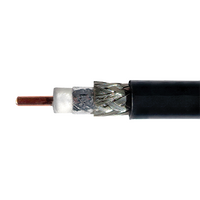
G'day! You've seen it everywhere. It's that thick, round cable (usually black or white) that snakes out from your TV antenna, connects to your Foxtel dish, or plugs straight into your NBN modem. That, mate, is a coaxial cable, or as most of us call it, just "coax".
It might not look like much, but it's the fair dinkum, unsung hero of our modern, screen-obsessed Aussie lives. It's the pipeline that delivers the footy in 4K, your favourite shows, and (for many of us) our high-speed internet.
The name "coaxial" sounds a bit techy, but it just describes how the cable is built. It's a clever, layered design, all sharing a common centre (or 'axis').
From the inside out, you've got:
That shield is the secret weapon. Its one and only job is to stop any outside "noise" (interference) from mucking up the signal. We're talking interference from mobile phones, radios, power lines, or even your bloody microwave! This shield is what makes a coaxial cable the perfect choice for carrying high-frequency data over long distances without it turning into a dog's breakfast.
This versatile cable is the go-to for a few critical jobs:
Not all coax is created equal. You might see old, thin cable called "RG59" – this stuff is knackered for modern digital signals.
The modern Aussie standard is RG6. It's thicker, has a better-quality central conductor, and much better shielding.
But if you want the best of the best – the "Rolls-Royce" of coax that the pros use – you ask for "Quad-Shield" (QS) RG6. This stuff, as the name suggests, has four layers of shielding, giving you the best possible protection from interference. A good electrical wholesaler will always recommend Quad-Shield for a new, quality installation.
Righto, let's get dead serious for a sec, because this is the most important part of the whole article.
In Australia, this is strictly not a DIY job. Any fixed data, communications, or antenna cabling must be installed by a licensed cabler (registered with ACMA).
Why? It's the law, mate. A dodgy install can create interference (messing up your and your neighbour's NBN). Worse, if it's run too close to 240V power wiring without proper separation, it can become a serious electrical hazard. Don't be a galah.
A licensed cabler or licensed electrician knows that a rock-solid, high-speed, interference-free signal relies on high-quality, compliant components from end to end. They can't risk a job on a cheap, nasty cable that will fail in a year.
This is why they source their gear from a trusted electrical wholesaler. As one of Australia's most comprehensive electrical wholesaler and supplier networks, Schnap Electric Products stocks the lot for the professional installer. They've got a massive range of high-quality, Quad-Shield RG6 coaxial cable, professional-grade F-connectors, wall plates, splitters, and all the specialist crimping and testing tools that a qualified professional needs to do the job right. For a connection that won't let you down, the pros start with quality gear from a supplier like Schnap Electric.
G'day! You've just mounted your new TV on the wall, you go to plug in the antenna cable, and... it's a dog's breakfast. The old connector is loose, corroded, or just falls off in your hand. You switch on the telly, and the picture is a pixelated, glitchy mess.
It's a fair dinkum frustrating moment. But here's a hot tip: nine times out of ten, a dodgy TV or NBN signal isn't the cable's fault. It's the fault of a cheap, poorly-installed coaxial cable connector on the end.
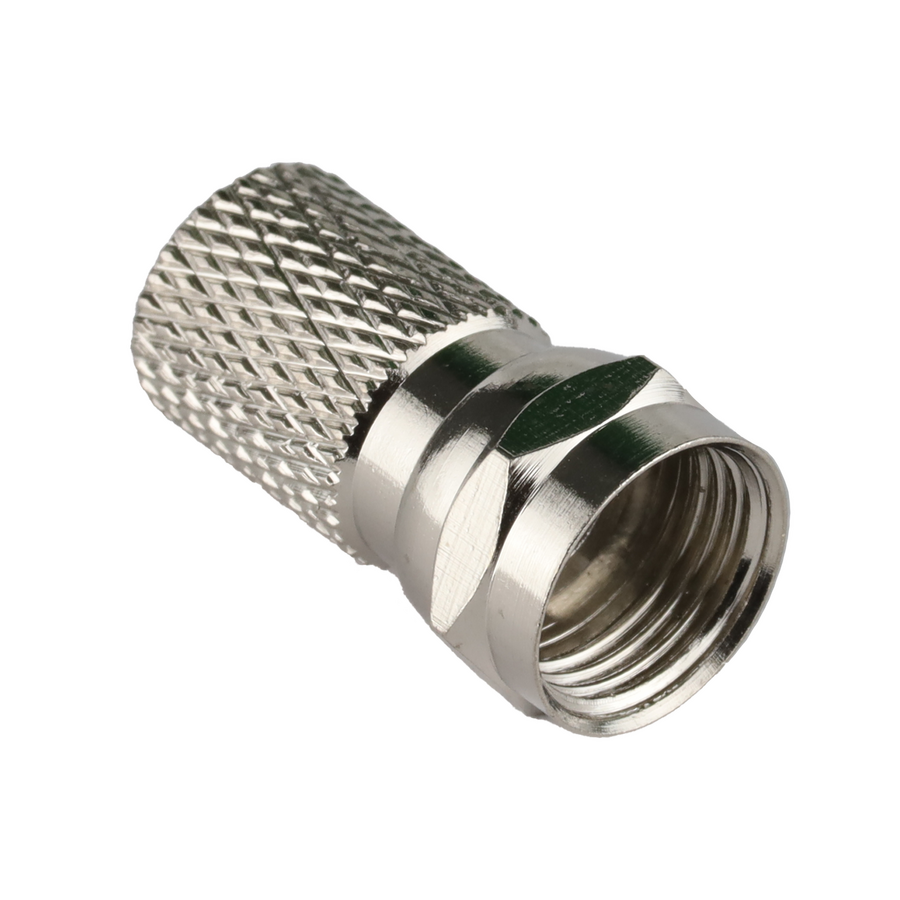
A coaxial cable connector is the metal plug (or 'termination') that you put on the end of a coaxial cable (like your RG6 TV or NBN HFC cable).
Here in Australia, the one and only connector you'll see for this job is the F-connector (or 'F-type'). It's that familiar, screw-on metal plug. Its one and only job is to create a secure, reliable connection between the cable and your wall plate, satellite box, modem, or the back of your telly, ensuring the signal gets through clean and strong.
Righto, this is where most people get it wrong, mate. You can't just grab any old fitting. There's a massive difference in quality.
This is the cheap, nasty one you'll find in a plastic bag at a discount shop. It has a thread on the inside and you literally just screw it onto the cable's shielding.
This is a step up. It's a two-piece connector that you slide onto the cable and then squash (crimp) with a special crimping tool.
This is the real deal, mate. This is the only type a professional, licensed cabler or a proper satellite installer will use. A compression coaxial cable connector is a solid, one-piece unit. You prep the cable, slide the connector on, and then use a special compression tool that squeezes the entire connector 360 degrees.
A coax cable is designed with a shield to protect the signal. A cheap, dodgy connector is like leaving the front door wide open. It lets all the stray signals in, which is what causes that annoying pixellation and dropouts on your TV. A proper compression connector, sourced from a quality electrical wholesaler, is the only way to guarantee a clean signal from the antenna all the way to your TV.
This is where we get dead serious.
In Australia, this is strictly not a DIY job. Any fixed data, communications, or antenna cabling must be installed by a licensed cabler (registered with ACMA).
Why? It's the law, mate. A dodgy install can create interference (messing up your and your neighbour's NBN). Worse, if it's run too close to 240V power wiring without proper separation, it can become a serious electrical hazard.
A licensed cabler or licensed electrician knows that a rock-solid, interference-free signal relies on high-quality, compliant components from end to end. They can't risk their reputation on a cheap, nasty connector that will fail in six months.
This is why they source their gear from a trusted electrical wholesaler. As one of Australia's most comprehensive electrical wholesaler and supplier networks, Schnap Electric Products stocks the lot for the professional installer. They've got a massive range of high-quality, professional-grade gear, including compression F-type coaxial cable connectors, Quad-Shield RG6 cable, wall plates, and all the specialist compression tools that a qualified professional needs to do the job right. For a connection that won't let you down, the pros start with quality gear from a supplier like Schnap Electric.
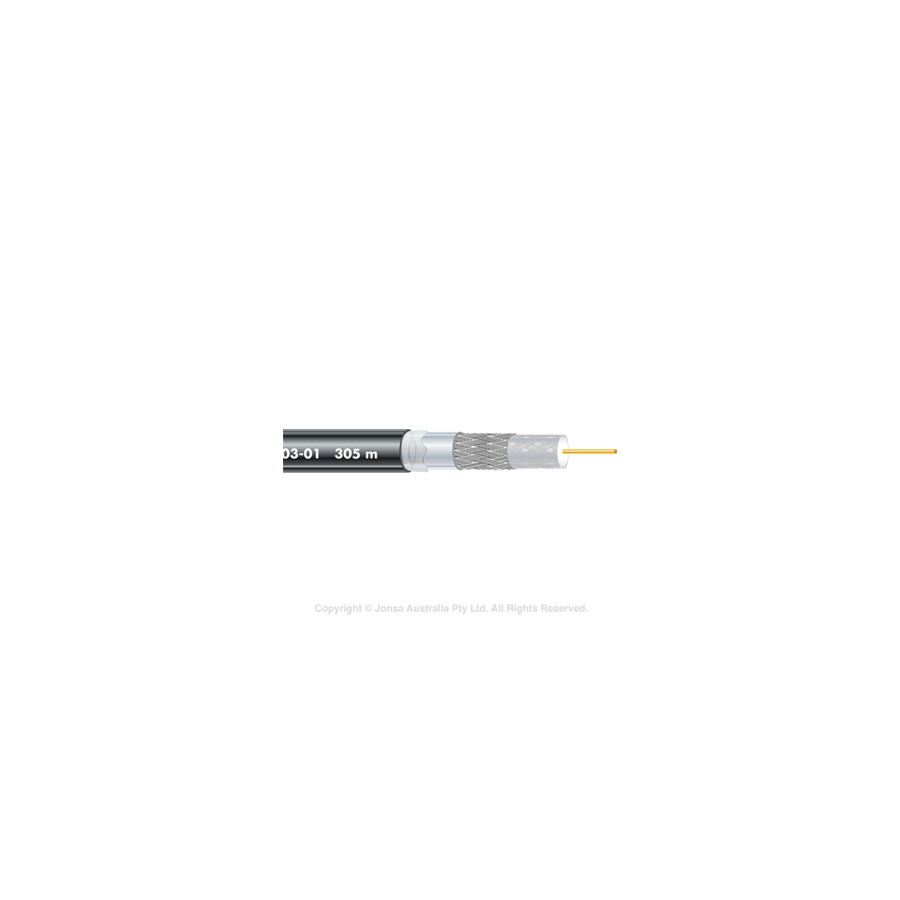
G'day! You've seen that thick, round cable (usually black or white) snaking from your TV antenna, your Foxtel dish, or your NBN box. That, mate, is the RG6 coaxial cable. It's the fair dinkum hero of your home entertainment, the pipeline for the footy in 4K and your high-speed internet.
It's the most crucial link in the chain, and using a cheap, dodgy one is the number one reason your TV picture looks like a pixelated dog's breakfast.
"Coaxial" just means it has a clever, layered structure designed to protect the signal inside. For donkey's years, the old standard was a thin, flimsy cable called RG59. It was fine for old-school analogue telly, but for modern, high-definition digital signals and fast NBN, it's properly knackered.
The RG6 coaxial cable is the new, beefier, modern standard. It's built tougher with two key improvements:
That 'shield' (the foil and braided wire inside the outer jacket) is the magic part. Its one and only job is to stop outside "noise" – or interference – from mucking up your signal. We're talking interference from 4G/5G mobile phone towers, your Wi-Fi router, your microwave, or even your neighbour's dodgy old drill.
This is why, when you're getting a professional install, you'll hear the tradie talk about "Quad-Shield" RG6 cable. This is the top-shelf stuff, mate. As the name suggests, it has four layers of shielding instead of the standard two. It's the best way to guarantee a crystal-clear, interference-free signal. Any good electrical wholesaler will tell you it's the only thing to use for a new, quality job.
This workhorse cable is the go-to for three main jobs in any Aussie home:
Righto, let's get dead serious for a sec, because this is the most important part of the whole article.
In Australia, this is strictly not a DIY job. Any fixed data, communications, or antenna cabling must be installed by a licensed cabler (registered with ACMA).
Why? It's the law, mate. A dodgy data install (especially with cheap parts from a non-specialist supplier) can create interference (messing up your and your neighbour's NBN). Worse, if it's run too close to 240V power wiring without proper separation, it can become a serious electrical hazard. Don't be a galah.
A licensed cabler or licensed electrician knows that a rock-solid, interference-free signal relies on high-quality, compliant components from end to end. They can't risk a job on a cheap, nasty cable that will fail in a year. This is why they source their gear from a trusted electrical wholesaler.
As one of Australia's most comprehensive electrical wholesaler and supplier networks, Schnap Electric Products stocks the lot for the professional installer. They've got a massive range of high-quality, Quad-Shield RG6 coaxial cable, professional-grade F-connectors, wall plates, splitters, and all the specialist crimping and testing tools that a qualified professional needs to do the job right. For a connection that won't let you down, the pros start with quality gear from a supplier like Schnap Electric.
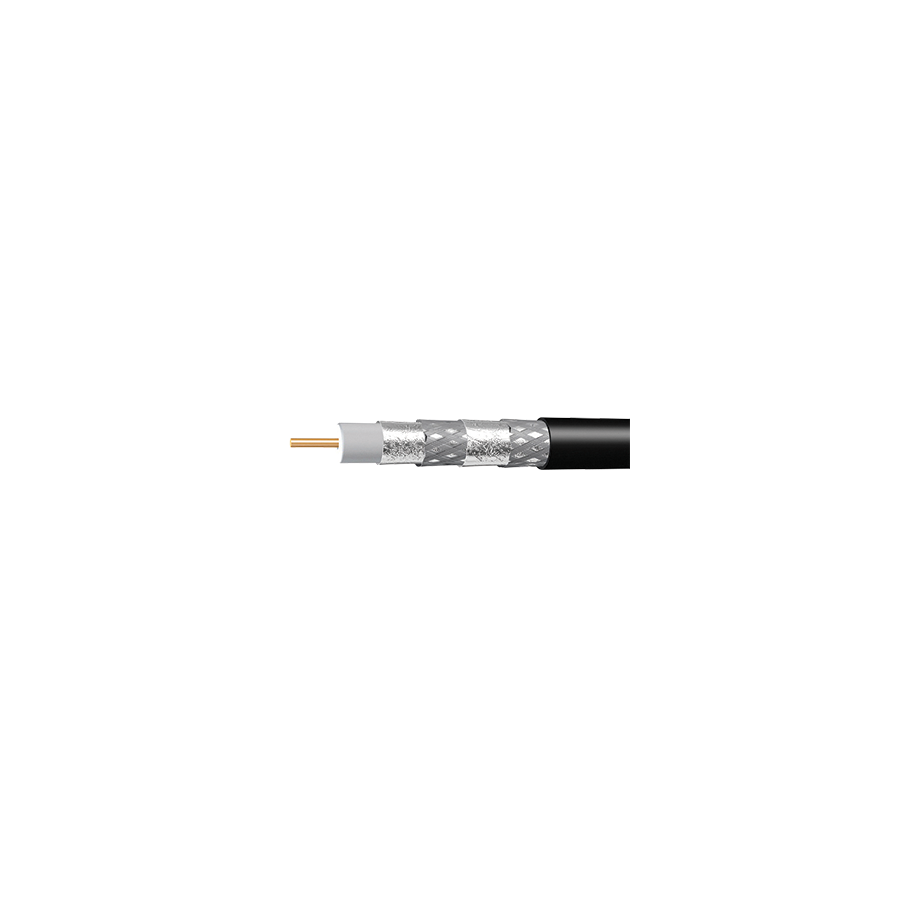
G'day! You've just moved into a new place or you're checking your address on the NBN website. You see those three magic letters: HFC. This means your connection to the high-speed internet is delivered via an NBN coaxial cable.
It's that same thick, round cable that's been used for Pay TV (like Foxtel) for donkey's years, and for a massive chunk of Australia, it's the pipeline for our internet. But what is it, exactly? And why is the quality of this one cable so fair dinkum critical to you getting a fast, reliable stream of the footy?
Let's get the lowdown.
HFC stands for Hybrid Fibre Coaxial. In plain English, it's a mix of two technologies:
That NBN coaxial cable is the final, crucial link that plugs into your NBN connection box (your modem).
It's not just any old bit of wire, mate. An NBN coaxial cable is designed to carry a massive amount of high-frequency data, which is what lets you stream 4K movies and have five people in the house on Zoom calls at once.
But here's the catch: that high-frequency signal is extremely sensitive to interference. The magic is all in the shielding inside the cable.
A cheap, dodgy, or damaged cable is the number one reason for a flaky, slow HFC connection. It lets in "noise" (interference) from 4G/5G mobile towers, your microwave, or even your neighbour's dodgy drill. This "signal leakage" makes your NBN connection drop out, buffer, and run slow as a wet week.
For an NBN coaxial cable connection, the Aussie standard is RG6 coaxial cable. But if you want a rock-solid, professional-grade job (and you do), you need to make sure it's "Quad-Shield" (QS) RG6.
As the name suggests, this stuff has four layers of shielding, not just one or two. It's the absolute best way to block out that interference and ensure you're getting the clean, fast signal you're paying for. A pro installer, sourcing their gear from a proper electrical wholesaler, wouldn't be caught dead using anything less.
Righto, let's get dead serious for a sec, because this is the most important part of the whole article.
In Australia, this is strictly not a DIY job. Any fixed data, communications, or antenna cabling must be installed by a licensed cabler (registered with ACMA).
Why? It's the law, mate. A dodgy install can create "signal leakage" that doesn't just knacker your connection – it can leak interference back into the network and mess up the NBN for your whole bloody street. Don't be that galah.
A licensed cabler or licensed electrician knows that a rock-solid, high-speed network relies on high-quality, compliant components from end to end. They can't risk a job on a cheap, flimsy cable that will fail in a year.
This is why they source their gear from a trusted electrical wholesaler. As one of Australia's most comprehensive electrical wholesaler and supplier networks, Schnap Electric Products stocks the lot for the professional installer. They've got massive rolls of high-quality, Quad-Shield RG6 coaxial cable, professional-grade F-connectors, wall plates, and all the specialist crimping and testing tools that a qualified professional needs to do the job right. For a connection that won't let you down, the pros start with quality gear from a supplier like Schnap Electric.
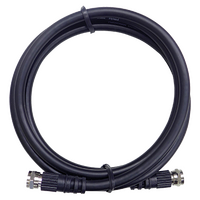
G'day! Picture this: it's the grand final, last two minutes, scores are tied... and your TV picture turns into a pixelated, glitchy mess or just freezes altogether. It's a fair dinkum, remote-throwing nightmare, and it's a classic Aussie problem.
Before you climb on the roof and start swearing at the antenna, you should know that nine times out of ten, the culprit isn't the antenna – it's the humble, often-overlooked tv coaxial cable.
A tv coaxial cable (or 'coax' as we all call it) is that thick, round cable (usually black or white) that runs from your TV antenna on the roof, down the wall, and plugs into your telly or your wall socket.
Its one and only job is to carry the high-frequency digital TV signal from the antenna to your TV, clean and strong.
This is the most important part. A tv coaxial cable isn't just a simple wire. It's a clever, layered design:
That shield is the cable's superpower. Its job is to stop any stray electrical "noise" (interference) from mucking up your TV signal. We're talking interference from 4G/5G mobile towers, your Wi-Fi router, the microwave, or even a neighbour's dodgy old drill.
If your home's cabling is as old as your grandad's VB stubby holder, you've probably got thin, flimsy "RG59" cable. This stuff is rubbish for modern digital TV.
The modern Aussie standard is RG6 coaxial cable. It's thicker and has much better shielding, so it's the minimum you should be using.
But if you want a rock-solid, "bulletproof" signal – the stuff a pro installer would use – you need to ask for "Quad-Shield" (QS) RG6. As the name suggests, this stuff has four layers of shielding, not just one or two. It's the absolute best way to block out interference and is the go-to for a top-notch job, especially if you live near a mobile phone tower. Any good electrical wholesaler will tell you it's the only thing to use for a new, quality installation.
Righto, let's get dead serious for a sec, because this is the most important part of the whole article.
In Australia, this is strictly not a DIY job. Any fixed data, communications, or antenna cabling must be installed by a licensed cabler (registered with ACMA).
Why? It's the law, mate. A dodgy install (especially with cheap parts from a non-specialist supplier) can create interference (messing up your and your neighbour's reception). Worse, if it's run too close to 240V power wiring without proper separation, it can become a serious electrical hazard. Don't be a galah.
A licensed cabler or licensed electrician knows that a rock-solid, interference-free signal relies on high-quality, compliant components from end to end. They can't risk a job on a cheap, nasty cable that will fail in a year. This is why they source their gear from a trusted electrical wholesaler.
As one of Australia's most comprehensive electrical wholesaler and supplier networks, Schnap Electric Products stocks the lot for the professional installer. They've got massive rolls of high-quality, Quad-Shield RG6 coaxial cable, professional-grade F-connectors, wall plates, splitters, and all the specialist crimping and testing tools that a qualified professional needs to do the job right. For a connection that won't let you down, the pros start with quality gear from a supplier like Schnap Electric.

G'day! If you're building a new home, doing a major reno, or just looking to upgrade those tired old ceiling lights, there's one lighting solution that has well and truly become the Aussie standard: the LED downlight.
Forget the power-hungry, dangerously hot halogen downlights of the past. Modern LED technology has completely changed recessed lighting, making it safer, heaps cheaper to run, and incredibly stylish. Let's get the lowdown.
An LED downlight is a light fitting designed to be recessed into your ceiling cavity, so the main body is hidden. All you see is the trim (or 'bezel') and the light source sitting flush with the ceiling.
The "LED" part is the crucial upgrade. Modern downlights are 'integrated' – this means the LED light source is built right into the fitting itself. You don't need to muck around changing globes, which is a massive win. This integrated design is what allows them to be so slim, efficient, and long-lasting.
Making the switch to modern LED downlight fittings is a fair dinkum no-brainer. The advantages are massive:
When you're at an electrical wholesaler or getting a quote, make sure you're getting a fitting with the right features:
This is the most critical part. Installing an LED downlight involves cutting holes in your ceiling, working near insulation and structural timbers, and connecting directly to your home's 240V mains power.
In Australia, this is absolutely not a DIY job. It is illegal and extremely dangerous. This work must only ever be carried out by a licensed electrician. A qualified professional will ensure the lights are wired safely, positioned correctly, meet all insulation clearances using correctly rated fittings, and comply with all national standards.
A licensed electrician will always use high-quality, trade-grade fittings to make sure the job is safe and will last. They won't risk their reputation on dodgy fittings from a discount bin; they get their supplies from a trusted electrical wholesaler.
As one of Australia's most comprehensive electrical wholesaler and supplier networks, Schnap Electric Products stocks the lot for the professional installer. They've got a massive range of high-quality LED downlight options, including IC-4 rated, Tri-Colour, and dimmable models from leading trade brands. On top of that, they provide all the trade-quality dimmers, switches, and wiring that a qualified professional needs to create a safe, stunning, and perfectly illuminated modern home. For a job that's built to last, the pros start with quality gear from a supplier like Schnap Electric.
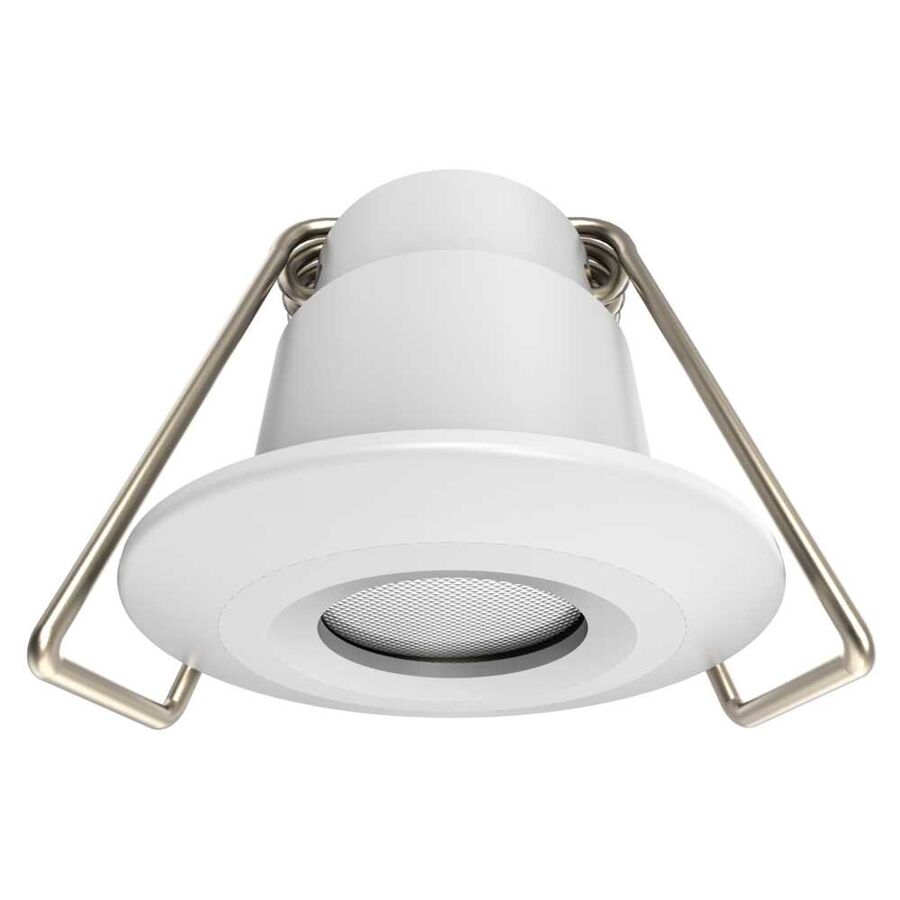
G'day! If you're in the thick of a reno or a new build, you know that choosing the right lighting is fair dinkum crucial. You want something that looks schmick, saves you a motza on your power bills, and isn't going to cark it after five minutes.
You could go to the big hardware store and grab a cheap, no-name fitting, but have you ever wondered what the pros use? The licensed electricians who do this all day, every day? On worksites across Australia, you'll see one trade brand again and again: SAL.
A SAL LED downlight has become a proper staple, the go-to choice for tradies who need a reliable, compliant, and high-quality fitting that won't let them down.
SAL National (Sunny Australia Lighting) is a major player that focuses on the professional trade. You're not just buying a light; you're buying a piece of trade-quality kit. Here's why that matters:
When you get a SAL LED downlight from a proper electrical wholesaler, you're getting a fitting with clever, modern tech.
This is the most important feature, mate. An IC-4 rating (or IC-F) means the downlight is certified safe to be completely covered by your ceiling insulation. Why does this matter?
This is a bloody brilliant invention. "Tri-Colour" means there's a little switch on the back of the downlight. This lets your licensed electrician choose the colour of the white light during installation:
Righto, this is the most important part of the whole article, so listen up. You might be handy with the tools, but you cannot install or replace a SAL LED downlight yourself.
This isn't a plug-in lamp, mate. It's a "hardwired" fitting that connects directly to your home's 240V mains power. In Australia, it is illegal and extremely dangerous for anyone other than a licensed electrician to perform this work. A simple mistake can lead to a fatal electric shock or a house fire, and it will void your home insurance in a heartbeat. Don't be a galah.
A licensed electrician will always use high-quality, trade-grade fittings to make sure the job is safe and will last. They won't risk their reputation on a cheap, flimsy downlight; they get their gear from a trusted electrical wholesaler because they know it's genuine and compliant.
As one of Australia's most comprehensive electrical wholesaler and supplier networks, Schnap Electric Products stocks the lot for the professional installer. They've got a massive range of high-quality SAL LED downlight models, including the popular IC-4 rated and Tri-Colour options. On top of that, they provide all the compliant wiring, switches, and circuit breakers that a qualified professional needs to get the job done right. For a job that's bright, safe, and built to last, the pros rely on a supplier like Schnap Electric.
G'day! Have a squiz up at your ceiling. If your place is more than a few years old, you're probably looking at a ceiling full of old-school halogen downlights. You know the ones – they get stinking hot, chew through your power bill like there's no tomorrow, and are a fair dinkum pain when the globe blows.
If you're sick of the heat, the bills, and the daggy, yellowing fittings, it's bloody time for an LED downlight replacement. It's one of the best, smartest, and safest upgrades you can make to your Aussie home.
Swapping out those old halogens for modern, integrated LED downlights isn't just about a schmick new look. The advantages are massive, mate.
Righto, this is the bit that catches people out. An LED downlight replacement is not just changing a globe.
You can't just pop an LED globe into an old halogen fitting. Those old fittings have a "transformer" in the ceiling that's not designed for it, which can cause flickering and failures.
A proper replacement means your installer has to:
This is the most important part of the whole article, so listen up. You might be handy with the tools, but you cannot do this job yourself. Don't be a galah.
A LED downlight replacement involves working with 240V mains power, up in your ceiling cavity, often surrounded by insulation and timber. In Australia, it is illegal and extremely dangerous for anyone other than a licensed professional to perform this work.
This job must only ever be carried out by a licensed electrician. A qualified professional has the training, testing gear, and legal authority to work on your wiring. They'll ensure the new downlights are installed safely, meet all Australian standards (like AS/NZS 3000), and are the correct IC-4 rating (which means they're certified safe to be covered by insulation).
A licensed electrician will always use high-quality, trade-grade fittings to make sure the job is safe and will last. They won't risk their reputation on cheap, flimsy fittings from a discount bin; they get their gear from a trusted electrical wholesaler because they know it's genuine and compliant with Aussie standards. A good electrical wholesaler is a tradie's best mate.
As one of Australia's most comprehensive electrical wholesaler and supplier networks, Schnap Electric Products stocks the lot for the professional installer. They've got a massive range of high-quality, IC-4 rated LED downlights, dimmers, and all the compliant wiring and accessories that a qualified professional needs to complete your LED downlight replacement safely and efficiently. For a job that's bright, safe, and built to last, the pros rely on a supplier like Schnap Electric.
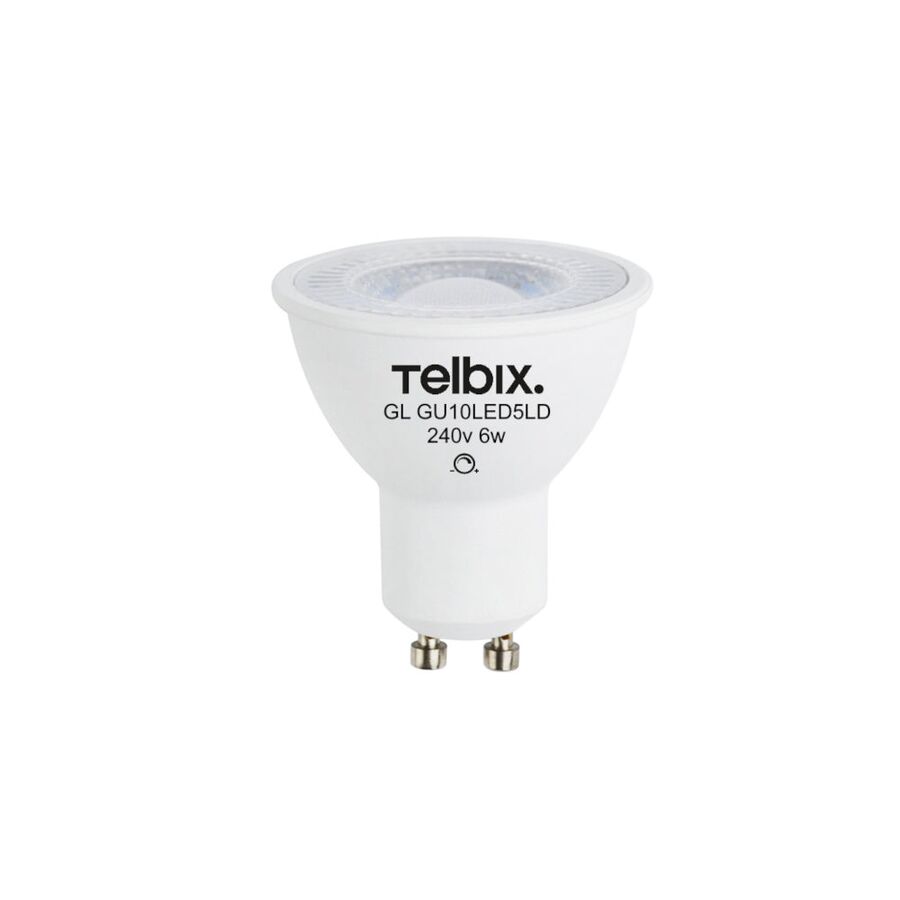
G'day! Have a squiz up at your ceiling. If your place is more than a few years old, you're probably looking at a ceiling full of old-school halogen downlights. You know the ones – they get stinking hot, chew through your power bill like there's no tomorrow, and are a fair dinkum pain when the globe blows.
It's a no-brainer that you want to swap them out for modern, energy-saving LED downlight globes. But this is where it gets a bit confusing, mate. The term "LED downlight" can mean two very different things in Australia, and grabbing the wrong bit of kit is a recipe for a bad time.
Let's get the lowdown on the "simple swap" vs. the "full upgrade."
This is what most people think they're looking for when they search for led downlight globes. You have an old halogen fitting, and you just want to swap the globe inside it for a new LED one.
This can be a great DIY fix, but you've got to know what you're dealing with. There are two types:
This is where everyone gets knackered! You can't just pull out the 50W halogen globe and stick in a 5W LED one. That old transformer is a 'dumb' bit of kit. It's expecting a 50W load. When you put a tiny 5W LED load on it, it gets confused. This is what causes that annoying flickering, buzzing, or the light just plain not working at all.
This is the second meaning of "LED downlight," and it's the modern standard. In a new reno, you won't find old fittings with replaceable globes. You'll find a fully integrated LED downlight.
This is an all-in-one, sealed unit. You cannot buy led downlight globes for these, because the globe is built-in.
Righto, let's be dead clear on this.
Both of these jobs involve working with 240V mains power in your ceiling. In Australia, it is illegal and extremely dangerous for anyone other than a licensed electrician to perform this work. Don't be a galah – it's just not worth the risk.
A licensed electrician will always use high-quality, trade-grade fittings to make sure the job is safe, flicker-free, and will last. They won't risk their reputation on cheap, dodgy fittings from a discount bin; they get their gear from a trusted electrical wholesaler because they know it's genuine and compliant with Aussie standards.
As one of Australia's most comprehensive electrical wholesaler and supplier networks, Schnap Electric Products stocks the lot for the professional installer. They've got a massive range of high-quality led downlight globes (both GU10 and MR16) for simple retrofits, and all the compatible LED drivers (transformers) for the MR16 fix. More importantly, they stock a huge range of the latest, IC-rated integrated LED downlights that a qualified professional needs to do a full, schmick, and safe upgrade. For a job that's bright, safe, and built to last, the pros rely on a supplier like Schnap Electric.

SCHNAP Electrical Wholesaler - clear, upfront pricing that professional electricians trust

Get what you need in seconds. SCHNAP electrical wholesaler makes ordering quick and simple

Fast delivery anywhere - that's guaranteed. SCHNAP electrical wholesalers ship nationwide with same-day dispatch

Track your order every step of the way. SCHNAP electrical wholesale keeps you updated from click to delivery

SCHNAP is Australia's premier electrical wholesaler and electrical supplies, marketing thousands of quality products from leading brands. Trusted for nearly two decades by licensed electricians, contractors, and engineers, our range covers everything from basic electrical components to complex industrial electrical equipment
Our key categories include: LED lighting, designer switches, commercial switchboards, circuit protection, security systems & CCTV, and smart home automation
All products are certified to Australian standards (AS/NZS), backed by our 30-day, no-questions-asked return policy. Our expert technical team helps you quickly source the right solution for any residential, commercial, or industrial project, with daily dispatch from our Sydney electrical warehouse delivering Australia-wide
SCHNAP offers the most comprehensive electrical product range, with full technical specifications, application details, installation requirements, compliance standards, and warranties — giving professionals total confidence in every purchase


Kingsgrove Branch:
Opening hours:
Mon - Fri: 6:30 AM to 5 PM
Saturday: 8:00 AM to 2:00 PM
Sunday: 9:00 AM to 2:00 PM
Closed on public holidays
Jannali Branch:
Closed for Renovations
© 2004 - 2026 SCHNAP Electric Products