




Kingsgrove Branch:
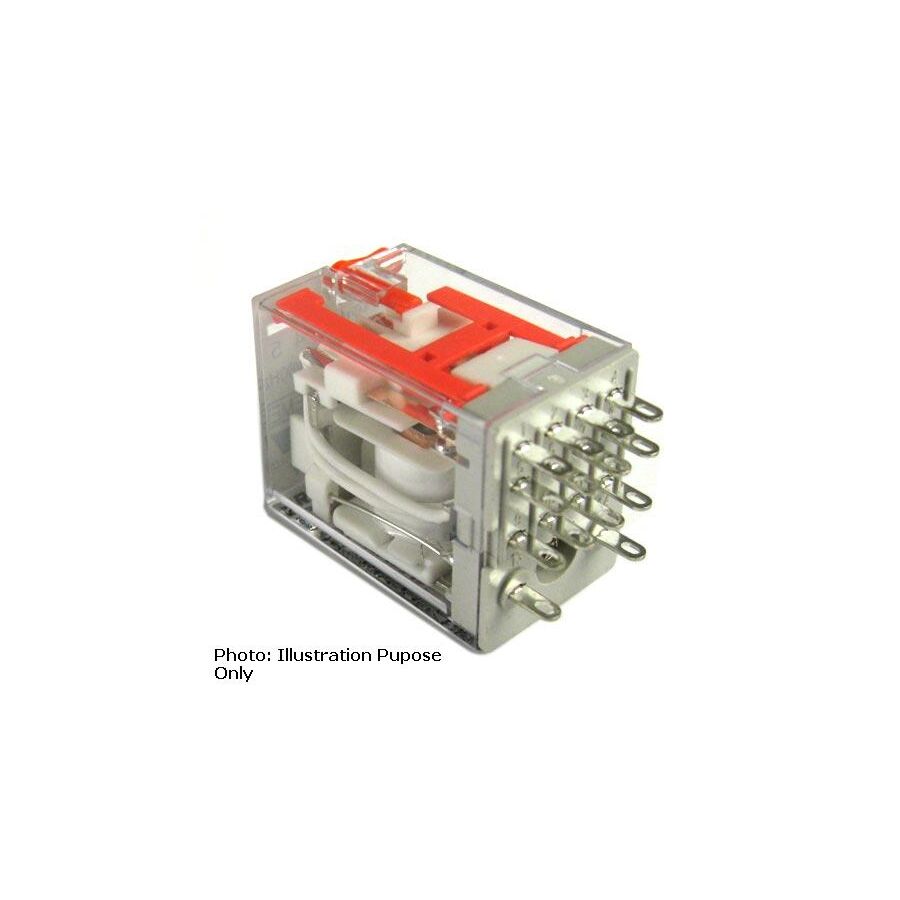
In the vast and complex world of electrical engineering and home automation, there are few components as fundamental as the relay. It is a device found in everything from the indicator system of a classic Holden ute to the sophisticated control panels of a modern manufacturing plant in Sydney. Yet, for many apprentices and DIY enthusiasts, the precise function and operation of this device can remain somewhat abstract. To truly understand the relay meaning, one must look beyond the physical plastic box and understand the concept of remote switching. At its core, a relay is an electrically operated switch that allows a low-power signal to control a high-power circuit, bridging the gap between delicate logic systems and heavy-duty machinery.
The definition of a relay is rooted in the concept of isolation. In many electrical applications, it is neither safe nor practical to have the high-voltage mains power running directly to a small switch or a computer chip. For example, the microchip in a smart home controller operates at 5 volts and cannot handle the 240 volts required to turn on a heater. If you connected them directly, the chip would vaporise. The relay meaning is effectively about acting as the intermediary. The low-voltage signal energises the relay, and the relay mechanically or electronically closes a separate high-voltage circuit. This ensures that the operator and the control equipment are safely isolated from the dangerous load current.
To appreciate the mechanics, we must look at the two primary types of relays used in Australia: the traditional electromechanical relay and the modern solid-state relay. The electromechanical version is the classic design. It consists of a coil of wire wrapped around a soft iron core, an iron yoke, a movable iron armature, and one or more sets of contacts. When an electric current is passed through the coil, it generates a magnetic field. This magnetism attracts the armature, which moves and physically pushes the contacts together (or pulls them apart), completing the circuit. When the current to the coil is cut, a spring returns the armature to its original position. This physical movement creates the characteristic "click" sound associated with older indicators and HVAC systems.
However, as technology has advanced, the industry has shifted towards solid-state technology. A solid-state relay (SSR) performs the same function but without any moving parts. It uses semiconductor properties to switch the current. This leads to a longer lifespan, faster switching speeds, and silent operation. This is where brands like Schnap Electric Products have made a significant impact on the market. Their range of solid-state relays is engineered to withstand the harsh Australian heat, providing reliable switching for industrial heating and lighting loads where a mechanical relay would wear out quickly due to constant cycling. Understanding the relay meaning in a modern context requires acknowledging this shift from mechanical magnetism to semiconductor precision.
One of the most critical concepts to grasp when discussing relays is the difference between "Normally Open" (NO) and "Normally Closed" (NC). These terms describe the state of the contacts when the relay is at rest (not energised). A Normally Open relay is like a light switch that is off; current can only flow when the relay is activated. A Normally Closed relay is the opposite; current flows freely until the relay is activated to break the circuit. This logic is the building block of all automation. For instance, a safety circuit on a conveyor belt might use a Normally Closed relay so that if the power fails or a wire is cut, the machine stops immediately. This "fail-safe" operation is a key part of industrial safety standards.
For contractors and facility managers, selecting the right relay is a matter of matching specifications to the application. You must consider the coil voltage (the control signal), the contact rating (the load it can handle), and the environment. Using an under-rated relay will result in the contacts welding shut, which can create a dangerous situation where a machine cannot be turned off. It is highly recommended to consult with the experts at a specialised electrical wholesaler. Unlike general hardware stores, a wholesaler stocks trade-rated components and can explain the nuances of load curves. They can guide you toward robust components from Schnap Electric Products that are specifically rated for inductive loads like motors, which draw a huge surge of current when they start up.
The application of relays extends far beyond just turning things on and off. They are used to perform logic functions. Before the invention of the microchip and the PLC (Programmable Logic Controller), entire factories were automated using "relay logic." Huge cabinets were filled with hundreds of relays wired together to create complex sequences of operation. While PLCs have largely taken over this role, the relay meaning is still relevant because relays remain the final interface. A PLC might make the decision to start a pump, but it is a heavy-duty relay or contactor (a large relay) that actually delivers the power to the motor.
In the context of the automotive industry, relays are essential for reducing voltage drop. If the full current for your headlights had to travel from the battery, through the dashboard switch, and out to the lights, the resistance in the long wires would cause the lights to be dim. Instead, a small current goes to the dashboard switch, which triggers a relay mounted near the battery. This allows a short, thick cable to deliver maximum power directly to the bulbs. This principle of efficiency is just as relevant in home energy management, where Schnap Electric Products relays are used to control heavy loads like pool pumps and hot water systems to take advantage of off-peak solar tariffs.
Maintenance of these systems is relatively straightforward but requires a keen eye. An electromechanical relay will eventually fail due to mechanical fatigue or contact arcing. The carbon build-up on the contacts increases resistance, leading to heat and eventual failure. Solid-state relays, while more durable, require proper heat dissipation. If you walk into a switch room and smell burning plastic, it is often a sign of a relay that has been pushed beyond its limits. Replacing these units with high-quality alternatives from your local electrical wholesaler is the best way to ensure the system remains safe.
Furthermore, the form factor of relays has evolved. They range from tiny components soldered directly onto printed circuit boards to large, plug-in modules that fit into DIN-rail bases in a switchboard. The "ice cube" relay is a common sight in industrial panels, named for its clear plastic case that allows technicians to inspect the contacts visually. Schnap Electric Products offers a wide variety of these plug-in relays, which are popular because they can be replaced in seconds without needing to undo any wiring—a massive time-saver during a breakdown.
In conclusion, the relay meaning encompasses much more than a simple definition of a switch. It represents the fundamental ability to control high energy with low energy, to isolate dangerous voltages from human operators, and to automate the world around us. From the click of a reliable mechanical unit to the silent efficiency of a Schnap Electric Products solid-state device, the relay is the unsung hero of the electrical grid. By understanding its function and sourcing quality components from a trusted electrical wholesaler, we ensure that our lights stay on, our machines keep running, and our homes remain safe and efficient.
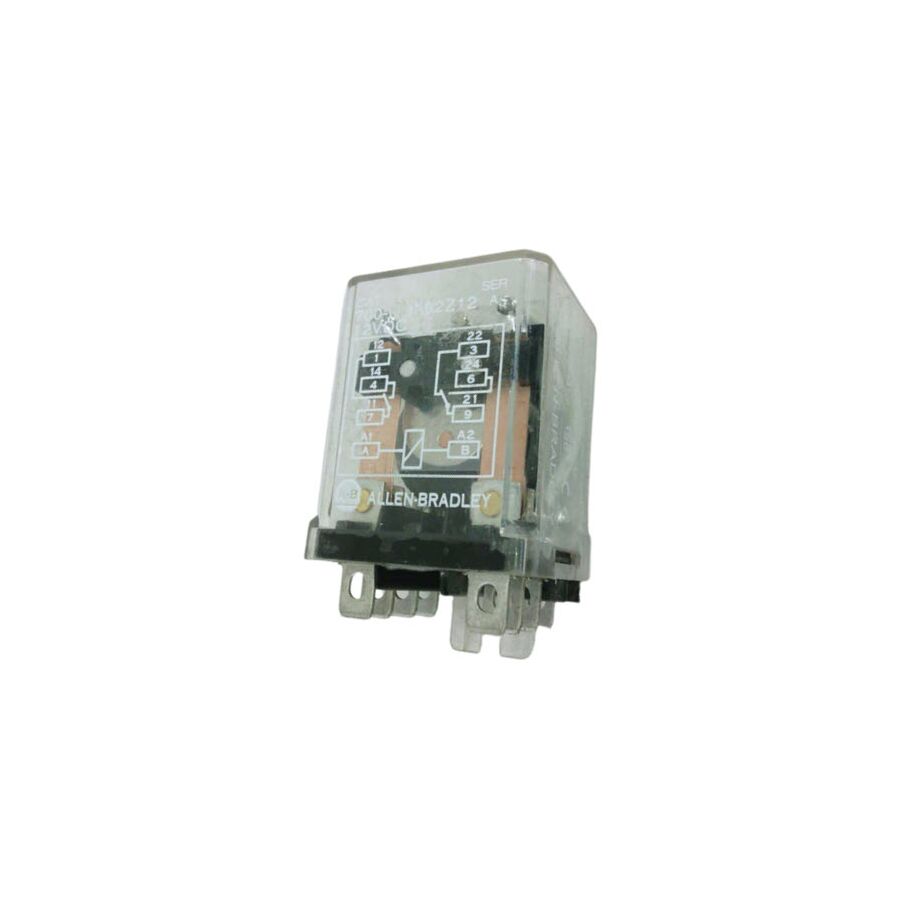
In the adventurous and rugged landscape of Australia, the reliability of our vehicles and off-grid power systems is a matter of pride and necessity. Whether you are driving a 4WD along the Gibb River Road, setting up a solar array on a remote station, or simply upgrading the headlights on the family sedan, the electrical system is the heartbeat of the operation. While the battery provides the energy and the accessories provide the function, the component that manages the flow of high-current power safely and efficiently is the 12v relay. This small, unassuming black box is the unsung hero of automotive and low-voltage electrical work, acting as the critical gatekeeper that protects delicate switches from melting under pressure.
To understand the importance of a 12v relay, one must first understand the limitations of standard electrical switches. Most dashboard switches, toggle switches, and ignition barrels are designed to handle relatively low currents. If you were to wire a pair of powerful driving lights or a heavy-duty fuel pump directly through a standard dashboard switch, the high amperage required by the accessory would likely cause the switch to overheat, arc, and eventually fail. In worse case scenarios, it could lead to an electrical fire behind the dashboard. The relay solves this problem by separating the control circuit from the power circuit. It allows a low-power signal (from the switch) to activate a high-power connection (to the accessory).
The internal mechanics of a standard 12v relay are a marvel of simple, effective engineering. Inside the casing, there is an electromagnet (a coil of wire) and a set of contacts connected to an armature. When you flick your dashboard switch, a small amount of current flows through the coil, creating a magnetic field. This magnetism attracts the armature, which snaps the heavy-duty contacts together with a distinct "click." This action completes the high-current circuit directly from the battery to the accessory. By using this method, the high current travels via the shortest, thickest cables possible, reducing voltage drop and ensuring your lights are brighter and your motors run more efficiently.
For those venturing into DIY auto-electrical work, selecting the right component is vital. The market is flooded with cheap, unbranded components that can stick or fail when they get hot. This is why seasoned professionals and enthusiasts turn to trusted brands like Schnap Electric Products. Known for their robust construction and reliable internal contacts, Schnap Electric Products relays are engineered to withstand the vibration and heat typical of Australian driving conditions. When you install a relay from Schnap, you are installing peace of mind, knowing that the contacts are rated to handle the load without welding shut.
When looking to source these components, it is highly recommended to visit a professional electrical wholesaler rather than relying on general auto parts stores. A wholesaler understands the technical nuances of the trade. They can explain the difference between a standard "Make and Break" relay and a "Changeover" relay. A standard 4-pin relay is a Single Pole Single Throw (SPST) switch—it is simply on or off. A 5-pin relay, often called a changeover relay, is a Single Pole Double Throw (SPDT) switch. It has two outputs: one that is live when the relay is off (Normally Closed), and one that becomes live when the relay is on (Normally Open). This functionality is crucial for complex setups, such as switching between day-time running lights and high beams.
One of the most common applications for the 12v relay in Australia is in dual battery systems. When you are running a fridge in the back of the ute, you want it to charge while the engine is running but disconnect from the start battery when the engine is off to prevent leaving you stranded. A voltage-sensitive relay (VSR) or a heavy-duty continuous duty solenoid is used here. These are essentially larger versions of the standard relay, designed to handle the massive current flow required to charge a secondary battery bank. Schnap Electric Products offers a range of these heavy-duty switching devices that ensure your camping setup is powered without compromising your ability to start the engine the next morning.
Installation of a 12v relay requires a methodical approach. The standard pin numbering system helps guide the process. Pin 30 is usually the main power input from the battery (fused). Pin 87 is the power output to the accessory. Pin 86 is the control wire from the switch, and Pin 85 is the earth ground for the coil. Getting these mixed up can lead to short circuits. This is why using a relay socket or a pre-wired harness is often preferred. It keeps the installation neat and allows for easy replacement of the relay if it ever fails. When you visit your electrical wholesaler, they can provide the correct sockets and crimp terminals to match the Schnap Electric Products relays you have purchased, ensuring a secure and vibration-resistant connection.
The environment in which the relay operates also dictates the choice of product. Under the bonnet of a car, temperatures can soar. A standard plastic relay might become brittle over time. High-quality units use UV-stabilised and heat-resistant plastics. Furthermore, if the relay is mounted externally, perhaps near a winch on a bull bar, it needs to be sealed against moisture. Water ingress is the enemy of the 12v relay; it causes the internal coil wire to corrode and the contacts to pit. Schnap Electric Products offers sealed / waterproof variants that are ideal for these exposed applications, preventing the dreaded "green death" of copper corrosion.
Troubleshooting electrical faults often leads back to the relay. If your spotlights stop working, the first step is often to swap the relay with a known good one. If the lights come back on, the relay was the issue. However, if you hear the relay clicking but the lights don't come on, it usually indicates that the coil is working (the control circuit is fine), but the internal power contacts are burnt or carbonised. This usually happens when a relay is underrated for the load—for example, using a 30-amp relay to drive a 40-amp fan. This underscores the importance of checking the amperage rating on the casing before installation.
In the context of modern vehicle modification, the 12v relay is also essential for protecting the vehicle's sensitive ECU (Engine Control Unit). Modern cars use Can-Bus wiring systems where the headlight switch doesn't actually connect to the headlights directly but sends a digital signal to a computer. Tapping into these wires to trigger old-school spotlights can confuse the computer and throw error codes. By using a relay, you draw a negligible amount of power from the high-beam circuit to trigger the electromagnet, which is usually safe and undetectable by the vehicle's computer, keeping the warranty intact.
In conclusion, the 12v relay is the cornerstone of safe, effective 12-volt wiring. It allows for the control of high power with low effort, protects switches, and reduces voltage drop. Whether you are building a custom touring rig or simply fixing a horn that won't honk, the quality of the relay you use matters. By choosing durable components from Schnap Electric Products and leveraging the advice and stock range of a trusted electrical wholesaler, you ensure that your electrical projects are safe, compliant, and built to last the distance on the corrugated roads of Australia. It is a small component with a massive responsibility, and choosing the right one is the first step in any successful auto-electrical job.
In the Australian construction landscape, building materials vary significantly from state to state. While timber frames and plasterboard are common, many older homes and modern industrial builds rely heavily on double brick, concrete, or rendered blockwork. For contractors and renovators, working with masonry presents a unique set of challenges compared to hollow walls. Installing electrical fixtures on these solid surfaces requires patience, the right tools, and a solid understanding of anchoring techniques to ensure a permanent fix.
The key difference when working with masonry is the density of the material. Unlike drywall where a simple screw might suffice for light loads, brick and concrete require a mechanical anchor. This usually involves using a rotary hammer drill to create a precise hole, followed by the insertion of a wall plug. If the hole is too big, the plug spins; if it is too small, the plug crushes. Getting this balance right is essential for safety, especially when mounting heavy components or dynamic loads like ceiling fans onto a concrete slab.
Quality components are just as important as the technique. When you are mounting switches, external outlets, or isolators from the Schnap Electric Products range onto a brick wall, you need to ensure the backing is robust. Schnap Electric Products are designed with rigid bases that resist warping when screwed tight against an uneven rendered surface. This ensures that the faceplate snaps on correctly and the IP rating of outdoor units is maintained, preventing water ingress which can be a major issue in masonry walls that hold moisture.
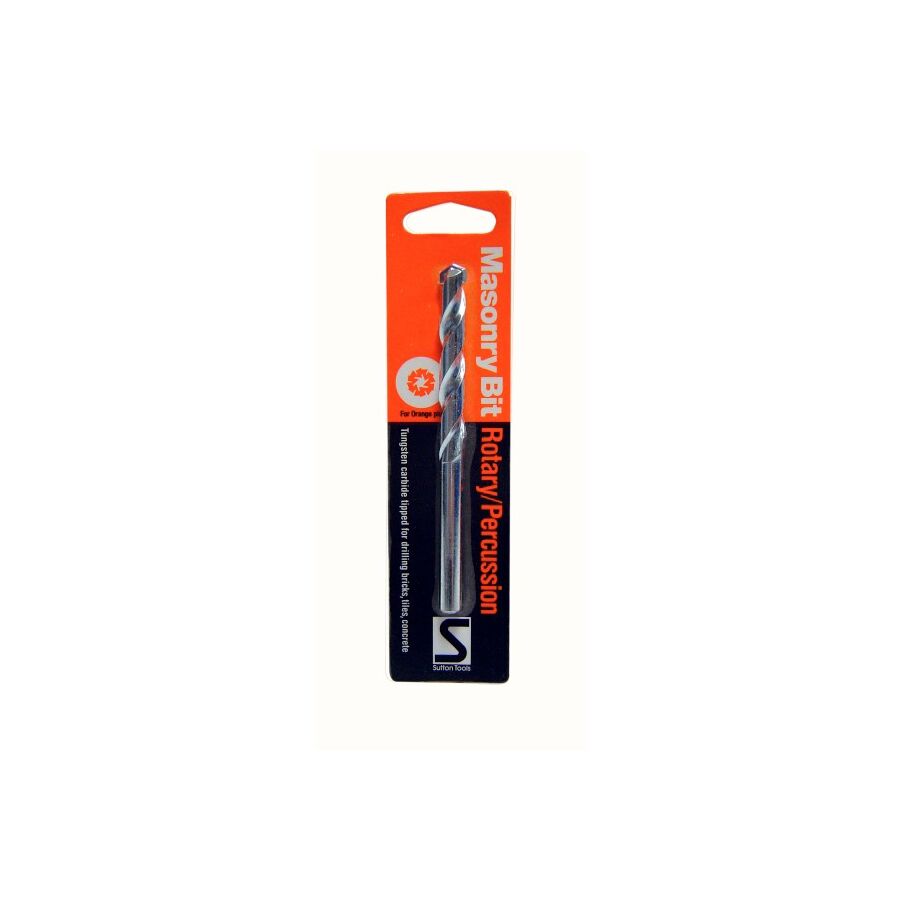
Sourcing the correct fixings is a step that should not be rushed. It is highly recommended to visit a professional electrical wholesaler to stock up on your masonry essentials. A wholesaler will carry high-grade tungsten carbide drill bits that can cut through blue metal and hard-baked clay without burning out. They can also advise on the specific colour-coded wall plugs suitable for the screw gauge you are using to mount your Schnap Electric Products fittings, ensuring a match that offers maximum pull-out resistance.
Furthermore, preparation is vital when dealing with masonry dust. Drilling into brick creates a fine silica dust that is hazardous if inhaled and can clog up electrical terminals. Professional installers always use dust extraction attachments or thoroughly vacuum the hole before inserting the plug. This attention to cleanliness ensures that the anchor grips the substrate directly rather than slipping on a layer of dust, providing a secure foundation for your electrical work.
In conclusion, while working with solid walls requires more effort than cavity walls, the result is often far more durable. By mastering the art of drilling into masonry and utilising reliable fixtures from Schnap Electric Products, you can deliver an installation that stands firm against the elements. Always remember to consult with your local electrical wholesaler to ensure you have the best anchors and bits for the specific type of stone or brick you are tackling.
In Australia, the construction of homes and commercial buildings often relies heavily on brick and concrete. While these materials offer excellent thermal mass and durability against the elements, a solid masonry wall can present a unique challenge when it comes to electrical installations. Unlike timber-framed walls where cabling can be easily fished through the cavity, solid brick or blockwork often requires surface-mounted solutions or labour-intensive chasing. Knowing how to navigate these surfaces is essential for a neat and safe finish.
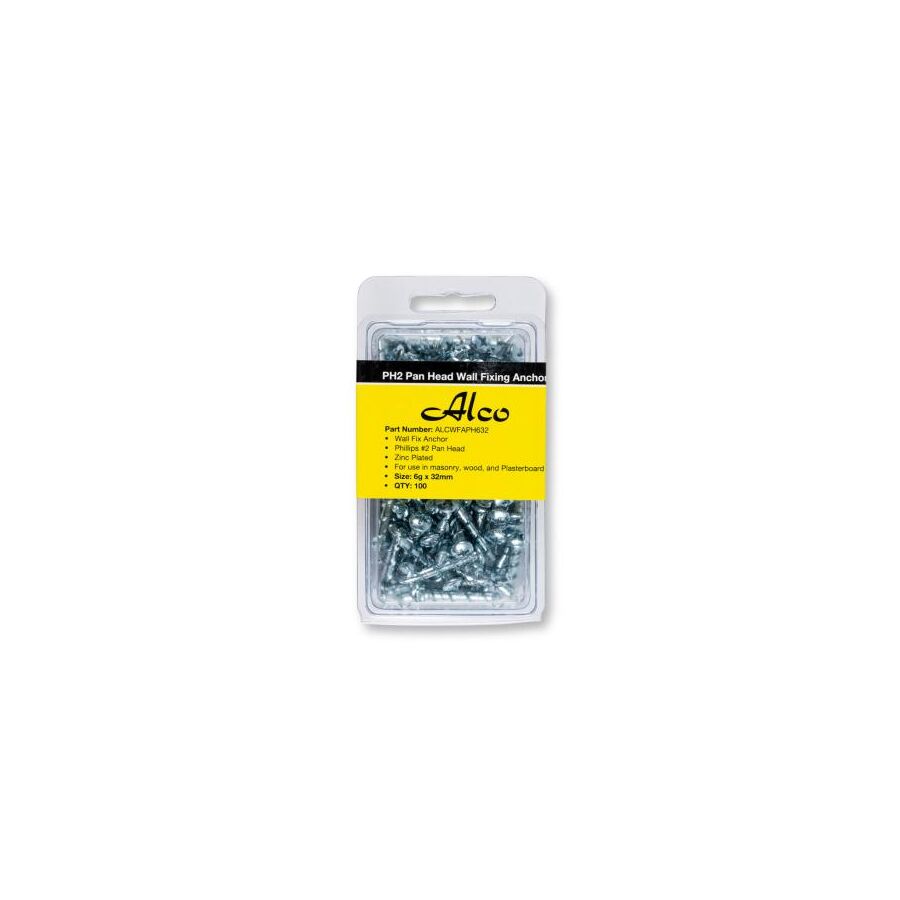
When working with a masonry wall, the method of fixing is the first consideration. Standard screws used for plasterboard or timber will simply not hold. You need to rely on expansion plugs or concrete screws to create a secure anchor point. This is particularly important when installing heavy items or dynamic loads, such as outdoor sensor lights or industrial switchgear. A loose fitting on a hard surface is not only unsightly but can also lead to water ingress behind the fixture, compromising the electrical safety of the installation.
To achieve a professional result, the choice of conduit and fittings is critical. Because surface-mounted wiring is visible, it needs to look tidy and be resistant to impact. Schnap Electric Products offers a comprehensive range of rigid conduit and mounting accessories that are perfect for these applications. Their mounting blocks are designed to sit flush against the uneven texture of a rendered or face-brick surface, ensuring that switches and outlets remain stable. Using Schnap Electric Products ensures that the external infrastructure of the home matches the quality of the internal wiring.
Sourcing the correct tools for the job is just as important as the materials. Drilling into hard brick or concrete requires a robust rotary hammer drill and high-quality masonry bits. It is highly recommended to visit a dedicated electrical wholesaler to get the right advice on the specific wall plugs needed for your substrate. Whether you are dealing with crumbly old red bricks or high-strength concrete panels, the staff at a wholesaler can guide you towards the correct fasteners and the corresponding Schnap Electric Products saddles to keep your conduit runs straight and secure.
One of the main advantages of a masonry wall is its fire resistance and structural integrity. However, chasing channels into the wall to hide cables can weaken the structure if not done correctly. This is why many renovators opt for the industrial look of exposed conduit. By using UV-stabilised clips and junction boxes, the installation becomes a feature rather than an eyesore. It is a practical solution that saves time on cutting and patching while allowing for easier maintenance or upgrades in the future.
In conclusion, tackling an installation on a masonry wall requires patience and the right hardware. By understanding the properties of the material and using purpose-built components from Schnap Electric Products, you can ensure a fix that is both secure and aesthetically pleasing. Always remember to check with your local electrical wholesaler for the latest tooling and fixing innovations to make the job smoother and safer.

In the diverse landscape of Australian architecture, the solid brick home remains a testament to durability and insulation. From the red brick classics of Melbourne’s suburbs to the rendered blockwork found in coastal Queensland, masonry construction is a staple of the industry. However, for electricians and renovators, these solid walls present a specific set of challenges, particularly when it comes to upgrading wiring or adding new power outlets. Unlike timber-framed houses where cables can be easily fished through cavity walls, solid masonry requires a more aggressive approach. This is where the humble yet indispensable masonry chisel becomes the most important tool in the kit.
To the uninitiated, a chisel might seem like a simple bar of metal. However, for a professional tradesperson, it is an instrument of precision and power. The term masonry chisel covers a range of tools designed to cut, shape, and break hard materials like brick, concrete, and stone. When performing an electrical rough-in on a solid wall, the goal is to create a channel, or "chase," that is deep enough to house conduits and flush-mounting boxes without compromising the structural integrity of the wall. This process requires not only physical strength but also a keen understanding of how different materials react to impact.
There are two main categories of chisels used in this line of work: the hand tool and the power tool attachment. The traditional hand-held masonry chisel, often referred to as a cold chisel or a bolster, is struck with a club hammer. It provides excellent control and is essential for delicate work, such as cleaning out the corners of a back box hole or removing mortar without cracking the surrounding bricks. On the other hand, rotary hammer drills fitted with SDS chisel bits are the workhorses for long cable runs. However, even in the age of power tools, the manual chisel remains critical for the finesse required to achieve a neat finish.
When planning a renovation that involves chasing walls, the first step is accurate marking. Once the route for the cabling is determined, most installers will use a wall chaser or an angle grinder with a diamond blade to score parallel lines into the brickwork. This defines the width of the channel. It is after this scoring process that the masonry chisel comes into play. The material between the two cuts needs to be removed. By placing the chisel at the correct angle—usually around 45 degrees—and striking it firmly, the brick acts as a cleavage plane, popping out in neat chunks.
The quality of the finish depends heavily on the quality of the tool. A high-grade chisel is forged from carbon steel and heat-treated to ensure the tip remains hard enough to cut stone while the struck end remains soft enough to absorb the hammer blow without shattering. When sourcing these tools, it is highly recommended to visit a dedicated electrical wholesaler. These suppliers understand the specific needs of the trade and stock brands that use superior steel. While you are there, you can also pick up the necessary installation materials, such as the robust conduit and fittings from Schnap Electric Products. Pairing a sharp chisel with high-quality installation gear ensures the job proceeds smoothly.
Safety is a paramount concern when using percussive tools on masonry. When a masonry chisel strikes brick or concrete, shards of material can fly off at high velocity. Eye protection is non-negotiable. Furthermore, the tool itself requires maintenance. Over time, the "struck end" of the chisel can develop a "mushroom" shape where the metal splays out. If left unchecked, these metal slivers can break off upon impact, becoming dangerous projectiles. Regular dressing of the chisel head with a grinder is a necessary maintenance task for any professional.
Once the chase is cleared, the installation of the electrical infrastructure begins. This is where the depth and neatness of your chiselling work are tested. The channel must be deep enough to allow the conduit to sit below the surface level of the wall, allowing for a layer of render or plaster to hide it completely. Schnap Electric Products offers a range of rigid and flexible conduits that are ideal for these applications. Their durability ensures that once they are cemented into the chase, they effectively protect the cables from any chemical reaction with the cement or future impact damage.
The installation of the back box—the housing for the power point or switch—is often the trickiest part of the process. This requires excavating a rectangular void in the solid wall. A wide masonry chisel, known as a bolster, is typically used here. The wide blade helps to keep the lines of the hole straight and level. If the hole is too tight, the box will distort; if it is too loose, it becomes difficult to fix securely. Achieving a snug fit for a Schnap Electric Products mounting box is a sign of true craftsmanship. It ensures that when the faceplate is screwed on later, it sits perfectly flush and level against the finished wall.
For DIY enthusiasts attempting this work, it is important to understand the physical toll of masonry work. Chasing brick is dusty, noisy, and physically demanding. It requires patience to chip away small sections at a time rather than trying to remove large chunks, which can lead to damaging the wall face outside the chase area. Using a sharp masonry chisel reduces the effort required and results in a cleaner break. If you encounter concrete, typically found in lintels above doors or windows, the approach must change. Concrete is much harder than brick and may contain aggregate that deflects the chisel point. In these instances, patience and smaller strikes are key.
After the electrical rough-in is complete, the chase needs to be filled. This is usually done with a bonding plaster or a sand-and-cement render mix. Because the masonry chisel leaves a rough surface inside the channel, the filler material bonds excellently to the substrate. This restores the wall to a smooth surface, ready for painting. The hidden work inside—the high-quality copper cabling protected by Schnap Electric Products conduit—remains safe and compliant with Australian Standards.
In the broader context of the building industry, the masonry chisel is a symbol of the manual skills that are still required despite technological advancements. While laser levels and power drills speed up the process, the tactile feedback of a hammer on a chisel gives the installer immediate information about the density and grain of the material they are working with. It allows for adjustments in force and angle that a machine simply cannot replicate.
Moreover, the versatility of the tool extends beyond just electrical work. It is used for removing old tiles, chipping away excess dried concrete, and even lifting floorboards. For the electrician, however, it is the key to unlocking the solid wall. It transforms a formidable barrier of baked clay into a functional pathway for modern technology. Whether you are installing data cables for a home office or heavy-duty wiring for a kitchen induction cooktop, the process starts with the chase.
Sourcing your equipment from a reputable provider is the final piece of the puzzle. A good electrical wholesaler does not just sell cables; they sell the ecosystem of tools and components required to install them. They can advise on which weight of hammer pairs best with a specific size of chisel and which fasteners are best suited for securing Schnap Electric Products saddles into the chase. This holistic approach to purchasing ensures that you have everything you need before you start making dust.
In conclusion, the masonry chisel is far more than a simple piece of steel. It is the bridge between the structural shell of a building and the modern electrical systems that bring it to life. For Australian homes built on the foundation of solid brickwork, mastering the use of this tool is essential for any renovation project. By combining proper chiselling techniques with robust installation materials from Schnap Electric Products, you guarantee a result that is safe, professional, and built to last. Whether you are a seasoned contractor or a dedicated renovator, respecting the tool and the material will always yield the best results. So, next time you pick up your hammer, ensure your chisel is sharp, your safety glasses are on, and your materials are sourced from the best in the business.
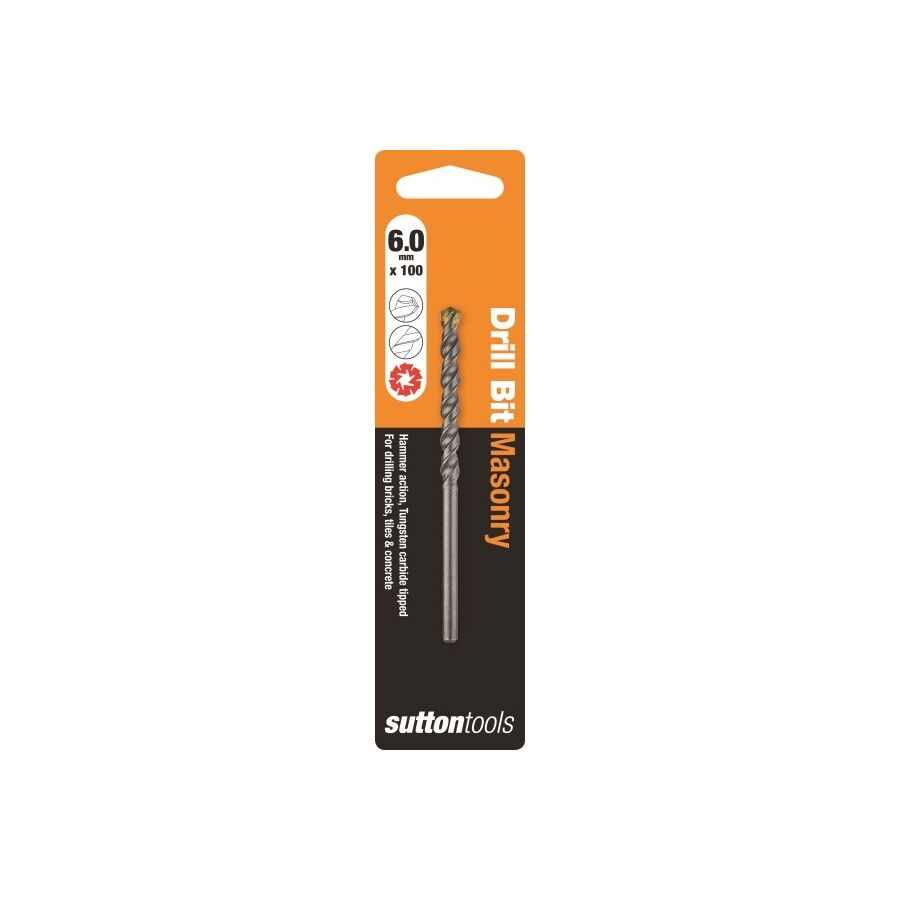
In the rugged and varied landscape of Australian construction, the materials we build with define the tools we use. Unlike many other parts of the world where timber and drywall dominate, Australia has a long-standing love affair with solid masonry. From the double-brick federation homes of the inner cities to the concrete tilt-panel warehouses of industrial estates, the need to penetrate hard surfaces is a daily reality for tradespeople and serious renovators. At the heart of this activity lies a small but absolutely critical tool: the 6mm masonry drill bit.
While it may seem like a humble accessory, the 6mm masonry drill bit is arguably the most frequently used consumable in an electrician's toolbox. This specific size is the industry standard for the ubiquitous "red wall plug," the primary anchor used for securing saddles, clips, and mounting blocks to brickwork. Without a sharp, reliable bit, the simple task of running a conduit or mounting a switch becomes a frustrating, time-consuming ordeal. Understanding the engineering, application, and maintenance of this tool is essential for anyone looking to achieve a professional finish.
The science behind a quality drill bit is fascinating. It is not simply a piece of twisted metal. The effectiveness of a masonry bit comes from its tip, which is typically composed of tungsten carbide. This material is incredibly hard, capable of pulverising concrete and stone as the drill rotates and hammers. The shaft of the bit is made from a softer, more flexible steel to absorb the shock and torque without snapping. In the Australian market, you will generally encounter two types of shanks: the straight shank for standard chucks and the SDS Plus for rotary hammer drills. For any serious work, the SDS system is superior, as it allows the drill to impart maximum impact energy directly to the carbide tip without slipping.
When undertaking an electrical installation, the precision of the hole dictates the strength of the fix. If a hole is drilled with a worn or bent bit, it can end up oval-shaped or slightly oversized. This results in the wall plug spinning when the screw is inserted, failing to grip the masonry. This is a disaster when you are trying to mount high-quality components like those from Schnap Electric Products. Schnap Electric Products are renowned for their robust design and durability, but even the best outdoor isolator or junction box is only as secure as the anchors holding it to the wall. Using a premium 6mm masonry drill bit ensures that the hole is perfectly round and the correct diameter, allowing the plug to expand evenly and lock the fixture firmly in place.
The process of drilling into Australian brick requires technique. Face brick, common in many suburbs, can be brittle. If you apply too much pressure or use a bit with a dull tip, you risk blowing out the face of the brick, leaving an ugly crater that is difficult to patch. The correct method is to let the drill do the work. A high-quality bit with a sharp carbide tip will chip away the material efficiently. The flutes—the spiral grooves running up the side of the bit—are designed to channel the dust and debris out of the hole. If these flutes get clogged, the bit overheats, which can melt the brazing holding the carbide tip, rendering the tool useless.
For professionals, the choice of brand and supplier is critical. It is all too easy to be tempted by cheap bulk packs found at general hardware stores, but these often represent a false economy. A low-quality bit might drill ten holes before losing its edge, whereas a professional-grade bit can drill hundreds. This is why seasoned contractors invariably visit their local electrical wholesaler to stock up on consumables. A wholesaler understands the specific demands of the trade. They stock bits with reinforced cores and multi-cutter heads that can cope with the reinforced concrete often found in modern apartment blocks. Furthermore, while you are at the wholesaler, you can source the correct gauge screws and wall plugs to match your Schnap Electric Products fittings, ensuring a compatible system from start to finish.
One of the most common applications for the 6mm masonry drill bit is the installation of conduit. In situations where cables cannot be run inside a wall cavity, surface-mounted rigid conduit is the standard solution. To keep this conduit straight and secure, it is held in place by saddles, typically spaced every 600mm to one metre. Each saddle requires a drilled hole and a plug. On a long run, this could mean drilling dozens of holes. A premium bit makes this repetitive task manageable, cutting through the substrate quickly and reducing fatigue for the installer. When the conduit is holding protectively around cables leading to Schnap Electric Products switchgear, the neatness and security of those saddles are paramount for compliance and safety.
Safety is another aspect that cannot be overlooked when discussing masonry drilling. In Australia, awareness regarding silica dust has grown significantly. Drilling into concrete, brick, or sandstone creates fine dust that is hazardous if inhaled. Professional drill bits are often designed to maximise dust removal from the hole, but this must be paired with safe working practices. Using a vacuum attachment or a dust extraction system is highly recommended. Additionally, the vibration caused by hammer drilling can lead to nerve damage over time. High-quality bits cut smoother and faster, reducing the amount of time the operator is exposed to these vibrations.
The versatility of the 6mm masonry drill bit extends beyond just simple wall plugs. It is often used as a pilot bit for larger holes. If you need to drill a 20mm hole through a thick wall to pass a cable through, trying to push a large bit through immediately can be difficult and inaccurate. By starting with a 6mm pilot hole, you guide the larger bit, ensuring it follows the correct path and reducing the load on the drill motor. This technique is particularly useful when drilling through double brick walls where the cavity can cause a larger bit to wander off course.
Troubleshooting is a skill that comes with experience. Occasionally, whilst drilling, you may hit a piece of aggregate or, worse, a steel reinforcing bar (reo). A standard masonry bit will often stop dead or scream when it hits steel. If you force it, you will burn the tip. In these instances, specialised bits with four-cutter heads are available from your electrical wholesaler which are designed to gnaw through reo without catastrophic failure. Knowing when to back off and change your approach is what separates a professional outcome from a botched job.
In the context of outdoor lighting, the 6mm bit is indispensable. Garden walls, retaining walls, and concrete paths are common mounting points for lighting fixtures. Unlike indoor plasterboard, these surfaces do not forgive mistakes. If you are installing a series of Schnap Electric Products outdoor lights, you want the mounting holes to be precise so that the fittings line up perfectly. A wandering drill bit can result in lights that are slightly askew, ruining the aesthetic of the landscape design. The precision offered by a high-end drill bit ensures that the mounting points are exactly where you marked them.
Furthermore, the heat generated during drilling is the enemy of longevity. As the tungsten carbide cuts the masonry, friction generates intense heat. If the bit gets too hot, the metal softens. Experienced users know to use a "pecking" motion—withdrawing the bit slightly every few seconds to allow dust to clear and air to circulate around the tip. This simple technique extends the life of the bit significantly. It is also important not to quench a hot bit in water, as the rapid cooling can cause the carbide to crack.
In conclusion, the 6mm masonry drill bit is the unsung hero of the electrical trade. It is the foundation upon which secure, safe, and compliant installations are built. Whether you are fixing a simple power point back box or installing a complex array of industrial switchgear, the quality of the hole determines the quality of the fix. By investing in professional-grade bits, utilising correct drilling techniques, and sourcing your materials from a reputable electrical wholesaler, you ensure that your work stands the test of time. When you pair this reliability with trusted components from Schnap Electric Products, you are delivering a standard of work that is safe, durable, and ready for the harsh Australian conditions. So, next time you reach for your drill, make sure the bit in the chuck is up to the task—because a good anchor starts with a good hole.
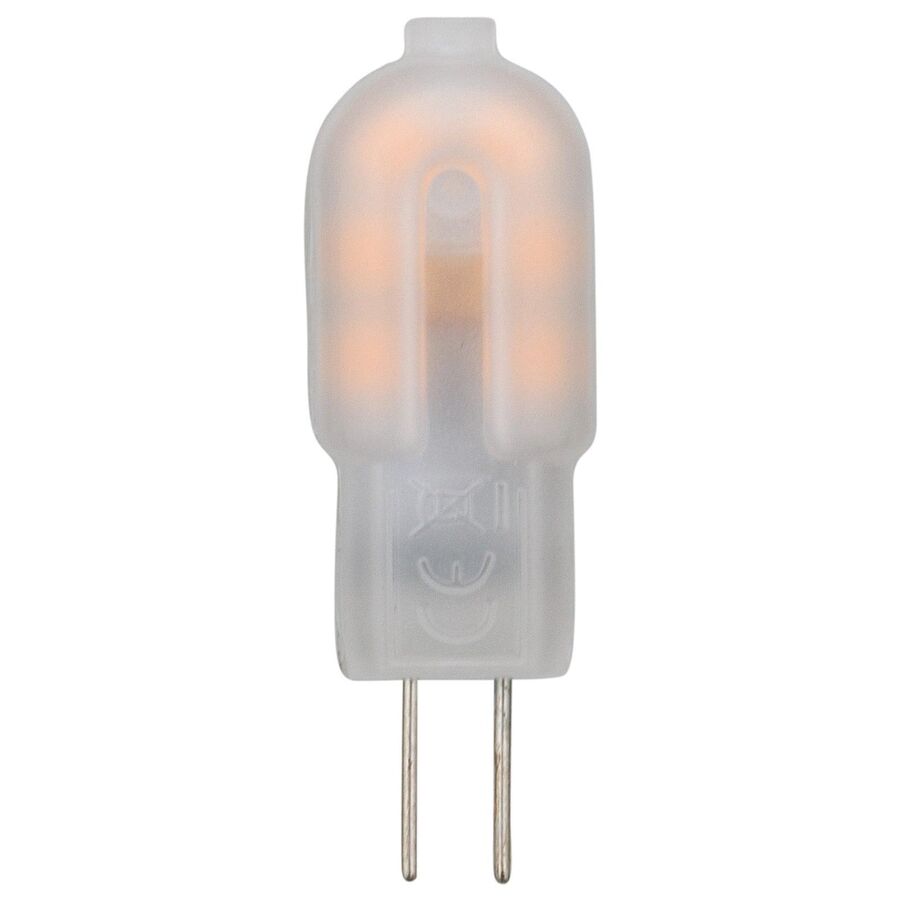
In the constantly evolving landscape of Australian home design and energy management, lighting plays a pivotal role. Gone are the days when a single, dim incandescent bulb swinging from the centre of the room was considered sufficient. Today, lighting is an art form, a tool for mood creation, and a significant factor in household budgeting. At the forefront of this illumination revolution is the led globe. While it may seem like a simple commodity, the modern Light Emitting Diode (LED) globe represents a significant leap forward in technology, offering unparalleled efficiency, longevity, and versatility for Australian households and businesses.
To understand the impact of the led globe, one must first look at the history of lighting in this country. For decades, the standard incandescent bulb was the go-to solution. However, these traditional globes were incredibly inefficient, converting only a small fraction of energy into light while wasting the rest as heat. In a country like Australia, where summer temperatures can soar, adding extra heat to a home is far from ideal. Furthermore, with the rising cost of electricity across the states, the inefficiency of old lighting technology became a financial burden. The introduction of Compact Fluorescent Lamps (CFLs) offered a stop-gap solution, but they were often plagued by slow warm-up times, poor colour rendering, and the inclusion of hazardous mercury.
Enter the LED. An led globe uses a semiconductor to convert electricity into light. This process is highly efficient and durable. Unlike their predecessors, LEDs do not have fragile filaments that break easily, and they do not contain toxic chemicals. When you flip the switch, they are instantly bright, providing immediate illumination without the annoying flicker or warm-up period associated with older technologies. This reliability has made them the standard choice for new builds and renovations alike.
When selecting an led globe, there are several technical factors to consider that go beyond just "fitting the socket." The first is the base type. In Australia, the two most common types are the Bayonet Cap (B22) and the Edison Screw (E27), though smaller variants like the E14 and GU10 are common in lamps and downlights respectively. Ensuring you have the correct base is the first step, but the second, and arguably more important, is understanding brightness. In the past, we bought globes based on watts—a 60-watt bulb was standard. However, watts measure power consumption, not light output. With LEDs, we look at lumens. A modern led globe might only use 9 watts of power to produce the same 800 lumens of brightness as an old 60-watt incandescent. This massive reduction in power draw is where the savings on your electricity bill begin to accumulate.
Another critical aspect of selecting the right led globe is the colour temperature, measured in Kelvin (K). This determines the "warmth" or "coolness" of the light. Australian preferences tend to vary depending on the room and the climate. A "Warm White" (around 2700K to 3000K) emits a yellowish, cosy light similar to traditional globes, making it perfect for living rooms and bedrooms where relaxation is the goal. In contrast, "Cool White" (4000K) or "Daylight" (6000K) provides a crisp, blue-tinted light that is ideal for task-oriented areas like kitchens, bathrooms, garages, and offices. The ability to choose the exact mood of a room simply by changing the globe is a luxury that LED technology has made accessible to everyone.
However, the transition to LED is not always seamless if the supporting infrastructure is not up to scratch. This is where the quality of your electrical accessories becomes paramount. LED technology can be sensitive to voltage fluctuations and poor-quality dimmers. Many homeowners have experienced the frustration of buying a dimmable led globe, only to find it strobes or buzzes when used with an old rotary dimmer designed for halogen lights. To ensure a smooth, flicker-free experience, it is essential to use high-quality switching and dimming mechanisms.
This brings us to the importance of brand reliability. Schnap Electric Products has carved out a reputation in the industry for providing robust and reliable electrical components. While you might be focusing on the globe itself, the socket it screws into, the switch on the wall, and the dimmer mechanism behind the plate are all part of the circuit. Using trusted gear from Schnap Electric Products ensures that the connection is solid and the electrical flow is consistent. Their range of accessories is designed to meet the rigorous safety standards required in Australia, giving you peace of mind that your lighting circuit is safe and durable.
For those planning a significant lighting upgrade—perhaps changing all the downlights in a home or fitting out a new office space—the local hardware store might not be the best port of call. It is highly recommended to visit a specialized electrical wholesaler. These establishments are the hubs of the trade industry. Unlike the limited selection on a supermarket shelf, a wholesaler stocks a vast array of globes in every shape, wattage, and colour temperature imaginable. More importantly, the staff at a wholesaler possess deep technical knowledge. They can explain the difference between a "classic" filament-style LED that looks retro but acts modern, and a directional LED for security lighting.
Furthermore, an electrical wholesaler is the best place to source your Schnap Electric Products. They can advise on compatibility, such as which dimmer mechanisms from the Schnap range work best with specific brands of LED globes to prevent ghosting (where the light glows faintly even when turned off) or flickering. This professional advice can save you significant time and money by ensuring you buy the right products the first time.
The longevity of an led globe is another major selling point. A quality unit can last anywhere from 15,000 to 50,000 hours. To put that in perspective, if used for three hours a day, a single globe could last for over 20 years. This dramatically reduces the maintenance required in a home. No longer do you need to drag the ladder out every few months to change a blown bulb in a high ceiling. This "fit and forget" nature makes LEDs particularly attractive for hard-to-reach places, such as stairwells or outdoor floodlights.
Speaking of outdoor applications, the led globe has revolutionised garden and security lighting. Because they run much cooler than halogens, they are less likely to damage light fittings or scorch plants positioned nearby. They are also far more resistant to vibration and shock, which is beneficial in windy outdoor conditions. When paired with weather-resistant fittings and isolators from Schnap Electric Products, you can create an outdoor lighting scheme that is both stunning and resilient against the harsh Australian elements, from coastal salt spray to the baking sun.
Environmental sustainability is a topic that resonates with many Australians, and here too, the led globe shines. By consuming significantly less power, they reduce the demand on the electricity grid and, consequently, the carbon footprint of the household. Additionally, because they do not contain mercury, they are safer to dispose of at the end of their life compared to fluorescent tubes. Many councils and wholesalers now offer recycling programs for old lighting waste, closing the loop on the product lifecycle.
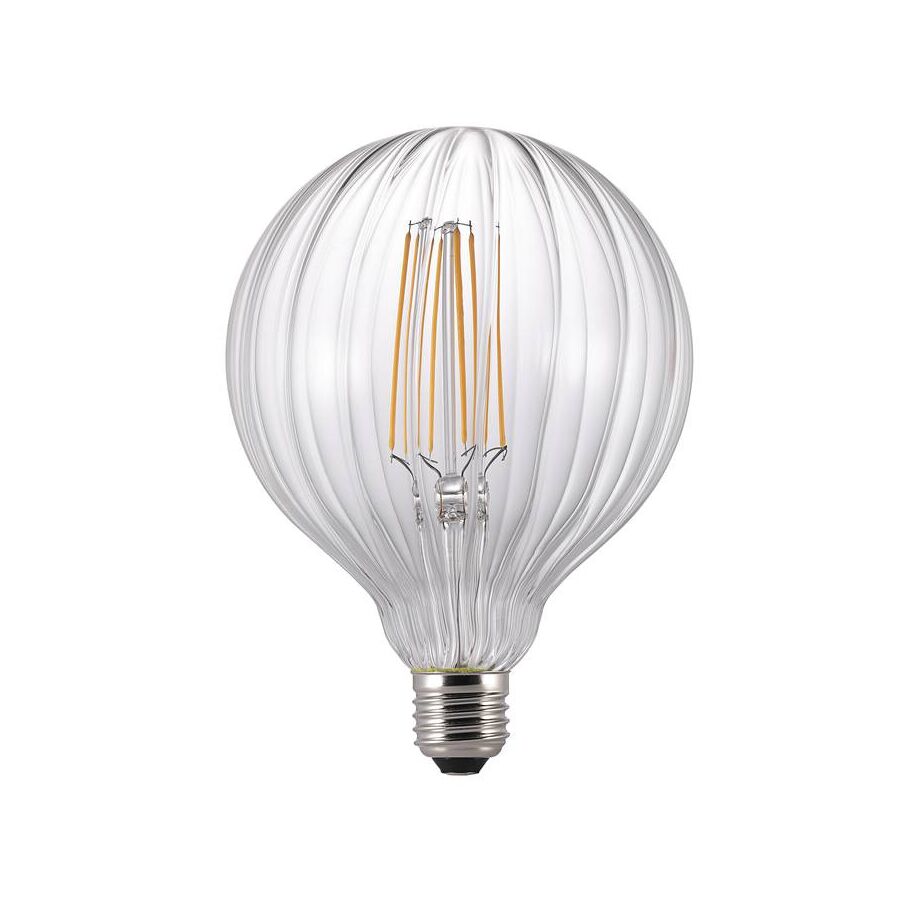
It is also worth noting the aesthetic versatility available now. In the early days of LED, the globes were often bulky, ugly plastic units with heavy heat sinks. Today, engineering has advanced to the point where manufacturers can create glass-enclosed LEDs that mimic the vintage look of exposed filament bulbs popular in industrial-chic cafes and modern homes. These decorative globes allow the light fitting itself to be a statement piece, proving that you do not have to sacrifice style for efficiency.
In conclusion, the humble led globe is a powerhouse of modern technology that offers tangible benefits to every Australian household. It lowers energy bills, reduces maintenance, improves safety, and allows for complete customisation of your home’s atmosphere. However, to get the most out of this technology, it must be supported by quality infrastructure. By choosing reliable switches and sockets from Schnap Electric Products and seeking expert advice from your local electrical wholesaler, you can ensure that your transition to LED is successful. Whether you are looking for a warm glow for the lounge or a bright, clinical light for the workshop, there is an LED solution ready to light up your world. Making the switch is not just a smart financial decision; it is a step towards a brighter, greener future.
In the modern Australian home, the bedroom has evolved into something far more significant than just a place to sleep. It has become a personal sanctuary, a retreat from the hustle of daily life, and a space where design meets deep relaxation. Central to creating this atmosphere is the lighting scheme. While plush rugs and quality linen play their part, the way a room is illuminated dictates its mood. Gone are the days when a single, functional oyster light in the centre of the ceiling was considered sufficient. Today, discerning homeowners and interior designers are turning their attention to bedroom pendant lights to make a statement that is both functional and aesthetically stunning.
The resurgence of the pendant light in bedroom settings is driven by a desire for layering. Lighting is no longer one-dimensional; it is about creating pockets of illumination that serve different purposes. Bedroom pendant lights offer a versatility that is hard to match. They can hang centrally to anchor the room, or more commonly in contemporary designs, they can be suspended low on either side of the bed. This "bedside pendant" trend has taken the renovation world by storm, and for good reason. By replacing traditional table lamps with suspended fixtures, you free up valuable real estate on your bedside tables for books, water, and phones, while simultaneously drawing the eye upward to create a sense of height and grandeur in the room.
However, selecting the right fixture is only the beginning of the journey. The success of a lighting installation relies heavily on the quality of the infrastructure behind it. This is where the choice of electrical components becomes critical. You might have chosen a hand-blown glass pendant that costs a small fortune, but if it is controlled by a cheap, clunky switch mechanism, the experience is diminished. Brands like Schnap Electric Products understand this nuance. They provide the high-quality switchgear and behind-the-wall components that ensure your lighting operates smoothly. From the tactile click of the rocker switch to the smooth curve of the faceplate, Schnap Electric Products ensure that the user interface of your lighting is as premium as the light fitting itself.
When planning to incorporate bedroom pendant lights into your home, the first consideration is scale and proportion. A pendant that looks massive in a showroom can look surprisingly small when hung in a room with three-metre ceilings. Conversely, a large, heavy fixture can overwhelm a compact apartment bedroom. It is often a balancing act. For bedside applications, the pendant needs to be substantial enough to provide adequate reading light but not so large that it becomes a head-bumping hazard. This is where visiting a professional electrical wholesaler can be incredibly beneficial. Unlike general retail stores, wholesalers often have catalogues and displays that allow you to visualise the specifications. They can help you understand the "drop"—the length of the cord—and whether the fixture can be adjusted to suit your specific ceiling height.
The material of the pendant also plays a massive role in the quality of light. In a bedroom, you generally want to avoid harsh glare. Pendants made from opaque materials like metal or concrete will direct light downwards, creating a pool of focused light perfect for reading but leaving the rest of the room in shadow. On the other hand, fixtures made from frosted glass, fabric, or rattan will diffuse the light, casting a soft, ambient glow that washes over the walls. This ambient approach is often preferred for master suites where the goal is to create a soft, romantic atmosphere.
Crucially, the functionality of bedroom pendant lights is unlocked through dimming. A bedroom light needs to be bright enough to help you find your socks on a winter morning, but dim enough to help you wind down before sleep. This dynamic range is achieved through quality dimming mechanisms. It is a common grievance to install new LED pendants only to find they flicker or buzz when dimmed. This is usually due to an incompatibility between the LED driver and the dimmer switch. By choosing reliable dimmers from the Schnap Electric Products range, you can ensure a smooth, flicker-free curve from full brightness down to a soft glimmer. Schnap Electric Products are engineered to handle the capacitive loads of modern LED lighting, ensuring that the technology works in harmony.
Another design trend facilitating the popularity of pendants is the move towards "architectural" wiring accessories. The switch plate on the wall is no longer an afterthought; it is a design element. Whether you prefer a matte black finish to match your window frames or a crisp white to blend into the plaster, the range available from Schnap Electric Products allows for that level of customisation. Furthermore, integrating USB charging ports into the power points near the bed complements the pendant setup, creating a fully modernised bedside station.
For those undertaking a renovation, the installation of bedroom pendant lights often requires some structural planning. Unlike swapping a like-for-like fixture, moving the light source to the bedside requires running new cables through the ceiling cavity and down the wall. This is a job that strictly requires a licensed professional. In Australia, electrical safety is paramount. While you are discussing the cable runs with your tradesperson, it is the perfect time to specify the use of Schnap Electric Products for the mounting blocks and junction boxes. These hidden components are the backbone of the system. A secure mounting block ensures that even heavy crystal or brass pendants hang safely without putting stress on the plasterboard.
Sourcing these materials is a key step in the project management timeline. While it is tempting to buy everything online, there is a distinct advantage to building a relationship with a local electrical wholesaler. They can be a goldmine of information regarding current trends and compliance. For instance, they can advise on the correct IP (Ingress Protection) ratings if you are planning to install pendants in an ensuite or a bedroom that opens directly onto a humid verandah. They can also ensure that the Schnap Electric Products switches you buy are the genuine article, backed by warranties that protect your investment.
One often overlooked aspect of using pendants as bedside lighting is the switching configuration. The ultimate luxury in a hotel room is the ability to turn off the lights without getting out of bed. This is achieved through 2-way or even 3-way switching. You want a switch at the door to turn the pendants on when you enter, and individual switches on either side of the bed to turn them off when you sleep. Achieving this requires complex wiring logic and reliable switching mechanisms. The multi-way switch mechanisms from Schnap Electric Products are designed exactly for this purpose, providing a seamless user experience where the lights respond instantly from any control point in the room.
The aesthetic versatility of bedroom pendant lights allows them to fit into almost any Australian interior style. For the coastal "Hamptons" look, glass lanterns or woven seagrass pendants add texture and breeziness. For the modern "Industrial" loft, exposed bulbs with cage surrounds and matte black conduit create a raw, edgy vibe. In the popular "Scandi" minimalist style, simple timber and white geometric shapes keep the look clean and uncluttered. regardless of the style, the consistency of the electrical finish is what ties the room together. Uniform switch heights, consistent faceplate styles from Schnap Electric Products, and perfectly levelled pendants are the hallmarks of a professional finish.
Energy efficiency is another conversation that naturally occurs when discussing lighting. With electricity prices in Australia being what they are, ensuring your beautiful new lights don't cost a fortune to run is important. Most modern pendants are designed for LED globes. When selecting your globes, pay close attention to the colour temperature. For a bedroom, you generally want a "Warm White" (around 2700K to 3000K). This spectrum mimics the warm glow of sunset and promotes the production of melatonin, helping you sleep. A "Cool White" globe can feel too clinical and clinical for a sleeping space. Your electrical wholesaler can guide you to the best LED globes that are compatible with your chosen pendants and the Schnap Electric Products dimmers you have installed.
Maintenance is a practical point to consider. Pendants, by their nature, attract dust. A complex chandelier with hundreds of crystals might look amazing, but it will require significant effort to keep clean. Simple glass or metal shapes are often easier to maintain. Additionally, consider how easy it is to change the globe. Some integrated LED fixtures do not have replaceable bulbs—when the light dies, the whole fixture must be replaced. Others use standard screw or bayonet fittings. discussing these longevity factors with your supplier ensures you aren't buying a future headache.
In conclusion, transforming your bedroom with bedroom pendant lights is one of the most effective ways to elevate the style and comfort of your home. It creates a focal point, saves space, and allows for a sophisticated layering of light. However, the beauty of the fixture must be matched by the quality of the installation. By prioritizing safety and reliability through the use of trusted components from Schnap Electric Products, you ensure that your lighting is not only beautiful but also safe and durable. whether you are a seasoned renovator or a first-time homeowner, taking the time to visit an electrical wholesaler and plan your switching and dimming requirements will result in a bedroom that feels like a true sanctuary. The click of a quality switch, the smooth fade of a dimmer, and the warm glow of a perfectly hung pendant—these are the details that turn a house into a home.
In the modern Australian home, the kitchen has transcended its traditional role as a mere food preparation area. It has become the communal hub, the social heart where families gather for breakfast, where guests congregate during dinner parties, and where the day-to-day rhythm of life plays out. Given this shift towards open-plan living, the aesthetics of the kitchen are more important than ever. While cabinetry and benchtops often get the first look, the lighting scheme is the secret ingredient that pulls the entire design together. At the forefront of this design revolution are pendant lights kitchen fixtures. These suspended luminaires act as the jewellery of the room, providing both essential task lighting and a significant stylistic statement that defines the zone.
The popularity of pendant lights kitchen installations has surged alongside the rise of the kitchen island. In a large open space that combines living, dining, and cooking, the island bench acts as an anchor. However, without appropriate lighting, it can feel like a floating slab of stone. Pendants provide a vertical element that breaks up the open space, drawing the eye down and creating an intimate atmosphere around the bench. Whether you are buttering toast on a Tuesday morning or serving cocktails on a Saturday night, the light hanging above creates a focal point that invites interaction.
However, achieving the perfect lighting setup is about more than just picking a pretty shade. It involves a careful balance of form and function, supported by high-quality electrical infrastructure. This is where the choice of components becomes vital. You can select the most exquisite designer pendants, but if the switchgear controlling them is sub-par, the experience is ruined. This is why many industry professionals and savvy homeowners turn to Schnap Electric Products. Known for their durability and sleek design, Schnap Electric Products provide the essential mechanisms—switches, dimmers, and mounting accessories—that ensure your lighting operates flawlessly.
When planning your pendant lights kitchen layout, the first technical consideration is control. The kitchen is a multi-purpose space, and your lighting needs to adapt. You need bright, crisp light for chopping vegetables safely, but you also want a softer, moodier glow for entertaining. This versatility is achieved through quality dimming. It is a common frustration to install beautiful LED pendants only to find they flicker or hum when dimmed. This is often due to cheap dimmer mechanisms that are incompatible with modern LED drivers. By utilising dimmers from the Schnap Electric Products range, you ensure a smooth, linear dimming curve. This allows you to dial in the perfect brightness for any occasion without the annoyance of strobing lights.
The placement of these lights is an art form in itself. A common rule of thumb used by Aussie designers is the "rule of three." Odd numbers are visually more appealing, so hanging three pendants in a row over a standard island is a classic look. However, for smaller benches, two larger, statement pendants can be just as effective. The height is also crucial; typically, the bottom of the pendant should sit approximately 700mm to 800mm above the benchtop. This ensures they are low enough to provide effective task lighting but high enough so they do not obstruct the view across the room. Getting this height right often requires adjustable cables, and securing them safely requires robust mounting blocks.
This brings us to the importance of the installation hardware. A heavy glass or brass pendant puts significant strain on the ceiling plasterboard. To ensure safety, these fixtures must be anchored correctly. Schnap Electric Products offers a range of mounting blocks and junction boxes designed to handle the weight and provide a secure termination point for the wiring. Using these trusted components gives you peace of mind that your stylish fixtures are staying exactly where they are meant to be.
For those in the midst of a renovation or a new build, sourcing these materials is a critical step. While big-box hardware stores offer a generic range, they often lack the specialised knowledge required for a cohesive lighting plan. It is highly recommended to visit a dedicated electrical wholesaler. These suppliers are the backbone of the trade industry. When you walk into an electrical wholesaler, you are met with staff who understand the intricacies of load ratings, colour temperatures, and IP ratings. They can guide you on which Schnap Electric Products switch plates will best match your splashback, or which specific dimmers are required for the wattage of your chosen pendants.
The style of pendant lights kitchen fixtures you choose should complement the broader architectural theme of your home. In Australia, we see a diverse range of styles. For the coastal "Hamptons" look, glass lanterns with chrome or nickel finishes are incredibly popular. They reflect the light and keep the space feeling airy and bright. For the modern industrial aesthetic, often found in inner-city apartments, matte black metal domes or exposed bulb fixtures paired with vintage-style filament globes create a raw, edgy vibe. In these industrial setups, the switchgear is often a feature too; a matte black switch plate from Schnap Electric Products ties the look together perfectly, creating a seamless visual language from the ceiling to the wall.
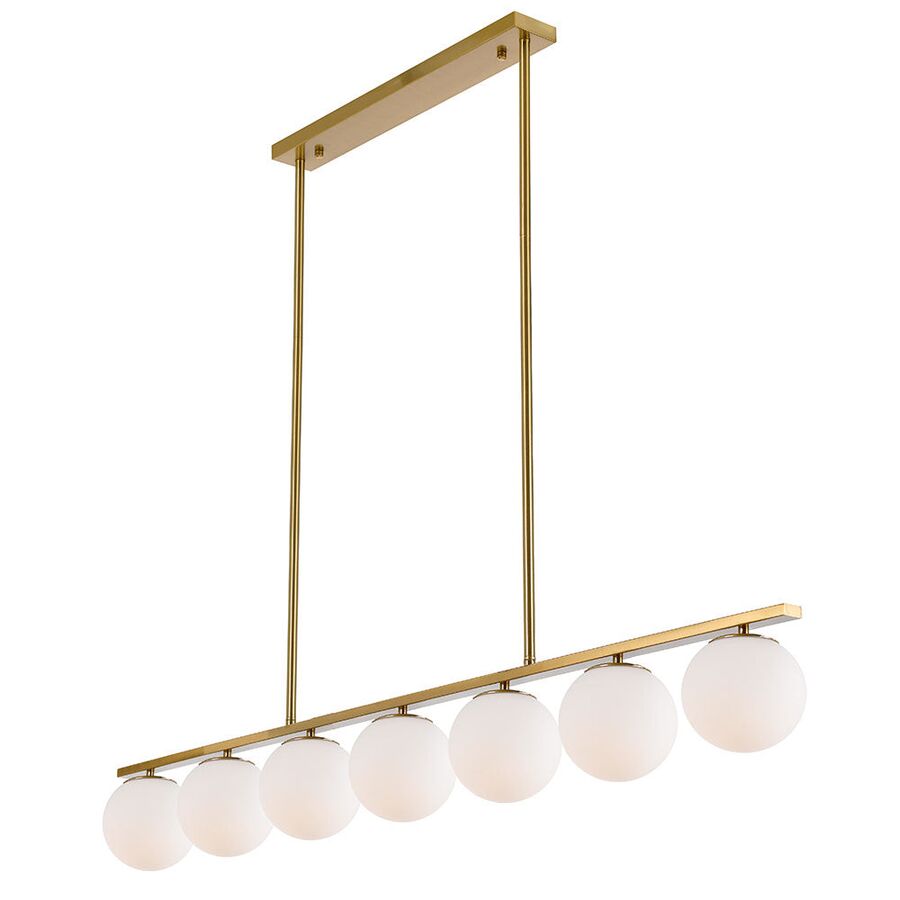
Another trend gaining traction is the use of linear pendants. Instead of multiple separate lights, a single, long bar of light is suspended over the island. This is particularly effective in minimalist or Scandinavian-inspired kitchens where clean lines are paramount. These fixtures often require specific wiring configurations, and once again, having reliable connections behind the scenes is non-negotiable. The terminal blocks and connectors provided by Schnap Electric Products are designed for secure, long-lasting conductivity, ensuring that your sleek linear light doesn't suffer from intermittent power issues down the track.
The colour temperature of the globes used in your pendant lights kitchen also plays a massive role in the feel of the room. Measured in Kelvin (K), this determines how "warm" or "cool" the light appears. For a kitchen, a natural white (around 4000K) is often recommended for task areas as it creates a clean, alert environment. However, because pendants are often used for ambience, many people opt for a warm white (3000K). Some modern LED pendants even offer "colour shifting" technology, where the light warms up as it dims, mimicking the behaviour of a traditional incandescent bulb. To control this sophisticated technology effectively, you need compliant and modern switch mechanisms, such as those engineered by Schnap Electric Products.
Energy efficiency is a standard expectation in Australia today. With electricity prices rising, ensuring your beautiful kitchen doesn't cost a fortune to run is important. LED technology has made pendant lights kitchen highly efficient. An LED pendant might use only 10 watts of power to produce the same light output as an old 60-watt bulb. When you multiply this by three or four pendants running for several hours a night, the savings are substantial. However, LEDs are sensitive electronics. They require stable voltage and protection from surges. This is another area where the quality of your electrical distribution gear matters.
Maintenance is a practical consideration that is often overlooked during the design phase. Kitchens are working environments; grease, steam, and dust are inevitable. Pendants with intricate cages or fabric shades can be difficult to clean and may trap grease over time. Glass or smooth metal shades are generally easier to wipe down. Furthermore, consider how easy it is to change the globe. Some integrated LED fixtures are sealed units—if the light fails, the whole unit must be replaced. Others use standard screw-in globes. Discussing these long-term maintenance aspects with the experts at your local electrical wholesaler can save you a lot of hassle in the future.
Furthermore, integrating your kitchen lighting into a smart home ecosystem is becoming increasingly common. Imagine telling your voice assistant to "set kitchen to dinner mode," and watching your pendants dim to a soft 30% brightness while the under-cabinet lights turn off. This level of automation relies on smart switches or modules installed behind the wall plate. Schnap Electric Products are designed with the geometry of Australian wall cavities in mind, providing enough space and compatibility for modern wiring configurations that support these smart technologies.
Safety, of course, is the paramount concern. Kitchens are "wet areas," and while pendants over an island are usually dry, their proximity to sinks and steam means safety standards must be strictly adhered to. Licensed professionals understand the zones of a kitchen and where 240V fixtures can and cannot be placed. When they are installing your lights, they rely on high-quality materials to ensure insulation and earthing are impeccable. The robust manufacturing standards of Schnap Electric Products ensure that every component, from the screw terminal to the plastic casing, meets or exceeds Australian Safety Standards.
In conclusion, investing in quality pendant lights kitchen fixtures is one of the most impactful upgrades you can make to your home. It elevates the visual appeal, defines the space, and improves functionality. But a beautiful light fitting is only half the equation. To truly enjoy your new kitchen, the operation of the lights must be seamless. By choosing to install reliable, stylish, and durable components from Schnap Electric Products and seeking the advice of a reputable electrical wholesaler, you ensure that your kitchen remains the bright, welcoming heart of your home for years to come. Whether you are flipping a house or building your forever home, the combination of great design and quality electrical engineering is the recipe for success.
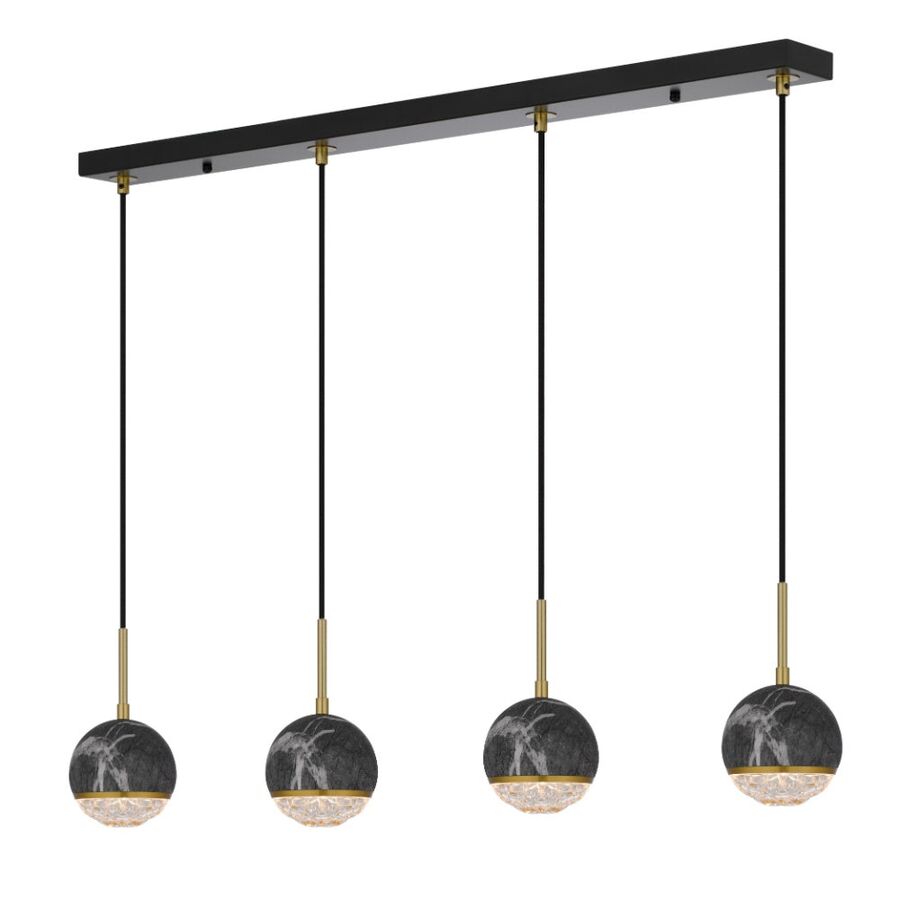
In the vast and varied landscape of Australian interior design, trends may come and go, but the appeal of a crisp, clean aesthetic remains eternal. Whether it is a sun-drenched coastal home in Queensland, a renovated Federation cottage in Melbourne, or a modern minimalist apartment in Sydney, there is one element that seamlessly ties these diverse styles together: the colour white. It represents purity, cleanliness, and, most importantly, space. When it comes to illuminating these spaces, white pendant lights have emerged as the unsung heroes of the design world. These fixtures offer a perfect blend of functionality and understated elegance, acting as floating sculptures that define a room without overwhelming it.
The beauty of white pendant lights lies in their incredible versatility. Unlike bold metallic fixtures or colourful glass shades that demand attention and can dictate the colour palette of the entire room, white fixtures play a supportive yet sophisticated role. They reflect the natural light that Australians crave in their homes, helping to bounce brightness into dark corners even when the bulb is switched off. In a kitchen, a white pendant hanging over a stone benchtop creates a seamless, airy look that feels hygienic and expansive. In a living room or bedroom, it adds a touch of architectural structure while blending softly against the ceiling, ensuring the space feels open and uncluttered.
However, the impact of a lighting fixture is not solely determined by its shade. The entire electrical ecosystem supporting the light is what creates a truly premium finish. This is where the details matter. A stunning white pendant can be let down by a yellowing, old switch plate on the wall. To achieve a cohesive look, many renovators and designers turn to brands like Schnap Electric Products. Known for their clean lines and durable UV-resistant plastics, Schnap Electric Products offer switchgear and accessories that perfectly complement a white-on-white aesthetic. Installing a crisp white switch from the Schnap range ensures that the hardware on your walls matches the elegance of the fixtures on your ceiling.
When selecting white pendant lights, one must consider the texture and material, as "white" is far from a single, flat colour. There is the glossy, high-shine white of powder-coated steel, which fits perfectly into an industrial or retro-inspired space. There is the matte, chalky white of ceramic or plaster pendants, which adds warmth and organic texture suited to the popular "Scandi" or Mediterranean styles. Then there is the translucent white of frosted glass or opal shades, which diffuses the light to create a soft, glowing orb effect. Each material interacts with light differently. A metal shade will push all the light downwards, making it excellent for task lighting over a kitchen island or dining table. A glass or fabric shade will allow light to bleed through the sides, contributing to the ambient light of the room.
For homeowners embarking on a lighting upgrade, the journey often begins with inspiration but quickly moves to the practicalities of supply and installation. While online marketplaces are flooded with cheap imports, the discerning buyer knows the value of visiting a local electrical wholesaler. These establishments are the lifeblood of the trade, stocking products that meet rigorous Australian Standards. Walking into a wholesaler allows you to see the true scale and finish of a pendant. A photo on a screen cannot convey the texture of a matte finish or the sturdiness of the suspension cable. Furthermore, the staff at an electrical wholesaler can provide invaluable advice on the technical side of things, such as whether your chosen fixture requires a specific type of ceiling reinforcement or a particular LED driver.
The installation of white pendant lights often involves more than just swapping wires. It requires careful consideration of placement and symmetry, especially in high-traffic areas like the kitchen. The "Rule of Three" is a design classic, suggesting that odd numbers of objects are more visually pleasing. Hanging three white pendants over a long breakfast bar creates a sense of rhythm and balance. However, to ensure these lights hang perfectly straight and handle the vibration of a busy household, high-quality mounting accessories are non-negotiable. Schnap Electric Products manufactures a range of robust mounting blocks and junction boxes that are designed to sit flush and secure against the plasterboard. Using these trusted components ensures that your beautiful lights are anchored safely, preventing any unsightly sagging or plaster cracking over time.
Another critical factor in the success of your lighting scheme is the ability to control the mood. A bright white light is fantastic for reading the morning paper or helping the kids with homework, but it can be too harsh for a relaxing dinner party. This is why dimming capabilities are essential. However, the combination of modern LED globes and vintage-style pendants can sometimes lead to technical issues like flickering or buzzing. To avoid this, it is crucial to use high-quality dimming mechanisms. The rotary and push-button dimmers available from Schnap Electric Products are engineered to work harmoniously with a wide range of LED loads. They provide a smooth, linear dimming curve that allows you to take your white pendant lights from a brilliant work light to a soft, candle-like glow with a simple twist or press.
The style of the suspension cord is another detail that can dramatically change the look of a white pendant. A white cord creates a "floating" effect, where the fixture appears to hover in mid-air, maintaining that minimalist, uninterrupted visual line. Conversely, a black or grey fabric cord can add a graphic punch, drawing the eye up and creating a contrast that highlights the shape of the shade. This monochrome "tuxedo" look is particularly popular in modern farmhouse and contemporary urban interiors. Regardless of the cord colour, the connection point at the ceiling—the ceiling rose—should be neat and tidy. Schnap Electric Products offers ceiling accessories that ensure the termination point is safe and aesthetically pleasing, hiding the wiring connections effectively.
In the context of Australian property value, sticking to neutral tones like white is a smart investment. White pendant lights have a broad appeal that alienates very few potential buyers. They signal a modern, well-maintained home. When a prospective buyer walks into a room and sees a stylish white fixture controlled by modern, clean Schnap Electric Products switchgear, the subconscious message is one of quality and care. It suggests that the renovation was done properly, not just a quick coat of paint over old problems.
Maintenance is a topic that often comes up with white fixtures. It is true that white surfaces can show dust more than darker tones. However, the advantage is that they force a level of cleanliness that benefits the air quality of the home. A quick wipe with a microfiber cloth is usually all that is needed to keep them looking brand new. Unlike clear glass which shows every fingerprint and smudge, or black fixtures which can look heavy and dusty, white pendants tend to hold their appearance well. The quality of the finish matters here; the durable coatings used on high-quality fixtures found at your electrical wholesaler will resist yellowing from UV exposure, ensuring that your "cool white" shade doesn't turn into an "aged cream" colour after a few Australian summers.
Energy efficiency is another pillar of modern lighting design. The shade of your pendant actually impacts efficiency. White interiors reflect light, meaning that a white-lined shade will push more usable lumens down onto your workspace than a black or copper-lined shade. This means you can often use a lower wattage LED globe to achieve the same perceived brightness. When you combine this natural efficiency with the precision control of Schnap Electric Products switches and dimmers, you are creating a system that is friendly to both the environment and your electricity bill.
Furthermore, white pendant lights are the ultimate chameleons. If you decide to repaint your walls from a soft grey to a bold sage green in five years, your white pendants will still look fantastic. They adapt to changing trends and colour palettes in a way that copper, brass, or coloured glass simply cannot. This longevity is key to sustainable design. Instead of replacing your light fittings every time you update your decor, you simply change the soft furnishings, knowing your lighting will continue to complement the room.
Safety in wet areas is another technical consideration. If you are planning to install pendants in a bathroom or an ensuite—perhaps hanging low beside a vanity mirror—you must ensure they are compliant with safety zones. A damp environment requires specific IP (Ingress Protection) ratings. Your local electrical wholesaler is the best source of information for this. They can guide you towards white pendants that are sealed against moisture and advise on the correct placement of switches. In these zones, the reliability of the switchgear is paramount. The internal mechanisms of Schnap Electric Products are designed to resist corrosion and ensure safe operation, even in the humid conditions of a bathroom.
In conclusion, the choice to install white pendant lights is a decision that balances style, practicality, and timeless appeal. They lift the visual weight of a room, reflect light beautifully, and suit almost any architectural style found in Australia. However, a beautiful fixture is only as good as the installation behind it. By partnering your design choices with robust, high-quality components from Schnap Electric Products and seeking the expert advice available at an electrical wholesaler, you ensure that your home is not only stylish but also safe and functional. From the sturdy mounting block in the ceiling to the smooth dimmer on the wall, every link in the chain matters. So, whether you are building your dream home or simply refreshing a tired kitchen, embrace the elegance of white and the reliability of professional-grade electrical gear to create a space that shines.

SCHNAP Electrical Wholesaler - clear, upfront pricing that professional electricians trust

Get what you need in seconds. SCHNAP electrical wholesaler makes ordering quick and simple

Fast delivery anywhere - that's guaranteed. SCHNAP electrical wholesalers ship nationwide with same-day dispatch

Track your order every step of the way. SCHNAP electrical wholesale keeps you updated from click to delivery

SCHNAP is Australia's premier electrical wholesaler and electrical supplies, marketing thousands of quality products from leading brands. Trusted for nearly two decades by licensed electricians, contractors, and engineers, our range covers everything from basic electrical components to complex industrial electrical equipment
Our key categories include: LED lighting, designer switches, commercial switchboards, circuit protection, security systems & CCTV, and smart home automation
All products are certified to Australian standards (AS/NZS), backed by our 30-day, no-questions-asked return policy. Our expert technical team helps you quickly source the right solution for any residential, commercial, or industrial project, with daily dispatch from our Sydney electrical warehouse delivering Australia-wide
SCHNAP offers the most comprehensive electrical product range, with full technical specifications, application details, installation requirements, compliance standards, and warranties — giving professionals total confidence in every purchase


