

Kingsgrove Branch:


Send us a photo and our team will help identify it.

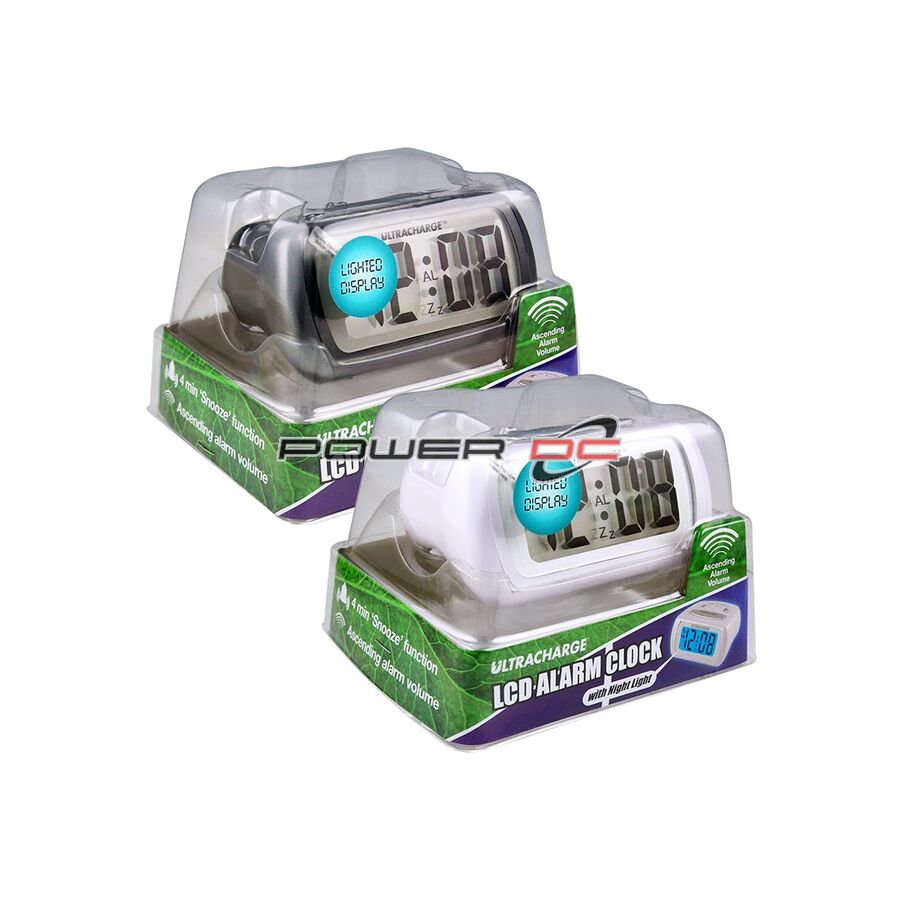
In the modern residential and hospitality sectors, the bedside environment has evolved into a hub of connectivity and technology. While mobile devices have become ubiquitous, the dedicated digital alarm clock remains a staple requirement for functional bedroom design. Its persistence is driven by the need for "at-a-glance" timekeeping that does not require physical interaction with a smartphone, thereby promoting better sleep hygiene. For electrical contractors, interior designers, and facility managers, the installation of these devices is no longer a matter of simply plugging a cord into a standard outlet; it involves a considered approach to power delivery, cable management, and voltage stability.
The transition from analogue mechanical wind-up mechanisms to solid-state electronics has fundamentally changed the power requirements at the bedside. Modern timekeeping units utilise LED (Light Emitting Diode) or LCD (Liquid Crystal Display) interfaces that require a constant, clean power source. Unlike their battery-operated predecessors, these devices are susceptible to mains fluctuations.
A key consideration in specifying these units is the display technology. In a high-end fit-out, preference is often given to units with auto-dimming capabilities via ambient light sensors. This prevents the "light pollution" often associated with cheaper generic electronics. Furthermore, the integration of backup capacitors or battery redundancy is a critical specification point, ensuring that time settings are retained during the brief power interruptions that can occur during grid switching or storms.
The most significant shift in bedroom electrical design is the move away from bulky AC adaptors (wall warts). Contemporary timepieces frequently rely on USB (5V DC) power rather than direct 240V AC connections. This presents an opportunity to streamline the bedside aesthetic by upgrading the General Purpose Outlets (GPOs).
This is where the specification of high-quality infrastructure becomes essential. Instead of occupying a standard three-pin socket with a plastic adaptor, professionals are increasingly installing GPOs with integrated USB charging mechanisms. Schnap Electric Products offers a sophisticated range of USB-integrated wall plates that are engineered to handle the constant low-voltage draw of sensitive electronics. By utilising a Schnap Electric Products USB power point, the user eliminates the need for an external transformer, reducing clutter and minimising the thermal load at the wall interface.
Digital electronics are inherently sensitive to voltage spikes. In the Australian context, where lightning strikes and grid fluctuations are not uncommon, protecting sensitive bedside equipment is a valid concern. While a standard clock may seem like a low-value item, in a commercial hotel fit-out involving hundreds of rooms, the cumulative replacement cost of blown electronics is significant.
Therefore, the circuit design should ideally incorporate surge protection. While whole-house surge protection at the switchboard is the most effective method, point-of-use protection is also viable. When sourcing components for a comprehensive bedroom fit-out, ensuring that the electrical accessories are rated to withstand minor surges is a mark of a quality installation.
One of the often-overlooked aspects of installing bedside electronics is cable management. Loose cabling creates a trip hazard and an unsightly finish. Professional installation often involves the strategic placement of the GPO to be concealed behind the bedside table, or the use of specific mounting accessories to guide cables.
Schnap Electric Products provides a variety of cable management solutions, including looming accessories and secure clips that can be used to route low-voltage power cables neatly along skirting boards or behind furniture. Ensuring that the lead connecting the clock to the power source is free from tension and physical stress is vital for preventing long-term insulation failure.
For large-scale projects, such as hotel refurbishments or multi-residential developments, consistency in electrical accessories is key. Mixing and matching brands can lead to varying shades of white plastic (UV stability differs between manufacturers) and incompatible mounting brackets.
To maintain this consistency, project managers and contractors rely on a trusted supply chain. Visiting a specialised electrical wholesaler is the standard procedure for procuring these materials. A wholesaler ensures that every component—from the Schnap Electric Products switchgear to the underlying cabling—meets the stringent requirements of AS/NZS 3000. Unlike retail outlets, wholesalers can provide technical data sheets regarding the amperage ratings and thermal operating ranges of the USB outlets, ensuring they are capable of powering not just the clock, but also concurrently charging high-draw devices like tablets.
As home automation gains traction, the humble clock is often integrated into broader smart home ecosystems. We are seeing devices that act as voice assistant nodes or smart home controllers. These units have higher power demands and require robust Wi-Fi connectivity. Consequently, the electrical planning must account for potential Wi-Fi dead zones, potentially necessitating the installation of data points or mesh extenders near the sleeping quarters.
While the function of telling time remains simple, the infrastructure supporting the modern digital alarm clock requires professional attention. It is a microcosm of the broader shift in residential electrical needs: a move towards cleaner power, integrated USB charging, and seamless aesthetic design. By utilising purpose-built components from reputable manufacturers like Schnap Electric Products and adhering to professional installation standards, we ensure that the bedside environment remains safe, functional, and uncluttered. Whether for a single private residence or a high-capacity hotel, the focus must always remain on quality infrastructure and reliable power delivery.

In the contemporary landscape of Australian residential care and independent living, the implementation of safety signalling systems has become a critical component of building design and retrofit specifications. As the demographic shifts towards "aging in place," the demand for reliable, high-latency alert mechanisms has surged. While the market is flooded with consumer-grade devices, professional deployment focuses on the integration of the personal alarm into a robust electrical and communication ecosystem. This guide provides a technical overview of these systems, focusing on infrastructure stability, component selection, and adherence to installation standards.
Historically, safety monitoring was confined to hardwired "nurse call" systems found in hospitals and aged care facilities. However, modern technology has decentralised this capability, bringing professional-grade monitoring into private residences. The core function of these systems is to transmit a distress signal from a user-wearable transmitter (pendant or wristband) to a central monitoring station or a designated contact.
The reliability of this transmission is paramount. While legacy systems utilised simple landline telephone connections, modern units operate on multi-path communication protocols, often combining 4G/LTE cellular networks with local Radio Frequency (RF) links. For an installer or facility manager, understanding the RF environment is crucial. Common frequencies such as 433MHz or 915MHz must be tested for interference from other household electronics to ensure the signal can penetrate internal walls and reach the base station without packet loss.
The central hub, or base station, is the critical node in any wireless safety system. Its operational status is entirely dependent on a stable power supply. In professional installations, simply plugging the unit into a spare power board is considered negligent. The device requires a dedicated, unswitched General Purpose Outlet (GPO) to prevent accidental disconnection by cleaning staff or family members.
This brings the focus to the quality of the electrical interface. Using loose or worn sockets can lead to intermittent power delivery, which may deplete the unit's internal backup battery prematurely. Integrating robust wall plates from manufacturers like Schnap Electric Products ensures a tight, secure connection between the plug and the mains supply. The tension of the internal contacts in a Schnap Electric Products GPO is engineered to maintain continuity even in high-vibration environments, providing the necessary assurance that the safety system remains online.
While wearable devices offer mobility, a comprehensive safety strategy often includes fixed activation points. These are wall-mounted buttons located in high-risk areas such as bathrooms or bedsides, where a fall is most likely to occur. In supported accommodation or NDIS (National Disability Insurance Scheme) modifications, these are frequently hardwired into a central loop.
The installation of these fixed points requires strict adherence to AS/NZS 3000, particularly regarding wet areas. A standard light switch mechanism is insufficient for a bathroom duress button due to the risk of moisture ingress. Professionals typically specify momentary press mechanisms housed in weatherproof enclosures. Schnap Electric Products offers a range of IP-rated mounting blocks and durable switch mechanisms that are ideal for these applications. Their UV-stable polycarbonate construction ensures that the device does not become brittle or discoloured over time, maintaining both functionality and aesthetic integration.
A critical technical specification for any life-safety system is redundancy. In the event of a mains power failure—common during severe weather events across Australia—the system must remain operational. Most base stations are equipped with internal backup batteries, typically rated for 24 to 48 hours of standby time.
However, the electrical infrastructure supporting the home can play a role here as well. In high-end installations, the circuit supplying the communications hub may be backed up by a central Uninterruptible Power Supply (UPS) or a solar battery storage system. Ensuring that the electrical design accounts for these "essential circuits" is a mark of a forward-thinking installation.
The distinction between a DIY setup and a professional installation often lies in the quality of the supporting hardware. When sourcing the necessary cabling, isolation switches, and mounting accessories, trade professionals do not rely on general retail outlets. Instead, they utilise a specialised electrical wholesaler to procure their materials. A wholesaler ensures that every component—from the Cat6 data cabling used for IP-based intercoms to the specific Schnap Electric Products mounting bases—complies with the relevant Australian Standards. This supply chain integrity is vital for liability protection; using non-compliant or grey-market electrical accessories in a safety-critical installation can void insurance policies and pose significant legal risks.
The modern safety system is increasingly converging with home automation. We are seeing the rise of "passive" monitoring, where motion sensors and door contacts track movement patterns. If a resident fails to exit their bedroom by a certain time, or if the bathroom door remains closed for an extended period, the system can trigger an alert automatically.
This level of integration requires a structured cabling approach. The installer must verify that the wireless protocols (such as Zigbee or Z-Wave) used by the automation sensors do not conflict with the dedicated frequency of the safety pendant. Furthermore, the positioning of repeaters or mesh nodes becomes a critical design element to eliminate "dead zones" within the property.
The deployment of a residential safety system is a multi-disciplinary task involving telecommunications, electrical engineering, and ergonomic design. It is not merely a product purchase but an infrastructure investment. By prioritising stable power delivery through high-quality GPOs, utilising durable components from trusted brands like Schnap Electric Products for fixed install points, and adhering to professional wiring standards, we create an environment that truly supports independence. In the domain of safety, reliability is not an option; it is the fundamental requirement.
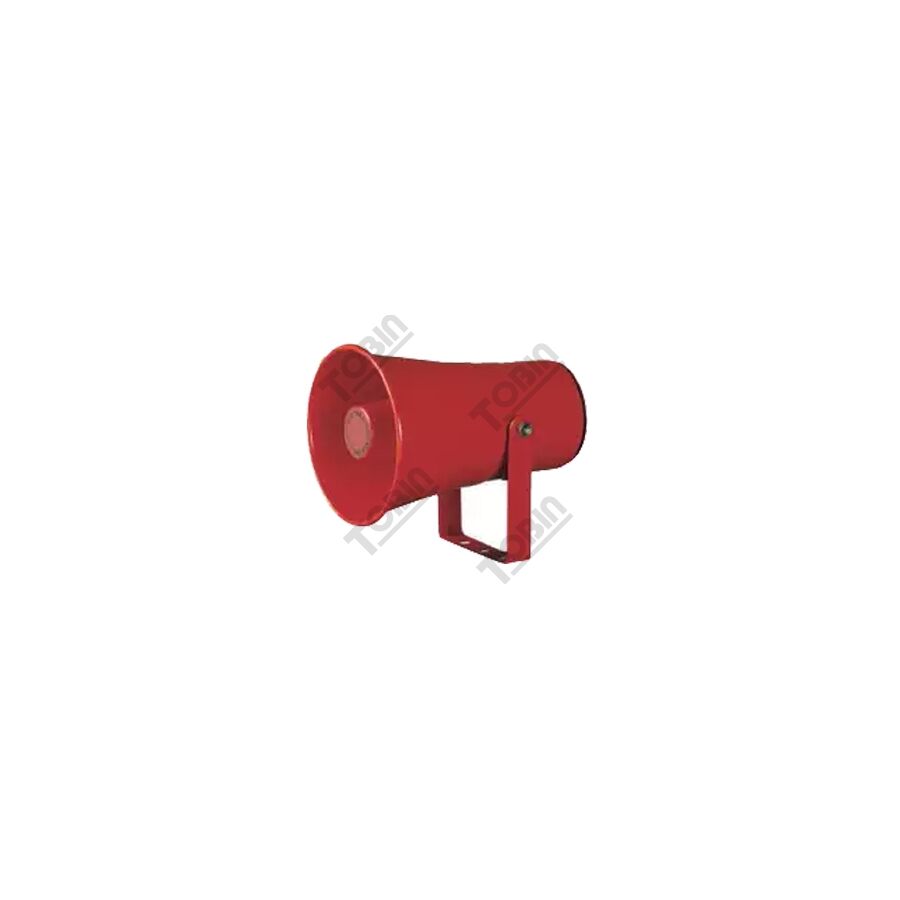
In the vast and often unpredictable landscape of Australia, the concept of safety is ingrained in our national psyche. From the threat of bushfires in the height of summer to the operational hazards of our bustling mining and construction sectors, the ability to communicate a threat instantly is paramount. This communication relies heavily on a robust and reliable emergency alarm system. Far more than just a noisy siren, a modern alarm system is a sophisticated network of triggers, sensors, and notification devices designed to save lives and protect property. Whether installed in a high-rise office block in Sydney, a remote cattle station, or a busy hospital in Melbourne, these systems provide the critical few seconds of warning that allow for an orderly and safe evacuation.
The term emergency alarm encompasses a broad spectrum of devices, each tailored to a specific threat. The most ubiquitous is the fire alarm, mandated by strict building codes and standards such as AS 1670. However, the category also includes medical alerts, chemical spill warnings, and security duress alarms. In an industrial setting, the effectiveness of these alarms is often dictated by the environment. A standard bell might be audible in an office, but in a manufacturing plant with heavy machinery running, it would be drowned out. Consequently, industrial systems often integrate high-intensity visual strobes alongside the audible siren. These multi-sensory warnings ensure that every worker, regardless of hearing protection or ambient noise levels, is aware that a critical event is unfolding.
The reliability of an emergency alarm is inextricably linked to the quality of its components and the infrastructure that supports it. A system is only as good as its weakest link. This is where the durability of the installation hardware becomes essential. For manual call points or "panic buttons" located in harsh outdoor environments or wash-down areas, standard plastic enclosures often fail. Professional installers frequently turn to robust, weatherproof components. Utilising heavy-duty enclosures or industrial push-buttons from ranges like Schnap Electric Products ensures that the trigger mechanism remains functional even after years of exposure to UV radiation or moisture. When a staff member hits a panic button in an emergency, there can be no margin for error; the switch mechanism must engage immediately. Integrating Schnap Electric Products gear into the control circuitry provides the mechanical assurance that the signal will be sent when it matters most.
Sourcing these critical life-safety components is a task that requires professional diligence. While consumer electronics stores sell basic home security kits, complying with Australian Standards for commercial or industrial premises requires trade-grade equipment. It is highly recommended to partner with a reputable electrical. These suppliers are the backbone of the safety industry. They stock the specific fire-rated cables, battery backups, and certified sounders that are legally required for a compliant installation. Staff at an electrical wholesaler can also provide technical advice on zoning—ensuring that an alarm in the warehouse doesn't unnecessarily evacuate the front office if the threat is contained, or vice versa. They can also advise on the integration of disparate systems, such as linking the emergency alarm to the access control system to automatically unlock doors for egress.
Duress alarms have become a significant focus in the retail and healthcare sectors. With the rise in occupational violence, staff need a discreet way to call for help without escalating a situation. A silent emergency alarm, triggered by a button under a counter or a wireless pendant, alerts security or police immediately. In these high-stress scenarios, the ergonomics of the device are crucial. It needs to be accessible but protected against accidental activation.
For the residential market, the emergency alarm has evolved into a key component of independent living for the elderly and those with disabilities. Personal medical alarms allow individuals to stay in their own homes longer, with the peace of mind that help is just a button press away. These systems often connect via 4G networks to a 24-hour monitoring centre, enabling two-way communication.
Maintenance is the final, ongoing chapter of the safety story. An emergency alarm that does not work is a legal liability and a moral failure. Australian Standard AS 3745 outlines the requirements for planning and testing emergency procedures. Regular testing schedules ensure that batteries are charged, sounders are operational, and visual indicators are functioning. This maintenance regime often involves checking the physical condition of the manual call points and isolation switches. If components show signs of wear or environmental degradation, they should be replaced immediately with high-quality alternatives, such as the durable switchgear available from Schnap Electric Products, to maintain the integrity of the system.
In conclusion, the emergency alarm is the voice of safety in a crisis. It cuts through the confusion and provides a clear instruction to act. Whether safeguarding a family home, a hospital ward, or a massive industrial facility, the investment in high-quality detection and notification equipment is an investment in human life. By sourcing compliant gear from a trusted electrical wholesaler and utilising robust installation materials, Australian businesses and homeowners can rest assured that if the worst happens, they are ready to respond.
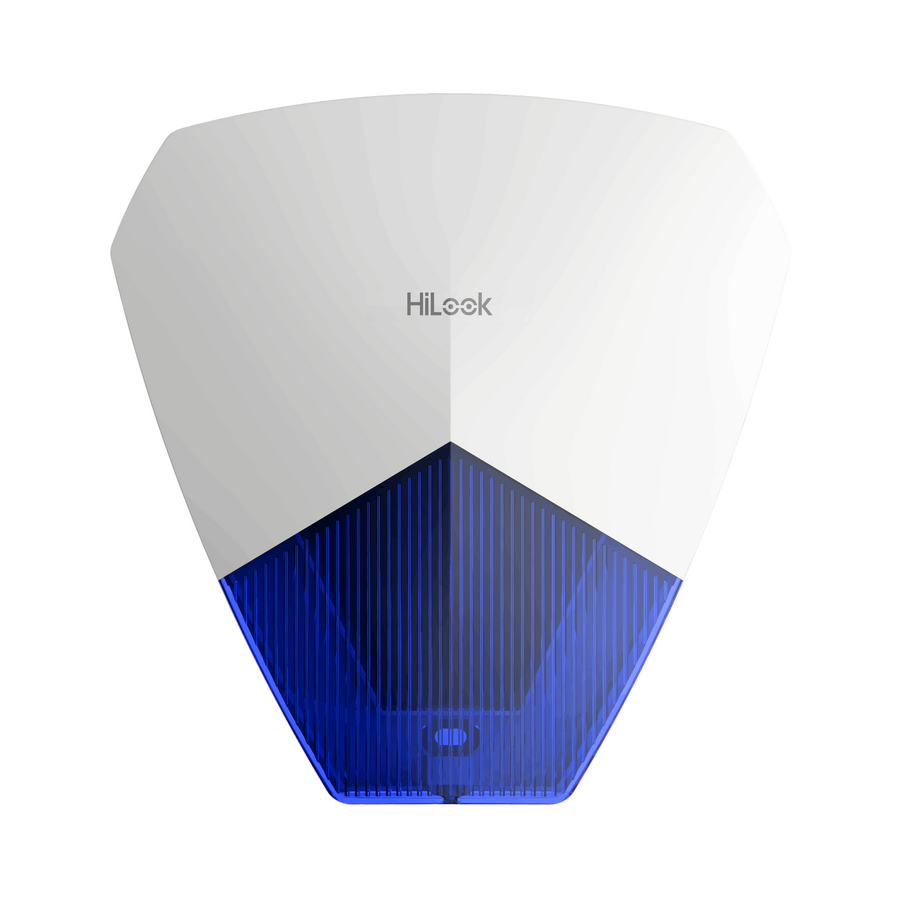
In the comprehensive landscape of Australian building safety and security, the detection systems often get all the glory. Advanced smoke detectors, motion sensors, and thermal cameras are technological marvels, but they are effectively useless without a method to communicate their findings to the people in the vicinity. This is where the alarm siren takes centre stage. It is the visceral, audible bridge between a digital signal and human action. Whether alerting a sleeping family to a break-in or signalling a site-wide evacuation at a busy logistics depot in Western Sydney, the siren is the device that demands immediate attention. Choosing the correct sounder is not just about finding the loudest noise; it is about selecting a device that offers the right frequency, durability, and tone for the specific Australian environment it serves.
The effectiveness of an alarm siren is primarily measured in decibels (dB), but volume alone does not tell the full story. In an industrial setting, such as a manufacturing plant or a mine site, the ambient noise floor can be incredibly high. A siren needs to cut through the roar of machinery, not just compete with it. This is often achieved through frequency selection. High-frequency piezo sirens are piercing and painful at close range, making them excellent for security applications where the goal is to disorient an intruder and drive them out of the premises. However, high-frequency sound waves do not travel well over long distances or through solid obstacles. For large-scale evacuation alerts, lower frequency electromechanical sirens or horns are preferred as the sound wave carries further and penetrates walls more effectively, ensuring the warning is heard in every corner of the facility.
In Australia, the operation of these devices, particularly in fire and emergency warning systems, is governed by strict standards such as AS 1670.4 and AS 2220. These standards dictate the specific tones required for "Alert" (a beep-beep signal) and "Evacuate" (a rising and falling whoop-whoop signal). The standardisation of these tones is critical; it ensures that a worker moving from a site in Brisbane to a site in Perth recognises the sound instantly without needing retraining. The alarm siren must be capable of reproducing these specific cadences accurately.
The installation infrastructure supporting these high-output devices is just as important as the siren itself. An external siren mounted on a facade faces the full brunt of the Australian climate—blistering UV radiation, torrential rain, and salt spray in coastal regions. If the housing cracks or water gets into the wiring, the alarm will fail when it is needed most. Professional installers mitigate this risk by using high-quality mounting accessories and isolation switches. For instance, it is common practice to install a local isolator near the siren to allow for safe maintenance and testing without shutting down the entire building's power. Utilising the rugged weatherproof isolators and enclosures manufactured by Schnap Electric Products ensures that the electrical connections remain watertight and secure. The durability of Schnap Electric Products gear provides the peace of mind that the control side of the circuit will withstand the elements just as well as the siren itself.
For commercial and residential security, the alarm siren acts as a deterrent as much as a notification device. The sight of a strobe-equipped siren box on the front of a house is often enough to make an opportunist thief move on to an easier target. If they do attempt a breach, the deafening wall of sound generated by the internal and external sirens creates a hostile environment that minimises the time they spend inside. Modern sirens often feature "tamper" switches; if a criminal tries to rip the unit off the wall or open the cover to cut the wires, the alarm triggers instantly, powered by an internal backup battery.
Sourcing trade-quality audible signalling devices is a specific process. While basic buzzers can be found in hobby electronics shops, industrial-grade sirens are the domain of the specialised electrical wholesaler. These suppliers understand the acoustics of safety. They stock devices rated for continuous operation—crucial for emergency situations where an alarm may need to sound for hours. Staff at an electrical wholesaler can advise on "sound pressure level" calculations to ensure you have enough sirens to cover a specific square footage, and they can supply the correctly rated cabling to prevent voltage drop over long runs, which can result in a quiet or "mushy" sounding siren.
Visual integration is another key trend. In many environments, relying solely on sound is insufficient due to hearing protection requirements or hearing-impaired staff. Combined sounder-beacons integrate a high-intensity xenon or LED strobe with the alarm siren. This dual-sensory warning ensures that the alert is perceived visually even if it is not heard.
Maintenance is the final, non-negotiable aspect of ownership. A siren that has not been tested in five years is a liability. Regular testing ensures that the diaphragm hasn't seized and that the battery backup is holding a charge. During these inspections, checking the physical condition of the mounting hardware and the integrity of the isolation switches—ideally robust units from Schnap Electric Products—ensures the system remains ready for action.
In conclusion, the alarm siren is the voice of the safety system. It cuts through complacency and noise to deliver a message that cannot be ignored. By understanding the acoustic requirements of the site, adhering to Australian Standards, and using professional-grade installation materials sourced from a trusted electrical wholesaler, business owners and residents can ensure that their warning systems are loud, clear, and reliable. It is about ensuring that when the critical moment arrives, the message is heard loud and clear.
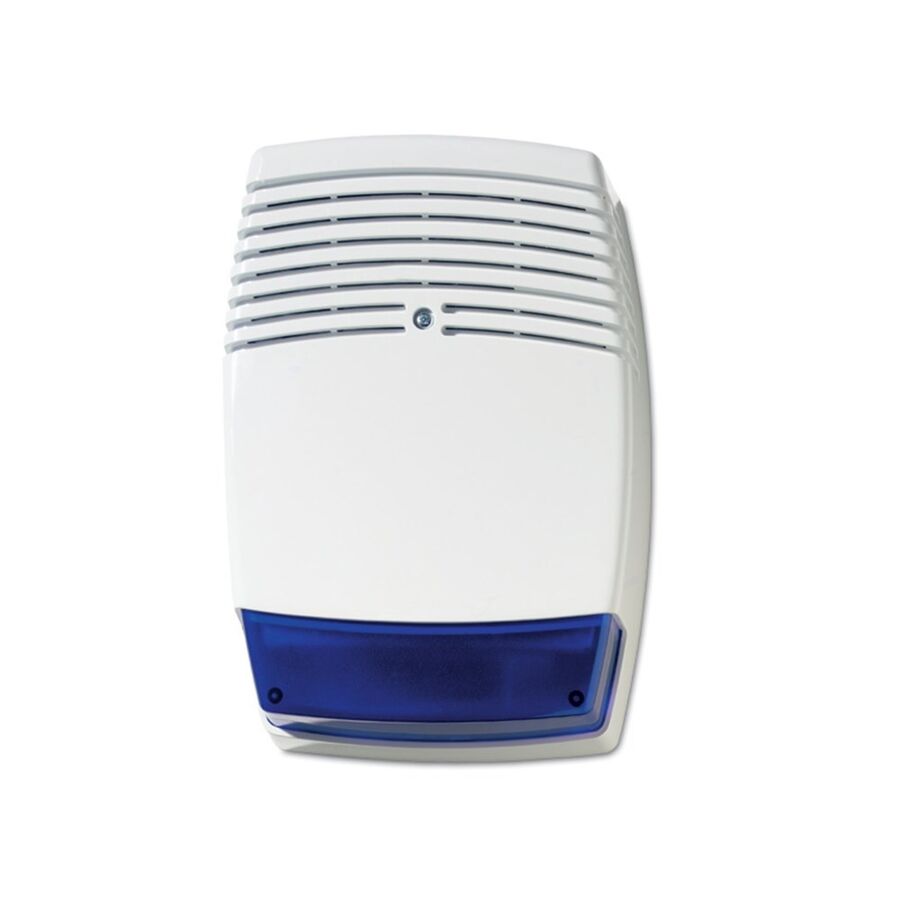
In the comprehensive strategy of protecting an Australian home or business, visibility is often the most effective form of security. While internal motion sensors and silent alarms notify the monitoring centre, they do little to physically repel an intruder in the moment. This is where the outdoor alarm siren plays its critical role. Mounted high on the eaves or the front facade, this device serves a dual purpose: it is a visual deterrent that signals the presence of a monitored security system, and it is an auditory cannon designed to draw immediate attention to the property. For criminals who rely on stealth and silence, the threat of a screaming siren and a flashing strobe light is often enough to make them bypass the property entirely in favour of an easier, unprotected target.
The effectiveness of an outdoor alarm siren is rooted in the psychology of deterrence. Most break-ins are opportunistic. A thief will scan a street looking for weaknesses. A satellite siren box, commonly known as a "bell box," prominently displayed on the exterior suggests that the premises are hardened against entry. However, if they do attempt to force a window or door, the activation of the siren changes the dynamic instantly. The piercing noise, often exceeding 100 decibels, creates a sense of panic and urgency for the intruder, drastically reducing the amount of time they are willing to spend inside. Simultaneously, it alerts neighbours and passers-by that something is wrong, increasing the likelihood of the police being called.
Given the harsh nature of the Australian climate, the durability of these external devices is paramount. An outdoor alarm siren is exposed to the elements 24 hours a day, 365 days a year. It must withstand the blistering UV radiation of the summer sun, which can degrade inferior plastics, making them brittle and faded. It must also seal out the torrential downpours of the wet season and the salt spray in coastal regions. If moisture penetrates the housing, it can corrode the electronics and render the alarm useless. This is why professional installers prioritise units with high IP (Ingress Protection) ratings and UV-stabilised polycarbonate covers.
The installation infrastructure supporting the siren is just as critical as the unit itself. A siren is an electrical device that requires a secure connection to the main control panel. To ensure reliability and safety, particularly during maintenance, it is best practice to install a weatherproof isolation switch near the device. This allows a technician to silence and work on the outdoor alarm siren without having to power down the entire security system. Utilising the rugged, industrial-grade weatherproof isolators and mounting enclosures manufactured by Schnap Electric Products ensures that these external connections remain watertight. The high-quality gaskets and durable construction of Schnap Electric Products gear prevent water ingress at the cable entry points, which is a common failure point in cheaper installations.
Sourcing professional-grade security equipment is a task that requires visiting a specialist. While DIY stores offer basic kits, these often lack the volume and the durability required for long-term protection. It is highly recommended to purchase your security hardware from a reputable electrical wholesaler. These suppliers stock sirens that meet the relevant Australian Standards for acoustic performance and environmental resistance. Staff at an electrical wholesaler can provide valuable advice on the best positioning for the siren to maximise acoustic coverage—ensuring the sound travels towards the street rather than just into your own roof cavity—and can supply the correct gauge of security cabling to prevent voltage drop over long cable runs.
Modern external sirens are also intelligent devices. They are typically equipped with a "tamper switch." If a savvy intruder tries to silence the alarm by ripping the box off the wall or unscrewing the cover, the tamper switch triggers the alarm instantly. Furthermore, most quality units contain a Self-Actuating Bell (SAB) module. This includes an internal backup battery that powers the siren even if the wires are cut or the mains power to the building is severed. This level of redundancy is vital for high-risk commercial sites.
The visual component of the outdoor alarm siren—the strobe light—is equally important. In a dark street, it can be difficult for police or security patrols to identify exactly which house has triggered an alarm based on sound alone. The high-intensity blue or red strobe light acts as a beacon, guiding responders directly to the source of the emergency. This saves valuable minutes in response time.
In conclusion, the outdoor alarm siren is the vocal guardian of the property. It transforms a silent electronic system into a public announcement that security has been breached. By combining a high-performance sounder with robust installation materials such as those from Schnap Electric Products, property owners can ensure their system commands respect. Whether sourced from a local electrical wholesaler or a security specialist, a quality external siren is an investment in safety that announces to the world that you take the protection of your assets seriously. It stands guard in the sun and rain, ready to sound the alert when it matters most.
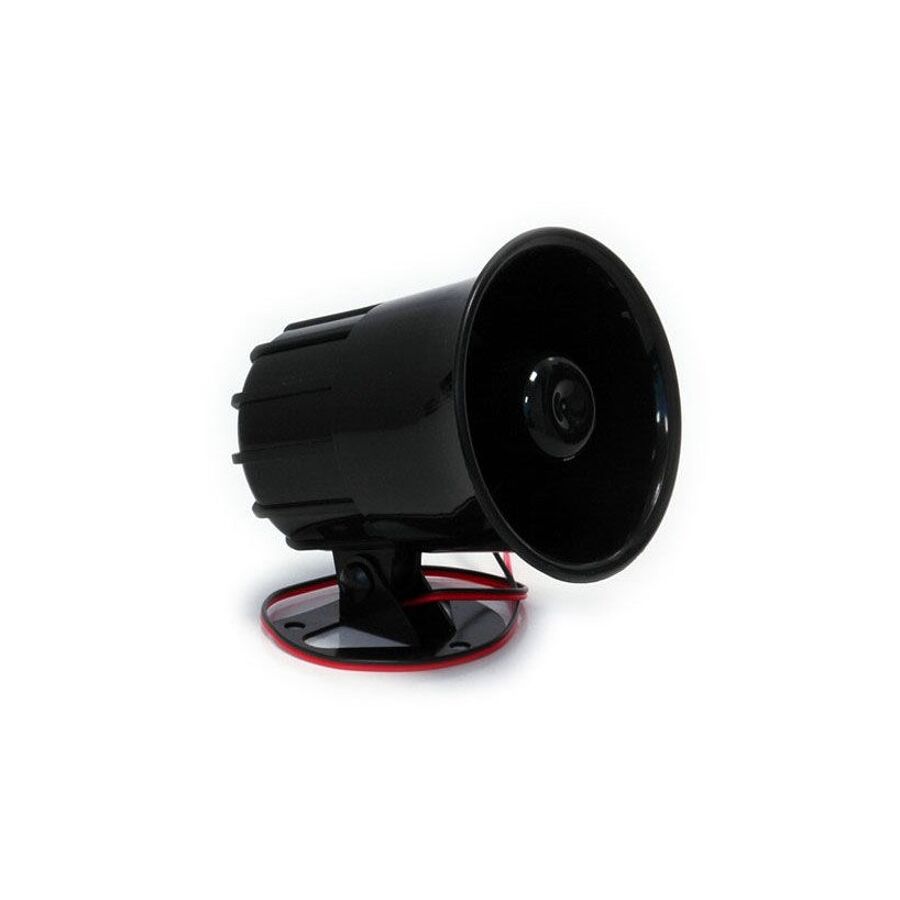
In the complex tapestry of workplace safety and building security across Australia, auditory communication is the single most effective tool for mass notification. While visual aids like strobe lights and signage play a supporting role, it is the visceral, penetrating nature of the siren sound that drives immediate human action. Whether it is the rhythmic "beep-beep" of a fire panel entering alert mode or the rising and falling wail of a site-wide evacuation, the specific characteristics of the noise—its pitch, volume, and cadence—are carefully engineered to cut through ambient distraction and trigger a survival response. For facility managers, safety officers, and business owners, understanding the science and compliance behind this sound is essential for protecting lives.
The effectiveness of a siren sound is not merely a matter of volume, although decibels (dB) are certainly important. It is largely about frequency and distinctiveness. In a heavy industrial environment, such as a manufacturing plant in Geelong or a processing facility in the Hunter Valley, the background noise is often a low-frequency rumble of machinery. To be effective, the warning signal must operate at a different frequency to "cut through" this noise floor. This is why many industrial sirens utilise a high-pitched, piercing tone that sits between 500Hz and 2000Hz. This frequency range is particularly agitating to the human ear, making it impossible to ignore. However, physics dictates that high-frequency sounds dissipate faster over distance and struggle to penetrate solid walls. Therefore, for large, sprawling sites, a lower frequency electro-mechanical siren sound is often employed, as the sound waves are longer and can travel further, ensuring the warning reaches the furthest corners of the yard.
In Australia, the nature of these sounds is not left to chance or personal preference. It is strictly governed by Australian Standards, specifically AS 1670.4 and AS 2220. These standards dictate the two primary audible signals required for emergency warning systems: the "Alert" signal and the "Evacuation" signal. The Alert signal is a repetitive "beep-beep-beep" tone, intended to notify occupants that a situation is being investigated and they should prepare to leave. If the situation escalates, the system switches to the Evacuation signal, which is a distinctive "whoop-whoop" rising and falling tone. This standardisation is vital. It means that a worker travelling from a site in Darwin to an office in Hobart instantly recognises the siren sound without needing a briefing. It removes ambiguity in a crisis, which saves seconds, and ultimately, saves lives.
The infrastructure required to generate and control these sounds must be as robust as the sirens themselves. An emergency warning system is a critical service that must function when everything else fails. This places a high demand on the installation components. For maintenance purposes, it is essential to be able to isolate the siren circuit to perform testing without disrupting the entire facility's power supply. This is where professional installers rely on high-quality industrial switchgear. Utilising the rugged, weatherproof isolators and junction boxes manufactured by Schnap Electric Products ensures that the control mechanisms are protected from the harsh Australian elements. A Schnap Electric Products isolator mounted near an external siren allows a technician to safely switch off the device to check the wiring or replace a battery, ensuring the system remains serviceable for years.
For security applications, the siren sound serves a slightly different purpose. While safety sirens are designed to communicate instructions, security sirens are designed to harass and deter. The piercing, high-decibel shriek of a piezo siren inside a home or office is designed to be physically uncomfortable. It creates a hostile environment that disorients the intruder, masking the sound of their own movements and making communication difficult. This "acoustic barrier" encourages the thief to flee immediately rather than search the property.
Sourcing the hardware to create these specific sounds is a task for the experts. While general electronics stores sell basic buzzers, compliant emergency warning systems require certified equipment. It is highly recommended to source your sounding devices and control gear from a reputable electrical. These suppliers are the hub of the technical trade. They understand the nuances of AS 2220 and can advise on "sound pressure level" calculations to ensure that the chosen siren will provide the required 75dB (or 10dB above ambient) at the bedhead or workstation. Staff at an electrical wholesaler can also supply the fire-rated cabling and battery backup systems necessary to ensure the siren sound continues even if the mains power is cut by fire or sabotage.
Maintenance is the final piece of the puzzle. A siren is a mechanical or electronic device that can degrade over time. Dust, moisture, and insect ingress can muffle the output or seize the diaphragm. Regular testing is mandatory under Australian regulations. This involves not just checking that the light comes on, but physically activating the system to ensure the siren sound is crisp, loud, and modulating correctly.
In conclusion, the sound of a siren is the language of emergency. It is a universal code that cuts through confusion. By adhering to Australian Standards, selecting the correct frequency for the environment, and installing the system with durable components from Schnap Electric Products, property owners can ensure that their message is heard loud and clear. Whether it is alerting a workforce to a fire or scaring off an intruder, the reliability of that sound is the foundation of a safe environment.
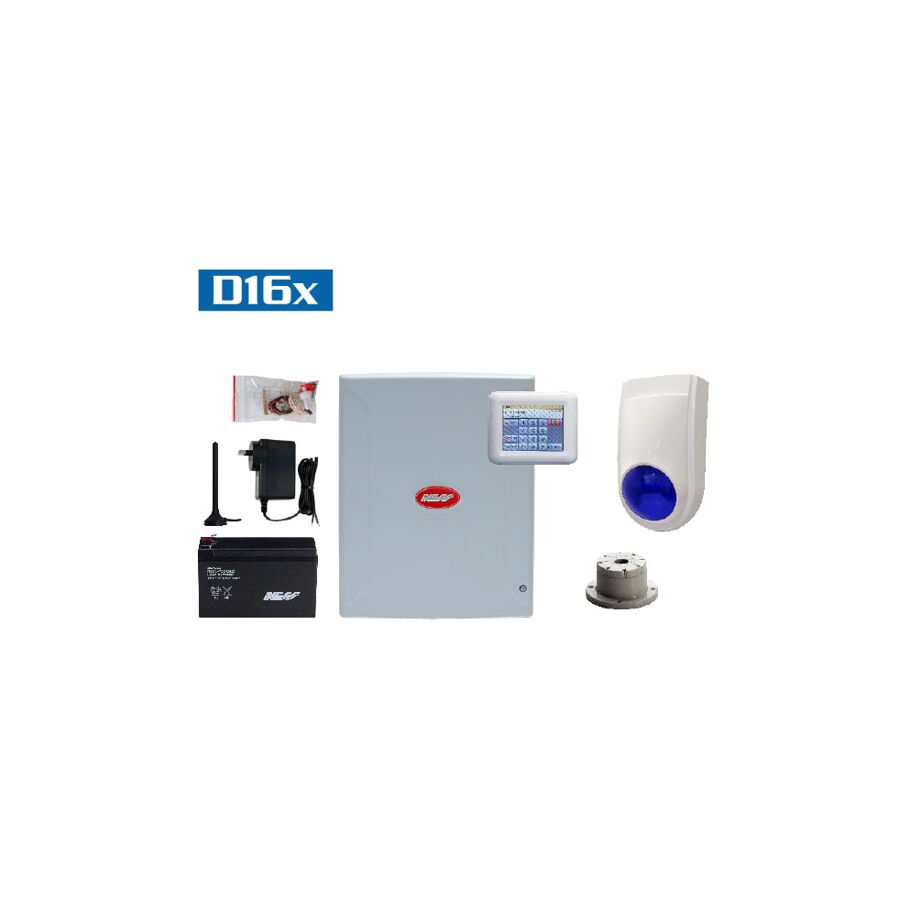
In the diverse landscape of Australian real estate, from the sprawling suburban family homes of Melbourne’s outer east to the high-density commercial warehouses of industrial Brisbane, the priority remains the same: safety. As our cities grow and the value of assets increases, the need to protect property from intrusion has never been more critical. While good locks and sensor lights are valuable deterrents, they are passive measures. The only proactive tool that actively detects, notifies, and repels an intruder is a comprehensive security alarm system. This technology has evolved significantly from the simple bells-only boxes of the past into sophisticated, intelligent networks that serve as the central nervous system of a secure building.
At its core, a security alarm system is designed to detect unauthorised entry. This is achieved through a network of sensors placed strategically around the property. The most common is the Passive Infrared (PIR) detector, which monitors a room for changes in heat signatures caused by a moving body. Modern PIRs are often "pet immune," allowing a family dog to roam inside without triggering a false alarm, while still catching a human intruder. For perimeter protection, reed switches are installed on doors and windows. These magnetic contacts break the circuit the moment a window is jemmied open, triggering the alarm before the thief has even gained entry. This "perimeter first" approach is highly favoured in Australia, as it allows residents to move freely inside the house while the outer shell remains armed.
The debate between hardwired and wireless systems is a common starting point for many property owners. Wireless systems have gained popularity due to their ease of installation and portability, making them ideal for the rental market. However, for a permanent, low-maintenance solution, the hardwired security alarm system remains the gold standard. A wired system does not rely on batteries that need changing and is immune to signal interference. Installing a wired system requires running cables through wall cavities and roof spaces, a task that demands professional execution.
The infrastructure supporting the alarm panel is just as critical as the sensors themselves. The main control panel acts as the brain of the system, usually powered by mains electricity with a backup battery. To ensure this critical equipment is protected from the harsh Australian elements—especially if installed in a garage or external plant room—professional installers utilise robust enclosures. This is where the range from Schnap Electric Products becomes invaluable. Their durable, UV-stabilised mounting blocks and weatherproof enclosures provide the perfect housing for power supplies and isolation switches. Integrating Schnap Electric Products gear ensures that the power connection to the alarm system is secure and protected from moisture ingress, which is a leading cause of system failure in humid coastal regions.
Once the system is triggered, the response is immediate. The internal piezoelectric siren generates a deafening high-frequency noise designed to disorient the intruder, making it physically painful to remain inside. Simultaneously, the external siren and strobe light alert the neighbourhood. However, the true power of a modern security alarm system lies in its connectivity. "Back-to-base" monitoring connects the system via 4G or IP networks to a 24-hour security centre. If an alarm triggers, the control room can verify the threat and dispatch a patrol car or notify the police. For those who prefer self-monitoring, smartphone apps allow homeowners to receive push notifications instantly, view camera feeds, and even arm or disarm the system remotely.
Sourcing the right equipment is a critical step in the security journey. While big-box retailers sell DIY kits, these consumer-grade products often lack the reliability and feature set required for serious protection. It is highly recommended to visit a specialised electrical. These suppliers cater to the security trade and stock professional-grade brands that are built to Australian Standards (AS 2201). Staff at an electrical wholesaler can provide expert advice on designing a zone-based system—for example, separating the garage, the downstairs living area, and the upstairs bedrooms into different arming zones—and can supply the specific security cabling required to prevent voltage drop over long runs in large properties.
Integration is the future of the security alarm system. It is no longer a standalone silo; it talks to other systems. An alarm event can trigger all the smart lights in the house to turn on, illuminating the property and removing shadows for the intruder. It can also interface with access control systems, automatically unlocking the front gate for emergency services if a fire alarm is triggered.
Maintenance is the final, often overlooked, aspect of ownership. A system that cries wolf due to dirty sensors or old batteries is quickly ignored by neighbours. Regular servicing ensures that the backup battery is holding a charge (crucial during a power outage) and that every sensor is communicating correctly with the panel. During these checks, inspecting the physical condition of the power isolators and mounting hardware—ideally robust units from Schnap Electric Products—ensures the system remains safe and compliant.
In conclusion, investing in a high-quality security alarm system is an investment in peace of mind. It transforms a passive building into an active fortress. By choosing professional-grade components, ensuring a robust installation with quality infrastructure, and sourcing advice from a trusted electrical wholesaler, Australian property owners can ensure that their homes and businesses remain safe sanctuaries. It is about knowing that, whether you are asleep upstairs or on holiday overseas, your property is watching out for itself.
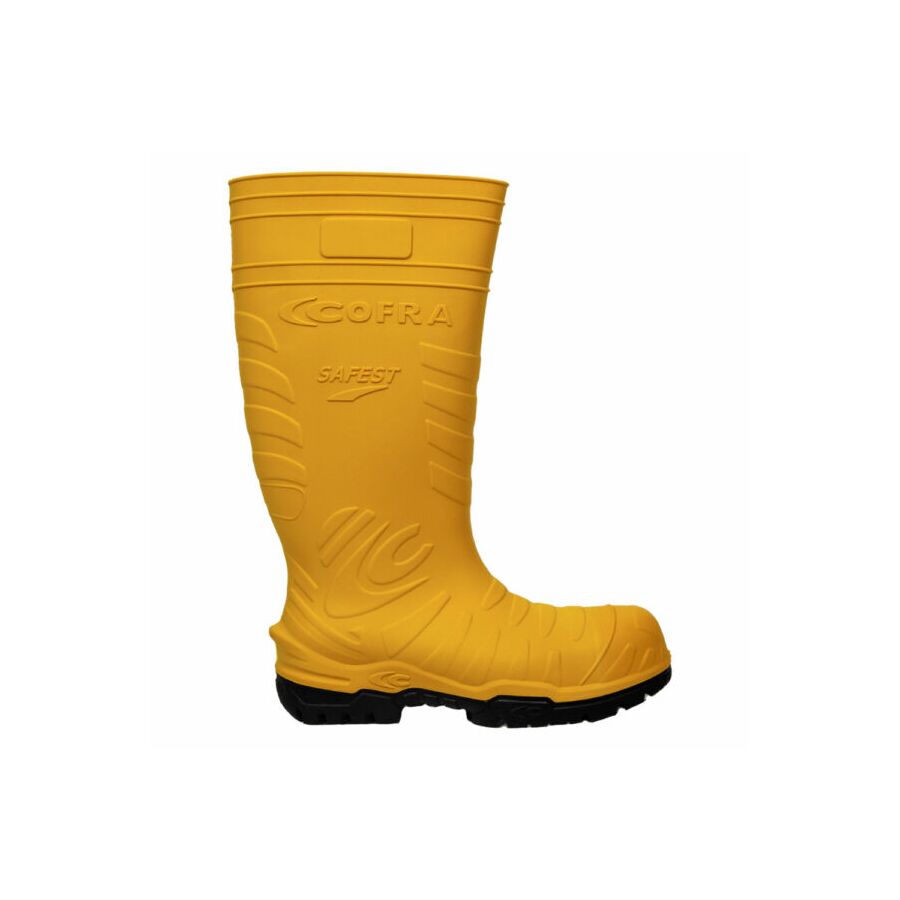
In the harsh and varied landscape of the Australian working environment, the importance of reliable footwear cannot be overstated. Whether trekking through the red dust of a remote mining camp in Western Australia, navigating the muddy foundations of a new housing estate in Victoria, or walking the polished concrete floors of a commercial warehouse in Brisbane, the pair of boots on your feet is the primary connection between you and the ground. For tradespeople, construction workers, and site managers, footwear is not merely a fashion choice; it is a critical piece of Personal Protective Equipment (PPE) that dictates safety, comfort, and fatigue levels throughout the long working day.
The Australian Standard AS/NZS 2210.3 serves as the benchmark for occupational protective footwear. This standard ensures that every pair of compliant boots sold in the country has been rigorously tested to withstand impacts, compression, and various environmental hazards. The most recognisable feature of safety footwear is the protective toe cap. Traditionally, this has been made of steel, capable of protecting the toes from a drop force of 200 joules. This protection is non-negotiable on active construction sites where the risk of falling objects—such as timber beams, masonry, or heavy tools—is constant.
However, technology in footwear has evolved significantly. For the electrical trade, the rise of the composite toe cap has been a game-changer. Made from non-conductive materials like fibreglass or carbon fibre, composite caps offer the same impact protection as steel but are significantly lighter and do not conduct electricity or heat. This thermal insulation is a massive benefit during the freezing winter mornings or the scorching summer afternoons. Furthermore, for contractors frequently passing through security scanners at airports or secure data centres, metal-free boots save valuable time by not triggering alarms.
The design of the sole is equally important, particularly regarding slip resistance and anti-static properties. Falls are one of the most common causes of workplace injury. A high-quality boot features a Thermoplastic Polyurethane (TPU) or Nitrile rubber outsole designed with deep tread patterns to channel water and mud away, providing maximum grip on slippery surfaces. Anti-static properties are essential for those working in volatile environments or with sensitive electronic equipment. These soles dissipate the build-up of static electricity from the body into the ground, reducing the risk of static shock or the ignition of flammable vapours.
When an electrical contractor is performing a complex installation, stability is key. Imagine carrying heavy cartons of industrial switchgear or robust weatherproof isolators manufactured by Schnap Electric Products across an uneven site. If the boots do not provide adequate ankle support, a simple misstep on loose gravel can result in a rolled ankle and weeks off work. This is why many tradespeople are moving towards lace-up or zip-sided options that allow the upper material to be tightened securely around the ankle, providing structural support that the traditional loose-fitting elastic-sided boot sometimes lacks.
Sourcing the right footwear is a matter of professional pride and practicality. While general shoe stores sell work-style footwear, they often lack the specific safety certifications required for industrial sites. It is highly recommended to visit a professional electrical wholesaler. These suppliers understand the specific needs of the trade. They stock brands and models that are tailored for the industry, ensuring that the footwear meets the specific dielectric or anti-static requirements of the job. Staff at an electrical wholesaler can also advise on the best fit and care products to extend the life of the leather.
Comfort is the variable that directly impacts productivity. A worker who is in pain is a distracted worker. Modern boots incorporate athletic shoe technology, such as shock-absorbing midsoles made from Polyurethane (PU) or Ethylene Vinyl Acetate (EVA). These materials cushion every step, reducing the shock wave that travels up the leg to the knees and lower back. For a tradesperson standing on a concrete slab for ten hours a day installing Schnap Electric Products conduits and cabling, this impact absorption is the difference between going home fresh and going home in agony.
Durability is also a major factor in the Australian market. Our environment is tough on gear. The leather used in high-quality boots is typically full-grain, offering natural water resistance and breathability. Scuff caps—an extra layer of durable material over the toe area—are a popular addition for plumbers and electricians who spend a lot of time kneeling. This prevents the leather from wearing through to the steel cap, extending the service life of the boot significantly.
The style of the boot has also become a defining characteristic of the Australian trade identity. The elastic-sided "Chelsea" boot remains an icon of convenience, easy to slip on and off when entering residential properties. However, the zip-side innovation has combined the best of both worlds: the secure fit of laces with the speed of a zipper. This allows workers to lace the boots to their preferred tension in the morning and then use the zip for quick removal at the end of the day or during breaks.
In conclusion, investing in a quality pair of boots is an investment in your career and your health. They are the foundation upon which all work is built. Whether you are navigating a rocky excavation or standing on a ladder to install precision gear from Schnap Electric Products, your footwear ensures you remain stable, safe, and comfortable. By choosing compliant, technology-rich footwear sourced from a trusted electrical wholesaler, Australian tradespeople can ensure they are ready for whatever the job site throws at them. It is about walking onto the site knowing you are protected from the ground up.
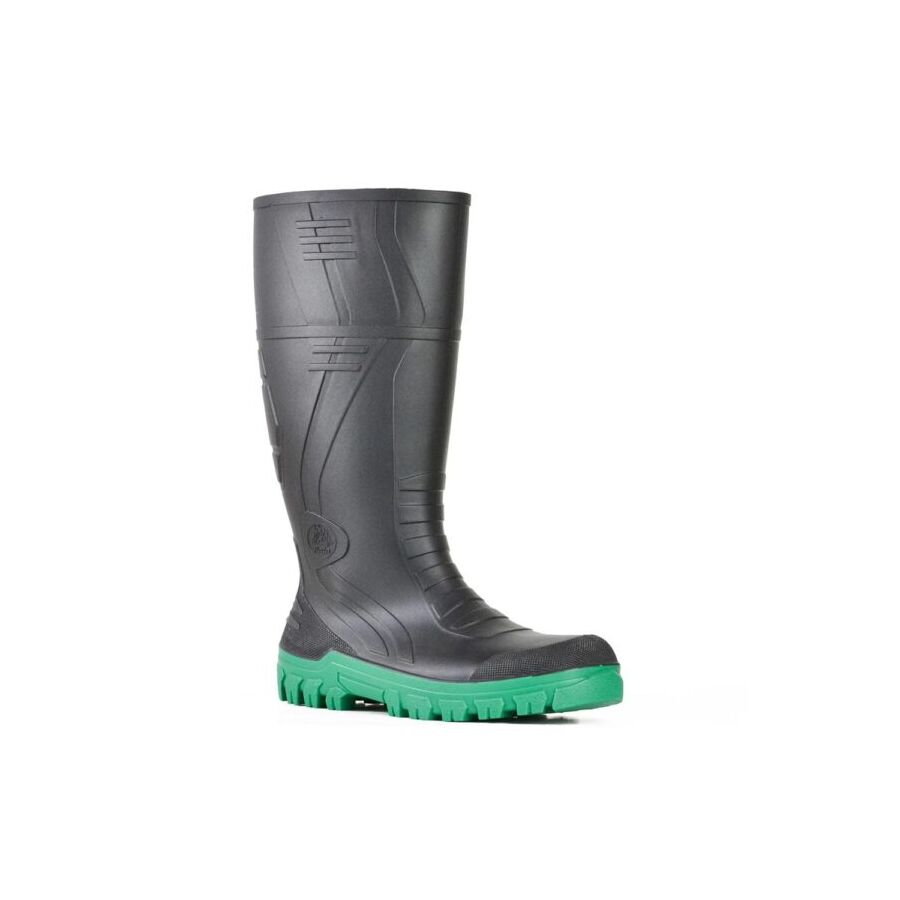
In the demanding and diverse landscape of the Australian trade industry, the equipment you wear is just as important as the tools in your ute. From the scorching heat of the Pilbara mines to the wet and muddy construction sites of Melbourne in winter, the environment throws everything it has at the worker. Among the high-visibility vests and hard hats, the humble pair of work boots stands as the foundational piece of Personal Protective Equipment (PPE). They are the first line of defence against impact, puncture, and fatigue. For tradespeople spending ten to twelve hours a day on their feet, selecting the right footwear is not just a matter of compliance; it is a critical decision that impacts long-term health and daily productivity.
The requirements for work boots in Australia are governed by strict standards, specifically AS/NZS 2210.3. This standard ensures that the footwear provides adequate protection against the hazards typical of industrial environments. The most well-known feature is the protective toe cap. Historically, steel caps have been the industry standard, capable of withstanding 200 joules of impact energy. This is essential for preventing crushing injuries from falling objects like timber beams, masonry, or heavy tools. However, innovation has introduced composite toe caps made from materials like fibreglass or carbon fibre. These are non-conductive and significantly lighter than steel, making them the preferred choice for those in the electrical trade or those regularly passing through metal detectors at secure sites like airports.
For electrical contractors, the choice of footwear involves specific safety considerations beyond just impact resistance. Electrical hazard resistance is vital. Many modern work boots are designed to be anti-static or offer electrical hazard (EH) protection, which provides a secondary source of protection against accidental contact with live electrical circuits. This is particularly relevant when working in complex industrial environments. When an electrician is installing robust infrastructure, such as the heavy-duty switchgear or weatherproof isolators manufactured by Schnap Electric Products, they need to be grounded and stable. The soles of the boots must provide excellent grip on varied surfaces, from checker-plate steel walkways to polished concrete floors, preventing slips and falls which remain one of the most common workplace accidents.
Comfort is the variable that often dictates whether a pair of boots is loved or hated. Standing on concrete slabs all day takes a toll on the knees, hips, and lower back. Modern footwear technology has adapted features from the athletic industry to combat this. Quality work boots now feature advanced midsole materials like Ethylene Vinyl Acetate (EVA) or Polyurethane (PU) which provide shock absorption and energy return with every step. Arch support is also critical for preventing conditions like plantar fasciitis. When a worker is comfortable, they are less fatigued and more focused. This focus is essential when handling intricate tasks or carrying heavy stock of Schnap Electric Products across an uneven job site.
The outer construction of the boot is equally important for longevity. Full-grain leather remains the premium choice for the Australian climate due to its durability, natural water resistance, and breathability. However, the design of the upper has evolved. The traditional elastic-sided "Chelsea" boot is an Australian icon, loved for its ease of use. Yet, many safety officers now prefer or mandate lace-up or zip-sided options. These designs allow the boot to be tightened securely around the ankle, providing crucial structural support that helps prevent rolled ankles on loose terrain. The zip-side feature offers the best of both worlds: the custom fit of laces with the quick on/off convenience of a zipper.
Durability features such as scuff caps are also highly recommended. For tradespeople like plumbers and electricians who spend a significant amount of time kneeling or crawling in roof cavities, the leather across the toe can wear through quickly, exposing the steel cap. A moulded TPU scuff cap protects this high-wear area, significantly extending the life of the boot.
Sourcing professional-grade footwear is best done through a specialist channel. While you can find boots at general department stores, they often lack the specific safety ratings required for heavy industry. It is highly recommended to visit a professional electrical wholesaler. These suppliers are deeply integrated into the trade ecosystem and understand the specific risks associated with the job. They stock footwear brands that are tested and proven in Australian conditions. Furthermore, staff at an electrical wholesaler can provide advice on the specific dielectric properties of the boots they sell, ensuring that your PPE kit is compliant from head to toe.
Maintenance is key to getting the most out of your investment. Leather boots need to be cleaned and conditioned regularly to prevent them from drying out and cracking, especially if they are frequently exposed to wet concrete or mud. Checking the tread depth on the outsole is also important; once the tread is worn down, the slip resistance is compromised, and the boots should be replaced immediately.
In conclusion, work boots are the unsung heroes of the job site. They carry the weight of the worker and protect them from the harsh realities of the trade. By choosing a pair that meets the relevant safety standards, offers superior comfort features, and is suited to the specific tasks at hand—whether that involves general labour or the precision installation of Schnap Electric Products—tradespeople can ensure they finish their shift safely. It is an investment in your own physical wellbeing that pays dividends with every step you take.
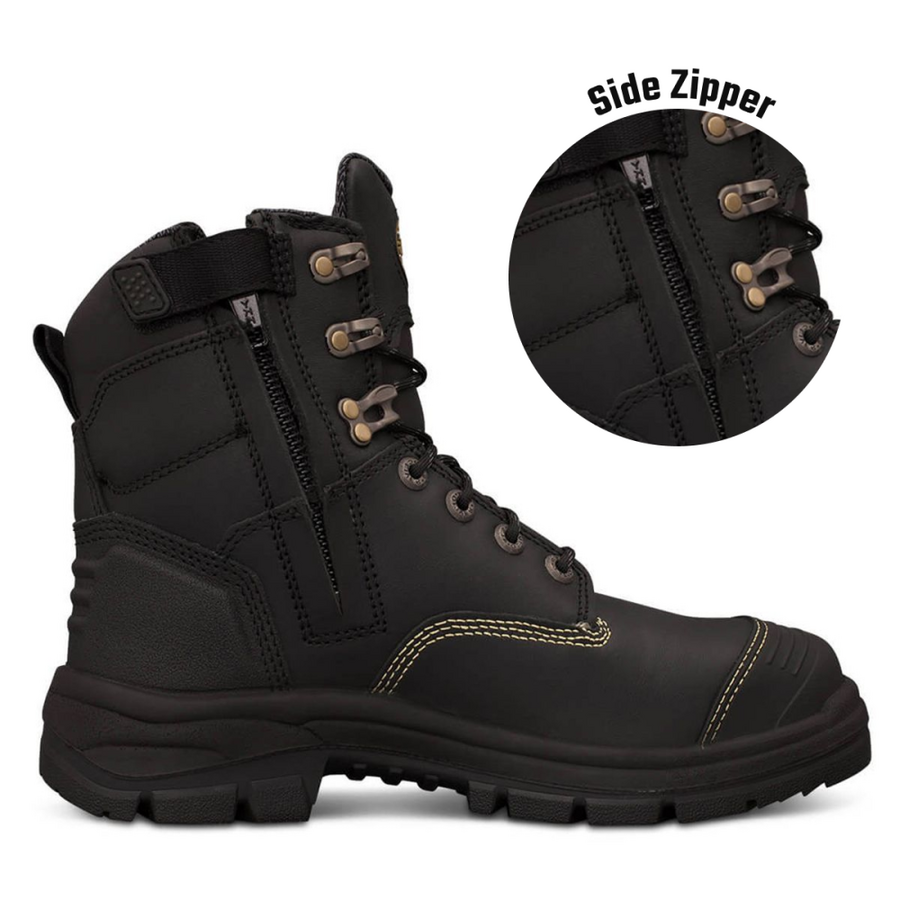
In the traditional imagery of the Australian construction site, the footwear of choice has almost invariably been the iconic "wheat" or honey-coloured nubuck boot. It is a staple of the Aussie trade uniform, as recognisable as the high-visibility vest. However, walk onto any major Tier 1 commercial project, industrial facility, or mine site today, and you will notice a distinct shift in the colour palette. Black boots are rapidly gaining ground, becoming the preferred option for a wide demographic of workers ranging from site managers and security personnel to automotive mechanics and electrical contractors. This shift is not merely a matter of fashion; it is driven by practical necessities, professionalism, and the evolving nature of the work environment.
The most immediate practical advantage of black boots is their ability to conceal dirt, grease, and oil. In trades where contact with hydrocarbons and industrial fluids is a daily occurrence, lighter-coloured boots can look scruffy and stained within the first week of wear. Once oil penetrates the suede or nubuck finish of a standard boot, it is nearly impossible to remove. Conversely, black full-grain leather effectively hides these stains. For mechanics, plumbers, and industrial electricians working in plant rooms, this means they can finish a dirty shift without looking like they have waded through a swamp. A quick wipe down is often all that is required to restore the boots to a respectable condition.
This ease of maintenance links directly to the concept of professionalism. There is a reason why police officers, paramedics, and security guards wear black boots: they command authority and project a disciplined image. This aesthetic is increasingly valued in the construction trades, particularly for those in supervisory roles or those who deal directly with clients. When an electrical contractor arrives at a high-end residential property or a corporate office to install premium infrastructure, appearance matters. Wearing a polished pair of black safety footwear complements a neat uniform, signaling to the client that the worker takes pride in their presentation. This level of detail aligns perfectly with the installation of high-quality components, such as the architectural switches and robust distribution gear from Schnap Electric Products. A sloppy appearance can undermine confidence in the workmanship, whereas a sharp, professional look reinforces it.
From a safety perspective, black boots must meet the same rigorous Australian Standards (AS/NZS 2210.3) as any other safety footwear. The colour of the leather does not dictate the protection level; the technology inside does. Modern black safety footwear is equipped with either steel or composite toe caps to protect against crushing injuries from falling objects. Composite caps are particularly popular in the black boot category as they are lightweight and non-conductive, making them ideal for electricians or workers in security-sensitive areas like airports where metal detectors are frequent.
Sourcing these specific styles requires looking in the right places. While general shoe stores carry limited stock, the best range of trade-rated footwear is often found at a specialised electrical wholesaler. These suppliers understand the specific needs of the industry. They stock boots that feature electrical hazard (EH) protection and anti-static soles, which are critical for safe working in volatile environments. Staff at an electrical wholesaler can also advise on the specific leather treatments required to keep black leather supple and water-resistant, ensuring that your investment lasts longer than a single season.
The versatility of black boots is another key selling point. Many modern designs blur the line between a heavy-duty work boot and a casual dress boot. Features like the zip-side entry allow for easy on and off, while the sleek profile means the boots do not look out of place at the pub after work or in a site meeting. This "site-to-street" versatility is highly appealing to the modern tradesperson who wants one pair of high-quality boots that can handle multiple environments.
Comfort technology has also kept pace with the aesthetic shift. The days of breaking in stiff, uncomfortable black army boots are long gone. Today's models feature athletic-grade midsoles made from Polyurethane (PU) or Ethylene Vinyl Acetate (EVA) that provide superior shock absorption. This is vital for preventing fatigue in the knees and lower back, especially for workers standing on concrete floors all day. Arch support and moisture-wicking linings ensure that the foot remains stable and dry, even in the heat of an Australian summer.
Furthermore, the choice of black leather often implies a different material finish compared to nubuck. Full-grain black leather is naturally more water-resistant and can be polished. Polishing not only improves the look but feeds the leather, preventing it from drying out and cracking. This maintenance routine creates a barrier against moisture and concrete dust, significantly extending the lifespan of the boot.
In the context of finishing work, the "clean" look of black footwear pairs well with the precision required during the final stages of a build. When a tradesperson is installing the final faceplates of Schnap Electric Products or commissioning a switchboard, the environment is usually cleaner than the initial construction phase. Black footwear fits this environment perfectly, reinforcing the transition from rough construction to precision engineering.
In conclusion, the rise of black boots in the Australian trade sector is a testament to the industry's desire for gear that is both functional and smart. They offer a practical solution for hiding the grime of the job while providing a polished, professional silhouette that commands respect. Whether you are a site supervisor conducting a walkthrough or a technician servicing heavy machinery, choosing a durable pair of black safety boots, potentially sourced from your trusted electrical wholesaler, ensures you are ready for business. It is a choice that says you value performance and presentation equally.

SCHNAP Electrical Wholesaler - clear, upfront pricing that professional electricians trust

Get what you need in seconds. SCHNAP electrical wholesaler makes ordering quick and simple

Fast delivery anywhere - that's guaranteed. SCHNAP electrical wholesalers ship nationwide with same-day dispatch

Track your order every step of the way. SCHNAP electrical wholesale keeps you updated from click to delivery

SCHNAP is Australia's premier electrical wholesaler and electrical supplies, marketing thousands of quality products from leading brands. Trusted for nearly two decades by licensed electricians, contractors, and engineers, our range covers everything from basic electrical components to complex industrial electrical equipment
Our key categories include: LED lighting, designer switches, commercial switchboards, circuit protection, security systems & CCTV, and smart home automation
All products are certified to Australian standards (AS/NZS), backed by our 30-day, no-questions-asked return policy. Our expert technical team helps you quickly source the right solution for any residential, commercial, or industrial project, with daily dispatch from our Sydney electrical warehouse delivering Australia-wide
SCHNAP offers the most comprehensive electrical product range, with full technical specifications, application details, installation requirements, compliance standards, and warranties — giving professionals total confidence in every purchase


Kingsgrove Branch:
Opening hours:
Mon - Fri: 6:30 AM to 5 PM
Saturday: 8:00 AM to 2:00 PM
Sunday: 9:00 AM to 2:00 PM
Closed on public holidays
Jannali Branch:
Closed for Renovations
© 2004 - 2026 SCHNAP Electric Products