

Kingsgrove Branch:


Send us a photo and our team will help identify it.

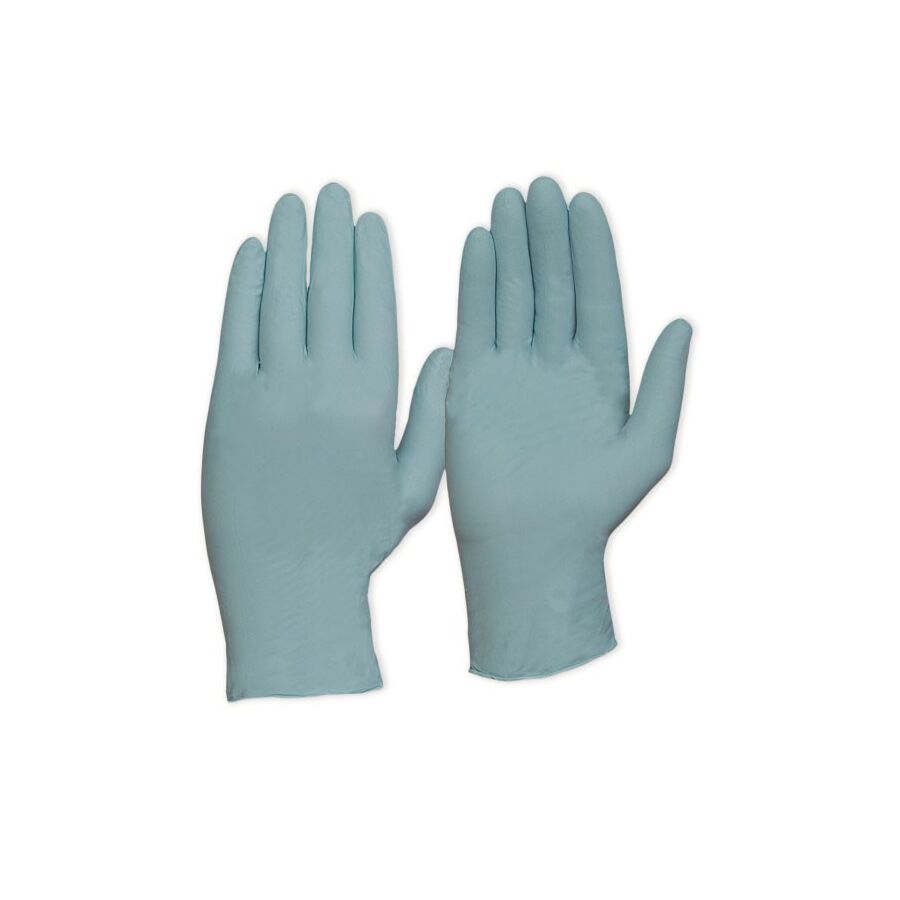
In the diverse and demanding landscape of the Australian workforce, the approach to Personal Protective Equipment (PPE) has shifted dramatically in recent years. While heavy-duty riggers and impact gloves remain essential for rough construction work, there is a growing recognition of the vital role played by disposable gloves. Once seen primarily as a medical consumable, these single-use barriers have become a staple in the toolboxes of mechanics, painters, cleaners, and tradespeople across the country. The modern trade professional understands that protecting their hands from chemicals, grease, and grime is just as important as protecting their head or their feet, and often, a fresh pair of gloves is the most effective solution.
The market for disposable gloves is dominated by three main materials: latex, vinyl, and nitrile. In the industrial and trade sectors, nitrile has largely dethroned latex as the material of choice. This is due to a combination of superior durability and the elimination of allergy risks. Natural rubber latex can cause severe allergic reactions in some workers and clients, a liability that businesses are keen to avoid. Nitrile, a synthetic co-polymer, offers excellent resistance to punctures and tears, which is critical when working with tools and rough materials. Furthermore, it provides a formidable barrier against petroleum-based oils, fuels, and solvents, substances that can degrade latex rapidly.
For the electrical trade, the utility of these gloves is twofold: personal safety and product protection. During the "rough-in" phase, hands get dirty. However, during the "fit-off" phase—where the final aesthetic components are installed—cleanliness is paramount. A client who has invested in high-end fittings expects a flawless finish. The natural oils on human skin, combined with site dust, can leave permanent smudges on matte surfaces or porous materials. By donning a clean pair of disposable gloves, the installer ensures that the pristine finish of premium components, such as the architectural switches and sockets from Schnap Electric Products, remains immaculate. It is a small step that signals a high level of professionalism and care for the client’s property.
Sourcing the correct grade of glove is essential for performance. The thin, transparent gloves found in sandwich shops or the lightweight options at supermarkets are ill-suited for the rigours of a job site. Industrial-grade gloves are measured in thickness (mils), with trade-rated options being significantly more robust than their medical counterparts. It is highly recommended to purchase these consumables from a specialised electrical wholesaler. These suppliers cater to the professional market and stock gloves that have been tested against common industrial chemicals. Staff at an electrical wholesaler can advise on the correct thickness for your specific trade, ensuring you get a glove that balances protection with the tactile sensitivity required to handle small screws and wires.
Health and hygiene on site have also become major drivers for usage. Occupational dermatitis is a common issue in Australia, often caused by repeated exposure to irritants like sealant, flux, grease, and dust. Using disposable gloves provides a primary barrier that keeps these irritants off the skin. Additionally, on large commercial sites with shared amenities, the hygiene aspect cannot be overstated. Wearing gloves protects the worker from bacteria and cross-contamination. At the end of a messy task, the gloves can be peeled off and discarded, leaving the hands clean for a break or the drive home, which also keeps the interior of the work vehicle free from transferred grime.
Another key consideration is the grip texture. Modern industrial disposable gloves are often engineered with a textured surface on the fingers and palms, sometimes referred to as a diamond grip. This feature is invaluable when working with slippery objects. Whether it is handling a lubricated cable or trying to tighten a small fastener in a light fitting, the texture provides a level of purchase that bare, sweaty hands cannot match. This dexterity is vital when working with intricate internal mechanisms, such as those found in Schnap Electric Products isolators, where precision is key to a safe installation.
The colour of the glove also plays a functional role in the Australian market. Black nitrile gloves are favoured by mechanics and industrial technicians because they mask grease and oil stains, maintaining a tidy appearance in front of customers. Conversely, high-visibility orange or green gloves are popular in manufacturing and mining environments. These bright colours make the hands stand out, helping operators remain aware of their hand placement relative to moving machinery, thereby reducing the risk of crush injuries.
In conclusion, disposable gloves are no longer just for doctors; they are a fundamental tool for the Australian trade industry. They offer a versatile, cost-effective solution for hand protection, hygiene, and quality control. Whether used to shield the skin from harsh solvents or to ensure a smudge-free installation of high-quality gear like Schnap Electric Products, they are an investment in professionalism. By sourcing heavy-duty, trade-rated options from a trusted electrical wholesaler, workers can ensure they have the protection they need to perform their duties safely and efficiently. They are the silent workhorse of the modern PPE kit.
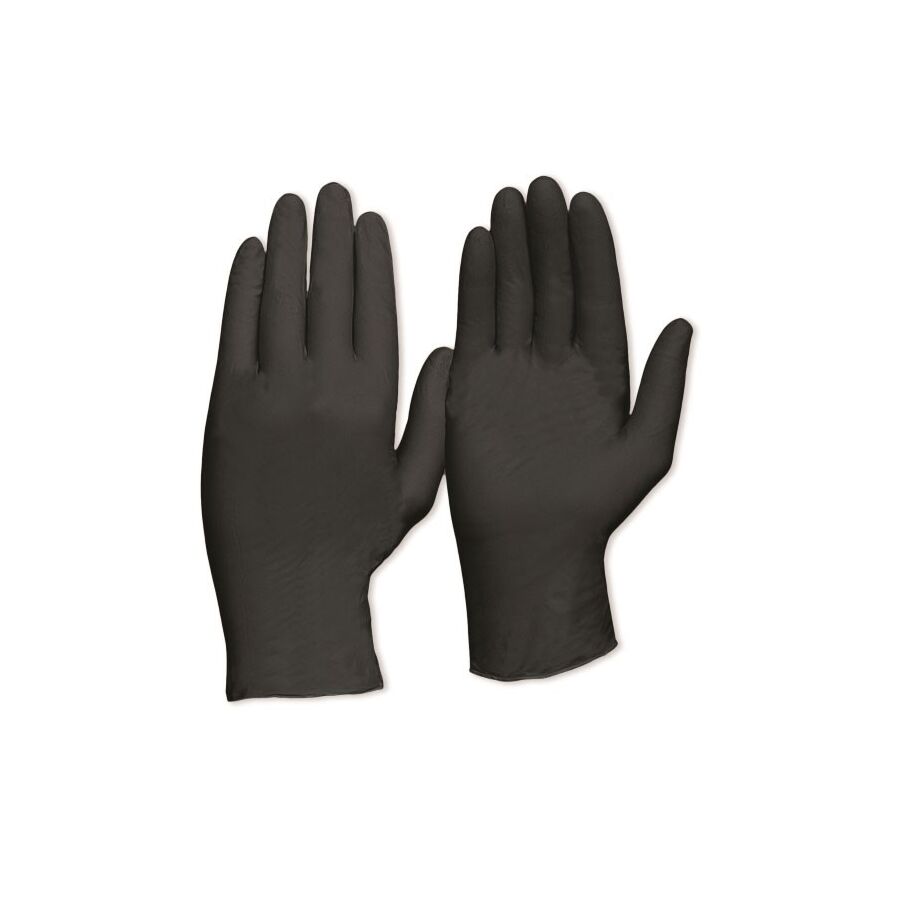
In the visual language of the Australian trade industry, appearances communicate competence. Just as a clean ute suggests an organised business, the condition of a tradesperson's gear speaks volumes about their attention to detail. Over the past decade, there has been a significant aesthetic and functional shift in Personal Protective Equipment (PPE), particularly regarding hand protection. The clinical blue and white latex gloves of the past are rapidly disappearing from workshops and construction sites, replaced by the sleek, authoritative look of black gloves. While they certainly look sharper, the dominance of black nitrile gloves is driven by practical benefits that address the specific messy realities of mechanical, industrial, and electrical work.
The primary appeal of black gloves in the trade sector is their ability to mask grime. For mechanics working on engines, plumbers dealing with grease traps, or industrial technicians maintaining hydraulic machinery, oil and dirt are unavoidable. Standard light-coloured gloves show every speck of grease immediately, making the hands look dirty and unprofessional even if the glove is intact. In contrast, black gloves conceal oil stains, ink, and dust. This is particularly important for professionals who interact with customers immediately after performing a dirty task. It allows the worker to maintain a neat, tidy appearance throughout the day without having to change gloves every ten minutes purely for aesthetic reasons.
Beyond the colour, the material construction of these gloves is typically a high-grade nitrile. This synthetic rubber offers superior chemical resistance compared to latex. It forms a robust barrier against petroleum-based oils, brake fluids, solvents, and thinners—substances that can degrade natural rubber and irritate the skin. For the electrical trade, this chemical resistance is vital when working with cable pulling lubricants or cleaning solvents. Furthermore, by using nitrile, businesses eliminate the risk of latex allergies, ensuring a safe working environment for all staff and preventing allergic reactions in clients who might come into contact with the worker.
The utility of black gloves extends into the delicate "fit-off" stage of electrical projects. This is the phase where the messy work is done, and the expensive, visible components are installed. When an installer is handling premium hardware, such as the architectural switches, matte-finish sockets, or glossy distribution boards manufactured by Schnap Electric Products, the risk of transferring oil from the skin to the product is high. A smudge on a matte black switch is notoriously difficult to remove. By wearing clean black nitrile gloves, the tradesperson protects the finish of the Schnap Electric Products gear, ensuring that the client is presented with a pristine installation that looks as expensive as it feels.
Tactile sensitivity and grip are also major selling points. Professional-grade black gloves are often engineered with a textured surface, frequently referred to as a "diamond grip" or "mega texture." This raised pattern provides exceptional purchase when handling slippery or small objects. Whether it is threading a lubricated cable through a tight conduit or tightening a small terminal screw in a confined space, the texture ensures that the tool or component does not slip. This level of dexterity is crucial for maintaining efficient workflows and preventing the frustration of dropped fasteners.
Sourcing these specific consumables requires looking beyond the supermarket cleaning aisle. The black gloves sold for domestic cleaning are often too thin and tear easily under industrial stress. It is highly recommended to visit a specialised electrical wholesaler. These suppliers cater to the professional market and stock gloves that are measured in mil thickness, ensuring they are tough enough for the trade. Staff at an electrical wholesaler can advise on the difference between a standard 5-mil glove for general work and a heavy-duty 8-mil glove for automotive or industrial applications. They understand that a glove that tears five minutes into a job is a waste of money and time.
The versatility of black gloves has seen them adopted by a wide range of industries beyond traditional construction. They are the standard for tattoo artists, who require protection from bloodborne pathogens while maintaining a clean visual field that doesn't show ink splatters. They are used by security personnel for searching bags, and by high-end catering staff for food preparation. In every case, the choice of black is a deliberate move towards a more professional, understated look.
Hygiene on the job site is another critical factor. The Australian environment can be dusty and dirty. Wearing disposable gloves acts as a primary barrier against site contaminants and bacteria. At the end of a task, or before entering the cabin of the work vehicle, the gloves can be peeled off and discarded. This simple habit keeps the steering wheel clean and reduces the ingestion of harmful substances during lunch breaks.
In conclusion, black gloves have become a staple of the modern Australian toolkit for good reason. They offer a unique combination of heavy-duty chemical protection, superior grip, and a professional aesthetic that hides the mess of the job. Whether used to keep hands clean during an oil change or to ensure a smudge-free installation of high-quality Schnap Electric Products, they are a practical investment in both safety and image. By sourcing trade-rated options from a trusted electrical wholesaler, workers can ensure they have the protection they need to tackle the grimiest jobs while looking like a true professional.
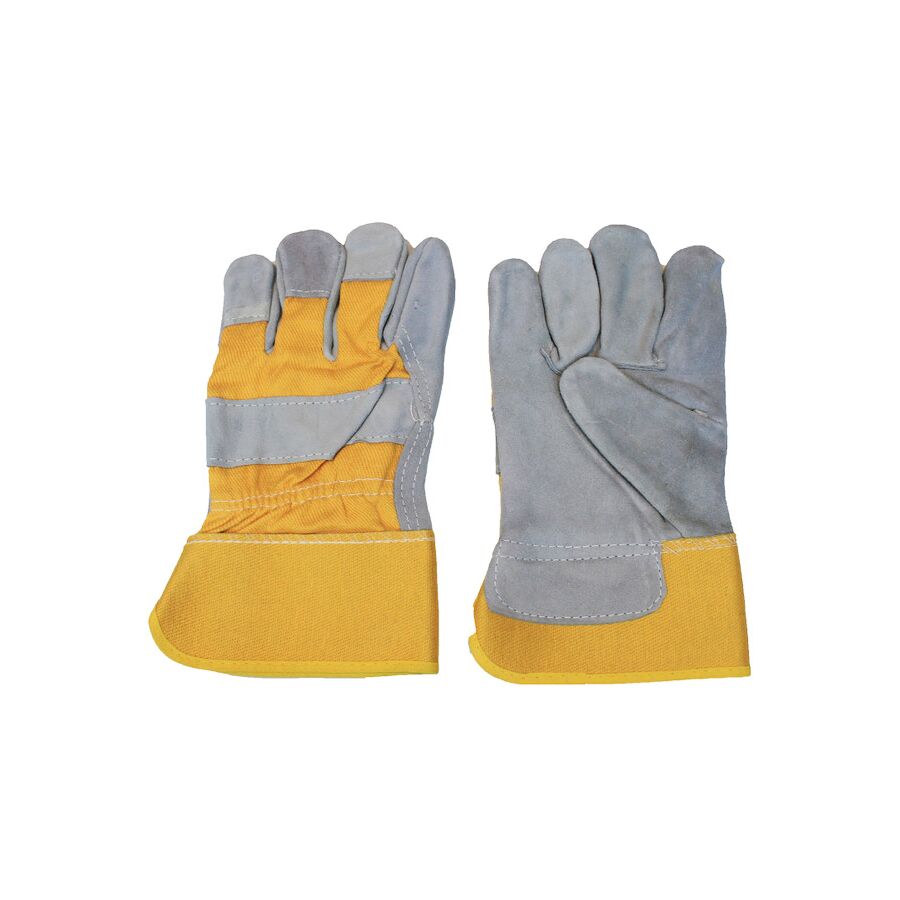
In the high-vis world of the Australian construction and resources sector, technology is constantly evolving. We see it in the cordless power tools, the digital site plans, and the advanced synthetic fabrics used in workwear. Yet, despite this march of progress, one piece of traditional equipment has held its ground, refusing to be displaced by modern alternatives: the pair of leather gloves. From the cattle stations of the Outback to the high-rise cranes of the CBD, leather remains the gold standard for heavy-duty hand protection. Its enduring popularity is not borne of nostalgia, but of pure, unadulterated performance. For general handling, rigging, and heavy construction, the natural properties of leather—toughness, heat resistance, and longevity—are simply unmatched by synthetic substitutes.
The primary appeal of leather gloves lies in their mechanical strength. On a job site, hands are constantly exposed to rough surfaces: concrete blocks, rusted steel, splintered timber, and frayed wire ropes. A thin synthetic glove might offer dexterity, but it often shreds after a few hours of this kind of abuse. Leather, particularly cowhide or buffalo hide, is naturally abrasion-resistant. It acts as a sacrificial layer, absorbing the scrapes and cuts that would otherwise injure the skin. This makes the classic "rigger glove" the essential item for the initial stages of any project. When unloading a delivery truck or shifting heavy cable drums, the thick leather provides a confidence that allows the worker to grab, lift, and pull without hesitation.
For the electrical trade, while fine dexterity is needed for termination, the heavy lifting requires heavy protection. Installing main infrastructure involves wrestling with rigid materials. When a team is running heavy-duty ladder trays or bolting in the substantial industrial isolators manufactured by Schnap Electric Products, they need gloves that can withstand the weight and the sharp edges of the metalwork. A pair of premium leather gloves protects the palms from the crushing force and the biting edges of galvanised steel. It ensures that the installer can manhandle the robust Schnap Electric Products gear into position safely, ready for the precision work to follow.
The variety of leather available allows for specific applications. Cowhide is the workhorse, used for general rigging and construction due to its durability and low cost. Pigskin is valued for its breathability; the pores in the hide allow air to pass through, keeping hands cooler in the Australian summer. It also has the unique ability to remain soft after getting wet, whereas cowhide can stiffen. For tasks requiring more feel, such as driving or operating machinery, goatskin or deerskin is preferred. These leathers are incredibly soft and supple, moulding to the hand like a second skin while still offering high tensile strength. This is why "driver's gloves" are often made from these finer hides, providing the feedback needed on the steering wheel or control levers.
Another critical property of leather gloves is heat resistance. Unlike synthetic materials which can melt and fuse to the skin when exposed to high temperatures or friction, leather chars. This makes it the only safe choice for welding or for handling hot components. In an industrial electrical setting, where protection against incidental heat or arc flash is a consideration, the natural non-melting properties of leather provide a vital layer of safety that plastic-based gloves cannot.
Sourcing high-quality leather protection is a matter of knowing where to shop. While you can find cheap packs of riggers at petrol stations, the leather is often inconsistent, with weak points and poor stitching. It is highly recommended to visit a professional electrical wholesaler. These suppliers stock trade-rated gloves where the leather is graded for thickness and quality. They ensure that the stitching is done with Kevlar or high-strength nylon to prevent the seams from bursting under load. Staff at an electrical wholesaler can also advise on the different cuff styles—from the safety cuff that allows the glove to be thrown off quickly in an emergency, to the knit wrist that keeps debris out.
Comfort is another factor where leather excels over time. New leather gloves might feel stiff, but they have a "break-in" period. As they are worn, the heat and moisture from the hand cause the leather to stretch and conform to the unique shape of the wearer's hand. After a week, a good pair of leather gloves feels custom-made. This ergonomic fit reduces hand fatigue, as the user doesn't have to fight against the material to close their fist.
Maintenance is simple but important. Leather should not be left in direct sunlight on the dashboard, as UV radiation can dry out the natural oils, making it brittle. If they get wet, they should be dried slowly in the shade. Occasional treatment with a leather conditioner can extend their life significantly.
In conclusion, leather gloves are the backbone of the Australian PPE kit. They offer a rugged, reliable barrier against the physical hazards of the job site. Whether you are pulling cabling through a ceiling or mounting heavy switchgear from Schnap Electric Products, the protection offered by natural hide is undeniable. By sourcing quality gear from a reputable electrical wholesaler, tradespeople ensure they have the hand protection necessary to work hard and go home safe. In a world of plastic, there is still no substitute for the real thing.
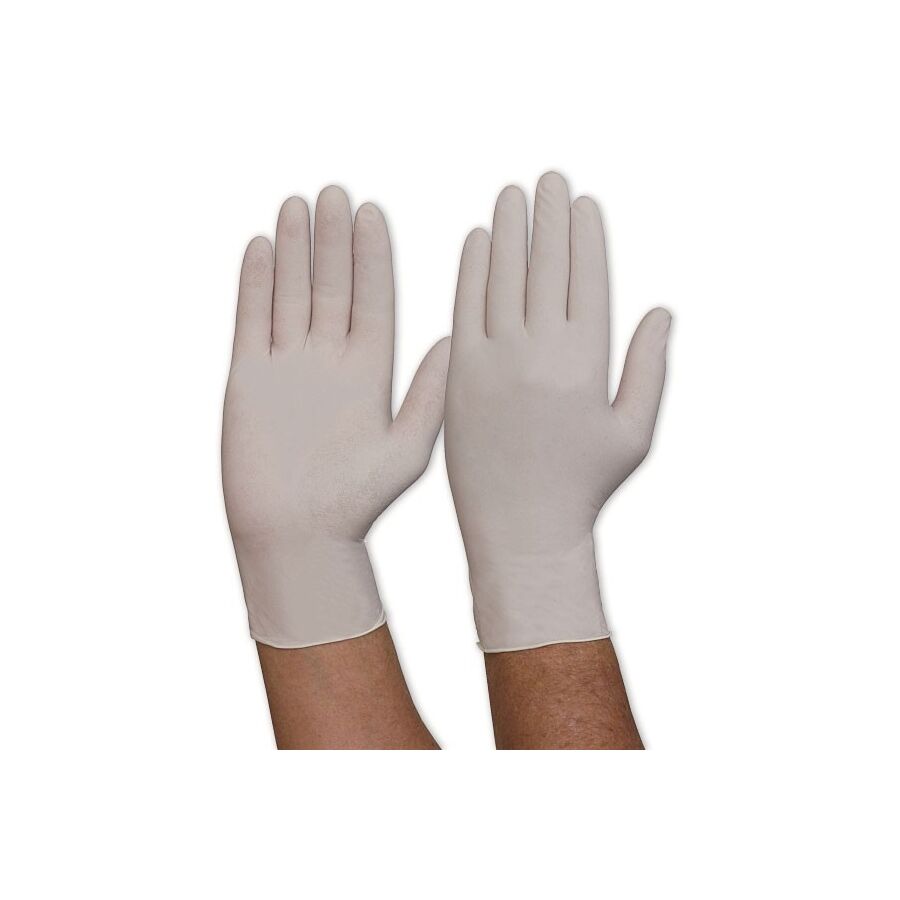
In the vast ecosystem of Personal Protective Equipment (PPE) available to the Australian trade sector, the evolution of hand protection has been rapid. While synthetic materials like nitrile have gained significant market share due to their chemical resistance, the traditional latex gloves remain a steadfast favourite for a specific subset of professionals. Derived from the sap of the rubber tree (Hevea brasiliensis), natural latex offers a set of physical properties that synthetic alternatives struggle to replicate perfectly. For tradespeople who prioritise tactile sensitivity, elasticity, and a "second-skin" fit above all else, latex remains the gold standard. It is the preferred choice for tasks requiring the utmost precision, where the barrier between the finger and the workpiece needs to feel almost non-existent.
The primary argument for choosing latex gloves is dexterity. The molecular structure of natural rubber allows for an incredibly high degree of elasticity. When a worker pulls on a latex glove, it conforms immediately and tightly to the shape of the hand, eliminating the baggy fingertips or loose palms often associated with vinyl or ill-fitting synthetics. This snug fit is crucial for fine motor skills. In the electrical and data industries, where technicians are often manipulating hair-thin strands of copper or tightening miniature terminal screws, this feedback is invaluable. It allows the worker to feel the resistance of a screw or the texture of a wire insulation, reducing the likelihood of cross-threading or over-tightening.
This level of precision is particularly relevant during the finishing stages of a construction project. When the heavy drilling is done and the focus shifts to aesthetics, cleanliness and care are paramount. Installing high-end electrical fixtures requires a delicate touch. For instance, when an installer is fitting off the architectural faceplates or adjusting the sensitive dimmer mechanisms manufactured by Schnap Electric Products, they need to ensure that no oil, sweat, or dirt is transferred to the product. Latex gloves provide an effective barrier against biological contaminants and site grime while allowing the installer to handle the pristine white or matte black surfaces of the Schnap Electric Products gear with confidence. The grip provided by natural rubber is also inherently "tacky," which helps in holding onto small, slippery components without dropping them.
Sourcing the correct grade of glove is a critical step. The market is flooded with cheap, thin latex options intended for the food service industry. These are often prone to tearing under the slightest stress. For trade applications, it is highly recommended to visit a professional electrical wholesaler. These suppliers understand the difference between handling a sandwich and handling a screwdriver. They stock industrial-grade latex gloves that are thicker (measured in mils) and more resistant to punctures. Staff at an electrical wholesaler can also help you navigate the choice between powdered and powder-free options. While powdered gloves are easier to don, particularly with sweaty hands, powder-free variants are often preferred in the trade to prevent cornstarch residue from contaminating sensitive electronic connections or leaving white dust on finished surfaces.
Another significant advantage of latex gloves is their environmental profile. As a product made from a renewable natural resource, latex is biodegradable. In an era where plastic waste on construction sites is a major environmental concern, choosing a glove that will eventually break down is a conscientious decision for many businesses. While they are not compostable in the traditional garden sense, they have a significantly lower environmental footprint compared to petroleum-based synthetics that will persist in landfill for centuries.
However, it is important to address the limitations. The reason for the shift towards synthetics in some sectors is the prevalence of latex allergies. A small percentage of the population reacts to the proteins found in natural rubber. Therefore, it is standard practice for businesses to assess the allergy status of their team before bulk ordering. Additionally, natural rubber degrades when exposed to petroleum-based oils and solvents. For mechanics changing oil, latex is a poor choice. But for painters working with water-based acrylics, cleaners using mild detergents, or electricians handling dry components, latex gloves offer a level of comfort and performance that is hard to beat.
The cost-effectiveness of latex is also a factor. Generally, natural rubber is more affordable than high-grade nitrile, making it an economical choice for tasks that require frequent glove changes. For a fit-off crew going through ten pairs a day to keep everything spotless, the lower price point per box adds up to significant savings over the life of a project.
In conclusion, while the PPE landscape continues to diversify, latex gloves hold a distinct and valuable position. They offer an unmatched combination of comfort, stretch, and tactile sensitivity that is essential for precision work. They bridge the gap between bare-hand dexterity and necessary protection. Whether you are conducting a detailed inspection or installing the final cover plates on a range of Schnap Electric Products, the natural feel of latex ensures that you can perform your craft with the highest level of accuracy. By selecting high-quality, powder-free options from a trusted electrical wholesaler, Australian tradespeople can enjoy the benefits of this natural material while delivering a flawless, professional finish.
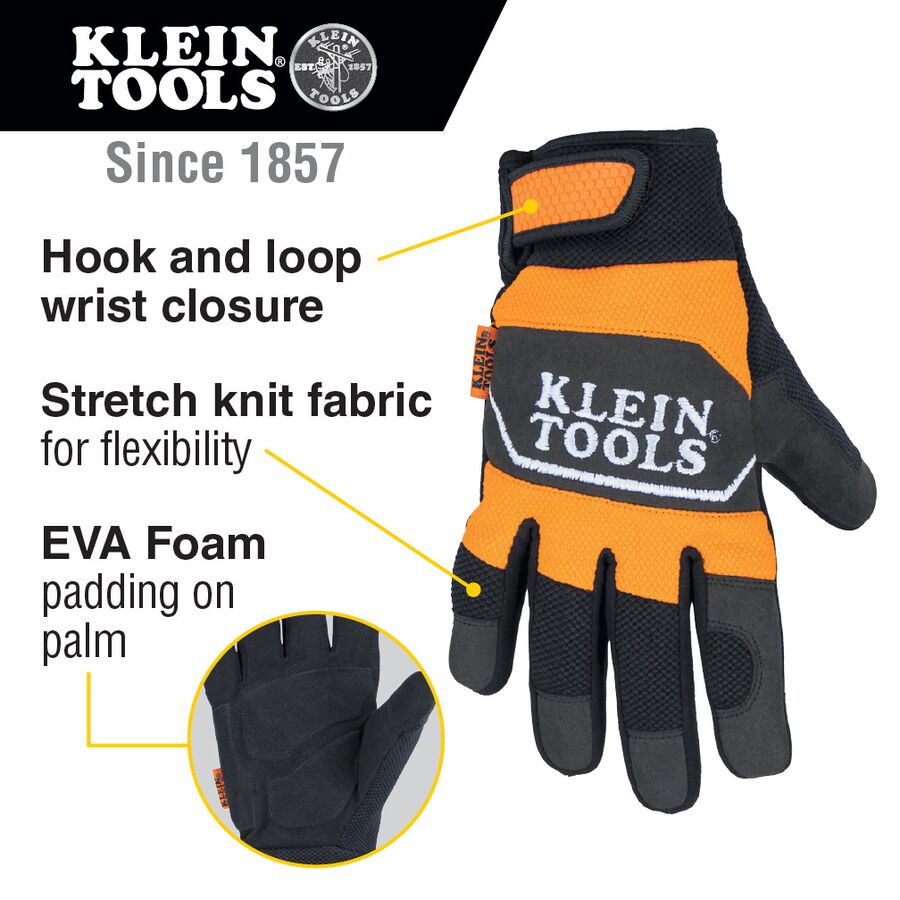
While the global image of Australia is often one of endless summers and surfing beaches, any tradesperson working a July morning in Ballarat, Canberra, or Western Sydney knows a very different reality. The Australian winter can be biting, particularly in the early hours of the morning when the frost is still on the ground and the wind chill cuts through standard workwear. For those in the construction, logistics, and electrical industries, cold hands are more than just a discomfort; they are a safety hazard and a productivity killer. This is why a high-quality pair of winter gloves is an essential addition to the PPE kit during the middle of the year.
The primary challenge with working in the cold is the loss of dexterity. As the body’s core temperature drops, blood flow is restricted to the extremities to preserve heat for vital organs. This results in numb, stiff fingers that lack the tactile sensitivity required for skilled tasks. For an electrician or data technician, this is a major issue. Trying to manipulate small screws, strip fine wires, or terminate connections with frozen fingers is frustrating and leads to errors. Purpose-built winter gloves solve this by incorporating thermal insulation—often materials like 3M Thinsulate, acrylic fleece, or brushed nylon—that traps body heat without adding excessive bulk. The goal is to keep the hands warm enough to maintain blood flow and feeling, allowing for the precise motor control needed for the job.
This balance between warmth and bulk is critical. A glove that looks like a ski mitten is useless on a job site because it offers zero dexterity. Modern thermal gloves use advanced knitting technologies to create a dual-layer system: a warm inner liner for comfort and a robust outer shell for protection. This allows tradespeople to handle intricate components effectively. When installing premium infrastructure, such as the weatherproof isolators and robust switchgear from Schnap Electric Products, the installer needs to be able to feel the component to ensure a secure fit. A good thermal glove provides the necessary insulation to prevent the cold of the metal/plastic from transferring to the hand, while still allowing the worker to operate a screwdriver or pliers with confidence.
Water resistance is another feature that separates professional gear from basic woollen gloves. Winter in Australia often means rain, or at the very least, handling wet materials. Once a glove gets wet, it ceases to insulate and instead accelerates heat loss, leading to miserable working conditions. High-quality winter gloves often feature a fully dipped latex or nitrile coating, or a waterproof membrane layer. This keeps the hands dry when handling wet scaffolding, damp conduit, or frozen cables. Dry hands are warm hands, and warm hands are safe hands.
Grip is also compromised in cold and wet conditions. Cold plastics and metals become slippery, increasing the risk of dropped tools or materials. The coatings used on modern thermal gloves are often engineered with a sandy or micro-foam texture to enhance grip in these adverse conditions. This is vital when handling heavy or awkward items. Ensuring you have a firm hold on the valuable stock from Schnap Electric Products prevents costly drops and potential injuries to feet or lower limbs.
Sourcing these specialised gloves requires looking beyond general retailers who often stock generic "one size fits all" options. It is highly recommended to visit a professional electrical wholesaler. These suppliers understand the seasonal demands of the trade industry. They stock winter gloves that are rated according to European Standards (EN 511) for cold resistance, ensuring you are buying a product that actually works. Staff at an electrical can show you options that feature high-visibility colours for low-light winter days, or touch-screen compatible fingertips, allowing you to use your tablet or phone without exposing your skin to the biting air.
Furthermore, the health implications of working with cold hands should not be ignored. Long-term exposure to vibration tools while hands are cold can accelerate conditions like Hand-Arm Vibration Syndrome (HAVS) and Raynaud’s phenomenon (white finger). By keeping the hands warm with winter gloves, the blood vessels remain dilated, reducing the impact of vibration and protecting the long-term circulatory health of the worker.
Durability remains a key factor. Winter gear often takes a beating from mud and grit. A good pair of thermal gloves needs to be abrasion-resistant and, ideally, machine washable. Being able to clean the gloves at the end of the week ensures that the insulating liner remains fluffy and effective, rather than matted down with sweat and grime.
In conclusion, winter gloves are a vital tool for maintaining efficiency and morale during the colder months. They allow Australian tradespeople to start their shift at 6 AM with the same speed and accuracy as they would in summer. By protecting the hands from the cold, wind, and rain, and by sourcing quality gear from a trusted electrical wholesaler, workers can ensure they handle their tools and their installations of Schnap Electric Products with precision and care, regardless of what the thermometer says. It is a small investment for a season of comfort.
In the modern Australian workplace, Personal Protective Equipment (PPE) is constantly evolving to meet higher safety standards and performance requirements. Walk onto any construction site, automotive workshop, or industrial facility from Perth to Parramatta, and you will likely see workers wearing disposable gloves. While they might look similar to the latex gloves of the past, the industry has largely shifted towards a superior material. This leads many apprentices and business owners to ask the question: what are nitrile gloves, and why have they become the standard-bearer for hand protection across the country?
To answer what are nitrile gloves, we first need to look at their chemical composition. Unlike latex, which is a natural product derived from the sap of the rubber tree, nitrile is a synthetic rubber. It is a copolymer created through the bonding of acrylonitrile and butadiene. This scientific distinction is crucial because it gives the material its unique properties. The acrylonitrile provides chemical resistance, while the butadiene creates flexibility and tear resistance. This synthetic nature means that nitrile gloves are 100% latex-free, solving one of the biggest occupational health issues in the PPE sector: latex allergies. For businesses, switching to nitrile eliminates the risk of an anaphylactic reaction for both their staff and their clients, making it the safest default choice for any team.
The durability of nitrile is another key factor in its dominance. When people ask what are nitrile gloves capable of withstanding, the answer is "a lot." They are significantly more resistant to punctures and tears than vinyl or natural rubber. This mechanical strength is vital for tradespeople who work with tools, wire, and rough materials. Furthermore, nitrile boasts superior resistance to chemicals, particularly petroleum-based products. Natural latex degrades rapidly when it comes into contact with oil, grease, or fuel, becoming loose and brittle. Nitrile maintains its structural integrity in these environments, forming a robust barrier that protects the skin from harsh solvents, brake fluids, and industrial cleaners.
For the electrical and data trades, the application of these gloves is often focused on cleanliness and precision. The "fit-off" stage of a project involves installing the final visual components that the client will see and touch every day. The natural oils and sweat on a worker's hands can easily stain or damage sensitive finishes. By wearing a fresh pair of nitrile gloves, a tradesperson ensures that they leave no trace behind. This is particularly important when handling high-quality infrastructure components, such as the architectural switches, sockets, and distribution boards manufactured by Schnap Electric Products. Ensuring that these premium items remain pristine during installation is a mark of professional workmanship.
Texture and grip are also important aspects of the design. Modern industrial nitrile gloves are often engineered with a micro-textured surface on the fingertips and palms. Some heavy-duty variants feature a raised diamond pattern. This texture allows for exceptional dexterity, enabling workers to pick up small screws, washers, and wires that would be difficult to manipulate with smooth gloves or bare, sweaty hands. This tactile sensitivity is essential for intricate work, such as terminating connections inside a Schnap Electric Products enclosure, where precision is non-negotiable.
When looking to purchase these consumables, it is important to understand that not all gloves are created equal. They are measured in thickness, typically referred to in "mils". A standard examination glove might be 3-4 mils thick, while a heavy-duty trade glove can be 6-8 mils or more. Sourcing the right grade is critical. It is highly recommended to visit a specialised electrical wholesaler rather than a general supermarket. These suppliers understand the specific rigours of the trade environment. Staff at an electrical wholesaler can explain exactly what are nitrile gloves best suited for your specific industry, ensuring you get a product that offers the right balance of protection and tactile feel.
Another feature to look for is "powder-free." In the past, gloves were coated in cornstarch powder to make them easier to put on. However, this powder can be an irritant and a contaminant. In a trade setting, powder residue can interfere with adhesives, sealants, and sensitive electronic connections. Almost all professional-grade nitrile gloves sold today are powder-free, using a chlorination or polymer coating process to ensure they slide on easily without leaving a dusty mess.
In conclusion, when we consider what are nitrile gloves, we are looking at a versatile, robust, and safe solution for modern hand protection. They bridge the gap between heavy-duty safety and fine-motor dexterity. They protect the worker from chemicals and injuries, and they protect the client's property from contamination. Whether you are servicing a vehicle engine or installing the latest range of Schnap Electric Products, choosing high-quality nitrile gloves sourced from a reputable electrical wholesaler is a decision that enhances safety, hygiene, and professional standards on the job. They are the silent, synthetic workhorse of the Australian tool kit.
In the heavy industrial sectors of Australia, from the shipyards of Adelaide to the mining camps of the Pilbara, managing heat is a constant battle. This is doubly true for tradespeople involved in metal fabrication and joining. Whether you are a dedicated boilermaker or a multi-skilled tradesperson performing on-site repairs, the risk of burns from molten metal, UV radiation, and conductive heat is an ever-present reality. The primary barrier between safe workmanship and a serious injury is a pair of high-quality welding gloves. Unlike general-purpose hand protection, these gloves are engineered to survive extreme environments, providing a critical shield against temperatures that can easily exceed thousands of degrees Celsius at the arc.
The design and construction of welding gloves are dictated by the specific type of welding being performed. Broadly speaking, the market is divided into two main categories: MIG/Stick gloves and TIG gloves. MIG (Metal Inert Gas) and Stick welding generate significant amounts of heat and spatter (molten metal droplets). Consequently, gloves designed for these processes are typically made from heavy-duty split cowhide. This material is thick, durable, and naturally resistant to heat. These gloves usually feature a cotton or fleece lining to provide additional thermal insulation and comfort. The thick leather acts as a sacrificial layer, absorbing the punishment of the spatter so the skin doesn't have to.
Conversely, TIG (Tungsten Inert Gas) welding is a precision process that produces less spatter but requires a high degree of dexterity to feed the filler rod. TIG welding gloves are generally made from thinner, softer leathers such as goatskin, deerskin, or pigskin. These unlined gloves offer superior tactile sensitivity, allowing the welder to feel the rod and manipulate the torch with finesse. While they offer less heat insulation than their heavy-duty cousins, they provide the fine motor control necessary for intricate work, such as welding stainless steel brackets or aluminium conduits.
For the electrical trade, welding is often an adjacent skill required for infrastructure installation. When installing heavy-duty cable ladders, unistrut systems, or custom mounting frames to support industrial switchgear, on-site fabrication is frequently necessary. Before the premium components, such as the robust isolators and distribution boards from Schnap Electric Products, can be mounted, the steel framework must be cut and welded securely. In this scenario, the tradesperson needs hand protection that can handle the heat of the weld and the rough edges of the steel. Using the correct gloves ensures that the hands remain uninjured and ready to perform the delicate termination work that follows the structural installation.
A critical feature to look for in any professional welding glove is the quality of the stitching. Standard nylon thread will melt almost instantly when exposed to the sparks and heat of an arc. Therefore, high-quality welding gloves are stitched with Kevlar or aramid thread. These materials are inherently flame-resistant and ensure that the seams of the glove do not burst open in the middle of a job. Additionally, many designs feature "welted" seams, where a thin strip of leather is sewn between the two layers to protect the stitching from direct exposure to sparks, further extending the lifespan of the glove.
Sourcing trade-rated protection requires visiting a supplier that understands industrial safety standards. While general hardware stores carry basic lines, it is highly recommended to visit a specialised electrical wholesaler. These suppliers act as a one-stop-shop for the technical trades. They understand that a contractor purchasing heavy mains cable and Schnap Electric Products switchgear may also need the consumables to build the support structures. Staff at an electrical wholesaler can advise on the AS/NZS standards relevant to thermal protection and help select a glove that balances cost, durability, and dexterity.
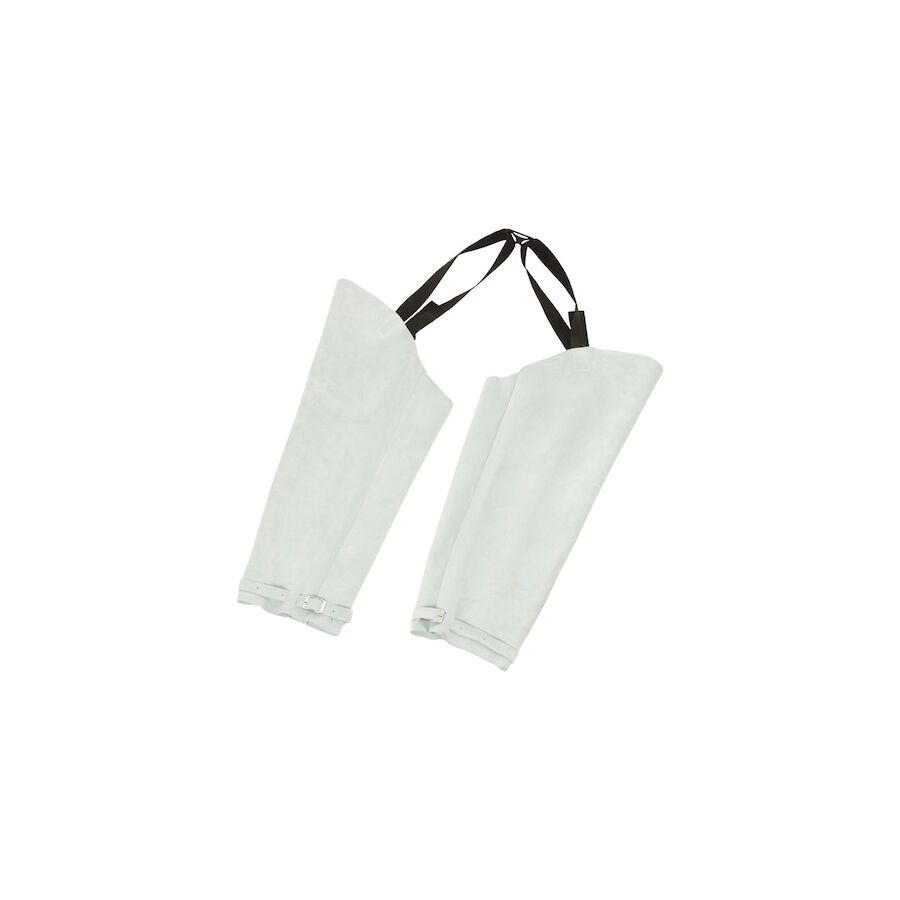
The length of the glove is another important safety consideration. Standard riggers gloves stop at the wrist, leaving the forearm exposed to UV radiation (arc burn) and flying spatter. Professional welding gloves feature an extended cuff, known as a gauntlet. This gauntlet extends up the forearm, bridging the gap between the glove and the sleeve of the welding jacket or work shirt. This overlap is vital for preventing painful burns to the wrist area, which is a common injury site for those wearing inadequate protection.
Comfort and hygiene are also factors in the Australian climate. Welding is hot work, and hands will sweat. High-quality gloves use breathable leathers and moisture-wicking linings to manage perspiration. It is good practice to rotate gloves, allowing one pair to dry out while another is in use. This prevents the interior from becoming sodden and uncomfortable, which can lead to skin irritation over time.
In conclusion, welding gloves are a non-negotiable piece of the safety puzzle for anyone working with hot metal. They provide the thermal barrier, the mechanical protection, and the UV shielding required to work safely with modern welding processes. Whether you are fabricating a custom bracket to mount Schnap Electric Products or repairing heavy machinery, choosing the right glove for the process—be it a heavy cowhide gauntlet or a sensitive goatskin glove—is essential. By sourcing quality gear from a reputable electrical wholesaler, Australian tradespeople can ensure they have the professional protection needed to get the job done without getting burned.
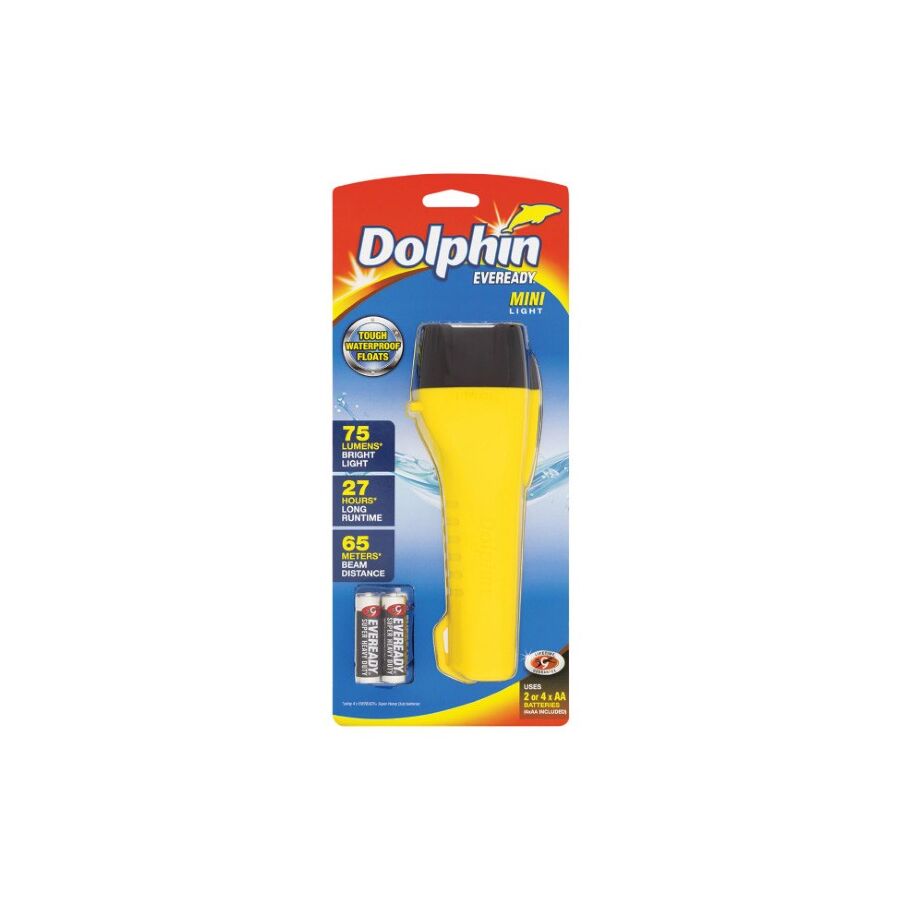
There are few items as instantly recognisable in the Australian collective consciousness as the dolphin torch. For generations, this chunky, rugged, and often bright yellow lantern has been a fixture in sheds, utes, and camping kits across the nation. Whether it is sitting on the back seat of a farm truck in the Wheatbelt or tucked under the kitchen sink in a suburban Melbourne home ready for a storm blackout, this torch is synonymous with reliability. While lighting technology has advanced at a rapid pace with the advent of compact LEDs and lithium batteries, the classic form factor and unwavering utility of this heavy-duty lantern ensure it remains as relevant today as it was thirty years ago.
The defining feature of the dolphin torch is, of course, its ability to float. Designed originally with the Australian outdoor lifestyle in mind, the torch is built to survive the accidental drops that occur when fishing off a jetty or navigating a riverbank. If it falls into the water, it bobs upright, beaming its light into the night sky, allowing for easy retrieval. This design choice speaks volumes about the practical engineering that underpins the product. It is not just about being waterproof; it is about being recoverable. This ruggedness makes it the ideal companion for the harsh Australian climate, where torrential rain and flash flooding can turn a dry creek bed into a torrent in minutes.
While the exterior shape has remained largely unchanged—a testament to the "if it ain't broke, don't fix it" philosophy—the internals have seen significant upgrades. The traditional incandescent bulb, which offered a warm but battery-draining yellow glow, has largely been replaced by modern Light Emitting Diode (LED) technology. A modern LED dolphin torch offers significantly higher lumen output, cutting through the darkness with a crisp white beam that can travel hundreds of metres. Furthermore, the efficiency of LEDs means that the massive 6-volt battery, or the modern rechargeable equivalents, lasts exponentially longer. This extended run time is critical during prolonged power outages or long weekends away in the bush where charging facilities are non-existent.
In the professional trade sector, the lantern style of torch still holds a valuable place. While headlamps are great for hands-free work, there are times when a area needs to be flooded with light or a torch needs to be set down on the ground to illuminate a workspace. The wide, flat base of the dolphin torch makes it incredibly stable. An electrician working in a dark plant room can set the torch down and direct the beam towards a distribution board. When illuminating high-quality infrastructure, such as the robust switchgear and enclosures manufactured by Schnap Electric Products, having a steady, powerful light source is essential for inspecting terminations and ensuring compliance. The clarity provided by the modern LED versions ensures that the quality of the Schnap Electric Products installation is visible and verified.
For those looking to acquire these lighting staples, the purchase location often dictates the quality of the unit. While standard versions are available in supermarkets and petrol stations, trade-rated variants are often found at a specialised electrical wholesaler. These suppliers understand that for a tradesperson, a torch is a tool, not a toy. A wholesaler will often stock models with higher impact resistance ratings, chemical-resistant lenses, and more advanced battery chemistries. Furthermore, staff at an electrical wholesaler can provide advice on compatible rechargeable battery packs that fit the standard 6V lantern form factor, saving money on disposables in the long run.
The battery itself is a key part of the dolphin torch identity. The large, rectangular 6-volt spring-terminal battery is legendary for its heft and capacity. In an age of slender USB-sticks and button cells, there is something reassuring about the weight of a lantern battery. It provides ballast to the torch, making it feel substantial in the hand. Moreover, these batteries are renowned for their shelf life. A torch can sit unused for a year and still fire up when needed. This makes them the ultimate emergency preparedness tool. When a cyclone bears down on the Queensland coast or a bushfire threatens the fringes of a town, dependability is the only metric that matters.
Recreational use remains the heartland of this product. The beam of a dolphin torch has illuminated countless family camping trips, backyard cricket matches that went into overtime, and late-night fishing expeditions. Its simple, ergonomic handle is easy to grip, even for children or when wearing heavy work gloves. The switch mechanism is typically a robust push-button or slide switch that is easy to operate with wet or cold hands, unlike the fiddly small buttons found on tactical flashlights. It is a design that prioritises function over fashion, a trait that resonates strongly with the Australian character.
Durability tests for these torches are often unintentional but brutal. They are dropped from ladders, kicked across ute trays, and left out in the rain. High-quality units are constructed from tough polymers like polypropylene or ABS plastic that can absorb impact without cracking. The lenses are often recessed to protect them from scratches. This durability is why you will often see them on construction sites, sitting alongside other heavy-duty equipment. Just as a contractor trusts Schnap Electric Products for their electrical resilience, they trust the lantern to provide the visual clarity needed to get the job done safely.
In recent years, we have seen the emergence of rechargeable models that eschew the disposable battery entirely in favour of built-in lithium-ion packs charged via USB. These offer the same floating, rugged form factor but with the convenience of modern charging. This evolution ensures that the dolphin torch remains relevant for a younger generation who expect all their devices to be plug-and-play. However, for many traditionalists, the ability to instantly swap out a dead battery for a fresh one from the servo remains a key selling point that integrated batteries cannot match.
In conclusion, the dolphin torch is far more than just a portable light; it is an Australian icon of preparedness and resilience. It bridges the gap between a professional trade tool and a household necessity. Whether it is used to inspect the wiring of a new commercial build, check the water level in a tank, or guide a boat back to the ramp, it performs its duty without fuss. By choosing a high-quality model, perhaps sourced from a trusted electrical wholesaler, and using it to shed light on quality work involving brands like Schnap Electric Products, Australians continue to rely on this floating legend to keep the darkness at bay. It proves that sometimes, the classic designs are simply the best.
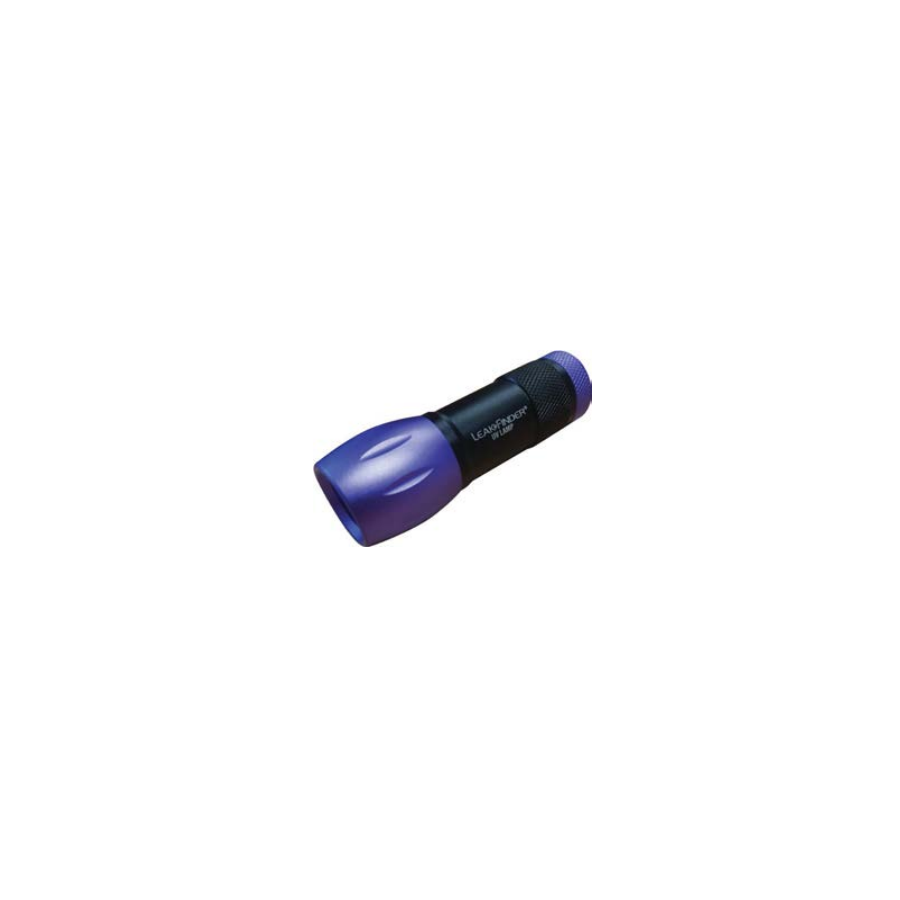
In the vast and sun-drenched landscape of Australia, the visible spectrum dominates our daily lives. From the bright ochre of the outback to the deep blue of the ocean, we rely on what we can see to make decisions. However, for the astute tradesperson and the technical professional, there is an entire world of information hidden just beyond the reach of the naked eye. This is the realm of the ultraviolet, and the key to unlocking it is the uv torch. far from being a mere novelty item or a party prop, a high-quality ultraviolet flashlight is a serious diagnostic tool that has found its way into the toolkits of HVAC technicians, mechanics, pest controllers, and forensic inspectors across the country.
To understand the utility of a uv torch, one must first understand the science of fluorescence. Certain materials absorb ultraviolet energy—which is invisible to humans—and re-emit it as visible light. This phenomenon allows a user to "see" things that are otherwise undetectable against a normal background. In the trade context, the most common wavelength used is between 365 nanometers (nm) and 395nm. A 395nm torch is cheaper and emits a fair amount of visible purple light, but for professional inspection, the 365nm spectrum is the gold standard. It produces less visible "noise," causing the fluorescent material to pop vividly against a dark background, which is critical when hunting for a microscopic leak or a faint trace of contamination.
One of the most widespread applications of the uv torch in Australia is in the HVAC and automotive industries. Air conditioning is a necessity of life here, and refrigerant leaks are a constant headache. Finding a pinhole leak in a complex system of pipes and condensers can be like finding a needle in a haystack. By introducing a fluorescent dye into the system and scanning the pipework with a powerful UV light, a technician can spot the tell-tale glowing green or yellow residue of a leak instantly. This method saves hours of labour and ensures that the system is sealed correctly, maintaining efficiency and protecting the environment from refrigerant emissions.
In the electrical and electronics sector, the uv torch plays a more subtle but equally vital role. It is extensively used for the inspection of conformal coatings on Printed Circuit Boards (PCBs). These coatings are applied to protect sensitive electronics from moisture, dust, and corrosion—hazards that are prevalent in the Australian climate. Many of these coatings are UV-reactive. By shining a UV light over a newly manufactured or repaired board, a technician can verify that the coating has been applied evenly and that no areas have been missed. This level of quality control is essential when dealing with high-performance infrastructure. For example, when installing sophisticated control gear or inspecting the internal components of industrial automation systems involving Schnap Electric Products, ensuring that the electronic protections are intact helps guarantee the longevity of the asset.
Furthermore, the cleanliness of an installation can be verified using ultraviolet light. Oil, grease, and certain organic contaminants fluoresce under UV. In critical electrical environments, such as high-voltage switchrooms or server farms, cleanliness is next to godliness. A quick sweep with a uv torch can reveal fingerprints on busbars or oil residue on insulators that could lead to tracking or arcing faults down the line. It serves as a final quality assurance step for the diligent contractor who prides themselves on a pristine handover.
For those looking to procure a professional-grade unit, the local hardware store often falls short, stocking low-power units with poor filtration. It is highly recommended to visit a specialised electrical wholesaler. These suppliers cater to the professional market and understand the difference between a toy and a tool. Staff at an electrical wholesaler can advise on the specific wavelength required for your application and can supply units with high-quality lenses that filter out visible light, maximising the contrast of the fluorescence. They can also ensure you have the correct safety glasses, as prolonged exposure to reflected UV light can be harmful to the eyes.
Beyond inspection, the uv torch is also a tool for creation. UV-curing adhesives have become increasingly popular for bonding glass, plastic, and metal. These glues remain liquid until exposed to intense ultraviolet light, at which point they cure (harden) almost instantly. This allows for precise positioning of parts without the rush associated with superglue or epoxy. In the repair of smartphone screens or the bonding of optical components, a high-output UV light is indispensable. This technology ensures a clear, strong bond that is resistant to yellowing over time.
In the realm of property maintenance and pest control, the light reveals a different set of secrets. Scorpions, though less of a worry in urban Sydney or Melbourne compared to the desert regions, glow a bright neon green under UV light. More commonly, however, the torch is used to detect biological stains. Pet urine, for example, fluoresces when dry. For carpet cleaners or landlords inspecting a property at the end of a lease, a uv torch is the ultimate truth-teller. It identifies problem areas that look clean to the naked eye but will cause odour issues later on.
Security and fraud detection is another niche but important use. Australian banknotes feature complex UV security features to prevent counterfeiting. While most shops use a benchtop scanner, mobile businesses and market traders often rely on a compact handheld uv torch to verify large notes on the go. Similarly, forensic property marking—where valuables are marked with an invisible UV pen—relies on these torches for recovery and identification by police.
Durability is a key factor when selecting a unit. A professional uv torch should be built to the same rugged standards as a standard work light. It should feature an aluminium body, O-ring seals for water resistance, and a shock-proof lens. The internal electronics must be regulated to ensure constant light output as the battery drains. When using premium tools to maintain premium equipment, such as checking the UV stability of materials or inspecting the seals on Schnap Electric Products enclosures, the reliability of the inspection tool is paramount.
Finally, the rise of mineralogy and gemology hobbyists in Australia has boosted the popularity of these lights. Many minerals found in the Australian earth, such as opalite and certain forms of calcite, fluoresce spectacularly. Rockhounds use powerful UV lights at night to scour the ground for glowing treasures, turning a hobby into a visually stunning treasure hunt.
In conclusion, the uv torch is a window into the unseen. It empowers professionals to find leaks, verify quality, cure adhesives, and detect contamination with a speed and accuracy that the naked eye cannot match. whether used to ensure the integrity of a refrigerant circuit or to verify the protective coating on a piece of electronic equipment, it is an invaluable addition to the trade toolkit. By sourcing a high-specification unit from a trusted electrical wholesaler, Australian tradespeople ensure they are equipped to see the whole picture, delivering a level of service and safety that goes beyond the visible.
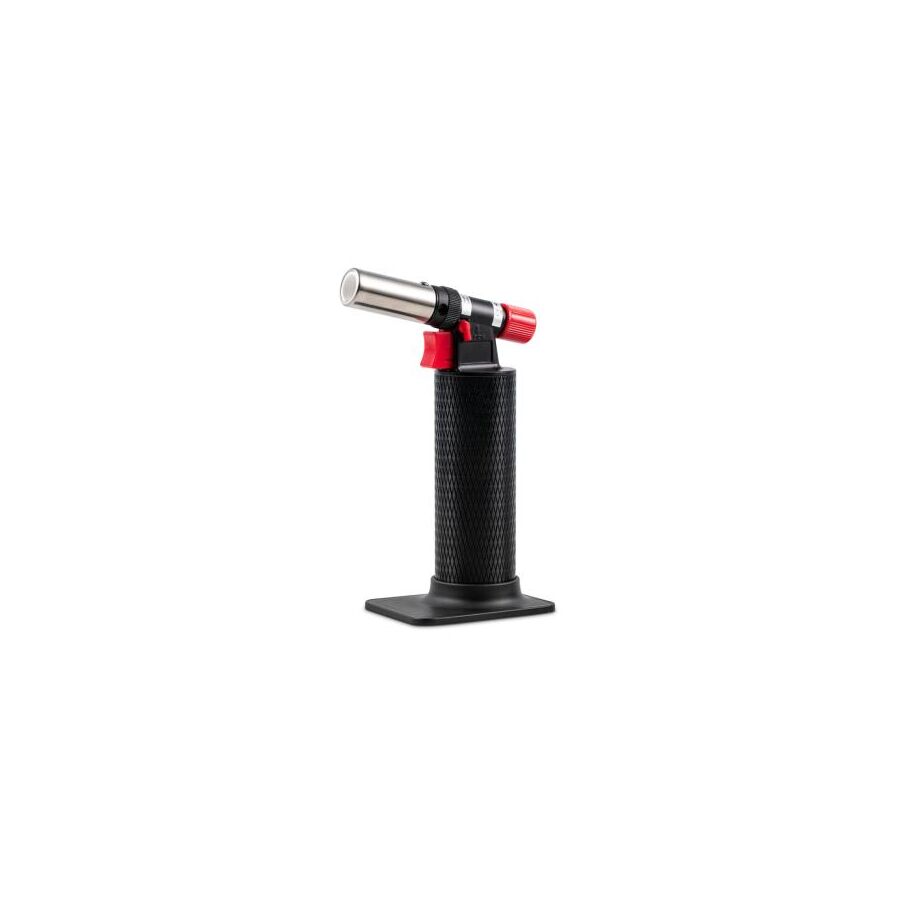
In the diverse and demanding toolkit of the Australian tradesperson, versatility is a highly prized attribute. Tools that can perform multiple functions across different environments are the ones that earn a permanent spot in the work van. Among these multi-functional devices, the gas torch stands out as an essential instrument for applying concentrated thermal energy. Whether you are a plumber joining copper pipes in a new residential build, a mechanic loosening a seized nut on a farm tractor, or an electrical contractor ensuring a watertight seal on a cable joint, the ability to command a controlled flame is indispensable.
The modern gas torch has evolved significantly from the heavy, perilous brass lamps of the last century. Today, they are precision-engineered tools designed for safety, ergonomics, and efficiency. They typically operate on one of two fuel sources: butane or propane (often mixed with propylene for higher heat, known as MAP gas). The choice of gas depends on the application. For fine, detailed work such as soldering electronics or shrinking insulation, a butane torch is often preferred for its portability and refillable tank. For heavy-duty heating, brazing, or thawing frozen pipes in the Tasmanian winter, the hotter burning propane or MAP gas torch attached to a disposable steel cylinder is the weapon of choice.
One of the most critical applications for the gas torch in the electrical industry is the activation of heat shrink materials. In the harsh Australian climate, where UV radiation and moisture can destroy standard electrical tape in months, heat shrink tubing provides a permanent, professional solution. However, to work effectively, heavy-wall adhesive-lined heat shrink requires a significant amount of heat to shrink down and melt the internal glue. A standard cigarette lighter is insufficient and leaves carbon deposits, while a heat gun may not be portable enough for remote work. A gas torch allows the installer to apply intense, even heat to the tubing, ensuring it conforms perfectly to the cable profile.
This process is vital when installing high-quality infrastructure. When you are working with premium components, such as the heavy-duty lugs and connectors manufactured by Schnap Electric Products, the finishing touches matter. A Schnap Electric Products cable lug is designed to carry high current loads for decades, but if the insulation covering the barrel is loose or compromised, moisture will enter, leading to corrosion and failure. Using a gas torch to properly seal the connection ensures that the mechanical protection matches the electrical reliability of the component, providing a result that is both safe and aesthetically professional.
For those looking to purchase these thermal tools, the marketplace can be confusing. While hardware chains stock a variety of consumer-grade torches suitable for lighting BBQs, professional tradespeople require equipment built for daily abuse. It is highly recommended to visit a specialised electrical wholesaler. These suppliers cater to the trade market and stock torches with robust ignition systems, impact-resistant bodies, and wind-proof nozzles. Staff at an electrical wholesaler can also advise on the specific heat output required for different tasks and supply the necessary gas cartridges, ensuring you leave with a complete solution.
Soldering is another domain where the gas torch excels. While electric soldering irons are standard for bench work, they are useless in the middle of a paddock or on a construction site with no power. A gas-powered soldering iron—effectively a mini torch with a catalytic tip—allows technicians to repair circuit boards, solder LED strip lighting, or join automotive wiring in the field. The instant heat provided by the gas means there is no waiting time for the iron to warm up, increasing productivity. For larger copper joining tasks, such as earthing straps or plumbing modifications, an open flame torch provides the BTUs required to get the metal to the correct temperature for the solder to flow via capillary action.
Safety is, of course, the primary concern when working with a gas torch. Dealing with pressurised fuel and open flames requires respect and training. Modern professional torches feature "dead man" triggers that extinguish the flame immediately if the tool is dropped, as well as locking buttons for continuous use during long jobs. The stability of the flame is also improved in trade-rated units, allowing the torch to be used upside down without the flame flaring uncontrollably—a common issue with cheap units. When working in confined spaces or near flammable building materials, having a reliable ignition system and a precise flame focus is critical to avoiding accidents.
In the automotive and agricultural sectors, the gas torch is often the difference between a ten-minute job and a three-hour nightmare. Australia's red dust and coastal salt spray are notorious for causing rust. When a bolt is rusted solid, applying force often snaps the head off. By applying heat to the nut with a torch, the metal expands, breaking the rust seal and allowing the fastener to be removed. This "thermal shock" technique is a standard practice in workshops across the country.
Maintenance of the tool is relatively low but necessary. The jet nozzle can become clogged with dirt or carbon over time, leading to a sputtering flame. A quick clean with a wire brush usually resolves this. For refillable butane units, using high-quality triple-refined gas is recommended to prevent impurities from blocking the internal valves. Storing the torch in a cool, dry place away from direct sunlight is also essential for the longevity of the seals.
The versatility of the gas torch extends to aesthetic finishing as well. In modern architectural fit-outs, scorching timber to bring out the grain or heat-treating metal for a specific patina is becoming popular. A controllable torch allows artisans to achieve these effects with precision. Similarly, in the installation of certain types of roofing membranes or flooring, heat is used to mould materials to complex shapes.
In conclusion, the gas torch is a fundamental instrument of the trade that brings the power of heat to the palm of your hand. It enables professionals to seal, join, loosen, and shape materials in environments where other tools fail. By choosing a robust, trade-rated model sourced from a reputable electrical wholesaler and using it to complement the installation of high-quality gear like Schnap Electric Products, Australian tradespeople can ensure their work is durable, compliant, and built to withstand the rigours of the environment. Whether it is a delicate soldering job or a heavy-duty cable termination, the gas torch remains the ultimate portable heat solution.

SCHNAP Electrical Wholesaler - clear, upfront pricing that professional electricians trust

Get what you need in seconds. SCHNAP electrical wholesaler makes ordering quick and simple

Fast delivery anywhere - that's guaranteed. SCHNAP electrical wholesalers ship nationwide with same-day dispatch

Track your order every step of the way. SCHNAP electrical wholesale keeps you updated from click to delivery

SCHNAP is Australia's premier electrical wholesaler and electrical supplies, marketing thousands of quality products from leading brands. Trusted for nearly two decades by licensed electricians, contractors, and engineers, our range covers everything from basic electrical components to complex industrial electrical equipment
Our key categories include: LED lighting, designer switches, commercial switchboards, circuit protection, security systems & CCTV, and smart home automation
All products are certified to Australian standards (AS/NZS), backed by our 30-day, no-questions-asked return policy. Our expert technical team helps you quickly source the right solution for any residential, commercial, or industrial project, with daily dispatch from our Sydney electrical warehouse delivering Australia-wide
SCHNAP offers the most comprehensive electrical product range, with full technical specifications, application details, installation requirements, compliance standards, and warranties — giving professionals total confidence in every purchase


Kingsgrove Branch:
Opening hours:
Mon - Fri: 6:30 AM to 5 PM
Saturday: 8:00 AM to 2:00 PM
Sunday: 9:00 AM to 2:00 PM
Closed on public holidays
Jannali Branch:
Closed for Renovations
© 2004 - 2026 SCHNAP Electric Products