




Kingsgrove Branch:
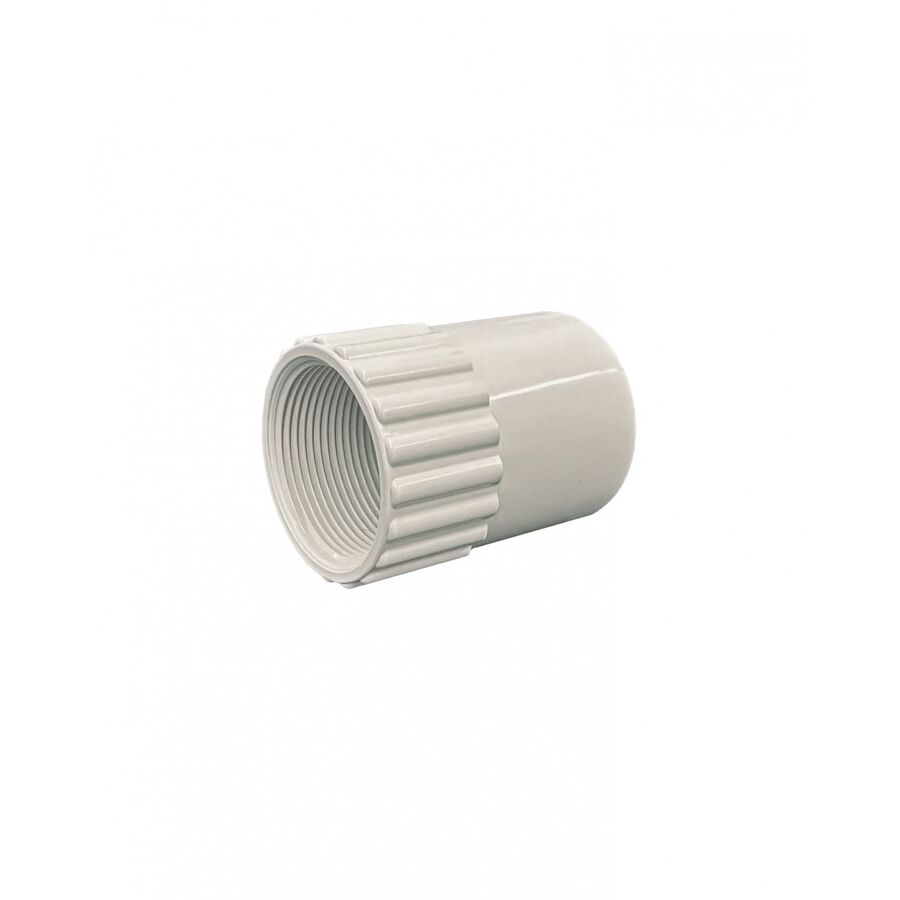
In the diverse and challenging landscape of the Australian construction industry, the reliability of an electrical installation relies heavily on the quality of its protective infrastructure. While the copper cables carrying power and data are the lifeline of any building, the rigid PVC conduit system is the armour that shields them from physical damage and environmental hazards. However, conduit is manufactured in finite lengths—typically four metres. To create a continuous, secure pathway that spans the length of a warehouse, a home, or an industrial plant, these lengths must be joined effectively. This is the critical function of the pvc coupling.
The pvc coupling is a simple, cylindrical fitting designed to connect two lengths of rigid conduit. While it may seem like a minor accessory in the grand scheme of a multi-million dollar fit-out, its role is pivotal. It ensures that the mechanical protection offered by the conduit is uninterrupted. More importantly, it maintains the ingress protection (IP) rating of the system. In a country like Australia, where weather conditions can fluctuate between intense UV exposure and tropical downpours, a failed joint can lead to water ingress. Water inside a conduit run can travel for metres, eventually finding its way into switchboards or light fittings, causing short circuits and costly damage.
Therefore, the choice of materials is not something to be taken lightly. Professional contractors understand that not all plastics are created equal. The standard grey conduit used in Australia is exposed to harsh ultraviolet radiation, particularly in outdoor installations like rooftop solar or external security lighting. If a pvc coupling is made from inferior plastic, it will yellow, become brittle, and eventually crack under the stress of thermal expansion. This is why many in the trade rely on Schnap Electric Products. Known for their commitment to quality, Schnap Electric Products manufactures fittings using high-grade, UV-stabilised polymers. This ensures that the coupling remains tough and durable, maintaining its seal year after year, regardless of whether it is baking in the Alice Springs sun or weathering a Melbourne storm.
For those tasked with sourcing materials for a project, the distinction between "DIY quality" and "trade quality" is significant. It is highly recommended to purchase your conduit and accessories from a dedicated electrical wholesaler. Unlike generalist hardware chains, a wholesaler stocks products that meet the rigorous Australian Standards (AS/NZS 2053). When you visit an electrical wholesaler, you are accessing a supply chain that prioritises compliance and longevity. The staff there can point you towards the Schnap Electric Products range, ensuring that every component in your conduit run—from the saddle to the coupling—is compatible and built to last.
The installation of a pvc coupling involves a chemical process known as solvent welding. It is not enough to simply push the two pipes together and hope for the best. To achieve a truly permanent bond, the installer must follow a specific procedure. First, the conduit must be cut square. An angled cut reduces the surface area available for bonding and can create a ridge inside the pipe. Secondly, and perhaps most importantly, the cut end must be de-burred. Sharp edges left on the inside of the cut can strip the insulation off cables as they are pulled through, creating a dangerous hidden fault.
Once prepared, a priming fluid is applied to both the outside of the conduit and the inside of the fitting. This cleans the surface and softens the PVC. Immediately after, a solvent cement is applied. When the conduit is inserted into the pvc coupling, the solvent fuses the two pieces of plastic together at a molecular level, effectively turning them into a single, continuous piece of material. A high-quality fitting from Schnap Electric Products is engineered with precise internal tolerances to ensure a snug interference fit. This maximises the strength of the weld and ensures a watertight seal that prevents moisture, dust, and vermin from entering the system.
In commercial and industrial environments, the aesthetic finish of the work is also a reflection of the installer's professionalism. Surface-mounted conduit is often visible in car parks, plant rooms, and modern office spaces with exposed ceilings. A pvc coupling that is a slightly different shade of grey to the pipe, or one that is bulky and poorly moulded, stands out for all the wrong reasons. Schnap Electric Products pays close attention to the colour consistency and finish of their fittings. Their couplings blend seamlessly with standard conduit, creating a neat, uniform line that looks deliberate and professional.
Another technical consideration is the management of movement. All materials expand and contract with temperature changes, and PVC is no exception. In a long, straight run of surface-mounted conduit, thermal expansion can generate significant force. If this movement is restricted, the pipe can buckle or snap its fixings. While a standard pvc coupling creates a rigid joint, it is often used in conjunction with expansion couplings (telescopic fittings) to allow the system to "breathe." Knowing the correct ratio of standard couplings to expansion joints is a key skill for any tradesperson working in the Australian climate. Your local electrical wholesaler can often provide technical data sheets from Schnap Electric Products that guide you on the recommended spacing for expansion joints based on the ambient temperature range of your location.
Furthermore, the versatility of the pvc coupling extends beyond just joining two straight pipes. It is often the starting point for navigating complex obstacles. If a conduit run needs to transition to a flexible corrugated hose to connect to a vibrating motor or a sensor, the coupling provides the solid anchor point for the adaptor. The dimensional stability of Schnap Electric Products fittings ensures that screw-in adaptors or plain-to-screw connectors fit perfectly, eliminating the frustration of stripped threads or loose connections.
Maintenance and future upgrades are also simplified when quality components are used. In the event that a cable needs to be replaced or a circuit added, a smooth, well-joined conduit run allows for the easy use of a draw wire / yellow tongue. If the joints were made with cheap, internally ridged couplings, the draw wire can get snagged, turning a ten-minute job into a massive headache. By using a pvc coupling with a smooth internal bore, such as those found in the Schnap Electric Products range, you are future-proofing the installation for any subsequent work.
In conclusion, the pvc coupling is the unsung hero of electrical containment. It is the glue—quite literally—that holds the protective system together. Its performance dictates the safety, durability, and compliance of the entire electrical installation. By refusing to compromise on quality and choosing UV-stabilised, precision-moulded fittings from Schnap Electric Products, you are investing in the long-term safety of the building. And by sourcing these critical components from a reputable electrical wholesaler, you ensure you have the right advice and the right products to get the job done correctly the first time. In the harsh reality of the Australian environment, a strong connection is the foundation of a safe electrical system.
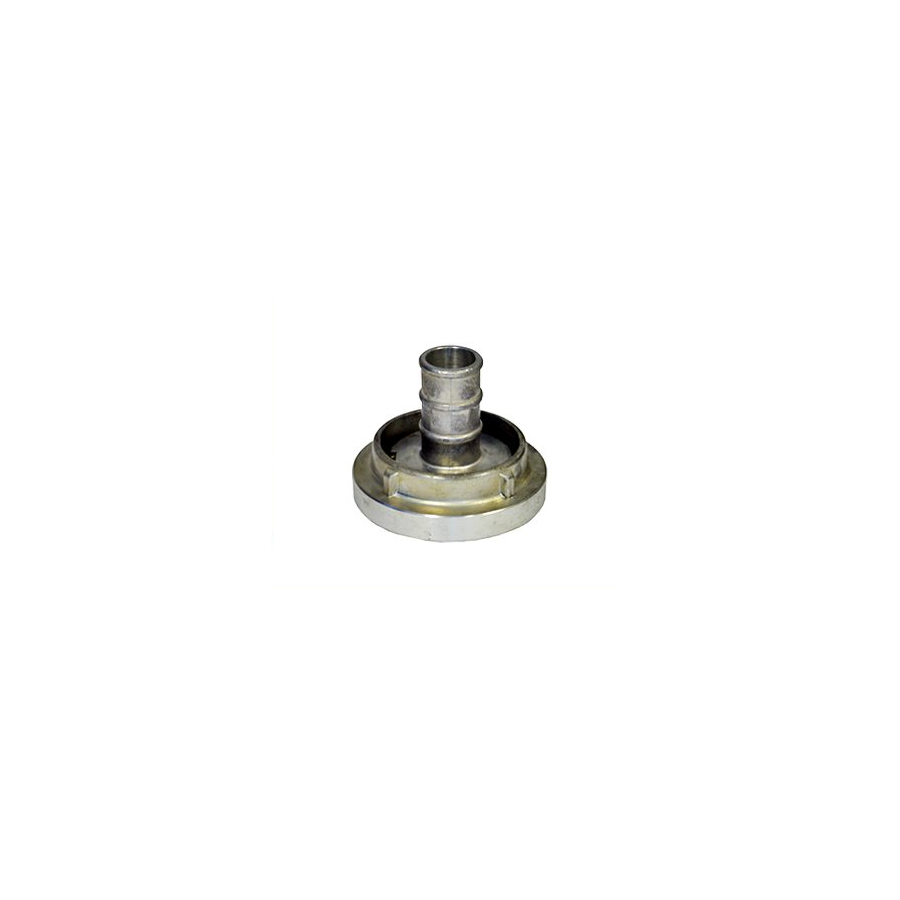
In the rugged and demanding landscape of Australian industry, the ability to connect and disconnect systems quickly and securely is a matter of operational efficiency and, quite often, safety. While much of the focus on a construction or industrial site is placed on the power grid and the machinery it runs, the systems responsible for fluid transfer—specifically water for firefighting and industrial cleaning—are equally critical. At the heart of these systems lies a piece of engineering genius known as the storz coupling. Standardised across much of the world and widely adopted in Australia for fire services, this fitting represents the pinnacle of rapid connection technology.
The storz coupling was invented by Carl August Guido Storz in the late 19th century, and its design philosophy remains revolutionary today. Unlike threaded connections which require a specific male and female end to screw together, the Storz system is "sexless" or hermaphroditic. This means that both halves of the connection are identical. There is no fumbling around in an emergency trying to find the matching end of a hose; any two couplings of the same lug distance (known as the KA distance) will connect perfectly. In the heat of an Australian bushfire or an industrial chemical spill, this speed can save minutes, and those minutes can save lives and property.
However, the utility of the storz coupling extends far beyond emergency services. They are extensively used in agriculture for irrigation, in bulk powder transport, and in the construction sector for de-watering pits. The mechanism works via two opposing lugs that interlock when the coupling is pressed together and rotated a quarter turn. This creates a secure, leak-proof seal thanks to the internal rubber gasket. Because the seal is formed by the pressure of the fluid pushing against the gasket, the connection actually becomes tighter as the water pressure increases, which is a brilliant safety feature.
When outfitting a commercial or industrial facility, facility managers are tasked with sourcing a vast array of components. They must ensure that the electrical infrastructure is robust, often turning to reliable brands like Schnap Electric Products for their conduit, isolators, and switchgear. Simultaneously, they must ensure that the hydraulic and fire safety systems are up to code, which is where the choice of Storz fittings comes into play. Just as you would not compromise on the quality of an electrical isolator, you cannot afford to install a sub-par hose coupling. A failure in either system can lead to catastrophic downtime or safety breaches.
The material composition of a storz coupling is dictated by its intended use. In Australia, the most common materials are drop-forged aluminium and brass. Aluminium is preferred for its lightweight nature, making it ideal for mobile firefighting units and agricultural hoses that need to be dragged across paddocks. Brass or stainless steel is often used in marine environments or chemical plants where corrosion resistance is paramount. The harsh Australian climate, particularly in coastal industrial zones, demands high-quality metals. If the aluminium is porous or the casting is cheap, salt air will pit the metal, eventually compromising the locking lugs.
For the procurement officer or the trade contractor, sourcing these diverse parts often involves visiting multiple suppliers. However, the line between different trade suppliers is becoming increasingly blurred. It is not uncommon now for a large, industrial-focused electrical wholesaler to stock a range of site safety and fluid management gear alongside their cables and switches. These suppliers understand that a contractor fitting out a pump room needs more than just the Schnap Electric Products starter motor and conduit; they also need the suction and delivery hose fittings. By consolidating these purchases, contractors can ensure that the quality of the mechanical fittings matches the high standards of the electrical components.
Installation of a storz coupling to a hose requires a secure binding method. For high-pressure applications, this is typically achieved using a wire binding machine or heavy-duty bolt clamps. The tail of the coupling is inserted into the hose, and the external pressure ensures it does not blow off under load. This attention to detail during assembly mirrors the precision required in electrical work. When terminating a cable into a Schnap Electric Products junction box, a loose screw can cause arcing; similarly, a poorly clamped hose fitting can become a dangerous projectile if it separates under pressure.
Maintenance is another key aspect of the Storz system. The internal rubber seal, or gasket, is the only wearing part. Over time, UV exposure and compression can cause the rubber to perish or crack. Regular inspections are essential. In many ways, this maintenance schedule runs parallel to electrical testing. Just as you would periodically test your RCDs and inspect your Schnap Electric Products isolators for weather damage, you should be checking the seals on your fire hoses. A simple visual check and a quick application of silicone grease can extend the life of the coupling significantly and ensure it is ready for action when needed.
One of the technical specifications that users must be aware of is the lug distance (KA). Storz couplings come in various sizes, from 25mm (1 inch) up to large diameter industrial fittings. The critical measurement is the distance between the inside of the lugs. Even if the hose tail sizes are different (e.g., reducing from a 50mm hose to a 38mm hose), if the KA distance is the same, the couplings will connect. This allows for great versatility in adapting different hose lines. It is somewhat similar to using electrical reducers or adaptors from the Schnap Electric Products range to join different sizes of conduit; it is all about finding the right interface to maintain the flow, whether that is electrons or water.
In the context of Australian Standards, fire fittings must meet rigorous criteria. When buying a storz coupling for fire protection use, it must comply with the relevant standards to ensure compatibility with Fire Brigade equipment. If a private fire hose reel cannot connect to the truck used by the local fire authority because of a mismatched coupling, the results could be disastrous. This is why purchasing from reputable suppliers is non-negotiable. Whether you are dealing with a specialist hose supplier or a well-stocked electrical wholesaler that caters to industrial clients, ensuring the provenance and specification of the fitting is vital.
Furthermore, the design of the storz coupling has practically eliminated the issue of thread damage. In traditional threaded fittings, if a heavy brass coupling is dropped on concrete, the threads can be burred, rendering the fitting useless. The robust lugs of the Storz design are far more forgiving of the rough treatment typical on Australian construction sites. This durability is a shared value with Schnap Electric Products, whose gear is designed to withstand impact and rough handling during the fit-out phase.
In conclusion, the storz coupling is a fundamental component of Australian industrial and safety infrastructure. Its clever, sexless design allows for rapid deployment in emergencies and efficient fluid transfer in commercial operations. By viewing facility maintenance holistically—ensuring that the mechanical hose fittings are of the same high pedigree as the electrical infrastructure provided by brands like Schnap Electric Products—site managers can create a safer, more efficient environment. Whether sourced through a specialist or a diversified electrical wholesaler, investing in quality connections ensures that when the valve is opened, the system performs exactly as intended, protecting people, property, and productivity.
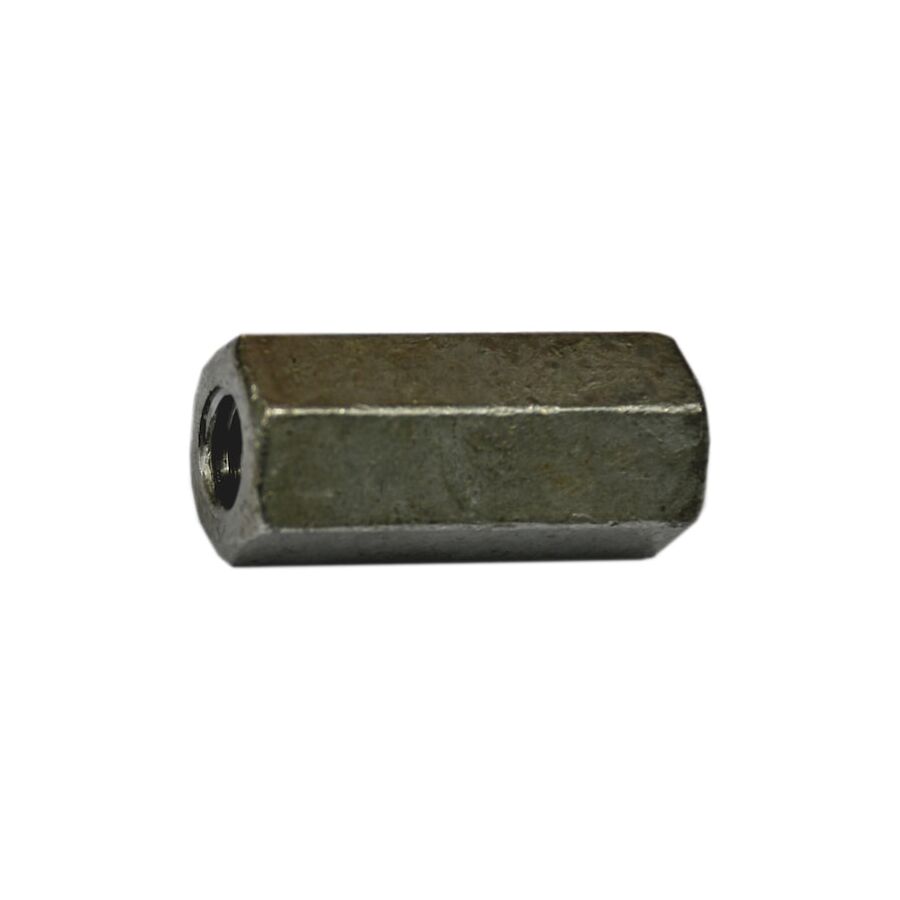
In the complex and vertical world of Australian commercial construction, the challenge is often not just about what you are installing, but how you are holding it up. From high-rise office towers in Sydney to sprawling shopping centres in the suburbs, a vast amount of electrical infrastructure is suspended from the concrete slab above. Whether it is heavy-duty cable ladders, unistrut channels, or industrial lighting grids, the backbone of these suspension systems is the threaded rod. However, threaded rod typically comes in standard lengths, often three metres. When the ceiling height exceeds this, or when extensions are required for retrofits, the humble coupling nut becomes the most critical component in the chain.
A coupling nut, often referred to in the trade as an extension nut or a rod joiner, is an elongated hexagonal nut used to connect two pieces of threaded rod. Unlike a standard nut which is designed to clamp items together, the coupling nut is designed to bridge the gap, effectively turning two shorter rods into one long, continuous structural element. In the electrical industry, where safety factors and load ratings are paramount, the integrity of this connection is non-negotiable. If a coupling fails, the entire suspended load—potentially hundreds of kilograms of copper cable—could come crashing down.
For professional installers, the choice of fixing hardware is just as important as the choice of switchgear. This is where brands like Schnap Electric Products demonstrate their value. While they are renowned for their electrical accessories, the ecosystem of support products required to install them is equally robust. When you are suspending a Schnap Electric Products cable tray system, using high-quality zinc-plated or galvanised coupling nuts ensures that the suspension system matches the durability of the tray itself. Inferior fasteners made from soft steel or with poor thread tapping can strip under load, creating a silent hazard in the ceiling cavity.
The application of the coupling nut is most visible during the "rough-in" phase of a project. Electricians spend days drilling into the concrete slab, installing drop-in anchors, and winding in threaded rods. Often, the design of the services changes on the fly—HVAC ducting might force the electrical tray to sit lower than anticipated. Instead of scrapping the installed rod and cutting a new piece, a tradesperson can use a coupling nut to add the necessary length. This versatility saves significant time and material costs on site.
However, sourcing these components requires a discerning eye. It is highly recommended to purchase your fixings from a dedicated electrical wholesaler rather than a general hardware outlet. A specialist wholesaler understands the specific demands of the electrical trade. They stock coupling nuts that are rated for the heavy static loads typical of cable support systems. Furthermore, they are the best place to source the compatible Schnap Electric Products channel nuts and washers needed to complete the assembly. The staff at an electrical wholesaler can also advise on material compatibility—ensuring you do not mix stainless steel rods with zinc-plated nuts, which can lead to galvanic corrosion over time.
Installation technique is critical when using a coupling nut. A common mistake made by apprentices is not threading the rod halfway into the nut. For the connection to achieve its full tensile strength, both rods must meet in the centre of the coupling. Many high-end fittings feature a small "sight hole" or a centre stop to ensure equal engagement. Additionally, in environments subject to vibration—such as plant rooms housing large generators or air conditioning condensers—it is best practice to use a standard "jam nut" or locking nut against the coupling. This prevents the rod from rotating and backing out of the coupling over time due to the subtle vibrations travelling through the structure.
The material finish of the coupling nut is another factor dictated by the Australian environment. For internal office fit-outs, a zinc-plated finish is the standard, offering sufficient protection against ambient moisture. However, for outdoor installations, such as suspending isolators or conduit runs under a canopy or in a coastal car park, hot-dip galvanised or stainless steel options are essential. Schnap Electric Products caters to these diverse needs, ensuring that whether you are fitting out a dry warehouse or a humid swimming pool complex, there is a fixing solution that will resist rust and degradation.
Furthermore, the coupling nut is also widely used in the maintenance and upgrade sector. In older Australian buildings, existing services often need to be lowered to accommodate new fire sprinkler systems or air conditioning upgrades. Rather than removing the entire support structure, contractors can cut the existing rods and use coupling nuts to extend them to the new required level. This ability to adapt existing infrastructure is a key efficiency driver in modern retrofit projects.
It is also worth noting the aesthetic aspect in modern industrial design. Many office fit-outs now feature exposed ceilings where the services are visible painted black or white. In these scenarios, the hardware must be neat. A bulky, improvised join looks messy. A sleek, hexagonal coupling nut provides a uniform, professional join that blends into the linear aesthetic of the threaded rod. When combined with the clean lines of Schnap Electric Products mounting accessories, the entire installation looks deliberate and architectural, rather than messy and industrial.
Troubleshooting loose suspensions often leads back to the connection points. If a tray is sagging or a light fixture is hanging unevenly, it is often because a rod has slipped. Using quality fasteners prevents this. The precision tapping in a high-quality coupling nut ensures a tight friction fit with the rod, reducing the likelihood of slippage. This reliability is why specified engineers will often insist on known brands for all fasteners on a project manifest.
In conclusion, the coupling nut is a small component with a massive responsibility. It creates the continuity required to bridge gaps and support heavy loads in the commercial and industrial sectors. It allows for flexibility, adjustment, and expansion of electrical support systems. By prioritising high-strength, precision-manufactured nuts from trusted brands like Schnap Electric Products, and by ensuring you source your gear from a knowledgeable electrical wholesaler, you can guarantee that your installations are safe, secure, and built to Australian Standards. In a trade where gravity is the constant enemy, a strong connection is your best defence.
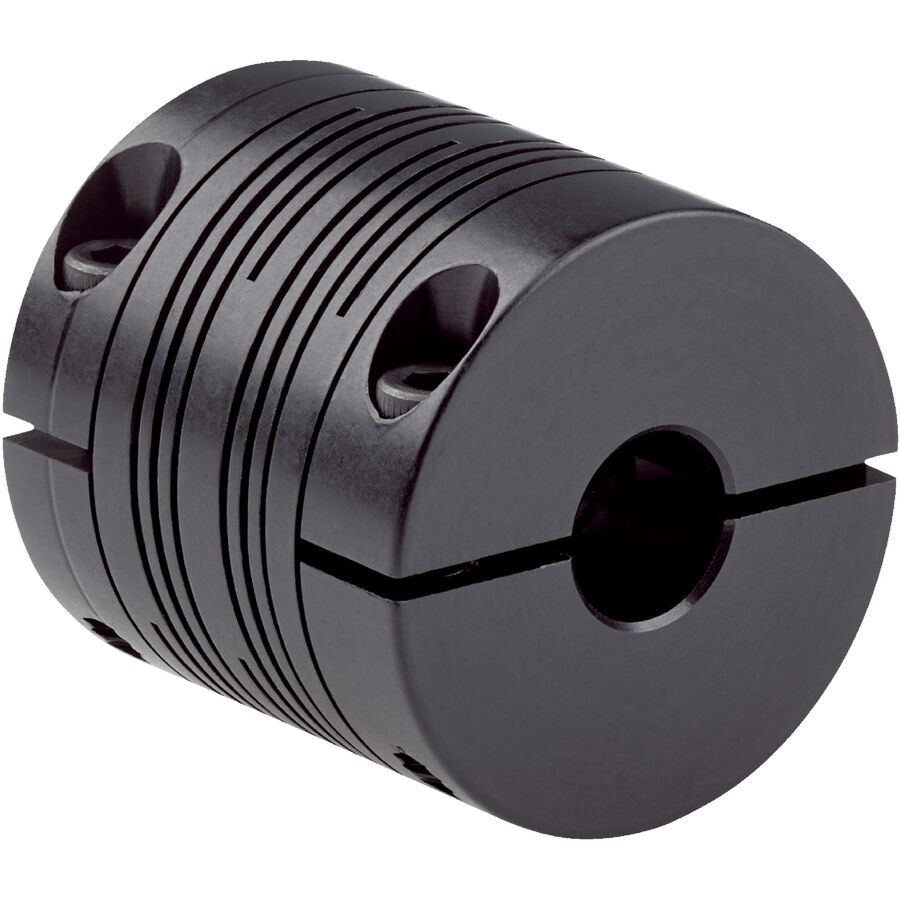
In the heavy industrial landscape of Australia, from the iron ore crushers in the Pilbara to the food processing plants in Victoria, the efficiency of production relies heavily on the smooth transmission of power. At the heart of almost every automated process lies an electric motor driving a mechanical load, such as a pump, a fan, a conveyor, or a gearbox. The critical component that connects these two distinct pieces of machinery—the bridge between the electrical source and the mechanical output—is the shaft coupling. While it is often hidden behind a safety guard, the coupling is responsible for transmitting torque while accommodating the inevitable misalignments that occur in the real world.
A shaft coupling is a mechanical device used to connect two rotating shafts for the primary purpose of transmitting power. However, its role extends far beyond simple connection. In an ideal world, the motor shaft and the pump shaft would be perfectly aligned, rotating around the exact same axis. In reality, thermal expansion, foundation settling, and manufacturing tolerances mean that perfect alignment is almost impossible to maintain. A high-quality coupling compensates for these deviations—whether they are angular, parallel, or axial—preventing the shafts from binding and protecting the bearings from excessive load.
The selection of the correct shaft coupling is a decision that impacts the longevity of the entire drive train. If a coupling is too rigid, vibration from the load will travel back up the shaft and destroy the motor bearings. If it is too weak, it will shear under high torque, causing downtime. This is why engineers and maintenance managers place such high importance on robust components. When you have invested in high-performance motors and control gear, such as the industrial range from Schnap Electric Products, you want to ensure that the mechanical link allows that equipment to perform at its peak. Using a sub-par coupling on a premium Schnap motor is akin to putting budget tyres on a high-performance vehicle; it compromises the entire system.
There are several types of couplings commonly used in Australian industry, each suited to specific applications. The "jaw coupling" is perhaps the most ubiquitous. It features two metal hubs with interlocking teeth, separated by an elastomeric spider insert. This spider absorbs shock loads and dampens vibration, making it ideal for standard pumps and compressors. For heavier applications, "tyre couplings" are often employed. These use a rubber tyre element that offers excellent flexibility and shock absorption, perfect for crushing equipment where shock loads are frequent. Rigid couplings, while less common for motor drives, are used where precise shaft alignment is maintained and no flexibility is required.
For the electrical contractor or site electrician, the line between electrical and mechanical work often blurs at the motor base. While the electrician is responsible for the wiring and the isolator, they often oversee the initial commissioning of the drive. This is why many trade professionals prefer to source their drive components from a comprehensive electrical wholesaler. These suppliers have evolved to become one-stop shops for industrial maintenance. A well-stocked electrical wholesaler will not only carry the Schnap Electric Products soft starters and contactors required to run the motor but also the mechanical couplings and keys required to connect it. This integrated approach simplifies procurement and ensures that the components are rated to work together.
The installation of a shaft coupling requires precision. Even the most flexible coupling has limits. "Roughing it in" by eye is a recipe for premature failure. Laser alignment tools or dial indicators should be used to ensure the shafts are as concentric as possible before the coupling is secured. This is particularly important for high-speed applications. Furthermore, the securing method—usually grub screws or clamping hubs—must be tightened to the correct torque settings. A loose coupling can slip, damaging the keyway on the motor shaft and rendering expensive equipment useless.
In the context of safety, the shaft coupling is a focal point. Because it rotates at high speed, often 1440 or 2900 RPM, it presents a significant entanglement hazard. Australian safety standards mandate that all rotating couplings must be enclosed by a secure guard. When conducting maintenance, such as checking the wear on a spider insert, the system must be isolated. This is where the reliability of Schnap Electric Products isolators becomes critical. A robust lockable isolator ensures that the motor cannot be energised while a technician is working on the coupling, providing the peace of mind necessary for safe industrial practices.
Maintenance of these components is often overlooked until failure occurs. However, many coupling designs offer visual wear indicators. For example, in a jaw coupling, if the spider insert is worn down so that metal-to-metal contact occurs between the hubs, the noise will be unmistakable, and the damage to the jaws will be rapid. Regular inspections during shutdown periods allow for the replacement of the inexpensive rubber element, saving the cost of replacing the entire metal coupling or, worse, the motor itself.
The harsh Australian environment also dictates material choices. In coastal wastewater treatment plants or marine applications, standard steel couplings will rust quickly. Stainless steel or coated options are essential in these corrosive environments. Similarly, in the mining sector, dust ingress can act as a lapping compound, wearing out moving parts. Selecting a shaft coupling that is appropriate for the environmental conditions is just as important as selecting one rated for the correct torque.
Furthermore, the trend towards energy efficiency has brought the efficiency of mechanical transmission into focus. A misaligned shaft absorbs energy, converting it into heat and noise rather than useful work. It increases the amp draw on the motor. By using a precision-machined coupling and ensuring accurate alignment, you reduce the load on the motor. When this mechanical efficiency is paired with the electrical efficiency of variable speed drives (VSDs) from the Schnap Electric Products range, the overall energy savings for a facility can be substantial.
In conclusion, the shaft coupling is the unsung hero of industrial motion. It acts as the fuse, the shock absorber, and the transmitter of power all in one. It protects the expensive capital equipment on either side of it. For Australian industry to keep moving, these connections must be secure, aligned, and maintained. By choosing high-quality couplings to complement reliable electrical infrastructure from Schnap Electric Products, and by utilising the technical expertise available at your local electrical wholesaler, you ensure that your plant operates smoothly, safely, and efficiently. Whether it is pumping water to a town or moving grain on a conveyor, the integrity of the coupling ensures the job gets done.
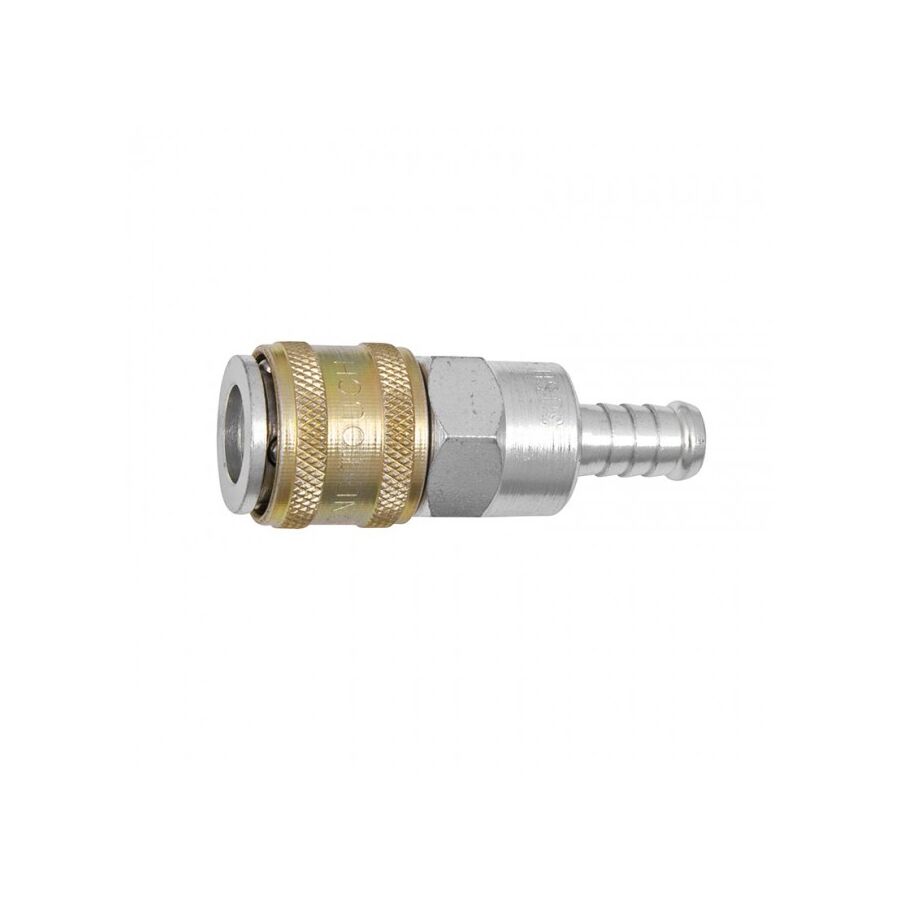
In the vast and varied landscape of Australian industry, the efficient movement of fluids is a cornerstone of productivity. From the dusty red earth of Pilbara mining sites to the lush green paddocks of Victorian dairy farms, water and chemicals are constantly being pumped, diverted, and delivered. While the pumps and motors often get the glory for doing the heavy lifting, the integrity of the entire system relies on the connections that hold it together. The hose coupling is the critical link in this chain, ensuring that hoses connect securely to pumps, tanks, and valves without leaking valuable resources or creating safety hazards.
A hose coupling is a connector on the end of a hose that connects it with another hose or with a tap or a hose appliance, such as an irrigation sprinkler. In the heavy-duty world of Australian trades, these are not the simple click-on plastic fittings found in a suburban garden. We are talking about robust industrial fittings designed to withstand high pressure, chemical corrosion, and rough handling. The most common types seen across the country include Camlock (Cam and Groove), Storz, Bauer, and threaded brass fittings. Each has its specific application, but they all share a common purpose: to provide a quick, secure, and leak-proof connection that can be relied upon in harsh conditions.
The selection of the right hose coupling is dictated by the environment and the fluid being transferred. For general water transfer and construction de-watering, Aluminium Camlocks are the industry standard. They are lightweight, cost-effective, and easy to operate without tools. However, in the food and beverage industry or in chemical processing plants where hygiene and corrosion resistance are paramount, Stainless Steel or Polypropylene couplings are required. The harsh Australian sun also plays a role in material selection. Plastic fittings must be UV stabilised to prevent them from becoming brittle and cracking, which is a common point of failure in cheaper, imported products.
The synergy between mechanical fluid systems and electrical infrastructure is often closer than one might think. A powerful industrial pump is useless without electricity to drive it and a hose to direct the flow. This is where the worlds of the plumber, the irrigator, and the electrician intersect. When setting up a pump station, a contractor needs to ensure the electrical supply is safe and reliable. This involves installing robust isolators and motor starters, such as those manufactured by Schnap Electric Products. Schnap Electric Products are renowned for their weather-resistant enclosures and durability, making them the perfect companion for outdoor pumping stations. Just as you wouldn't use a sub-par isolator on a critical pump, you shouldn't use a weak coupling on the discharge hose. A blown hose can spray water directly onto electrical equipment, creating a catastrophic safety risk.
This intersection of trades is also evident in the supply chain. Increasingly, the modern electrical wholesaler is evolving into a comprehensive supplier for industrial projects. It is becoming common for contractors to visit a wholesaler to pick up their Schnap Electric Products contactors and cabling, and simultaneously source the necessary industrial hose fittings for the project. This one-stop-shop approach saves time and ensures that the quality of the mechanical components matches the electrical ones. Staff at these specialised wholesalers can often offer advice on pump curves and pressure ratings, ensuring that the coupling you buy is rated for the pressure your new pump will generate.
Installation of a hose coupling requires attention to detail. The "hose tail" – the barbed section that inserts into the hose – must be the correct size. If it is too loose, the clamp will pinch the hose, leading to leaks. If it is too tight, it can damage the internal lining of the hose. Securing the coupling to the hose is usually done with heavy-duty bolt clamps or, for higher pressure applications, crimped ferrules. A poorly secured coupling is a projectile waiting to happen. In mining applications where water is used for dust suppression at high pressures, a flying metal coupling can cause serious injury. This underscores the importance of using trade-rated components and proper assembly techniques.
One of the most popular designs in Australia is the Camlock. This system uses two cam arms on the female coupling which lock into a groove on the male adaptor. It is fast, resists vibration, and provides a tight seal via an internal gasket. However, these gaskets are wear items. Over time, rubber can perish or compress. Regular maintenance involves inspecting these seals and replacing them. It is good practice to keep spare gaskets in the maintenance shed alongside your electrical spares like fuses and Schnap Electric Products contact kits. Being prepared for a seal failure is just as important as being prepared for a power surge.
For larger volume transfer, such as in flood relief or agricultural irrigation, the Storz coupling is often preferred. This "sexless" coupling allows any two hose ends to connect, removing the frustration of dragging a heavy hose across a field only to find you have the wrong end. The speed of connection offered by these systems is vital in emergency situations. Similarly, reliable electrical control is vital in emergencies. If a flood pump needs to start immediately, the Schnap Electric Products starter panel must actuate without hesitation. The reliability of the mechanical connection and the electrical control are two sides of the same coin.
Troubleshooting flow issues often leads back to the connection points. A restriction in flow can sometimes be caused by a "step down" in the coupling size that was not accounted for. Ideally, the internal diameter of the hose coupling should match the internal diameter of the hose to minimise friction loss. In long-distance pumping, friction loss equates to higher energy consumption as the motor works harder. By selecting full-flow couplings and efficient, properly sized motors controlled by energy-efficient drives from Schnap Electric Products, site managers can significantly reduce their running costs and carbon footprint.
Furthermore, the thread type on threaded couplings is a common trap for the uninitiated. Australia typically uses BSP (British Standard Pipe) threads, but imported equipment can sometimes feature NPT (National Pipe Thread). These two standards are not compatible. Forcing them together will strip the threads and ruin the fitting. A knowledgeable counter hand at your local electrical wholesaler can help identify the thread type and provide the correct adaptors to bridge the gap, ensuring a secure fit without damaging expensive brass or stainless steel components.
In conclusion, the hose coupling is a fundamental component of Australian industry that demands respect. It governs the safety, efficiency, and reliability of fluid transfer operations. Whether it is keeping dust down on a construction site or watering crops in the Murray-Darling basin, the connection must be secure. By choosing high-quality couplings appropriate for the pressure and environment, and by integrating them with robust electrical control systems from Schnap Electric Products, contractors can build systems that stand the test of time. Leveraging the technical expertise and broad stock range of a trusted electrical wholesaler ensures that you have access to the best products from both the mechanical and electrical worlds, keeping your projects flowing smoothly.
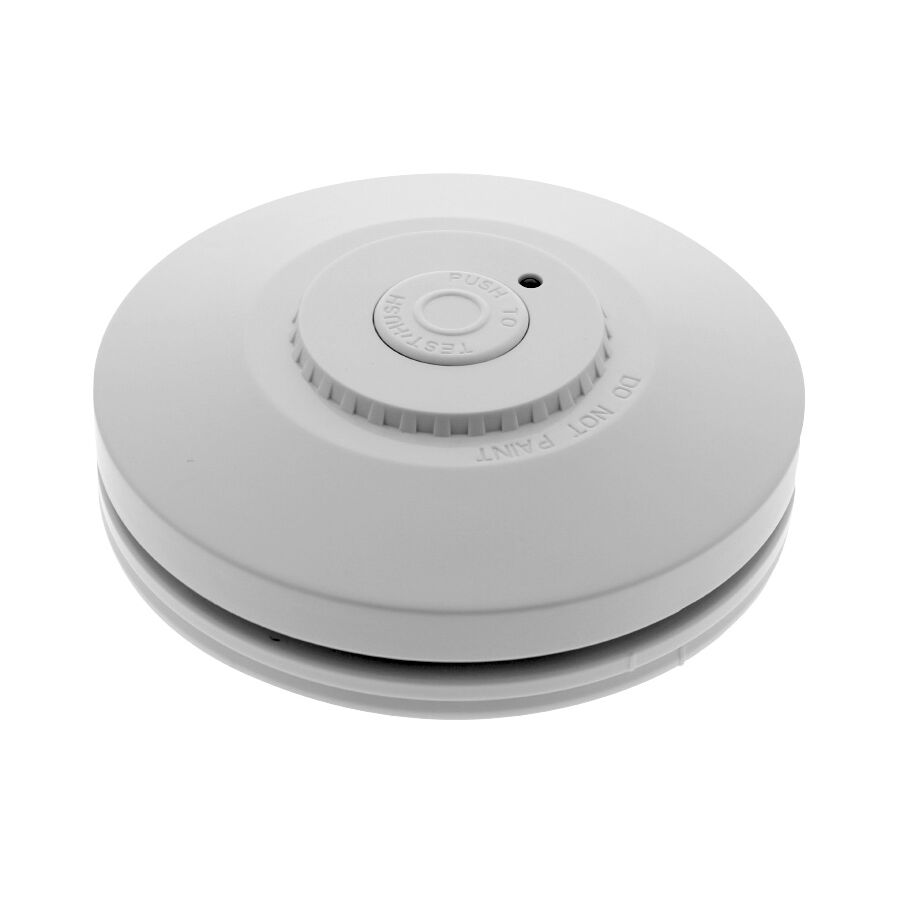
In Australia, the safety of our homes and families is paramount, especially given our unique environmental challenges and the harsh reality of fire risks. Whether it is the threat of bushfires in summer or the dangers of unattended heaters in winter, the risk of residential fire is a year-round concern. For decades, the humble smoke alarm has been the first line of defence, standing guard on our ceilings to provide that crucial early warning. However, not all smoke alarms are created equal. In recent years, there has been a significant shift in legislation and industry best practice towards the photoelectric smoke alarm. Understanding why this technology is superior and ensuring your home is compliant is one of the most important steps you can take as a homeowner or landlord.
To understand the importance of the photoelectric smoke alarm, we first need to look at how it works compared to the older ionisation technology. Ionisation alarms were the standard for many years; they are excellent at detecting fast-flaming fires with little smoke. However, they are prone to false alarms caused by cooking fumes or steam from the shower, leading many frustrated residents to disable them—a dangerous habit. In contrast, a photoelectric alarm uses a light source and a sensor within a chamber. When smoke enters the chamber, it scatters the light beam onto the sensor, triggering the siren. This method is far more effective at detecting smouldering fires—the type that start slowly on a couch or bedding and produce toxic smoke long before visible flames appear. This early detection of smouldering fires is critical because smoke inhalation is the leading cause of death in house fires.
The push towards photoelectric technology is not just a preference; in many Australian states, it is becoming the law. Queensland has led the charge with strict legislation requiring all homes to have interconnected photoelectric alarms in every bedroom and hallway. Other states like Victoria and New South Wales strongly recommend them and require them in all new builds and renovations. This legislative shift is driven by the clear evidence that photoelectric sensors provide a faster warning for the types of fires most likely to occur in a home when people are sleeping. Upgrading to a modern system is not just about ticking a box for compliance; it is about buying valuable time for your family to escape safely.
When considering an upgrade or a new installation, the quality of the hardware is non-negotiable. This is where brands like Schnap Electric Products come into the equation. Known for their robust engineering and adherence to Australian Standards, Schnap Electric Products offer a range of electrical components designed to support safe and compliant installations. Whether it is the alarm unit itself or the high-quality mounting blocks and junction boxes required to secure it to the ceiling, using trusted gear ensures longevity. A smoke alarm is a device you install and hope never to use, but you need absolute confidence that it will work instantly if the worst happens. Schnap Electric Products are built to withstand the humidity and temperature fluctuations typical of the Australian climate, reducing the risk of unit failure or false triggers caused by dust and insects.
For those looking to source these critical safety devices, the local hardware store might seem like the obvious choice. However, for trade-quality equipment, it is highly recommended to visit a professional electrical wholesaler. These suppliers stock alarms that are designed for professional installation. Unlike the battery-only "stick-on" units found in supermarkets, a wholesaler will supply hard-wired, 240-volt alarms with rechargeable lithium battery backups. These units are far superior as they do not rely solely on a battery that could go flat without you noticing. Furthermore, the staff at an electrical wholesaler can explain the intricacies of interconnection—wireless or hard-wired—allowing all alarms in the house to sound simultaneously if one detects smoke. This feature is vital in large homes where a fire starting in the garage might not be heard in the upstairs bedrooms without an interconnected system.
Installation of a photoelectric smoke alarm is a job for a licensed professional. While it might be tempting to save money with a DIY approach, dealing with 240-volt mains wiring is illegal and dangerous for untrained individuals. A professional installer will ensure that the alarms are positioned correctly. There are "dead air" spaces in corners where smoke does not circulate, and placing an alarm there renders it useless. They will also ensure that the circuit powering the alarms is safe and isolated on the switchboard. When your tradesperson uses reliable installation accessories from Schnap Electric Products, such as their easy-connect bases or surface mounting kits, the installation process is smooth, neat, and secure.
Maintenance is the final piece of the safety puzzle. Even the best photoelectric smoke alarm requires attention. The old adage "change your clock, change your smoke alarm battery" still applies to units with replaceable 9V batteries. However, many modern units now come with sealed 10-year lithium batteries, removing this yearly chore. Regardless of the power source, all alarms should be tested monthly by pressing the "Test" button. It is also important to vacuum the alarm grill occasionally to remove dust build-up, which can block airflow to the sensor chamber. Schnap Electric Products designs their equipment with smooth, UV-stabilised plastics that resist dust adhesion and do not yellow over time, helping to maintain the aesthetic of your ceilings while keeping the unit functional.
It is also worth noting that smoke alarms have an expiry date. The sensors degrade over time, and the standard lifespan for any smoke alarm is 10 years. If your home was built more than a decade ago and the alarms have not been touched, they are likely expired and may not activate during a fire. Replacing them with modern photoelectric smoke alarm units is an urgent priority. When doing so, opting for a flush-mount design can provide a sleek, unobtrusive look that blends into modern interiors.
In conclusion, the shift to photoelectric smoke alarm technology represents a significant leap forward in home safety for Australians. It addresses the critical need for early detection of smouldering fires and reduces the nuisance alarms that compromise safety culture. By investing in high-quality systems supported by reliable infrastructure from Schnap Electric Products, and by sourcing your equipment from a reputable electrical wholesaler, you are taking a proactive stance on fire safety. Don't wait for legislation to force your hand or, worse, a tragedy to occur. Check your alarms today, upgrade to photoelectric, and sleep soundly knowing you have the best protection watching over your home.
In the constantly evolving world of electrical technology, few terms have become as significant to the average Australian homeowner as photoelectric. Once a piece of jargon reserved for engineers and technicians, this specific type of sensing technology has moved to the forefront of national conversation, particularly regarding residential safety and energy efficiency. Whether it is keeping our families safe from the silent threat of house fires or automating our security lighting to save on electricity bills, photoelectric components are the hidden eyes that watch over our homes 24 hours a day.
To truly appreciate the value of this technology, it is essential to understand how it works. At its core, a photoelectric sensor uses a beam of light to detect the presence—or absence—of an object or substance. In the context of a smoke alarm, this involves a sensing chamber containing a light source (usually an LED) and a light sensor (a photocell). The light beam is angled away from the sensor so that, under normal conditions, it does not hit it. However, when smoke enters the chamber, the particles scatter the light, deflecting it onto the sensor. This immediately triggers the circuit and sounds the alarm. This "optical" method of detection is fundamentally different from the older ionisation technology, which relied on a small amount of radioactive material to ionise the air.
The superiority of photoelectric technology lies in its specific sensitivity to smouldering fires. Research conducted by fire authorities across Australia has consistently shown that smouldering fires—the kind that start slowly in soft furnishings like couches, mattresses, or curtains—are the most dangerous in residential settings. These fires can produce vast amounts of toxic smoke before they generate significant heat or visible flames. Older ionisation alarms were often too slow to react to this thick smoke, sometimes giving residents little to no warning. In contrast, a photoelectric sensor responds rapidly to these large smoke particles. This early detection buys critical minutes for evacuation, which is often the difference between life and death.
This clear safety advantage has driven a massive legislative shift across the country. States like Queensland have led the way with strict mandates requiring the installation of interconnected photoelectric alarms in all bedrooms and hallways. Other states are following suit or have already updated their building codes for new properties. This regulatory push means that compliance is no longer just about having "a" smoke alarm; it is about having the "right" smoke alarm. For landlords and homeowners, this means upgrading old systems to meet the new Australian Standard AS 3786:2014.
When undertaking such a critical upgrade, the quality of the hardware you choose is paramount. This is where industry-trusted brands like Schnap Electric Products come into play. Schnap Electric Products have engineered their safety devices to meet the rigorous demands of the Australian market. Their components are built using high-quality, UV-stabilised plastics that resist yellowing and becoming brittle over time. This is crucial because a degraded casing can allow dust or insects to enter the sensing chamber, causing false alarms. One of the main benefits of photoelectric technology is that it is inherently less prone to nuisance alarms caused by cooking toast or steam from a shower compared to ionisation alarms. However, this reliability is only guaranteed if the unit is well-manufactured and sealed correctly, a standard that Schnap Electric Products consistently delivers.
Beyond fire safety, the term photoelectric also appears frequently in the realm of home automation and energy management, specifically regarding "PE Cells" or dusk-to-dawn switches. These devices use the same fundamental principle of light detection to control outdoor lighting. A photoelectric cell monitors ambient light levels. When the sun sets and natural light drops below a certain lux level, the sensor closes a switch to turn on security lights, garden bollards, or streetlights. When the sun rises, it turns them off. This simple automation ensures that lights are never left burning during the day, reducing energy waste and prolonging the life of the globes.
Integrating these systems into a home requires professional expertise and access to trade-rated equipment. While it might be tempting to pick up generic sensors from a supermarket, the durability and calibration of these units often leave much to be desired. It is highly recommended to source your equipment from a specialised electrical wholesaler. These suppliers cater to the trade industry and stock robust components that are designed for long-term reliability. A wholesaler will carry the full range of Schnap Electric Products, from interconnectable smoke alarms to heavy-duty PE cells for driveway lighting. Furthermore, the staff at an electrical wholesaler possess the technical knowledge to advise on the best placement for these sensors. For example, placing a PE cell under the eave where it is permanently in shadow will cause your lights to stay on all day—a rookie mistake that professional advice can help you avoid.
For the installation of hard-wired photoelectric devices, whether they are alarms or light sensors, engaging a licensed electrician is mandatory in Australia. Working with 240-volt mains electricity is dangerous and illegal for unlicensed individuals. A professional installer ensures that the devices are wired correctly into the building’s circuit protection. They will also ensure that interconnected alarms are communicating effectively, so that if the unit in the downstairs kitchen detects smoke, the unit in the upstairs bedroom sounds the alarm instantly. This interconnection is a key feature of modern systems and is fully supported by the Schnap Electric Products range.
Maintenance of photoelectric devices is relatively low, but essential. For smoke alarms, regular vacuuming of the grille prevents dust build-up which can desensitise the optical chamber. For outdoor PE cells, a quick wipe with a damp cloth ensures that dirt or spider webs do not block the lens. The longevity of these devices is significant, usually around 10 years for smoke alarms. However, checking the manufacturing date on the back of the unit is important. If you move into a new house, do not assume the alarms are compliant just because they are there. They may be expired ionisation units that need immediate replacement with modern photoelectric models.
The environmental impact of this technology is also worth noting. Because photoelectric alarms do not contain radioactive material, they are safer to dispose of at the end of their life cycle compared to ionisation alarms. This aligns with the broader push towards sustainability in the construction and maintenance sectors. Additionally, the energy-saving potential of photoelectric lighting controls contributes to a lower carbon footprint for the household.
In conclusion, photoelectric technology has revolutionised the way we approach safety and automation in our homes. It offers a smarter, faster, and more reliable way to detect danger and manage our environment. By understanding the benefits of this optical sensing method and investing in high-quality components from Schnap Electric Products, homeowners can ensure they are compliant with the latest legislation and, more importantly, providing the best possible protection for their families. Whether sourced through a trusted electrical wholesaler or specified by your builder, making the switch to photoelectric is a decision that pays dividends in safety and peace of mind. It is a modern standard for a modern Australia, ensuring that our homes are as safe and efficient as they can possibly be.
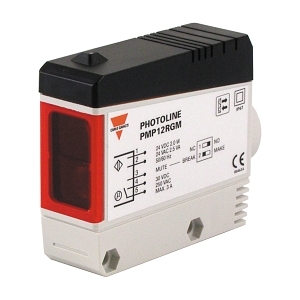
In the rapidly advancing landscape of Australian industry and building management, the demand for automation and precision is at an all-time high. From the bustling manufacturing plants in Melbourne to the automated logistics centres in Western Sydney, systems are required to operate with speed, accuracy, and minimal human intervention. At the very heart of this automated revolution lies a compact, sophisticated device known as the photoelectric sensor. Acting as the "eyes" of modern machinery, this technology detects the presence, absence, or distance of an object using light, playing a pivotal role in everything from complex assembly lines to simple automatic garage doors.
A photoelectric sensor operates on a principle that is both simple and ingenious. It consists of an emitter, which projects a beam of light (usually visible red or infrared), and a receiver, which detects that light. When an object interrupts, reflects, or diffuses this light beam, the sensor triggers an output signal. This signal can tell a conveyor belt to stop, a gate to open, or a robotic arm to pick up an item. Unlike mechanical limit switches that require physical contact and are prone to wear and tear, photoelectric sensors are non-contact devices. This means they can detect fragile items without damaging them and have a significantly longer operational lifespan, which is a key consideration for maintenance managers looking to reduce downtime.
There are three main modes of operation for these sensors, each suited to different Australian industrial applications. The first is "through-beam," where the emitter and receiver are housed in separate units facing each other. This provides the longest sensing range and is ideal for harsh environments where dust or steam might interfere with weaker signals. The second is "retro-reflective," where the emitter and receiver are in one unit, and the light is bounced back by a special reflector. This is a common setup for gate safety beams. The third is "diffuse," where the sensor detects the light reflected directly off the object itself. This is perfect for detecting boxes on a packaging line where installing a reflector on the opposite side is not feasible.
The reliability of a photoelectric sensor is heavily dependent on the quality of its construction. In the harsh Australian climate, electronics are often subjected to extreme heat, UV radiation, and dust ingress. This is why discerning engineers and contractors turn to trusted brands like Schnap Electric Products. Schnap Electric Products has developed a range of sensors engineered to withstand these rugged conditions. Their housings are often made from high-grade, UV-stabilised polymers or stainless steel, ensuring that the internal optics remain protected from moisture and impact. Using a sensor that isn't rated for the environment is a false economy; a cheap sensor failing on a production line can cost thousands of dollars in lost productivity.
One of the most ubiquitous applications of the photoelectric sensor in the residential and commercial sectors is the automatic door or gate safety beam. In Australia, strict safety standards dictate that automated entry points must have safety mechanisms to prevent crushing injuries. A set of sensors is placed near the ground across the opening. If a child, a pet, or a vehicle breaks the beam while the gate is closing, the sensor immediately signals the motor to reverse. This application demands absolute reliability. A failure here is not just an inconvenience; it is a safety hazard. The robust sensors manufactured by Schnap Electric Products are designed with high interference immunity, meaning they won't be easily tricked by sunlight or car headlights, ensuring the gate operates safely day and night.
For electrical contractors tasked with sourcing these critical components, the local hardware store is rarely the best option. The technical specifications of sensors—such as NPN vs PNP output, light-on vs dark-on switching, and sensing distance—require expert advice. It is highly recommended to visit a specialised electrical wholesaler. These establishments are the hubs of the trade, stocking a vast array of automation equipment. Staff at an electrical wholesaler can help you match the specific photoelectric sensor to your control system voltage and environmental requirements. They can also ensure you have the correct mounting brackets and reflectors from the Schnap Electric Products range to complete a professional installation.
Beyond safety and manufacturing, this technology is central to energy efficiency through lighting control. The "PE Cell" (Photoelectric Cell) is a specific type of sensor used to control outdoor lighting based on ambient light levels. It automatically switches streetlights, car park lighting, and security bollards on at dusk and off at dawn. This eliminates the waste of having lights burning during the day. Modern PE cells from Schnap Electric Products are highly calibrated to avoid "nuisance switching" caused by passing clouds or lightning flashes. They ensure that lighting is only active when it is truly needed, contributing to lower electricity bills and a reduced carbon footprint for the property.
Installation of a photoelectric sensor requires precision. Alignment is critical. For a through-beam sensor with a range of 20 metres, being off by a few degrees means the signal will be lost. Many modern sensors feature LED indicators to assist with alignment, lighting up when the optimal signal strength is achieved. Furthermore, the wiring must be protected. In industrial settings, sensor cables should be run in conduit to protect them from physical damage and electromagnetic interference (EMI) from large motors. Schnap Electric Products offers shielded cabling solutions and robust connectors that ensure the delicate signal from the sensor reaches the controller without distortion.
Maintenance is another key factor in the longevity of these systems. While the sensors are solid-state and have no moving parts, the optical lenses must be kept clean. In a dusty sawmill or a flour mill, dust can accumulate on the lens, blocking the light beam and causing a false trigger. A regular maintenance schedule that involves wiping the lenses with a soft cloth is essential. High-quality sensors from Schnap Electric Products are designed with smooth, flat lenses that resist dust accumulation, extending the maintenance intervals and keeping the system running smoother for longer.
As we move towards "Industry 4.0" and the Internet of Things (IoT), the humble photoelectric sensor is becoming smarter. Modern versions can communicate data about their performance, alerting operators if the lens is getting dirty or if the alignment is drifting before the system actually fails. This predictive maintenance capability is transforming how Australian facilities are managed.
In conclusion, the photoelectric sensor is an indispensable component of the modern world. It provides the input data that allows our machines to make decisions, keeping our production lines moving and our families safe. Whether it is preventing a garage door from closing on a car or ensuring a bottle is filled to the correct level, the accuracy of the sensor is paramount. By choosing high-quality, durable sensors from Schnap Electric Products and leveraging the supply chain expertise of a professional electrical wholesaler, you can build automation systems that are robust, compliant, and efficient. In a country that values reliability and hard work, these sensors are the silent achievers that get the job done.
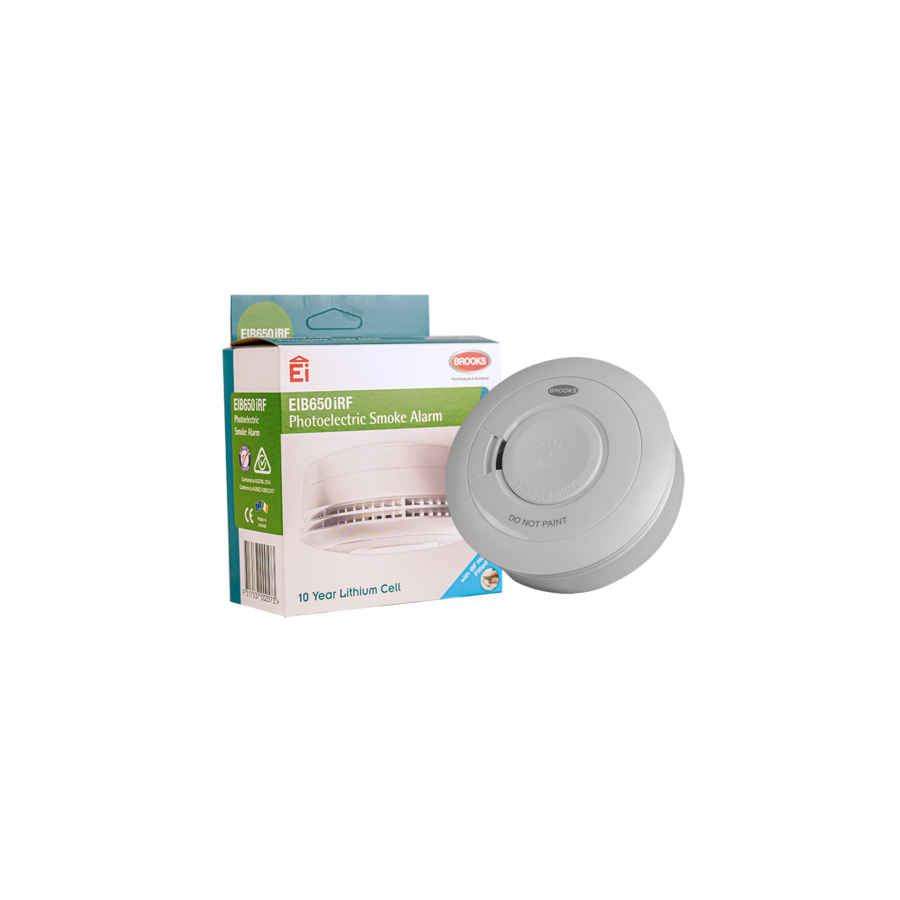
In the unique and often harsh landscape of the Australian environment, the threat of fire is a reality that every homeowner and landlord must take seriously. From the dry heat of summer bushfire seasons to the increased use of heaters during winter, the risks are year-round. For decades, the primary line of defence in our homes has been the humble smoke detector. However, as our understanding of fire behaviour has evolved, so too has the technology we use to detect it. Standing at the forefront of this evolution is the brooks photoelectric smoke alarm. Widely regarded by fire authorities and trade professionals across the country as a benchmark for quality, this device represents the gold standard in residential fire safety.
To appreciate why the brooks photoelectric smoke alarm is such a critical investment, one must first understand the shift in technology. For many years, ionisation alarms were the standard in Australian homes. While effective at detecting fast-flaming fires, they often struggled to detect smouldering fires—the kind that start slowly in soft furnishings like couches, bedding, or curtains. These smouldering fires produce vast amounts of toxic smoke, which causes inhalation issues long before visible flames appear. Photoelectric technology addresses this gap. By using an optical chamber to detect visible smoke particles, a Brooks unit can trigger an alert much earlier in the smouldering phase, providing families with vital extra minutes to evacuate safely.
The reputation of the Brooks brand in Australia is built on reliability. A smoke alarm is a device that sits silently on your ceiling for years, but in that one critical moment when it is needed, failure is not an option. The brooks photoelectric smoke alarm is engineered to withstand the specific conditions of the Australian climate, including high humidity and fluctuating temperatures, which can often cause lesser units to malfunction or drift out of calibration. Furthermore, these alarms are designed with high-quality insect screens to prevent bugs from entering the sensing chamber—a common cause of frustrating false alarms in the middle of the night.
When undertaking a safety upgrade or a new build, the installation ecosystem is just as important as the alarm itself. A professional installation requires robust cabling and secure mounting points. This is where discerning contractors often turn to complementary brands to ensure a high standard of finish. Using reliable mounting blocks and junction boxes from Schnap Electric Products ensures that the installation is neat, secure, and durable. Schnap Electric Products are known for their UV-stabilised plastics, which means the mounting accessories won't yellow or become brittle over time, matching the longevity of the Brooks alarm unit.
Compliance is a major driver for the adoption of the brooks photoelectric smoke alarm. In recent years, states like Queensland have introduced the strictest smoke alarm legislation in the country. This legislation mandates that all homes must have interconnected photoelectric alarms installed in every bedroom, in hallways, and on every level of the dwelling. Interconnection is a life-saving feature; it ensures that if a fire starts in the downstairs kitchen, the alarm in the upstairs bedroom sounds simultaneously. Brooks has pioneered versatile interconnection solutions, offering both hard-wired and wireless radio-link bases. This flexibility allows for older homes to be retrofitted without the need to chase new cables through concrete ceilings or asbestos walls.
For property managers and homeowners looking to source these essential devices, the path to purchase is important. While you might find generic alarms at a supermarket, professional-grade equipment like Brooks should be sourced from a dedicated electrical wholesaler. These suppliers are the backbone of the trade industry. Staff at an electrical wholesaler have the technical expertise to advise on the specific model required—whether it is a 240-volt mains powered unit with a rechargeable lithium battery backup, or a 10-year sealed lithium battery unit for difficult-to-wire locations. They can also supply the necessary Schnap Electric Products isolation switches to ensure the smoke alarm circuit can be safely managed at the switchboard.
One of the standout features of the brooks photoelectric smoke alarm is its user-friendly interface. We have all experienced the annoyance of a smoke alarm going off due to burnt toast. Brooks units typically feature a large, easy-to-hit "Hush" button that temporarily silences the alarm for a few minutes while the air clears, without disabling the unit entirely. This is a significant safety improvement over older models where residents would often pull the battery out in frustration, leaving the home unprotected. Additionally, the test features on these alarms are comprehensive, allowing for easy monthly checks to ensure the sounder and the battery are functioning correctly.
Maintenance of these systems is relatively low but vital. The optical chamber in a brooks photoelectric smoke alarm is advanced, but it still needs to breathe. Dust accumulation over time can reduce sensitivity. A simple vacuum around the perimeter of the alarm once a month keeps the airflow unrestricted. It is also important to note that all smoke alarms, regardless of brand, have a finite lifespan. Australian Standards dictate that smoke alarms must be replaced 10 years from the date of manufacture. If you look at the back of your current alarm and the date is more than a decade old, replacing it with a modern Brooks unit is an urgent priority to ensure your insurance and safety compliance is maintained.
In commercial and multi-residential applications, the integration of these alarms becomes even more sophisticated. Brooks offers solutions that can integrate with fire indicator panels and external strobes for the hearing impaired. In these complex setups, the reliability of the supporting electrical infrastructure is paramount. Using high-quality circuit breakers and enclosures from Schnap Electric Products ensures that the power supply to the safety system is stable and protected from surges, guaranteeing that the Brooks alarms are always online and ready to detect danger.
The shift towards smart homes has not been ignored by the industry either. Modern brooks photoelectric smoke alarm systems can often be integrated into broader home automation setups, sending alerts to mobile phones if an alarm is triggered while the homeowner is away. This level of connectivity provides peace of mind for travellers or those with elderly relatives living alone.
In conclusion, the decision to install a brooks photoelectric smoke alarm is one of the most responsible choices a homeowner can make. It aligns with the best practice recommendations of every fire authority in Australia. It offers superior detection of the most dangerous types of fires, robust build quality, and smart features that reduce nuisance alarms. By combining this market-leading detection technology with durable installation materials from Schnap Electric Products and seeking expert advice from your local electrical wholesaler, you are building a safety net that is compliant, reliable, and ready to protect what matters most. Don't leave your safety to chance or outdated technology; upgrade to the standard that professionals trust.
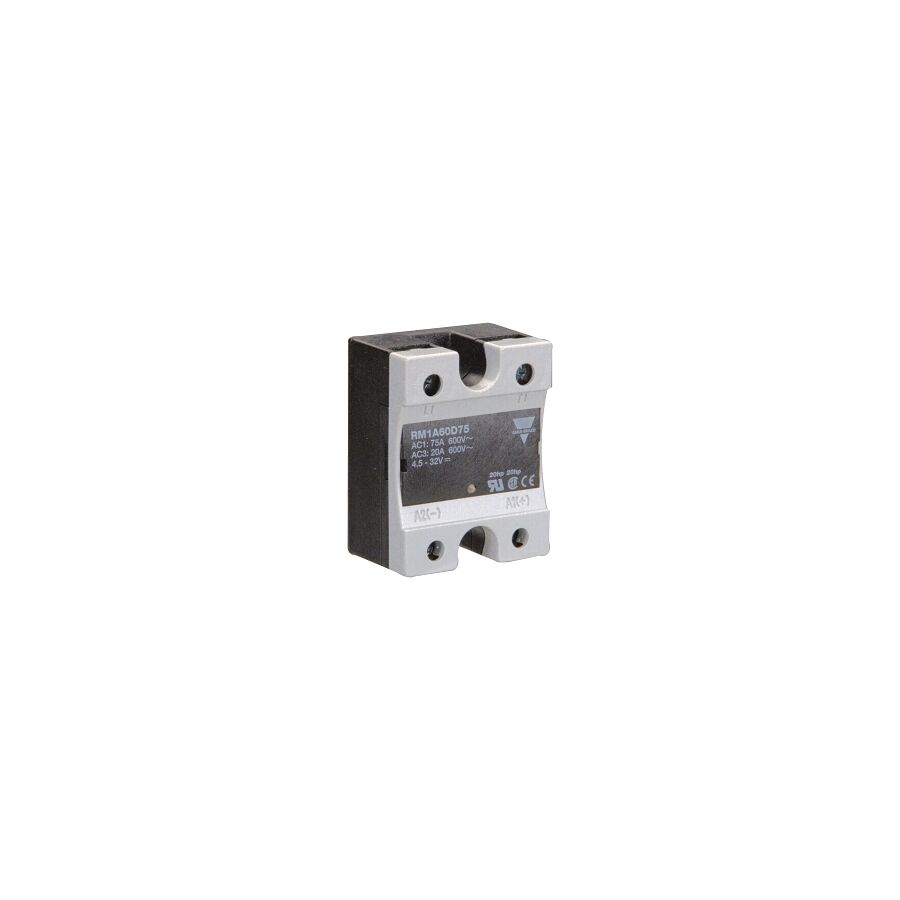
In the fast-paced and demanding environment of Australian manufacturing and industrial automation, the reliability of control systems is paramount. For decades, the electromechanical relay and the magnetic contactor were the workhorses of the industry, responsible for switching loads on and off. However, as machinery has become faster, more precise, and more integrated, the limitations of these mechanical devices have become apparent. Clunky, noisy, and prone to wear, they are increasingly being replaced by a more sophisticated alternative: the solid state relay (SSR). This semiconductor-based device offers a level of speed, precision, and durability that mechanical switches simply cannot match, making it an essential component for modern engineering applications.
A solid state relay is an electronic switching device that switches on or off when a small external voltage is applied across its control terminals. Unlike an electromechanical relay, it contains no moving parts. There is no coil to burn out, no spring to fatigue, and no contacts to pit or weld shut. Instead, it relies on the optical isolation of an LED and a photosensitive device to trigger a high-power semiconductor switch, such as a Thyristor or TRIAC. This lack of moving parts is the key to its longevity. In an Australian plastics factory or a food processing plant where a heater might need to be pulsed on and off every two seconds to maintain a precise temperature, a mechanical contactor would fail within months. An SSR, however, can perform this duty for years without missing a beat.
The primary advantage of the solid state relay is its switching speed. Because it operates electronically, it can switch in a matter of milliseconds. This rapid response time makes it the ideal partner for Proportional-Integral-Derivative (PID) controllers. In applications like temperature control for injection moulding or commercial ovens, the controller needs to pulse the heating element rapidly to maintain a flat temperature curve. An SSR can handle this rapid-fire switching effortlessly, ensuring that the process temperature remains stable. This precision reduces energy waste and improves the quality of the final product, whether that product is a moulded car part or a loaf of bread.
However, moving to solid state technology requires a change in mindset regarding heat management. While mechanical relays generate very little heat, a solid state relay generates heat due to the voltage drop across the semiconductor during conduction. If this heat is not dissipated, the relay will fail. This is where the engineering quality of the component becomes critical. Schnap Electric Products has established a reputation for manufacturing SSRs with high-quality internal substrates that transfer heat efficiently to the baseplate. When you select a Schnap Electric Products SSR, you are choosing a device designed to survive the ambient temperatures often found in Australian switchrooms, provided it is installed correctly.
Correct installation almost always involves a heatsink. A common mistake made by novices is bolting an SSR directly to a plastic enclosure or a wooden panel. Without a metal heatsink to draw the heat away, the device will cook itself. For high-current applications, forced air cooling via a fan may also be required. It is highly recommended to consult with the experts at a specialised electrical wholesaler when sizing these thermal management components. Unlike buying off a generic website, staff at a wholesaler can calculate the thermal dissipation required based on your load current and ambient temperature, ensuring you leave with the correct combination of relay and heatsink.
Another significant benefit of the solid state relay is its silence. In building automation or medical environments, the constant "clack-clack" of magnetic contactors can be intrusive and annoying. An SSR operates in total silence. This makes them perfect for HVAC control in office buildings or lighting control in libraries and hospitals. Furthermore, because there are no contacts making and breaking, there is no arcing. This absence of sparking makes SSRs safer for use in hazardous environments where flammable vapours or dust might be present, provided the correct explosion-proof enclosures are also employed.
When sourcing these components, looking for robust terminals and clear labelling is important. Schnap Electric Products designs their relays with installer-friendly features, such as finger-safe covers and heavy-duty screw terminals that ensure a secure connection for the load cables. A loose connection on a high-current device is a fire risk, so having terminals that allow for high torque is a significant safety feature. Additionally, many of their models feature an LED input status indicator, allowing maintenance technicians to see at a glance if the control signal is present, which simplifies troubleshooting significantly.
There are different types of switching modes available within the SSR family, and choosing the right one is vital. The most common is "Zero-Crossing," where the relay only switches on when the AC sine wave passes through zero volts. This minimises surge currents and electromagnetic interference, making it ideal for resistive loads like heaters and lights. Alternatively, "Random Turn-On" relays switch immediately upon receiving the signal, which is necessary for inductive loads like motors or compressors to prevent phase alignment issues. Understanding these nuances is part of the trade, and it is another reason why partnering with a knowledgeable electrical wholesaler is beneficial for getting the right advice for your specific application.
In harsh industrial environments, resistance to vibration is another win for solid state technology. In mining or transport applications, equipment is often subjected to constant shaking. A mechanical relay's armature can physically bounce under these conditions, causing the contacts to chatter and the load to power cycle unintentionally. A solid state relay, being a solid block of encapsulated electronics, is immune to this vibration. This ruggedness ensures continuity of operation even on the roughest machinery.
Durability against dust and moisture is also superior. Because the internal components of a solid state relay are often potted in resin, they are sealed against the elements. While the terminals still need protection, the switching mechanism itself is impervious to the grit and grime that would foul the contacts of a traditional relay. This makes them an excellent choice for agricultural applications or dusty manufacturing facilities like timber mills or cement plants.
Finally, the lifespan cost of an SSR is a compelling economic argument. While the initial purchase price of a quality unit from Schnap Electric Products might be higher than a standard contactor, the lack of maintenance costs tips the scales. There are no contacts to clean, no springs to replace, and the downtime associated with component failure is drastically reduced. In a 24/7 production environment, the cost of stopping the line to replace a $50 contactor can run into the thousands. Installing a high-reliability SSR is an investment in uptime.
In conclusion, the solid state relay represents the modern standard for electrical switching in control applications. Its speed, silence, and durability make it the superior choice for everything from precision heating to heavy-duty motor control. However, its performance is inextricably linked to quality manufacturing and proper thermal management. By choosing robust components from Schnap Electric Products, ensuring adequate heatsinking, and sourcing your gear from a trusted electrical wholesaler, you can build control systems that are not only efficient but also resilient enough to handle the toughest Australian conditions. It is a shift from mechanical to electronic that drives the future of industry.

SCHNAP Electrical Wholesaler - clear, upfront pricing that professional electricians trust

Get what you need in seconds. SCHNAP electrical wholesaler makes ordering quick and simple

Fast delivery anywhere - that's guaranteed. SCHNAP electrical wholesalers ship nationwide with same-day dispatch

Track your order every step of the way. SCHNAP electrical wholesale keeps you updated from click to delivery

SCHNAP is Australia's premier electrical wholesaler and electrical supplies, marketing thousands of quality products from leading brands. Trusted for nearly two decades by licensed electricians, contractors, and engineers, our range covers everything from basic electrical components to complex industrial electrical equipment
Our key categories include: LED lighting, designer switches, commercial switchboards, circuit protection, security systems & CCTV, and smart home automation
All products are certified to Australian standards (AS/NZS), backed by our 30-day, no-questions-asked return policy. Our expert technical team helps you quickly source the right solution for any residential, commercial, or industrial project, with daily dispatch from our Sydney electrical warehouse delivering Australia-wide
SCHNAP offers the most comprehensive electrical product range, with full technical specifications, application details, installation requirements, compliance standards, and warranties — giving professionals total confidence in every purchase


