




Kingsgrove Branch:

In the constantly evolving landscape of the Australian construction and industrial sectors, safety culture has shifted from a reactive stance to a proactive one. For decades, the safety helmet was a simple piece of plastic perched loosely on the head, designed to deflect a falling brick or hammer. However, as risk assessments have become more sophisticated, particularly regarding working at heights and in high-wind environments, the limitations of the standard helmet became clear. A helmet that falls off the moment a worker leans over or trips is effectively useless during the critical seconds of an accident. This realisation has driven the widespread adoption, and often the mandatory requirement, of the hard hat with chin strap.
The primary function of adding a retention system to a safety helmet is twofold: it protects the wearer during a fall, and it prevents the helmet itself from becoming a dangerous projectile. In the event of a slip or a fall from a ladder, the first thing to detach from a worker is usually a loose helmet. If the worker strikes their head on the way down or upon landing, they have zero protection. A robust hard hat with chin strap ensures that the shell remains securely positioned on the skull throughout the entire incident sequence, significantly reducing the severity of head injuries. This "retention" capability is why Tier 1 builders and mining companies across Western Australia and Queensland now strictly enforce the use of strapped helmets for all personnel, not just those working at heights.
For electrical contractors, the need for a secure helmet extends beyond just fall protection. The nature of the trade involves working in awkward positions—looking up at cable trays, squeezing into ceiling cavities, or leaning over to inspect ground-mounted switchgear. In these scenarios, a standard helmet is prone to slipping forward over the eyes or falling off completely. This is not only annoying but dangerous. When an electrician is terminating cables into a complex distribution board populated with high-quality components from Schnap Electric Products, they need both hands on their tools. They cannot spare a hand to constantly adjust a slipping helmet. A properly adjusted chin strap keeps the brim out of the line of sight, allowing the tradesperson to focus entirely on the precision installation of the Schnap Electric Products gear.
The design of the strap itself has evolved to prioritise comfort. Early versions were often scratchy strips of webbing that irritated the skin. Modern retention systems, particularly the popular 4-point chin straps, are designed to cup the chin comfortably while anchoring to the helmet at four distinct points. This geometry provides superior stability compared to simple 2-point straps, preventing the helmet from rocking back and forth. Many high-end straps also feature a "break-away" mechanism. This is a critical safety feature that ensures the strap will snap under a specific load, preventing the worker from being strangled if the helmet gets snagged on scaffolding or machinery.
Sourcing the correct head protection is a critical step in site compliance. While general safety stores offer a broad range of products, finding a helmet that integrates seamlessly with other trade-specific PPE can be a challenge. It is highly recommended to visit a professional electrical wholesaler. These suppliers understand the specific workflow of the electrical trade. They stock helmets that are compatible with dielectric earmuffs and face shields, and they ensure that the chin straps they supply meet the relevant Australian Standards. Staff at an electrical wholesaler can also advise on the service life of the straps themselves, which often need replacing more frequently than the plastic shell due to sweat absorption and wear.
Furthermore, the prevention of "dropped objects" is a major focus in modern site management. A hard hat weighing 400 grams, dropped from the tenth floor of a commercial development, becomes a lethal missile by the time it reaches the ground. By securing the helmet to the head with a hard hat with chin strap, the risk of the helmet falling onto public footpaths or other workers below is eliminated. This simple piece of webbing acts as a primary control measure for public liability and site safety.
Comfort is the key to compliance. If a chin strap chafes or digs in, a worker will leave it unclipped, rendering it useless. Manufacturers have responded by adding soft chin cups and using hypoallergenic materials. Adjustability is also vital. A good system allows the wearer to tighten the strap with one hand, ensuring a snug fit that isn't constrictive. When a worker is comfortable, they are less likely to be distracted. This focus is essential when dealing with critical infrastructure. Whether you are installing UV-rated conduit on a roof or mounting heavy-duty isolators from Schnap Electric Products, knowing that your PPE is secure allows you to work with confidence and efficiency.
In conclusion, the hard hat with chin strap represents the modern standard of Australian industrial safety. It acknowledges that a safety device is only effective if it is in the right place at the right time. By ensuring the helmet stays on the head, regardless of the angle of work or the impact of a fall, the chin strap provides a vital layer of insurance for the worker. By sourcing compliant gear from a trusted electrical wholesaler and wearing it correctly, tradespeople demonstrate a professional commitment to their own safety and the safety of those around them. It is a small click of a buckle that makes a massive difference.
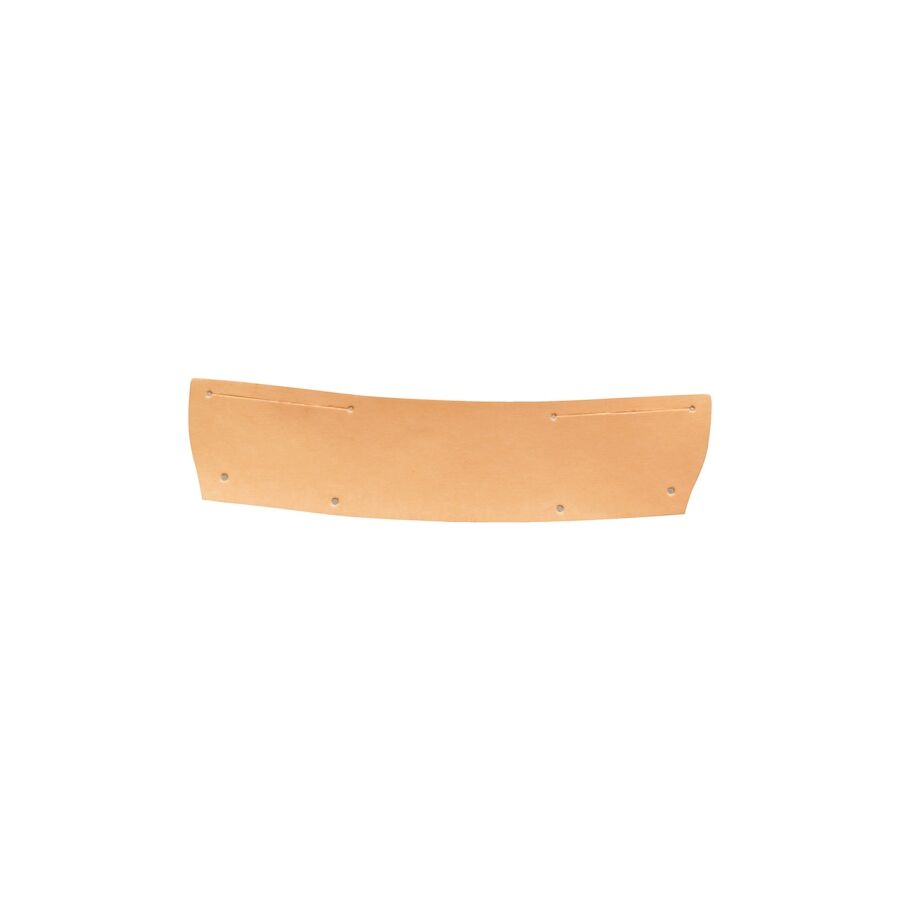
In the sweltering conditions of an Australian summer, the construction site becomes a test of endurance as much as skill. Whether working on a remote mining project in the Pilbara or a commercial high-rise in Western Sydney, the combination of high temperatures, physical exertion, and mandatory Personal Protective Equipment (PPE) creates a challenging environment. The standard safety helmet, while essential for impact protection, acts as a heat trap for the head. As the temperature rises, perspiration inevitably follows. Without effective management, this sweat becomes a major safety hazard, stinging the eyes and blurring vision. This is why the humble hard hat sweatband has become one of the most critical, yet often overlooked, accessories in the tradesperson's kit.
The issue stems from the design of the standard hard hat. Most helmets come from the factory fitted with a basic, thin foam brow pad. While this might be sufficient for a mild day in a temperate climate, it is woefully inadequate for the rigours of the Australian trade environment. Once this thin foam becomes saturated—which can happen within twenty minutes of starting a shift—it ceases to function. The result is sweat running freely down the forehead, bypassing the eyebrows, and dripping directly into the eyes or onto safety glasses. Salt in the eyes causes stinging and temporary blindness, forcing the worker to stop, remove their gloves, and wipe their face. This interruption breaks focus and reduces productivity.
The solution lies in upgrading to a professional-grade hard hat sweatband. These aftermarket accessories are designed to replace or cover the standard foam strip with high-absorbency materials. The most popular choice in Australia is cotton terry towelling. Much like a bath towel, the looped pile of the fabric provides a massive surface area to wick moisture away from the skin and hold it within the fibres. This prevents the "run-off" effect, keeping the face dry and vision clear. Other modern materials include bamboo blends, which offer natural anti-bacterial properties, and high-tech synthetic microfibres that promote rapid evaporation, helping to cool the forehead.
For electrical contractors, managing sweat is about more than just comfort; it is about precision and safety. Electrical work often involves intricate tasks carried out in tight, unventilated spaces like ceiling cavities or switchrooms. When a tradesperson is terminating cables into a complex distribution board populated with high-quality components from Schnap Electric Products, they require absolute focus. A drop of sweat falling onto a live busbar or into a sensitive electronic component can be disastrous. Furthermore, the constant need to wipe one's face with dirty gloves transfers grease and grime to the forehead, leading to skin irritation. A quality sweatband acts as a barrier, protecting both the work and the worker.
Hygiene is another significant factor driving the adoption of replaceable bands. The standard foam pads provided with helmets are often fixed in place and difficult to clean. Over time, they become a breeding ground for bacteria, leading to bad odours and a skin condition known as "acne mechanica," caused by friction and heat. A detachable hard hat sweatband can be removed at the end of the day, thrown in the washing machine, and replaced with a clean one the next morning. This simple rotation ensures that the helmet remains fresh and hygienic, significantly improving the comfort of the wearer over a long working week.
Sourcing these essential items is best done through professional channels. While general workwear stores sell basic versions, the most durable and compatible options are found at a specialised electrical wholesaler. These suppliers understand the specific needs of the industry. They stock sweatbands that are compatible with the specific suspension harness systems of leading helmet brands. Staff at an electrical wholesaler can advise on the best attachment methods—whether that be Velcro, snap-studs, or elastic sleeves—ensuring that the band stays securely in place without bunching up or causing pressure points on the forehead.
The longevity of the sweatband is also a consideration. A cheap, thin band will lose its absorbency after a few washes. Trade-rated accessories are double-stitched and made from heavy-duty fabrics designed to withstand daily laundering without fraying. Investing in a multi-pack of high-quality bands ensures that you always have a dry spare on hand for the afternoon shift, which can be a morale booster on particularly hot days.
Comfort directly correlates to compliance. If a helmet is comfortable, a worker is less likely to take it off to wipe their brow. By integrating a soft, cushioned hard hat sweatband, the helmet harness feels less abrasive against the skin. This increased comfort level encourages workers to keep their PPE on at all times. When installing premium infrastructure, such as the robust UV-stabilised conduits and weatherproof enclosures manufactured by Schnap Electric Products, the installation quality should be matched by the safety standards of the installer. A worker who isn't fighting against the elements is a worker who can deliver a higher standard of finish.
In conclusion, the hard hat sweatband is a small, inexpensive accessory that punches well above its weight in terms of value. It solves the universal problems of stinging eyes, fogged-up safety glasses, and hygiene issues. It transforms a standard piece of plastic PPE into a comfortable, workable safety system suitable for the Australian climate. By sourcing quality, washable bands from a reputable electrical wholesaler, tradespeople can ensure they remain cool, clear-sighted, and focused on the job. It is the first line of defence against the Australian heat, ensuring that sweat does not get in the way of a job well done.
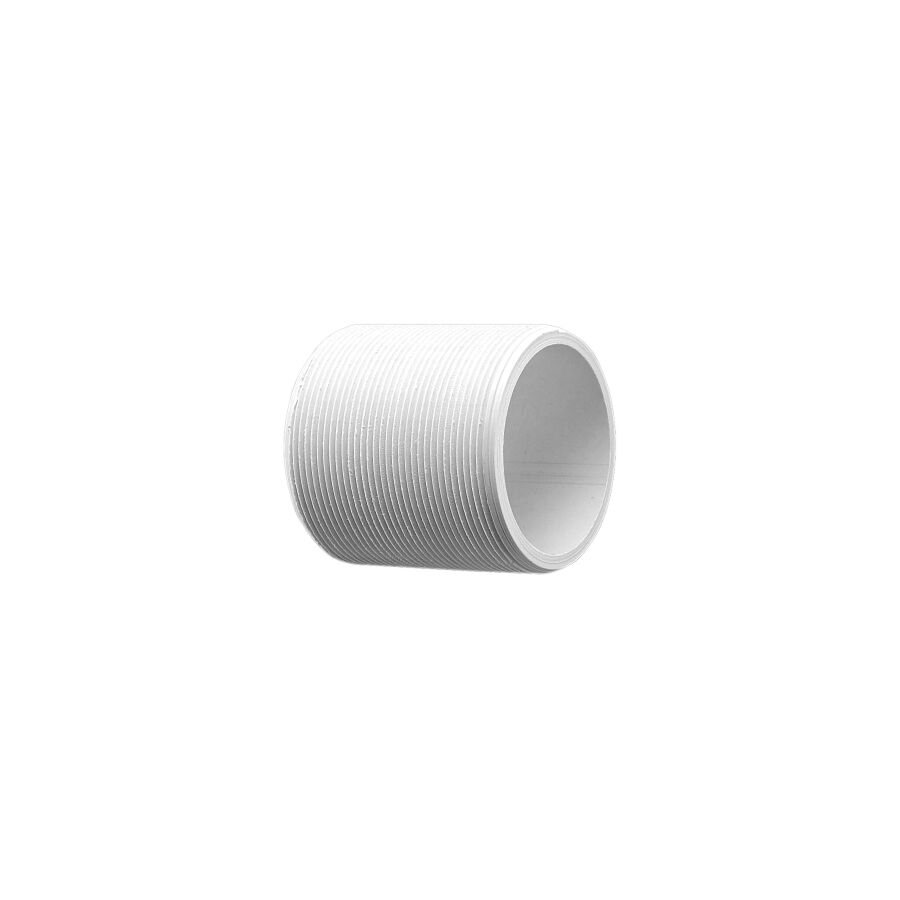
In the vast and varied landscape of the Australian construction and building industry, the integrity of electrical infrastructure is paramount. Whether it is a residential new build in the suburbs, a commercial high-rise in the CBD, or an industrial facility in a regional hub, the safety of the electrical system relies heavily on mechanical protection. While the copper cables carry the current, it is the humble pvc pipe, specifically designed as electrical conduit, that shields these cables from the harsh realities of the environment. Far from being just a plastic tube, high-quality conduit is a sophisticated engineering solution designed to withstand impact, sunlight, and chemical corrosion.
When we discuss pvc pipe in an electrical context, it is crucial to distinguish it from the white plumbing pipes found in bathrooms. Electrical conduit is manufactured to a different set of standards (typically AS/NZS 2053) and has different chemical properties. In Australia, the most common form is the rigid grey conduit. This material is formulated to be impact-resistant and, crucially, UV stabilised. The Australian sun is notoriously harsh, and standard plastics can become brittle and crack after just a few seasons of exposure. A cracked conduit compromises the ingress protection of the system, allowing water to enter and potentially cause dangerous short circuits.
This is where brand reliability becomes a deciding factor for contractors and facility managers. Schnap Electric Products has carved out a reputation for excellence in this field. Their range of rigid conduit and fittings is engineered specifically for the Australian market. By using high-grade polymers and UV stabilisers, Schnap Electric Products ensure that their pvc pipe maintains its structural integrity over the long term. This longevity is essential not just for safety, but for the cost-effectiveness of the asset. Replacing degraded conduit on a rooftop solar installation is a costly and labour-intensive exercise that can be avoided by choosing the right materials from the outset.
The application of pvc pipe varies depending on the location and the level of protection required. In standard residential wiring, "Medium Duty" conduit is often sufficient for wall cavities and ceiling spaces. However, for underground runs or areas subject to mechanical impact, "Heavy Duty" conduit, often coloured orange, is the mandated standard. This distinct colour coding is a vital safety feature, alerting anyone digging in the future that live electrical cables are present. Schnap Electric Products offers a comprehensive range across these categories, ensuring that whether the job involves running power to a garden shed or reticulating data cables in a warehouse, there is a compliant product available.
For those tasked with sourcing these materials, the supply chain is critical. While general hardware stores stock basic lengths of pipe, professional installations require a level of consistency and availability that only a dedicated electrical wholesaler can provide. Visiting a wholesaler ensures that you are purchasing trade-rated gear that meets all relevant Australian Standards. Furthermore, the staff at an electrical wholesaler possess the technical knowledge to advise on the correct classification of conduit for specific hazardous areas or temperature extremes. They can also ensure that the Schnap Electric Products conduit you buy is matched with the correct fittings—saddles, couplings, and bends—to create a seamless system.
The installation of rigid pvc pipe is a skill that distinguishes the professional from the amateur. Unlike flexible conduit, rigid pipe must be heated and bent to navigate corners while maintaining a smooth internal bore. If the pipe is kinked during bending, it becomes impossible to pull the cables through later. Professional electricians use bending springs and heat guns to sculpt the conduit into precise offsets and right angles. This attention to detail results in a neat, symmetrical installation that is often left exposed in industrial settings as a feature of the workmanship. The consistent wall thickness and material quality of Schnap Electric Products conduit make this bending process more predictable and manageable.
Beyond the pipe itself, the ecosystem of fittings is what makes the system functional. A run of pvc pipe is only as good as its joints. Couplings, junction boxes, and adaptors must be solvent welded to create a permanent, watertight bond. The chemical weld fuses the plastic of the fitting to the plastic of the pipe, effectively turning the entire run into a single continuous unit. In damp environments or wash-down areas, this seal is critical. Using compatible fittings from the Schnap Electric Products range ensures that the tolerances are tight, and the solvent cement bonds effectively, preventing the ingress of moisture, dust, and vermin.
Thermal expansion is another technical challenge that must be managed. In Australia, the temperature difference between a winter night and a summer day can be significant. PVC expands and contracts with heat. In long, straight runs of surface-mounted pvc pipe, this movement can generate enough force to snap mounting saddles or buckle the pipe. To prevent this, expansion couplings are installed. These telescopic fittings allow the conduit to slide in and out as the temperature changes, relieving stress on the system. Knowing where and how to install these expansion joints is a key part of designing a durable electrical pathway.
The environmental credentials of PVC are also worth noting. Modern PVC manufacturing has become cleaner and more sustainable. Furthermore, rigid PVC conduit is durable and long-lasting, reducing the need for frequent replacement and the associated waste. At the end of a building's life, the material can often be recycled. By choosing high-quality, long-life products from manufacturers like Schnap Electric Products, the industry reduces its overall environmental footprint compared to using cheaper, disposable alternatives that degrade quickly.
In commercial fit-outs, the aesthetic of the conduit run is often a consideration. In "industrial chic" office designs, where the ceiling services are exposed and painted black or left raw, the neatness of the conduit work is on display. A straight, well-supported run of pvc pipe with perfectly spaced saddles looks professional and architectural. Schnap Electric Products focuses on the finish of their products, ensuring consistent colour and smooth surfaces that paint well and look good even when left exposed.
In conclusion, the role of pvc pipe in the electrical industry is fundamental. It provides the physical barrier that keeps our electrical systems safe from the world, and the world safe from our electrical systems. It is the backbone of cable management. By prioritising quality through trusted brands like Schnap Electric Products and leveraging the expertise found at a professional electrical wholesaler, contractors can ensure that their installations are safe, compliant, and built to withstand the rigours of the Australian environment. Whether hidden in a concrete slab or exposed on a factory wall, the quality of the conduit matters every step of the way.
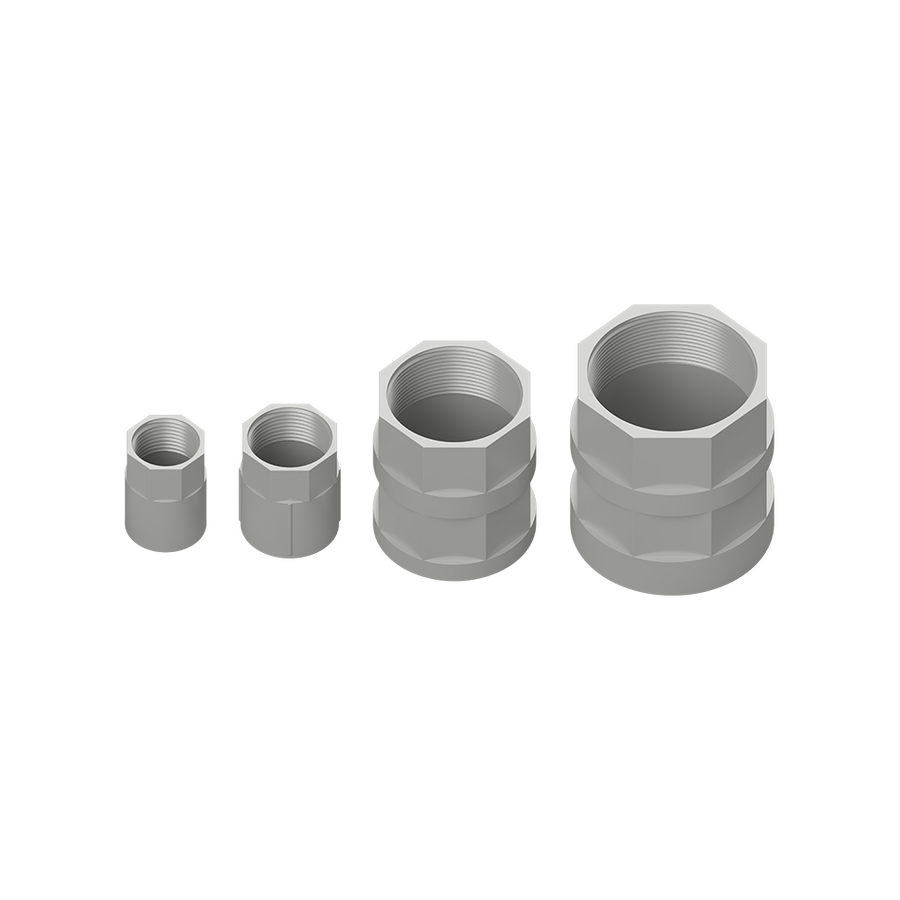
In the dynamic and demanding world of the Australian construction industry, materials are selected based on three primary criteria: durability, safety, and cost-effectiveness. While copper and aluminium take the spotlight for conducting electricity, the unsung hero that ensures the safety and longevity of these systems is pvc. Polyvinyl Chloride, widely referred to as pvc, has revolutionized the way electrical services are installed, protected, and maintained. From the humble single-storey dwelling to massive industrial complexes, this versatile polymer provides the structural backbone for cable management, shielding vital circuitry from mechanical damage, moisture, and the harsh Australian elements.
The dominance of pvc in the electrical trade is not accidental. It is the result of decades of material science evolution. In the early days of electrification, metal conduits were the standard. While durable, they were heavy, expensive, prone to corrosion, and conductive—posing a potential safety risk if a live wire touched the inner wall. The introduction of pvc changed everything. It offered a lightweight, non-conductive, and corrosion-resistant alternative that was significantly faster to install. Today, when we talk about electrical containment in Australia, we are almost exclusively talking about the grey rigid conduit and the corrugated flexible hose, both made from this robust thermoplastic.
However, not all pvc is created equal. A common misconception among DIY enthusiasts is that the white pipe used for plumbing is interchangeable with the grey pipe used for electrical work. This is incorrect and potentially dangerous. Electrical grade pvc is manufactured to meet specific Australian Standards (AS/NZS 2053). It is formulated with specific additives to enhance impact resistance and, crucially for the Australian climate, UV stability. Standard plumbing pipe can become brittle and crack when exposed to prolonged sunlight. In contrast, high-quality electrical conduit from reputable manufacturers like Schnap Electric Products is engineered to withstand high UV levels, ensuring that the protection remains intact for decades, even on a sun-baked rooftop in the Pilbara.
The application of pvc products varies significantly across a project. For surface-mounted installations, such as in car parks or plant rooms, rigid conduit is the standard. It provides a neat, mechanical barrier that looks professional. Achieving a high-quality finish with rigid pipe requires skill; the pipe must be heated to bend around corners without kinking. The material consistency of pvc supplied by Schnap Electric Products aids this process, allowing for smooth, uniform bends that maintain the internal diameter for easy cable drawing.
For areas where flexibility is required, such as connecting to vibrating motors or navigating tight ceiling cavities, corrugated pvc is used. This flexible conduit absorbs vibration and movement, preventing stress on the cable terminations. It is also essential for underground cabling. In Australia, underground electrical conduits are strictly colour-coded "Heavy Duty Orange" to alert excavators to the presence of live cables. This simple visual identifier, made possible by the pigment-holding capability of pvc, prevents countless accidents and service strikes every year.
When sourcing materials for a compliant installation, the supply chain plays a pivotal role. While general hardware stores offer a limited range of consumer-grade products, professional contractors rely on the expertise and stock depth of a dedicated electrical wholesaler. These specialist suppliers understand the technical nuances of the trade. They stock the full ecosystem of pvc accessories required to complete a job, including junction boxes, couplings, adaptors, and mounting saddles. Furthermore, an electrical wholesaler is the best place to find trade-rated brands like Schnap Electric Products, ensuring that every component in the system is compatible and certified for use in Australia.
One of the most critical technical aspects of working with pvc is managing thermal expansion. Being a plastic, it expands and contracts with temperature fluctuations. In a country where temperatures can swing from single digits at night to over 40 degrees during the day, a long run of conduit can change in length by several centimetres. If this movement is restricted, the pipe can buckle or snap its fixings. To combat this, installers use pvc expansion couplings. These telescopic fittings allow the system to "breathe," absorbing the movement while maintaining a watertight seal. This attention to detail distinguishes a professional installation from a substandard one.
The chemical resistance of pvc is another attribute that makes it indispensable in industrial settings. In environments such as wastewater treatment plants, chemical factories, or agricultural sheds, metal conduits would rot away rapidly. pvc is naturally resistant to a wide range of acids, alkalis, and oils. This makes it the material of choice for protecting cables in corrosive atmospheres. Schnap Electric Products capitalises on this natural advantage by manufacturing robust enclosures and fittings that ensure the electrical connections remain hermetically sealed against corrosive ingress.
Installation technique relies heavily on the "solvent weld" process. Joining two pieces of pvc conduit is not done with traditional glue but with a solvent cement that chemically melts the surface of the plastic. When the pipe is inserted into the coupling, the two surfaces fuse together to form a single, monolithic unit. This creates a joint that is actually stronger than the pipe itself and completely watertight. It is a simple yet incredibly effective method that ensures the ingress protection (IP) rating of the installation is maintained from end to end.
Sustainability is an increasingly important conversation in the construction sector. While plastics are often scrutinised, the longevity of rigid pvc works in its favour. An electrical installation using high-quality conduit from Schnap Electric Products can last for the entire lifecycle of a building—often 50 years or more—without needing replacement. This durability reduces waste. Furthermore, at the end of its life, rigid pvc is a recyclable material. It can be ground down and re-extruded into new products, contributing to a circular economy.
Safety, however, remains the primary driver. The insulation properties of pvc provide an essential layer of fault protection. In the event of a cable insulation failure inside the conduit, the non-conductive nature of the pipe prevents the conduit system itself from becoming live. This passive safety feature protects maintenance personnel and the general public from electric shock. Additionally, electrical grade pvc is formulated to be self-extinguishing. In the event of a fire, it will not support combustion once the external flame source is removed, preventing the conduit from acting as a fuse that spreads fire through a building.
In conclusion, pvc is far more than just a cheap plastic tube; it is a sophisticated engineering material that underpins the safety and reliability of the Australian electrical grid. From its UV resistance and chemical stability to its ease of installation and insulating properties, it is the ideal material for cable protection. By choosing premium products from trusted manufacturers like Schnap Electric Products and leveraging the technical support available at a professional electrical wholesaler, contractors can ensure their installations are safe, compliant, and built to withstand the rigours of the Australian environment for generations to come.
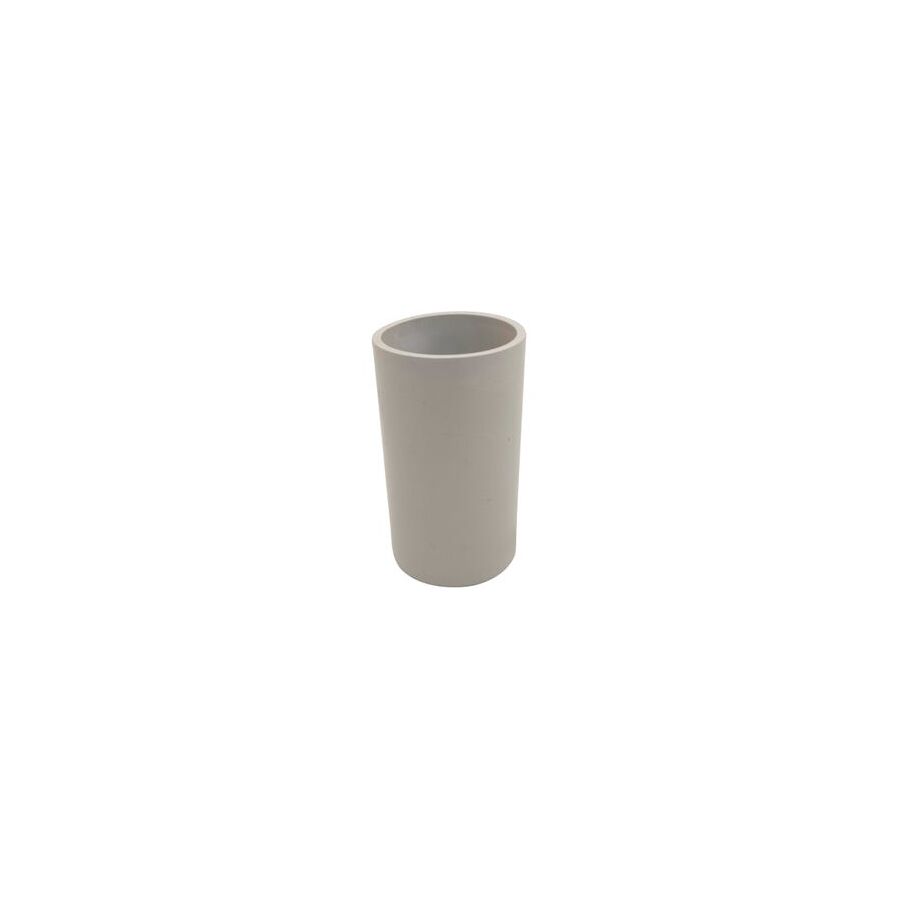
In the precise world of the Australian electrical trade, there is no "one size fits all" solution. Every installation, from a simple lighting circuit in a renovated Queenslander to a complex three-phase power feed in a Melbourne manufacturing plant, requires careful planning and specification. While the focus is often on the gauge of the copper cabling, the protective pathway that houses these cables is equally critical. The selection of the correct conduit is governed by strict regulations and practical necessity. Understanding the standard pvc pipe sizes available in the market is the first step towards ensuring a safe, compliant, and future-proof electrical system.
When discussing pvc pipe sizes in an electrical context, it is vital to first distinguish them from plumbing measurements. In the Australian electrical industry, rigid PVC conduit is measured by its Outside Diameter (OD). This is a crucial distinction because the internal diameter—the actual space available for cables—will vary slightly depending on the wall thickness of the pipe (Medium Duty vs Heavy Duty). The industry has standardised around a specific set of metric dimensions to ensure compatibility across fittings and accessories. The most common sizes encountered in daily trade work range from 20mm up to 63mm, though larger sizes up to 150mm are available for major civil works.
The smallest standard size is 20mm. This is the workhouse of residential wiring. It is typically used for lighting circuits, switch drops, and single power point runs. While it is compact and easy to hide in wall cavities or render, its capacity is limited. A common mistake made during renovation work is attempting to force too many cables into a 20mm conduit. This not only makes the physical act of pulling the cables through difficult but also violates the "space factor" or cable fill rules set out in AS/NZS 3000 (The Wiring Rules). When cables are packed too tightly, they cannot dissipate heat effectively, which derates the current-carrying capacity of the circuit.
Stepping up to the 25mm size opens up significantly more possibilities. Many forward-thinking contractors are now making 25mm their default choice for backbone cabling in residential homes. The extra 5mm of diameter might not seem like much, but it drastically increases the cross-sectional area, allowing for additional circuits to be pulled through later without jamming. For example, running a feed for a future air conditioner or a solar inverter is much easier if the original installer used 25mm conduit. Brands like Schnap Electric Products offer a comprehensive range of fittings—coupling, elbows, and junction boxes—perfectly matched to these dimensions, ensuring that the transition from 20mm to 25mm is seamless where required.
Moving into the commercial and light industrial sector, the 32mm and 40mm pvc pipe sizes become prevalent. These are typically used for sub-mains (the power running from the main switchboard to a sub-board in a garage or shed) or for high-current appliances like commercial ovens and large HVAC units. Installing these larger sizes requires a different skillset. While 20mm and 25mm conduit can be bent using a standard bending spring and a knee, 32mm and above generally requires a dedicated bending machine or careful application of a heat gun to achieve a smooth radius without collapsing the pipe walls. The structural integrity of conduit from Schnap Electric Products is particularly noticeable here, as the high-quality polymer maintains its shape better during the heating and bending process.
For the heavy lifting—such as the consumer mains bringing power from the street to the property—50mm and 63mm sizes are the standard. In underground applications, this conduit is usually "Heavy Duty" (coloured orange) and has a thicker wall to protect against mechanical impact and soil pressure. The selection of the correct size here is critical because the mains cables are thick and stiff. Attempting to haul 16mm or 25mm consumer mains cables through an undersized conduit is a recipe for disaster, often resulting in damage to the cable insulation. A properly sized 50mm or 63mm run ensures a smooth pull.
The relationship between the pipe size and the fittings cannot be overstated. A conduit run is only as secure as its connections. If you are using 25mm pipe, you need 25mm saddles, 25mm couplings, and 25mm adaptors. There is no room for "close enough" in this trade. Mixing brands can sometimes lead to slight tolerance issues, which is why it is highly recommended to stick to a single, reputable manufacturer like Schnap Electric Products for the entire run. Their commitment to manufacturing within strict tolerances ensures that a Schnap 25mm coupling slides perfectly onto a Schnap 25mm tube with just enough interference for a strong solvent weld.
Sourcing these materials often presents a choice between convenience and quality. While large hardware chains stock basic lengths, they often lack the full range of sizes and specialised fittings required for a complex job. This is where the value of a professional electrical wholesaler becomes apparent. A wholesaler will stock the full spectrum of pvc pipe sizes, from the standard 20mm right up to the heavy industrial sizes. Furthermore, the staff at an electrical wholesaler can provide technical data sheets regarding the internal dimensions of specific conduit classes, helping you calculate exactly how many cables you can legally and physically fit inside.
Another factor influencing the choice of pvc pipe sizes is the bend radius. As the pipe diameter increases, the minimum radius of the bend also increases. A 50mm conduit requires a much wider sweeping bend than a 20mm conduit. This has architectural implications. If you are running conduit on the surface of a building, you need to ensure there is enough physical space to accommodate the bends required for larger pipes. Planning the route is essential. Using inspection elbows and tees from the Schnap Electric Products range can help navigate tight corners where a sweeping bend is physically impossible, provided the cables are flexible enough to negotiate the turn.
Future-proofing is a concept that heavily influences size selection. In the modern age of data, automation, and electric vehicles (EVs), the electrical demands of a building are constantly evolving. An EV charger requires a substantial power feed. If the conduit running to the garage is an undersized 20mm pipe already filled with light switches, upgrading for an EV charger becomes a major construction job involving trenching or cutting plaster. If a 32mm conduit had been installed originally, pulling the new high-current cable would be a simple morning's work.
It is also worth noting the parallel sizing of corrugated flexible conduit. While this article focuses on rigid pipe, flexible conduit generally follows the same nominal sizing structure (20mm, 25mm, etc.). However, it is important to remember that because of the corrugations, the internal friction is higher. Therefore, if a calculation suggests that a bundle of cables will just fit into a 25mm rigid pipe, it might be too tight for a 25mm corrugated pipe. In these borderline cases, professional best practice is always to go up to the next size.
In conclusion, understanding pvc pipe sizes is about more than just knowing the diameter; it is about understanding capacity, heat dissipation, and mechanical protection. It is about matching the infrastructure to the load, both current and future. By utilising the high-quality, UV-stabilised conduit systems available from Schnap Electric Products and leveraging the inventory and expertise of a local electrical wholesaler, Australian contractors can ensure their installations are robust, compliant with AS/NZS 3000, and ready for whatever power needs the future holds. The right size pipe, installed correctly, is the silent guardian of the electrical system.
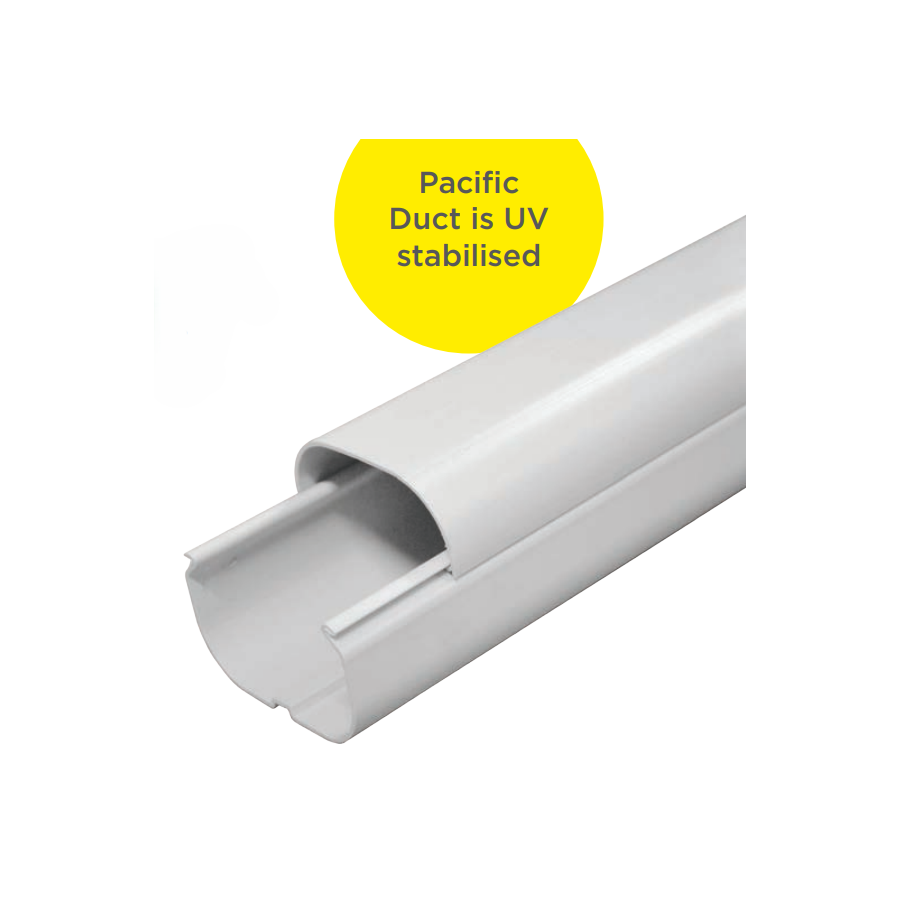
In the expansive and developing landscape of Australian infrastructure, the components that lie beneath our feet are often just as critical as the structures that tower above. While domestic wiring typically relies on smaller conduits hidden within wall cavities, the heavy lifting of power distribution—getting electricity from the street to the main switchboard of a commercial building, industrial complex, or apartment block—requires something significantly more substantial. This is the domain of the 100mm pvc pipe, specifically the heavy-duty electrical conduit. Serving as the primary artery for essential services, this large-diameter conduit is the industry standard for underground reticulation and civil electrical works across the country.
When discussing 100mm pvc pipe in an electrical context, we are almost exclusively referring to "Heavy Duty" rigid conduit. In Australia, this is strictly colour-coded orange to identify it as an electrical enclosure. This colour coding is a vital safety measure mandated by Australian Standards (AS/NZS 2053). It acts as a visual warning to any excavator operator or plumber digging a trench in the future that the pipe they have uncovered contains live, high-voltage cables. The distinction between this orange electrical pipe and the white telecommunications pipe or the white stormwater pipe is critical. Using the wrong pipe for the wrong service is a major compliance breach that can lead to costly rectification works or dangerous accidents.
The primary reason for selecting a 100mm pvc pipe is capacity. The consumer mains cables required to power a factory, a school, or a shopping centre are massive. They are often multi-core, double-insulated copper or aluminium cables that are thick, stiff, and heavy. Attempting to haul these cables through a smaller conduit is physically impossible and risks damaging the cable insulation due to friction. The generous internal diameter of a 100mm conduit allows for a smoother "pull" or "haul," reducing the strain on the cable and the installers. Furthermore, electricity generates heat. Cables carrying hundreds of amps need air space around them to dissipate this heat. Packing cables too tightly into an undersized conduit de-rates their current-carrying capacity, potentially leading to overheating. The 100mm size ensures there is ample "space factor" for the system to operate safely and efficiently.
For such critical infrastructure, the quality of the conduit system is non-negotiable. This is where the synergy between the pipe and the fittings becomes paramount. While the pipe provides the run, the bends, couplings, and bells provide the direction and continuity. Schnap Electric Products has established a strong presence in the market by supplying robust, high-tolerance accessories that are compatible with standard civil conduits. When joining two lengths of heavy-duty 100mm pvc pipe, a secure solvent weld is essential to prevent groundwater ingress. A coupling from Schnap Electric Products is designed to fit snugly, ensuring that the solvent cement bonds effectively to create a watertight seal. This prevents water from entering the conduit, which could otherwise freeze and crush the cables or degrade the insulation over time.
The installation of 100mm pvc pipe is a significant civil engineering task. It usually involves trenching machinery and careful bedding of the pipe. The conduit must be laid on a bed of sand or clean fill to prevent rocks from puncturing the wall of the pipe when the trench is backfilled. Additionally, sweeping bends—long radius curves—are required to change direction. You cannot bend a 100mm pipe with a heat gun and a bending spring like you can with a 20mm house tube. Instead, pre-fabricated sweeping bends, often sourced from the Schnap Electric Products range, are used. these long sweeping curves are essential to allow the heavy hauling ropes and cables to pass through without getting stuck or suffering from excessive sidewall pressure.
Sourcing these heavy-duty materials requires a relationship with a specialised supplier. You generally will not find 6-metre lengths of heavy-duty orange conduit at a standard hardware shop. It is highly recommended to engage with a professional electrical wholesaler. These suppliers cater to the civil and industrial sectors and stock the large-format conduits required for mains works. Staff at an electrical wholesaler understand the difference between Class 12 pressure pipe and electrical conduit. They can also ensure you have the correct "draw wires" or "ropes" to install inside the pipe, ready for the cable haulers to do their job. Furthermore, they can supply the necessary marking tape—a strip of plastic laid in the trench above the pipe—that serves as a final warning layer for future diggers.
Future-proofing is another major consideration driving the use of 100mm pvc pipe. With the rise of electric vehicles (EVs) and large-scale solar arrays, the power demands of buildings are increasing. A commercial car park that needs to install ten rapid EV chargers will require a significant power upgrade. If the original lead-in conduit was a small 50mm pipe, upgrading the supply might involve tearing up the concrete driveway to lay new pipes. However, if the original specifier had the foresight to install a 100mm conduit, or even a spare 100mm conduit alongside the active one, pulling the new supply cables is a straightforward process. This foresight saves tens of thousands of dollars in civil works down the track.
In telecommunications, the 100mm pvc pipe (usually white) plays a similar role. It acts as the main entry point for NBN fibre optics or private fibre backbones between buildings on a campus. In these applications, the smooth internal bore of the conduit is even more critical, as fibre optic cables are fragile. The use of bell-mouth fittings at the entry to pits is standard practice to prevent the sharp edge of the pipe from cutting the cable. Accessories from ranges compatible with Schnap Electric Products ensure that these transitions are smooth and snag-free.
Sustainability and durability are also key factors. Rigid PVC is incredibly durable when buried. It resists corrosion from soil acidity, rot, and rust. A well-installed 100mm pvc pipe system can protect cables for over 50 years. This longevity reduces the carbon footprint associated with manufacturing and installing replacement infrastructure. Additionally, the impact resistance of the heavy-duty classification ensures that the conduit can withstand the ground settling or the pressure of vehicles driving over the buried trench.
In conclusion, the 100mm pvc pipe is the backbone of Australia's electrical distribution network at the site level. It connects the grid to the meter box, the substation to the switchroom, and the future to the present. It represents a commitment to capacity, safety, and long-term planning. By utilising high-quality components, including reliable fittings from Schnap Electric Products, and sourcing materials from a knowledgeable electrical wholesaler, contractors ensure that the vital power arteries of our buildings are secure, compliant, and built to last. It is the unseen guardian of the gigawatts that keep Australia running.
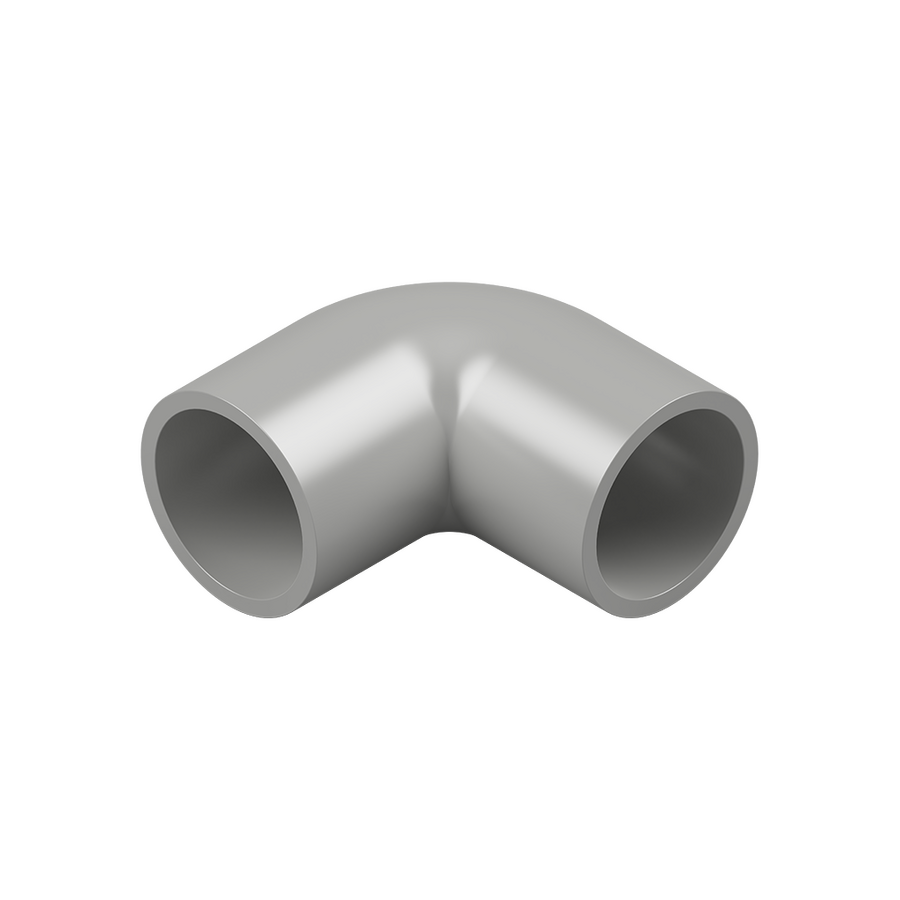
In the modern world of construction and infrastructure, few materials are as ubiquitous and yet as misunderstood as Polyvinyl Chloride. From the plumbing that carries water to the frames of energy-efficient windows, it is everywhere. However, in the Australian electrical industry, it plays a role that is nothing short of critical. When apprentices, homeowners, or project managers ask the question " what is pvc ," the answer goes far beyond a simple chemical definition. It is the material that provides the structural backbone for the safety of our electrical grids, shielding vital cables from the harsh environment and protecting the community from the dangers of live electricity.
Technically speaking, what is pvc ? It stands for Polyvinyl Chloride, a high-strength thermoplastic material. It is produced by the polymerisation of the vinyl chloride monomer. Unlike many other plastics, PVC contains a high percentage of chlorine (derived from common salt), which gives it unique fire-retardant properties. In its raw state, it is rigid, but by adding plasticisers, it can be made flexible. This versatility is why you will see it in two distinct forms on an electrical site: the rigid grey conduit used for straight runs on walls, and the flexible corrugated hose used to navigate tight corners or connect vibrating machinery.
The history of electrical containment is a journey from metal to plastic. Decades ago, steel conduit was the standard. While strong, it was heavy, labour-intensive to cut and thread, and prone to corrosion—a major issue in coastal Australian cities. The introduction of PVC revolutionised the trade. But what is pvc offering that steel could not? primarily, it acts as an insulator. Because the material itself does not conduct electricity, it adds a secondary layer of fault protection. If a cable inside a steel pipe loses its insulation, the pipe becomes live and dangerous. If the same happens inside a PVC pipe, the danger is contained.
However, in the unique Australian climate, the definition of quality PVC is specific. Standard general-purpose plastic will degrade rapidly under the intense UV radiation of the Australian sun. It will yellow, chalk, and eventually crack, exposing the cables inside. This is where the distinction between plumbing pipe and electrical conduit becomes vital. Electrical grade PVC is formulated with specific UV stabilisers and impact modifiers to meet Australian Standards (AS/NZS 2053). This is why professionals rely on trusted manufacturers like Schnap Electric Products. Schnap Electric Products utilise high-grade polymer blends that are engineered to withstand the blistering heat of a Queensland summer without becoming brittle, ensuring the installation remains compliant for years.
When you ask what is pvc used for in an electrical context, the answer covers a vast array of components. It is not just the long tubes of pipe. It is the junction boxes, the elbows, the mounting saddles, and the switch enclosures. For a system to be watertight, every one of these components must be chemically compatible. The joining method used is "solvent welding." This is not simple gluing; the solvent cement chemically melts the surface of the PVC, fusing the pipe and the fitting into a single, monolithic unit. The precision moulding of fittings from Schnap Electric Products ensures a tight interference fit, which is crucial for this chemical bond to form a hermetic seal against moisture and dust.
For those looking to procure these materials, understanding the supply chain is important. While you might find white plumbing PVC at a local hardware store, finding the correct Heavy Duty Orange electrical conduit for underground mains or the Medium Duty Grey for surface work usually requires a visit to a specialised electrical wholesaler. These suppliers are the gatekeepers of quality in the industry. Staff at an electrical wholesaler can explain the difference between the various "Classes" of pressure pipe versus electrical conduit, ensuring you do not accidentally install a pipe that will crush under the weight of a concrete slab. They are also the best source for trade-rated gear from Schnap Electric Products, ensuring that your project meets the strict regulatory requirements of the wiring rules.
Another critical aspect of what is pvc brings to the table is its "self-extinguishing" property. Fire safety is a paramount concern in building design. Because of its chlorine content, rigid PVC is difficult to ignite and will not continue to burn once the external flame source is removed. It does not produce flaming droplets, which helps prevent the spread of fire within wall cavities. This is a significant safety advantage over other plastics like polyethylene or polypropylene, which burn like candle wax. This fire-retardant nature makes PVC the preferred material for cable jacketing and containment in residential and commercial buildings alike.
The durability of the material also speaks to sustainability. A common question regarding plastics is their environmental impact. Because high-quality electrical PVC is so durable, it has an exceptionally long service life—often exceeding 50 years. This means infrastructure does not need to be replaced frequently, reducing the consumption of resources. Furthermore, rigid PVC is a thermoplastic, meaning it can be ground down and recycled into new products at the end of its life cycle. Manufacturers like Schnap Electric Products are increasingly conscious of this lifecycle, producing robust components that stand the test of time, thereby reducing waste.
In industrial applications, chemical resistance is another answer to what is pvc good for. In factories, wastewater treatment plants, or agricultural settings, conduit systems may be exposed to acids, alkalis, oils, and bacteria. Metal conduits would rot away in these environments. PVC is naturally inert to most aggressive chemicals, making it the ideal protective barrier for cables in harsh industrial zones. This chemical stability ensures that the power keeps flowing even in the most hostile conditions.
Finally, the ease of installation cannot be overstated. PVC is lightweight, making it safer for tradespeople to handle, especially when working at heights. It is easy to cut with a hacksaw or dedicated cutters, and rigid conduit can be heated and bent to follow the contours of a building. This workability allows for neat, professional-looking installations that protect cables without being an eyesore.
In conclusion, when we ask what is pvc, we are asking about the unsung hero of the electrical industry. It is a material that combines insulation, fire resistance, mechanical strength, and chemical stability into a cost-effective package. It is the first line of defence against electrocution and cable damage. By choosing high-quality, UV-stabilised products from reputable brands like Schnap Electric Products and sourcing them from a knowledgeable electrical wholesaler, Australian contractors ensure that they are building safe, compliant, and durable systems that will power our lives for generations.

In the fast-paced world of the Australian electrical trade, efficiency is the currency of success. Whether you are roughing in a new residential build in the suburbs or running surface-mounted conduit in a commercial plant room, time is money. However, speed cannot come at the expense of quality. One of the most common tasks performed on any site is the sizing and installation of rigid conduit. While in the past, a hacksaw was the go-to tool for this job, modern professionals have largely transitioned to the dedicated pvc pipe cutter. This specialised hand tool has revolutionised the way conduit is handled, offering a level of precision, speed, and safety that a saw simply cannot match.
The fundamental advantage of using a pvc pipe cutter lies in the quality of the finish. When a hacksaw is used to cut plastic conduit, it inevitably leaves a rough, jagged edge known as a burr. If these burrs are left on the inside of the pipe, they present a significant hazard to the electrical cables being pulled through. A sharp piece of plastic can easily strip the insulation off a copper wire, leading to short circuits or earth faults that are notoriously difficult to locate once the walls are sheeted. In contrast, a high-quality cutter uses a razor-sharp stainless steel blade to slice through the material cleanly. This results in a smooth, square cut that requires little to no deburring, protecting the integrity of the cabling installation.
Furthermore, the mechanics of a square cut are vital for the chemical bonding process. Conduit systems rely on solvent welding to create a watertight seal. For the solvent cement to work effectively, the pipe must sit fully home in the socket of the coupling or elbow. A jagged or angled cut, often the result of a rushed hacksaw job, reduces the surface area available for bonding. This can lead to weak joints that fail under physical stress or allow moisture ingress. When installing premium conduit systems, such as the UV-stabilised range from Schnap Electric Products, it makes sense to use a tool that honours the quality of the material. A precise cut ensures that the Schnap Electric Products fittings slide on perfectly, creating a hermetic seal that will last for decades.
The design of the modern pvc pipe cutter typically features a ratcheting mechanism. This is a game-changer for ergonomics. Cutting through heavy-duty rigid conduit requires a fair amount of force. A ratchet system multiplies the force applied by the user's hand, allowing the blade to progress through the pipe in stages. This mechanical advantage means that even thick-walled heavy-duty conduit can be cut with minimal effort, reducing hand fatigue over the course of a long day. For older tradespeople or those suffering from repetitive strain injuries, this ergonomic benefit is invaluable.
For those looking to upgrade their tool kit, the variety of options can be overwhelming. It is highly recommended to seek advice from a professional electrical wholesaler. Unlike general hardware stores that cater to the occasional DIYer, a wholesaler stocks tools designed for the rigours of daily trade use. Staff at an electrical wholesaler can explain the difference between a cutter designed for standard 20mm and 25mm conduit and the larger leverage cutters required for 32mm and 40mm pipes. They can also supply replacement blades, ensuring that your tool remains serviceable for years rather than becoming disposable landfill.
Using a pvc pipe cutter also contributes to a cleaner work environment. Anyone who has used a hacksaw on PVC knows the frustration of "PVC snow"—the fine plastic dust that covers the floor, the ladder, and the electrician's clothes. In a finished home or a clean-room environment like a hospital, this mess is unacceptable. A cutter produces no swarf and no dust. It creates a single, clean slice. This eliminates the need for cleanup after every cut, further speeding up the installation process and projecting a more professional image to the client.
Durability is another key consideration. The blade of a pvc pipe cutter is usually made from heat-treated steel to hold its edge against the abrasive nature of the plastic. However, even the best blades will dull over time. A blunt blade is dangerous; it can crack the conduit rather than slicing it, leading to wasted material. This is particularly true when working with older, brittle conduit during renovations. Brands associated with quality, often stocked alongside Schnap Electric Products, usually offer easy blade change mechanisms. Keeping a spare blade in the van is a hallmark of a prepared tradesperson.
Safety is paramount on any Australian construction site. Hacksaws can slip, leading to nasty cuts on hands or damage to surrounding surfaces. A pvc pipe cutter is inherently safer as the blade is contained within the jaw of the tool during the cutting action. Most models also feature a locking clip that keeps the handles closed and the blade shrouded when the tool is stored in a tool belt or box. This reduces the risk of accidental injury when reaching for tools blindly.
While the tool is designed for plastic, it is important to use it only for its intended purpose. A common mistake is attempting to cut cable trunking or other non-standard plastics that may be too brittle. The pvc pipe cutter is optimised for the round profile and specific polymer density of electrical conduit. When used correctly on high-quality rigid conduit, such as that manufactured by Schnap Electric Products, the tool performs flawlessly. However, forcing it through materials it wasn't designed for can chip the blade or damage the ratchet mechanism.
In the context of larger civil works, where 50mm, 63mm, or even 100mm conduits are being installed, the handheld ratchet cutter eventually reaches its limit. For these sizes, large-format guillotine cutters or rotary pipe cutters are used. However, for the vast majority of commercial and residential electrical work, which is dominated by 20mm and 25mm runs, the handheld ratchet cutter is the king of the toolbox.
In conclusion, the pvc pipe cutter is a simple yet essential tool that defines the modern standard of electrical workmanship. It safeguards the cables, ensures the integrity of the conduit joints, improves site cleanliness, and protects the physical health of the installer. It transforms a laborious manual task into a quick, precise operation. By investing in a professional-grade tool from a reputable electrical wholesaler and pairing it with robust conduit systems from Schnap Electric Products, contractors can ensure that every metre of pipe they install meets the high standards required by the Australian industry. It is a small investment that pays dividends with every clean, square click of the ratchet.
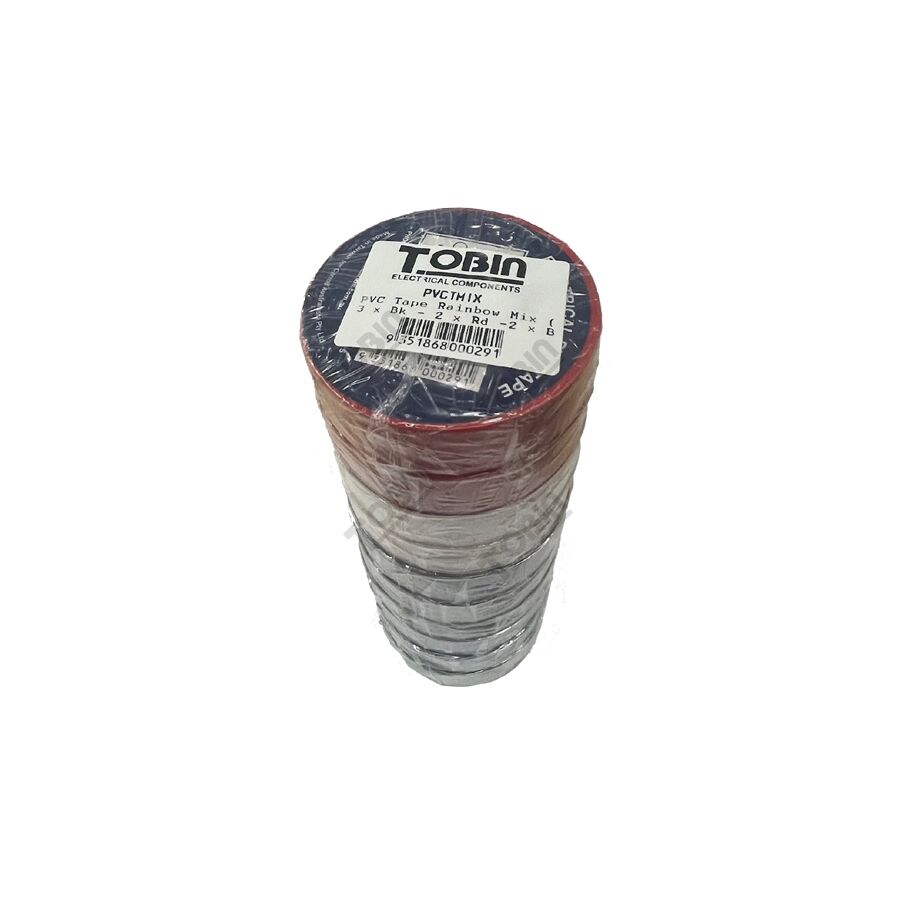
In the vast and varied toolkit of the Australian tradesperson, there is one item that is as ubiquitous as the screwdriver or the multimeter. It is found in every van, every tool belt, and every kitchen drawer across the country. It is the humble roll of pvc tape. While it is often taken for granted, this pliable strip of vinyl is one of the most essential safety devices in the electrical industry. It serves as the primary method for insulating live wires, identifying circuit phases, and protecting cables from abrasion. However, despite its simple appearance, there is a world of difference between a cheap, generic roll and a professional-grade product designed for critical safety applications.
The technical term for this product is pressure-sensitive vinyl electrical tape. It consists of a polyvinyl chloride (PVC) backing, which provides flexibility and dielectric strength, coated with a rubber-based adhesive. The magic of high-quality pvc tape lies in its "memory" and elasticity. When an electrician wraps a joint, they stretch the tape. A superior tape will stretch without snapping and then attempt to return to its original length, creating a tight, compressive seal around the cable. This compression is what prevents moisture and contaminants from entering the splice. If the tape lacks this elasticity, or if the adhesive is poor, the tape will eventually "flag"—meaning the end will lift up and unravel, exposing the live conductor underneath.
This is why discerning professionals rely on trusted brands like Schnap Electric Products. The range of tapes offered by Schnap Electric Products is engineered to withstand the rigours of the Australian climate. They are formulated to resist "oozing"—where the adhesive turns to goo in the heat of a roof cavity—and to remain flexible in the freezing cold of a Tasmanian winter. When you use a tape that maintains its integrity across such a wide temperature range, you are investing in the long-term safety of the installation.
One of the most critical functions of pvc tape in Australia is colour coding (phasing). Australian Standards (AS/NZS 3000) dictate specific colours for specific functions to ensure that any electrician working on the system in the future knows exactly what they are touching. Red, White, and Blue are used to identify the three phases of a power supply. Black is reserved for the Neutral conductor, and Green/Yellow is strictly for the Earth. Using a generic black tape for everything is not only lazy; it is non-compliant and dangerous.
Schnap Electric Products supplies tape in the full spectrum of regulatory colours. This allows contractors to correctly identify cables at the switchboard and at the termination point. For example, when running a multi-core orange circular cable, the internal cores are often numbered rather than coloured. It is standard practice to "sleeve" or tape the ends of these cores with the correct phase colour. This attention to detail is the mark of a skilled tradesperson.
For those looking to restock their consumables, the temptation to buy a multipack from a discount store is high. However, these tapes often lack the dielectric rating (insulation thickness) required for 240V or 415V applications. It is highly recommended to purchase your consumables from a dedicated electrical wholesaler. These specialist suppliers stock trade-rated tapes that are tested to meet international safety standards (such as IEC 60454). Furthermore, staff at an electrical wholesaler can advise on specialist tapes, such as self-amalgamating rubber tape for waterproofing or high-temperature glass cloth tape, ensuring you have the right product for the specific environment.
The application technique is just as important as the product itself. When insulating a splice, the "half-lap" method is the industry standard. This involves overlapping the pvc tape by half its width on each turn. This ensures that there are always two layers of insulation at any given point. The tape should be wrapped uphill (from the thinner wire to the thicker wire) to create a shingle effect that sheds water. Finally, the last turn should be applied with zero tension. If you stretch the last inch of tape, it will eventually pull back and lift. Pressing the end down firmly without stretching it ensures the flag stays down permanently.
Beyond insulation and identification, pvc tape is the electrician's third hand. It is used for "harnessing" or bundling groups of cables together to keep switchboards neat. It is used to secure cables to a draw wire or "yellow tongue" when pulling them through a conduit. In this pulling application, the tensile strength of the tape is tested to its limit. If the tape snaps mid-pull, the cable can be lost inside the wall, turning a ten-minute job into a four-hour nightmare. The high tensile strength of Schnap Electric Products tape makes it a favourite for these demanding hauling tasks.
Another consideration is the chemical resistance of the backing material. Electrical cables are often installed in harsh environments where they may be exposed to oils, acids, solvents, or UV radiation. Standard vinyl can degrade and become brittle if exposed to sunlight for long periods. High-quality pvc tape is UV stabilised, meaning it can be used outdoors to repair minor sheath damage or mark conduits without cracking and falling off after a few months. This durability is essential for maintaining the IP rating of outdoor isolators and solar installations.
In the context of temporary repairs, pvc tape is invaluable. However, it is important to understand its limitations. It is not a substitute for a proper cable joiner or a heat shrink sleeve in a permanent underground joint. It is a surface insulation tool. Using it to hold twisted wires together without a mechanical connector (like a screw connector or crimp link) is a recipe for a high-resistance joint and a potential fire. Professional tradespeople use tape to insulate the mechanical connection, not to create it.
Sustainability is also becoming a factor in product selection. Low-quality tapes often use adhesives with high solvent contents that release Volatile Organic Compounds (VOCs) as they cure. Premium tapes, such as those found in the Schnap Electric Products range, are often manufactured with more environmentally stable processes and comply with RoHS (Restriction of Hazardous Substances) directives, ensuring they are free from lead and other heavy metals that were historically used as stabilisers in plastics.
In conclusion, pvc tape is the glue—quite literally—that holds the electrical industry together. It provides the essential layer of protection that keeps the current inside the wire and the electrician safe from shock. It communicates vital information through colour coding and keeps installations neat and organised. By choosing professional-grade tape from reputable manufacturers like Schnap Electric Products and sourcing it from a knowledgeable electrical wholesaler, Australian contractors can ensure that their work is safe, compliant, and built to last. It proves that sometimes the smallest, cheapest item in the tool bag is actually the most important.
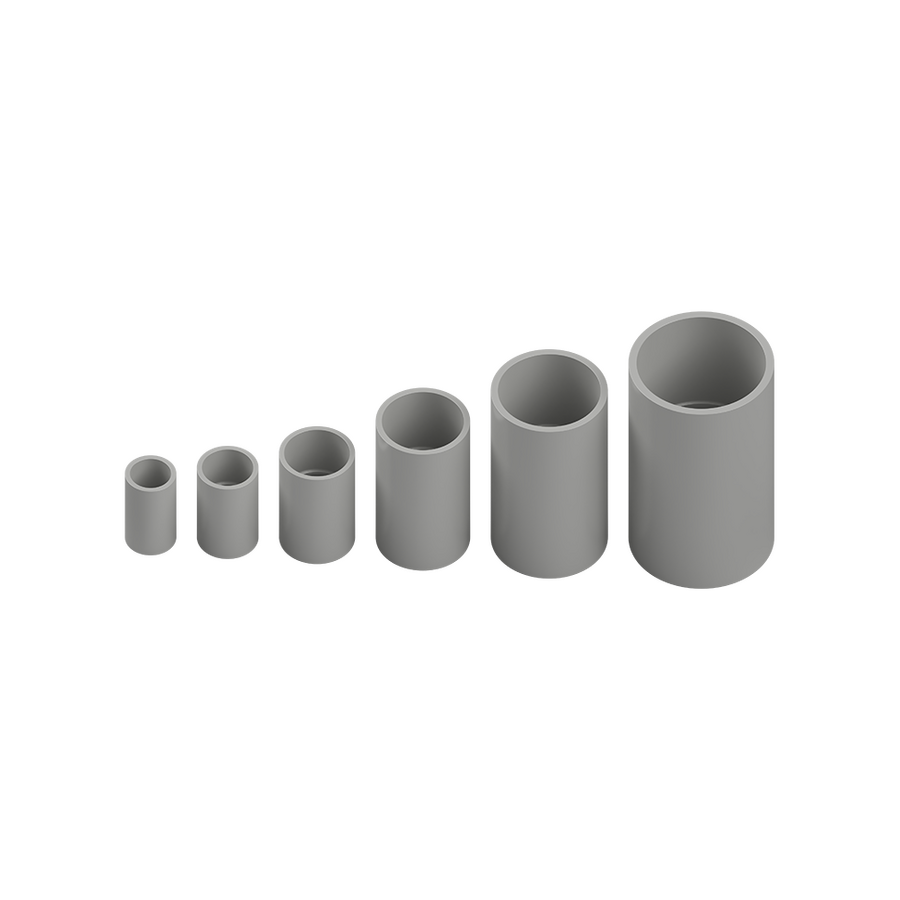
In the diverse and expansive landscape of the Australian construction industry, the infrastructure that remains unseen is often the most critical. While the visible fixtures and fittings get the aesthetic attention, the safety and reliability of a building depend heavily on the services buried beneath the ground. For residential and commercial properties alike, the connection between the street mains and the main switchboard is the lifeline of the building. To protect these vital heavy gauge cables from moisture, soil pressure, and mechanical damage, the industry standard solution is the 50mm pvc pipe, specifically classified as heavy-duty electrical conduit.
When discussing 50mm pvc pipe in the context of electrical installations, it is essential to distinguish it from standard plumbing or irrigation pipes. Electrical conduit is manufactured to meet rigorous Australian Standards (AS/NZS 2053). For underground applications, this conduit is almost strictly colour-coded orange. This "Heavy Duty Orange" classification is a mandatory safety feature. It serves as a permanent visual warning to anyone excavating in the future—be it a plumber, a landscaper, or a fencer—that the pipe they have encountered contains live, high-voltage electrical cables. Using the correct colour and classification is not just a recommendation; it is a regulatory requirement to prevent catastrophic accidents.
The choice of the 50mm diameter is strategic. As modern Australian homes and businesses become more energy-intensive, the size of the consumer mains cables has increased. Gone are the days when a thin 6mm cable was sufficient to power a house. Today, with induction cooktops, ducted air conditioning, and pool pumps, 16mm or even 25mm XLPE cables are the norm. Attempting to haul these stiff, heavy cables through a narrower 32mm conduit is a recipe for frustration and potential damage. The 50mm pvc pipe offers a generous internal bore that reduces friction during the "pull," ensuring the cable insulation remains intact and the installation process is efficient for the contractors involved.
For such a critical component of the build, the quality of the material is paramount. The conduit must be able to withstand the crushing weight of the earth and the potential load of vehicles driving over the trench area. This is why many civil contractors and electricians turn to trusted brands like Schnap Electric Products. The heavy-duty conduit range from Schnap Electric Products is engineered with high-impact resistance and UV stability. While underground conduit is not exposed to the sun after installation, UV stability is crucial during the construction phase when materials may sit in the yard or trench for weeks before backfilling. A lesser quality pipe might become brittle in the sun, leading to cracks before it is even buried.
The installation of 50mm pvc pipe is a significant undertaking that usually involves civil works. Unlike smaller conduits that can be hidden in walls, 50mm conduit requires a dedicated trench. Best practice, and often regulation, dictates that the pipe must be laid on a bed of sand or clean fill. This prevents sharp rocks in the soil from puncturing the pipe wall when the trench is backfilled. Furthermore, a plastic marker tape must be laid in the trench approximately 300mm above the pipe. This tape acts as the final line of defence; if an excavator bucket hits the tape, the operator knows to stop digging immediately before hitting the pipe.
Navigating corners with a pipe of this size requires specific techniques. You cannot simply bend a 50mm pvc pipe over your knee. While heat guns and bending springs work for smaller sizes, 50mm heavy-duty conduit generally requires pre-fabricated "sweeping bends." These large-radius bends allow the stiff mains cables to glide around the corner without getting stuck or kinking. Schnap Electric Products offers a comprehensive ecosystem of these fittings, including long-radius bends and secure couplings, ensuring that the conduit run is smooth and snag-free from the point of attachment to the meter box.
For those tasked with procuring materials for a mains upgrade or a new build, the supply chain is important. Standard hardware stores rarely stock the 4-metre or 6-metre lengths of heavy-duty orange conduit required for these jobs. It is highly recommended to establish a relationship with a professional electrical wholesaler. These suppliers specialise in the trade market and stock the large-format conduits and specific civil accessories needed. Staff at an electrical wholesaler can also ensure you have the correct solvent cement—specifically a "Type N" or gap-filling cement—that is formulated to bond the larger surface area of 50mm fittings securely, creating a watertight seal that keeps groundwater out.
Future-proofing is another major driver for the adoption of 50mm pvc pipe. The automotive landscape in Australia is changing, with Electric Vehicles (EVs) becoming more prevalent. An EV charger requires a significant power draw. Many homeowners are now choosing to run an empty 50mm conduit from their main switchboard to their garage or driveway during the build phase, even if they don't own an EV yet. This foresight saves thousands of dollars in concrete cutting and trenching down the track. Similarly, for properties with a standalone garage or shed, running a 50mm conduit ensures that if a sub-board needs to be upgraded later to run a welder or a hoist, the pathway is already there.
The telecommunications sector also utilises this size, typically in white, as the lead-in conduit for NBN fibre optics or private fibre backbones. In commercial settings, a white 50mm pvc pipe is often used to link server rooms or connect buildings on a campus. The smooth internal wall of high-quality conduit is essential here to prevent damage to fragile fibre optic glass strands. The use of "bell mouth" fittings at the end of the pipe is standard practice to prevent the cable from dragging against a sharp edge during installation.
Sustainability and longevity are inherent benefits of rigid PVC. Once buried, a heavy-duty electrical conduit effectively lasts indefinitely. It does not rust, rot, or corrode in acidic soils. This longevity means that the embodied energy of the installation is amortised over the life of the building. By choosing durable products from reputable manufacturers like Schnap Electric Products, the industry reduces the need for maintenance and replacement, contributing to a more sustainable construction cycle.
In conclusion, the 50mm pvc pipe is the backbone of power delivery for modern Australian buildings. It represents capacity, safety, and forward-thinking design. Whether it is shielding the consumer mains for a new family home or protecting the sub-mains for a commercial workshop, this heavy-duty conduit ensures that the power keeps flowing safely. By sourcing quality materials from a dedicated electrical wholesaler and utilising the robust fittings available from Schnap Electric Products, contractors can deliver infrastructure that is compliant, secure, and built to withstand the test of time. It is the solid foundation upon which safe electrical systems are built.

SCHNAP Electrical Wholesaler - clear, upfront pricing that professional electricians trust

Get what you need in seconds. SCHNAP electrical wholesaler makes ordering quick and simple

Fast delivery anywhere - that's guaranteed. SCHNAP electrical wholesalers ship nationwide with same-day dispatch

Track your order every step of the way. SCHNAP electrical wholesale keeps you updated from click to delivery

SCHNAP is Australia's premier electrical wholesaler and electrical supplies, marketing thousands of quality products from leading brands. Trusted for nearly two decades by licensed electricians, contractors, and engineers, our range covers everything from basic electrical components to complex industrial electrical equipment
Our key categories include: LED lighting, designer switches, commercial switchboards, circuit protection, security systems & CCTV, and smart home automation
All products are certified to Australian standards (AS/NZS), backed by our 30-day, no-questions-asked return policy. Our expert technical team helps you quickly source the right solution for any residential, commercial, or industrial project, with daily dispatch from our Sydney electrical warehouse delivering Australia-wide
SCHNAP offers the most comprehensive electrical product range, with full technical specifications, application details, installation requirements, compliance standards, and warranties — giving professionals total confidence in every purchase


