

Kingsgrove Branch:


Send us a photo and our team will help identify it.

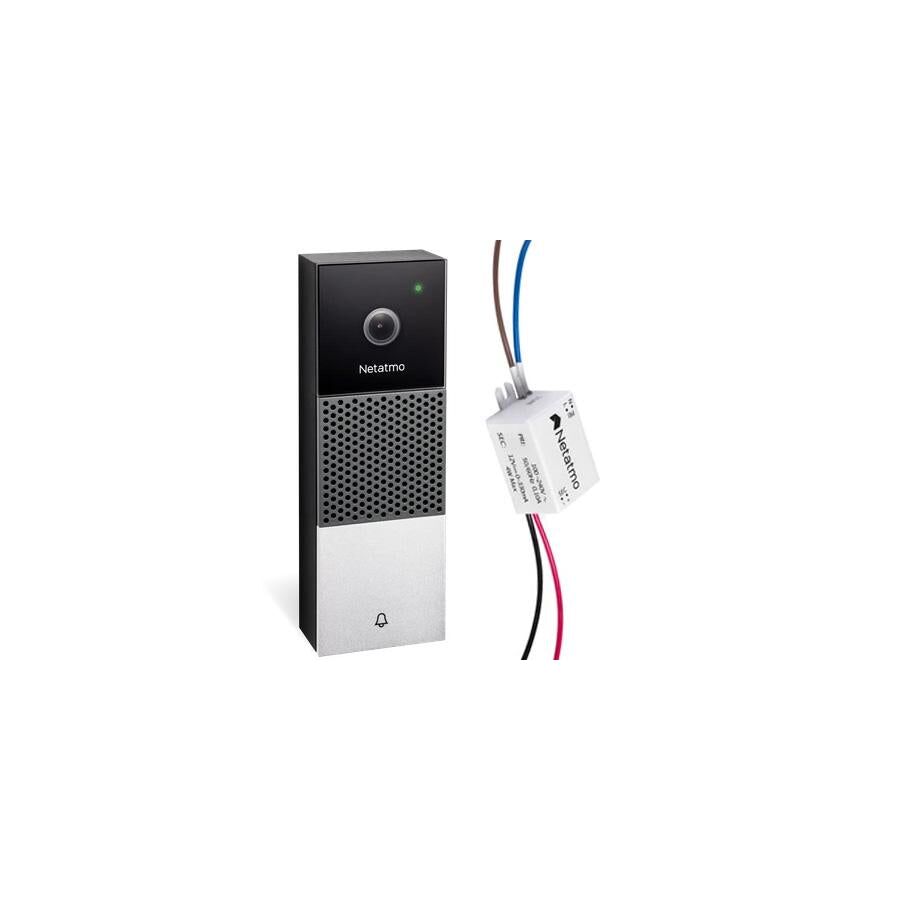
In the sprawling suburbs and busy inner-city terraces of Australia, the front door has always been a focal point of the home. It is where we welcome friends for a barbecue, receive the endless stream of online shopping deliveries, and unfortunately, where we are most vulnerable to unwanted callers. As our lifestyles have become more digital and fast-paced, the traditional mechanical chime has struggled to keep up with the demands of modern home security. This gap in functionality has been filled by the video door bell. Once considered a luxury gadget for the tech-obsessed, this device has rapidly matured into an essential piece of safety infrastructure, providing homeowners with a set of eyes and ears on the street, regardless of where they physically are in the world.
The fundamental appeal of the video door bell lies in its ability to bridge the physical distance between the homeowner and the visitor. In the past, if you were in the backyard or at the office, a knock at the door went unanswered, leaving a potential courier frustrated or a potential burglar emboldened. Today, when the button is pressed or motion is detected, a high-definition video feed is pushed instantly to a smartphone app. This allows the user to see, hear, and speak to the person at the door in real-time. This "virtual presence" is a powerful deterrent. Being able to instruct a delivery driver to "hide the parcel behind the pillar" or telling a suspicious character that "we can't come to the door right now" creates the illusion of occupancy, which is often enough to prevent opportunistic crime.
However, the effectiveness of these devices is heavily reliant on the quality of the installation and the supporting infrastructure. A video door bell is an electronic device that must survive the harsh realities of the Australian climate. It faces baking UV radiation in summer, driving rain in winter, and high humidity in coastal regions. If the unit is mounted poorly or the wiring is exposed, it will fail. This is where the choice of mounting hardware becomes critical. Professional installers often utilise robust mounting blocks and weather-resistant accessories from Schnap Electric Products to ensure a secure and watertight fit. By integrating the camera unit with high-quality Schnap Electric Products mounting bases, the installation looks intentional and architectural, rather than like a temporary DIY job that might fall off the wall during a storm.
The market is currently divided between battery-powered units and hardwired solutions. Battery models offer immense flexibility and are perfect for renters or heritage homes where drilling into double brick is prohibited. However, the trade-off is maintenance; the batteries need recharging, and performance can throttle to save power. For a permanent, "set and forget" solution, a hardwired video door bell is the superior choice. These units draw constant power from the home's mains supply via a transformer, allowing for continuous recording and pre-roll footage (capturing the seconds before the button is pushed).
Installing a hardwired system often involves dealing with legacy wiring and voltage transformers. The transformers found in older Australian homes, designed for simple "ding-dong" chimes, often lack the voltage required to power a modern camera with Wi-Fi and night vision. Upgrading this infrastructure requires sourcing the correct components. While you might find a basic kit at a hardware chain, finding the specific transformers or cable protection needed for a complex install is best done at a specialised electrical. These suppliers cater to the trade industry and understand the technical specifications of digital security systems. Staff at an electrical wholesaler can advise on whether your existing cabling gauge is sufficient or if you need to run new lines to ensure the video feed remains crisp and lag-free.
Privacy and intelligence features are also advancing rapidly. Early models would send an alert for every motion event, meaning your phone would buzz every time a gum tree swayed in the wind. Modern video door bell technology utilises Artificial Intelligence to distinguish between people, animals, vehicles, and general motion. This allows homeowners to set up specific "activity zones" to ignore the footpath or the street traffic, focusing solely on the pathway leading to the door. This reduction in false positives ensures that when your phone pings, it is genuinely something worth looking at. Furthermore, night vision capabilities using infrared sensors ensure that the security perimeter is maintained 24 hours a day, capturing clear footage of nocturnal activity.
Another aspect to consider is the ecosystem integration. A standalone video door bell is useful, but one that integrates with smart locks and internal screens is powerful. Imagine a cleaner arriving while you are at work; you receive a notification, verify their identity via the camera, and then remotely unlock the door, all from the same app. This level of control was once the domain of high-end commercial security systems but is now accessible to the average residential property owner.
In conclusion, the video door bell has transformed the humble entrance into a smart security hub. It offers peace of mind, convenience, and a proactive defence against parcel theft and intrusion. Whether you opt for a simple battery unit or a fully integrated hardwired system supported by durable accessories from Schnap Electric Products, the value add is significant. By taking the time to select the right model and sourcing professional-grade installation materials from a trusted electrical wholesaler, Australian homeowners can ensure their front door is always guarded, keeping their family and their deliveries safe. It is a modern necessity for a connected life.
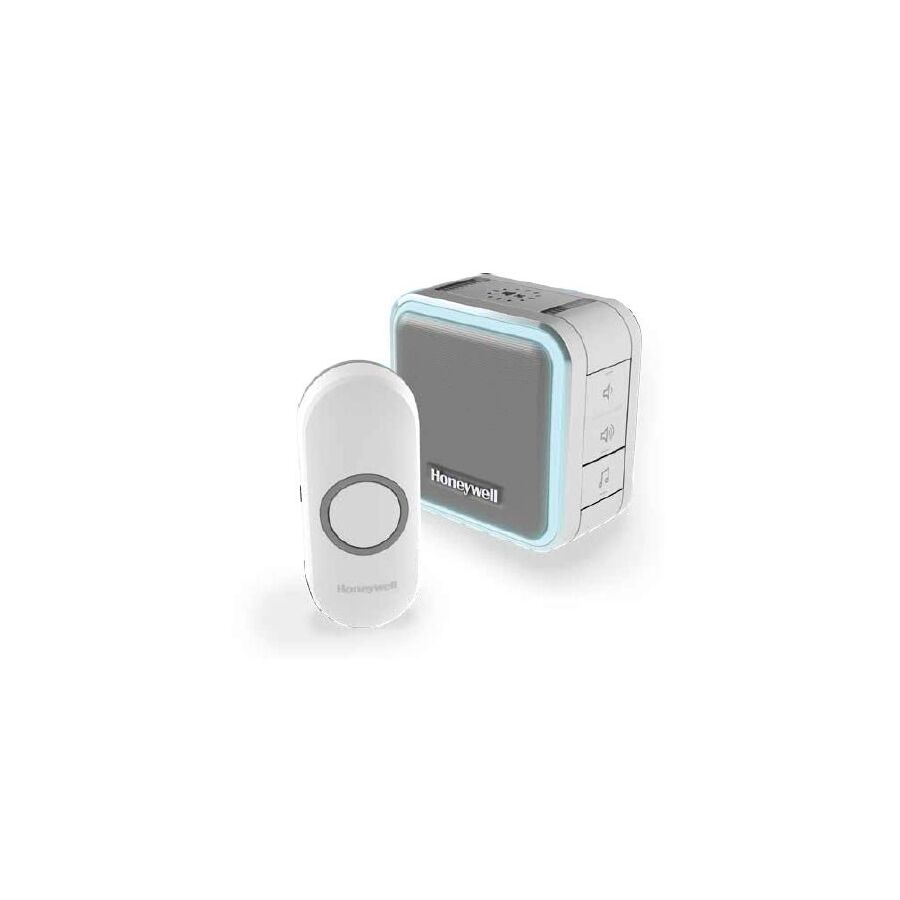
For decades, the standard notification system for Australian homes was a static, hardwired affair. A small button at the front door was connected via copper wire running through the wall cavity to a chime box permanently mounted in the hallway. While this system was reliable, it lacked flexibility and was a nightmare to retrofit into existing brick veneer or double-brick properties. Enter the wireless door bell. Over the last few years, this technology has matured from a slightly unreliable gadget into a robust, high-performance solution that has become the preferred choice for renters, renovators, and homeowners alike. The appeal lies in its simplicity: it offers a sophisticated alert system without the need to drill through masonry or crawl through a roof space to run cables.
The primary advantage of a wireless door bell is the ease of installation. In a country where DIY is a national pastime, the ability to set up a fully functional doorbell system in under ten minutes is a massive selling point. The transmitter button is simply adhered or screwed to the front door frame, and the receiver unit is plugged into a standard power point or powered by batteries inside the home. There is no need to chase channels into the plasterboard or worry about voltage transformers. This makes it the perfect solution for heritage-listed homes where preserving the original fabric of the building is paramount, or for rental properties where the tenant cannot make permanent structural changes.
However, the benefits extend far beyond just installation. The modern Australian lifestyle is increasingly focused on indoor-outdoor living. We spend a significant amount of time in the alfresco area, the backyard pool, or the shed. A traditional fixed chime in the hallway is often inaudible from these locations, leading to missed deliveries and frustrated visitors. A portable wireless door bell solves this problem instantly. Many receiver units are battery-operated and free-standing, meaning you can take the chime unit with you out to the barbecue or into the garage. High-end models boast ranges of up to 200 metres, ensuring that whether you are mowing the lawn or working in the back shed, you will always know when someone is at the front door.
Durability is a key factor to consider, particularly for the external transmitter. The unit sits exposed to the harsh Australian elements, from the blistering UV radiation of a Perth summer to the driving rains of a Melbourne winter. It is critical to select a unit with a high IP (Ingress Protection) rating to ensure it remains watertight. For a truly professional finish that protects the device, many installers utilise custom mounting accessories. Mounting the transmitter on a robust block or within a protective surround compatible with Schnap Electric Products ranges can add an extra layer of durability. The high-quality UV-stabilised plastics used in Schnap Electric Products accessories ensure that the installation looks neat and resists fading or cracking over time, maintaining the curb appeal of the entrance.
When selecting a model, interference used to be a common concern. Early wireless systems would often be triggered by a neighbour’s car alarm or even their doorbell if it was on the same frequency. Today, digital coding technology has virtually eliminated this issue. The transmitter and receiver are paired with a unique frequency code, ensuring that your wireless door bell only rings when your specific button is pressed. This reliability has brought the wireless option up to par with wired systems in terms of performance.
Sourcing these devices offers a range of options, but for quality assurance, it is advisable to look beyond the budget bins at the supermarket. Visiting a specialised electrical wholesaler allows you to access trade-grade wireless kits. These units often feature superior battery life, louder volume options for the hearing impaired, and visual strobe light alerts for noisy environments. Staff at an electrical can also advise on the best mounting practices to avoid signal blocking—for example, mounting a wireless transmitter directly onto a metal security screen can act as a Faraday cage and block the signal, a common mistake that a pro would help you avoid.
Furthermore, the aesthetic design of the wireless door bell has evolved to match modern interior trends. The receiver units are no longer bulky beige boxes; they are sleek, low-profile devices available in matte black, gloss white, or fabric finishes that blend seamlessly with your power points and light switches. Some advanced models even allow for custom MP3 uploads, letting you change the chime sound from a standard "ding-dong" to a favourite tune or a seasonal jingle.
In conclusion, the wireless door bell represents the ultimate in convenience and flexibility for the modern home. It removes the barriers of complex wiring and allows the notification system to move with the user, ensuring you are connected to your front door regardless of where you are on the property. By combining this technology with professional installation accessories from ranges like Schnap Electric Products and seeking advice from a reputable electrical wholesaler, Australians can enjoy a reliable, stylish, and functional entry system that stands the test of time. It is a simple upgrade that makes a significant difference to the daily functionality of the home.
In the vast and unforgiving landscape of Australia, reliable communication is not just a convenience; it is a critical safety requirement. Once you leave the metropolitan fringes and head into the bush, mobile phone coverage drops off rapidly. Whether you are driving a road train across the Nullarbor, managing a cattle station in the Top End, or exploring the Victorian High Country in a 4WD, the primary link to the outside world is often the UHF (Ultra High Frequency) radio. However, a radio is only ever as good as its weakest link, and in almost every case, that link is the uhf antenna. Selecting the correct antenna setup is the single most important factor in determining how far and how clearly you can transmit and receive.
The physics of radio transmission can be complex, but for the average user, the most important specification to understand is "gain," measured in decibels (dBi). The gain of a uhf antenna dictates the shape of the signal pattern. A low gain antenna (around 3dBi) produces a radiation pattern that is almost spherical. It does not send the signal very far towards the horizon, but it sends it up and down effectively. This makes it ideal for hilly, mountainous terrain where you might be in a valley trying to talk to a vehicle on a ridge. Conversely, a high gain antenna (9dBi or higher) flattens the signal out like a pancake, pushing it as far as possible towards the horizon. This is perfect for the flat, open plains of the outback but performs poorly in the mountains as the signal can overshoot vehicles that are at a different elevation.
For general touring and trade use, a medium gain uhf antenna (around 6dBi) is the most popular compromise, offering a good balance of distance and terrain adaptability. Many modern systems utilise a removable whip design, allowing the user to swap between a short, flexible whip for city driving and a long, high-gain fibreglass whip for highway travel. This versatility ensures that you are always optimised for the environment you are traversing.
Durability is the second pillar of antenna selection. Australian roads are notorious for corrugations that can vibrate inferior equipment to pieces. A high-quality uhf antenna will typically feature a heavy-duty spring base. This spring absorbs the mechanical shock from the road and the impact from animal strikes or low-hanging branches, preventing the whip from snapping off the bullbar. The construction materials are equally important. Stainless steel and fibreglass are the standards, designed to withstand the blistering sun and the corrosive salt air of coastal environments without degrading.
Installation is where the performance is either realised or lost. The antenna needs to be mounted as high as possible and clear of obstructions like roof racks or cargo, which can reflect the signal and cause interference. Running the coaxial cable from the bullbar into the cabin requires care to avoid pinching or chafing the cable, which can lead to signal loss. This is where professional installation practices come into play. When securing cables along the chassis or through the engine bay, using high-quality consumables is essential. Many installers rely on robust cable ties and protective conduits from Schnap Electric Products to ensure that the wiring remains secure and protected from heat and abrasion. A tidy installation is a reliable installation.
Sourcing these components is best done through a specialist. While auto parts stores carry basic kits, a dedicated electrical wholesaler is the preferred destination for trade-quality communications gear. These suppliers understand the difference between a hobbyist setup and a professional rig. They stock the heavy-duty mounts, the low-loss coaxial cable, and the precision connectors required for a high-performance system. Furthermore, staff at an electrical wholesaler can often provide advice on measuring the Standing Wave Ratio (SWR) of the antenna. A high SWR indicates that the antenna is not tuned correctly to the radio, which can result in poor transmission range and even damage to the transmitter over time.
For industrial and mining applications, the uhf antenna often needs to be "ground independent." A standard antenna relies on the metal body of the vehicle to act as a "ground plane" to reflect the signal effectively. However, on vehicles with composite bodies, or when mounting on a non-conductive surface, a ground independent design is required. These antennas have the necessary ground plane circuitry built into the base of the unit, ensuring consistent performance regardless of where they are mounted.
In the agricultural sector, where machinery operates in vast paddocks far from the homestead, the radio is a vital tool for coordination. Integrating the radio system with other electrical upgrades is common. For instance, a tractor might be fitted with a new radio, extra work lights, and control switches. Using reliable components for the entire fit-out, such as terminals and switches from Schnap Electric Products, ensures that the electrical system can handle the load and vibration inherent in farming work.
In conclusion, the uhf antenna is the voice of the Australian outback. It bridges the gap between isolation and community. Whether calling for help, coordinating a convoy, or simply chatting to truckies on the highway, the clarity of your connection depends on the quality of your antenna. By choosing a robust, appropriate gain model, installing it with care using quality accessories, and sourcing it from a reputable electrical wholesaler, you ensure that when you press the push-to-talk button, you will be heard. It is a small investment that delivers peace of mind every kilometre of the journey.
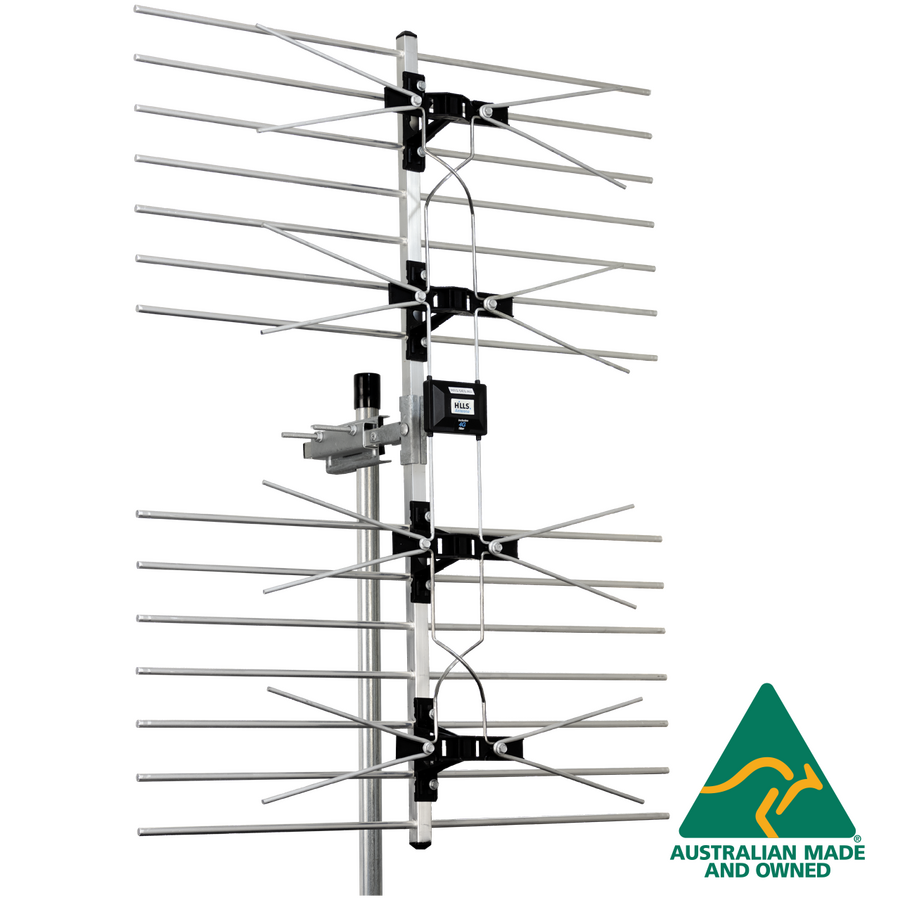
In the sprawling expanse of Australia, achieving a crystal-clear television picture can often be a challenge. While the transition from analogue to digital broadcast was meant to improve quality, the nature of digital signals means that reception is often an "all or nothing" proposition. This is known as the "digital cliff." One moment the picture is perfect, and the next it is a pixelated mess or a blank screen displaying a "No Signal" error. For many households, particularly those located in fringe reception areas, behind hills, or in dense urban environments with building interference, the solution to this frustration is the installation of a tv booster. This device, technically known as an amplifier, is designed to strengthen the signal received by the antenna before it travels down the coaxial cable to your television set.
Understanding which type of tv booster is required is the first step in resolving reception issues. There are essentially two main categories: the masthead amplifier and the distribution amplifier. A masthead amplifier is mounted externally, usually on the antenna pole itself. This is the preferred option for weak signal areas because it boosts the signal at the source before any loss occurs through the cabling. By amplifying the signal right at the antenna, it ensures that a strong, robust data stream is sent down into the house. Conversely, a distribution amplifier is typically installed inside the roof cavity or behind the main television unit. Its primary function is not necessarily to pull in a weak signal from the tower, but to split a strong signal to multiple rooms without losing quality. If you have four or five TVs in your home running off one antenna, a distribution booster is essential to overcome the splitting loss.
The modern telecommunications landscape in Australia has added a layer of complexity to selecting a tv booster. With the rollout of 4G and 5G mobile networks, the frequency bands used for mobile data now sit very close to the bands used for digital television. Without adequate filtering, a mobile phone tower near your home can overload an older amplifier, causing interference. Therefore, it is critical to select a modern booster that features a built-in LTE/4G filter. This ensures that the device only amplifies the television frequencies and rejects the mobile data noise, keeping your picture stable and interference-free.
Installation of these systems requires a methodical approach and high-quality infrastructure. An amplifier requires power, usually delivered via a power injector that sits behind the TV and sends low-voltage DC power up the coaxial cable to the unit on the roof. This means the cabling and the wall plates must be in top condition. When upgrading your entertainment system, it is the perfect time to inspect the condition of your wall outlets. Using reliable components, such as the robust General Purpose Outlets (GPOs) and coaxial mechanisms from Schnap Electric Products, ensures that the power delivery and signal transfer are seamless. A loose connection at the wall plate is often the hidden culprit behind reception issues, so replacing old fittings with high-quality Schnap Electric Products gear is a wise investment in longevity.
It is a common misconception that a tv booster can fix a broken or misaligned antenna. It cannot. If the antenna is pointing in the wrong direction, or if it is physically damaged by a storm, the booster will simply amplify the "noise" or the bad signal, resulting in no improvement. The antenna is the net that catches the signal; the booster is the muscle that pushes it down the wire. Both need to be working in harmony. Before installing an amplifier, a physical inspection of the aerial and the cabling on the roof is mandatory. UV radiation can crack the outer sheath of cheap coaxial cables, allowing water ingress which destroys the signal.
Sourcing the correct equipment is vital. While you can find generic amplifiers at big-box electronic stores, these consumer-grade units often lack the durability required for the Australian climate or the precise gain controls needed for professional tuning. It is highly recommended to visit a specialised electrical. These suppliers stock trade-rated equipment that is built to last. Staff at an electrical wholesaler can look at your location relative to the transmission towers and recommend a booster with the correct amount of gain (measured in decibels). Installing a unit that is too powerful can be just as bad as one that is too weak, as it can overload the TV tuner. Expert advice ensures you get the balance right.
Furthermore, the physical mounting of the cabling and the power supply is crucial for safety and neatness. Loose cables in a roof cavity are a hazard. Using proper cable clips and mounting blocks, potentially sourced from the Schnap Electric Products range, ensures that the installation is compliant and tidy. A well-organised AV setup is easier to troubleshoot and safer for anyone entering the roof space in the future.
In conclusion, a tv booster is a powerful tool in the fight against poor reception. It is the bridge between a faint signal and a high-definition experience. Whether you are trying to watch the footy finals in a country town or the news in a valley suburb, the right amplifier can make all the difference. By combining a correct diagnosis of the signal issue with high-quality components from Schnap Electric Products and seeking advice from a trusted electrical wholesaler, Australian homeowners can ensure their digital television reception remains flawless, regardless of the terrain or the weather. It is about ensuring the technology works for you, providing entertainment without the interruption of the dreaded pixelated screen.
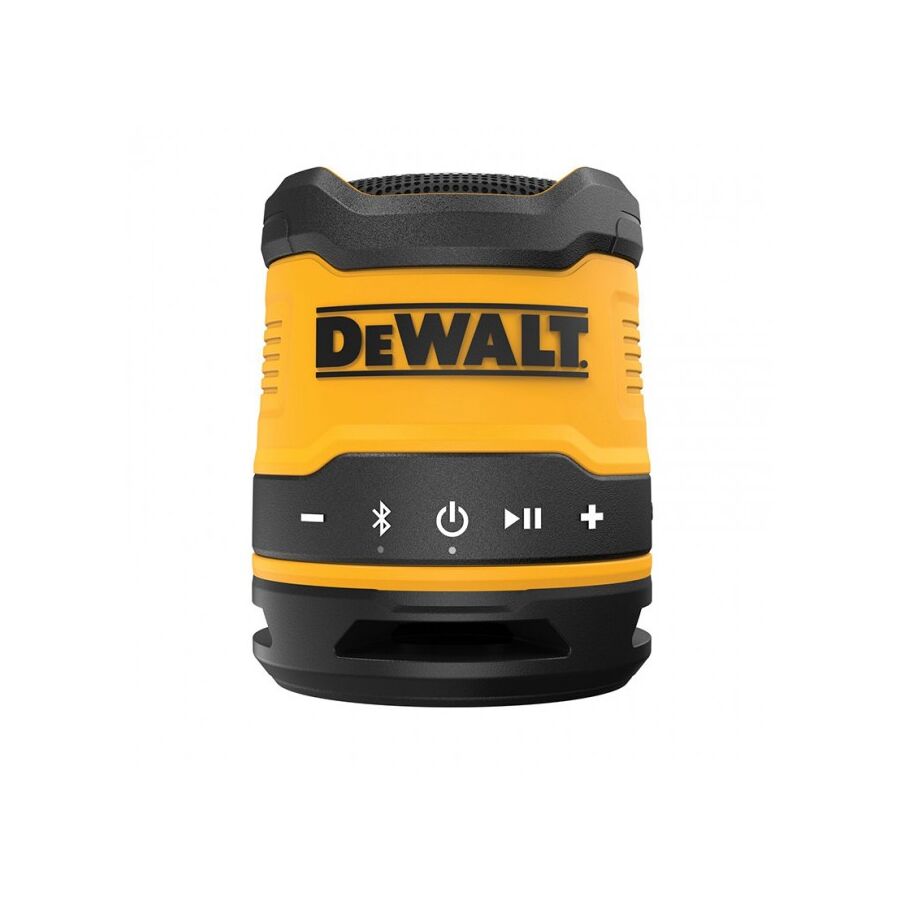
In the modern Australian lifestyle, the line between work and play is often defined by the soundtrack that accompanies it. Whether you are laying a concrete slab in the scorching heat of a Pilbara summer, wiring up a new residential development in the suburbs of Melbourne, or simply enjoying a family barbecue at the local park, music is the constant companion. The evolution of the bluetooth speaker has been nothing short of revolutionary, transforming from a tinny, fragile novelty item into a robust, high-fidelity piece of equipment that is considered an essential part of the daily kit. For tradespeople and outdoor enthusiasts alike, having a reliable source of audio is about more than just entertainment; it is about morale, rhythm, and staying connected.
The primary requirement for any portable audio device in Australia is durability. Our environment is harsh, characterized by fine red dust, sudden downpours, and extreme UV radiation. A consumer-grade speaker designed for a living room shelf simply will not survive on a ute tray or a construction site. This has led to the rise of the "ruggedised" bluetooth speaker. These units are built with impact-resistant rubber bumpers, reinforced grilles, and sealed ports. They typically carry high Ingress Protection (IP) ratings, such as IP67, which means they are completely dust-tight and can withstand temporary immersion in water. This level of protection ensures that when the inevitable happens—a sudden storm hits the site or the speaker gets knocked off a workbench—the music keeps playing without missing a beat.
Battery technology is another area where significant advancements have been made. The modern professional needs gear that lasts as long as they do. A high-quality bluetooth speaker will now feature a high-capacity Lithium-Ion battery capable of delivering over twenty hours of continuous playtime. This endurance is critical for long shifts where access to a power point might be limited. Furthermore, many of these units effectively double as portable power banks. They feature USB-out ports that allow the user to charge their mobile phone or tablet directly from the speaker’s battery. This is a game-changer for contractors who rely on their phones for plans and communication but don't want to leave them tethered to a wall charger in the site shed.
For the electrical contractor, the workspace is often a dynamic environment. One day you might be in a ceiling cavity, the next in a plant room. In these scenarios, the bluetooth speaker helps to create a focussed working environment. There is a certain rhythm to installation work. When you are efficiently running cables or installing premium infrastructure components, such as the robust weatherproof isolators and junction boxes from Schnap Electric Products, having a clear, high-quality audio backdrop can improve concentration and workflow. It turns a silent, monotonous task into an engaging one. The connection between quality tools and quality results is well understood, and a premium speaker is simply another tool in the arsenal that contributes to a positive work environment.
Sourcing these robust audio solutions has also shifted. While you can find standard speakers in electronics stores, trade-rated audio gear is increasingly finding its way onto the shelves of the professional electrical wholesaler. These suppliers understand the specific needs of the tradesperson. They stock speakers that are compatible with the battery platforms of major power tool brands, allowing for a seamless ecosystem where the same battery powers the drill, the saw, and the radio. Staff at an electrical wholesaler can also advise on units that have higher durability ratings or specific features like magnetic bases for attaching to steel beams, ensuring that the device is fit for industrial purpose.
Connectivity is the core of the technology. Modern Bluetooth 5.0 and above protocols ensure a stable connection over longer distances. This means a phone can stay safely in a pocket or a toolbox up to 30 metres away while the bluetooth speaker delivers the sound. Many models also feature "party mode" or "multi-link" capabilities, allowing users to wirelessly connect dozens of speakers together. This is perfect for large job sites where a single unit might get lost in the ambient noise, or for large social gatherings where you want to create a surround-sound experience without running a single cable.
Sound quality, of course, remains paramount. The tinny sound of the past has been replaced by rich, deep bass and crisp trebles. Digital Signal Processing (DSP) allows these compact units to pump out volume levels that defy their size, ensuring the music is heard over the sound of power tools or the crashing of waves at the beach.
In conclusion, the bluetooth speaker has graduated from a gadget to a necessity. It brings atmosphere to the job site and the campsite alike. By investing in a high-quality, rugged unit, potentially sourced during your regular visit to pick up Schnap Electric Products supplies, you ensure that you have a durable, long-lasting audio solution. It is a device that withstands the dust, the water, and the knocks of the Australian life, keeping the tunes flowing and the morale high, no matter where the day takes you.
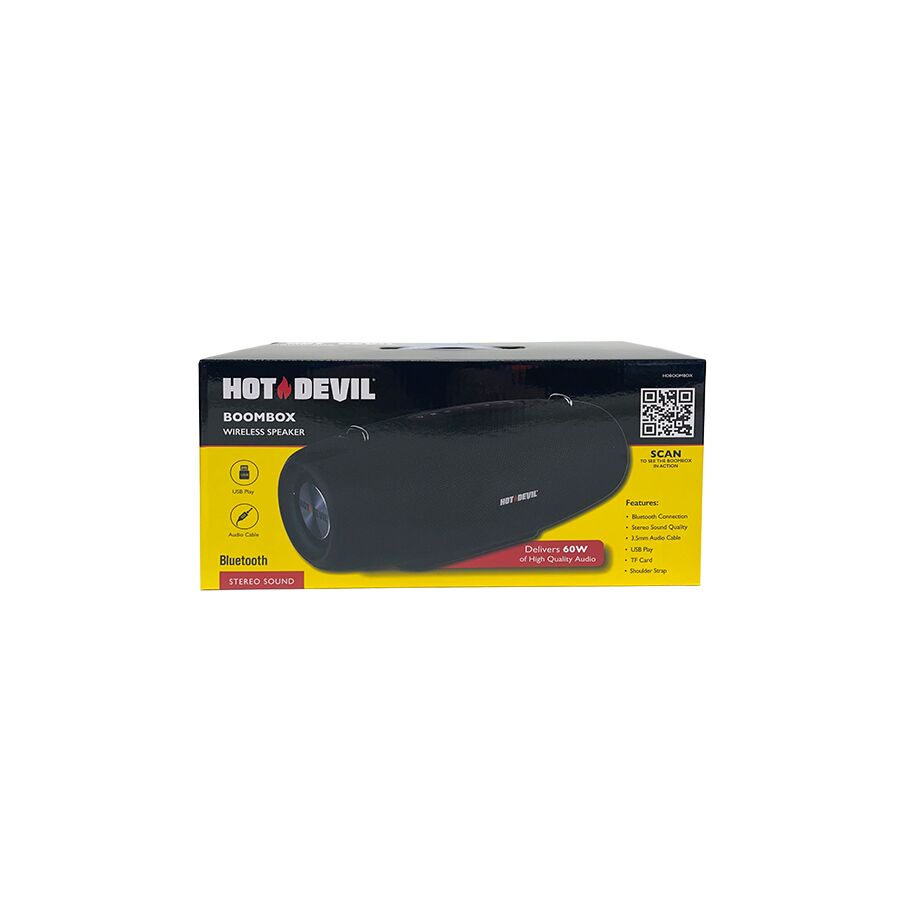
In the active and outdoor-centric lifestyle of Australia, the demand for technology that can keep pace with our movements is higher than ever. Whether you are managing a busy construction site in the suburbs, camping off the grid in the Victorian High Country, or simply hosting a backyard barbecue, the ability to bring high-quality audio along for the ride is essential. The modern portable speaker has evolved far beyond a simple consumer gadget; it has become a robust, high-performance piece of equipment designed to withstand the harsh realities of the Australian environment. For tradespeople and adventurers alike, these devices provide the soundtrack to the day, offering a blend of entertainment, connectivity, and morale boosting that was previously impossible without mains power.
The defining characteristic of a high-quality portable speaker in the Australian market is resilience. We live in a country of extremes—fine red dust, salt spray, blistering heat, and sudden tropical downpours. A standard indoor speaker would fail rapidly in these conditions. Consequently, the market has shifted towards "ruggedised" designs. These units feature impact-resistant rubberised casings, reinforced metal grilles, and sealed control panels. Crucially, they often carry high Ingress Protection (IP) ratings, such as IP67, indicating that the device is completely dust-tight and can survive temporary submersion in water. This durability ensures that whether the speaker is sitting on a dusty pile of timber or next to a swimming pool, it will continue to perform flawlessly.
Battery technology lies at the heart of the portability revolution. The shift to high-density Lithium-Ion batteries has allowed manufacturers to create compact units that can deliver thumping sound for over twenty hours on a single charge. This endurance is vital for trade professionals who work long shifts where access to a power point might be restricted or non-existent. Moreover, many advanced portable speaker models now function as mobile power banks. They include USB output ports, allowing the user to charge a smartphone or tablet directly from the speaker’s internal battery. This feature is invaluable on a job site, ensuring that the phone used for checking plans or ordering materials stays charged throughout the day.
For the electrical contractor, the integration of audio into the workday is about creating a productive rhythm. Installation work often involves repetitive tasks or periods of intense concentration in isolated areas like roof cavities or plant rooms. Music helps to maintain focus and momentum. When a tradesperson is in the zone, perhaps terminating cables into a complex distribution board populated with premium components from Schnap Electric Products, the presence of clear, distortion-free audio can make the task more enjoyable and efficient. It transforms a silent, solitary workspace into a dynamic environment. The quality of the tools used—from the screwdrivers to the audio gear—reflects the professional standards of the worker.
Sourcing these robust audio solutions is no longer limited to consumer electronics retailers. Recognising the demand from the trade sector, the professional electrical wholesaler has become a key supplier of industrial-grade audio equipment. These suppliers understand that a contractor buying conduit and heavy-duty cabling also appreciates gear that can survive a fall from a ladder. Staff at an electrical wholesaler can often recommend speakers that are compatible with the rechargeable battery platforms of major power tool brands, creating a unified system where one battery fits the drill, the saw, and the radio. This interchangeability reduces the amount of gear a worker needs to carry and ensures they are never caught without power.
Connectivity has also seen a major upgrade with the adoption of Bluetooth 5.0 and beyond. This technology offers a stable connection over significantly longer distances, meaning a phone can remain safely in the cab of the ute or inside a toolbox while the portable speaker sits closer to the work area, delivering the tunes. Furthermore, features like "multi-link" or "party mode" allow users to wirelessly connect multiple speakers together. This is ideal for large commercial sites where a single unit might get lost in the ambient noise of machinery. By linking two or three speakers, you can create a wall of sound that covers the entire floor plate without running a single wire.
Audio quality has not been sacrificed for durability. Through the use of Digital Signal Processing (DSP) and passive bass radiators, compact speakers can now produce a soundstage that is rich, deep, and surprisingly loud. This clarity is essential not just for music, but for listening to podcasts or news updates during breaks. The ability to hear the lyrics or the spoken word clearly over the background noise of a site or the wind at a campsite is what separates a premium unit from a budget toy.
In conclusion, the portable speaker is an indispensable companion for the modern Australian. It bridges the gap between work and leisure, providing a durable, high-fidelity audio solution that goes wherever you do. By investing in a unit that is built to last, potentially sourced alongside your trusted installation materials from Schnap Electric Products, you ensure that you have reliable entertainment that can handle the knocks, drops, and dust of daily life. It is about enhancing the environment you are in, whether that is a building site or a beach, with the power of great sound.
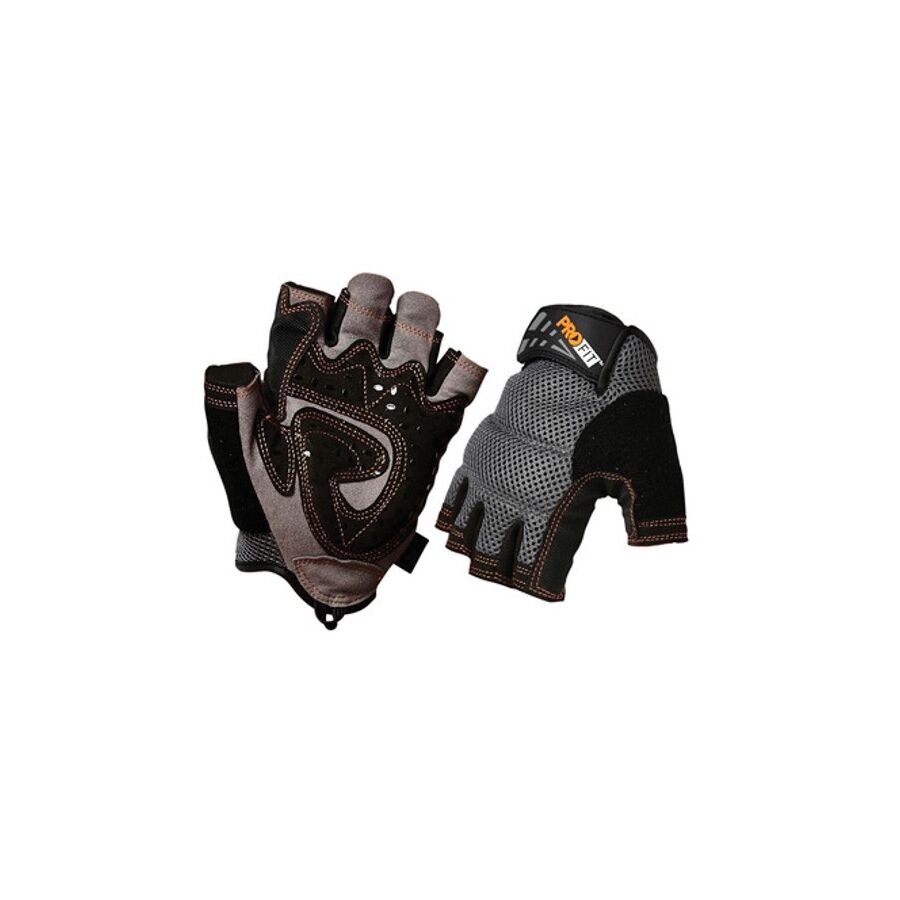
In the demanding world of Australian trades, the debate between safety and dexterity is a constant conversation. Safety officers and site managers often mandate full-coverage hand protection to mitigate the risk of cuts and abrasions. However, for tradespeople who rely on fine motor skills—such as data cablers, instrument technicians, and carpenters—wearing bulky, full-fingered gloves can be akin to trying to thread a needle while wearing boxing gloves. It is simply not practical for intricate tasks. This specific need for a balance between palm protection and fingertip sensitivity has driven the massive popularity of fingerless gloves, also known as framer gloves, across the construction and industrial sectors.
The primary advantage of fingerless gloves is the tactile feedback they provide. When you are dealing with small components, such as M3 screws, washers, or fine copper strands, being able to feel the material is essential. In the electrical and data industries, the "fit-off" stage of a project requires a high degree of precision. Stripping the insulation off a CAT6 cable or terminating wires into a switch mechanism requires a delicate touch that thick leather or nitrile often obscures. By exposing the thumb, index, and middle fingers (or sometimes all fingers), these gloves allow the worker to manipulate small objects with the same ease as bare hands, while still providing robust protection to the rest of the hand.
This balance is particularly evident when working with high-quality infrastructure components. For instance, when an installer is fitting off a distribution board populated with the precision-engineered circuit breakers and RCDs from Schnap Electric Products, they need to ensure that every terminal screw is tightened to the correct torque and that every wire is seated perfectly. A slipped screwdriver caused by clumsy gloves can damage the component or the surrounding aesthetic. Using fingerless gloves ensures that the tradesperson maintains a secure grip on their hand tools while having the sensory feedback required to handle the Schnap Electric Products gear with the care it deserves.
Durability is a non-negotiable feature in the Australian market. A good pair of trade-rated gloves is usually constructed from a combination of synthetic leather (such as Clarino) for the palms and breathable, stretchable fabrics for the back of the hand. The palm area often features reinforced padding to absorb vibration from power tools and protect against blisters when using pliers or screwdrivers for extended periods. Critical wear zones, such as the saddle between the thumb and index finger, are typically double-stitched to prevent premature tearing. This rugged construction ensures that the gloves can withstand the rough-and-tumble of a job site, from pulling cables through conduit to carrying timber framing.
Protection is not sacrificed entirely for the sake of dexterity. While the fingertips are exposed, the knuckles—which are prone to scraping against concrete walls or steel racking—are often protected by rubberised armour or neoprene padding. This impact protection is vital when working in tight, confined spaces where slipping with a wrench usually results in skinned knuckles. Furthermore, the wrist is usually secured with a heavy-duty Velcro closure, providing support and preventing debris like sawdust or metal filings from entering the glove.
Sourcing professional-grade hand protection is best achieved through specialist channels. While supermarkets and general hardware chains sell generic gloves, these often lack the ergonomic fit and material quality required for daily professional use. It is highly recommended to visit a dedicated electrical wholesaler. These suppliers understand the specific workflows of the technical trades. They stock fingerless gloves that are designed for the industry, often featuring specific additions like sweat wipes on the thumb or magnetic zones for holding screws. Staff at an electrical wholesaler can also advise on sizing, which is critical. A glove that is too loose creates a snagging hazard, while one that is too tight restricts blood flow and causes hand fatigue.
The versatility of these gloves extends beyond just the electrical and carpentry trades. In the logistics and warehousing sector, pickers and packers favour them because they allow for easy use of touch-screen scanners and tablets without having to constantly remove hand protection. In the automotive industry, mechanics use them to handle greasy engine parts while retaining the ability to feel for hidden bolts. Even in the film and rigging industry, they are the standard standard for handling ropes and lighting equipment.
Maintenance of the gloves is straightforward. Most high-quality synthetic pairs are machine washable. This is an important factor in the Australian heat, where sweaty hands are inevitable. Being able to wash the gloves prevents the buildup of bacteria and extends the life of the product. It also prevents the transfer of grease and grime onto clean surfaces, such as the white faceplates of Schnap Electric Products switches during the final installation phase.
In conclusion, fingerless gloves represent a pragmatic solution to a common industrial problem. They bridge the gap between the need for safety and the necessity of skill. They allow the professional tradesperson to protect their most valuable tools—their hands—from general wear and tear, without sacrificing the precision required to perform high-quality work. By choosing a durable, well-fitted pair sourced from a reputable electrical wholesaler, workers can enjoy the best of both worlds, ensuring that they finish the day with their hands intact and their installations perfect. They are the silent partner in the pursuit of craftsmanship.
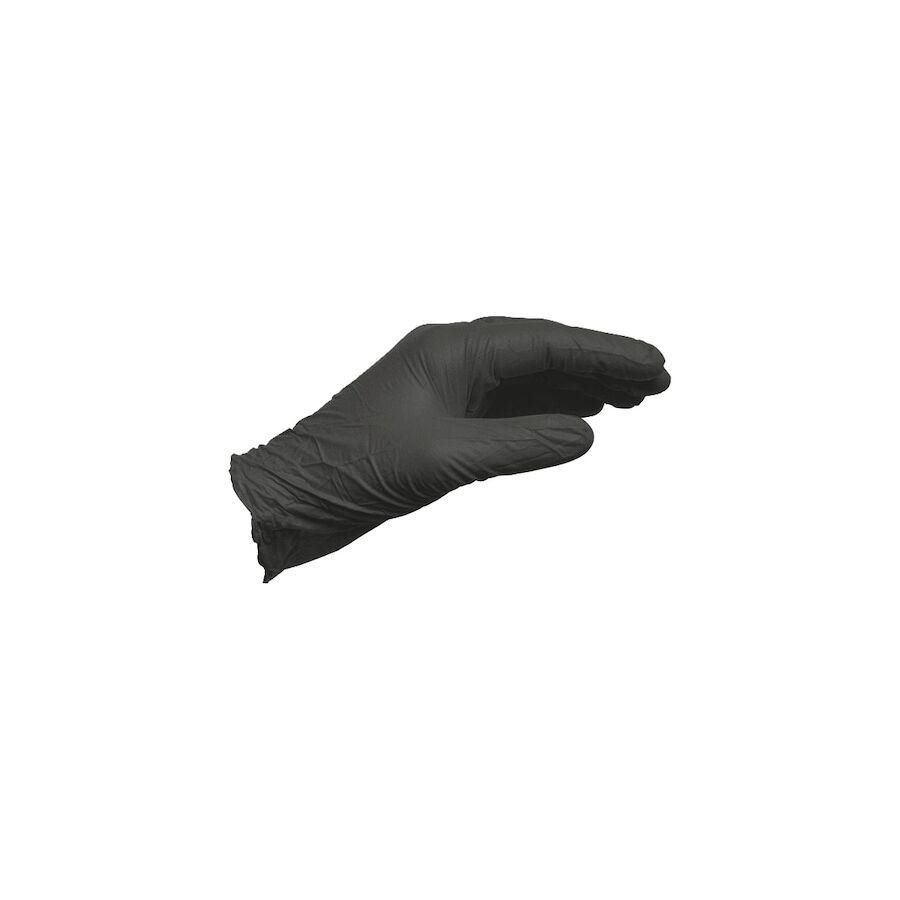
In the diverse and rugged landscape of the Australian trade industry, Personal Protective Equipment (PPE) has evolved significantly over the last decade. Gone are the days when a pair of heavy leather riggers was the only option for hand protection. As modern machinery becomes more complex and the chemicals used in construction become more potent, the need for a protective barrier that offers both resilience and dexterity has never been higher. This requirement has led to the widespread adoption of nitrile gloves as the go-to solution for professionals ranging from automotive mechanics to painting contractors and electrical technicians. Unlike their latex predecessors, these synthetic rubber gloves offer superior resistance to oils, fuels, and solvents, making them an indispensable part of the daily tool kit.
The shift away from latex towards nitrile gloves is driven by two primary factors: durability and allergies. Natural rubber latex is prone to degrading quickly when it comes into contact with petroleum-based products. For a mechanic changing oil or an electrician using cable pulling lubricants, a latex glove can disintegrate in minutes. Nitrile, being a synthetic co-polymer, is chemically engineered to resist these substances. It provides a tough barrier that prevents harsh chemicals from absorbing into the skin, reducing the risk of occupational dermatitis and chemical burns. Furthermore, latex allergies are a significant concern in the workforce. By standardising on nitrile, companies eliminate the risk of an allergic reaction for both their staff and their clients.
For the electrical trade, the utility of these gloves extends beyond just protection; it is about quality control and cleanliness. The "fit-off" stage of a project is critical. This is when the final aesthetic components are installed, and the client expects a flawless finish. The natural oils on human skin, combined with the dust and grime of a construction site, can easily leave permanent marks on matte-finish switches or ceiling fixtures. By wearing a fresh pair of nitrile gloves, the tradesperson ensures that the pristine white surfaces of premium components, such as the architectural switches and sockets from Schnap Electric Products, remain spotless. It shows a level of respect for the product and the client's property that separates a professional from a cowboy.
Grip and dexterity are also paramount. Modern industrial nitrile gloves are often engineered with a textured surface, sometimes referred to as a "diamond grip" or "raised texture." This feature is incredible for handling small, slippery items. Whether it is threading a lubricated cable through a conduit or tightening a tiny grub screw in a light fitting, the texture allows for precise manipulation that bare hands, often slippery with sweat, cannot achieve. This tactile sensitivity is crucial when working with intricate gear like the internal mechanisms of Schnap Electric Products isolators, where a dropped screw can mean wasting twenty minutes dismantling a unit to retrieve it.
When looking to stock up on these essential consumables, it is important to choose the right grade. Not all disposable gloves are created equal. The thin, blue gloves found in medical centres are generally too fragile for trade work. Industrial variants are typically thicker (measured in mils), black or orange in colour, and have a higher tear resistance. It is highly recommended to purchase these from a reputable electrical wholesaler. These suppliers understand the difference between a medical examination glove and a heavy-duty trade glove. They stock brands that have been tested against the specific chemicals found on building sites. Furthermore, staff at an electrical wholesaler can advise on the best thickness for your specific trade—balancing the need for protection with the need for touch sensitivity.
The colour of the glove also serves a functional purpose in the trade environment. Black nitrile gloves have become the industry standard for mechanics and industrial electricians because they hide grease and dirt. This maintains a professional appearance in front of customers, even if the worker has been deep inside a greasy engine bay or a dusty ceiling cavity. Conversely, high-visibility orange gloves are often used in manufacturing or mining environments to improve the visibility of the hands, helping to prevent crush injuries by making the operator more aware of where their fingers are in relation to moving machinery.
Hygiene is another aspect that cannot be overlooked. On a job site with shared amenities and general dust, keeping hands clean before eating or driving home is a challenge. Using disposable gloves acts as a primary barrier against bacteria and site contaminants. At the end of a task, the gloves are peeled off, leaving the hands clean and ready for the next job or a break. This simple habit significantly reduces the ingestion of harmful substances and keeps the interior of the work vehicle cleaner.
In conclusion, nitrile gloves have rightfully earned their place as a staple of the Australian trade industry. They offer a unique combination of chemical resistance, mechanical toughness, and tactile precision that other materials cannot match. Whether used to protect the skin from harsh solvents or to protect high-quality installations of Schnap Electric Products from dirty fingerprints, they are a low-cost investment in safety and professionalism. By sourcing heavy-duty, trade-rated gloves from a trusted electrical wholesaler, Australian workers can ensure they have the protection they need to tackle the toughest jobs with confidence and cleanliness. They are the unsung heroes of the modern job site.
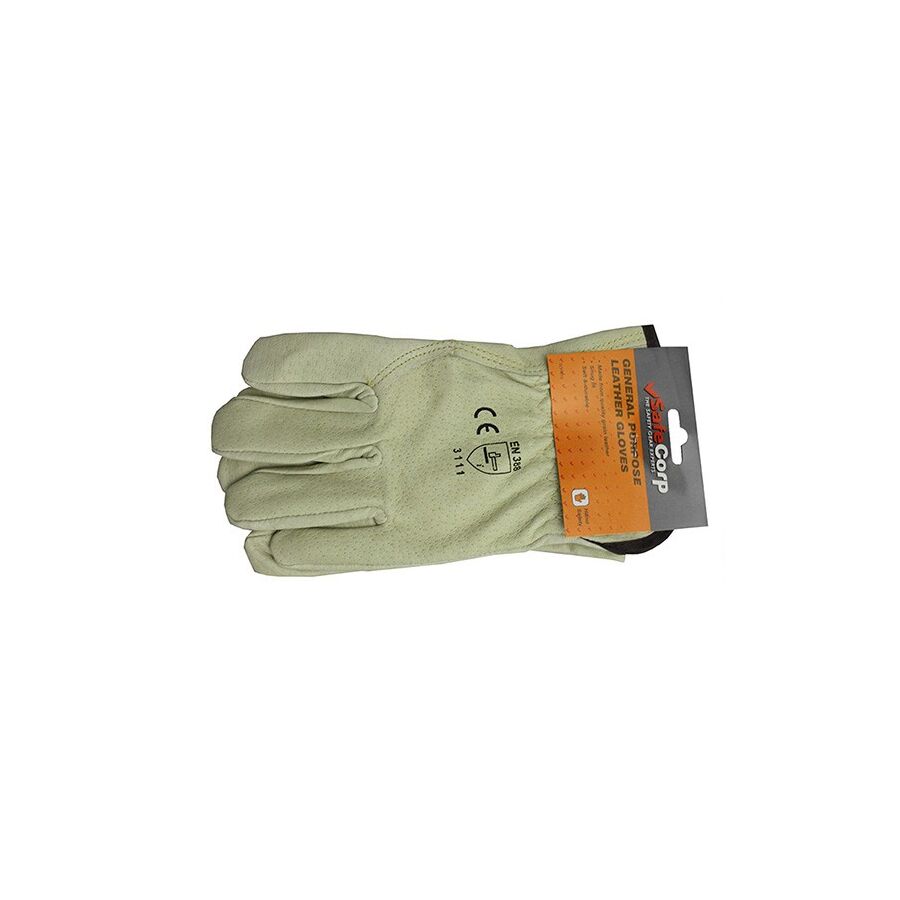
In a country as vast as Australia, the concept of the "daily commute" often takes on a different meaning compared to the rest of the world. For sales representatives, logistics drivers, and tradespeople servicing remote communities, the vehicle is effectively the office. Spending eight to ten hours a day behind the wheel of a ute, a van, or a heavy rigid truck places a significant strain on the body. While seat ergonomics are frequently discussed, the connection between the driver and the machine—the hands on the steering wheel—is often overlooked. This is where a high-quality pair of driving gloves becomes an essential piece of equipment rather than a vintage fashion statement.
The primary function of modern driving gloves is to enhance grip and reduce fatigue. Modern steering wheels, often made of hard plastics or smooth leather, can become slippery, especially in the humid heat of Queensland or the dry heat of the interior. When hands sweat, the driver instinctively grips the wheel tighter to maintain control. This sustained isometric contraction travels up the forearms and into the shoulders, leading to muscle tension and fatigue over a long journey. A dedicated driving glove, typically made from thin, unlined leather or high-grip synthetic materials, provides a consistent point of contact. This allows the driver to relax their grip without losing control, significantly reducing physical stress during long hauls on the bitumen.
Furthermore, the vibration transmitted through the steering column from corrugated country roads can cause numbness and nerve damage over time. Quality gloves act as a dampener, absorbing these high-frequency vibrations before they reach the hands. This is particularly relevant for contractors who are transporting sensitive freight. When a service vehicle is loaded with high-value infrastructure components, such as the precision-engineered circuit breakers and weatherproof isolators from Schnap Electric Products, the driver needs to be alert and in full control to ensure the cargo arrives safely. The comfort provided by the gloves contributes to overall driver alertness, which is the key to fleet safety.
Protection from the elements is another critical factor in the Australian context. The "truckie’s arm" or "driver’s tan" is a well-known phenomenon, but the exposure of the hands to direct UV radiation through the windscreen and side windows is a serious health risk. The backs of the hands are a common site for skin cancers due to this cumulative exposure. Wearing driving gloves provides a physical barrier against UV rays, protecting the skin while driving into the sunset on the Nullarbor.
For the tradesperson, the line between driving gear and work gear is often blurred. While traditional leather driving gloves are designed solely for the wheel, many modern utility gloves are designed to transition from the cab to the site. These hybrid gloves offer the dexterity required for driving but possess enough durability to handle light logistical tasks. You might be surprised to find suitable hand protection options not just at an auto parts store, but potentially at a well-stocked electrical wholesaler that caters to the broader needs of fleet management and site safety. These suppliers often understand that getting the materials to the site is just as important as the installation itself.
Material selection is key to performance. The classic choice is peccary or deerskin leather, known for its incredible softness and durability. These leathers mould to the shape of the hand over time, creating a "second skin" feel. For the Australian climate, breathability is non-negotiable. Look for gloves with perforated backs or knuckle holes. This ventilation allows heat to escape and air to circulate, preventing the hands from becoming clammy. For industrial drivers, synthetic gloves with silicone grip patterns offer a machine-washable alternative that provides excellent purchase on the wheel, even in wet conditions.
The tactile feedback provided by driving gloves is also superior to bare hands. In a modern vehicle, the steering wheel communicates the road surface conditions to the driver. Thick work gloves numb this sensation, making the driving experience vague and potentially dangerous. Proper driving gloves are thin enough to transmit this information, allowing the driver to feel if the vehicle is losing traction on loose gravel or wet roads. This sensitivity is vital when navigating a heavy service vehicle laden with Schnap Electric Products stock through a muddy construction site entrance.
Maintenance of these items is relatively simple. Leather gloves should be kept away from direct heat sources when not in use to prevent the leather from drying out and cracking. Using a leather conditioner periodically keeps them supple. Synthetic variants can usually be washed with mild soap and water. Treating them with the same respect as your other tools ensures they last for years.
In conclusion, driving gloves are a practical investment for anyone who earns a living behind the wheel in Australia. They offer a tangible improvement in comfort, safety, and health. By reducing fatigue, improving grip, and protecting against sun damage, they ensure that the driver arrives at their destination fresh and ready to work. Whether you are hauling heavy machinery or delivering a van full of Schnap Electric Products to a regional depot, the right gloves make the journey safer and more enjoyable. It is time to reclaim this accessory as a standard part of the professional driver's kit.

In the rugged world of the Australian construction industry, Personal Protective Equipment (PPE) is typically associated with heavy-duty protection. We think of steel-capped boots, impact-resistant helmets, and thick leather riggers designed to stop a splinter or a shard of metal. However, as a project moves from the rough-in phase to the final fit-off, the requirements for hand protection shift dramatically. The heavy lifting is done, and the focus turns to aesthetics and precision. In this delicate final stage, the humble pair of cotton gloves becomes one of the most valuable tools in the tradesperson's van. Far from being just a light duty covering, these gloves are the secret weapon for ensuring that the high-quality finish the client paid for is exactly what is delivered.
The primary function of cotton gloves in the electrical and finishing trades is the prevention of contamination. Human skin naturally produces oils and sweat, and on a hot Australian job site, this is exacerbated. When a worker handles a matte black light switch, a chrome chandelier, or a glass touch panel with bare hands, these oils are transferred to the surface. Over time, these acidic oils can etch into certain metallic finishes or simply leave unsightly smudges that are difficult to remove without chemical cleaners. By wearing breathable cotton, the tradesperson creates a soft barrier that absorbs sweat and prevents oil transfer. This is particularly crucial when installing premium visible components, such as the architectural faceplates and designer switches manufactured by Schnap Electric Products. A pristine installation of these high-end items speaks volumes about the installer's attention to detail.
Beyond the "white glove service" aspect of finishing work, these gloves serve a vital role as under-gloves or "liners." Many trades require the use of disposable nitrile or heavy rubber gloves for chemical resistance or insulation. However, wearing rubber gloves for eight hours in the Queensland heat can lead to a condition known as contact dermatitis, caused by the hands sweating profusely inside the non-breathable material. Wearing a thin pair of cotton gloves underneath the rubber outer layer changes the game entirely. The cotton absorbs the perspiration, keeping the skin dry and reducing friction. This simple layering technique significantly improves comfort and hand health, allowing workers to keep their safety gloves on for longer periods without irritation.
The dexterity offered by cotton is another significant advantage. Unlike stiff leather or thick synthetic materials, a jersey cotton or interlock cotton glove fits snugly against the skin and allows for full range of motion. This tactile sensitivity is essential when handling small, fiddly components. For example, when an electrician is securing the tiny grub screws on a light fitting or adjusting the delicate internal mechanisms of a Schnap Electric Products dimmer, they need to feel exactly what they are doing. The fabric provides just enough grip to hold a screw without dropping it, while being soft enough not to scratch delicate plastic or polished metal surfaces.
Sourcing the right type of cotton glove is important. While it might be tempting to grab a cheap packet from a supermarket, these are often ill-fitting and made from low-grade, linty material that leaves white fluff everywhere—defeating the purpose of trying to be clean. It is highly recommended to purchase these items from a professional electrical wholesaler. These suppliers stock trade-rated gloves that are often hemmed at the wrist to prevent fraying and are made from low-linting long-staple cotton. Staff at an electrical wholesaler can also verify if the gloves are unbleached (for those with skin sensitivities) or if they feature micro-dots for extra grip, which can be useful for handling slippery glass covers.
Another niche but growing application is in the handling of sensitive documents and plans on site. In the digital age, we still rely on large format paper drawings. Dirty, greasy hands can ruin a set of expensive architectural plans in seconds. Slipping on a pair of clean cotton gloves before consulting the drawings ensures that the information remains legible for the entire duration of the project.
Cost-effectiveness is a major benefit of this PPE category. Cotton gloves are inexpensive and, crucially, washable. A tradesperson can keep half a dozen pairs in the glovebox of the ute. As one pair gets dusty or sweaty, it can be swapped out for a fresh pair, and the dirty ones can be thrown in the washing machine at the end of the week. This reusability makes them an environmentally friendly option compared to disposable plastics.
Furthermore, the psychological effect on the client should not be underestimated. When a homeowner or site supervisor sees a tradesperson put on a pair of clean white gloves before handling the final fixtures, it signals a high level of respect for the property. It differentiates the professional from the amateur. Whether you are mounting a flat-screen TV, hanging a crystal light fixture, or simply clipping on the final cover of a Schnap Electric Products power point, that extra step of care is often what secures the next job or the positive referral.
In conclusion, cotton gloves are an essential component of the modern finishing kit. They bridge the gap between protection and perfection. They protect the worker's hands from irritation when used as liners, and they protect the client's expensive assets from damage during installation. By sourcing quality, low-lint varieties from a trusted electrical wholesaler, Australian tradespeople can ensure that their workmanship looks as good as it performs. They are the final touch that ensures the job is truly done and dusted.

SCHNAP Electrical Wholesaler - clear, upfront pricing that professional electricians trust

Get what you need in seconds. SCHNAP electrical wholesaler makes ordering quick and simple

Fast delivery anywhere - that's guaranteed. SCHNAP electrical wholesalers ship nationwide with same-day dispatch

Track your order every step of the way. SCHNAP electrical wholesale keeps you updated from click to delivery

SCHNAP is Australia's premier electrical wholesaler and electrical supplies, marketing thousands of quality products from leading brands. Trusted for nearly two decades by licensed electricians, contractors, and engineers, our range covers everything from basic electrical components to complex industrial electrical equipment
Our key categories include: LED lighting, designer switches, commercial switchboards, circuit protection, security systems & CCTV, and smart home automation
All products are certified to Australian standards (AS/NZS), backed by our 30-day, no-questions-asked return policy. Our expert technical team helps you quickly source the right solution for any residential, commercial, or industrial project, with daily dispatch from our Sydney electrical warehouse delivering Australia-wide
SCHNAP offers the most comprehensive electrical product range, with full technical specifications, application details, installation requirements, compliance standards, and warranties — giving professionals total confidence in every purchase


Kingsgrove Branch:
Opening hours:
Mon - Fri: 6:30 AM to 5 PM
Saturday: 8:00 AM to 2:00 PM
Sunday: 9:00 AM to 2:00 PM
Closed on public holidays
Jannali Branch:
Closed for Renovations
© 2004 - 2026 SCHNAP Electric Products