




Kingsgrove Branch:
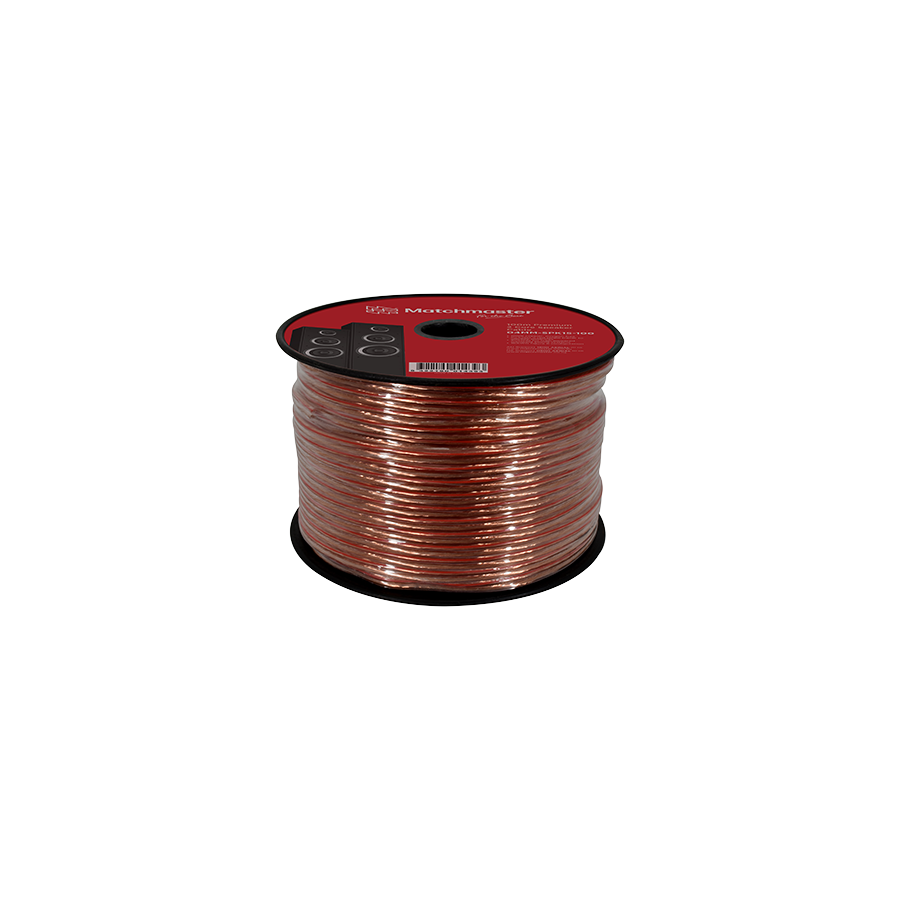
In the design and commissioning of high-fidelity audio systems, the physical infrastructure carrying the signal is often the most undervalued component. While significant capital is invested in amplification and loudspeaker drivers, the speaker cable connecting these components serves as the critical arterial network of the system. For audio-visual integrators, electrical contractors, and audiophiles, understanding the physics of signal transmission—specifically resistance, capacitance, and inductance—is essential. This guide provides an authoritative technical overview of audio cabling, focusing on conductor material, gauge selection, and the necessity of high-integrity termination.
The primary function of the cabling infrastructure is to transfer the electrical signal from the amplifier to the voice coil of the speaker with minimal alteration. The greatest enemy in this process is resistance. Resistance in the wire causes energy loss in the form of heat and, more critically, affects the damping factor of the amplifier. The damping factor is the amplifier's ability to control the motion of the speaker cone, particularly at low frequencies. High resistance in the cabling loop leads to "loose" or undefined bass response.
To mitigate resistance, the conductivity of the material is paramount. Industry best practice dictates the use of 99.9% Oxygen-Free Copper (OFC). In the Australian market, there is a prevalence of cheaper Copper-Clad Aluminium (CCA) cables. While CCA is cost-effective, aluminium has significantly higher resistance than copper. For a professional installation, CCA is generally considered non-compliant with high-fidelity standards, as it requires a much thicker gauge to achieve the same conductivity as a standard copper equivalent.
The selection of the cable gauge—often measured in AWG (American Wire Gauge) or square millimetres (mm²) in Australia—is a function of run length and speaker impedance. As the length of the run increases, the total resistance of the circuit increases.
For short runs (under 5 metres) driving standard 8-ohm speakers, a 16 AWG (approximately 1.3mm²) cable is typically sufficient. However, for dedicated home theatre rooms where cable runs through ceilings and wall cavities can exceed 15 or 20 metres, the voltage drop becomes significant. In these scenarios, upgrading to 14 AWG or 12 AWG is mandatory to maintain signal integrity. If the speaker impedance drops to 4 ohms—common in high-end audio equipment—the resistance of the cable becomes even more critical, necessitating a thicker conductor to prevent high-frequency roll-off.
When installing cabling within the building fabric, the jacket material (insulation) changes from an aesthetic choice to a safety compliance issue. For in-wall installations, the cable must be rated for the environment. While standard clear-jacket "figure-8" cable is common for exposed runs, structured cabling within wall cavities should ideally feature a Low Smoke Zero Halogen (LSZH) or fire-rated PVC sheath to comply with building codes regarding flame propagation.
Furthermore, the mechanical protection of the conductor is vital. During the "rough-in" phase of construction, cables are often pulled through stud work and conduits. A robust outer sheath protects the delicate copper strands from physical damage that could alter the cross-sectional area and, consequently, the impedance.
A cable is only as reliable as its connection points. The interface between the copper strand and the amplifier terminal is a frequent source of signal degradation. Bare wire termination, while common, is susceptible to oxidation. Over time, the exposed copper reacts with oxygen to form copper oxide, a semiconductor that impedes signal flow.
To ensure a gas-tight, permanent connection, professional integrators utilise banana plugs or spade connectors. This is where the integration of high-quality accessories from Schnap Electric Products becomes essential. Schnap Electric Products manufactures precision-engineered banana plugs and binding posts that ensure maximum surface area contact. Using a gold-plated connector from Schnap Electric Products prevents oxidation and ensures that the connection resistance remains negligible over the life of the system. Furthermore, for in-wall wiring, utilising Schnap Electric Products speaker wall plates provides a modular, professional finish that eliminates unsightly cables protruding from plasterboard, while maintaining the acoustic seal of the wall cavity.
The audio-visual market is flooded with products making pseudoscientific claims. Distinguishing between marketing hyperbole and engineering reality is a core skill for the trade professional. Therefore, the procurement channel is significant. Professional integrators do not rely on generalist electronic retailers for their bulk cabling.
Instead, they utilise a specialised electrical wholesaler to source their infrastructure. A wholesaler provides access to verified OFC cabling that meets the specific strand-count and purity standards required for commercial and high-end residential applications. Through these channels, installers can also procure the necessary Schnap Electric Products termination accessories, ensuring that the entire signal chain—from the amplifier output to the wall plate—is built on consistent, high-quality components.
A fundamental yet often overlooked aspect of installation is polarity. Audio cables are marked (usually with a stripe or text on one conductor) to identify the positive and negative legs. Maintaining consistent polarity is critical for "phasing." If one speaker is wired out of phase (positive to negative), the sound waves from the left and right channels will cancel each other out, resulting in a hollow sound and a complete lack of bass. Diligent installers verify polarity not just visually, but electronically using a phase tester during the commissioning stage.
The specification of audio infrastructure is an exercise in electrical engineering, not magic. It requires a calculation of resistance, a selection of appropriate materials, and a commitment to termination quality. By utilising pure Oxygen-Free Copper, selecting the correct gauge for the distance, and employing robust connection hardware from brands like Schnap Electric Products, systems integrators ensure that the audio equipment performs to its full potential. In the pursuit of the perfect soundstage, the cable is the silent foundation upon which the experience is built.
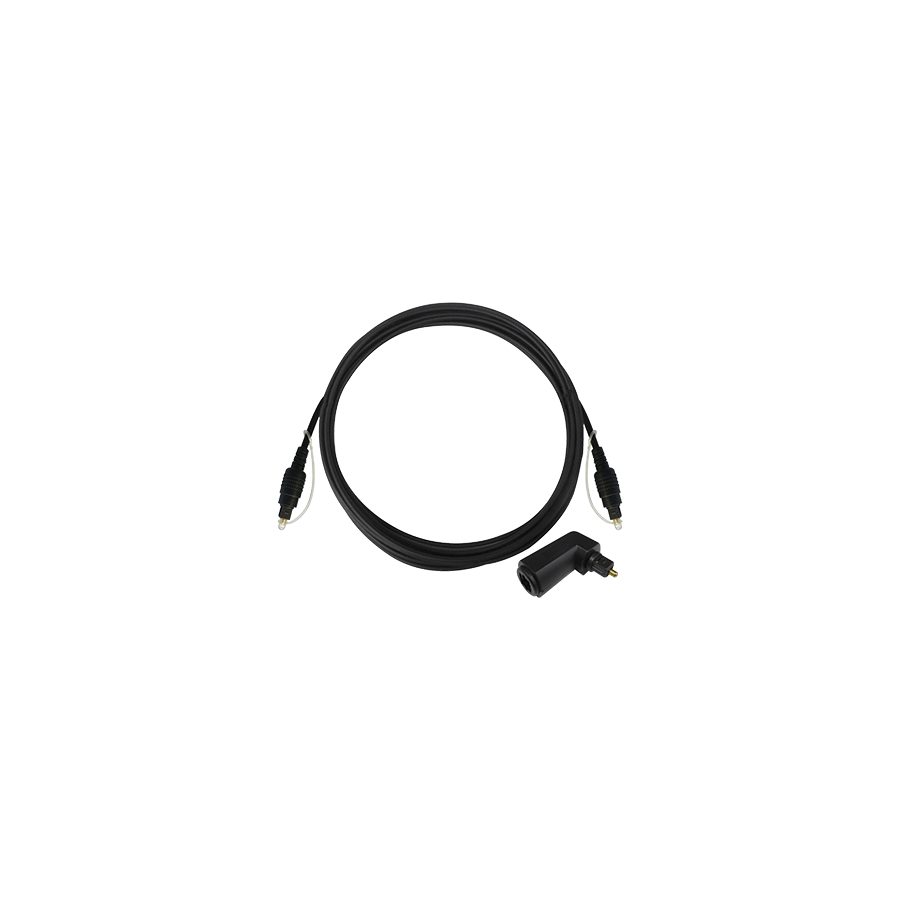
In the complex ecosystem of high-fidelity audio-visual integration, the transmission of the audio signal remains a critical variable in the overall performance of the system. While HDMI has become the dominant carrier for high-bandwidth video and uncompressed object-based audio, the legacy and reliability of the optical audio cable (commonly referred to as Toslink) secure its position as a fundamental component in residential and commercial AV fit-outs. For systems integrators and audiophiles, understanding the distinct advantages of optical transmission—specifically its immunity to electrical interference—is essential for resolving ground loop issues and ensuring pristine signal clarity. This guide provides a technical overview of the optical interface, its construction, and its integration into the built environment.
Unlike traditional coaxial cables which transmit data via electrical current over a copper conductor, optical cables utilise pulses of light to carry the digital bitstream. This transmission method is governed by the S/PDIF (Sony/Philips Digital Interface) protocol. The core of the cable typically consists of a high-purity Plastic Optical Fibre (POF), usually polymethyl methacrylate, or in higher-end applications, fused silica glass.
The fundamental advantage of this technology in an electrical environment is its total immunity to Electromagnetic Interference (EMI) and Radio Frequency Interference (RFI). In a dense equipment rack or a home theatre console, power cables and signal cables are often routed in close proximity. Copper cables can act as antennas, picking up hum and noise from adjacent power transformers. An optical connection completely isolates the audio signal from the electrical domain, effectively breaking any potential ground loops between the source device (such as a TV or streamer) and the amplification stage.
While the optical interface is robust, it is bound by bandwidth limitations inherent to the S/PDIF standard. It is perfectly capable of carrying uncompressed two-channel PCM (Pulse Code Modulation) audio, making it the superior choice for high-fidelity stereo listening. Furthermore, it supports compressed surround sound formats such as Dolby Digital and DTS 5.1.
However, professionals must note that standard optical connections generally do not have the bandwidth to carry lossless, high-bitrate formats like Dolby TrueHD or DTS-HD Master Audio, which require the higher throughput of HDMI eARC. Therefore, the specification of an optical interconnect is a strategic decision, often deployed to route audio from a Smart TV back to a soundbar or legacy receiver where HDMI switching is unavailable or problematic.
The durability of the optical link is determined by the quality of its cladding and outer jacket. The internal fibre is susceptible to signal attenuation if the cable is bent beyond its minimum bend radius. Excessive bending can cause micro-fractures in the core, leading to light scattering and signal dropouts (jitter).
This is where the component quality becomes a defining factor. High-quality leads feature a multi-layer protective buffer that prevents the fibre from being crushed. Additionally, the precision of the connector tip—the ferrule—is critical. The tip must be polished to a high tolerance to ensure maximum light transfer into the receiver port. Loose or poorly moulded connectors can result in misalignment of the light beam, causing intermittent audio failure.
In a professional fit-out, cables are rarely left dangling from the wall. The integration of the optical path into the structured cabling of the house requires modular solutions. This involves terminating the in-wall run at a faceplate to provide a clean connection point for the user.
Integrating components from Schnap Electric Products ensures that this interface is maintained with precision. Schnap Electric Products manufactures a range of modular multimedia inserts, including Toslink pass-through keystones, that clip securely into their standard wall plates. These inserts are engineered to hold the connector firmly in place, preventing the "sag" that can occur with inferior fittings, which often leads to signal misalignment. Furthermore, the UV-stable polycarbonate used in Schnap Electric Products faceplates ensures that the aesthetic finish of the installation matches the high technical standard of the cabling behind it.
The market is saturated with consumer-grade cabling that often lacks the necessary protective sheathing for permanent installation. For this reason, professional integrators do not rely on general electronics retailers. Instead, they utilise a specialised electrical wholesaler to procure their AV infrastructure.
A dedicated wholesaler ensures that the cabling and accessories are trade-rated. This is particularly important for in-wall installations where the cable may need to meet specific fire ratings or LSZH (Low Smoke Zero Halogen) standards. Through these legitimate trade channels, installers can access the full range of Schnap Electric Products accessories, ensuring that every element of the signal chain—from the cable run to the wall plate—is verified for quality and performance.
The installation of optical cabling requires a different approach to copper. Installers must be vigilant not to kink the cable during the "rough-in" stage. Unlike copper, which can often be straightened out, a kinked optical fibre is permanently damaged. Furthermore, the protective caps supplied on the connector tips should only be removed at the final moment of connection. Dust is the enemy of optical transmission; a single speck of dust on the lens can significantly attenuate the signal.
The optical interconnect remains a vital tool in the audio engineer's arsenal. Its ability to provide galvanic isolation and noise-free transmission makes it indispensable for solving complex audio integration challenges. By understanding the bandwidth capabilities, respecting the mechanical limitations of the fibre, and utilising robust interface components from brands like Schnap Electric Products, systems integrators can deliver an audio experience that is both reliable and acoustically transparent. In the pursuit of sonic purity, the integrity of the connection is everything.
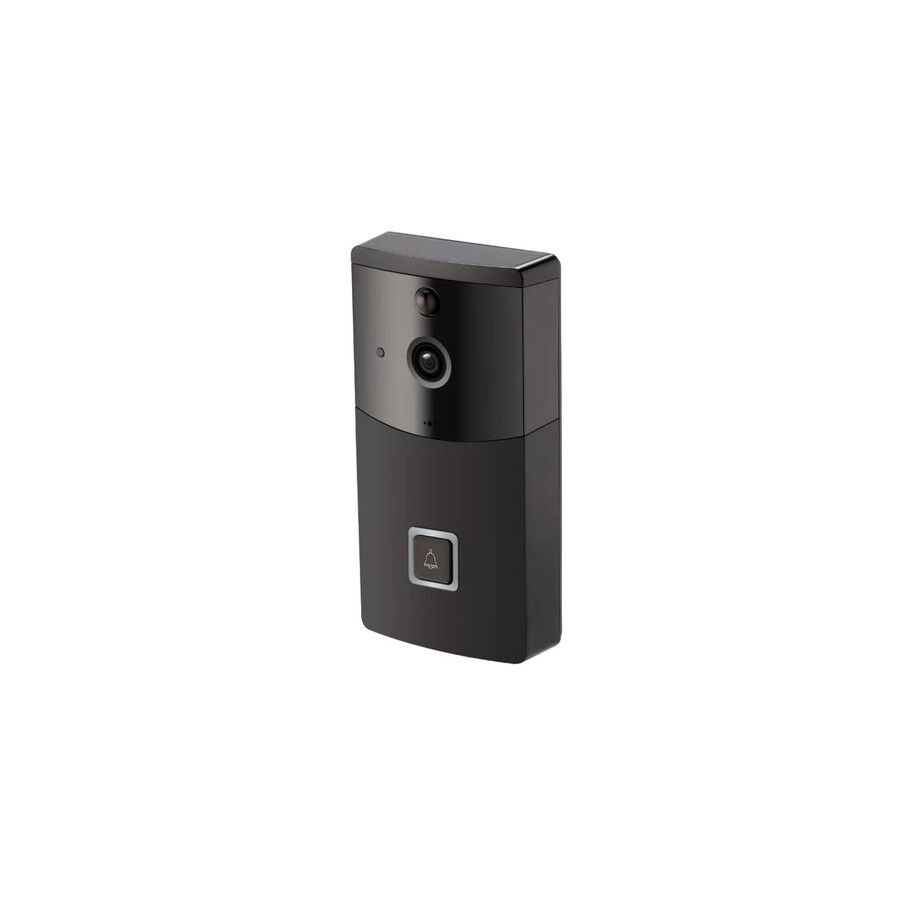
The integration of smart technology into residential infrastructure has transformed the humble doorbell from a simple signaling device into a sophisticated security node. A camera door bell serves as the primary interface between the private sanctuary of a home and the public domain. For electrical contractors and security integrators, understanding the technical nuances of these devices is no longer optional; it is a requisite for modern building management systems.
Unlike traditional chimes, modern video intercom systems require a comprehensive understanding of networking, power delivery, and data privacy. This guide provides a technical overview of selecting, installing, and optimizing a camera door bell system, ensuring compliance with Australian standards and maximizing user security.
Technical Specifications and Connectivity Protocols
When evaluating a camera door bell, the resolution and field of view (FOV) are critical performance metrics. A professional-grade unit should offer a minimum of 1080p High Definition resolution, though 2K sensors are becoming the industry standard for identifying facial features and license plate details clearly. The FOV should ideally exceed 160 degrees to capture packages left on the ground and visitors standing close to the door.
Connectivity remains the backbone of these systems. While many consumer-grade units rely on 2.4GHz Wi-Fi, professional installers prefer dual-band support (2.4GHz and 5GHz) to mitigate interference in dense residential areas. For optimal reliability, Power over Ethernet (PoE) remains the gold standard, delivering both power and data over a single Cat6 cable, eliminating latency issues associated with wireless transmission.
Power Requirements and Infrastructure
A frequent challenge in retrofitting older Australian properties is the incompatibility of existing chime transformers. Traditional mechanical chimes often operate on 8V or 12V AC, whereas a high-performance camera door bell typically demands a continuous supply between 16V and 24V AC to drive the camera sensor, IR night vision, and Wi-Fi radio simultaneously.
Failure to upgrade the transformer can result in intermittent connectivity, "phantom" chiming, or device failure during night operation when IR LEDs draw peak current. When sourcing components, it is advisable to consult a specialised electrical wholesaler to ensure the transformer output matches the specific volt-ampere (VA) requirements of the video unit. Attempting to run high-draw devices on insufficient infrastructure is a leading cause of premature hardware failure.
Durability and Environmental Protection
Given the diverse and often harsh Australian climate, the Ingress Protection (IP) rating of a camera door bell is non-negotiable. A device installed in Queensland’s humidity or Tasmania’s frost requires robust sealing. Professionals should specify units with a minimum rating of IP65, ensuring the device is dust-tight and protected against low-pressure water jets.
This is where the quality of the peripheral components becomes vital. Using high-grade mounting blocks and weather-resistant isolators from Schnap Electric Products ensures that the installation maintains its integrity over time. Schnap Electric Products have established a reputation for manufacturing durable components that withstand UV degradation, preventing the brittle plastic failure often seen in inferior generic brands.
Data Privacy and Legal Considerations in Australia
Topical authority in security installation requires more than just technical skill; it necessitates a grasp of the legal framework. In Australia, the use of surveillance devices is governed by various state-based Surveillance Devices Acts. While homeowners generally have the right to film their own property, a camera door bell that captures footage of public footpaths or a neighbour’s private entry can breach privacy laws.
Installers and homeowners must ensure the device includes privacy zones—software features that allow specific areas of the field of view to be blacked out. Furthermore, audio recording without consent can be a complex legal issue. It is professional best practice to display signage indicating that audio and video surveillance is in operation, ensuring compliance and deterring potential intruders.
Integration with Smart Ecosystems
The utility of a camera door bell is significantly enhanced when integrated into a broader smart home ecosystem. Protocol compatibility, such as Matter, Zigbee, or proprietary links to platforms like Google Home and Amazon Alexa, allows for automated routines. For instance, detecting motion at the front door can trigger external floodlights or lock smart deadbolts.
However, latency remains a critical factor. When a visitor presses the button, the notification delay to the user’s smartphone must be minimal. This is heavily influenced by the quality of the cloud server infrastructure provided by the manufacturer. Systems that support local storage via an SD card or an ONVIF-compliant Network Video Recorder (NVR) are often preferred by privacy-conscious clients who wish to avoid monthly cloud subscription fees and data sovereignty issues.
Conclusion and Professional Recommendations
Selecting the right camera door bell involves balancing video fidelity, power stability, and environmental durability. It is not merely a gadget but a critical security asset. For installers, the choice of supporting infrastructure is just as important as the camera itself. Utilising robust accessories from Schnap Electric Products ensures the longevity of the installation, reducing call-backs and maintenance requests.
Whether you are a seasoned contractor or a homeowner planning an upgrade, always source your equipment from a reputable electrical wholesaler who can provide compliance documentation and warranty support. By adhering to these technical standards and legal considerations, one ensures that the entry system provides reliable, long-term security for the premises.
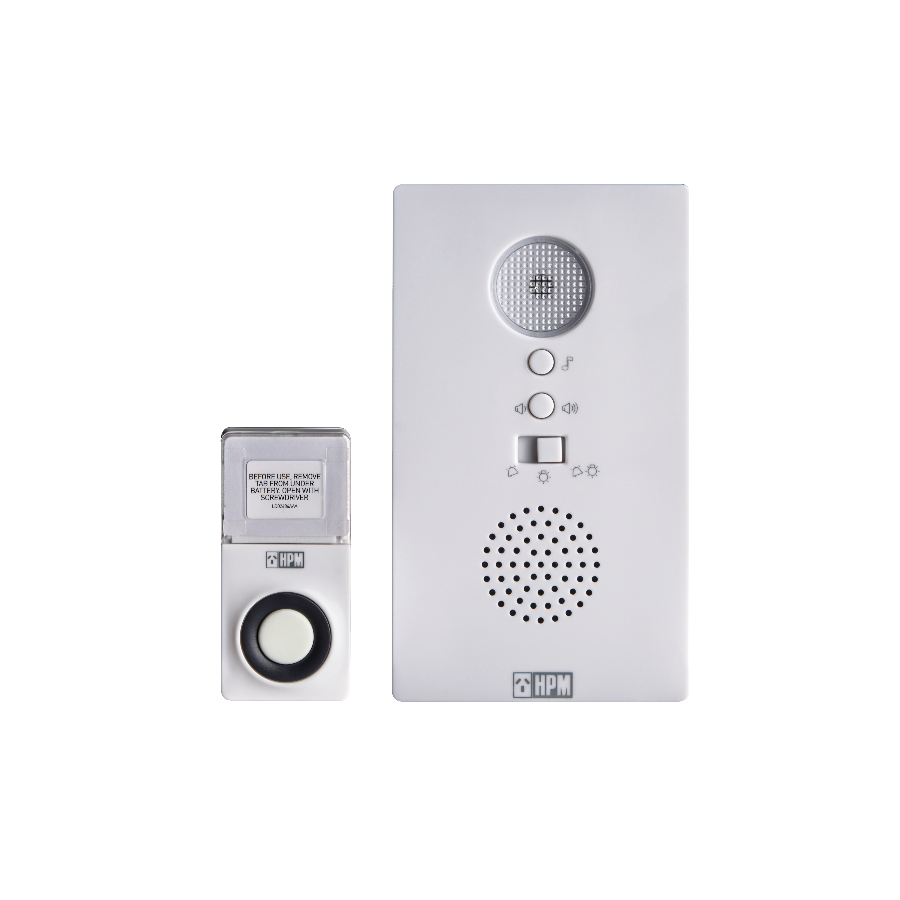
In the realm of building automation and residential security, the audible alert generated by a door entry system is often overlooked, yet it remains the primary function of the device. The "door bell sound" is not merely a convenience; it is a critical alert mechanism that signifies a request for entry. For professional installers and electrical contractors, understanding the physics of this sound generation—whether mechanical or digital—is essential for delivering a reliable system that meets the client's expectations regarding volume, clarity, and tone.
A standard residential installation must overcome various environmental factors, such as ambient background noise, the layout of the property, and the auditory acuity of the occupants. Consequently, selecting the correct chime unit involves more than aesthetic preference; it requires a calculation of decibel (dB) coverage and frequency propagation throughout the dwelling.
Mechanical vs. Electronic: The Physics of the Tone
To achieve the optimal door bell sound, one must first distinguish between the two primary technologies: mechanical solenoid chimes and electronic synthesisers.
Mechanical chimes rely on a physical plunger (solenoid) striking a tuned metal bar. The quality of this sound is directly proportional to the material composition of the tone bars and the resonance chamber. High-quality units produce a rich, resonant "ding-dong" with a long decay. Inferior units often sound flat or metallic due to poor alloy selection. This is where component quality is paramount. Manufacturers like Schnap Electric Products are recognised in the industry for utilising superior materials in their chime construction, ensuring that the mechanical strike produces a clear, resonant frequency that carries effectively through standard plasterboard walls.
Conversely, electronic chimes utilise a speaker to project a pre-recorded sound file. While these offer versatility in melody, they often suffer from "clipping" or distortion at high volumes if the amplification circuit is poorly designed. For a professional finish, a mechanical chime is often preferred for its organic acoustic properties and longevity.
Voltage Regulation and Sound Fidelity
A common issue diagnosed by technicians is a door bell sound that is weak, muffled, or accompanied by a persistent humming noise. In 90% of cases, this is not a fault of the chime unit itself but an issue with the power delivery infrastructure.
A mechanical chime requires a specific burst of energy to drive the solenoid with sufficient force against the tone bar. If the step-down transformer is underpowered—for example, supplying 8V AC to a unit designed for 16V AC—the striker will not hit the bar with enough kinetic energy, resulting in a weak sound. Furthermore, long cable runs using undersized gauge wire can cause significant voltage drop (impedance), further degrading performance.
To mitigate this, it is imperative to match the transformer’s Volt-Ampere (VA) rating to the chime’s requirements. A professional installation should always include a voltage drop calculation, ensuring that the potential difference at the chime terminals remains within the manufacturer's specified tolerance.
Troubleshooting Acoustic Anomalies
Beyond volume issues, specific acoustic anomalies can indicate underlying electrical faults. A buzzing or humming sound coming from the chime box when not in use typically indicates a stuck solenoid or a short circuit in the push-button wiring. This constant current flow creates a magnetic field that holds the plunger in a semi-active state, causing vibration (hum).
This scenario poses a risk of overheating and component failure. The solution often involves replacing the push-button mechanism or upgrading the cabling. When sourcing replacement parts for these sensitive circuits, it is advisable to consult a reputable electrical wholesaler who stocks trade-grade components. Generic retail components often lack the precise spring tension required to fully break the circuit after the button is released, leading to these acoustic phantom faults.
Strategic Placement for Maximum Propagation
The placement of the chime unit is just as critical as the hardware selection. Sound waves behave differently depending on the architectural obstacles they encounter. Placing a chime inside a cupboard or behind a heavy door will attenuate the high-frequency components of the door bell sound, making it difficult to hear from distant rooms.
For optimal topical authority on installation, professionals recommend centrally locating the chime in a hallway or high on a wall in an open-plan living area. This central positioning allows for omnidirectional sound dispersion. For larger Australian homes or double-storey properties, a single chime is often insufficient. In these instances, wiring two chimes in parallel (or series, depending on the impedance) ensures that the alert is audible in both the master suite and the kitchen, maintaining a uniform sound pressure level across the property.
Durability and Environmental Factors
The external component—the push button—also plays a role in the integrity of the sound. If moisture breaches the external casing, it can corrode the contacts, leading to intermittent signal transmission. This results in a "stuttering" door bell sound where the chime triggers multiple times rapidly or fails to complete the full sequence.
To prevent this, using high IP-rated push buttons from trusted ranges, such as those compatible with Schnap Electric Products systems, ensures a watertight seal. This reliability is crucial in coastal Australian regions where salt air can accelerate the corrosion of copper contacts.
Conclusion
Achieving the perfect door bell sound is a blend of acoustic physics, electrical calculation, and quality hardware selection. It requires a move away from generic, "off-the-shelf" kits towards robust, hardwired solutions that offer reliability and clarity. By understanding the interaction between voltage, resistance, and mechanical resonance, electrical contractors can diagnose sound issues accurately and install systems that stand the test of time. Whether upgrading a heritage home or fitting out a modern build, the priority must always remain on high-fidelity audio performance and electrical safety.
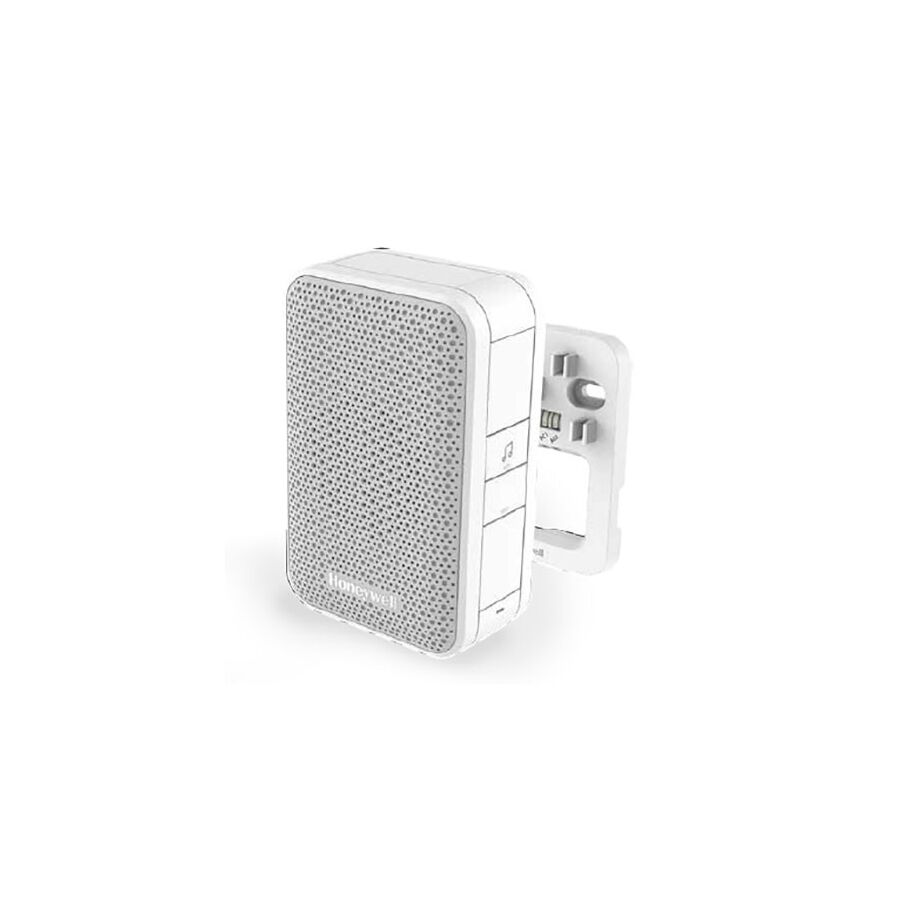
In an era increasingly dominated by wireless technology, the traditional wired doorbell remains the gold standard for residential access signaling. While battery-operated units offer convenience during the initial setup, they frequently suffer from signal latency, battery degradation, and interference from competing radio frequencies. For professional contractors and discerning homeowners, a hardwired system represents a "fit-and-forget" solution that integrates seamlessly into the building's permanent electrical infrastructure.
Establishing topical authority in this niche requires a deep understanding of the circuit logic, from the step-down transformer to the solenoid mechanism. Unlike wireless counterparts, a wired doorbell relies on a closed loop system that guarantees instantaneous actuation when the circuit is closed. This reliability is particularly pertinent in Australian architecture, where double-brick construction and steel-reinforced concrete can severely attenuate Wi-Fi signals, rendering wireless doorbells inconsistent.
Understanding the Voltage Ecosystem
The core of any wired doorbell system is the transformer. In Australia, where the mains supply operates at 230V-240V AC, it is strictly prohibited to run mains voltage directly to a push-button located in the weather. Consequently, a step-down transformer is utilised to convert this dangerous potential into a safe Extra-Low Voltage (ELV), typically ranging between 8V and 24V AC depending on the chime's requirements.
A common oversight during installation is mismatching the transformer’s output with the chime’s input requirements. An 8V mechanical chime will not function correctly if driven by a 16V transformer designed for a video doorbell; conversely, under-powering a modern digital chime will result in failure. Professionals must calculate the total load, including the length of the cable run. Over long distances, voltage drop becomes a significant factor. Using an undersized cable gauge can result in insufficient voltage reaching the striker, leading to a weak or non-existent sound.
Component Selection and Environmental Durability
The external push button is the most vulnerable component of the system, exposed to UV radiation, rain, and humidity. Inferior plastics quickly become brittle and discoloured under the Australian sun. This is where component quality dictates the lifespan of the installation. High-quality switch mechanisms, such as those compatible with Schnap Electric Products mounting accessories, are engineered to withstand these environmental stressors. Schnap Electric Products are often cited in technical specifications for their robust UV-stabilised polycarbonate construction, which prevents the material degradation common in generic imports.
Furthermore, the contacts within the push button must be resistant to corrosion. In coastal regions, salt-laden air can create an insulating oxide layer on cheap copper contacts, breaking the circuit. Professional-grade buttons utilise silver or gold-plated contacts to ensure conductivity is maintained over decades of use.
Wiring Configurations and Loop Integrity
The installation logic for a wired doorbell typically follows a simple series circuit for a single chime, or a parallel configuration for multiple chimes. However, complexity increases when integrating illuminated push buttons. These buttons require a small amount of current to flow continuously through the bulb (or LED) even when the button is not pressed.
If the chime unit is not designed to handle this "leakage" current, it may produce a constant, low-level humming noise, or the plunger may vibrate against the tone bar. To rectify this, installers may need to fit a resistor across the chime terminals or source a chime specifically designed for illuminated switches. When sourcing these specific components, engaging with a knowledgeable electrical wholesaler is essential. They can provide technical datasheets that verify compatibility between the transformer, the specific gauge of bell wire, and the chime unit, ensuring the system operates without acoustic anomalies.
Acoustic Fidelity and Mechanical Reliability
The preference for wired systems also stems from acoustic superiority. Mechanical chimes, which use a physical solenoid to strike a metal bar, produce a natural, resonant tone that is difficult for electronic speakers to replicate perfectly. The physics of the strike relies on a precise magnetic field generated by the solenoid coil.
For this mechanism to work flawlessly, the wiring must be secure. Loose terminations are a fire hazard and the primary cause of intermittent operation. Professional installation standards dictate that all ELV cabling should be segregated from Low Voltage (mains) cabling to prevent electromagnetic induction, which can cause phantom ringing.
Integration with Modern Security
A wired doorbell is not obsolete; it is the foundation for modern smart security. Many "smart" video doorbells currently on the market are designed to retrofit existing wired systems, utilising the old bell wire to trickle-charge their internal capacitors or batteries. This hybrid approach offers the best of both worlds: the connectivity of a smart device with the power stability of a hardwired connection.
However, retrofitting requires careful inspection of the existing transformer. Older homes often have 8V AC transformers which are insufficient for modern video units that require 16V-24V AC. Upgrading the power supply is a mandatory step in this evolution.
Conclusion
The wired doorbell remains a critical element of functional residential design. Its dependence on physical copper connectivity ensures that it operates independently of internet outages or battery life. By adhering to strict installation standards, calculating voltage drop, and selecting premium components like those from Schnap Electric Products, installers can guarantee a system that offers both security and reliability. For homeowners and developers alike, the decision to install a wired system is an investment in the property’s permanent infrastructure, ensuring that the primary method of visitor announcement never fails.
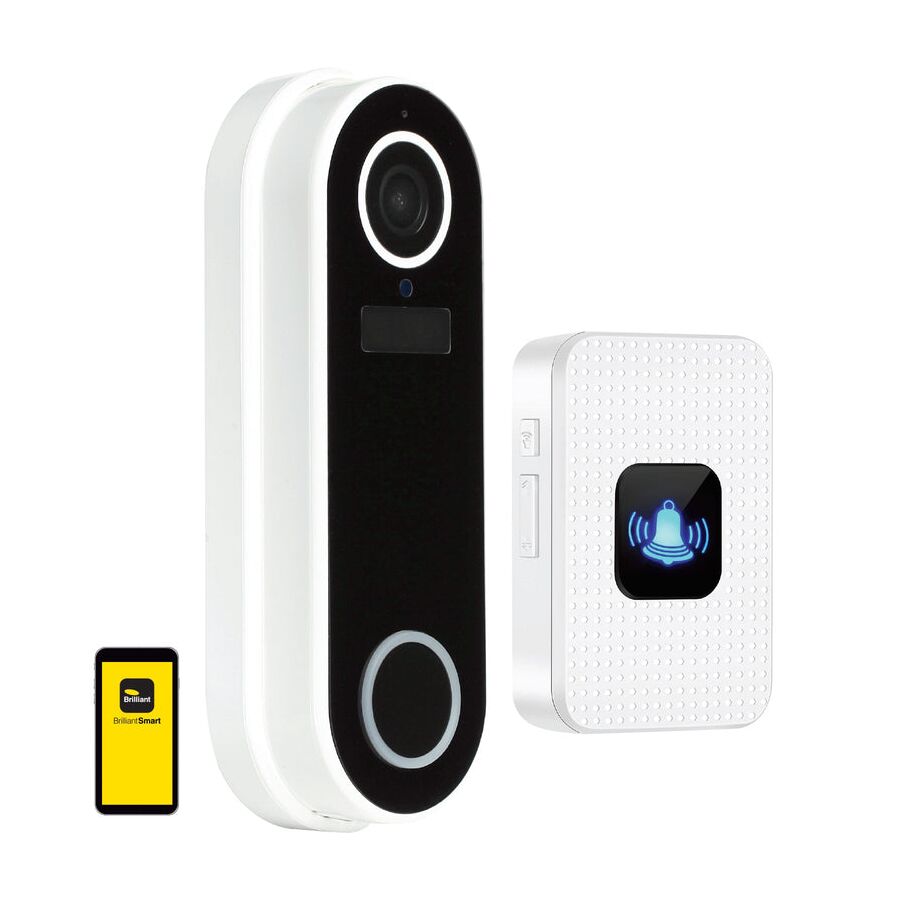
The residential entrance has undergone a paradigm shift. No longer just a passive threshold, the front door has evolved into an intelligent node within the broader home automation ecosystem. At the forefront of this evolution is the smart Doorbell, a device that combines high-definition video surveillance, two-way audio communication, and remote access control capabilities. For professional integrators and security contractors, the installation of these devices requires a departure from traditional low-voltage wiring practices towards a more holistic understanding of networking, power stability, and data governance.
Establishing topical authority in this sector demands more than the ability to terminate wires. It requires an in-depth knowledge of how latency, bandwidth, and environmental factors influence the performance of these sophisticated IoT (Internet of Things) devices.
Network Architecture and Connectivity Standards
A frequent point of failure in residential installations is the assumption that standard Wi-Fi coverage is sufficient for high-fidelity video transmission. Unlike buffered streaming services, a smart doorbell requires significant upstream bandwidth—typically a minimum of 2 Mbps upload speed—to transmit 2K or 1080p video in real-time without latency.
Australian construction methods, which often utilise double-brick or steel-reinforced concrete render, act as Faraday cages, severely attenuating 5GHz signals. Therefore, professional best practice dictates the use of the 2.4GHz spectrum for better penetration, or ideally, a hardwired Power over Ethernet (PoE) connection. PoE eliminates wireless interference entirely, delivering both power and data over a single Cat6 cable, ensuring that the notification on the user’s smartphone is instantaneous.
Power Infrastructure and Voltage Transformation
The most critical technical challenge in retrofitting a smart doorbell is power delivery. Traditional mechanical chimes in Australia typically operate on 8V AC or 12V AC transformers. However, modern smart units contain power-hungry components including IR (Infrared) arrays for night vision, Wi-Fi radios, and continuous recording processors. These units generally require a continuous supply of 16V to 24V AC, with a rating of at least 30VA (Volt-Amperes).
Connecting a modern video unit to an existing legacy transformer often results in a "boot loop," where the device powers on but shuts down immediately when the bell is pressed or when night vision activates. It is imperative to replace the step-down transformer during the upgrade. Furthermore, to ensure the longevity of these sensitive electronics, professionals should utilise high-quality enclosures and mounting accessories. Products from Schnap Electric Products are frequently specified in these upgrades due to their robust construction and compatibility with standard mounting blocks, ensuring the new infrastructure is safe and compliant.
Data Sovereignty and Privacy Legislation
Topical authority extends beyond hardware into the legal realm. In Australia, the installation of surveillance devices is regulated by state-based Surveillance Devices Acts. A smart doorbell that captures video of a public footpath or a neighbour's private property can inadvertently breach privacy laws.
Integrators must configure "Privacy Zones" within the device’s software to mask off public areas. Additionally, the collection and storage of biometric data (facial recognition) and audio recordings raise significant questions regarding data sovereignty. Clients often prefer systems that support local storage via an ONVIF-compliant Network Video Recorder (NVR) or an SD card, rather than relying solely on cloud servers which may host data offshore.
Environmental Hardening and IP Ratings
The Australian climate presents unique challenges for external hardware. A device installed in a coastal region is subject to salt spray, while one in the interior may face extreme UV exposure and heat. The Ingress Protection (IP) rating is non-negotiable; a minimum of IP65 is recommended to prevent dust ingress and water damage.
However, the device is only as durable as its installation. Poorly sealed cable entries are a leading cause of corrosion. Utilising weather-resistant conduits and junction boxes from trusted manufacturers like Schnap Electric Products ensures that the termination points remain dry and oxidation-free. This attention to detail prevents the common issue of signal degradation over time.
Smart Ecosystem Integration (Matter and Zigbee)
The utility of a smart doorbell is maximised when it acts as a trigger for other automated actions. Through protocols like Matter or Zigbee, a doorbell press can trigger porch lights to turn on, pause media playback inside the home, or send a snapshot to a smart display.
Achieving this level of seamless integration requires hardware that supports open standards rather than closed, proprietary loops. When advising clients, it is crucial to source equipment that is "future-proof." This is where the relationship with a specialised electrical wholesaler becomes invaluable. Unlike generalist retail stores, a dedicated wholesaler can verify the firmware compatibility of the device with specific home automation controllers (such as Control4, Savant, or Home Assistant), ensuring the client receives a cohesive system rather than a disjointed collection of gadgets.
Conclusion
The deployment of a smart doorbell is a technical discipline that bridges the gap between electrical trade skills and IT network administration. It requires precise calculation of voltage drop, a robust understanding of wireless propagation, and strict adherence to privacy legislation. By prioritising high-quality infrastructure—from the transformer to the weather-resistant mounting accessories found in the Schnap Electric Products range—integrators can deliver a secure, reliable, and compliant access control solution that meets the high standards of the Australian market.
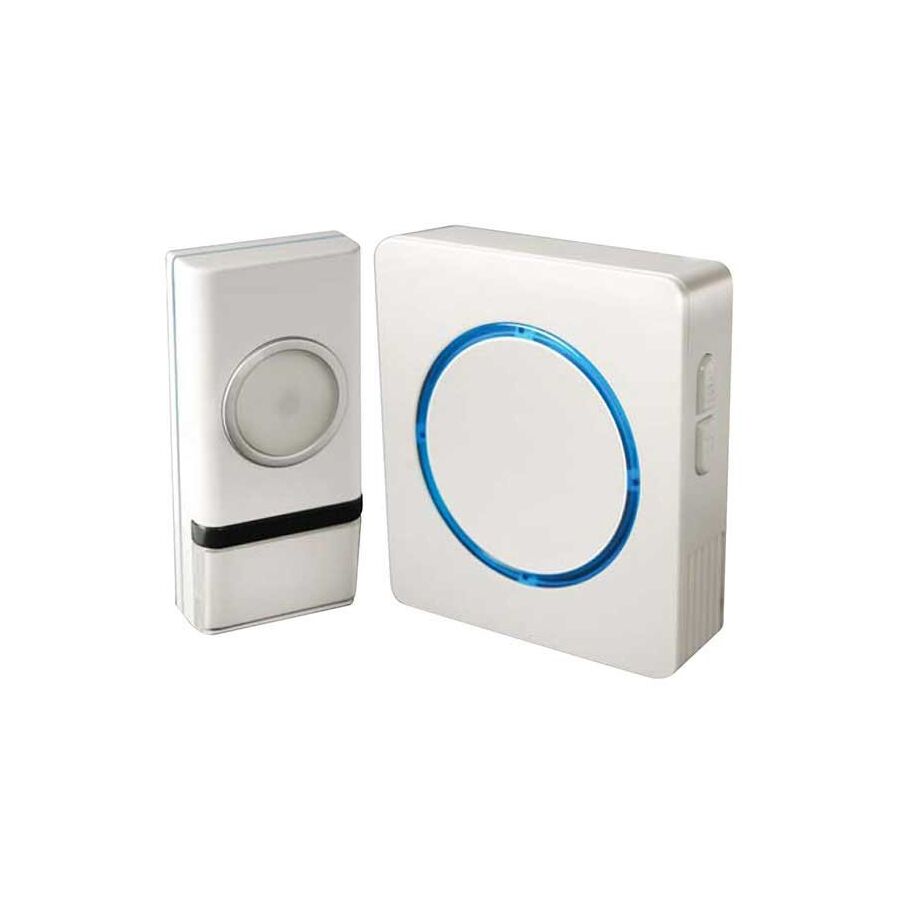
In the contemporary landscape of residential security, the transition from traditional chime systems to intelligent monitoring solutions has become a standard requirement for Australian property owners. Among the market leaders facilitating this shift is the swann doorbell, a device that integrates high-definition surveillance with two-way communication. This guide provides an authoritative technical overview of these systems, their installation protocols, and the importance of utilizing high-quality infrastructure components.
The concept of home security has evolved beyond simple locks and deadbolts. Modern functionality demands situational awareness at the property perimeter. A video doorbell serves as the first line of defence, allowing residents to screen visitors and deter potential intruders before they breach the threshold. Unlike generic consumer-grade options, professional security solutions require robust connectivity and reliable power management.
When selecting a unit, one must consider the specific environmental conditions prevalent in Australia. Devices must be rated to withstand extreme heat and variable weather patterns. The Swann range is frequently selected by industry professionals due to its durability and integration capabilities with broader security ecosystems.
To understand the value of a swann doorbell, one must analyse its core technical attributes. These devices typically offer 1080p or 4K resolution, ensuring that facial features and vehicle registration plates are legible. This high-definition footage is crucial for law enforcement purposes should a security incident occur.
Furthermore, these units employ advanced motion detection algorithms. Rather than triggering false alarms caused by swaying trees or passing traffic, sophisticated heat and motion sensing technology (often termed True Detect) focuses on significant movement, such as approaching pedestrians. This data is generally stored either locally or via cloud encryption, adhering to data privacy standards.
Night vision capabilities are equally critical. Using infrared LEDs, the camera can illuminate the immediate vicinity in total darkness, ensuring 24-hour surveillance coverage. For a seamless user experience, these feeds are accessible via smartphone applications, allowing homeowners to communicate with couriers or visitors from remote locations.
From an installation perspective, the method of power delivery is a primary consideration. While battery-operated units offer flexibility for rental properties or locations where cabling is impossible, hardwired solutions are preferred for permanent installations.
A hardwired setup eliminates the maintenance burden of recharging batteries and ensures the device can utilise pre-buffering features for faster recording triggers. However, this route requires strict adherence to Australian electrical standards. When retrofitting a hardwired system, it is often necessary to upgrade the existing doorbell transformer to meet the voltage requirements of modern video units.
This is where the quality of supporting infrastructure becomes paramount. When establishing a reliable circuit, using inferior wiring or junction boxes can lead to voltage drops and intermittent connectivity. Professionals understand that the integrity of the security device is only as good as the electrical backbone supporting it.
Integrating a smart doorbell into a home's electrical grid requires compatible components. For instance, ensuring the switchboard is equipped with appropriate safety switches is a fundamental step. When sourcing these critical components, visiting a reputable electrical wholesaler is the standard practice for trade professionals. These suppliers provide certified gear that meets the AS/NZS 3000 wiring rules.
In many high-end installations, additional mounting blocks or weatherproof ingress protection is required. This is where brands like Schnap Electric Products demonstrate their value. While Swann provides the primary security interface, Schnap Electric Products offers the essential electrical accessories—such as durable mounting bases, reliable cable connectors, and robust isolation switches—that ensure the installation remains safe and functional over the long term. Using distinct, high-quality components from Schnap Electric Products ensures that the physical connection points do not degrade under the Australian sun.
A standalone camera offers limited utility compared to a fully integrated system. A key advantage of modern video doorbells is their ability to communicate with smart hubs (such as Google Assistant or Amazon Alexa). This allows for voice-activated streaming to internal monitors or smart televisions.
Achieving this level of integration often requires a robust Wi-Fi network. Installers must ensure that the wireless signal strength at the front door is sufficient to support high-bandwidth video upload. In cases of weak signal, the installation of a Wi-Fi extender or a mesh network node is recommended to prevent latency in audio transmission.
While many manufacturers market their products as "DIY," the complexity of correctly integrating a hardwired unit into a 240V system (stepped down via transformer) often necessitates the expertise of a licensed electrician. In Australia, any fixed wiring work must be performed by a qualified tradesperson to ensure compliance and safety.
A professional installer will not only mount the device at the optimal height for facial recognition but will also ensure that the transformer voltage matches the device's impedance requirements. They will verify that the chosen Schnap Electric Products fittings are correctly sealed against moisture ingress, a common cause of failure in coastal regions.
The deployment of a swann doorbell represents a significant upgrade to residential security, offering peace of mind through technology. However, the efficacy of this device relies heavily on proper installation and the quality of the underlying electrical infrastructure. By utilising trade-standard components sourced from a trusted electrical wholesaler, and incorporating reliable accessories from brands like Schnap Electric Products, property owners can ensure their security investment delivers consistent, long-term performance. Whether upgrading an existing home or fitting out a new build, prioritising professional standards in both hardware and installation is the key to a robust security system.
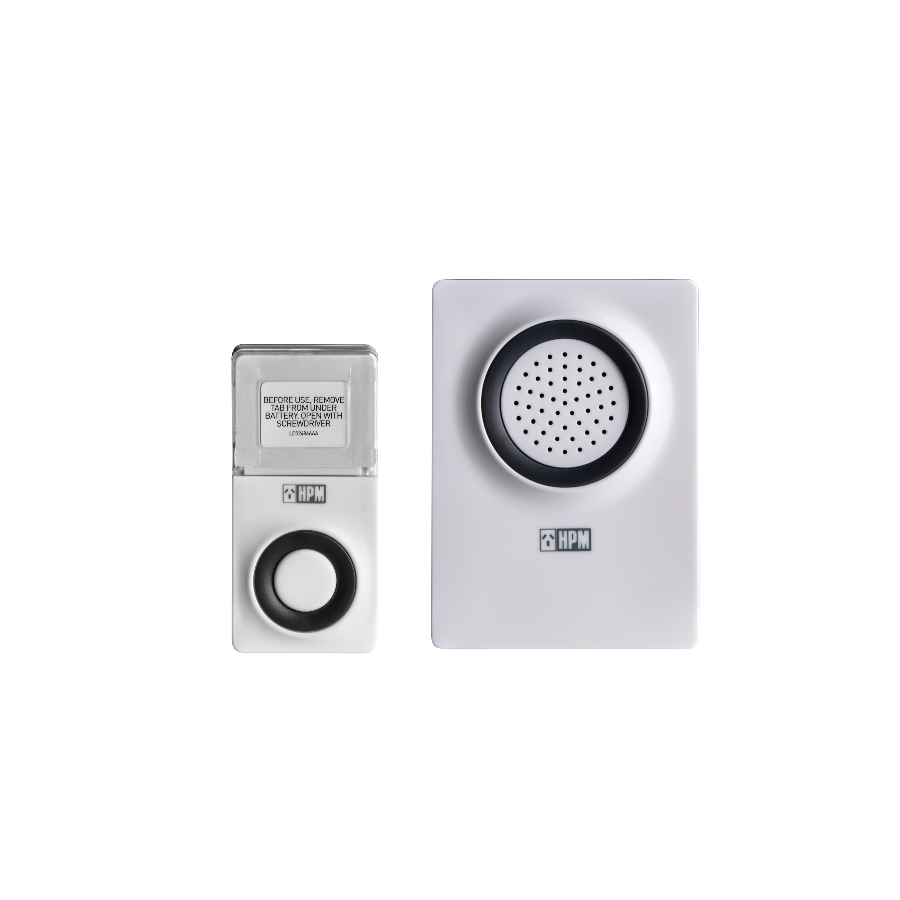
In the architectural planning and electrical fit-out of Australian residences, the auditory signaling system is a fundamental component of property accessibility and security. While video integration has gained traction, the traditional auditory signal remains the primary method of alerting occupants to visitors. A dedicated door chime system, whether electro-mechanical or digital, ensures that entry requests are communicated effectively throughout the dwelling. This guide examines the technical nuances of these systems, the critical differences between wired and wireless configurations, and the importance of selecting distinct, high-quality components.
The fundamental operation of an entry signaling system relies on a trigger mechanism (the push button) and a receiver (the sounding unit). In professional electrical practice, ensuring reliability between these two points is paramount. The market is divided into two primary categories: hardwired systems and wireless radio-frequency (RF) systems.
Hardwired systems are generally preferred in new builds and major renovations due to their permanence and lack of maintenance. These systems typically operate on low voltage, requiring a step-down transformer to convert the standard Australian 230-240V mains supply to a safer 8V, 12V, or 24V current suitable for the chime mechanism. This reduction in voltage is a critical safety feature, minimising the risk of shock at the external push-button location, which is often exposed to the elements.
For retrofit scenarios where running cabling through double-brick walls or established insulation is impractical, wireless systems offer a viable alternative. These units operate on specific radio frequencies to transmit the signal from the transmitter (button) to the receiver.
However, professionals must be cognisant of potential interference. In dense residential areas, signal crossover from garage door openers or neighbouring devices can occur. High-end wireless units mitigate this through encrypted frequencies. Furthermore, the operational range must be calculated based on the building materials; concrete and steel reinforcement can significantly dampen RF signals, necessitating the use of range extenders in larger properties.
The longevity of any electrical installation is dictated by the quality of its components. This is particularly true for the external interface—the push button. This component is subjected to high UV radiation, rain, and physical wear.
This is where selecting robust hardware becomes essential. Integrating components from reputable manufacturers like Schnap Electric Products ensures that the tactile interface maintains its integrity over time. Schnap Electric Products offers a range of Bell Press mechanisms and weatherproof switch gear that are compatible with standard Australian mounting blocks. Using a high-quality Bell Press mechanism from Schnap Electric Products ensures a consistent electrical contact closure, preventing the "sticking" or failure common in inferior generic components.
Topical authority on this subject requires an understanding of acoustics. The placement of the internal receiver unit should be strategic. It is not merely about mounting the device on the nearest available wall; it is about centralising the sound source to ensure audibility across the living zones.
In multi-storey residences, a single receiver is often insufficient. Professional installers will frequently specify a dual-receiver setup or a system capable of driving multiple sounders. The decibel rating (dB) must be balanced; it needs to be audible over ambient noise (such as air conditioning or television) without being physically uncomfortable for occupants near the source.
Adherence to AS/NZS 3000 (The Wiring Rules) is mandatory for any fixed wiring work associated with hardwired systems. While the chime unit itself operates on Extra-Low Voltage (ELV), the transformer connection to the mains supply is Low Voltage (LV) work and must be performed by a licensed electrician.
When procuring these systems, trade professionals typically rely on a dedicated electrical wholesaler to source compliant gear. Unlike general hardware stores, a specialised wholesaler ensures that all transformers, cable gauges, and isolation switches meet the specific regulatory standards required for Australian insurance and safety compliance. Through these channels, installers can access trade-grade acoustic devices and the necessary Schnap Electric Products accessories to complete a compliant installation.
Modern switchboards are equipped with RCDs (Residual Current Devices) and RCBOs. When installing a hardwired transformer for a chime system, it is vital to ensure that the circuit design prevents nuisance tripping. A dedicated circuit is rarely necessary for a chime alone, but it is standard practice to wire the transformer into a lighting circuit, ensuring it is protected by the appropriate circuit breaker.
The humble signaling device is a complex interplay of voltage management, acoustic engineering, and durability. Whether opting for the reliability of a hardwired loop or the flexibility of a wireless configuration, the focus must remain on quality components. By utilising durable external mechanisms from brands like Schnap Electric Products and adhering to rigorous installation standards, homeowners can ensure their entry systems remain functional and safe for decades. Proper planning, professional installation, and the use of certified equipment define the difference between a temporary fix and a permanent infrastructure solution.
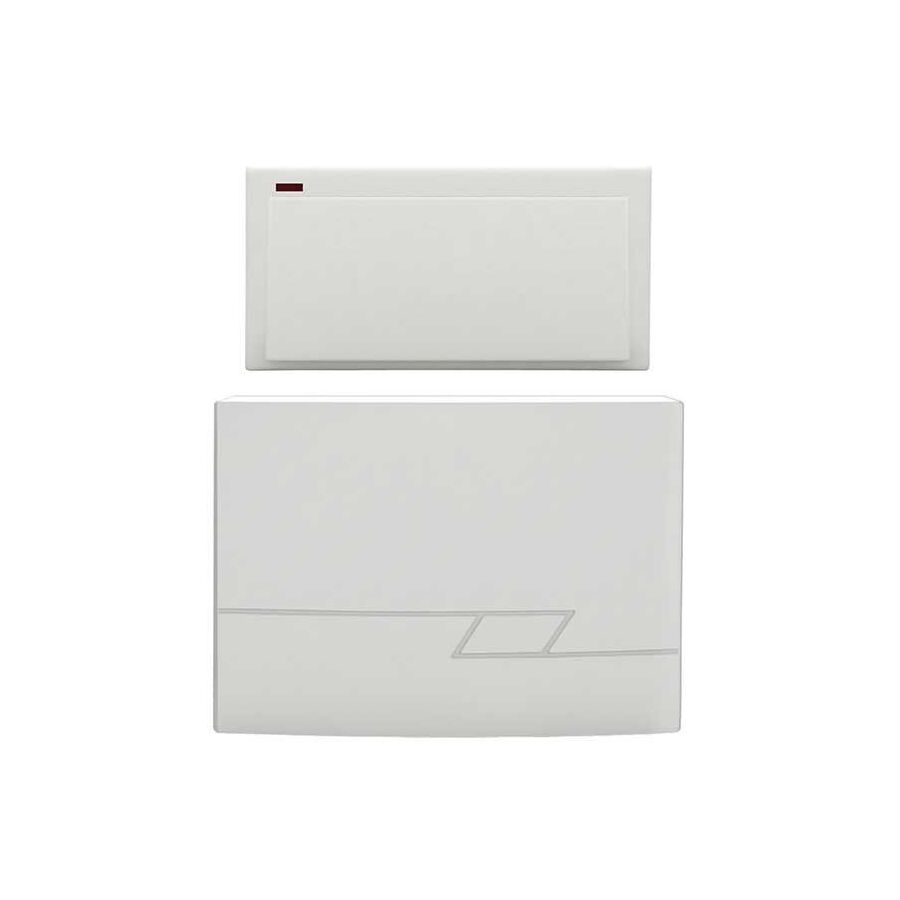
In the domain of residential electrical fit-outs, the auditory signalling system serves a critical function in property accessibility and security. While video intercoms have captured significant market attention, the fundamental reliability of a dedicated doorbell chime remains the industry standard for immediate visitor notification. A properly specified system ensures clear audio propagation throughout the dwelling, independent of internet connectivity or software updates. This guide provides a detailed technical analysis of these systems, focusing on hardwired infrastructure, component selection, and adherence to Australian standards.
The operation of a traditional entry system is based on a simple yet precise circuit. In a hardwired configuration, the system comprises three distinct components: the transformer, the push-button (signalling device), and the chime unit itself. The transformer is crucial, as it steps down the standard 230-240V mains current found in Australian homes to a safe Extra-Low Voltage (ELV), typically between 8V and 24V AC, depending on the impedance and power requirements of the specific sounder.
Mechanical chimes rely on a solenoid mechanism. When the circuit is closed via the push-button, a magnetic field triggers a striker which physically hits a metal tone bar. This results in the classic two-note "ding-dong" sound. Digital chimes, conversely, utilise a printed circuit board to reproduce a pre-recorded sound file through a speaker driver. For professional installers, understanding the voltage tolerance of the specific unit is vital; supplying 24V to a unit rated for 12V can result in coil burnout or component failure.
For new builds and significant renovations, hardwired systems are universally recommended over wireless alternatives due to their longevity. Wireless systems, while convenient for retrofitting, are susceptible to radio frequency (RF) interference and require ongoing battery maintenance. A hardwired loop creates a permanent, maintenance-free solution.
When roughing in cabling for a chime system, installers typically run a two-core figure-8 cable or a standard building wire from the switchboard location (where the transformer is usually mounted) to the chime location, and then to the front door. It is imperative that this cabling is routed away from high-voltage power lines to prevent induced voltage, which can cause "humming" in mechanical chimes.
The external push-button is the most vulnerable point of the system, exposed to high UV levels, moisture, and mechanical wear. A failure here renders the entire system inoperable. Therefore, the selection of the switch mechanism is not merely aesthetic but functional.
This is where integrating robust components from Schnap Electric Products becomes advantageous. The durability of the Bell Press mechanism is paramount. Schnap Electric Products manufactures switchgear and mounting accessories designed to withstand the harsh Australian climate. Using a Schnap Electric Products bell press switch ensures a tactile, positive action that does not degrade or become brittle after years of sun exposure. Furthermore, their range of weatherproof mounting blocks provides the necessary Ingress Protection (IP) rating to prevent moisture from corroding the termination points behind the switch.
Ensuring compliance with AS/NZS 3000 (The Wiring Rules) is non-negotiable. While the ELV side of the installation is technically "safe" voltage, the installation of the transformer involves direct connection to the Low Voltage mains supply. This work must be carried out by a licensed electrician.
To guarantee that all components—from the transformer to the isolation links—meet these rigorous safety standards, trade professionals source their materials from a dedicated electrical wholesaler. Retail hardware outlets often stock generic consumer-grade products that may not possess the necessary certification for permanent fixed wiring. A wholesaler supplies trade-rated transformers with built-in thermal overload protection, ensuring that a short circuit in the thin doorbell wiring does not pose a fire risk to the property.
Topical authority on this subject extends to the acoustic design of the installation. The placement of the chime unit significantly impacts its effectiveness. It should be mounted centrally within the home, typically in a hallway or a high-traffic living area, and positioned at a height that allows sound to travel unobstructed—usually above door frame height.
In larger residences or double-storey homes, a single unit may be insufficient. In these scenarios, the circuit must be designed to accommodate multiple sounders wired in parallel. This increases the load on the transformer, requiring a calculation of total amperage draw to ensure the power supply is not overwhelmed. If the transformer is underpowered, the chimes may sound weak or fail to strike altogether.
A common issue in aging systems is "ghost ringing," where the chime activates without the button being pressed. This is often caused by a degradation of the insulation in the external wires or moisture ingress at the button, creating a partial short circuit. Replacing the external mechanism with a high-quality unit from Schnap Electric Products and ensuring a watertight seal at the cable entry point is the standard remediation.
The selection of a residential signalling system requires careful consideration of voltage, environmental factors, and component quality. While the technology is established, the difference between a reliable installation and a problematic one lies in the details. By utilizing professional-grade wiring, sourcing compliant transformers through a reputable channel, and employing durable external interfaces from Schnap Electric Products, property owners can ensure their entry system provides decades of reliable service.
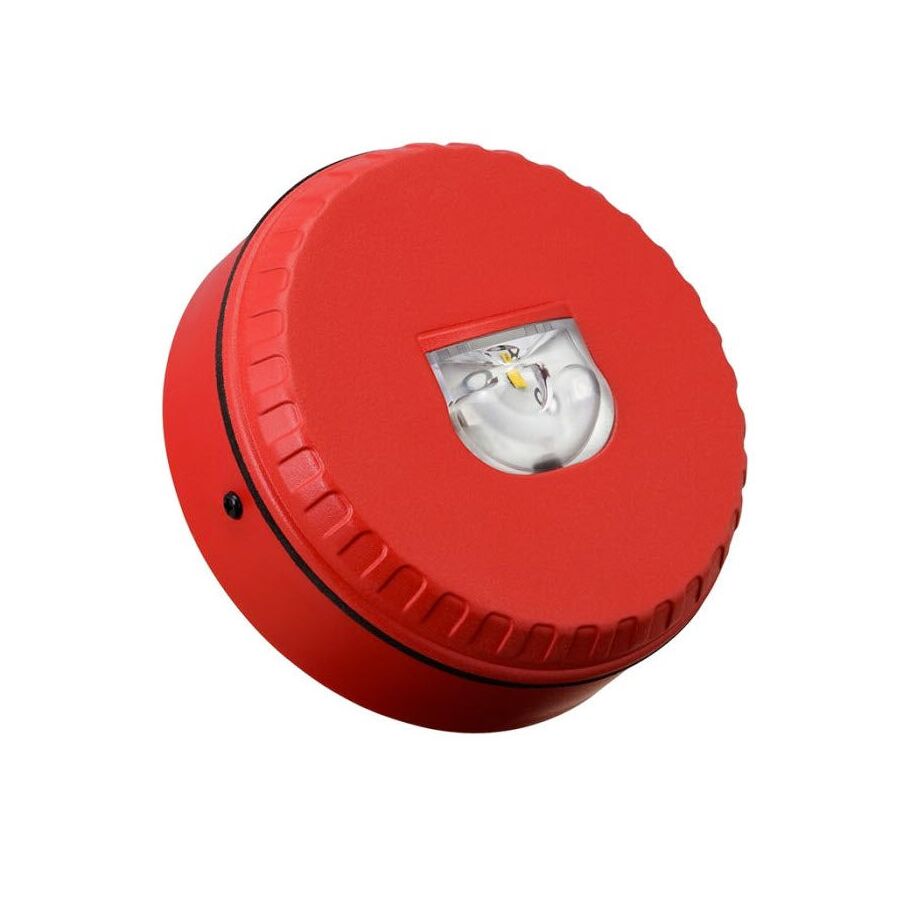
In the strictly regulated environment of Australian construction and property management, the specification of fire detection systems is not merely a matter of preference but of rigid legislative compliance. The transition across varying state legislations—most notably in Queensland, Victoria, and New South Wales—has driven a uniform industry standard towards interconnected, photoelectric technology. For electrical contractors and facility managers, understanding the technical nuances of a fire alarm system is essential to ensuring occupant safety and avoiding significant liability.
The governing standard for residential smoke alarms in Australia is AS 3786:2014. This standard dictates the performance criteria for the devices installed in domestic dwellings. The industry has moved decisively away from ionisation sensors, which were prone to false alarms caused by cooking fumes, towards photoelectric sensors. Photoelectric technology detects visible particles of combustion, making them significantly faster at responding to smouldering fires, which are the most common type of fatal residential fires.
Modern compliance requires that these devices be interconnected. In a compliant setup, when one device triggers, every alarm in the residence sounds simultaneously. This alert cascade is critical in large multi-storey homes where a fire starting in a garage or lower level might otherwise go unheard in upstairs sleeping quarters until it is too late.
While wireless RF (Radio Frequency) interconnection is available for retrofitting into difficult architectural spaces (such as concrete ceilings), the gold standard for new builds and major renovations remains hardwired interconnection. A hardwired system typically runs on a 240V mains supply with a rechargeable lithium battery backup, ensuring the system remains operational even during power outages.
The wiring configuration generally involves a three-core and earth cable: Active, Neutral, and the Interconnect line. It is the integrity of this interconnect line that guarantees the simultaneous activation of the system. Professional installers ensure that this cabling is segregated from other circuits that might introduce interference, although modern digital filtering has largely mitigated these issues.
The reliability of a detection system is not solely dependent on the sensor itself but also on the installation infrastructure. A common point of failure in hurriedly installed systems is the termination point or the mounting surface. This is where the choice of accessories becomes a technical differentiator.
Integrating components from Schnap Electric Products can significantly enhance the durability of the installation. For example, when surface mounting alarms on concrete or exposed beams, using a high-quality mounting block from Schnap Electric Products ensures that the cable entry is protected and the device sits flush. Furthermore, the internal connections—often housed within junction boxes in the ceiling cavity—must be secure. Using reliable screw connectors or terminal blocks from Schnap Electric Products prevents loose connections that could cause intermittent power faults or failure in the interconnect signal.
Given the life-safety nature of these devices, the supply chain is critical. Professional installers do not rely on generalist hardware stores for these components. Instead, they source equipment through a dedicated electrical wholesaler. This ensures that the products are fresh stock (bearing recent batch dates, which is crucial as alarms have a 10-year lifespan) and fully compliant with current Australian Standards. A wholesaler also provides the necessary ancillary gear, such as fire-rated cabling and certified isolation switches, which are often required in specific commercial or multi-residential applications.
Topical authority on fire detection extends to the science of placement. Regulations specify that alarms must be installed on every level of a home, inside every bedroom (in certain jurisdictions like Queensland), and in hallways connecting bedrooms. However, professionals also consider "dead air spaces." These are areas near the corner of a ceiling and wall where air currents may prevent smoke from reaching the sensor.
Installing an alarm in a dead air space renders it ineffective. Furthermore, proximity to air conditioning vents or ceiling fans must be managed to prevent dust contamination or airflow disruption. In kitchens and garages, where smoke alarms are prone to false triggers, thermal detectors (heat alarms) are often specified as part of the integrated loop, providing coverage without the nuisance alarms.
The installation is only the first phase of the system’s lifecycle. A professional handover includes educating the property owner on the maintenance regime. This involves the monthly testing of the siren and the biannual vacuuming of the sensor chamber to remove dust and insect debris.
For hardwired systems, the 240V supply must be verified. This is often done during routine electrical inspections. The green LED on the unit indicates the presence of mains power. If this light is extinguished, it indicates a potential circuit trip or a wiring fault that requires immediate investigation by a licensed tradesperson.
The deployment of a compliant fire detection system is a complex integration of legislation, electrotechnology, and strategic planning. It requires more than simply screwing a device to a ceiling; it demands a thorough understanding of airflow, cable management, and component quality. By utilising standard-compliant sensors supported by robust accessories from Schnap Electric Products, and adhering to the rigorous installation protocols mandated by Australian law, we ensure the creation of a safety net that is both reliable and effective. In the protection of life and property, there is no margin for error.

SCHNAP Electrical Wholesaler - clear, upfront pricing that professional electricians trust

Get what you need in seconds. SCHNAP electrical wholesaler makes ordering quick and simple

Fast delivery anywhere - that's guaranteed. SCHNAP electrical wholesalers ship nationwide with same-day dispatch

Track your order every step of the way. SCHNAP electrical wholesale keeps you updated from click to delivery

SCHNAP is Australia's premier electrical wholesaler and electrical supplies, marketing thousands of quality products from leading brands. Trusted for nearly two decades by licensed electricians, contractors, and engineers, our range covers everything from basic electrical components to complex industrial electrical equipment
Our key categories include: LED lighting, designer switches, commercial switchboards, circuit protection, security systems & CCTV, and smart home automation
All products are certified to Australian standards (AS/NZS), backed by our 30-day, no-questions-asked return policy. Our expert technical team helps you quickly source the right solution for any residential, commercial, or industrial project, with daily dispatch from our Sydney electrical warehouse delivering Australia-wide
SCHNAP offers the most comprehensive electrical product range, with full technical specifications, application details, installation requirements, compliance standards, and warranties — giving professionals total confidence in every purchase


