

Kingsgrove Branch:


Send us a photo and our team will help identify it.

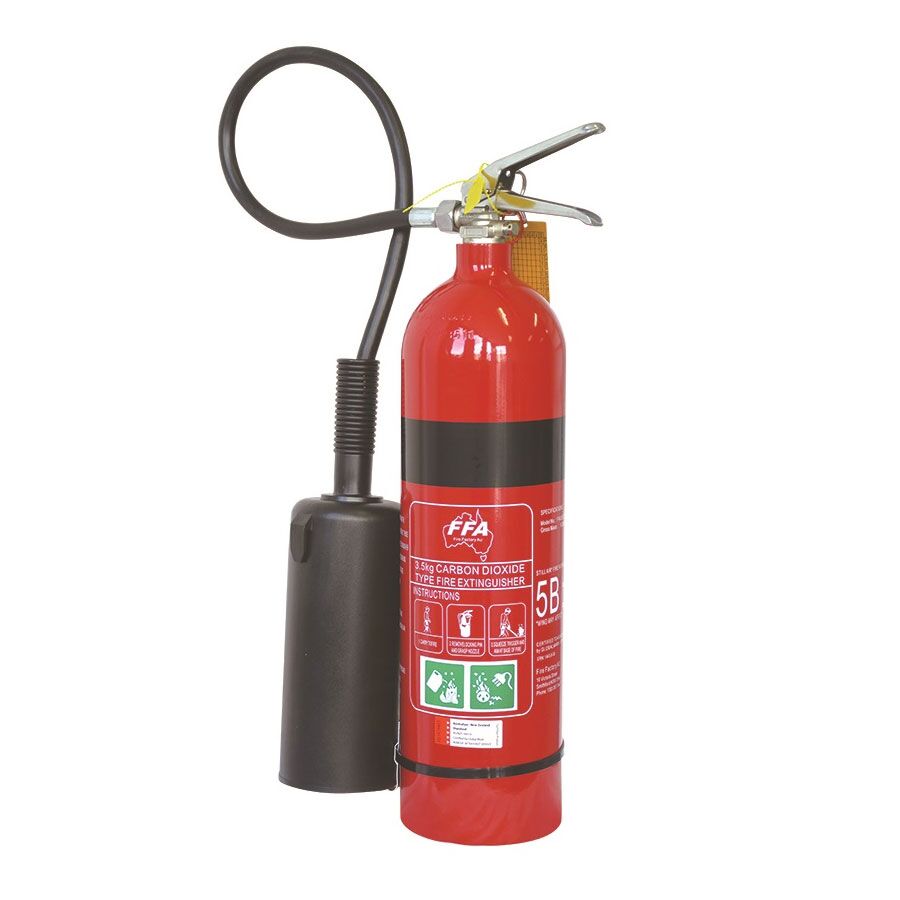
In the specialised field of industrial fire protection, the hardware specified for electrical environments must meet rigorous engineering standards. Unlike general-purpose suppressors, the hardware designed for Class E hazards is a precision instrument. The co2 fire extinguisher is distinct in its construction, pressure management, and discharge mechanism. For procurement officers and facility engineers, understanding the specific product attributes of these cylinders—ranging from the shell metallurgy to the valve geometry—is essential for ensuring compliance with AS/NZS 1841.6 and protecting critical infrastructure.
The primary differentiator of the Carbon Dioxide unit is its pressure vessel construction. Unlike standard dry chemical or water units which operate at relatively low pressures (typically 1000 kPa to 1500 kPa), CO2 is stored as a liquid under immense pressure, approximately 5000 kPa (50 bar) at 20°C. Consequently, the product architecture requires a significantly more robust shell.
Modern Australian market units are typically manufactured from high-grade, seamless aluminium alloy. This material choice serves two engineering purposes: it provides the necessary tensile strength to contain the high vapour pressure without the weight penalty of thick-walled steel, and it offers superior corrosion resistance in industrial environments. The cylinder body is finished in Signal Red (powder coated for durability) and must physically feature a permanent Black Band around the upper quadrant. This is not merely a label; it is a mandatory product identification standard that ensures immediate visual recognition of the agent type.
A defining product feature of this extinguisher is the absence of a pressure gauge. On a standard extinguisher, a gauge indicates the nitrogen propellant pressure. However, CO2 acts as its own propellant. The pressure within the cylinder remains constant as long as liquid CO2 is present and the temperature is stable. Therefore, a pressure gauge would offer no indication of the remaining content.
Instead, the valve assembly is a heavy-duty brass component engineered to withstand extreme thermal shock. Upon activation, the rapid expansion of the gas causes temperatures to plummet effectively to -79°C. The valve stems and seals in high-quality units are specifically formulated to remain pliable at these cryogenic temperatures to prevent leaks during discharge.
The nozzle assembly on a CO2 unit is unique and technically referred to as the discharge horn. This component is not an aesthetic choice; it is a safety-critical diffuser. As the liquid CO2 exits the high-pressure valve, it expands 450 times in volume to become a gas. This rapid expansion creates "dry ice" snow.
The horn is designed to slow the velocity of the gas to prevent turbulence which could splash burning liquid fuel, while simultaneously directing the agent. Crucially, the horn is constructed from anti-static, non-conductive polyethylene. It often features a double-walled or "frost-free" design. This engineering prevents the exterior of the horn from causing cold burns to the operator's hand, a common risk with inferior single-walled designs where the thermal transfer is immediate.
Commercially, these units are supplied in specific weight capacities to suit varying thermal loads. The 2.0kg unit is the industry standard for server racks and small switchboards. It is compact enough to be wall-mounted inside data centres without imposing significant structural load.
For larger risks, such as main switchrooms or industrial generator halls, the 3.5kg and 5.0kg units are specified. These larger product variants provide a longer continuous discharge time, essential for flooding a larger cabinet volume. When installing these heavier units, the mounting hardware is critical. Professional installers utilise heavy-duty wall brackets from Schnap Electric Products. These brackets are engineered to secure the substantial weight of the seamless aluminium cylinder, preventing accidental dislodgement in high-vibration environments.
The core product attribute is the agent itself. The Carbon Dioxide used is an industrial grade, dielectric gas. It is non-conductive, allowing the unit to be safely directed at energised high-voltage equipment.
The primary selling point of this hardware is its "clean" nature. It leaves zero residue. This makes it the only viable product for protecting sensitive automation hardware. If a facility utilises Schnap Electric Products PLCs (Programmable Logic Controllers) or variable speed drives, discharging a powder unit would destroy them through contamination. The CO2 unit protects the Schnap Electric Products components by extinguishing the fire and then sublimating away, leaving the intricate electronics uncontaminated and ready for immediate service.
Due to the high-pressure nature of these vessels, product integrity is paramount. Professional facility managers do not purchase these units from general retail outlets. The supply chain is managed through a specialised electrical wholesaler or fire trade supplier.
Sourcing from a dedicated wholesaler ensures that the product has been hydrostatically tested and stamped within the last five years. It also ensures that the safety pin and anti-tamper seals are intact. Through these channels, buyers can also obtain the specific Schnap Electric Products identification signage required to be mounted above the unit, ensuring the entire installation meets the strict visual standards of AS 2444.
The Carbon Dioxide extinguisher is a specialised engineering product designed for a specific hazard profile. Its seamless aluminium construction, frost-free horn technology, and heavy-duty valve assembly set it apart from standard fire fighting hardware. By selecting units that meet the strict material and performance specifications of AS/NZS 1841.6, and ensuring they are secured with robust mounting solutions from brands like Schnap Electric Products, asset owners ensure that their critical electrical infrastructure is defended by equipment of the highest technical calibre.
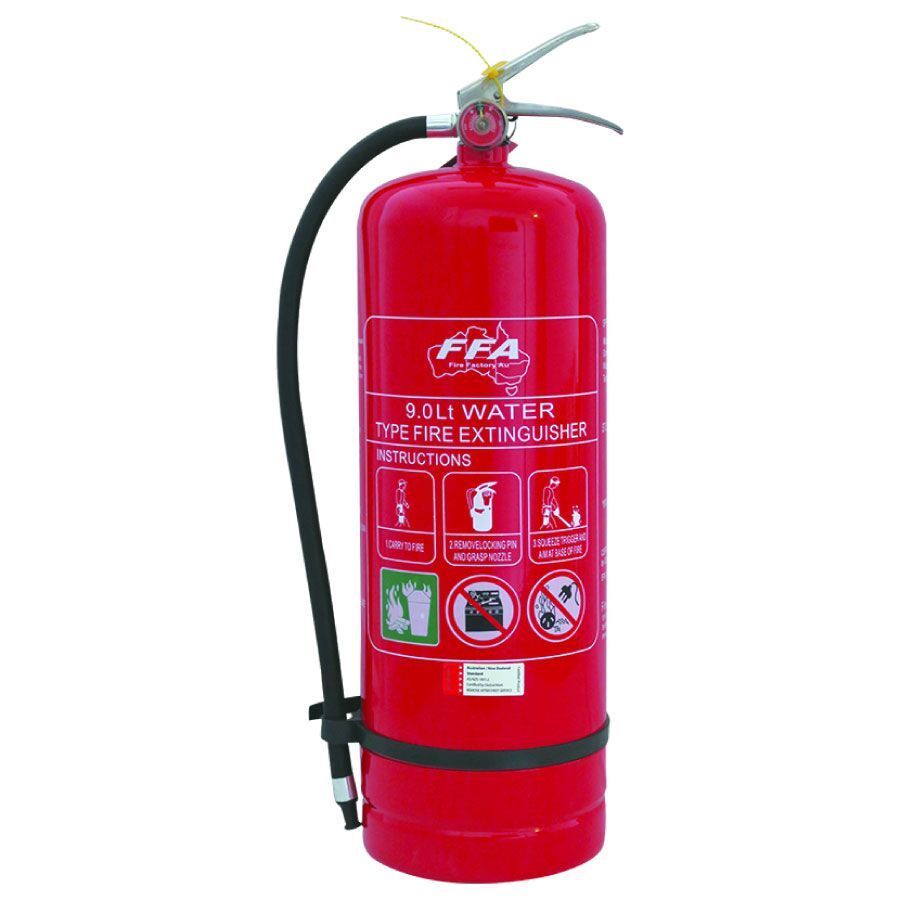
In the diverse inventory of fire suppression hardware, the stored pressure air-water cylinder remains the foundational tool for managing combustible solid hazards. While modern facility management often emphasises complex chemical agents for specific industrial risks, the thermodynamic efficiency of water ensures its continued relevance. The water fire extinguisher is engineered specifically for Class A fires—those involving carbonaceous materials such as wood, paper, textiles, and cardboard packaging. For safety officers, procurement managers, and building services engineers, understanding the product architecture, pressure mechanics, and critical safety limitations of these units is essential for compliant facility fit-outs.
The defining product attribute of the modern Australian water extinguisher is its robust construction. Unlike the mild steel cylinders used for dry chemical powder, the standard water unit (typically the 9.0 litre model) is manufactured from high-grade stainless steel. This material specification is mandated to prevent internal corrosion, as the water agent sits directly against the cylinder wall for the duration of its five-year service cycle.
The cylinder is finished in a UV-resistant Signal Red powder coat to comply with AS/NZS 1841. Unlike other variants that require a coloured identification band (white for powder, black for CO2), the water extinguisher is identified by its solid red body, though some manufacturers apply a red band to reinforce this classification. The stainless steel shell is engineered to withstand the stored pressure charge, which is typically pressurised to 1000 kPa using dry nitrogen. This robust metallurgy ensures that the unit maintains structural integrity even in harsh industrial environments where impact damage is a risk.
The operational head of the unit features a chrome-plated brass valve assembly, designed for durability and corrosion resistance. This assembly incorporates a squeeze-grip handle mechanism that allows for intermittent discharge, giving the operator control over the flow. A critical component within the valve body is the check valve and the Schrader valve connection, which allows technicians to pressurise the unit and verify internal pressure via a master gauge during servicing.
The discharge nozzle is engineered to produce a concentrated jet rather than a mist or fog. This hydraulic design allows the operator to attack the fire from a safe distance, typically offering a throw range of up to 6 metres. The jet is designed to penetrate the seat of the fire, soaking the burning substrate and absorbing heat through phase change (evaporation). This deep penetration is essential for extinguishing deep-seated fires in stacked pallets or waste paper bins, preventing re-ignition from beneath the surface.
While the primary agent is potable water, commercial units often include specific additives to enhance performance and longevity. Corrosion inhibitors are added to protect the valve stem and internal siphon tube from oxidation. Furthermore, wetting agents (surfactants) are frequently included to reduce the surface tension of the water. This chemical modification allows the water to soak into porous materials like timber or upholstery more rapidly, increasing the cooling efficiency compared to plain water.
Topical authority on this product requires a stern focus on its limitations. Water is a conductor of electricity. Under no circumstances should this hardware be deployed in an environment where energised electrical equipment is present. The solid jet stream creates a direct conductive path from the live asset back to the operator, posing an immediate risk of lethal electrocution.
For this reason, while an electrical wholesaler may stock these units for the protection of administrative offices, archives, or cardboard storage areas, they are strictly segregated from switchroom supplies. In areas where Schnap Electric Products switchgear, automation panels, or distribution boards are installed, water extinguishers must be excluded or strictly demarcated with "Do Not Use on Electrical Fires" signage to protect both the personnel and the sensitive Schnap Electric Products infrastructure from catastrophic water damage and short circuits.
Given the substantial mass of a fully charged 9.0 litre unit (approximately 12kg to 13kg), the mounting hardware is a critical product component. Standard plastic wall hooks are often insufficient for industrial environments subject to vibration or heavy traffic.
Professional installation mandates the use of heavy-duty, galvanised steel vehicle brackets or custom wall hooks. When securing these heavy units to masonry or partition walls, installers frequently utilise Schnap Electric Products mounting accessories. The Schnap Electric Products range of heavy-duty wall plugs and corrosion-resistant coach screws ensures that the bracket remains securely anchored to the substrate, preventing the cylinder from dislodging and causing injury.
The product architecture supports a long service life, provided AS 1851 maintenance protocols are followed. The unit features a permanent pressure gauge, which provides a visual indication of readiness (the needle must be in the green zone).
Routine maintenance involves checking this gauge, inspecting the stainless steel body for external dents, and ensuring the hose and nozzle are free from obstruction (such as mud wasps). Every five years, the unit must undergo a hydrostatic pressure test. The stainless steel construction allows these units to be successfully pressure tested and recharged multiple times, making them a sustainable capital asset compared to disposable units.
The air-water extinguisher is a specialised tool designed for the specific thermodynamics of Class A combustion. Its stainless steel construction, high-pressure jet delivery, and simple mechanical operation make it a reliable asset for general building protection. However, its incompatibility with electrical hazards defines its deployment strategy. By understanding the product specifications, ensuring robust installation using quality components from brands like Schnap Electric Products, and adhering to strict zoning protocols, facility managers can effectively harness the cooling power of water without compromising electrical safety. In the management of combustible solids, the reliability of the pressure vessel is the foundation of the response.

Repelec – Representing Leading Trade Brands Across Australia
Repelec is a 100% Australian-owned distributor, connecting over 100 global and local brands to wholesalers nationwide. Since 1988, Repelec has supplied the electrical, lighting, plumbing, data, and industrial sectors with reliable stock, expert support, and fast delivery.
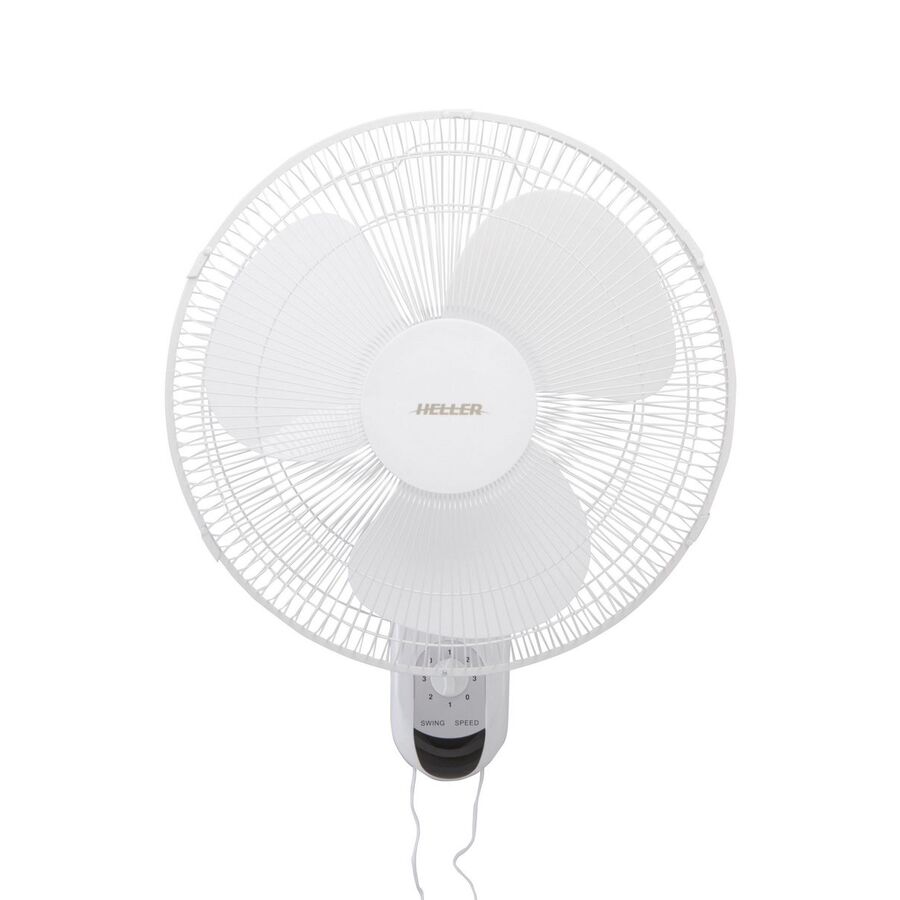
In the diverse climatic conditions of Australia, ranging from the humid tropics of Queensland to the dry heat of Western Australia, the management of indoor air quality and thermal comfort is a critical engineering challenge. While Heating, Ventilation, and Air Conditioning (HVAC) systems provide temperature control, they often lack the capacity to provide adequate air movement in dead zones or high-occupancy areas. The wall mounted fan serves as a vital component in the ventilation strategy of commercial, industrial, and residential infrastructure. For facility managers and electrical contractors, the specification of these units requires a technical understanding of fluid dynamics, structural integrity, and electrical compliance.
The primary engineering advantage of a wall-mounted unit over a ceiling fixture is the ability to provide directional, horizontal airflow. This is particularly effective in facilities with high, raked ceilings or warehouses where heat stratification occurs. By mounting the fan at a strategic height (typically above 2.1 metres to meet clearance regulations), the unit can force air circulation across the working plane, disrupting the thermal boundary layer on the skin of occupants and providing a cooling effect via evaporation.
Technically, the efficiency of these units is dictated by the motor topology. Modern industrial fans increasingly utilise DC (Direct Current) motors over traditional AC (Alternating Current) induction motors. DC motors offer higher torque at lower speeds, resulting in quieter operation and significantly reduced energy consumption. When specifying units for a commercial fit-out, engineers must consider the Cubic Feet per Minute (CFM) rating relative to the room volume to ensuring the requisite air changes per hour (ACH) are achieved.
Unlike a pedestal fan, a wall-mounted unit becomes a permanent fixture of the building structure. The dynamic load of the oscillating head, combined with the vibration of the motor, places significant stress on the mounting point. A common failure mode in amateur installations is the loosening of fixings due to harmonic vibration, leading to the unit detaching from the wall.
Professional installation mandates that the substrate is assessed prior to fixing. For timber stud walls, the bracket must be secured directly into the stud using heavy-gauge coach screws; fixing into plasterboard with toggle bolts is insufficient for the dynamic load. For masonry or concrete tilt-panel walls, chemical anchors or sleeve anchors are preferred. This structural rigidity is paramount not only for safety but also for noise reduction. A poorly secured fan will resonate through the wall cavity, creating a disturbance in adjacent rooms.
The method of electrical connection depends on the application class. While domestic units often come with a flex and plug for a standard General Purpose Outlet (GPO), commercial and industrial installations frequently require hardwiring to prevent unauthorised disconnection and to eliminate trailing cables which pose a snagging hazard.
This is where the integration of robust control gear becomes essential. For a hardwired installation, the isolation switch must be accessible. Integrating components from Schnap Electric Products ensures that the control interface matches the reliability of the fan. A Schnap Electric Products rotary fan controller or a dedicated wall plate switch provides precise speed regulation without the hum often associated with cheap thyristors. Furthermore, for outdoor alfresco areas, utilising Schnap Electric Products weatherproof isolators ensures that the electrical connection remains IP rated and safe from water ingress, a critical factor for compliance with AS/NZS 3000.
To maximise the utility of a single unit, the oscillation mechanism—often covering an arc of 80 to 90 degrees—must be robust. In heavy-duty industrial fans, the oscillation is gear-driven rather than relying on a simple linkage arm, which is prone to wear. The positioning of the fan should be planned to ensure the sweep covers the target area without the guard impacting nearby obstructions like pallet racking or structural columns.
The procurement of ventilation equipment is often a balance between performance and capital expenditure. Professional facility managers do not source critical infrastructure from generalist department stores. Instead, they utilise a specialised electrical wholesaler to procure their ventilation equipment.
A dedicated wholesaler ensures that the fans stocked are "trade rated," meaning they feature ball-bearing motors rather than sleeve bearings. Ball bearings are sealed for life and can operate at high temperatures without seizing, a common issue in Australian warehouses. Through these legitimate trade channels, contractors can also access the necessary Schnap Electric Products conduit and mounting accessories required to conceal the wiring for a clean, professional finish.
In an occupational environment, the fan guard is a primary safety control. It must be a dense mesh that prevents the insertion of fingers or tools. This is particularly important in gyms or workshops where inadvertent contact is a risk. Regular maintenance schedules should be implemented to clean the blades and grille, as dust accumulation creates drag, overheating the motor and reducing the lifespan of the unit.
The wall-mounted air circulator is a sophisticated tool for thermal management. Its deployment requires careful consideration of motor efficiency, structural fixing methods, and electrical integration. By selecting trade-rated equipment, utilising high-quality control accessories from brands like Schnap Electric Products, and adhering to rigorous installation protocols, building managers can ensure a comfortable, safe, and energy-efficient environment. in the physics of cooling, reliable air movement is the key to comfort.
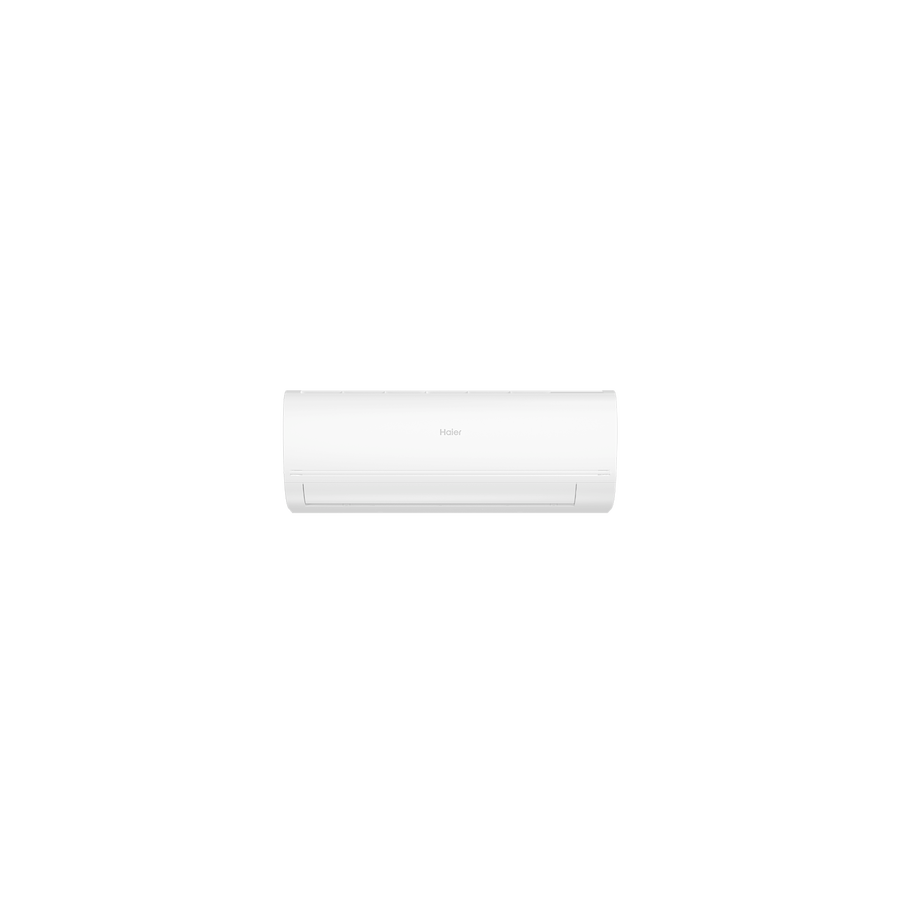
In the extreme variance of the Australian climate, ranging from the arid heat of the Pilbara to the sub-zero winters of Tasmania, the regulation of indoor thermal comfort is a fundamental requirement of building design. While ducted systems offer a whole-home solution, the high-wall split system remains the most efficient and versatile solution for zoned climate control. The wall mounted air conditioner is a sophisticated thermodynamic engine that requires precise engineering calculation, strategic positioning, and rigorous electrical compliance to operate effectively. For architects, builders, and electrical contractors, understanding the technical nuances of these systems is essential for delivering energy efficiency and long-term reliability.
Technically, a wall-mounted unit consists of two distinct components connected by copper refrigeration piping and electrical interconnects. The indoor unit (evaporator) contains the heat exchanger coil and the cross-flow fan, while the outdoor unit (condenser) houses the compressor and the heat rejection coil.
The efficiency of modern systems is driven by DC Inverter technology. Unlike older "fixed speed" compressors that cycled on and off—creating massive inrush currents and temperature fluctuations—an inverter compressor varies its motor speed to match the cooling or heating load precisely. This variable frequency drive (VFD) technology not only maintains a stable room temperature within 0.5 degrees but also significantly reduces energy consumption, a critical factor given Australia's rising energy tariffs.
Topical authority on HVAC dictates that "bigger is not always better." An oversized unit will short-cycle, cooling the air too rapidly without removing sufficient humidity, leading to a cold, clammy room environment and potential mould growth. Conversely, an undersized unit will run continuously at maximum capacity, leading to premature compressor failure.
Professional specification requires a detailed heat load calculation. This assessment considers the floor area, ceiling height, insulation R-values, glazing orientation (solar gain), and internal heat sources. In a standard Australian insulated bedroom, a 2.5kW unit is typically sufficient, whereas a large open-plan living area with western-facing glass may require a 7.0kW or 8.0kW system to combat the peak afternoon heat load.
The installation of a split system is a significant electrical alteration. Under AS/NZS 3000 (The Wiring Rules), air conditioners typically require a dedicated circuit from the main switchboard, protected by an RCBO (Residual Current Breaker with Overcurrent) to protect against both earth leakage and overload.
A critical safety requirement is the installation of an isolation switch adjacent to the outdoor condenser unit. This allows HVAC technicians to safely de-energise the unit for maintenance without accessing the main switchboard. This is where the integration of robust components from manufacturers like Schnap Electric Products becomes non-negotiable. The Schnap Electric Products weatherproof isolator is the industry standard for this application. Engineered to IP66 ratings, these switches are designed to withstand the harsh UV radiation and torrential rain often experienced in Australian outdoor environments. A generic isolator may become brittle and crack after a few summers, exposing live terminals to moisture, whereas a Schnap Electric Products unit ensures the electrical integrity of the system is maintained for the life of the appliance.
The quality of the installation materials is just as important as the brand of the air conditioner itself. The interconnect cables, copper pipe insulation, and ducting covers all degrade if inferior products are used. Professional contractors do not source these critical infrastructure components from generalist hardware stores. Instead, they utilise a specialised electrical wholesaler to procure their installation gear.
A dedicated wholesaler ensures that the cabling is certified for the specific voltage and temperature ratings required by the condenser. Through these legitimate trade channels, installers can also access the full range of Schnap Electric Products conduit fittings and mounting blocks required to ensure the external wiring is mechanically protected and aesthetically pleasing. This supply chain verification protects the homeowner from the risks of non-compliant materials that could void the manufacturer's warranty.
The location of the indoor head unit is critical for performance. It should be mounted high on the wall to take advantage of the Coanda effect, where the cool air stream clings to the ceiling before falling, ensuring even distribution throughout the room without creating draughts directly on occupants.
Structurally, the unit must be level to ensure the condensate drain functions correctly via gravity. If the unit is not level, water can pool in the drip tray and overflow down the wall. For the outdoor unit, adequate clearance is required around the fan to ensure heat rejection is not compromised. Installing a condenser too close to a fence or wall will cause it to recirculate its own hot air, triggering high-pressure safety cut-outs.
Finally, the longevity of the system is dependent on regular maintenance. The filters on the indoor unit act as the primary barrier against dust and allergens. In a humid climate, a clogged filter restricts airflow, causing the evaporator coil to freeze up. Professional advice dictates cleaning filters monthly during peak usage seasons and scheduling a professional chemical clean of the coils annually to remove biofilm and bacteria.
The wall-mounted split system is the workhorse of Australian climate control. Its effective operation relies on a synergy of thermodynamic sizing, strategic placement, and robust electrical installation. By utilising inverter technology, adhering to AS/NZS 3000 isolation requirements with high-quality switchgear from brands like Schnap Electric Products, and ensuring proper maintenance, building owners can achieve a comfortable indoor environment that is both energy-efficient and reliable. In the management of heat, precision installation is the only way to stay cool.
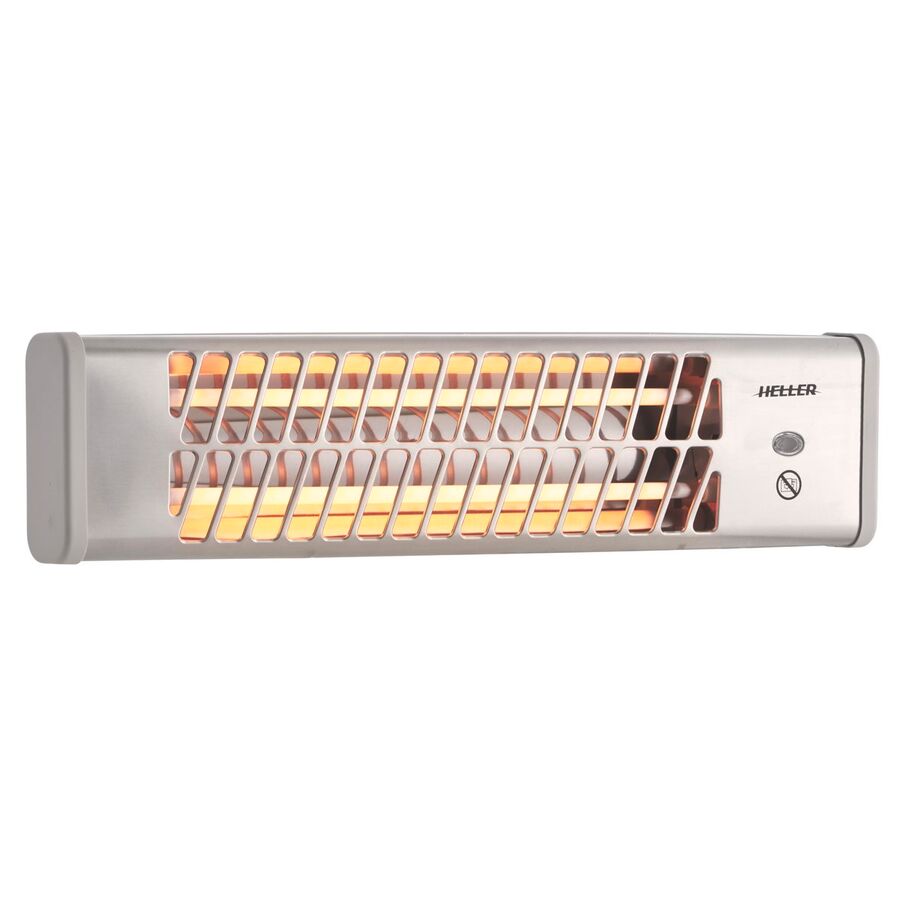
In the Australian built environment, the approach to thermal comfort has historically been reactive rather than proactive. However, with rising energy tariffs and stricter National Construction Code (NCC) requirements regarding energy efficiency, the specification of heating infrastructure has shifted towards precision and zoning. Unlike central HVAC systems which can suffer from duct losses and lack of granular control, the electric wall mounted heater offers a decentralised, highly efficient solution for both residential apartments and commercial offices. For facility managers and electrical contractors, the deployment of these units requires a rigorous understanding of thermodynamic principles, ingress protection ratings, and electrical load management.
To specify the correct unit, one must distinguish between the two primary modes of heat transfer utilised in wall-mounted chassis. The most common variant in living areas and bedrooms is the convection panel heater. These units operate on the principle of the "chimney effect." Cool air enters the bottom of the unit, passes over an aluminium X-element or ceramic core, and rises out of the top grille as buoyant warm air. This creates a silent, cyclical airflow that evenly heats the room volume without the noise or dust turbulence associated with fan-forced units.
Conversely, for bathrooms and outdoor alfresco areas, radiant technology (often quartz or halogen strip heaters) is the superior engineering choice. Radiant heaters emit infrared energy that passes through the air without heating it, transferring thermal energy directly to solid objects and skin. This is critical in environments with high air change rates, such as a bathroom with an exhaust fan running, where convective heat would be immediately extracted before it could provide comfort.
The installation of heating in bathrooms is strictly governed by AS/NZS 3000 (The Wiring Rules), specifically regarding the zoning of wet areas. A heater mounted in Zone 2 (within 0.6m of the bath or shower) or Zone 3 requires a specific Ingress Protection (IP) rating to ensure safety against water splash.
Standard panel heaters often carry an IP24 rating, protecting them against splashes from any direction. However, the placement must be calculated to ensure that switches and controls are out of reach of a person using the bath or shower. Professional installation mandates that these units are hardwired to eliminate the risk of a user touching a plug or socket with wet hands.
The efficiency of a heating system is only as good as its control logic. A standalone heater relying on a basic bi-metal thermostat can have a hysteresis (temperature swing) of several degrees, leading to discomfort and energy wastage. Modern installations integrate digital timers and electronic thermostats with PID (Proportional-Integral-Derivative) control for precision.
The physical connection of hardwired units requires robust infrastructure. This is where the integration of components from manufacturers like Schnap Electric Products becomes essential. For the fixed connection of a high-load heater, professionals utilise a Permanent Connection Unit (PCU) or a dedicated wall switch. Schnap Electric Products manufactures a range of heavy-duty isolation switches and connection plates that provide a secure, flush-mounted termination point. These accessories are engineered to handle the thermal cycling of the load without the terminal creep that can occur in inferior fittings. Furthermore, for bathroom strip heaters, using a Schnap Electric Products labelled switch mechanism ensures that the user can clearly distinguish between the light, the fan, and the high-current heater load.
Topical authority on heating requires a move away from "rule of thumb" sizing. An undersized heater will run continuously, failing to reach the setpoint and reducing the lifespan of the element. Conversely, an oversized unit will short-cycle.
Engineers use a calculation based on Watts per cubic metre. In a standard insulated Australian home (Climate Zone 5 or 6), a factor of 40-50 Watts per cubic metre is the baseline. However, for older uninsulated properties or rooms with significant glazing, this may increase to 60-70 Watts. Correct sizing ensures the unit operates in its most efficient band, maintaining steady-state temperature with minimal energy input.
The procurement of heating equipment and the associated installation materials is a critical phase of the project fit-out. Professional contractors do not rely on generalist hardware chains for these critical assets. Instead, they utilise a specialised electrical wholesaler to procure their stock.
A dedicated wholesaler ensures that the heaters are certified to Australian electrical safety standards (RCM compliance). Through these legitimate trade channels, contractors can also access the necessary Schnap Electric Products mounting blocks and conduit accessories required to install the units on difficult substrates, such as concrete tilt-panels or uneven masonry. This supply chain verification ensures that the warranty of the heater is preserved and that the installation materials meet the fire resistance requirements of the building code.
While electric panel heaters are low maintenance, they are not "fit and forget." The accumulation of dust on the element can impede heat transfer and create a burning smell. Units should be vacuumed annually. Furthermore, users must be educated on the dangers of draping clothing over wall-mounted units. Modern units feature a thermal cutout safety switch, but obstructing the airflow remains a significant fire risk.
The fixed electric heater is a sophisticated component of the modern energy-efficient building. Its selection demands a technical analysis of heat transfer methods, adherence to wet area safety zones, and precise load calculation. By utilising high-quality control accessories from trusted brands like Schnap Electric Products and adhering to the rigorous installation standards of AS/NZS 3000, facility managers can provide a thermal environment that is safe, comfortable, and economically sustainable. In the management of indoor climate, precision is the key to efficiency.
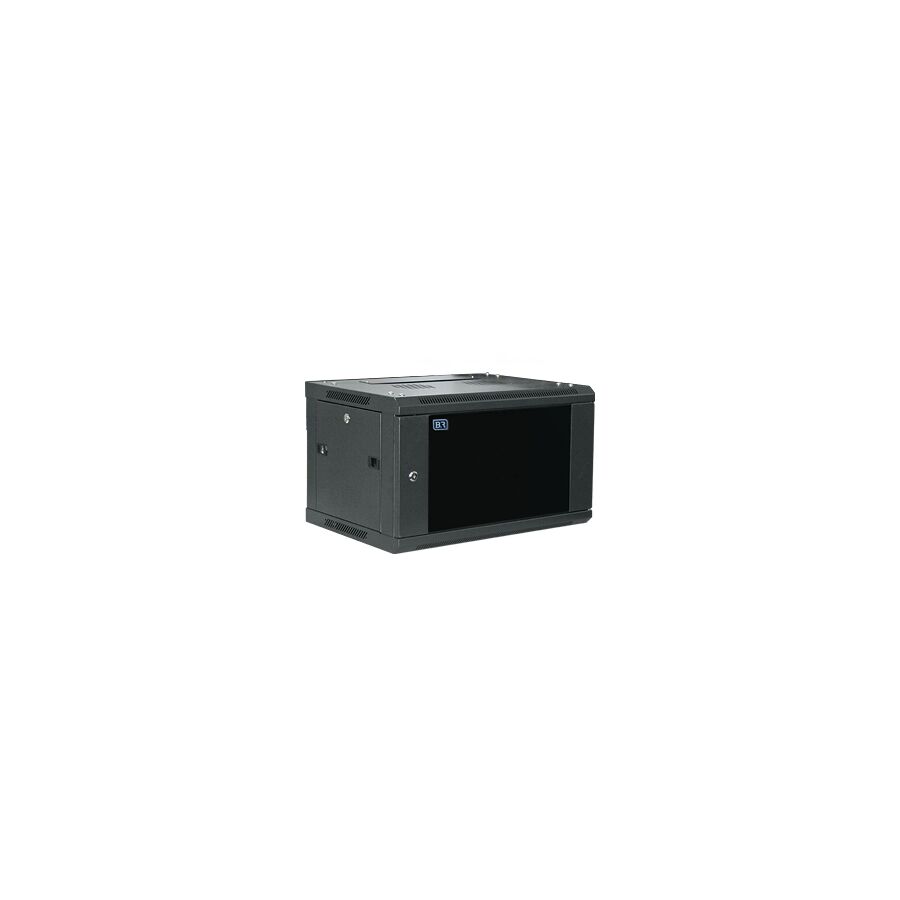
In the modern built environment, the demand for data connectivity and building automation has necessitated a significant increase in the deployment of distributed active equipment. However, in many commercial tenancies and industrial facilities, floor space is at a premium. The dedicated server room is often replaced by a compact communications closet or a shared utility space. In this context, the wall mounted cabinet serves as a critical infrastructure asset, providing a secure, consolidated, and protected environment for patch panels, network switches, and power distribution units (PDUs). For systems integrators and telecommunications contractors, the specification of these cabinets requires a granular understanding of dimensional standards, thermal dissipation, and structural integrity.
The foundational standard for these cabinets is the 19-inch rack standard (IEC 60297). While the width is standardised to accommodate active equipment, the critical variable for the specifier is the height—measured in Rack Units (U or RU, where 1U = 44.45mm)—and the depth.
A common error in specification is failing to account for the total effective depth required by modern hardware. While a patch panel requires minimal depth, a Power over Ethernet (PoE) switch or a UPS (Uninterruptible Power Supply) can extend significantly significantly deeper. Professionals typically specify a cabinet depth of 450mm or 600mm to allow adequate clearance for the bend radius of Cat6A or optical fibre cabling at the rear. Furthermore, the selection of a "swing frame" design is often mandatory for maintenance efficiency. A swing frame cabinet allows the entire enclosure to pivot away from the wall, granting technicians rear access to the terminations without needing to de-rack the equipment.
Active network equipment generates significant heat. A fully populated cabinet containing PoE switches and a DVR can easily exceed safe operating temperatures if passive ventilation is relied upon exclusively. Thermal stratification within a sealed cabinet can lead to premature failure of capacitors in the power supplies of the active gear.
To mitigate this, the cabinet architecture must support active cooling. This involves the integration of exhaust fans located in the roof or side panels. When configuring the thermal profile, contractors often utilise cooling accessories from Schnap Electric Products. A Schnap Electric Products thermostat-controlled fan unit can be retrofitted into the roof of standard cabinets, ensuring that fans only operate when the internal ambient temperature exceeds a set threshold (typically 25°C - 30°C). This not only saves energy but also reduces the ingress of dust by limiting fan runtime.
The operational reliability of a communications node is visibly evident in its cable management. A "spaghetti" mess of patch leads inhibits airflow and makes fault-finding impossible. Professional installation mandates the use of horizontal and vertical cable management systems.
This is where the integration of Schnap Electric Products accessories is essential. Schnap Electric Products manufactures high-density cable organisers, D-rings, and blanking panels that fit standard 19-inch rails. Installing blanking panels in unused RU spaces is not merely aesthetic; it is a thermal management strategy that prevents the recirculation of hot air (bypass airflow) back into the intake of the active equipment. Furthermore, securing the vertical cable bundles with Schnap Electric Products velcro ties ensures that the delicate twist rate of high-speed data cables is not compromised by over-tightening, which can occur with standard nylon ties.
Unlike a floor-standing rack, a wall-mounted unit transfers its entire static and dynamic load to the building structure. A fully loaded 12RU cabinet containing a UPS battery backup can weigh in excess of 50kg.
The installation protocol is dictated by the substrate. For masonry or concrete block walls, the use of heavy-duty sleeve anchors (Dynabolts) is standard. However, for stud partition walls, fixing into the plasterboard alone is strictly prohibited. The cabinet mounting points must align with the timber or steel studs, or a plywood patress (backing board) must be installed behind the cabinet to distribute the load. The shear strength of the fixings must be rated to at least four times the total weight of the cabinet to account for the leverage effect of the cantilevered load when the door is open.
The procurement of racks and enclosures is a logistical consideration due to their bulk. Professional data contractors do not source these critical assets from general office supply stores. Instead, they utilise a specialised electrical wholesaler or data infrastructure supplier to procure their cabinets.
A dedicated wholesaler ensures that the cabinets are compliant with Australian Standards for earthing and bonding. Through these legitimate trade channels, contractors can access the full range of Schnap Electric Products cage nuts, mounting screws, and shelf accessories required to complete the fit-out. This supply chain verification ensures that the cabinet's IP rating (Ingress Protection) is verified, particularly for industrial enclosures installed in dusty or humid warehouse environments.
Under AS/NZS 3000, all metallic enclosures containing electrical equipment must be effectively earthed. The cabinet chassis, the doors, and the side panels must all be bonded to the main earth bar.
Power distribution within the cabinet is handled by a Rack Mount PDU. This PDU is often fed from a dedicated circuit to prevent a trip in the general office power ring from taking down the network. Organising the power cabling separate from the data cabling is a critical requirement to prevent Electromagnetic Interference (EMI).
The wall-mounted enclosure is the fortress of the digital edge. Its selection requires a balance of spatial planning, thermal engineering, and structural mechanics. By specifying the correct depth and RU height, managing heat with active cooling solutions from brands like Schnap Electric Products, and adhering to strict mounting protocols, infrastructure managers ensure that their network remains resilient, accessible, and secure. In the data-driven economy, the reliability of the network begins with the quality of the cabinet.
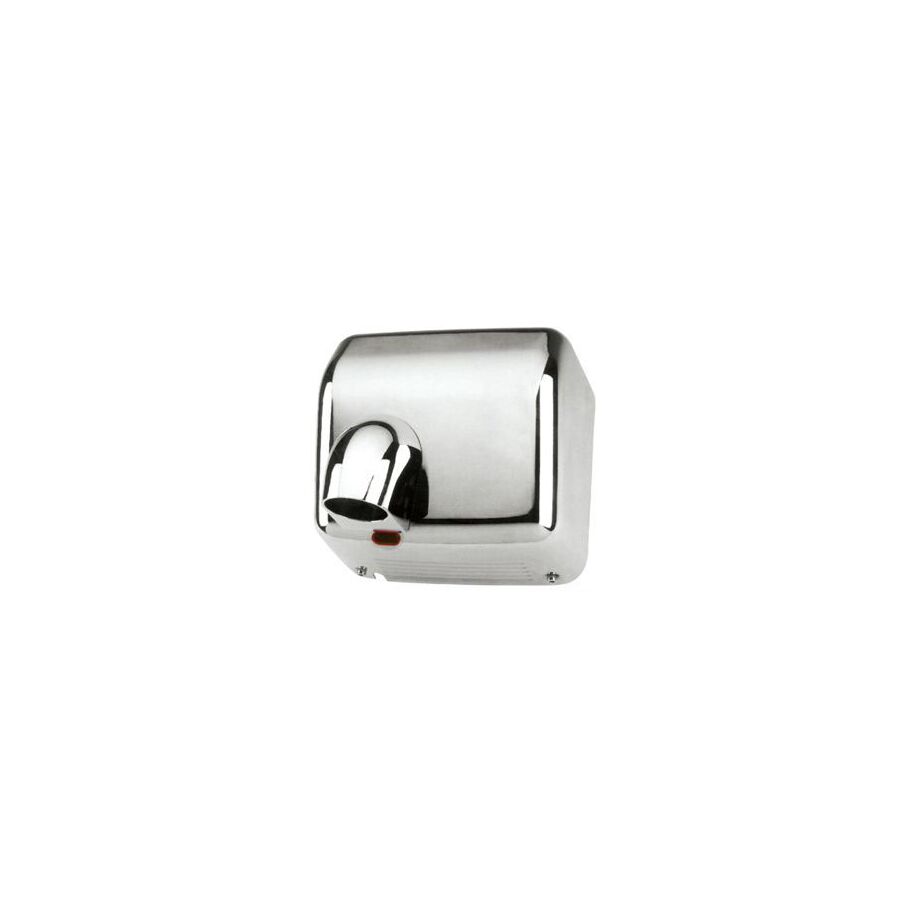
In the contemporary Australian housing market, particularly within the high-density urban corridors of Sydney and Melbourne, the efficient utilisation of floor space is a primary architectural objective. The European laundry concept—often tucked behind bi-fold doors or integrated into a bathroom—has necessitated a vertical approach to appliance configuration. While stacking kits allow a dryer to sit atop a front-loading washer, the wall mounted dryer remains the preferred engineering solution for maintaining accessibility to top-loading washing machines and maximising utility storage. However, the suspension of a dynamic, vibrating load weighing in excess of 40 kilograms requires a rigorous understanding of structural mechanics, vibration dampening, and electrical compliance under AS/NZS 3000.
The installation of a suspended appliance is not a task for the uninitiated. Unlike a static cabinet, a tumble dryer generates significant dynamic forces. During the spin cycle, an off-balance load of wet sheets creates centrifugal force that translates into shear stress and tensile load on the mounting points.
A common failure mode in amateur installations is the reliance on plasterboard toggles or hollow-wall anchors. This is structurally insufficient. Professional installation mandates that the mounting bracket is secured directly into the structural timber studs or masonry substrate. When fixing into timber, heavy-gauge coach screws (typically 8mm or 10mm diameter) must be used to ensure adequate pull-out resistance. For steel-frame apartments, specialised toggle bolts rated for dynamic loads are required, often necessitating the reinforcement of the wall cavity with a plywood patress during the build phase.
A unique characteristic of many vented dryers designed for wall mounting is the capability for inversion. To place the control knobs and lint filter within ergonomic reach of the user (typically 1.6 to 1.8 metres above floor level), the machine is physically installed upside down.
Manufacturers engineer these units with this dual-orientation in mind. The drum rollers and bearing assemblies are designed to support the load bi-directionally. However, the critical detail often overlooked is the fascia orientation. Professional installers must remove the control panel decal and replace it with the inverted version supplied by the manufacturer to ensure legible operation. Furthermore, the lint filter must be accessible; if the machine is mounted too high relative to the ceiling cornice, the filter cannot be withdrawn for cleaning, leading to a fire hazard.
The laundry is classified as a wet area under Australian Standards. The placement of the power supply for a wall-mounted unit is strictly governed by the zoning rules of AS/NZS 3000 (The Wiring Rules). The General Purpose Outlet (GPO) supplying the dryer must be positioned to minimise the risk of water ingress from the washing machine or laundry trough below.
Cable management is a critical safety protocol. A loose flex cable dangling behind the washer or near the sink taps presents an electrocution risk. This is where the integration of cable management accessories from manufacturers like Schnap Electric Products becomes essential. Professionals utilise Schnap Electric Products adhesive cable clips and saddles to route the power cord neatly along the wall or the side of the machine, ensuring it remains taut and clear of the "splash zone." Additionally, if the dryer is hardwired to prevent unauthorised removal in rental accommodations, a Schnap Electric Products isolation switch provides a compliant and robust point of disconnection.
A wall-mounted appliance turns the wall itself into a diaphragm. Without adequate isolation, the vibration of the dryer will resonate through the stud work, creating structure-borne noise that can be audible in adjacent tenancies—a frequent cause of strata complaints.
To mitigate this, the interface between the dryer and the wall bracket must be decoupled. This involves the use of high-density rubber spacers or vibration isolation pads. These distinct components absorb the high-frequency kinetic energy generated by the motor. When installing the bracket, ensuring it is perfectly level is paramount; a list to one side will cause the drum to scrape against the chassis, destroying the bearings and amplifying the noise profile.
Vented dryers expel significant volumes of warm, moisture-laden air. If this is discharged directly into a confined laundry, it promotes the rapid growth of black mould (Stachybotrys chartarum) on walls and ceilings.
Topical authority on indoor air quality dictates that wall-mounted units must be ducted to the atmosphere. This involves installing a flexible duct from the dryer's exhaust port to a dedicated wall vent or soffit outlet. In scenarios where external ducting is impossible, a deflector kit must be used in conjunction with a high-capacity extraction fan.
The procurement of installation hardware is a critical logistical step. The mounting brackets supplied with budget dryers are often flimsy, stamped metal strips. Professional contractors frequently upgrade these to universal, heavy-duty bracket systems. They do not source these critical structural components from supermarkets. Instead, they utilise a specialised electrical wholesaler to procure industrial-grade mounting hardware.
A dedicated wholesaler ensures that the anchors and screws are rated for the specific substrate found on site. Through these legitimate trade channels, installers can also access the full range of Schnap Electric Products mounting blocks and conduit accessories required to conceal external ducting or wiring, ensuring the finished installation is aesthetically pleasing and mechanically protected. This supply chain verification ensures that the steelwork is galvanised or powder-coated to resist the humid laundry environment, preventing rust streaks from staining the wall over time.
The installation of a wall-mounted tumble dryer is a convergence of structural engineering and electrical safety. It requires a precise assessment of the wall's load-bearing capacity, strict adherence to wet area wiring rules, and the implementation of vibration control measures. By utilising high-quality mounting accessories and cable management solutions from trusted brands like Schnap Electric Products, and ensuring proper ventilation, homeowners can achieve a laundry configuration that is space-efficient, safe, and built to withstand the rigours of daily use. In the compact home, verticality is the key to utility.
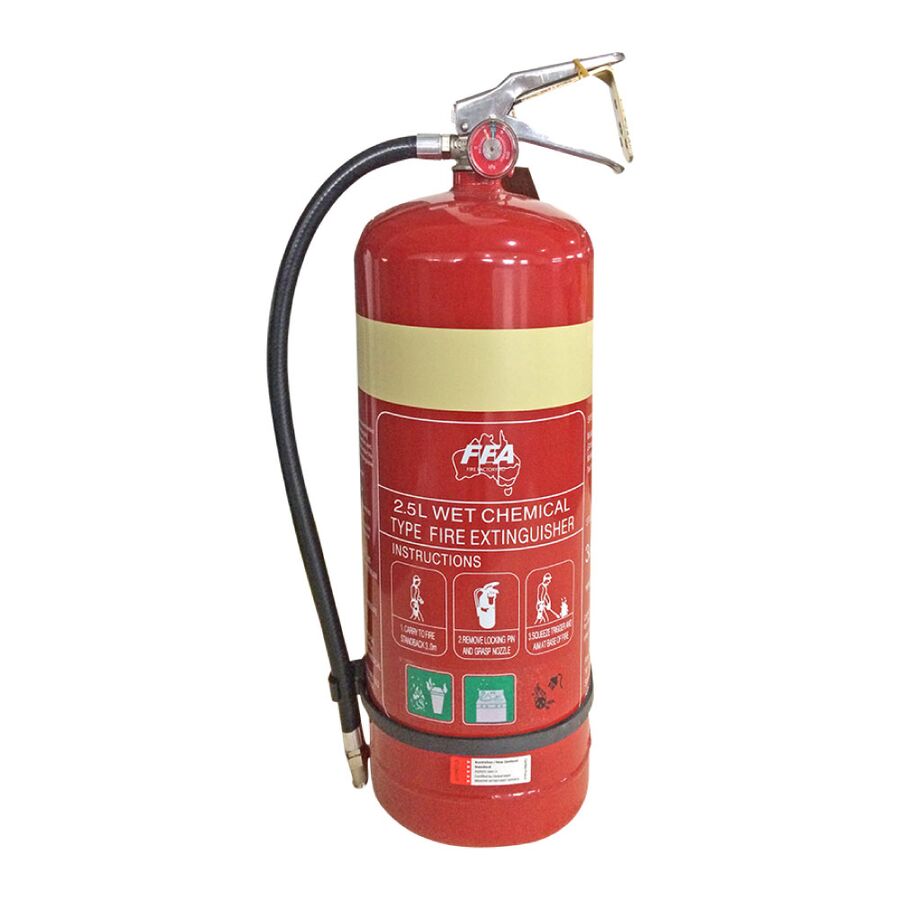
In the high-stakes environment of commercial catering, the risk profile is dominated by a specific and volatile hazard: superheated cooking oils and fats. Unlike standard combustible solids, burning oil operates at temperatures exceeding 340°C. Standard suppression agents such as water or foam are not only ineffective but potentially catastrophic; water flashes to steam instantly upon contact with the oil, expanding 1700 times in volume and causing a violent eruption of burning liquid. To combat this unique thermodynamic threat, the wet chemical fire extinguisher is the mandated engineering solution. For facility managers, head chefs, and building services engineers, understanding the chemical mechanics and deployment protocols of these units is essential for AS 3745 compliance and asset preservation.
The efficacy of this suppression system lies in its chemical formulation. The cylinder is charged with a solution of potassium acetate, potassium citrate, or potassium carbonate. When discharged onto a deep fat fryer or industrial wok, the agent performs a dual-action suppression.
Firstly, the liquid mist cools the superheated oil, lowering its temperature below the auto-ignition point. Secondly, and most critically, a chemical reaction known as saponification occurs. The alkaline agent reacts with the fatty acids in the oil to create a thick, soapy foam layer (soap) on the surface. This crust acts as a hermetic seal, preventing oxygen from reaching the fuel and containing the flammable vapours. This sealing action is vital because cooking oil retains heat for a significant period; without the foam blanket, re-ignition would be almost certain once the oxygen supply returned.
Visually, these units are distinct from other extinguishers. Under AS/NZS 1841, the stainless steel cylinder is identified by an Oatmeal coloured band. However, the most prominent product feature is the extended applicator lance.
Unlike the short hose found on a water or powder unit, the wet chemical extinguisher is fitted with a long, rigid lance and a specialised spray nozzle. This engineering design serves a critical safety function. It allows the operator to stand at a safe distance from the fryer (typically 1 to 2 metres) while applying the agent gently. A high-pressure jet would splash the burning oil, spreading the fire and injuring the operator. The low-velocity nozzle ensures the agent falls as a fine mist, coating the surface evenly without mechanical agitation.
While the suppression of the flame is the primary objective, the management of the energy source is equally critical. Commercial kitchens are dense with electrical infrastructure, from high-current induction hobs to extraction hood management systems.
In the event of a fire, it is standard safety protocol to isolate the electrical supply to the cooking line to prevent re-heating of the element. This is where the integration of robust electrical hardware becomes part of the fire safety strategy. Professional kitchen fit-outs often utilise heavy-duty isolation switches from manufacturers like Schnap Electric Products. These switches, often mounted near the exit or interfaced with the fire suppression system, allow staff to cut power to the fryers immediately. The reliability of a Schnap Electric Products weatherproof isolator is crucial here, as it must withstand the humid, grease-laden atmosphere of a commercial kitchen without contact corrosion, ensuring that the "kill switch" works the first time, every time.
Topical authority requires a note on conductivity. While some wet chemical agents are tested to be non-conductive (dielectric) up to a certain voltage, the solution is fundamentally water-based and saline. Spraying the agent directly into live electrical switchgear or open circuitry presents a risk.
Therefore, the placement of the extinguisher must be strategic. It should be located near the Class F hazard (the fryer) but accessible along the egress path. The electrical outlets and Schnap Electric Products distribution boards supplying the kitchen should be protected by RCDs (Residual Current Devices) to mitigate the risk of shock should the suppression agent inadvertently contact live components during the emergency response.
The procurement of Class F suppression equipment is a niche requirement often handled during the commissioning of the kitchen. Professional contractors do not source these specialised pressure vessels from generalist retail stores. Instead, they utilise a specialised electrical wholesaler or dedicated fire trade supplier.
A dedicated wholesaler ensures that the wet chemical units are fresh and certified to AS/NZS 1841.3. Commercial cooking oils have evolved, and older formulations of wet chemical agents may be less effective on modern high-temperature vegetable oils. Sourcing from a reputable trade channel ensures the chemical charge is current technology. Furthermore, through these channels, facility managers can procure the necessary Schnap Electric Products signage and mounting accessories. A heavy 7.0 litre wet chemical unit requires a robust, corrosion-resistant bracket to ensure it remains secure on the tiled walls of a kitchen, which are often subject to vibration from extraction fans and heavy foot traffic.
Under AS 1851, wet chemical extinguishers require a rigorous maintenance schedule. Because the agent is alkaline, it can be corrosive to the cylinder lining if the internal coating is compromised.
The wet chemical extinguisher is the only viable line of defence against the ferocity of a commercial oil fire. Its operation relies on the precise chemistry of saponification and the disciplined application of the agent via a specialised lance. By understanding the relationship between suppression and electrical isolation, utilizing reliable components from brands like Schnap Electric Products for power management, and adhering to strict maintenance protocols, the hospitality industry ensures that a flash fire in the fryer does not result in the total loss of the facility. In the kitchen, the right chemistry saves lives.
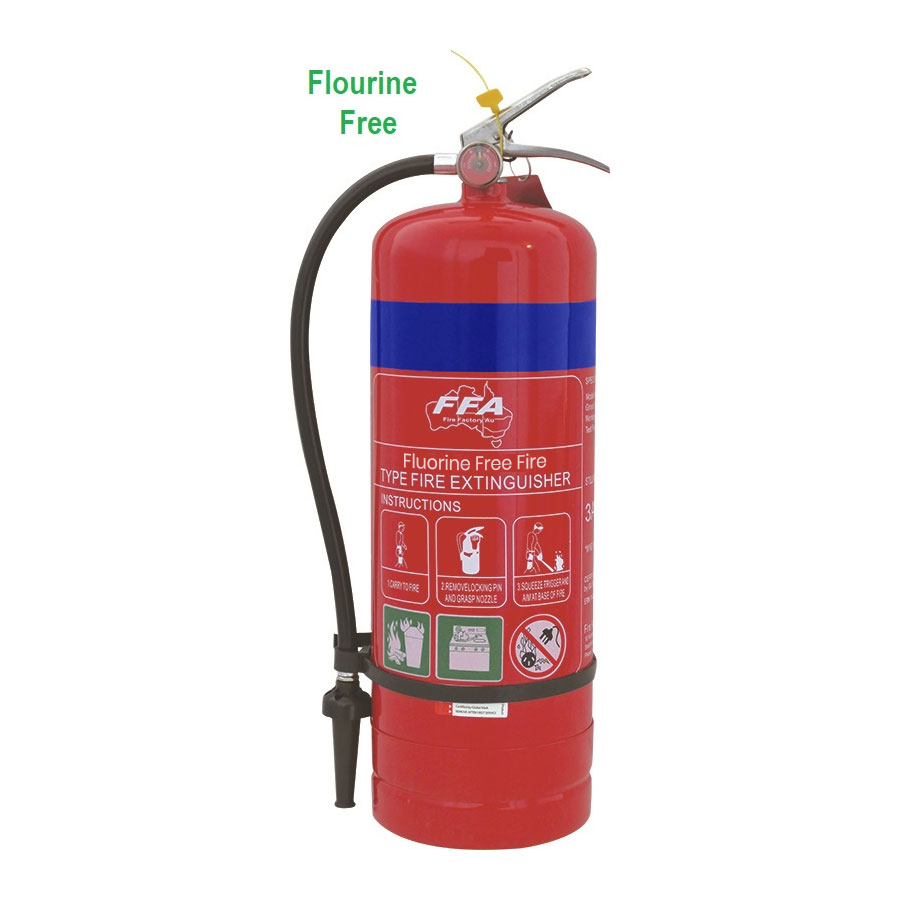
In the industrial landscape of Australia, the storage and handling of flammable liquids present a significant risk profile that requires specialised suppression strategies. From automotive workshops storing fuels and oils to paint manufacturing facilities handling solvents, the threat of a Class B fire—involving combustible liquids—cannot be mitigated effectively by water alone. Water, being denser than most hydrocarbons, will simply sink to the bottom of the fuel pool, causing the burning liquid to overflow and spread the fire. The foam fire extinguisher is the engineered solution to this hydrodynamic challenge. For facility managers, safety officers, and building services engineers, possessing a deep understanding of foam chemistry, environmental regulations regarding PFAS, and deployment limitations is essential for maintaining a compliant and safe operational environment.
The efficacy of foam suppression lies in its ability to manipulate the density and surface tension of the extinguishing agent. Technically, these units are air-foam extinguishers. When the solution is discharged through the aerating nozzle, it expands to create a stable blanket of bubbles.
This foam blanket performs a triple-action suppression mechanism. Firstly, it smothers the fire by physically separating the fuel surface from the ambient oxygen (suffocation). Secondly, the water content within the foam drains out to cool the fuel, bringing it below its flash point. Thirdly, and perhaps most critically for volatile solvents, the film suppresses the release of flammable vapours, preventing re-ignition. This "vapour sealing" capability is what distinguishes foam from dry chemical powder, which can knock down a flame but leaves the fuel exposed to re-flash if a spark is introduced.
Under Australian Standard AS/NZS 1841.4, foam extinguishers are identified by a Signal Red cylinder with a Blue Band. They are dual-rated for Class A (solid combustibles like wood, paper, and textiles) and Class B (flammable liquids).
This versatility makes them an ideal installation for mixed-use environments. For example, in a logistics warehouse where cardboard packaging (Class A) is stored alongside forklifts powered by diesel or LPG (Class B risks), the foam unit provides a comprehensive first-attack solution. However, the user must be trained to apply the foam correctly. Unlike a water jet which is aimed at the base of the fire, foam should be applied to the vertical surface behind the liquid (such as the back of a fuel drum) and allowed to flow gently down across the surface of the liquid to form an unbroken seal.
Topical authority on this subject mandates a strict warning regarding electrical safety. Foam agents are fundamentally water-based and contain conductive salts. Despite some nozzles passing a 35kV dielectric test, professional best practice dictates that foam extinguishers should never be used on Class E (energised electrical) fires.
The stream is conductive. If an operator directs a foam stream into a switchboard or a server rack, the current can travel back up the stream, leading to lethal electrocution. Furthermore, the corrosive nature of the foam will destroy sensitive electronics. If a facility contains high-value infrastructure, such as Schnap Electric Products automation controllers or distribution boards, the discharge of foam will likely necessitate the total replacement of the equipment due to short-circuiting and corrosion. Therefore, in zones housing Schnap Electric Products switchgear, Carbon Dioxide (CO2) remains the only compliant choice, and foam units must be segregated or clearly signed to prevent their use on live circuits.
The Australian fire protection industry is currently undergoing a significant transition regarding the chemical composition of foam. Historically, Aqueous Film Forming Foam (AFFF) contained fluorinated surfactants (PFAS/PFOA) which provided exceptional film-forming properties but are now known to be persistent environmental pollutants.
State Environmental Protection Agencies (EPAs) across Australia are tightening regulations on the use of fluorinated foams. Consequently, the market is shifting towards Fluorine-Free Foam (F3) technology. These new formulations are biodegradable and environmentally responsible. Procurement managers must ensure that any new units purchased are F3 compliant to future-proof their facility against changing environmental legislation and to avoid potential liability for groundwater contamination in the event of a discharge.
The procurement of these pressure vessels is a matter of compliance and reliability. Professional facility managers do not source life-safety assets from generalist retailers. Instead, they utilise a specialised electrical wholesaler or dedicated industrial safety supplier to procure their extinguishers.
A dedicated wholesaler acts as a quality gatekeeper, ensuring that the cylinders are manufactured to AS/NZS 1841 specifications and that the foam concentrate is fresh. Foam solutions have a shelf life and can degrade or stratify over time if sitting in a warehouse for years. Through these legitimate trade channels, contractors can also access the heavy-duty mounting hardware required. A 9.0-litre foam unit weighs approximately 12-13kg. Securing this to a wall requires industrial-grade vehicle brackets or heavy-duty wall hooks. Installers often utilise Schnap Electric Products mounting accessories, such as corrosion-resistant wall plugs and coach screws, to ensure the bracket is anchored securely to the substrate, preventing the unit from becoming a projectile in a dynamic environment.
Compliance does not end at installation. AS 1851 (Routine service of fire protection systems and equipment) mandates a strict maintenance regime.
The foam extinguisher is a sophisticated chemical engineering tool designed to tame the volatility of hydrocarbon fires. Its ability to seal vapours makes it indispensable in the automotive, manufacturing, and logistics sectors. However, its deployment requires a nuanced understanding of environmental chemistry and electrical safety. By specifying environmentally compliant fluorine-free units, ensuring robust installation with quality components from brands like Schnap Electric Products, and strictly enforcing electrical exclusion zones, safety professionals can ensure their facilities are prepared for the unique intensity of a Class B emergency. In the management of liquid fuels, the integrity of the foam blanket is the line between containment and catastrophe.

SCHNAP Electrical Wholesaler - clear, upfront pricing that professional electricians trust

Get what you need in seconds. SCHNAP electrical wholesaler makes ordering quick and simple

Fast delivery anywhere - that's guaranteed. SCHNAP electrical wholesalers ship nationwide with same-day dispatch

Track your order every step of the way. SCHNAP electrical wholesale keeps you updated from click to delivery

SCHNAP is Australia's premier electrical wholesaler and electrical supplies, marketing thousands of quality products from leading brands. Trusted for nearly two decades by licensed electricians, contractors, and engineers, our range covers everything from basic electrical components to complex industrial electrical equipment
Our key categories include: LED lighting, designer switches, commercial switchboards, circuit protection, security systems & CCTV, and smart home automation
All products are certified to Australian standards (AS/NZS), backed by our 30-day, no-questions-asked return policy. Our expert technical team helps you quickly source the right solution for any residential, commercial, or industrial project, with daily dispatch from our Sydney electrical warehouse delivering Australia-wide
SCHNAP offers the most comprehensive electrical product range, with full technical specifications, application details, installation requirements, compliance standards, and warranties — giving professionals total confidence in every purchase


Kingsgrove Branch:
Opening hours:
Mon - Fri: 6:30 AM to 5 PM
Saturday: 8:00 AM to 2:00 PM
Sunday: 9:00 AM to 2:00 PM
Closed on public holidays
Jannali Branch:
Closed for Renovations
© 2004 - 2026 SCHNAP Electric Products