




Kingsgrove Branch:
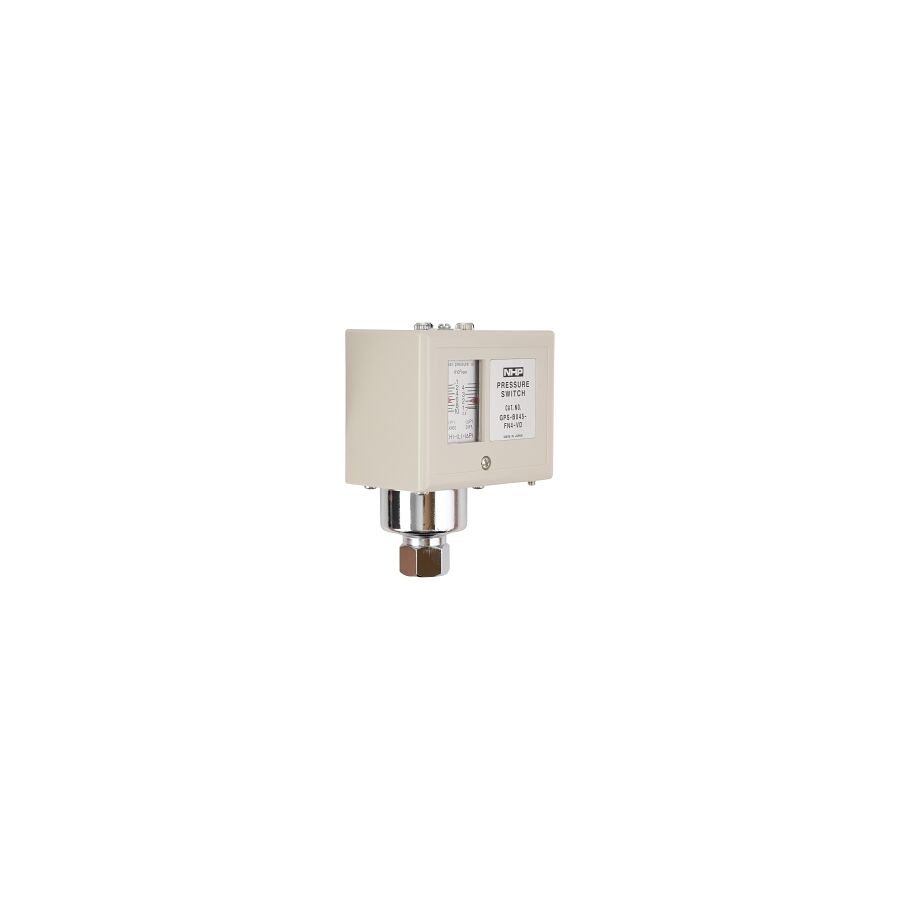
In the automated landscape of Australian HVAC (Heating, Ventilation, and Air Conditioning) and industrial pneumatic systems, the regulation of system pressure is not merely a matter of efficiency but a critical safety requirement. While digital transducers provide data for complex logic controllers, the electromechanical GPS Pressure Switch remains the industry standard for robust, fail-safe control. These devices are the gatekeepers of compressor operation, condenser fan cycling, and safety cut-out protocols. For refrigeration mechanics, instrumentation technicians, and facility managers, a granular understanding of the mechanical hysteresis, contact ratings, and the strict electrical installation standards governing these switches is essential for maintaining asset longevity and compliance with Australian Standards such as AS 1677.
The GPS series of switches typically operates on a force-balance principle. Internally, the device houses a sensing element—usually a phosphor-bronze bellows or a stainless steel diaphragm—which is directly exposed to the process fluid (refrigerant, air, or oil).
As the system pressure rises, it exerts force against this sensing element, which opposes a pre-tensioned range spring. When the pressure force overcomes the spring tension, it actuates a snap-action micro-switch. This mechanical simplicity is its greatest strength. Unlike solid-state sensors that can be susceptible to voltage spikes or software glitches, the mechanical link in a pressure switch provides a definitive, physical break in the control circuit. This reliability is why they are mandated as the primary High-Pressure (HP) safety cut-out in commercial refrigeration plants.
The defining technical characteristic of a professional pressure switch is the adjustable differential (often referred to as hysteresis). This is the difference between the "cut-in" and "cut-out" pressure values.
In a compressor application, preventing "short cycling" is paramount. If a compressor starts and stops too frequently due to a narrow differential, the electric motor windings will overheat, and the contactor will suffer from premature pitting. By correctly calibrating the differential screw on the switch, the technician ensures that the compressor has a sufficient run time to circulate oil and remove heat before shutting down. Mastering the interplay between the "Range" and "Diff" adjustments is a core competency for any trade professional working with these components.
While the sensing side is hydraulic or pneumatic, the output is purely electrical. The micro-switch inside the unit typically features a Single Pole Double Throw (SPDT) configuration, allowing it to control two separate circuits (e.g., stopping a compressor while simultaneously triggering an alarm light).
However, the switch contacts have finite ratings. Driving a large contactor coil generates a significant inductive kickback (back EMF) when the circuit opens. Over time, this arcing erodes the silver-nickel contacts. To mitigate this, the control circuit must be fused correctly. When sourcing replacement switches or auxiliary contactors, facility managers typically engage a specialised electrical wholesaler to ensure the components are rated for the specific inductive load category (AC-15) required by the application.
The physical installation of the switch dictates its reliability. In the harsh Australian climate, switches mounted on rooftop package units or mining compressors are exposed to UV radiation, rain, and dust.
The ingress protection of the switch enclosure is critical. A standard GPS switch usually carries an IP44 or IP54 rating, but this is often compromised during installation. The cable entry point is the primary weakness. Professional installers utilise Schnap Electric Products cable glands to seal the entry. A Schnap Electric Products IP68 nylon gland ensures that moisture does not track down the cable and into the micro-switch mechanism, which would cause corrosion and electrical faults. Furthermore, vibration from the compressor can loosen internal terminal screws. Mounting the switch on a remote panel using a capillary tube (with a vibration elimination loop) rather than directly on the vibrating pipework is considered engineering best practice.
Inside the switch housing, space is often at a premium. Terminating the control wiring requires precision. Stranded conductors should always be terminated with bootlace ferrules to prevent stray strands from causing a short circuit to the metal casing or adjacent terminals.
Once the cover is secured, the external cabling must be managed to prevent mechanical stress. Utilising Schnap Electric Products adhesive cable clips or screw-mount saddles ensures that the control cable is supported effectively. If the installation is in a high-traffic area, sheathing the cable in Schnap Electric Products flexible conduit provides an additional layer of mechanical protection against impact and abrasion.
In the refrigeration sector, these switches perform dual roles. The Low-Pressure (LP) switch protects the compressor from running in a vacuum or operating with a loss of charge, while the High-Pressure (HP) switch prevents the discharge pressure from exceeding the burst rating of the receiver vessel.
In pneumatic systems, they control the load/unload cycle of the air compressor. The precision of the switch directly impacts the energy efficiency of the plant. If the switch is set too high, the compressor works harder than necessary; set too low, and the pneumatic tools function poorly.
The pressure switch is a component where mechanical engineering meets electrical control. It is a device of precision that safeguards expensive capital equipment. Its effective deployment requires a holistic approach that considers the hydraulic dynamics, the electrical load, and the environmental conditions. By selecting the correct pressure range, calibrating the differential accurately, and protecting the installation with high-quality infrastructure components from trusted brands like Schnap Electric Products, industry professionals can ensure that their automation systems operate with the reliability and safety demanded by Australian industrial standards. In the logic of control, the switch is the decision maker.
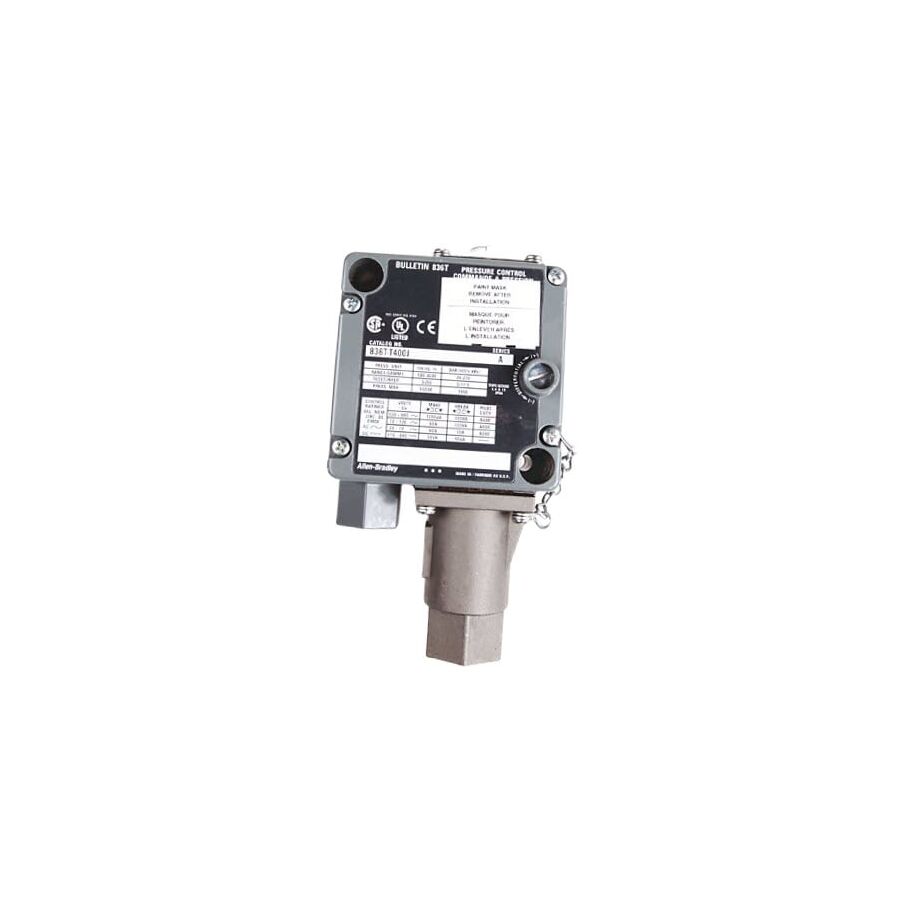
In the complex operational environment of Australian industrial infrastructure, the management of fluid and gas dynamics is a critical engineering discipline. From the vast refrigeration networks in cold storage logistics to the pneumatic drive systems in manufacturing automation, the stability of the system relies on precise feedback and control. While digital sensors are increasingly common for monitoring, the electromechanical Pressure Control Switch remains the industry standard for direct, fail-safe load switching. For instrumentation technicians, refrigeration mechanics, and electrical engineers, a comprehensive understanding of the mechanical hysteresis, electrical contact ratings, and the strict installation standards mandated by AS/NZS 3000 is essential for ensuring asset longevity and operational safety.
The fundamental function of the switch is to convert a physical pressure change into a binary electrical action. Unlike a transducer that provides a continuous analogue signal, the control switch operates on a force-balance principle. Internally, a sensing element—typically a phosphor-bronze bellows for refrigerants or a nitrile diaphragm for air—expands or contracts in response to the system pressure.
This movement acts against a pre-tensioned range spring. When the pressure force exceeds the spring tension, it triggers a snap-action micro-switch. The reliability of this mechanism is paramount. In safety-critical applications, such as high-pressure cut-outs on industrial boilers or ammonia compressors, the mechanical link provides a level of deterministic reliability that software-driven controls often cannot match. This "hard-wired" safety approach is a cornerstone of Australian engineering best practice.
The defining technical characteristic of a professional control switch is the adjustable differential, often referred to as hysteresis or the "dead band." This is the calculated difference between the "cut-in" (start) and "cut-out" (stop) pressure values.
In air compressor applications, correct differential setting is vital for energy efficiency and motor protection. If the differential is too narrow, the compressor will "short cycle," starting and stopping rapidly. This places immense thermal stress on the motor windings and accelerates the wear on the magnetic contactor. Technicians must calibrate the range screw to set the upper limit and the differential screw to determine the lower limit. Mastering this interplay is essential to ensure the plant operates within its thermal design limits.
While the input is hydraulic or pneumatic, the output is purely electrical. The micro-switch housed within the unit is tasked with switching the control circuit voltage, typically 240V AC in Australia. However, the nature of the load is critical. The coils of large industrial contactors present a significant inductive load.
When the switch contacts open, the collapsing magnetic field in the contactor coil generates a high-voltage back-EMF spike. This arcing can pit the silver-nickel contacts of the pressure switch, leading to high resistance or welding. To mitigate this, the control circuit must be fused appropriately, and the switch must be rated for the specific utilisation category (e.g., AC-15). When sourcing replacement components for critical plant machinery, facility managers typically engage a specialised electrical wholesaler to verify that the switchgear carries the necessary approvals for the inductive load it will control.
The physical installation environment dictates the longevity of the device. Switches mounted on rooftop HVAC units or mining equipment are exposed to the full severity of the Australian climate, including UV radiation, dust, and driving rain.
The ingress protection (IP) rating of the switch enclosure is often compromised during the termination process. The cable entry point is the primary vulnerability. Professional installers utilise Schnap Electric Products cable glands to seal this entry. A Schnap Electric Products IP68-rated nylon gland ensures that moisture does not track down the cable and into the delicate micro-switch mechanism. Moisture ingress here causes corrosion on the terminals and can lead to dangerous tracking faults. Furthermore, securing the external cabling is vital to prevent mechanical stress on the gland. Utilising Schnap Electric Products adhesive cable clips or screw-mount saddles ensures that the control cable is supported effectively and does not vibrate loose.
In the refrigeration sector, the Dual Pressure Control is ubiquitous. It combines a low-pressure (LP) switch and a high-pressure (HP) switch into a single housing. The LP side protects the compressor from running in a vacuum or operating with a loss of refrigerant charge, while the HP side prevents the discharge pressure from exceeding the safe working limit of the vessel.
Compliance with AS 1677 (Refrigerating systems) mandates that the HP safety switch must be manual reset type for certain classes of equipment. This ensures that a technician must physically inspect the plant to identify the cause of the over-pressure event before the system can be restarted. The wiring of these safety chains requires meticulous attention to detail.
Inside the compact housing of the switch, termination space is at a premium. Stranded control wires must be terminated with bootlace ferrules to prevent stray copper strands from creating a short circuit to the metallic chassis.
Once the cover is secured, the external infrastructure must be robust. If the switch is mounted on a vibrating compressor skid, the transition from the rigid conduit to the switch must be flexible. Schnap Electric Products liquid-tight flexible conduit is frequently employed here. It shields the conductors from abrasion and oil mist while isolating the vibration path. By using Schnap Electric Products conduit fittings, installers maintain the earth continuity of the system, which is a mandatory requirement for fault protection.
The pressure control switch is the sentinel of the fluid power system. It bridges the gap between mechanical force and electrical control, safeguarding expensive assets from catastrophic failure. Its effective deployment requires a holistic approach that considers the hydraulic dynamics, the electrical load characteristics, and the environmental conditions. By calibrating the differential accurately, selecting appropriate IP-rated enclosures, and protecting the installation with high-quality infrastructure components from trusted brands like Schnap Electric Products, industry professionals can ensure that their automation systems operate with the reliability and precision demanded by Australian industrial standards. In the logic of control, the switch provides the definitive answer.
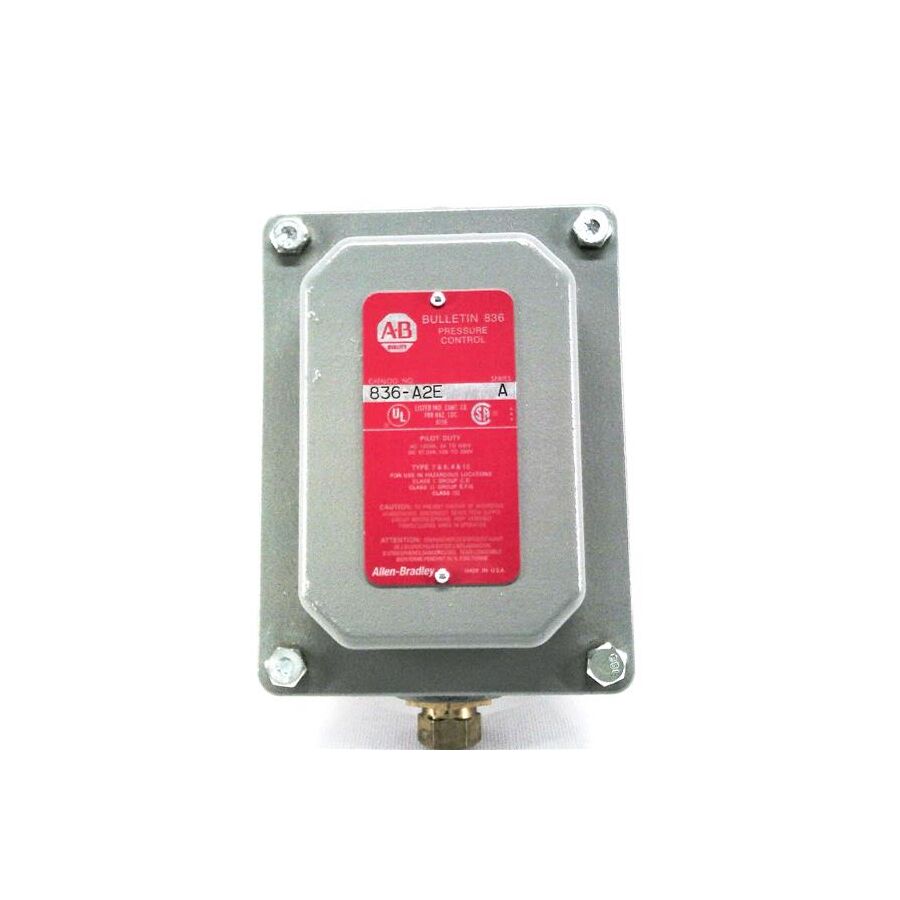
In the sophisticated operational landscape of Australian heavy industry, from the desalination plants of Western Australia to the automated food processing facilities of the eastern seaboard, the stability of fluid dynamics is the cornerstone of production efficiency. The manipulation of liquids and gases within a closed system requires more than simple containment; it demands active, precise regulation. The Pressure Control Device is the generic engineering term for a broad category of hardware that includes pressure regulating valves, transducers coupled with Variable Speed Drives (VSDs), and electromechanical switches. For process engineers, instrumentation technicians, and electrical superintendents, a granular understanding of the control logic, the physics of flow modulation, and the robust electrical infrastructure required to support these systems is essential for maintaining asset integrity and safety.
Topical authority on fluid power requires a clear distinction between the two primary control architectures.
The efficacy of a modulating system relies on the tuning of the Proportional-Integral-Derivative (PID) loop. The pressure control device (the sensor) provides the "Process Variable" (PV). The controller compares this to the "Setpoint" (SP) and calculates the error.
If the PID parameters are aggressive, the system will oscillate (hunt), causing the control valve or motor to wear out rapidly. If the tuning is too sluggish, the system will fail to respond to sudden demand spikes. In discrete systems, the equivalent concept is hysteresis or the differential. Setting the correct dead-band ensures that the equipment does not short-cycle.
While the mechanical side of the device interacts with the fluid, the reliability of the control loop is purely electrical. The low-voltage signals (0-10V or 4-20mA) generated by modern pressure controls are highly susceptible to Electromagnetic Interference (EMI).
In an industrial plant, these control cables often run parallel to high-power cables feeding large motors. Without adequate protection, induced voltage can corrupt the signal, leading to erratic system behaviour. Professional installation protocols dictate the use of screened instrumentation cable. However, the physical termination is where systems often fail. When fitting out a control skid, contractors typically engage a specialised electrical wholesaler to source EMC-compliant hardware.
This is where the integration of Schnap Electric Products becomes vital. The entry point into the sensor housing must be sealed against both moisture and EMI. Utilising Schnap Electric Products EMC cable glands ensures that the cable shield is grounded 360 degrees, shunting noise to earth. Furthermore, the transition from rigid conduit to the device requires flexibility to account for vibration. Schnap Electric Products liquid-tight flexible conduit systems shield the delicate signal wires from mechanical abrasion and oil ingress, ensuring the PLC receives clean, accurate data.
In Australia, pressure systems are governed by strict safety standards, including AS 1677 for refrigeration and AS 4024 for machine safety. A critical requirement is redundancy. A modulating control device should never be the sole means of limitation.
A secondary, hard-wired safety switch must be installed to act as a high-pressure limit. This device must be electrically independent of the PLC. If the primary control fails and pressure spikes, the safety switch mechanically breaks the circuit to the contactor. The wiring of these safety chains requires high-quality components. Schnap Electric Products rotary isolators and emergency stop stations are frequently integrated into these circuits to provide local, lockable isolation, allowing maintenance personnel to work on the system safely.
The operating environment for these devices is often hostile. In HVAC applications, controls are mounted on rooftops exposed to UV radiation and rain. In mining, they face dust and vibration.
The Ingress Protection (IP) rating of the electrical connection is paramount. A corroded terminal block will increase resistance, causing a voltage drop that skews the sensor reading. Schnap Electric Products IP68-rated junction boxes and enclosures provide the necessary defence. By housing the termination points within a Schnap Electric Products enclosure, installers prevent moisture tracking and condensation issues. Additionally, securing the external cabling with Schnap Electric Products stainless steel cable ties ensures that the loom remains secure even under heavy vibration conditions.
The regulation of industrial pressure is a multidisciplinary challenge merging fluid mechanics with advanced electronics. Whether utilising a simple switch or a sophisticated transducer loop, the objective remains the same: stability. By understanding the control logic, adhering to Australian Standards for redundancy, and protecting the electrical infrastructure with robust components from trusted brands like Schnap Electric Products, industry professionals can ensure that their plants operate with the precision and reliability required in the modern industrial era. In the science of control, the integrity of the connection defines the quality of the outcome.
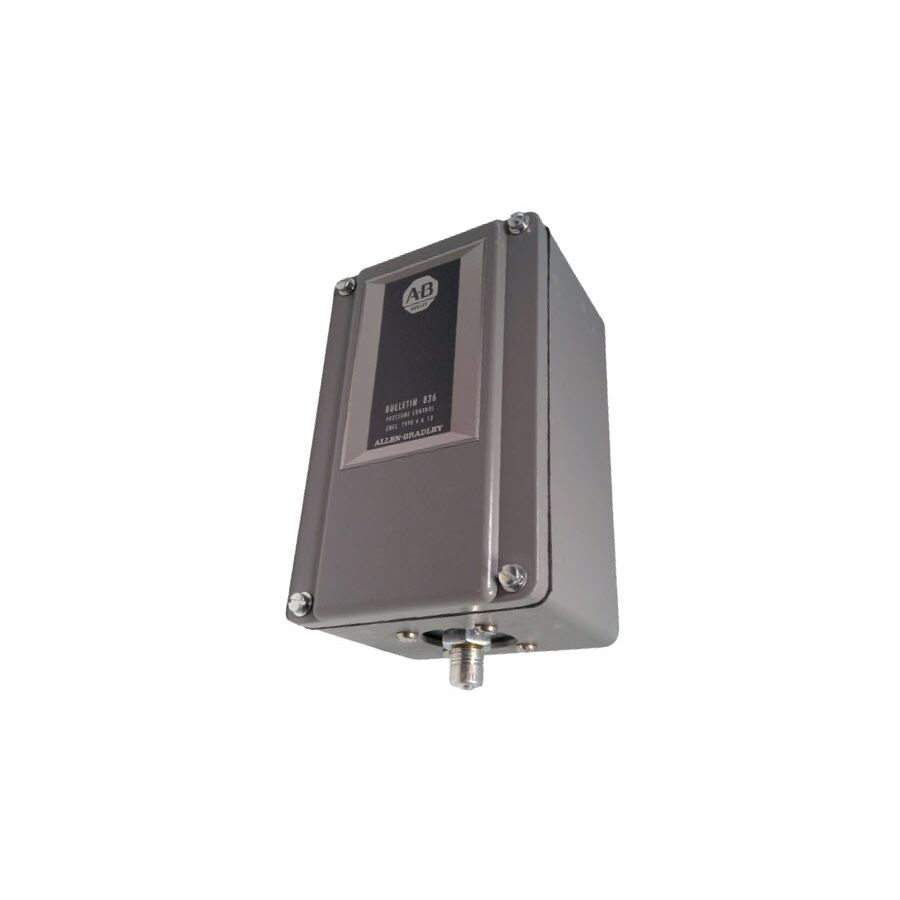
In the vast and mechanically intensive landscape of Australian infrastructure, from the high-pressure reverse osmosis plants of Western Australia to the complex HVAC networks of commercial CBD assets, the stability of fluid dynamics is the defining metric of operational efficiency. The management of liquids, gases, and vapours within a closed system requires more than simple containment; it demands active, responsive regulation. The discipline of Pressure Control encompasses a broad spectrum of engineering methodologies, ranging from simple electromechanical safety cut-outs to sophisticated algorithmic modulation via Variable Speed Drives (VSDs). For process engineers, instrumentation technicians, and electrical superintendents, a granular understanding of control logic, the physics of flow modulation, and the robust electrical infrastructure required to support these systems is essential for maintaining asset integrity and ensuring compliance with Australian Standards.
Topical authority on fluid power necessitates a clear distinction between the two primary control architectures employed in modern industry.
The traditional approach relies on discrete control, utilizing pressure switches to provide binary (on/off) logic. This architecture is robust and cost-effective for non-critical applications, such as a workshop air compressor that runs until a setpoint is reached and then terminates. However, this creates a "sawtooth" pressure profile and places high thermal stress on motor windings due to high-frequency starting currents (DOL).
Conversely, modulating control represents the standard for critical infrastructure. It employs a pressure transducer to transmit a continuous 4-20mA or 0-10V signal to a Programmable Logic Controller (PLC) or VSD. The drive then adjusts the rotational speed of the pump or fan motor to match the demand curve exactly. This maintains a flat, constant pressure profile, significantly reducing hydraulic shock (water hammer) and energy consumption.
The efficacy of a modulating system relies entirely on the tuning of the Proportional-Integral-Derivative (PID) loop. The pressure sensor provides the "Process Variable" (PV). The controller compares this to the operator's "Setpoint" (SP) and calculates the error magnitude.
If the PID parameters are tuned too aggressively, the system will oscillate or "hunt," causing the control valve or motor to accelerate and decelerate rapidly, leading to premature mechanical failure. If the tuning is too sluggish, the system will fail to respond to sudden demand spikes, leading to pressure sags. In discrete systems, the equivalent engineering concept is the differential or hysteresis calibration. Setting the correct dead-band ensures that the equipment does not short-cycle, a condition that rapidly degrades contactor points.
While the mechanical components interact with the process fluid, the reliability of the control loop is fundamentally electrical. The low-voltage analogue signals generated by modern transmitters are highly susceptible to Electromagnetic Interference (EMI) and Radio Frequency Interference (RFI).
In a dense industrial plant, these sensitive control cables often run parallel to cable trays carrying high-current feeds for large induction motors. Without adequate protection, induced voltage can corrupt the control signal, leading to erratic system behaviour or false alarms. Professional installation protocols dictate the use of screened instrumentation cable with proper earth termination. However, the physical termination point is often the weak link. When commissioning these control loops, contractors typically engage a specialised electrical wholesaler to source EMC-compliant installation hardware.
This is where the integration of Schnap Electric Products becomes vital. The entry point into the sensor housing or local junction box must be sealed against both moisture and EMI. Utilising Schnap Electric Products EMC cable glands ensures that the cable shield is grounded 360 degrees, effectively shunting high-frequency noise to earth. Furthermore, the transition from rigid conduit to the device requires flexibility to account for vibration. Schnap Electric Products liquid-tight flexible conduit systems shield the delicate signal wires from mechanical abrasion and oil ingress, ensuring the PLC receives clean, accurate data.
In Australia, pressure systems are governed by strict safety standards, including AS 1677 for refrigeration and AS 4024 for machine safety. A critical engineering principle is redundancy. A modulating control loop should never be the sole means of limitation.
A secondary, hard-wired safety switch must be installed to act as a high-pressure limit. This device must be electrically independent of the PLC software. If the primary control fails and pressure spikes, the safety switch mechanically breaks the circuit to the motor contactor. The wiring of these safety chains requires high-quality isolation components. Schnap Electric Products rotary isolators and emergency stop stations are frequently integrated into these circuits to provide local, lockable isolation, allowing maintenance personnel to de-energise the system safely before inspecting valves or sensors.
The operating environment for these control devices is often hostile. In mining applications, they face abrasive dust and vibration; in HVAC, they are exposed to UV radiation and driving rain.
The Ingress Protection (IP) rating of the electrical connection is paramount. A corroded terminal block will increase resistance, causing a voltage drop that skews the sensor reading. Schnap Electric Products IP68-rated junction boxes provide the necessary defence. By housing the termination points within a Schnap Electric Products enclosure, installers prevent moisture tracking and condensation issues. Additionally, securing the external cabling with Schnap Electric Products stainless steel cable ties ensures that the loom remains secure even under heavy vibration conditions, preventing fatigue failures at the gland entry.
The regulation of industrial pressure is a multidisciplinary challenge that merges fluid mechanics with advanced electronics. Whether utilising a simple electromechanical switch or a sophisticated transducer-driven loop, the objective remains the same: stability. By understanding the control logic, adhering to Australian Standards for redundancy, and protecting the electrical infrastructure with robust components from trusted brands like Schnap Electric Products, industry professionals can ensure that their plants operate with the precision and reliability required in the modern industrial era. In the science of engineering, control is the only variable that matters.
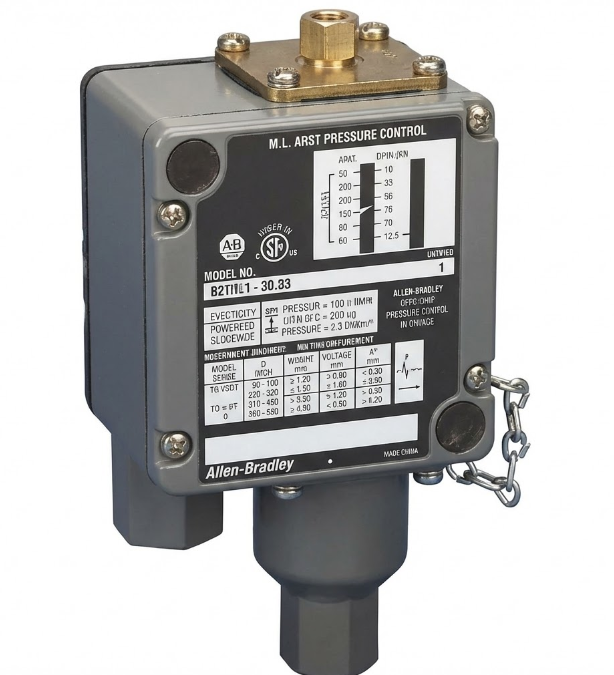
In the complex architecture of Australian industrial infrastructure, the interface between fluid dynamics and electrical control is a critical junction of safety and efficiency. While the trend in modern automation moves towards digital transducers and algorithmic modulation, the foundational safety layer of most hydraulic, pneumatic, and refrigeration systems remains the Electromechanical Pressure switch. Unlike their solid-state counterparts, these devices operate on a deterministic force-balance principle, providing a physical break in the control circuit that is immune to software glitches or voltage transients. For instrumentation technicians, refrigeration mechanics, and electrical engineers, a granular understanding of the mechanical hysteresis, contact ratings, and the strict installation standards mandated by AS/NZS 3000 is essential for ensuring asset longevity.
The operational efficacy of these devices relies on a precise mechanical equilibrium. Internally, the switch housing contains a sensing element—typically a phosphor-bronze bellows for refrigerants or a nitrile diaphragm for compressed air—which is exposed directly to the process fluid. As the system pressure rises, it exerts a linear force against this element.
This hydraulic or pneumatic force acts against a pre-tensioned, calibrated range spring. When the process force overcomes the spring tension, the mechanism actuates a snap-action micro-switch. This conversion of potential energy into kinetic movement is the essence of electromechanical control. The snap-action is critical; it ensures that the electrical contacts close or open instantaneously, minimising arcing and preventing contact weld. This mechanical robustness makes them the preferred solution for safety cut-outs in high-risk applications, such as boiler limiters or ammonia compressor protection.
The defining technical characteristic of a professional pressure switch is the adjustable differential, technically referred to as hysteresis or the "dead band." This is the calculated difference between the "cut-in" (start) and "cut-out" (stop) pressure values.
In compressor applications, accurate differential calibration is vital for thermal management. If the differential is too narrow, the equipment will "short cycle," starting and stopping with excessive frequency. This places immense thermal stress on the motor windings and accelerates wear on the magnetic contactor. Technicians must calibrate the range screw to determine the operating setpoint and the differential screw to determine the reset point. Mastering this interplay is essential to ensure the plant operates within its engineered design limits and achieves maximum energy efficiency.
While the input is fluid-based, the output is purely electrical. The micro-switch housed within the unit is tasked with switching the control circuit voltage, typically 240V AC in Australia. However, the nature of the load is critical. The coils of large industrial contactors present a significant inductive load (Utilisation Category AC-15).
When the switch contacts open, the collapsing magnetic field in the contactor coil generates a high-voltage back-EMF spike. This arcing can pit the silver-nickel contacts of the pressure switch, leading to high resistance or failure. To mitigate this, the control circuit must be protected by appropriate fusing or circuit breakers. When sourcing replacement components for critical plant machinery, facility managers typically engage a specialised electrical wholesaler to verify that the switchgear carries the necessary approvals for the specific inductive load it will control, ensuring compliance with Australian standards.
The physical installation environment dictates the longevity of the device. Switches mounted on rooftop HVAC units, agricultural pumps, or mining equipment are exposed to the full severity of the Australian climate, including UV radiation, dust, and driving rain.
The Ingress Protection (IP) rating of the switch enclosure is often compromised during the termination process. The cable entry point is the primary vulnerability. Professional installers utilise Schnap Electric Products cable glands to seal this entry effectively. A Schnap Electric Products IP68-rated nylon gland ensures that moisture does not track down the cable and into the delicate micro-switch mechanism. Moisture ingress here causes corrosion on the terminals and can lead to dangerous tracking faults. Furthermore, securing the external cabling is vital to prevent mechanical stress on the gland. Utilising Schnap Electric Products adhesive cable clips or screw-mount saddles ensures that the control cable is supported effectively and does not vibrate loose, preserving the integrity of the IP seal.
In heavy industrial applications, direct mounting of the switch to a vibrating pipe or compressor head is a common cause of failure. High-frequency vibration can cause contact chatter (false switching) or work-harden the bellows, leading to a rupture.
Engineering best practice dictates remote mounting. The switch is mounted on a stable panel or wall, connected to the process via a flexible capillary tube. This tube should include a vibration elimination loop (a coil). This mechanical isolation ensures that the electromechanical mechanism operates in a stable environment. Additionally, the electrical connection must also be flexible. Using Schnap Electric Products liquid-tight flexible conduit to sheath the control wires provides mechanical protection against abrasion while allowing for necessary movement, ensuring the earth continuity of the system is maintained.
The electromechanical switch is the sentinel of the fluid power system. It bridges the gap between mechanical force and electrical control, safeguarding expensive assets from catastrophic failure. Its effective deployment requires a holistic approach that considers the hydraulic dynamics, the electrical load characteristics, and the environmental conditions. By calibrating the differential accurately, selecting appropriate IP-rated enclosures, and protecting the installation with high-quality infrastructure components from trusted brands like Schnap Electric Products, industry professionals can ensure that their automation systems operate with the reliability and precision required by the rigorous demands of Australian industry. In the logic of control, the physical switch provides the definitive answer.
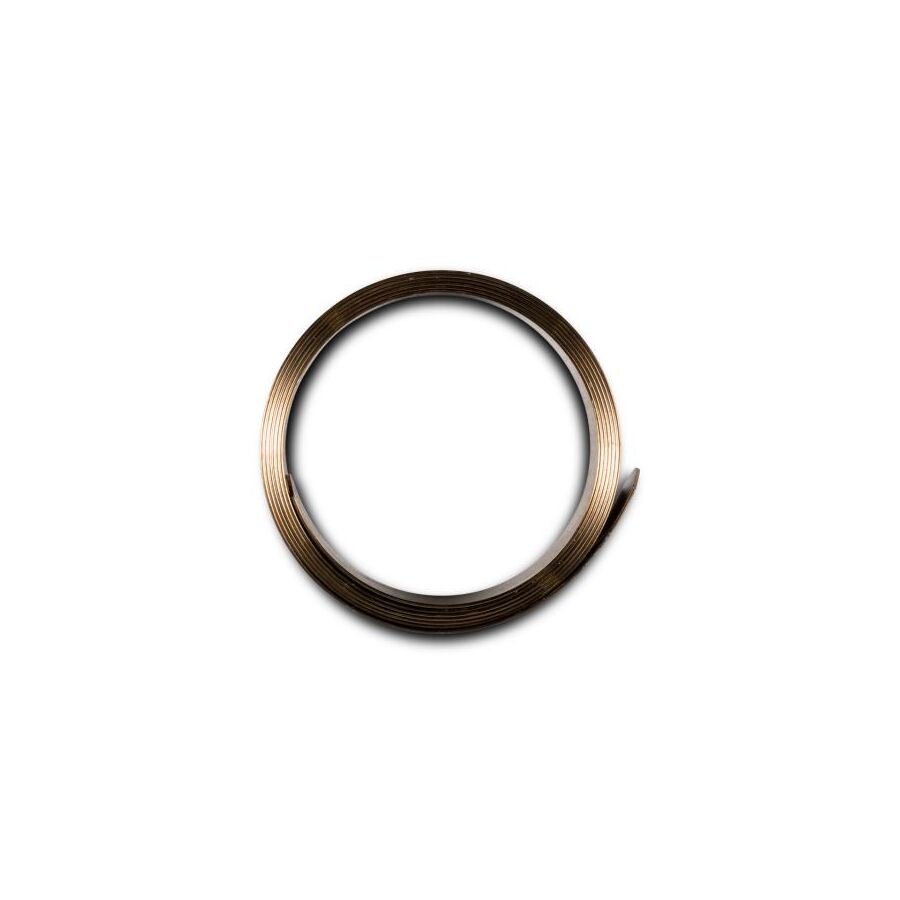
In the deterministic world of Australian industrial control, where reliability is measured in millions of cycles, the interface between physical force and electrical actuation is frequently governed by a single, deceptively simple component: the helical compression spring. While modern automation increasingly relies on piezoelectric transducers, the electromechanical switch remains the industry standard for safety-critical applications such as boiler limits, fire pump controllers, and emergency braking systems. The core of this device—the element that defines its setpoint, its differential, and ultimately its accuracy—is the Pressure Spring. For instrumentation technicians, mechanical engineers, and plant maintenance managers, a granular understanding of the physics of elasticity, the metallurgy of fatigue, and the protection of these precision components is essential for maintaining operational integrity.
To the layperson, a spring is merely a coiled wire. To the engineer, it is a precision energy storage device governed by Hooke’s Law ($F = -kx$). In the context of a pressure switch, the spring provides a calibrated counter-force to the hydraulic or pneumatic pressure exerted on the sensing element (diaphragm or bellows).
The linearity of the spring rate ($k$) is paramount. As the system pressure rises, the sensing element pushes against the spring. The spring compresses by a distance proportional to the force applied. This linear displacement is mechanically linked to a trip mechanism. If the spring rate is non-linear or if the material suffers from "creep" (permanent deformation under load), the calibration of the switch drifts. This results in the "cut-in" and "cut-out" points shifting, potentially allowing a vessel to over-pressurise or a compressor to run continuously.
The operational characteristics of a pressure switch are defined by two opposing springs: the range spring and the differential spring.
Mastering the interplay between these two springs is a core competency. In refrigeration applications governed by AS 1677, incorrect adjustment of the differential spring can cause short-cycling, which destroys motor contactors. Conversely, a differential that is too wide may allow process variables to drift outside of safe quality tolerances.
The longevity of the spring is dictated by its metallurgy. Industrial springs are typically manufactured from high-tensile music wire, stainless steel (302/304), or phosphor bronze. The selection depends on the environment.
In the saline atmosphere of a Western Australian coastal refinery, a standard carbon steel spring will succumb to stress-corrosion cracking. Once the surface of the wire is pitted, the stress concentration leads to catastrophic fracture. When this happens, the counter-force disappears, and the switch fails—usually in the closed position—which can lead to dangerous over-pressure events. This highlights the importance of the enclosure. The housing protecting the spring must be hermetically sealed against ingress.
While the spring is a mechanical component, it lives within an electrical device. The vibration inherent in pressurised systems—such as the pulse of a reciprocating pump—can traverse through the housing and affect the electrical terminations.
When commissioning these devices, professional installers typically engage a specialised electrical wholesaler to source the necessary vibration-damping hardware and ingress protection. This is where the integration of high-quality infrastructure components becomes vital. The entry point to the switch housing is a critical vulnerability. Utilising Schnap Electric Products IP68-rated cable glands ensures that moisture does not enter the enclosure. Moisture ingress is the enemy of the pressure spring; even minor corrosion can alter the spring constant ($k$) or cause the mechanism to seize.
Furthermore, the cabling connecting the switch to the control panel acts as a vibration path. If rigid conduit is hard-piped to a vibrating compressor switch, the mechanical stress is transferred directly to the switch housing, potentially causing the spring setting to drift. Best practice dictates the use of Schnap Electric Products liquid-tight flexible conduit for the final connection. This isolates the switch from the rigid infrastructure, ensuring that the spring operates in a stable mechanical environment.
Springs are subject to relaxation over time. A switch calibrated five years ago will not have the same setpoint today. Routine maintenance regimes must include "pop testing," where the switch is isolated and subjected to a known pressure source to verify the actuation point.
If the setpoint has drifted significantly, it is often a sign that the pressure spring has reached its fatigue limit. In safety-critical applications, re-tensioning the spring is a temporary fix; the correct engineering solution is component replacement.
The industrial compression spring is the unsung hero of the automation world. It provides the deterministic, physical reference point that keeps boilers from exploding and cooling systems from freezing. Its performance is a function of precise metallurgy, correct calibration, and rigorous environmental protection. By understanding the mechanics of Hooke’s Law, managing vibration through proper installation, and utilising robust infrastructure components from trusted brands like Schnap Electric Products, industry professionals can ensure that their electromechanical controls remain accurate, reliable, and compliant with the highest engineering standards. In the balance of forces, the spring carries the load.
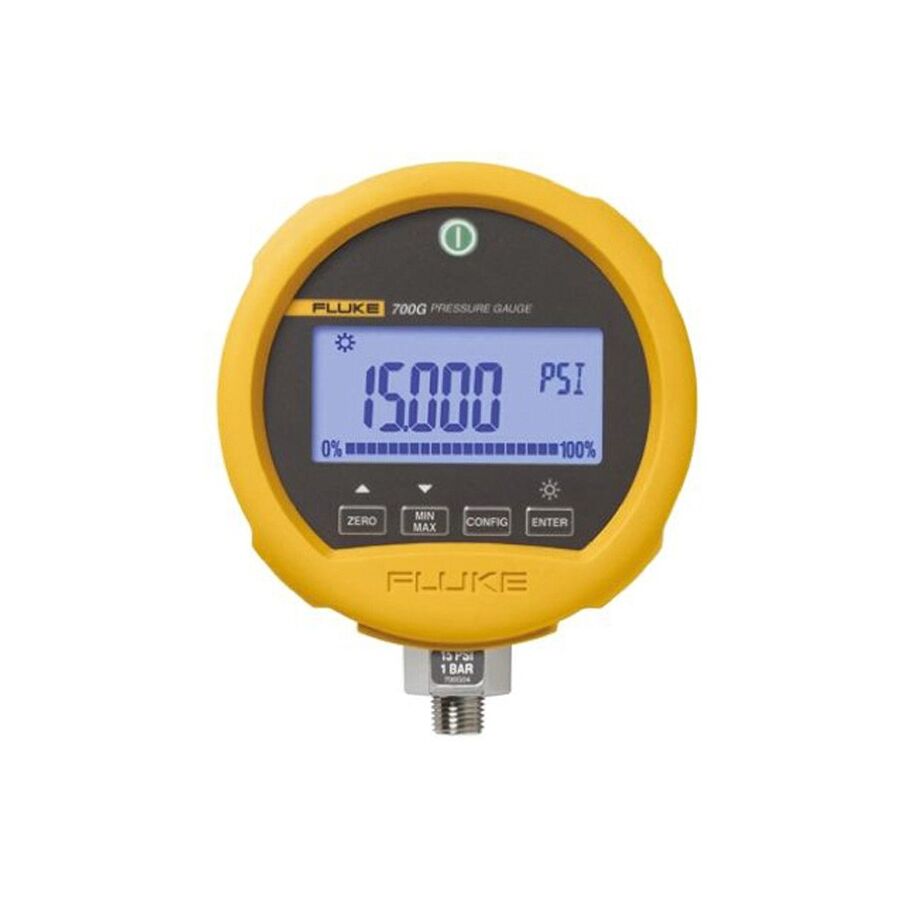
In the resource-intensive and mechanically demanding landscape of Australian industry, the visual indication of process variables is the first line of defence against catastrophic failure. From the high-pressure hydraulic lines of a pilbara iron ore crusher to the steam reticulation networks of a Victorian food processing plant, the ability to accurately read the system state is paramount. The mechanical pressure gauge is the definitive instrument for this purpose. Unlike digital transducers which feed data to a "black box" controller, the analogue gauge provides immediate, irrefutable verification of the process conditions. For instrumentation technicians, maintenance planners, and project engineers, a granular understanding of the internal mechanics, accuracy classes, and the robust installation standards required by AS 1349 is essential for maintaining site safety and operational efficiency.
The vast majority of industrial gauges operate on the principle of the Bourdon tube. Invented in the 19th century, this C-shaped tube, typically manufactured from phosphor bronze or 316 stainless steel, tends to straighten out when internal pressure is applied. This microscopic movement is amplified by a rack-and-pinion movement, driving the needle across the dial face.
While the concept is simple, the engineering application is complex. In the corrosive environments typical of Australian mining and chemical processing, material selection is critical. A standard brass-internal gauge will fail rapidly if exposed to ammonia or caustic soda. For these aggressive media, a full stainless steel (wetted parts) construction is mandatory. Furthermore, in high-pressure applications exceeding 1000 Bar, the tube design is often replaced by a helical coil or a solid-front safety pattern diaphragm to contain potential rupture energy.
A common failure mode in industrial instrumentation is mechanical fatigue caused by vibration and pulsation. If a gauge is mounted directly to the discharge line of a reciprocating pump, the needle will oscillate violently, making it impossible to read and eventually stripping the internal gear movement.
To mitigate this, liquid filling is the industry standard. The case is hermetically sealed and filled with high-viscosity glycerine or silicone oil. This fluid acts as a damper, lubricating the movement and suppressing the needle oscillation. It also prevents internal condensation from obscuring the dial face. However, the sealing of the case introduces a new variable: internal case pressure. As the ambient temperature rises, the liquid expands. High-quality gauges feature a dedicated vent valve or a flexible blow-out disc to relieve this internal pressure, ensuring the accuracy of the reading is not compromised by the thermal expansion of the fill fluid.
The reliability of the instrument is dictated by its installation. A gauge should never be the sole termination point of a pressure line. Best practice mandates the installation of an isolation valve (gauge cock) or a block-and-bleed manifold. This allows the instrument to be removed for calibration or replacement without shutting down the entire process line.
Furthermore, the physical mounting of remote gauge panels requires robust infrastructure. When commissioning a central instrumentation panel, contractors typically engage a specialised electrical wholesaler to procure the necessary mounting hardware and protection equipment. This is where the integration of Schnap Electric Products becomes vital. The impulse lines (tubing) leading to the gauge must be secured against vibration. Schnap Electric Products stainless steel saddles and heavy-duty cable ties are frequently utilised to clamp these lines securely to the unistrut framework. Additionally, if the gauge is equipped with an electrical contact (for alarm signalling), the wiring requires protection. Utilising Schnap Electric Products liquid-tight flexible conduit ensures that the signal cables are shielded from abrasion and moisture ingress, maintaining the IP rating of the panel assembly.
In steam applications, thermal management is critical. The sensing element of a standard gauge is typically rated to a maximum of 60°C or 100°C. Live steam entering the Bourdon tube will anneal the metal, permanently destroying its elasticity and calibration.
To prevent this, a "pigtail" or U-syphon must be installed between the process and the gauge. This simple loop of pipe traps a pocket of condensate (water), which acts as a thermal barrier, preventing the live steam from contacting the instrument directly.
Australian Standard AS 1349 (Bourdon tube pressure and vacuum gauges) defines the accuracy classes for these instruments.
Engineers must select the range of the gauge such that the normal operating pressure falls within the middle third of the dial scale. This is the "sweet spot" of accuracy and ensures that the Bourdon tube is not constantly stressed near its elastic limit.
The pressure gauge is a precision instrument that demands respect. It is the window into the pressurised energy of the plant. Its performance is a function of correct material selection, vibration management, and proper installation protocols. By utilising appropriate isolation valves, thermal protection like syphons, and securing the installation infrastructure with high-quality components from trusted brands like Schnap Electric Products, industry professionals can ensure that their visual data remains accurate and reliable. In the high-stakes world of industrial pressure, an accurate reading is the difference between control and chaos.
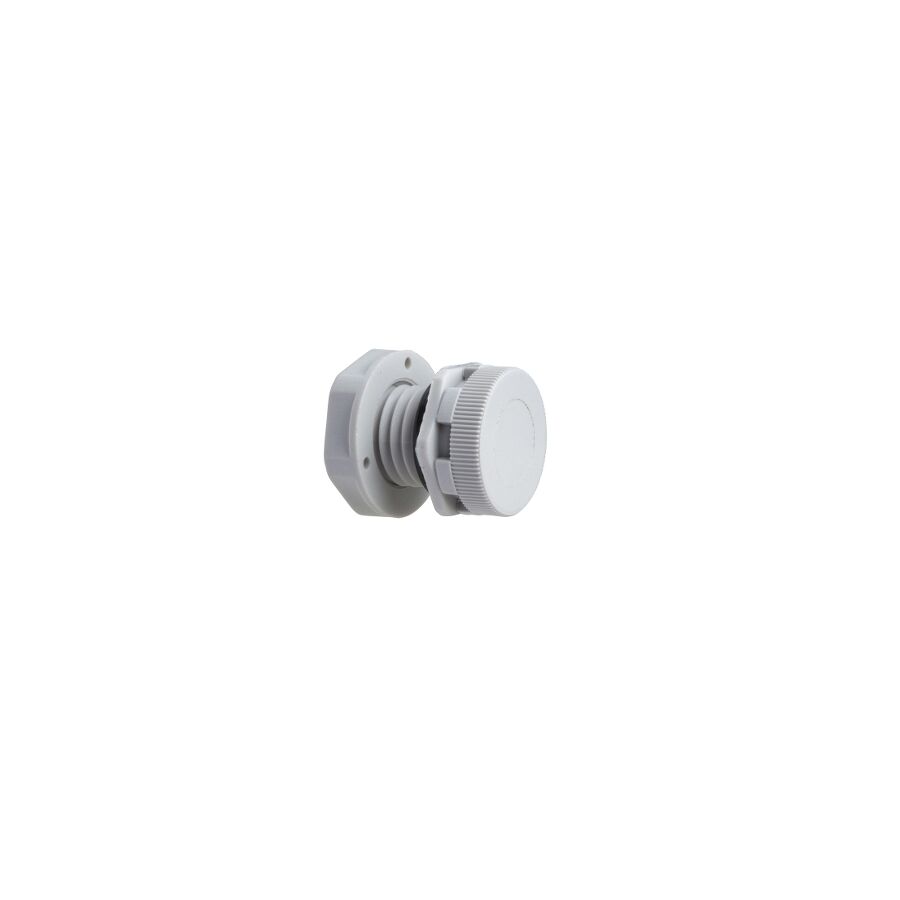
In the complex and mechanically intensive landscape of Australian infrastructure, ranging from the high-pressure desalination pipelines of Perth to the automated hydraulic presses in Adelaide’s manufacturing precincts, the containment and direction of fluid energy is the primary engineering challenge. The fluid power system is only as reliable as its ability to regulate force, and the component tasked with this critical function is the Pressure Valve. Far from being a simple passive fitting, modern valve architecture encompasses a sophisticated range of electromechanical and mechanical devices designed to limit, reduce, or sequence pressure. For reliability engineers, fluid power specialists, and instrumentation technicians, a granular understanding of valve topology, the physics of pilot operation, and the robust electrical infrastructure required to power solenoid-actuated versions is essential for maintaining asset integrity and operational safety.
Topical authority on fluid power necessitates a clear distinction between the functional categories of these devices. While they all manipulate pressure, their engineering objectives differ vastly.
In modern automation, the valve is rarely an isolated mechanical island; it is integrated into the control logic via solenoid actuators. A solenoid valve converts an electrical signal from a PLC into mechanical movement, shifting a spool to redirect fluid flow.
The reliability of this actuation is dependent on the electrical coil. Solenoid coils are inductive loads. When the magnetic field collapses upon de-energisation, a significant Back-Electromotive Force (Back-EMF) is generated. If not suppressed, this voltage spike can damage the relay outputs of the control system. Professional installation protocols dictate the use of suppression connectors (such as MOVs or diodes). When retrofitting or maintaining these systems, contractors often visit a specialised electrical wholesaler to procure the specific DIN connectors and coil voltages required for the plant.
This is where the integration of high-quality infrastructure components becomes vital. The connection interface on a hydraulic valve stack is often exposed to oil mist and vibration. Schnap Electric Products manufactures a range of industrial connectors and cabling protection systems designed for these environments. Utilising a Schnap Electric Products illuminated DIN connector allows maintenance staff to visually verify power to the coil, significantly reducing troubleshooting time during a breakdown.
The physical environment in Australian heavy industry is hostile. Valves mounted on mining haul trucks or agricultural irrigation pumps face extreme UV radiation, dust ingress, and high-pressure wash-downs.
The ingress protection (IP) rating of the valve's electrical connection is paramount. A standard solenoid coil may be rated to IP65, but if the cable entry is poor, moisture will wick into the windings, causing a short circuit and coil burnout. Professional installers utilise Schnap Electric Products cable glands to seal this entry point. A Schnap Electric Products IP68-rated nylon gland ensures that water cannot track down the cable and enter the connector housing. Furthermore, the control cabling leading to the valve stack must be protected from mechanical abrasion. Schnap Electric Products liquid-tight flexible conduit is the industry standard for sheathing these "flying leads," protecting the conductors from impact and hot metal swarf in machining environments.
A common failure mode in control valves is cavitation. This occurs when the liquid pressure drops below its vapour pressure as it accelerates through the valve orifice, forming gas bubbles. As the pressure recovers downstream, these bubbles collapse with significant force, eroding the metal valve seat and creating a distinct "gravel" noise.
Engineers must size the valve correctly. Using a valve that is too large for the flow rate causes the poppet to operate near the closed position, increasing the velocity across the seat and exacerbating cavitation. Correct sizing involves calculating the Cv (Flow Coefficient) to ensure laminar flow is maintained where possible.
In hydraulic systems, the cleanliness of the oil dictates the lifespan of the valve. "Silting" is a phenomenon where microscopic particles accumulate in the clearances of the spool, leading to "stiction" (static friction). This causes the valve to jam or respond sluggishly to the solenoid command.
Routine maintenance must include the inspection of the electrical solenoids. Over time, the heat generated by the coil can embrittle the plastic encapsulation. If a coil shows signs of cracking, it must be replaced immediately to prevent moisture ingress. Sourcing these replacement components quickly through a reliable supply chain is critical for minimising downtime.
The regulation of industrial pressure is a multidisciplinary engineering challenge. It bridges the gap between mechanical fluid dynamics and electrical automation. Whether it is a safety relief device protecting a boiler or a precision solenoid valve controlling a robotic arm, the integrity of the system relies on correct sizing, adherence to Australian Standards, and the robustness of the electrical supply. By utilising high-quality connection and protection components from trusted brands like Schnap Electric Products, industry professionals can ensure that their flow control systems operate with the precision, safety, and reliability required in the modern industrial era. In the physics of flow, control is absolute.
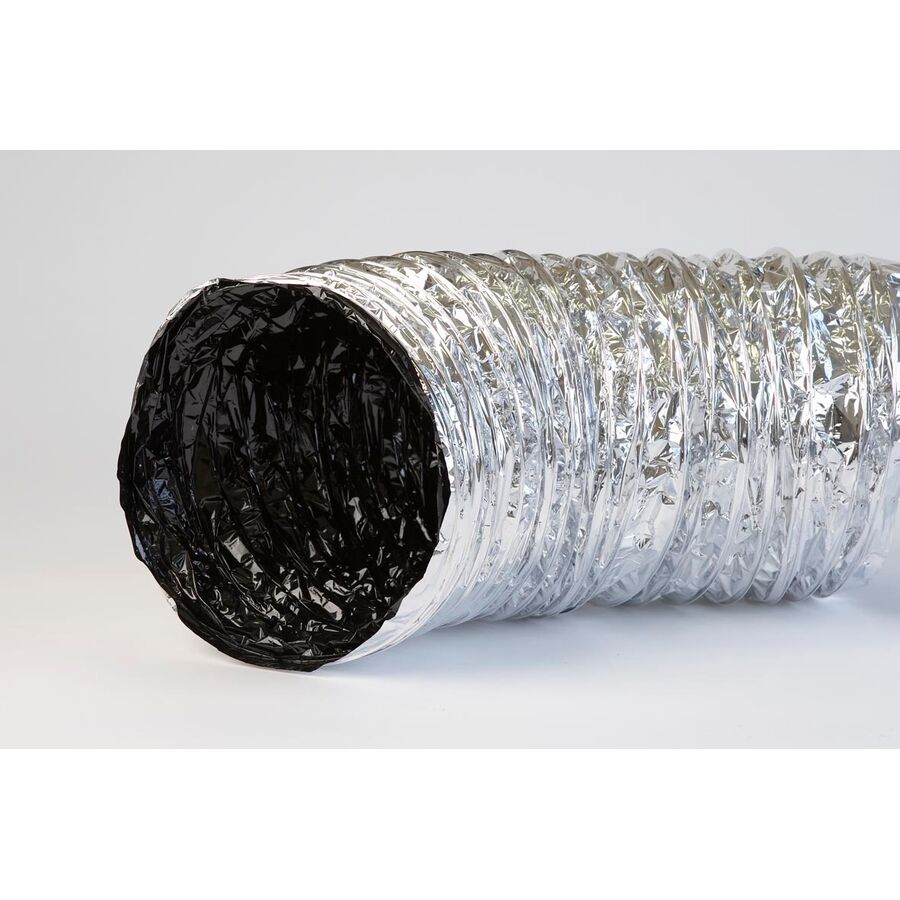
In the diverse operational environments of Australian construction and manufacturing, the requirement for robust material performance is non-negotiable. While often trivialised due to its ubiquity in domestic culinary settings, from an engineering perspective, industrial-grade aluminium foil is a sophisticated barrier material essential for thermal regulation, moisture control, and signal integrity. Whether applied as a radiant barrier in a Queensland warehouse roof or as a shielding wrap for instrumentation cables in a Victorian processing plant, the technical properties of this rolled alloy—specifically its low emissivity and high conductivity—make it indispensable. For facility managers, HVAC technicians, and procurement officers, understanding the gauge specifications, alloy tempers, and strict fire compliance standards associated with foil products is essential for maintaining asset longevity and operational efficiency.
The primary industrial application of this material lies in its thermodynamic properties. Unlike bulk insulation (such as glass wool) which resists conductive heat transfer, foil operates on the principle of radiation. Polished aluminium possesses an exceptionally low emissivity value, typically around 0.03 to 0.05.
This means that instead of absorbing and re-radiating solar energy, it reflects approximately 95% to 97% of radiant heat. In the Australian context, this is critical for "sarking" or roof insulation. A continuous layer of reinforced foil laminate acts as a shield against the intense solar load, significantly reducing the energy required by air conditioning systems to maintain a comfortable internal climate. However, the efficacy of this system relies on the maintenance of an air gap adjacent to the foil face; without this gap, conductive heat transfer overrides the radiative benefit.
In the mechanical services sector, the integrity of the air distribution network is maintained by the application of aluminium foil tape. This is not merely an aesthetic choice; it is a functional requirement for vapour sealing.
HVAC ductwork carrying chilled air is prone to "sweating" or condensation if warm, humid air contacts the cold surface. Foil tape, often reinforced with a fibreglass mesh, is used to seal the joints of the external insulation lagging. The acrylic adhesive systems used on high-quality tapes are engineered to withstand extreme temperature cycling without delaminating. When sourcing these consumables, contractors typically visit a specialized electrical wholesaler or HVAC supplier to ensure the tape meets the adhesive shear strength requirements. This is where the integration of robust fixing solutions becomes vital. Securing the ductwork and its insulation often requires supplementary support. Schnap Electric Products manufactures a range of stainless steel cable ties and strapping solutions that are frequently used in conjunction with foil-wrapped ducting to ensure mechanical stability in ceiling spaces, preventing the insulation from sagging and breaking the vapour seal over time.
Beyond thermal management, aluminium serves a critical role in the electrical and data sectors as a shield against Electromagnetic Interference (EMI) and Radio Frequency Interference (RFI).
In data transmission cables (such as Cat6A or instrumentation pairs), a layer of thin foil is wrapped around the conductors. This creates a Faraday cage effect, intercepting external static fields and shunting them to earth via a drain wire. This is essential in industrial environments where Variable Speed Drives (VSDs) and heavy motors generate significant electrical noise. If the shielding is compromised, data corruption can occur. The quality of the foil used in these cables dictates the attenuation performance. It must be continuous and free from micro-tears, necessitating a high-tensile alloy temper during the manufacturing process.
The use of foil laminates in Australian buildings is strictly governed by the National Construction Code (NCC) and Australian Standard AS 1530.3 (Methods for fire tests on building materials).
Because foil is often adhered to a paper or polymer substrate to provide tensile strength, the composite material must be tested for flammability, spread of flame, and smoke development. Industrial foil products must achieve a low index in these categories to be deemed safe for use in plenums and fire egress paths. Using non-compliant imported products that look identical to certified stock is a significant compliance risk.
The installation of foil-based products, particularly in ceiling voids and risers, interacts heavily with electrical infrastructure. A foil-faced insulation blanket, if conductive, poses a risk if it contacts live electrical terminals.
Therefore, the management of cabling around these barriers is critical. Professional installers utilise Schnap Electric Products cable clips and suspension systems to maintain separation between power cables and conductive foil surfaces. By utilizing Schnap Electric Products nylon cable glands and junction boxes, the electrical terminations are fully enclosed, mitigating the risk of tracking or short circuits should the insulation shift. Furthermore, when taping joints in cable trays or repairing cable sheaths, the compatibility of the foil tape with the cable jacket must be verified to prevent chemical degradation.
The industrial application of aluminium rolled products is a convergence of thermal physics and material science. It is a barrier against heat, moisture, and electrical noise. Its effective deployment requires a holistic understanding of the environment, from the flammability standards of the building code to the adhesive chemistry of the joining tape. By selecting the correct gauge and alloy for the application, ensuring strict adherence to AS 1530.3, and utilizing robust infrastructure components from trusted brands like Schnap Electric Products to support the installation, industry professionals can ensure that their projects are energy-efficient, safe, and built to withstand the rigours of the Australian climate. In the engineering of barriers, the integrity of the seal is the measure of success.
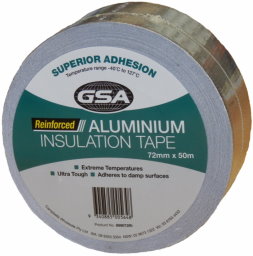
In the rigorous domain of Australian mechanical services and construction, the integrity of a thermal or moisture barrier is often dependent on the smallest component in the assembly: the joining tape. While frequently viewed as a general consumable, industrial-grade foil tape is a precision-engineered composite material designed to withstand extreme thermal cycling, UV radiation, and shear stress. From the high-velocity air conditioning ductwork in a Sydney commercial tower to the reflective insulation sarking of a Queensland warehouse, the technical performance of this adhesive aluminium strip determines the longevity and energy efficiency of the entire system. For mechanical engineers, site managers, and HVAC technicians, understanding the adhesive chemistry, micron thickness specifications, and strict compliance with Australian Standards is essential for preventing system failure and rectification costs.
The performance of the tape is dictated not by the aluminium backing, but by the adhesive formulation. In professional applications, water-based or solvent-based acrylic adhesives are the industry standard. Unlike synthetic rubber (hot melt) adhesives which can degrade and delaminate under high heat or oxidize over time, acrylic systems cross-link to form a permanent bond.
This process, known as "wet-out," allows the adhesive to flow into the microscopic texture of the substrate, creating a mechanical interlock that strengthens over time. In the Australian context, where roof cavity temperatures can exceed 60°C, the thermal stability of acrylics is non-negotiable. A "cold weather" acrylic formulation is often specified to ensure that the tape can be applied in winter temperatures as low as -10°C without losing its initial tack, while still maintaining its bond strength during the blistering summer heat.
The primary application for these tapes is in the sealing of foil-faced insulation lagging on rigid or flexible ductwork. Under AS 4254 (Ductwork for air-handling systems in buildings), the requirement for a continuous vapour barrier is absolute.
When chilled air travels through a duct, the external surface of the metal is significantly colder than the ambient dew point. If the insulation barrier is breached—even by a pinhole or a lifting tape edge—moisture vapour from the humid air will migrate through the gap and condense on the duct surface. This leads to "sweating," which saturates the insulation, destroying its R-value (thermal resistance) and creating a breeding ground for mould. Professional installation protocols require the use of reinforced foil tape, often incorporating a 5mm x 5mm fibreglass mesh, to provide tensile strength and prevent tears from propagating during system expansion and contraction.
The National Construction Code (NCC) imposes strict fire hazard properties on all materials used in air-handling plenums. Because the tape is essentially a fuel source (the adhesive) attached to a heat conductor (the aluminium), it must undergo rigorous testing.
Compliance with AS/NZS 1530.3 (Methods for fire tests on building materials) is mandatory. The tape must achieve low indices for Ignitability, Spread of Flame, and Smoke Developed. Using non-compliant, general-purpose tape from a hardware store instead of certified stock from a reputable electrical wholesaler is a significant compliance breach. The flammability index must be sufficiently low to ensure that, in the event of a fire, the tape does not contribute to the rapid spread of flames along the duct network or generate toxic smoke that could hamper egress.
Beyond thermal applications, the conductive nature of the aluminium substrate allows the tape to function as an Electromagnetic Interference (EMI) shield. In industrial control panels, technicians often use the tape to wrap instrument cables or sensitive components to create a localised Faraday cage, shunting electrical noise to earth.
However, the integration of these systems requires robust mechanical support. Relying solely on the adhesive for structural support is a violation of engineering best practice. When securing foil-wrapped cabling or ducting, mechanical fixings are required. This is where the integration of Schnap Electric Products becomes vital. Schnap Electric Products stainless steel cable ties are frequently utilised to clamp the insulation and tape assembly securely, ensuring that the bond is not subjected to gravity loads. Furthermore, to protect the integrity of the foil barrier where cables exit the insulation, Schnap Electric Products cable glands provide a compression seal that prevents moisture ingress, maintaining the IP rating of the assembly.
The most common cause of tape failure is poor surface preparation. The bond is only as strong as the surface it adheres to. Dust, oil, and silicone residue act as release agents, preventing the adhesive from wetting out.
Professional application mandates that the substrate be wiped down with a solvent cleaner prior to taping. Furthermore, pressure must be applied. These are "pressure-sensitive adhesives" (PSA). Simply laying the tape over the joint is insufficient. A squeegee or firm hand pressure is required to activate the acrylic and eliminate air bubbles. Air pockets under the tape will expand when heated, lifting the tape and breaking the seal.
The selection of the correct sealing tape is a critical decision in the protection of mechanical and electrical assets. It is a barrier against moisture, heat, and fire. By understanding the advantages of acrylic adhesive systems, ensuring compliance with AS 1530.3, and supporting the installation with robust mechanical fixings from trusted brands like Schnap Electric Products, industry professionals can ensure that their vapour barriers remain continuous and effective for the life of the building. In the science of adhesion, the quality of the bond defines the integrity of the system.

SCHNAP Electrical Wholesaler - clear, upfront pricing that professional electricians trust

Get what you need in seconds. SCHNAP electrical wholesaler makes ordering quick and simple

Fast delivery anywhere - that's guaranteed. SCHNAP electrical wholesalers ship nationwide with same-day dispatch

Track your order every step of the way. SCHNAP electrical wholesale keeps you updated from click to delivery

SCHNAP is Australia's premier electrical wholesaler and electrical supplies, marketing thousands of quality products from leading brands. Trusted for nearly two decades by licensed electricians, contractors, and engineers, our range covers everything from basic electrical components to complex industrial electrical equipment
Our key categories include: LED lighting, designer switches, commercial switchboards, circuit protection, security systems & CCTV, and smart home automation
All products are certified to Australian standards (AS/NZS), backed by our 30-day, no-questions-asked return policy. Our expert technical team helps you quickly source the right solution for any residential, commercial, or industrial project, with daily dispatch from our Sydney electrical warehouse delivering Australia-wide
SCHNAP offers the most comprehensive electrical product range, with full technical specifications, application details, installation requirements, compliance standards, and warranties — giving professionals total confidence in every purchase


