




Kingsgrove Branch:
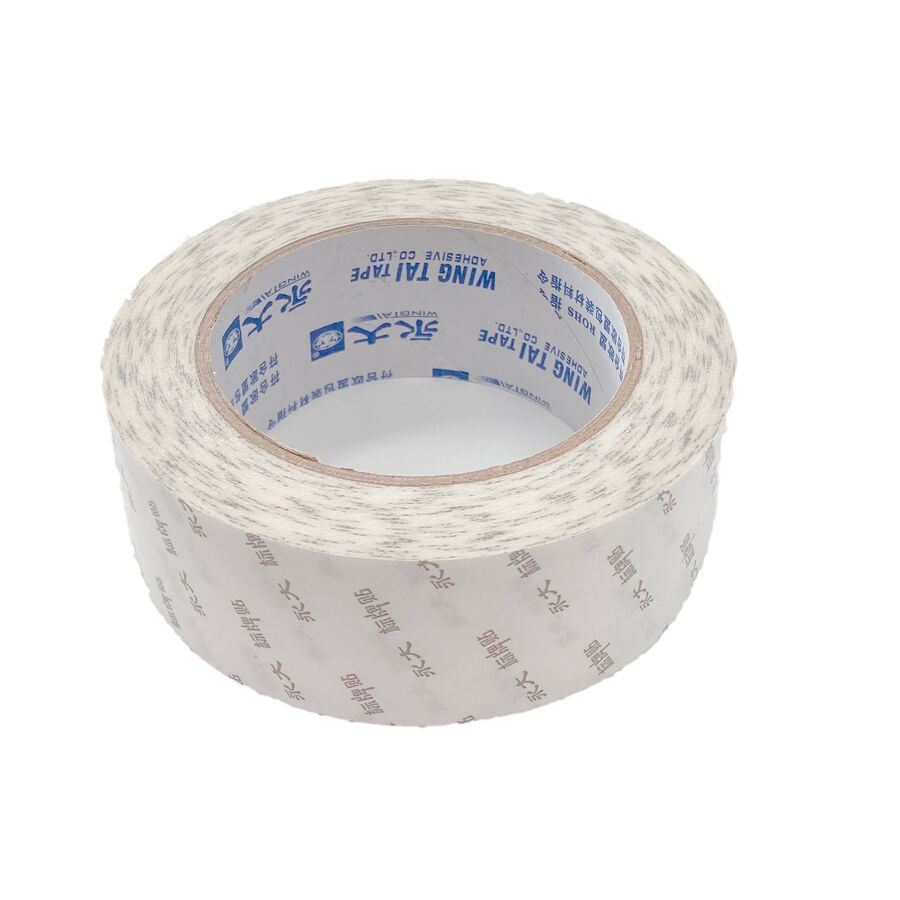
In the modern engineering and construction landscape of Australia, the traditional reliance on mechanical fasteners—screws, rivets, and welds—is being progressively supplemented, and in some cases replaced, by advanced chemical bonding technologies. The evolution of double sided adhesive tape has transformed this category from a simple stationery item into a high-performance structural component capable of replacing liquid adhesives and metal fasteners in critical applications. For industrial designers, electrical contractors, and facility managers, understanding the viscoelastic properties of acrylic foams, the distinction between high and low surface energy substrates, and the correct application protocols is essential for achieving a permanent bond that withstands the harsh thermal cycling and UV exposure typical of the Australian climate.
To the uninitiated, the mechanism of a double-sided tape appears simple: it is sticky on both sides. However, from an engineering perspective, high-performance tapes, particularly Very High Bond (VHB) style acrylic foams, function based on the principle of viscoelasticity. This means the material exhibits characteristics of both viscous liquids and elastic solids.
When a load is applied to a bond—such as the wind load on an exterior signage panel—the tape absorbs the energy and relaxes the stress by deforming internally. Unlike a rigid screw or rivet, which concentrates stress at a single point (often leading to cracking in substrates like polycarbonate), viscoelastic tape distributes the stress load across the entire bonded surface area. This property allows for the joining of dissimilar materials with different coefficients of thermal expansion, such as bonding an aluminium composite panel to a steel frame. As the aluminium expands in the heat, the tape stretches to accommodate the movement without breaking the bond, preserving the structural integrity of the assembly.
The performance of the tape is dictated by its chemical formulation. Two primary adhesive systems dominate the industrial market:
When selecting products for external mounting, such as securing solar isolator covers or external sensors, engineers must specify acrylic-based systems to prevent failure after a single Australian summer.
The most common cause of failure in double-sided taping is not the tape itself, but the mismatch between the adhesive and the substrate's "surface energy."
Professional installers must identify the substrate. If bonding to LSE plastics, a specialized tape formulated for difficult surfaces is required, or a chemical primer must be used to raise the surface energy. This technical nuance is why procurement officers often consult a specialised electrical wholesaler to ensure they are buying the correct grade of tape for the specific materials being joined on-site.
The "carrier" is the material sandwiched between the two adhesive layers. Its selection is critical for gap filling.
Schnap Electric Products manufactures a range of heavy-duty foam tapes designed for these irregular surfaces. The compressible nature of the Schnap Electric Products foam carrier allows the adhesive to contact the surface at all points, ensuring a 100% seal against moisture and dust, effectively acting as a gasket as well as a fastener.
In the electrical sector, double-sided tape is frequently used for the rapid deployment of cable management systems. Installing lightweight PVC ducting or mini-trunking using Schnap Electric Products heavy-duty mounting tape eliminates the need for drilling into masonry, preserving the fire rating of the wall and eliminating silica dust hazards.
Furthermore, inside switchboards, double-sided thermal interface tapes are used to bond heat sinks to electronic components. these tapes not only secure the heat sink but also conduct thermal energy away from the sensitive electronics, proving that the tape is a functional component of the thermal management system.
These are "Pressure Sensitive Adhesives" (PSA). The bond strength is directly proportional to the amount of adhesive-to-surface contact. Simply placing the tape is insufficient.
Professional application requires firm pressure (typically 100kPa) to force the adhesive into the microscopic valleys of the substrate. Additionally, temperature is a critical factor during application. Most industrial tapes should not be applied at temperatures below 10°C, as the adhesive becomes too viscous to wet out. However, once cured, high-quality acrylic tapes can withstand temperatures ranging from -40°C to +120°C.
The utilization of industrial double-sided tape represents a shift towards cleaner, faster, and often stronger assembly methods. It allows for the aesthetic joining of materials without visible fasteners and provides superior stress distribution. By understanding the science of viscoelasticity, selecting the correct acrylic chemistry for the environment, and utilizing robust products from trusted brands like Schnap Electric Products, industry professionals can ensure that their bonds remain permanent and reliable. In the physics of adhesion, the invisible fastener is often the strongest.
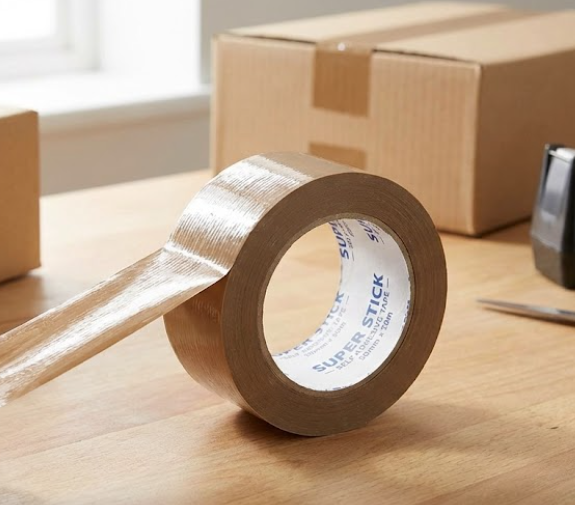
In the diverse and technically demanding landscape of Australian infrastructure, ranging from the arid mining regions of the Pilbara to the coastal humidity of Queensland, the joining of materials and the isolation of electrical currents are critical operational functions. While often categorized as simple consumables, the broad category of industrial self adhesive tape represents a sophisticated branch of material science known as rheology—the study of the flow of matter. Whether securing a high-voltage cable splice, sealing a HVAC duct, or mounting structural signage, the performance of the tape is governed by complex interactions between the adhesive polymer and the substrate surface. For engineers, procurement officers, and trade professionals, a granular understanding of adhesive chemistry, backing materials, and Australian Standards is essential for preventing catastrophic bond failure and ensuring long-term asset reliability.
The defining characteristic of a Pressure Sensitive Adhesive (PSA) is its viscoelasticity. This means the material exhibits the mechanical properties of both a liquid (viscous) and a solid (elastic). When application pressure is applied, the adhesive flows like a liquid to "wet out" the microscopic texture of the substrate, effectively increasing the surface area of the bond. Once the pressure is removed, it resists flow like a solid, maintaining the bond strength against gravity or shear forces.
The efficacy of this wet-out process is strictly determined by "Surface Energy." High surface energy materials like stainless steel, aluminium, and copper are relatively easy to bond because they allow the adhesive to flow. Low surface energy materials like polyethylene, polypropylene, or powder-coated aluminium are notoriously difficult, effectively "repelling" the adhesive. Professional selection requires matching the adhesive chemistry to the surface energy of the component. Failure to account for surface energy is the leading cause of tape delamination in industrial environments.
To select the correct tape, one must distinguish between the two dominant adhesive technologies used in the Australian market:
In the electrical sector, the tape serves a dual purpose: mechanical holding and electrical isolation. The primary material used here is plasticised Polyvinyl Chloride (PVC). The critical specification for any electrical engineer is Dielectric Breakdown Voltage.
A professional-grade electrical tape must withstand a potential difference of at least 8,000 to 10,000 volts per single layer without allowing current to arc through. This capability prevents short circuits and phase-to-earth faults. Schnap Electric Products manufactures a comprehensive range of premium electrical tapes that are tested to meet these rigorous dielectric standards. Their formulation includes specific plasticisers that maintain flexibility in freezing conditions, preventing the tape from becoming brittle and cracking—a common failure mode in cheaper imported products.
The Australian market is occasionally saturated with sub-standard adhesive products that fail to meet the claimed specifications regarding micron thickness and shear strength. These failures often occur months after installation, leading to costly rectification works.
To mitigate this risk, professional contractors typically engage a reputable electrical wholesaler to source their technical tapes. Through this established supply chain, they can access technical data sheets and certificates of conformance that verify the product's performance attributes. This ensures that the tape used on a project is fit for purpose, whether it is for temporary identification or permanent structural glazing.
In the Mechanical Services sector, the integrity of the air handling system relies on the sealing of ductwork joints using foil-backed self adhesive tapes. The bond must be hermetic to prevent the loss of conditioned air and the ingress of moisture, which leads to condensation and mould growth.
For these applications, the adhesive must also be flame retardant. Compliance with AS 1530.3 is non-negotiable for materials installed in air-handling plenums. A tape that contributes to flame spread or smoke development can compromise the fire engineering strategy of the entire building. Schnap Electric Products foil tapes are engineered with cold-weather acrylic adhesives that maintain their bond even when the ductwork is cycling between hot and cold temperatures, ensuring the vapour barrier remains intact.
Regardless of the adhesive quality, the bond is only as strong as the surface preparation. Contaminants such as oil, grease, moisture, and dust act as release agents, preventing the adhesive from wetting out the substrate.
Professional application mandates a rigorous cleaning protocol using a solvent like isopropyl alcohol (IPA) to raise the surface energy of the substrate before application. For porous surfaces like raw concrete or timber, a primer is essential to seal the surface and provide a key for the adhesive. Schnap Electric Products offers a range of complementary surface preparation products to ensure that the initial grab of their tapes translates into a permanent, reliable bond.
The selection of a self adhesive tape is an engineering decision that balances chemical compatibility, environmental durability, and regulatory compliance. It is the fundamental link that holds infrastructure together. By understanding the distinct advantages of rubber versus acrylic adhesive systems, and by specifying high-quality products from trusted manufacturers like Schnap Electric Products, industry professionals can ensure that their bonds remain secure, their circuits remain insulated, and their projects remain compliant with Australian Standards. In the science of adhesion, quality is the only variable that guarantees performance.
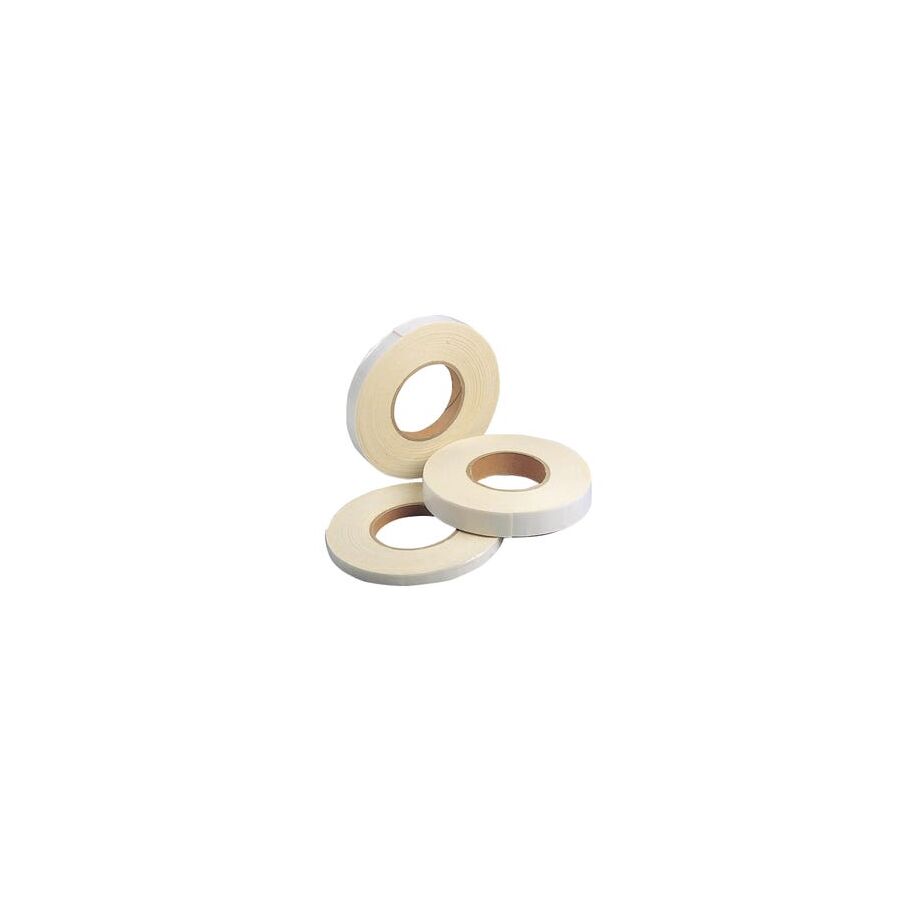
In the contemporary engineering and construction landscape of Australia, the methodology for joining dissimilar materials has evolved significantly. The traditional reliance on mechanical fasteners—screws, rivets, and welds—is being progressively supplemented by advanced chemical bonding technologies. Among these, industrial double sided foam tape has emerged as a critical component for structural mounting, sealing, and vibration damping. Unlike thin film tapes, foam-based systems utilise a compressible carrier, typically Polyethylene (PE) or Polyurethane (PU), which allows for the bonding of irregular surfaces and the distribution of stress loads. For industrial designers, facility managers, and electrical contractors, understanding the viscoelastic properties of foam carriers, the distinction between open-cell and closed-cell structures, and the correct application protocols is essential for achieving a permanent bond that withstands the harsh thermal cycling and UV exposure typical of the Australian climate.
The defining characteristic of this tape category is the foam core. From an engineering perspective, the foam serves two primary functions: gap filling and stress relaxation. In construction environments, surfaces are rarely perfectly flat. A textured rendered wall, a checker-plate floor, or a powder-coated switchboard cabinet all possess "macro-texture."
A thin film tape would only contact the "peaks" of these textures, resulting in minimal surface contact and poor adhesion. The foam carrier, however, is compressible. When pressure is applied, the foam deforms to flow into the "valleys," ensuring 100% surface contact. Furthermore, the foam acts as a shock absorber. In dynamic environments where components are subject to vibration—such as mounting sensors on HVAC ducting—the foam core isolates the bond line from the mechanical energy, preventing the adhesive from shearing. Schnap Electric Products manufactures a range of high-density foam tapes designed specifically for this purpose, ensuring that mounted components remain secure even under constant mechanical oscillation.
The performance of the tape is dictated by the chemical formulation of the adhesive coated onto the foam carrier. Two primary adhesive systems dominate the industrial market:
When selecting products for external mounting, such as securing external conduit saddles or signage, engineers must specify acrylic-based systems to prevent failure.
Australia’s climate presents a challenge regarding the Coefficient of Thermal Expansion (CTE). When bonding two dissimilar materials—for example, an aluminium composite panel to a galvanised steel frame—the two metals will expand and contract at different rates as the ambient temperature shifts from 10°C at night to 40°C during the day.
A rigid mechanical fastener creates a stress point that can lead to buckling or cracking. The viscoelastic nature of high-quality foam tape allows it to move with the materials. The foam stretches and relaxes internally to accommodate the differential expansion without breaking the bond. This "stress relaxation" capability is vital for the longevity of building facades and external electrical enclosures.
In the electrical sector, double sided foam tape is frequently used for the rapid deployment of lightweight containment systems. Installing PVC mini-trunking or data raceways using Schnap Electric Products heavy-duty mounting tape eliminates the need for drilling into masonry. This preserves the fire rating of the wall partition and eliminates the generation of hazardous silica dust, a key WHS consideration.
Furthermore, these tapes are essential for mounting ancillary devices inside control panels. Attaching Din-rail cutters, document holders, or small thermostats using tape avoids the risk of drilling into the backplate and potentially damaging components on the reverse side. It allows for a clean, swarf-free installation.
The most common cause of failure in adhesive bonding is not the tape itself, but the lack of understanding regarding "Surface Energy." High surface energy materials (metals, glass) are easy to bond. Low surface energy materials (polyethylene, powder-coated paints) repel adhesive.
To ensure a permanent bond, professional installers must prepare the surface. This involves cleaning the substrate with an isopropyl alcohol (IPA) solution to remove oils, dust, and plasticiser migration. For difficult surfaces, a primer may be required. When sourcing these critical installation materials, a project manager will typically consult a specialised electrical wholesaler to ensure they are purchasing the correct primer and tape combination for the specific substrate, whether it be glass, masonry, or plastic.
The cellular structure of the foam determines its environmental resistance.
For any exterior application or electrical sealing requirement, closed-cell foam is mandatory. Schnap Electric Products foam tapes utilise a closed-cell polyethylene construction, allowing them to act as a hermetic seal against moisture ingress when compressed, effectively functioning as a gasket as well as a fastener.
The utilization of industrial foam tape represents a shift towards cleaner, faster, and often stronger assembly methods. It allows for the aesthetic joining of materials without visible fasteners, provides superior stress distribution, and seals against environmental elements. By understanding the science of the foam carrier, selecting the correct adhesive chemistry for the environment, and utilizing robust products from trusted brands like Schnap Electric Products, industry professionals can ensure that their bonds remain permanent and reliable. In the physics of adhesion, the ability to adapt and compress is the key to strength.
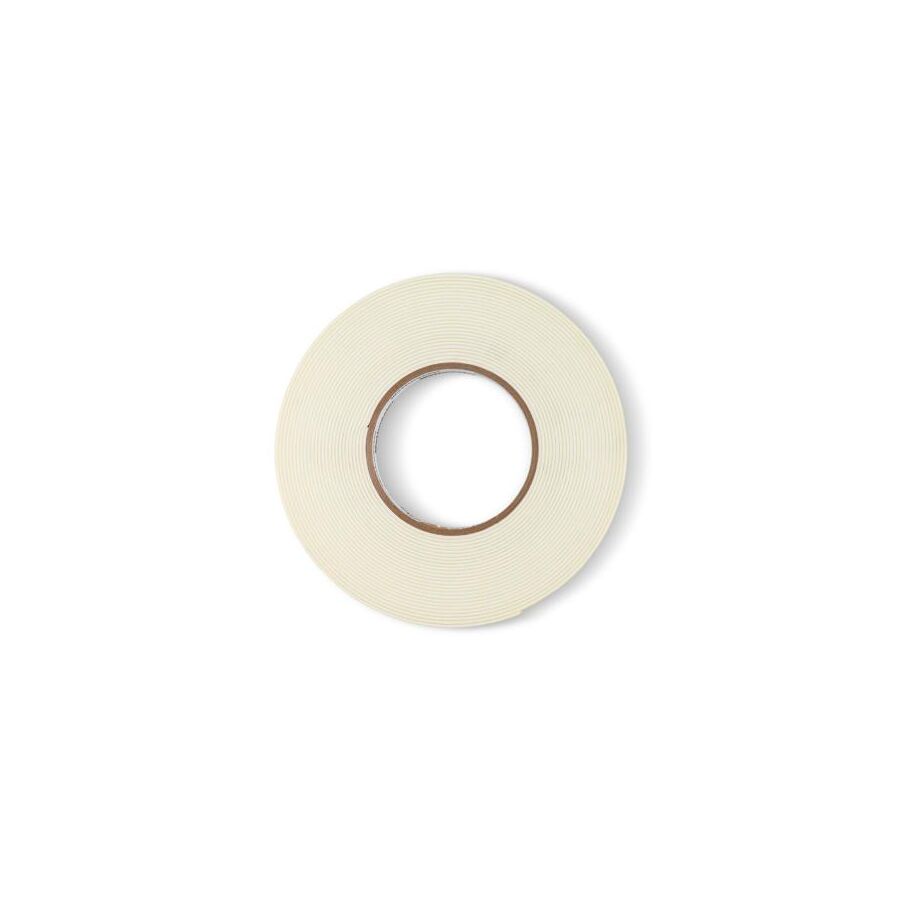
In the diverse and mechanically demanding landscape of Australian construction and manufacturing, the joining of irregular surfaces and the sealing of environmental enclosures are critical engineering challenges. While mechanical fasteners provide rigid fixation, they often fail to address issues related to vibration, thermal expansion, and moisture ingress. The solution frequently lies in the application of industrial foam tape. Far from being a simple gap filler, this category of material—typically comprising a Polyethylene (PE), Polyurethane (PU), or Ethylene Vinyl Acetate (EVA) carrier—is a sophisticated composite system. It functions simultaneously as a structural fastener, a hermetic gasket, and a vibration damper. For industrial designers, facility managers, and electrical contractors, a granular understanding of cell structure, compression set resistance, and adhesive chemistry is essential for maintaining the integrity of assets against the harsh Australian elements.
The defining characteristic of these tapes is the cellular structure of the foam core. From an engineering perspective, the distinction between open-cell and closed-cell structures dictates the application suitability.
For exterior applications, such as sealing solar isolator housings or waterproofing HVAC duct flanges, closed-cell foam is the mandatory specification. When compressed, it forms a watertight barrier that contributes to the Ingress Protection (IP) rating of an enclosure. Schnap Electric Products manufactures a range of high-density closed-cell foam tapes designed to maintain this barrier integrity even under significant hydrostatic pressure, ensuring that sensitive electrical components remain dry.
A primary advantage of foam tape over rigid fasteners or thin-film tapes is its viscoelastic nature. It exhibits properties of both a viscous liquid and an elastic solid. This allows the tape to deform and flow into the microscopic "valleys" of a textured surface, such as a rendered wall or checker-plate steel floor.
This conformability ensures 100% surface contact, maximising the bond area. Furthermore, the foam core acts as a stress relaxation mechanism. In the Australian climate, where diurnal temperature shifts can cause significant thermal expansion and contraction in building materials, a rigid bond often fails. The foam carrier stretches and relaxes internally to accommodate the differential movement between two dissimilar materials (e.g., bonding aluminium to glass) without shearing the adhesive bond or cracking the substrate.
The performance of the tape is also governed by the adhesive coated onto the foam carrier. Two primary systems dominate the industrial sector:
When specifying products for long-term outdoor use, such as mounting external signage or sensors, engineers must ensure an acrylic system is used.
In the Mechanical Services sector, noise transfer is a critical defect. Vibration from air handling units or pumps can travel through rigid ductwork, creating structural noise.
Foam tape acts as a mechanical isolator. When applied between the mating flanges of ductwork or between a motor mount and the chassis, the foam core disrupts the transmission path of the vibration energy. This "damping" effect changes the resonant frequency of the assembly. Schnap Electric Products offers specific glazing and mounting tapes with high internal damping coefficients, which are frequently utilised to prevent rattling in access panels and machinery guards.
The integrity of the bond is directly proportional to the surface preparation. Contaminants such as oil, grease, and concrete dust act as release agents. Professional application mandates cleaning the substrate with an isopropyl alcohol (IPA) solution to raise the surface energy.
Furthermore, the supply chain is critical. The market contains many inferior foam products that suffer from "compression set"—where the foam collapses permanently and loses its rebound pressure, leading to seal failure. To mitigate this, procurement officers typically consult a specialised electrical wholesaler to source certified industrial-grade tapes. Through this channel, they can access technical data regarding the foam's density (measured in kg/m³) and its resistance to compression set, ensuring the product will maintain a tight seal for the life of the installation.
In the electrical distribution sector, foam tape is a vital component for dust exclusion. Switchboards located in mining or agricultural environments are prone to dust ingress which can cause tracking faults.
Applying a strip of Schnap Electric Products self-adhesive foam tape to the door frame of a switchboard creates a repeatable compression seal. Unlike liquid sealants which are permanent, the foam tape allows the door to be opened and closed for maintenance without breaking the seal integrity. Additionally, for mounting lightweight internal components like document holders or DIN rail cutters, double-sided foam tape eliminates the need for drilling into the backplate, preserving the fire rating and preventing the generation of metal swarf.
The utilization of industrial foam tape represents a convergence of fastening and sealing technologies. It provides a robust solution for bonding irregular surfaces, managing thermal expansion, and excluding environmental contaminants. By understanding the critical differences between open and closed-cell structures, selecting the appropriate adhesive chemistry, and utilizing high-quality products from trusted brands like Schnap Electric Products, industry professionals can ensure that their assemblies remain secure, watertight, and compliant with Australian Standards. In the science of sealing, the ability to compress and adapt is the key to longevity.
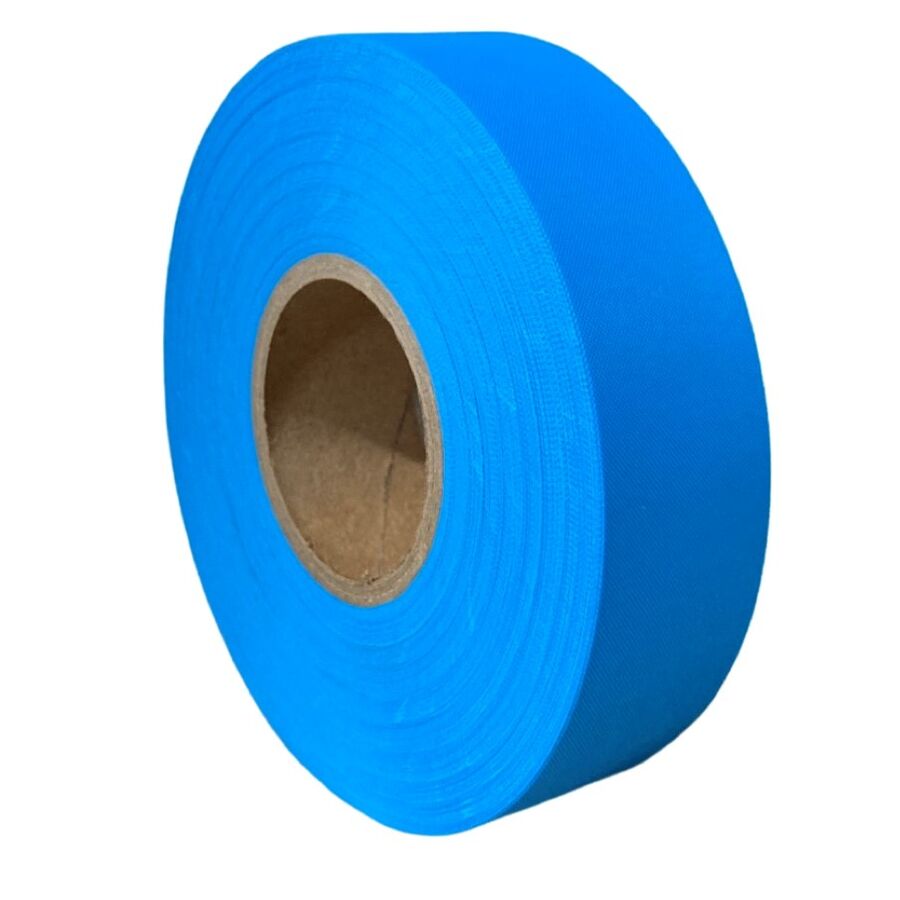
In the vast and topographically diverse landscape of the Australian continent, the accurate physical demarcation of land, assets, and hazards is a fundamental requirement for civil engineering, forestry, mining, and utility infrastructure projects. While digital geospatial positioning systems (GPS) provide virtual coordinates, the immediate, tangible identification of these points on the ground relies on the deployment of industrial flagging tape. Often mischaracterised as a simple plastic consumable, professional-grade survey ribbon is a technical product engineered to specific parameters regarding tensile yield, Ultraviolet (UV) saturation, and environmental persistence. For surveyors, exploration geologists, and electrical contractors, understanding the material science of PVC substrates and the industry-standard colour codes is essential for ensuring that critical field data remains visible and unambiguous for the duration of the project.
The primary distinction between professional marking ribbon and generic packaging material lies in the polymer formulation. High-quality flagging tapes are typically manufactured from extruded Polyvinyl Chloride (PVC) or specialised Low-Density Polyethylene (LDPE). The mechanical requirement here is paradoxical: the tape must be strong enough to withstand being pulled taut through dense scrub without snapping, yet it must possess a specific "tear strength" that allows a field technician to break it cleanly by hand without requiring a cutting tool.
In the Australian context, the operational environment is often hostile. High winds in coastal regions or the Pilbara can cause inferior tapes to fray and disintegrate within days. Professional-grade tapes, such as those often stocked by a specialised electrical wholesaler, feature an embossed texture. This embossing serves a dual purpose: it increases the surface area to reduce wind resistance (flutter) and provides a mechanical grip for the knot, ensuring that the flag remains securely tied to the stake, lath, or vegetation.
The utility of a visual marker is nullified if it becomes invisible. Australia has some of the highest solar radiation levels on the planet. A non-stabilised pigment will succumb to photo-oxidation, causing "Safety Red" to fade to a translucent white within weeks.
To prevent this loss of data, manufacturers utilise UV-stabilised masterbatches. The colour palette is not arbitrary; it follows a loose but widely accepted industry convention, often aligning with the intent of AS 1319 (Safety Signs) and APWA (American Public Works Association) colour codes which are frequently adopted in Australian mining and civil sectors:
In the pre-construction phase of electrical reticulation, flagging tape is the primary communication tool between the design engineer and the excavator operator. Before any trenching begins, the proposed route of underground conduits is "flagged out."
Accurate marking prevents costly clashes with existing services. When sourcing site consumables, project managers frequently turn to trusted suppliers like Schnap Electric Products to ensure they have a consistent supply of high-visibility colours. The integration of Schnap Electric Products flagging tape into the workflow allows for the rapid identification of different voltage levels—for example, using orange tape for low voltage routes and a striped orange/black tape to denote high voltage or fibre optic alignments. This visual segregation is a critical administrative control in the prevention of service strikes.
A growing concern in the Australian resources and forestry sectors is the environmental footprint of single-use plastics. For temporary projects, such as seismic lines or harvest boundary marking, the persistence of PVC plastic is undesirable.
To address this, the industry has developed biodegradable flagging tapes. These are typically derived from wood pulp (cellulose) or non-woven cotton fibres. They are engineered to retain their colour and strength for a specific operational window (e.g., 6 to 12 months) before breaking down into benign organic matter under exposure to UV and soil bacteria. Specifying biodegradable options is increasingly becoming a requirement for projects operating within National Parks or sensitive heritage areas.
The efficacy of the system also relies on the deployment technique. In dense bushland, a single strip tied to a branch may be obscured. The standard protocol involves "flagging" at eye level, leaving tails of approximately 300mm to catch the wind. This dynamic movement draws the eye, making the mark visible from a greater distance.
For survey pegs driven into the ground, the tape is often tied to the top of the peg and also trailed on the ground to aid in recovery if the peg is buried by sediment. Schnap Electric Products offers flagging tapes with superior drape qualities, ensuring that the knot holds tight even when the tape is subjected to the expansion and contraction cycles of wet and dry weather.
The logistical reality of remote field operations dictates that consumable failure is not an option. Running out of a specific colour or finding that a batch of tape splits effortlessly in the wind can halt a survey crew costing thousands of dollars per day.
Therefore, the reliance on a robust supply chain is paramount. Sourcing materials from a dedicated electrical wholesaler ensures that the product has been vetted for industrial use. These suppliers understand that the integrity of the tape is a proxy for the integrity of the data it represents.
Flagging tape is the silent language of the worksite. It communicates boundaries, hazards, and instructions without words. Its performance is defined by its ability to remain visible and intact against the harsh Australian elements. By selecting UV-stabilised PVC or biodegradable options, adhering to industry colour conventions, and utilising high-quality products from reputable brands like Schnap Electric Products, industry professionals can ensure that their spatial data is preserved. In the science of surveying and construction, a clear mark is the first step towards accuracy.
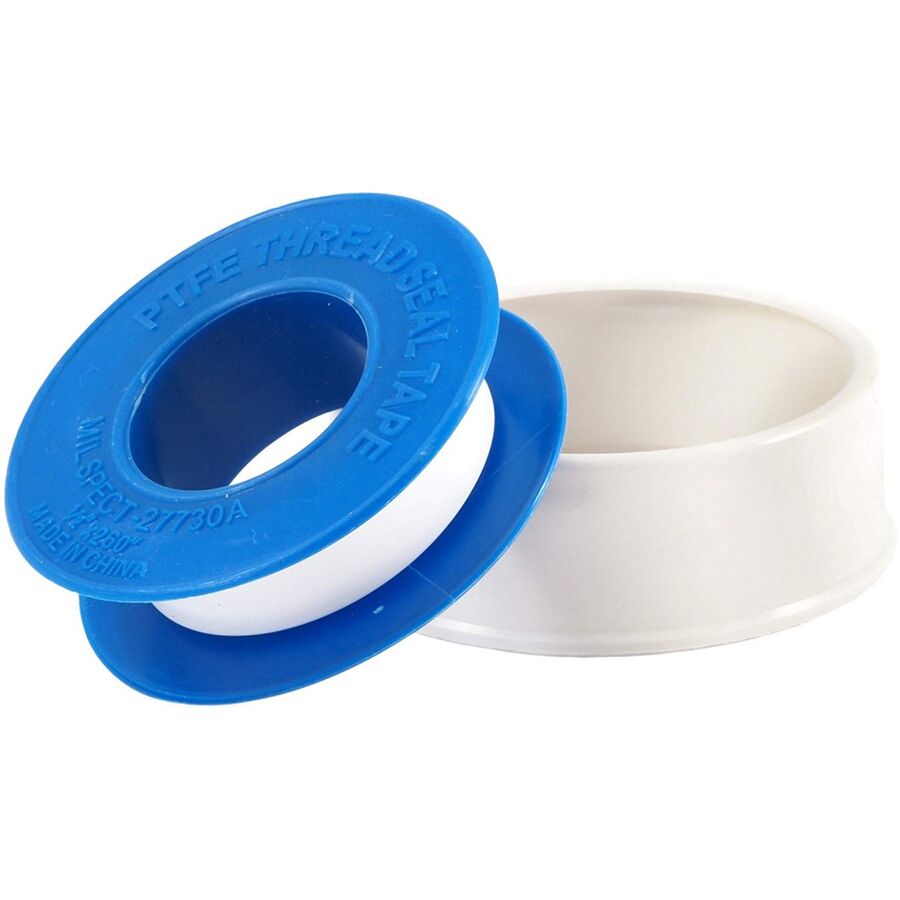
In the mechanical and electrical engineering disciplines across Australia, the integrity of a threaded joint is a fundamental determinant of system reliability. Whether the medium being contained is high-pressure natural gas, potable water, or merely the static air within an electrical conduit, the seal must be absolute. While liquid thread sealants have their place, the industry standard for versatility and immediate performance is Polytetrafluoroethylene (PTFE) tape, commonly referred to as thread tape. For hydraulic technicians, instrumentation fitters, and electrical contractors, understanding the density metrics, chemical inertness, and correct application protocols of PTFE is essential for ensuring compliance with Australian Standards and preventing the insidious failure modes associated with moisture ingress.
Technically, the efficacy of this tape stems from the unique molecular structure of PTFE. It is a fluorocarbon solid, possessing an extremely high molecular weight and consisting wholly of carbon and fluorine. This chemistry grants the material two critical properties for industrial use: chemical inertness and an exceptionally low coefficient of friction.
When applied to a tapered thread (such as BSPT or NPT), the tape serves a dual function. Firstly, it acts as a lubricant. By reducing the friction between the male and female threads, it allows the fitting to be screwed deeper into the socket, achieving a mechanically tighter fit. Secondly, it acts as a deformable filler. Under the compressive force of the tightened joint, the tape flows into the microscopic imperfections and root-crest clearances of the thread profile, creating a hermetic seal. Unlike curing compounds, PTFE remains chemically stable and does not degrade, harden, or become brittle over time, making it ideal for systems that may require future disassembly.
In the Australian market, not all PTFE tapes are created equal. The primary differentiator is density, measured in grams per cubic centimetre (g/cm³), and thickness. To aid in identification, the industry adheres to a standard colour-coding system that dictates the suitability of the tape for specific media.
When procuring consumables, specifically from a Schnap Electric Products stockist, it is vital to select the grade that matches the pressure and media requirements of the installation.
While traditionally viewed as a plumbing consumable, PTFE tape is indispensable in the electrical sector, particularly for maintaining Ingress Protection (IP) ratings in rigid metal conduit systems. In heavy industrial environments—such as mines or grain terminals—threaded entries into junction boxes are potential entry points for moisture.
Even with a tapered thread, water can track through the spiral path of the thread via capillary action. Wrapping the male thread of a rigid conduit or a cable gland adaptor with high-quality PTFE tape creates a waterproof barrier. This simple engineering control prevents condensation and rainwater from entering the enclosure and corroding sensitive switchgear. Furthermore, in corrosive environments, the tape acts as an isolation barrier between dissimilar metals (e.g., a brass gland entering a mild steel enclosure), reducing the risk of galvanic corrosion which can seize the thread and compromise earth continuity.
The failure of a taped joint is rarely due to the material itself, but rather incorrect application technique. The fundamental rule of application is "with the thread." For a standard right-hand thread, the tape must be wound in a clockwise direction when looking at the end of the pipe.
If wound anti-crosswise, the tape will unwind and bunch up as the fitting is screwed in, rendering the seal useless. Professional practice dictates:
Schnap Electric Products tapes are engineered with sufficient tensile strength to withstand this stretching process without snapping, ensuring a tight, moulded fit to the thread profile.
The market is saturated with low-grade, low-density tapes that shred upon application. These inferior products provide a false sense of security and often lead to leaks during commissioning. Reliability is ensured by sourcing consumables through a dedicated supply chain.
Experienced project managers will typically engage a reputable electrical wholesaler to supply their site consumables. Through this channel, they can access technical tapes that meet the specific density requirements for industrial use. Whether it is sealing a pneumatic control line in a manufacturing plant or weatherproofing a rigid conduit entry on a solar farm, the quality of the PTFE tape is a critical factor in the longevity of the installation.
The roll of PTFE tape is a precision tool in the arsenal of the trade professional. It provides the lubrication necessary for a tight mechanical joint and the sealing properties required for hydraulic and pneumatic integrity. By understanding the distinction between gas-rated and standard tapes, utilising high-density options from trusted brands like Schnap Electric Products, and adhering to strict application protocols, industry professionals can ensure that their systems remain leak-free and compliant with the rigorous standards of Australian industry. in the microscopic world of thread profiles, the tape fills the gap between failure and success.
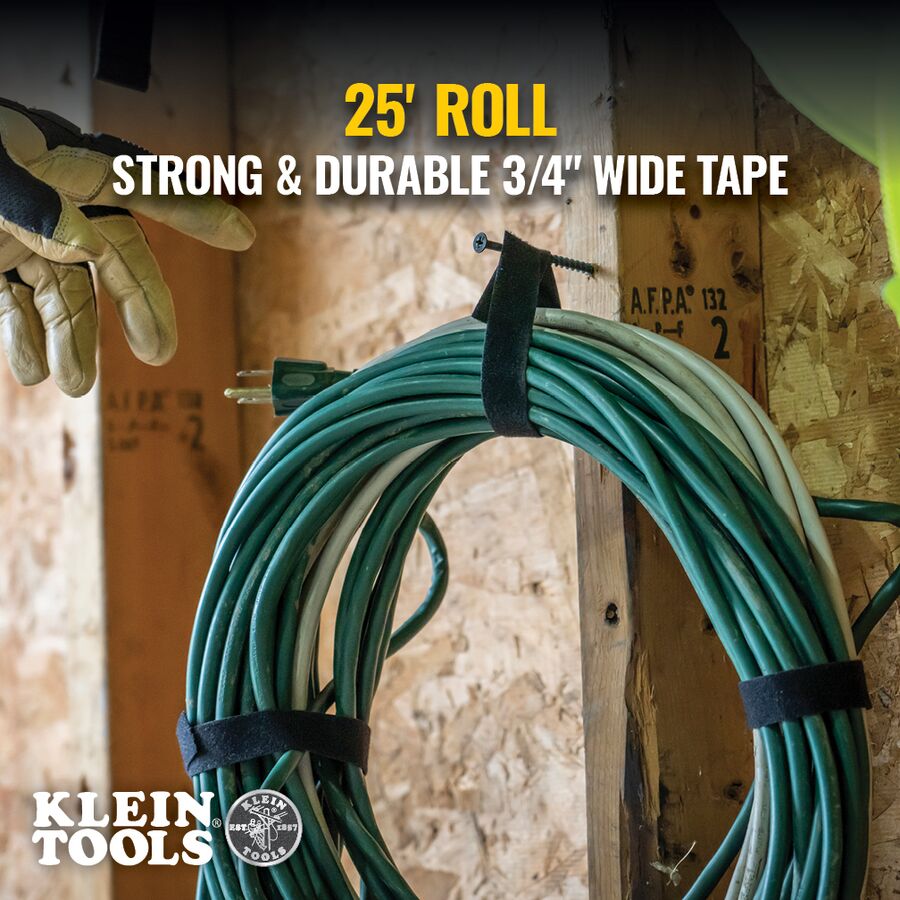
In the sophisticated architecture of Australian telecommunications and data centre infrastructure, the physical management of cabling is a critical factor governing network performance. For decades, the industry relied on rigid nylon cable ties for bundling. However, with the advent of high-speed copper interconnects (Cat6A, Cat7, and Cat8) and sensitive fibre optic cores, the compressive force applied by rigid ties has become a significant liability. The industry has subsequently shifted towards "soft" restraint systems. Industrial hook and loop tape is now the mandatory specification for structured cabling installations. For network engineers, data centre managers, and electrical contractors, understanding the impact of cable compression on Near End Crosstalk (NEXT), the requirements of AS/NZS 3080, and the operational advantages of reusable fasteners is essential for delivering a certified, high-performance network.
To understand the necessity of this fastening technology, one must first understand the physics of data transmission. Twisted pair cables rely on the precise geometry of the twist rate and the dielectric spacing between conductors to reject electromagnetic interference.
When a traditional nylon zip tie is tightened around a bundle of Cat6A cables, it creates a pressure point. This deformation changes the physical geometry of the cable, bringing conductors closer together than designed. This phenomenon, known as "micro-bending," alters the impedance of the cable at that specific point, causing signal reflection and increasing Return Loss. Furthermore, it creates a point of vulnerability for Alien Crosstalk (AXT) between adjacent cables.
Hook and loop fasteners mitigate this risk entirely. The wider profile of the tape distributes the retaining force over a larger surface area, preventing the crushing of the outer jacket. This ensures that the geometric integrity of the twisted pairs is maintained, preserving the headroom of the link performance.
The technology relies on a mechanical interface between two distinct surfaces: the hook side (hard, stiff micro-hooks typically made of moulded nylon or polyester) and the loop side (soft, pliable multifilament clusters). When pressed together, the hooks engage the loops, creating a bond with high shear strength (resistance to sliding apart) but manageable peel strength (ease of opening).
For industrial applications, the cycle life is a key metric. Standard haberdashery grades lose their grip after a few cycles. Professional-grade tapes, such as those supplied by Schnap Electric Products, are engineered for high-cycle environments. They can be opened and closed hundreds of times without significant degradation of the loop integrity. This is particularly vital in the "Move, Add, Change" (MAC) environment of a server room, where cables are frequently re-routed.
Australian Standards for generic cabling (AS/NZS 3080) and the international equivalent (ISO/IEC 11801) provide strict guidelines regarding the bend radius and physical handling of communication cables. The standards explicitly advise against over-tightening cable bundles.
Inspectors and certifiers look for evidence of stress on the cable jacket. A bundle secured with hook and loop fasteners allows the cables to "breathe" and move slightly, ensuring no stress points are created. Using Schnap Electric Products back-to-back hook and loop rolls allows installers to cut ties to the exact length required, ensuring a neat, uniform appearance that complies with the aesthetic and technical requirements of Tier 1 commercial fit-outs.
From a project management perspective, the economic argument for reusable tape is compelling. In the commissioning phase of a project, cables are often dressed, tested, and then re-dressed. If nylon ties are used, every adjustment requires the existing ties to be cut and discarded—generating plastic waste and creating a risk of accidentally snipping the cable insulation with side cutters.
Hook and loop tape eliminates this risk. The fastener is simply peeled back, the new cable added, and the fastener re-secured. This significantly reduces labour time and material wastage. When sourcing site materials, a prudent project manager will visit a specialised electrical wholesaler to procure bulk rolls of continuous hook and loop tape. This supply chain ensures access to plenum-rated materials that meet the fire safety requirements of the building code, rather than relying on uncertified consumer-grade products.
In the ceiling spaces (plenums) and floor voids of commercial buildings, the flammability of materials is a critical safety concern. If a fire occurs, the fastening materials must not contribute to the rapid spread of flame or generate toxic smoke.
Schnap Electric Products manufactures specific grades of hook and loop fasteners that are treated with fire retardants to meet Low Smoke Zero Halogen (LSZH) requirements. This ensures that the cable management system does not become a fuel source or a biological hazard during an evacuation event, aligning with the rigorous safety protocols of the National Construction Code (NCC).
While dominant in the data sector, the utility of these fasteners extends to heavy power. "Heavy-duty" hook and loop straps, often reinforced with ultrasonic welding, are used to bundle temporary power leads on construction sites and in the events industry.
Unlike adhesive tape, which leaves a sticky residue on the cable jacket that attracts dust and grime, hook and loop fasteners leave no trace. This keeps the expensive rubber sheathing of heavy mains cables clean and allows for easy inspection of the cable condition during safety audits.
The transition from rigid to soft fastening systems represents an evolution in the understanding of infrastructure performance. It acknowledges that the cable is not just a wire, but a precision component that must be handled with care. By mitigating attenuation risks, facilitating safe re-work, and ensuring compliance with fire standards, hook and loop tape has become an indispensable tool in the modern trade. By utilising high-quality, high-cycle products from trusted brands like Schnap Electric Products, industry professionals ensure that their networks remain fast, their sites remain clean, and their installations remain compliant for the lifecycle of the asset. In the management of information, gentle control is the most effective.
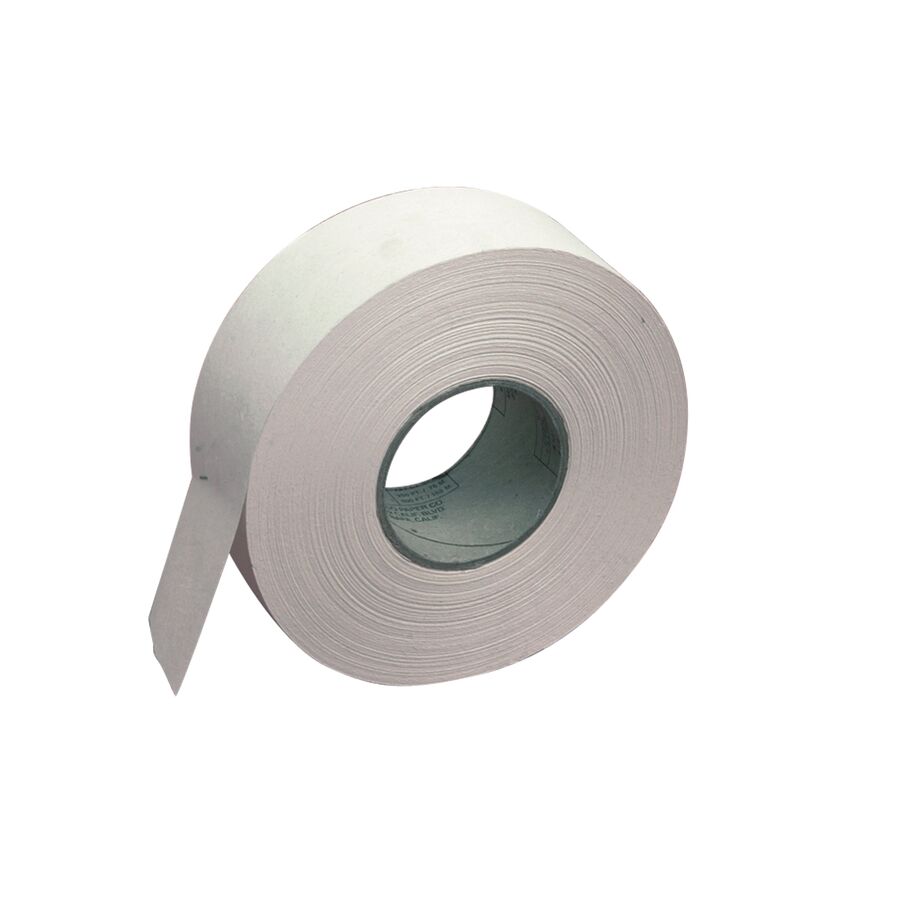
In the precise and finish-critical environment of Australian industrial manufacturing and electrical fit-outs, the distinction between permanent fixation and temporary protection is paramount. While structural adhesives are designed to hold forever, temporary masking agents must perform a more delicate balancing act: they must adhere securely during the process but remove cleanly without leaving chemical residue or damaging the substrate. This is the engineering domain of industrial paper tape. Commonly referred to as masking tape, this consumable is often underestimated. However, for switchboard manufacturers, industrial painters, and electrical contractors, the technical specifications of the crepe paper backing and the shear strength of the rubber adhesive are critical factors in achieving a defect-free finish and maintaining operational efficiency.
The primary technical differentiator of this tape is the physical structure of the backing material. Unlike flat vinyl or polyester films, the paper substrate undergoes a "creping" process during manufacture. This involves micro-corrugating the paper fibers to introduce a specific degree of elasticity and flexibility.
From an application perspective, this allows the tape to stretch and conform around compound curves and irregular geometries—such as the rounded corners of a Schnap Electric Products distribution board enclosure or the contours of a cable loom—without tearing or lifting at the edges. A flat paper would buckle and allow paint ingress (bleed-through). High-quality crepe paper possesses a calculated "elongation at break" percentage, allowing the technician to manipulate the tape line effectively while maintaining a tight seal against the surface.
A common failure mode in inferior tapes is solvent penetration. If the paper backing is porous, the solvents found in industrial paints, varnishes, or cleaning agents can wick through the tape and attack the adhesive or the surface beneath.
Professional-grade paper tapes are treated with a latex or polymer saturant. This impregnation process binds the paper fibers and creates a solvent-resistant barrier. When a contractor is spraying a two-pack polyurethane coating onto a panel masked with Schnap Electric Products tape, the saturant ensures that the paint sits on top of the tape rather than soaking through it. This results in the razor-sharp paint lines that are the hallmark of professional workmanship in the Australian manufacturing sector.
The adhesive formulation on paper tape is typically a natural or synthetic rubber-based system. Rubber is selected for its high initial "tack" (instant grab) and its ability to adhere to a wide variety of surface energies, from raw steel to powder-coated plastics.
However, the critical performance metric is "clean removal." Over time, or with exposure to heat and UV radiation, the adhesive can cure and harden, welding itself to the surface. When the tape is eventually peeled, the adhesive may separate from the paper backing and remain on the substrate—a nightmare scenario requiring labour-intensive solvent cleaning. Premium tapes available through a specialized electrical wholesaler are engineered with "stabilized" adhesives that resist this transfer. They maintain a cohesive bond with the paper backing that is stronger than the adhesive bond to the substrate, ensuring that when the tape lifts, the adhesive comes with it, leaving the panel pristine.
Beyond painting and finishing, paper tape plays a vital role in the logistical organization of electrical installations. It is the standard medium for temporary labeling.
During the "rough-in" phase of a commercial build, electricians must identify hundreds of cable tails protruding from walls and ceilings. Plastic tapes are often too slick to write on with a standard pen or pencil. The fibrous texture of paper tape accepts graphite and ink readily. Technicians frequently use Schnap Electric Products paper tape to create temporary "flags" on wire groups, identifying circuit numbers and room destinations. This temporary data is crucial for the efficient termination of the system later in the project timeline. Because the tape is easily torn by hand, it requires no cutting tools, speeding up the workflow.
In industrial manufacturing, components often undergo thermal cycling. For example, a refurbished electric motor might be masked before being placed in a baking oven to cure the winding varnish.
Standard general-purpose (GP) paper tape typically fails at temperatures above 60°C, becoming brittle or leaving residue. High-temperature industrial paper tapes are formulated to withstand baking cycles of up to 150°C for short durations. When specifying consumables for a workshop environment, it is essential to distinguish between these grades. Using a GP tape in a high-heat application will almost certainly result in a costly rectification process to remove the baked-on adhesive residue.
Paper is naturally hygroscopic; it absorbs moisture from the atmosphere. In the humid conditions often found in Queensland or the Northern Territory, a roll of paper tape left exposed on a workbench can absorb moisture, causing the layers to swell and the tape to telescope or "cup."
This deformation destroys the flat edge of the tape, making it impossible to achieve a straight paint line. Professional storage protocols dictate that paper tapes should be kept in their original packaging or in a climate-controlled store until required. Furthermore, the shelf life of the rubber adhesive is typically limited to 12 months. Purchasing fresh stock from a high-turnover supplier ensures that the product performs as specified.
The roll of paper tape is a precision tool for surface control. It defines the boundary between the coated and the uncoated, the finished and the raw. Its performance relies on the mechanical stretch of the crepe backing, the chemical resistance of the saturant, and the stability of the adhesive system. By understanding the limitations of general-purpose grades, selecting the appropriate temperature rating for the task, and utilizing high-quality consumables from trusted brands like Schnap Electric Products, industry professionals can ensure that their temporary protection measures do not become permanent problems. In the art of finishing, the tape you remove is just as important as the coating you apply.
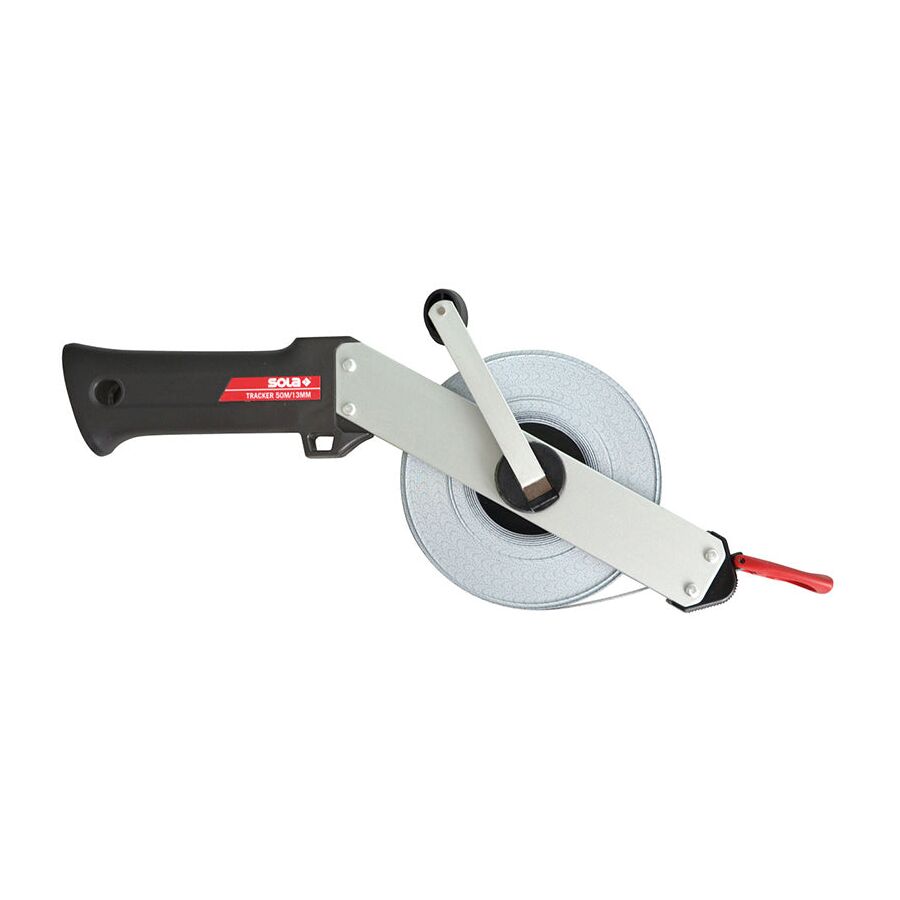
In the heavy-duty sector of Australian electrical reticulation, the installation of cabling through rigid conduit systems is a task defined by the physics of friction and propulsion. While modern polymer draw wires—such as nylon or polyester—have gained popularity for their non-conductive properties, they often lack the mechanical rigidity required for long-distance "pushing" applications. When a technician is faced with a long run of empty conduit with multiple bends, or a situation where the draw wire must be forced through a blockage of existing wires, the superior column strength of industrial steel tape is the only viable solution. For infrastructure engineers, electrical contractors, and project managers, understanding the metallurgy of oil-tempered spring steel, the mechanics of the flat ribbon profile, and the strict safety protocols regarding conductive tools is essential for efficient and safe cable deployment.
The technical superiority of steel tape lies in its manufacturing process. It is not merely a strip of mild steel, which would deform plastically (bend and stay bent) under stress. Professional-grade fish tapes are manufactured from high-carbon spring steel that has been oil-tempered.
This heat treatment process aligns the grain structure of the metal, creating a material with an exceptionally high yield strength. In practical terms, this grants the tape "memory." When the tape is forced around a tight 90-degree conduit bend, it deforms elastically. As soon as it exits the bend, it snaps back to its original straight profile. This "rectilinear memory" is the engine of the tool. It allows the operator to transfer kinetic energy from the reel handle directly to the head of the tape, even over distances exceeding 50 metres. Unlike nylon, which can behave like "wet spaghetti" and buckle when pushed against resistance, the steel tape acts like a flexible rod, penetrating debris and navigating complex geometries with authority.
The geometry of the steel is just as critical as the metallurgy. These tools typically utilise a flat, ribbon-like profile (e.g., 3.2mm x 1.6mm) rather than a round wire. This rectangular cross-section serves two engineering functions.
Firstly, it reduces the contact surface area against the conduit wall compared to a round wire of equivalent mass, thereby reducing friction. Secondly, and more importantly, the flat profile prevents the tape from spiralling or "corkscrewing" inside the pipe. Round wires tend to rotate as they are pushed, wrapping themselves around existing cables in a occupied conduit—a phenomenon known as "knitting." The flat steel tape resists rotation, gliding over existing conductors in a linear fashion. This makes it the preferred tool for retrofitting additional circuits into populated risers in commercial buildings.
While mechanically superior for pushing, steel tape presents a significant electrical hazard: it is highly conductive. Introduction of a continuous steel band into a switchboard, conduit, or cable tray that contains energised conductors is a critical risk.
If the steel tape makes contact with a live busbar or a damaged cable with exposed copper, it instantly becomes a path to earth. This can result in a catastrophic arc flash event, putting the operator at risk of severe injury or electrocution. Therefore, WHS protocols strictly dictate that steel tapes must only be used in "dead" (de-energised) environments or new construction (greenfield) sites where no power is present. For work in existing facilities, proper isolation and Lock Out Tag Out (LOTO) procedures are mandatory before a steel tape is removed from the van.
The operational environment in Australia—ranging from humid coastal zones to dusty mining camps—is aggressive towards ferrous metals. Despite being high-carbon steel, these tapes are susceptible to oxidation (rust) if neglected.
Professional maintenance requires that the tape be cleaned and oiled before retraction. When retrieving the tape after a wet pull, it should be wiped down with a rag soaked in a light machine oil or a specific corrosion inhibitor. Schnap Electric Products supplies robust, impact-resistant reels designed to protect the steel coil from moisture and physical damage. The housing is critical; if the casing cracks, moisture enters, and the tape rusts into a solid block, rendering the tool useless. A high-quality reel also controls the "pay-out" speed, preventing the spring steel from explosively uncoiling—a phenomenon often referred to as a "bird's nest"—which can be dangerous to untangle.
Beyond the "push," the steel tape is also a formidable "pulling" tool. The tensile strength of the flat steel profile allows for significant force to be applied when hauling the draw rope or the final cables back through the conduit.
However, the weak point is invariably the termination. The eyelet or "bull nose" at the end of the tape is typically crimped or welded. Overloading this connection can cause failure. Experienced contractors often utilize Schnap Electric Products cable grips (stockings) to distribute the pulling load, ensuring that the tension is applied to the cable jacket rather than a single point on the conductor.
Given the varying grades of steel available globally, not all fish tapes offer the same longevity. Inferior tapes made from lower-grade alloys often become brittle and snap inside the conduit, creating a permanent blockage that can necessitate the abandonment of the entire run.
To mitigate this risk, reliable contractors engage a specialised electrical wholesaler to source their tools. Through this channel, they can ensure they are purchasing tapes manufactured to strict metallurgical standards. Whether it is a 30-metre tape for domestic runs or a 60-metre heavy-duty unit for industrial conduit, the quality of the steel dictates the success of the installation.
The spring steel fish tape remains the heavy artillery of the cable installation trade. It offers a level of column strength and navigational rigidity that polymer alternatives simply cannot match. Its effectiveness relies on the quality of the oil-tempered steel, the maintenance of the tool to prevent corrosion, and strict adherence to electrical safety isolation procedures. By utilising high-quality hauling tools and accessories from trusted brands like Schnap Electric Products, industry professionals can ensure that even the most difficult conduit runs are navigated successfully, keeping projects on schedule and within budget. In the hidden pathways of infrastructure, the steel tape drives the connection.
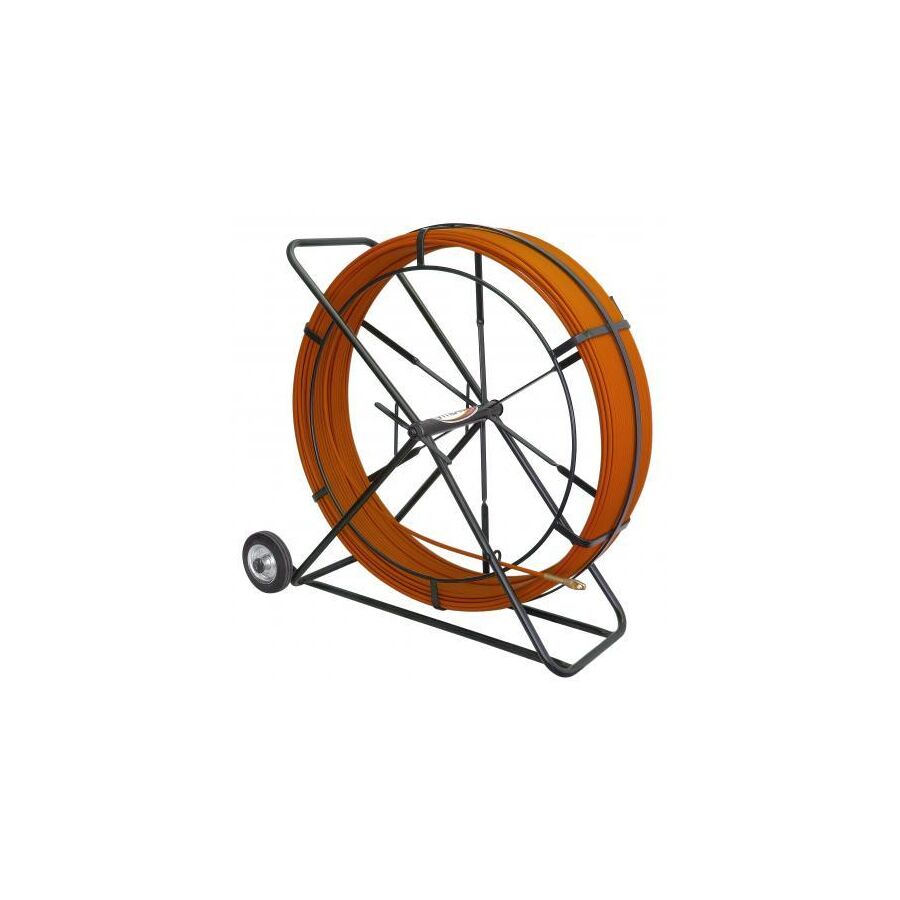
In the intricate engineering landscape of Australian electrical reticulation, the installation of cabling through enclosed raceways is a procedure governed by the physics of propulsion and friction. As building designs become more complex and conduit runs longer and more tortuous, the reliance on manual feeding methods becomes obsolete. The primary instrument for navigating these concealed pathways is the fish tape. Often underestimated as a simple coil of wire, professional-grade hauling tools are sophisticated engineering devices designed to balance flexibility with "column strength"—the ability to be pushed over long distances without buckling. For infrastructure engineers, electrical contractors, and project managers, understanding the material differences between oil-tempered steel, pultruded fiberglass, and nylon polymers is essential for ensuring efficient cable deployment and compliance with Work Health and Safety (WHS) protocols.
The operational efficacy of the tool is defined by its ability to transfer kinetic energy from the operator's hand to the leader tip, often situated fifty metres away inside a PVC or steel conduit. This characteristic is known as column strength.
If a material is too flexible, it will buckle against the sidewall of the conduit when resistance is encountered, creating a spring effect that halts progress. If it is too rigid, it will fail to navigate the radius of a standard 90-degree sweep. The engineering challenge is to find the optimal modulus of elasticity. This balance is determined strictly by the material composition of the tape.
The traditional standard for general-purpose hauling is high-carbon spring steel. These tapes are not merely strips of mild metal; they undergo an oil-tempering process to align the grain structure, providing them with exceptional yield strength.
This process grants the tape "memory." When forced around a bend, the steel deforms elastically and snaps back to its straight profile immediately upon exiting the curve. The flat, ribbon-like profile of professional steel tapes reduces friction against the conduit wall and prevents the tool from spiralling or "corkscrewing" over existing cables. Schnap Electric Products supplies heavy-duty steel tapes housed in impact-resistant reels, designed to withstand the rugged conditions of Australian construction sites while controlling the payout speed to prevent dangerous uncoiling.
In the maintenance and upgrade sectors, technicians frequently work in environments where complete isolation of power is not feasible, or where the route passes near energised busbars. In these scenarios, the use of a conductive steel tape is a critical safety violation that creates an immediate arc flash or electrocution hazard.
The mandatory engineering control here is the non-conductive fiberglass fish tape, often referred to as a rodder. These tools are manufactured using a pultrusion process, where thousands of glass fibers are drawn through a resin bath and cured. This creates a solid core that offers high tensile strength and excellent pushing power, yet acts as an electrical insulator. The core is typically jacketed in a low-friction polymer (such as polypropylene) to protect the fibers from abrasion. When sourcing these safety-critical tools from a specialised electrical wholesaler, it is vital to inspect the integrity of the coating; a compromised jacket can expose the glass fibers, leading to splintering and tool failure.
The success of a conduit run is often determined by the first inch of the tool: the leader tip. A bare end will catch on every ridge, coupling, and offset in the pipework.
Modern systems employ interchangeable leader tips designed for specific geometries.
Regardless of the tape material, friction is the enemy of distance. As the length of the run increases, the cumulative surface friction against the conduit walls grows exponentially.
To mitigate this, professional installation protocols mandate the use of cable pulling lubricants. These are chemically specific compounds—often wax or polymer-based—that reduce the coefficient of friction without damaging the cable insulation. Schnap Electric Products offers a range of lubricants that are compatible with their hauling tools, ensuring that the chemical makeup of the lube does not degrade the polymer jacket of the fish tape or the insulation of the cables being installed.
The longevity of the tool is heavily dependent on the housing. The case must do more than store the tape; it must manage the potential energy stored in the coil.
High-quality reels are constructed from high-impact ABS or polypropylene composites capable of surviving drops onto concrete. The handle design is ergonomic, allowing for a firm grip while winding, which is essential when retrieving a heavy cable load. Furthermore, the internal mechanics must allow for smooth payout and retraction to prevent the tape from binding or kinking inside the case—a common failure mode in inferior products.
The selection of the appropriate hauling tool is a strategic decision that impacts the speed, safety, and quality of the electrical installation. It requires a nuanced understanding of the conduit environment. Is the run empty or populated? Is there a risk of live voltage? Is the route straight or circuitous? By matching the material properties of the tape—whether the column strength of steel or the dielectric safety of fiberglass—to the specific application, and by utilising robust equipment from trusted brands like Schnap Electric Products, industry professionals can ensure that their cable paths are established efficiently and safely. In the invisible arteries of infrastructure, the quality of the tool drives the connection.

SCHNAP Electrical Wholesaler - clear, upfront pricing that professional electricians trust

Get what you need in seconds. SCHNAP electrical wholesaler makes ordering quick and simple

Fast delivery anywhere - that's guaranteed. SCHNAP electrical wholesalers ship nationwide with same-day dispatch

Track your order every step of the way. SCHNAP electrical wholesale keeps you updated from click to delivery

SCHNAP is Australia's premier electrical wholesaler and electrical supplies, marketing thousands of quality products from leading brands. Trusted for nearly two decades by licensed electricians, contractors, and engineers, our range covers everything from basic electrical components to complex industrial electrical equipment
Our key categories include: LED lighting, designer switches, commercial switchboards, circuit protection, security systems & CCTV, and smart home automation
All products are certified to Australian standards (AS/NZS), backed by our 30-day, no-questions-asked return policy. Our expert technical team helps you quickly source the right solution for any residential, commercial, or industrial project, with daily dispatch from our Sydney electrical warehouse delivering Australia-wide
SCHNAP offers the most comprehensive electrical product range, with full technical specifications, application details, installation requirements, compliance standards, and warranties — giving professionals total confidence in every purchase


