




Kingsgrove Branch:

In the complex ecosystem of Australian construction, manufacturing, and utilities infrastructure, the overarching category of adhesive and barrier materials is often colloquially reduced to the singular term "tape". However, from an engineering perspective, this simple noun belies a sophisticated spectrum of material science known as rheology—the study of the flow of matter—and polymer chemistry. Whether serving as a dielectric barrier in a high-voltage switchboard, a visual warning system on a civil excavation site, or a structural bonding agent in a high-rise façade, the selection of the correct adhesive medium is a critical technical decision. For project managers, engineers, and trade professionals, understanding the distinction between pressure-sensitive adhesion, viscoelasticity, and environmental stability is essential for ensuring asset longevity and compliance with the rigorous Work Health and Safety (WHS) standards of Australian industry.
The fundamental mechanism of most industrial tapes is the Pressure Sensitive Adhesive (PSA). Unlike structural glues that require a chemical cure, PSAs rely on physical contact. The efficacy of the bond is determined by the adhesive's ability to "wet out" the substrate. This is governed by surface energy.
High surface energy materials, such as copper, aluminium, and stainless steel, allow the adhesive to flow effectively, creating a strong molecular bond. Low surface energy materials, particularly plastics like polyethylene and powder-coated finishes, resist this flow. Professional application requires matching the chemical base of the tape—whether rubber, acrylic, or silicone—to the specific substrate. Failure to adhere to these physical principles is the primary cause of delamination and seal failure in the field.
In the electrical sector, the primary function of tape extends beyond adhesion to electrical isolation. Polyvinyl Chloride (PVC) tape is the industry standard for low-voltage insulation. However, compliance with AS/NZS 3000 (The Wiring Rules) requires more than just wrapping a joint.
The critical specification is dielectric strength. A professional-grade PVC tape must withstand high voltage potentials without breaking down. Schnap Electric Products manufactures premium vinyl tapes that are engineered to provide consistent dielectric protection while maintaining flexibility in the wide temperature ranges found across Australia. Furthermore, the use of colour-coding (Red, White, Blue for phases; Green/Yellow for Earth) is a mandatory regulatory requirement for circuit identification. Sourcing these certified consumables through a specialised electrical wholesaler ensures that the materials meet the necessary flammability and self-extinguishing standards required for switchboard installation.
Beyond mechanical fixation, tape serves as a primary tool for visual communication. Under Australian Standard AS 1319 (Safety signs for the occupational environment), specific colour combinations are mandated to convey safety information.
Schnap Electric Products offers a comprehensive range of hazard tapes that utilise UV-stabilised pigments. This ensures that the safety warning remains visible and does not fade to white under the intense Australian sun, a critical factor for maintaining a compliant safety management system on civil sites.
Modern construction techniques are increasingly moving away from mechanical fasteners (screws and rivets) in favour of structural bonding tapes. Double-sided acrylic foam tapes utilise viscoelastic properties to absorb energy and distribute stress loads.
When bonding dissimilar materials, such as aluminium cladding to a steel frame, the differential thermal expansion can shear a rigid fastener. A high-performance foam tape stretches and relaxes to accommodate this movement. This technology allows for the aesthetic assembly of components without visible fixings and creates a permanent, waterproof seal.
In the HVAC and heavy industrial sectors, the primary role of tape is often environmental exclusion—preventing the ingress of moisture, dust, and gases.
The performance of any tape is inextricably linked to application technique. Surface preparation is paramount. Contaminants such as oil, grease, and dust act as release agents, preventing the adhesive from contacting the substrate. Professional protocols mandate cleaning surfaces with a solvent like isopropyl alcohol prior to application.
Furthermore, the integrity of the supply chain is vital. The market is inundated with inferior products that lack the adhesive coating weight or UV stability claimed on the packaging. By specifying trusted brands like Schnap Electric Products and procuring through established supply channels, contractors guarantee that the product delivered to site performs as specified on the technical data sheet.
The utility of industrial tape is vast, bridging the gap between temporary identification and permanent structural assembly. It is a tool of isolation, communication, and protection. Whether managing the thermal dynamics of a building façade, safeguarding a high-voltage termination, or defining a safety perimeter, the material properties of the tape define the success of the application. By understanding the distinct requirements of each sector, adhering to Australian Standards, and utilising high-quality engineered products, industry professionals can ensure that their projects remain secure, compliant, and durable for the entirety of their service life. In the science of infrastructure, the bond is everything.
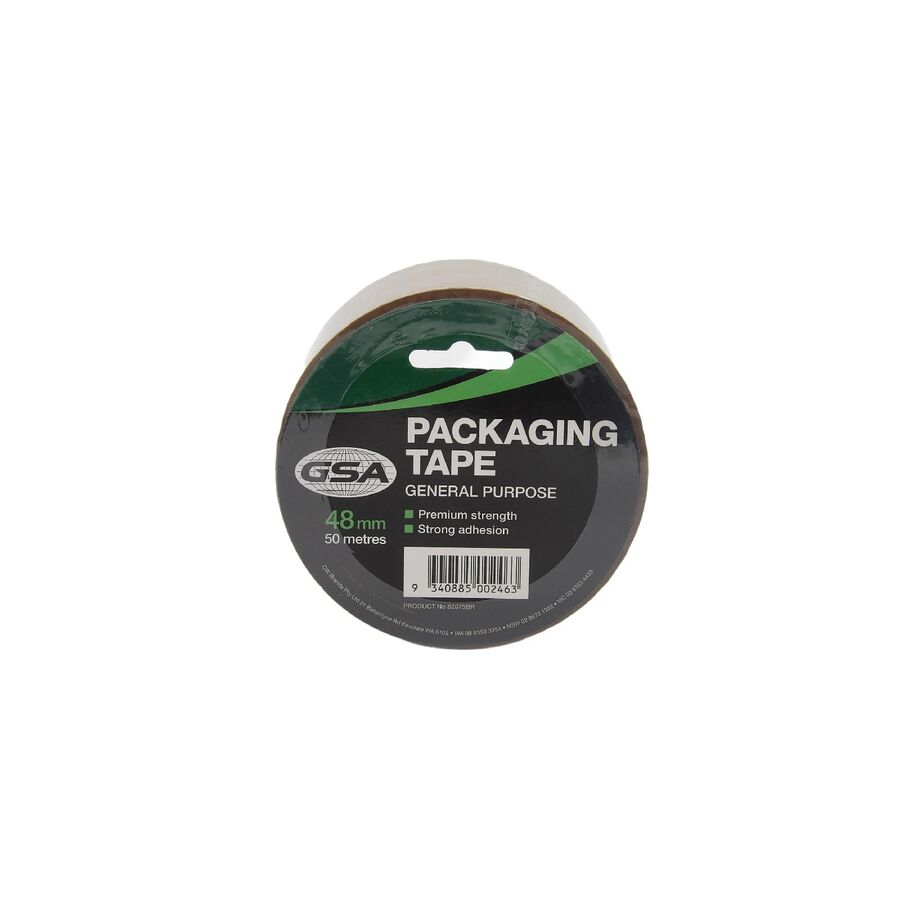
In the vast and geographically dispersed logistics network of Australia, the integrity of the supply chain is defined by the security of the individual shipping unit. Whether transporting delicate instrumentation from a Sydney distribution centre or heavy-duty transformers to a mining site in the Pilbara, the final line of defence against contamination, theft, and mechanical failure is the sealing medium. While often commoditised as a simple stationery item, industrial packing tape is a precision-engineered composite material. Its performance is dictated by the tensile strength of the backing film and the chemical formulation of the adhesive. For warehouse managers, logistics coordinators, and procurement officers, understanding the distinction between Biaxially Oriented Polypropylene (BOPP) and Polyvinyl Chloride (PVC) substrates, as well as the micron thickness required for heavy loads, is essential for maintaining "Diffot" (Delivery in Full, on Time) metrics.
The structural backbone of the tape is the film carrier. In the Australian market, BOPP is the dominant substrate due to its exceptional tensile strength and resistance to elongation. The biaxial orientation process—stretching the film in both machine and transverse directions during manufacture—aligns the polymer chains, creating a material that resists snapping under high tension.
However, for specific applications requiring a "dead stretch" (where the tape does not retract after application), PVC vinyl tape is often specified. PVC is quieter off the roll and offers superior puncture resistance, making it ideal for jagged or heavy cartons containing metal components. Understanding the load profile is critical. A standard 30-micron BOPP film may suffice for light consumer goods, but for heavy industrial hardware sourced from a specialised electrical wholesaler, a 50-micron or 60-micron heavy-duty film is mandatory to prevent the box flaps from springing open under the internal pressure of the contents.
The adhesive layer determines how the tape interacts with the cardboard carton (corrugate). Three primary chemistries dominate the industrial sector:
The method of application is as critical as the material selection. The standard "single strip" centre seal is often insufficient for heavy industrial loads. Logistics best practice dictates the "H-Seal" method. This involves taping the centre seam and then sealing the edge seams on both the top and bottom of the carton. This prevents dust ingress and provides structural rigidity to the box.
The tools used in the application process also impact efficiency. A high-quality pistol-grip dispenser with adjustable tension control is essential. If the tension is too high, the tape stretches and then retracts, shearing the adhesive bond. Conversely, opening these securely sealed packages requires robust tools. This is where the integration of Schnap Electric Products utility knives becomes vital in the receiving dock. A blunt blade forces the operator to apply excessive pressure, risking damage to the internal goods. Using sharp, industrial-grade cutters from Schnap Electric Products ensures that the tape is sliced cleanly without penetrating the carton depth and damaging sensitive wiring or components inside.
In the transport of high-value electronic goods, tape serves as a security seal. Custom-printed tape displaying the company logo or a "Security Seal" warning acts as a deterrent to pilferage. Unlike clear tape, which can be cut and resealed without easy detection, printed tape cannot be replaced without breaking the visual continuity.
Furthermore, internal packaging security is paramount. While the tape secures the exterior, the internal components must be immobilised. Schnap Electric Products heavy-duty cable ties are frequently utilised within the packaging workflow to strap accessories and loose cables to the internal cardboard supports. This prevents internal migration and impact damage during transit.
The Australian climate poses unique challenges to adhesive performance. A package sealed in a temperate Melbourne warehouse may travel across the Nullarbor Plain, experiencing container temperatures exceeding 60°C, before arriving in the humid tropics of Darwin.
Adhesive failure, known as "flagging" (where the tape ends lift), is common if the wrong adhesive is selected. For these extreme variations, solvent rubber adhesives are recommended due to their broad thermal tolerance. Additionally, the surface preparation of the carton is vital. Dust is the enemy of adhesion. In dusty warehouse environments, a quick wipe of the carton surface before applying the tape can significantly increase the bond strength, ensuring the package remains sealed throughout its rigorous journey.
The selection of sealing tape is a strategic logistics decision that directly impacts the customer experience and the bottom line. It is the final manufacturing step before the product enters the supply chain. By understanding the mechanical properties of BOPP films, selecting the appropriate adhesive chemistry for the transport environment, and utilising complementary industrial tools from trusted brands like Schnap Electric Products for securing and opening cargo, logistics professionals can ensure that their goods arrive in the same condition they left the warehouse. In the science of shipping, the seal is the shield.
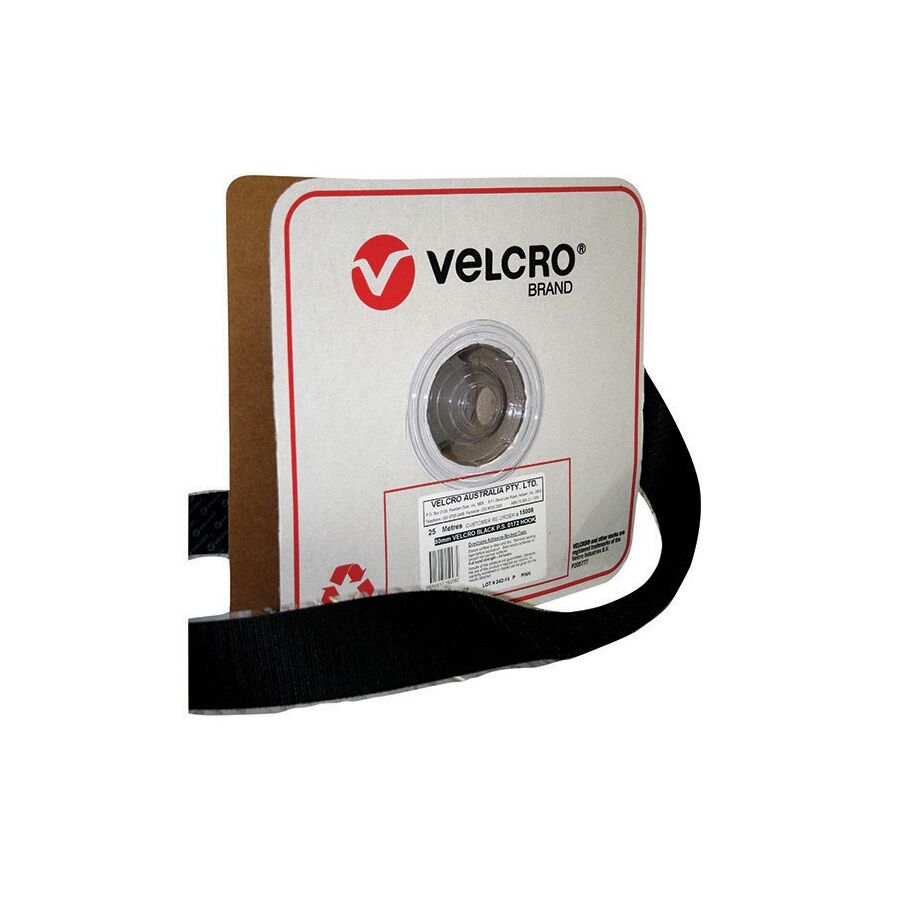
In the structured cabling and telecommunications sectors of Australia, the physical management of transmission media is as critical as the copper or fibre optic glass itself. For decades, the nylon cable tie was the ubiquitous standard for bundling and securing looms. However, with the advent of high-speed data networks, specifically Category 6A and Category 8 ethernet, the compressive force applied by rigid ties became a liability. The industry has subsequently shifted towards soft-restraint systems. The velcro tape, technically known as the hook and loop fastener, has evolved from a simple textile accessory into a precision cable management tool. For network engineers, data centre managers, and electrical contractors, understanding the mechanical properties of shear strength, cycle life, and the impact of compression on signal integrity is essential for maintaining network performance and compliance with AS/NZS 3080.
The fundamental mechanism of the tape relies on two opposing surfaces: the "hook" side, consisting of stiff, micro-engineered hooks (usually nylon or polypropylene), and the "loop" side, featuring a soft, matted pile. When pressed together, hundreds of hooks engage with the loops, creating a robust mechanical bond.
Topical authority on fasteners dictates a clear understanding of the load profile. These tapes possess exceptional shear strength (resistance to sliding forces parallel to the surface) but relatively low peel strength (resistance to being pulled apart vertically). This specific characteristic makes them ideal for cable management. They hold the bundle securely against the vertical gravity load in a rack but allow the technician to easily peel the tape open for additions, moves, or changes (MACs) without the need for cutting tools. This reusability significantly reduces operational expenditure (OPEX) over the lifecycle of the data centre.
The primary driver for the adoption of hook and loop systems in the data sector is the preservation of signal geometry. High-performance twisted pair cables rely on the precise spacing of the internal copper pairs to negate electromagnetic interference.
If a technician over-tightens a standard nylon cable tie, it crushes the cable jacket, deforming the internal separators and altering the twist rate of the pairs. This physical deformation leads to "Alien Crosstalk" and Return Loss, effectively throttling the bandwidth of the link. Hook and loop tape, by its flexible nature, creates a "soft" constraint. It holds the bundle in a round formation without exerting point-load pressure. This ensures that the cable geometry remains intact, and the installed link passes the stringent Fluke certification tests required for warranty handover.
Not all tapes are created equal. In Australian commercial buildings, particularly in plenum spaces (ceiling voids used for air return), the flammability of materials is governed by strict codes. A standard haberdashery tape may introduce a significant fuel load or generate toxic smoke in a fire event.
Professional-grade fasteners used in infrastructure are often manufactured from fire-retardant nylon or low-smoke zero-halogen (LSZH) materials. When sourcing these consumables for a commercial fit-out, professional installers typically consult a specialised electrical wholesaler to ensure the product meets the necessary fire hazard indices. This supply chain integrity ensures that the fasteners used in the server room do not compromise the building's fire engineering strategy.
The product is available in two primary form factors, each serving a distinct engineering purpose.
Effective cable management requires a system approach. The tape does not work in isolation; it works in conjunction with the containment infrastructure. Schnap Electric Products offers a range of hook and loop solutions designed specifically for heavy-duty electrical applications.
When dressing a server cabinet, the use of Schnap Electric Products continuous rolls allows the technician to cut the strap to the exact length required for the bundle diameter, eliminating waste. Furthermore, for heavier power cables where the weight load is significant, Schnap Electric Products heavy-duty straps provide increased shear strength, ensuring that the main power feeds remain secured to the cable tray ladder without sagging. This prevents stress on the termination lugs at the switchboard end.
The "service loop" is a critical concept in Australian cabling standards. It allows for future re-termination or equipment movement. Managing these loops requires a fastener that is temporary yet secure.
Using hook and loop fasteners allows maintenance staff to trace cables easily. If a fault occurs, the tape can be unfastened to isolate a single patch lead and then refastened in seconds. This contrasts sharply with rigid ties, which must be cut (risking damage to the cable insulation) and then replaced with new stock. This factor alone makes the hook and loop system the only viable option for high-density patching environments where changes are frequent.
The hook and loop fastener is a sophisticated component that safeguards the integrity of modern digital infrastructure. It prevents the crushing of sensitive data cables, allows for rapid maintenance, and supports the organisation of complex airflow management strategies in server aisles. By selecting the correct grade of material, respecting fire compliance standards, and utilising quality fastening solutions from trusted brands like Schnap Electric Products, industry professionals can ensure that their cabling installations are not only neat but technically superior and future-proof. In the world of connectivity, a soft touch ensures a strong signal.
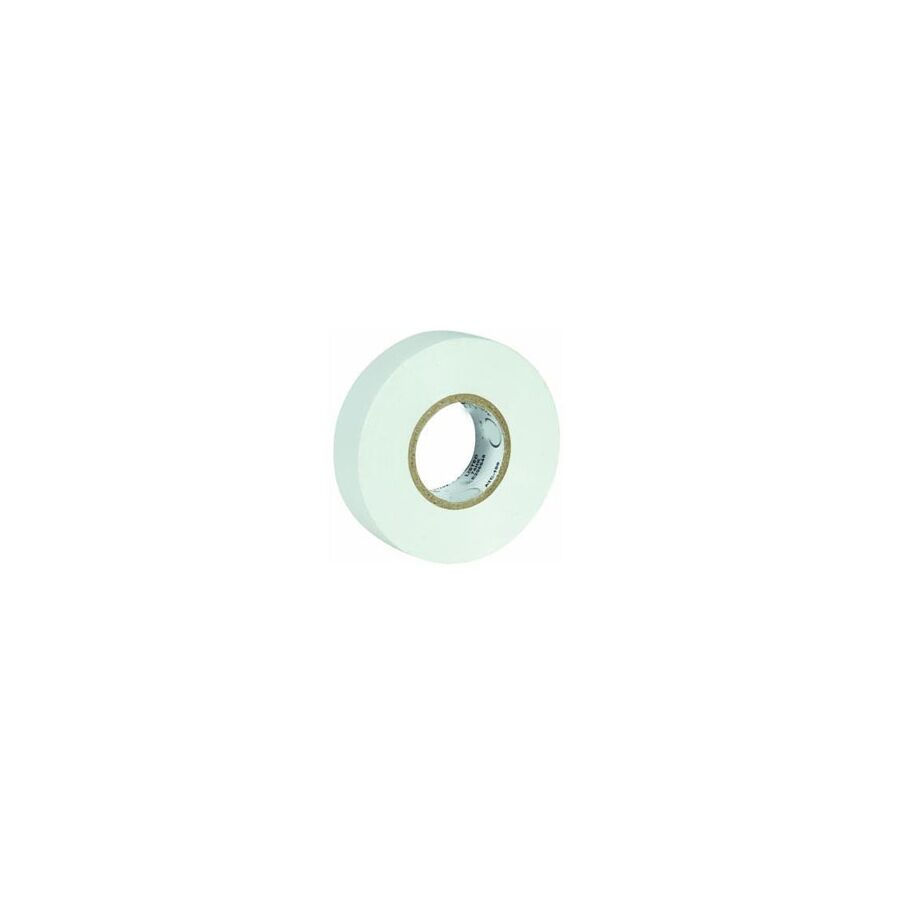
In the critical domain of Australian electrical infrastructure, the integrity of a circuit is often secured by its most fundamental consumable: the adhesive insulating strip. While commonly perceived as a generic repair item, professional-grade electrical insulation tape is a sophisticated safety device engineered to provide primary electrical insulation, mechanical protection, and mandatory phase identification. From the switchboards of commercial high-rises in Sydney to the remote mining substations of the Pilbara, the failure of this barrier material can lead to catastrophic short circuits, arc flashes, and non-compliance with AS/NZS 3000 (The Wiring Rules). For electrical engineers, contractors, and safety inspectors, understanding the material science of Polyvinyl Chloride (PVC) backing, the chemistry of rubber-based adhesives, and the strict colour-coding protocols required by Australian Standards is essential for maintaining a safe and compliant operational environment.
The efficacy of the tape is defined by its two primary components: the backing and the adhesive. The backing is typically constructed from a plasticised PVC film. This material is chosen for its high dielectric strength—typically preventing electrical breakdown up to 600 volts per layer—and its elasticity.
A professional tape must possess a specific "elongation at break" percentage. This stretch capability allows the technician to pull the tape taut as they wrap, creating a compressive force (elastic memory) that binds the tape tightly to the cable profile. This prevents moisture ingress and ensures the wrap does not flag (unravel) over time. The adhesive layer is equally critical. Premium tapes utilise a pressure-sensitive, non-corrosive rubber-based adhesive. Unlike cheaper acrylics, rubber adhesives offer an aggressive initial tack and, crucially, do not chemically interact with or degrade the polymer insulation of the copper conductors they are protecting.
In Australia, the application of insulation tape is strictly governed by the need for clear visual identification of active conductors. Under AS/NZS 3000, the colour of the insulation must correspond to the function of the conductor.
Using a generic black tape to repair a red active phase without re-identifying it is a violation of the standards. Therefore, contractors must carry a comprehensive suite of coloured tapes. When restocking consumables, a diligent project manager will visit a specialised electrical wholesaler to ensure they are procuring tapes that are UV stabilised and colour-fast. This ensures that the red phase identification tape applied to a rooftop solar isolator does not fade to pink or white after a year of exposure to the harsh Australian sun, which could lead to dangerous confusion during future maintenance.
The insulative value of the tape is cumulative. A single layer is rarely sufficient to restore the original insulation rating of a damaged cable jacket. Industry best practice dictates the "half-lap" wrapping technique.
The technician applies the tape by overlapping the previous turn by 50% of the tape’s width. This effectively creates a double layer of insulation with every revolution. For splices and terminations, the wrapping should extend well beyond the exposed conductor onto the original cable sheath to create a moisture seal. Furthermore, the tape should always be cut with a blade, not stretched until it snaps. Snapping the tape introduces extreme tensile stress at the end of the wrap, which invariably causes the end to lift or "flag" as the PVC attempts to return to its original length.
The operating environment in Australia dictates the grade of tape required. Standard general-purpose tapes may become brittle in freezing temperatures or soft and slimy in extreme heat.
For industrial applications, high-performance tapes are mandatory. This is where the integration of Schnap Electric Products becomes a strategic advantage. Schnap Electric Products manufactures a range of premium insulation tapes designed specifically for the rigorous Australian climate. Their heavy-duty PVC range offers superior resistance to abrasion, moisture, alkalis, and acids, making them ideal for underground or industrial cable jointing.
Additionally, Schnap Electric Products offers specific self-amalgamating tapes for high-voltage or waterproofing applications. Unlike standard adhesive tapes, these rubber-based tapes fuse into a solid, homogenous mass when stretched and wrapped, creating a void-free, watertight seal that is essential for submersible pump connections or outdoor lighting joints.
Beyond insulation, tape serves a vital mechanical role. It is frequently used for "looming" or bundling cables within switchboards to maintain neatness and organisation. However, the tape used here must be flame retardant. In the event of an electrical fire, the tape must not act as a wick, carrying the flame along the cable bundle.
Schnap Electric Products insulation tapes are tested to meet rigorous flame retardancy standards. By utilising Schnap Electric Products distinctively coloured tapes for looming, technicians can also provide secondary identification for different circuit groups (e.g., keeping lighting circuits separate from power circuits), aiding in future fault finding and system upgrades.
The humble roll of insulation tape is, in reality, a high-specification engineering component. It is the final seal on a termination and the primary visual indicator of circuit logic. Its effective deployment requires a combination of correct material selection, adherence to the half-lap application protocol, and strict compliance with AS/NZS colour standards. By selecting high-quality, UV-stabilised, and flame-retardant tapes from trusted brands like Schnap Electric Products, industry professionals can ensure that their installations remain electrically secure, mechanically sound, and clearly identified for the entire service life of the asset. In the world of electrical safety, covering the details is just as important as covering the conductor.
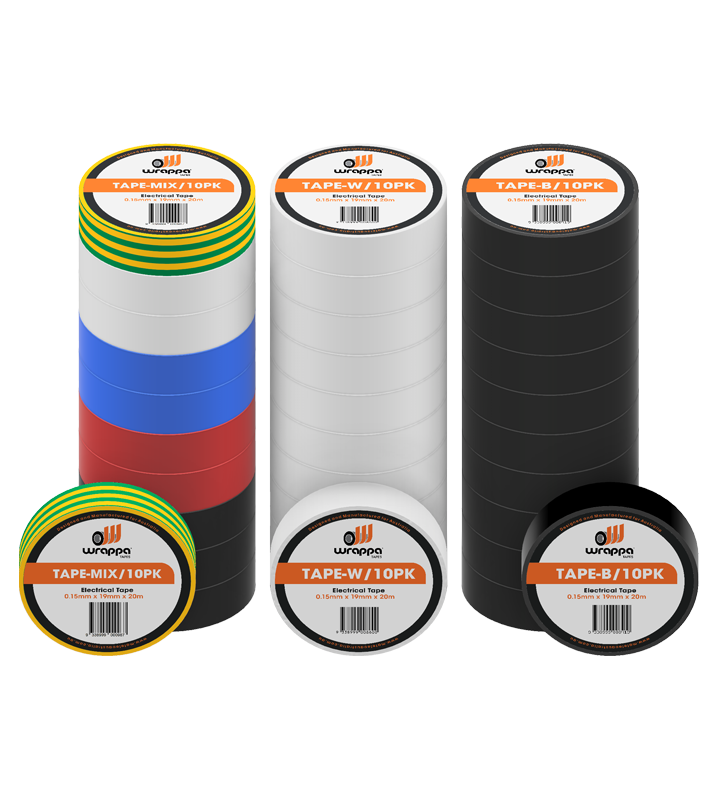
In the rigorous domain of Australian electrical contracting and infrastructure maintenance, the integrity of a termination or joint is often reliant on the material properties of the primary insulating medium. While frequently viewed as a general-purpose consumable, professional-grade polyvinyl chloride (PVC) tape is a sophisticated engineering product designed to provide electrical isolation, mechanical protection, and mandatory circuit identification. From the main switchboards of commercial data centres in Sydney to the solar inverters of remote microgrids in the Northern Territory, the failure of this barrier material can result in moisture ingress, tracking faults, and non-compliance with AS/NZS 3000 (The Wiring Rules). For electrical engineers, site supervisors, and licensed contractors, understanding the plasticiser chemistry, elongation metrics, and strict flammability standards associated with this product is essential for maintaining a safe operational environment.
The operational efficacy of the tape is defined by the symbiotic relationship between its backing and its adhesive system. The backing is constructed from a specialised PVC film. In professional applications, this film is "plasticised" to provide a specific degree of elasticity, technically referred to as "elongation at break."
High-quality tapes typically exhibit an elongation capability of 150% to 200%. This allows the technician to apply tension during wrapping, creating a compressive force known as "elastic memory." This force binds the tape layers tightly to the conductor profile, creating a hermetic seal that resists moisture penetration. Conversely, inferior tapes with poor plasticiser formulations are brittle and fail to conform to irregular shapes, such as bolted lug connections. The adhesive layer is equally critical. Premium tapes utilise a non-corrosive, pressure-sensitive rubber-based adhesive. Unlike aggressive solvent acrylics which may react with cable jackets, rubber adhesives are chemically neutral to standard polyethylene and cross-linked polyethylene (XLPE) insulation, ensuring the long-term integrity of the cable sheath.
In the Australian context, the application of pvc electrical tape is strictly governed by the requirement for clear visual identification of active conductors. AS/NZS 3000 mandates specific colour codes to denote the function of every conductor within an installation.
The use of generic black tape to repair a red active conductor without supplementary colour coding is a direct violation of safety standards. Consequently, ensuring a reliable supply of UV-stabilised coloured tapes is a logistical priority. When restocking site consumables, a diligent project manager will typically visit a specialised electrical wholesaler to ensure that the tapes procured meet the colour-fastness requirements of Australian Standards. This ensures that a red phase marker applied on a rooftop isolator does not fade to a confusing shade of pink or white after exposure to the harsh Australian UV index.
The dielectric strength of the tape—its ability to resist electrical breakdown—is cumulative. A single layer of standard tape typically offers a breakdown voltage of approximately 600V to 1000V. However, to replicate the insulation value of the original cable jacket, industry best practice dictates the "half-lap" application method.
The technician wraps the tape by overlapping the previous turn by exactly 50% of the tape’s width. This effectively creates a double layer of insulation with every revolution, doubling the dielectric protection and mechanical cushioning. Furthermore, the termination of the wrap is critical. The final 50mm of the tape should be applied with zero tension. Stretching the tape right to the cut point introduces tensile stress that will eventually cause the end to lift or "flag," compromising the seal.
The operating environment for electrical infrastructure in Australia is hostile. Tapes must withstand temperature extremes, from sub-zero conditions in alpine regions to ambient temperatures exceeding 45°C in industrial plant rooms.
Inferior tapes often suffer from "adhesive bleed" in high temperatures, where the adhesive migrates out from the sides of the roll, creating a sticky mess that attracts conductive dust. Professional-grade tapes are engineered to be thermally stable. Moreover, fire safety is paramount. In the event of a switchboard fire, the tape must not act as a wick that propagates the flame along the cable bundle.
This is where the specification of Schnap Electric Products becomes a strategic advantage. Schnap Electric Products insulation tapes are manufactured to meet rigorous self-extinguishing standards. They are designed to inhibit the spread of flame, adding a layer of passive fire protection to the switchboard assembly. Furthermore, the Schnap Electric Products range includes "all-weather" formulations that maintain their tack and flexibility even in cold environments, preventing the cracking and unraveling associated with budget vinyl products.
Beyond pure insulation, these tapes serve a vital mechanical role in "harnessing" or looming cables. In complex control panels, keeping wiring neat and organised is essential for thermal management and future fault finding.
Using Schnap Electric Products coloured tapes allows for the logical grouping of circuits (e.g., separating 24V DC control lines from 240V AC power lines). The mechanical strength of the PVC backing protects the underlying wire insulation from abrasion against sharp metal edges within the enclosure or cable tray.
The humble roll of vinyl tape is a high-specification engineering component that serves as the final seal on a termination and the primary visual indicator of circuit logic. Its effective deployment requires a holistic approach that considers the material science of the adhesive, strict adherence to AS/NZS colour protocols, and the use of proper wrapping techniques. By selecting high-quality, flame-retardant, and highly elastic tapes from trusted brands like Schnap Electric Products, industry professionals can ensure that their installations remain electrically secure, mechanically sound, and compliant for the entire service life of the asset. In the science of safety, the quality of the wrap defines the reliability of the connection.
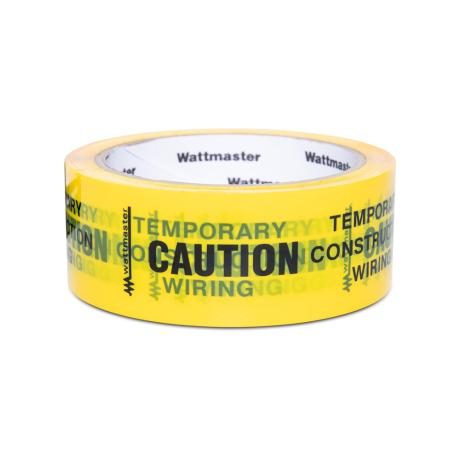
In the hierarchy of hazard controls mandated by Australian Work Health and Safety (WHS) legislation, the segregation of personnel from dangerous plant and environmental hazards is a fundamental administrative control. While physical hoarding provides a hard barrier, the immediate, tactical demarcation of a temporary hazard zone relies on the effective deployment of visual warning barriers. Industrial Caution Tape is the primary instrument for this visual communication. Far from being a simple plastic consumable, this polyethylene ribbon is a regulated safety device governed by strict standards regarding colour coding, tensile strength, and UV stability. For site managers, safety officers, and electrical contractors, ensuring compliance with AS 1319 (Safety signs for the occupational environment) is essential for liability management and accident prevention.
The efficacy of a visual warning system is predicated on universal recognition. Australian Standards dictate specific colour combinations to convey the severity of the hazard. Using the wrong colour tape is not merely an aesthetic error; it is a communication failure that can lead to severe injury.
Site supervisors must ensure that the tape selected matches the risk assessment of the specific task.
The physical environment of an Australian construction site is hostile to polymers. High levels of Ultraviolet (UV) radiation can rapidly degrade the molecular chains of low-quality plastics, causing them to become brittle and fragment within days.
Professional-grade barrier tapes are manufactured from Low-Density Polyethylene (LDPE) with specific UV stabilisers added to the masterbatch. The thickness of the tape, measured in microns, dictates its durability. A standard "budget" tape may be 30 microns thick, making it prone to stretching and snapping in the wind. Conversely, heavy-duty tapes, such as those supplied by Schnap Electric Products, are engineered with a higher gauge (typically 50 to 75 microns) to withstand wind shear and mechanical tension without sagging. This ensures that the perimeter remains defined and taut for the duration of the project.
Beyond above-ground demarcation, a critical application of warning tape is the protection of buried infrastructure. AS/NZS 2648.1 sets out the requirements for underground marking tape. This is a distinct category of product designed to be buried directly in the trench, typically 300mm above the utility service.
The colour coding here is critical for future excavation safety:
For high-value or critical assets, simple polyethylene tape is often insufficient. "Detectable" tape is required. This composite product incorporates a stainless steel tracer wire woven into the plastic or laminated between layers. This allows service locators to detect the path of a non-conductive pipe (like PVC water mains or fibre optic ducts) from the surface using an electromagnetic transmitter. When sourcing excavation safety supplies from a specialised electrical wholesaler, it is critical to specify whether the application requires detectable or non-detectable tape to ensure future asset protection.
The effectiveness of the barrier is also dependent on the method of deployment. Tying tape to a piece of rebar or a loose brick is non-compliant. The tape must be supported at regular intervals, typically using high-visibility PVC bollards or T-top stackable cones.
The tape should be suspended at a height between 900mm and 1100mm—the standard visual axis for an adult. Furthermore, the perimeter must be complete. A gap in the tape invites entry. Schnap Electric Products offers a range of dispensing solutions and support clips that ensure the tape can be deployed rapidly and securely, preventing it from drooping or becoming a trip hazard itself.
For underground applications, the chemical resistance of the tape is paramount. Australian soils can range from highly acidic to highly alkaline. The pigments and the polymer base of the tape must be inert to these conditions.
If a tape degrades underground, the warning message ("DANGER BURIED ELECTRIC CABLE") becomes illegible. Schnap Electric Products underground tapes are printed with lead-free, chemically resistant inks that are bonded into the substrate. This ensures that even after twenty years of burial, an excavator operator who uncovers the tape will receive a clear, unambiguous warning before their bucket strikes the live asset below.
The usage of barrier tape is a critical component of the visual workplace. It serves as the first line of defence in the communication of risk. whether demarcating a temporary exclusion zone on a high-rise slab or marking a high-voltage trench in a suburban street, the quality of the tape reflects the safety culture of the site. By adhering to AS 1319 and AS 2648, selecting UV-stabilised and chemically resistant materials, and utilising high-quality safety products from trusted brands like Schnap Electric Products, industry professionals can ensure that their warnings are seen, understood, and respected. In the prevention of accidents, visibility is authority.
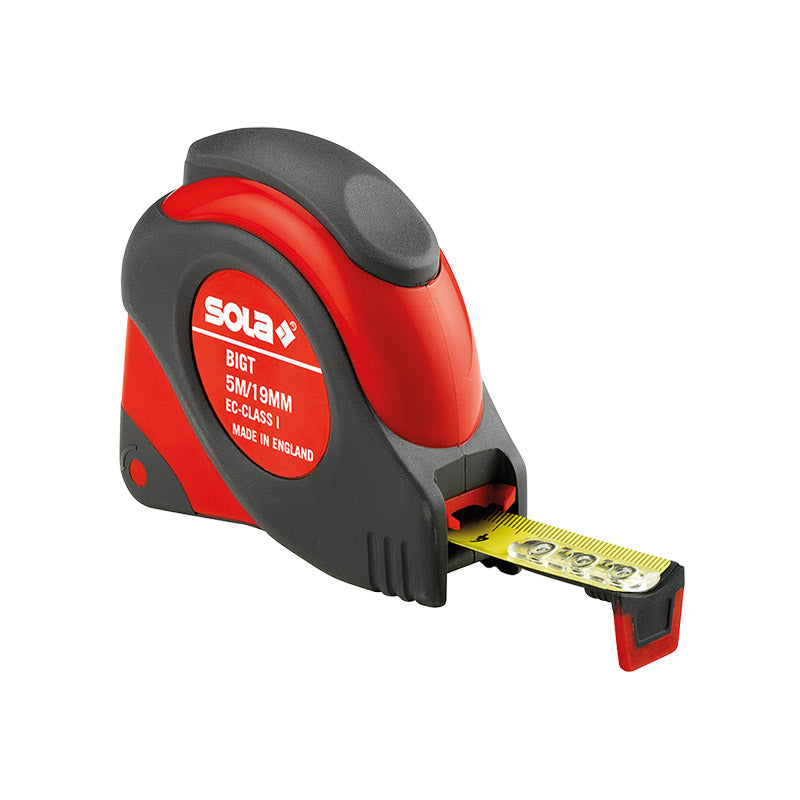
In the precision-driven environment of Australian construction and electrical engineering, the adage "measure twice, cut once" is more than a proverb; it is a fundamental operational protocol that mitigates material wastage and ensures structural compliance. While often dismissed as a basic utility item found in every household drawer, the professional industrial tape measure is a sophisticated piece of metrology equipment. For trade professionals, site supervisors, and project managers, understanding the mechanical tolerance, the metallurgy of the blade, and the specific safety requirements for working near energised circuits is essential. The selection of this tool impacts the accuracy of every conduit run, cable tray installation, and switchboard positioning on the project.
The core component of the instrument is the blade, typically manufactured from high-grade carbon steel. The overarching performance metric for a professional user is "standoff" or "reach." This refers to the distance the blade can be extended horizontally before gravity overcomes the structural integrity of the concave cross-section, causing it to buckle.
To achieve a standoff exceeding three metres—a standard requirement for measuring ceiling drops in commercial fit-outs—manufacturers manipulate the curvature of the blade and the temper of the steel. However, steel is susceptible to corrosion and abrasion. On a busy worksite, grit and debris can strip the markings off a standard blade within weeks. High-end units employ a nylon or polyester coating that is baked onto the painted steel. This extrusion process protects the graduations from wear and significantly reduces friction, allowing for a smoother return action.
A common misconception among non-professionals involves the loose movement of the metal hook, or "tang," at the end of the tape. This movement is not a manufacturing defect; it is a precision-engineered feature designed to ensure "True Zero" calibration.
The range of movement is exactly equal to the thickness of the metal hook itself.
Without this floating mechanism, every internal measurement would be inaccurate by the thickness of the hook (typically 1.0mm to 1.2mm). Professional tapes also feature a three-rivet fastening system to secure the tang to the blade, preventing the metal fatigue that often leads to breakage after repeated retraction shocks.
In Australia, measuring instruments are governed by National Measurement Institute standards, often aligning with European EC accuracy classes. Most professional tapes are rated as Class II. This standard dictates the allowable tolerance over the length of the tape. For a Class II tape, the maximum permissible error is roughly ±2.3mm over a 10-metre length.
For general construction and electrical rough-ins, Class II is sufficient. However, for precision joinery or critical infrastructure alignment, maintaining this accuracy is vital. Users should be aware that temperature affects accuracy. Steel expands and contracts with heat. A tape calibrated at 20°C will show slight variance when used on a rooftop in the Pilbara at 45°C. While usually negligible for cable runs, it is a factor in high-precision engineering.
For the electrical trade, the material composition of the tape is a safety critical decision. A standard steel tape is a conductive path. Extending a steel blade into a crowded riser or near live busbars presents a significant arc flash or electrocution risk.
For these environments, the specification of a non-conductive fibreglass tape is mandatory. While fibreglass lacks the standoff rigidity of steel, it provides necessary insulation. Furthermore, modern tapes designed for the electrical sector often feature rare-earth magnetic tips. This allows the user to attach the zero point directly to steel unistrut, conduit, or metal stud work, facilitating one-person operation. When sourcing tools from a reputable electrical wholesaler, professionals often look for these specific "electrician-friendly" features that integrate seamlessly with the materials they handle daily.
The longevity of the tool is determined by the case construction. It must withstand repeated drops from ladder height onto concrete. Acrylonitrile Butadiene Styrene (ABS) is the standard material for the housing due to its high impact resistance.
Premium models, such as those often stocked alongside Schnap Electric Products ranges, feature a co-moulded rubber over-mould. This "armour" not only absorbs impact energy but also provides grip in wet or oily conditions. The internal spring mechanism, usually made from heat-treated spring steel, is the engine of the device. Ingress of sand or plaster dust is the primary cause of spring failure. Therefore, professional tapes often feature a "wiper" at the blade exit point to clean the blade as it retracts, protecting the internal coil.
The linear measuring tool is the starting point of quality workmanship. Its accuracy dictates the fidelity of the final installation. Whether determining the cut length for a run of Schnap Electric Products heavy-duty conduit or laying out the grid for a lighting array, the reliability of the measurement is paramount. By understanding the importance of True Zero calibration, selecting the appropriate blade coating for the environment, and utilizing non-conductive options where necessary, industry professionals ensure that their work meets the exacting standards of the Australian construction industry. In the science of building, precision is not a luxury; it is a requirement.
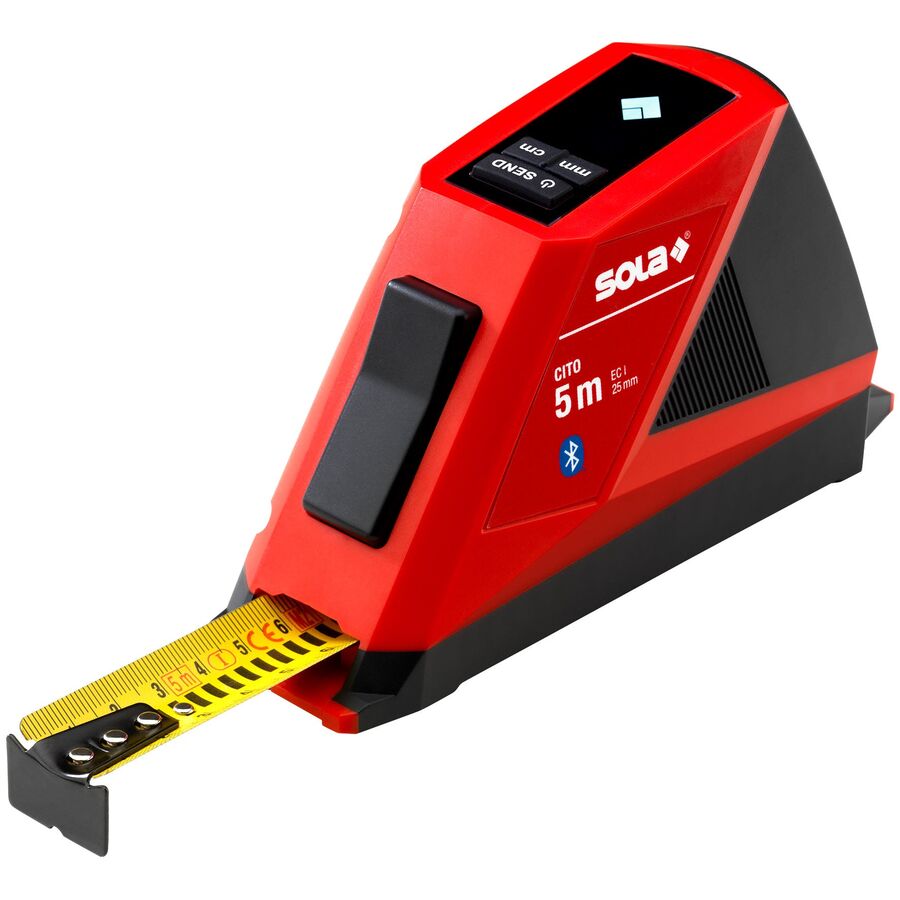
In the high-cost, high-efficiency environment of the Australian construction and engineering sectors, the optimisation of workflow is a constant operational imperative. Traditional analogue methods of linear measurement, while reliable for short-range fabrication, present significant limitations regarding speed, safety, and data integration when applied to large-scale site estimation. The emergence of the digital tape measure—technically classified as the Laser Distance Meter (LDM)—has revolutionised the way trade professionals acquire spatial data. For project managers, electrical contractors, and quantity surveyors, transitioning from mechanical tapes to optoelectronic measurement systems is not merely a matter of convenience; it is a strategic move to reduce labour costs and eliminate human error in the quantification of materials.
To understand the reliability of these devices, one must appreciate the underlying physics. Unlike a mechanical tape which relies on physical extension, a digital laser measure typically operates on the phase-shift principle. The device emits a modulated laser beam (usually Class 2, <1mW) towards a target surface.
When the laser light reflects off the target and returns to the device’s receiving aperture, the internal processor analyses the phase shift between the transmitted and received waveforms. This phase difference is directly proportional to the distance travelled. This method allows for exceptional accuracy, often within ±1.5mm over a distance of 100 metres. This level of precision is critical when ordering high-cost infrastructure materials, such as heavy-duty mains cabling or custom-fabricated ductwork, where over-ordering creates waste and under-ordering causes costly project delays.
The primary economic driver for the adoption of digital measurement tools is the reduction in labour requirements. Measuring a 30-metre warehouse span with a traditional steel tape is a two-person task: one to hold the zero end and one to read the measurement, often requiring a scissor lift to clear obstacles.
With a digital device, this becomes a rapid, one-person operation. The operator simply places the device against the reference wall and targets the opposing surface. The measurement is instantaneous. This capability is particularly valuable for quoting and estimating. A contractor can walk a site and generate a complete bill of materials for conduit and cabling in a fraction of the time required by traditional methods. When sourcing supplies from an electrical wholesaler, the ability to provide exact lengths rather than rough estimates allows for more accurate budgeting and reduces the volume of scrap copper left on the site floor.
A distinct technical advantage of digital units is the integration of algorithmic functions, specifically the Pythagorean mode. This allows for the indirect measurement of height or width where direct line-of-sight is obstructed or where physical access is dangerous.
For example, measuring the height of a cable tray suspended in a high ceiling void would traditionally require a ladder or platform. Using the Pythagorean function, the operator stands at a distance, measures the hypotenuse (distance to the top of the tray) and the base (distance to the wall below the tray). The internal processor then calculates the vertical height using the Pythagorean theorem ($a^2 + b^2 = c^2$). This feature significantly enhances site safety by keeping boots on the ground and reducing the frequency of working-at-heights incidents, a key focus of Safe Work Australia protocols.
The modern construction site is data-driven. Advanced digital measures now feature Bluetooth connectivity, allowing them to interface directly with smartphones and tablets running CAD or Building Information Modelling (BIM) software.
This "scan-to-plan" workflow eliminates the transcription errors that frequently occur when jotting down measurements in a notebook. Dimensions are transferred directly into the digital plan, creating an instant, as-built record. For electrical engineers designing complex reticulation systems, this means that the physical reality of the site can be mapped into the digital twin with millimetre precision.
Given the harsh nature of Australian worksites, delicate electronics are often viewed with scepticism. However, professional-grade digital measures are engineered with robust Ingress Protection (IP) ratings, typically IP54 or IP65. This ensures resistance to the pervasive dust of a building site and protection against water spray.
The housing is usually constructed from impact-resistant ABS with a rubberised over-mould to withstand drops onto concrete. When selecting tools, professionals should look for units that have been drop-tested to at least one metre. This ruggedness allows the tool to survive in the same tool bag as heavy-duty hardware.
For the electrical trade, the digital measure is indispensable for planning cable routes. When calculating the linear meterage for a long run of Schnap Electric Products flexible conduit or determining the requisite length of cable ladder, the laser measure cuts through the clutter of a busy site.
Furthermore, accurate measurement is vital for voltage drop calculations. A precise distance reading ensures that the cable cross-section selected is adequate for the run length, maintaining compliance with AS/NZS 3000. It also aids in the precise ordering of protection mechanics. If a contractor needs to install Schnap Electric Products cable cover strips over a specific length of underground trench, the laser measure ensures that the quantity ordered covers the trench perfectly without the need for excessive joining or cutting.
The digital tape measure represents the convergence of metrology and information technology. It transforms the physical act of measuring into a digital data point, ready for integration into the complex logistics of modern construction. By leveraging the accuracy of laser physics, utilizing indirect measurement algorithms to enhance safety, and integrating these tools with robust materials from trusted brands like Schnap Electric Products, industry professionals can achieve a level of precision and efficiency that traditional methods simply cannot match. In the science of estimation, the laser provides the definitive answer.
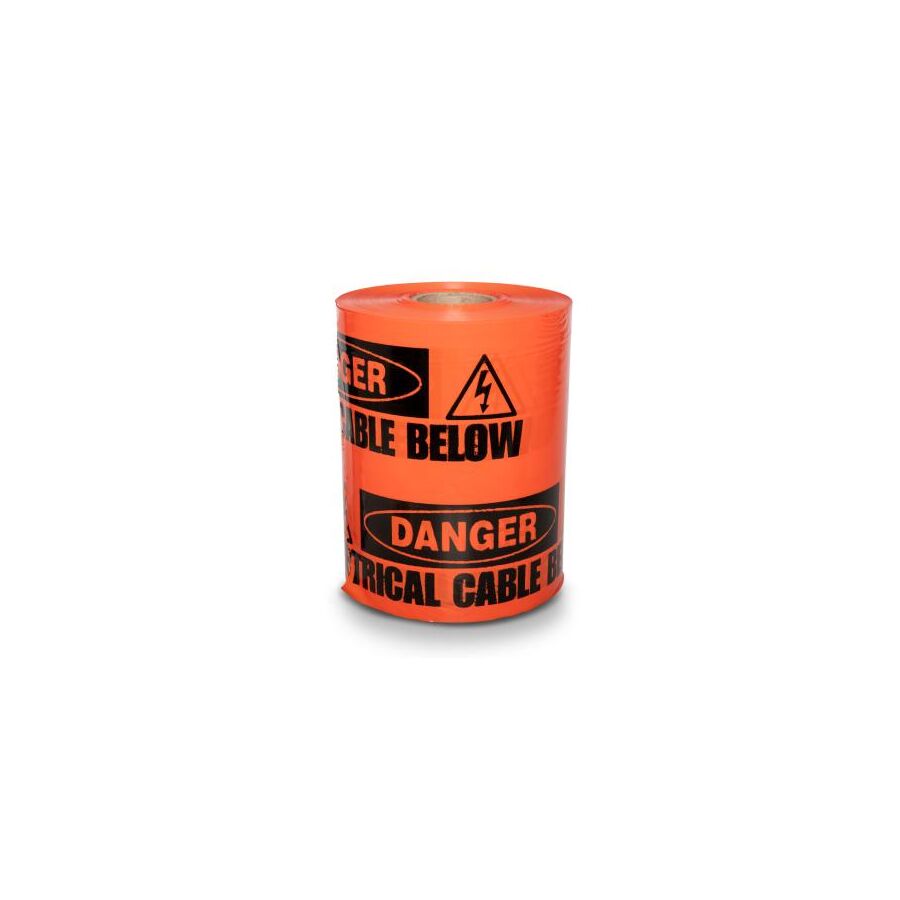
In the dense and complex web of Australian civil infrastructure, the protection of sub-surface utilities is a critical engineering priority. The vast network of power cables, telecommunication ducts, gas mains, and water pipes that underpins modern society faces a constant threat from mechanical excavation. The "dial before you dig" initiative is the administrative control, but the physical engineering control—the final barrier between a hydraulic excavator bucket and a high-voltage cable—is the underground warning tape. For civil engineers, project managers, and safety officers, viewing this product merely as a coloured plastic strip is a fundamental error. It is a regulated safety device governed by Australian Standard AS/NZS 2648.1, designed to provide a visual warning and, in specific configurations, a detectable signal to prevent catastrophic asset failure and safeguard human life.
The application of underground marking is not arbitrary; it is strictly codified. AS/NZS 2648.1 (Underground marking tape - Non-detectable tape) sets the baseline for colour coding and material performance. The efficacy of the system relies on universal recognition of the hazard type based on the tape colour.
Deploying the incorrect colour is a compliance breach that introduces significant liability. If a contractor uncovers a green tape and assumes it is a water pipe, only to strike a gas main, the consequences are severe. Therefore, maintaining a strictly segregated inventory is essential. When procuring site consumables from a specialised electrical wholesaler, project managers must ensure that the specific AS-compliant text (e.g., "DANGER BURIED ELECTRICAL CABLE") is printed clearly on the substrate.
The operational environment for these tapes is chemically hostile. Australian soils vary wildly, from the highly acidic sulphate soils of coastal regions to the alkaline clays of the interior. A standard packaging tape would degrade and disintegrate within months of burial.
Professional-grade warning tapes are manufactured from virgin Low-Density Polyethylene (LDPE). This polymer is selected for its chemical inertness. It is resistant to acids, alkalis, and soil bacteria that cause rot. However, the durability of the base material is only half the equation; the ink must also survive. Schnap Electric Products underground tapes utilise a lead-free, chemically bonded pigment system. This ensures that the warning text remains legible for the service life of the buried asset, often exceeding fifty years. If the text fades or the tape fragments, the warning is lost, rendering the safety measure void.
A significant limitation of standard polyethylene tape is that it is non-conductive. It cannot be found from the surface using standard electromagnetic cable avoidance tools (CATs). This presents a challenge for non-conductive assets like PVC water pipes or fibre optic ducts.
To bridge this gap, "Detectable" tape is employed. This composite material incorporates a conductive element, typically a sinusoidal stainless steel wires woven into the mesh or laminated between polyethylene layers. This allows a service locator to attach a signal generator to the termination point of the tape, inducing a signal that can be tracked from the surface. The selection of stainless steel (grade 304 or 316) over copper or aluminium is critical for corrosion resistance. Schnap Electric Products detectable tapes are engineered to maintain continuity even if the tape is stretched during backfilling, ensuring that the locating signal is not broken.
The effectiveness of the warning system is heavily dependent on the depth of installation. The tape is not designed to be wrapped around the cable or pipe. It must be positioned in the "buffer zone" above the asset.
Engineering best practice typically dictates that the tape be installed approximately 300mm to 500mm directly above the utility. This vertical separation provides the excavator operator with a margin of error. When the bucket teeth catch the tape and pull it to the surface, the operator has time to cease digging before striking the asset below. Installing the tape too deep (directly on the cable) renders it useless, as the strike occurs simultaneously with the warning. Conversely, installing it too shallow risks it being removed during minor surface works or landscaping.
Mechanically, the tape must possess specific physical properties to function correctly. It requires a high degree of elongation (stretch) before breaking.
When an excavator bucket catches the tape, it should stretch and lift out of the trench, becoming visible to the spotter or operator. If the tape is brittle and snaps instantly underground, it may not be noticed until it is too late. Schnap Electric Products tapes are engineered with a calculated elongation capability, allowing them to withstand the tensile stress of being pulled through compacted soil without immediate failure.
Given the safety-critical nature of these products, the supply chain must be robust. Substandard imported tapes that lack UV stabilisation (for storage prior to burial) or use heavy-metal based inks pose environmental and safety risks.
Civil contractors and utility providers typically rely on a trusted electrical wholesaler to supply fully certified AS/NZS 2648.1 compliant products. Through this channel, they can access technical data sheets verifying the polymer thickness (typically 100 to 150 microns for premium grades) and the chemical resistance profile of the product.
The humble roll of underground tape is a silent sentinel in the civil engineering landscape. It lies dormant for decades, performing its function only in the split second before a potential disaster. Its performance relies on rigorous material science, strict adherence to colour standards, and correct installation depth. By utilising high-quality, chemically resistant, and detectable options from reputable brands like Schnap Electric Products, infrastructure owners can ensure that their buried assets remain protected and that future excavation teams are given the clear, unambiguous warning required to work safely. In the sub-surface world, visibility is the only defence.
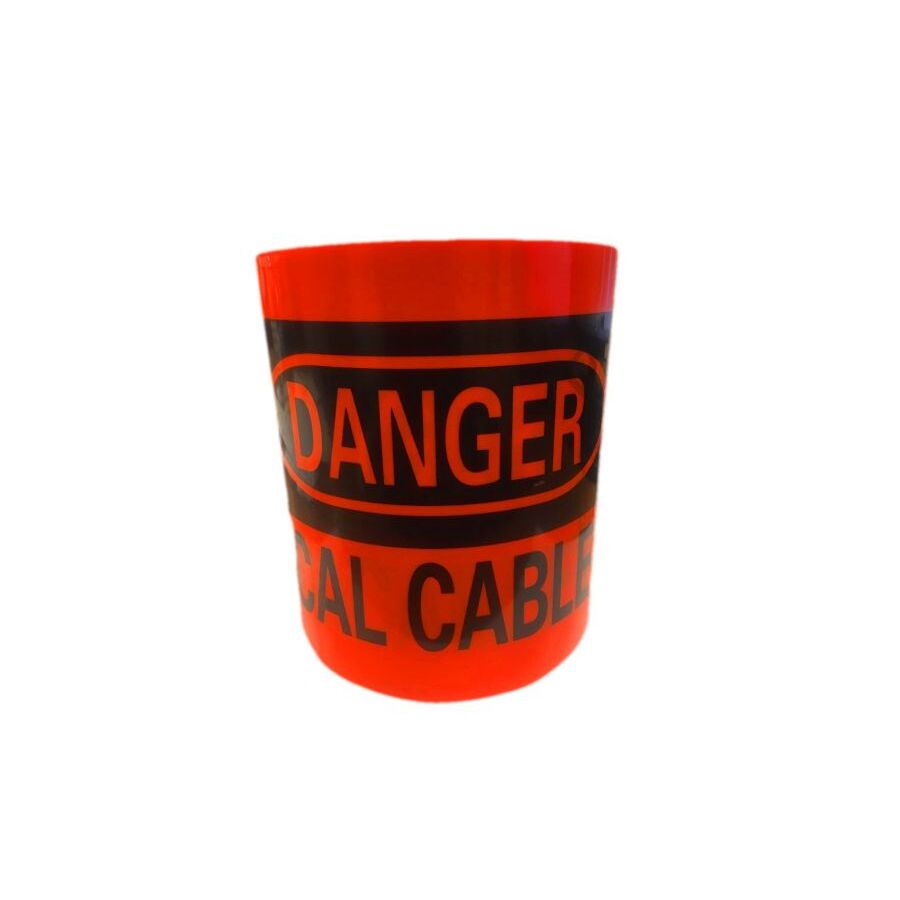
In the rigorous framework of Australian Work Health and Safety (WHS) legislation, the effective segregation of personnel from environmental hazards is a non-negotiable operational directive. While physical hard-barricading provides the ultimate separation, the immediate and tactical definition of exclusion zones relies heavily on visual communication tools. Industrial warning tape is the primary instrument for this purpose. Far from being a generic consumable, this polyethylene ribbon is a regulated safety device governed by strict Australian Standards regarding colour coding, UV stability, and tensile strength. For site managers, civil engineers, and safety officers, understanding the distinction between barrier tapes and underground marking tapes, as well as the compliance requirements of AS 1319 and AS 2648, is essential for mitigating liability and preventing catastrophic asset strikes.
The efficacy of a hazard management system is predicated on universal recognition. In Australia, the colour and pattern of the tape convey specific instructions that must be instantly understood by all personnel entering a site.
Using the incorrect colour is a compliance breach. A red and white tape used to mark a benign storage area dilutes the authority of the warning, potentially leading to complacency when real danger is present.
Beyond above-ground demarcation, a critical application of these products is the protection of buried infrastructure. AS/NZS 2648.1 (Underground marking tape) mandates specific colour codes to identify the nature of the utility below.
The placement of this tape is a precise engineering control. It serves as a "buffer" warning. Best practice dictates that the tape be installed approximately 300mm to 500mm directly above the buried asset. When an excavator bucket penetrates the soil, it catches the tape first, alerting the operator to the presence of the utility before the asset itself is struck. When procuring these critical safety supplies from a specialised electrical wholesaler, project managers must verify that the tape carries the correct, legible warning text (e.g., "DANGER BURIED ELECTRICAL CABLE") printed with chemically resistant ink.
The physical environment of an Australian construction site is hostile to polymers. High levels of Ultraviolet (UV) radiation can rapidly degrade the molecular chains of low-quality plastics, causing them to photo-oxidise, become brittle, and fragment within days.
Professional-grade tapes are manufactured from virgin Low-Density Polyethylene (LDPE) masterbatches that incorporate specific UV stabilisers. The durability is also a function of thickness. A standard budget tape often lacks the tensile strength to withstand wind shear. Schnap Electric Products manufactures heavy-duty warning tapes engineered with a higher gauge to resist stretching and snapping. This ensures that the perimeter remains defined and taut, maintaining the integrity of the exclusion zone for the duration of the project.
For non-conductive assets, such as PVC water pipes or fibre optic ducts, standard polyethylene tape offers visual warning but no detectability from the surface. To address this, "Detectable" warning tape is employed.
This composite product incorporates a stainless steel tracer wire woven into the mesh or laminated between the polymer layers. This conductive element allows service locators to attach a signal generator to the termination point and trace the path of the pipe from above ground using electromagnetic induction. The selection of marine-grade stainless steel is critical to prevent corrosion in acidic soils. Schnap Electric Products detectable tapes are designed to maintain electrical continuity even under the mechanical stress of backfilling, ensuring that the asset remains traceable for its entire service life.
Underground tapes face a chemical assault from the soil itself. Australian soil conditions range from the highly acidic to the highly alkaline. If the polymer or the printing ink is not chemically inert, the tape will degrade, rendering the warning illegible.
Schnap Electric Products underground tapes utilise lead-free, chemically bonded pigments that resist attack from soil bacteria and acids. This ensures that even after decades of burial, the warning message remains clear. Furthermore, the tape is engineered with a specific "elongation at break" ratio. When an excavator bucket pulls the tape, it stretches significantly before snapping, increasing the likelihood that it will be seen by the spotter above the trench.
The deployment of barrier and marking tape is a fundamental component of the safety ecosystem. It is the visual language of the worksite, communicating risk and location without words. Whether defining a temporary danger zone on a high-rise slab or safeguarding a high-voltage feeder in a suburban trench, the quality of the tape reflects the safety culture of the organisation. By adhering to AS 1319 and AS 2648, prioritizing UV-stabilised and chemically resistant materials, and utilizing robust safety products from trusted brands like Schnap Electric Products, industry professionals can ensure that their warnings are seen, understood, and respected. In the prevention of accidents, visibility is the first line of defence.

SCHNAP Electrical Wholesaler - clear, upfront pricing that professional electricians trust

Get what you need in seconds. SCHNAP electrical wholesaler makes ordering quick and simple

Fast delivery anywhere - that's guaranteed. SCHNAP electrical wholesalers ship nationwide with same-day dispatch

Track your order every step of the way. SCHNAP electrical wholesale keeps you updated from click to delivery

SCHNAP is Australia's premier electrical wholesaler and electrical supplies, marketing thousands of quality products from leading brands. Trusted for nearly two decades by licensed electricians, contractors, and engineers, our range covers everything from basic electrical components to complex industrial electrical equipment
Our key categories include: LED lighting, designer switches, commercial switchboards, circuit protection, security systems & CCTV, and smart home automation
All products are certified to Australian standards (AS/NZS), backed by our 30-day, no-questions-asked return policy. Our expert technical team helps you quickly source the right solution for any residential, commercial, or industrial project, with daily dispatch from our Sydney electrical warehouse delivering Australia-wide
SCHNAP offers the most comprehensive electrical product range, with full technical specifications, application details, installation requirements, compliance standards, and warranties — giving professionals total confidence in every purchase


