




Kingsgrove Branch:
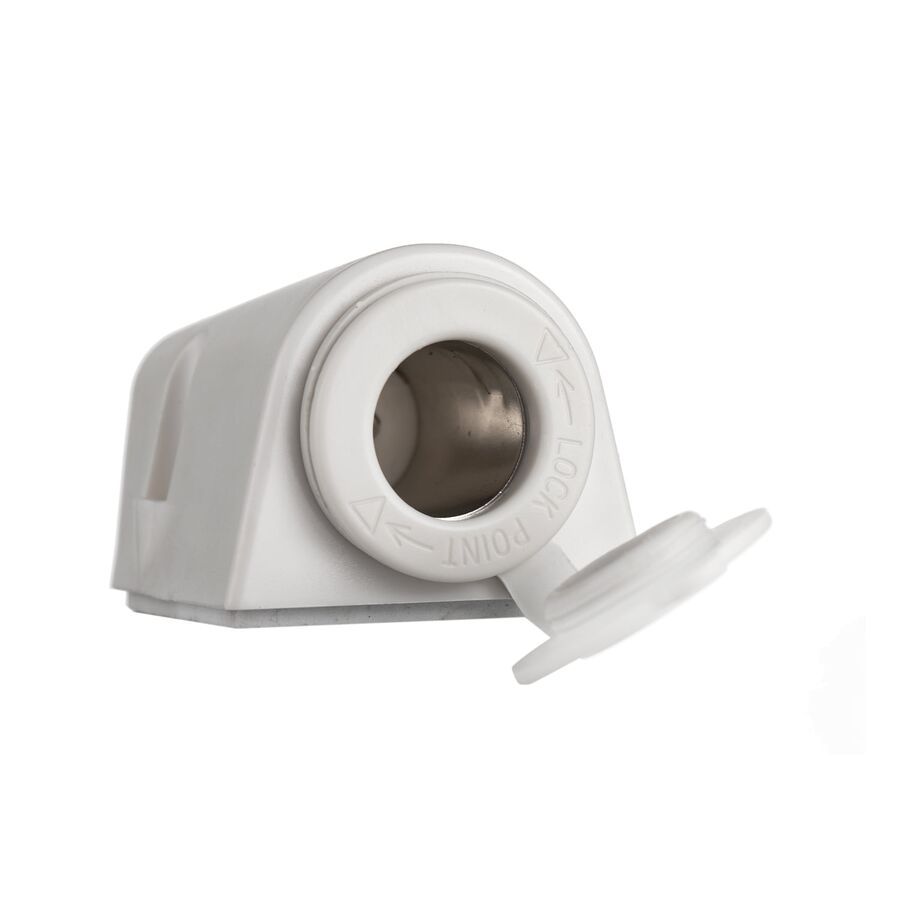
In the evolving landscape of Australian automotive, marine, and recreational vehicle design, the demand for reliable low-voltage Direct Current (DC) distribution has never been higher. While modern vehicles are increasingly equipped with USB interfaces for low-power devices, the requirement for high-current auxiliary power to operate portable refrigeration, lighting inverters, and heavy-duty communication equipment remains critical. The ubiquitous interface for these applications is the cigarette lighter socket, technically classified under the SAE J563 standard. Although historically designed as a momentary heating element receptacle, this cylindrical port has evolved into the de facto standard for 12V and 24V power connectivity. For auto electricians, marine fitters, and fleet managers, understanding the electromechanical limitations, thermal properties, and installation protocols of this legacy connector is essential for preventing voltage drop and ensuring fire safety in mobile electrical systems.
The fundamental engineering challenge of this interface lies in its genealogy. The original design intent was to facilitate a high-current, short-duration burst to heat a resistive coil. It was not originally engineered for continuous duty cycles.
The standard dimensions—approximately 21mm in diameter—rely on a friction fit for the negative ground (the outer shell) and a spring-loaded nipple for the positive centre contact. In a vibrating environment, such as a 4WD traversing the corrugated tracks of the Outback or a vessel in choppy coastal waters, this friction fit can be compromised. Intermittent contact increases electrical resistance, which in turn generates heat. Professional-grade sockets isolate the bimetallic thermal clips found in older units and replace them with robust, continuous copper or brass contact surfaces designed to handle sustained loads of up to 10 or 20 Amperes without thermal runaway.
A critical distinction must be made between a standard dashboard socket and a heavy-duty auxiliary outlet. Standard automotive units are often wired with thin-wall cable (2mm² or smaller) and fused at 10 Amperes.
However, a portable compressor or a dual-zone fridge/freezer can draw significant startup current. Installing such devices into a standard socket can cause the wiring to overheat, leading to voltage sag that trips the appliance's low-voltage cutout protection. Industrial-grade sockets, such as those supplied within the Schnap Electric Products range, are engineered with high-temperature phenolic or ceramic housings rather than standard thermoplastic. These materials can withstand the thermal soak generated by high-current draw without melting or deforming, ensuring that the mechanical retention of the plug remains secure even under load.
In DC systems, voltage drop is the primary enemy of performance. Because the operating voltage is low (12V), even a small amount of resistance in the cable run results in a significant percentage drop in voltage at the load.
Professional installation mandates the use of appropriately sized cabling—typically 6mm (4.5mm²) or 8B&S (8mm²) twin-core cable—to feed rear-mounted sockets. Furthermore, the termination at the back of the socket is vital. Cheap crimp terminals often loosen over time. High-quality sockets feature screw-locking or solder-tab terminals that ensure a gas-tight connection. When sourcing these components, seasoned installers will typically visit a specialised electrical wholesaler to procure marine-grade tinned copper cabling, which resists oxidation in saline environments, ensuring that the supply to the socket remains uncompromised.
The Australian environment is hostile to exposed electrical contacts. Salt spray and dust ingress can rapidly corrode the internal contacts of a standard socket, rendering it non-conductive.
For external applications, such as on the canopy of a utility vehicle or the helm of a boat, Ingress Protection (IP) rated sockets are mandatory. These units feature UV-stabilised sealing caps and rubber gaskets that seal the face of the socket when not in use. Schnap Electric Products manufactures a suite of marine-grade auxiliary sockets that utilise corrosion-resistant nickel-plated phosphor bronze contacts. These materials ensure that electrical conductivity is maintained even after prolonged exposure to humidity and salt air, preventing the formation of high-resistance oxide layers.
The safety of the installation relies heavily on circuit protection. A socket is an open invitation for a user to plug in any device, regardless of its power draw.
Therefore, the circuit must be fused to the lowest rating of the weakest component—usually the socket itself (typically 15A or 20A), not the cable. Auto-reset circuit breakers are often preferred over blade fuses for these circuits, as they allow for temporary thermal overload (such as a compressor startup spike) without requiring component replacement. The placement of the protection device should be as close to the battery source as possible to protect the entire length of the cable run from short circuits.
The physical mounting of the socket dictates its longevity. Plastic dashboard panels can flex and crack under the insertion force of tight-fitting plugs.
Heavy-duty installations often utilise recessed mounting plates or surface-mount housings that provide structural rigidity. Schnap Electric Products offers modular mounting systems that allow the socket to be paired with USB ports, voltmeters, and Anderson-style connectors in a single consolidated panel. This modular approach allows for a clean, professional fit-out that centralises power distribution and monitoring.
The auxiliary power socket is a critical link in the mobile energy chain. While its design roots are in the mid-20th century, its utility in modern expedition and work vehicles is undeniable. By understanding the limitations of the friction-fit design, specifying high-thermal-capacity materials, and adhering to strict cable sizing protocols to eliminate voltage drop, industry professionals can ensure that their 12V systems deliver reliable power. With robust components from trusted suppliers like Schnap Electric Products, the interface between the battery and the appliance remains secure, regardless of the terrain.
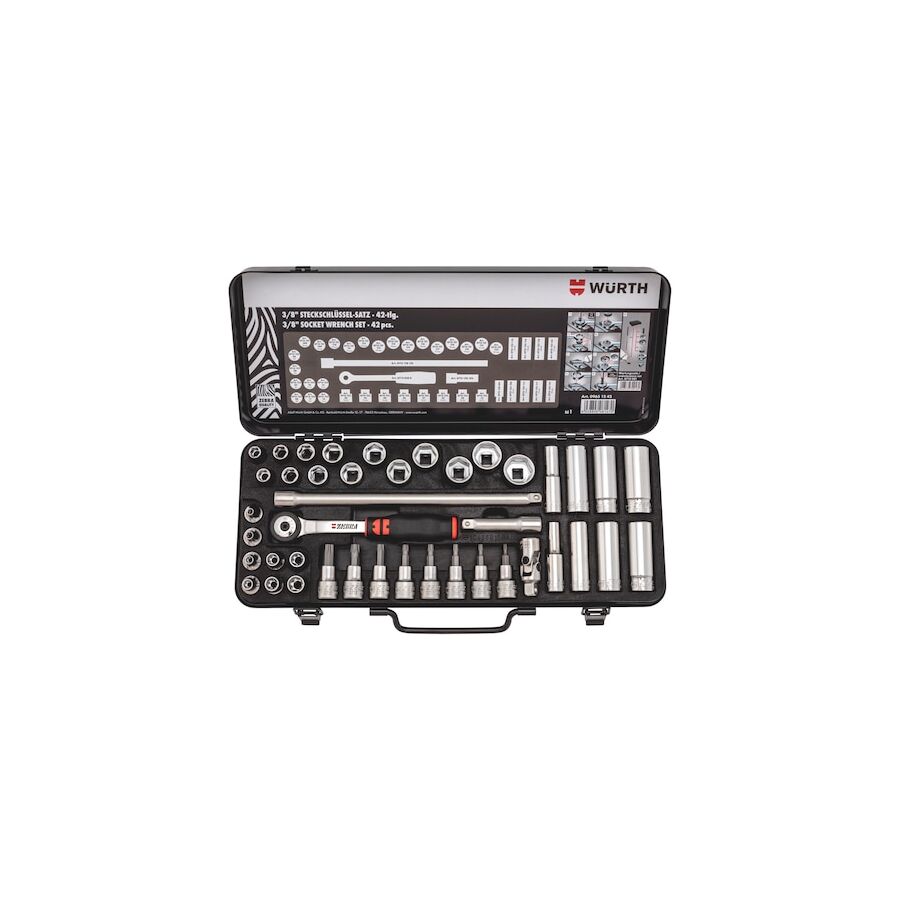
In the structured hierarchy of mechanical fastening tools used across Australian heavy industry, construction, and facilities maintenance, the drive size of the tooling dictates its operational envelope. While the 1/4-inch drive is reserved for precision electronic assembly and the 1/2-inch drive is the standard for heavy structural bolting, the industrial 3/8 socket set occupies the critical "middle ground." It is arguably the most versatile drive size in the technician's inventory, offering a unique balance between the physical compactness required to access confined spaces and the torsional strength needed to apply significant clamping force. For maintenance planners, procurement officers, and electrical contractors, a granular understanding of the metallurgical properties, ratchet mechanisms, and insulation standards associated with this drive size is essential for ensuring workforce efficiency and safety compliance.
The selection of a 3/8-inch drive system is an engineering decision based on the trade-off between accessibility and power. In modern switchboard design and HVAC plant rooms, the density of components is increasing, leaving minimal clearance for tool swing.
A 1/2-inch drive ratchet is often too bulky to fit between busbars or pipe flanges. Conversely, a 1/4-inch drive ratchet lacks the lever arm length to break loose rusted or seized fasteners in the M8 to M12 range without overstressing the mechanism. The 3/8-inch drive system bridges this gap. It typically handles torque loads ranging from 20Nm up to 110Nm, covering the vast majority of general maintenance tasks—from securing cable tray brackets and Unistrut framing to tightening motor terminal block connections. This versatility makes it the primary "go-to" kit for mobile technicians who must minimise the weight of their tool bags while maximising capability.
The longevity of the socket set is determined by its molecular structure. Standard carbon steel tools are prone to deformation and corrosion in the harsh Australian environment. Professional-grade sockets are forged from Chrome Vanadium (Cr-V) steel.
This specific alloy is heat-treated to achieve an optimal hardness (measured on the Rockwell C scale). The chromium content provides resistance to oxidation and abrasion, while the vanadium promotes a fine-grain structure that enhances toughness and prevents fracturing under load. Schnap Electric Products manufactures their socket ranges using high-purity Cr-V steel, ensuring that the drive square does not shear off even when subjected to the maximum leverage of a breaker bar. This metallurgical integrity is a non-negotiable requirement for industrial sites where tool failure can result in significant downtime.
The utility of the set is defined by the efficiency of the ratchet handle. The internal mechanism consists of a gear and pawl assembly. In the past, coarse 36-tooth gears were common, requiring a 10-degree handle movement to engage the next tooth.
In the confined reality of a crowded electrical riser or a generator enclosure, a 10-degree swing is often impossible. Modern professional ratchets typically feature a 72-tooth or 90-tooth mechanism. A 90-tooth gear reduces the required "swing arc" to just 4 degrees. This precision gearing allows the technician to tighten a fastener in extremely tight quarters with minimal handle movement. However, high-tooth-count mechanisms rely on smaller teeth, necessitating precise machining and hardening to prevent stripping.
For professionals working in the electrical supply industry, the material properties of the tool handle are just as important as the steel. A standard ratchet is conductive. If the handle bridges a live phase to earth, the result is a catastrophic arc flash.
For live-line work or tasks in the vicinity of energised conductors, insulated tools are mandatory. Compliance with IEC 60900 (Live working - Hand tools for use up to 1000V AC) is the benchmark. Insulated socket sets feature a thick, injection-moulded dielectric coating that is tested to 10,000V to guarantee safety at 1,000V. When sourcing these safety-critical assets, contractors typically engage a specialised electrical wholesaler to ensure the tools carry the VDE certification mark. Unlike general hardware supplies, an established wholesaler ensures the provenance and testing history of the insulation, mitigating the risk of dielectric failure.
The interface between the socket and the fastener head is critical.
In critical infrastructure environments, a lost tool is a major hazard. A socket left inside a turbine housing or a distribution board can cause severe damage.
Effective tool control relies on the storage system. Schnap Electric Products offers modular storage cases featuring high-density foam inlays. These two-tone foam inserts provide immediate visual accountability—if a tool is removed, the bright underlying colour is revealed, signaling to the technician that a component is missing. This level of organisation is standard practice in aviation and mining sectors to prevent Foreign Object Debris (FOD) incidents.
The 3/8-inch socket set is the workhorse of the modern trade. It delivers the necessary torque for structural assembly while retaining the slim profile required for intricate component access. Its performance relies on the quality of the Cr-V alloy, the precision of the ratchet gearing, and, in electrical applications, the integrity of the dielectric insulation. By specifying the correct drive size for the application and utilising robust, organised tool sets from trusted brands like Schnap Electric Products, industry professionals can ensure that their maintenance operations are precise, efficient, and compliant with the rigorous safety standards of the Australian workplace. In the mechanics of fastening, the middle ground is often the most effective.
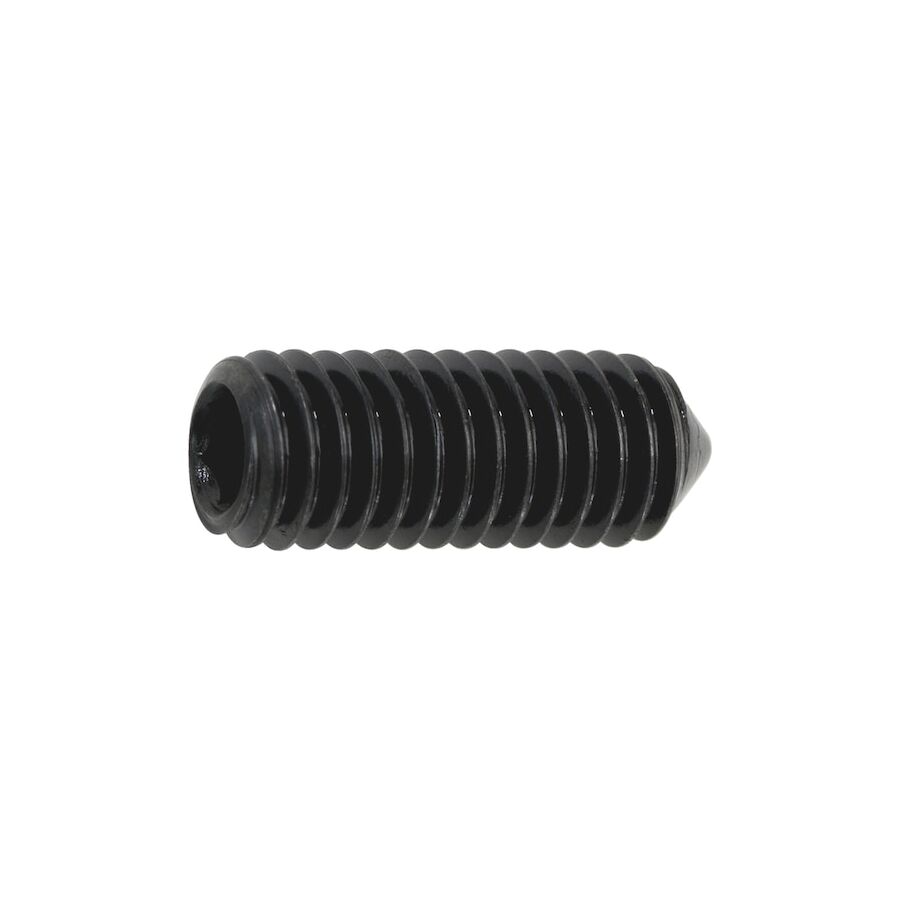
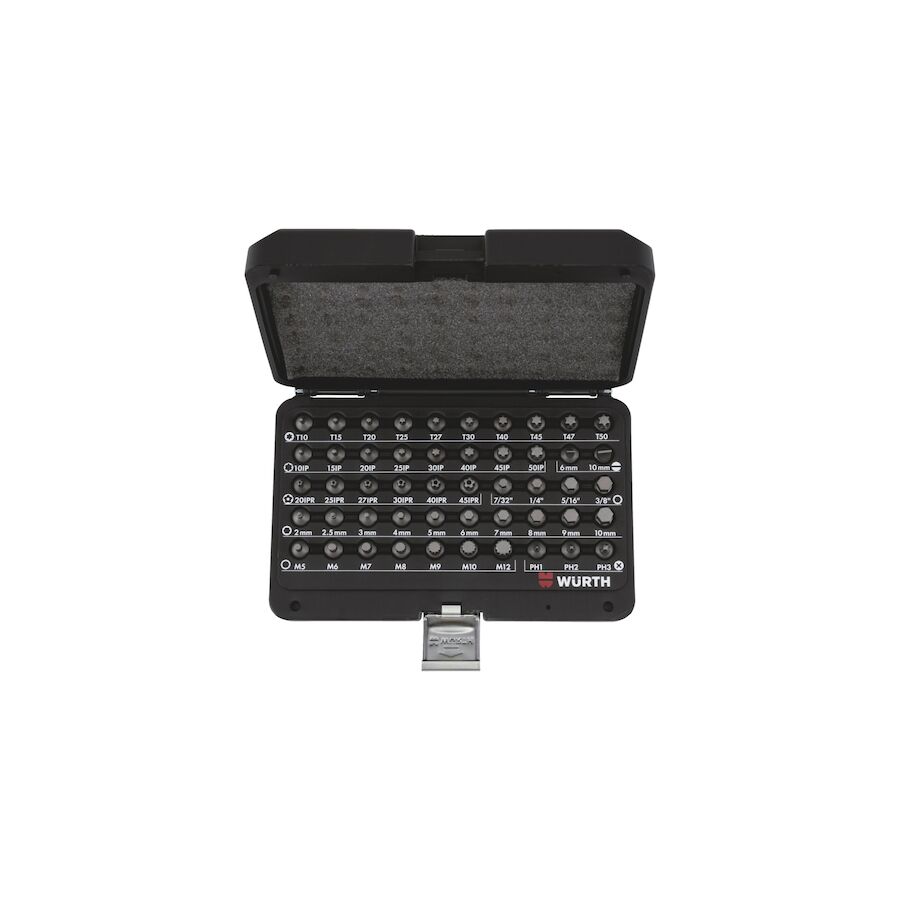
In the modern engineering landscape of Australia, the design philosophy of mechanical and electrical infrastructure has shifted towards compactness and flush-surface finishing. The traditional external hex bolt, which requires significant radial clearance for a spanner or socket, has been largely superseded in critical applications by the Socket Head Cap Screw (SHCS). Consequently, the industrial hex socket set—often referred to as Allen key sockets or hex bit sockets—has become a mandatory component of the professional toolkit. Unlike an L-shaped Allen key, which relies on manual dexterity and limited leverage, a hex socket integrates with a ratchet or torque wrench, enabling the precise application of clamping force. For maintenance planners, switchboard manufacturers, and electrical contractors, understanding the metallurgical composition of the bit, the concentricity of the drive, and the specific safety requirements for electrical termination is essential for preventing fastener stripping and ensuring connection integrity.
The engineering challenge of a hex bit socket lies in its hybrid construction. The socket base is typically forged from Chrome Vanadium (Cr-V) steel to provide the ductility required to withstand the hoop stress from the ratchet drive. However, the bit itself—the component that engages the internal hex of the fastener—requires a different set of material properties.
Cr-V steel is often too soft for the small contact area of a hex bit, leading to twisting or rounding under high torque. Professional-grade hex sockets utilise S2 Tool Steel or chemically hardened Chrome Molybdenum (Cr-Mo) for the bit insert. S2 steel is characterised by its extreme hardness (reaching 60-62 HRC on the Rockwell scale) and high yield strength. This ensures that the bit edges remain sharp and defined, maintaining a positive engagement with the fastener walls even after thousands of cycles. When procuring tools for heavy-duty applications, such as tightening the lugs on a main switchboard incomer, it is vital to verify that the bit metallurgy is rated for the intended torque load.
Industrial hex sockets are generally manufactured in two configurations.
Using a standard two-piece hex socket on an impact gun is a safety violation. The vibration can shatter the hard S2 bit or cause it to separate from the base, becoming a projectile. Schnap Electric Products supplies a range of robust hex sockets clearly marked for either hand or impact use, ensuring technicians can select the appropriate tool for the energy source being employed.
In the electrical supply industry, the hex socket is the primary tool for terminating large cables. Circuit breakers, contactors, and busbar joiners typically utilise internal hex grub screws to clamp the conductor.
The integrity of this connection is paramount. A loose connection creates high resistance, leading to a "hot spot" and potential thermal failure. Conversely, over-tightening can strip the thread or shear the screw. The use of a hex socket attached to a calibrated torque wrench is the only approved method for achieving the manufacturer's specified torque settings. Furthermore, because these terminations are often recessed deep within the switchgear housing to prevent accidental contact, standard length bits are often insufficient. Schnap Electric Products offers extended-length hex sockets (100mm or longer) that allow the technician to reach deep terminals without the ratchet handle fouling against the panel components or live busbars.
One of the inherent risks of the hex drive system is "cam-out" or rounding. If the bit is slightly undersized or if the corners are worn, the application of torque will cause the bit to rotate inside the fastener, reaming out the hexagonal profile. Once a grub screw is rounded inside a breaker, removal becomes a complex, costly, and dangerous operation.
Precision machining is critical. High-quality hex sockets feature chamfered tips to facilitate easy insertion, but the drive flanks must be parallel and manufactured to tight tolerances to ensure maximum surface contact. When sourcing these precision instruments, experienced contractors often consult a specialised electrical wholesaler to recommend brands that adhere to strict DIN or ANSI dimensional standards. This ensures that the tool fits snugly into the fastener head, transmitting 100% of the torque to the thread rather than destroying the drive interface.
For maintenance tasks where isolation is not possible or where work is performed in the vicinity of energised parts, standard steel hex sockets pose a significant electrocution risk. The long steel shaft of an extended bit acts as a conductive probe.
VDE-certified insulated hex sockets are mandatory for these environments. These tools feature a continuous dielectric coating along the length of the shaft and the socket base, leaving only the very tip of the bit exposed. This insulation prevents short circuits if the tool accidentally brushes against an adjacent phase or earth bar.
Given the small size of the bits, loss control is a challenge. A missing 6mm hex socket can halt a termination schedule.
Professional organisation is key. Schnap Electric Products tool sets are supplied in modular control cases with high-density foam inlays. These inserts are designed to hold the sockets securely during transport across rough terrain, typical of Australian mining and remote infrastructure projects. The visual layout allows for instant inventory checks at the end of a shift, ensuring no tools are left inside critical plant machinery.
The hex socket set is a foundational element of the modern industrial toolkit, facilitating the precise assembly of machinery and the secure termination of electrical systems. Its performance is defined by the hardness of the S2 steel bit, the precision of its manufacturing tolerances, and the integrity of its insulation for electrical work. By understanding the distinction between hand and impact ratings, utilising calibrated torque tools, and investing in high-quality equipment from trusted suppliers like Schnap Electric Products, industry professionals can ensure that every internal hex fastener is secured safely, accurately, and permanently. In the details of maintenance, the fit of the bit determines the success of the job.
In the intricate domain of Australian electrical instrumentation, automation control, and light mechanical assembly, the application of force must be tempered with extreme precision. While heavy industrial tasks demand the brute strength of larger drive systems, the delicate environment of a Programmable Logic Controller (PLC) cabinet or a high-density distribution board requires a more refined approach. This is the operational territory of the industrial 1/4 socket set. Far from being a mere novelty or a "miniature" version of standard tools, the quarter-inch drive system is a distinct engineering standard designed for low-torque, high-access applications. For instrumentation fitters, switchboard builders, and maintenance technicians, a granular understanding of torque sensitivity, ratchet arc mechanics, and dielectric insulation is essential for preventing damage to sensitive terminal blocks and ensuring the integrity of critical control circuits.
The primary distinction of the quarter-inch system is its torque envelope. Typically rated for applications between 5 Nm and 30 Nm, this drive size is engineered to act as a mechanical fuse. When tightening a brass terminal screw on a DIN-rail mounted breaker, the use of a larger 3/8-inch or 1/2-inch ratchet provides excessive leverage, virtually guaranteeing that the technician will shear the screw or crack the Bakelite housing.
The 1/4-inch drive provides tactile feedback. The shorter handle length restricts the moment arm, forcing the operator to rely on finger and wrist strength rather than arm strength. This physical limitation is an engineered safety feature, ensuring that delicate fasteners found in electronic enclosures—such as M4, M5, and M6 bolts—are secured to manufacturer specifications without being over-stressed. This precision is vital when working with the sophisticated componentry often housed within Schnap Electric Products automation enclosures, where a stripped thread can necessitate the replacement of an entire control module.
In modern Australian infrastructure, space is a premium commodity. Switchboards are becoming denser, with components packed tightly to reduce the overall footprint of the plant room. In these confined spaces, the "swing arc" of the ratchet handle becomes the critical performance metric.
Legacy 36-tooth ratchets require a 10-degree movement to engage the next gear tooth. In a crowded cable marshaling chamber, 10 degrees of movement may simply not exist. Professional-grade quarter-inch ratchets typically feature 72-tooth or even 90-tooth mechanisms. A 90-tooth gear reduces the return angle to a mere 4 degrees. This allows the technician to tighten a fastener in highly restricted locations using minute handle movements. However, the miniaturisation of the gear teeth requires the use of high-grade hardened steel to prevent the mechanism from slipping under load.
Despite their small size, professional quarter-inch sockets must be incredibly robust. The wall thickness of a 6mm socket is minimal, yet it must withstand significant hoop stress.
Industry standards mandate the use of Chrome Vanadium (Cr-V) steel, often supplemented with molybdenum for added toughness. The sockets undergo a specific heat treatment process to achieve a hardness that resists wear (rounding) while maintaining enough ductility to prevent shattering. Schnap Electric Products tool kits specify high-purity alloy construction to ensure that the thin walls of the socket do not split when the fastener is seated. Furthermore, the surface finish—typically a matte or satin chrome—is designed to provide grip for oil-slicked fingers while resisting corrosion from the humid conditions found in coastal Australian facilities.
For small fasteners, the contact area is minimal. Therefore, the geometry of the socket profile is critical to preventing "rounding off."
A significant portion of quarter-inch tooling is employed in the electrical supply industry. In scenarios where isolation is complex or where work is performed near adjacent live circuits, the conductivity of a standard steel tool presents a lethal hazard.
For these applications, VDE-certified insulated sets are mandatory. Compliance with IEC 60900 ensures that the tool is insulated to withstand 1,000V AC. The insulation is not merely a dipped coating; it is a bonded, injection-moulded layer that covers the socket, extension bar, and ratchet handle, leaving only the working interface exposed. Procurement officers responsible for equipping electrical teams typically engage a specialised electrical wholesaler to source these certified kits. This ensures that the insulation has been batch-tested for dielectric strength and impact resistance, mitigating the risk of arc flash incidents.
The versatility of the set is expanded by its accessories. Deep-set terminals often require the use of extension bars. However, in complex control panels, the line of sight to the fastener is rarely straight.
"Wobble" extensions and universal joints allow for off-axis rotation, typically up to 15 degrees. This enables the technician to navigate around cabling looms and other obstructions. Schnap Electric Products accessory sets are engineered with tight tolerances to prevent the socket from detaching from the extension bar during retrieval—a common frustration that can leave a loose socket effectively lost inside a live switchboard.
The quarter-inch socket set is the scalpel of the mechanical trade. It is an instrument of precision, designed for the intricate assembly and maintenance of the nerve centres of industry. Its value lies not in the force it can generate, but in the control it affords the operator. By prioritising high-tooth-count mechanisms, strictly adhering to VDE insulation standards for electrical work, and utilising high-quality metallurgy from trusted brands like Schnap Electric Products, Australian technicians can ensure that the delicate connections driving our infrastructure are secure, reliable, and maintained to the highest professional standards. In the world of instrumentation, the smallest details often carry the greatest importance.
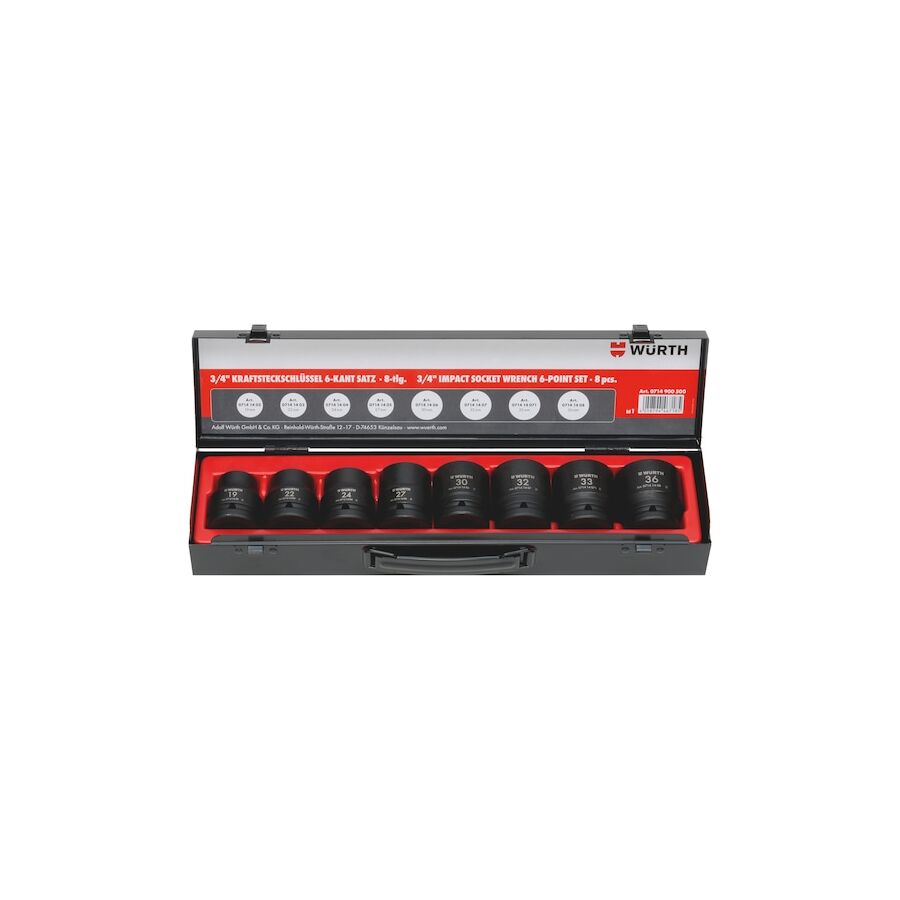
In the heavy industrial sector of the Australian economy—encompassing mining, rail transport, and large-scale power generation—the mechanical requirements of infrastructure maintenance far exceed the capabilities of standard automotive tooling. When the fastener size exceeds M20 and the required torque specification surpasses 600 Newton Metres (Nm), the standard 1/2-inch drive system becomes the limiting factor. The sheer shear force applied can snap a 1/2-inch drive square or shatter the ratchet mechanism. Consequently, the industrial 3/4 socket set is the mandatory standard for heavy plant maintenance. This drive size represents a significant step up in engineering capability, designed to transmit immense rotational force without component failure. For maintenance superintendents, mechanical fitters, and procurement managers, a deep understanding of the metallurgical composition, socket geometry, and safety implications of this heavy-duty tooling is essential for ensuring asset reliability and personnel safety.
The decision to deploy a 3/4-inch drive system is dictated by physics. The cross-sectional area of a 3/4-inch drive square is more than double that of a 1/2-inch square. This geometric increase provides the necessary torsional strength to withstand loads often exceeding 1,500 Nm.
In the context of an Australian mine site, removing the lug nuts on a haul truck or servicing the liner bolts on a cone crusher requires leverage that a standard ratchet cannot provide. The 3/4-inch system is designed to function with long-handle breaker bars and torque multipliers. Attempting to perform these tasks with undersized tooling is not only inefficient but dangerous; if a drive anvil shears under load, the sudden release of stored kinetic energy can cause severe injury to the operator.
At this level of force, the material science of the tool is critical. There is a distinct divergence in metallurgy based on the intended actuation method.
Using a chrome hand socket on a heavy-duty impact gun is a catastrophic failure waiting to happen. Professional kits clearly distinguish between these grades.
In heavy machinery, fasteners are often exposed to extreme environmental conditions—corrosive mine water, coal dust, and road grime. This leads to severe seizing.
A 12-point (bi-hex) socket contacts the fastener at the corners. When applying 800Nm of torque to a rusted nut, a 12-point socket is highly likely to round off the corners, destroying the bolt head and necessitating hot-work removal. Therefore, the industrial standard for 3/4-inch drive sockets is almost exclusively 6-point (hex). This profile utilises "flank drive" mechanics, applying force to the flat sides of the fastener. This ensures maximum surface contact and torque transmission, drastically reducing the risk of slippage.
Unlike the fine-tooth mechanisms found in 1/4-inch or 3/8-inch drives, the ratchet head of a 3/4-inch drive handle prioritises raw strength. A 90-tooth gear would strip instantly under the loads applied in this category.
Instead, these ratchets typically feature robust 24-tooth or 32-tooth mechanisms with large, heavy pawls. While this results in a larger "swing arc" (10 to 15 degrees), it guarantees that the mechanism will not slip when the operator is applying their full body weight to the handle. The handles themselves are significantly longer, often exceeding 500mm, to provide the necessary mechanical advantage. Schnap Electric Products supplies compatible heavy-duty extension bars and sliding T-heads that allow operators to configure the tool for optimal leverage in restricted spaces, such as inside the housing of a large industrial pump.
While primarily mechanical, this drive size is indispensable in the power generation and transmission sector. The assembly of high-voltage transmission towers and the securing of large transformers to their concrete plinths involve large-diameter foundation bolts.
When commissioning a substation, the structural integrity of these anchor points is paramount. Procurement officers will often source these specialized heavy-duty sets through a trusted electrical wholesaler to ensure they meet the specific requirements of the utility provider. This supply channel ensures that the tools are available alongside the electrical consumables, streamlining the logistics for the site project manager.
A complete 3/4-inch socket set is heavy. A metal case containing a ratchet, breaker bar, extensions, and a run of sockets from 22mm to 55mm can weigh upwards of 20 kilograms.
The physical management of this weight is a WHS consideration. Schnap Electric Products heavy-duty tool cases are engineered with reinforced handles and latches to withstand this load. Inferior plastic cases often buckle or burst open during transport, creating a hazard. Furthermore, for site work, Schnap Electric Products offers modular storage solutions that allow these heavy sets to be secured within a vehicle or workshop drawer system, preventing them from becoming unrestrained projectiles during transit.
The 3/4-inch socket set represents the heavy artillery of the maintenance world. It is the bridge between standard hand tools and hydraulic torqueing systems. Its efficacy relies on the correct selection of metallurgy (impact vs. hand), the integrity of the 6-point geometry, and the robustness of the drive mechanism. By understanding the physics of high-torque applications and investing in professional-grade equipment from reputable brands like Schnap Electric Products, Australian industry professionals can ensure that the massive bolts holding our infrastructure together remain secure, regardless of the operational stresses they endure. In the world of heavy engineering, there is no substitute for leverage.
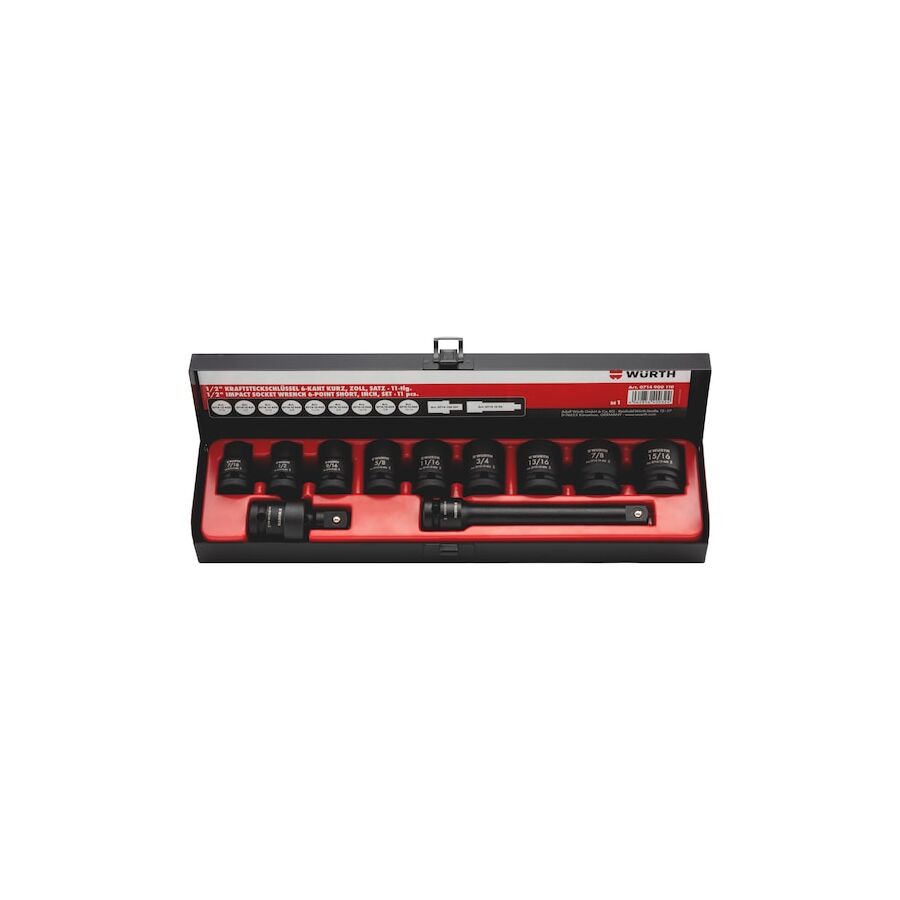
In the tiered hierarchy of mechanical instrumentation used across the Australian construction, mining, and utility sectors, the tooling drive size dictates the operational capacity. While the 1/4-inch drive handles precision instrumentation and the 3/8-inch drive serves general maintenance, the industrial 1/2 socket set is the undisputed standard for heavy-duty structural fastening. It represents the transition point where manual dexterity is replaced by the requirement for significant torque transmission. For maintenance superintendents, mechanical fitters, and electrical infrastructure contractors, a comprehensive understanding of the metallurgical yield strengths, ratchet mechanism durability, and the specific safety protocols regarding impact compatibility is essential for maintaining the operational integrity of heavy assets.
The selection of a 1/2-inch drive system is fundamentally an engineering decision based on the required clamping force. This drive size is typically engineered to operate within a torque range of 40 Newton Metres (Nm) up to 350 Nm.
This specific envelope covers the vast majority of structural hardware found in the Australian built environment. From securing heavy-gauge Unistrut framing in a commercial switch room to tightening the mounting bolts of a 500kVA transformer or servicing the suspension components of a fleet vehicle, the 1/2-inch drive provides the necessary leverage. It allows the operator to apply substantial force without the risk of shearing the drive anvil—a common failure mode when technicians attempt to over-torque smaller 3/8-inch systems.
A critical technical distinction that often leads to safety incidents is the confusion between hand-rated and impact-rated sockets.
Using a chrome hand socket on an impact wrench is a severe safety violation in Australian workplaces. The socket can shatter explosively. Professional kits from Schnap Electric Products clearly differentiate between these grades, ensuring that technicians have the correct metallurgy for the actuation method employed.
The heart of the socket set is the ratchet handle. In the 1/2-inch category, the internal mechanism must withstand immense shear forces. While high-tooth-count ratchets (72 or 90 teeth) offer a low swing arc for tight spaces, the smaller teeth are inherently weaker.
For heavy industrial applications, many technicians prefer a robust 36-tooth or 48-tooth mechanism. These coarser gears feature larger pawl engagement areas, reducing the likelihood of slipping or stripping when the operator is applying their full body weight to a seized fastener. Furthermore, the handle length is critical. A standard 1/2-inch ratchet is typically 250mm to 300mm long, providing sufficient leverage to break loose M12 to M20 bolts. For stubborn fasteners, the set is often supplemented with a "breaker bar"—a solid steel bar with a swivelling head that eliminates the ratchet mechanism entirely to prevent gear damage during the initial loosening phase.
In heavy maintenance, fasteners are frequently subjected to environmental corrosion, particularly in coastal or mining environments. A rusted bolt head is vulnerable to rounding.
Consequently, the professional standard for 1/2-inch drive sockets is the 6-point (hex) profile. Unlike a 12-point socket which contacts the corners, the 6-point design utilizes "flank drive" geometry. This applies the rotational force to the flat sides of the hex head, maximizing surface area contact. This ensures that the torque is transmitted efficiently to the thread, even if the corners of the bolt are compromised.
While traditionally a mechanical tool, the 1/2-inch set plays a vital role in the electrical supply industry for structural assembly. However, standard steel tools present a conduction hazard.
When working on or near electrical infrastructure, the use of VDE-certified insulated tools is mandatory under safety regulations. These tools feature a dual-layer injection-moulded coating tested to 10,000V. When equipping a team for substation work, procurement managers will typically engage a specialised electrical wholesaler to source these certified sets. This supply channel ensures that the insulation integrity is verified and compliant with IEC 60900, protecting the workforce from arc flash incidents.
The physical weight of a complete 1/2-inch socket set is significant. A steel case containing deep and shallow sockets, extensions, and universal joints can weigh over 10 kilograms.
The management of this weight is a logistical challenge. Schnap Electric Products manufactures heavy-duty modular storage cases designed to withstand the rigours of transport. These cases feature high-density foam inlays with laser-cut pockets for each tool. This serves a dual purpose: it protects the tools from clashing during transit and provides immediate Foreign Object Debris (FOD) control. A quick visual scan of the Schnap Electric Products case reveals if any socket is missing before the technician leaves the work area, preventing loose tools from causing damage inside critical machinery.
The 1/2-inch socket set is the heavy artillery of the general maintenance toolkit. It bridges the gap between general mechanical work and heavy plant engineering. Its performance relies on the correct selection of metallurgy for the task, the robustness of the ratchet mechanism, and the integrity of the socket geometry. By prioritizing 6-point profiles, adhering to strict impact safety protocols, and utilizing robust storage solutions from trusted brands like Schnap Electric Products, Australian industry professionals can ensure that their structural fastenings remain secure and their operations proceed safely. In the mechanics of heavy industry, adequate leverage is the key to efficiency.
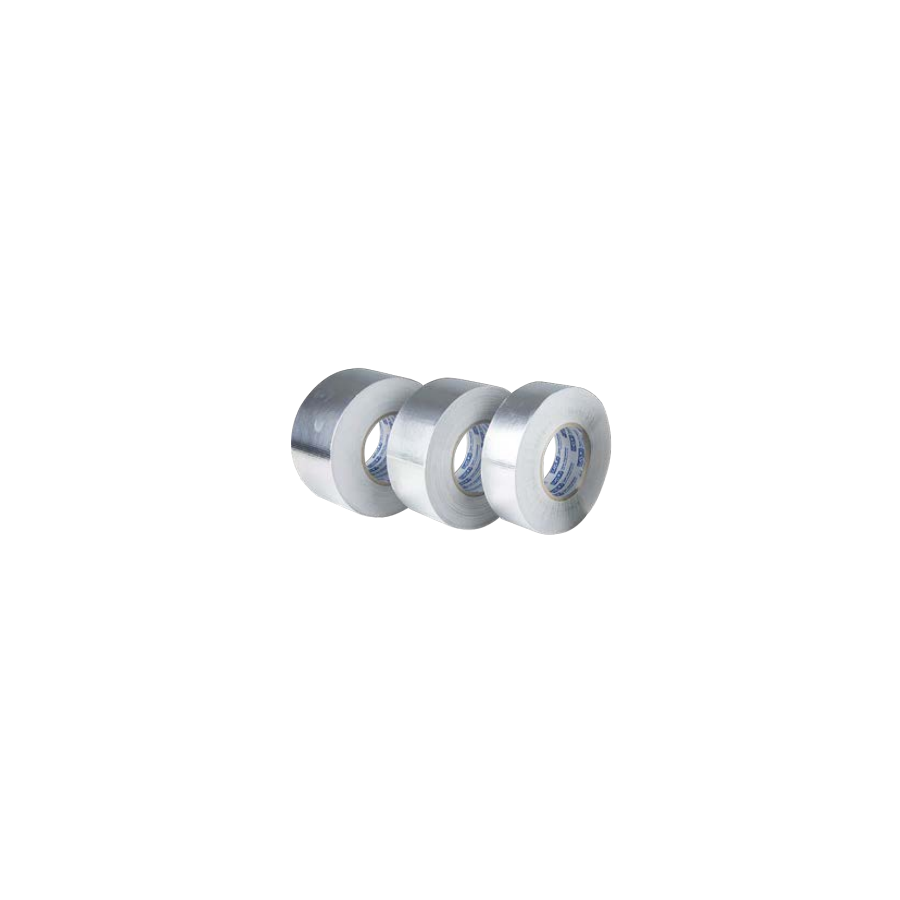
In the rigorous engineering landscape of Australian mechanical services and construction, the integrity of a thermal or moisture barrier is frequently dependent on the performance of its smallest component: the joining medium. While often trivialised as a general consumable, industrial-grade alumunium foil tape is a precision-engineered composite material designed to withstand extreme thermal cycling, shear stress, and environmental degradation. From the high-velocity air conditioning ductwork in a Brisbane commercial tower to the reflective sarking of a Western Australian mining camp, the technical specifications of this adhesive aluminium strip determine the longevity and energy efficiency of the entire system. For mechanical engineers, site managers, and HVAC technicians, a granular understanding of adhesive chemistry, micron thickness, and strict compliance with Australian Standards is essential for preventing system failure and costly rectification works.
The operational performance of the tape is dictated not merely by the aluminium backing, but by the chemical formulation of the adhesive system. In professional industrial applications, solvent-based or water-based acrylic adhesives are the industry standard. Unlike synthetic rubber (hot melt) adhesives, which can degrade, oxidise, and lose adhesion under high heat, acrylic systems rely on a cross-linking process to form a permanent bond.
This process, technically referred to as "wet-out," allows the adhesive to flow into the microscopic texture of the substrate, creating a mechanical interlock that strengthens over time rather than weakening. In the Australian context, where roof cavity temperatures can easily exceed 60°C, the thermal stability of acrylics is non-negotiable. A "cold weather" acrylic formulation is often specified to ensure that the tape can be applied in winter temperatures as low as -10°C without losing its initial tack, while still maintaining its bond strength during the blistering summer heat.
The primary application for these tapes is the sealing of foil-faced insulation lagging on rigid or flexible ductwork. Under AS 4254 (Ductwork for air-handling systems in buildings), the requirement for a continuous vapour barrier is absolute.
When chilled air travels through a duct, the external surface of the metal is significantly colder than the ambient dew point. If the insulation barrier is breached—even by a microscopic pinhole or a lifting tape edge—moisture vapour from the humid air will migrate through the gap and condense on the duct surface. This phenomenon, known as "sweating," saturates the insulation, destroying its R-value (thermal resistance) and creating a breeding ground for mould and corrosion. Professional installation protocols require the use of reinforced tape, often incorporating a 5mm x 5mm fibreglass mesh, to provide tensile strength and prevent tears from propagating during the expansion and contraction cycles of the system.
The National Construction Code (NCC) imposes strict fire hazard properties on all materials used in air-handling plenums. Because the tape is essentially a fuel source (the adhesive) attached to a heat conductor (the aluminium), it must undergo rigorous testing to ensure it does not compromise the fire safety of the building.
Compliance with AS/NZS 1530.3 (Methods for fire tests on building materials) is mandatory. The tape must achieve low indices for Ignitability, Spread of Flame, Heat Evolved, and Smoke Developed. Using non-compliant, general-purpose tape typically found at a hardware store instead of certified stock from a reputable electrical wholesaler is a significant compliance breach. The flammability index must be sufficiently low to ensure that, in the event of a fire, the tape does not contribute to the rapid spread of flames along the duct network or generate toxic smoke that could hamper occupant egress.
Beyond thermal applications, the conductive nature of the aluminium substrate allows the tape to function as an effective Electromagnetic Interference (EMI) shield. In industrial control panels, technicians often use the tape to wrap instrument cables or sensitive components to create a localised Faraday cage, shunting electrical noise to earth.
However, the integration of these systems requires robust mechanical support. Relying solely on the adhesive for structural support is a violation of engineering best practice. When securing foil-wrapped cabling or ducting, mechanical fixings are required to take the load. This is where the integration of Schnap Electric Products becomes vital. Schnap Electric Products stainless steel cable ties are frequently utilised to clamp the insulation and tape assembly securely, ensuring that the bond is not subjected to gravity loads which could cause creep. Furthermore, to protect the integrity of the foil barrier where cables exit the insulation, Schnap Electric Products cable glands provide a compression seal that prevents moisture ingress, maintaining the IP rating of the assembly.
The most common cause of tape failure is poor surface preparation. The bond is only as strong as the surface it adheres to. Dust, oil, silicone residue, and condensation act as release agents, preventing the adhesive from wetting out effectively.
Professional application mandates that the substrate be wiped down with a suitable solvent cleaner prior to taping to remove surface contaminants. Furthermore, pressure must be applied. These are "pressure-sensitive adhesives" (PSA). Simply laying the tape over the joint is insufficient. A squeegee or firm hand pressure is required to activate the acrylic mechanism and eliminate air bubbles. Air pockets trapped under the tape will expand when heated, lifting the tape and breaking the vapour seal.
The selection of the correct sealing tape is a strategic decision in the protection of mechanical and electrical assets. It acts as a critical barrier against moisture, heat, and fire spread. By understanding the advantages of acrylic adhesive systems, ensuring compliance with AS 1530.3 and AS 4254, and supporting the installation with robust mechanical fixings from trusted brands like Schnap Electric Products, industry professionals can ensure that their vapour barriers remain continuous and effective for the life of the building. In the science of adhesion, the quality of the bond defines the integrity of the system.
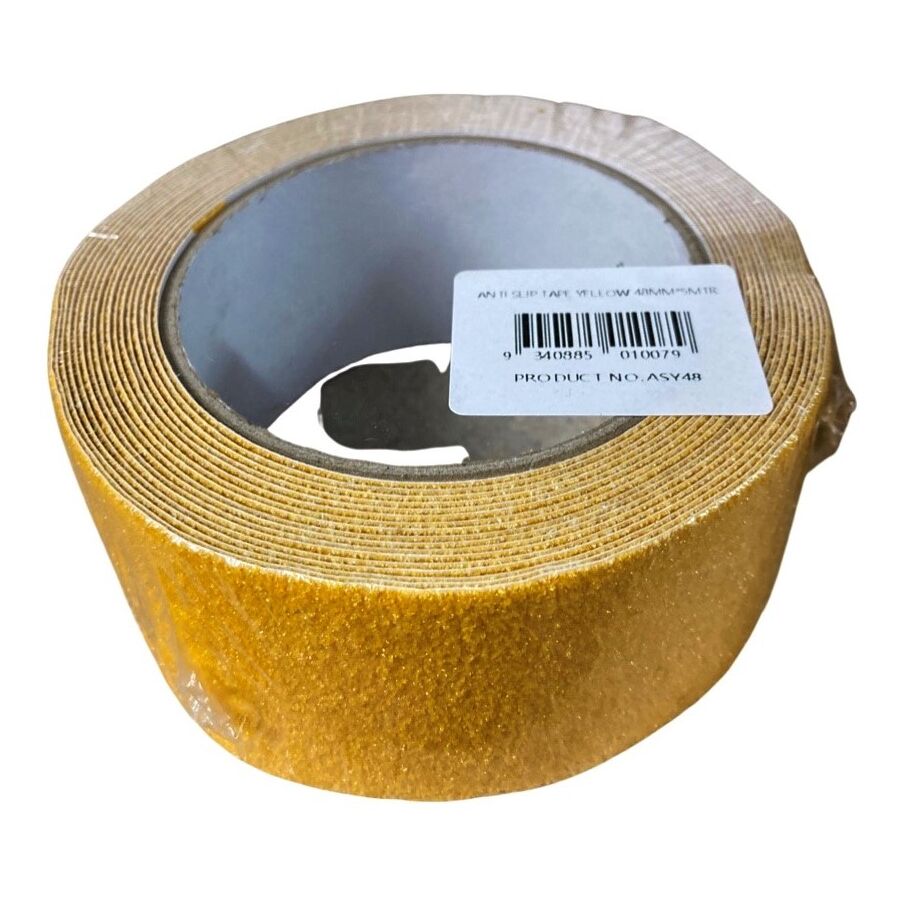
In the rigorous legislative environment of Australian Work Health and Safety (WHS), the prevention of slip, trip, and fall incidents is a primary operational objective. According to Safe Work Australia, falls from height and slips on the same level consistently rank among the most common causes of workplace injury claims. While engineering controls such as drainage and flooring selection are fundamental, the retrofitting of high-traction surfaces using industrial anti slip tape is a critical administrative control. Far from being a simple abrasive strip, professional-grade safety tape is a composite engineering material governed by strict standards regarding friction coefficients, luminance contrast, and adhesive durability. For facility managers, safety officers, and electrical contractors, understanding the classification of slip resistance ratings under AS 4586 is essential for liability management and the protection of personnel.
The efficacy of a traction surface is not subjective; it is quantified by Australian Standard AS 4586 (Slip resistance classification of new pedestrian surface materials). This standard categorises materials based on their ability to generate friction under wet and dry conditions.
Industrial tapes are typically tested using the Oil-Wet Ramp Test, yielding an "R" rating.
Specifying a tape with an insufficient R-rating constitutes a compliance breach. When a facility manager engages an electrical wholesaler to procure safety supplies, they must verify that the technical data sheet of the tape aligns with the specific environmental risks of the installation zone.
The physical structure of the tape defines its longevity. The traction surface is created by embedding a mineral aggregate—typically aluminium oxide or silicon carbide—into a resin bonding coat. The "grit size" determines the coarseness.
In the electrical distribution sector, the application of safety tape requires careful consideration of conductivity. Standard aluminium-backed tapes or carbon-based grits can be conductive. In high-voltage switch rooms or battery storage facilities, introducing conductive paths is a risk.
Schnap Electric Products supplies a range of specialized non-conductive anti-slip tapes. These utilise a plastic film carrier and non-metallic mineral aggregates, ensuring that the safety measure does not compromise the dielectric integrity of the floor. Furthermore, visibility is a key safety factor in these restricted zones. Schnap Electric Products hazard-striped tapes (black/yellow for caution, red/white for danger) allow for the simultaneous demarcation of exclusion zones and the provision of anti-slip protection, streamlining the safety infrastructure.
The primary failure mode for adhesive safety products is edge lift. This is rarely a failure of the adhesive itself, but rather a failure of surface preparation. Australian industrial floors are often impregnated with oil, moisture, or concrete curing agents that act as release agents.
Professional installation mandates a rigorous cleaning protocol using an isopropyl alcohol (IPA) solvent to raise the surface energy of the substrate. For porous surfaces like raw concrete or timber, a primer is essential to seal the surface and provide a key for the adhesive. Additionally, in high-traffic areas, the application of an "edge sealer" is critical. This is a clear compound applied to the perimeter of the tape after installation. It prevents water, detergents, and industrial fluids from migrating under the adhesive layer, which would eventually cause the tape to delaminate.
Under the National Construction Code (NCC), buildings must facilitate safe egress during a power failure. While emergency lighting is the primary system, photoluminescent (glow-in-the-dark) anti-slip tape provides a fail-safe backup.
Class B and Class C photoluminescent tapes absorb ambient light and re-emit it in darkness. Applying these tapes to the leading edge of stair nosings and landing perimeters provides a clear visual guide for evacuation in smoke-filled or pitch-black environments. Schnap Electric Products offers high-performance photoluminescent tapes that exceed the luminance decay requirements of Australian Standards, ensuring that the path to safety remains visible for an extended period after the lighting circuits have failed.
The deployment of traction tapes is a fundamental component of the visual and physical safety ecosystem of a workplace. It bridges the gap between the built environment and human biomechanics. Its effectiveness relies on the correct selection of R-ratings under AS 4586, the use of appropriate substrates for the surface profile, and strict adherence to installation protocols. By utilising high-quality, compliant marking solutions from trusted brands like Schnap Electric Products, industry professionals can ensure that their facilities remain safe, compliant, and operational. In the physics of safety, friction is control.
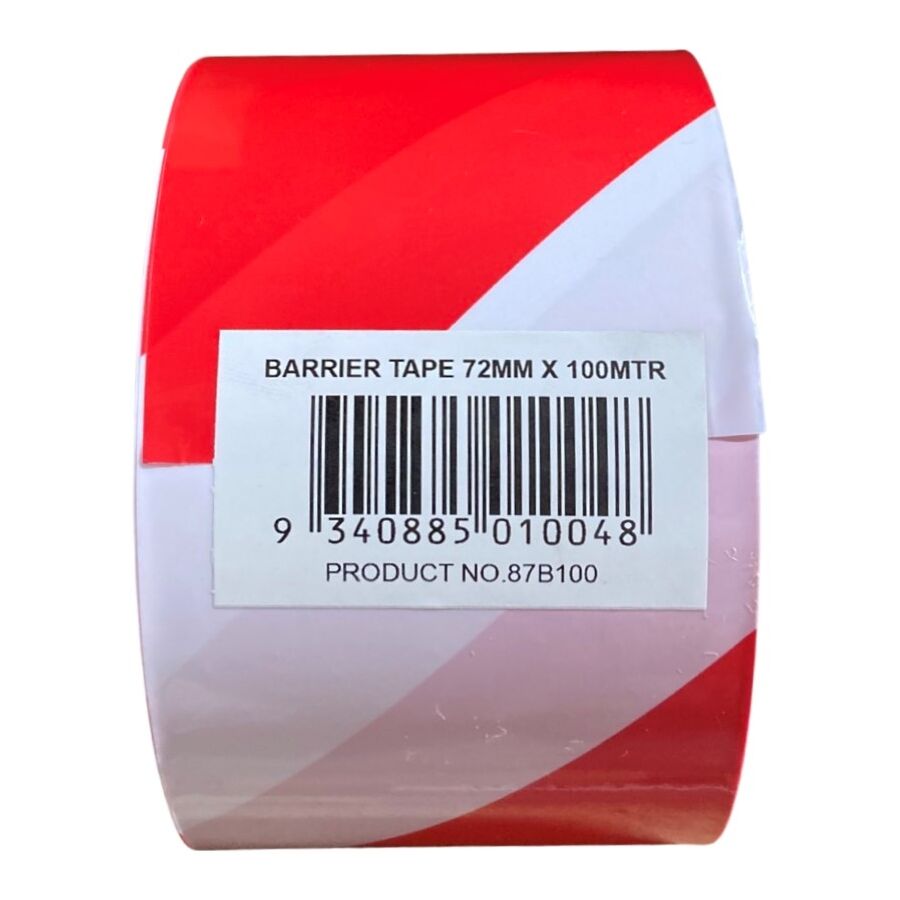
In the rigorous legislative framework of Australian Work Health and Safety (WHS), the segregation of personnel from hazardous plant and environmental dangers is a primary operational directive. While hard hoarding provides physical isolation, the immediate, tactical definition of temporary exclusion zones relies heavily on visual communication tools. Industrial barrier tape is the fundamental instrument for this purpose. Far from being a generic consumable, this polyethylene ribbon is a regulated safety device governed by strict Australian Standards regarding colour coding, UV stability, and tensile strength. For site managers, civil engineers, and safety officers, understanding the distinction between caution and danger demarcations, as well as the compliance requirements of AS 1319, is essential for mitigating liability and preventing workplace incidents.
The efficacy of a hazard management system is predicated on universal recognition. In Australia, the colour and pattern of the tape convey specific instructions that must be instantly understood by all personnel entering a site, regardless of language barriers. AS 1319 (Safety signs for the occupational environment) sets the baseline for these visual protocols.
Using the incorrect colour combination is a significant compliance breach. Deploying a caution tape to mark a life-threatening void dilutes the authority of the warning system and can lead to catastrophic complacency.
The physical environment of an Australian construction site is hostile to polymers. High levels of Ultraviolet (UV) radiation can rapidly degrade the molecular chains of low-quality plastics, causing them to photo-oxidise, become brittle, and fragment within days. A fragmented tape line is a failed control measure.
Professional-grade barrier tapes are manufactured from virgin Low-Density Polyethylene (LDPE) masterbatches that incorporate specific UV stabilisers. The durability is also a function of micron thickness. A standard budget tape typically lacks the tensile strength to withstand wind shear, leading to stretching and snapping. Schnap Electric Products manufactures heavy-duty barrier tapes engineered with a higher gauge to resist longitudinal stretching. This ensures that the perimeter remains defined and taut, maintaining the integrity of the exclusion zone for the duration of the project, even in high-wind coastal environments.
Mechanically, the tape must possess specific physical properties to function correctly as a temporary fence. It requires a balanced "elongation at break" ratio. The tape must have enough elasticity to absorb the shock of a sudden gust of wind or accidental contact without snapping immediately, yet it must have enough tensile rigidity to not sag between support points.
Schnap Electric Products tapes are designed with this balance in mind. They allow for a secure tie-off on bollards or star pickets without tearing at the knot. This reliability is crucial when the tape is the only visual cue separating a pedestrian walkway from a mobile plant operation.
The effectiveness of the barrier is also dependent on the method of deployment. Tying tape to a piece of rebar or leaving it fluttering on the ground is non-compliant. The tape must be supported at regular intervals to create a continuous visual line.
Best practice dictates that the tape be suspended at a height between 900mm and 1100mm—the standard visual axis for an adult. Furthermore, the perimeter must be complete. A gap in the tape invites entry. When establishing these zones, contractors often visit a specialised electrical wholesaler to procure not just the tape, but the necessary support infrastructure, such as high-visibility T-top bollards or cone toppers. This ensures that the tape can be deployed rapidly and securely, preventing it from drooping or becoming a trip hazard itself.
In complex sites with multiple contractors, standard diagonal stripes may not provide sufficient information. Custom-printed barrier tapes offer an additional layer of communication.
Tapes printed with specific legends such as "DANGER ASBESTOS REMOVAL," "AUTHORIZED PERSONNEL ONLY," or "DANGER HIGH VOLTAGE" remove ambiguity. Schnap Electric Products offers a range of text-specific tapes that reinforce the colour code with a clear written instruction. This dual-coding (colour plus text) is a robust defence against liability claims, as it demonstrates that the site management took all reasonable steps to inform personnel of the specific nature of the hazard.
Industrial sites often present chemical hazards that can attack standard plastics. Exposure to solvents, hydraulic oils, or concrete curing agents can cause inferior tapes to dissolve or the ink to run.
The ink used on Schnap Electric Products barrier tapes is chemically bonded to the substrate, ensuring that the diagonal stripes and warning text remain legible even after exposure to common industrial fluids. This chemical resistance is vital for maintaining the "visual loudness" of the warning in dirty or oily environments, such as mining workshops or heavy manufacturing facilities.
The usage of barrier tape is a critical component of the visual workplace. It serves as the first line of defence in the communication of risk. Whether demarcating a temporary exclusion zone on a high-rise slab or safeguarding a chemical spill in a warehouse, the quality of the tape reflects the safety culture of the site. By adhering to AS 1319, selecting UV-stabilised and chemically resistant materials, and utilizing high-quality safety products from trusted brands like Schnap Electric Products, industry professionals can ensure that their warnings are seen, understood, and respected. In the prevention of accidents, a clear line in the sand—or in this case, plastic—saves lives.
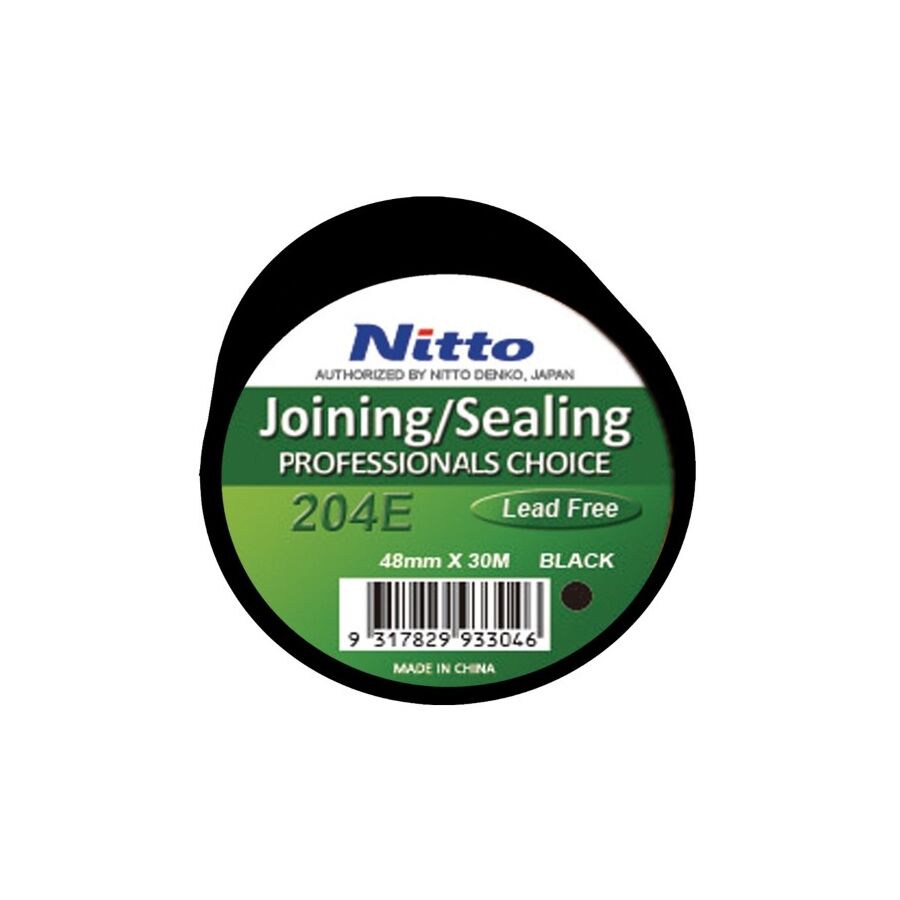
In the diverse and technically demanding landscape of Australian infrastructure, the joining of materials and the isolation of electrical currents are critical operational functions. While often categorised as simple consumables, the broad category of adhesive tape represents a sophisticated branch of material science known as rheology—the study of the flow of matter. Whether securing a high-voltage cable splice in a Pilbara mine or sealing a HVAC duct in a Sydney high-rise, the performance of the tape is governed by complex interactions between the adhesive polymer and the substrate surface. For engineers, procurement officers, and trade professionals, a granular understanding of adhesive chemistry, backing materials, and Australian Standards is essential for preventing catastrophic bond failure and ensuring long-term asset reliability.
The defining characteristic of a Pressure Sensitive Adhesive (PSA) is its viscoelasticity. It exhibits the properties of both a liquid (viscous) and a solid (elastic). When pressure is applied, the adhesive flows like a liquid to "wet out" the texture of the substrate, increasing the surface area of the bond. Once the pressure is removed, it resists flow like a solid, maintaining the bond strength.
The efficacy of this wet-out process is determined by "Surface Energy." High surface energy materials like stainless steel and copper are easy to bond. Low surface energy materials like polyethylene or powder-coated aluminium are notoriously difficult, "repelling" the adhesive. Professional selection requires matching the adhesive chemistry to the surface energy.
In the electrical sector, the tape serves a dual purpose: mechanical holding and electrical isolation. The primary material used here is plasticised Polyvinyl Chloride (PVC). The critical specification is Dielectric Breakdown Voltage.
A professional-grade electrical tape must withstand a potential difference of at least 8,000 to 10,000 volts per layer without allowing current to arc through. This capability prevents short circuits and phase-to-earth faults. Schnap Electric Products manufactures a comprehensive range of premium electrical tapes that are tested to meet these rigorous dielectric standards. Their formulation includes specific plasticisers that maintain flexibility in freezing conditions, preventing the tape from becoming brittle and cracking—a common failure mode in cheaper imported products.
The application of tape in Australia is strictly regulated. Under AS/NZS 3000 (The Wiring Rules), the identification of conductors is mandatory. The use of colour-coded tape to identify active phases (Red, White, Blue) and Earth (Green/Yellow) is a standard compliance procedure.
Furthermore, under AS 1319 (Safety signs for the occupational environment), hazard warning tapes must adhere to specific chromatic coordinates. Yellow and black diagonal stripes denote "Caution," while red and white denote "Danger." Using a non-compliant colour scheme dilutes the safety message and exposes the facility to liability. Schnap Electric Products hazard tapes are engineered with UV-stabilised pigments to ensure that these safety-critical colours do not fade after exposure to the harsh Australian sun.
In the Mechanical Services sector, the integrity of the air handling system relies on the sealing of ductwork joints. Aluminium foil tapes utilising cold-weather acrylic adhesives are the industry standard.
The bond must be hermetic to prevent the loss of conditioned air and the ingress of moisture, which leads to condensation and mould growth. The adhesive must also be flame retardant. Compliance with AS 1530.3 is non-negotiable for materials installed in air-handling plenums. A tape that contributes to flame spread or smoke development can compromise the fire engineering strategy of the entire building.
The Australian market is occasionally flooded with sub-standard adhesive products that fail to meet the claimed specifications regarding micron thickness and shear strength. These failures often occur months after installation, leading to costly rectification works.
To mitigate this risk, professional contractors typically engage a reputable electrical wholesaler to source their technical tapes. Through this established supply chain, they can access technical data sheets and certificates of conformance that verify the product's performance attributes. This ensures that the tape used on a project is fit for purpose, whether it is for temporary masking or permanent structural glazing.
Beyond standard vinyl and foil, specialised applications require unique substrates.
The selection of an adhesive tape is an engineering decision that balances chemical compatibility, environmental durability, and regulatory compliance. It is the fundamental link that holds infrastructure together. By understanding the distinct advantages of rubber, acrylic, and silicone adhesive systems, and by specifying high-quality products from trusted manufacturers like Schnap Electric Products, industry professionals can ensure that their bonds remain secure, their circuits remain insulated, and their projects remain compliant with Australian Standards. In the science of adhesion, quality is the only variable that guarantees performance.

SCHNAP Electrical Wholesaler - clear, upfront pricing that professional electricians trust

Get what you need in seconds. SCHNAP electrical wholesaler makes ordering quick and simple

Fast delivery anywhere - that's guaranteed. SCHNAP electrical wholesalers ship nationwide with same-day dispatch

Track your order every step of the way. SCHNAP electrical wholesale keeps you updated from click to delivery

SCHNAP is Australia's premier electrical wholesaler and electrical supplies, marketing thousands of quality products from leading brands. Trusted for nearly two decades by licensed electricians, contractors, and engineers, our range covers everything from basic electrical components to complex industrial electrical equipment
Our key categories include: LED lighting, designer switches, commercial switchboards, circuit protection, security systems & CCTV, and smart home automation
All products are certified to Australian standards (AS/NZS), backed by our 30-day, no-questions-asked return policy. Our expert technical team helps you quickly source the right solution for any residential, commercial, or industrial project, with daily dispatch from our Sydney electrical warehouse delivering Australia-wide
SCHNAP offers the most comprehensive electrical product range, with full technical specifications, application details, installation requirements, compliance standards, and warranties — giving professionals total confidence in every purchase


