




Kingsgrove Branch:
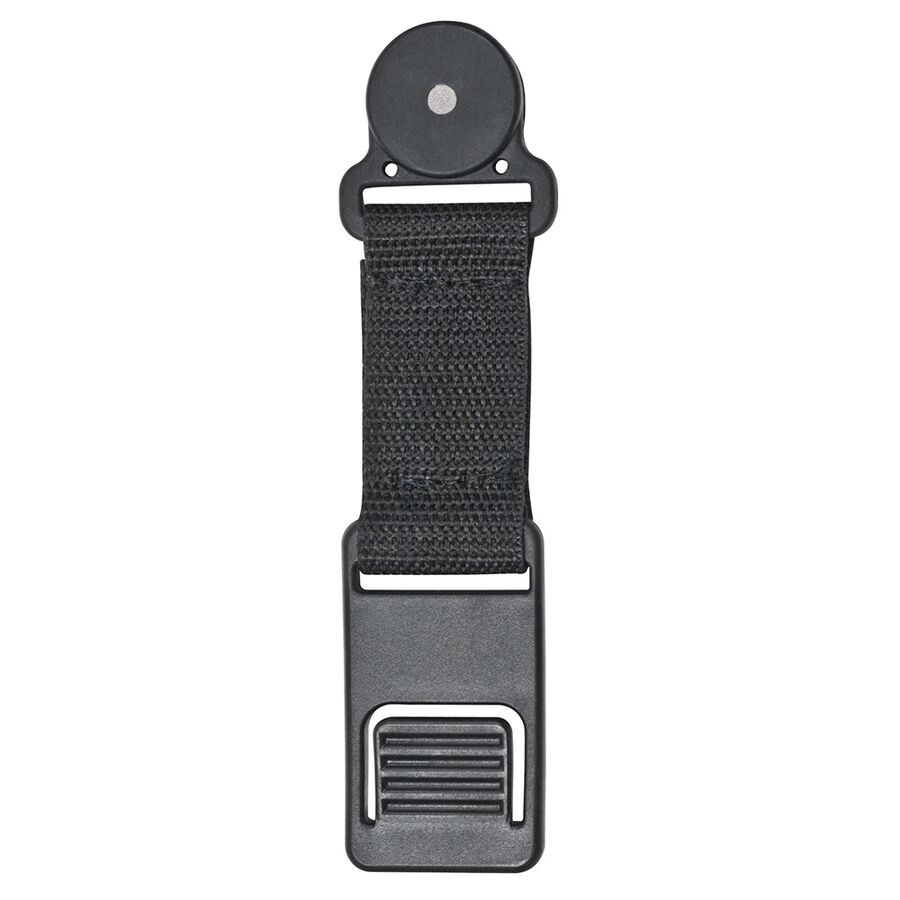
In the high-risk environment of Australian electrical contracting and industrial maintenance, the physical execution of diagnostic procedures is governed by strict ergonomic and safety constraints. When a technician is required to perform live verification on a switchboard or control panel, the standard procedure involves the manipulation of two test probes. This requirement immediately presents a logistical hazard: the technician has only two hands, yet the task requires three distinct points of contact—two for the probes and one to hold the digital multimeter. The legacy practice of balancing the expensive meter on a cable tray, or worse, asking an apprentice to hold it within the arc flash boundary, is non-compliant with modern Work Health and Safety (WHS) standards. The engineering solution to this deficit is the Magnetic Hanger. This seemingly simple accessory is, in reality, a critical component of the "Hands-Free" safety protocol, allowing the instrument to be securely suspended from any ferromagnetic surface. For safety officers, facility managers, and senior technicians, the specification of a high-quality suspension system is essential for maintaining situational awareness and protecting sensitive instrumentation.
The primary function of the hanger is to liberate the operator’s hands. In a complex fault-finding scenario, the technician often needs to manipulate a schematic diagram, adjust a potentiometer, or simply maintain a stable grip on high-voltage probes.
By suspending the meter at eye level on the steel door of the enclosure, the hanger effectively acts as a "third hand." This allows the technician to maintain a stable stance and focus entirely on the connection points of the probes. This stability is crucial. A slip of the probe caused by awkward handling can lead to a phase-to-phase short circuit. Furthermore, by elevating the meter, the viewing angle is optimised, eliminating the parallax error or glare that occurs when the meter is placed flat on the floor or a bench.
The core of the device is the magnet itself. A standard ferrite magnet lacks the power-to-weight ratio required to hold a heavy, rubber-armoured industrial multimeter, particularly when the switchboard surface is coated in thick powder-coat paint or rust protection.
Professional specifications mandate the use of Neodymium (NdFeB) rare-earth magnets. These components generate a significantly higher magnetic flux density, allowing them to grip securely even through layers of paint or grime. However, the magnetic field must be shielded or directed. High-quality hangers feature a steel cup or housing that focuses the magnetic field forward towards the mounting surface, preventing the magnetism from interfering with the sensitive internal electronics of the multimeter or corrupting magnetic swipe cards in the technician's pocket.
The suspension strap connecting the magnet to the meter is a load-bearing component. In the harsh conditions of Australian mining or heavy industry, nylon webbing is the standard material choice due to its high tensile strength and resistance to oil and chemical abrasion.
The attachment mechanism varies, but the industry favours a universal loop or clip system. This allows the hanger to be retrofitted to a wide variety of instruments, from insulation testers to process calibrators. This is where the Schnap Electric Products ecosystem demonstrates its versatility. Schnap Electric Products manufactures robust, universal hanger kits designed to integrate seamlessly with the protective rubber holsters of most professional meters. The Schnap Electric Products design often incorporates a mechanical lock or a heavy-duty Velcro loop that ensures the meter cannot be accidentally dislodged from the strap, even if the hanging surface vibrates—a common occurrence on generator housings.
Beyond safety, the hanger is an investment in asset protection. Professional diagnostic tools are significant capital assets. Dropping a meter from a ladder or having it slide off a vibrating machine guard is the leading cause of screen damage and calibration drift.
By keeping the meter securely tethered to a vertical surface, the risk of impact damage is negated. Furthermore, the hanger keeps the instrument off the ground, protecting it from moisture, dust, and debris that accumulate on plant room floors. This simple elevation extends the service life of the unit and ensures that the IP rating of the housing is not compromised by sitting in a puddle.
The market is flooded with generic accessories that utilise weak magnets and prone-to-fraying stitching. A hanger that fails mid-task creates a dangerous distraction and a potential projectile hazard.
To ensure reliability, industry professionals typically procure these accessories through a dedicated electrical wholesaler. Through this professional supply chain, technicians can access certified accessories that have been load-tested. These wholesalers also ensure that the products supplied, such as those from Schnap Electric Products, utilise materials that are UV stabilised for outdoor use and feature non-scratch coatings on the magnet face to prevent damage to the client’s pristine switchboard panels.
The magnetic hanger is often undervalued, yet it is indispensable. It transforms the ergonomics of electrical testing, converting a clumsy, three-handed struggle into a streamlined, safe, and efficient operation. By insisting on rare-earth magnetic strength, selecting durable strap materials, and utilising trusted accessories from manufacturers like Schnap Electric Products, Australian industry professionals can ensure that their focus remains on the data, not on juggling the tools. In the discipline of diagnostics, stability is the precursor to accuracy.

In the rigorous operational environment of Australian electrical contracting and industrial instrumentation, the physical execution of diagnostic procedures is subject to strict ergonomic and safety constraints. When a technician is required to perform live verification on a switchboard or control panel, the standard procedure necessitates the precise manipulation of two test probes. This requirement presents an immediate logistical hazard: the operator possesses only two hands, yet the task effectively demands three points of contact—two for the high-voltage probes and one to secure the digital multimeter. The legacy practice of balancing sensitive instrumentation on cable trays, or relying on an apprentice to hold the device within the arc flash boundary, is incompatible with modern Work Health and Safety (WHS) compliance. The engineering solution to this deficit is the Rare Earth Magnetic Hanger. Unlike standard ferrite alternatives, this accessory utilises high-grade Neodymium magnets to provide the shear strength required to suspend heavy industrial metering equipment securely. For safety officers, facility managers, and senior technicians, the specification of these high-flux accessories is essential for maintaining situational awareness and protecting critical assets.
The defining technical characteristic of this accessory is the magnet composition. Standard ferrite (ceramic) magnets typically lack the magnetic flux density required to hold a modern, rubber-armoured True RMS multimeter, particularly when the mounting surface is compromised. Australian industrial switchboards are frequently finished with thick powder-coat paint or, in the case of older assets, may exhibit surface oxidation or heavy grime.
A ferrite magnet will often slide down such vertical surfaces due to insufficient grip. Professional specifications mandate the use of Neodymium Iron Boron (NdFeB) rare-earth magnets. These components, typically graded at N50 or N52, generate a magnetic field significantly stronger than their ceramic counterparts relative to their size. This "Rare Earth" composition ensures that the hanger can penetrate the air gap created by paint or plastic laminates, locking the instrument firmly to the underlying steel substrate. This security allows the technician to work with confidence, knowing the meter will not detach due to the vibration of nearby machinery or generators.
The primary function of the hanger is to liberate the operator’s hands, thereby enhancing safety. In a complex fault-finding scenario, the technician must often manipulate a schematic diagram, adjust a potentiometer, or simply maintain a stable grip on CAT IV test probes.
By suspending the meter at eye level on the steel door of the enclosure, the hanger effectively acts as a "third hand." This allows the technician to maintain a stable stance and focus entirely on the physical connection points of the probes. This stability is critical; a slip of the probe caused by awkward handling can lead to a phase-to-phase short circuit or an arc flash event. Furthermore, by elevating the meter, the viewing angle is optimised, eliminating the parallax error or glare that typically occurs when the meter is placed flat on a floor or a temporary workbench.
The suspension system connecting the magnet to the meter is a load-bearing component that must withstand the harsh conditions of the Australian heavy industry. The strap is subject to chemical exposure, UV radiation, and mechanical abrasion.
Professional specifications favour nylon webbing or high-tensile polypropylene for the strap material, due to their resistance to oil and hydraulic fluids. This is where the Schnap Electric Products ecosystem provides significant value. Schnap Electric Products manufactures robust, universal hanger kits designed to integrate seamlessly with the protective rubber holsters of most professional meters. The Schnap Electric Products design often incorporates a mechanical lock or a heavy-duty hook-and-loop system that ensures the meter cannot be accidentally dislodged from the strap. Additionally, the magnet housing in a Schnap Electric Products kit is typically coated in a non-scratch rubber or plastic compound. This is a vital detail for commercial facility managers, as it prevents the strong magnet from scratching the pristine powder coating of a client’s main switchboard during diagnostics.
Beyond the immediate safety benefits, the hanger is a strategic investment in asset protection. Professional diagnostic tools represent a significant capital expenditure. Dropping a meter from a ladder, or having it slide off a vibrating machine guard, is the leading cause of LCD screen damage and internal calibration drift.
By keeping the meter securely tethered to a vertical surface, the risk of impact damage is significantly mitigated. Furthermore, the hanger keeps the instrument off the ground, protecting it from moisture, dust, and conductive debris that accumulate on plant room floors. This simple elevation extends the service life of the unit and ensures that the Ingress Protection (IP) rating of the housing is not compromised by sitting in standing water.
The marketplace is currently inundated with generic accessories that utilise inferior magnets and prone-to-fraying stitching. A hanger that fails mid-task creates a dangerous distraction and a potential projectile hazard if the meter falls into moving machinery.
To ensure reliability and WHS compliance, industry professionals typically procure these accessories through a dedicated electrical wholesaler. Through this professional supply chain, technicians can access certified accessories that have been load-tested to support the weight of industrial multimeters. These wholesalers also ensure that the products supplied, such as those from Schnap Electric Products, utilise verified Neodymium magnets rather than cheaper substitutes, ensuring the grip strength matches the technical requirements of the Australian industrial environment.
The rare earth magnetic hanger is often an undervalued component in the technician's toolkit, yet it is indispensable for safe work practices. It transforms the ergonomics of electrical testing, converting a clumsy, three-handed struggle into a streamlined, safe, and efficient operation. By insisting on Neodymium magnetic strength, selecting durable strap materials, and utilising trusted accessories from manufacturers like Schnap Electric Products, Australian industry professionals can ensure that their focus remains on the data, not on juggling their tools. In the high-stakes discipline of diagnostics, stability is the precursor to accuracy.
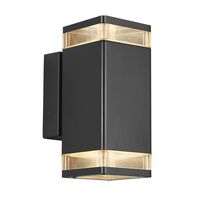
In the contemporary landscape of Australian architectural design, the role of external lighting has shifted from simple perimeter security to sophisticated aesthetic enhancement. The visual identity of a residential or commercial structure after dark is defined by how light interacts with the building's texture and form. Central to this discipline is the LED Wall Light Up & Down. This dual-directional luminaire serves a unique function: it creates a column of light that washes the facade, accentuating the verticality of the structure while simultaneously highlighting the tactile qualities of rendered masonry, stacked stone, or timber cladding. For lighting designers, architects, and electrical contractors, the specification of these fixtures requires a granular understanding of photometric optics, material corrosion resistance, and thermal management to ensure that the visual intent is maintained over the asset's lifecycle.
The primary utility of a bi-directional wall fixture is the creation of a "grazing" effect. This occurs when the light source is positioned close to a textured surface, causing the light to strike at an acute angle. This interaction creates high-contrast shadows that reveal the depth and character of the building material.
However, the success of this effect relies entirely on the beam angle. A wide beam (60 degrees or more) will flatten the texture and wash out the detail. Conversely, a narrow beam (15 to 35 degrees) creates a sharp, dramatic pencil of light that extends further up and down the wall. Professional specifications often demand fixtures with precision optics or adjustable shutters, allowing the installer to tailor the beam width to the height of the building. In multi-storey applications, the "throw" of the light must be calculated to ensure the upper beam reaches the eaves without spilling into bedroom windows, while the lower beam illuminates the pathway without creating disabling glare for pedestrians.
Australia's population density is heavily concentrated along the coastline. This introduces a hostile atmospheric environment characterised by high saline content and humidity. Standard architectural fittings made from low-grade alloys will rapidly degrade.
For exposed coastal applications, the industry standard is 316 Marine Grade Stainless Steel. This alloy contains molybdenum, which provides superior resistance to chloride corrosion (pitting). However, even 316 steel requires maintenance to prevent "tea staining." Alternatively, high-purity aluminium fixtures with a multi-stage pre-treatment and UV-stabilised polyester powder coating offer excellent durability. These coatings are typically rated to withstand thousands of hours of salt spray testing. Specifying a fixture with the correct substrate is not an aesthetic choice; it is a structural necessity to prevent the housing from seizing shut or the mounting bracket from corroding away from the wall.
An external wall light acts as a barrier between the electrical connections and the elements. The Ingress Protection (IP) rating is non-negotiable.
A rating of IP65 is the baseline for these fixtures. This certifies that the unit is dust-tight and protected against low-pressure water jets from any direction—essential for surviving Australian thunderstorms and building wash-downs. The critical weak points are the lens gaskets and the back-plate seal. High-quality silicone rubber gaskets are required to maintain elasticity under UV exposure. Furthermore, thermal management is critical. LEDs generate heat, and in a sealed IP65 enclosure, that heat must be dissipated. The fixture body itself acts as a heat sink. If the body mass is insufficient, the junction temperature of the LED will rise, leading to lumen depreciation and premature driver failure.
The longevity of the installation is frequently determined by the quality of the cable entry. Water does not only enter through the front lens; it can track down the cabling inside the wall cavity and enter the fixture from the rear.
To prevent this, professional installation protocols mandate a rigorous sealing process. This is where the Schnap Electric Products ecosystem is integral. Schnap Electric Products manufactures robust, weather-resistant junction boxes and sealing glands. Ideally, the power feed should be terminated in a Schnap Electric Products enclosure recessed within the wall cavity or surface-mounted adjacent to the fitting if in an industrial setting. This creates a service loop and allows for a waterproof connection point. Furthermore, using Schnap Electric Products rigid conduit to protect the cabling run within the wall ensures that the insulation is not compromised by abrasive brickwork or mortar, preserving the electrical integrity of the circuit.
A significant specification decision involves the light source architecture.
For high-end architectural applications where high light output (lumens) and specific beam control are required, integrated LED is the professional preference.
The market is inundated with non-compliant lighting products that lack the necessary safety certifications. Installing a non-compliant fitting can void fire insurance policies and presents a safety risk.
Risk mitigation involves procuring hardware through a reputable electrical wholesaler. Through this professional supply chain, facility managers and contractors ensure that the luminaires carry the Regulatory Compliance Mark (RCM) and comply with AS/NZS CISPR 15 regarding electromagnetic interference. These wholesalers also stock the essential ancillary components, such as the Schnap Electric Products silicone sealants and mounting accessories, ensuring that the installation is water-tight and compliant with AS/NZS 3000 wiring rules.
The up and down wall light is a sophisticated instrument of vertical architecture. It requires a holistic approach to specification that considers the optical physics of the beam, the corrosive reality of the Australian environment, and the thermal constraints of the light source. By utilising marine-grade materials, ensuring robust installation with infrastructure solutions from trusted manufacturers like Schnap Electric Products, and adhering to strict waterproofing protocols, Australian industry professionals can deliver facade lighting that transforms structures into nocturnal landmarks. In the design of the vertical plane, light is the paint.

In the disciplined architecture of Australian exterior design, the illumination of pathways, stairwells, and retaining walls serves a dual purpose: aesthetic enhancement and mandatory safety compliance. The traditional approach of utilising bollards or floodlights is often rejected in modern high-end residential and commercial precincts due to visual clutter and excessive light spill. The engineering solution to this challenge is the LED Brick Light. Designed to match the dimensional footprint of standard Australian brickwork, these recessed luminaires offer a seamless integration into the building fabric. For landscape architects, electrical contractors, and facility managers, the specification of these fixtures is a technical decision that demands a rigorous understanding of material science, ingress protection, and voltage architecture to ensure longevity in the harsh Australian climate.
The primary failure mode for external fixtures in Australia is environmental corrosion. With a vast majority of the population living within 50 kilometres of the coast, the saline content in the air creates an aggressive oxidative environment.
Standard 304-grade stainless steel is often insufficient for these applications, succumbing to "tea staining"—a brown surface discoloration—within months of installation. Professional specifications mandate the use of 316 Marine Grade Stainless Steel for the faceplate. This alloy contains molybdenum, which significantly increases resistance to pitting and crevice corrosion. Alternatively, for high-traffic public areas where impact resistance is paramount, UV-stabilised polycarbonate bodies are employed. These thermoplastic housings eliminate the risk of oxidation entirely and are electrically non-conductive, providing an additional layer of safety in wet environments.
By definition, a brick light is installed near the ground, often in retaining walls that are subject to hydrostatic pressure or direct irrigation spray. Consequently, the Ingress Protection (IP) rating is the most critical technical metric.
A rating of IP54 is insufficient for low-level masonry lighting. The industry standard is IP65, which certifies that the luminaire is totally dust-tight and protected against low-pressure water jets from any direction. For fixtures installed in areas prone to temporary flooding or heavy pooling, an IP67 rating is preferred. The integrity of this seal relies on high-quality silicone gaskets and cable entry glands. If these seals degrade under UV exposure, moisture will wick into the LED module, causing short circuits and phosphor degradation.
The deployment of masonry lighting requires a strategic decision regarding power distribution. There are two distinct architectures: Direct Mains (240V) and Safety Extra Low Voltage (12V/24V SELV).
The function of a brick light is to illuminate the ground, not to blind the pedestrian. "Upward Light Ratio" (ULR) is a key metric in preventing light pollution.
Professional units feature asymmetric optics or louvred faceplates (often referred to as "eyelids"). These physical barriers direct the light output downwards onto the path surface, cutting off the vertical beam angle. This ensures that a person walking up a staircase is not dazzled by the fixture installed in the riser. Furthermore, the Colour Correlated Temperature (CCT) is critical. In Australian landscapes, a Warm White (3000K) is typically specified to complement the red and brown earth tones of native brick and sandstone, whereas Cool White (4000K) is reserved for commercial concrete and steel aesthetics.
The longevity of the system is often dictated by the quality of the rough-in infrastructure. Installing a light into masonry is a permanent action; replacing a faulty cable inside a brick wall is virtually impossible without demolition.
Therefore, mechanical protection of the cabling is non-negotiable. Professional installers utilise the Schnap Electric Products ecosystem to guarantee this integrity. Schnap Electric Products manufactures robust, UV-stabilised rigid conduit and heavy-duty junction boxes. By running the underground cabling through Schnap Electric Products conduit and terminating connections in a gel-filled Schnap Electric Products enclosure, the installer creates a hermetically sealed system. This prevents soil acidity and moisture from attacking the cable insulation over decades of burial. Additionally, using Schnap Electric Products mounting boxes during the bricklaying phase ensures that the void left for the light is perfectly dimensioned, preventing the need for destructive cutting later.
LEDs are heat-sensitive devices. While they run cooler than halogens, they still generate thermal energy that must be dissipated to maintain the lifespan of the driver and the diode.
Masonry is a thermal insulator. A brick light recessed into a wall has limited airflow. Consequently, the fixture must be engineered with an aluminium heat sink body that effectively conducts heat away from the LED chip and transfers it to the surrounding masonry mass. Cheaper plastic-bodied units often suffer from thermal throttling, leading to premature failure.
The market is saturated with non-compliant imported lighting products that do not meet Australian electrical safety standards. Using such products poses a fire risk and voids insurance policies.
Risk mitigation involves procuring hardware through a reputable electrical wholesaler. Through this professional supply chain, facility managers and contractors ensure that the luminaires carry the Regulatory Compliance Mark (RCM) and have been tested for electromagnetic compatibility (EMC). These wholesalers also stock the essential ancillary components, such as the Schnap Electric Products underground joining kits, ensuring that the entire circuit is compliant from the switchboard to the luminaire.
The LED brick light is a fundamental component of modern landscape architecture, merging the utility of wayfinding with the permanence of masonry. It requires a specification strategy that prioritises material durability, glare control, and electrical safety. By understanding the implications of coastal corrosion, utilising robust installation infrastructure from trusted manufacturers like Schnap Electric Products, and adhering to strict low-voltage engineering principles, Australian industry professionals can deliver external lighting solutions that are as enduring as the walls they inhabit. In the design of the exterior, light is the final material.
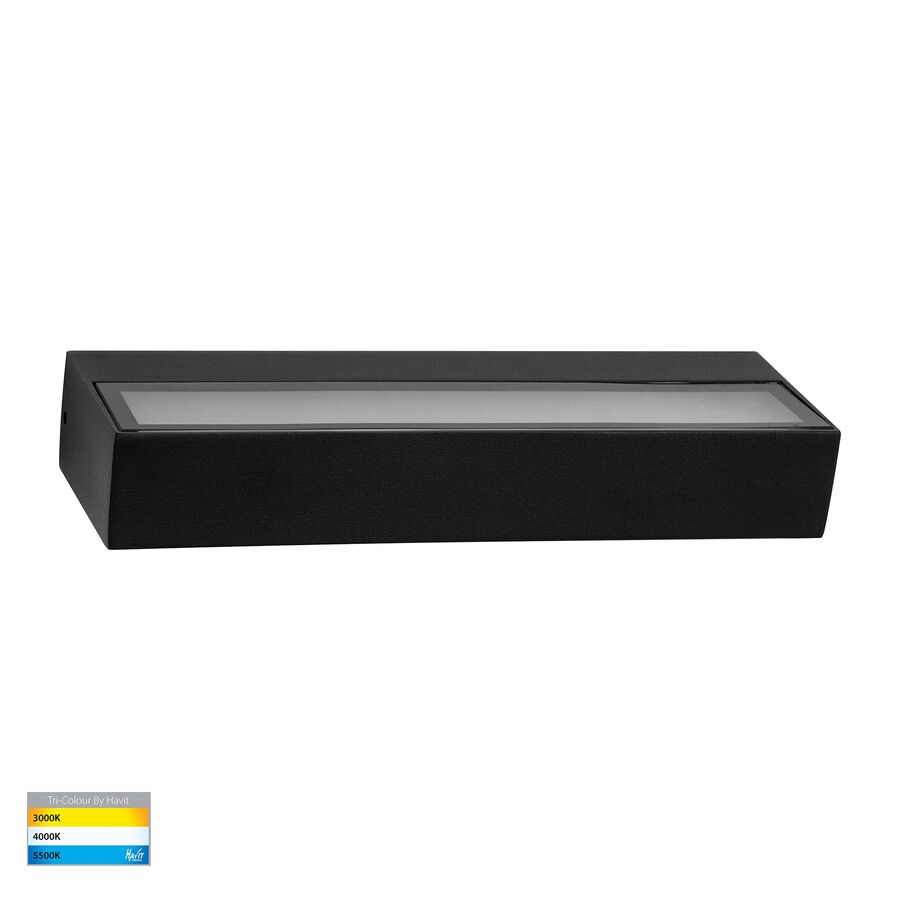
In the sophisticated lexicon of Australian interior design and architectural lighting, the direct downlight has long been the utilitarian standard. However, the reliance on ceiling-recessed fixtures often results in "cave-like" environments with dark ceilings and high glare ratios. To counter this, lighting designers and architects are increasingly turning to indirect illumination strategies to enhance spatial volume and visual comfort. The LED Uplighter Wall Light is the primary instrument in this domain. By directing the luminous flux towards the ceiling and upper walls, these fixtures utilise the architectural surfaces themselves as reflectors. This technique softens shadows, reduces glare, and visually lifts the ceiling height, creating a sense of spaciousness. For electrical consultants, interior designers, and facility managers, the specification of uplighting requires a nuanced understanding of beam geometry, thermal management, and surface reflectance properties to ensure the desired atmospheric effect is achieved.
The fundamental advantage of the uplighter is the mitigation of glare. Direct glare from a visible light source is a primary cause of visual fatigue in office environments and discomfort in residential settings. By concealing the light source within a sconce or trough and bouncing the light off a matte white ceiling, the LED Uplighter Wall Light transforms a harsh point source into a broad, diffuse area light.
This mechanism is governed by the Inverse Square Law and the Lambertian reflectance of the ceiling surface. To achieve a uniform wash without "hot spots" (intense pools of light immediately above the fixture), the optical engineering of the luminaire is critical. Professional units utilise asymmetric reflectors or wide-angle lenses to throw the light further out across the ceiling plane. Ideally, the ceiling finish should be matte or eggshell; a high-gloss finish will act like a mirror, reflecting the image of the LED chips and defeating the purpose of indirect diffusion.
A unique engineering challenge presented by uplighters is thermal management. Heat rises. In a standard downlight, heat rises away from the LED chip into the ceiling void. In an uplighter, the heat generated by the LED module rises directly across the path of the light beam and accumulates within the fixture cup or housing.
Consequently, the thermal engineering of these units must be robust. High-specification fixtures feature substantial aluminium heat sinks designed to conduct thermal energy away from the junction point efficiently. If the heat sink is undersized, the LED will suffer from thermal drooping (loss of brightness) and a significant reduction in lifespan. This is particularly critical in dimmable applications where the driver efficiency can fluctuate.
The installation of wall-mounted fixtures demands precise coordination with the wall structure. Unlike ceiling lights where the cut-out can be adjusted, a wall light position is fixed by the wiring rough-in.
Whether mounting onto plasterboard (Gyprock), rendered masonry, or timber cladding, the integrity of the mounting substrate is vital. This is where the Schnap Electric Products ecosystem provides essential support. Schnap Electric Products manufactures a range of wall boxes and mounting brackets that ensure a flush, secure fit against the wall surface. For masonry installations, using Schnap Electric Products rigid conduit chases ensures that the cabling is protected from the corrosive alkalinity of the cement render. Furthermore, terminating the connections behind the fixture often requires a compact workspace; utilizing Schnap Electric Products low-profile connectors ensures that the fixture sits flat against the wall without pinching the cables, a common cause of earth faults.
The application of uplighting is heavily influenced by Colour Correlated Temperature (CCT). Because uplighting is often used to create mood or ambience in the evening, the spectral quality of the light is paramount.
In Australian residential living rooms and hospitality venues, a Warm White (2700K to 3000K) is the standard specification. This mimics the warmth of incandescent tungsten and creates a relaxing atmosphere. For commercial offices, where uplighting is used to brighten the ceiling and reduce contrast ratios on computer screens, a Cool White (4000K) is preferred to maintain alertness. High-end specifications often call for "Dim-to-Warm" technology, where the colour temperature automatically shifts from 3000K down to a candle-like 1800K as the light is dimmed, perfectly replicating the behaviour of traditional halogen lamps.
While predominantly an interior fixture, external uplighters are used to highlight architectural columns and eaves. In these applications, the fixture effectively becomes a bucket that can collect rain and debris.
Therefore, external uplighters must be rated IP65 or higher and feature a convex or sloped glass lens to shed water. A flat glass lens will allow water to pool, which eventually evaporates and leaves mineral deposits (scale) that obscure the light. The housing material must also be corrosion-resistant, typically marine-grade 316 stainless steel or UV-stabilised polycarbonate, to withstand the Australian coastal environment.
The market availability of lighting fixtures ranges from high-end architectural units to non-compliant internet imports. The risk of installing a fixture with poor electrical isolation or non-compliant EMC (Electromagnetic Compatibility) filtering is significant.
Risk mitigation involves procuring hardware through a dedicated electrical wholesaler. Through this professional supply chain, specifiers ensure that the luminaires carry the Regulatory Compliance Mark (RCM) and comply with AS/NZS 60598 regarding luminaire safety. These wholesalers also provide access to the necessary ancillary equipment, such as compatible phase-cut or DALI dimmers and Schnap Electric Products cable management accessories, ensuring that the entire lighting circuit is safe, compliant, and flicker-free.
The uplighter is a sophisticated tool in the lighting designer's arsenal. It shifts the focus from the light source itself to the architecture it illuminates. By prioritising optical precision to avoid glare, ensuring robust thermal management, and utilising quality installation infrastructure from trusted manufacturers like Schnap Electric Products, Australian industry professionals can deliver lighting schemes that are visually comfortable, aesthetically pleasing, and technically sound. In the art of illumination, sometimes the best light is the one you don't see directly.
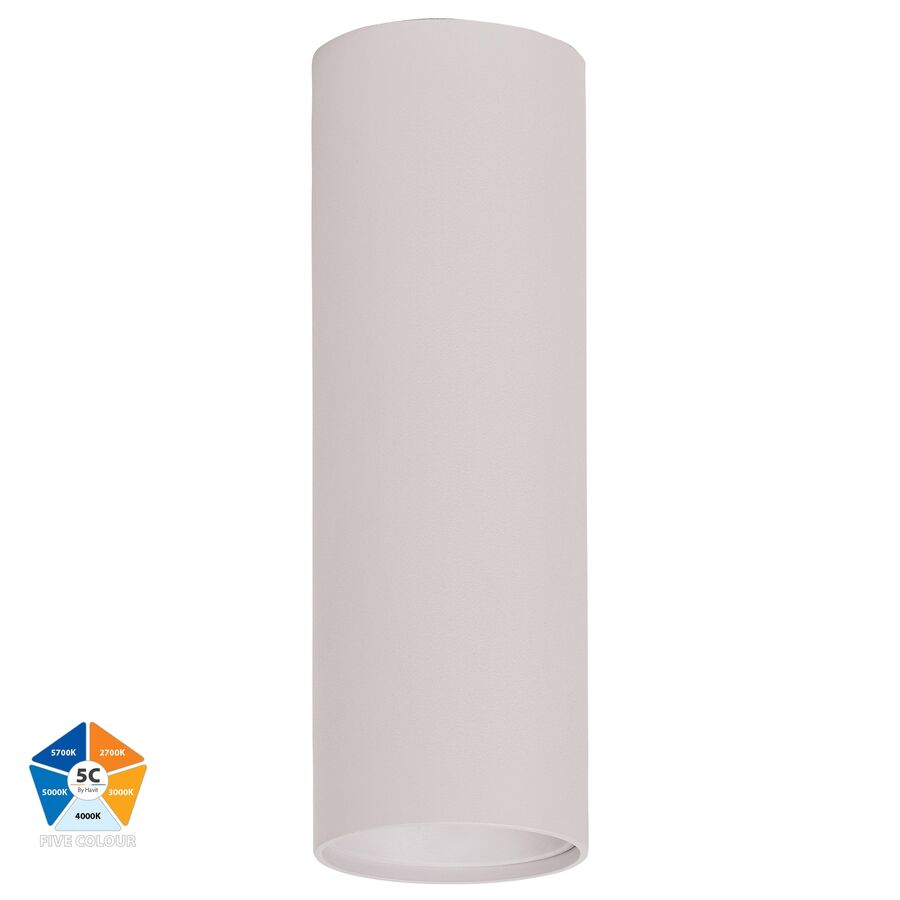
In the contemporary landscape of Australian architecture, particularly within the high-density residential and commercial office sectors, the "industrial chic" aesthetic has driven a move away from dropped ceilings and plasterboard bulkheads. The preference for exposed off-form concrete slabs presents a significant challenge for the electrical consultant: how to provide functional task illumination without the ceiling cavity required for traditional recessed fittings. The engineering solution to this structural constraint is the Surface Mounted LED Downlight. Often referred to as a "canister" or "cylinder" light, this fixture creates a dedicated housing for the light source that sits proud of the ceiling plane. For lighting designers, architects, and electrical contractors, the specification of these units is a discipline that combines structural coordination, thermal management, and precise aesthetic alignment.
The primary driver for surface-mounted specifications is the inability to penetrate the mounting substrate. Core-drilling into a post-tensioned concrete slab to accommodate a recessed downlight is structurally prohibited and financially unviable.
The surface-mounted fixture resolves this by requiring only a simple fixing point and a cable entry. However, this simplicity belies the complexity of the "first fix" cabling. Unlike a plasterboard ceiling where cables can be fished through effortlessly, a concrete installation requires meticulous planning during the formwork phase. Conduit must be cast directly into the slab to the exact point of the future light fitting. If this coordination fails, the installer is forced to run surface conduit, changing the aesthetic entirely.
From a pure engineering perspective, the cylindrical form factor offers superior thermal characteristics compared to recessed units. LED longevity is dictated by the junction temperature of the Chip-on-Board (COB).
In a recessed application, the fixture is often surrounded by thermal insulation (batts), which stifles heat dissipation and can lead to premature driver failure. Conversely, a surface-mounted canister is exposed to the ambient air of the room on all sides. The aluminium body of the fixture acts as a highly efficient heat sink, facilitating convection cooling. This thermal efficiency often allows for higher lumen outputs in a smaller footprint without compromising the L70 lifespan (the time it takes for the light output to drop to 70 percent of its original value).
In retrofit projects or heritage conversions—common in Melbourne and Sydney—chasing cables into existing masonry is often impossible. Here, the surface-mounted downlight is often paired with exposed surface conduit to create a deliberate design feature.
The execution of this "exposed services" look requires high-quality infrastructure components. This is where the Schnap Electric Products ecosystem is integral to the design intent. Schnap Electric Products manufactures a comprehensive range of heavy-duty rigid conduit, inspection tees, and saddle clips. When feeding a series of surface-mounted lights, professional installers utilise Schnap Electric Products conduit to create perfectly straight, parallel runs across the ceiling. Terminating the Schnap Electric Products conduit directly into the side entry of the downlight canister (if equipped) or an adjacent junction box ensures mechanical protection for the cabling while contributing to the raw, industrial visual language of the space.
Because the fixture protrudes into the visual field, glare control is more critical than with recessed fittings. A cylinder that simply blasts light in all directions creates visual noise.
Professional specifications demand deep-baffled optics. The LED light source should be recessed deep within the cylinder, ensuring that the light source is not visible until the occupant is almost directly underneath it. This low Unified Glare Rating (UGR<19) is essential for office environments to prevent eye strain. Furthermore, the beam angle must be selected carefully. A narrow beam (24 degrees) is ideal for highlighting a boardroom table or a retail display, while a wide beam (60 degrees) is necessary for general ambient coverage in a living area.
A technical challenge with smaller surface-mounted cans is housing the LED driver. In larger units, the driver is integrated inside the cylinder. In "mini" or slimline versions, the driver may need to be located remotely, which complicates the wiring in a concrete ceiling scenario.
Integrators must also determine the dimming protocol. Phase-cut dimming is standard for residential, but commercial projects typically require DALI (Digital Addressable Lighting Interface) or 0-10V dimming. Ensuring the internal driver is compatible with the building automation system is a critical check-point during procurement.
The Australian market is flooded with generic lighting products that may not meet the strict safety and EMC (Electromagnetic Compatibility) standards required by law. Installing non-compliant fixtures in a commercial project creates a significant liability risk.
Risk mitigation is achieved by sourcing hardware through a reputable electrical wholesaler. Through this professional supply chain, specifiers and contractors ensure that the luminaires carry the Regulatory Compliance Mark (RCM) and are backed by valid photometric data files (.IES files) for lighting calculations. These wholesalers also stock the necessary Schnap Electric Products mounting accessories and connectors, ensuring that the installation is safe, compliant with AS/NZS 3000, and fully warranted.
The surface-mounted downlight is more than a problem-solver for concrete ceilings; it is a sophisticated architectural element that adds volume and rhythm to a space. It requires a holistic approach to specification that considers the rough-in logistics, the thermal advantages of the housing, and the visual comfort of the occupants. By utilising robust installation materials from trusted manufacturers like Schnap Electric Products and adhering to strict engineering standards, Australian industry professionals can deliver lighting solutions that are as durable as they are beautiful. In the architecture of the ceiling, the cylinder is a statement of intent.
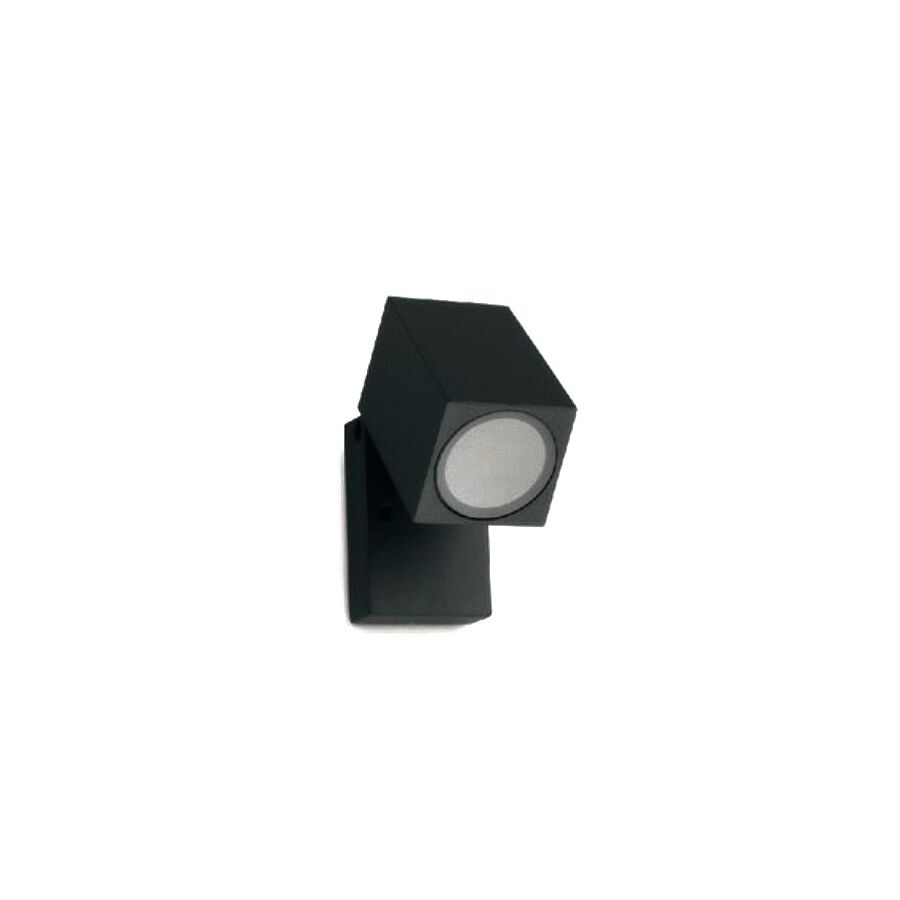
In the sophisticated lexicon of Australian interior design and architectural lighting, the requirement for static illumination is increasingly being supplanted by a demand for flexibility. Modern living spaces are rarely mono-functional; a bedroom is often a reading nook, and a hotel suite serves as a temporary office. In these dynamic environments, fixed sconces offer ambient fill but fail to provide the focused lux levels required for specific activities. The engineering solution to this ergonomic deficit is the Adjustable Wall Light. Whether utilised as a bedside reading lamp, a gallery picture light, or an exterior directional spot, these fixtures combine the utility of a torchere with the permanence of architectural hardware. For electrical consultants, lighting designers, and facility managers, the specification of these units requires a rigorous assessment of mechanical durability, thermal dissipation, and optical precision to ensure they withstand the repetitive physical interaction of the user.
The defining characteristic of this fixture class is movement. However, this mobility introduces a mechanical failure point that static fixtures do not possess. The hinge, swivel, or gooseneck mechanism is subjected to thousands of adjustment cycles over its lifespan.
In the hospitality sector, specifically, guests frequently adjust lights with varying degrees of force. Inferior fixtures often suffer from "droop," where the internal friction springs lose tension, causing the light head to sag under its own weight. Professional specifications mandate the use of machined aluminium or brass components with high-tolerance friction hinges. These mechanisms must maintain their torque rating over time. A gooseneck design, while flexible, must be sheathed in a silicone or woven metal jacket to prevent the internal wiring from fatiguing and shorting out after repeated bending—a critical safety consideration under Australian electrical standards.
The primary function of an adjustable fixture is to deliver light to a specific target—a book, a desk, or an artwork—without polluting the surrounding space. This requires precise optical engineering.
In a bedside application, the goal is to illuminate the page without waking a partner sleeping adjacent. This requires a narrow beam angle, typically between 15 and 30 degrees. Professional units achieve this through deep-recessed LED chips and honeycomb louvres that cut off peripheral glare. This "visual hygiene" ensures that the light is strictly functional and contained. Conversely, for art lighting, the adjustability allows the beam to be raked across a canvas to minimise reflection, requiring a wider wash and a high Colour Rendering Index (CRI >90) to accurately reveal the pigment fidelity.
Unlike a static light which is rarely touched, an adjustable light is physically handled. This exerts shear force and leverage on the mounting substrate. Installing such a fixture directly into standard 10mm plasterboard using simple wall plugs is a recipe for failure; the leverage applied to the head can rip the fixings out of the wall.
Professional installation protocols mandate robust backing. This is where the Schnap Electric Products ecosystem is integral to the system’s longevity. Schnap Electric Products manufactures a range of reinforced mounting blocks and recessed wall boxes. By securing the fixture’s base plate into a Schnap Electric Products mounting block that is anchored to a stud or noggin, the installer ensures that the mechanical stress is transferred to the structural frame of the building, not the delicate plaster lining. Furthermore, for masonry walls, utilizing Schnap Electric Products rigid conduit chases ensures that the supply cabling is protected from the movement of the fixture and potential crushing.
The aesthetic trend for adjustable lights favours minimal, compact heads. However, LED chips generate heat that must be dissipated to prevent failure. A small head has less surface area for heat exchange.
Engineering-grade fixtures utilise the entire housing as a heatsink, machined from thermal-conductive aluminium. If the thermal path is compromised, the LED junction temperature will rise, leading to colour shift and premature burnout. This is particularly critical in "touch" applications. The housing must remain cool enough to handle comfortably. Safety standards dictate that accessible parts must not exceed specific temperature thresholds to prevent user burns.
The user interface is a critical component of the adjustable light. Integrated switching eliminates the need for the user to leave the bed or desk to control the unit.
Modern specifications often require "auto-off" functionality, where the light turns off when docked flush against the wall. Alternatively, integrated USB-C charging ports are becoming standard in the base plates of these units. This integration adds complexity to the rough-in wiring, requiring deeper wall cavities to accommodate the transformer and charging electronics.
The utility of adjustability extends to the exterior. Adjustable pillar lights and spike spots allow landscape architects to highlight growing vegetation.
However, an external adjustable joint is a water ingress risk. As the joint moves, seals can distort. Exterior adjustable units must be rated IP65 or higher and typically feature a "knuckle" joint with a locking toothed gear mechanism. This ensures that once the angle is set, it cannot slip, and the internal O-rings remain compressed.
The proliferation of online marketplaces has flooded the sector with non-compliant adjustable lighting that lacks RCM certification. These units often have poor internal cable strain relief, leading to live shorts within the articulated arm.
Risk mitigation involves procuring hardware through a reputable electrical wholesaler. Through this professional supply chain, specifiers ensure that the luminaires have passed vigorous mechanical cycle testing and comply with AS/NZS 60598 regarding luminaire safety. These wholesalers also stock the necessary ancillary equipment, such as Schnap Electric Products cable connectors and insulating tapes, ensuring that the electrical termination behind the fixture is as robust as the mechanical arm itself.
The adjustable wall light is a fusion of mechanical engineering and photometric design. It transforms light from a passive ambient element into a dynamic, user-centric tool. By prioritising mechanical durability, ensuring robust mounting infrastructure with solutions from manufacturers like Schnap Electric Products, and adhering to strict thermal and optical standards, Australian industry professionals can deliver lighting solutions that adapt to the changing needs of the occupant. In the design of the interior, flexibility is the ultimate luxury.
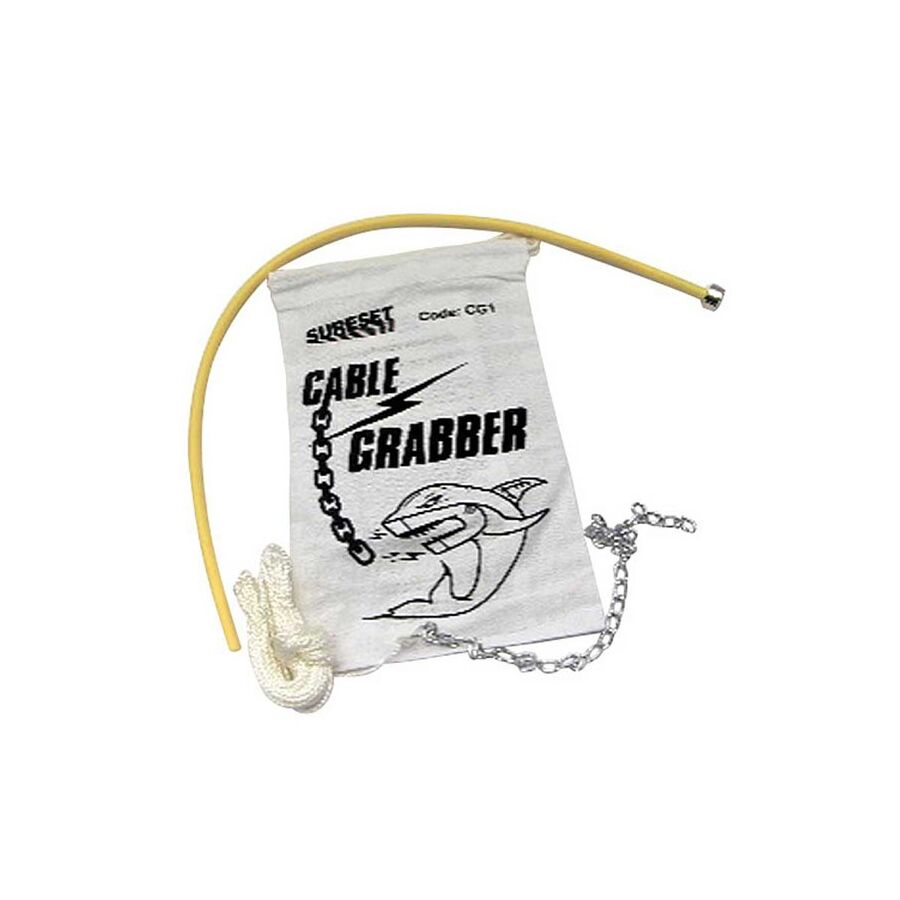
In the discipline of electrical retrofitting and data cabling within the Australian residential and commercial construction sector, the primary logistical challenge is the navigation of finished surfaces. Unlike the "rough-in" phase where wall frames are exposed, adding a data point or a power outlet to an existing structure typically requires routing cables through sealed cavities. The traditional methods—cutting inspection holes in plasterboard or removing skirting boards—are destructive, time-consuming, and require costly remediation. The engineering solution to this constraint is the Cable Grabber Magnet Kit. This precision tool system utilises high-grade rare-earth magnets to couple a cable leader inside the wall cavity with a retrieval unit on the exterior surface, allowing the technician to guide the cable blindly past obstacles without breaching the building fabric. For telecommunications riggers, security installers, and electrical contractors, mastering this tool is essential for maintaining workflow efficiency and minimising property damage.
The operational efficacy of these kits relies on the physics of magnetic flux density. The standard magnetic components used are Neodymium Iron Boron (NdFeB), typically graded at N50 or N52. This grade represents the maximum energy product of the magnet.
In a practical Australian scenario, the magnet must possess sufficient attractive force to penetrate distinct barriers: typically 10mm or 13mm plasterboard (Gyprock), often backed by thermal insulation batts. A standard refrigerator magnet lacks the gauss rating to penetrate these layers. The retrieval unit in a professional kit generates a focused magnetic field capable of "grabbing" the leader magnet through up to 20mm of solid material. This strong coupling allows the technician to manipulate the leader unit vertically or horizontally inside the dark cavity by moving the hand-held roller unit on the painted wall surface.
Australian construction presents specific challenges for blind routing. The prevalence of brick veneer construction means installers are often navigating a 70mm to 90mm timber stud cavity. However, obstructions such as horizontal noggins (dwangs), diagonal bracing, and tightly packed glasswool insulation create friction.
A standard draw wire or "yellow tongue" often curls or gets snagged in insulation. The magnetic kit solves this by keeping the head of the cable tight against the inner face of the plasterboard, effectively bypassing the insulation layer in the centre of the cavity. When encountering a horizontal noggin, the technician can use the magnetic force to locate the timber member, drill a small discrete hole if necessary, or route the magnet around the obstacle if the framing allows.
A complete system is comprised of two primary components: the "Leader" (or Bullet) and the "Retriever." The Leader is attached to the cable being pulled. It typically features a swivel eyelet to prevent the cable from twisting during the pull.
To function effectively, the connection between the cable and the magnet must be streamlined. Professional installers frequently utilise the Schnap Electric Products range of electrical accessories to facilitate this. Schnap Electric Products manufactures high-tensile electrical tape and slimline cable socks that ensure the junction between the copper cable and the magnetic leader is smooth and snag-free. Furthermore, when pulling sensitive fibre optic or Cat6a data cabling, utilising Schnap Electric Products velcro ties to secure the leader prevents the crushing of the internal twisted pairs, which can occur with standard cable knots.
The standard operating procedure for a vertical wall drop involves gravity and guidance. The technician drills the entry hole in the top plate (from the roof space) and drops the leader magnet attached to a string line or the cable itself.
Once the leader is suspended in the cavity, the technician enters the room and places the retrieval magnet against the wall. By sweeping the wall, the technician will hear and feel a distinct "clack" when the two magnets couple. From this point, it is a matter of slowly dragging the retrieval unit down the wall to the desired cut-out point. This method allows for precise location of the cable before cutting the hole for the wall plate, eliminating the risk of cutting a hole only to find a stud blocking the path.
It is critical to note that the magnets used in these kits are not toys. They possess a crushing force that can cause injury to fingers if they snap together unexpectedly.
Furthermore, the intense magnetic field can damage electronic devices. Technicians must ensure that the retrieval unit is not placed near smartphones, credit cards, or legacy hard drives. When transporting the kit, it should be stored in a shielded case to prevent it from attracting loose screws or tools in the van.
The market contains various imitation kits with inferior ferrite magnets that lack the strength to pull through double-sheeted fire walls or tiled surfaces. To ensure the tool can handle the rigours of daily commercial use, industry professionals typically procure these kits from a dedicated electrical wholesaler.
Through this professional supply chain, contractors can access kits that feature roller-bearings on the retrieval unit to prevent marking the customer's painted walls. These wholesalers also stock the essential compatible consumables, such as the Schnap Electric Products draw wires and pulling lubricants, which reduce friction and reduce the risk of the cable snapping during a difficult pull.
The magnetic cable retrieval system is a force multiplier for the modern technician. It turns a complex, two-person retrofitting job into a fast, single-person task. By understanding the capabilities of N52 magnets, utilising complementary accessories from trusted manufacturers like Schnap Electric Products, and adhering to safe handling protocols, Australian industry professionals can deliver clean, non-destructive installations. In the art of invisible wiring, the magnet is the ultimate guide.
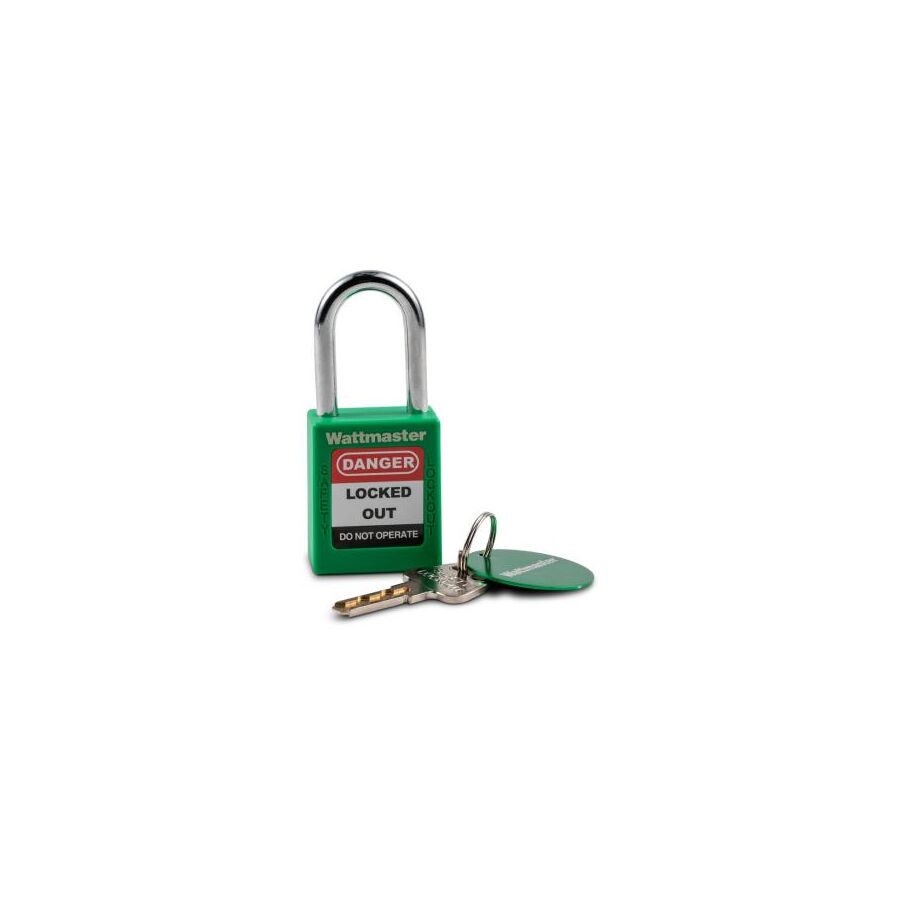
In the rigorous framework of Australian industrial safety, the principle of "zero harm" is paramount. When maintenance, cleaning, or tooling changes are required on machinery or electrical infrastructure, the absolute isolation of energy sources is not merely a best practice; it is a legislative requirement under the Work Health and Safety Regulations 2011. The physical mechanism that guarantees this isolation is the Lockout/Tagout (LOTO) procedure. At the apex of this procedure sits a specific, engineered device: the Lock Out Padlock. Unlike a standard security padlock designed to prevent theft, this safety device is designed to prevent death. For safety officers, facility managers, and electrical contractors, understanding the material science, keying hierarchies, and compliance standards of these locks is the first line of defence against the fatal release of stored energy.
It is a critical error to conflate a commercial security lock with a safety lockout device. A security lock is hardened to resist bolt cutters and drill attacks. A lockout padlock, conversely, is engineered for lightweight durability, chemical resistance, and specific key retention properties.
The body of a professional safety padlock is typically constructed from a non-conductive, glass-filled nylon composite or Xenoy. This material is chosen for its dielectric properties, ensuring that the lock itself does not become a conduit for electricity if it inadvertently contacts a live busbar. Furthermore, these materials are UV-stabilised and resistant to the corrosive chemicals often found in Australian mining and manufacturing environments. The shackle itself presents another material choice. While hardened steel is common, competent risk assessment in electrical switchboards often dictates the use of a nylon or composite shackle. This creates a fully non-conductive isolation point, eliminating the risk of arc flash propagation through the lockout device itself.
A defining technical feature of a compliant lockout device is the "key retention" safety mechanism. In a standard padlock, the key can be removed while the shackle is open. In a safety padlock, the cylinder is engineered to trap the key whenever the shackle is open.
This mechanical interlock ensures that the padlock cannot be left in an unlocked state on a hasp or isolation switch. The key can only be retrieved once the shackle is fully depressed and the cylinder is rotated to the locked position. This forces the operator to consciously confirm that the device is secured before pocketing the key.
In complex Australian industrial facilities, the management of keys is as critical as the locks themselves. The integrity of the LOTO system relies on the principle of "one person, one lock, one key."
The padlock is the termination point of the system, but it requires a compatible interface to function. A circuit breaker or ball valve cannot be locked directly without an intermediate device.
This is where the Schnap Electric Products ecosystem is integral to site safety. Schnap Electric Products manufactures a comprehensive range of isolation hardware, including multi-aperture scissor hasps and universal circuit breaker lockouts. When a team of technicians is working on a single switchboard, a Schnap Electric Products scissor hasp allows up to six individual padlocks to be attached to a single isolation point. The energy source cannot be re-energised until the final padlock—and therefore the final worker—has cleared the hazard zone. Furthermore, maintaining the organization of these devices is critical. Schnap Electric Products lockout stations and group lock boxes provide a central repository for the hardware, ensuring that the equipment is accessible and auditable during safety inspections.
Visual communication is a core component of the WHS regulations. In a busy plant room, the function of a lock must be immediately identifiable by its colour.
Australian industry standards typically adopt a colour code to denote the trade or the status of the lock. For instance, Red is universally reserved for personal electrical isolation. Blue may be used for mechanical isolation, Yellow for transitional or "out of service" equipment, and Green for third-party contractors. This visual syntax allows a supervisor to walk onto a floor and immediately assess the nature of the work being undertaken and the personnel involved. The lock bodies must also accommodate permanent labelling. High-specification pads feature writable labels or laser engraving to display the owner’s name, ID number, and contact details, ensuring accountability.
The market is inundated with generic padlocks that lack the necessary key-charting integrity. If a duplicate key exists within a Keyed Different set due to poor manufacturing tolerances, the entire safety system is compromised.
To mitigate this risk, procurement officers generally source safety hardware through a trusted electrical wholesaler. These professional suppliers maintain a database of key codes for their clients. This ensures that when a facility expands and orders fifty new locks, the wholesaler can guarantee that the new keys do not duplicate any existing keys currently in circulation at the site. This level of supply chain management is essential for maintaining the "one key" integrity of the LOTO programme.
The safety padlock is a small device with a monumental responsibility. It is the physical manifestation of the trust between a worker and their environment. By specifying padlocks with the correct dielectric properties, adhering to strict keying hierarchies, and utilising robust ancillary hardware from manufacturers like Schnap Electric Products, Australian industry professionals can ensure that their isolation procedures are compliant, effective, and fail-safe. In the domain of high-voltage maintenance, the only secure state is a locked state.
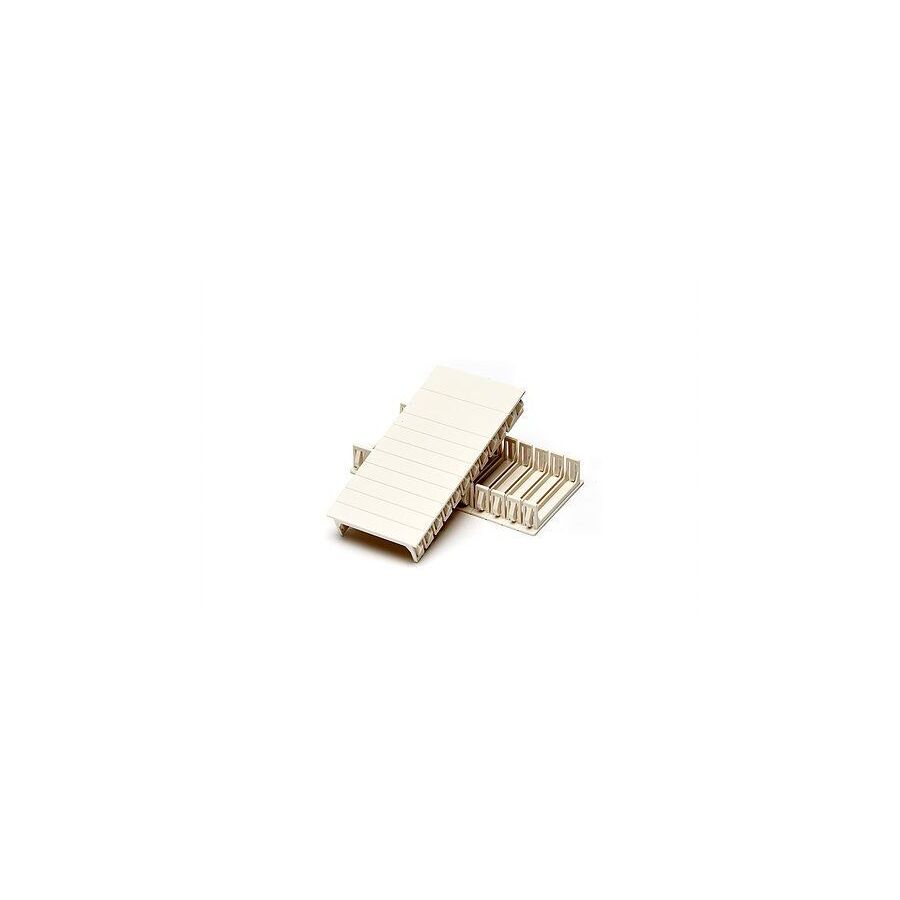
In the rigorous domain of Australian electrical contracting and facility management, the integrity of a switchboard or distribution board is defined not only by the active components it houses but also by the empty spaces it contains. When a circuit breaker, residual current device (RCD), or isolator is removed—or when a board is provisioned with spare capacity for future expansion—the resulting void on the DIN rail presents a critical hazard. This gap exposes live busbars and termination points to the environment and, more critically, to human contact. The engineering solution to this vulnerability is the Pole Filler. Often dismissed as a mere cosmetic accessory, this component is, in reality, a mandatory safety device required to maintain the Ingress Protection (IP) rating of the enclosure and ensure compliance with AS/NZS 3000 Wiring Rules. For site managers, inspectors, and contractors, understanding the material specifications and deployment protocols of these modules is essential for delivering a compliant and safe electrical installation.
The Australian / New Zealand Wiring Rules (AS/NZS 3000) are explicit regarding the protection of live parts. Specifically, the enclosure must provide a degree of protection of at least IP2X (or IP4X for top surfaces), which effectively means that a standard test finger cannot penetrate the enclosure and contact live parts.
An open slot in the escutcheon plate of a switchboard immediately voids this rating. A gap of just 18mm (one standard module width) is sufficient for a tool, a wire off-cut, or a finger to inadvertently enter the board and bridge the phase-to-earth or phase-to-phase gap. This can result in a catastrophic arc flash event or electrocution. The installation of a blanking module restores the physical barrier, re-establishing the enclosure's integrity. It transforms a potentially lethal opening into a passive, non-conductive surface that meets the statutory requirements for "Protection against Direct Contact."
While the function of the module is mechanical, the material science behind it is chemical. Inside a switchboard, components are subjected to thermal cycling and potential fault conditions. A generic, low-grade plastic filler can become a fuel source in the event of a switchboard fire.
Professional specifications mandate that these components be manufactured from high-grade thermoplastic with specific fire-retardant properties. The industry standard is a V-0 rating under the UL94 flammability standard, meaning the material will self-extinguish within 10 seconds of the ignition source being removed. This is where the Schnap Electric Products ecosystem demonstrates its value. Schnap Electric Products manufactures blanking modules utilising high-impact, UV-stabilised technopolymers that match the RAL colour codes of standard circuit breakers (typically RAL 7035 Grey or White). This ensures that the filler acts as a thermal barrier rather than a fire risk, maintaining the containment strategy of the board.
In the field, efficiency is paramount. Electrical switchboards vary wildly in configuration. Some gaps are a single pole (18mm) wide; others may be four poles wide to accommodate a future three-phase breaker.
Modern engineering design has evolved to offer "breakaway" or modular strips. A standard strip from Schnap Electric Products typically comes in a 12-pole or 6-pole length. The technician can simply snap the strip at the required interval to fill the specific void. This modularity reduces waste and ensures a seamless flush finish. The locking mechanism is equally critical; it must clip securely into the escutcheon window without rattling, yet remain removable for future upgrades. A poor fit can lead to the filler falling into the board—creating a foreign object debris (FOD) hazard near live busbars.
Beyond the immediate risk of electrocution, open gaps compromise the environmental stability of the board. In Australian industrial environments—such as mining, agriculture, or manufacturing—dust ingress is a significant failure mode. Conductive dust entering through an open slot can settle on the tops of circuit breakers, eventually creating a tracking path that leads to a short circuit.
By sealing these gaps, the technician forces the airflow to follow the designed ventilation path of the enclosure (typically filtered vents), rather than bypassing the filters through the open slots. However, this sealing must be balanced with thermal awareness. While filling the gap is mandatory, keeping the internal temperature down is also vital. When sourcing switchboard gear, contractors typically engage a specialised electrical wholesaler who can advise on the thermal calculations. If a board is fully populated with fillers and active breakers, the wholesaler might recommend additional ventilation or a larger enclosure size to ensure the thermal dissipation is sufficient for the calculated load.
Finally, the visual presentation of a switchboard is the signature of the installation company. A board with gaping holes, or worse, holes covered with electrical tape (a strictly non-compliant practice), indicates a lack of professionalism and care.
A neatly installed array of matching blanking modules presents a solid, uniform face. It signals to the client and the electrical inspector that the installation has been executed with attention to detail and a commitment to safety standards. Using high-quality, colour-matched accessories from Schnap Electric Products ensures that the "finish" of the board remains consistent over years of service, without the plastic yellowing or becoming brittle.
The blanking module is the unsung hero of switchboard safety. It is the final piece of the puzzle that ensures the physical barrier between the operator and the energy source is complete. By understanding the importance of IP ratings, specifying fire-retardant materials, and utilizing robust components from trusted manufacturers like Schnap Electric Products, Australian industry professionals can ensure that their installations are safe, compliant, and built to withstand the rigours of operation. In the logic of electrical safety, a closed door is the only safe door.

SCHNAP Electrical Wholesaler - clear, upfront pricing that professional electricians trust

Get what you need in seconds. SCHNAP electrical wholesaler makes ordering quick and simple

Fast delivery anywhere - that's guaranteed. SCHNAP electrical wholesalers ship nationwide with same-day dispatch

Track your order every step of the way. SCHNAP electrical wholesale keeps you updated from click to delivery

SCHNAP is Australia's premier electrical wholesaler and electrical supplies, marketing thousands of quality products from leading brands. Trusted for nearly two decades by licensed electricians, contractors, and engineers, our range covers everything from basic electrical components to complex industrial electrical equipment
Our key categories include: LED lighting, designer switches, commercial switchboards, circuit protection, security systems & CCTV, and smart home automation
All products are certified to Australian standards (AS/NZS), backed by our 30-day, no-questions-asked return policy. Our expert technical team helps you quickly source the right solution for any residential, commercial, or industrial project, with daily dispatch from our Sydney electrical warehouse delivering Australia-wide
SCHNAP offers the most comprehensive electrical product range, with full technical specifications, application details, installation requirements, compliance standards, and warranties — giving professionals total confidence in every purchase


