

Kingsgrove Branch:


Send us a photo and our team will help identify it.

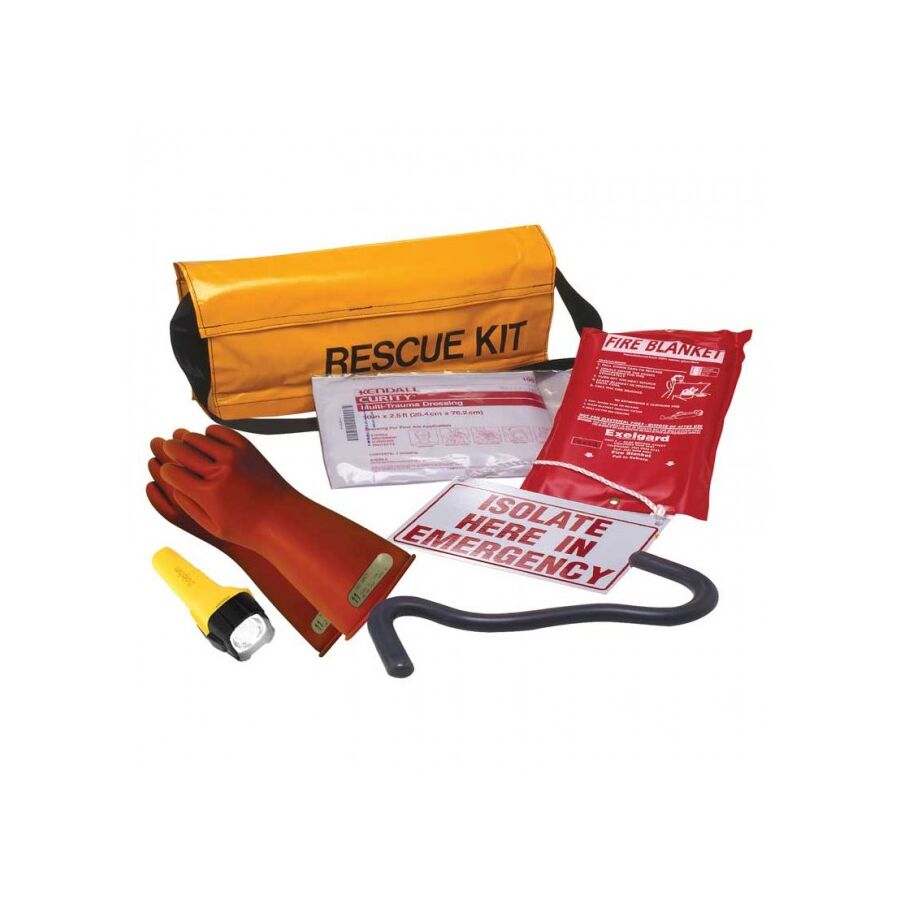
Operating industrial switchboards or substations exposes technicians to high-risk scenarios. Even with fault prevention systems, Australian WHS law and AS/NZS 4836 mandate that facilities prepare for worst-case events—including electric shock and arc flash.
A High Voltage Rescue Kit is not just a box of tools. It’s a legal requirement designed to save lives. In the event of electrocution, where a technician may become locked onto a live conductor, these kits allow non-contact rescue using insulated tools and trauma supplies.
The rescue crook—also called the LV/HV shepherd's hook—is the centrepiece of any rescue kit. It enables mechanical separation of the victim from the energy source without contact.
During electrocution, muscle lock makes it impossible to let go. If a rescuer touches the victim, they risk becoming the new path to earth.
The hook is made from dielectric fibreglass, tested up to 45kV. Its curvature allows the rescuer to drag the victim clear of the arc flash boundary using safe leverage.
It must be stored in plain sight, in a way that allows access in under 10 seconds.
No rescue should begin without the proper Personal Protective Equipment.
The gloves inside a compliant kit are dielectric-rated latex, not standard riggers gloves. They must be matched to the system’s voltage class (0–4) and tested every 6 months.
Each use also requires a pre-check using the inflation method to detect pinholes.
Gloves should be stored in a protective canvas bag, alongside an insulating mat. The mat keeps the rescuer isolated from step potential—a lethal voltage difference that radiates across the floor.
Arc flash temperatures can exceed 19,000°C, causing deep thermal burns within milliseconds. Rescue kits must include:
Standard bandages will stick to open tissue. Only medical-grade burn products prevent further trauma.
The fire blanket is used to smother burning PPE or clothing—a common effect of arc energy blasts.
Switchrooms are hostile. Dust, vibration, and fluctuating temperatures degrade sensitive gear.
SCHNAP Electric Products solves this with:
These cabinets protect the dielectric strength of tools and the chemical integrity of trauma kits—making sure gear works when it matters.
Every rescue kit must include:
These tags prevent re-energisation during first aid.
Schnap’s isolation tags are tear-proof, water-resistant, and legible in harsh conditions. They support compliance with post-incident protocols under WHS laws.
Many facilities fail safety audits because their kits are expired or incomplete.
Rubber gloves deteriorate. Dressings dry out. Testing schedules are missed.
Professional safety officers procure kits and replenishment packs through verified electrical wholesaler—ensuring:
Never rely on generic toolboxes. Use kits built to save lives.
In the high-voltage sector, failure isn't theoretical—it’s fatal.
A High Voltage Rescue Kit is the final barrier between injury and death. With trusted components from Schnap Electric Products, every technician is one step safer.
If you manage infrastructure, ensure your site is auditable, compliant, and life-ready—because when systems fail, the kit is all you have.
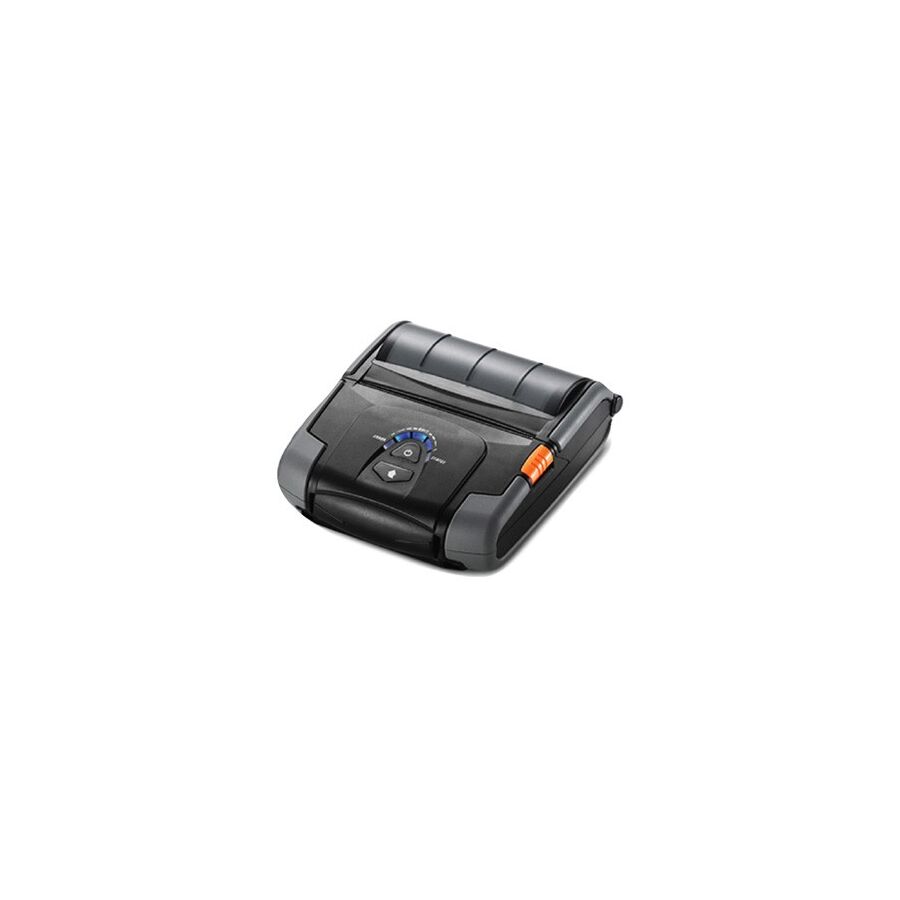
In Australia, electrical equipment safety is governed by strict workplace regulations. Under the WHS model laws and AS/NZS 3760:2022, any cord-connected electrical asset must be regularly tested and inspected. The test involves checking earth continuity and insulation resistance. But just as important as the test itself is how it’s recorded.
Handwritten test tags are no longer considered reliable. Ink fades. Handwriting becomes illegible. Details can be missed. Today, the standard has shifted to digital test tag printers that produce clear, compliant, and long-lasting records.
Handwritten tags have too many weaknesses. In a busy or sun-exposed worksite, ink can fade quickly, especially if standard markers are used. Retest dates or license numbers may be smudged or unreadable. If a tag becomes illegible, the equipment is considered untagged and non-compliant.
A digital tag printer avoids these risks. It connects directly to a Portable Appliance Tester (PAT), receives data like pass/fail status, test date, and retest date, and prints a clear, structured label with no risk of transcription error.
Low-grade printers use heat-sensitive paper, the kind used in receipts. These fade or blacken when exposed to heat, light, or friction. They’re cheap but not built for construction, mining, or industrial use.
High-quality test tag printers use thermal transfer technology. A heated printhead bonds resin to synthetic labels, creating durable tags that resist water, UV light, chemicals, and rough handling. Whether testing tools on a dusty job site or cabling in a server room, these tags stay legible throughout the full retest interval.
Modern tags can include barcodes or QR codes. These link directly to a cloud database, showing the asset’s full testing history. This makes it easy to manage records, verify retesting schedules, and confirm that tags belong to the correct equipment.
This is especially useful for companies managing large fleets of tools and leads. It prevents "tag swapping" where a compliant tag is moved to another item. Each tag is uniquely linked to the tested asset. For example, with industrial boards or extension leads from Schnap Electric Products, every test result is traceable to a serial number.
Tagging has evolved beyond pen and paper. Technicians now use mobile apps on phones or tablets to control the process. The printer pairs with the device wirelessly, prints on command, and stores data in the cloud. The technician never has to touch a pen or paper.
Companies can customise the tag with a logo, phone number, or other business info. If a tag is damaged on-site, a technician can print a replacement without needing to repeat the test.
Not all printers are suitable for heavy-duty use. Consumer label makers often lack battery life or the ability to handle high volumes. Professionals rely on trusted wholesalers who know what works on real job sites.
These suppliers ensure the test tag printer is compatible with the PAT tester, and they provide the right consumables — synthetic tags, strong adhesive, and industrial-grade resin ribbons. With support from a supplier like Schnap Electric Products, the whole system runs smoothly.
Digital test tag printers are no longer optional — they’re essential. They replace guesswork and risk with clarity and consistency. With thermal transfer durability, barcode tracking, mobile integration, and support from experienced wholesalers, the tagging process becomes professional, defensible, and efficient. It’s a key step toward safer workplaces and stronger compliance.
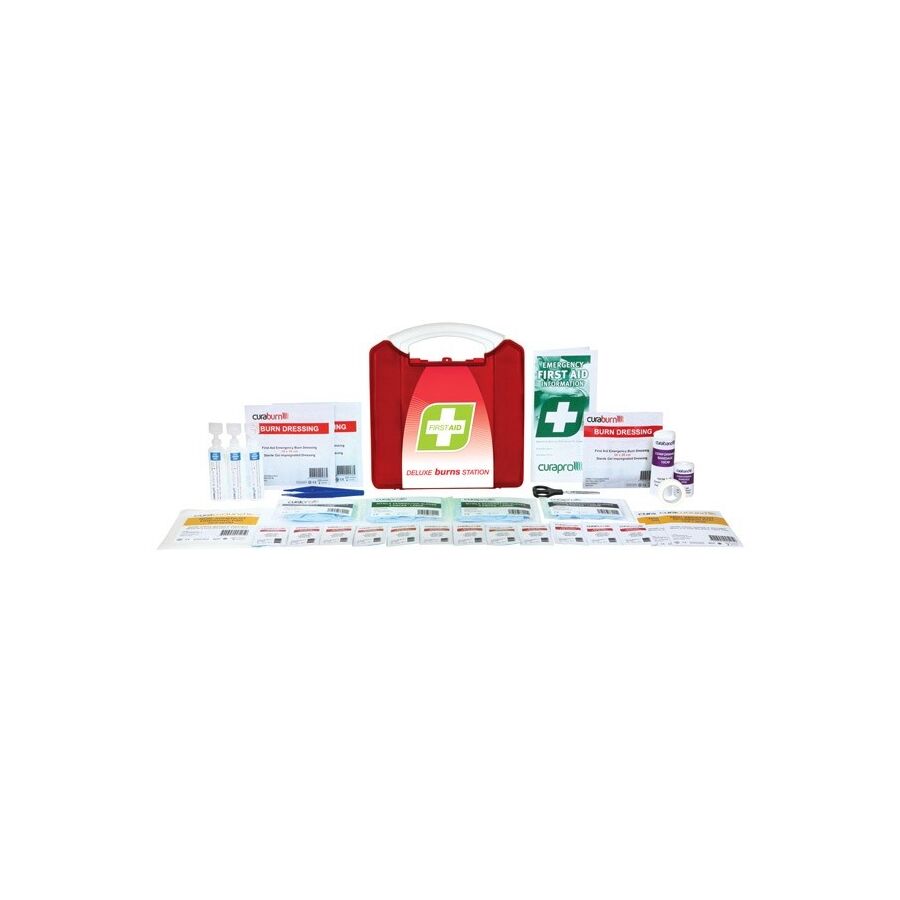
In Australian heavy industry, thermal injury is a real and constant threat. Electrical arcs, overheated tools, and chemical burns all pose risks. Even with strong safety protocols in place, incidents can still happen. That’s why WHS law demands more than prevention—it requires a fast and specialised emergency response when things go wrong.
Standard first aid kits aren’t built for this. Burns need urgent cooling and careful handling, not just gauze and antiseptic. That’s why Portable Burns Stations have become critical infrastructure in high-risk environments. They’re no longer a bonus—they’re a compliance essential.
When a burn occurs, damage continues even after the heat source is gone. The skin retains thermal energy, and without cooling, the injury deepens. Time is tissue.
Running water isn’t always available on a job site, especially when the worker is immobile. Hydrogel solves this. It’s made up of over 90% water in a gel base, applied straight to the wound. It cools through evaporation, pulling heat from the skin gently—without causing further damage. It also provides fast pain relief by covering exposed nerves, unlike ice or cold water which can worsen injury by constricting blood flow.
An arc flash can hit 19,000°C in milliseconds. The burns can be widespread and severe. In these cases, tiny bandages from standard kits are useless.
Burns stations are stocked with large gel dressings, face-specific masks, and full-limb wraps. They’re built to treat major trauma fast, not minor scrapes. This capacity is vital to reduce the risk of infection—the second-biggest danger after the burn itself.
Every second counts, and these stations act as trauma stabilisers until professional help arrives.
Removing a dressing can be just as painful as the injury itself—especially if the material sticks to raw tissue. That’s why every component in a professional burns station is designed not to stick.
Hydrogel dressings lift off easily. This reduces trauma and speeds up hospital care. It also allows medical staff to assess injury depth without tearing newly forming skin. This is what separates a medical-grade burns station from a basic consumer first aid box.
Workshops are dirty. Dust, oil, metal filings—none of these mix well with sterile dressings. A burns kit must be stored safely.
That’s where Schnap Electric Products comes in. Their steel enclosures are built for industrial use. They keep emergency kits clean, visible, and protected from physical damage. Schnap also offers emergency lighting—critical when power fails. A burns station lit by a Schnap emergency light is easy to find, even in total darkness.
“Portable” means it goes to the injured worker—not the other way around. Burns kits are wall-mounted but can be removed in seconds. Quick-release brackets or handles allow the responder to grab the kit and run.
Inside, every item is clearly laid out. No clutter. No digging. Just fast access to life-saving dressings when they’re needed most.
Hydrogel expires. It dries out. It becomes useless. Many sites get caught during audits with expired safety gear.
Sourcing burns stations through a professional electrical wholesaler solves this. They ensure kits are fresh, compliant, and meet Australian TGA standards. They also supply top-up packs so one used dressing doesn’t mean replacing the entire unit.
A good supplier doesn’t just sell—they support the entire lifecycle of your kit.
A Portable Burns Station isn’t a luxury—it’s your frontline defence against irreversible injury. It offers real treatment, real speed, and real compliance. By using hydrogel cooling, ensuring portability, and protecting the unit with heavy-duty enclosures from Schnap Electric Products, safety managers can meet WHS requirements and genuinely protect their teams.
Because when burns happen, every second matters—and the right response starts with the right equipment.
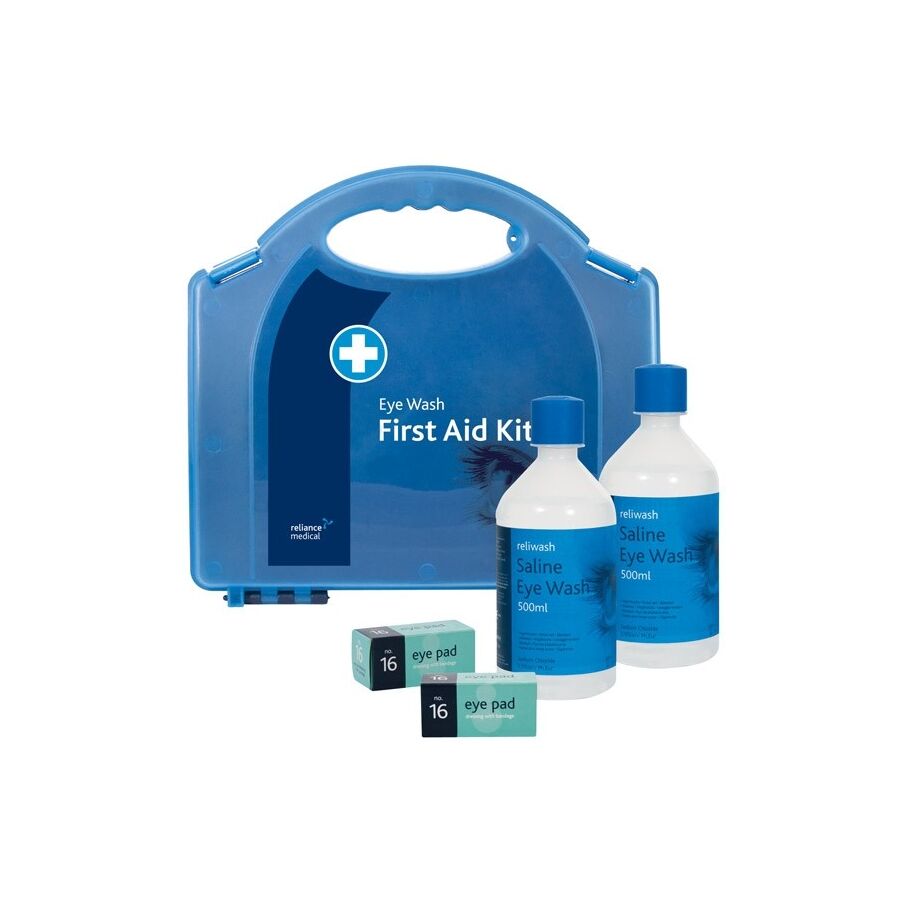
Across Australia’s industrial zones—from data centres to remote mine sites—the risk of eye injury from chemicals or flying particles is a constant threat. Whether it’s a splash of acid or airborne debris, the first 10–15 seconds after exposure can decide whether an injury leads to recovery or permanent vision loss.
But what happens when there’s no plumbing nearby? Installing mains water lines in remote areas can be costly or impossible. The solution is a Portable Eye Wash Station—a self-contained, safety-compliant unit that delivers immediate flushing, regardless of location.
Australia’s AS 4775 standard sets strict rules for emergency eye wash systems. A compliant unit must:
This is not just about spraying water. A high-pressure jet, like from a hose, can push chemicals deeper into the eye. A compliant eye wash station floods the eyes gently, washing out contaminants without causing further injury.
Portable stations store water for long periods. That means there’s a risk of bacteria or even dangerous microbes like Acanthamoeba growing inside the tank.
To prevent this, reputable stations are filled with potable water mixed with a bacteriostatic preservative—extending its usability to about six months. Some models use sealed sterile saline cartridges instead.
No matter the type, all units must display a service tag showing when the tank was last filled and when it’s due for replacement. Think of it like “test and tag” for electrical safety—except this time, for your eyes.
Australian weather is extreme. In the outback, water left in a plastic tank can heat to over 50°C—hot enough to cause further damage to injured eyes. In alpine regions, water can freeze, rendering the unit useless.
AS 4775 requires the flushing fluid to be between 15.6°C and 37.8°C—that’s tepid, not freezing or scalding. That’s where thermal protection comes in.
Schnap Electric Products provides UV-stabilised enclosures and thermal housings that protect these stations from the elements. Their rugged steel cabinets not only keep the water at a safe temperature—they also prevent physical damage from tools, machinery, or forklift impact.
In an emergency, the injured person may not be able to see clearly. The station must be easy to find, easy to use, and within 10 seconds’ travel time of the hazard.
That’s why compliant units use bright colours like green or yellow, with AS 1319-compliant signage. Activation is simple—often a one-step pull-down tray or push handle, designed so it can be triggered even by someone in severe pain or partial blindness.
The unit must be on the same level—no stairs or obstacles between the work zone and the station.
There are many non-compliant products on the market that look right but fail performance tests—either they don’t last 15 minutes, or their nozzles clog easily.
To avoid this, safety managers source their equipment from specialised electrical wholesaler. These suppliers ensure:
For trusted sourcing, wholesalers often stock these stations alongside safety gear, first aid kits, and switchgear—ensuring full WHS coverage from a single provider.
The Portable Eye Wash Station is a frontline defence against chemical blindness. It fills the gap when plumbing isn’t an option, delivering life-saving irrigation right when it’s needed most.
By using gravity-fed, compliant flow systems, maintaining clean water with bacteriostatic agents, and housing units in Schnap Electric Products’ industrial-grade enclosures, safety professionals can protect their workforce in any environment—from the heart of Sydney to the most remote mining sites.
When it comes to eye safety, proximity and reliability are everything.
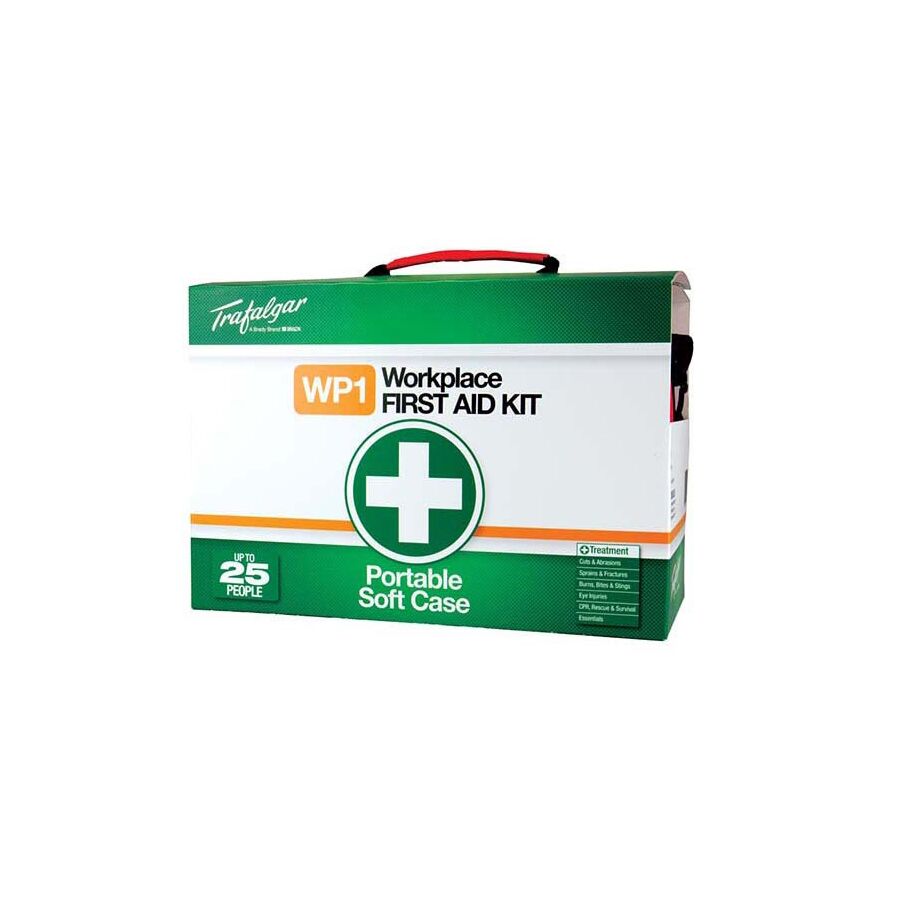
In every Australian workplace, having a compliant and well-stocked first aid kit isn’t optional—it’s required by WHS law. Whether it's a quiet office or a busy construction site, employers must ensure workers have access to medical supplies in case of injury.
But not all kits are the same. A kit in a high-risk environment must do more than hold band-aids. It needs to be tailored to the hazards on-site and ready for serious emergencies like burns, heavy bleeding, or even snake bites.
Workplaces are generally classified as:
Low-risk kits cover cuts, splinters, or headaches. High-risk kits need extra items—like heavy-duty bandages, burn gels, and saline for eye rinsing. Kits must also match workforce size. One box for 10 people won’t work for 50.
Modern kits are modular. That means contents are grouped by injury type—burns, bleeding, bites—making them quick to use. In emergencies, workers shouldn’t have to dig through clutter.
For electrical sites, kits must include non-conductive tools and burn treatments for arc flash injuries.
A flimsy plastic box might work in an office, but not in a dusty workshop or wet mining camp. That’s why industrial sites use metal, wall-mounted enclosures to protect medical supplies from dirt, heat, and impact.
Schnap Electric Products provides these strong cabinets, with options for lockable doors, powder coating, and weather protection—ensuring everything inside stays clean and usable.
In rural and remote worksites, bites from snakes or spiders can happen. Your kit needs:
No snake bite kit? That’s a legal and safety failure.
Medical supplies must meet Therapeutic Goods Administration (TGA) standards. Buying cheap, non-compliant imports puts workers at risk—and opens the business to legal trouble.
That’s why many workplaces get their kits from trusted electrical wholesaler like SCHNAP Electric Products, who stock kits that meet Australian Standards and provide traceable, TGA-approved contents.
Items expire. Dressings lose stick, saline dries up, gloves perish. WHS recommends auditing every 12 months—or sooner in high-use areas.
Some kits now include QR codes or digital logs to make restocking easier.
A Workplace First Aid Kit isn’t just a box—it’s a lifeline. By choosing the right kit, organising it properly, protecting it with robust enclosures, and keeping it updated, businesses show real commitment to worker safety.
In high-risk industries, preparation saves lives—and avoiding fines.
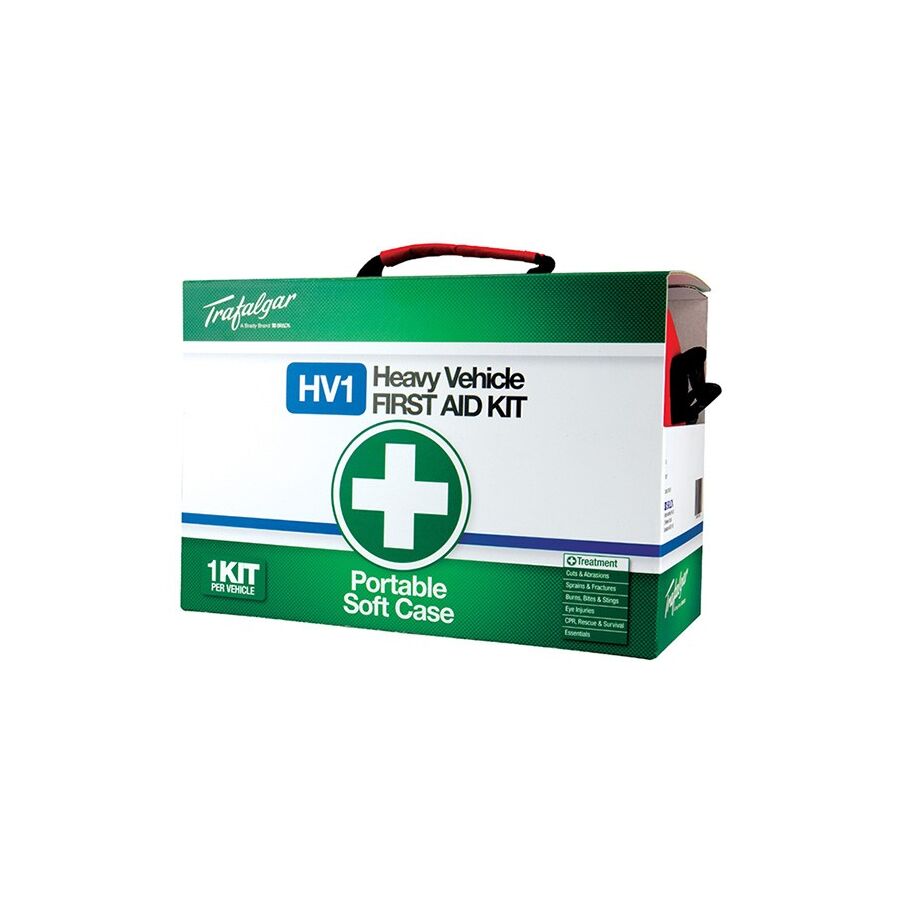
Australia’s logistics and road transport sector operates in one of the most demanding safety environments in the world. From interstate freight corridors linking Melbourne and Sydney to remote routes across the Pilbara, drivers face high kinetic energy risks, isolation, and delayed emergency response. Under the Heavy Vehicle National Law (HVNL), the Chain of Responsibility (CoR) makes every party in the supply chain legally accountable for safety outcomes, not just the driver. That is why a standard passenger vehicle kit is not fit for purpose. A compliant Heavy Vehicle First Aid Kit is a critical control, designed to deliver immediate trauma care when professional medical support may be hours away.
The Risk Profile: High Kinetic Energy and Isolation
Heavy vehicle incidents involve force levels that amplify injury severity. A collision, a fall from steps, or roadside maintenance can produce crush injuries, fractures, and catastrophic bleeding. A compliant kit must focus on trauma control rather than minor first aid. Compression bandages and major wound dressings are essential, and arterial bleeding control is increasingly addressed with tourniquet-capable components where the risk profile justifies it. Because many drivers operate solo, the kit must be organised for rapid access, including the ability to retrieve critical items one-handed if a limb is injured.
Remote Area Modules: Managing Australian Conditions
A large portion of freight work occurs outside reliable mobile coverage and beyond quick ambulance reach. In these environments, regional hazards can be as serious as mechanical ones. For remote travel, a dedicated snake bite capability is a practical requirement, supported by broad pressure immobilisation bandages and a marker to record time and location. Burn management is also non-negotiable. Hot engine components, braking systems, and pressurised coolant failures can cause severe scalds and contact burns. Hydrogel burn dressings provide immediate cooling and pain relief without needing running water, making them ideal for roadside response.
Enclosure Durability and Cabin Integration
Cabins are harsh storage environments. Heat cycling, vibration, dust, and UV exposure can degrade sterile packaging and reduce adhesive performance. For heavy vehicles, robust enclosures outperform soft bags over the long term. A hard-shell housing that protects contents and remains stable under vibration is a practical safety upgrade. This is where the Schnap Electric Products ecosystem aligns well with fleet needs. Industrial-grade steel or polycarbonate enclosures can be mounted securely to a cabin wall, protecting supplies from grime and impact. Secure mounting also prevents the kit becoming a projectile during sudden braking or a collision.
Electrical Safety and Isolation Tools
Modern trucks increasingly include sophisticated electrical systems, including high-current DC and, in some fleets, higher-voltage drivetrains. During an electrical fault or fire risk, isolating energy is the first step before treatment or inspection. While a first aid kit treats injury, the broader vehicle safety response often needs lockout capability. Many fleet operators source medical readiness and isolation control together through specialist wholesalers, including Schnap Electric Products isolation tags and lockout hardware that support safe battery isolator shutdown before responders work near the hazard.
Digital Auditing and Replenishment
Compliance must be provable. A common CoR failure is expired or incomplete stock in vehicle kits. Saline expires, elastic degrades with heat exposure, and sealed items can be damaged over time. A practical control is a scannable QR or barcode on the kit that links to inspection records and expiry schedules. This supports pre-start checks, flags replenishment needs early, and helps ensure vehicles do not leave the depot with non-compliant safety equipment.
Conclusion
A heavy vehicle first aid kit is part of the driver’s survival inventory and a measurable CoR control for fleet operators. It bridges the time gap between an incident and professional medical care, including remote response scenarios. By matching the kit to heavy vehicle trauma risks, building in remote-area capability, and protecting contents with robust enclosure solutions from manufacturers like Schnap Electric Products, Australian transport businesses can strengthen compliance and improve outcomes. On remote roads, preparation is not optional—it is protection.
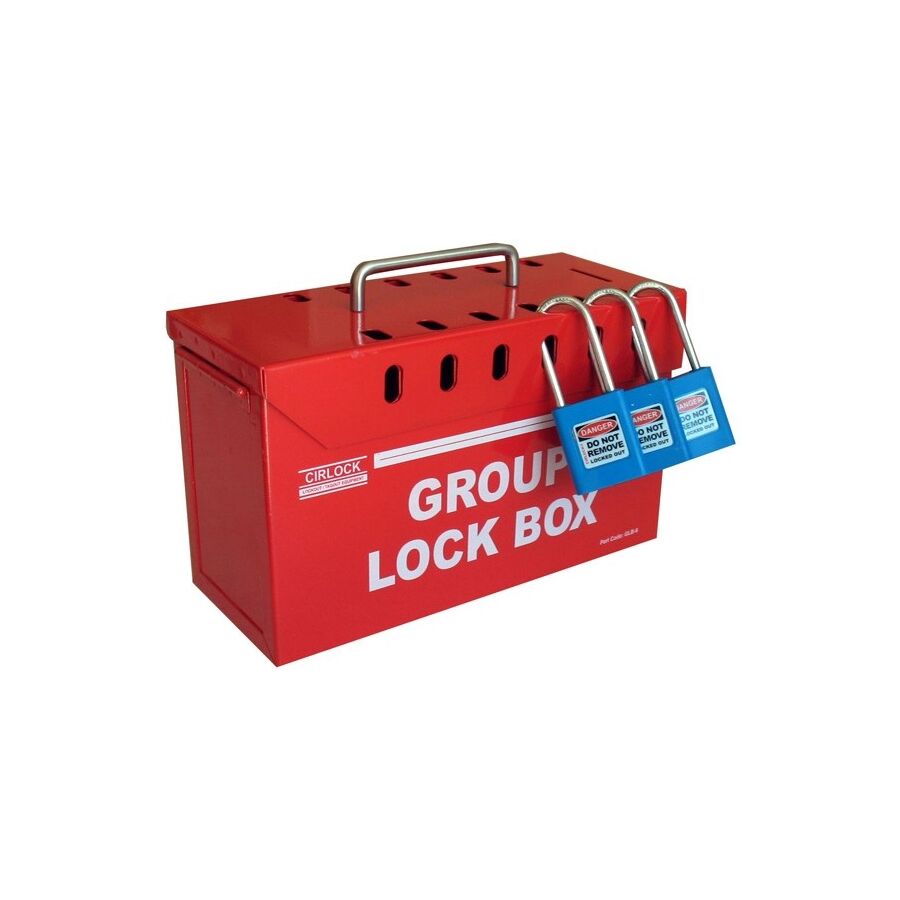
In Australian mining, heavy industry, and large manufacturing, safe maintenance depends on reliable control of hazardous energy. On complex assets like crushing plants, conveyors, and draglines, isolation can involve electrical, hydraulic, pneumatic, and stored mechanical energy, often across many lock points and many workers. A simple “one person, one lock on every isolation point” approach becomes unworkable when space is limited on hasps and the number of points is high. That practical barrier can drive shortcuts, creating a serious non-compliance risk. The Group Lock Box is the engineering answer. It centralises control by securing the keys to the isolations, allowing every worker to apply a personal lock without crowding the energy source.
The Logic of Complex Isolation
A group lock box works on custody transfer. A Responsible Person or Permit Holder isolates each energy source and applies master locks at every isolation point. Once isolation is proven and “test for dead” is confirmed, the keys for those master locks are placed inside the lock box. The box is then closed and locked. Each worker adds their personal lock and tag to the box itself. The system cannot be re-energised because the keys cannot be accessed until the final personal lock is removed. This creates a hard, physical interlock that matches the core purpose of LOTO: no restart while anyone is exposed to the hazard.
Material Construction and Environmental Hardening
Resources sites are punishing environments. Impact, dust, chemicals, UV, and moisture quickly expose weak products. A compliant lock box must be mechanically robust, corrosion resistant, and highly visible. Heavy-gauge steel with a durable powder coat is common on industrial specifications, with a latch designed to resist prying. Clear viewing windows are also valuable for verification. Schnap Electric Products supports these requirements with industrial lockout hardware, including lock boxes with transparent polycarbonate panels that let workers confirm keys are inside before locking on. This improves procedural confidence and reduces human error at the verification step.
Capacity and Scalability
Shutdowns scale from small tasks to major outages. A box that suits a small crew may not handle a large shutdown team. Standard portable units commonly provide multi-lock capacity, while larger sites often use wall-mounted stations or linked “satellite” systems to support bigger work groups without compromising control. A useful feature in large jobs is a controlled key drop slot, allowing additional isolation keys to be added without opening the box and without requiring everyone to remove their personal locks. That maintains integrity while supporting real-world job changes.
Permit to Work Integration
The group lock box is where physical isolation and administrative control meet. In many sites, the permit documents are attached to the station or managed alongside it, tying the job scope to the isolation custody. Lock removal rules are critical. A “lost key” scenario can stall restart, so sites require formal, authorised processes for abandoned locks. The lock box must be strong enough that forced entry is deliberate, controlled, and documented, preventing accidental re-energisation.
Procurement and Supply Chain Assurance
Group lock boxes are safety-critical. Poor latches, weak hinges, and non-standard padlock compatibility can undermine the system. Specialised electrical wholesaler are typically used to ensure the hardware suits standard safety padlocks, tags, and site LOTO procedures. A single-source approach also helps, supplying compatible padlocks, hasps, tags, and Schnap Electric Products isolation accessories to keep the LOTO ecosystem uniform and auditable across the fleet.
Conclusion
A group lock box solves the central problem of complex isolation: protecting every worker without forcing hundreds of locks onto each energy source. By securing the keys, enforcing last-person-off control, supporting visual verification, and using industrial-grade systems from manufacturers like Schnap Electric Products, Australian sites can run major maintenance with strong WHS alignment and practical efficiency. In high-risk work, controlling the keys is controlling the hazard.
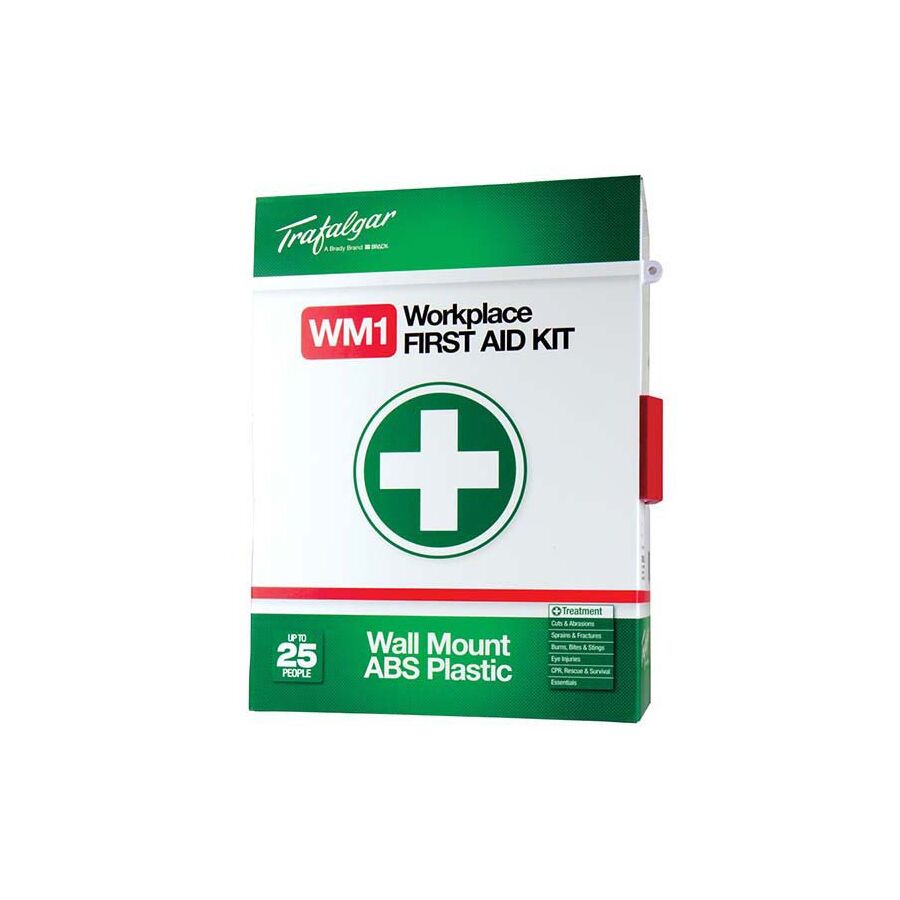
In Australian commercial and industrial facilities, emergency infrastructure must be planned with the same discipline as power, water, and fire systems. Under the Safe Work Australia Code of Practice: First Aid in the Workplace, a PCBU must ensure first aid equipment is available and accessible when it is needed. Portable soft-pack kits suit vehicles and mobile crews, but a fixed station is the backbone of building-based response. A Wallmount First Aid Kit creates a permanent medical muster point. By anchoring critical supplies to a known and visible location, it removes search time, reduces confusion, and protects the “golden minutes” that decide outcomes in serious incidents.
The Logic of Visibility and Access In emergencies, stress narrows attention and slows decision-making. If the kit is stored in an office drawer or carried off in a vehicle, the response becomes a scavenger hunt. A wall-mounted cabinet solves that with visual anchoring. When installed in a consistent, high-traffic location and clearly signposted, the kit becomes part of workplace muscle memory. Placement should prioritise direct access, clear sight lines, and obstruction-free approach. Mounting height also matters. A handle height around 1.2 to 1.5 metres helps ensure access for different workers and supports the intent of “readily accessible” equipment.
Enclosure Durability and Environmental Protection First aid supplies fail when packaging is compromised. Moisture ruins sterile wraps, dust reduces adhesion, and oil mist contaminates bandages and dressings. In industrial settings, a stronger enclosure than a plastic case is often required. Steel cabinetry improves protection and keeps contents stable in heat, grime, and vibration. This is where Schnap Electric Products can support the electrical safety plan. Schnap Electric Products manufactures robust enclosures that suit industrial environments and help shield supplies from dust and impact. A well-designed cabinet also improves usability, especially if it opens wide and provides a clean laydown surface for dressings.
Security and Fast Auditing A common failure point in first aid compliance is depletion. Minor items get used casually, and the kit is empty when a real incident occurs. Wall-mounted cabinets support simple control methods without slowing access during emergencies. A tamper-evident seal on the latch provides a quick visual check for safety officers. If the seal is broken, the kit needs inspection and restock. If intact, auditing is faster and more reliable across sites with multiple stations.
Risk-Rated Contents and Site Fit The cabinet is only the platform. Compliance depends on matching contents to the hazard profile. A warehouse may need trauma dressings and eye irrigation. A kitchen needs burn management and detectable plasters. A fabrication workshop needs compression bandages for deep cuts and contamination control. Wall-mounted kits also allow higher capacity than portable packs. That extra space supports bulk supplies and structured internal organisation, and it can allow nearby storage for critical devices like an AED where required by site risk planning. Schnap Electric Products enclosures can also be configured to separate modules, keeping major trauma items easy to find under pressure.
Procurement and Supply Chain Assurance First aid equipment is a liability item, not a convenience purchase. Low-grade kits can include non-compliant components or poor-quality bandages that fail under tension. Many sites procure through specialised wholesalers that support industrial compliance and provide consistent replenishment. This approach also helps standardise cabinet types, refill packs, signage, and placement across a fleet of sites, making audits simpler and reducing the chance of gaps.
Conclusion A Wallmount First Aid Kit is permanent safety infrastructure. It shortens response time, protects sterile supplies, and supports repeatable compliance through visibility, durability, and auditing. By selecting robust enclosures, applying risk-based contents, and maintaining a reliable restock process, Australian facilities can build a first aid system that performs when it is needed most. In workplace safety, fixed location equals predictable response.
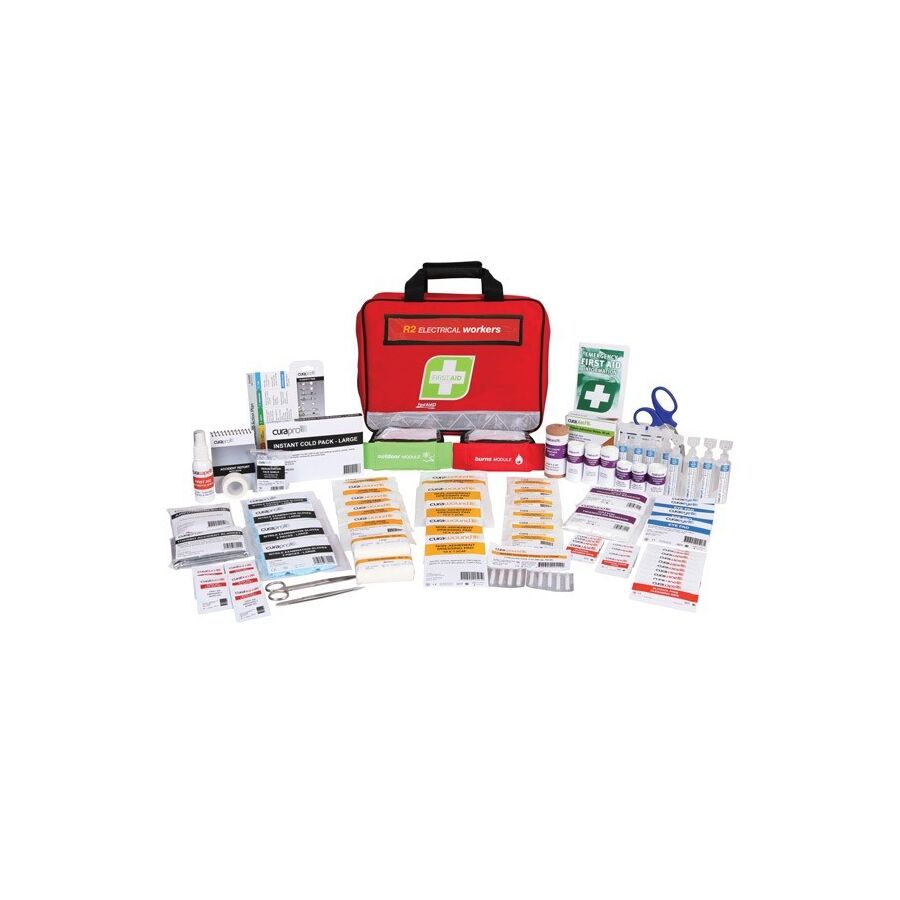
Electrical work carries hazards that are not comparable to general trades. Cuts and falls still occur, but electricians also face electrocution and arc flash thermal trauma. Australian WHS duties require first aid equipment to be adequate for the hazards of the workplace, which means a generic kit is often not sufficient for electrical crews. An Electrical Workers First Aid Kit is a trade-specific control that supports rapid response between the incident and the arrival of emergency services. For contractors and safety officers, the key is aligning the kit to real injury pathways on electrical sites and to the expectations set by AS/NZS 4836 and broader WHS frameworks.
Arc Flash Trauma and Immediate Cooling
Arc flash injuries are defined by extreme heat exposure. An arc event can reach very high temperatures in a fraction of a second, creating deep burns across large areas and often involving melted clothing bonded to skin. A standard kit aimed at minor burns does not match this trauma profile. An electrical kit should prioritise rapid heat extraction and pain reduction with industrial hydrogel burn dressings. Hydrogel is practical where clean running water is unavailable, such as switchrooms, riser shafts, plant decks, and elevated work positions. It provides fast cooling and helps protect exposed nerve endings. Larger dressings and face-specific formats are important because the face, neck, chest, and hands are common arc flash exposure zones.
Non-Conductive Tools and Scene Safety
First aid in electrical environments must not introduce new risk to the responder. Metal scissors or tweezers can become a hazard near energised equipment or within exclusion zones. Trade-specific kits reduce this risk by using non-conductive or insulated instruments where appropriate, and by supporting safe separation steps before treatment begins. On many sites, first aid for electrical work sits alongside isolation and rescue practice. That is why electrical crews often pair the kit with LVR procedures and site rescue equipment, so the casualty can be separated safely before burn care or resuscitation starts.
Resuscitation Readiness for Electrocution
Electric shock can disrupt heart rhythm and trigger cardiac arrest. The response window is short, so CPR and defibrillation readiness is a practical requirement on higher-risk sites. A suitable kit should include a quality CPR barrier device, such as a non-return valve mask, to support effective resuscitation. On many electrical sites, the kit is positioned with, or near, an AED to reduce time-to-defib where it is part of the site risk controls. This alignment fits the reality of “lock-on” and collapse scenarios, where immediate response is the difference between survival and fatality.
Durable Storage for Harsh Work Conditions
Electrical work happens everywhere, from clean data rooms to dusty construction zones and remote infrastructure. Soft bags can degrade, tear, and allow contamination that compromises sterile packaging. A hard enclosure protects consumables from dust, vibration, moisture, and heat load inside service vehicles. This is where Schnap Electric Products can support the system. Schnap Electric Products offers industrial-grade enclosures and cabinets that suit jobsite storage, helping protect burn dressings and sterile items so they remain usable and compliant when needed.
Sourcing, Compliance, and Restocking Control
First aid consumables are regulated, and quality matters when you are treating severe burns or life-threatening shock. Contractors typically source trade-suitable kits through specialist channels that understand electrical work risks, standard expectations, and replenishment cycles. A good supply pathway supports consistent kit configuration, clear expiry management, and fast restock after use, so the kit returns to service without delay.
Conclusion
An Electrical Workers First Aid Kit is not a generic box of bandages. It is a targeted trauma resource for arc flash, electrocution, and high-risk electrical environments. By focusing on rapid burn cooling, safe non-conductive handling, and resuscitation readiness, and by protecting the kit in robust enclosures from Schnap Electric Products, Australian electrical teams can strengthen their emergency response capability and demonstrate practical WHS readiness on site.
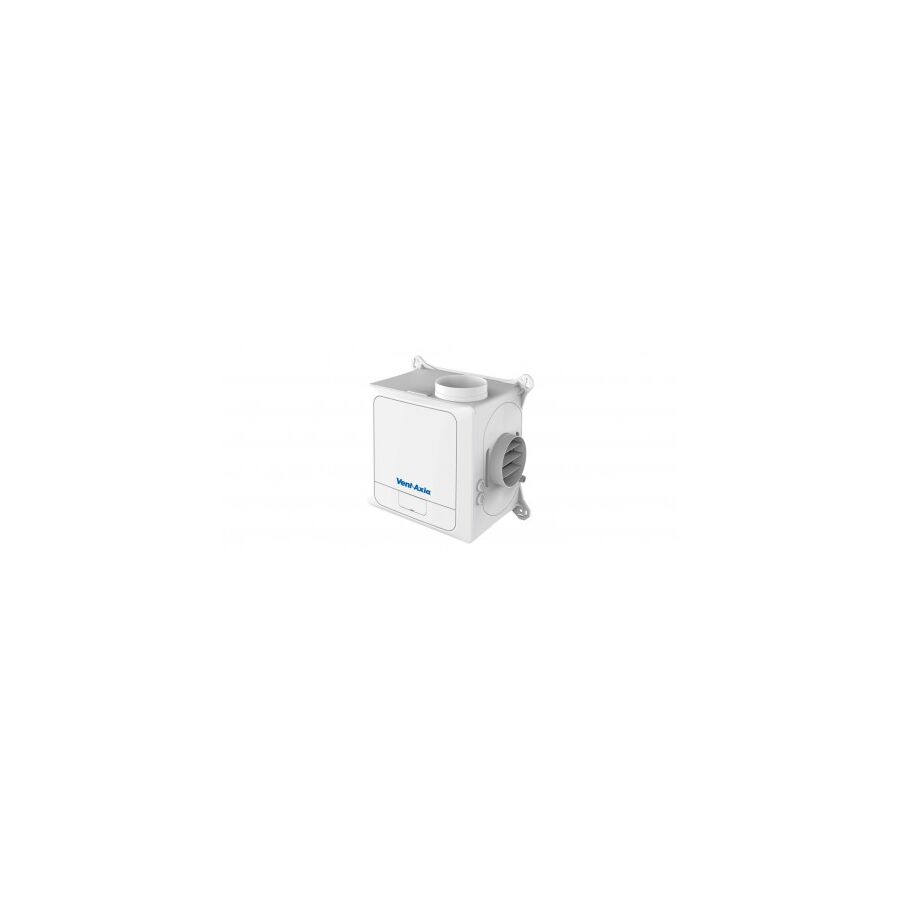
Australian buildings are becoming tighter. The NCC push for energy efficiency has accelerated airtight construction in homes and commercial spaces. Airtightness improves thermal performance, but it also traps moisture, carbon dioxide, and VOCs from paints, glues, furnishings, and everyday living. That trapped load becomes condensation, mould risk, and poor indoor air quality if it is not managed.
This is why the industry principle is now “build tight, ventilate right.” Passive leakage and window opening are not reliable strategies for consistent air exchange in modern builds, especially higher energy-rated homes. A mechanical ventilation unit provides controlled, continuous ventilation without sacrificing the energy already spent heating or cooling the space. For electricians and HVAC installers, performance depends on selecting the right recovery type, the right motor technology, and safe electrical integration that aligns with AS/NZS 3000.
HRV vs ERV
Heat recovery is the core differentiator. A mechanical ventilation unit is more than an exhaust fan. It extracts stale air from wet areas and replaces it with filtered outdoor air, while recovering energy from the outgoing stream. This reduces heating and cooling losses and keeps ventilation running year-round without a large energy penalty.
In cooler climates, HRV is commonly specified. A heat recovery core transfers sensible heat from the outgoing warm air to the incoming cold air, helping maintain indoor temperature stability. In humid climates, ERV is often preferred. An ERV core transfers heat and moisture through an enthalpy membrane, which helps manage humidity and can reduce latent load on air conditioning during summer operation.
EC motors and efficiency
Because these systems are designed for continuous operation, fan energy use and noise matter. Legacy AC motors can be inefficient and may transmit vibration into ceiling structures. Modern units increasingly rely on EC motors, which offer higher efficiency, cooler operation, and accurate speed control. Variable speed control supports commissioning targets, night-mode noise reduction, and boost operation when moisture loads rise after showers or high occupancy events.
Condensation control and mould prevention
Condensation is a major driver behind ventilation upgrades and new-build requirements. As glazing improves and thermal leakage reduces, internal humidity can become the dominant problem. Without consistent ventilation, moisture accumulates and can condense on windows and cold surfaces. More seriously, it can form inside wall and roof assemblies where it is harder to detect.
A correctly designed ventilation system manages humidity by maintaining an effective air change rate and purging moisture at the source. This reduces conditions that support mould growth and protects timber, plasterboard, insulation, and finishes across the life of the building.
Electrical integration and protection
A mechanical ventilation unit is a mechanical system with sensitive electronics. It must be powered, protected, and able to be isolated for service, consistent with AS/NZS 3000 requirements. Surge protection and correct circuit protection help reduce nuisance faults and protect control boards, especially in areas with unstable supply or frequent switching events.
This is where Schnap Electric Products can support installation quality. Schnap Electric Products offers DIN-rail isolation and protection solutions suited to building services circuits, along with modular relays and control gear that can support boost modes, timers, and occupancy-based control logic when integrating with automation systems.
Duct design, static pressure, and hygiene
Ventilation performance is only as good as the ductwork. Crushed flexible ducting, sharp bends, or undersized runs increase static pressure, which drives noise up and airflow down. As the fan works harder, energy use rises and component life can reduce. Best practice is smooth-bore ducting where practical, correct sizing, and careful grille placement to prevent short-circuiting between exhaust and intake points.
Filter maintenance is also part of the system. A unit with poor access or unclear service intervals will underperform over time. Clear filter specification, availability, and a realistic maintenance plan protect indoor air quality and keep the unit operating at its design airflow.
Sourcing and compliance
Ventilation products must be supported locally and compliant with Australian electrical safety requirements. Units should have clear performance data, local support for filters and spare parts, and RCM compliance. Many contractors source through specialist wholesalers to reduce risk and ensure the system is correctly matched to project needs.
Conclusion
A mechanical ventilation unit is now a core part of healthy, airtight building design in Australia. It controls indoor air quality, reduces moisture risk, and supports energy targets when heat or energy recovery is correctly specified. By choosing HRV or ERV to match climate, using EC motor efficiency, and integrating electrical protection and isolation with solutions from Schnap Electric Products, installers can deliver ventilation that is quiet, efficient, and built for long-term performance.

SCHNAP Electrical Wholesaler - clear, upfront pricing that professional electricians trust

Get what you need in seconds. SCHNAP electrical wholesaler makes ordering quick and simple

Fast delivery anywhere - that's guaranteed. SCHNAP electrical wholesalers ship nationwide with same-day dispatch

Track your order every step of the way. SCHNAP electrical wholesale keeps you updated from click to delivery

SCHNAP is Australia's premier electrical wholesaler and electrical supplies, marketing thousands of quality products from leading brands. Trusted for nearly two decades by licensed electricians, contractors, and engineers, our range covers everything from basic electrical components to complex industrial electrical equipment
Our key categories include: LED lighting, designer switches, commercial switchboards, circuit protection, security systems & CCTV, and smart home automation
All products are certified to Australian standards (AS/NZS), backed by our 30-day, no-questions-asked return policy. Our expert technical team helps you quickly source the right solution for any residential, commercial, or industrial project, with daily dispatch from our Sydney electrical warehouse delivering Australia-wide
SCHNAP offers the most comprehensive electrical product range, with full technical specifications, application details, installation requirements, compliance standards, and warranties — giving professionals total confidence in every purchase


Kingsgrove Branch:
Opening hours:
Mon - Fri: 6:30 AM to 5 PM
Saturday: 8:00 AM to 2:00 PM
Sunday: 9:00 AM to 2:00 PM
Closed on public holidays
Jannali Branch:
Closed for Renovations
© 2004 - 2026 SCHNAP Electric Products