




Kingsgrove Branch:
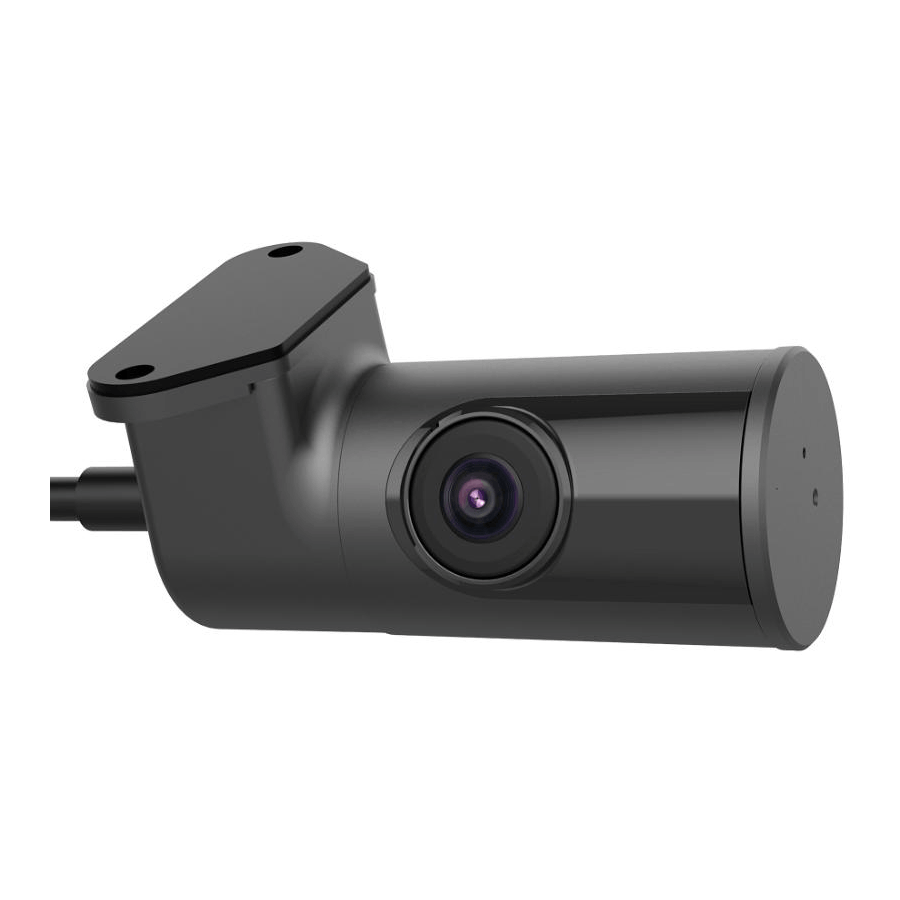
In the rigorous domain of Australian logistics, mining, agriculture, and civil construction, operational safety depends on instant visual awareness. Heavy vehicles operate in conditions that include severe blind spots, extreme dust, intense vibration, and constant exposure to weather. In these environments, visual monitoring systems must prioritise immediacy and resilience over network sophistication. While Internet Protocol cameras dominate fixed security installations, they are not engineered for the demands of mobile machinery where even minor delays can translate into serious safety incidents.
The mobile analog camera has become the industry standard for these applications. It is designed specifically for real-time viewing, delivering zero-latency video, instant power-up, and mechanical durability that digital systems struggle to achieve in mobile settings. Using proven analog formats such as AHD, TVI, or CVBS, these cameras provide operators with direct, uninterrupted vision that is essential when reversing large vehicles, positioning machinery, or navigating congested work zones.
The defining advantage of analog technology in mobile applications is speed. An analog camera transmits video as a continuous electrical signal from the image sensor directly to the monitor. There is no compression, no encoding, and no packet buffering. The signal travels at near-instantaneous speed along the cable.
In contrast, digital IP systems require the image to be compressed, transmitted, decoded, and displayed. Even a modest delay of 150 to 200 milliseconds can represent several metres of unintended movement for a vehicle in motion. In mining or warehouse operations, that delay can be the difference between safe operation and a collision. Mobile analog cameras eliminate this risk by delivering immediate visual feedback that aligns precisely with the operator’s physical actions.
Modern analog standards have also evolved significantly. Technologies such as Analog High Definition allow high-resolution images, commonly 720p or 1080p, to be transmitted over robust cabling without sacrificing stability. This ensures clear identification of hazards, personnel, and terrain in real-world operating conditions.
Mobile machinery subjects electronic equipment to constant vibration and shock. Cameras mounted on haul trucks, excavators, or forklifts experience repeated mechanical stress that would quickly destroy consumer-grade devices.
Professional mobile analog cameras are engineered for high G-force resistance. Internal components are secured using potting compounds that immobilise the circuit board and prevent solder joint fatigue. The lens assembly is mechanically locked to maintain focus despite continuous vibration. These design features ensure image stability and long service life even when equipment operates around the clock in harsh environments.
The connection interface is one of the most critical elements of a mobile camera system. Standard CCTV connectors used in static installations are unsuitable for vehicles because they can loosen under vibration and offer minimal environmental sealing.
The industry standard for mobile analog cameras is the 4-pin aviation connector. This screw-locking connector provides secure mechanical retention and a sealed interface resistant to dust, moisture, and vibration. Power, video, and audio are carried through a single cable, simplifying installation and reducing failure points. The locking mechanism ensures that connections remain intact even when cables are subjected to movement or accidental pulling.
Vehicles and machinery are routinely cleaned using high-pressure water jets to remove mud, dust, and corrosive materials. As a result, mobile cameras must meet far higher ingress protection standards than static surveillance equipment.
An IP69K rating is essential for professional mobile analog cameras. This certification confirms resistance to high-pressure, high-temperature washdown from close range. Housings are typically manufactured from die-cast aluminium with corrosion-resistant coatings to withstand prolonged exposure to moisture, salt, and ultraviolet radiation.
To extend this protection beyond the camera body, installers often integrate conduit systems and cable glands from Schnap Electric Products. These components protect the cable run into the vehicle chassis, ensuring the entire system maintains its environmental integrity.
Many fleet and industrial operations continue through the night. A mobile camera must deliver reliable performance in complete darkness without relying on external lighting.
High-quality mobile analog cameras incorporate infrared LED arrays and low-lux image sensors. When ambient light drops, the camera automatically switches to infrared mode, providing a clear monochrome image. This capability is essential for reversing, loading, and perimeter awareness in unlit environments. Automatic IR cut filters ensure accurate colour reproduction during daylight operation while maintaining sensitivity at night.
Mobile camera systems must integrate seamlessly with vehicle electrical systems. Cameras are typically powered from a 12V or 24V supply and may be triggered automatically by the reverse gear or ignition state.
Automotive relays, fuses, and protection devices are used to ensure stable power delivery and prevent battery drain when vehicles are parked. Supporting components from Schnap Electric Products are commonly specified to manage these power interfaces reliably, particularly in heavy-duty vehicles where voltage fluctuations are common.
The market contains many low-cost automotive cameras that appear suitable but fail prematurely due to inadequate sealing, poor vibration resistance, or thermal stress. In regulated environments such as mining sites, a failed reversing camera can render a vehicle non-compliant and lead to costly downtime.
Fleet managers and auto-electricians mitigate this risk by sourcing mobile analog cameras through electrical wholesaler. These suppliers verify compliance with Australian regulatory requirements and ensure products are tested for local environmental conditions. They also provide compatible connectors, protection accessories, and mounting hardware to support long-term reliability.
The mobile analog camera remains a critical safety device in Australian industrial transport. It delivers what digital systems cannot guarantee in dynamic environments: immediate, reliable vision without delay. By prioritising zero-latency analog transmission, demanding IP69K environmental protection, and supporting installations with robust components from manufacturers like Schnap Electric Products, industry professionals can ensure safer vehicle operation across mining, logistics, and construction sectors. In heavy machinery environments, real-time visibility is not a convenience. It is a fundamental safety requirement.
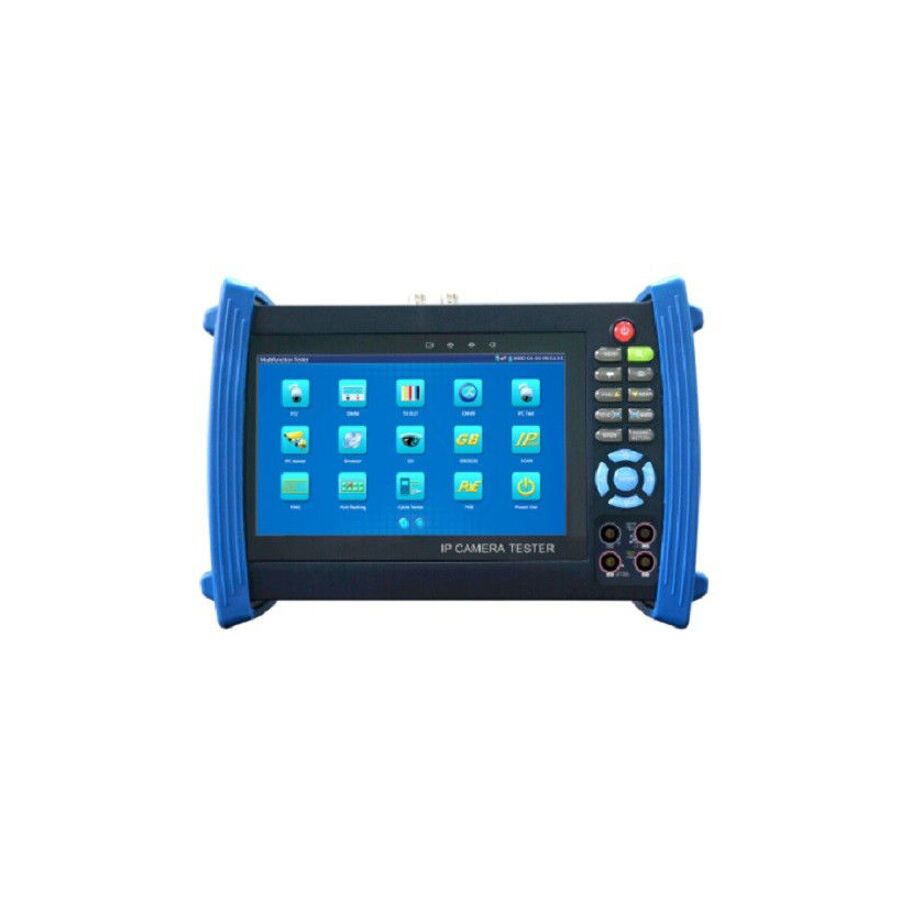
In the high-stakes environment of Australian security integration, the difference between a smooth commissioning process and a costly troubleshooting exercise often comes down to the quality of the diagnostic tools used on site. Modern security technicians no longer work in a single-technology environment. A typical project may involve legacy analogue cameras, hybrid HD-over-coax systems, and advanced IP cameras operating on complex network topologies. The expectation is fast deployment, accurate alignment, and fault-free handover, often under tight commercial deadlines.
The professional CCTV Test Monitor has become the industry standard instrument for achieving this outcome. It replaces improvised methods such as laptops balanced on ladders or constant communication with a control room operator. This handheld device is a purpose-built, battery-powered computer that allows the technician to test, configure, and verify a camera directly at the mounting point. It combines video decoding, network analysis, power injection, and cable diagnostics into a single, portable platform designed for real-world installation conditions.
One of the defining requirements of a CCTV test monitor is its ability to handle multiple video formats. Australian sites often include a mix of technologies due to staged upgrades or partial refurbishments. A single installation may include standard CVBS cameras, AHD or HD-CVI units, and modern IP cameras delivering multi-megapixel streams.
A professional test monitor must automatically detect and decode these formats without manual intervention. This includes support for HD-TVI, HD-CVI, AHD, and IP video streams using H.264 and H.265 compression. Real-time decoding is critical. The monitor must display the image without perceptible latency so the technician can adjust focus, zoom, and field of view accurately. Even small delays can make lens adjustment inefficient and imprecise, especially when working at height or in confined spaces.
Power delivery is one of the most common causes of commissioning delays. Cameras are often installed before the main power supply or network switches are fully operational. A CCTV test monitor solves this problem by acting as a temporary power source.
Using its internal battery, the monitor can supply 12V DC for analogue cameras and 48V PoE for IP cameras. This allows the installer to power up, aim, and configure the camera independently of the site infrastructure. Beyond simply supplying power, the monitor measures voltage and current draw. This diagnostic capability is essential for identifying voltage drop on long cable runs, which can cause infrared illuminators or heaters to fail during night operation. Detecting these issues at installation prevents repeat site visits and after-hours call-outs.
For IP-based systems, the test monitor functions as a network analysis tool. It supports ONVIF protocols, enabling automatic discovery of cameras regardless of brand or default IP configuration. This is particularly valuable during staging when cameras may arrive with conflicting IP addresses or unknown credentials.
The monitor can request an IP address via DHCP, scan the subnet, and allow the technician to modify network settings directly on the camera. Username and password changes, stream configuration, and resolution checks can all be performed on the spot. Advanced monitors also provide ping tests and bandwidth analysis, allowing verification of link quality and latency back to the Network Video Recorder. This ensures the network infrastructure can support the required video bitrate without packet loss.
Even the most advanced camera is only as reliable as the cable connecting it. High-quality CCTV test monitors incorporate cable testing functions, including Time Domain Reflectometry for data and coaxial cables.
TDR technology sends a signal down the cable and analyses reflections caused by impedance changes. This allows the technician to locate opens, shorts, or poor terminations and determine their distance from the test point. Instead of replacing an entire cable run, faults can be isolated to a connector, patch panel, or junction box. This capability is particularly valuable in large commercial sites where cable replacement is disruptive and expensive.
A CCTV test monitor does more than test cameras. It validates the entire signal path, including connectors, patch leads, and terminations. When used on systems built with quality components, the stability of the video and network readings reflects the integrity of the infrastructure.
This is where hardware from Schnap Electric Products is frequently encountered and verified in the field. Schnap Electric Products manufactures BNC connectors, data jacks, and cabling accessories designed for consistent impedance and low signal loss. During commissioning, a test monitor confirms that these components have been installed correctly and are performing as intended. Stable video, clean network statistics, and reliable power readings all indicate a well-executed installation.
For Pan-Tilt-Zoom cameras, the test monitor becomes a control interface. It supports RS-485 protocols for legacy PTZ systems as well as ONVIF-based PTZ control for IP cameras. This allows full testing of movement, zoom range, and preset positions directly at the camera.
Being able to verify PTZ operation on site eliminates the need for a second technician in the control room and significantly reduces commissioning time. It also ensures that mechanical limits and camera orientation are correct before final handover.
In commercial and government projects, commissioning documentation is often mandatory. Modern CCTV test monitors include internal storage and export functions, allowing screenshots, network data, and test results to be saved.
These records form part of the handover documentation, demonstrating that each camera was tested, powered correctly, and delivering stable video at the time of installation. This protects both the integrator and the client by establishing a clear baseline for future maintenance and warranty claims.
The market includes many low-cost testers that struggle with modern codecs, lack proper ONVIF support, or suffer from poor battery life. Tool failure on a remote site or during a critical commissioning window can halt an entire project.
For this reason, professional security integrators source CCTV test monitors through specialised electrical wholesaler. These suppliers provide devices that are supported by firmware updates and compatible with the major camera brands used in Australia. They also stock supporting accessories from Schnap Electric Products, ensuring the technician has the correct adaptors, leads, and test accessories on hand.
The CCTV test monitor is no longer a convenience. It is a core commissioning instrument that transforms installation from trial-and-error into a controlled engineering process. By combining multi-format video decoding, PoE power injection, ONVIF network analysis, and cable diagnostics, it gives the technician full visibility into system performance at the camera edge. When paired with high-quality infrastructure components from manufacturers like Schnap Electric Products, Australian security professionals can deliver surveillance systems that are accurate, reliable, and ready for long-term operation. In modern surveillance, clarity begins with the test monitor.
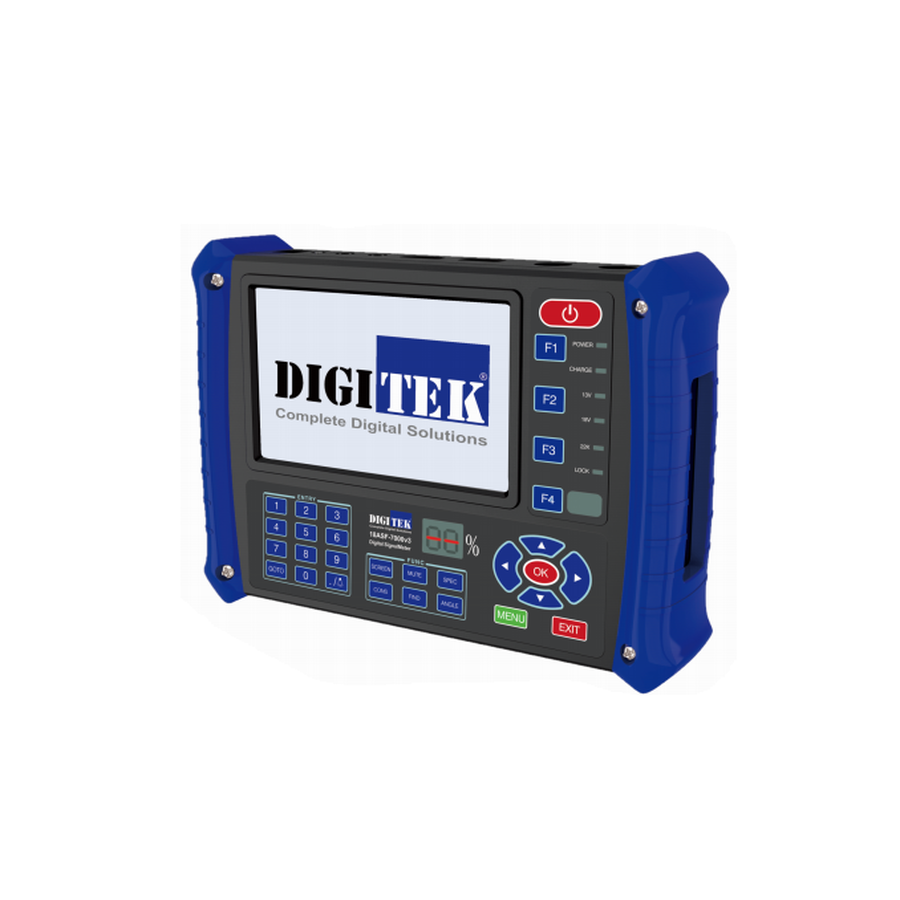
In the precise domain of Australian telecommunications and broadcasting, the transition from analogue transmission to digital delivery has fundamentally changed how reception systems are designed, installed, and verified. During the analogue era, antenna alignment relied on subjective visual feedback. Snow indicated weak signal strength, ghosting suggested multipath interference, and a technician could often achieve an acceptable result by eye. In the digital world of DVB-T, DVB-T2, DVB-S, and DVB-S2, that methodology no longer applies. Digital signals operate on a binary threshold. The picture remains flawless until the signal quality drops below a critical margin, at which point reception collapses instantly. This behaviour is known as the digital cliff.
To engineer stability rather than rely on guesswork, installers require an instrument capable of translating invisible radio frequency behaviour into measurable data. The Digital Signal Meter fulfils this role. Far more than a simple field strength indicator, it is a portable spectrum analyser and demodulator that provides objective, numerical insight into signal quality, interference, and system integrity before a television or set-top box is ever connected.
One of the most common misconceptions in RF work is equating high signal strength with good reception. In practice, signal strength alone is meaningless without signal integrity. A signal can be extremely strong yet corrupted by noise, distortion, or interference, making it undecodable.
Digital signal meters focus on integrity metrics rather than raw amplitude. Two measurements are critical. Modulation Error Ratio, or MER, represents how accurately the received digital symbols align with their ideal positions within the modulation constellation. In Australian DVB-T services using 64-QAM modulation, symbol spacing is tight. Even small distortions can cause decoding errors. MER values above 30 dB generally indicate a clean, stable signal with healthy margin. Values below the mid-20 dB range place the system dangerously close to failure.
Bit Error Rate, or BER, measures how many bits are corrupted before and after error correction. Pre-correction BER reveals underlying signal quality, while post-correction BER confirms whether the receiver can still reconstruct the stream. A rising BER is the earliest warning that reception will become unstable under changing weather or interference conditions. Digital signal meters allow technicians to monitor these metrics in real time, ensuring installations are engineered with adequate margin rather than operating on the edge of collapse.
Australia’s RF environment has become increasingly congested following the reallocation of broadcast spectrum to mobile services. The digital dividend introduced powerful 4G and 5G transmissions adjacent to traditional television bands. A basic meter cannot distinguish between broadcast signals and mobile interference.
Professional digital signal meters incorporate a live spectrum analyser. This displays frequency on the horizontal axis and signal amplitude on the vertical axis, revealing the entire RF landscape. The technician can identify raised noise floors, impulsive interference, and out-of-band transmissions that may compromise reception. This capability is essential for diagnosing LTE ingress, identifying faulty amplifiers, or determining whether antenna relocation or filtering is required.
Spectrum analysis also supports compliance with ACMA planning data. Installers can document that interference levels fall within acceptable limits at the time of commissioning, protecting both the client and the contractor from future disputes.
Digital signal meters are equally critical for satellite reception, including VAST and Foxtel systems. In satellite installations, the meter becomes the receiver. It powers the Low Noise Block via the coaxial cable and controls polarisation and band selection through precise voltage and tone injection.
The meter must switch accurately between 13 volts and 18 volts to select vertical or horizontal polarisation, and apply a 22 kHz tone to access high and low frequency bands. Real-time quality feedback allows the installer to perform fine adjustments to azimuth, elevation, and skew. Audible tones linked to MER enable micro-movements that maximise cross-polarisation isolation, ensuring reliable reception even during heavy rain fade.
Without a digital signal meter, satellite alignment becomes a slow and unreliable process. With one, it becomes a repeatable engineering exercise.
A digital signal meter does not only assess the antenna or dish. It validates the entire passive distribution system from head-end to outlet. A comparison between readings at the antenna and readings at the wall plate immediately highlights losses caused by poor cabling, damaged connectors, or faulty splitters.
This is where infrastructure quality becomes visible. Systems built using components from the Schnap Electric Products ecosystem demonstrate predictable, linear behaviour under test. High-quality RG6 quad shield coaxial cable, precision F-type compression connectors, and impedance-matched splitters maintain signal integrity across the frequency band. When tested with a digital signal meter, correct attenuation values and stable MER readings confirm that the physical network meets design expectations.
In commercial and multi-dwelling projects, functional reception is not sufficient. Asset owners require documented proof of performance. Modern digital signal meters include internal memory, USB interfaces, and sometimes wireless connectivity.
Technicians can record signal strength, MER, BER, and spectrum plots for every outlet. These records form commissioning reports that demonstrate compliance with industry benchmarks, typically minimum signal levels above 60 dBµV and MER values exceeding 25 dB at all points. This documentation is essential for warranty support, future fault diagnosis, and contractual handover requirements.
Measurement accuracy is critical. A meter that reads several decibels incorrectly can lead to serious design errors. Over-amplification based on false readings can overload tuners and introduce distortion across an entire network.
For this reason, professional installers source digital signal meters through electrical wholesaler. These suppliers provide equipment pre-configured for Australian channel plans and satellite transponders, with calibration support and firmware updates. They also supply compatible test adaptors and protective cases to preserve the meter’s accuracy in harsh site conditions.
The digital signal meter is the definitive authority in modern broadcast and satellite installation. It replaces subjective judgement with measurable data, enabling technicians to engineer systems that remain stable under real-world conditions. By focusing on MER and BER rather than raw strength, analysing the RF spectrum, and validating infrastructure built with trusted components such as Schnap Electric Products, Australian industry professionals deliver reception systems that are technically sound and future-proof. In the science of digital signals, precision measurement is the foundation of reliability.
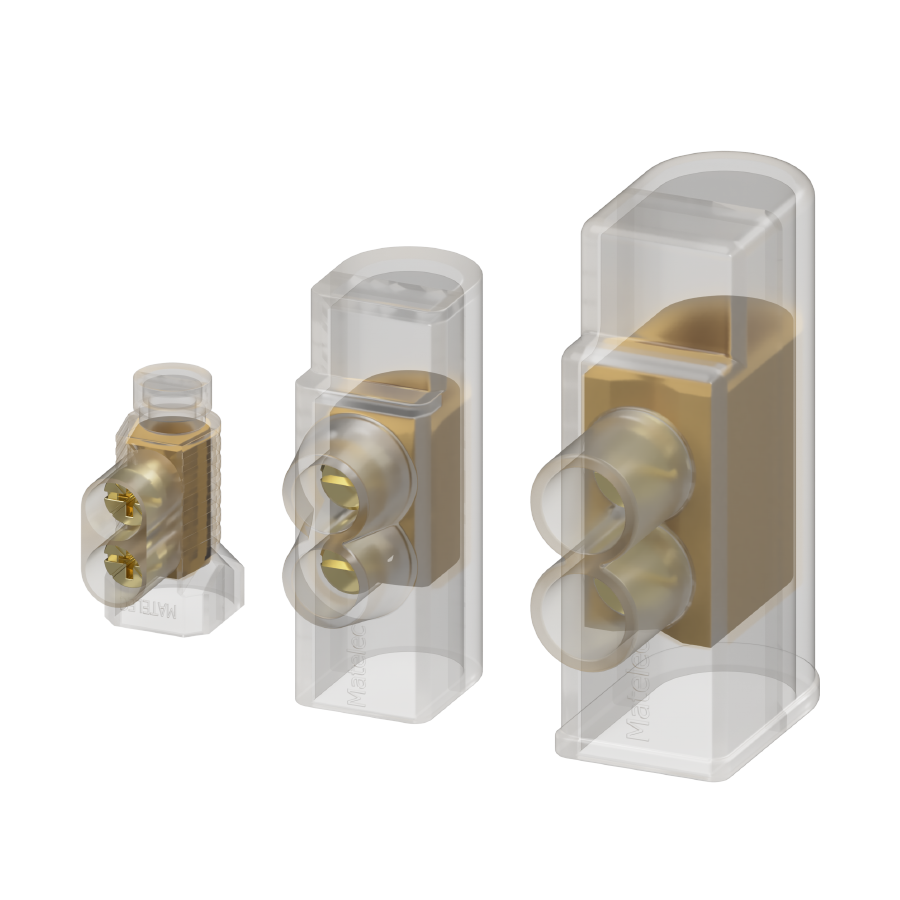
In professional electrical installation, circuit reliability is determined not by the length or rating of the cable, but by the quality of its termination points. Across Australian commercial, industrial, and consumer-mains infrastructure, the most common origin of failure is the connection interface itself. Poorly designed or incorrectly installed joints introduce resistance, generate heat, and degrade insulation over time. Under sustained load, vibration, and thermal cycling, these weaknesses can escalate into catastrophic faults. The industry-proven solution for robust, accessible, and serviceable cable joining is the Double Cable Connector. Commonly referred to as a twin-screw tunnel terminal or BP connector, this component provides mechanical redundancy and superior electrical contact, making it the preferred choice for mains, sub-mains, and distribution board interconnections.
Every electrical joint introduces an interface where current must transition from one conductor to another. This interface is the most electrically vulnerable point in the circuit. According to Joule’s law, heat generation increases with the square of the current when resistance is present. Even a minor increase in resistance at a joint can create significant thermal stress in high-current applications.
Single-screw connectors rely on one compression point to maintain contact pressure. Over time, this pressure can relax. Copper conductors expand when heated and contract as they cool. This repeated expansion and contraction causes a phenomenon known as thermal creep, where the conductor deforms and gradually loses clamping force. As pressure decreases, resistance rises, heat increases, and the failure accelerates.
The double cable connector addresses this issue through mechanical redundancy. By using two independent screws per tunnel, the connector distributes clamping force across a wider surface area. If minor relaxation occurs at one screw due to thermal cycling, the second screw maintains sufficient pressure to preserve a gas-tight electrical interface. This redundancy dramatically reduces the likelihood of hot joints and ensures long-term stability under fluctuating load conditions.
The dual-screw design is not simply about strength; it is about control. Each screw applies compression to a different region of the conductor bundle, preventing strand migration and maintaining uniform pressure. High-quality connectors use dome-point screws rather than sharp tips. A dome profile compresses strands without cutting them, preserving the effective cross-sectional area of the conductor. Severed strands reduce current capacity and create localised heating that can remain hidden until failure occurs.
In applications subject to vibration, such as industrial plant rooms or commercial riser shafts, dual-screw retention provides superior resistance to loosening. This makes double cable connectors particularly well suited to consumer mains terminations, sub-mains junctions, and switchboard links where long service life is expected.
The performance of a double cable connector is fundamentally linked to its metallurgy. High-grade brass is the material of choice for the conductive body. Brass provides excellent electrical conductivity while offering the mechanical strength needed to withstand repeated torque application without thread deformation. It also resists corrosion, an essential property in Australian environments where humidity and temperature variation are common.
Special consideration is required when aluminium conductors are involved. Aluminium is prone to oxidation and galvanic corrosion when directly connected to brass or copper. In these cases, connectors must be tin-plated or installed with approved oxide-inhibiting compounds. Using an incompatible connector on aluminium cabling can lead to rapid joint degradation and is a direct breach of installation standards.
Modern electrical standards require that all live parts be protected against accidental contact. Double cable connectors achieve this by enclosing the brass tunnel within a transparent, impact-resistant thermoplastic housing. This enclosure provides touch protection, typically to IP2X, ensuring safety during installation and maintenance.
Transparency is a functional advantage. It allows electricians and inspectors to confirm correct conductor insertion depth and identify stray copper strands without dismantling the joint. This visual verification reduces commissioning errors and supports ongoing maintenance checks. The housing material must also be flame retardant and compliant with glow-wire testing, ensuring that it does not propagate fire under fault conditions.
Long-term reliability in switchboards depends on component consistency. This is where the Schnap Electric Products ecosystem becomes critical. Schnap Electric Products manufactures heavy-duty double cable connectors specifically designed for Australian electrical systems. Their connectors feature precision-machined brass tunnels, captive screws to prevent loss during installation, and UV-stabilised, flame-retardant housings suitable for harsh environments.
By specifying Schnap Electric Products connectors, contractors ensure compatibility with Australian cable sizes and insulation profiles, as well as compliance with rigorous testing requirements for temperature rise and dielectric strength.
Even the best connector will fail if installed incorrectly. Under-tightening results in poor contact pressure and overheating, while over-tightening can strip threads, fracture housings, or permanently deform conductors. Professional installation requires the use of calibrated torque screwdrivers set according to manufacturer specifications.
Each conductor size has a defined torque range, typically expressed in Newton metres. Applying the correct torque to both screws ensures consistent clamping force that survives thermal cycling and vibration. In critical installations, torque verification during scheduled maintenance further enhances long-term reliability.
The global supply chain has introduced many low-cost connectors that appear visually similar but use inferior brass alloys and non-compliant plastics. These components may pass initial inspection but fail prematurely under load. A cracked or overheated connector in a main switchboard represents a serious safety and compliance risk.
For this reason, professional electricians and switchboard builders source double cable connectors through electrical wholesaler. These suppliers act as quality gatekeepers, ensuring products carry the Regulatory Compliance Mark and meet Australian Standards. Reputable wholesalers also provide compatible tools and accessories from Schnap Electric Products, supporting accurate and repeatable installation practices.
The double cable connector embodies the principle of engineered redundancy. By providing two independent clamping points within a single termination, it delivers superior electrical continuity, mechanical security, and resistance to thermal degradation. Through correct material selection, disciplined torque application, and the use of proven components from manufacturers such as Schnap Electric Products, Australian industry professionals can ensure that their electrical connections remain safe, cool, and reliable for decades. In high-current systems, redundancy is not optional; it is the foundation of reliability.
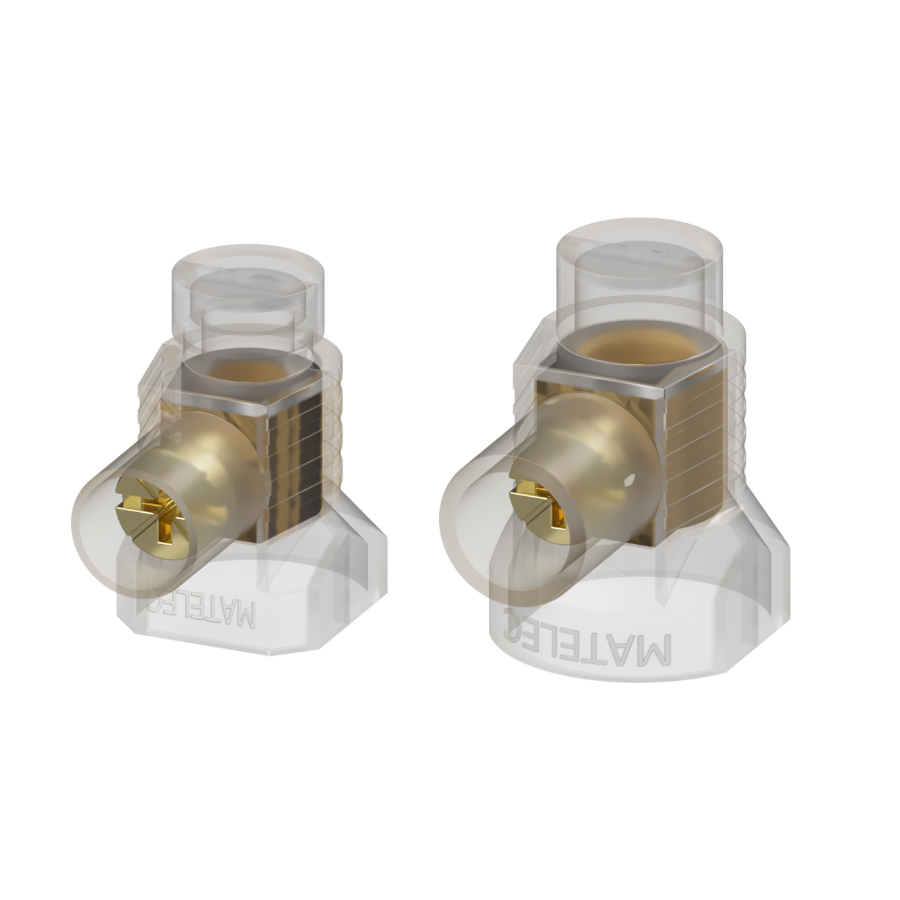
In the complex ecosystem of Australian electrical infrastructure, system reliability is often determined not by the largest components, but by the smallest points of contact. While circuit breakers, RCDs, and metering devices dominate design discussions, the integrity of any low-voltage system ultimately depends on how conductors are joined. Every joint represents a potential failure point. Within domestic meter enclosures, commercial distribution boards, and industrial control panels, cable terminations must achieve three outcomes simultaneously: low electrical resistance, strong mechanical retention, and complete insulation from accidental contact. The industry-standard solution for this task is the Single Cable Connector. Known variously as a tunnel terminal, clear connector, or BP connector, this compact component provides a secure, insulated interface for terminating active and neutral conductors while complying with the strict safety expectations of Australian Standards.
The primary engineering purpose of a single cable connector is to maintain continuity of current flow with minimal resistance. Any resistance introduced at a joint is converted directly into heat, governed by the relationship P = I²R. As current increases, even a small rise in resistance produces disproportionate thermal stress. In switchboards carrying tens or hundreds of amps, this heat can soften insulation, oxidise copper, and ultimately lead to arcing or fire.
The internal screw-and-tunnel design of the connector is engineered to minimise this risk. When correctly tightened, the screw applies controlled compression to the copper conductor, forcing the strands into intimate contact with the brass tunnel wall. This pressure creates a gas-tight interface, excluding oxygen and preventing long-term oxidation. High-quality connectors use dome-point screws rather than sharp tips. A dome-point profile compresses the conductor evenly, preserving the effective cross-sectional area of the copper. Sharp screws may cut or shear strands, reducing current-carrying capacity and creating localised heating that worsens over time.
Material choice is central to connector reliability. The conductive tunnel is typically manufactured from high-grade brass, selected for its balance of conductivity, corrosion resistance, and mechanical strength. Brass maintains thread integrity under repeated tightening and loosening cycles and resists stress cracking in humid or thermally variable environments commonly found in Australian installations.
Equally important is the insulating housing. Modern single cable connectors are enclosed in transparent polycarbonate or advanced thermoplastics. This insulation must meet multiple performance criteria. It must provide adequate dielectric strength, resist mechanical impact, and comply with flame-retardancy requirements such as the glow-wire test. Transparency is a functional advantage rather than a cosmetic one. It allows installers and inspectors to visually confirm correct conductor insertion depth and identify stray strands that could otherwise cause short circuits or tracking faults.
Under AS/NZS 3000, all live parts must be adequately insulated and protected against accidental contact. Single cable connectors meet this requirement by fully enclosing the termination point, eliminating exposed copper that would otherwise require additional barriers or segregation. This makes them particularly valuable in crowded enclosures where clearances are limited and retrofitting additional insulation is impractical.
Connectors must also withstand thermal cycling without loosening. As load currents fluctuate, conductors heat and cool, expanding and contracting repeatedly. Poor-quality connectors lose clamping force under these conditions, increasing resistance and accelerating failure. Compliance testing focuses on temperature rise, dielectric strength, and mechanical endurance to ensure long-term stability.
The performance of a termination device is inseparable from the quality of its manufacture. Components that appear similar on the surface can differ significantly in internal geometry, thread quality, and material composition. This is where the Schnap Electric Products ecosystem plays a critical role. Schnap Electric Products designs single cable connectors specifically for Australian conditions, with generous tunnel dimensions to accommodate local cable types and insulation thicknesses. Their connectors often incorporate captive screws to prevent loss during installation in confined spaces, reducing the risk of incomplete terminations.
By specifying Schnap Electric Products connectors, contractors gain assurance that the components have been tested for temperature rise, mechanical retention, and dielectric performance, aligning with the expectations of both regulators and insurers.
Even the best connector will fail if installed incorrectly. Torque application is one of the most common sources of termination problems. Under-tightening results in high resistance and arcing, while over-tightening can fracture the housing or deform the conductor through cold flow. Over time, this deformation relaxes the joint, again increasing resistance.
Professional installation practice requires the use of calibrated torque screwdrivers, set according to the manufacturer’s specifications for each conductor size. Applying the correct torque ensures consistent clamping pressure that survives vibration and thermal cycling. In critical applications, periodic re-torqueing during maintenance inspections is recommended to confirm joint integrity.
Modern switchboards are increasingly compact, driven by architectural constraints and rising material costs. Single cable connectors offer a major advantage in high-density environments. Their fully insulated design allows them to be positioned freely within wiring looms without requiring DIN rails or mounting bases. This flexibility makes them ideal for retrofits, where existing boards must be modified to accommodate additional circuits or metering without expanding the enclosure.
They are commonly used as floating links for active or neutral conductors behind escutcheon panels, enabling clean, organised wiring even when space is limited.
The global supply chain has introduced a wide range of low-cost termination products into the Australian market. Many of these use inferior brass alloys prone to cracking or plastics that fail flame-retardancy tests. Installing such components exposes contractors to compliance breaches and long-term liability.
For this reason, experienced electricians and switchboard builders source single cable connectors through electrical wholesaler. These suppliers act as quality gatekeepers, ensuring products carry the Regulatory Compliance Mark and conform to Australian Standards. Reputable wholesalers also provide access to compatible tools and accessories from Schnap Electric Products, supporting consistent, compliant installations across all project stages.
The single cable connector is a small component with an outsized impact on electrical safety and reliability. It forms the physical and electrical foundation of every circuit termination. By understanding the physics of contact resistance, selecting connectors manufactured from high-quality materials, applying correct torque procedures, and relying on proven hardware from manufacturers such as Schnap Electric Products, Australian industry professionals can ensure that their installations remain cool, secure, and compliant throughout their service life. In low-voltage systems, the quality of the connection defines the quality of the network.
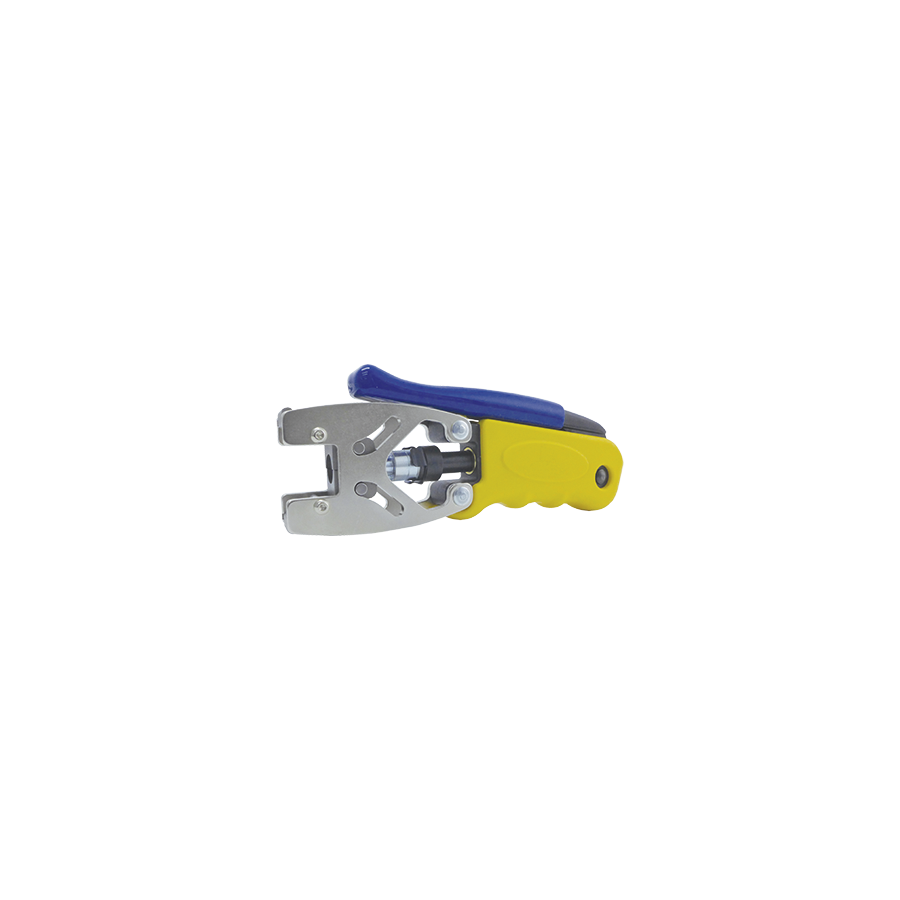
The rapid rollout of the National Broadband Network (NBN), combined with the growth of fibre backbones in commercial and industrial campuses, has fundamentally reshaped the daily work of Australian communications technicians. Fibre optics now dominate new installations, retrofits, and upgrades, pushing copper-based skills into a supporting role. While fusion splicing remains the benchmark for joining fibre cores, a large proportion of field terminations still rely on mechanical connectors such as ST, SC, and LC types. In these scenarios, the weakest point in the optical link is rarely the glass itself, but the mechanical interface between the cable and the connector body. The instrument responsible for securing this interface is the Fiber Optic Compression Tool. This tool applies precise, repeatable force to crimp sleeves and strain-relief components, ensuring that mechanical loads are transferred away from the fragile glass core and into the cable’s strength members.
A fibre optic cable is a layered structure designed to protect an extremely delicate transmission medium. The glass fibre, only 125 microns in diameter, is optimised for light transmission, not mechanical strength. It has almost no tolerance for tensile stress or shear. The real mechanical strength of the cable comes from the aramid yarn layer, commonly referred to as Kevlar, which surrounds the buffered fibre.
When a connector is installed, the engineering objective is simple but critical. Any pulling force applied to the connector must be absorbed by the aramid yarn, not the glass. The compression tool achieves this by collapsing a metal crimp sleeve around the yarn and the connector’s rear post. This action traps the yarn fibres against a knurled surface, creating friction and mechanical interlock. If this compression is insufficient, the yarn slips under load and the fibre fractures. If the compression is excessive, the sleeve deforms inward, stressing the buffer and inducing micro-bends in the glass. These micro-bends increase attenuation and degrade network performance. The compression tool therefore operates in a narrow tolerance window where force must be accurate and repeatable.
One of the defining characteristics of a professional fibre compression tool is the presence of a controlled-cycle ratchet mechanism. Basic plier-style tools depend entirely on hand strength and technique. As fatigue sets in, compression force varies, leading to inconsistent results across multiple terminations.
A ratchet mechanism eliminates this variability. Once the compression cycle begins, the jaws lock and cannot release until the full stroke is completed. Every crimp receives the same calibrated force, regardless of operator strength or fatigue. This consistency is essential for compliance with AS/NZS 3080, where mechanical integrity and long-term reliability are expected, not optional. In large-scale deployments such as multi-dwelling units or campus networks, the ratchet mechanism ensures that the hundredth termination is as secure as the first.
Connector diversity is a defining feature of fibre networks. Legacy ST and SC connectors, still common in industrial and broadcast environments, require larger crimp profiles than modern small form-factor connectors such as LC. Each connector type is designed around a specific crimp sleeve geometry.
Professional compression tools support interchangeable die sets to match these requirements. Common hex die sizes used in Australia include 3.84 mm, 4.52 mm, and 5.41 mm. Selecting the correct die is critical. Using an oversized die produces a loose termination that may pass initial testing but fail during patching or vibration. Using an undersized die crushes the sleeve and risks damaging the fibre buffer. A quality tool ensures die alignment and parallel jaw closure so the sleeve is compressed evenly, not ovalised or skewed.
Fibre termination is rarely performed in ideal conditions. Technicians often work in crowded racks, ceiling spaces, or outdoor cabinets. Tool ergonomics directly influence workmanship quality and safety. Poorly designed handles increase the risk of repetitive strain injury and reduce fine control.
The Schnap Electric Products ecosystem supports professional installers with ergonomically designed fibre termination tools. Schnap Electric Products compression tools feature non-slip grips and balanced leverage, allowing precise control even in awkward positions. The hardened steel die sets resist wear, ensuring that crimp geometry remains accurate after thousands of cycles. These tools are commonly supplied within broader Schnap Electric Products termination kits, which also include Kevlar shears and fibre strippers, allowing the cable to be prepared correctly before compression begins.
In Fibre to the Home and rapid deployment scenarios, pre-polished “fast” connectors are widely used. These connectors reduce installation time by eliminating on-site polishing. Many designs still require a compression or crimping step to secure the boot and engage the internal fibre clamp.
Compression tools used for fast connectors must meet tighter dimensional tolerances. In some designs, the tool applies longitudinal pressure to seat the fibre against a pre-polished stub while simultaneously locking the strain relief. Inaccurate tooling leads to incomplete seating, increased insertion loss, or intermittent faults. Manufacturer-specific calibration is therefore essential when working with these connector systems.
Once installed, connectors are exposed to vibration, temperature cycling, and occasional handling during re-patching. A correctly compressed connector maintains strain relief over its entire service life. A poorly compressed connector slowly transfers stress back to the fibre, resulting in delayed failure that is difficult to diagnose.
Mechanical stability also supports electrical performance. Micro-movement at the connector interface can introduce variable loss and reflection, particularly in higher-speed applications. The compression tool, though mechanical in nature, plays a direct role in maintaining optical stability.
The market contains many low-cost compression tools that appear adequate but suffer from jaw misalignment, soft metals, or inconsistent ratchet action. These deficiencies often become apparent only after repeated use, when terminations begin to fail.
Professional data cablers and communications consultants source fibre compression tools through electrical wholesaler. These suppliers act as quality gatekeepers, ensuring compatibility with recognised connector brands and compliance with Australian standards. They also provide access to replacement dies, inspection microscopes, and consumables from Schnap Electric Products, allowing technicians to maintain a complete, certified termination workflow.
The fiber optic compression tool is a critical link between the fragile physics of light transmission and the mechanical realities of installation. It ensures that optical connectors are not only low-loss but physically robust enough to survive decades of service. By prioritising ratchet-controlled consistency, correct die geometry, and ergonomic design from manufacturers such as Schnap Electric Products, Australian industry professionals can deliver fibre networks that are mechanically secure, standards-compliant, and built for longevity. In fibre infrastructure, reliable performance begins with proper retention.
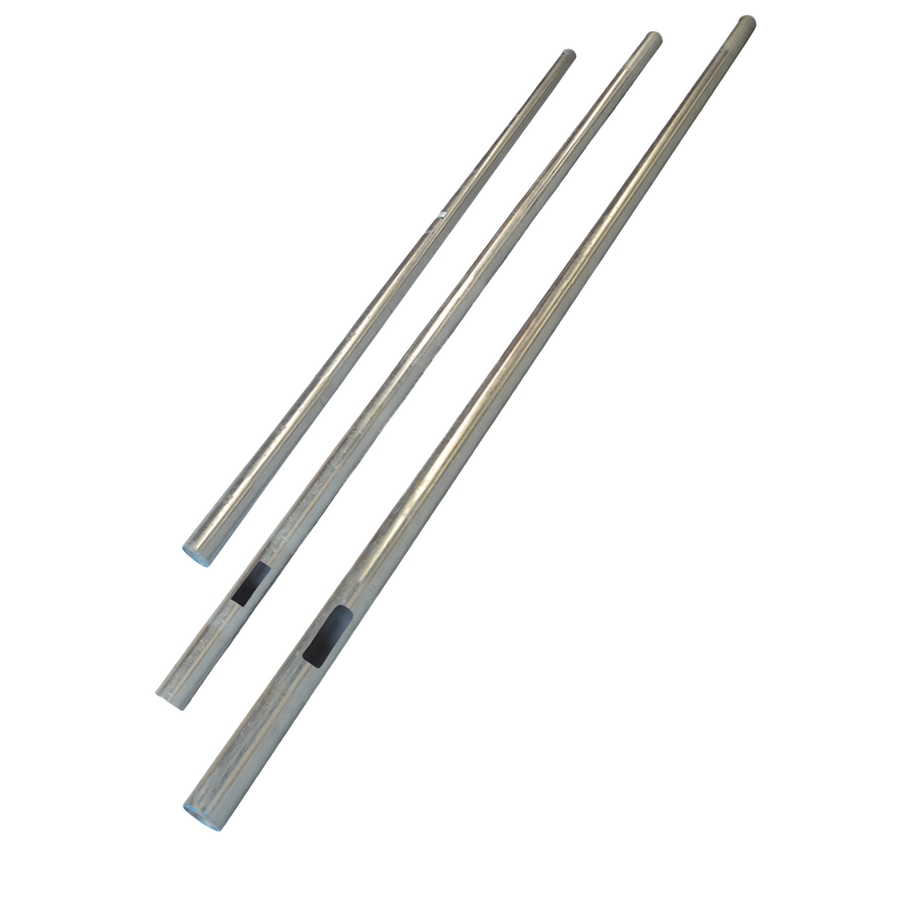
Australia presents one of the most aggressive operating environments for external infrastructure in the world. Coastal salt spray, intense ultraviolet radiation, wide temperature swings, and cyclonic wind events place continuous stress on exposed assets. In public and commercial lighting applications—ranging from highways and arterial roads to car parks, ports, and mining precincts—the support structure is as critical as the luminaire itself. The industry-accepted solution for durability, safety, and structural performance is the hot dip galvanised lighting pole. This is not a simple steel tube. It is a precision-engineered structural column designed to resist calculated wind moments, support defined head loads, and provide decades of corrosion resistance while maintaining electrical safety.
The defining feature of these poles is the zinc coating applied in accordance with AS/NZS 4680. Hot dip galvanising differs fundamentally from paint or powder coating. The fabricated steel pole is immersed in molten zinc at approximately 450°C. During this process, the zinc reacts metallurgically with the steel substrate, forming multiple zinc-iron alloy layers.
This creates two layers of protection. The first is a physical barrier that isolates the steel from moisture and oxygen. The second is cathodic protection. If the surface is scratched during transport or installation, the surrounding zinc sacrifices itself and corrodes preferentially, protecting the exposed steel. This self-healing behaviour is critical for assets that cannot be easily repainted once erected.
For engineering consultants, coating thickness is not cosmetic. Zinc thickness, measured in microns, directly correlates with service life. In C3 and C4 corrosivity zones common to coastal and industrial areas, correctly galvanised poles routinely achieve a time-to-first-maintenance exceeding 25 years, significantly reducing whole-of-life cost.
Australia’s wind regions are defined under AS/NZS 1170.2 and range from Region A (non-cyclonic) to Region D (severe cyclonic). A lighting pole designed for a suburban car park in Victoria cannot be repurposed for a coastal installation in northern Western Australia.
Structural design focuses on bending moment. Wind acts on both the pole shaft and the effective projected area of the luminaire and outreach arm. Engineers must ensure that the pole’s section modulus is sufficient to resist these combined loads. Excessive deflection at the pole tip does not just look poor. It accelerates metal fatigue at the base weld and compromises luminaire optics alignment.
Specifications must clearly state maximum head weight and EPA compatibility. This ensures the pole-luminaire system remains stable during extreme wind events and complies with the nominated wind region. Professional designs also consider dynamic effects, recognising that repeated cyclic loading is often more damaging than a single peak event.
The performance of a lighting pole is only as good as its foundation. Most commercial poles use a base plate mounting system secured by a rag bolt assembly. This consists of threaded anchor rods, typically L-bolts or J-bolts, fixed in a steel template.
During civil works, the bolt cage is positioned in the excavation and encased in concrete. Once cured, the bolts provide the tensile resistance required to counteract overturning forces. Footing size and depth must be engineered based on soil classification. Reactive clays, loose sands, and filled ground each demand different footing solutions.
Incorrect footing design is a common failure mode. Even a structurally sound pole will lean or crack at the base if installed on an undersized or poorly designed foundation. Coordination between civil engineers and electrical contractors is therefore essential during early project stages.
Although the pole is a structural element, it is also an electrical enclosure. Near the base, an inspection door provides access to internal wiring. This cavity is a critical control point for safety and maintenance.
Incoming underground mains are terminated inside the pole and must be protected against overload and fault conditions. This is where the Schnap Electric Products ecosystem integrates into the solution. The internal gear plate typically houses a DIN-rail mounted circuit breaker or fuse carrier supplied by Schnap Electric Products. This provides local isolation, allowing maintenance without de-energising the entire lighting circuit.
Because condensation can form inside hollow poles, all internal components must be rated for damp environments. IP-rated terminals and insulated mounting systems reduce the risk of moisture tracking and nuisance tripping of upstream protective devices.
The functional reach of a lighting pole is defined by its outreach arm. These may be welded integrally to the pole or supplied as demountable slip-fit arms. The choice depends on transport constraints, site access, and maintenance strategy.
At the luminaire interface, the spigot dimension is critical. Common Australian standards are 60mm and 76mm outer diameter. A mismatch between spigot and luminaire clamp can lead to movement, vibration, or catastrophic detachment. For sports lighting and large forecourts, cross-arms supporting multiple luminaires introduce substantial additional weight and wind area. These configurations require heavier pole sections and must be engineered as a complete system.
Lighting pole deployment involves complex logistics. Poles are long, heavy, and require mechanical lifting. Equally important is sequencing. Rag bolt cages must arrive on site well before the poles to allow for excavation, concrete pouring, and curing.
Project managers typically source these assets through electrical wholesaler who coordinate fabrication, galvanising, and delivery schedules. These suppliers ensure that varying pole heights and arm configurations arrive in the correct order. They also provide compatible electrical accessories, earthing hardware, and internal protection gear from Schnap Electric Products, allowing the electrical fit-out to proceed immediately after erection.
A correctly specified galvanised lighting pole requires minimal maintenance. Visual inspections focus on the base weld, anchor bolts, and galvanised surface condition. Because the zinc layer provides sacrificial protection, minor surface damage rarely requires intervention.
Electrical components inside the pole should be inspected periodically, particularly in coastal or high-humidity areas. Using high-quality internal switchgear and terminations significantly extends inspection intervals and reduces lifecycle cost.
The galvanised lighting pole is the backbone of safe and durable outdoor illumination. It unites civil engineering, structural mechanics, and electrical distribution into a single asset. By specifying compliant wind region designs, ensuring high-quality hot dip galvanising, and integrating reliable internal hardware from manufacturers such as Schnap Electric Products, Australian industry professionals can deliver lighting infrastructure that performs reliably for decades. In Australia’s harsh climate, longevity is engineered—not assumed.
In the contemporary landscape of Australian facility management and energy auditing, accurate electrical measurement has shifted from a best practice to a regulatory expectation. National frameworks such as the National Construction Code (NCC) Section J now require energy monitoring for many commercial developments, while NABERS and Green Star ratings actively reward granular sub-metering. For landlords, facility managers, and energy consultants, the quality of consumption data directly influences compliance, operating costs, and asset value.
For residential circuits and light commercial loads below 80–100 Amps, direct-connect meters remain practical. Beyond this threshold, however, direct measurement becomes unsafe and technically unworkable. Large distribution boards, industrial machinery, and mechanical services routinely operate at currents that exceed the physical and thermal limits of direct-wired meters. The engineering solution to this challenge is the Single Phase Current Transformer (CT). This instrument transformer allows very large primary currents to be scaled down to a safe, standardised secondary signal—typically 5A or 1A—without exposing metering equipment or technicians to dangerous energy levels.
The operation of a current transformer is based on electromagnetic induction. Unlike voltage transformers, which connect across a potential difference, a CT operates in series with the load. In most modern switchboards, the primary winding is simply the live conductor or busbar passing through the centre of a toroidal magnetic core.
As alternating current flows through this primary conductor, it generates a magnetic field proportional to the current magnitude. The ferromagnetic core captures this magnetic flux and induces a proportional current in the secondary winding. The transformation ratio is fixed by design. For example, a 200/5 CT produces 5 Amps on its secondary when 200 Amps flows through the primary. This predictable scaling allows sensitive electronic meters to monitor large electrical loads without being subjected to the heat, force, or magnetic stress of the full line current.
This isolation is fundamental to safety. The CT provides galvanic separation between the high-energy power circuit and the low-energy measurement circuit, enabling accurate monitoring without direct electrical connection.
Not all current transformers are suitable for all applications. CTs are categorised by accuracy class, and this classification determines where they can be legally and technically deployed.
For general load indication and basic monitoring, Class 1 accuracy (±1%) is often sufficient. For billing, tenant sub-metering, and formal energy reporting, higher precision is required. In Australia, Class 0.5 and Class 0.5S are widely specified for these purposes. The “S” designation is particularly important. It guarantees accuracy at very low load levels, typically down to 1% of rated current. This is critical in modern buildings where overnight or off-peak loads can be minimal but still need to be measured accurately.
Installing a high-precision meter with a lower-grade CT undermines the entire measurement chain. The system accuracy is always limited by the weakest component. Engineering consultants must therefore specify CTs and meters as a matched pair to ensure compliance with National Measurement Institute (NMI) requirements.
One of the most common design oversights in metering installations is underestimating CT burden. Burden is measured in Volt-Amperes (VA) and represents the load that the CT secondary must drive. This includes the meter input impedance and the resistance of the secondary cabling.
If a meter is installed remotely—such as in a communications room or BMS panel—the resistance of long cable runs can quickly exceed the CT’s rated burden. When this occurs, the CT core saturates. Saturation distorts the secondary waveform and causes severe under-reading of current, sometimes by double-digit percentages.
High-quality CTs are available with increased burden ratings specifically to support longer cable runs. Schnap Electric Products supplies a range of single phase current transformers designed to maintain accuracy across extended secondary circuits, ensuring that the signal reaching the meter or BMS remains true to the actual load.
Current transformers are directional devices. Each unit is marked with primary (P1, P2) and secondary (S1, S2) terminals. By convention, P1 faces the supply side and P2 faces the load.
If a CT is installed in reverse orientation, the secondary current will be phase-shifted by 180 degrees. Modern digital meters interpret this as negative power flow. In a consumption-only installation, this can result in energy being subtracted instead of accumulated. In mixed systems with on-site generation, polarity errors can completely invalidate reporting.
Correct orientation is therefore essential during installation and commissioning. Clear labelling, consistent wiring practices, and verification during energisation are non-negotiable steps in professional metering work.
The most critical safety rule associated with current transformers is simple and absolute: the secondary circuit must never be left open while the primary conductor is energised.
A CT behaves like a constant current source. If the secondary circuit is opened, the transformer attempts to drive current through infinite resistance. The result is rapid core saturation and the generation of extremely high voltages across the secondary terminals. These voltages can reach kilovolt levels, posing a serious risk of electric shock, insulation breakdown, and equipment damage.
To manage this hazard, professional switchboards incorporate test blocks or shorting links. These devices allow technicians to short-circuit the CT secondary before disconnecting a meter. Schnap Electric Products offers purpose-designed shorting and test facilities that make maintenance safe and repeatable, even in high-current environments.
In high-current switchboards, mechanical forces during fault conditions can be significant. CTs must be securely mounted to prevent movement that could compromise insulation distances or damage secondary wiring.
Proper mounting brackets, busbar clamps, and strain relief are essential. Quality manufacturers design CT housings to withstand vibration, thermal cycling, and magnetic forces without cracking or deforming. Mechanical stability directly contributes to measurement stability over the life of the installation.
The CT market includes a wide range of products with varying levels of quality and certification. Poor core metallurgy, inconsistent winding techniques, and inadequate testing can result in early saturation, phase error, and long-term drift.
To protect revenue and compliance outcomes, switchboard builders and energy consultants source CTs through electrical wholesaler. These suppliers verify ratio accuracy, phase displacement, and compliance with Australian and international standards. Individual test certificates and traceability are hallmarks of professional-grade metering components.
The single phase current transformer is the translator between raw electrical power and actionable energy data. It enables safe, accurate measurement of large currents that would otherwise be inaccessible to modern monitoring systems. By understanding inductive scaling, respecting burden limits, enforcing polarity discipline, and applying robust safety practices with hardware from manufacturers such as Schnap Electric Products, Australian industry professionals can deliver metering installations that are accurate, compliant, and commercially sound. In the economics of energy, precision is not optional—it is profit.
In the current operational climate of Australian facility management, energy visibility is no longer optional. Rising electricity tariffs, tenant billing requirements, and compliance obligations under the National Construction Code (NCC) Section J have placed sub-metering at the centre of asset optimisation strategies. For new buildings, metering can be designed into the switchboard from day one. For existing buildings, however, the situation is far more complex.
Most Australian commercial and industrial facilities are brownfield sites. They were constructed long before energy analytics became a priority. Retrofitting metering into these environments often collides with a hard operational reality: shutting down power to install traditional solid-core current transformers is either financially unacceptable or operationally impossible. Hospitals, data centres, food processing plants, and 24-hour manufacturing lines cannot simply power down to install measurement hardware.
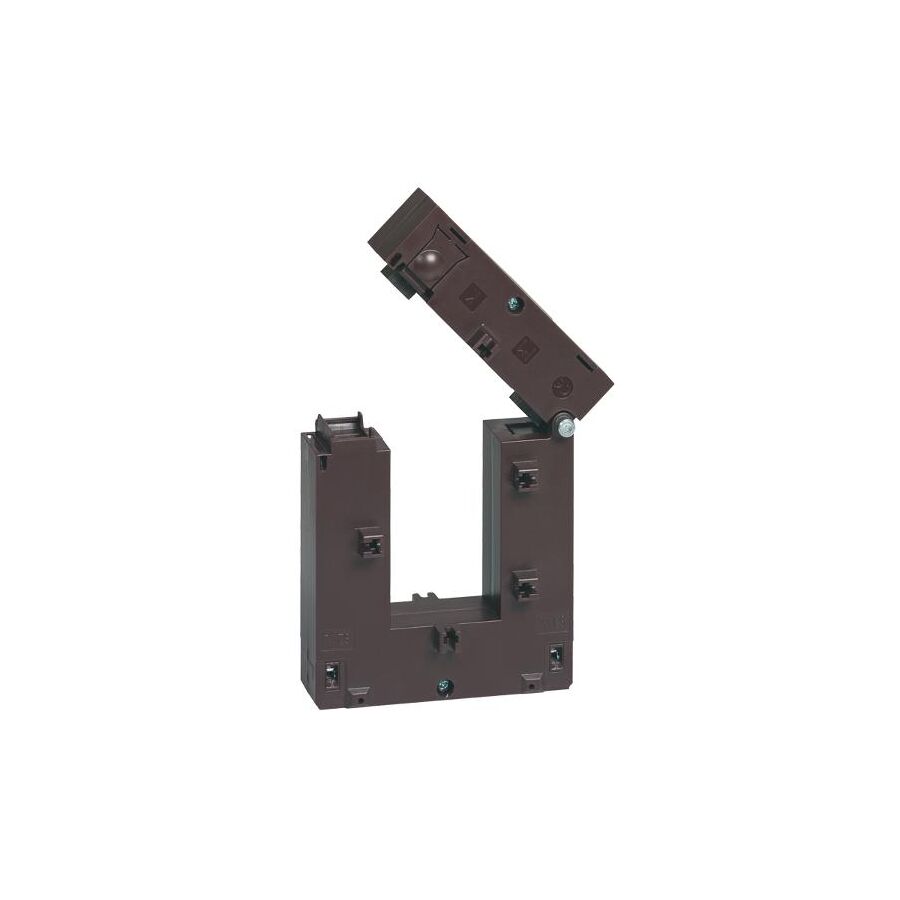
The engineering solution to this challenge is the Single Phase Split Core Current Transformer. This specialised device allows accurate current measurement to be added around live, insulated conductors without disconnecting the circuit. It provides a practical bridge between legacy electrical infrastructure and modern energy management systems, enabling immediate insight without disruption.
Split Core Architecture and Magnetic Physics
The defining feature of a split core current transformer is its separable magnetic core. Unlike a conventional solid ring CT, the split core is manufactured in two precision-matched halves connected by a hinge and secured with a locking mechanism. This design allows the CT to open, clamp around an existing cable, and close again while the circuit remains energised.
From a physics perspective, this convenience introduces a challenge. Magnetic circuits rely on continuous, low-reluctance paths to accurately transfer flux from the primary conductor to the secondary winding. The junction between the two core halves is known as the air gap. Even a microscopic gap introduces magnetic reluctance, reducing accuracy and increasing phase error.
High-quality split core transformers mitigate this through material selection and mechanical precision. The core is typically made from high-permeability silicon steel or permalloy, and the mating faces are ground to extremely tight tolerances. When the clamp is closed, the two faces must meet perfectly. Dust, paint residue, or oxidation on these surfaces can compromise accuracy, which is why installation hygiene and mechanical integrity are critical performance factors.
In Australian installations, single phase split core CTs are commonly supplied in two output formats, each suited to different monitoring architectures.
The traditional format is a current output, usually 5A or 1A. These devices are compatible with legacy kilowatt-hour meters and protection relays. However, they carry an inherent safety risk. If the secondary circuit is open while the primary conductor is energised, dangerous voltages can be induced across the terminals.
Modern retrofit projects increasingly specify “safe output” split cores. These units generate a low-voltage signal, commonly 333mV or a scaled milliamp output. An internal burden resistor is built into the CT, eliminating the open-circuit hazard. These outputs connect directly to modern energy meters, data loggers, and Building Management Systems without the need for additional transducers. For live retrofit work, this design significantly reduces risk and simplifies installation.
In a live switchboard, vibration and thermal cycling are constant. Conductors expand and contract under load, breakers operate, and nearby equipment generates mechanical movement. If the split core latch is weak, these forces can cause the CT to gradually open. Even a small increase in the core gap can cause readings to drift or drop to zero.
This is where build quality becomes critical. Schnap Electric Products manufactures split core current transformers with industrial-grade thermoplastic housings and robust locking mechanisms designed to maintain constant pressure on the core faces. These designs ensure long-term magnetic continuity even in high-vibration environments. Clear, moulded polarity arrows on the housing also assist installers in achieving correct orientation in poorly lit switch rooms
Split core CTs are directional devices. The polarity of installation directly affects the phase relationship between measured current and voltage. If installed backwards, the measured current will be inverted.
In simple monitoring applications this may go unnoticed, but in systems involving solar generation, net metering, or power factor analysis, reversed polarity corrupts data entirely. Consumption may be recorded as export, or reactive power calculations may be meaningless.
Installation protocols require the polarity arrow on the CT body to point towards the load. The conductor should also be centred within the window to ensure uniform magnetic coupling. While high-quality CTs are tolerant of minor misalignment, excessive mechanical stress on the jaw mechanism can affect long-term accuracy.
Although split core CTs enable installation without circuit disconnection, the surrounding environment is often live and hazardous. Australian WHS regulations require risk assessments and appropriate controls when working near energised equipment.
Safe-output split cores are strongly preferred for live retrofit work because they eliminate the open-secondary voltage risk. If a 5A or 1A output CT is used, the secondary wiring must be terminated into the meter or a shorting block before the clamp is closed. Closing the clamp completes the magnetic circuit and induces secondary current. If the wires are not properly terminated, dangerous voltages can be present.
Split core CTs are available in different accuracy classes, typically Class 1 or Class 0.5 for metering applications. Lower-cost units often suffer from phase shift errors, where the secondary signal lags behind the primary current. This directly affects power factor and real power calculations.
For energy audits, tenant billing, and performance benchmarking, data quality is critical. Selecting a CT with the appropriate accuracy class and verified phase performance ensures that decisions are based on reliable measurements rather than approximations.
Not all split core current transformers are equal. Variations in core material, latch design, winding quality, and calibration have a direct impact on performance.
Energy auditors, consultants, and electrical contractors typically source these devices through specialised electrical wholesaler. These suppliers verify accuracy class, output compatibility, and physical sizing for the conductor being monitored. Supporting accessories such as cable identification, strain relief, and mounting hardware from Schnap Electric Products help ensure the retrofit installation remains secure, legible, and maintainable.
The single phase split core current transformer has become an essential tool for modern energy management in existing facilities. It removes the historical barrier of downtime, allowing accurate monitoring to be deployed immediately on live infrastructure. By understanding the magnetic physics of split cores, selecting robust devices with reliable locking mechanisms, and following strict polarity and safety protocols, Australian industry professionals can retrofit energy intelligence into legacy buildings with confidence. In the world of brownfield upgrades, the split core transformer is the gateway to informed, efficient operation.
In the high-density environment of Australian commercial and industrial switchboards, space efficiency is no longer a convenience. It is a design requirement. As building owners respond to the National Construction Code, NABERS, and Green Star energy performance obligations, accurate three-phase energy monitoring has become standard practice rather than a specialist upgrade. Main Switchboards and Distribution Boards are now expected to provide reliable data for load profiling, demand management, tenant sub-metering, and energy optimisation.
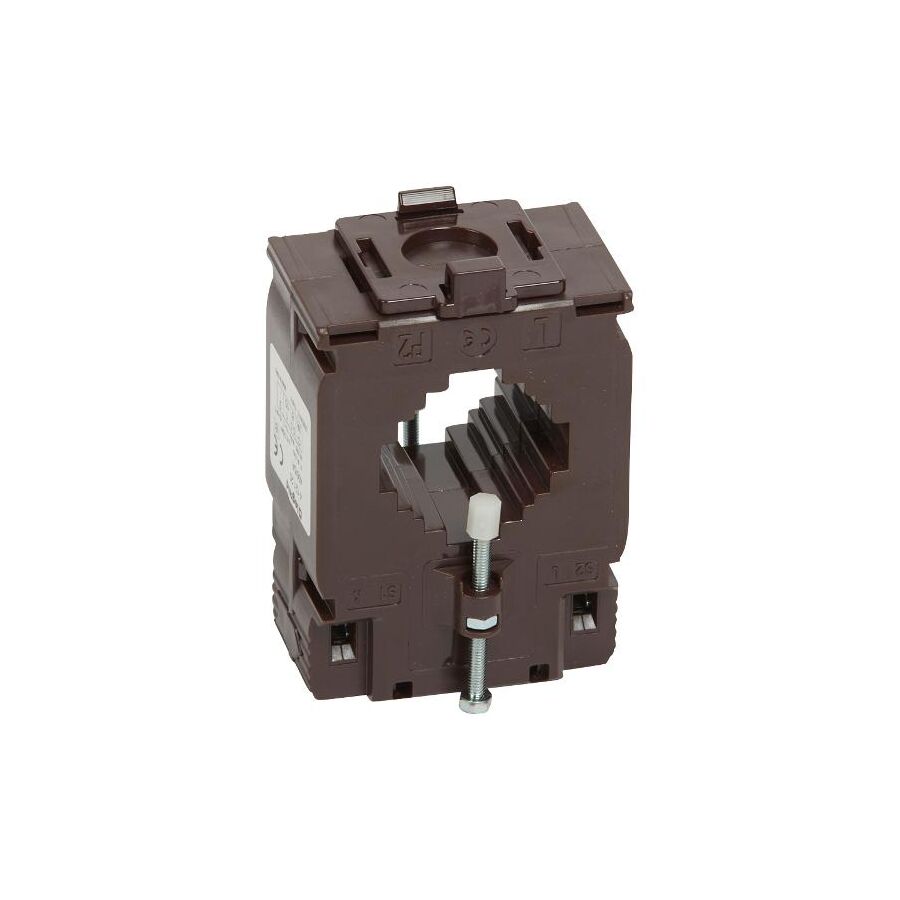
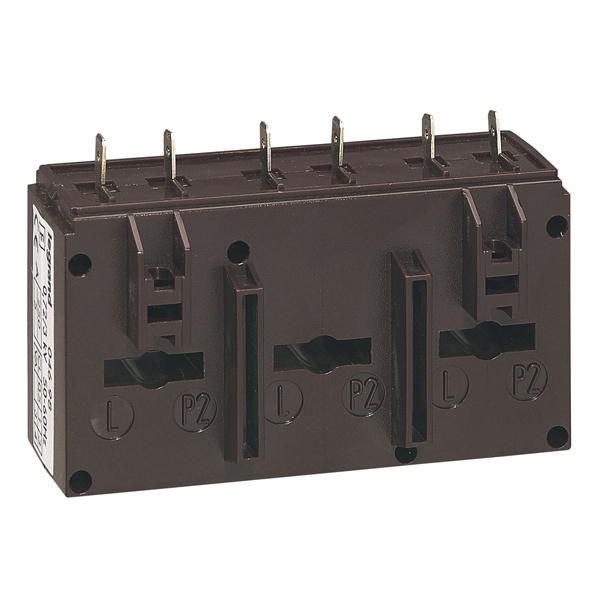
Traditionally, monitoring a three-phase circuit required three separate single-phase current transformers, one installed on each active conductor. While technically effective, this approach consumes valuable busbar space, increases wiring complexity, and introduces a higher risk of installation errors such as incorrect polarity or phase cross-connection. The engineering solution that addresses these limitations is the Three Phase Current Transformer. Commonly known as a block CT or 3-in-1 CT, this device integrates three independent magnetic cores into a single moulded housing. The result is a compact, mechanically stable, and electrically consistent metering solution that aligns with modern switchboard design principles.
Block-Type CT Architecture and Mechanical Design
The defining characteristic of a three phase current transformer is its physical alignment with standard breaker geometry. Modern block CTs are engineered to match the pole pitch of Moulded Case Circuit Breakers used in 250A, 400A, and larger chassis sizes. Each phase window is positioned to align directly with the active conductors L1, L2, and L3, whether these are solid copper busbars or insulated cables.
This alignment delivers immediate benefits on site. Instead of installing, spacing, and securing three individual CTs, the installer mounts a single rigid unit. This reduces labour time and ensures uniform spacing between phases. Mechanical rigidity is particularly important in high fault-level environments. During short-circuit events, busbars experience extreme electromagnetic forces. A unified block CT is far less likely to twist, rotate, or creep under these forces compared to multiple independent devices. This stability helps maintain insulation clearances and mechanical integrity in accordance with AS/NZS 3000 and switchboard assembly standards.
Like all instrument transformers, three phase CTs are governed by AS 60044 requirements. Selecting the correct accuracy class is essential for meaningful data.
For basic monitoring applications such as motor status indication or approximate load balancing, Class 1 accuracy is generally sufficient. However, in commercial buildings where energy data feeds billing systems, NABERS assessments, or sustainability reporting, higher precision is required. Class 0.5 or Class 0.5S current transformers are typically specified. The “S” designation indicates superior accuracy at low current levels, often down to 1 percent of rated current. This is critical in office buildings, schools, and healthcare facilities where occupancy and load vary significantly throughout the day.
A key advantage of the block CT is internal vector consistency. The polarity of each phase is fixed during manufacture, ensuring correct P1–P2 and S1–S2 orientation. This significantly reduces the risk of phase rotation errors that can occur when wiring three individual CTs. Correct vector alignment is essential for accurate three-phase power calculations, including true power, reactive power, and power factor.
The three phase current transformer sits at the interface between high-current power conductors and sensitive metering electronics. Secure mounting and controlled wiring are essential.
This is where the support ecosystem provided by Schnap Electric Products becomes relevant. Schnap Electric Products supplies block-type CTs designed for both busbar and cable installations. For busbar systems, integrated clamp mechanisms secure the CT directly to the copper bars, preventing vibration and movement over time. For cable-fed circuits, DIN-rail adaptors allow the CT to be mounted neatly above or adjacent to the breaker, maintaining clean cable routing and service access.
Secondary terminals are another critical detail. Professional-grade CTs provide clearly marked, shrouded terminals with optional sealing points. This allows tamper-evident seals to be applied where metering data is used for billing or compliance reporting, supporting regulatory and contractual requirements.
One of the most common technical errors in current transformer installations is incorrect burden calculation. The burden represents the total load imposed on the CT secondary circuit, including the meter input impedance and the resistance of the secondary wiring.
In three-phase systems, this calculation must consider all three secondary circuits. Long cable runs between the CT and the energy meter can introduce significant resistance, especially when small conductor sizes are used. If the burden exceeds the CT’s rated capacity, the transformer core may saturate. Saturation causes waveform distortion, leading to under-reading and unreliable data, particularly at high load.
Engineers must therefore calculate total secondary VA demand and select an appropriate CT rating such as 2.5VA, 5VA, or 10VA. Many block CTs use a star-connected secondary reference, simplifying wiring but requiring careful attention to loop impedance and return paths. Proper design at this stage ensures long-term accuracy and prevents costly troubleshooting after commissioning.
Current transformers present a unique safety hazard. If a CT secondary circuit is open-circuited while current flows in the primary, extremely high voltages can be induced across the secondary terminals. This poses a serious risk to personnel and equipment.
To mitigate this risk, professional installations incorporate test blocks or shorting links. These devices allow all three CT secondaries to be safely shorted before meters are disconnected for testing or replacement. In block CT systems, the advantage is clear. All three phases can be isolated or shorted simultaneously, reducing procedural complexity and improving safety during maintenance.
Three phase CT specifications vary widely. Ratios, window sizes, mounting options, and accuracy classes must be matched precisely to the application. A lighting distribution board may require a 160/5 CT, while a main incomer may demand a 630/5 or higher ratio with a larger window aperture.
To avoid costly errors, project engineers and switchboard manufacturers typically source these components through specialised electrical wholesalers. These suppliers verify compatibility between breaker frame sizes and CT geometry, confirm accuracy class requirements, and coordinate delivery with switchboard production schedules. Supporting components such as shorting blocks, wiring looms, and compatible mounting hardware from Schnap Electric Products ensure a complete, compliant metering solution.
The three phase current transformer represents a mature and efficient approach to polyphase energy monitoring. By combining three independent measurement cores into a single, mechanically stable device, it reduces installation time, saves space, and improves measurement consistency. When correctly specified for accuracy class, burden capacity, and mounting configuration, it provides the reliable data foundation demanded by modern energy management systems.
By integrating block-type CTs with robust switchboard hardware from manufacturers such as Schnap Electric Products, Australian industry professionals can deliver compact, safe, and data-rich electrical assemblies. In three-phase power systems, accuracy is achieved not through complexity, but through intelligent integration.

SCHNAP Electrical Wholesaler - clear, upfront pricing that professional electricians trust

Get what you need in seconds. SCHNAP electrical wholesaler makes ordering quick and simple

Fast delivery anywhere - that's guaranteed. SCHNAP electrical wholesalers ship nationwide with same-day dispatch

Track your order every step of the way. SCHNAP electrical wholesale keeps you updated from click to delivery

SCHNAP is Australia's premier electrical wholesaler and electrical supplies, marketing thousands of quality products from leading brands. Trusted for nearly two decades by licensed electricians, contractors, and engineers, our range covers everything from basic electrical components to complex industrial electrical equipment
Our key categories include: LED lighting, designer switches, commercial switchboards, circuit protection, security systems & CCTV, and smart home automation
All products are certified to Australian standards (AS/NZS), backed by our 30-day, no-questions-asked return policy. Our expert technical team helps you quickly source the right solution for any residential, commercial, or industrial project, with daily dispatch from our Sydney electrical warehouse delivering Australia-wide
SCHNAP offers the most comprehensive electrical product range, with full technical specifications, application details, installation requirements, compliance standards, and warranties — giving professionals total confidence in every purchase


