

Kingsgrove Branch:


Send us a photo and our team will help identify it.

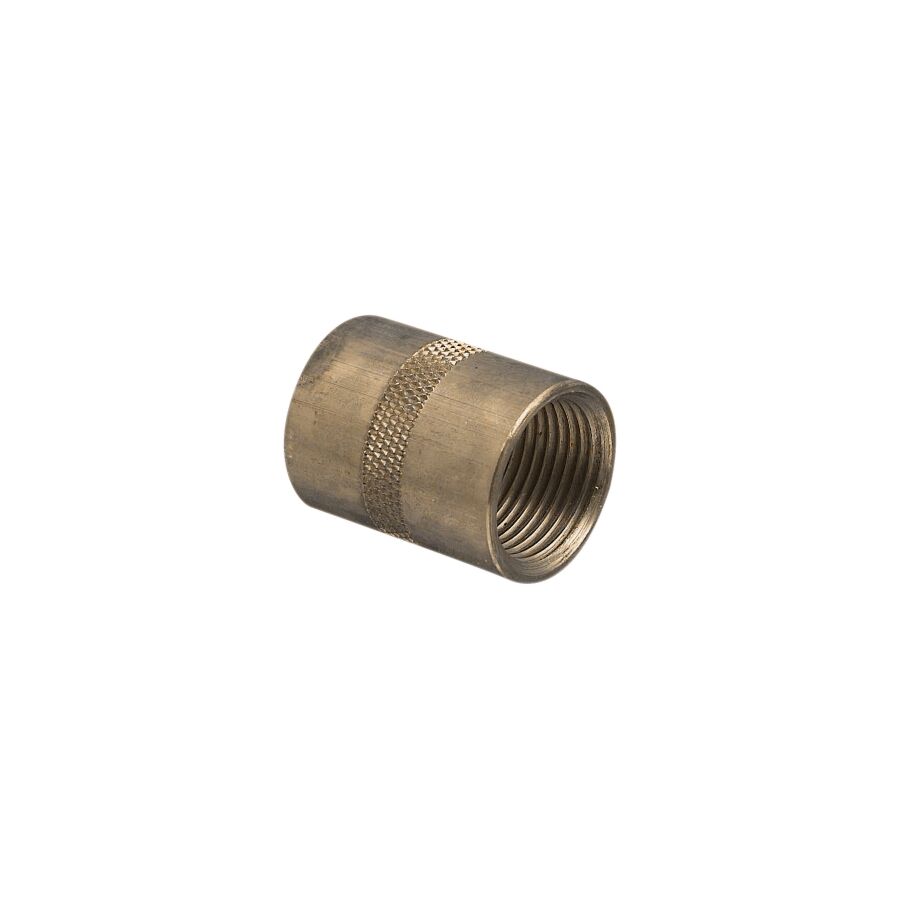
In electrical installations across Australia, it’s not just the cables that matter—it’s how they’re protected. The conduit system acts as the primary mechanical and environmental defence, especially in harsh zones like coastal developments and industrial sites. At the heart of that system is a component often overlooked: the Cable Management Coupling.
Far more than a basic connector, this fitting ensures the Ingress Protection (IP) rating, mechanical strength, and—when metal conduits are used—earth continuity. Compliance with AS/NZS 2053 and AS/NZS 3000 relies on these details being executed flawlessly.
In residential and light commercial installations, uPVC conduit is common. Its joints are created through solvent welding, not simple friction. When cement is applied, it temporarily dissolves the surface layers of both the conduit and the coupling. Upon joining and evaporation, a solid, fused joint is formed.
A proper coupling includes an internal stop ridge, guiding the installer to insert the conduit at the correct depth (typically 15–25mm). This ensures symmetrical strength on both sides of the joint and prevents pipe over-insertion or dry joins.
In long conduit runs exposed to sun or temperature changes, thermal expansion becomes a real risk. Without flexible jointing, conduit can buckle, snap saddles, or even crack.
The solution is the expansion coupling, also known as a slip joint. It incorporates a sliding mechanism and O-ring seal, allowing conduit to move freely while maintaining a weatherproof seal. These couplings are vital in rooftops, open car parks, and long exposed runs, and spacing must follow Australian Standard recommendations based on temperature variation and run length.
In heavy-duty environments, metal conduit is used for mechanical protection and earthing. In these systems, the coupling ensures both the physical and electrical connection.
A proper metal conduit coupling must maintain a low-impedance path to guarantee earth fault clearance. Corroded or loose threads can increase resistance and compromise safety. Best practice includes applying conductive grease on threads before final tightening to ensure consistent conductivity.
A joint is only as strong as its fit. Cheap couplings suffer from poor tolerances—either too loose (leading to glue failure) or too tight (stripping solvent cement during insertion).
SCHNAP Electric Products solves this with precision-machined couplings designed to maintain ideal interference fit. Benefits include:
All SCHNAP couplings conform to AS/NZS 2053, making them a go-to choice for professionals seeking long-term installation reliability.
Flexible corrugated conduits require special fittings. Here, a gland-style coupling with locking teeth or claws engages with the conduit’s ribs.
When the gland nut is tightened, these claws grip the conduit tightly, preventing pullout during vibration or tension. This is crucial in environments with moving machinery or mobile enclosures.
Cheap couplings crack. Poor sealing leads to moisture ingress. In critical systems—like switchboards or rooftop solar arrays, this causes expensive damage.
Smart contractors procure from electrical wholesaler who stock tested, compatible components. Trusted wholesalers also offer:
Working with a supplier like SCHNAP Electric Products ensures every component—from conduit to coupling—is designed to work together.
The cable management coupling is small, but it carries a big responsibility. It ensures the safety, durability, and compliance of every conduit run.
By choosing solvent-welded or expansion-ready couplings from SCHNAP Electric Products, and installing to AS/NZS 2053, industry professionals guarantee system performance. In infrastructure, the chain is only as strong as its smallest link—and this is one link you can’t afford to overlook.
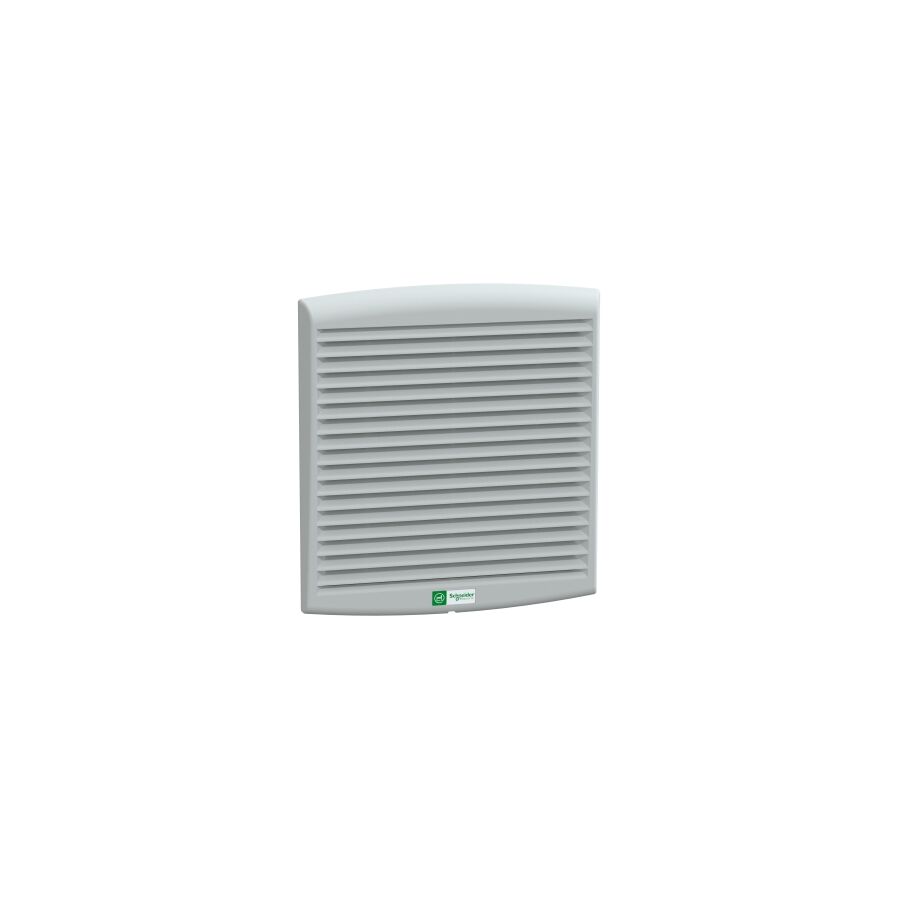
The density of modern switchboards—loaded with variable speed drives (VSDs), soft starters, and compact control gear—creates a dangerous thermal environment. In Australia’s industrial and mining sectors, high ambient temperatures push passive enclosures beyond safe limits. Without active airflow, sensitive electronics degrade rapidly, triggering nuisance tripping and early failure.
Enter the Forced Ventilation Fan: not just a convenience, but a critical safeguard for thermal stability in high-performance switchgear.
Effective switchboard ventilation relies on more than just moving air, it’s about controlling the flow. Industry best practice is clear: always pressurise with cool, filtered air from below.
By installing the fan unit at the lower third of the enclosure and positioning an exhaust grille at the top, the cabinet maintains positive pressure. This configuration:
In dusty or corrosive sites, this method protects internal components from conductive dust, which could otherwise cause flashovers on busbars or terminal blocks.
Choosing the right fan starts with real data, not assumptions. The required airflow volume (m³/h or L/s) is based on:
Using these, engineers can determine the correct fan curve, ensuring consistent cooling without overloading or under-performing.
Oversized fans? Waste energy and increase filter wear. Undersized fans? Risk overheating and equipment damage. The solution must be precise—and designed to match filter resistance and enclosure volume.
Cutting a hole into a sealed cabinet compromises its IP rating. To restore protection, forced ventilation systems must include:
For most industrial settings, IP54 is the minimum benchmark, resisting both dust and splashes. SCHNAP Electric Products meets and exceeds this through robust fan assemblies designed specifically for tough Australian environments.
These units feature:
Maintenance: The Overlooked Failure Point
Fans don’t fail from motor issues, they fail from neglected filters.
As filters clog, airflow drops, heat builds up, and the switchboard behaves as though it has no ventilation at all.
Best practice includes:
SCHNAP’s replacement filters are stocked in all standard sizes, ensuring reliable servicing across all installed sites.
Not all fans are equal. Low-cost models may use:
SCHNAP Electric Products exclusively supplies ball-bearing fans with long L10 life ratings, rated for 230V 50Hz use, with RCM compliance. Our range is trusted by:
We also stock compatible replacement filters, thermostats, and airflow monitors—ensuring every installation is complete and serviceable.
A forced ventilation fan is more than airflow—it’s electrical insurance.
By choosing positive pressure cooling, performing accurate airflow calculations, and sourcing compliant, high-quality fans from trusted manufacturers like SCHNAP Electric Products, electrical wholesaler safeguard the core of their power systems.
When the heat is rising, airflow is everything.
Let your enclosures breathe, safely, quietly, and reliably.
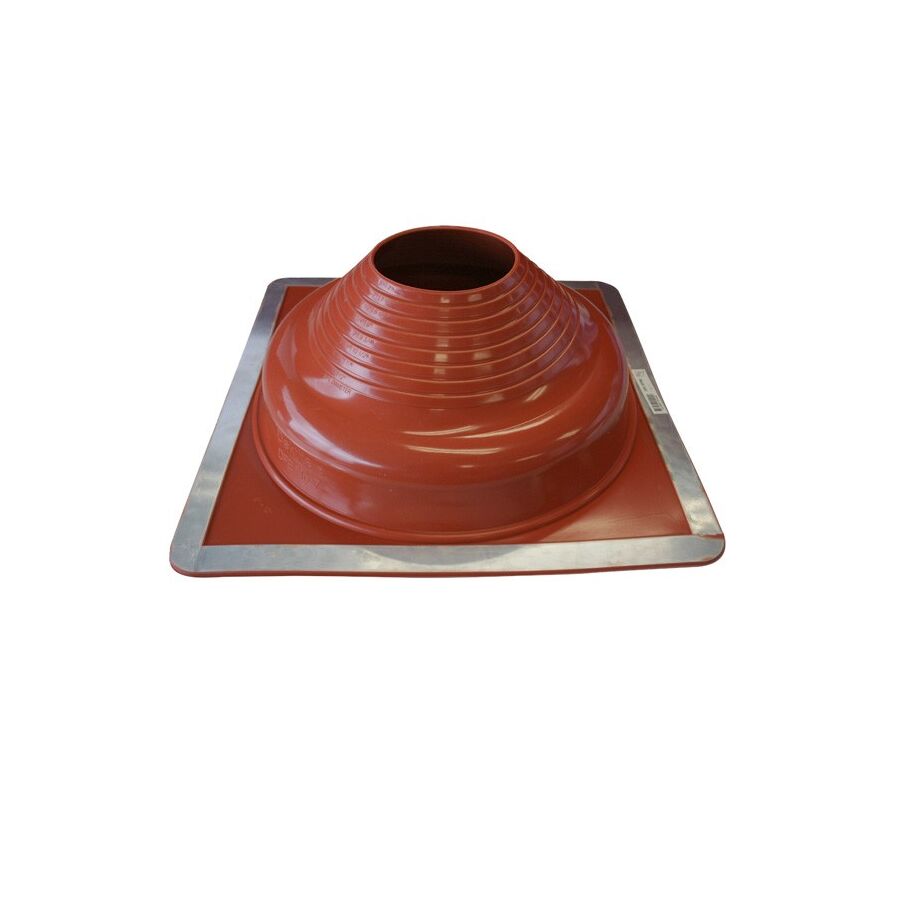
The integrity of a building’s envelope is the first line of defence against the extremes of the Australian climate. From tropical downpours in the north to driving rains along the southern coast, roofing structures are under constant hydraulic pressure. While roofing materials like corrugated steel and terracotta tiles are designed to shed water efficiently, roof penetrations remain a major vulnerability. Every pipe, conduit, or vent that passes through the roof sheet introduces a potential pathway for water ingress. The engineering solution is the installation of high-performance Pipe Flashing, a critical component that accommodates thermal expansion, resists UV damage, and ensures a long-term watertight seal.
Material Science: EPDM vs Silicone
The performance of pipe flashing is largely dependent on the rubber compound used. In Australia’s high-UV environment, basic rubber compounds quickly degrade. The industry standard is EPDM (Ethylene Propylene Diene Monomer), offering excellent resistance to ozone, UV, and extreme temperatures from -50°C to +115°C. For high-temperature applications like exhaust flues, Red Silicone is preferred, withstanding intermittent exposure up to 250°C. Specifiers must select the right compound based on heat and chemical exposure, especially in industrial or coastal zones where degradation can accelerate.
Seal Mechanics on Metal Roofs
Most commercial and industrial roofs in Australia use corrugated steel (e.g. Colorbond or Zincalume). Flashings for these profiles must follow a “dry pan” installation. The flashing base includes a malleable aluminium ring moulded into the rubber, allowing it to conform to the roofing shape. Installers use blind rivets or self-drilling screws spaced at 40mm–50mm intervals to compress the base. Crucially, only neutral-cure silicone sealants must be applied between the flashing and roof sheet—acid-cure silicones are banned, as they corrode metal surfaces.
Electrical Mains and Service Penetrations
Electrical roof penetrations, such as for consumer mains, riser brackets, and aerial service masts, demand extra care. Unlike rigid pipes, electrical conduits are flexible and move in response to wind or load changes. The flashing must have a concertina or bellows-style cone to accommodate this motion without compromising the seal. SCHNAP Electric Products conduit systems are compatible with such flashings, ensuring a tight seal around the mast and preventing water ingress into switchboards.
Top-Hat vs Retro-Fit Flashings
Standard “Top-Hat” flashings are used in new builds and installed before the pipe connection. In existing or live installations, a Retro-Fit flashing is required. These feature a split seam joined by stainless clips or a zipper-lock. Proper installation includes orienting the seam away from prevailing weather and pitch flow. While effective, retro-fit flashings require more care to avoid leakage along the vertical seam.
Bushfire Compliance – AS 3959
Australian standards require all roof penetrations in Bushfire Prone Areas to comply with AS 3959. In BAL-40 and Flame Zones, rubber flashings must be non-combustible or shielded. Standard EPDM can fail under ember attack. Fire-rated systems or shielded flashings are essential, especially near bushland. Non-compliance is a frequent failure in audits and must be addressed during design and installation.
Procurement and Quality Control
The market is flooded with low-cost imports made with inferior rubber and fillers. These products harden, crack, and fail prematurely—posing serious risks. Reputable contractors source their pipe flashings from specialised electrical wholesaler like SCHNAP Electric Products, who offer components:
Using verified components ensures long-term water resistance, maintains warranty coverage, and protects the building structure.
Conclusion
Pipe Flashing plays a critical role in protecting buildings from water ingress, especially around service penetrations. With the right materials like EPDM, precise installation techniques, and supply from trusted wholesalers such as SCHNAP Electric Products, contractors can ensure lasting weatherproofing and full code compliance. In roofing, the smallest detail often determines the greatest risk—because when it comes to performance, the seal is the system.
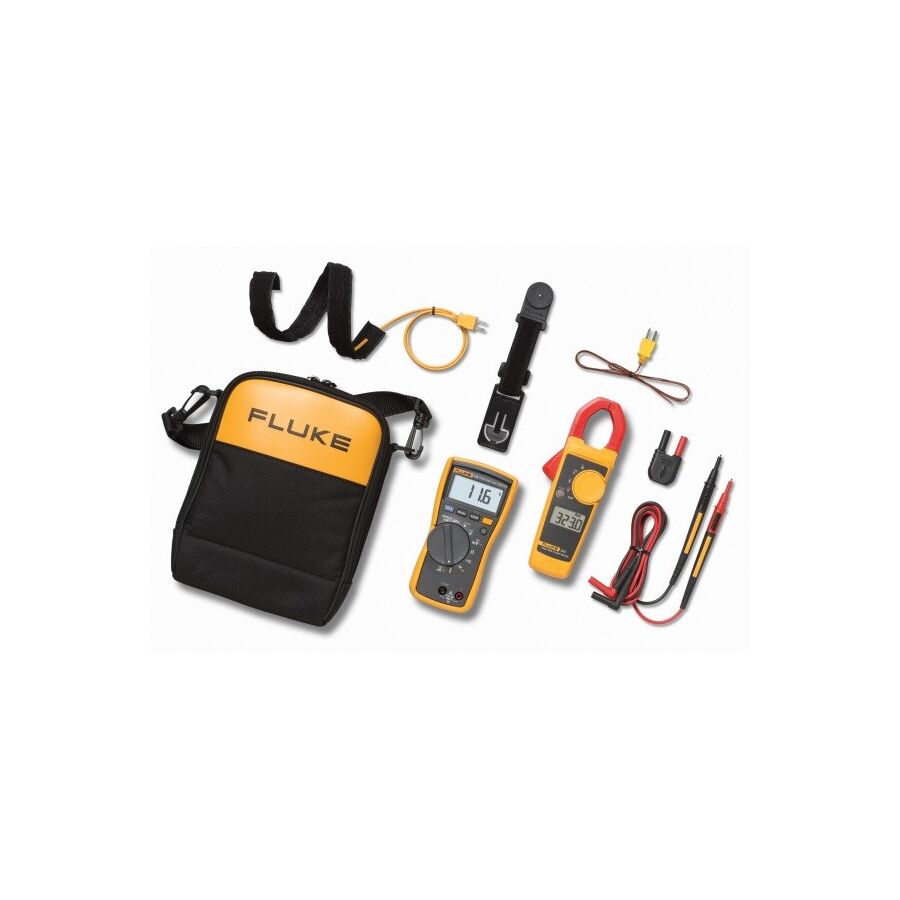
The deployment of split-system and ducted air conditioning is a cornerstone of the Australian construction and building services industry. Given the extreme temperature variance across the continent, reliable climate control is not a luxury but a requirement for habitable environments. However, connecting an outdoor condenser involves more than joining copper pipes. It requires a compliant, weatherproof, and electrically safe connection, built to Australian Standards. In the past, installers sourced isolators, enclosures, breakers, and conduit parts separately—often leading to delays and compatibility issues. The modern solution is the HVAC combo kit: a pre-assembled, engineered package that ensures every install meets AS/NZS 3000 and performs reliably in the field.
Regulatory Compliance: Local Isolation
A key requirement of AS/NZS 3000 Wiring Rules (Clause 4.19) is local isolation. Every compressor must have a switch adjacent to the unit, accessible for safe maintenance. The rotary isolator in a compliant HVAC combo kit is lockable in the “OFF” position, enabling LOTO (Lockout/Tagout) procedures. It must also be AC-23 rated to handle motor loads without welding shut during operation. Failure to meet these specs is a safety risk and a violation of WHS obligations.
Circuit Protection and RCBO Integration
Air conditioning circuits today require both overcurrent and residual current protection. A standard breaker won’t protect against earth leakage faults, which can pose electrocution risks. That’s why modern HVAC kits feature space for or include an RCBO (Residual Current Breaker with Overcurrent). These combine overload protection with RCD safety. SCHNAP Electric Products RCBOs are specially designed to avoid nuisance tripping caused by high inrush currents from inverter-driven systems, including VRF units.
Ingress Protection and UV Stability
The outdoor electrical interface must survive exposure to the elements. Generic PVC boxes become brittle and leak-prone under Australia’s sun. HVAC combo kits must include enclosures rated IP66, offering complete dust and water resistance. UV-stabilised plastics and weatherproof rotary handles are essential. SCHNAP Electric Products isolators are tested for long-term UV resistance, maintaining function and structure even after years of sun, rain, and heat.
Installation Efficiency and Mechanical Synergy
A core benefit of the HVAC combo kit is reduced install time. With all components in one SKU—rotary isolator, enclosure, cable glands, neutral links, adaptors—contractors don’t waste time chasing parts. Pre-threaded entries match supplied fittings, avoiding the risk of forced seals or leaks. This mechanical compatibility guarantees a hermetic enclosure and quicker, cleaner jobs.
Procurement and Reliability Assurance
Electrical failure at the isolator causes expensive service callouts. That’s why sourcing HVAC kits from a specialised electrical wholesaler is critical. Reputable suppliers ensure the kit is certified to AS/NZS 3133 and matched to the AC unit size (e.g., 20A for wall splits, 32A–63A for ducted systems). Only genuine parts—like those from SCHNAP Electric Products—offer full local warranty support and field-tested performance under Australian conditions.
Conclusion
The HVAC combo kit has become an industry standard for a reason. It transforms the air conditioning installation process from a piecemeal task into a streamlined, standardised solution. By integrating local isolation, advanced circuit protection, and UV-stable enclosures into a single kit, professionals can ensure every install is safe, compliant, and durable. With SCHNAP Electric Products inside, installers can trust that every switch will last as long as the system itself. Because in a hot Australian summer, the reliability of the connection is just as important as the coldness of the air.
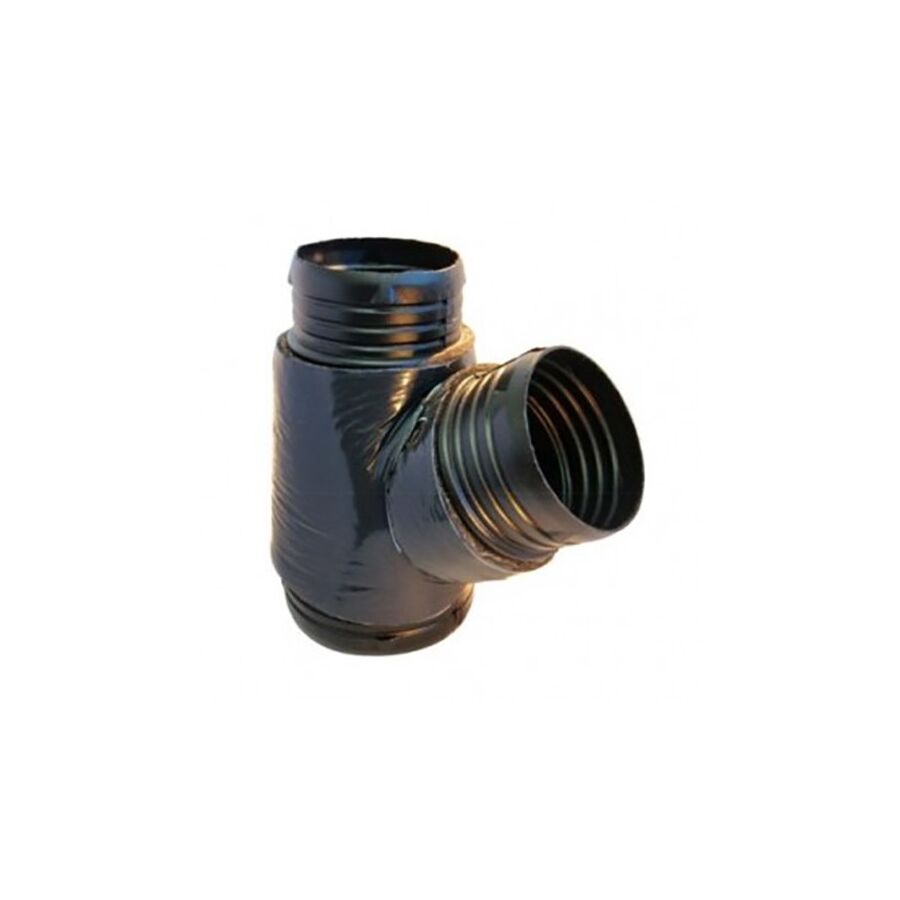
The efficiency of a Heating, Ventilation, and Air Conditioning (HVAC) system is not only measured by the COP of the central unit. While rooftop chillers or package systems produce thermal energy, it's the distribution network that determines how effectively this energy reaches occupied zones. In Australian commercial HVAC, duct design is a core engineering discipline. Every branch, reducer, or elbow adds static pressure. The most common divergence point in a system is where a smaller duct splits from the trunk to supply a specific diffuser or space. The component that manages this is the Single Branch Take Off (BTO)—a critical fitting engineered for aerodynamic efficiency, pressure control, and system noise reduction.
Aerodynamics and Entry Geometry Air resists abrupt directional changes. Forcing airflow to turn 90° sharply increases turbulence and static pressure, reducing overall system efficiency. High-performance BTOs use a 45° angled or curved entry shoe to encourage laminar flow into the branch duct. This smoother transition minimises equivalent length resistance, reducing load on the fan and eliminating noise issues. Mechanical engineers often specify 45° or 60° fittings to prevent low-frequency rumble from transmitting into office zones via duct resonance.
Material Construction and Structural Rigidity AS 4254 outlines duct construction in Australia. Most take offs are fabricated from galvanised steel for strength and compliance. Secure attachment to the main duct—via rivets or clinching—is essential to prevent vibration-induced loosening. Metal gauge must resist pressure pulsations, especially in Variable Air Volume (VAV) systems. In high-humidity or corrosive environments like indoor pools or coastal areas, stainless steel or rigid PVC alternatives are specified to avoid long-term degradation.
Sealing and Insulation Compliance Air leakage is a hidden energy cost in HVAC. NCC Section J limits allowable leakage, making tight sealing essential. The join between the take off and trunk duct must be sealed using mastic or high-density gaskets—not just friction. The outer metal must also be thermally insulated with foil-faced batts to prevent condensation and ceiling damage, especially in humid zones. Without proper sealing, diverted air escapes, reducing zone conditioning and increasing operational costs.
Damper Control and Electrical Integration Many branch take offs also include airflow regulation via manual quadrant dampers or motorised actuators. These require power and control wiring, introducing an electrical interface. Schnap Electric Products supports this need with a range of cable trays, suspension mounts, and UV-stable ties for securely routing control cables across duct exteriors. Their identification systems also help facility managers label and trace zone actuators quickly for efficient servicing.
Spigot Design and Flexible Duct Compatibility Take offs often connect to flexible ducts for terminal delivery. These must have a beaded or crimped collar to grip the duct core. A smooth collar risks disconnection under pressure, leading to costly air losses. Secure with a tension strap or clamp for long-term stability. Poor fittings can lead to conditioned air leaking into the ceiling void—wasting energy and failing to meet zone comfort levels.
Procurement and Sizing Accuracy Precise sizing is crucial. Although duct diameters are standardised (150mm–300mm), variations in manufacturing can cause poor fitment. Undersized collars leak; oversized ones deform the duct wall. Professional HVAC contractors source branch take offs from reputable suppliers who meet Z275 galvanised coating standards and ensure clean edge finishes. Wholesalers like those stocking Schnap Electric Products often supply both the mechanical fittings and the compatible cable accessories needed for efficient installs.
Conclusion The single branch take off is a silent powerhouse in ducted HVAC systems. It controls how air moves from the trunk to the terminal zone. Prioritising aerodynamic design, compliant sealing, and integrated control hardware from brands like Schnap Electric Products ensures efficient, quiet, and durable air delivery. In HVAC physics, the precision of the turn determines the power of the flow—and the comfort of the occupant.
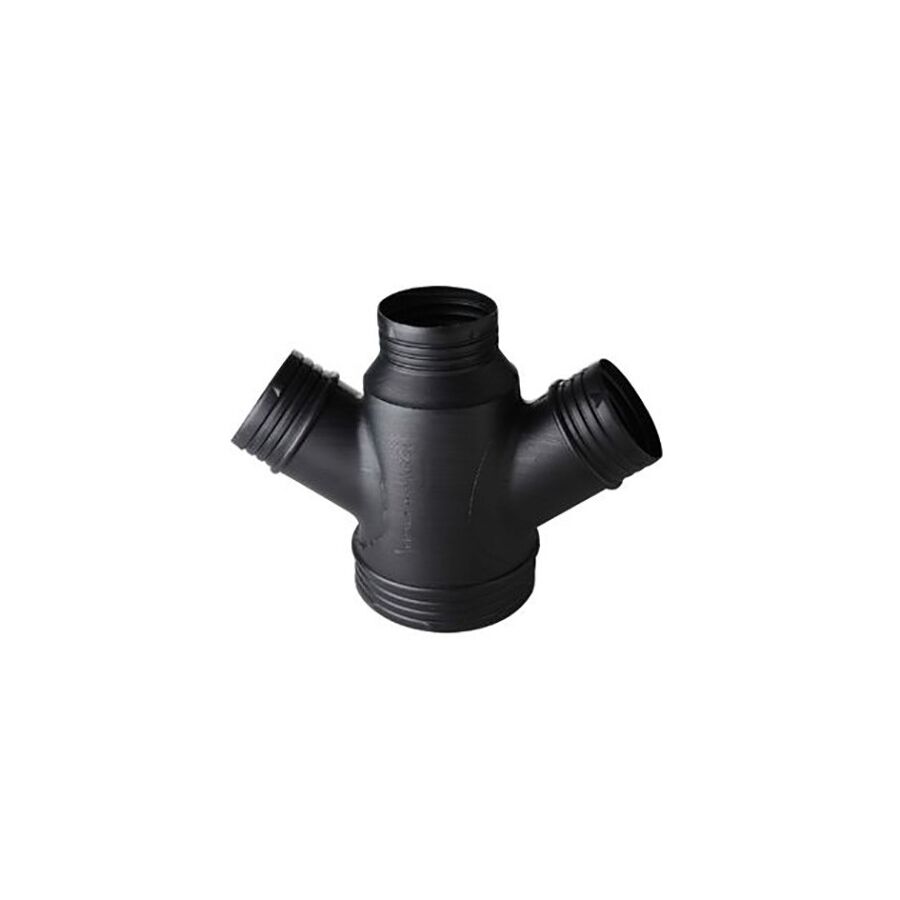
In the design of modern Australian commercial HVAC systems, optimal energy efficiency depends not only on the central plant but on how effectively conditioned air reaches every zone. The ductwork reticulation system is the circulatory network of the building, and its performance hinges on precision airflow division. A core challenge in duct design is the ability to divert large volumes of air from a main trunk line into two separate zones—without introducing turbulence, pressure drop, or uneven air distribution. The Double Branch Take Off (DBTO) is the proven solution for this. Engineered as a high-capacity splitter, it directs airflow into dual branches with minimal system effect, ensuring balanced delivery and full compliance with Australian HVAC standards.
Aerodynamics and Performance
Every directional shift in an air distribution system incurs energy loss, typically measured as a pressure drop in Pascals (Pa). Traditional T-junctions create harsh airflow collisions and turbulence. The DBTO overcomes this by using a pant-leg or bullhead design, featuring either a central vane or radiused internal throat. This design ensures smooth flow division, converting velocity pressure into static pressure within each branch. Without this, one outlet often dominates, starving the other and creating uncomfortable hot or cold zones. Mechanical consultants must specify the correct internal radius to avoid flow separation and imbalance.
Balancing and Zone Control
Unbalanced airflow is one of the most common issues in commercial fit-outs. Air naturally follows the path of least resistance, which can result in one zone receiving significantly more volume than the other. DBTOs are therefore often equipped with integrated Volume Control Dampers (VCDs), which allow airflow to be adjusted during commissioning. In advanced systems, these VCDs are motorised to integrate with the Building Management System (BMS), enabling real-time zone control and improved occupant comfort.
Electrical Integration and Cable Management
Once fitted with actuators, the DBTO becomes an active control point. These actuators typically operate at 24V AC/DC with a 0-10V input signal from the BMS. To ensure durability, proper cable routing and protection are essential. This is where Schnap Electric Products adds critical value—providing stainless steel cable ties, adhesive mounts, and circuit ID tags to manage and label all actuator cabling securely. These accessories help prevent insulation damage from vibration and ensure easy identification during fault finding or maintenance.
Structural Rigidity and Compliance with AS 4254
According to Australian Standard AS 4254, duct fittings must meet minimum rigidity classes to handle fluctuating pressures. A poorly built DBTO can deform, pant, or vibrate under fan load, generating unacceptable low-frequency noise. Proper fabrication includes cross-breaking, heavy-gauge metals, and secure fixing methods—such as riveting or clinching to the trunk line—to avoid detachment or airflow leakage.
Insulation and Moisture Control
NCC Section J mandates strict thermal resistance standards to prevent energy loss. Due to its split geometry, the DBTO can be difficult to insulate with conventional batts. Gaps in insulation allow condensation on cold metal surfaces, especially during cooling cycles. This can cause ceiling tile staining and mould growth. Professionals use foil-faced blanket insulation, precisely trimmed and taped, to maintain vapour integrity around the full surface of the DBTO—even at the throat.
Procurement Strategy and Supply Chain Continuity
Because the DBTO is a bespoke, fabrication-heavy fitting, it’s essential to plan its procurement early. Supply delays can stall downstream ducting and disrupt ceiling timelines. Leading contractors source through specialised HVAC electrical wholesaler with an integrated supply chain—like those who carry Schnap Electric Products. These vendors offer both duct fittings and compatible electromechanical components such as actuators, controllers, and cable accessories, ensuring plug-and-play site integration.
Conclusion
The Double Branch Take Off is more than a duct fitting—it’s a precision component critical to balanced air distribution, comfort, and energy efficiency in Australian buildings. When specified correctly, balanced with motorised dampers, and protected using cable management from Schnap Electric Products, it transforms a basic duct junction into a smart HVAC control node. Whether for office fit-outs, data centres, hospitals, or commercial developments, the DBTO is essential for electrical systems that aim to deliver comfort and compliance.
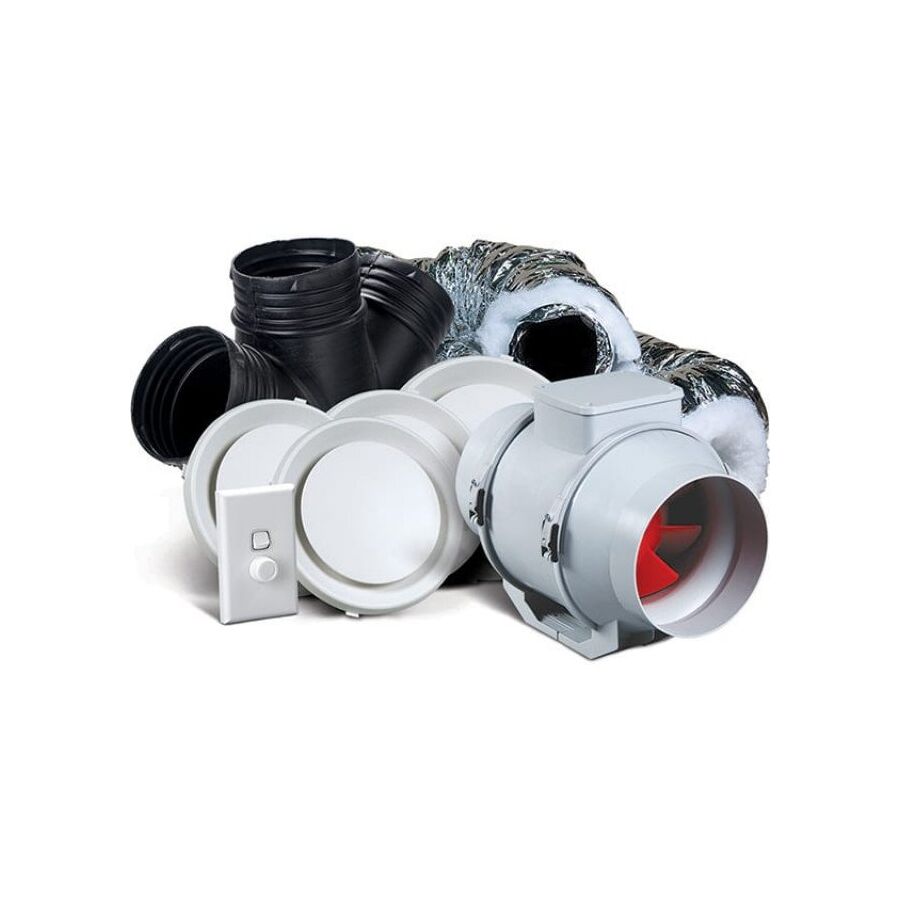
In the colder regions of Australia such as Tasmania, Victoria, and the ACT, wood fires remain a common and culturally significant heating method. While these solid fuel heaters generate strong radiant heat, they typically warm only one area of the home. Bedrooms and other spaces often remain cold, leading families to rely on costly electric panel heaters. A heat transfer kit solves this inefficiency by capturing excess heat from the living area and redistributing it through ductwork to colder parts of the house.
How the System Works Heat naturally rises and accumulates near the ceiling, where it often exceeds 30°C. The heat transfer system includes an intake grille positioned high in the room, usually opposite the fire. A high-powered inline fan then draws the warm air through insulated ducting and delivers it to outlet diffusers in bedrooms or studies. This setup improves comfort while also promoting airflow throughout the house, helping to reduce condensation and mould in cooler areas.
Fan Technology Matters Unlike small bathroom exhaust fans, heat transfer systems require fans that can push air through long duct runs and bends. Mixed-flow fans are preferred as they combine high airflow with pressure-handling capability. These fans must also run quietly, especially at night, which is why high-quality models include ball-bearing motors and anti-vibration housings.
Insulated Ducting is Critical Many DIY systems fail because they use low-grade, uninsulated ducting. In winter, roof cavities are extremely cold, and poorly insulated ducting can cause heat loss before the air reaches the bedroom. To comply with best practice and NCC requirements, the ducting should have an R-value of at least R0.6, ideally R1.0. This insulation is made from a polyester blanket wrapped in a metallised vapor barrier and must be intact at all junctions to prevent thermal bridging.
Smart Controls Save Power Manual operation can backfire. If the fire goes out and the fan keeps running, it circulates cold air. A thermostat-based control system is essential. When the room temperature reaches a set point, such as 25°C, the fan activates. Schnap Electric Products supplies thermostats and switching relays that are ideal for this setup. These components ensure the system only operates when there’s heat to transfer, reducing energy waste.
Wiring and Installation Standards Heat transfer kits involve fixed wiring in the roof cavity and must follow AS/NZS 3000 electrical safety standards. The fan should be connected via a plug base, controlled by the thermostat. This makes it easy to unplug for maintenance without calling an electrician.
Where to Buy and Why it Matters Many retail heat transfer kits are underpowered and made with poor materials. Industry professionals and energy consultants instead source quality components through specialised electrical wholesaler. These suppliers ensure the fan is properly rated for the required outlets (e.g. 1-way, 2-way, or 3-way systems) and that the ducting and electrical parts meet Australian standards. Schnap Electric Products also provides ceiling diffusers with adjustable airflow and the full range of accessories needed to ensure even heat delivery across the home.
Conclusion
A heat transfer kit is a simple but powerful upgrade for homes with wood heaters. It turns a single-room heater into a whole-house solution. By specifying insulated ducting, mixed-flow fans, and using Schnap Electric Products for control and connection hardware, Australian homeowners can enjoy better comfort, lower bills, and improved energy efficiency. In heating, moving energy is cheaper than creating it — and smarter too.
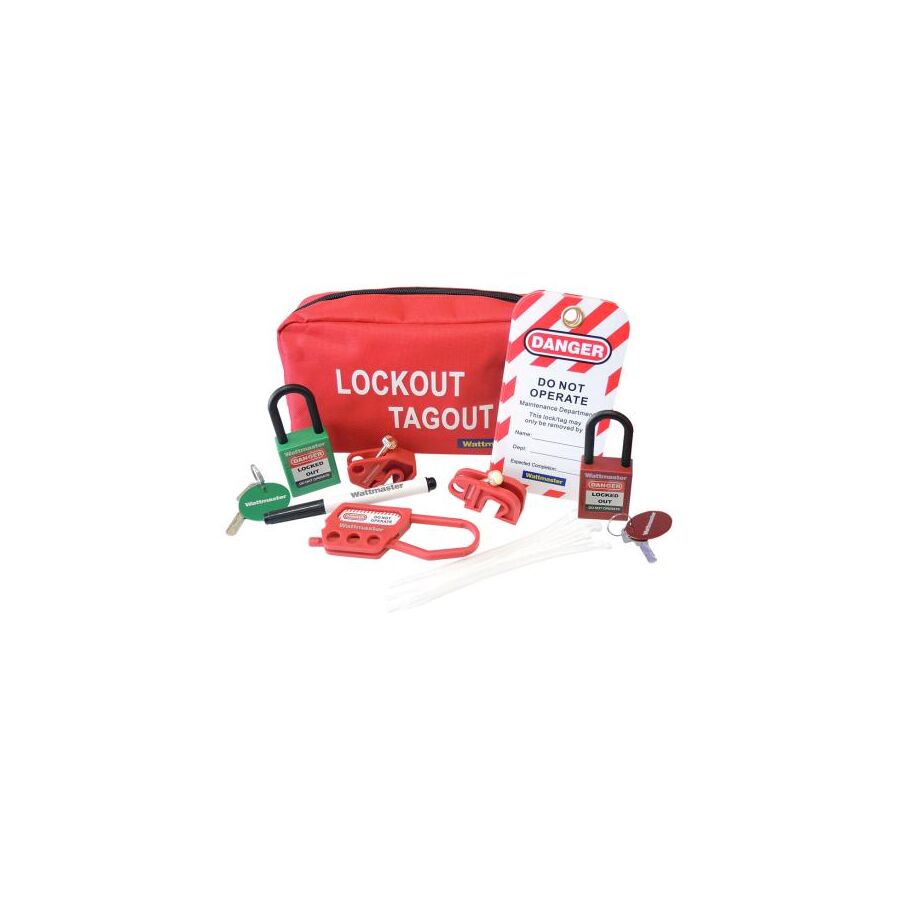
In Australian industry, safety is non-negotiable. The Lockout Tagout Kit is not just equipment—it’s a life-saving barrier between a worker and electrical hazard. Under AS/NZS 4836 and WHS regulations, de-energising circuits is mandatory for maintenance. A well-equipped Lockout Tagout (LOTO) kit is your first line of defence. This article covers the essential components, legal standards, and professional-grade options from SCHNAP Electric Products.
Why Lockout Tagout Kits Are Critical in Australia
Australia prohibits “live work” unless under strict diagnostic conditions. Energy must be fully isolated during maintenance, and only a proper LOTO procedure ensures this.
One Person, One Lock, One Key
This principle guarantees only the person exposed to danger can restore power—eliminating accidental re-energisation.
Key Components of a Professional Lockout Kit
1. Isolation Padlocks and Hasps Colour-coded (e.g., Red for Electricians, Blue for Fitters) Key-retaining cylinders prevent removal unless locked Multi-user access via isolation hasps (up to 6 padlocks) Built for impact resistance and non-conductive safety
2. Circuit Breaker Lockouts Fit both MCBs and MCCBs Use “Pin-In,” “Pin-Out,” or “Clamp-On” depending on breaker type Must be made from durable, non-conductive nylon or Xenoy
Using metal lockouts inside switchboards introduces arc-flash risks—SCHNAP’s nylon options eliminate this danger.
3. Lockout Tags: Communication is Critical A lock without a tag creates confusion. Each tag must include:
SCHNAP’s heavy-duty PVC tags resist water, grease, and abrasion—ideal for mining, factories, and wet environments.
4. Compliance and Customisation Avoid low-quality imports. Only use equipment that meets Australian Standards for structural integrity and voltage handling.
Procure through trusted wholesalers to:
5. Final Step: “Test for Dead” Procedure Even after locking out, safety isn’t confirmed until tested.
Why Choose SCHNAP Electric Products
SCHNAP supplies reliable, industrial-grade LOTO gear—engineered specifically for Australian switchboards and safety culture. Their lockout devices are robust, visible, and designed for real-world conditions.
SCHNAP padlocks and tags aren’t security gadgets—they’re safety essentials.
Conclusion
In the world of high-voltage maintenance, a Lockout Tagout Kit isn’t optional—it’s law. It embodies a safety-first culture and saves lives when properly implemented.
By choosing SCHNAP Electric Products and following WHS standards, your team can work confidently, knowing that every isolation point is secure, visible, and compliant.
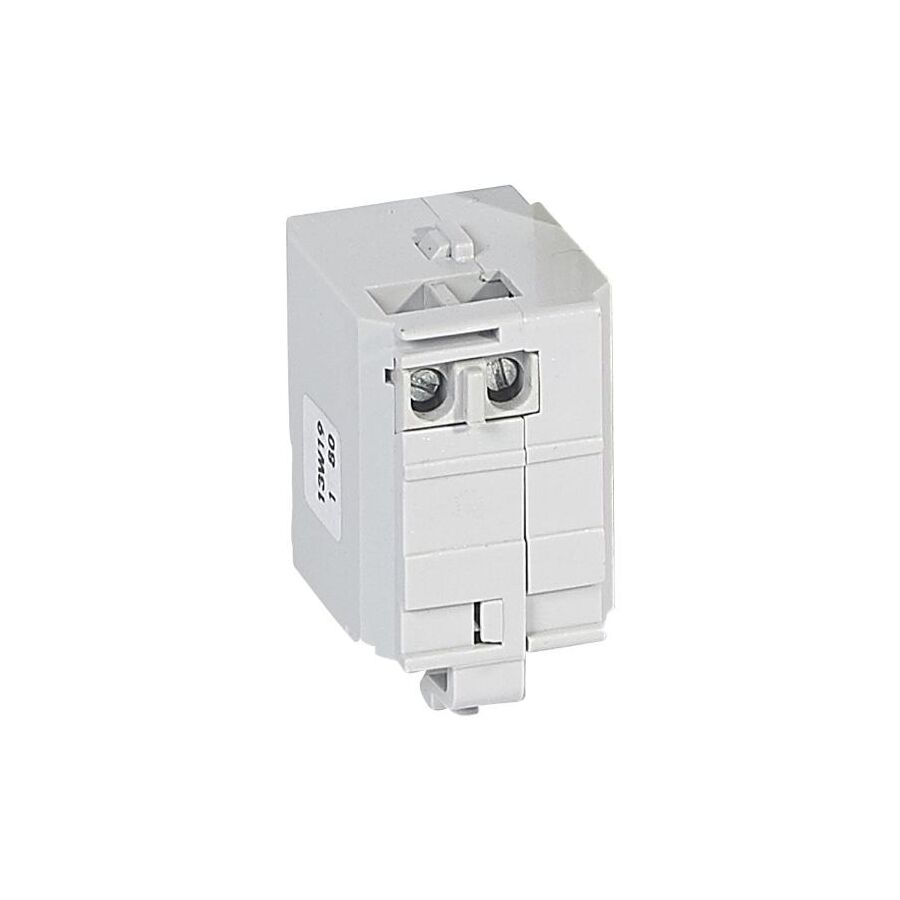
In commercial and industrial environments, electrical faults aren't the only reason for circuit isolation. Systems often need remote disconnection triggered by external events—like a fire alarm or emergency stop button. This is where a Shunt Release (also known as a Shunt Trip) plays a critical role.
A shunt release allows a circuit breaker to trip remotely by applying a voltage to a solenoid, which forces the breaker to disconnect the load. Unlike undervoltage releases that trip on power loss, a shunt release activates when power is applied, making it ideal for emergency stops and fire safety systems.
A shunt release module clips onto the side of a Miniature Circuit Breaker (MCB) or Moulded Case Circuit Breaker (MCCB). When a voltage impulse is sent to the coil, a magnetic field drives a plunger that trips the breaker.
This system ensures rapid disconnection—critical in safety applications like HVAC shutdown during fire events or machinery emergency stops.
In buildings, Fire Indicator Panels (FIPs) often trigger the shunt release. When a fire is detected, the FIP sends a signal to the switchboard. The shunt release cuts power to air handling units to prevent the spread of smoke.
This method is preferred over contactors because the tripped breaker must be manually reset, ensuring a full inspection before reactivation.
Most shunt coils are rated for intermittent duty. If left powered for too long, they burn out. This can happen when an emergency stop button stays latched.
To prevent this, quality systems—like those from Schnap Electric Products—include a clearing contact. When the breaker trips, an internal microswitch disconnects power from the coil, even if the button is still pressed.
This extends the life of the shunt device and ensures safe operation.
Shunt releases are available in multiple voltage ratings, such as:
Using the wrong voltage can cause instant failure or non-operation. Schnap Electric Products clearly labels and supplies voltage-specific modules that integrate directly into their modular switchgear.
In industrial settings, E-Stops need to physically open the power circuit, not just interrupt a control signal. A shunt release wired to the E-Stop guarantees visual confirmation that the breaker has tripped, preventing unintended restarts.
This method is ideal for Category 0 hardwired isolation, as required by many Australian workplace safety standards.
Shunt release systems must follow AS/NZS 3000 (Wiring Rules). The installation involves fixed cabling, isolated plug bases in roof cavities, and protection against coil burnout.
A licensed electrician must handle all wiring and ensure compliance with RCM and type-testing standards. Schnap Electric Products offers datasheets, wiring diagrams, and full support to assist with compliant installations.
Many low-cost, generic shunt devices on the market fail to meet Australian standards. They may jam mechanically, lack clearing contacts, or be incompatible with your breaker brand.
Sourcing from a professional electrical wholesaler guarantees:
Using mismatched parts voids switchboard certification and increases liability.
A Shunt Release is a vital component for integrating electrical protection with safety automation. It allows remote disconnection during fire, emergency, or system fault conditions. By choosing high-quality gear—like Schnap Electric Products—and installing it to code, you ensure safety, compliance, and peace of mind.
Whether for HVAC shutdowns, E-Stop circuits, or fire alarm integration, this silent safety device plays a critical role in keeping Australian facilities protected.
In industrial electrical engineering, protecting people matters more than keeping machines running.
Standard circuit breakers are designed to protect cables, not people. But in factories and commercial facilities, a sudden return of power can be deadly—especially if machines restart unexpectedly while someone is inspecting or repairing them.
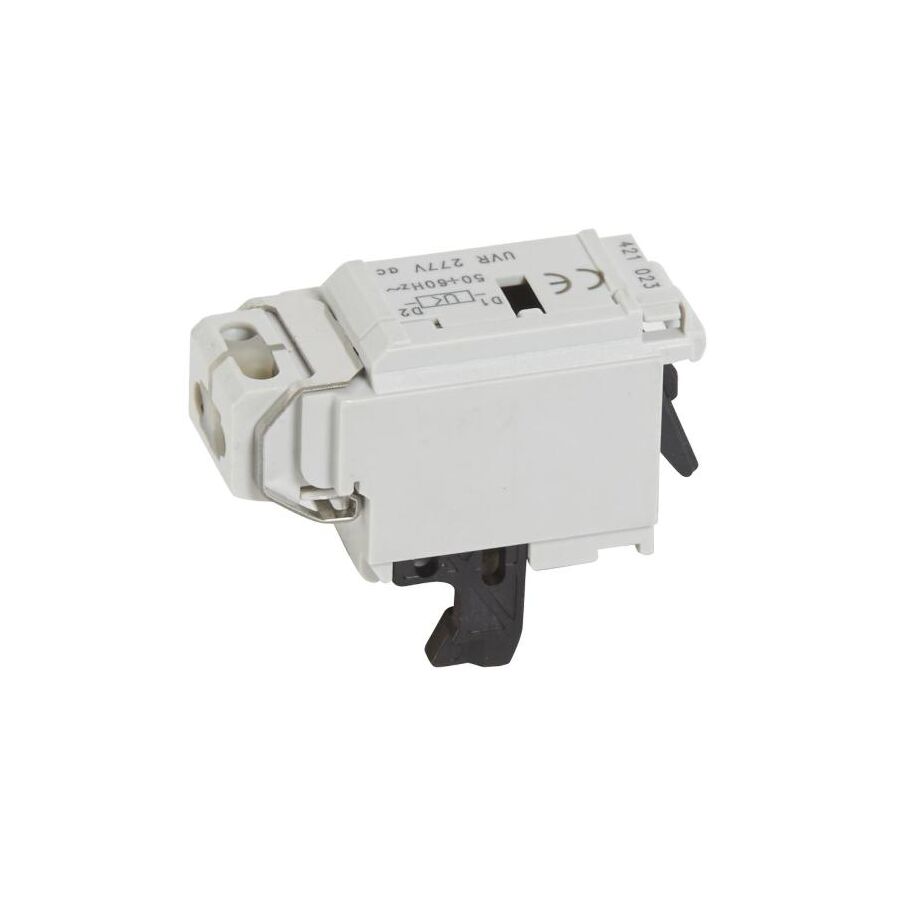
To prevent this, professionals install an Undervoltage Release (UVR). This smart device turns a regular breaker into a fail-safe disconnector, cutting off power anytime voltage is lost. It ensures machines stay off until a manual reset is performed—just as Australian safety laws require.
Unlike a shunt trip that requires power to disconnect, a UVR does the opposite.
It keeps the breaker closed only while power is flowing. The second voltage drops—even slightly—the device trips the breaker using spring-loaded force. If a wire comes loose or the site loses power, the UVR disconnects the machine instantly.
To restore power, a technician must manually reset the breaker—keeping things safe and deliberate.
Australian Standard AS 4024 says that industrial machines must not restart automatically after a blackout if it could be dangerous.
A UVR makes compliance easy. It ensures machines like table saws, presses, and conveyors don’t restart on their own. The operator must always reset the switch before the system reboots.
This is especially useful in small to mid-size machines that don’t use PLCs (Programmable Logic Controllers).
Besides safety, undervoltage releases protect your gear.
During a voltage dip, electric motors pull more current to keep running. That overheats the windings fast—and can cause serious damage.
A thermal overload relay takes time to react. But a UVR trips instantly, shutting down power before the damage occurs. It’s cheap insurance for extending motor lifespan.
Schnap undervoltage releases are precision-engineered to clip directly onto their MCBs and MCCBs. No hacks. No mismatches. No compromise on safety.
They're available in:
Always match the voltage correctly. The wrong unit can burn out or fail to trip when needed.
UVRs are ideal for wiring Emergency Stop (E-Stop) buttons.
These buttons connect in series with the UVR coil. If anyone presses an E-Stop or a cable gets cut, the circuit opens. The UVR trips the breaker, and the machine shuts down.
This design is self-monitoring. Even if the wiring fails, it fails in a way that kills power—making it far safer than shunt trips.
Cheap, unbranded UVRs may:
That’s why pros source from a reputable electrical wholesaler like SCHNAP Electric Products. Every UVR is matched to a certified breaker. The mechanical pins align perfectly. The products come with datasheets, RCM compliance, and real-world reliability.
Don’t mix brands. It’s not compliant and could void your switchboard certification.
An undervoltage release isn't just an accessory—it's a life-saver and a machine saver.
It makes sure that when the power fails, everything stays safely off.
By choosing quality gear like Schnap Electric Products, wiring it right, and following AS 4024, Australian installers can protect both people and property with confidence.

SCHNAP Electrical Wholesaler - clear, upfront pricing that professional electricians trust

Get what you need in seconds. SCHNAP electrical wholesaler makes ordering quick and simple

Fast delivery anywhere - that's guaranteed. SCHNAP electrical wholesalers ship nationwide with same-day dispatch

Track your order every step of the way. SCHNAP electrical wholesale keeps you updated from click to delivery

SCHNAP is Australia's premier electrical wholesaler and electrical supplies, marketing thousands of quality products from leading brands. Trusted for nearly two decades by licensed electricians, contractors, and engineers, our range covers everything from basic electrical components to complex industrial electrical equipment
Our key categories include: LED lighting, designer switches, commercial switchboards, circuit protection, security systems & CCTV, and smart home automation
All products are certified to Australian standards (AS/NZS), backed by our 30-day, no-questions-asked return policy. Our expert technical team helps you quickly source the right solution for any residential, commercial, or industrial project, with daily dispatch from our Sydney electrical warehouse delivering Australia-wide
SCHNAP offers the most comprehensive electrical product range, with full technical specifications, application details, installation requirements, compliance standards, and warranties — giving professionals total confidence in every purchase


Kingsgrove Branch:
Opening hours:
Mon - Fri: 6:30 AM to 5 PM
Saturday: 8:00 AM to 2:00 PM
Sunday: 9:00 AM to 2:00 PM
Closed on public holidays
Jannali Branch:
Closed for Renovations
© 2004 - 2026 SCHNAP Electric Products