




Kingsgrove Branch:
In the demanding environment of Australian structured cabling and data centre operations, the integrity of the physical layer underpins all network performance. As enterprises adopt bandwidth-intensive services such as cloud platforms, real-time analytics, and high-definition video surveillance, 10 Gigabit Ethernet has become the minimum expectation for commercial backbones. While backbone fibre cables provide long-distance connectivity, the way those fibres are terminated at the rack ultimately determines whether the network performs as designed.
Historically, field-installed connectors were common, with technicians polishing connectors onsite. While workable, this approach introduces significant variability in end-face geometry, cleanliness, and insertion loss. The modern engineering standard has shifted decisively toward fusion splicing using OM3 fiber pigtails. These factory-terminated components provide a controlled, repeatable interface between external fibre cables and active equipment, ensuring consistent optical performance and long-term reliability.
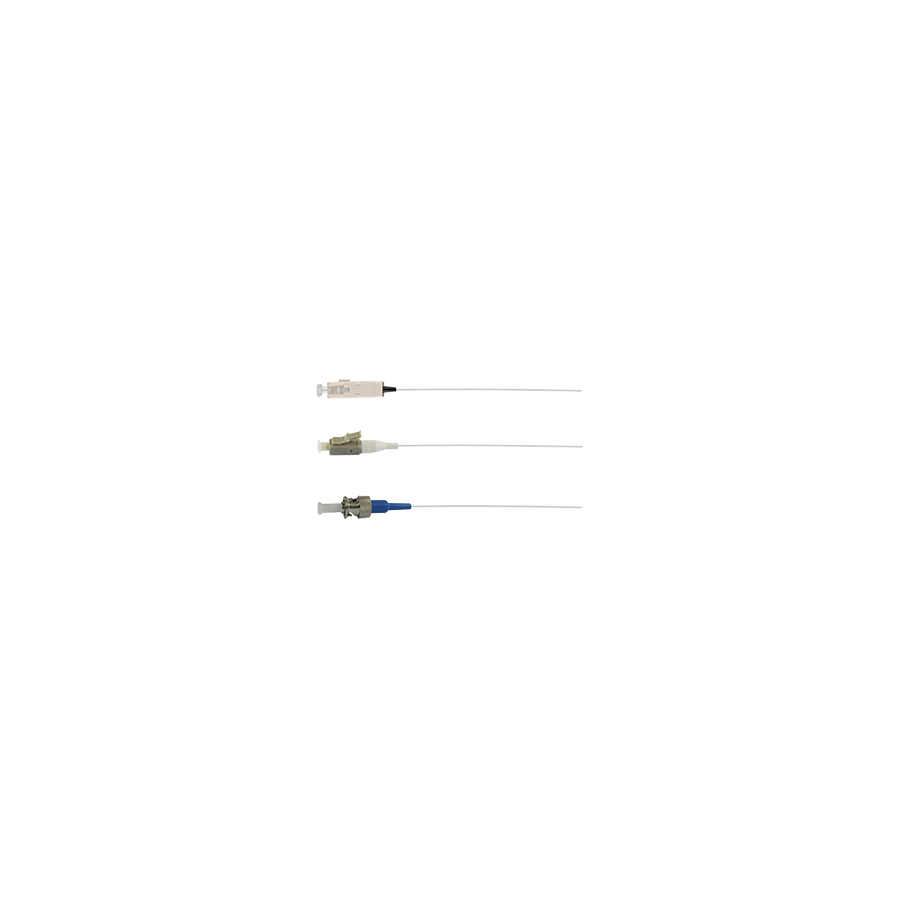
The primary advantage of an OM3 fiber pigtail lies in the quality of its connector end-face. A pigtail consists of a short length of fibre, typically one to two metres, with a connector pre-installed and polished in a controlled factory environment. Automated polishing machines produce precise Ultra Physical Contact profiles, achieving very low insertion loss, commonly below 0.3dB, and high return loss that minimises back-reflection.
Achieving this level of precision in the field is extremely difficult due to dust, vibration, and manual variability. By fusion splicing a factory-polished pigtail to the incoming cable, the installer removes the connector interface as a performance risk. The only remaining variable is the fusion splice itself, which typically contributes less than 0.02dB of loss when performed correctly. This approach ensures compliance with IEC and Australian standards while significantly improving installation consistency.
OM3 fibre is a laser-optimised multimode standard with a 50-micron core and 125-micron cladding. It is specifically designed for use with Vertical-Cavity Surface-Emitting Lasers operating at 850nm, which are standard in 10GbE and 40GbE transceivers. OM3 fibre supports 10GbE transmission distances of up to 300 metres, making it ideal for campus backbones and data centre cross-connects.
OM3 fiber pigtails must match the glass geometry of the backbone cable exactly. Any mismatch, such as splicing a 62.5-micron OM1 pigtail onto an OM3 cable, results in severe core misalignment and unacceptable signal loss. The distinctive aqua jacket used on OM3 pigtails provides an immediate visual cue, helping technicians avoid accidental cross-connection with single-mode or legacy multimode systems.
Unlike patch cords, OM3 fiber pigtails are designed specifically for fusion splicing. They typically use a 900-micron tight buffer rather than a heavy outer jacket. This buffer protects the 250-micron primary coating while remaining flexible and easy to handle inside splice trays.
Professional-grade pigtails feature easy-strip buffers that allow technicians to remove long sections cleanly without damaging the glass. This is critical during fusion splicing, where clean, undamaged fibre ends are required to achieve a low-loss splice. Poor buffer design increases the risk of micro-cracks or contamination, which can compromise long-term performance even if the splice initially tests within limits.
As fibre counts increase, clear identification becomes essential. High-density cables entering a rack can quickly become unmanageable without strict organisation. The industry follows the TIA-598-C colour coding standard, which defines a consistent 12-colour sequence for fibre identification.
OM3 fiber pigtails are supplied in colour-coded sets following this standard, allowing each pigtail to be matched directly to the corresponding fibre strand in the incoming cable. By maintaining colour continuity from the backbone through to the patch panel, technicians ensure traceability throughout the network. This simplifies commissioning, fault finding, and future upgrades, reducing the risk of accidental service disruption.
The fusion splice between a pigtail and a backbone cable is mechanically fragile and must be protected. This protection is provided by heat-shrink splice sleeves housed within a splice cassette, which in turn is mounted inside a Fibre Optic Break Out Tray.
This is where Schnap Electric Products plays an important role in installation quality. Schnap Electric Products supplies fibre management trays and 19-inch rack enclosures engineered to accommodate standard splice cassettes and maintain correct bend radii. Internal routing guides and retention clips prevent the 900-micron pigtails from being pinched, overstressed, or disturbed during maintenance, preserving splice integrity over the life of the installation.
The optical quality of a pigtail cannot be judged visually. Core concentricity, ferrule geometry, and polish quality all affect performance but require specialised testing to verify. Low-quality pigtails may introduce excessive loss even when spliced correctly, undermining the entire link.
Forliable installations depend on sourcing components through specialised electrical wholesaler with strong data and communications expertise. These suppliers ensure that OM3 fiber pigtails meet geometry and loss specifications before distribution and provide access to compatible splice protectors, cleaning materials, and fibre management hardware. This integrated supply approach reduces risk and ensures compliance with Australian cabling standards.
OM3 fiber pigtails are a critical yet often overlooked element of high-speed multimode networks. They provide a reliable, factory-polished interface that transforms raw fibre cables into stable, standards-compliant connections. By using fusion splicing, adhering to colour-coding discipline, and housing terminations within robust infrastructure from suppliers such as Schnap Electric Products, Australian network professionals can deliver data cabling systems that are consistent, scalable, and ready for future demand. In optical networking, performance is defined at the termination point, and OM3 fiber pigtails ensure that definition is precise.
The rollout of the National Broadband Network and the rapid growth of private fibre networks in gated communities, commercial estates, and high-rise developments have fundamentally reshaped the structure of Australian telecommunications. Unlike traditional point-to-point Ethernet networks, where each endpoint requires a dedicated active switch port, modern fibre access networks are built around Point-to-Multipoint architecture. This approach, known as a Passive Optical Network, allows a single Optical Line Terminal port at the headend to serve dozens of subscribers using purely optical signal division.
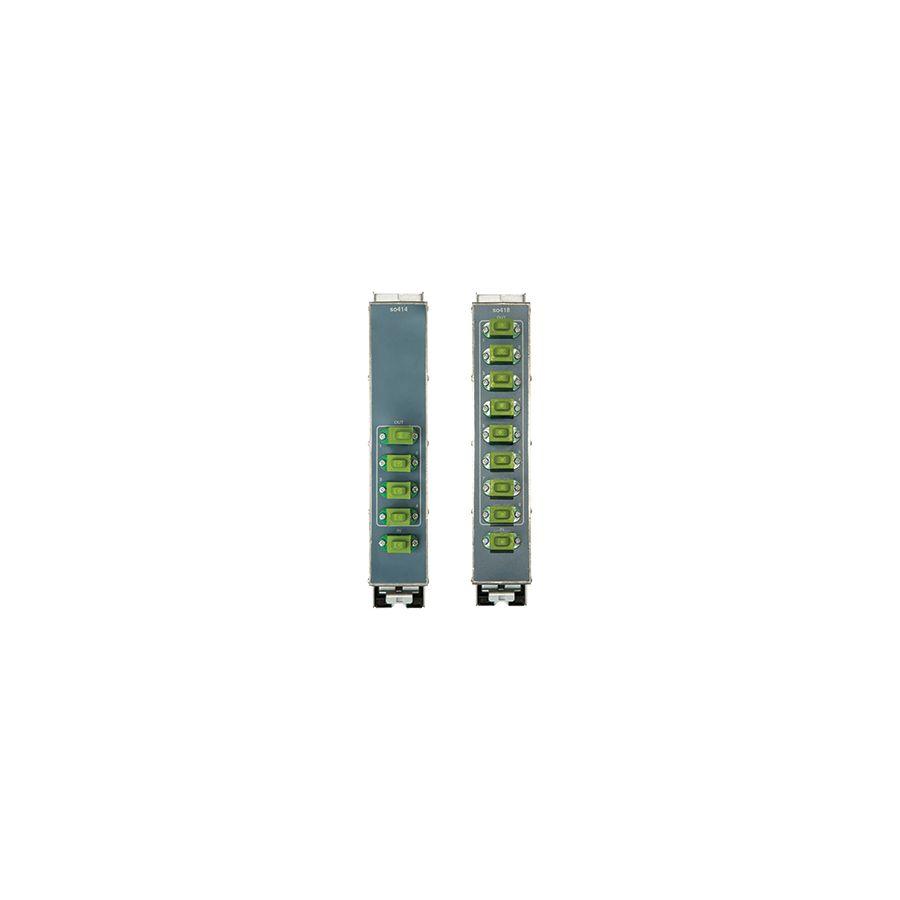
At the centre of this architecture sits the Optical Splitters Module. This passive device performs the critical task of dividing a single optical signal into multiple downstream paths without electrical power or active electronics. The splitter module directly determines whether the optical link budget remains viable, whether signal levels remain balanced across subscribers, and whether long-term service stability can be achieved. In FTTx environments, the splitter is not a peripheral component. It is the core of last-mile fibre delivery.
Early fibre networks relied on Fused Biconical Taper splitters, where fibres were twisted, heated, and fused together. While this approach was adequate for simple 1:2 splits, it proved unsuitable for higher split ratios due to mechanical fragility and inconsistent wavelength performance.
Modern Australian PON deployments are standardised around Planar Lightwave Circuit (PLC) splitters. PLC technology uses semiconductor manufacturing techniques to etch precise silica waveguides onto a quartz substrate. This creates a monolithic optical circuit that divides light evenly across multiple output channels, commonly 1×8, 1×16, or 1×32.
The defining advantage of PLC splitters is spectral uniformity. PLC devices perform consistently across the full PON wavelength range from 1260nm to 1650nm. This is essential in networks carrying multiple services simultaneously, including data, voice, and RF video overlay at 1550nm. Unlike FBT splitters, PLC modules do not favour one wavelength over another, ensuring predictable performance regardless of service mix.
From an engineering perspective, the optical splitters module represents the single largest contributor to attenuation within a PON. The physics of optical division follows a simple rule: every halving of optical power introduces a 3dB loss. As a result, a 1×32 splitter carries a theoretical loss of 15dB before manufacturing tolerances are considered.
In practice, a high-quality PLC splitter exhibits a total insertion loss of approximately 17dB to 18dB. This loss must be carefully accounted for when calculating the optical link budget. Engineers must confirm that the launch power of the OLT, combined with fibre attenuation and connector losses, still delivers a signal within the sensitivity range of the Optical Network Terminal at the customer premises. Poor splitter uniformity can cause imbalance, where some output ports receive acceptable power while others fall below threshold, leading to intermittent or failed services.
Beyond optical performance, physical format plays a critical role in deployment efficiency and maintenance safety. In street cabinets, exchange racks, and building risers, the LGX cassette format has become the dominant industry standard. LGX splitter modules house the PLC chip and fibre fan-outs within a rigid enclosure that slides into compatible sub-racks or fibre trays.
This modular approach enables dense, organised installations and simplifies future expansion. This is where Schnap Electric Products integrates into the passive fibre ecosystem. Schnap Electric Products supplies industrial-grade Fibre Optic Break Out Trays and sub-rack systems engineered specifically to accept LGX splitter modules. These enclosures provide mechanical strain relief, controlled bend radii, and secure port alignment, protecting the delicate fibre pigtails during installation and routine maintenance.
In PON and FTTx architectures, connector selection is not optional. Optical splitter modules are almost universally terminated with SC/APC connectors, identifiable by their green housing. The 8-degree angled physical contact design forces reflected light into the fibre cladding rather than back toward the laser source.
High return loss, typically greater than 55dB, is mandatory in PON environments, particularly those carrying RF overlay services. The use of incorrect connectors is a common and catastrophic error. Mating a blue SC/UPC connector with an SC/APC splitter introduces an air gap that causes severe optical reflection. This reflection can damage transmitters and destabilise the entire network segment. Strict connector discipline is therefore essential at every splitter interface.
Although optical splitters are passive devices, they are frequently installed in harsh environments such as roadside cabinets, basement risers, and external enclosures. As a result, they must maintain stable optical performance across wide temperature ranges and over extended service life.
High-quality splitter modules are qualified to Telcordia GR-1209 and GR-1221 standards, confirming resistance to temperature cycling, humidity exposure, and mechanical stress. Without this qualification, optical epoxy can degrade, or the silica substrate can fracture over time. Such degradation leads to gradual insertion loss drift, causing intermittent faults that are difficult to diagnose and costly to rectify.
The optical splitter market includes many visually identical products with vastly different performance characteristics. Low-grade splitters often lack true PLC substrates, exhibit poor uniformity, or omit individual port test data. Using such components risks service degradation across dozens of customers simultaneously.
For this reason, professional NBN contractors and fibre integrators procure splitter modules through specialised electrical wholesalers with dedicated fibre divisions. These suppliers act as quality gatekeepers, ensuring that each splitter is supplied with verified test results documenting insertion loss and port uniformity. Reputable wholesalers also maintain compatibility across enclosures, patch cords, and mounting hardware, allowing the passive network to be built as a coherent, standards-compliant system.
The optical splitters module is the heart of the passive optical network. It enables scalable, cost-effective fibre deployment by dividing a single optical signal into dozens of stable downstream connections. By understanding the physics of PLC technology, accounting accurately for insertion loss, enforcing strict SC/APC standards, and housing splitters within robust infrastructure from manufacturers such as Schnap Electric Products, Australian industry professionals can deliver fibre networks that are balanced, resilient, and future-ready. In fibre architecture, intelligent division is what makes large-scale connectivity possible.
In the rapidly evolving landscape of Australian telecommunications and commercial data infrastructure, the physical layer remains the foundation on which all digital systems depend. As bandwidth demand accelerates due to cloud computing, virtualisation, edge processing, and real-time video analytics, the transition from copper cabling to optical fibre has become standard practice. In particular, OM3 and OM4 multimode fibre are now the default choice for campus backbones, vertical risers, and data centre cross-connects.
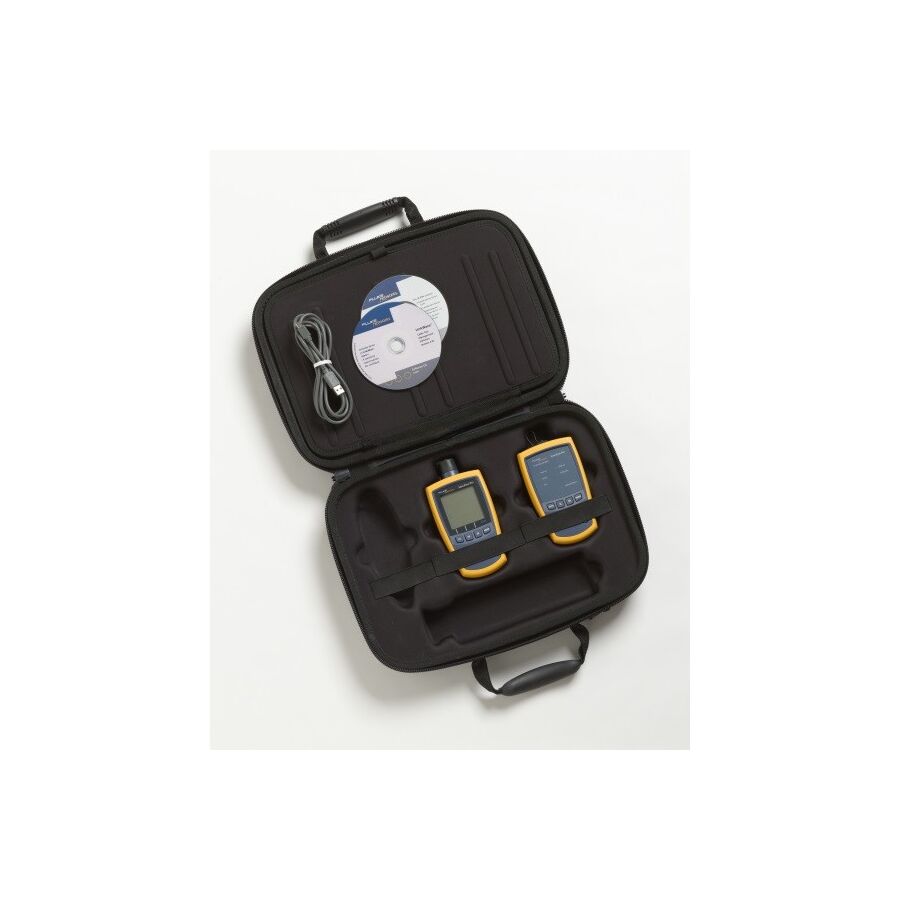
However, installing fibre optic cabling alone does not guarantee network performance. Fibre infrastructure must be measured, validated, and certified to confirm that it can support the intended applications such as 10 Gigabit, 40 Gigabit, or higher Ethernet speeds. This validation is not subjective and cannot be performed visually. It requires calibrated optical instrumentation known collectively as a Multimode Fiber Verification Kit. This kit provides quantitative measurement of optical loss against defined Australian and international standards, ensuring the installed link remains within the allowable optical budget and is protected from excessive bit-error rates caused by poor commissioning.
The primary function of a multimode fibre verification kit is to perform Tier 1 certification, commonly referred to as insertion loss testing. This method measures the total attenuation of the fibre link and confirms whether the cabling system meets the specified performance limits.
The kit consists of two active components: a Light Source (Tx) and a Power Meter (Rx). The light source injects a continuous optical signal at specific wavelengths, typically 850nm and 1300nm for multimode fibre. The power meter at the far end measures the received optical power. The difference between transmitted and received power is calculated as loss in decibels (dB).
For network engineers and communications consultants, it is critical to understand that basic tools such as visual fault locators only confirm continuity. They cannot measure loss or determine compliance. Only a calibrated verification kit can confirm whether attenuation remains within the calculated limit based on fibre length, connector count, and splice points.
One of the most important advancements in multimode fibre testing is the introduction of Encircled Flux (EF) compliance. Historically, legacy LED-based light sources produced inconsistent launch conditions, often overfilling or underfilling the fibre core. This resulted in highly variable measurements that could not be reliably reproduced.
Modern verification kits must comply with EF requirements, particularly at the 850nm wavelength. Encircled Flux defines a precise optical launch profile that closely replicates the output of a VCSEL laser used in active network equipment. By standardising how light enters the fibre core, EF ensures that test results accurately represent real-world operating conditions.
Without EF compliance, a link may incorrectly pass certification but fail under live traffic, or fail testing despite being perfectly serviceable. EF-compliant verification kits eliminate this uncertainty and are essential for OM3 and OM4 fibre certification.
The accuracy of fibre loss measurements is entirely dependent on the reference method used before testing begins. This process, often referred to as referencing or zeroing, removes the loss contribution of the test cords themselves from the final measurement.
For multimode fibre, the industry standard is the One Jumper Reference Method. In this approach, a single high-quality reference patch cord is used to connect the light source directly to the power meter. The baseline is set to 0dB, establishing a known reference point. Any subsequent measurement reflects only the loss of the installed fibre link.
The quality of reference cords is critical. Poor connector geometry or contaminated end-faces introduce measurement errors that invalidate results. This is where Schnap Electric Products plays a supporting role in the verification workflow. Schnap Electric Products supplies precision reference-grade patch cords and adaptors designed for testing environments. These components feature tightly controlled ferrule alignment and polished end-faces, ensuring stable referencing and preventing impossible readings such as negative loss values.
Multimode fibre exhibits different attenuation characteristics at different wavelengths. While 850nm is the primary operating wavelength for most VCSEL-based transceivers, 1300nm testing remains essential for diagnostic purposes.
Professional verification kits automatically test both wavelengths. This dual-wavelength approach is especially valuable for identifying macrobend losses. Tight bends in fibre cables often show acceptable loss at 850nm but elevated loss at 1300nm. Without testing both wavelengths, these latent faults may go undetected, leading to intermittent or degraded network performance after commissioning.
No multimode fibre verification process is complete without proper inspection and cleaning. Contaminated connector end-faces are the leading cause of optical network failures. Even microscopic dust particles can block light transmission or scratch the fibre end-face during mating.
Verification kits are typically used alongside inspection scopes and cleaning tools. Before any connector is inserted into a light source or power meter, it must be inspected and cleaned. Schnap Electric Products supports this requirement with solvent-free cleaning pens and lint-free wipes designed for fibre applications. Maintaining connector hygiene protects both the installed cabling and the sensitive optical ports of the test equipment, preserving measurement accuracy and equipment lifespan.
Optical test equipment represents a significant investment, and the market includes many low-cost instruments that lack calibration traceability or Encircled Flux compliance. Using non-certified equipment can invalidate test results and void cabling system warranties.
For this reason, contractors and facility managers procure verification kits through specialised electrical wholesaler with dedicated data and communications divisions. These suppliers ensure that instruments are calibrated to NATA-traceable standards and meet the requirements of AS/NZS 3080 and ISO/IEC 11801. They also provide access to consumables, replacement batteries, and compatible accessories, ensuring testing programs can be maintained without disruption.
The multimode fiber verification kit is the authority that determines whether a network is compliant, reliable, and ready for service. It transforms fibre installation from an assumption into a measured, documented outcome. By applying proper insertion loss testing, enforcing Encircled Flux launch conditions, adhering to disciplined reference methods, and using precision accessories from suppliers such as Schnap Electric Products, Australian industry professionals can deliver fibre networks that meet standards today and remain resilient tomorrow. In optical networking, performance is not assumed. It is proven through measurement.
In the landscape of Australian industrial and commercial networking, the physical limitations of copper cabling present a persistent engineering constraint. Under the IEEE 802.3 Ethernet standard, twisted-pair copper cables such as Cat6 and Cat6a are restricted to a maximum transmission distance of 100 metres. Beyond this boundary, signal attenuation, impedance mismatch, and crosstalk degrade packet integrity, resulting in dropped frames and unreliable communication.
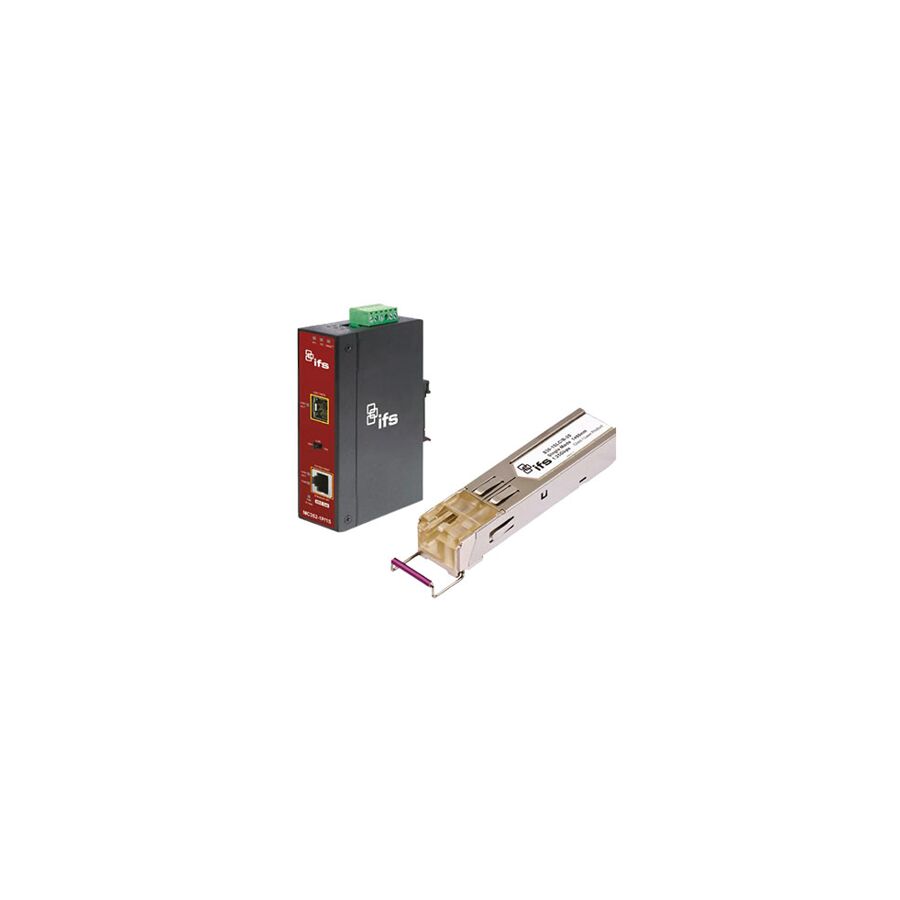
Modern infrastructure requirements routinely exceed this distance. Applications such as perimeter security cameras across mining sites, remote telemetry systems in agricultural processing plants, and distributed control networks in industrial facilities all demand reliable data transmission well beyond the copper limit. The engineering solution to this challenge is the Ethernet to Fiber Converter Kit, a hardware system that bridges copper-based local area networks with the long-distance, noise-immune properties of optical fibre. By converting electrical Ethernet signals into optical signals, these kits enable transmission distances from 550 metres to over 80 kilometres while simultaneously providing critical electrical isolation between network segments.
At its core, an Ethernet to fiber converter performs a Layer 1, or Physical Layer, translation within the OSI model. Electrical pulses received from the copper Ethernet interface are decoded and used to drive a laser diode or light-emitting device, converting electrons into photons that propagate through the fibre core. At the remote end, a corresponding converter performs the inverse operation, restoring the optical signal back into an electrical Ethernet stream.
This process is entirely transparent to higher network layers. Media converters do not modify MAC addresses, VLAN tags, or IP headers. High-quality converter kits employ either store-and-forward or cut-through architectures, ensuring that latency remains negligible and typically measured in microseconds. This low delay is essential for time-sensitive applications such as IP video surveillance, Voice over IP, and industrial control traffic, where jitter or frame loss directly impacts system performance.
Distance extension is only one advantage of fibre conversion. A more critical benefit in industrial environments is immunity to electromagnetic and radio frequency interference. Copper Ethernet cables routed alongside high-voltage feeders, motors, or Variable Speed Drives act as antennas, inducing noise that corrupts data signals and damages network interfaces.
Optical fibre is a dielectric medium and carries no electrical current. By inserting a fibre link between two copper segments, an Ethernet to fiber converter kit creates complete galvanic isolation. This isolation eliminates ground loops, a common failure mechanism where differing earth potentials between buildings cause current to flow along copper shields. Without fibre isolation, these currents can destroy switch ports and network cards. Fibre breaks this electrical path entirely, protecting sensitive active equipment at both ends of the link.
Correct kit selection depends on both transmission distance and fibre type. A typical converter kit consists of a media converter chassis and a Small Form-factor Pluggable (SFP) transceiver module. The optical characteristics of the SFP must match the installed fibre infrastructure.
For short to medium distances, generally up to 550 metres, multimode fibre configurations using OM3 or OM4 fibre are common. These systems utilise cost-effective VCSEL laser technology operating at 850nm and are well suited to campus networks and large commercial buildings. For long-distance applications typical of Australian resource, transport, and utility sectors, single-mode fibre kits are required. Operating at 1310nm or 1550nm, single-mode converters support transmission distances from several kilometres to well beyond 80 kilometres. A mismatch between SFP type and fibre installed will result in excessive dispersion or complete link failure, making correct specification essential.
A defining feature of professional-grade converter kits is Link Fault Pass-Through (LFP). In low-quality converters, a failure on one side of the link may not be communicated to the other. For example, if the copper Ethernet cable is unplugged at the remote end, the fibre link may remain active, causing the central switch to believe the connection is still operational.
With LFP enabled, the converter continuously monitors both copper and fibre interfaces. If one side drops, the converter forces the corresponding port on the opposite side to drop as well. This fault propagation allows managed switches to detect failures immediately, trigger redundancy mechanisms such as Spanning Tree Protocol, or alert administrators through SNMP monitoring. In large industrial networks, this feature is essential for maintaining visibility and reducing fault resolution time.
Ethernet to fiber converters are rarely installed in climate-controlled server rooms. In many applications, the remote converter is located in field cabinets, ceiling voids, or outdoor enclosures exposed to dust, vibration, and temperature variation. As a result, physical mounting and power quality are critical considerations.
Schnap Electric Products supplies industrial DIN-rail mounting solutions, regulated DC power supplies, and protective enclosures designed specifically for networking and control equipment. Most media converters operate on 12V or 24V DC, making a stable and filtered power source essential. A Schnap Electric Products DIN-rail power supply delivers clean, regulated voltage, protecting the converter from surges and fluctuations common in industrial grids. Housing the converter within a properly ventilated enclosure also ensures fibre patch leads are strain-relieved and protected from accidental damage.
In many surveillance and access-control applications, the remote device requires both data and power. Advanced Ethernet to fiber converter kits incorporate Power over Ethernet (PoE) functionality. These converters act as Power Sourcing Equipment, injecting 48V DC in accordance with IEEE 802.3af or 802.3at standards into the copper Ethernet port while maintaining fibre data transmission.
This capability eliminates the need for a separate power circuit at the remote device, simplifying installation and reducing infrastructure costs. PoE-enabled converters are particularly valuable for pole-mounted cameras, remote sensors, and outdoor access points where running mains power is impractical.
The market contains a wide range of low-cost, unbranded media converters that suffer from poor thermal design, capacitor degradation, and premature laser failure. In security, control, or monitoring networks, a failed converter represents a complete loss of communication at that endpoint.
For this reason, professional system integrators procure Ethernet to fiber converter kits through specialised electrical wholesalers with dedicated data and industrial networking expertise. These suppliers verify RCM compliance, electromagnetic compatibility, and suitability for Australian environmental conditions. They also stock compatible fibre patch cords, SFP modules, and Schnap Electric Products mounting accessories, ensuring the entire link is engineered as a coherent, reliable system rather than a collection of mismatched components.
The Ethernet to fiber converter kit is the essential bridge that extends modern networking beyond the physical limits of copper cabling. It delivers the distance, noise immunity, and electrical isolation required for robust industrial and commercial communication systems. By understanding the principles of optical–electrical conversion, selecting the correct single-mode or multimode configuration, leveraging features such as Link Fault Pass-Through, and securing the installation with infrastructure from suppliers like Schnap Electric Products, Australian industry professionals can deploy networks that are scalable, resilient, and uncompromising in reliability. In the equation of connectivity, the converter is not merely an adapter, it is a force multiplier.
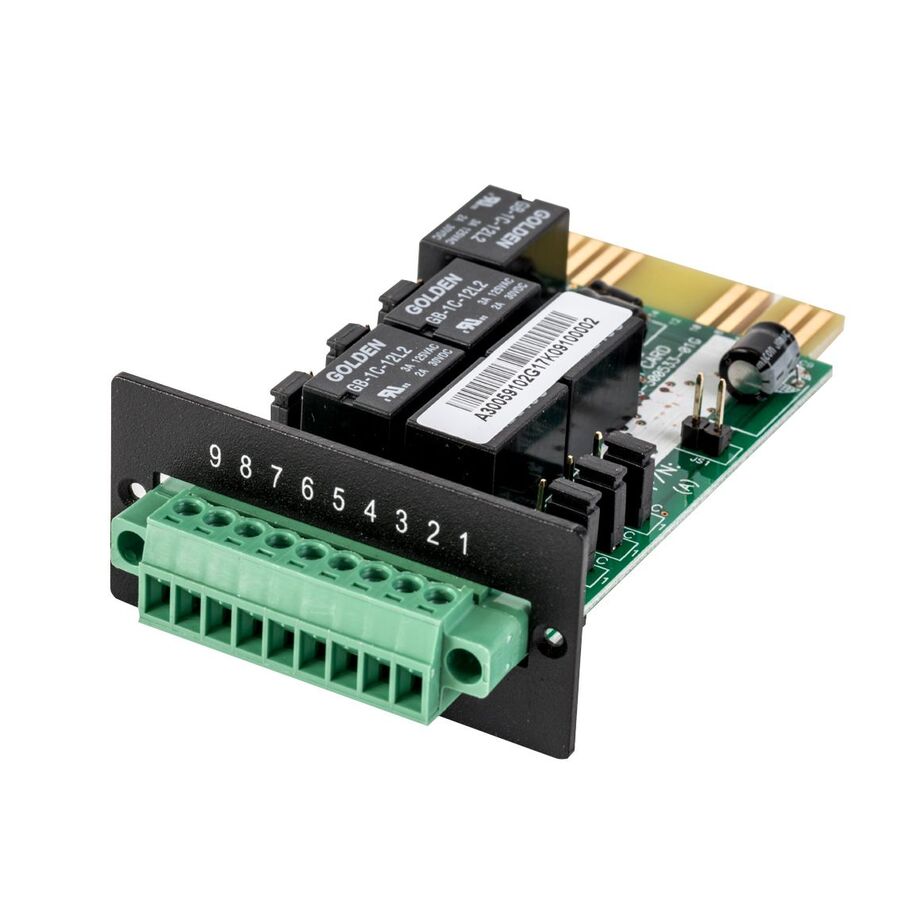
In the architecture of Australian critical power infrastructure, the Uninterruptible Power Supply (UPS) is the final line of defence against utility instability. Modern UPS platforms commonly provide network-based monitoring via SNMP over Ethernet, enabling detailed telemetry such as load levels, battery health, and event logs. However, despite these advanced capabilities, critical facilities continue to rely on a more fundamental form of communication: hardwired physical signalling.
IP networks can fail. Switches can reboot. Firmware can freeze. A physical electromechanical contact, by contrast, is absolute. For this reason, the Internal Relay Comms Card remains an essential component in professional UPS deployments. This card provides a direct, fail-safe interface between the UPS and external systems such as Building Management Systems (BMS), Programmable Logic Controllers (PLCs), and legacy server shutdown platforms. It converts internal UPS logic states into isolated, potential-free relay contacts that can be interpreted by virtually any monitoring system.
The primary function of an internal relay communications card is to provide dry contact outputs. In electrical engineering terms, a dry contact is a passive switching interface that does not generate or supply its own voltage. It simply opens or closes a circuit that is powered externally by the monitoring system.
This differs from a “wet” contact, which injects voltage into the circuit and introduces compatibility and safety risks. Inside the relay card, miniature electromechanical relays are driven by the UPS control processor. When a defined condition occurs, such as mains failure or battery depletion, the relay coil is energised and the contact state changes.
The major engineering benefit of this approach is galvanic isolation. There is no electrical continuity between the high-power internal circuitry of the UPS and the external monitoring cabling. This isolation protects sensitive BMS and PLC inputs from voltage spikes, ground potential differences, and electromagnetic interference, all of which are common in electrically noisy plant rooms and data centres.
Despite the widespread adoption of IP-based monitoring, hardware-level shutdown and alarm protocols remain critical. Legacy systems such as the IBM AS/400 platform rely on physical relay inputs to initiate controlled shutdown sequences during power events. These systems require deterministic signalling that does not depend on software services or network availability.
Internal relay comms cards are frequently configurable to support these protocols. By assigning specific relay outputs to conditions such as “Battery Low” or “UPS on Bypass,” the card can trigger a graceful shutdown before battery reserves are exhausted. In larger facilities, BMS platforms often require a single consolidated alarm rather than multiple data points. In this case, a summary fault relay is used. The BMS simply monitors continuity across a single contact pair, triggering alarms if the circuit opens. This simplicity ensures the alarm path remains functional even when the IT network is offline.
Correct relay logic configuration is essential for reliable alarm signalling. Most internal relay cards provide both Normally Open (NO) and Normally Closed (NC) terminals for each output channel. The choice between these is not arbitrary and must be made based on fail-safe principles.
For critical alarms, the Normally Closed configuration is preferred. In an NC circuit, current flows continuously during normal operation. If a wire is cut, a terminal loosens, or the relay card loses power, the circuit opens and the alarm is triggered immediately. This ensures that wiring faults are detected proactively. A Normally Open configuration, by contrast, can fail silently if cabling is damaged, resulting in missed alarms during genuine fault conditions. Configuration of these contact states is typically achieved through jumpers or dip switches and must align precisely with site documentation.
The physical connector on an internal relay card, whether a DB9 or small terminal block, is not designed to accept heavy field cabling. Direct termination of building wiring onto the card risks mechanical stress, PCB damage, and unreliable connections.
Best practice dictates the use of an intermediate marshalling point. Signal wiring from the relay card should transition to DIN-rail mounted interface terminals or relay modules housed in a separate enclosure. Schnap Electric Products supplies industrial-grade terminal systems and interface components designed for vibration resistance, mechanical durability, and clean signal segregation. These systems allow installers to transition from fine-gauge signal wiring at the UPS to structured building cabling without compromising reliability.
Where the BMS requires switching voltages or currents beyond the rating of the internal relay card, typically 24V DC at low current, an external interface relay must be used. This protects the comms card from over-current damage while allowing it to control higher-power signalling circuits safely.
Under AS/NZS 3000, the segregation of electrical circuits is mandatory. Relay signalling circuits are classified as Safety Extra Low Voltage (SELV) and must be physically separated from low-voltage power circuits. A common installation error is routing alarm cabling within the same conduit or tray as UPS output power cabling. This violates wiring rules and introduces electromagnetic interference that can cause false alarms or intermittent faults.
While the relay card provides electronic isolation, the installer is responsible for maintaining physical separation through correct cable routing, containment, and enclosure design. Proper segregation preserves both safety compliance and signal integrity.
Compatibility remains one of the most common challenges in deploying internal relay comms cards. Many cards are proprietary to specific UPS manufacturers or require defined slot formats such as mini-slot or standard expansion bays. Using an incorrect or generic card can result in logic mismatches, where alarm states are misreported or ignored entirely.
To avoid these risks, facility managers and critical power contractors source relay cards through specialised electrical wholesaler with dedicated power quality expertise. These suppliers verify compatibility between the UPS model, firmware version, and relay card architecture. They also ensure availability of compliant control cabling, interface enclosures, and termination accessories, enabling a complete and standards-compliant installation.
The internal relay comms card is a foundational element of resilient UPS monitoring. It provides a deterministic, fail-safe communication path between the UPS and external control systems, independent of networks, software, or protocols. Through dry contact signalling, galvanic isolation, and disciplined wiring practices, it ensures that critical alarms are delivered reliably under all conditions.
When combined with proper marshalling, compliant SELV segregation, and robust interface hardware from suppliers such as Schnap Electric Products, the relay comms card becomes a silent but indispensable guardian of critical infrastructure. In power protection, when everything else fails, the physical contact remains the ultimate authority.
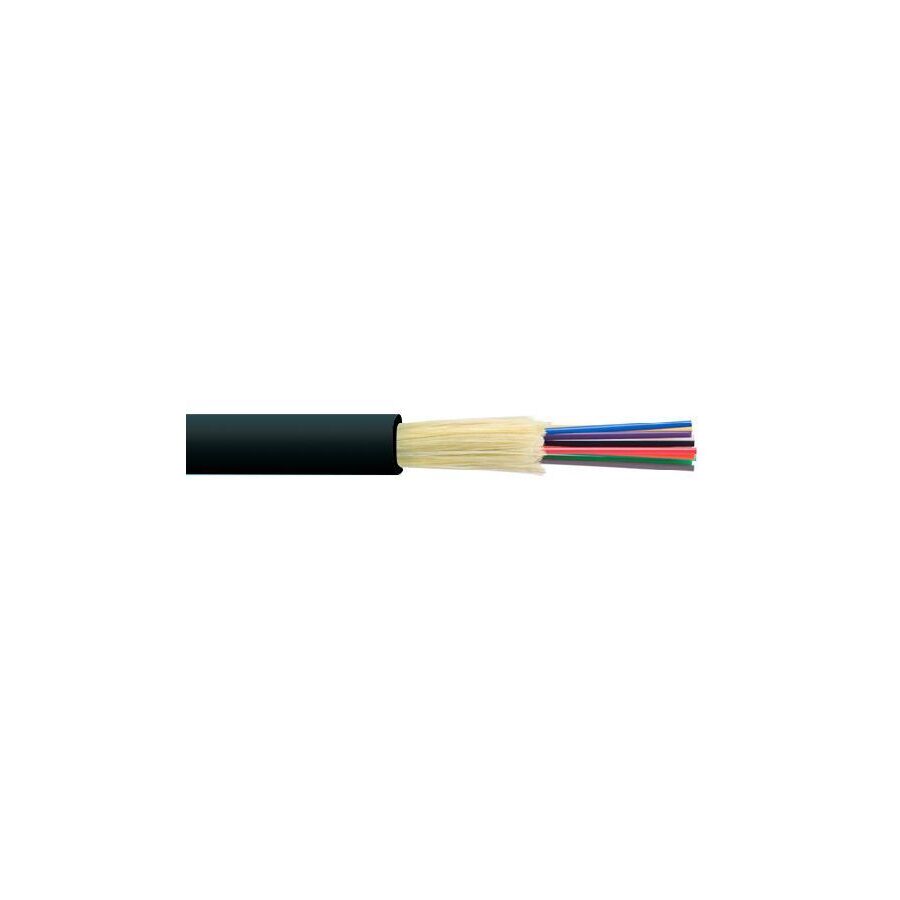
In modern Australian data network architecture, bandwidth demand within vertical risers, campus backbones, and inter-building links has exceeded the practical limits of copper cabling. While Category 6A copper can support 10 Gigabit Ethernet over short distances, it remains vulnerable to electromagnetic interference and is limited to a maximum operational length of 100 metres. For connecting server rooms, floor distributors, communications rooms, and edge cabinets across commercial buildings or industrial facilities, optical fibre has become the engineering standard.
Within this environment, 12 Core OM3 Fibre Cable has emerged as the baseline specification for enterprise-grade backbone infrastructure. This configuration delivers an optimal balance between fibre density, upgrade flexibility, and cost efficiency for link lengths up to 300 metres, making it ideally suited to Australian commercial buildings, campuses, and industrial sites.
The designation OM3 stands for Optical Multimode 3, a fibre classification defined under ISO/IEC 11801. Earlier multimode generations such as OM1 and OM2 were designed for LED light sources and are unsuitable for modern high-speed networks. OM3 fibre is specifically engineered for use with Vertical-Cavity Surface-Emitting Lasers (VCSELs) operating at the 850nm wavelength.
The critical performance parameter is Effective Modal Bandwidth (EMB). OM3 fibre provides an EMB rating of 2000 MHz·km, achieved through a precisely controlled refractive index profile within the 50-micron glass core. This profile minimises Differential Mode Delay (DMD), which occurs when light pulses travel multiple paths within the fibre and arrive at the receiver at different times. By reducing modal dispersion, OM3 fibre supports stable 10Gbps transmission over distances up to 300 metres, comfortably covering the vast majority of Australian commercial riser and campus backbone applications.
Specifying a 12-core fibre cable is a deliberate engineering decision. In standard duplex Ethernet communication, one fibre transmits data and one fibre receives data, meaning a 12-core cable can support six independent 10GbE links using LC connectors. This alone provides ample capacity for most commercial deployments.
The greater strategic advantage lies in parallel optics. Emerging standards such as 40GBASE-SR4 and 100GBASE-SR4 utilise MPO or MTP connectors that engage 8 or 12 fibres simultaneously to form a single high-bandwidth channel. By installing a 12-core OM3 backbone today, facility managers effectively future-proof their infrastructure, enabling 40Gbps and 100Gbps upgrades without the need to re-cable risers, ceiling spaces, or underground pathways.
The internal construction of a fibre cable must be selected based on the installation environment. Loose tube construction houses 250-micron coated fibres within a gel-filled or dry-blocked buffer tube, isolating the glass from mechanical stress and thermal expansion. This design is well suited to inter-building links, warehouses, indoor-outdoor transitions, and non-climate-controlled environments.
For vertical risers and strictly indoor applications, tight buffered construction is preferred. Each fibre is coated with a 900-micron buffer, providing greater mechanical protection and allowing direct termination inside patch panels and fibre trays. Regardless of construction type, Australian commercial installations typically require a Low Smoke Zero Halogen (LSZH) outer jacket. LSZH materials do not emit toxic gases or dense smoke during fire events and are mandatory for egress paths under the National Construction Code.
The termination point of a multi-core backbone is one of the most critical areas for long-term reliability. This transition occurs at the Fibre Optic Break Out Tray (FOBOT), where the heavy external cable separates into individual fibres or pigtails. Proper strain relief and bend-radius control at this point are essential to prevent attenuation and premature failure.
This is where Schnap Electric Products integrates into the passive optical network. Schnap Electric Products supplies industrial-grade 19-inch rack enclosures and fibre trays engineered for high-density backbone termination. A 12-core OM3 cable requires a splice cassette capable of housing 12 fusion splice protectors, with sufficient tray depth and routing spools to maintain compliant bend radii. Cable gland systems secure the aramid yarn strength members to the steel enclosure, ensuring any external pulling force is absorbed by the rack rather than the glass fibres.
Optical fibre exhibits high tensile strength but is vulnerable to shear damage and micro-fractures. During installation, maximum pulling tension must be strictly observed. A typical 12-core OM3 cable has an installation tension limit between 1000N and 1500N. Exceeding this threshold stretches the glass, creating microscopic cracks that degrade signal integrity over time.
Bend radius discipline is equally important. A common engineering rule specifies a minimum bend radius of 20 times the cable diameter during installation and 10 times the diameter once the cable is fixed in place. Sharp bends cause macrobend loss, allowing light to escape the core and reducing available link margin.
The quality of fibre glass and jacket extrusion cannot be assessed visually. Inferior fibre may suffer from high attenuation, inconsistent core geometry, or brittle jackets that crack during installation. To ensure backbone integrity, communications consultants and data contractors procure fibre through specialised electrical wholesalers with dedicated data infrastructure divisions.
Professional suppliers verify RCM compliance, fire-rating suitability, and adherence to ISO/IEC standards. They also ensure compatibility with Australian building classifications and maintain stock of fusion splice consumables, labels, and accessories, supporting compliance with AS/NZS 3080 and AS/ACIF S009.
The 12-core OM3 fibre cable remains the backbone of Australian commercial data infrastructure. It delivers the bandwidth required for today’s 10GbE networks while preserving capacity for future parallel-optics upgrades. By understanding modal dispersion physics, selecting the correct construction type, and terminating within mechanically robust infrastructure from suppliers such as Schnap Electric Products, engineers can deploy networks that are fast, scalable, and compliant. In the digital economy, the quality of the glass ultimately determines the speed of business.
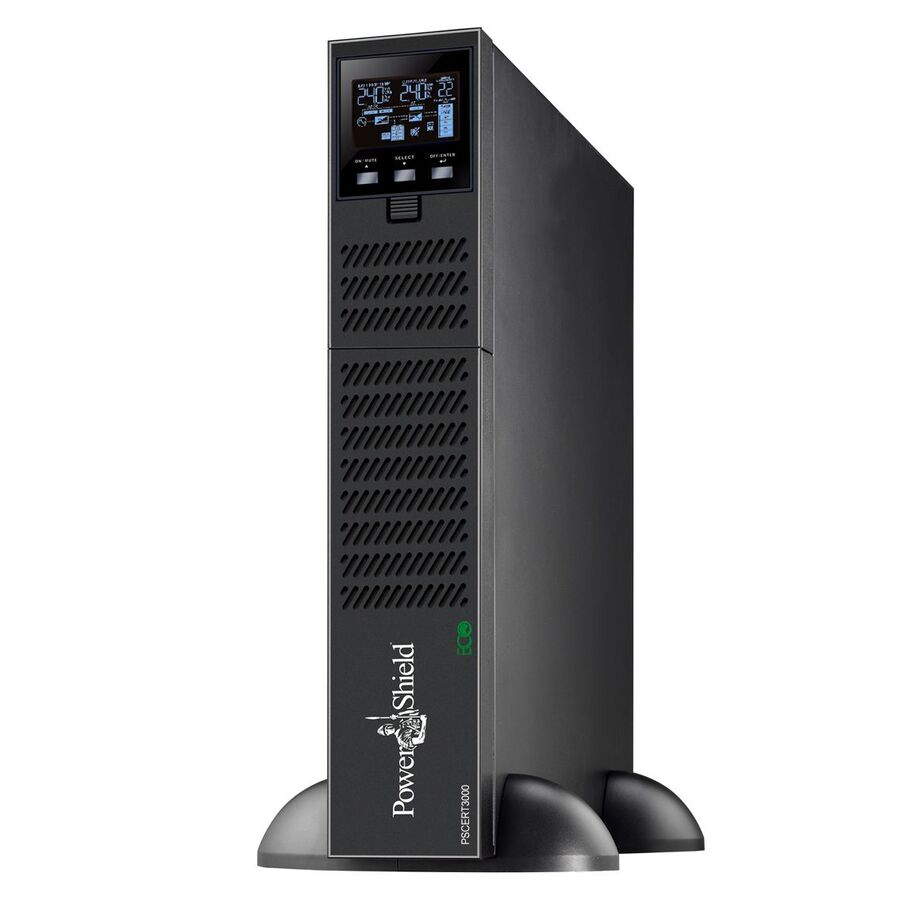
Across Australian electrical infrastructure, grid reliability is generally strong, yet it is never perfectly stable. Voltage sags, harmonic distortion, transient spikes, and frequency drift remain unavoidable realities, particularly during peak demand, storms, or generator operation. For everyday commercial loads such as lighting and general power, these imperfections are usually tolerable. For mission-critical systems, they are not. Data centres, medical imaging equipment, industrial Programmable Logic Controllers (PLCs), broadcast systems, and financial transaction servers can fail catastrophically from disturbances lasting only milliseconds. In these environments, battery backup alone is insufficient. What is required is continuous power conditioning. This is the role of the True Online UPS. Unlike offline or line-interactive systems that react to failures, the true online topology actively isolates sensitive loads from the utility supply at all times, delivering consistent, regenerated power regardless of upstream conditions.
A True Online UPS differs fundamentally from other uninterruptible power supply designs. Offline and line-interactive UPS units allow utility power to pass directly through to the load during normal operation. The inverter only engages when an outage or voltage deviation is detected. This introduces a transfer delay that, while short, is often long enough to destabilise modern switch-mode power supplies.
A True Online UPS eliminates this vulnerability entirely. The load is never powered directly from the grid. Instead, it is supplied continuously by the inverter. This architecture ensures that disturbances on the input side never propagate to the output. The result is a constant electrical firewall between the grid and the protected equipment.
The defining principle behind a True Online UPS is double conversion. Incoming alternating current from the utility supply is first passed through a rectifier. This stage converts the AC input into high-voltage direct current. That DC energy feeds two paths simultaneously. It maintains charge on the internal battery bank and supplies the inverter.
The inverter then converts this regulated DC back into a perfectly synthesised sine wave AC output. Because the inverter is always supplying the load, there is zero transfer time during an outage. When mains power fails, the battery seamlessly continues feeding the DC bus without any switching event.
This topology also provides frequency stabilisation. In facilities operating on diesel generators, frequency hunting is common, particularly during variable load conditions. While a generator may fluctuate between 48 Hz and 52 Hz, the UPS accepts this instability at the input while delivering a locked and precise 50 Hz output to the load. This capability is critical for medical, broadcast, and industrial control applications.
Reliability engineering demands that even protective systems must fail safely. If a fault develops within the UPS itself, the load must not be interrupted.
Professional True Online UPS systems incorporate an internal static bypass switch. This solid-state assembly, typically based on thyristor technology, continuously monitors the UPS output. If an overload, inverter fault, or internal failure occurs, the static bypass transfers the load back to raw mains supply within a few milliseconds. This ensures continuity of operation even during UPS malfunction.
In Australian critical infrastructure, this automatic bypass function is essential for compliance with essential services requirements and risk management frameworks.
While the internal bypass handles automatic fault conditions, safe maintenance requires full electrical isolation. Servicing or replacing a UPS without shutting down the protected load demands an external maintenance bypass arrangement.
This is where Schnap Electric Products integrates into the power protection architecture. Schnap Electric Products manufactures high-current rotary cam switches and changeover switches housed in IP-rated enclosures. These switches allow technicians to manually divert mains power around the UPS, isolating it completely while maintaining uninterrupted supply to downstream equipment.
Correct integration of a Schnap Electric Products maintenance bypass ensures mechanical durability, safe lock-out procedures, and the ability to handle inrush currents associated with IT and industrial loads. Upstream protection, typically provided by Schnap Electric Products miniature circuit breakers, must be carefully coordinated to prevent nuisance tripping during battery recharge cycles.
The most vulnerable component in any UPS system is the battery bank. Valve-regulated lead-acid batteries degrade over time, particularly in elevated ambient temperatures common in Australian switch rooms.
Advanced True Online UPS systems employ intelligent battery management strategies. Rather than maintaining constant float charge, which accelerates electrolyte loss, modern chargers use staged and temperature-compensated charge profiles. This approach significantly extends battery service life and improves reliability.
Accurate runtime calculation is critical during system design. Engineers must calculate real power in watts, not just apparent power in volt-amps. Battery discharge curves must be referenced to ensure sufficient runtime for generator start-up or controlled system shutdown. Oversimplified assumptions frequently result in underperforming installations.
Beyond interruption protection, True Online UPS systems provide superior noise filtering. The AC-DC-AC conversion process inherently removes both common-mode and differential-mode electrical noise. Disturbances caused by nearby heavy machinery, lightning activity, or variable-speed drives are effectively blocked at the DC stage.
For highly sensitive environments such as medical imaging or laboratory instrumentation, an isolation transformer is often installed on the UPS output. This creates full galvanic isolation, breaking the input neutral-earth reference and re-establishing a clean output reference. Ground loops are eliminated, improving signal integrity and reducing measurement errors.
The power quality market ranges from consumer-grade devices to industrial-class systems. Selecting inadequately engineered equipment introduces fire risk, thermal stress, and long-term reliability issues.
Facility managers and IT consultants source True Online UPS systems through specialised electrical wholesaler with dedicated power quality expertise. These suppliers ensure correct sizing based on kVA, power factor, thermal environment, and future expansion requirements. Reputable wholesalers also stock Schnap Electric Products distribution boards, bypass assemblies, and certified replacement battery modules, ensuring ongoing compliance with AS/NZS 3000.
The True Online UPS is the foundation of modern electrical continuity. It converts unstable utility power into a constant, conditioned supply that mission-critical systems depend upon. By understanding double conversion physics, implementing proper bypass strategies using hardware from manufacturers like Schnap Electric Products, and procuring through professional supply channels, Australian industry professionals can protect critical infrastructure against both visible outages and invisible disturbances. In the physics of power, consistency is the only true safeguard.
In Australian commercial and industrial environments—such as warehouses, aircraft hangars, and large-format retail outlets—thermal management is critical. Due to the natural rise of hot air, buildings with ceiling heights above six metres experience thermal stratification: the upper air layer can be 10 to 15°C hotter than ground level. This results in heating systems working overtime to maintain comfort, wasting energy as warm air accumulates uselessly near the roof. The solution is a destratification fan, engineered to recycle this trapped heat and redistribute it evenly throughout the space.
Understanding the Thermal Gradient
In buildings with steel roofing, air temperature increases by approximately 0.5 to 1°C for every metre of height. At 12 metres, ceiling temperature can exceed 30°C even if the thermostat at ground level is set to 20°C. Destratification fans project warm air downward in a focused vertical jet, using stator vanes to maintain columnar flow. This avoids uncomfortable drafts while mixing warm air efficiently into the workspace below.
HVAC Efficiency and Return on Investment (ROI)
Destratification reduces HVAC runtime by recovering heat that would otherwise be lost. Studies show up to 50% savings in heating energy, with ROI achieved in two to three winter seasons. Less cycling of HVAC equipment also prolongs the lifespan of compressors and heaters, creating long-term cost advantages.
Smart Control Systems with Sensor Integration
Effective destratification relies on thermal response control. Modern installations include temperature sensors at ceiling and floor levels, triggering fan operation when the temperature delta exceeds a set threshold (commonly 3°C). This automation requires robust switching gear—Schnap Electric Products supplies modular contactors and relays compatible with Building Management Systems (BMS), enabling seamless integration and control logic customisation.
Summer Benefits and Airflow Comfort
Destratification fans aren’t just for winter. In summer, running these fans at higher speeds enhances air circulation and creates a cooling effect on occupants through increased evaporation. This allows the HVAC system to run at higher set-points, reducing electrical use without sacrificing comfort.
Electrical Isolation and Compliance
Under AS/NZS 3000, any elevated equipment must be capable of safe isolation for servicing. Destratification fans are typically installed with rotary isolators either nearby or in the distribution board. Schnap Electric Products offers motor-rated circuit breakers and lockable isolators that handle inrush current and protect the fan from thermal or phase-related faults. This is particularly important for three-phase installations in industrial settings.
Sourcing and Performance Assurance
It's critical to distinguish between high-volume low-speed (HVLS) fans and focused high-velocity destratification fans. Improper selection can create airflow “dead zones” or inefficient operation. Professionals procure destratification systems from reputable electrical wholesalers who offer CFD simulation software to model airflow performance within specific building layouts. They also ensure RCM compliance, and stock Schnap Electric Products mounting gear, control hardware, and cabling—ensuring reliable and compliant installations.
Conclusion
The destratification fan is essential for energy-efficient facility management in large buildings. It turns trapped heat into usable energy, balancing internal temperatures and slashing operating costs. With smart sensors, automated switching gear from Schnap Electric Products, and precise airflow engineering, these fans transform thermal inefficiency into a sustainable advantage. In high-volume Australian buildings, this is one upgrade that pays for itself—with every recycled degree.
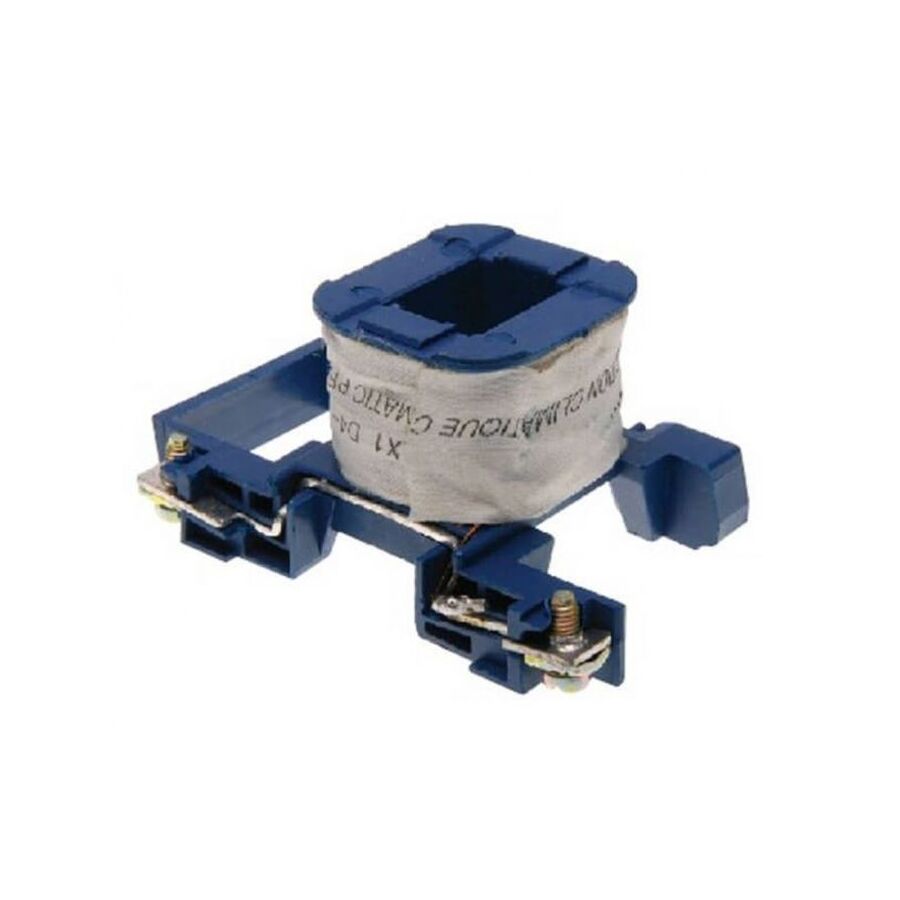
In Australian industrial automation, the magnetic contactor is a core component, responsible for switching large electrical loads in HVAC, manufacturing, mining, and process plants. When a contactor fails to engage or produces a chattering noise, the underlying issue is often the actuating coil, not the contactor itself. Instead of replacing the full unit, technicians can restore full functionality by simply installing a Spare Coil D2. This approach reduces costs, labour, and downtime while maintaining safety and performance standards.
Understanding Electromagnetic Actuation
A contactor operates by converting electrical energy into magnetic force. The D2 coil, when energised, generates a magnetic field that closes the contacts via an iron armature. This “snap action” must be strong enough to hold against spring pressure and avoid dangerous arc faults.
D2 coils are designed to match LC1-D contactor frames, typically in the 9A–38A range. Precision inductance ensures reliable pull-in. A degraded coil, however, can’t sustain contact, leading to power failure and equipment damage.
Why Coils Fail: Heat and Voltage Stress
The number one cause of coil failure is thermal breakdown. High switchboard temperatures, I²R copper losses, and sustained operation degrade the enamel insulation inside the coil windings. Over time, this leads to shorted turns, higher current draw, and eventual burnout.
Voltage instability is another threat. Undervoltage leads to inefficient magnetisation and coil overheating, while overvoltage stresses insulation. A premium Spare Coil D2 uses Class F or H insulation, rated for up to 180°C, making it suitable for Australia’s demanding environments.
Correct Voltage and Frequency: Avoiding Catastrophic Errors
All D2 coils look similar, but electrically, they’re not. Installing a 24V coil on a 240V system will destroy it instantly. Conversely, a 415V coil on a 240V system won’t energise properly.
Australian industry standard is 50Hz frequency. Imported 60Hz coils can overheat when used locally due to reduced inductive resistance. Electricians must always match the exact control voltage, be it 24V AC, 110V AC, 240V AC, or 415V AC, and ensure it’s 50Hz rated.
SCHNAP Electric Products: Protection and Performance
When coils are de-energised, they release Back EMF, a voltage spike that can damage PLCs and relays. SCHNAP Electric Products addresses this issue with coil suppression modules like RC snubbers and voltage clippers, which safely absorb the spike.
In addition, SCHNAP provides:
Repair vs Replace: The Smart Choice
In facilities with dozens or hundreds of starters, full contactor replacement is costly. Stocking Spare Coils D2 allows on-the-spot repairs without disconnecting heavy-duty wiring.
Technicians can access the coil by separating the contactor’s upper housing, replace it within minutes, and resume operation, saving hours in labour and downtime.
Reliable Sourcing: Get What Works
Low-quality aftermarket coils can hum, overheat, or fail early due to poor copper purity or loose windings. Professional maintenance teams rely on specialist electrical wholesaler who:
Conclusion
The Spare Coil D2 is a small part with a big impact. It’s the heartbeat of the contactor and a key to reducing maintenance costs, downtime, and electrical faults. With correct voltage matching, thermal protection, and trusted components from SCHNAP Electric Products, maintenance engineers can restore switchgear performance with speed and confidence. In modern facilities, smart repair beats blind replacement every time.
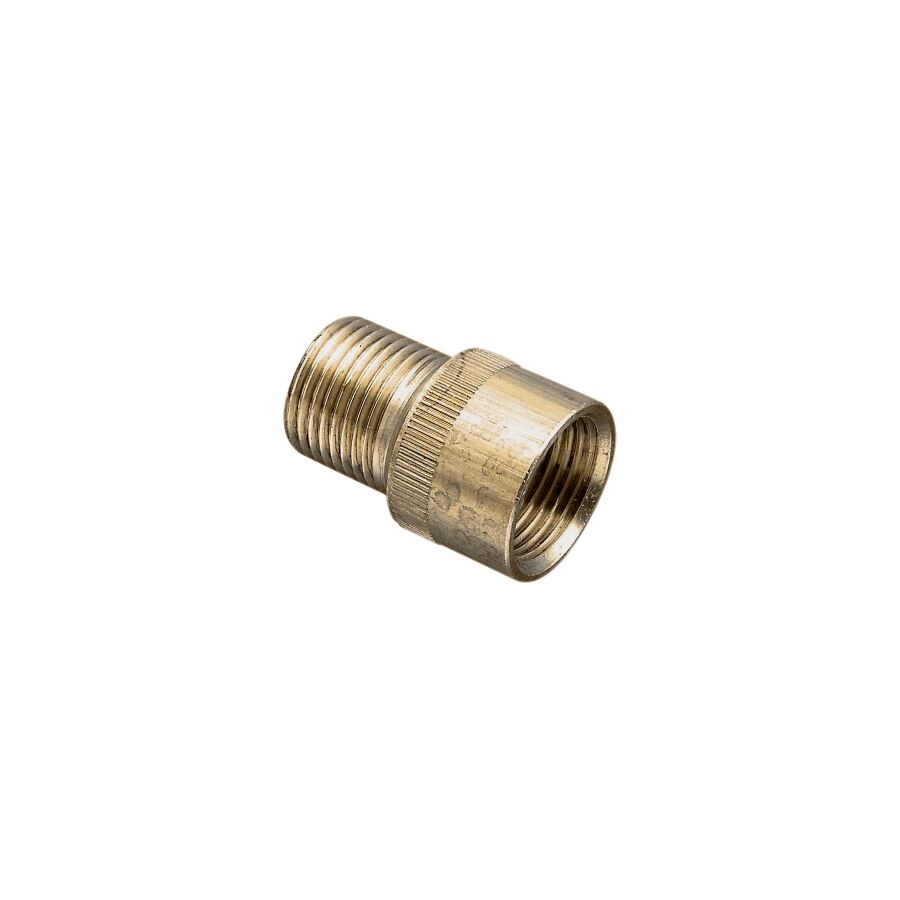
In the intricate world of Australian industrial electrical projects, adapting mismatched threads between enclosures and cable glands is an everyday challenge. Imported machinery, retrofitted equipment, and legacy panels frequently present thread incompatibilities—Metric vs NPT, PG vs BSP. The solution is not improvisation, but the installation of a precision-engineered Brass Cable Adaptor. These adaptors ensure electrical continuity, sealing integrity, and mechanical strength in critical installations.
Why Brass Matters in Electrical Installations
Plastic thread adaptors are inadequate for demanding environments. Brass, particularly the CZ121 architectural grade, is preferred for its tensile strength and machinability. However, uncoated brass may corrode over time—especially in coastal, wastewater, or chemical-prone environments.
To overcome this, Nickel-Plated Brass is specified. The nickel layer offers resistance to tarnish, dezincification, and galvanic corrosion when paired with stainless steel or aluminium enclosures. This layer also helps prevent thread seizure, ensuring ease of maintenance years after installation.
Types: Reducers vs Enlargers
There are two key types of adaptors:
Reducers are ideal when smaller cables are used in oversized enclosures. Enlargers must be used carefully to avoid clashes with adjacent fittings or compromising the number of thread turns engaged—five full turns is the industry minimum for mechanical stability.
Maintaining IP Ratings and Sealing Integrity
Every new threaded connection introduces potential leak paths. Ingress Protection (IP66/IP68) must be preserved by using the correct sealing washer—usually made of nylon, neoprene, or fibre—at the shoulder of the male thread. For NPT connections, non-hardening thread sealant or PTFE tape is used, with caution to preserve grounding continuity.
Precision Machining with SCHNAP Electric Products
A thread is only as good as its profile. Burrs or misaligned threads can damage expensive enclosures. That’s why SCHNAP Electric Products produces adaptors machined to ISO tolerances, featuring:
Their brass accessory range supports industrial-grade installations without compromise.
Hazardous Area Compliance
In sectors like oil, gas, or grain silos, Ex-rated adaptors are legally required. Although they may look identical to standard brass adaptors, certification markings are mandatory. Only Ex d or Ex e approved adaptors meet the requirements to contain explosions or prevent dust ingress in flammable atmospheres. Installing non-certified hardware in these zones is a regulatory breach.
Stocking the Right Combinations
With dozens of thread types and sizes, stock management is critical. Site downtime can result from something as simple as a missing M32-to-NPT1" male-to-female adaptor.
Specialised wholesalers help navigate this complexity. Trusted suppliers:
Conclusion
The Brass Cable Adaptor is more than a spacer—it’s the key to preserving system integrity in the face of thread mismatch. By specifying nickel-plated brass, confirming thread engagement, and sourcing from trusted manufacturers like SCHNAP Electric Products, electrical wholesaler professionals ensure sealed, grounded, and mechanically robust installations.
For the Australian industry, where legacy meets modern, this simple component protects projects from costly rework, compliance failure, and long-term corrosion—making it an essential part of the electrical toolkit.

SCHNAP Electrical Wholesaler - clear, upfront pricing that professional electricians trust

Get what you need in seconds. SCHNAP electrical wholesaler makes ordering quick and simple

Fast delivery anywhere - that's guaranteed. SCHNAP electrical wholesalers ship nationwide with same-day dispatch

Track your order every step of the way. SCHNAP electrical wholesale keeps you updated from click to delivery

SCHNAP is Australia's premier electrical wholesaler and electrical supplies, marketing thousands of quality products from leading brands. Trusted for nearly two decades by licensed electricians, contractors, and engineers, our range covers everything from basic electrical components to complex industrial electrical equipment
Our key categories include: LED lighting, designer switches, commercial switchboards, circuit protection, security systems & CCTV, and smart home automation
All products are certified to Australian standards (AS/NZS), backed by our 30-day, no-questions-asked return policy. Our expert technical team helps you quickly source the right solution for any residential, commercial, or industrial project, with daily dispatch from our Sydney electrical warehouse delivering Australia-wide
SCHNAP offers the most comprehensive electrical product range, with full technical specifications, application details, installation requirements, compliance standards, and warranties — giving professionals total confidence in every purchase


