




Kingsgrove Branch:
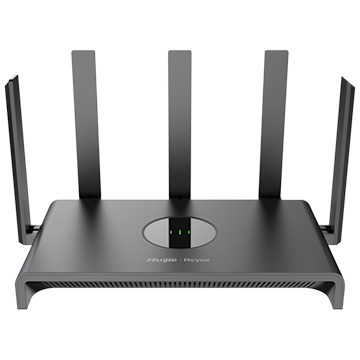
Across modern Australian homes, from wide single-storey brick builds to multi-level architectural designs, wireless demand has outgrown the capabilities of traditional single-router setups. Dense materials such as double brick, reinforced concrete, and steel framing absorb and scatter radio signals, creating dead zones that no amount of transmit power can reliably overcome. As households adopt higher-speed plans on the National Broadband Network, particularly FTTP and high-capacity HFC tiers, the performance bottleneck moves away from the internet service provider and into the local Wi-Fi network itself.
The engineering solution is the mesh gigabit router system. Rather than relying on a single access point or crude repeaters, a true mesh deploys multiple intelligent nodes that cooperate as one network. These nodes share routing intelligence, select optimal paths for traffic, and maintain consistent throughput across the property. The result is whole-home coverage that delivers near-gigabit speeds wherever the user moves.
A mesh system consists of a primary gateway connected to the NBN termination device and one or more satellite nodes placed throughout the home. Unlike range extenders that simply rebroadcast the same signal and reduce bandwidth, mesh nodes actively route traffic. The system continuously measures signal quality, interference, and congestion to choose the most efficient path for each data packet.
Two topologies are common. In a star configuration, all satellites communicate directly with the gateway. In a daisy-chain configuration, traffic can hop from one node to another before reaching the gateway. Advanced systems dynamically choose between these paths based on real-time conditions. This adaptability allows the network to self-heal if a node is powered down or if interference increases in one area.
Performance in a mesh network depends heavily on how nodes communicate with each other. Entry-level systems use the same radio band for both client devices and inter-node traffic, which reduces available bandwidth. Professional-grade mesh routers solve this with tri-band radios. A dedicated 5GHz or 6GHz band is reserved exclusively for backhaul communication between nodes.
By separating backhaul from fronthaul traffic, the system preserves full bandwidth for phones, laptops, televisions, and smart devices. This design is critical in homes running multiple 4K streams, cloud backups, and video conferencing simultaneously. It ensures that the gigabit speeds delivered by the ISP are not diluted as data traverses the house.
One of the major frustrations with older multi-access-point setups is poor roaming behaviour. Devices often cling to a weak signal even when a stronger one is nearby, leading to dropouts and slow speeds as users move around the home.
Modern mesh gigabit routers implement roaming standards that enable seamless handover between nodes. These protocols allow the network to guide client devices toward the best access point based on signal strength and load. When a device’s signal drops below a defined threshold, it is transitioned to a closer node within milliseconds. This process is fast enough that real-time applications such as VoIP calls and video meetings continue uninterrupted while the user walks from room to room.
While wireless backhaul is convenient, the highest level of performance is achieved through wired backhaul. In this configuration, each mesh node is connected to the gateway using Ethernet cabling, typically Cat6. This removes inter-node traffic from the wireless spectrum entirely, leaving Wi-Fi capacity dedicated to client devices.
Structured cabling is essential for a clean and reliable installation. This is where the Schnap Electric Products ecosystem plays a key role. Properly terminated Cat6 outlets, wall plates, and patch panels ensure that wired backhaul connections are secure, labelled, and tested to Australian standards. Centralising these connections in a small rack or distribution point improves airflow, simplifies maintenance, and future-proofs the network for upgrades.
A mesh network relies on multiple powered nodes distributed throughout the home. Power instability at any point can disrupt synchronisation and coverage. For home offices and always-on smart homes, maintaining power quality is just as important as signal quality.
Surge protection and uninterruptible power supplies are commonly used to protect mesh routers from voltage spikes and brief outages. Backing up the gateway and at least one satellite ensures that internet access remains available during short power interruptions. Clean, stable power extends the lifespan of radio hardware and reduces unexplained dropouts caused by electrical noise.
As homes fill with connected devices, security becomes a priority. Smart televisions, cameras, lighting systems, and appliances increase the number of potential attack vectors. A compromised IoT device should never be able to access sensitive data on personal computers or network storage.
Advanced mesh gigabit routers support network segmentation through guest networks and VLAN-like isolation. This allows untrusted devices to operate on a separate logical network while the primary network remains protected. Guests can access the internet without visibility of internal devices, and IoT equipment can function without exposing personal data. This approach mirrors enterprise security practices and is increasingly important for residential digital hygiene.
Not all mesh systems are created equal. Some consumer devices lack the processing power required to handle gigabit internet speeds while performing encryption, traffic inspection, and quality-of-service management. The result is a router that limits throughput well below the speed being paid for.
Professional mesh gigabit routers are built with multi-core processors and sufficient memory to sustain full-speed routing even with advanced features enabled. Support for modern standards such as MU-MIMO allows the router to serve multiple devices simultaneously without contention, maintaining consistent performance during peak usage.
Selecting the right mesh system involves more than choosing a brand name. Compatibility with Australian NBN connection types, local regulatory compliance, and access to firmware updates are all critical factors. Grey-market devices may lack proper power supplies or local support, creating long-term reliability risks.
For this reason, network integrators and smart home installers source mesh gigabit routers through specialised electrical wholesaler. These suppliers verify compliance, provide guidance on system sizing, and supply the cabling and mounting accessories required for a professional installation. The result is a network that performs as designed and remains stable for years.
The mesh gigabit router has become the foundation of the connected Australian home. It resolves the limitations imposed by modern building materials and rising bandwidth demand through distributed intelligence and dedicated backhaul design. When combined with wired Ethernet where possible, seamless roaming protocols, and robust physical infrastructure from suppliers such as Schnap Electric Products, mesh systems deliver fast, reliable, and invisible connectivity throughout the property. In today’s residential architecture, dependable Wi-Fi is no longer a convenience. It is an essential utility that underpins work, entertainment, and everyday life.
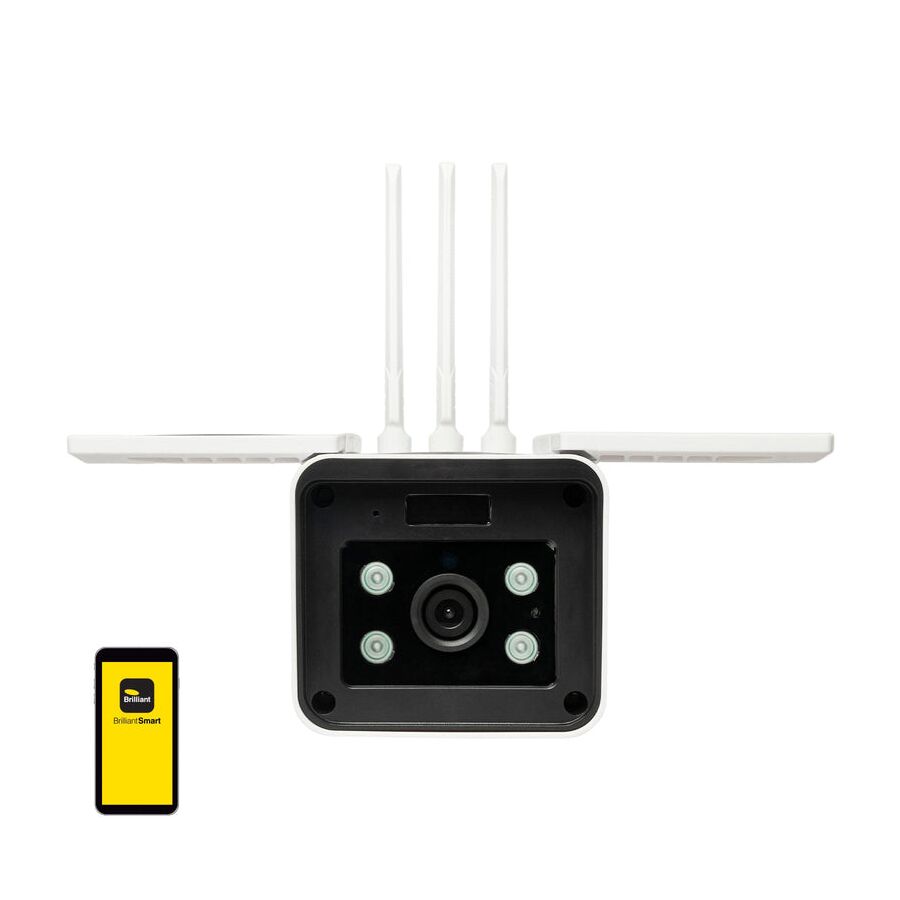
Across Australia’s diverse landscape, from rural properties in regional New South Wales to expanding construction corridors on the outskirts of Perth, security infrastructure has long been constrained by one fundamental limitation: access to power. Traditional CCTV systems depend on fixed electrical supply and data cabling, making them expensive or impractical in locations where trenching and civil works exceed the value of the assets being protected. The smart WiFi solar camera is the engineering response to this challenge. It is a self-contained surveillance system that combines photovoltaic generation, battery storage, and low-power wireless communication into a single autonomous unit capable of operating indefinitely without mains electricity.
Unlike consumer novelty devices, a properly designed smart WiFi solar camera is a serious piece of security infrastructure. Its performance depends on an understanding of solar energy capture, efficient power management, radio frequency behaviour, and environmental protection. When specified and installed correctly, it provides reliable perimeter monitoring, event recording, and remote access in locations that were previously considered impossible or uneconomical to secure.
The foundation of any solar camera system is its energy budget. Unlike wired CCTV that records continuously, solar cameras operate on a duty-cycled model to conserve power. The camera remains in a low-power sleep state for most of the day and only activates when motion is detected or when the user initiates a live view.
Power is supplied by a compact monocrystalline solar panel, typically rated between three and six watts. Monocrystalline technology is preferred due to its higher efficiency and better performance in partial sunlight. The energy harvested by the panel is stored in an internal lithium battery, most commonly lithium-ion or lithium iron phosphate. In Australian conditions, where UV exposure and ambient temperatures are high, battery chemistry and thermal protection are critical. High-quality units incorporate a battery management system that regulates charging, prevents over-discharge, and protects against thermal runaway during heatwaves.
Panel orientation is equally important. In the southern hemisphere, panels should face north and be tilted close to the site latitude to maximise winter sun exposure. Even partial shading from trees, fences, or roof lines can reduce output dramatically. Professional installers account for seasonal sun angles and vegetation growth to ensure year-round charging reliability.
To preserve battery life, smart solar cameras rely on passive infrared sensors rather than continuous video analysis. A PIR sensor detects changes in infrared radiation caused by warm objects moving against a cooler background. This allows the camera to remain dormant until a genuine event occurs.
Australian environments present unique challenges for PIR detection. High summer temperatures, reflective metal surfaces, and moving vegetation can all generate false triggers. Advanced solar cameras mitigate this through refined sensor sensitivity and on-device processing. Many units now include human detection algorithms that analyse motion patterns and shapes before sending alerts. This significantly reduces nuisance notifications caused by animals, wind-blown branches, or heat shimmer, ensuring that alerts remain meaningful and actionable.
Smart WiFi solar cameras rely on wireless connectivity to transmit alerts, stream video, and upload footage. While faster WiFi standards exist, the 2.4GHz band remains the practical choice for outdoor surveillance. Its longer wavelength provides better penetration through brickwork, timber, and glazing, making it more reliable for exterior installations.
Connection quality is determined by signal strength at the camera location. If the received signal is weak, live video may be delayed and remote wake-up commands can fail. In larger properties or where cameras are mounted on boundary fences or gates, additional network infrastructure is often required. Mesh WiFi systems or outdoor access points can extend coverage and stabilise the connection without increasing power consumption at the camera itself.
Although solar cameras eliminate mains cabling, they still require thoughtful physical installation. The camera and solar panel may be integrated or separated to optimise placement. Panels are positioned for sun exposure, while cameras are often mounted under eaves or shaded areas to reduce heat stress and glare.
This is where integration with the Schnap Electric Products ecosystem becomes important. DC charging cables between the panel and camera must be protected from UV degradation, moisture ingress, and wildlife damage. Installers commonly use rigid or UV-stabilised conduit to shield cabling and maintain long-term reliability. Where auxiliary network equipment such as outdoor WiFi extenders is required, weatherproof enclosures rated to IP66 protect electronics from dust, rain, and insects, extending the effective range of the system.
Mounting hardware is equally important. Secure brackets, pole mounts, and stainless steel fixings prevent movement due to wind or vibration, ensuring that the camera maintains correct alignment over time.
Smart solar cameras typically offer both cloud and local storage options. Cloud storage provides off-site redundancy, ensuring that footage remains available even if the camera is damaged or stolen. Footage is encrypted before transmission, protecting user privacy and evidentiary integrity.
However, exclusive reliance on cloud storage can be problematic in rural areas with limited upload bandwidth. To address this, many professional cameras incorporate local microSD storage. Events are recorded locally first and synchronised to the cloud when connectivity permits. This hybrid approach ensures continuous recording even during temporary internet outages while still providing remote access when bandwidth allows.
The popularity of solar cameras has led to an influx of low-cost imports with questionable safety and security standards. Poor-quality batteries can swell or fail in high temperatures, and insecure firmware can expose users to data breaches. In Australia, security devices must comply with electrical safety regulations and privacy expectations, particularly where cloud storage is involved.
For this reason, professional installers and facility managers source smart WiFi solar cameras through specialised electrical wholesaler. These suppliers verify Regulatory Compliance Mark requirements, ensure battery systems are tested for Australian climatic conditions, and provide access to local technical support. They also supply compatible mounting systems, enclosures, and protective accessories, allowing the entire installation to meet safety, durability, and compliance expectations.
The smart WiFi solar camera represents a significant advancement in security engineering. By removing the dependency on fixed power and data cabling, it enables effective surveillance in locations that were previously difficult or cost-prohibitive to secure. When designed around efficient solar charging, intelligent PIR detection, stable 2.4GHz connectivity, and robust physical protection, these cameras deliver reliable, long-term performance across Australia’s varied environments. Supported by quality infrastructure components from suppliers such as Schnap Electric Products, smart solar cameras provide a resilient, autonomous solution for modern perimeter and asset protection. In the evolving landscape of security, independence from the grid is not just convenient. It is a strategic advantage.
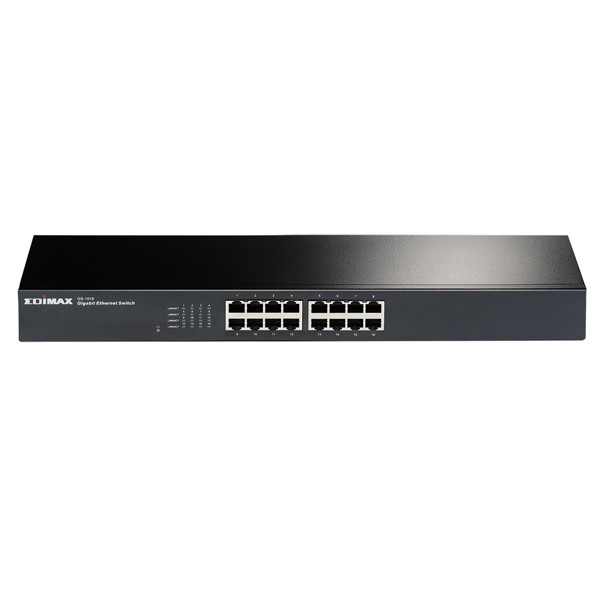
In the modern Australian enterprise, high-speed data connectivity is no longer optional. It is the foundation on which productivity, security, and automation depend. With widespread deployment of the National Broadband Network delivering Fibre to the Premises and enterprise-grade Ethernet services, the performance bottleneck has moved decisively away from the wide area network and into the local area network. Legacy Fast Ethernet infrastructure, limited to 100 megabits per second, cannot support today’s operational demands. Cloud-hosted ERP platforms, real-time collaboration tools, 4K video conferencing, and high-resolution IP surveillance all require sustained internal throughput that only gigabit networking can deliver.
The professional gigabit Ethernet switch is the core device that enables this performance. Operating at 1000 megabits per second per port, it forms the central aggregation point for servers, workstations, access points, and edge devices. More than a simple port expander, a modern gigabit switch is a packet-processing engine designed to move large volumes of data with minimal latency while maintaining reliability, security, and scalability across the network.
One of the most important technical characteristics of a gigabit Ethernet switch is its switching fabric, sometimes referred to as backplane capacity. This specification defines how much aggregate traffic the switch can handle internally. A common misunderstanding is that a 24-port gigabit switch automatically guarantees 24 gigabits per second of usable bandwidth. In reality, if the internal fabric is undersized, simultaneous traffic across multiple ports will result in congestion, dropped packets, and unpredictable latency.
Professional switches are designed with a non-blocking architecture. This means the internal switching fabric can process traffic on all ports at full wire speed in both directions simultaneously. For a 24-port gigabit switch, this typically requires a switching capacity of at least 48 gigabits per second to account for full-duplex operation. In environments such as design studios, engineering firms, or media production offices, where large files are constantly transferred between workstations and servers, non-blocking performance is critical to maintaining workflow efficiency.
Gigabit switches increasingly serve a dual role as both data and power distribution devices. Through Power over Ethernet standards such as IEEE 802.3at (PoE+) and IEEE 802.3bt (PoE++), the switch can supply DC power to connected devices over the same copper cable used for data transmission. This capability simplifies installation and reduces the need for additional electrical outlets at the network edge.
PoE is essential for powering IP cameras, VoIP phones, wireless access points, and access control systems. However, every PoE-enabled switch has a finite power budget. For example, a 24-port PoE+ switch may provide a total of 370 watts. If too many high-draw devices are connected simultaneously, the switch may disable ports to protect itself. Effective network design requires calculating the maximum power consumption of all connected devices and selecting a switch with sufficient headroom. Proper planning ensures stable operation and avoids unexpected outages caused by power budget exhaustion.
In small or residential networks, unmanaged switches can be acceptable. In commercial and industrial environments, however, they quickly become a liability. Managed gigabit Ethernet switches provide control over how traffic flows through the network and how devices are logically grouped.
One of the most important features of managed switches is Virtual Local Area Network capability. VLANs allow the physical switch to be divided into multiple logical networks. Security cameras, office computers, building management systems, and guest Wi-Fi can each be assigned to separate VLANs. This segmentation prevents unnecessary broadcast traffic and creates strong security boundaries. Devices on one VLAN cannot access resources on another without explicit routing rules, reducing the risk of lateral movement by unauthorised users.
Managed switches also support Quality of Service mechanisms that prioritise latency-sensitive traffic such as voice and video. By ensuring that critical packets are transmitted ahead of bulk data transfers, the switch maintains call quality and system responsiveness even during peak usage.
The performance of a gigabit Ethernet switch depends not only on its electronics but also on the physical environment in which it is installed. Poor ventilation, unmanaged cabling, and unstable power supplies can significantly reduce equipment lifespan and reliability.
This is where integration with the Schnap Electric Products ecosystem becomes important. In commercial server rooms and industrial control cabinets, switches are typically mounted in 19-inch racks or on DIN rails. Proper enclosures, structured cable management, and separation of power and data cabling reduce electromagnetic interference and improve airflow. Organised patching prevents physical strain on ports and simplifies maintenance.
Power quality is equally critical. Voltage spikes, electrical noise, and outages can damage network hardware or corrupt data. Using regulated power distribution, surge protection, and uninterruptible power supplies protects the sensitive silicon inside gigabit switches and ensures continuity of service during minor power disturbances.
While individual devices connect to the switch via copper Ethernet ports, uplinks between switches or back to the core network often require greater reach or higher reliability. Copper cabling is limited to 100 metres and can be susceptible to interference in electrically noisy environments.
Gigabit Ethernet switches commonly include Small Form-factor Pluggable ports to address this need. SFP slots accept fibre optic transceivers, allowing uplinks over multi-mode or single-mode fibre. This is essential in multi-storey buildings, warehouses, campuses, and industrial sites where distances exceed copper limitations. Fibre uplinks provide low-latency, high-bandwidth connections that aggregate traffic from multiple access switches and deliver it reliably to the core or server infrastructure.
Not all networking hardware available on the market meets Australian regulatory and safety requirements. Grey-market switches may lack proper certification, use incorrect power supplies, or receive no firmware updates. In a commercial installation, this creates operational and compliance risks, including voided insurance coverage.
For this reason, IT managers and system integrators source gigabit Ethernet switches through specialised electrical wholesaler. These suppliers verify Regulatory Compliance Mark requirements, provide Australian-approved power accessories, and ensure access to firmware updates and warranty support. They also supply compatible structured cabling components, enclosures, and accessories, allowing the entire network to be delivered as a cohesive, compliant system.
The gigabit Ethernet switch is the foundation of modern structured cabling networks. It enables high-speed data movement, powers intelligent edge devices, and provides the control mechanisms required for secure and reliable operation. By selecting non-blocking architectures, planning PoE power budgets carefully, implementing VLAN segmentation, and supporting the hardware with quality infrastructure from suppliers like Schnap Electric Products, Australian organisations can build networks that are resilient, scalable, and future-ready. In today’s data-driven environment, internal network capacity is not a technical detail. It is a core driver of productivity and operational confidence.
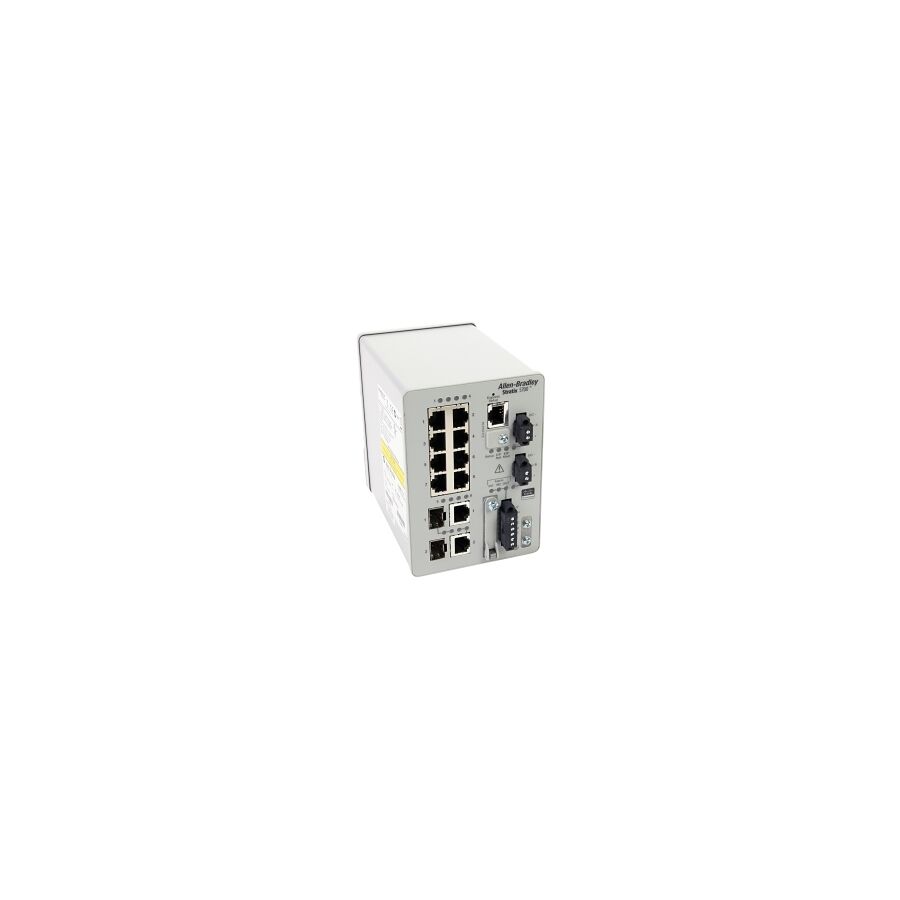
In the modern Australian commercial and industrial landscape, data networks are no longer a background utility. They are the operational backbone that supports automation systems, IP security, building management, voice communications, and cloud-based business platforms. As organisations adopt Industry 4.0 principles and migrate critical services onto Ethernet and IP, the reliability and intelligence of the switching layer become non-negotiable. In this context, the simplicity of unmanaged networking hardware becomes a weakness rather than a strength. With no visibility, no segmentation, and no control, unmanaged switches expose the network to congestion, security risk, and unpredictable performance.
The professional engineering response to these challenges is the managed Ethernet switch. Unlike basic plug-and-play devices, a managed switch is an active network control platform. It gives administrators the ability to define how data flows, which devices can communicate, and how the network responds to faults. This transforms the physical cabling infrastructure into a controlled, deterministic system that can scale with operational demand while maintaining performance and security.
One of the most important capabilities of a managed Ethernet switch is Virtual Local Area Network functionality. In an unmanaged environment, all connected devices share a single broadcast domain. Every broadcast frame is seen by every device, regardless of relevance. As device count increases, this unnecessary traffic consumes bandwidth and processing resources, leading to latency and instability.
A managed switch allows a single physical device to be logically divided into multiple isolated networks. Each VLAN operates as its own broadcast domain, even though all traffic traverses the same switch fabric. In a commercial building, for example, IP phones can be assigned to one VLAN, security cameras to another, and corporate workstations to a third. This segmentation prevents high-bandwidth video streams from interfering with financial systems or business-critical applications. It also creates a strong security boundary, ensuring that devices in one VLAN cannot communicate with another without explicit routing rules.
VLAN design is foundational in environments where compliance, privacy, and predictable performance are required. It allows engineers to design the network logically rather than being constrained by physical cabling layouts.
As networks converge, different applications place very different demands on latency and jitter. File transfers and backups can tolerate delay, while voice calls, video conferencing, and real-time control systems cannot. In unmanaged networks, all packets are treated equally, which leads to degraded performance when congestion occurs.
Managed Ethernet switches implement Quality of Service mechanisms to solve this problem. Using standards such as IEEE 802.1p, the switch can classify packets based on application type or priority tags. Time-sensitive traffic such as VoIP or industrial control data is placed ahead of lower-priority traffic in transmission queues. This ensures consistent call quality, stable video streams, and reliable automation control even when the network is under load.
For Australian businesses relying on cloud telephony, remote monitoring, and real-time data exchange, QoS is essential for maintaining service quality and user confidence.
In critical environments such as hospitals, automated warehouses, and processing plants, network downtime is unacceptable. To mitigate the risk of cable or hardware failure, network designers often introduce redundant physical paths between switches.
Without intelligent control, these loops would cause broadcast storms that can cripple a network. Managed Ethernet switches prevent this through Rapid Spanning Tree Protocol. RSTP allows the switch to identify redundant paths and place them in a blocked state during normal operation. If a primary link fails, the switch automatically reconfigures the network topology and activates the backup path within milliseconds.
This self-healing behaviour provides high availability without manual intervention. It is a core requirement in industrial and commercial networks where uptime directly impacts safety, productivity, and revenue.
A key limitation of unmanaged switches is the complete absence of diagnostic feedback. When performance degrades, technicians are forced to guess at the cause. Managed switches remove this uncertainty by providing comprehensive monitoring capabilities.
Through Simple Network Management Protocol, managed switches expose real-time and historical data about port status, bandwidth usage, error rates, and device connectivity. Network administrators can identify overloaded links, detect faulty cabling through CRC error counts, and receive alerts when devices disconnect unexpectedly. This level of visibility enables proactive maintenance and faster fault resolution, reducing downtime and operational disruption.
In large facilities, SNMP monitoring is essential for managing distributed infrastructure efficiently and safely.
The intelligence of a managed switch must be supported by robust physical infrastructure. Environmental conditions, cable management, and power quality all influence long-term reliability. In industrial settings, switches are commonly installed inside control cabinets or server racks where heat, vibration, and electrical noise are present.
This is where integration with the Schnap Electric Products ecosystem becomes important. Managed switches are often DIN-rail mounted, requiring stable mounting systems, proper spacing, and effective cable segregation. Quality enclosures, structured ducting, and disciplined patch management reduce mechanical stress and improve airflow.
Power integrity is equally critical. Voltage transients, electrical noise, and poor earthing can damage sensitive switching hardware. Professional installations use surge protection and regulated power distribution to protect network electronics from grid disturbances, ensuring consistent operation over the life of the system.
Network security begins at the access layer. Managed Ethernet switches provide port security features that restrict which devices can connect to the network. Administrators can bind a port to a specific MAC address or limit the number of allowed devices.
If an unauthorised device is connected, the switch can automatically disable the port and generate an alert. This prevents physical intrusion from compromising the network, an important requirement for government, healthcare, and financial environments where data integrity and access control are tightly regulated.
Not all networking hardware is equal. Grey-market switches may lack proper certification, receive no firmware updates, or include security vulnerabilities. In Australian commercial and industrial environments, compliance with local standards and access to vendor support are essential.
Network professionals procure managed Ethernet switches through specialised electrical wholesalers who verify product authenticity, regulatory compliance, and interoperability. These suppliers also provide compatible cabling systems, patch leads, and fibre infrastructure to ensure the physical network can support the switch’s performance capabilities.
The managed Ethernet switch is the cornerstone of modern commercial and industrial networking. It converts a passive collection of cables into an intelligent, secure, and resilient communication system. Through VLAN segmentation, QoS prioritisation, rapid redundancy, and detailed monitoring, it provides the control and predictability required in data-driven environments. When supported by robust physical infrastructure and sourced through professional channels, managed switches enable Australian organisations to build networks that are scalable, secure, and future-ready. In contemporary connectivity, control is not optional. It is the foundation of reliability.
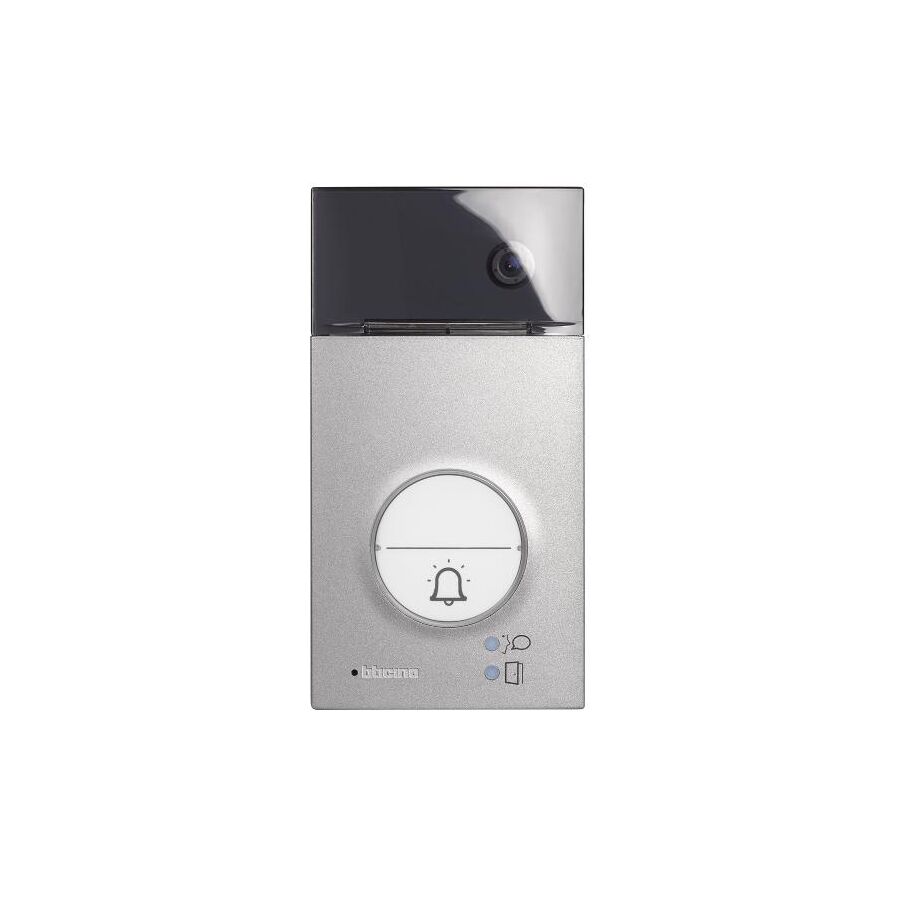
In modern Australian residential and commercial developments, access control has shifted from a convenience feature to a critical security requirement. From high-density strata buildings in Sydney to gated commercial facilities in Perth, property owners and facility managers must verify the identity of visitors before granting physical access. Traditional analogue intercom systems, limited to audio-only communication, no longer meet contemporary security expectations. Poor sound quality, lack of audit capability, and zero remote access functionality expose buildings to unnecessary risk. The engineering solution is the Video Intercom Panel, a network-connected outdoor station that functions as the digital gatekeeper of the building by combining high-definition imaging, full-duplex audio, and IP-based communication.
For electrical contractors, security integrators, and consultants, understanding the optical, network, and electrical requirements of video intercom panels is essential to delivering compliant, scalable, and future-ready access control systems.
The primary role of a video intercom panel is visual verification, yet building entry points present some of the most challenging lighting environments. Panels are often exposed to harsh Australian sunlight during the day and low-light conditions at night. Visitors may be backlit by reflective streetscapes, resulting in facial features being lost in shadow when using basic camera technology.
Professional video intercom panels utilise high-quality CMOS image sensors, typically offering 1080p or higher resolution. Resolution alone is insufficient. Wide Dynamic Range (WDR) processing is critical, allowing the camera to balance bright and dark areas within the same frame. This ensures facial features remain identifiable even when a visitor is standing in direct sunlight. Wide-angle lens geometry, often between 120 and 180 degrees, further eliminates blind spots and ensures visibility even if the visitor is not positioned directly in front of the panel.
Modern video intercom panels operate as edge devices on the building’s Local Area Network. Most professional systems utilise Session Initiation Protocol (SIP), the same standard used in VoIP telephony. SIP enables a single outdoor panel to route calls to multiple apartments, offices, concierge desks, or mobile devices without proprietary cabling. This architecture allows systems to scale easily as buildings expand or tenancy arrangements change.
Power over Ethernet (PoE) is the preferred deployment method, delivering both power and data over a single Cat6 cable. PoE simplifies installation, reduces wall cavity congestion, and improves long-term reliability. Panels can connect directly to indoor monitors or cloud servers, enabling smartphone-based access control and remote door release from anywhere in the world.
As an externally mounted device, the video intercom panel must withstand environmental exposure and physical attack. A minimum ingress protection rating of IP65 is required to protect against rain, dust, and airborne debris, particularly in coastal and industrial environments.
Vandal resistance is equally important. The IK rating defines the unit’s ability to withstand impact. IK08 is suitable for low-risk locations, while IK10 is the benchmark for public-facing installations. IK10-rated panels are typically constructed from marine-grade stainless steel or die-cast aluminium, allowing them to withstand deliberate impact without compromising functionality. This level of durability is essential for street-level and high-traffic installations.
While the video intercom panel provides control logic, reliable door operation depends on robust electrical infrastructure. Electric strikes and magnetic locks draw high inrush current, which can cause voltage sag or system resets if not correctly isolated.
This is where Schnap Electric Products plays a critical role. Dedicated DIN-rail power supplies from Schnap Electric Products isolate lock loads from sensitive panel electronics, ensuring stable operation during door actuation. Schnap Electric Products relays and isolation devices also support safe maintenance practices, allowing lock circuits to be isolated independently in accordance with AS/NZS 3000. Proper cable containment using Schnap Electric Products conduit and junction boxes protects Cat6 cabling from tampering behind the panel, a common vulnerability in surface-mounted installations.
Effective access control relies on clear communication as much as visual confirmation. Entry points are often noisy due to traffic, wind, or echo. High-quality video intercom panels employ digital signal processing, including active noise cancellation and acoustic echo cancellation, to ensure clear audio transmission.
Full-duplex audio allows both parties to speak simultaneously, eliminating the clipped conversation effect associated with older half-duplex systems. This improves communication speed, reduces access errors, and enhances the overall user experience.
The market is saturated with consumer-grade video doorbells designed for single dwellings. These products often lack SIP compatibility, vandal resistance, and firmware management tools required for multi-tenant and commercial applications. Using such hardware introduces security risks and long-term maintenance issues.
Professional video intercom systems should be sourced through a specialised electrical wholesaler. These suppliers ensure compatibility with network infrastructure, PoE switches, and locking hardware, while also providing access to mounting accessories, rain hoods, surface boxes, and spare parts. This approach reduces downtime and ensures the system remains serviceable throughout its lifecycle.
The video intercom panel represents the convergence of physical security and digital access management. It transforms a passive doorway into an intelligent control point that enhances safety, convenience, and accountability. By specifying panels with true WDR imaging, IK10-rated construction, SIP-based communication, and robust electrical integration using Schnap Electric Products infrastructure, Australian professionals can deliver access control systems that are secure, scalable, and built for long-term performance. In access control design, visibility is control.
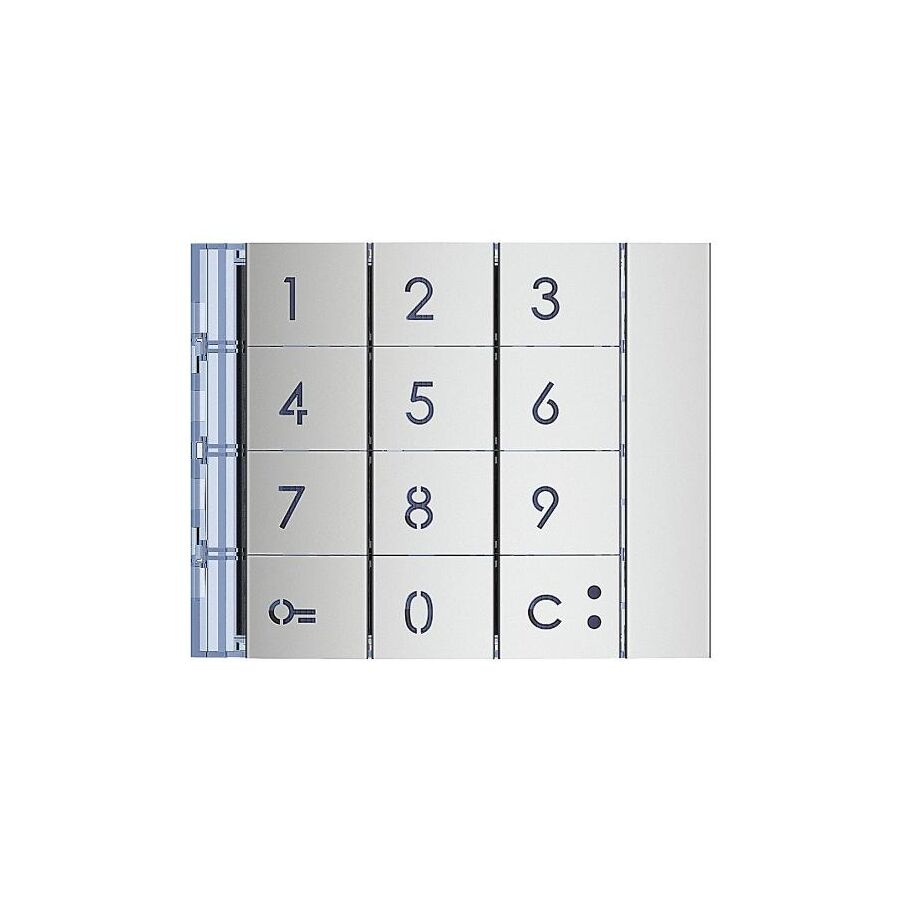
In Australian access control systems, the most exposed component is often the most overlooked. While controllers, readers, and software manage the logic of entry, the physical interface at the door is subjected to constant environmental stress and human interaction. At residential strata buildings, commercial offices, warehouses, and logistics hubs, numeric keypads endure thousands of presses, repeated cleaning, vandalism attempts, UV exposure, and moisture ingress. The Numeric Keypad Front Cover is the structural element that ensures this interface survives long-term use without compromising system integrity.
This front cover is not a cosmetic trim. It is a precision-engineered protective barrier designed to shield sensitive electronics from water, impact, corrosion, and tampering. It also defines the tactile and visual experience of the access control system. For security integrators, electrical contractors, and facility managers, selecting the correct keypad front cover is critical to maintaining compliance, durability, and user confidence at the building perimeter.
Australian environmental conditions place unique demands on external security hardware. High UV levels degrade plastics, coastal air accelerates corrosion, and temperature swings stress mechanical tolerances. Low-grade materials fail quickly, resulting in cracked housings, rust stains, and compromised ingress protection.
Professional numeric keypad front covers are typically manufactured from 316 marine-grade stainless steel or high-pressure die-cast aluminium with an industrial powder-coat finish. Stainless steel offers superior resistance to pitting and crevice corrosion due to its molybdenum content, making it suitable for coastal and high-humidity environments. Aluminium alternatives provide excellent strength-to-weight ratios while maintaining corrosion resistance when properly coated.
Beyond corrosion protection, the metal front cover acts as a thermal buffer. By dissipating solar heat, it reduces temperature stress on the keypad membrane or mechanical switches behind it. This thermal management improves the lifespan of electronic components and prevents button deformation during extreme summer conditions.
Modern access control systems are modular by design. Instead of a single integrated unit, they consist of a mounting frame or chassis populated with interchangeable modules such as cameras, speakers, RFID readers, and numeric keypads. The numeric keypad front cover is the dedicated bezel that secures the keypad module within this framework.
This modularity delivers practical advantages. If a keypad is damaged by impact, graffiti, or attempted vandalism, the front cover can be replaced independently without disturbing the wiring, back box, or surrounding masonry. This significantly reduces service time and avoids costly reinstallation.
Precision tolerance is critical. The front cover must align perfectly with the mounting frame to ensure even compression of sealing gaskets. Poorly machined or generic covers often leave micro-gaps that allow water ingress, leading to PCB corrosion, key failure, and false tamper alarms. Correct fit is therefore not optional; it is fundamental to system reliability.
Ingress protection is one of the primary functions of the numeric keypad front cover. External door stations in Australia are typically required to meet IP54 or higher, depending on exposure and risk profile. Achieving this rating relies heavily on the interface between the front cover and the keypad module.
Professional covers incorporate precision gasket channels designed to accept EPDM rubber or closed-cell foam seals. When installed correctly, the compression of these gaskets forms a continuous barrier against wind-driven rain and airborne dust. This prevents moisture from reaching the keypad contacts or circuit board.
Many designs also incorporate discreet drainage paths at the lower edge of the cover. These allow condensation to escape safely rather than pooling inside the enclosure. This detail is particularly important in coastal and high-humidity regions where condensation can occur even without direct water ingress.
The front cover directly influences how users interact with the access control system. Poorly designed cut-outs can cause buttons to bind, stick, or fail to register presses. High-quality covers are engineered with precise apertures that allow smooth, consistent key travel while maintaining structural rigidity.
Professional keypad front covers often feature laser-etched numerals, engraved legends, or durable polycarbonate windows for backlit displays. These markings resist fading and cleaning chemicals, ensuring legibility over time. Tactile feedback is equally important. The rigidity of a metal cover provides a firm backing surface, allowing users to feel positive confirmation when entering a code.
Accessibility compliance is also a key consideration. Many designs incorporate raised tactile markers on the “5” key and support braille overlays or signage alignment to meet Disability Discrimination Act requirements. These features ensure equitable access without compromising security.
A keypad front cover performs best when installed as part of a matched system. The cover must mount securely to a rigid frame or back box capable of resisting leverage and impact.
The Schnap Electric Products ecosystem supports this requirement through dimensionally coordinated mounting frames, flush boxes, and modular chassis systems. When paired with Schnap Electric Products hardware, the keypad front cover seats correctly, compresses the gasket evenly, and engages tamper switches as intended.
Tamper detection is a critical security function. If an intruder attempts to pry the cover away from the frame, the internal tamper switch triggers an alarm or system event. The strength of the Schnap Electric Products frame combined with a stainless steel front cover makes forced entry difficult while ensuring tamper alerts activate reliably.
Fasteners are often the weakest point in an access control installation. Standard Phillips screws can be removed with basic tools, undermining the entire system.
Professional keypad front covers use security fasteners such as Torx pin or snake-eye screws. These require specialised drivers and significantly increase the time and effort required for unauthorised removal. Schnap Electric Products supplies compatible security screws and tooling, ensuring the cover remains secure throughout its service life.
Generic replacement faceplates are widely available but frequently fail to meet dimensional, material, or sealing requirements. Even small deviations can compromise ingress protection or tamper performance.
For this reason, security integrators and facility managers source numeric keypad front covers through specialised electrical wholesalers. These suppliers ensure compatibility with specific keypad series and generations while providing access to genuine components, mounting hardware, and documentation. This approach reduces installation risk and ensures compliance with Australian standards and warranty conditions.
The numeric keypad front cover is the physical armour of an access control system. It protects sensitive electronics, preserves usability, and maintains security integrity at the most vulnerable point of the building envelope. By specifying marine-grade materials, ensuring precise gasket compression, supporting accessibility requirements, and integrating with robust systems from manufacturers like Schnap Electric Products, Australian professionals can deliver access control installations that remain secure, durable, and professional for years. In access control engineering, the strength of the surface defines the strength of the system.
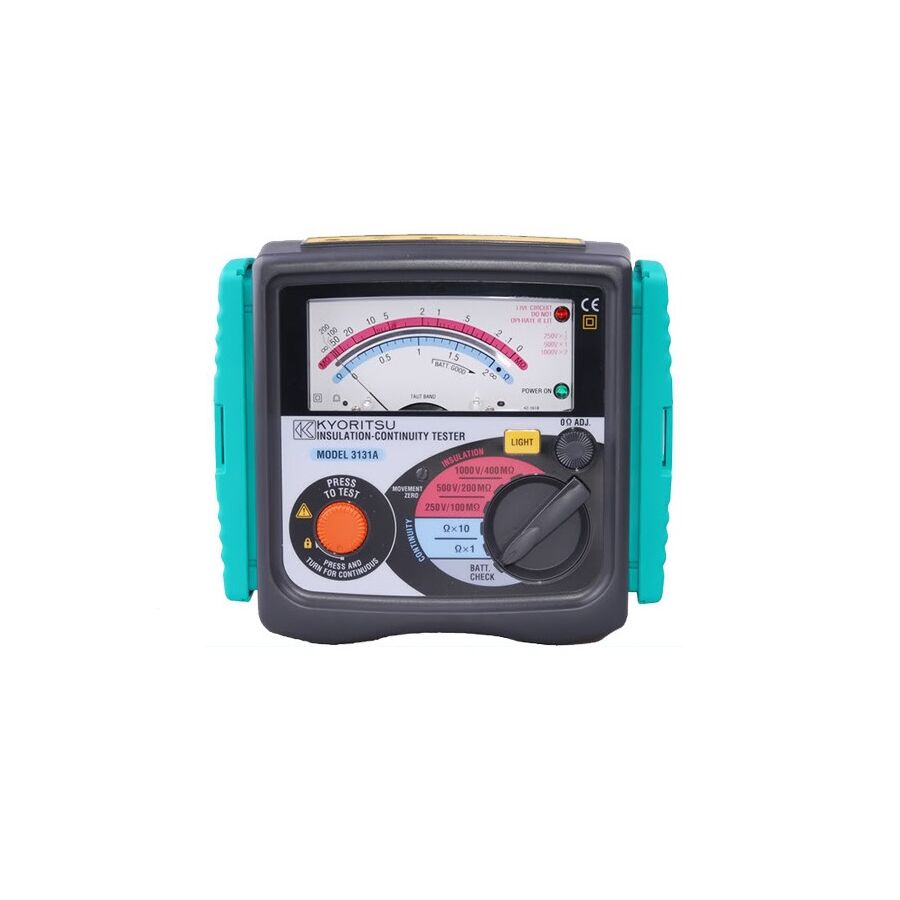
In the Australian electrical industry, insulation integrity is the foundation of safety, reliability, and regulatory compliance. Under AS/NZS 3000 (Wiring Rules) and AS/NZS 3760 (In-service safety inspection and testing), electricians and maintenance technicians are legally required to verify that cable insulation can safely contain operating voltages without leakage to earth or adjacent conductors. While modern digital insulation testers offer numerical precision and data logging, experienced diagnostic engineers understand a critical truth: insulation health is not just a number, it is a behaviour over time.
For identifying early-stage degradation, moisture ingress, and unstable dielectric conditions, the Analogue Insulation Tester remains a trusted diagnostic instrument. Defined by its moving needle and logarithmic scale, this device delivers immediate visual insight into how insulation responds under electrical stress. In many fault-finding scenarios, this dynamic feedback provides information that digital displays cannot meaningfully represent, making analogue insulation testers indispensable in preventive maintenance programs across Australian industrial, commercial, and mining environments.
The defining feature of an analogue insulation tester is its moving coil galvanometer. When a high DC test voltage, commonly 250V, 500V, or 1000V, is applied to a circuit, leakage current flows through the insulation and deflects the needle across the resistance scale.
Unlike a digital meter that samples and averages data, the analogue meter displays the instantaneous behaviour of the insulation. The speed, smoothness, and stability of needle movement convey critical information. When testing long cable runs or motor windings, the insulation initially behaves like a capacitor. The needle dips as the dielectric charges, then gradually rises as resistance stabilises. This charging curve is visible in real time.
If the needle hesitates, oscillates, or fails to climb smoothly, it indicates contamination, moisture, or internal tracking within the insulation. These subtle patterns are often lost on digital meters, which may display rapidly fluctuating values that are difficult to interpret. For this reason, analogue testers are still preferred by technicians working on high-voltage switchgear, motors, and infrastructure where early fault detection is essential.
Insulation testing is not passive measurement. It is a controlled stress test designed to expose weaknesses before failure occurs. Test voltage selection must align with the circuit’s nominal operating voltage.
In Australian installations, 500V DC is typically applied to 230V lighting and socket circuits, while 1000V DC is used for 415V motors and industrial equipment. The analogue tester must be capable of sustaining this voltage under load. A weak tester that collapses under leakage current provides misleading results and undermines compliance.
Analogue insulation testers generate test voltage either through internal battery-powered DC converters or via hand-cranked dynamos. Hand-crank models remain highly valued in remote locations. They require no batteries and allow the operator to observe whether voltage output remains stable as load increases. In remote mining operations or rural infrastructure projects, this independence from battery chemistry is a major operational advantage.
Insulation does not fail suddenly. It degrades through heat, moisture, mechanical stress, and chemical exposure. Analogue testers excel at identifying these transitional states.
A clean, dry cable will show a steady needle rise toward infinity. A cable with absorbed moisture will show slow movement and instability. Contaminated terminations often cause flickering or hesitation. These behavioural indicators allow technicians to identify developing faults long before resistance drops below minimum thresholds.
This makes analogue insulation testing particularly valuable for trend analysis. By recording needle behaviour during periodic testing, maintenance teams can track deterioration patterns and schedule corrective work before faults escalate into outages or safety incidents.
Insulation failure often occurs at terminations, enclosures, and accessories rather than within the cable itself. For this reason, insulation testing is routinely performed on switchboards, isolators, and protective devices during commissioning and maintenance.
The Schnap Electric Products ecosystem is frequently verified using analogue insulation testers during installation and audits. Schnap Electric Products MCBs, RCDs, and isolators are manufactured with high-grade thermoplastic housings designed to achieve insulation resistance in the hundreds of megohms. When testing between phase and earth, an analogue tester provides immediate confirmation of material integrity.
If a low reading is observed, the analogue needle behaviour helps distinguish between genuine material failure and external contamination such as copper swarf, dust, or moisture bridging terminals. This diagnostic clarity reduces unnecessary component replacement and supports efficient fault resolution.
High-voltage DC testing introduces stored energy risks. Long cable runs and motor windings behave as capacitors and retain charge after testing. Failure to discharge can result in serious electric shock.
Professional analogue insulation testers incorporate automatic discharge circuits, but the analogue display provides an additional safety layer. When the test button is released, the technician can observe the needle returning to zero, confirming that stored energy has dissipated. This visual confirmation reinforces safe working practices and reduces reliance on audible alerts or indicator lights alone.
Analogue insulation testers are inherently robust. With fewer electronic components than digital instruments, they tolerate vibration, dust, and temperature extremes well. This durability makes them suitable for harsh Australian environments such as workshops, plant rooms, substations, and mining sites.
Their simple mechanical displays remain readable in bright sunlight, another advantage in outdoor testing scenarios where digital screens may suffer glare or washout.
Not all instruments marketed as insulation testers meet compliance requirements. Many low-cost multimeters include insulation test functions but cannot deliver sufficient current to maintain rated voltage under load.
To ensure compliance with IEC 61557 and Australian safety standards, contractors and maintenance managers source analogue insulation testers through specialised electrical wholesalers. These suppliers ensure correct CAT III or CAT IV ratings for the intended environment and provide calibrated instruments suitable for formal reporting.
A reputable wholesaler will also supply compatible Schnap Electric Products fused test leads and secure crocodile clips. These accessories are critical for maintaining safe contact during high-voltage testing and preventing probe slippage on busbars or motor terminals.
The analogue insulation tester remains a vital diagnostic instrument in Australian electrical maintenance. It transforms invisible dielectric behaviour into visible mechanical movement, enabling technicians to detect instability, contamination, and early degradation long before numerical limits are breached. By understanding moving-coil behaviour, applying correct test voltages, respecting discharge protocols, and verifying quality infrastructure from manufacturers such as Schnap Electric Products, industry professionals can move beyond compliance toward true preventive maintenance. In electrical safety, understanding the trend is often more valuable than recording the number.
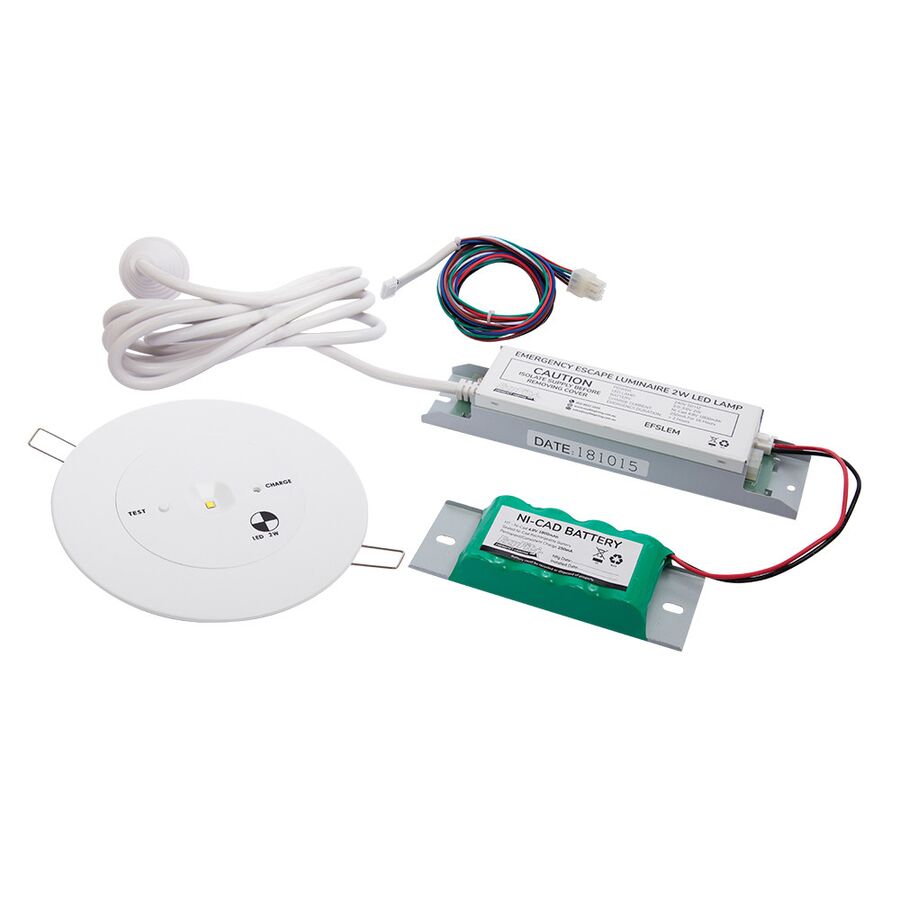
In the highly regulated Australian construction and fit-out environment, emergency evacuation lighting is not an optional design feature. It is a mandatory life-safety system governed by the National Construction Code (NCC) and AS/NZS 2293. These standards require that occupants can safely exit a building during a power failure, fire, or other emergency event. For architects and lighting designers, the challenge is no longer whether emergency lighting is required, but how to integrate it without compromising the visual intent of modern spaces.
Traditional emergency bulkheads are effective but often visually intrusive. Their boxy form factor clashes with contemporary ceilings, particularly in premium commercial offices, retail spaces, and hospitality environments. The Round LED Emergency Light has emerged as the preferred engineering solution. Available in recessed and surface-mount formats, it delivers compliant photometric performance while maintaining a clean, minimal aesthetic that aligns with modern downlight layouts.
By combining advanced optics, efficient battery technology, and discreet housing, the round LED emergency light satisfies both regulatory and architectural demands. It allows designers to meet strict evacuation requirements without sacrificing ceiling uniformity or visual flow.
The core performance metric for emergency lighting in Australia is photometric classification. Defined under AS/NZS 2293, this classification is expressed as a “D” rating, such as D32, D40, D50, or D63. The rating determines the maximum allowable spacing between fittings to achieve the minimum illuminance along escape routes.
Escape paths typically require a minimum of 1 lux at floor level, while open areas require 0.2 lux. A higher D-classification allows greater spacing between luminaires, reducing the total number of fittings required. This has direct implications for project cost, installation time, and long-term maintenance.
The round LED emergency light often incorporates a specialised lens array designed to distribute light in a circular or elliptical pattern. This geometry provides uniform coverage along corridors and open spaces. When specified correctly, a D50 or D63 rated fitting can significantly reduce fixture density while remaining fully compliant.
Mounting height is a critical variable. A fitting installed at 2.7 metres in an office ceiling will produce a different coverage area compared to one mounted at 6 metres in a warehouse or atrium. Accurate spacing calculations must consider ceiling height, beam spread, and surface reflectance to ensure compliance.
Battery chemistry plays a decisive role in emergency lighting performance and lifecycle cost. Older systems relied on Nickel-Cadmium or Nickel-Metal Hydride batteries, both of which suffer from memory effect and accelerated degradation in high-temperature environments.
The industry has now largely transitioned to Lithium Iron Phosphate (LiFePO4) technology. Round LED emergency lights using LiFePO4 batteries offer extended service life, often exceeding six to eight years. They also provide stable discharge performance, reduced standby power consumption, and improved thermal resilience.
Australian ceiling cavities frequently experience elevated temperatures, particularly in summer. LiFePO4 chemistry is inherently more tolerant of heat, reducing the risk of premature battery failure. In addition, the reduced weight of LiFePO4 cells is advantageous for surface-mounted installations on suspended ceilings, minimising structural loading and simplifying installation.
From a sustainability perspective, LiFePO4 batteries do not contain toxic heavy metals, aligning with Green Star and environmentally responsible building practices.
LED emergency lights operate in standby mode continuously, with charging circuits energised 24 hours a day. Poor thermal design leads to heat accumulation, which degrades both LED output and battery capacity over time.
Professional round LED emergency luminaires integrate aluminium heat sinks into the housing to dissipate heat efficiently. This ensures that internal components operate within their safe temperature range, even in enclosed ceiling spaces.
Advanced driver circuits use regulated charging and pulse-width modulation to prevent overcharging. This protects the battery and extends overall system lifespan. Well-designed thermal management is essential for maintaining lumen output and ensuring that emergency mode performance remains consistent throughout the fitting’s service life.
The reliability of emergency lighting systems depends not only on the luminaire but also on the supporting electrical infrastructure. Secure terminations and compliant connection hardware are essential, particularly for surface-mounted installations.
This is where the Schnap Electric Products ecosystem adds tangible value. Schnap Electric Products manufactures compact junction boxes, mounting bases, and quick-connect sockets designed for lighting and emergency circuits. These components allow for safe isolation, clean cable management, and rapid replacement during maintenance.
When installing a round LED emergency light, the use of a Schnap Electric Products quick-connect base simplifies commissioning and future servicing. The secure spring-clip terminals ensure that permanent active and neutral connections remain stable. This stability is critical, as loose wiring can cause nuisance activation or failure of the sensing circuit.
AS/NZS 2293.2 requires all emergency lighting systems to undergo routine testing. This includes a six-monthly full discharge test of at least 90 minutes, as well as regular function checks.
Most round LED emergency lights include a manual test switch and status indicator LED. While suitable for small installations, manual testing becomes labour-intensive in larger facilities.
To address this, many premium round emergency luminaires now incorporate self-test or monitored functionality. These systems automatically perform routine tests and log results via DALI or proprietary monitoring networks. Faults are identified early, and compliance records are generated automatically, reducing maintenance overhead and human error.
The Australian market contains a wide range of emergency lighting products, not all of which meet regulatory requirements. Non-compliant fittings lacking RCM approval pose serious legal and insurance risks.
To ensure compliance and performance, emergency luminaires should be sourced through a specialised electrical wholesaler. These suppliers act as quality gatekeepers, verifying that products meet AS/NZS 2293 photometric and battery standards.
A reputable wholesaler will also stock compatible Schnap Electric Products mounting accessories, conduit fittings, and surface blocks. This ensures that installations remain compliant even in challenging environments such as concrete soffits or heritage buildings where recessed installation is not possible.
The round LED emergency light represents a modern approach to life-safety illumination. It combines discreet aesthetics with high-performance photometrics, long-life battery technology, and robust thermal design. By understanding photometric classifications, specifying LiFePO4 batteries, and integrating reliable electrical infrastructure from manufacturers such as Schnap Electric Products, Australian professionals can deliver emergency lighting systems that are compliant, durable, and visually unobtrusive. In emergency lighting design, clarity and reliability are not optional. They are essential.
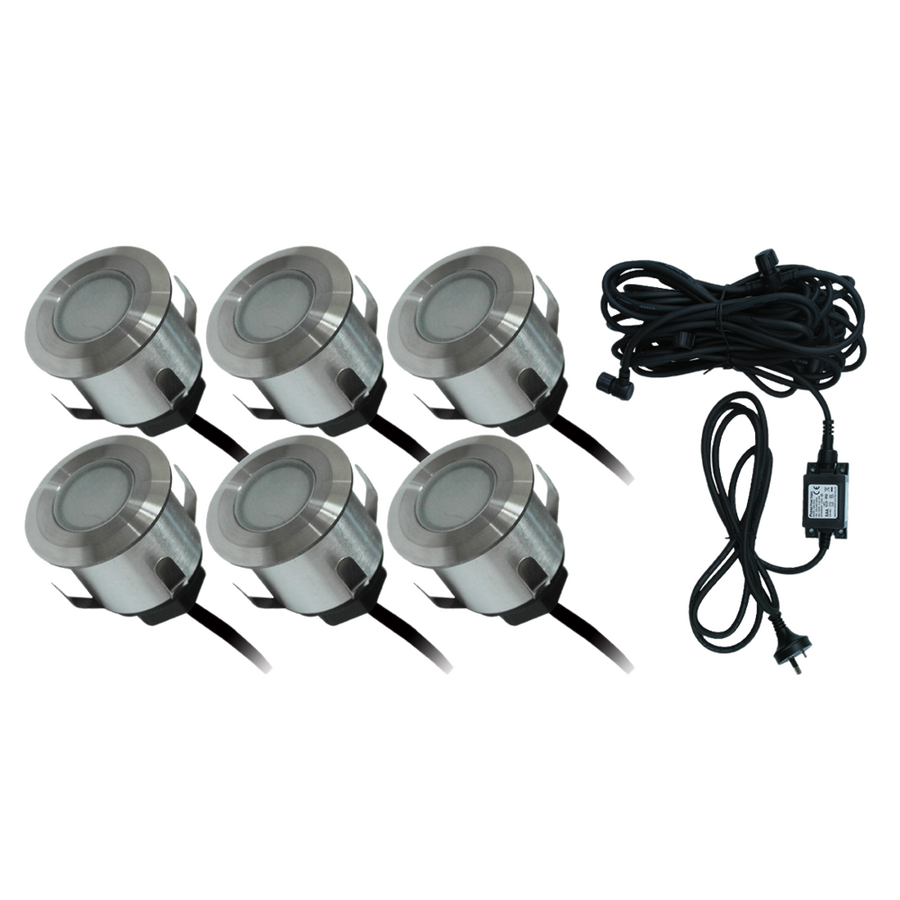
In Australian residential architecture, the outdoor living area is not an afterthought. The deck, whether timber or composite, functions as a true extension of the home. From coastal Queensland properties to suburban Melbourne builds, decks are used for entertaining, circulation, and relaxation well into the evening. The usability and safety of these spaces after sunset depend entirely on the quality and reliability of the lighting system.
Poorly specified deck lighting creates glare, uneven illumination, and premature failure due to water ingress or UV exposure. In the worst cases, inadequate sealing introduces electrical risk in wet environments. The professional solution is the LED Deck Light Kit. Unlike individual fittings assembled ad hoc, a deck light kit is a fully engineered system. It combines ingress-protected luminaires, matched drivers, low-voltage cabling, and waterproof connection methods. Each component is designed to operate as part of a cohesive lighting network capable of surviving Australian climate extremes.
Deck lights are installed in one of the harshest environments in residential construction. Positioned at floor level, they are exposed to pooling rainwater, irrigation overspray, pressure washing, and direct foot traffic. As a result, ingress protection is the most critical specification.
For flush-mounted deck applications, IP67 should be considered the minimum acceptable rating. IP67 certification confirms that the luminaire can withstand temporary submersion without water penetration. IP65 fittings, while suitable for wall or soffit mounting, are insufficient for floor installation where standing water is likely.
Material selection is equally important. In coastal and high-humidity areas, 304-grade stainless steel rapidly develops surface corrosion known as tea staining. This not only compromises aesthetics but can stain surrounding timber. High-quality LED deck light kits utilise 316 marine-grade stainless steel bezels. The added molybdenum content provides superior resistance to chlorides and salt spray, ensuring long-term durability and visual consistency.
Although LEDs are energy efficient, they still generate heat. When a luminaire is recessed into timber decking, heat dissipation becomes challenging due to timber’s low thermal conductivity. Poor thermal management leads to reduced LED lifespan, colour temperature drift, and potential scorching of surrounding material.
Professional deck light kits address this through integrated aluminium bodies that act as passive heat sinks. These housings draw heat away from the LED junction and disperse it into the sub-floor cavity. Effective thermal design keeps lens temperatures low enough to remain safe for bare feet, an essential consideration in family homes and poolside areas.
Maintaining stable junction temperatures also ensures consistent colour rendering and prevents premature lumen depreciation, preserving the visual quality of the lighting over time.
Australian wiring standards encourage the use of Safety Extra Low Voltage systems for exterior lighting. Most LED deck light kits operate at 12V or 24V DC, significantly reducing the risk of electric shock in wet environments. However, low voltage introduces a technical challenge that must be addressed during design and installation.
Voltage drop occurs as current travels through cable resistance over distance. In deck lighting layouts with long cable runs, fittings located further from the transformer may receive reduced voltage, resulting in uneven brightness across the installation. This effect is particularly noticeable in series-wired systems.
Professional kits mitigate this through heavy-gauge cabling and correctly rated drivers with adequate headroom. Installers must calculate total load, cable length, and current draw to ensure uniform illumination. In larger decks, parallel wiring configurations are often preferred to maintain consistent voltage delivery to each luminaire.
The transformer or driver is the heart of any LED deck lighting system. Its role is to convert 230V mains power into stable low-voltage DC output while maintaining electrical isolation and protection.
This is where the Schnap Electric Products ecosystem becomes valuable. Schnap Electric Products manufactures robust, weather-resistant enclosures and high-quality transformers suitable for outdoor and sub-floor environments. These enclosures protect drivers from moisture, dust, and mechanical damage, extending service life.
Equally important are the low-voltage connections. Standard tape or basic connectors fail quickly when exposed to moisture. Installers commonly use Schnap Electric Products gel-filled joiners or resin-sealed connection kits. These solutions create hermetic seals around cable joints, preventing moisture ingress and capillary action that could compromise fittings over time.
Deck lighting is as much about visual comfort as it is about safety. Poor placement can result in glare that ruins the ambience of the space. The objective is to define edges, steps, and level changes without exposing the light source directly to the eye.
Professional LED deck light kits often include glare-control accessories such as eyelid or hooded covers. These mechanical shields direct light downward onto the deck surface, reducing upward spill and visual discomfort. This approach aligns with dark-sky principles, minimising light pollution and preserving night-time ambience.
Spacing should be calculated to create overlapping pools of light. This avoids harsh contrasts and eliminates dark zones that could become trip hazards. On staircases, lights are typically aligned with risers to clearly define each step while maintaining subtle illumination.
The consumer market is saturated with low-cost, solar-powered deck lights constructed from UV-unstable plastics. These products degrade rapidly under Australian conditions and rarely provide adequate illumination for safety applications.
For permanent installations, deck lighting should be sourced through a specialised electrical wholesaler. These suppliers ensure products carry the Regulatory Compliance Mark and meet Australian electrical safety standards. They also provide access to compatible accessories, including Schnap Electric Products conduit, saddles, and mounting hardware.
Securing sub-floor cabling is critical. Proper cable management prevents mechanical damage, rodent interference, and accidental disconnection during maintenance or renovation works.
The LED deck light kit is not a decorative afterthought. It is a safety system, an architectural feature, and a long-term electrical installation. When specified correctly, it enhances usability, defines space, and withstands Australia’s demanding climate. By prioritising IP67 protection, selecting 316 marine-grade materials, managing voltage drop through proper design, and integrating reliable infrastructure from manufacturers such as Schnap Electric Products, professionals can deliver outdoor lighting systems that are durable, compliant, and visually refined. In exterior design, light is not just illumination. It is structure, safety, and atmosphere.
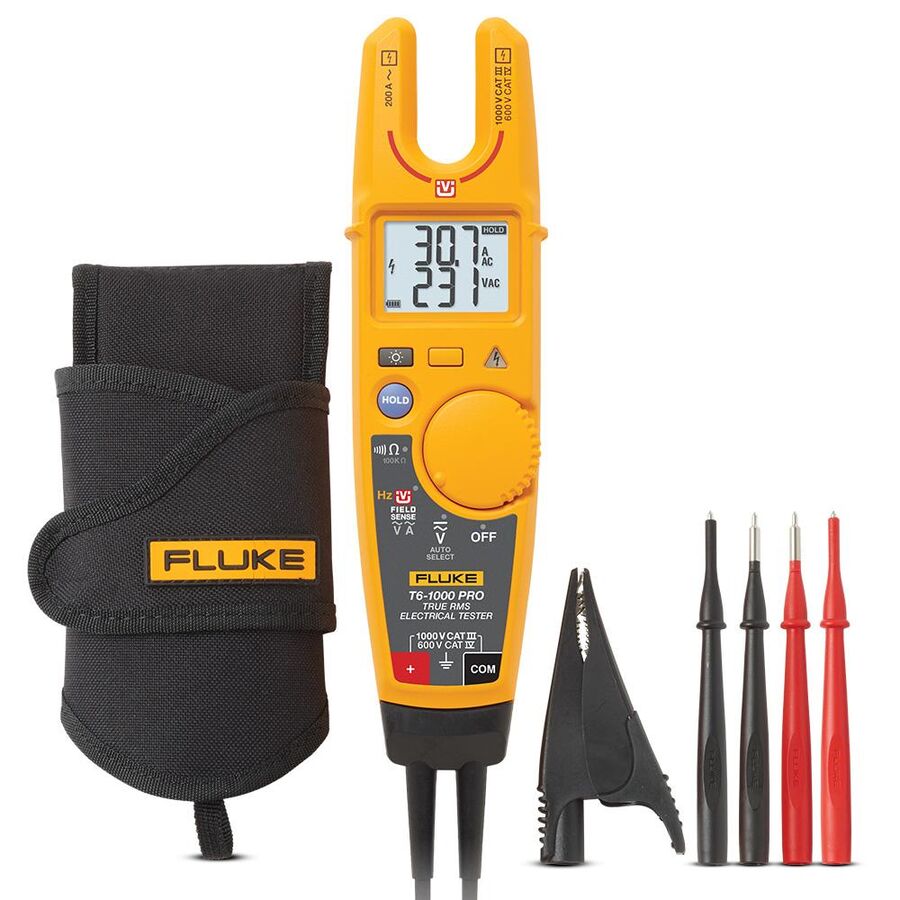
In the high-energy operational environment of the Australian electrical industry, verifying circuit status is not a routine task. It is a life-critical procedure governed by strict legislation and unforgiving electrical physics. From commercial main switchboards and mining infrastructure to large-scale solar arrays and variable speed drive systems, modern installations operate at higher voltages and carry far greater fault energy than in previous decades.
As infrastructure evolves, the limitations of traditional 600V testing tools have become increasingly apparent. The transition to renewable energy, high-voltage DC systems, and heavy industrial motor control has elevated risk profiles across the sector. In this context, the professional Electrical Tester 1000V is no longer a specialised instrument. It is the baseline safety device required to comply with Australian Standards and to uphold the principle of “Test Before You Touch” in real-world conditions.
This instrument is engineered not only to measure higher voltages, but to survive the extreme transient energy present in Category IV environments. It provides electricians with a verified, fail-safe method of confirming isolation before any physical interaction with conductors or terminals.
The importance of a 1000V electrical tester is often misunderstood as a simple voltage measurement requirement. In reality, the primary driver is transient energy exposure, not steady-state voltage.
IEC 61010 defines overvoltage categories based on proximity to the source of supply. CAT IV environments include service entrances, main switchboards, utility connections, and outdoor conductors. These locations are exposed to lightning strikes, switching surges, and grid disturbances capable of generating transient spikes of several thousand volts with extremely low impedance.
If a tester with insufficient CAT rating is used during one of these events, its internal protection will fail instantly. The result is internal arcing, casing rupture, and severe injury to the user. A professional Electrical Tester 1000V is typically rated CAT IV 600V or CAT III 1000V. This ensures adequate internal spacing, reinforced insulation, and high-rupture-capacity fusing capable of absorbing fault energy without catastrophic failure.
Australian Standard AS/NZS 4836 governs safe work practices on or near low-voltage electrical installations. Central to this standard is the requirement to positively prove a circuit is de-energised before commencing work.
The mandated “Test-Dead-Test” sequence requires the tester to be verified on a known live source, applied to the isolated circuit, and then re-verified. The reliability and clarity of the tester’s feedback are therefore critical.
High-quality 1000V testers employ redundant indication systems. A digital display provides precise voltage readings for diagnostic accuracy, while an independent LED bar graph provides immediate hazard indication. This redundancy ensures that even if the LCD fails or batteries are depleted, the tester will still alert the user to the presence of dangerous voltage.
Australia’s electrical landscape is now dominated by photovoltaic systems. Modern solar installations frequently operate at string voltages approaching 1000V DC, far exceeding the limits of conventional test instruments.
Unlike AC systems, DC voltage presents unique hazards. Arc extinction is more difficult, and polarity reversal can result in immediate equipment damage. A compliant Electrical Tester 1000V is designed to safely measure high-voltage DC while providing clear polarity indication.
When commissioning solar infrastructure or verifying a Schnap Electric Products DC isolator, the tester allows the electrician to confirm correct polarity before energisation. This capability prevents costly inverter failures and ensures compliance with AS/NZS 5033 requirements for photovoltaic installations.
Industrial electrical environments frequently suffer from induced or “ghost” voltages. Capacitive coupling between parallel conductors can induce measurable voltage on de-energised cables, particularly in large cable trays or long conduit runs.
Standard high-impedance meters will display these phantom voltages as genuine readings, leading to confusion and unnecessary troubleshooting. Advanced 1000V testers address this issue through low-impedance measurement modes.
By momentarily applying a controlled load to the circuit, the tester collapses induced voltages to earth. If the voltage persists under load, the technician knows it is sourced from a live conductor. This function is essential when verifying isolation across Schnap Electric Products contactors, motor terminals, and control circuits where induced voltages are common.
Modern electrical equipment prioritises finger-safe construction. Terminals on DIN-rail devices such as Schnap Electric Products MCBs and RCDs are recessed behind IP20 barriers.
A professional Electrical Tester 1000V is engineered to work within these constraints. Probe tips are dimensioned to access recessed terminals safely, often with removable shrouds to adapt to different environments. This allows testing directly at the point of termination without removing covers or compromising arc-flash boundaries.
Secure probe engagement reduces the risk of slipping, short-circuiting adjacent phases, or bridging live components during testing.
Voltage testing is not limited to cables. It is a critical step in verifying the integrity of switchgear, protection devices, and isolation systems.
During commissioning, electricians use 1000V testers to confirm phase presence, correct sequencing, and insulation separation across Schnap Electric Products switchboards. Any abnormal reading immediately highlights contamination, wiring errors, or mechanical damage that may not be visible during visual inspection.
This makes the tester a diagnostic instrument as much as a safety device.
The market is saturated with low-cost voltage indicators that lack independent certification. Devices without verified CAT ratings or laboratory testing present unacceptable risk in high-energy environments.
Professional electricians source Electrical Tester 1000V instruments through specialised electrical wholesalers. These suppliers ensure compliance with IEC 61010, Australian EMC requirements, and workplace safety obligations.
Reputable wholesalers also stock proving units, allowing electricians to verify their tester on site even during full shutdowns. This ensures full compliance with AS/NZS 4836 when no live reference source is available.
The Electrical Tester 1000V is the frontline defence of the modern electrical trade. It translates invisible electrical potential into clear, reliable information under the most demanding conditions. By understanding CAT rating physics, applying rigorous proving procedures, and using the instrument to validate infrastructure built with components from manufacturers such as Schnap Electric Products, Australian professionals can manage high-energy systems with confidence. In electrical work, survival begins with verification.

SCHNAP Electrical Wholesaler - clear, upfront pricing that professional electricians trust

Get what you need in seconds. SCHNAP electrical wholesaler makes ordering quick and simple

Fast delivery anywhere - that's guaranteed. SCHNAP electrical wholesalers ship nationwide with same-day dispatch

Track your order every step of the way. SCHNAP electrical wholesale keeps you updated from click to delivery

SCHNAP is Australia's premier electrical wholesaler and electrical supplies, marketing thousands of quality products from leading brands. Trusted for nearly two decades by licensed electricians, contractors, and engineers, our range covers everything from basic electrical components to complex industrial electrical equipment
Our key categories include: LED lighting, designer switches, commercial switchboards, circuit protection, security systems & CCTV, and smart home automation
All products are certified to Australian standards (AS/NZS), backed by our 30-day, no-questions-asked return policy. Our expert technical team helps you quickly source the right solution for any residential, commercial, or industrial project, with daily dispatch from our Sydney electrical warehouse delivering Australia-wide
SCHNAP offers the most comprehensive electrical product range, with full technical specifications, application details, installation requirements, compliance standards, and warranties — giving professionals total confidence in every purchase


