




Kingsgrove Branch:

In modern Australian architectural lighting, RGB LED strips have become a core feature across hospitality venues, commercial fitouts and premium residential projects. From cove lighting in restaurants to feature walls in contemporary homes, colour-adjustable LED strips provide dynamic control over atmosphere and visual identity. While the LED tape itself delivers the visible effect, the true intelligence of the system lies within the RGB LED Strip Remote Controller.
This controller is not simply a switch. It is an electronic modulation device that regulates voltage, current and channel balance across red, green and blue circuits. Selecting the correct controller requires understanding Pulse Width Modulation, load capacity limits and communication protocol compatibility. Proper specification ensures flicker-free performance, colour consistency and compliance with Australian electrical expectations.
Reliable control determines long-term lighting stability.
LEDs are semiconductor devices that operate most efficiently at stable voltage levels. Attempting to dim an LED by reducing voltage directly can cause colour instability and inconsistent output. Instead, RGB controllers use Pulse Width Modulation to regulate brightness and colour mixing.
PWM works by rapidly switching each colour channel on and off at high frequency. The ratio of on-time to off-time, known as the duty cycle, determines perceived brightness. For example, combining full red and blue duty cycles produces purple, while reducing green output adjusts tone balance.
The switching frequency is critical. Low-frequency PWM may cause visible flicker or camera banding in recorded video. Professional-grade controllers operate at high PWM frequencies to maintain stable output in hospitality, broadcast and retail environments.
High-frequency modulation ensures smooth colour transitions and visual comfort.
Most RGB LED strips operate using a common anode configuration, where the positive supply is shared and the controller switches each negative channel independently. Inside the controller, MOSFET components manage current flow for each channel.
Every controller has a maximum current rating per channel and an overall device limit. Accurate load calculation is essential. For example, if a 5-metre LED strip draws 3 amps at operating voltage, connecting multiple strips in parallel without calculating total current may exceed controller capacity. Overloading can lead to overheating and premature failure.
For extended lighting runs, signal repeaters or amplifiers can be introduced. These devices replicate the PWM signal while drawing power from a separate supply, preventing stress on the primary controller. Proper system design supports scalable installations without compromising reliability.
Correct load management protects electronic components and ensures long service life.
Communication between the handheld remote and receiver determines installation flexibility. Infrared-based systems require direct line of sight, which may not be practical in concealed ceiling installations.
Radio Frequency controllers allow signal transmission through walls and cabinetry, making them suitable for commercial and residential concealed lighting. Many installations now integrate WiFi or Zigbee-based controllers for smart home or building management system compatibility.
Smart-enabled controllers allow scheduling, scene creation and voice control integration. Protocol compatibility should be considered during specification to ensure seamless integration into broader automation systems.
Flexible communication options expand design possibilities.
Long LED strip installations can experience voltage drop, particularly toward the end of extended runs. Because blue and green diodes typically require higher forward voltage than red diodes, voltage imbalance can cause visible colour shift, commonly referred to as pink fade.
Mitigating voltage drop requires appropriate cable sizing between controller and strip. Using heavier gauge multi-core cable reduces resistance and maintains voltage consistency. Power injection at both ends of long strips can further stabilise colour output across the entire run.
Consistent voltage distribution ensures accurate colour mixing from start to finish.
LED controller installations often occur within confined ceiling cavities or joinery spaces. Proper termination of multi-core LED cabling is critical to prevent short circuits between adjacent terminals.
SCHNAP Electric Products supports professional installations with suitable cable management and termination accessories designed for secure and reliable connections. Correct termination reduces risk of stray strands bridging terminals and prevents channel faults.
Stable physical connections enhance electrical safety and system durability.
The LED driver feeding the controller must provide stable DC output matching the voltage rating of the strip. Undersized or unstable power supplies can cause flicker, uneven colour or controller malfunction.
When specifying a controller, installers must ensure voltage compatibility between strip, driver and controller. SCHNAP Electric Products supports compliant installation practices with appropriate mounting and enclosure solutions for protecting control equipment.
Stable power input is fundamental to consistent lighting performance.
The lighting control market includes non-certified controllers that may emit excessive electromagnetic interference or lack proper regulatory approval for Australian installations. Using non-compliant products can introduce electrical risk and reduce long-term reliability.
Professional procurement through a specialised electrical wholesaler ensures access to compliant hardware designed for Australian commercial and residential projects. SCHNAP Electric Products supports electricians and designers with accessories that align with safe installation practices.
Verified sourcing safeguards project quality and electrical compliance.
The RGB LED Strip Remote Controller is the command centre of dynamic lighting systems. Through precise PWM modulation, accurate load management and compatible communication protocols, it enables seamless colour control across architectural environments.
By combining properly specified controllers with compliant installation practices supported by SCHNAP Electric Products infrastructure solutions, Australian professionals can deliver lighting systems that are stable, safe and visually impactful. In architectural illumination, intelligent control defines performance.
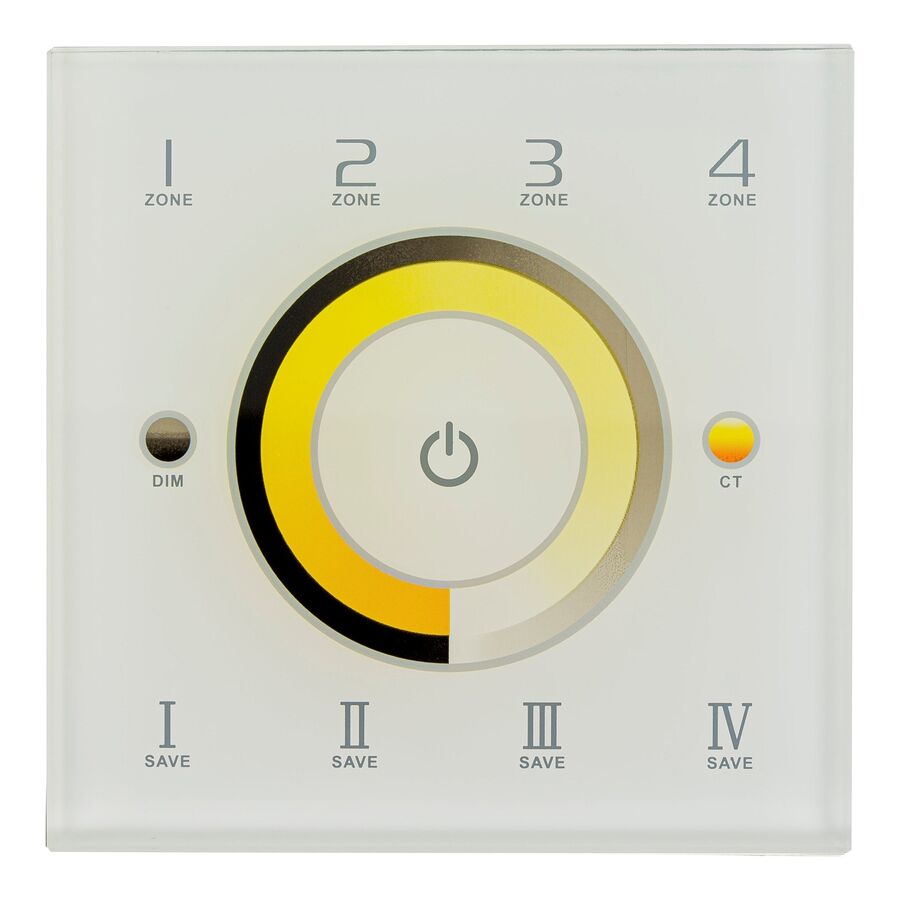
In contemporary Australian interior design, lighting control has evolved from basic mechanical switches to advanced scene management systems. From premium retail spaces in metropolitan centres to luxury residential developments along the coast, LED strip lighting now forms a core architectural feature. Cove lighting, joinery illumination and feature wall accents rely on precise control to achieve the desired visual impact.
The LED Strip Touch Panel Controller provides an intuitive, wall-mounted interface for managing these systems. Combining sleek capacitive glass design with solid-state electronic control, this device governs Pulse Width Modulation signals that regulate brightness, colour mixing and correlated colour temperature. Selecting the correct touch controller requires understanding sensing technology, current handling limits and system topology to ensure reliable performance in commercial and residential environments.
Precision at the wall translates to performance in the ceiling.
Modern touch panel controllers use projected capacitive sensing rather than mechanical or resistive interfaces. Beneath the tempered glass fascia lies a transparent conductive grid that projects an electrostatic field. When a user’s finger approaches the surface, it disrupts the field and alters capacitance at a specific coordinate. The internal firmware detects this change and converts it into a control command.
This method offers durability because there are no moving parts to wear out. It also provides improved resistance to dust and surface contamination compared to older pressure-based designs. Proper calibration ensures that touch sensitivity remains responsive through the thickness of the glass surface while preventing false activations.
Reliable capacitive sensing delivers consistent user interaction without mechanical degradation.
Touch panel controllers are typically configured in two architectural approaches. For single-room or small-zone installations, direct PWM control is commonly used. In this setup, the DC power supply feeds the panel, and LED strips connect directly to its output terminals. Internal MOSFET components switch each channel at high frequency to regulate brightness and colour output.
For larger commercial environments, DMX512 signal-based systems are often preferred. In this configuration, the touch panel transmits digital control signals over shielded data cabling to remote decoders positioned near the LED strips. This decentralised design reduces voltage drop, distributes current load away from the wall plate and enables scalable multi-zone control across extensive lighting runs.
Selecting the correct topology ensures system scalability and long-term reliability.
Direct-wire controllers installed within plasterboard walls operate in confined spaces with limited airflow. As load increases, internal MOSFET components generate heat. Operating continuously near maximum current rating accelerates electronic wear and reduces lifespan.
Engineering best practice recommends applying a load derating margin. Controllers should operate at no more than approximately 80 percent of their rated capacity. For higher power applications, signal amplifiers or remote drivers should be used to distribute current load away from the touch panel.
Managing thermal stress protects both electronics and wall finishes.
In RGB and RGBW systems, voltage drop directly affects colour balance. Blue and green diodes require higher forward voltage than red diodes. When voltage decreases along extended cable runs, red output may dominate, causing visible colour shift.
Mitigating voltage drop requires appropriate conductor sizing between controller and strip. Using adequately rated multi-core cabling helps maintain voltage stability within acceptable limits. Power injection strategies may also be implemented for longer runs to preserve consistent chromatic output.
Maintaining voltage stability ensures accurate colour reproduction across the entire installation.
Touch panel controllers feature compact rear terminal blocks that accommodate multi-stranded LED cabling. Improper termination may allow stray copper strands to bridge adjacent terminals, leading to short circuits or output stage failure.
SCHNAP Electric Products supports professional installations with termination and mounting accessories designed to enhance safety and reliability. Correct cable preparation and secure mounting within appropriately sized wall boxes ensure that the controller remains mechanically stable and electrically protected.
Attention to termination detail prevents premature controller failure.
Low-quality capacitive panels may suffer from ghost activation due to poor electromagnetic shielding. In environments with high electrical noise, such as lift motor rooms or equipment spaces, unstable firmware or inadequate filtering can cause unintended switching.
Selecting EMC-compliant controllers reduces susceptibility to interference. Stable PWM frequencies also prevent visible flicker and camera banding in hospitality or broadcast settings.
Robust electronic design ensures stable performance under demanding conditions.
The lighting control market includes non-certified products that may not meet Australian regulatory requirements. Installing uncertified equipment can create safety risks and compromise project integrity.
Professional procurement through a specialised electrical wholesaler ensures access to compliant hardware suitable for Australian commercial and residential projects. SCHNAP Electric Products supports installers with compatible infrastructure components that align with safe and structured installation practices.
Verified sourcing strengthens system reliability and compliance confidence.
The LED Strip Touch Panel Controller is the interface between architectural intent and electronic precision. Through capacitive sensing, PWM modulation and appropriate system architecture, it enables seamless lighting control across modern interiors.
By applying load derating principles, ensuring correct cabling practices and supporting installations with compliant infrastructure solutions from SCHNAP Electric Products, Australian professionals can deliver control systems that are durable, elegant and technically robust. In architectural lighting, the interface defines the experience.

Across Australia’s mining, water treatment and heavy processing facilities, actuator-driven valves control critical flow paths that must operate with precision and reliability. In these environments, unexpected downtime carries significant financial and operational consequences. While the electric motor provides mechanical movement, the true intelligence of a modern actuator lies in its embedded electronic configuration.
The Memory Module for Actuator safeguards that intelligence. This removable component stores key configuration parameters, allowing a failed actuator to be replaced without reprogramming from scratch. By preserving end-stop positions, torque limits, communication addresses and calibration data, the module enables rapid “hot swap” replacement and restores process continuity within minutes.
Operational resilience depends on retained configuration integrity.
The memory module typically uses non-volatile storage technology such as EEPROM or flash memory. Unlike volatile RAM, which loses data when power is removed, non-volatile memory retains information even during total power failure.
During commissioning, engineers configure stroke limits, torque thresholds, communication settings and ramp speeds. These parameters are written to both the actuator’s main control board and the removable memory module. If the actuator is damaged by surge events or mechanical failure, the stored data remains intact.
High-quality modules use durable contact interfaces to maintain reliable data transfer under vibration and temperature cycling. Maintaining secure electrical contact ensures consistent communication between module and processor.
Reliable data retention eliminates the risk of reconfiguration delays.
Traditional actuator replacement required manual reprogramming using specialised software and trained technicians. This process introduced delays and increased downtime.
With a removable memory module, maintenance becomes significantly more efficient. After isolating power, the technician removes the failed actuator, transfers the memory module to the new unit and restores supply. The actuator automatically reads and applies stored parameters, restoring operational calibration without re-stroking the valve or reconnecting to supervisory control systems.
This plug-and-play capability supports rapid recovery and minimises disruption to industrial processes.
Advanced memory modules store more than configuration parameters. Operational data such as torque curves, cycle counts and peak temperature history may also be recorded. This information supports predictive maintenance strategies by identifying gradual performance changes over time.
By transferring historical data to a replacement actuator, engineers maintain continuity of asset records. Trends such as increasing torque demand or extended cycle times can indicate mechanical wear or process changes requiring intervention.
Preserved operational history strengthens maintenance planning and asset management.
Industrial actuator installations often operate in exposed or harsh environments. Moisture ingress, dust and vibration can compromise internal electronics if enclosure integrity is not maintained.
SCHNAP Electric Products supports compliant installation practices with appropriate sealing and cable management solutions suited to demanding industrial conditions. Maintaining proper enclosure protection prevents condensation from reaching internal memory interfaces and safeguards long-term reliability.
Effective environmental protection preserves data integrity and operational stability.
Actuators commonly communicate via industrial bus systems such as Modbus, Profibus or other fieldbus protocols. Data integrity depends on correct shielding and termination practices to prevent electromagnetic interference.
SCHNAP Electric Products provides infrastructure components that support structured and compliant industrial cabling practices. Ensuring stable communication pathways protects both configuration transfer and real-time control signals.
Stable communication enhances actuator reliability and network performance.
Memory modules are often firmware-specific and designed for particular actuator generations. Cross-compatibility must be verified to ensure seamless data transfer. Using incorrect modules may result in configuration mismatch or communication failure.
Professional procurement through a specialised electrical wholesaler ensures correct model selection and compatibility verification. SCHNAP Electric Products supports installers and maintenance planners with structured accessories that align with safe industrial integration practices.
Verified sourcing protects process continuity and compliance confidence.
The Memory Module for Actuator is a critical safeguard in modern automation systems. By preserving configuration parameters and operational history, it transforms actuator replacement from a complex reprogramming task into a rapid maintenance procedure.
Through non-volatile storage technology, efficient hot-swap capability and structured installation practices supported by SCHNAP Electric Products, Australian industrial professionals can enhance reliability and reduce downtime across critical infrastructure. In industrial automation, continuity of data ensures continuity of operation.
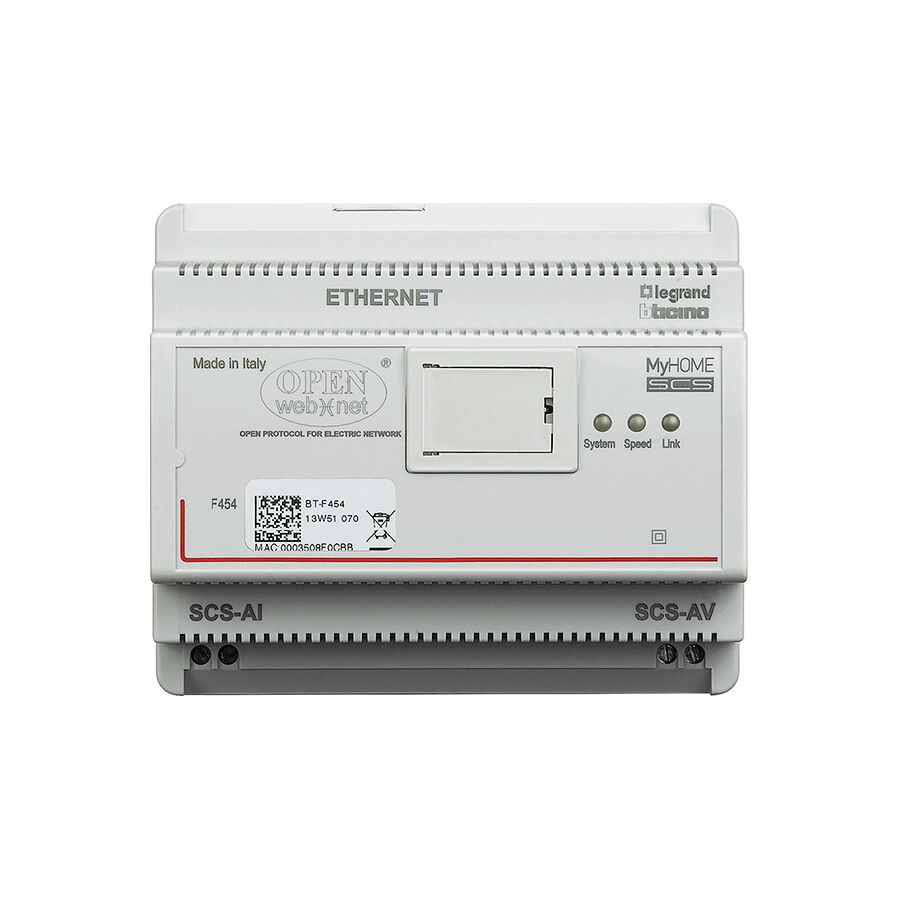
Across Australian universities, corporate boardrooms and collaborative workspaces, the convergence of IT and Audio Visual infrastructure has transformed how systems are controlled. Traditional proprietary touch panels are increasingly replaced by flexible, browser-based control platforms. Users now expect to manage presentation, conferencing and display systems directly from their own smartphones, tablets or laptops without installing dedicated applications.
The Web Server Audio/Video Controller provides this flexibility. Acting as the central logic processor of an AV environment, it hosts an internal graphical interface accessible through any standard web browser. This approach removes dependency on fixed control panels while maintaining reliable, centralised automation. For commercial integrators, selecting the right controller requires understanding embedded server architecture, network performance and secure deployment practices.
Network-based control delivers scalability and device independence.
At the core of the controller is an embedded web server running locally on the facility’s Local Area Network. When a user enters the device’s IP address into a browser, the controller serves a structured interface built with modern web technologies.
User commands such as powering on a projector or adjusting audio volume are transmitted as structured network messages back to the controller. The controller then translates those commands into physical control signals suited to the connected equipment. These may include Ethernet-based commands, serial data transmissions or relay outputs depending on the system design.
Because processing occurs locally rather than in the cloud, command execution remains responsive and independent of external internet connectivity.
Local server logic ensures low-latency control and operational independence.
In commercial environments, AV controllers share infrastructure with corporate data networks. Although control messages are lightweight, they are latency-sensitive. Delays caused by congested network traffic can create noticeable lag between user input and device response.
Professional deployments often place AV control systems on dedicated network segments or VLANs. Isolating automation traffic reduces congestion and enhances reliability. Correct switch configuration and bandwidth allocation further support stable performance during high-demand periods such as live presentations or large meetings.
Proper network design safeguards real-time responsiveness.
A Web Server Audio/Video Controller must support diverse communication interfaces. Commercial AV environments frequently combine Ethernet-controlled displays, serially controlled projectors and relay-based switching devices within a single installation.
The controller functions as a protocol translator, converting browser-based commands into appropriate device-specific instructions. This unified logic platform simplifies user interaction while maintaining compatibility with legacy and modern hardware.
Protocol versatility ensures seamless system integration.
These controllers are typically installed within 19-inch equipment racks in communications rooms or built-in joinery. Such environments can experience elevated temperatures and dense cabling layouts.
SCHNAP Electric Products supports professional rack installations with structured cable management and power distribution solutions suited to commercial infrastructure. Maintaining organised cabling and stable power supply protects device performance and reduces risk of accidental disconnection.
Structured installation enhances long-term reliability.
Embedded processors generate heat during continuous operation, particularly when managing multiple concurrent browser sessions. Maintaining adequate airflow within the rack is essential to prevent thermal throttling or unexpected resets.
Power supply stability is equally important. Clean and uninterrupted DC power ensures consistent operation during critical events. Proper rack configuration and ventilation planning support optimal controller performance in demanding commercial settings.
Stable thermal and power conditions preserve operational integrity.
Connecting control systems to corporate networks introduces cybersecurity considerations. Professional controllers support encrypted communication protocols to protect data exchange between client devices and the embedded server.
Role-based authentication restricts access to configuration settings while allowing general users limited operational control. Segmented access levels protect network infrastructure and prevent unauthorised modification of automation logic.
Secure configuration safeguards both AV systems and enterprise networks.
Consumer-grade IoT hubs often lack the processing capacity and stability required for commercial automation. Systems deployed in boardrooms or lecture theatres must support concurrent user access and sustained uptime.
Professional procurement through a specialised electrical wholesaler ensures access to commercial-grade controllers designed for structured AV environments. SCHNAP Electric Products supports integrators with compliant infrastructure components that align with best-practice installation standards.
Verified sourcing enhances reliability and project confidence.
The Web Server Audio/Video Controller represents the modern evolution of AV system management. By hosting a browser-based interface locally on the network, it enables flexible, device-agnostic control while maintaining low-latency responsiveness.
Through proper network segmentation, secure configuration and structured installation practices supported by SCHNAP Electric Products infrastructure solutions, Australian AV professionals can deliver systems that are scalable, reliable and secure. In contemporary commercial integration, access through the browser defines control flexibility.
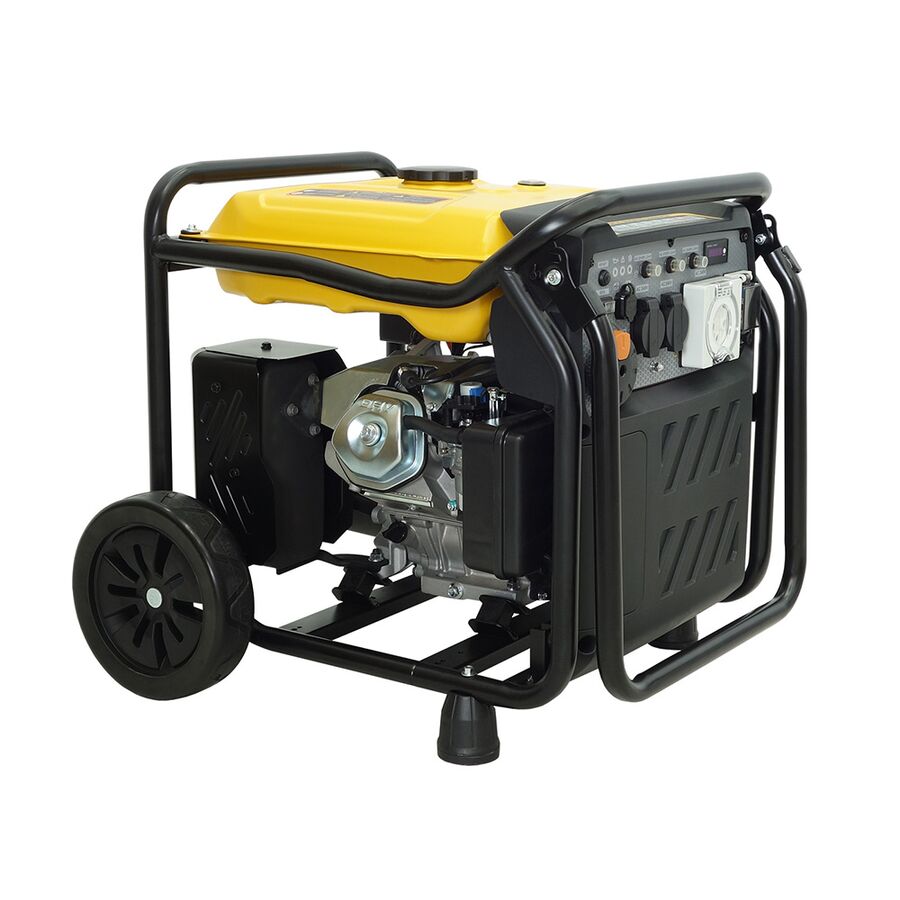
Across Australia, reliable portable power is essential. From construction sites in Sydney to remote agricultural properties in Western Australia, dependable energy supply supports productivity and safety. The Open Frame Inverter Generator combines the durability of traditional open-frame generators with the advanced circuitry of inverter technology.
This hybrid design provides high wattage output while delivering clean and stable electricity suitable for sensitive electronics. For professionals who demand performance and reliability, it represents a practical solution for modern power requirements.
At SCHNAP Electric Products, we support electricians and contractors with the infrastructure and compliant accessories required to integrate portable generation safely into Australian worksites and facilities.
Traditional generators operate at constant engine speed to maintain 50Hz frequency. This approach is inefficient because the engine runs at full speed regardless of load demand.
An Open Frame Inverter Generator uses a digital processor to adjust engine speed according to actual power requirements. When load decreases, the engine slows down, reducing fuel consumption and emissions.
The most important advantage is power quality. Standard generators can produce unstable voltage and high Total Harmonic Distortion. Sensitive devices such as laptops, battery chargers and LED lighting systems may malfunction under poor-quality supply.
Inverter models convert AC power to DC and then invert it back into a clean sine wave. With low THD levels, often below 3 percent, the output closely resembles utility grid power.
This makes inverter generators suitable for both heavy tools and delicate electronics.
The open frame structure is designed for strength and airflow. Unlike enclosed inverter units, open frame models allow better heat dissipation during extended operation.
Improved cooling supports high output ratings and longer runtime. On construction sites where generators may run continuously for hours, effective airflow protects internal components from overheating.
The steel frame also provides physical protection against impact and rough handling. For Australian worksites exposed to dust, vibration and transport across uneven terrain, durability is essential.
Maintenance access is easier in open frame designs. Routine inspections of spark plugs, oil levels and air filters can be completed quickly.
Because inverter generators adjust engine speed to load demand, fuel consumption is significantly reduced compared to traditional models.
Extended runtime is particularly valuable in remote areas where refuelling opportunities may be limited. Many units can operate for 10 to 12 hours on a single tank under moderate load conditions.
Lower fuel consumption reduces operational cost and environmental impact. For businesses operating multiple generators, these savings accumulate quickly.
Efficient operation also reduces overall engine wear, contributing to longer service life.
Connecting an Open Frame Inverter Generator safely requires compliant electrical accessories. High current draw during startup can stress undersized cables and connectors.
Dedicated heavy-duty extension leads, weather-protected outlets and appropriately rated circuit breakers are essential for safe operation.
SCHNAP Electric Products supplies industrial-grade plugs, RCD protection devices and distribution boards that support generator integration in accordance with Australian standards.
Proper grounding and earthing must be implemented according to AS/NZS 3010 guidelines for generating sets.
Working with a specialist electrical wholesaler ensures that the generator output is distributed safely and efficiently.
In construction and infrastructure projects, these generators power tools, lighting and site offices before grid connection is established. Clean power ensures laptops, communication equipment and charging systems operate without interruption.
In agricultural settings, generators provide backup supply for pumps, fencing systems and remote sheds. The open design allows easy cleaning of dust and debris accumulated during dry seasons.
Emergency services and disaster recovery teams rely on inverter generators for mobile command centres, refrigeration and communication systems. Stable voltage is critical during crisis response operations.
Event management companies also utilise open frame inverter units to power lighting rigs and sound systems in outdoor venues.
Operating portable generators in Australia requires adherence to safety standards. Generators must be used outdoors in well-ventilated areas to prevent carbon monoxide hazards.
If connecting to a building, a properly installed changeover switch is required to prevent back-feeding into the grid. Back-feeding presents a serious safety risk to utility workers and occupants.
Electrical installations must comply with AS/NZS 3000 and AS/NZS 3010. RCD protection adds an additional safety layer, particularly in damp or high-risk environments.
SCHNAP Electric Products supports compliant installations with certified switchgear and protective accessories.
When selecting an Open Frame Inverter Generator, rated continuous power is more important than peak surge rating. Continuous rating determines what the unit can safely supply over extended periods.
Fuel tank capacity influences runtime between refills. Noise output is also important, especially in residential or event settings. Inverter technology allows reduced engine speed under low load, lowering overall noise levels compared to traditional open-frame units.
Low THD rating ensures compatibility with sensitive electronics and modern tools incorporating digital speed controls.
Careful evaluation of these metrics ensures the generator meets project requirements.
Routine maintenance supports reliable performance.
Oil should be changed after the initial break-in period and at regular intervals thereafter. Clean oil ensures proper lubrication of internal components.
Air filters must be checked frequently, particularly in dusty environments. Restricted airflow reduces efficiency and increases engine strain.
Fuel stabiliser is recommended for generators used as backup units to prevent fuel degradation during storage.
Electrical outlets and connectors should be inspected for wear. Using durable, high-quality accessories reduces long-term risk.
SCHNAP Electric Products aligns with electricians, contractors and rural operators who demand dependable equipment. Our focus is on providing strong electrical foundations that complement high-output generation systems.
Industrial-grade connectors, compliant RCDs and durable switchgear ensure that portable generation remains safe and efficient.
Reliable power begins with reliable infrastructure.
The Open Frame Inverter Generator combines the strength of traditional open-frame design with the clean power output of inverter technology. It delivers high wattage capacity while protecting sensitive electronics.
Fuel efficiency, low harmonic distortion and improved cooling make it suitable for Australia’s diverse industries and environments.
However, performance depends on compliant electrical integration. By sourcing accessories and protection devices through SCHNAP Electric Products, professionals ensure safe and durable installations.
In Australia’s demanding landscape, dependable portable power is not optional. It is essential for productivity, safety and long-term reliability.
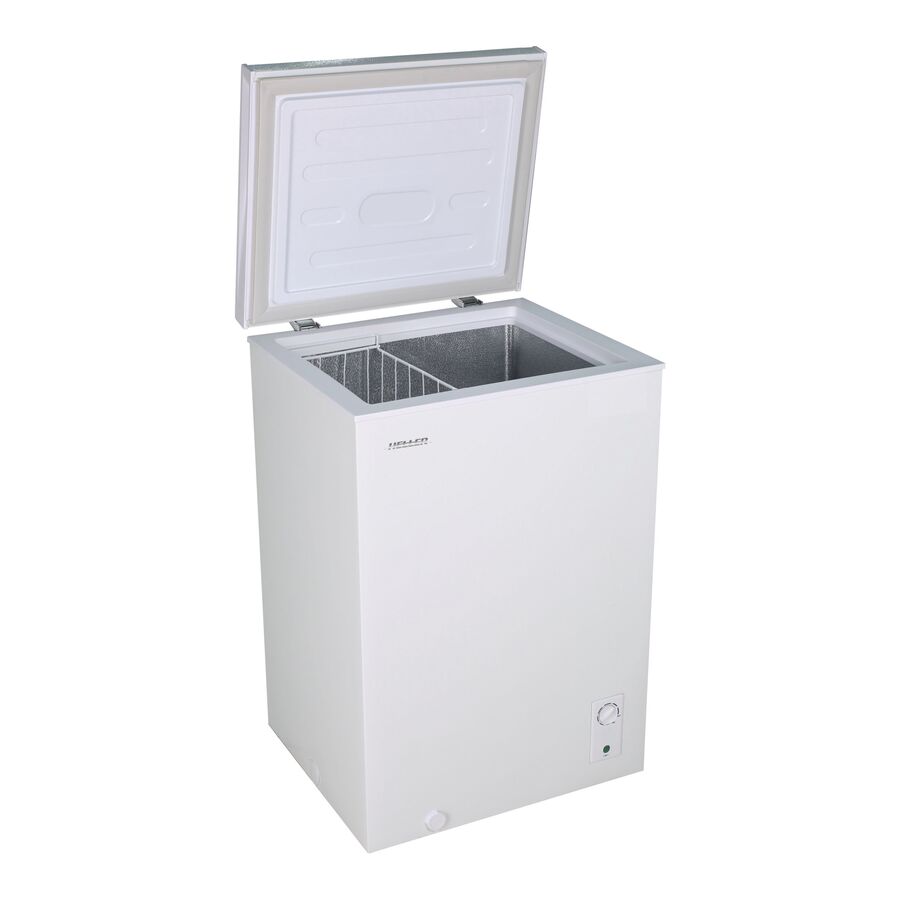
Australia’s climate demands reliable and adaptable cooling solutions. From humid coastal regions to dry inland heat, refrigeration systems must operate consistently in demanding environments. The Hybrid Chest Freezer addresses this challenge by combining freezer and refrigerator functionality within one unit.
Rather than committing to a fixed temperature range, users can switch between deep-freeze and chilled storage modes. This flexibility makes hybrid units suitable for residential homes, hospitality businesses and regional operations.
At SCHNAP Electric Products, we understand that performance does not rely solely on the appliance. Reliable electrical infrastructure and compliant installation are essential for long-term efficiency and safety.
The core advantage of a Hybrid Chest Freezer lies in its adjustable temperature control system. Unlike traditional chest freezers designed solely for sub-zero storage, hybrid models allow users to operate within a wide temperature range, often from -24 degrees Celsius to +10 degrees Celsius.
This adaptability is managed through digital thermostats and advanced compressor control. Sensors continuously monitor internal conditions and adjust compressor cycles accordingly.
Variable-speed compressors improve efficiency by operating at different power levels rather than switching abruptly between full power and idle. This reduces energy spikes and improves temperature stability.
For businesses managing seasonal inventory, this adaptability eliminates the need for separate refrigeration and freezer units.
When selecting a Hybrid Chest Freezer for Australian use, climate class rating is critical. A Tropical rated unit is designed to operate effectively in ambient temperatures exceeding 40 degrees Celsius.
In garages, sheds or commercial kitchens, internal heat loads can be significant. A properly rated unit ensures internal temperatures remain stable despite external conditions.
High-density insulation, often cyclopentane-based, enhances thermal retention. Superior insulation reduces compressor workload and supports consistent performance in hot environments.
Choosing the correct climate rating protects both product quality and appliance longevity.
Energy efficiency is a key consideration for both households and commercial operators. Hybrid freezers often carry high energy star ratings due to improved insulation and digital compressor management.
Operating the unit in refrigerator mode when deep freezing is unnecessary reduces overall energy consumption. This seasonal adjustment lowers electricity costs without compromising storage capacity.
Eco-friendly refrigerants further support sustainability goals. Modern systems are designed to minimise environmental impact while maintaining cooling performance.
For businesses with multiple refrigeration units, these incremental savings accumulate significantly over time.
Cooling appliances rely on stable electrical supply. Voltage fluctuations or inadequate circuit protection can stress compressor motors and digital control boards.
Hybrid Chest Freezers typically require dedicated circuits to prevent overload. Proper cable sizing and compliant circuit breakers are essential for safe operation.
SCHNAP Electric Products provides industrial-grade switchgear, surge protection devices and high-quality outlets that support appliance reliability.
Using compliant RCD protection ensures safety for both users and equipment. Professional installation aligned with AS/NZS 3000 standards protects against electrical hazards and nuisance tripping.
In hospitality environments, flexibility is invaluable. Restaurants and catering businesses often experience fluctuating storage demands. A hybrid unit allows operators to adapt from frozen stock to chilled beverages or fresh produce as needed.
Regional grocery stores and remote communities benefit from the ability to shift storage modes depending on supply deliveries.
In medical and laboratory environments, hybrid units can serve as secondary storage for temperature-sensitive materials within defined ranges.
Developers increasingly specify hybrid appliances in premium residential projects, offering buyers adaptable storage solutions within limited space.
Combining fridge and freezer capability in one cabinet saves valuable floor area. This is particularly beneficial in small commercial kitchens or compact residential builds.
Reduced appliance redundancy lowers installation costs and simplifies electrical planning.
Chest configuration also offers excellent cold air retention. When the lid is opened, cold air remains inside rather than spilling out as with upright units. This supports energy efficiency and temperature consistency.
Proper placement ensures optimal performance. Hybrid Chest Freezers require adequate ventilation clearance around condenser coils. Restricted airflow can cause overheating and reduce efficiency.
Units placed in garages or sheds should be connected to weather-protected outlets and installed on stable, level surfaces.
Electrical outlets must be secure and capable of handling compressor startup currents. SCHNAP Electric Products supports electricians with compliant mounting solutions and protection devices suited to inductive loads.
Correct installation reduces long-term maintenance issues.
Routine maintenance ensures efficient operation. Periodic defrosting prevents excessive ice buildup that can reduce cooling performance.
Door seals should be inspected for wear or gaps. Compromised seals allow cold air leakage and increase compressor workload.
Power leads and sockets should be checked for signs of overheating. Replacing worn components with high-quality fittings reduces electrical risk.
Regular cleaning of condenser coils supports heat exchange efficiency and prolongs appliance lifespan.
In commercial fit-outs and residential developments, appliance performance must align with reliable electrical infrastructure.
SCHNAP Electric Products focuses on supporting electricians and contractors with durable switchgear, compliant RCDs and surge protection devices.
Our strategy centres on providing strong electrical foundations that ensure appliances perform consistently under Australian conditions.
Hybrid refrigeration technology delivers flexibility, but reliable power supply ensures that flexibility remains dependable.
The Hybrid Chest Freezer offers a versatile and energy-efficient solution for modern Australian homes and businesses. Its ability to switch between refrigeration and freezing modes provides unmatched adaptability.
However, long-term performance depends on compliant installation and stable electrical integration.
By sourcing electrical infrastructure through SCHNAP Electric Products, professionals ensure cooling systems are protected, efficient and built for demanding environments.
In Australia’s diverse climate, flexibility and reliability must go hand in hand.

The modern Australian kitchen has evolved far beyond basic cooking appliances. Today’s Digital Microwave Oven is a precision appliance designed for speed, consistency and energy efficiency. From residential apartments to commercial catering facilities, digital microwave systems provide controlled heating with repeatable results.
As buildings become more energy efficient and electrically integrated, appliance performance must align with stable and compliant power supply systems. At SCHNAP Electric Products, we support electricians and developers with the infrastructure required to safely power high-wattage digital appliances in Australian environments.
What separates a Digital Microwave Oven from older mechanical models is the integration of a microprocessor-controlled interface. This digital system allows users to program multi-stage cooking sequences with precise power levels and durations.
For example, a user can defrost at reduced power and automatically transition to full heating without manual intervention. This controlled progression improves cooking quality and reduces food waste.
Digital displays also allow for preset programs. In commercial kitchens, consistency is essential. Pre-programmed cycles ensure staff can produce identical results regardless of experience level.
Precision programming enhances repeatability and efficiency across multiple environments.
Traditional microwave ovens regulate lower power by cycling the magnetron on and off. This pulsing method often causes uneven heating.
Modern Digital Microwave Ovens often incorporate inverter technology. Instead of pulsing, the inverter supplies continuous energy at controlled power levels.
This consistent power flow results in more even heating. Food is less likely to be overcooked on the edges while remaining cold in the centre. In commercial kitchens where speed and quality matter, this consistency improves productivity.
Inverter systems also enhance energy efficiency by delivering only the required power output rather than intermittent surges.
Digital Microwave Ovens commonly draw between 1100 and 1500 watts during operation. In commercial settings, higher-capacity models may require even greater input power.
To prevent nuisance tripping and overheating, many installations require dedicated circuits. Correct cable sizing and circuit protection devices must be selected according to AS/NZS 3000 requirements.
Sudden inrush current during startup places stress on electrical systems. High-quality circuit breakers and secure terminations reduce risk of voltage fluctuation and equipment failure.
SCHNAP Electric Products supplies compliant switchgear and mounting accessories that support stable and safe appliance integration.
Digital appliances contain sensitive microchips and control boards. Voltage spikes, poor earthing or unstable supply can damage these components prematurely.
Surge protection devices safeguard against transient voltage events caused by lightning or switching operations within the building.
Residual Current Devices provide additional safety for occupants, particularly in commercial kitchens where moisture and stainless steel surfaces increase risk.
By focusing on quality infrastructure, electricians ensure the Digital Microwave Oven operates within safe electrical parameters.
In residential kitchens, digital microwaves provide convenience and time savings. Sensor cooking technology can detect humidity levels inside the cavity and adjust cooking time automatically. This reduces guesswork and prevents overcooking.
In commercial environments such as hospitals, aged care facilities and mining camps, digital microwaves operate for extended periods. Reliability and consistent performance are critical.
High-volume kitchens often integrate multiple units. Proper load calculation ensures the distribution board can handle simultaneous operation without overload.
Professional electrical planning ensures these installations meet compliance and performance expectations.
All microwave ovens supplied in Australia must comply with AS/NZS 60335.2.25. This standard addresses safety requirements, including microwave leakage prevention and electrical integrity.
Digital control systems include redundant safety interlocks that prevent operation if the door is not securely closed. Temperature monitoring circuits protect internal components from overheating.
From an installation perspective, maximum demand calculations must include microwave loads. Proper earthing and compliant wiring practices ensure fire safety and regulatory adherence.
Working with a specialist electrical wholesaler ensures all components used in the installation meet national standards.
Microwave ovens generate internal heat during operation. When integrated into cabinetry, adequate ventilation must be provided.
Restricted airflow can lead to overheating and reduced appliance lifespan. Heat-resistant mounting solutions and appropriate clearance spaces help manage thermal load.
Electrical enclosures and outlets positioned behind appliances should be rated for temperature exposure. SCHNAP Electric Products provides durable accessories designed for demanding kitchen environments.
Proper ventilation and safe mounting protect both appliance and surrounding cabinetry.
Routine maintenance extends the lifespan of a Digital Microwave Oven.
The waveguide cover inside the cavity should be inspected periodically. If damaged or contaminated, it can cause internal arcing.
Regular cleaning prevents food residue from absorbing microwave energy and creating hotspots.
Power cords and plugs must be checked for signs of overheating or mechanical stress. High-quality replacement outlets and connectors reduce long-term wear.
Commercial kitchens should schedule periodic inspections to confirm that electrical connections remain secure and compliant.
Kitchen fit-outs increasingly integrate multiple high-performance appliances. Electricians must ensure balanced load distribution and coordinated circuit protection.
SCHNAP Electric Products supports residential builders, developers and commercial contractors with reliable switchgear, surge protection devices and compliant wiring accessories.
Our focus is on durable infrastructure that supports advanced digital appliances and aligns with Australian installation standards.
Quality electrical foundations ensure digital appliances perform at their designed capacity.
The Digital Microwave Oven represents the progression of modern kitchen technology. With inverter precision, sensor-based adjustments and programmable controls, it delivers fast and consistent cooking performance.
However, its reliability depends on correct electrical integration. Dedicated circuits, surge protection and compliant installation practices are essential for safe operation.
By sourcing electrical infrastructure through SCHNAP Electric Products, professionals ensure that digital kitchen appliances are supported by stable and durable power systems.
In Australian homes and commercial kitchens alike, performance and safety begin behind the wall.
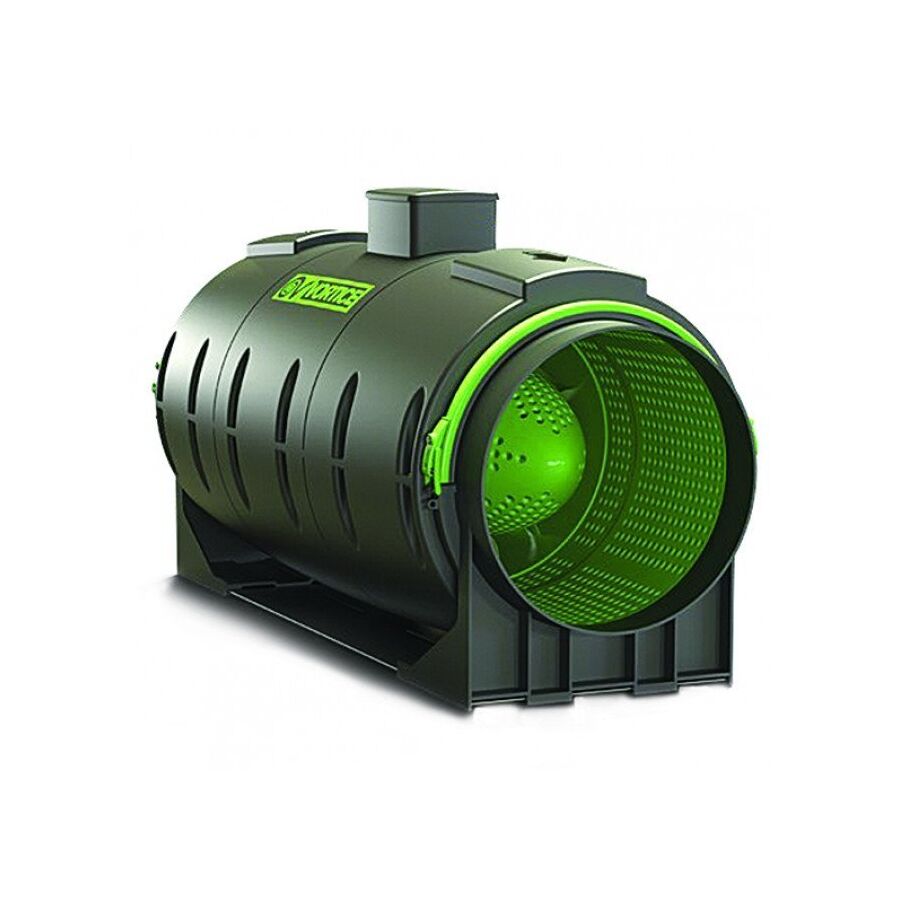
Across Australia, modern homes are being built tighter than ever before. Improved insulation, sealed windows and energy-efficient construction methods reduce heat loss and improve NatHERS ratings. However, airtight homes require deliberate mechanical ventilation to maintain indoor air quality and structural durability.
The Residential Ventilation Fan has become an essential component of compliant and healthy housing. Without effective air extraction, moisture from showers and cooking remains trapped indoors. Over time, this leads to mould growth, damaged paintwork, warped cabinetry and compromised respiratory health.
At SCHNAP Electric Products, we support electricians and builders with the infrastructure required to deliver reliable ventilation systems that meet Australian standards and perform long term.
The performance of a Residential Ventilation Fan is measured by airflow rate, typically expressed in cubic metres per hour. Selecting the correct airflow depends on room volume and the required air changes per hour.
Bathrooms, especially master ensuites, require higher extraction rates due to sustained moisture levels. Laundries and powder rooms may require lower airflow but still need consistent extraction.
Undersized fans leave condensation lingering on ceilings and tiles. Over time this results in peeling paint and deteriorating grout. Oversized fans without adequate make-up air can create negative pressure, reducing efficiency and drawing unwanted air from other areas of the house.
Correct sizing ensures balanced airflow and effective moisture removal.
Australia’s climate varies from humid tropical regions in Queensland to cooler temperate zones in Victoria and Tasmania. Ventilation strategies must suit local conditions.
In humid areas, continuous or sensor-driven extraction is often required to prevent persistent dampness. In cooler regions, ventilation must remove moisture without excessive heat loss.
Modern fans with humidity sensors automatically activate when moisture rises. This ensures extraction only occurs when needed, improving energy efficiency while protecting building materials.
A Residential Ventilation Fan must be supported by compliant electrical infrastructure. Installation must align with AS/NZS 3000 and National Construction Code requirements.
High-quality switches, isolators and circuit protection devices protect the motor and ensure safe operation. Stable voltage supply prevents overheating and premature motor failure.
SCHNAP Electric Products supplies compliant mounting blocks, circuit breakers and cabling accessories that support long-term reliability. Using professional-grade hardware ensures secure terminations and reduces electrical faults in high-humidity zones.
Proper separation of circuits and accessible isolation points allow safe maintenance without disrupting the entire household supply.
Residential ventilation systems vary depending on layout and structural constraints.
Ceiling mounted exhaust fans remain the most common option. They suit bathrooms where ducting can exit through the roof or eaves.
In-line duct fans are installed within the ceiling cavity. These systems provide quieter operation and are ideal for longer duct runs.
Wall mounted fans are practical for apartments or ground-floor spaces where ceiling access is limited.
Window mounted units can be suitable for heritage properties where structural modifications are restricted.
Each configuration requires correct ducting, mounting hardware and electrical termination.
Effective ventilation requires moist air to be discharged outside the building envelope. Venting into the roof cavity can cause timber rot and insulation damage.
Ducting must be sealed properly and routed with minimal bends to reduce resistance. Weatherproof external vents prevent backdraft and water ingress.
SCHNAP Electric Products supports installers with durable accessories and secure mounting solutions that protect duct connections and electrical wiring in ceiling spaces.
Quality ducting installation ensures the fan achieves its rated airflow capacity.
Noise is one of the main reasons homeowners disable ventilation fans. Modern brushless DC motors and mixed-flow impellers reduce operational sound levels.
Acoustic performance also depends on proper installation. Vibration dampening mounts and insulated ducting reduce structure-borne noise.
Stable electrical supply helps eliminate motor hum caused by irregular voltage. Using quality circuit protection and secure terminations ensures the motor operates smoothly and quietly.
Quiet performance encourages consistent use, which is critical for effective moisture control.
Routine maintenance ensures continued performance. Dust and debris accumulation reduces airflow and increases motor strain.
Grilles should be cleaned periodically to maintain airflow. Ceiling cavities should be inspected to confirm ducting remains intact and unobstructed.
Electrical connections should be checked during routine servicing to ensure tight and corrosion-free terminals.
When replacement components are required, sourcing through a specialist electrical wholesaler ensures compatibility and compliance.
Advanced ventilation systems now incorporate run-on timers and humidity sensors. These features allow the fan to continue operating after the light is switched off, removing residual moisture automatically.
Energy Recovery Ventilation systems represent the next step in sustainable design. While more complex than standard exhaust fans, they recover heat from outgoing air and improve overall energy performance.
SCHNAP Electric Products supplies the necessary low-voltage wiring and control accessories to support intelligent ventilation integration.
As energy efficiency targets continue to rise, smart ventilation solutions will become standard in new builds and renovations.
Indoor air quality is directly linked to occupant health. Poor ventilation contributes to mould spores, allergens and damp odours.
By installing correctly sized and professionally integrated ventilation systems, builders and electricians help create healthier living environments.
SCHNAP Electric Products aligns with licensed electricians and project builders who prioritise compliant, durable installations. Our focus is on supporting long-term performance rather than short-term solutions.
Reliable ventilation is a fundamental part of modern Australian housing design.
The Residential Ventilation Fan is no longer optional in today’s energy-efficient homes. It protects building materials, improves indoor air quality and ensures compliance with Australian construction standards.
Proper airflow calculation, compliant electrical integration and quality ducting are essential for success.
By sourcing components through SCHNAP Electric Products, electricians and builders ensure installations are safe, durable and built for Australian conditions.
In a tightly sealed home, ventilation is not an afterthought. It is a critical system that supports comfort, health and structural integrity for years to come.
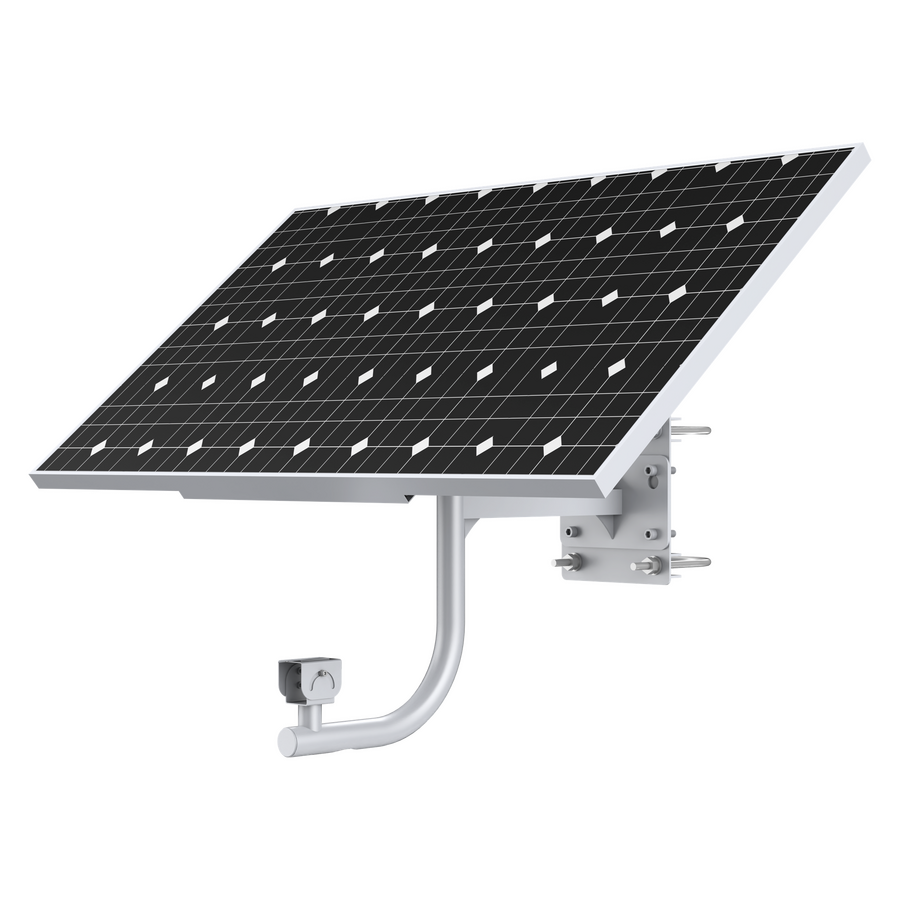
Across Australia’s vast landscape, from remote cattle stations to coastal caravan parks, reliable off-grid power is no longer a luxury. The 100 Watt Solar Panel has become a practical and proven solution for maintaining battery systems in mobile and remote environments.
This power rating offers an effective balance between output, portability and affordability. It is large enough to sustain essential 12V systems yet compact enough to mount on caravans, boats and small structures.
At SCHNAP Electric Products, we understand that a solar panel is only one part of the system. Reliable off-grid performance depends on compliant cabling, protection devices and quality connectors designed for Australian conditions.
Most premium 100 Watt Solar Panels are built using monocrystalline silicon cells. These cells are cut from a single crystal structure, allowing electrons to move more efficiently through the material.
Higher efficiency means better performance in limited roof space and improved output during low-light conditions. In mobile applications where surface area is restricted, efficiency becomes critical.
Temperature performance is also important in Australia’s climate. As panel temperature rises, voltage typically drops. High-quality panels are designed with favourable temperature coefficients to minimise output loss during extreme summer heat.
Robust construction supports longevity. Tempered low-iron glass protects the cells, while anodised aluminium frames resist corrosion. These features are essential for outback roads, coastal environments and marine applications.
In most Australian regions, a 100 Watt Solar Panel can generate approximately 400 to 500 watt-hours per day under average conditions. This assumes 4 to 5 peak sun hours per day.
This level of output is sufficient to maintain a 12V battery system powering LED lighting, phone chargers, small water pumps or a portable compressor fridge.
For optimal performance, the panel should face North with a tilt angle close to local latitude. In mobile setups where orientation changes frequently, high-efficiency cells help maximise energy capture under less-than-ideal positioning.
Accurate expectations prevent oversizing or undersizing systems and ensure reliable daily operation.
A 100 Watt Solar Panel must be paired with a suitable solar charge controller. PWM controllers are cost-effective for small systems, while MPPT controllers improve efficiency by tracking the panel’s maximum power point.
MPPT technology is particularly beneficial in varying light conditions. It converts excess voltage into additional current, improving overall battery charging efficiency.
Using quality twin-core solar cable and certified MC4 connectors reduces resistance losses. Poor-quality connectors can cause voltage drop and heat buildup, reducing system efficiency and posing safety risks.
SCHNAP Electric Products supplies compliant DC accessories that support safe and efficient installation. Proper connection ensures that every watt harvested reaches the battery bank.
The versatility of the 100W format makes it suitable for multiple sectors.
In caravanning and marine environments, it maintains auxiliary batteries for lighting, pumps and refrigeration. For touring across remote regions, reliable solar charging reduces reliance on generators.
In agriculture, it powers electric fencing, water pumps and monitoring equipment in paddocks without grid access.
In telecommunications and environmental monitoring, it supports remote telemetry stations and weather sensors where consistent low-power supply is essential.
Emergency and disaster recovery operations also benefit from portable solar modules that maintain communication systems during outages.
Across all these applications, durable wiring and weatherproof junction boxes are critical for long-term reliability.
Direct current behaves differently from alternating current. DC arcs can persist and are more difficult to extinguish. This makes proper DC-rated protection devices essential.
Fuses, circuit breakers and isolators must be designed specifically for solar DC applications. Using AC-rated protection in DC circuits introduces significant safety risk.
SCHNAP Electric Products provides DC circuit breakers and isolator switches designed for photovoltaic systems. Proper protection prevents damage during faults and supports safe maintenance procedures.
Earthing of panel frames and clear labelling of DC conduits are important safety measures aligned with AS/NZS 5033 principles. Even small off-grid systems benefit from compliant installation practices.
Proper cable management protects against UV exposure and mechanical damage. Solar cables routed across roof surfaces should be secured with UV-stabilised clips.
Connections must be crimped using appropriate solar crimping tools to ensure low-resistance joints. Loose connections can cause overheating and long-term reliability issues.
Mounting hardware must withstand wind loads and vibration. In mobile applications, secure mounting prevents fatigue and frame stress.
Professional sourcing through a specialist electrical wholesaler ensures all components meet required standards for Australian environments.
Although solar panels have no moving parts, periodic maintenance supports consistent performance.
Surface cleaning removes dust, salt spray and debris that can reduce output significantly. Gentle washing with fresh water is usually sufficient.
Connector inspection ensures seals remain intact and free from corrosion. Monitoring battery health and confirming correct charge controller settings protects storage capacity.
With proper maintenance, a quality 100 Watt Solar Panel can operate effectively for many years.
One major advantage of the 100W format is modular expansion. If energy needs increase, additional panels can be added.
Panels can be connected in parallel to increase current or in series to increase voltage, depending on system design and controller capability.
Planning for expansion during initial installation simplifies future upgrades. Oversized conduit and appropriately rated distribution blocks allow seamless system growth.
SCHNAP Electric Products supplies branch connectors and DC accessories that support scalable system design.
Australia’s remote geography makes off-grid power a practical necessity for many users. A properly installed 100 Watt Solar Panel system offers dependable daily charging and reduced reliance on fuel-based generators.
At SCHNAP Electric Products, our strategy focuses on supplying robust electrical infrastructure that supports renewable integration. Trade professionals, caravan installers and rural contractors rely on durable components that withstand harsh conditions.
Reliable solar systems begin with quality components and compliant installation.
The 100 Watt Solar Panel remains a cornerstone of portable and remote energy systems across Australia. Its balance of efficiency, durability and scalability makes it ideal for caravans, agriculture and remote monitoring.
However, the true performance of any solar system depends on the supporting electrical infrastructure. Proper charge control, DC protection and quality connectors are essential.
By sourcing through SCHNAP Electric Products, installers and users ensure their off-grid systems are built on strong electrical foundations. In Australia’s demanding environment, reliability is not optional. It is the standard.
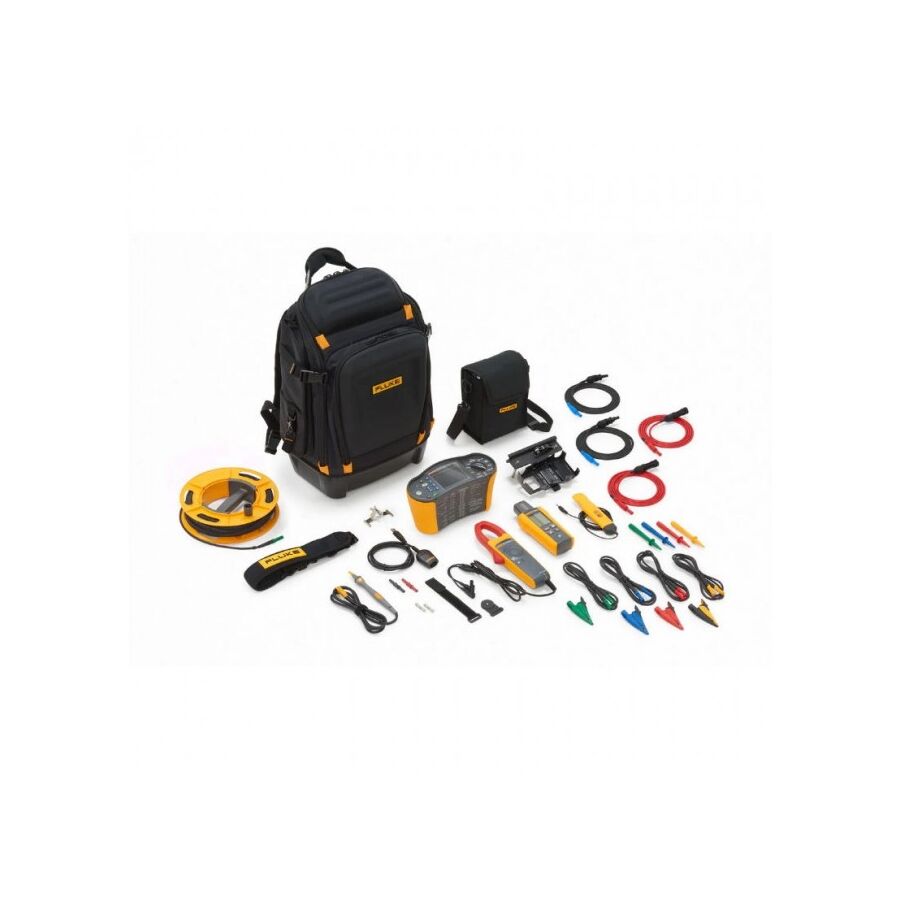
Australia’s renewable energy sector has moved far beyond basic voltage checks and visual inspections. With commercial rooftop systems and utility-scale solar farms expanding nationwide, compliance and documented verification are now mandatory. Under AS/NZS 5033 and AS/NZS 4777, installers must provide measurable evidence that photovoltaic systems are safe, correctly installed and performing as designed.
The Multifunction PV Analyser Kit is the professional instrument that makes this possible. It combines I-V curve tracing, insulation resistance testing and environmental data logging into one calibrated platform. For Clean Energy Council accredited electricians and solar engineers, this tool is not optional. It is a core part of compliant commissioning and ongoing maintenance.
At SCHNAP Electric Products, we support renewable professionals by supplying both advanced testing equipment and the compliant infrastructure required to rectify any faults discovered during inspection.
Standard test methods such as measuring open circuit voltage (Voc) and short circuit current (Isc) provide only limited insight into module performance. These values represent the extreme points of a module’s operating range but do not reveal what happens between them.
A Multifunction PV Analyser Kit electronically sweeps the entire operating range of a PV string within milliseconds. It loads the string from zero load to full short circuit and captures hundreds of voltage and current data points. This produces the complete I-V curve, including the critical knee region.
The quality of this knee is expressed as the Fill Factor. A reduced fill factor can indicate series resistance issues such as poor crimps or corroded connectors. It can also reveal shunt resistance problems such as micro-cracks, cell degradation or bypass diode faults.
By comparing the measured curve against manufacturer Standard Test Condition data, the analyser identifies underperformance that would otherwise remain hidden. This ensures maximum energy yield and protects long-term system value.
Modern solar arrays operate at high DC voltages. Commercial installations commonly reach 1000V DC, while utility-scale systems can operate at 1500V DC. At these voltages, insulation integrity is critical for safety and fire prevention.
The Multifunction PV Analyser Kit performs automated insulation resistance tests between live conductors and earth. It injects a defined test voltage and measures leakage current in megaohms.
Low insulation resistance values may indicate rodent damage, UV degradation or moisture ingress within conduits. Identifying these faults during commissioning prevents potential DC arc faults and reduces fire risk.
In Australia’s harsh climate, early detection of insulation breakdown is essential for asset protection.
PV performance depends heavily on environmental conditions. Measuring electrical output without accounting for solar irradiance and module temperature can produce misleading conclusions.
Professional analyser kits include irradiance sensors and temperature probes. These devices measure plane-of-array irradiance and back-of-module temperature in real time.
The analyser uses this data to normalise results to Standard Test Conditions of 1000 W/m² at 25°C. This ensures that a 400W module producing 340W under current conditions is assessed accurately rather than incorrectly classified as faulty.
Environmental normalisation transforms raw data into meaningful performance evaluation.
Solar commissioning requires documented proof of compliance. The Multifunction PV Analyser Kit stores detailed results for each string tested, including I-V curves, insulation values and environmental data.
Software generates comprehensive reports aligned with IEC 62446 requirements. These reports serve as formal commissioning documentation and become part of the asset record.
If performance declines years later, maintenance teams can compare new test results with the original baseline. This enables accurate diagnosis of degradation mechanisms such as PID, shading changes or connector failure.
In professional renewable projects, documented verification is essential for warranty claims and contractual compliance.
Testing frequently reveals installation deficiencies. High-resistance connectors or damaged cable insulation can compromise yield and safety.
When remediation is required, SCHNAP Electric Products supports installers with durable DC connectors, compliant junction boxes and UV-stabilised accessories. Secure cable management prevents abrasion against racking systems.
Clear identification is equally important. Engraved labelling and compliant warning signage support visual inspection requirements under AS/NZS 5033.
By combining accurate diagnostics with robust hardware solutions, professionals ensure long-term system integrity.
Not all testing instruments are rated for modern solar installations. Certified CAT III 1000V or CAT IV 600V safety ratings are essential for technician protection.
Using unverified or low-rated test equipment introduces unacceptable risk. High-quality analyser kits are designed with insulated test leads and secure connectors compatible with common solar connector systems.
Engaging a trusted electrical wholesaler ensures the equipment supplied meets required safety standards and includes appropriate accessories for the project.
The Multifunction PV Analyser Kit is used in a variety of scenarios.
For commercial rooftop systems, it verifies string integrity before grid connection. For solar farms, it validates each array block during staged commissioning.
Maintenance contractors use it during periodic inspections to confirm continued performance. Asset managers rely on it to benchmark energy yield and protect investment returns.
Across residential, commercial and utility projects, accurate verification supports safe and profitable solar generation.
As solar installations continue to expand, compliance expectations increase. Renewable professionals require dependable supply chains and technical support.
SCHNAP Electric Products aligns with accredited installers and EPC contractors by providing compliant testing solutions and durable installation components. Our focus remains on supporting licensed electricians with reliable equipment designed for Australian conditions.
Verification, documentation and corrective action are essential elements of modern renewable projects.
The Multifunction PV Analyser Kit is a critical tool in today’s solar industry. It goes beyond simple voltage checks to deliver complete performance analysis, insulation verification and compliant documentation.
By combining advanced diagnostic capability with strong electrical infrastructure from SCHNAP Electric Products, renewable professionals protect safety, performance and long-term asset value.
In Australian photovoltaics, verification is not just a formality. It is the foundation of safe, efficient and profitable energy production.

SCHNAP Electrical Wholesaler - clear, upfront pricing that professional electricians trust

Get what you need in seconds. SCHNAP electrical wholesaler makes ordering quick and simple

Fast delivery anywhere - that's guaranteed. SCHNAP electrical wholesalers ship nationwide with same-day dispatch

Track your order every step of the way. SCHNAP electrical wholesale keeps you updated from click to delivery

SCHNAP is Australia's premier electrical wholesaler and electrical supplies, marketing thousands of quality products from leading brands. Trusted for nearly two decades by licensed electricians, contractors, and engineers, our range covers everything from basic electrical components to complex industrial electrical equipment
Our key categories include: LED lighting, designer switches, commercial switchboards, circuit protection, security systems & CCTV, and smart home automation
All products are certified to Australian standards (AS/NZS), backed by our 30-day, no-questions-asked return policy. Our expert technical team helps you quickly source the right solution for any residential, commercial, or industrial project, with daily dispatch from our Sydney electrical warehouse delivering Australia-wide
SCHNAP offers the most comprehensive electrical product range, with full technical specifications, application details, installation requirements, compliance standards, and warranties — giving professionals total confidence in every purchase


