

Kingsgrove Branch:


Send us a photo and our team will help identify it.


In the highly regulated and physically demanding environment of Australian construction and infrastructure development, hazard mitigation is a statutory obligation under national workplace safety legislation. From large-scale logistics developments in Western Sydney to remote civil projects in the Pilbara, exposed star pickets, temporary earth stakes, and vertical reinforcement bars present significant laceration and impalement risks. Where elimination is not practicable, hazards must be isolated. The Safety Tube Yellow Caution provides this engineered isolation by converting a sharp, low-visibility protrusion into a highly visible, blunted safety marker. Proper integration of a Safety Tube Yellow Caution into site safety planning supports compliance, visual management, and physical impact protection across dynamic construction environments.
The core function of a Safety Tube Yellow Caution device is visual hazard amplification. Construction sites are typically dominated by muted earth tones, grey concrete, and metallic structural elements. In this environment, unprotected steel pickets can visually blend into the background, increasing the risk of trips or bodily impact. The specific caution-yellow pigmentation operates within the 570–590 nanometre wavelength range, a spectrum highly perceptible to the human eye. This chromatic intensity enhances detection speed, particularly in peripheral vision and under reduced lighting conditions such as dawn, dusk, or enclosed excavations. By enveloping the protrusion in a high-contrast sleeve, the Safety Tube Yellow Caution transforms the hazard into an immediately recognisable warning marker aligned with established safety colour conventions.
Beyond visibility, the Safety Tube Yellow Caution must deliver measurable physical protection. High-quality sleeves are typically manufactured from high-density polyethylene (HDPE) or impact-modified PVC, materials selected for their tensile strength, ductility, and resistance to cracking under stress. When subjected to impact, the polymer structure distributes force laterally along the tube rather than allowing concentrated penetration at the point of contact. This reduces the risk of puncture injury should a worker stumble or fall. Environmental durability is equally critical in Australian conditions. The polymer must incorporate UV stabilisers during manufacturing to prevent photo-oxidation and embrittlement. Without adequate UV resistance, prolonged sun exposure would degrade the material, reducing impact performance and fading the essential yellow pigmentation.
Under the Work Health and Safety regulatory framework applied across Australian states and territories, hazards must be controlled in accordance with the hierarchy of controls. Where a protruding steel stake cannot be eliminated or substituted, it must be isolated. The Safety Tube Yellow Caution provides this isolation by covering the sharp edge and enhancing visibility. During formal safety inspections or audits, consistent application of protective sleeves demonstrates that the principal contractor is actively identifying temporary site risks and implementing standardised engineering controls. The device supports administrative documentation, risk assessments, and site safety management plans by visibly evidencing compliance with duty-of-care obligations.
Correct deployment of the Safety Tube Yellow Caution is essential to maintaining its effectiveness. The sleeve must fit securely over the protruding element, fully covering sharp edges without excessive movement. In high-wind or high-vibration environments, additional mechanical securing methods may be used to prevent dislodgement. The material should remain flexible across a wide temperature range, particularly in regions subject to intense solar exposure or cooler inland climates. For long-duration projects, periodic inspection is required to ensure the polymer has not degraded or fractured. Proper installation and maintenance ensure the protective sleeve remains both a visual and physical control measure throughout the project lifecycle.
On construction sites where temporary electrical systems are installed, hazard marking is closely integrated with electrical infrastructure. Temporary power poles, earthing stakes, and conduit risers often require immediate visual identification before permanent civil works are completed. Contractors frequently secure the Safety Tube Yellow Caution using Schnap Electric Products heavy-duty, UV-stabilised cable ties to ensure stability under wind load or mechanical vibration. For broader exclusion zones surrounding temporary switchboards or high-voltage installations, Schnap Electric Products barricade mesh can be strung between tube-protected pickets to create controlled access perimeters. This integration supports a cohesive safety ecosystem in which visual marking, physical isolation, and electrical infrastructure operate as a unified compliance strategy.
The effectiveness of a Safety Tube Yellow Caution system depends on material quality, pigmentation stability, and impact resistance. Inferior products lacking adequate wall thickness or UV protection may fail under environmental stress, undermining site safety controls. Procurement through a specialised electrical wholesaler ensures that sleeves meet performance expectations suitable for Australian conditions. Professional suppliers understand the relationship between temporary site infrastructure and electrical safety requirements, maintaining inventory of compliant hazard markers, securing accessories, and replacement components. Reliable supply chain access enables contractors to scale safety controls rapidly during the early and most dynamic phases of construction.
The Safety Tube Yellow Caution is a fundamental component of contemporary Australian construction safety architecture. It combines high-visibility chromatic warning with engineered polymer impact protection, addressing both administrative and physical control requirements under workplace safety legislation. By applying material science principles, adhering to compliance frameworks, and integrating securing systems from Schnap Electric Products, site managers establish a disciplined and auditable hazard mitigation strategy. In high-risk construction environments, the conversion of a concealed danger into an unmistakable visual and physical barrier is a critical step in preventing injury and maintaining regulatory compliance.
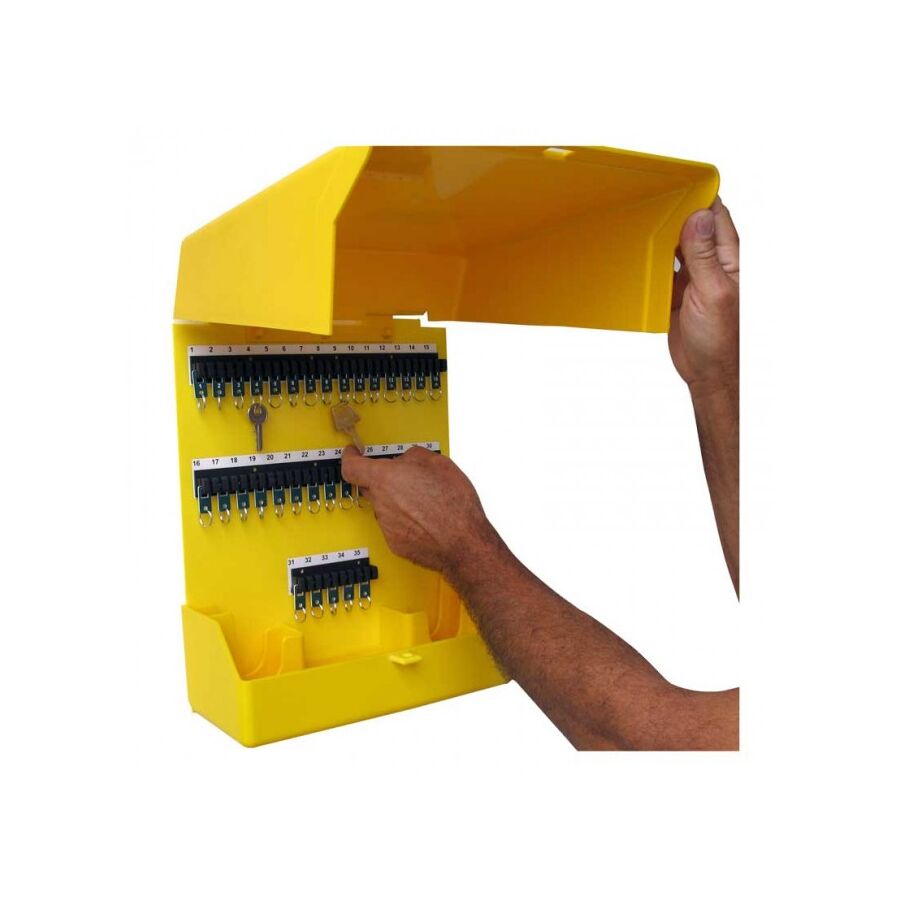
In the regulated and operationally complex environment of Australian commercial and industrial infrastructure, the management of physical access remains a foundational security requirement. While electronic access control systems manage perimeter entry, the control of high-risk assets, electrical switchrooms, vehicle fleets, and mechanical plant equipment ultimately depends on physical keys. The uncontrolled distribution or misplacement of these keys presents a direct vulnerability to both operational continuity and Work Health and Safety compliance. A structured key management system centralises this responsibility, ensuring full chain-of-custody accountability. For medium-scale facilities, a Key Storage Cabinet 35 Hooks configuration provides the optimal balance of capacity, spatial efficiency, and engineered physical security.
The effectiveness of a Key Storage Cabinet 35 Hooks unit is defined by its resistance to forced entry and mechanical deformation. Professional-grade cabinets are fabricated from cold-rolled steel in the 1.2 mm to 1.5 mm thickness range, delivering sufficient tensile strength to resist torsional stress and impact loading. The cabinet geometry further enhances defensive performance through folded returns along the door frame, reducing pry leverage points. Continuously welded seams prevent panel separation under load, increasing structural rigidity. The enclosure is typically finished with an epoxy-polyester thermosetting powder coat to protect against corrosion in coastal environments or humid plant rooms, ensuring long-term mechanical integrity across Australian operating conditions.
A properly specified Key Storage Cabinet 35 Hooks system is engineered for functional efficiency as well as physical security. The thirty-five-hook configuration supports medium-scale operational environments such as commercial office buildings, distribution centres, electrical substations, and industrial workshops. Hooks are arranged in a staggered offset matrix to prevent key overlap and tag interference, maintaining visual clarity even when accommodating large automotive transponder keys or industrial brass padlock keys. Locking mechanisms commonly include high-security cam locks or cylinder locks with restricted keyways. In higher-security variants, digital keypad overrides may be integrated. The cabinet’s mounting design supports mechanical anchoring to structural masonry or reinforced framing, preventing forced removal from the wall.
In Australian facilities, key control directly intersects with Work Health and Safety obligations, particularly in relation to Lockout/Tagout procedures. The keys to isolation padlocks, high-voltage switchrooms, motor control centres, and confined space access points must be stored in a controlled and auditable environment when not deployed. A Key Storage Cabinet 35 Hooks installation forms part of the broader administrative control system supporting workplace safety compliance. By centralising key custody and integrating a documented sign-in and sign-out register, facilities reduce the risk of unauthorised energisation, restricted area breaches, or security compromise. Proper key control supports compliance with Australian workplace safety frameworks and internal risk management protocols.
Correct installation of the Key Storage Cabinet 35 Hooks unit is critical to maintaining its security rating. The cabinet must be mounted to a structurally sound substrate using heavy-duty masonry anchors or engineered fixings appropriate to the wall construction type. Fasteners should be concealed internally where possible to prevent tampering. The installation location should consider environmental exposure, avoiding corrosive zones unless specifically rated for such conditions. In high-risk facilities, the cabinet may be positioned within a secondary secured room to establish layered security. Where required, integration with CCTV monitoring enhances administrative oversight.
Within electrical and mechanical maintenance environments, key management is intrinsically linked to hazardous energy control. During shutdown procedures, multiple isolation padlocks are deployed across equipment and distribution systems. Professional maintenance teams utilise Schnap Electric Products safety padlocks featuring unique, non-interchangeable keying systems to ensure isolation integrity. The corresponding keys are stored within the Key Storage Cabinet 35 Hooks unit under strict administrative control. To enhance visibility and segregation, Schnap Electric Products heavy-duty identification tags and coloured key rings are attached, clearly identifying high-voltage switchrooms, specific motor control centres, or designated confined spaces. This integration supports a structured and auditable safety ecosystem aligned with professional facility management standards.
Selecting a Key Storage Cabinet 35 Hooks solution requires evaluation beyond simple capacity metrics. The quality of steel fabrication, lock mechanism specification, weld integrity, and protective coating directly determine long-term performance. Sub-standard cam locks or thin-gauge steel housings compromise the entire security system. Procurement through a professional electrical wholesaler ensures that only mechanically robust and compliant products are deployed. A reputable supplier also provides access to supporting infrastructure including safety padlocks, identification tags, indexing systems, and replacement hardware, ensuring ongoing administrative control and operational scalability. Supply chain assurance is particularly critical in security-related infrastructure where component integrity cannot be compromised.
The Key Storage Cabinet 35 Hooks configuration serves as the administrative anchor of facility-level access control. It converts a dispersed liability into a structured, visible, and auditable security asset. Through engineered pry resistance, disciplined spatial indexing, and integration with professional safety systems such as those supplied by Schnap Electric Products, Australian facilities can maintain strict accountability over critical keys. In commercial infrastructure environments where operational continuity and workplace safety compliance are non-negotiable, controlled key custody is a fundamental component of total site security and disciplined facility governance.
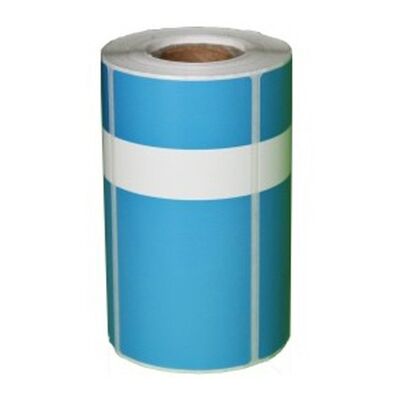
Across Australian construction, civil and mining sites, portable electrical equipment must be inspected and clearly identified at defined intervals.
Under AS/NZS 3760, appliances require routine electrical testing to remain compliant.
On construction and demolition sites governed by AS/NZS 3012, identification must follow the RGBY quarterly colour coding system.
The Blue Test Tag Roll is the designated identifier for equipment tested during the June to August period.
It serves as the visual certificate of currency for the winter quarter.
The mandated quarterly sequence is:
Red – December to February Green – March to May Blue – June to August Yellow – September to November
If a tool is identified on site in July displaying a green tag, it is immediately considered out of test and must be removed from service.
The blue tag confirms compliance within the active winter testing cycle.
This colour system allows instant visual auditing without interrupting site operations.
Australian winter conditions introduce different stress factors:
• Cold mornings and frost • Persistent rainfall • Mud and slurry exposure • Abrasive concrete dust • Temperature cycling
Blue test tags are manufactured from high-density Polypropylene or cross-linked PVC to maintain structural integrity in wet and cold environments.
Paper-based tags are unsuitable for compliant industrial use.
Low temperatures reduce adhesive flexibility and bonding strength.
Professional blue tag rolls utilise solvent-based acrylic adhesives engineered to:
• Maintain shear strength in cold conditions • Bond to low-surface-energy cable sheaths • Resist water ingress • Prevent flagging and peeling
Reliable adhesion ensures tags remain securely attached during winter operations.
High-quality blue test tags incorporate a clear self-laminating flap.
After recording the:
• Test date • Next test due date • Technician licence number • Asset ID
The clear overlay seals the information beneath a protective polymer layer.
This protects against:
• Moisture ingress • Ink smearing • Chemical contamination • Surface abrasion
Legibility is preserved throughout the three-month duty cycle.
The roll configuration supports high-volume Portable Appliance Testing operations.
Benefits include:
• Rapid tear-off application • Consistent layout • Efficient stock control • Reduced handling time
Technicians inspecting hundreds of appliances per shift benefit from streamlined workflow.
The roll format enhances productivity while maintaining strict compliance.
Clear, permanent marking is essential for regulatory confidence.
SCHNAP Electric Products supports winter testing workflows with:
• Industrial permanent markers • Portable appliance testers (PATs) • Calibration accessories • UV-stabilised cable ties
Industrial markers provide quick-drying, fade-resistant ink compatible with synthetic tag materials.
In harsh winter conditions, UV-rated cable ties may be applied as secondary retention to prevent accidental tag loss.
This layered approach maintains audit-ready compliance.
Generic tags may fail under wet or cold conditions.
Professional electrical wholesaler ensure:
• Correct RGBY colour specification • Cold-resistant adhesive systems • Tear-resistant substrates • Reliable bulk supply
Consistent procurement prevents compliance gaps during active projects.
The Blue Test Tag Roll is the winter compliance indicator for Australian construction and mining environments.
By combining durable polymers, cold-weather adhesive performance and strict RGBY colour logic, it converts electrical testing into an immediate visual safety confirmation.
When supported by compliant testing tools and marking accessories from SCHNAP Electric Products, blue test tags deliver a robust, efficient and standards-aligned identification system.
In the winter quarter, durability and visibility define compliance.
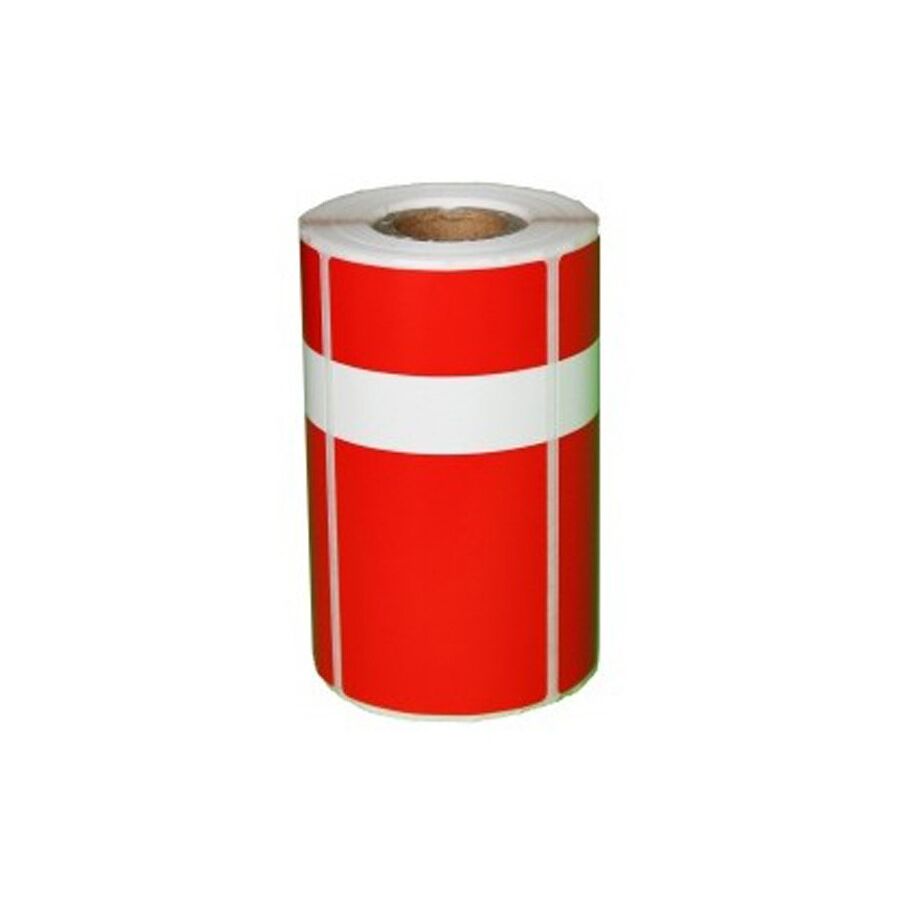
Across Australian construction, civil infrastructure and mining operations, portable electrical equipment must be inspected and clearly identified at prescribed intervals.
Under AS/NZS 3760, electrical appliances require routine in-service testing.
On construction and demolition sites governed by AS/NZS 3012, identification must follow the mandatory RGBY quarterly colour coding system.
The Red Test Tag Roll is the designated compliance identifier for equipment tested during the December to February period.
It functions as the visible certificate of currency for the summer quarter.
The quarterly colour sequence is strictly defined:
Red – December to February Green – March to May Blue – June to August Yellow – September to November
If a power tool is located on site in January displaying a yellow tag, it is immediately deemed out of test and must be removed from service.
The red tag confirms the equipment has been tested within the active summer compliance window.
This colour logic enables instant visual auditing across large-scale worksites without interrupting productivity.
Australian summer introduces severe operating conditions:
• Ambient temperatures exceeding 40°C • Cable surface temperatures exceeding 60°C • Intense ultraviolet radiation • Dust and abrasive construction debris • Thermal expansion of cable sheathing
Red test tags are manufactured from high-density Polypropylene or cross-linked PVC to maintain structural stability under extreme heat.
Paper or low-grade vinyl tags are unsuitable for compliant industrial deployment.
High temperatures significantly reduce adhesive performance.
Professional red tag rolls utilise solvent-based acrylic adhesive systems engineered to:
• Maintain shear strength under thermal load • Resist edge lifting and flagging • Bond to low-surface-energy rubber cable sheaths • Withstand expansion and contraction cycles
Reliable adhesion ensures tags remain securely attached throughout the entire summer duty cycle.
Premium red tags include a clear self-laminating flap.
After writing the:
• Test date • Next test due date • Technician licence number • Asset identification number
The transparent overlay seals the information beneath a protective barrier.
This prevents:
• UV ink fading • Dust contamination • Chemical exposure • Abrasion damage
Legibility is preserved for the full three-month compliance period.
The roll format supports high-volume testing programs.
Benefits include:
• Rapid tear-off application • Consistent formatting • Efficient stock control • Reduced handling time per asset
Test and tag technicians processing hundreds of leads, RCDs and power tools per shift benefit from streamlined workflow and improved productivity.
Clear and permanent marking is essential for regulatory confidence.
SCHNAP Electric Products supports summer testing operations with:
• Industrial permanent markers • Portable appliance testers (PATs) • Calibration accessories • UV-stabilised nylon cable ties
Industrial markers provide quick-drying, UV-resistant ink designed for synthetic tag surfaces exposed to heat.
In high-abrasion environments, UV-rated cable ties may be applied as secondary retention to prevent accidental tag loss.
This dual-layer approach protects compliance integrity.
Non-compliant tags may:
• Fade under UV exposure • Lose adhesion in extreme heat • Fail RGBY colour differentiation • Tear under mechanical stress
Professional electrical wholesaler ensure:
• Correct quarterly colour specification • Heat-resistant adhesive systems • UV-stable pigmentation • Reliable bulk supply availability
Consistent procurement eliminates compliance gaps during peak summer construction activity.
The Red Test Tag Roll is the definitive summer compliance identifier for Australian construction and mining environments.
By combining high-temperature polymer durability, heat-resistant adhesion and strict RGBY colour logic, it transforms portable appliance testing into an immediate visual safety confirmation.
When supported by compliant testing equipment and marking accessories from SCHNAP Electric Products, red test tags deliver a durable, efficient and standards-aligned identification system.
In the extreme conditions of the Australian summer, permanence defines compliance.
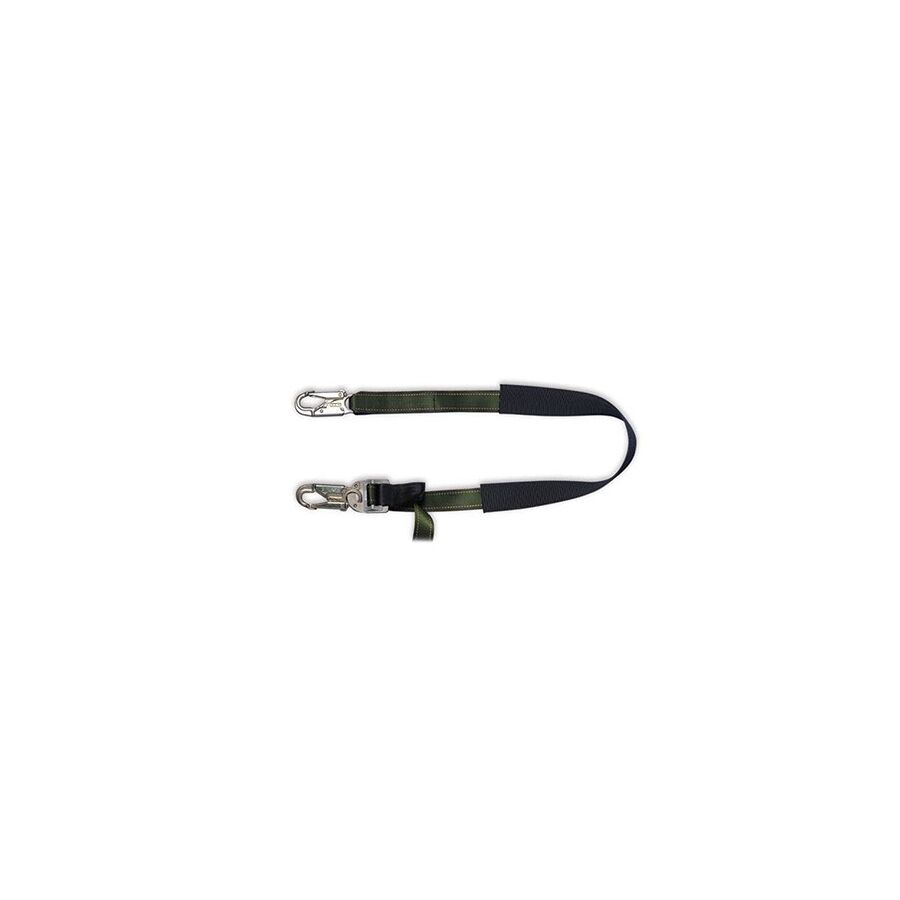
Across Australian utility, telecommunications and electrical distribution networks, technicians routinely operate at elevation on timber, concrete and steel poles.
When hands-free positioning is required, fall arrest alone is insufficient.
Under AS/NZS 1891, compliant height safety systems must include appropriate work positioning equipment where necessary.
The Adjustable Webbing Pole Strap provides a secure, tension-based restraint system that stabilises the operator while allowing controlled movement around vertical structures.
A fall arrest lanyard is designed to stop a fall after it occurs.
A pole strap is designed to prevent the fall from initiating.
When wrapped around a pole and connected to the harness lateral D-rings, the strap forms a tensioned restraint system.
By leaning back, the technician creates continuous axial load through the webbing.
This tension generates friction between the strap and the pole surface, producing a stable, triangular positioning envelope.
The result is hands-free stability for:
• Conductor termination • Crossarm installation • Cable cleat mounting • Hardware replacement
The adjustable mechanism allows the operator to:
• Shorten the strap for tighter positioning • Lengthen the strap to reposition • Maintain uninterrupted tension during adjustment
High-quality adjustment systems utilise:
• Cam-lock buckles • Friction feed adjusters • Controlled-release mechanisms
These systems must hold securely under static load while permitting smooth repositioning when required.
Utility poles expose equipment to:
• Intense UV radiation • Abrasion from timber grain • Rough concrete texture • Extreme temperature variation
Premium pole straps are manufactured from high-tenacity polyester webbing.
Polyester provides:
• Superior UV resistance compared to nylon • High tensile strength • Low stretch under load • Improved moisture resistance
Breaking strength ratings typically exceed 15kN to maintain safety margins.
The contact section of the strap experiences constant friction against pole surfaces.
Professional designs incorporate:
• Reinforced tubular webbing • Cut-resistant protective sleeves • Sacrificial abrasion layers
These protective elements shield the primary load-bearing webbing from premature wear.
Maintaining webbing integrity is essential for long-term compliance.
Connection hardware is critical to system safety.
Pole straps typically feature:
• Double-action or triple-action locking karabiners • Alloy steel or forged aluminium connectors • Anti-rollout gate designs
Anti-rollout engineering prevents accidental gate opening caused by twisting forces.
Secure locking ensures that the strap remains firmly attached to the harness D-rings under all load conditions.
Working at height introduces secondary hazards such as dropped tools.
Technicians commonly use SCHNAP Electric Products tool lanyards to tether:
• Battery drills • Hydraulic crimpers • Hand tools • Voltage testers
The stable positioning provided by the pole strap allows precise installation of hardware such as cable cleats and mounting brackets.
Secure positioning enhances both safety and installation accuracy.
Height safety equipment must be:
• Visually inspected before each use • Formally inspected at prescribed intervals • Identified with serial numbers • Supplied with manufacturer certification
Procurement through specialised electrical wholesaler ensures:
• Batch-tested webbing • Certified locking hardware • Compliance documentation • Traceable inspection registers
Maintaining documented compliance is essential in regulated utility environments.
Adjustable Webbing Pole Straps are commonly used in:
• Electrical distribution pole work • Telecommunications infrastructure • Transmission line maintenance • Utility crossarm installation • Elevated cable mounting operations
Correct use requires integration with a certified full-body harness and appropriate fall protection systems.
The Adjustable Webbing Pole Strap is a critical work positioning device for Australian utility and telecommunications operations.
By leveraging tension-based restraint physics, UV-resistant polyester webbing and reinforced abrasion protection, it provides stable, hands-free productivity at height.
When combined with compliant harness systems and supported by professional tooling accessories from SCHNAP Electric Products, it forms a robust, standards-aligned height safety solution.
In vertical infrastructure work, controlled tension is controlled safety.

Across Australian tunnelling, construction, mining and heavy industry, airborne particulate hazards present long-term respiratory risks.
Under Safe Work Australia guidance and AS/NZS 1716, respiratory equipment must meet strict filtration efficiency standards.
Particulate Filters 6035 P2/P3 provide high-efficiency protection against respirable crystalline silica, asbestos fibres, metallic fumes and other hazardous airborne contaminants.
They represent a sophisticated balance between filtration performance and breathing efficiency.
High-efficiency particulate filters do not operate solely as mechanical sieves.
Instead, filtration relies on multiple physical mechanisms:
• Interception • Inertial impaction • Diffusion • Electrostatic attraction
The internal filter media consists of densely pleated synthetic microfibres permanently electrostatically charged during manufacturing.
As contaminated air is drawn through the cartridge, sub-micron particles are attracted and permanently bonded to the fibre matrix.
The pleated structure increases total surface area, reducing airflow velocity and lowering breathing resistance.
This optimised fluid dynamic performance allows effective filtration without excessive respiratory fatigue during long shifts.
The 6035 design features a rigid outer casing that protects the internal filter media.
In industrial environments, filters are exposed to:
• Abrasive swarf • Grinding sparks • Water spray • Mechanical impact
The solid-top housing shields the delicate electrostatic media from direct exposure.
Air is channelled through controlled intake pathways, preserving filtration integrity and extending service life.
This hard-case configuration is particularly suited to:
• Masonry cutting • Concrete chasing • Metal grinding • Demolition work
Filter performance classification depends on the facepiece used.
Under AS/NZS 1715, protection levels are determined by both filter efficiency and mask seal integrity.
When used with a half-face respirator:
• Classification: P2 • Assigned Protection Factor (APF): 10
When used with a full-face respirator:
• Classification: P3 • Assigned Protection Factor (APF): Up to 100
The higher P3 classification is mandatory when working with highly toxic particulates such as asbestos.
Seal integrity significantly impacts overall respiratory protection.
These filters are suitable for protection against:
• Respirable crystalline silica • Concrete dust • Metal grinding fumes • Wood dust • Asbestos fibres (P3 configuration) • General airborne particulates
They are widely deployed in:
• Tunnelling operations • Mining facilities • Construction sites • Infrastructure upgrades • Industrial maintenance shutdowns
Filter pleating reduces pressure drop across the media.
Lower resistance improves:
• Respiratory comfort • Oxygen intake stability • Reduced fatigue • Extended wear tolerance
Efficient airflow management is critical in physically demanding environments.
Respiratory protection is often deployed alongside dust-generating electrical and construction tools.
When cutting channels for conduit or drilling slab penetrations, airborne silica becomes a serious occupational hazard.
SCHNAP Electric Products supports safe workflow integration through:
• Tool systems compatible with dust extraction • Respirator fit-testing accessories • Cleaning wipes and hygiene consumables
Respiratory protection must align with tooling operations to create a layered defence strategy.
Certified particulate filters must:
• Meet AS/NZS 1716 testing standards • Display classification markings • Be compatible with approved respirators • Be replaced according to service-life indicators
Specialised electrical wholesaler ensure compliant supply chains aligned with site risk assessments.
Maintaining stock of certified cartridges prevents disruption to high-risk operations.
Particulate Filters 6035 P2/P3 form the frontline defence against airborne industrial hazards in Australian heavy industry.
By combining electrostatic capture technology, pleated surface optimisation and hard-case durability, they deliver high-efficiency filtration with manageable breathing resistance.
When integrated into compliant respiratory programs and supported by professional tooling and hygiene systems from SCHNAP Electric Products, they ensure safe, sustainable workforce protection.
In industrial environments, breathable air is not a luxury — it is an engineered safeguard.
In Australian construction, utilities and heavy industry, working at height introduces significant gravitational risk.
When elimination and engineering controls cannot fully remove the hazard, personal protective systems must comply with AS/NZS 1891.
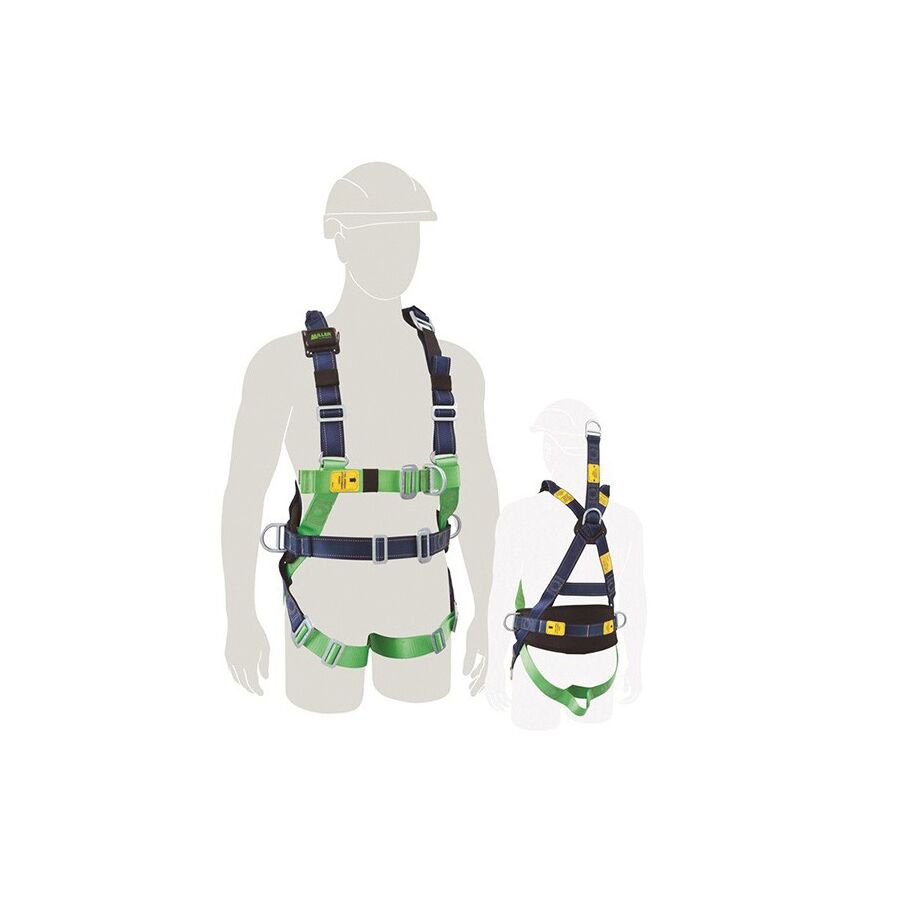
The Fall Protection Harness is the primary life-support component of any fall arrest system.
It is engineered to transform the violent physics of a fall into a survivable deceleration event.
During a fall, gravitational acceleration converts body mass into kinetic energy.
When a lanyard or inertia reel arrests the fall, this energy must be absorbed instantly.
Australian Standards limit the maximum arrest force applied to the body to 6kN.
A compliant full-body harness distributes this load across:
• Shoulders • Chest • Pelvis • Upper thighs
The dorsal D-ring located between the shoulder blades acts as the primary connection point.
During deceleration, the sub-pelvic strap system engages, redirecting forces into the stronger skeletal structures of the pelvis and femur rather than the spine or abdomen.
This biomechanical load distribution prevents catastrophic internal injury.
Industrial environments expose harnesses to:
• Intense UV radiation • Heat cycling • Moisture • Abrasion • Chemical exposure
High-quality harnesses are constructed from high-tenacity polyester webbing.
Polyester provides:
• Superior UV resistance • Reduced moisture absorption • High tensile strength • Long-term structural integrity
Breaking strength ratings typically exceed 15kN to ensure safety margins under dynamic loading.
Metallic hardware components such as D-rings and buckles are manufactured from:
• High-tensile alloy steel • Corrosion-resistant coatings • Aerospace-grade aluminium in lightweight variants
These components must withstand repeated dynamic shock loading without deformation or fracture.
Arresting a fall is only the first stage of survival.
A suspended worker faces the risk of suspension trauma (orthostatic intolerance).
When hanging motionless:
• Blood pools in the lower limbs • Venous return decreases • Cerebral oxygen supply drops
Advanced harnesses incorporate integrated trauma relief straps.
These deployable loops allow the suspended worker to stand partially upright within the harness.
Engaging the leg muscles restores blood circulation and extends survivable suspension time until rescue.
Harness design must balance strength with comfort.
Adjustable features include:
• Shoulder strap adjusters • Chest buckles • Leg strap padding • Breathable back panels
Proper adjustment ensures:
• Even load distribution • Reduced pressure points • Improved mobility • Lower fatigue during extended tasks
Comfort directly influences compliance and correct usage.
Working at height introduces secondary hazards from dropped tools.
Harnesses commonly include integrated tool loops for equipment management.
SCHNAP Electric Products supports elevated work safety with:
• Heavy-duty tool lanyards • Insulated hand tools • Secure fastening accessories
Tool tethering prevents dropped object incidents, protecting personnel working below.
Integrated tool management enhances overall height safety protocols.
Fall protection harnesses require:
• Pre-use visual inspection • Six-monthly formal inspection • Serial number tracking • Date-of-manufacture identification
Compliance documentation ensures alignment with AS/NZS 1891 requirements.
Procurement through specialised electrical wholesaler ensures:
• Certified batch testing • Manufacturer compliance documentation • Traceable inspection registers • Approved hardware compatibility
Fall Protection Harness systems are essential for:
• Transmission tower maintenance • Commercial high-rise construction • Industrial plant shutdowns • Utility pole installations • Roof-mounted equipment servicing
Correct selection depends on work positioning, restraint or fall arrest configuration.
The Fall Protection Harness is the critical interface between human biomechanics and gravitational force.
By redistributing arrest loads, utilising UV-resistant webbing and incorporating suspension trauma mitigation, it converts a potentially fatal fall into a survivable event.
When integrated with compliant anchorage systems and supported by professional tooling accessories from SCHNAP Electric Products, it forms the backbone of height safety management in Australian industry.
In vertical operations, engineered preparation is the ultimate safeguard against gravity.
Within Australian commercial buildings, manufacturing plants and indoor industrial environments, temporary hazard communication is a critical administrative control.
Under Work Health and Safety obligations, isolation procedures must include clear visual warnings when equipment is removed from service.
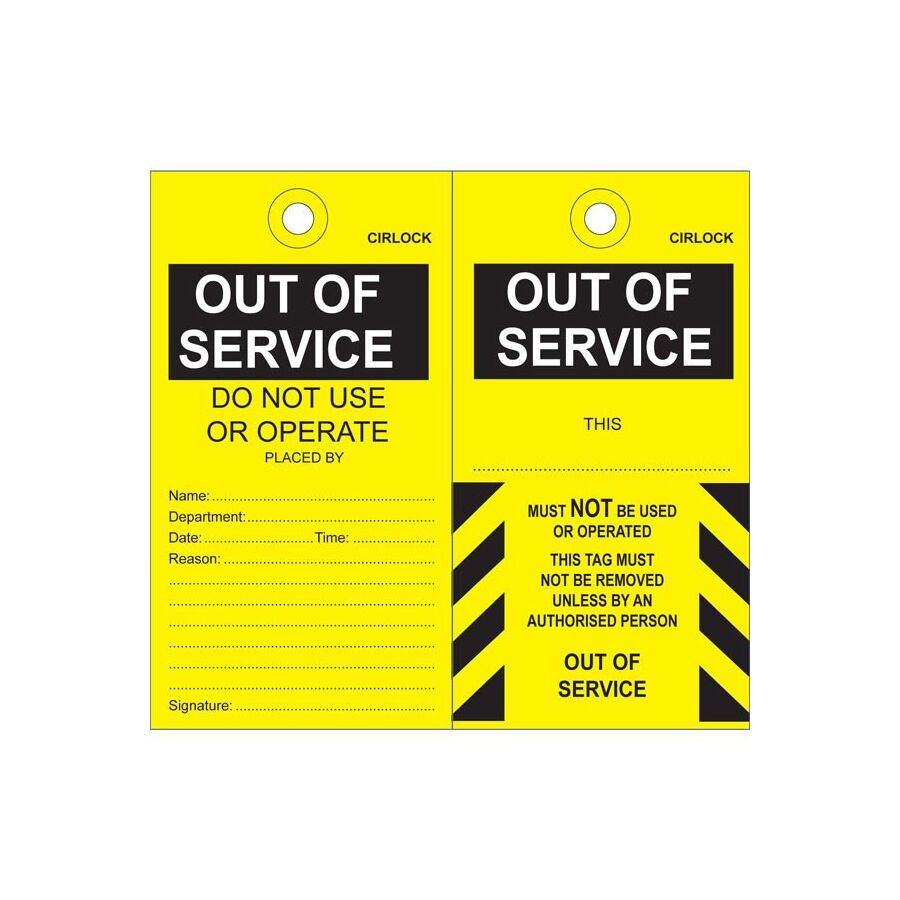
For short-duration indoor applications, Cardboard Safety Tags provide an efficient and compliant hazard notification solution.
They are specifically suited to dry, climate-controlled environments where the hazard period is measured in hours or shifts rather than weeks.
Visual warning tags support isolation procedures aligned with AS/NZS 4836 and the signage principles of AS 1319.
They communicate:
• Danger – Do Not Operate • Out of Service • Maintenance in Progress • Isolation in Effect
Cardboard variants are suitable where environmental exposure is controlled and predictable.
Professional-grade safety tag cardboard is not standard office paper.
Industrial tags are manufactured from:
• High-density calendered cardstock • Compressed cellulose fibre substrates • Stiff, tear-resistant sheets
Calendering aligns fibres under pressure, increasing rigidity and surface durability.
This prevents premature creasing and deformation during short-term deployment.
The primary mechanical failure point of any tag is the attachment hole.
Without reinforcement, cable ties can shear through untreated cardboard under tension.
Quality cardboard safety tags feature:
• Stamped brass eyelets • Reinforced synthetic patches • Multi-layered attachment zones
The brass eyelet distributes load across the tag surface, preventing tear-out during handling or incidental snagging.
This ensures the tag remains securely fixed to the isolation point.
Cardboard tags are hygroscopic by nature.
They absorb moisture and degrade when exposed to:
• Rain • High humidity • Condensation • Chemical washdowns
Therefore, they are recommended exclusively for:
• Indoor switchrooms • Dry plant rooms • Server rooms • Controlled manufacturing floors • Short-duration LOTO procedures
For outdoor or wet environments, polymer-based safety tags are required.
Cardstock provides a receptive writing surface that allows:
• Quick-drying permanent ink • Minimal smudging • Clear handwriting
Technicians record:
• Date and time • Authorised person details • Isolation reference • Work description
SCHNAP Electric Products industrial permanent markers ensure strong ink adhesion and legibility during the isolation period.
Cardboard safety tags are rarely deployed alone.
They are attached to:
• Safety padlock shackles • Lockout hasps • Circuit breaker lockouts • Valve isolation points
When used alongside SCHNAP Electric Products safety padlocks and lockout devices, the administrative warning becomes physically linked to the mechanical restraint.
This integration supports compliant Lockout Tagout procedures.
Facilities conducting frequent maintenance require reliable stock levels of tagging consumables.
Cardboard safety tags are commonly supplied in bulk packs for:
• Scheduled shutdowns • Routine inspections • Short-term equipment isolation • Temporary hazard identification
Specialised electrical wholesaler ensure consistent supply of compliant red and yellow tags aligned with AS 1319 formatting standards.
Cardboard Safety Tags are best suited for:
• Short-term indoor isolation • Dry climate-controlled facilities • Immediate hazard notification • Administrative LOTO reinforcement
They are not suitable for prolonged outdoor exposure or chemically aggressive environments.
Cardboard Safety Tags remain an essential administrative safety tool within Australian indoor industrial and commercial environments.
By combining reinforced attachment points, dense cardstock construction and clear regulatory formatting, they deliver immediate and effective hazard communication for temporary isolation procedures.
When integrated with professional lockout hardware and marking tools from SCHNAP Electric Products, they provide a practical, compliant and cost-effective solution for controlled indoor safety management.
In short-duration isolation, clarity and immediacy are the keys to prevention.
In Australian heavy industry, hazardous energy isolation must be supported by durable and legally compliant administrative controls.
Under the Work Health and Safety framework and AS/NZS 4836, electrical isolation procedures require both mechanical restraint and clear visual warning.
Where environmental exposure is extreme, cardboard tags are insufficient.
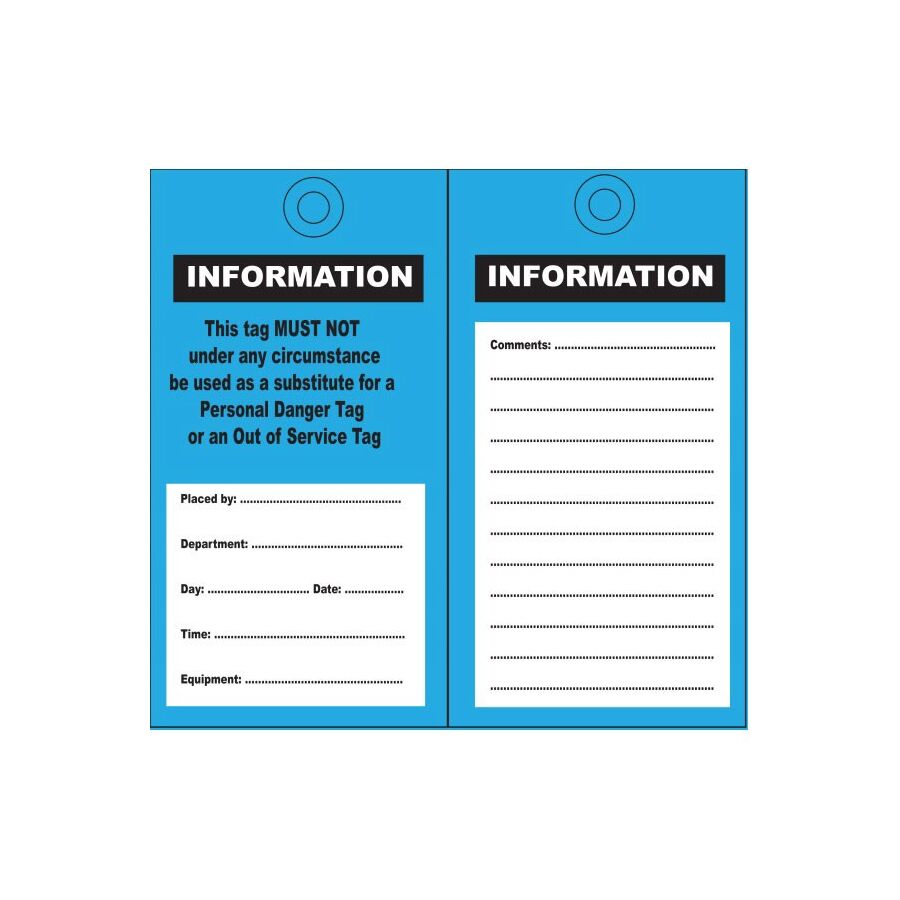
Safety Tag Poly provides a synthetic, high-performance tagging solution designed to withstand rain, chemicals, UV exposure and mechanical abrasion.
It is engineered for long-term clarity in hostile industrial conditions.
Unlike paper-based tags, polymer tags are hydrophobic and chemically resistant.
High-quality Safety Tag Poly products are manufactured from:
• High-density Polypropylene (PP) • High-impact PVC • Cross-linked thermoplastics
These materials provide:
• Resistance to hydraulic oils • Immunity to moisture absorption • High dielectric strength • Structural flexibility under stress
The molecular stability of thermoplastics ensures the tag does not degrade under exposure to industrial cleaning agents or environmental contaminants.
Isolation points often experience vibration and movement.
When secured with cable ties or lockout hardware, the attachment hole experiences concentrated shear stress.
Professional Safety Tag Poly units feature:
• Reinforced brass eyelets • High-tensile polymer substrates • Resistance to stretching and elongation
The brass eyelet distributes load across the tag body, preventing tear-out during aggressive maintenance activity or vibration.
This reinforcement ensures the tag remains attached for the entire isolation period.
Australian UV exposure accelerates plastic degradation through photo-oxidation.
Inferior materials become brittle and fade rapidly.
Safety Tag Poly products are manufactured with UV stabilisers integrated during extrusion, preserving:
• Structural flexibility • Colour vibrancy • Surface integrity
Colour clarity is critical under AS 1319, which defines visual hazard communication standards.
A "Danger – Do Not Operate" tag must retain strong red and black contrast.
An "Out of Service" tag must remain highly visible and unmistakable.
UV stabilisation ensures long-term chromatic compliance.
Safety tags form part of a complete Lockout/Tagout (LOTO) procedure.
A durable tag must integrate seamlessly with:
• Safety padlocks • Scissor hasps • Isolation lockout devices • Group lock boxes
SCHNAP Electric Products supports compliant isolation systems with:
• Non-conductive safety padlocks • Multi-lock hasps • Industrial permanent markers
Because polypropylene surfaces resist standard ink, solvent-based industrial markers ensure information bonds securely to the tag surface.
This prevents smearing, fading or wash-off in wet or high-humidity conditions.
The administrative warning becomes physically inseparable from the mechanical isolation device.
Safety Tag Poly is suitable for:
• Offshore oil and gas facilities • Mining operations • Processing plants • Outdoor substations • Coastal industrial infrastructure
Performance characteristics include:
• High tear strength • Chemical resistance • Water impermeability • UV durability • Long-term legibility
These properties make it appropriate for extended shutdown periods and remote operations.
Running out of compliant isolation tags during maintenance shutdowns can disrupt operations and compromise safety.
Professional electrical wholesalers ensure:
• UV-stabilised polymer stock • Reinforced eyelet construction • Colour compliance to Australian standards • Bulk availability for shutdown operations
Consolidated procurement alongside lockout hardware and SCHNAP Electric Products isolation components ensures workflow continuity and regulatory confidence.
Safety Tag Poly is a critical component of industrial lockout tagout architecture in Australia.
By combining hydrophobic polymer engineering, reinforced attachment points and UV-stable colour compliance, it delivers durable hazard communication in the harshest environments.
When integrated with mechanical isolation hardware and professional marking accessories from SCHNAP Electric Products, Safety Tag Poly ensures that hazardous energy warnings remain clear, secure and legally defensible.
In high-risk industrial settings, permanent communication is permanent protection.
Across Australian construction, mining and industrial maintenance environments, tradespeople spend prolonged periods kneeling on concrete, steel grating and abrasive surfaces.
Under the Work Health and Safety framework, employers have a duty of care to minimise musculoskeletal injury risks.
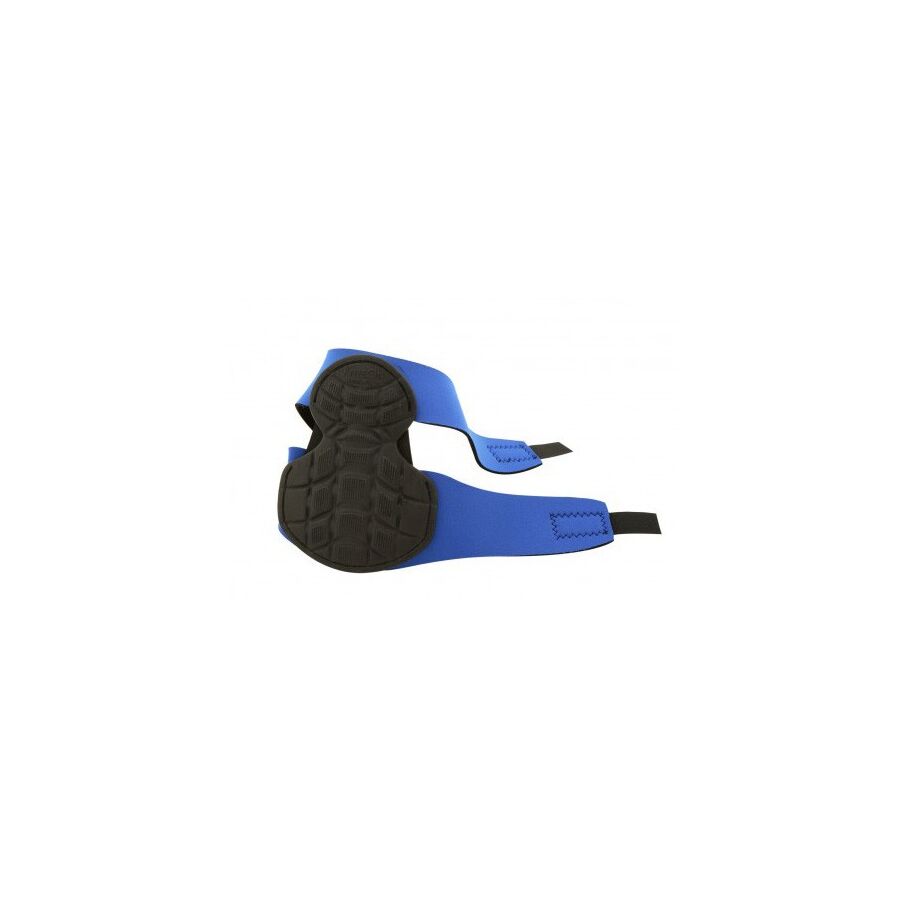
Industrial Knee Pads are engineered ergonomic protection systems designed to reduce cumulative joint trauma and extend workforce longevity.
They are not simple foam cushions. They are biomechanical support devices built for demanding site conditions.
When kneeling without protection, body weight is concentrated directly onto the patella.
This concentrated pressure:
• Compresses joint structures • Restricts synovial fluid circulation • Accelerates cartilage wear • Increases risk of bursitis and meniscus injury
Advanced knee pads redistribute this load by increasing the contact surface area.
A contoured internal cup shifts pressure away from the patella and spreads it across surrounding muscle mass and structural bone regions.
By lowering pressure per square centimetre, ergonomic pads reduce immediate discomfort and long-term joint degradation.
Professional-grade industrial knee pads incorporate advanced materials engineered for impact resistance and durability.
Internal core options commonly include:
• Silicone gel inserts • High-density EVA foam • Dual-layer composite cushioning
Gel cores provide dynamic conformity, adapting to the user’s knee profile while maintaining elastic recovery.
Unlike low-grade foam that flattens permanently, quality materials retain structural integrity under repetitive loading.
External materials often feature:
• 1680D ballistic nylon • Reinforced polyester • Kevlar-blended fabrics
These abrasion-resistant textiles withstand:
• Concrete drag • Sharp aggregate • Steel framework • Construction debris
Hard outer caps made from polyurethane or heavy-duty PVC provide additional impact shielding and improve stability on smooth surfaces.
Industrial floors may include:
• Polished concrete • Painted steel • Dust-covered slabs • Damp surfaces
Non-slip caps increase friction between the pad and the ground surface, reducing sliding hazards during installation or termination work.
This improves operator balance and precision.
Securing knee pads too tightly can restrict blood flow behind the knee.
Premium industrial designs use:
• Wide neoprene straps • Articulated strap positioning • Even pressure distribution systems
Straps are typically positioned above and below the knee joint to avoid compression of the popliteal region.
High-quality hook-and-loop closures or buckle systems maintain secure positioning even when exposed to dust, moisture or debris.
Proper fastening prevents migration while preserving circulation and comfort during extended wear.
Chronic kneeling without protection leads to:
• Reduced mobility • Increased fatigue • Long-term joint damage • Workers compensation claims
Industrial knee pads support:
• Extended kneeling tasks • Stable posture during terminations • Improved focus and manual control
When technicians are physically supported, task precision and workflow efficiency improve.
Industrial knee protection forms part of a broader site safety ecosystem.
Technicians working on switchboards, cable terminations or confined space installations benefit from stable support when using insulated hand tools and heavy-duty accessories from SCHNAP Electric Products.
Reduced joint strain enhances concentration, allowing more accurate torque application, secure cable fastening and improved installation quality.
Ergonomic stability directly influences technical performance.
Selecting substandard knee pads may result in rapid material breakdown, inadequate cushioning and increased injury risk.
High-quality industrial units provide:
• Durable abrasion-resistant shells • Long-life gel or EVA cores • Reliable fastening systems • Non-slip protective caps
Specialised electrical wholesaler ensure that protective equipment meets commercial-grade performance standards suitable for Australian site conditions.
Industrial Knee Pads are essential ergonomic protection for Australian trades operating in demanding environments.
By redistributing patellar pressure, absorbing kinetic impact and utilising abrasion-resistant materials, they safeguard the structural integrity of the workforce.
When integrated into a professional safety and tooling ecosystem supported by SCHNAP Electric Products, they contribute to improved performance, reduced injury risk and long-term occupational sustainability.
In industrial environments, protecting the foundation of the body protects the future of the trade.

SCHNAP Electrical Wholesaler - clear, upfront pricing that professional electricians trust

Get what you need in seconds. SCHNAP electrical wholesaler makes ordering quick and simple

Fast delivery anywhere - that's guaranteed. SCHNAP electrical wholesalers ship nationwide with same-day dispatch

Track your order every step of the way. SCHNAP electrical wholesale keeps you updated from click to delivery

SCHNAP is Australia's premier electrical wholesaler and electrical supplies, marketing thousands of quality products from leading brands. Trusted for nearly two decades by licensed electricians, contractors, and engineers, our range covers everything from basic electrical components to complex industrial electrical equipment
Our key categories include: LED lighting, designer switches, commercial switchboards, circuit protection, security systems & CCTV, and smart home automation
All products are certified to Australian standards (AS/NZS), backed by our 30-day, no-questions-asked return policy. Our expert technical team helps you quickly source the right solution for any residential, commercial, or industrial project, with daily dispatch from our Sydney electrical warehouse delivering Australia-wide
SCHNAP offers the most comprehensive electrical product range, with full technical specifications, application details, installation requirements, compliance standards, and warranties — giving professionals total confidence in every purchase


Kingsgrove Branch:
Opening hours:
Mon - Fri: 6:30 AM to 5 PM
Saturday: 8:00 AM to 2:00 PM
Sunday: 9:00 AM to 2:00 PM
Closed on public holidays
Jannali Branch:
Closed for Renovations
© 2004 - 2026 SCHNAP Electric Products