




Kingsgrove Branch:
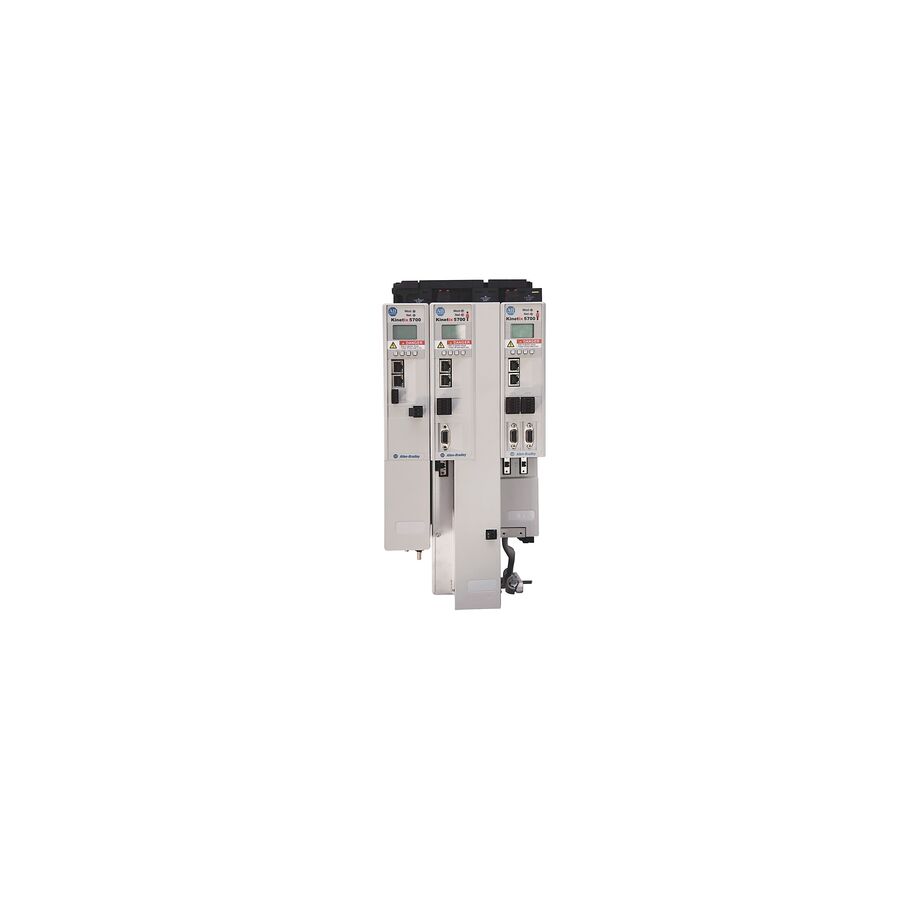
Australian industrial automation continues to evolve toward compact, energy-efficient and highly synchronised systems. As factories upgrade to Industry 4.0 standards, space inside control cabinets and energy efficiency on the plant floor become critical considerations. The Dual Axis Inverter Module 15.9 kW represents a modern solution to these challenges.
Rather than installing two separate drives for two motors, this integrated module controls two independent axes from a single unit. By sharing internal architecture and power components, it reduces footprint while improving communication speed and energy performance.
For electrical engineers and system integrators, adopting dual-axis technology requires careful attention to thermal management, harmonic mitigation and compliant wiring practices. At SCHNAP Electric Products, we support these installations with robust switchgear and industrial-grade accessories built for Australian conditions.
The defining feature of the Dual Axis Inverter Module 15.9 kW is its shared DC bus. Incoming AC supply is rectified into DC and stored within a common capacitor bank. Both inverter stages draw from this shared energy reservoir.
This configuration enables regenerative energy sharing. When one motor decelerates, it generates energy that feeds back into the DC bus. Instead of dissipating this energy through braking resistors, the second axis can utilise it during acceleration.
This internal energy exchange reduces total power consumption and lowers heat generation inside the cabinet. In high-duty applications such as robotics or gantry systems, energy savings become significant over time.
The shared bus architecture also simplifies system wiring compared to standalone drives. Fewer external interconnections mean fewer potential points of failure.
Precise motion control requires accurate torque and speed regulation. The Dual Axis Inverter Module 15.9 kW processes two independent vector control loops simultaneously within a single processing environment.
By eliminating latency associated with separate drive communication, synchronisation improves dramatically. This is particularly important in gantry applications where two motors must move in perfect alignment. Even slight timing differences can cause mechanical stress and misalignment.
With a unified control backbone, the module ensures both axes respond within the same processor cycle. This enhances performance in CNC machining, packaging lines and coordinated robotics.
Modern dual-axis modules utilise advanced IGBT or Silicon Carbide switching devices to manage high current loads efficiently. These components enable fast switching with reduced losses, improving overall system efficiency.
However, high power density means concentrated heat generation. In Australian industrial environments where ambient temperatures can rise significantly, proper cooling is essential.
Engineers must calculate cabinet heat load and ensure adequate airflow or heat exchange. Poor thermal design results in derating, reducing available output power and affecting production throughput.
SCHNAP Electric Products supports installation with industrial enclosures, ventilation accessories and compliant cable management solutions designed to withstand demanding operating conditions.
Installing a Dual Axis Inverter Module 15.9 kW requires strict adherence to AS/NZS 3000. Separation between control circuits and mains voltage must be maintained.
Variable speed drives generate high-frequency switching noise. Proper earthing and shielded motor cables are essential to minimise electromagnetic interference. EMI filters reduce disturbances to nearby control systems.
Residual Current Devices must be selected carefully. Inverter-driven loads often require Type B or suitably rated protection to handle complex waveforms.
SCHNAP Electric Products provides compliant circuit breakers, surge protection devices and DIN rail accessories that support safe and reliable installations. Using quality protection hardware ensures sensitive drive electronics are safeguarded against voltage spikes and faults.
The Dual Axis Inverter Module 15.9 kW delivers several advantages in high-performance applications.
Shared DC bus economy reduces energy waste and lowers cooling requirements. Reduced cabinet footprint allows more compact machinery design. Unified commissioning software simplifies setup and tuning of both axes.
With fewer discrete components, overall system reliability improves. Reduced wiring complexity decreases installation time and potential troubleshooting points.
These benefits are particularly relevant in sectors such as advanced manufacturing, automated logistics and food processing where uptime directly impacts profitability.
In robotic palletising systems, dual-axis modules manage coordinated horizontal and vertical motion. Precise acceleration and deceleration profiles reduce mechanical stress and improve handling accuracy.
In CNC machining centres, synchronised feed axes maintain precision cutting paths. Shared control architecture enhances repeatability and surface finish quality.
In packaging lines, conveyors and sealing mechanisms must operate in perfect timing. The integrated inverter design supports high-speed coordination without communication lag.
Across Australian industrial sites, compact and efficient motion control solutions are increasingly prioritised.
Preventive maintenance ensures long-term performance. DC bus capacitors should be inspected periodically for signs of ageing. Firmware updates improve control algorithms and enhance system security.
Thermal imaging inspections of terminal connections help detect hotspots caused by loose connections. Proper tightening of terminals reduces the risk of arcing and overheating.
Cooling fans and ventilation pathways must remain clear of dust accumulation. Regular inspection supports stable operating temperatures and maximises lifespan.
SCHNAP Electric Products supports maintenance programs with reliable supply of replacement protection components and installation accessories.
Original Equipment Manufacturers and system integrators require dependable supply chains and compliant hardware.
SCHNAP Electric Products aligns with these professionals by providing industrial-grade infrastructure that complements advanced drive technology. From robust enclosures to secure cable management and compliant switchgear, we focus on durability and safety.
Our strategy centres on supporting licensed electricians, automation engineers and manufacturing businesses with products designed for Australian industrial environments.
The Dual Axis Inverter Module 15.9 kW represents a forward step in integrated motion control. By combining shared DC bus efficiency with high-speed synchronisation, it delivers compact design and improved energy performance.
Its success depends on proper electrical integration, thermal management and compliance with Australian standards.
At SCHNAP Electric Products, we support this advanced automation landscape by supplying the protective and structural components that ensure long-term reliability. In modern manufacturing, efficiency and precision must be backed by strong electrical foundations.
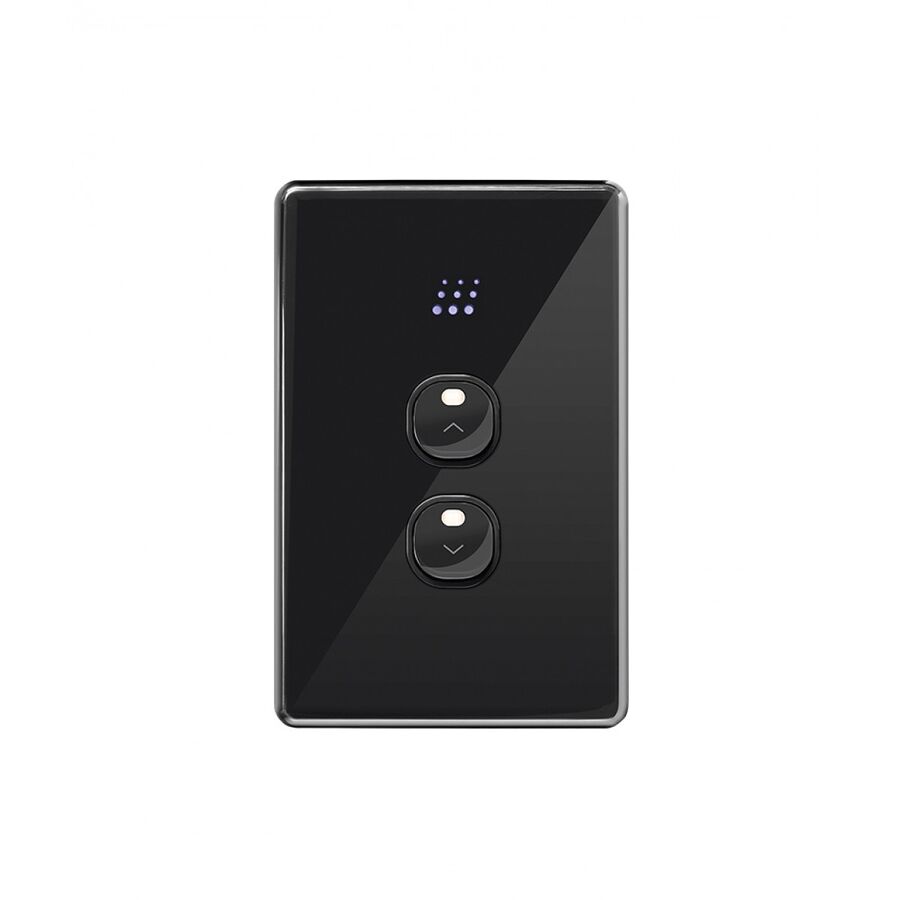
In modern Australian architecture, energy efficiency and indoor comfort are no longer optional features. As building envelopes become more airtight and glazing areas increase, managing sunlight effectively has become essential. Excess solar heat gain can dramatically raise indoor temperatures, especially during summer in states such as Queensland and Western Australia.
The Smart Blind Controller provides a practical solution by automating shading systems in response to environmental conditions. Rather than relying on manual adjustment, motorised blinds can respond dynamically to sunlight levels, temperature and programmed schedules.
For electricians, developers and homeowners, integrating smart shading requires more than installing a motor. It demands stable power supply, compliant wiring and reliable control hardware. At SCHNAP Electric Products, we support this transition by supplying the professional-grade electrical infrastructure required for long-term performance in Australian conditions.
A Smart Blind Controller translates digital commands into precise motor movement. Modern systems typically operate on low-voltage motors controlled through wireless protocols such as Zigbee, Z-Wave or Wi-Fi. These allow integration with home automation hubs or mobile applications.
Precision limit switches within the motor ensure that blinds stop at the correct position. Accurate stopping prevents over-tensioning and extends fabric life. In multi-window installations, synchronised movement ensures a consistent visual appearance across the façade.
Advanced systems go beyond simple open and close functions. Adaptive shading algorithms use light sensors or weather data to determine optimal blind positions throughout the day. By calculating sun angle and intensity, the system reduces glare while maintaining natural light.
For these systems to function reliably, stable voltage and clean signal pathways are essential. Electrical interference can disrupt digital communication and motor control accuracy.
Smart shading plays a critical role in reducing solar heat gain. During peak summer periods, direct sunlight through glazing can significantly increase internal temperatures. Automated blinds programmed to close during high radiation periods can reduce heat load dramatically.
In winter, automated systems can be programmed to open during sunny daylight hours. This allows passive solar heating to enter the building. At sunset, blinds close to provide an additional insulation layer.
This coordinated control reduces reliance on air conditioning and heating systems. Lower HVAC demand translates to reduced energy bills and improved environmental performance.
For projects targeting higher NatHERS ratings, intelligent shading is increasingly recognised as a cost-effective strategy for improving thermal outcomes.
Although Smart Blind Controllers operate on low-voltage motors, they rely on stable mains supply through transformers or integrated power modules. Voltage fluctuations can cause motor jitter or damage to internal logic boards.
Professional installation should include surge protection and correctly rated circuit protection devices. Dedicated circuits may be appropriate for larger installations involving multiple motors.
Cable routing must comply with AS/NZS 3000. Wiring installed within ceiling cavities or wall spaces should be protected against mechanical damage and heat exposure.
SCHNAP Electric Products supplies compliant mounting plates, junction boxes and protective accessories that support safe and durable installations. By focusing on the unseen infrastructure, installers ensure that digital control systems remain stable over time.
Smart Blind Controllers are increasingly used across multiple sectors in Australia.
In high-end residential developments, motorised blinds integrate with lighting and security systems. A single command can activate multiple scenes, such as lowering blackout blinds and dimming lights simultaneously.
In aged care facilities, automated blinds enhance accessibility. Scheduled or voice-activated control allows occupants with limited mobility to manage sunlight without physical effort. Reliability and safe isolation are essential in these environments.
Commercial office spaces benefit from glare reduction on computer screens and improved occupant comfort. Automated shading systems can integrate with Building Management Systems to optimise daylight use and reduce cooling loads.
Regardless of application, electrical integrity remains the foundation of system performance.
Installing automation hardware requires adherence to AS/NZS 3000. Separation between extra-low voltage control circuits and mains voltage wiring is mandatory. Proper insulation, labelling and termination reduce risk of fault or interference.
Mounting control modules in accessible locations ensures maintenance can be performed without structural damage. Accessible enclosures and modular mounting systems simplify future upgrades or repairs.
Using compliant electrical components ensures that installations meet safety requirements and perform reliably in Australia’s demanding climate.
Smart shading systems require periodic inspection to maintain reliability.
Firmware updates may improve security and performance. Ensuring controllers are updated protects against software vulnerabilities.
Physical inspection of motor leads and cabling ensures that friction or UV exposure has not compromised insulation. In larger properties, signal repeaters may be required to maintain strong wireless communication across extended areas.
Routine checks ensure consistent performance and extend system lifespan.
The demand for connected homes and energy-efficient buildings continues to grow. Electricians are increasingly required to integrate digital control systems alongside traditional power distribution.
SCHNAP Electric Products supports trade professionals with durable and compliant infrastructure that bridges conventional electrical systems and modern automation. Our focus is on reliable supply, trade pricing and products designed to withstand Australian conditions.
By combining smart control technology with strong electrical foundations, installations achieve both performance and longevity.
The Smart Blind Controller represents a practical advancement in sustainable building design. By automating sunlight management, it improves thermal comfort and reduces energy consumption.
However, its performance depends entirely on proper installation and stable electrical infrastructure. Surge protection, compliant wiring and secure mounting are essential.
At SCHNAP Electric Products, we align with professionals who prioritise quality and compliance. In Australia’s harsh climate, intelligent shading supported by robust electrical engineering delivers measurable benefits. Smart control is only as reliable as the system powering it.
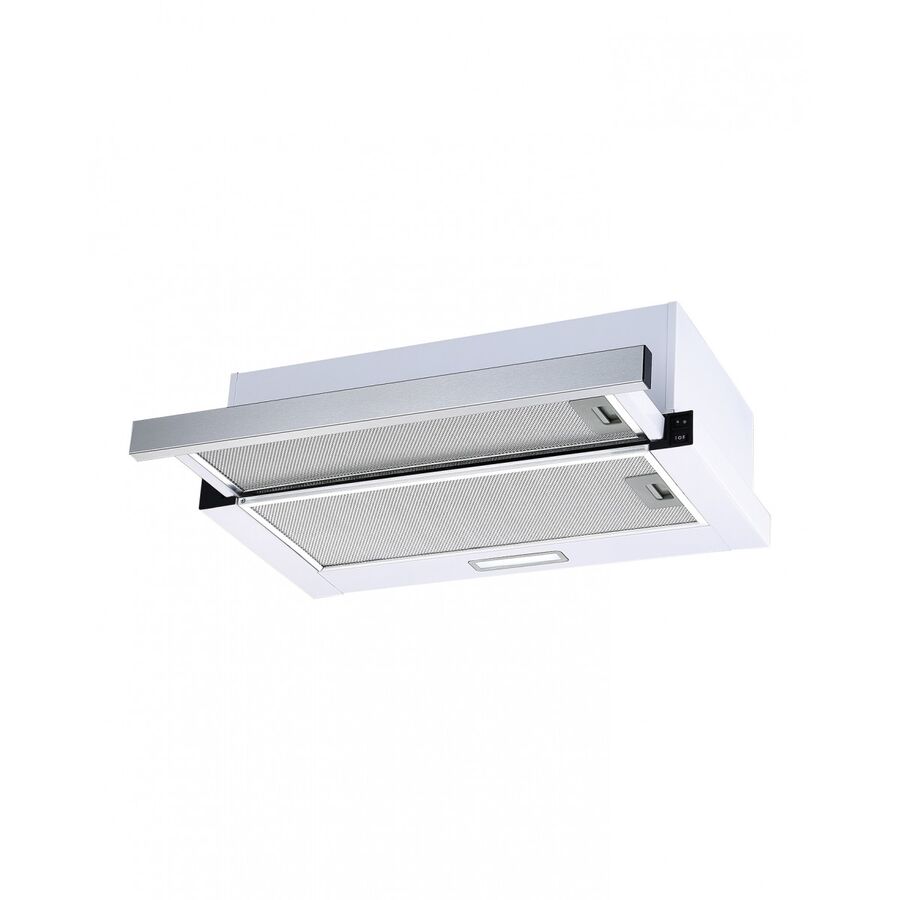
In modern Australian homes, the kitchen is no longer a closed room hidden from view. Open-plan layouts connect cooking areas directly to living and dining spaces. While this creates social flow, it also increases the need for effective air extraction. Smoke, grease particles, moisture and combustion gases must be removed quickly to maintain indoor air quality.
The Range Hood is the primary mechanical solution for managing cooking byproducts. It is not just a decorative stainless steel feature. It is a functional ventilation system designed to protect health, preserve cabinetry and reduce moisture-related damage.
As Australian homes become more airtight for energy efficiency, ventilation performance becomes even more critical. Without proper extraction, cooking vapours accumulate and contribute to mould growth, surface staining and odour retention.
At SCHNAP Electric Products, we support professional installations with compliant electrical infrastructure and reliable accessories suited to Australian conditions.
The performance of a Range Hood is measured in cubic metres per hour. This figure indicates how much air the unit can extract within sixty minutes.
For standard domestic kitchens, a minimum airflow of around 600 cubic metres per hour is often suitable. Larger kitchens with high-heat cooking appliances may require 900 to 1000 cubic metres per hour or more.
High-output motors create a pressure differential that draws contaminated air into the hood canopy. In ducted systems, centrifugal fans are commonly used because they can overcome resistance from long duct runs and multiple bends.
Maintaining adequate airflow is essential. If the extraction rate is too low, smoke and grease escape into the surrounding space. If the ducting is poorly designed, airflow performance drops significantly.
Selecting a suitable hood and supporting infrastructure ensures the system delivers consistent results.
There are two primary ventilation approaches. Ducted systems expel air directly to the outside atmosphere. Recirculating systems filter the air and return it to the room.
Ducted extraction is considered best practice in Australia. It removes heat, moisture and airborne grease rather than simply filtering odours. This is particularly important in humid or coastal climates where excess moisture can accelerate building deterioration.
Recirculating systems rely on activated carbon filters to neutralise odours. While useful in apartments where external ducting is restricted, they do not remove heat and moisture effectively.
When installing ducted systems, proper sealing and weatherproof vent caps are critical to prevent water ingress. Using durable components supports long-term reliability.
Modern Range Hoods often include powerful motors, LED lighting and digital control panels. These features increase electrical demand compared to older models.
High-capacity units should be installed on dedicated circuits to prevent overloading shared kitchen power outlets. This is especially important in homes where multiple appliances operate simultaneously.
Circuit protection must comply with AS/NZS 3000. Miniature Circuit Breakers and Residual Current Devices protect both the appliance and occupants from electrical faults.
SCHNAP Electric Products supports electricians with compliant switchgear, mounting accessories and protective components that ensure stable power supply and safe installation.
Range Hoods are available in several configurations suited to different layouts.
Wall-mounted canopy hoods are popular in contemporary homes. They provide a large capture area and strong visual presence.
Undermount or integrated hoods sit within cabinetry, offering a minimalist aesthetic while maintaining functionality.
Island hoods are suspended from ceilings and require careful structural support and duct routing.
Slide-out models are compact solutions ideal for smaller apartments.
Regardless of style, proper installation ensures safe clearance above the cooktop. Gas cooktops typically require minimum distances to reduce fire risk and comply with Australian standards.
All Range Hoods use primary grease filters to capture airborne particles. Aluminium mesh filters are common and easy to clean. Stainless steel baffle filters are often preferred for high-performance kitchens because they are durable and dishwasher safe.
Clogged filters reduce airflow efficiency and increase motor strain. Regular cleaning is essential to maintain extraction performance.
In ducted systems, grease and moisture are expelled externally. In recirculating systems, carbon filters require periodic replacement to maintain odour control.
Maintaining clean filtration components reduces fire risk and prolongs motor life.
Australian building regulations require safe installation of kitchen ventilation systems. Clearance distances between the cooktop and hood must meet manufacturer and regulatory requirements.
Electrical isolation must be accessible for maintenance. Installing isolator switches or dedicated outlets allows safe servicing without affecting other circuits.
External venting components exposed to sunlight should be UV resistant to withstand Australian conditions.
SCHNAP Electric Products focuses on supplying durable, compliant accessories that support safe and professional installations.
A Range Hood requires ongoing maintenance to perform effectively.
Grease filters should be cleaned monthly in busy households. Internal surfaces should be wiped to prevent buildup. Ducting should be inspected periodically to ensure it remains secure and unobstructed.
Electrical components should be checked for wear. Replacing damaged cords or connectors promptly prevents electrical hazards.
Professional-grade installation materials reduce the likelihood of premature failure and ensure long-term reliability.
Electricians, builders and renovators rely on dependable supply chains to complete projects efficiently.
SCHNAP Electric Products supports trade professionals with practical solutions that align with Australian standards. Our focus is on safety, durability and performance in real-world environments.
From distribution board to ceiling cavity, quality electrical infrastructure ensures that high-performance appliances operate safely.
The Range Hood is a critical element of a healthy kitchen environment. It removes heat, grease and moisture, protecting both occupants and building structure.
Its effectiveness depends not only on airflow capacity but also on compliant electrical integration and proper installation.
By combining advanced extraction technology with reliable electrical infrastructure, Australian homes achieve cleaner air and improved comfort.
At SCHNAP Electric Products, we align with professionals who prioritise safety and long-term performance. In modern kitchens, effective ventilation is not an accessory. It is essential.
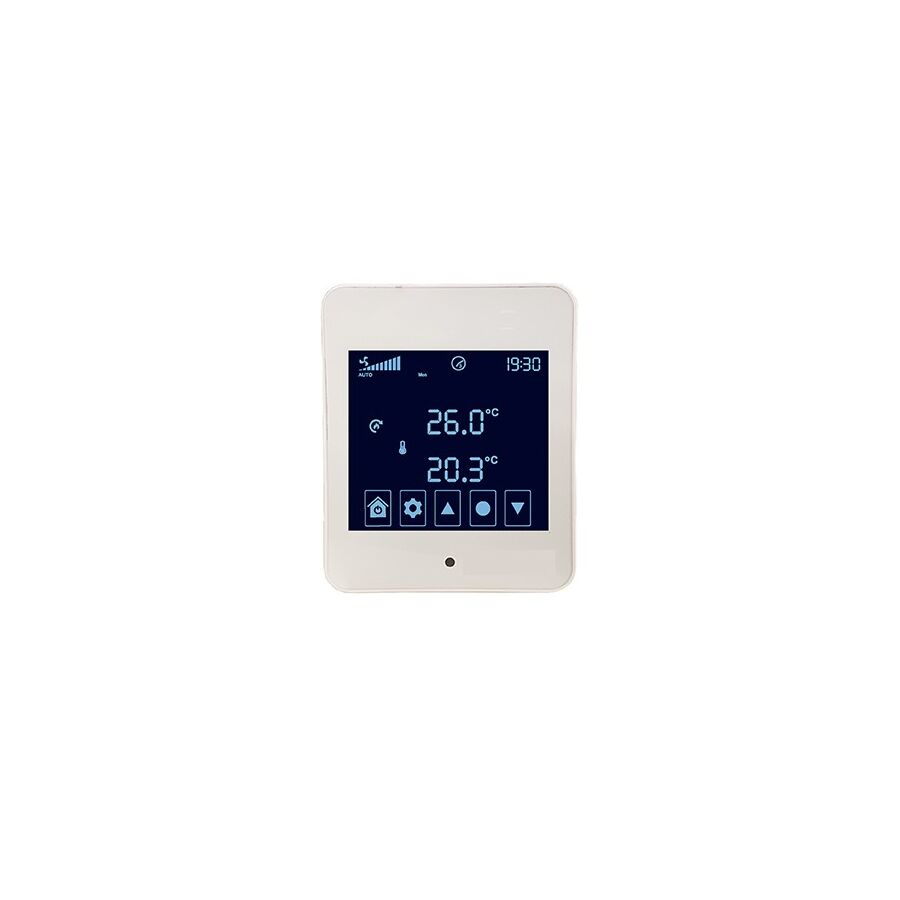
The Australian building sector has moved decisively toward digital climate control. Mechanical thermostats and manual switches are being replaced with intelligent systems capable of managing temperature with precision. At the centre of this transition is the Digital Touch Screen Thermostat Controller.
In modern residential homes and commercial facilities, thermal performance directly impacts energy costs and comfort levels. As buildings become more insulated and air sealed, precise temperature regulation becomes essential. A digital thermostat is no longer a convenience. It is a core component of an energy-efficient HVAC system.
At SCHNAP Electric Products, we support this evolution by supplying the electrical infrastructure that ensures these controllers operate reliably in Australian conditions.
Traditional thermostats operate using simple on and off switching with large temperature swings. This results in noticeable fluctuations and increased mechanical stress on compressors and heating elements.
A Digital Touch Screen Thermostat Controller typically utilises Proportional-Integral-Derivative control algorithms. This advanced control method predicts temperature trends rather than simply reacting to changes. Instead of allowing the room temperature to drift several degrees before activating heating or cooling, PID logic modulates operation gradually.
The result is a stable indoor environment with reduced cycling of HVAC equipment. Less frequent hard starts extend compressor life and improve overall system efficiency. For Australian homes operating air conditioning systems during extreme summers, this reduction in mechanical strain translates to longer equipment lifespan and lower maintenance costs.
The modern touch screen interface provides both aesthetic and functional advantages. Capacitive glass panels eliminate mechanical buttons, reducing wear and tear. In commercial environments where frequent adjustments are common, this design improves durability.
However, digital interfaces are sensitive to electrical interference. Electromagnetic noise generated by motors, switchgear or lighting systems can disrupt low-voltage control signals. Proper installation requires shielded cabling and stable power supply infrastructure.
SCHNAP Electric Products supports electricians with high-quality mounting accessories, surge protection devices and compliant switching hardware that protect sensitive control boards from electrical disturbance.
Modern HVAC systems often include multiple heating and cooling stages, zoning dampers and variable speed fans. A Digital Touch Screen Thermostat Controller must coordinate these components seamlessly.
Low-voltage control wiring must be carefully routed and terminated to maintain signal integrity. Using high-quality copper conductors and reliable terminal connections reduces resistance and ensures consistent communication between the thermostat and air handling equipment.
Where relays or contactors are required to control higher voltage loads, correct isolation between extra-low voltage and mains circuits is mandatory. Compliance with AS/NZS 3000 requires physical separation and appropriate protective barriers.
SCHNAP Electric Products provides DIN-rail accessories, compliant enclosures and protective components that support safe integration between digital control and mains power infrastructure.
Energy efficiency standards in Australia continue to rise. The Nationwide House Energy Rating Scheme places strong emphasis on thermal performance and intelligent climate control.
A programmable Digital Touch Screen Thermostat Controller improves energy efficiency by implementing scheduled setback periods. During unoccupied hours, temperatures can be adjusted automatically to reduce unnecessary HVAC operation.
Advanced controllers also feature adaptive recovery functions. These systems learn how quickly a building heats or cools based on thermal mass and external conditions. Rather than running continuously, the system calculates the optimal start time to achieve the desired temperature at a specific time.
This intelligent control reduces energy waste and supports improved star ratings for residential properties. For commercial operators, it contributes to lower operational expenditure.
Modern buildings often require independent temperature control in different areas. Multi-zone controllers allow separate temperature management for bedrooms, living areas or commercial office sections.
Digital touch screen thermostats may also include Wi-Fi, Zigbee or Building Management System integration. This enables remote monitoring and centralised control. Facility managers can adjust setpoints, review system performance and receive maintenance alerts from a single platform.
Regardless of connectivity level, the reliability of the installation depends on proper electrical design. Stable supply voltage and secure mounting are essential for long-term operation.
SCHNAP Electric Products supports trade professionals with durable mounting systems and protective enclosures suitable for both residential and commercial environments.
Although the thermostat interface operates on low voltage, it often controls equipment operating at 240V or 415V. Strict separation between ELV and mains circuits is required to prevent insulation failure and electrical hazards.
Licensed electricians must ensure that wiring methods comply with AS/NZS 3000. Proper labelling, termination and isolation are critical.
Using compliant circuit protection devices and properly rated components protects both the HVAC equipment and building occupants. SCHNAP Electric Products focuses on supplying robust, compliant infrastructure that supports safe digital control installations.
Digital climate control systems require periodic inspection. Over time, dust accumulation or loose terminal connections can affect sensor accuracy.
Routine calibration checks confirm temperature readings remain within tolerance. Firmware updates may improve algorithm efficiency or security features.
Battery backups in programmable units must be inspected to prevent loss of stored schedules during power outages.
By maintaining both the thermostat and its supporting electrical infrastructure, system longevity is maximised.
The role of the electrician has evolved alongside building technology. Installing a Digital Touch Screen Thermostat Controller requires both electrical competence and understanding of control systems.
SCHNAP Electric Products supports electricians, HVAC contractors and developers with practical, compliant solutions. Our focus is on reliable supply, trade pricing and infrastructure that performs in Australian conditions.
From single-room renovations to multi-storey commercial projects, proper climate control begins with dependable electrical integration.
The Digital Touch Screen Thermostat Controller represents the convergence of software intelligence and electrical engineering. With PID precision, programmable scheduling and multi-zone capability, it delivers stable comfort and improved energy efficiency.
However, its performance depends entirely on correct installation and robust electrical infrastructure. Compliance with Australian wiring standards and proper circuit protection are non-negotiable.
At SCHNAP Electric Products, we align with trade professionals who demand reliability and compliance. By combining advanced digital control with strong electrical foundations, Australian buildings become more efficient, more comfortable and built for long-term performance.
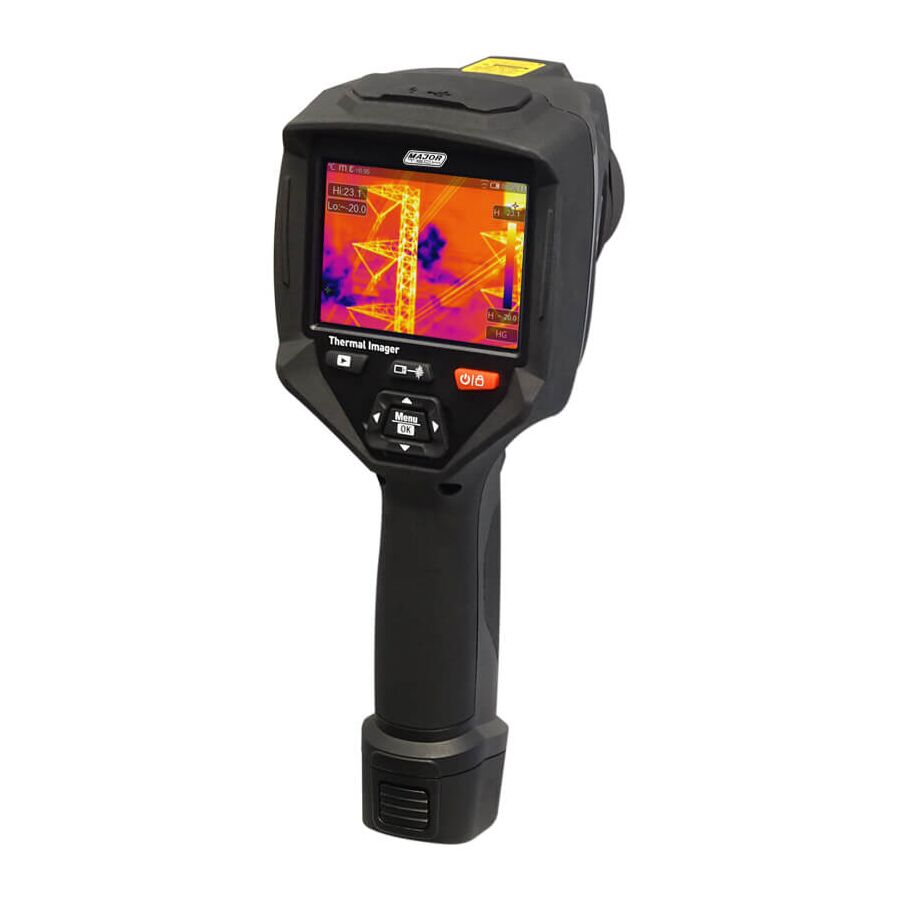
In Australian heavy industry, downtime is expensive. Whether in mining operations, large manufacturing plants or major port facilities, unexpected failure can cost thousands of dollars per hour. As a result, maintenance strategies have evolved from reactive repair to predictive maintenance. The goal is simple: detect faults before they become failures.
The High Performance Thermal Imager is one of the most important tools in this transition. It enables non-destructive testing of energised equipment without physical contact. Instead of shutting down systems to inspect them, technicians can scan electrical panels, motors and mechanical assets while they are operating. This improves safety, reduces downtime and increases asset reliability.
At SCHNAP Electric Products, we align with this performance-driven approach by supporting trade professionals and reliability teams with compliant inspection infrastructure and electrical safety accessories.
A defining feature of a High Performance Thermal Imager is its detector resolution. Professional units typically start at 640x480 pixels and may scale higher using advanced image processing.
Higher resolution is not just about clearer images. It directly affects temperature measurement accuracy. In thermography, the target must occupy enough pixels to provide a valid reading. If the area of interest is too small relative to the detector resolution, the temperature reading becomes averaged with surrounding cooler surfaces.
This concept is linked to the spot size ratio. When inspecting a loose cable termination or a small fuse connection inside a switchboard, insufficient resolution can underestimate the real hotspot temperature. In high voltage environments, a small measurement error can mask a serious risk.
High resolution imaging ensures that small components can be analysed accurately from a safe working distance. This is critical when inspecting energised switchgear or overhead connections.
Another key performance metric is Noise Equivalent Temperature Difference, known as NETD. This value represents the smallest temperature difference the camera can detect above background noise.
High performance imagers often feature NETD values below 30 milliKelvin. This high sensitivity allows technicians to identify subtle temperature variations before they escalate into visible hotspots.
In practical terms, this means early detection of phase imbalance, overloaded circuits or deteriorating bearings in rotating machinery. Minor temperature deviations often appear weeks or months before failure. Detecting them early enables planned maintenance rather than emergency repair.
For building diagnostics, low NETD performance helps identify moisture intrusion or insulation gaps where temperature differences are small but significant.
Industrial inspections vary in scale and distance. Some applications require scanning entire motor control centres in tight spaces. Others require inspection of high voltage components from outside arc flash boundaries.
High Performance Thermal Imagers often support interchangeable lenses. Wide-angle lenses are suitable for confined switchrooms, while telephoto lenses allow safe distance inspections of substations and overhead assets.
Precise focus is essential. An out-of-focus image reduces temperature accuracy. Advanced units use autofocus systems that adjust automatically based on target distance. This improves repeatability and reduces operator error during routine inspections.
Thermographic inspection traditionally required opening live electrical panels. This exposes technicians to arc flash hazards and increases safety risk.
A safer approach is to integrate infrared viewing windows into switchboard enclosures. These windows are transparent to infrared radiation but maintain enclosure integrity. They allow technicians to scan internal components without removing covers.
SCHNAP Electric Products supports safe inspection practices by supplying compliant electrical accessories and protective infrastructure suitable for industrial environments. Integrating thermal imaging with safe panel access improves inspection frequency and reduces risk exposure.
This proactive approach aligns with modern safety and reliability standards across Australian industrial sites.
High performance thermal imagers capture fully radiometric images. Each pixel contains temperature data, allowing detailed post-analysis.
Professional reporting software enables adjustment of emissivity, reflected temperature and environmental factors after the image is captured. This ensures accurate readings across different materials such as copper, PVC insulation or painted steel.
Isotherm features highlight specific temperature bands, allowing rapid identification of components operating outside safe limits. Trend analysis over time helps maintenance teams identify gradual deterioration patterns.
Clear reporting strengthens compliance with insurance and condition monitoring standards.
Predictive maintenance reduces operational risk. Instead of waiting for failure, maintenance teams schedule intervention based on measured performance data.
Thermal imaging is central to this strategy. It allows identification of loose terminations, overloaded circuits, unbalanced phases and mechanical friction without dismantling equipment.
Combined with vibration analysis and power quality monitoring, thermography creates a complete reliability framework.
SCHNAP Electric Products supports trade professionals and maintenance teams with dependable supply of inspection-related accessories and electrical safety solutions. Our strategy focuses on supporting electricians, engineers and facility managers who demand reliable infrastructure.
A High Performance Thermal Imager is a significant capital investment. Selecting the correct model requires consideration of resolution, sensitivity, lens compatibility and industrial durability.
Professional users require reliable calibration, training support and durable protective storage. Secure transport cases and lanyards protect the equipment from harsh site conditions.
Working with a specialised electrical supplier ensures that inspection tools and supporting infrastructure meet Australian industrial requirements.
At SCHNAP Electric Products, we focus on practical, compliance-driven solutions that support high performance work environments across Australia.
The High Performance Thermal Imager is a critical instrument in modern predictive maintenance. It reveals thermal signatures that indicate developing faults long before failure occurs.
High resolution detectors, low NETD sensitivity and optical flexibility enable accurate inspections of electrical and mechanical assets. When combined with safe inspection infrastructure and compliant electrical protection, thermal imaging becomes a powerful reliability tool.
By prioritising early detection and safe access, Australian industry professionals can reduce downtime, protect assets and improve operational efficiency.
At SCHNAP Electric Products, we align with this proactive approach by supporting trade professionals with dependable electrical infrastructure and safety solutions. In condition monitoring, visibility creates control, and control protects performance.
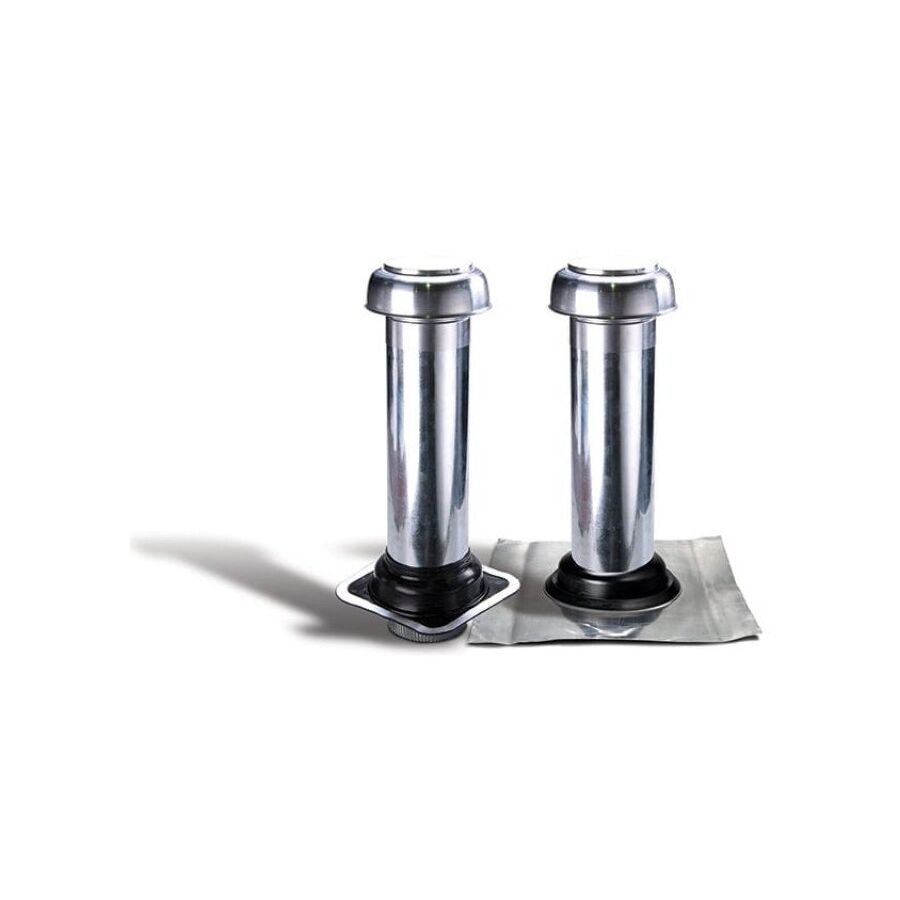
In Australia’s harsh climate, the roof cavity becomes one of the most extreme thermal zones in a home. On a summer day where outside temperatures reach 40°C, the temperature inside an unventilated tiled roof space can exceed 70°C. This trapped heat radiates downward through insulation and ceiling linings, increasing cooling costs and reducing indoor comfort.
During winter, the problem changes but remains serious. Warm, moisture-laden air from bathrooms, kitchens and living areas rises into the cooler roof void. When this humid air meets colder surfaces such as sarking or timber trusses, condensation forms. Over time, this leads to mould growth, insulation degradation and structural timber damage.
A Tile Roof Ventilator is designed to regulate this microclimate. Specifically engineered for terracotta and concrete tiled roofs, these systems address both airflow management and waterproofing integrity. For Australian homes, effective roof ventilation is not optional. It is essential for long-term building performance and energy efficiency.
The foundation of roof ventilation is the stack effect. Hot air is lighter than cool air and naturally rises. In a sealed roof cavity, this rising heat accumulates at the highest point with limited escape paths.
Passive ventilators such as static vents or wind-driven units rely on natural convection and wind pressure. While these solutions provide some airflow, they are often insufficient during still, high-heat days when roof temperatures peak.
Modern tile roof ventilators frequently incorporate mechanical extraction. These systems actively remove hot air from the roof cavity, creating negative pressure that draws cooler air in through eaves or soffit vents. By increasing air changes per hour, the roof cavity temperature approaches ambient outdoor levels rather than extreme internal peaks.
Reducing roof space temperature directly reduces the thermal load transferred into living areas. Air conditioning systems operate more efficiently, lowering energy consumption and improving occupant comfort.
While summer heat attracts attention, moisture control is equally critical. Modern Australian homes are increasingly sealed for energy efficiency. This reduces natural ventilation and can trap humid air inside roof spaces.
When warm air reaches its dew point inside a cool roof cavity, condensation forms on sarking and structural timber. Prolonged exposure leads to mould growth and corrosion of metal components. Insulation can lose its thermal performance when saturated with moisture.
A mechanical Tile Roof Ventilator equipped with temperature or humidity sensors can activate automatically when conditions require it. By continuously exchanging moist air with drier ambient air, the system maintains a dry roof cavity environment.
This year-round ventilation strategy protects insulation performance and structural integrity. It also contributes to healthier indoor air quality by reducing mould risk.
Installing ventilation on a tiled roof requires precision. Unlike metal roofing, tiles overlap in a lapped profile that must remain weatherproof.
Professional installation involves removing selected tiles and cutting the sarking to create an air pathway. The ventilator base must incorporate a malleable flashing that conforms to the tile profile. High-quality bases are designed to mould tightly against the curves of common Australian tile types.
Correct flashing installation prevents wind-driven rain from entering the roof cavity. Units often include adjustable pitch designs to ensure the motor assembly remains vertical regardless of roof angle. This prevents uneven bearing wear and premature failure.
Secure mechanical fixing to battens is essential. The ventilator must withstand high winds without vibration or movement.
Mechanical Tile Roof Ventilators powered by mains electricity introduce 240V cabling into a hot and confined space. Electrical safety must comply with AS/NZS 3000.
Cabling within roof cavities must be protected against mechanical damage and rodent activity. Using durable conduit and secure cable supports prevents long-term deterioration.
A local isolation switch near the roof access point allows maintenance personnel to safely de-energise the unit before servicing. This improves safety during cleaning or inspection.
SCHNAP Electric Products supports compliant installations by supplying weatherproof isolators, junction boxes and cable protection solutions suited to Australian roof environments. Reliable electrical infrastructure ensures the ventilator operates safely for years.
High-capacity extraction fans can generate vibration. If this vibration transfers into the roof structure, it may produce low-frequency noise inside the home.
Quality Tile Roof Ventilators include vibration isolation mounts between the motor and base plate. Aerodynamic cowls reduce wind noise and turbulence at the outlet.
Correct installation, including firm fixing and appropriate sealing, prevents rattling during strong winds. This ensures the system improves comfort rather than introducing new disturbances.
Roof ventilation directly supports energy efficiency. By reducing attic temperatures, the heat transfer into conditioned spaces decreases. This lowers air conditioning demand and reduces electricity consumption.
In winter, controlled ventilation removes excess moisture without significant heat loss when properly managed. Balanced airflow preserves insulation effectiveness and maintains stable indoor conditions.
For homeowners focused on long-term performance and sustainability, a properly installed Tile Roof Ventilator is a practical upgrade that protects the building envelope.
Licensed electricians and roofing contractors play a critical role in delivering safe and compliant installations. Proper electrical termination, isolation and mechanical sealing are essential.
SCHNAP Electric Products aligns with trade professionals by supplying reliable accessories and infrastructure components that simplify installation while maintaining compliance. Our focus is on dependable supply, practical solutions and safety-first design for Australian conditions.
Whether for new builds or retrofit projects, the goal remains consistent: cooler, drier and more energy-efficient homes.
A Tile Roof Ventilator transforms a sealed roof cavity into a regulated airflow system. By leveraging the stack effect and mechanical extraction, it reduces extreme heat buildup and controls condensation.
When installed with proper flashing, secure fixing and compliant electrical infrastructure, it becomes a long-term asset to the building envelope.
Understanding airflow physics, moisture management and electrical safety ensures reliable performance in Australia’s demanding climate.
At SCHNAP Electric Products, we support this outcome through practical, compliant solutions for trade professionals. In Australian homes, effective ventilation protects comfort, structure and energy efficiency for decades.
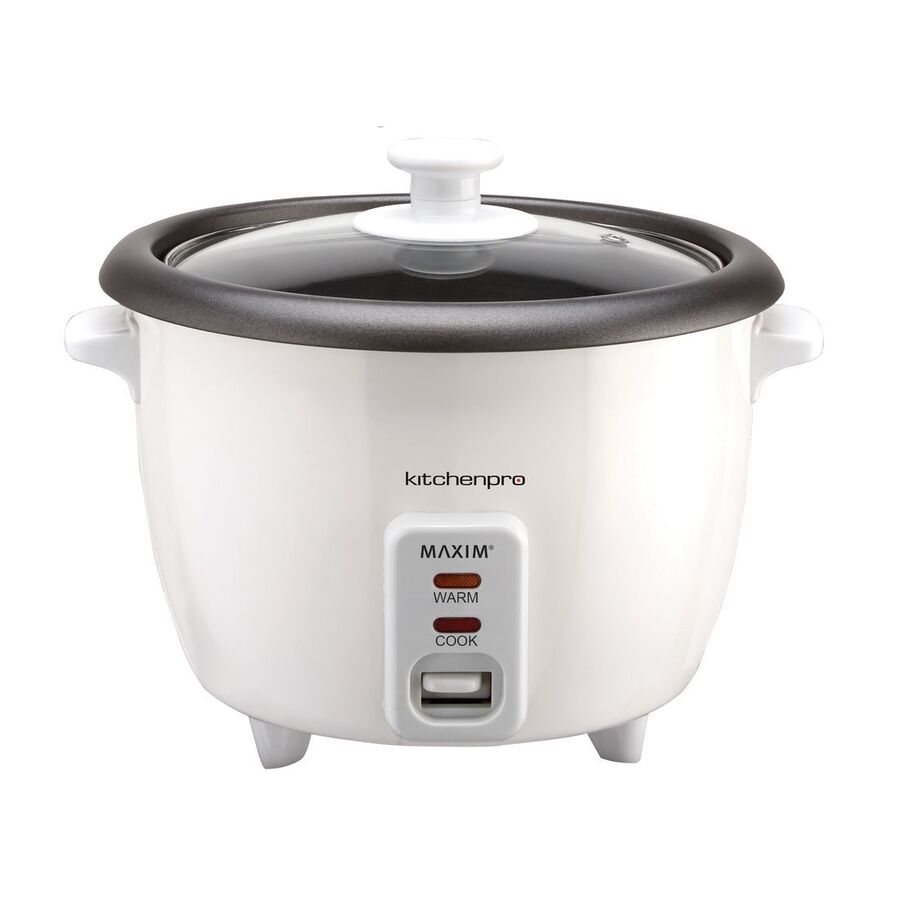
In Australia’s hospitality sector, consistency is not optional. From busy Asian restaurants in city centres to institutional catering in aged care facilities and schools, rice is a staple served daily in high volumes. While cooking rice may appear simple, it is a precise thermodynamic process involving controlled water absorption, phase change and heat management. In commercial kitchens where timing and repeatability matter, manual stovetop methods are inefficient and inconsistent.
The Electric Rice Cooker has evolved into a reliable and automated cooking solution. Modern commercial units combine intelligent heat control, robust thermal design and strict electrical safety compliance. For electricians and facility managers, understanding both the cooking physics and the electrical load requirements is essential. At SCHNAP Electric Products, we align with compliant, safety-driven installations that support high-demand commercial environments across Australia.
The reliability of a conventional Electric Rice Cooker is based on simple but effective physics. During cooking, the water-rice mixture remains at approximately 100°C while liquid water is present. This is due to the latent heat of vaporisation. The temperature does not increase beyond boiling point until all free water has been absorbed or evaporated.
Inside many standard units is a magnetic temperature control mechanism based on the Curie principle. A magnetic switch holds the heating circuit closed while the temperature remains below a specific threshold. Once the water is fully absorbed and the bowl temperature rises rapidly above boiling point, the magnet loses its magnetic properties at a predetermined temperature. This triggers a mechanical switch that cuts power to the main heating element and shifts the unit to warm mode.
This design provides a purely physical failsafe that prevents burning. It does not rely on complex digital sensors. The result is consistent rice texture with minimal operator input.
High-end commercial rice cookers move beyond resistive heating plates and use Induction Heating technology. Instead of heating from below, induction coils generate a magnetic field that induces currents directly in the ferromagnetic cooking bowl. The bowl itself becomes the heating element.
This method improves efficiency and temperature responsiveness. Heat distribution is more uniform because energy is generated throughout the bowl structure rather than at a single contact surface.
Advanced models incorporate microprocessor control using PID algorithms or adaptive logic. These systems monitor temperature changes and adjust power delivery dynamically. Cooking cycles are divided into stages such as soaking, rapid heating, controlled boiling and resting. Each stage is calibrated to optimise starch gelatinisation and texture.
For commercial operators, this means improved consistency across large batches and reduced reliance on staff judgement.
Commercial Electric Rice Cookers are high-load appliances. Large capacity units can draw between 1500 watts and 3000 watts depending on size and heating technology. In busy kitchens, several units may operate simultaneously.
This electrical demand requires careful circuit planning. Standard 10A general power outlets may not be suitable for larger units. Dedicated 15A or 20A circuits are often required to prevent nuisance tripping and overheating of cabling.
In wet commercial environments, earth fault protection is critical. Kitchen floors, stainless steel surfaces and steam exposure increase the risk of electrical hazards. Circuits supplying rice cookers should be protected by Residual Current Devices.
SCHNAP Electric Products supports compliant installations through reliable RCDs and correctly rated Miniature Circuit Breakers. Ensuring correct circuit protection protects both staff and equipment while maintaining uninterrupted kitchen operations.
The plug and connection point are common areas of failure in commercial kitchens. Heat, grease, cleaning chemicals and water exposure accelerate wear on standard domestic connectors.
For semi-permanent installations, industrial-grade plugs and socket outlets with high ingress protection ratings are recommended. Secure locking mechanisms prevent accidental disconnection during service periods. Sealed housings reduce water ingress during washdown procedures.
Cable protection is equally important. Flexible cords exposed to stainless steel edges or sharp surfaces can suffer abrasion damage. Protective sleeving and proper routing reduce mechanical stress and extend service life.
By integrating quality connection hardware, electricians can ensure durable and compliant installations that withstand demanding hospitality conditions.
Under Australian workplace regulations and AS/NZS 3760, portable electrical equipment in commercial settings must undergo regular inspection and testing. Rice cookers used daily in catering environments fall into this category.
Portable Appliance Testing verifies earth continuity and insulation resistance. Heating elements experience significant thermal cycling, which can degrade insulation over time. A failing element may cause RCD tripping or pose shock risk.
Routine inspection ensures that thermal fuses, internal wiring and connectors remain safe and operational. High-end commercial units are often repairable, making maintenance more cost-effective than replacement.
SCHNAP Electric Products supports maintenance programs by supplying compliant protection devices and industrial-grade accessories required for safe reinstallation.
The Electric Rice Cooker is a foundational appliance in many Australian commercial kitchens. It operates for extended periods, often under continuous demand. Its performance depends not only on internal engineering but also on the electrical infrastructure supporting it.
Licensed electricians play a key role in ensuring circuits are correctly rated and protected. Facility managers rely on dependable supply chains to maintain uptime and safety compliance.
SCHNAP Electric Products aligns with this professional standard. We focus on supporting trade customers with compliant protection solutions, durable connection hardware and practical installation accessories. Our approach is built around safety, reliability and real-world performance in Australian conditions.
The Electric Rice Cooker is a precision thermal appliance built on proven physical principles and modern electronic control. Whether using Curie point magnetic switching or induction heating with PID control, its goal is consistent texture and reliable performance.
However, as a high-load electrical appliance operating in a wet commercial environment, it must be supported by robust circuit protection and compliant installation practices.
Understanding phase change physics, load requirements and protection standards ensures safe and efficient operation.
At SCHNAP Electric Products, we support electricians and hospitality professionals with practical, compliant solutions that protect both people and assets. In commercial catering, consistency begins with control and safety.
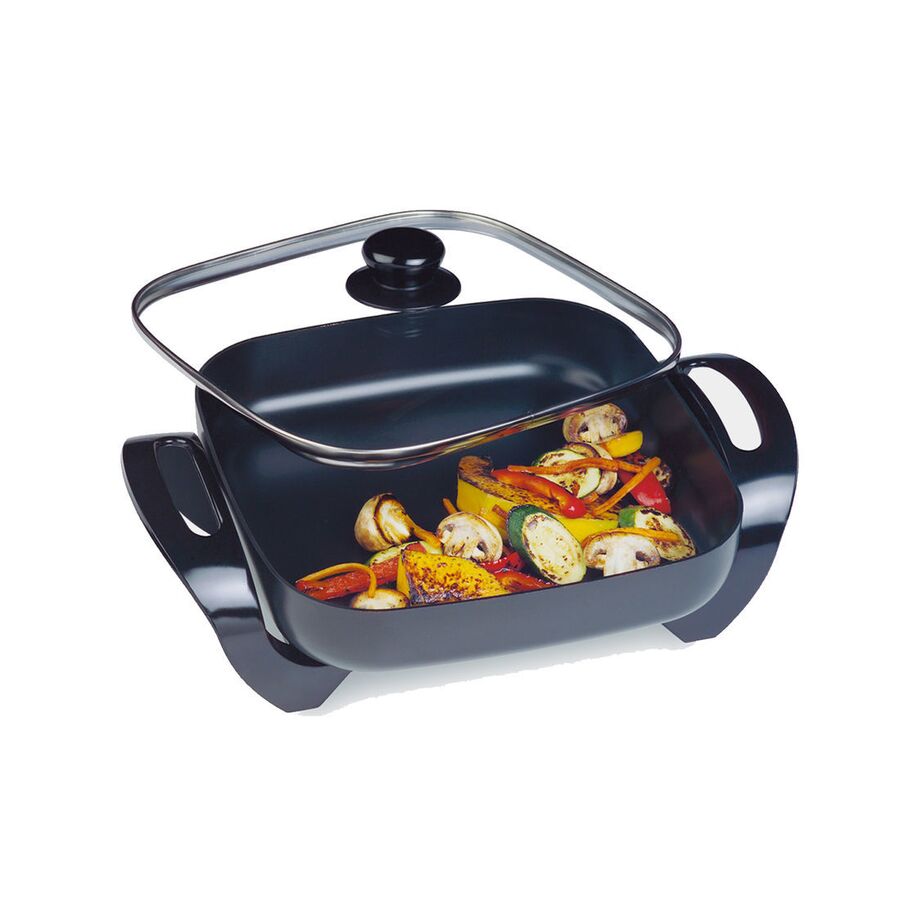
The Australian kitchen has changed. With the rise of apartment living, electrification and energy efficiency, electric cooking appliances are becoming standard in both homes and light commercial environments. The Electric Fry Pan is no longer just a simple countertop appliance. It is a precision cooking tool designed with integrated heating, thermal mass and controlled temperature regulation.
Unlike a traditional pan placed on a gas burner, an electric fry pan contains its heating system within the base of the vessel. This design improves temperature uniformity and reduces heat loss. For domestic cooks and commercial operators alike, this means more consistent results and safer operation.
At SCHNAP Electric Products, we focus on supplying compliant electrical solutions that support safe and efficient usage of high-load appliances in Australian kitchens. Understanding how an electric fry pan works helps ensure proper installation and circuit protection.
The performance of an Electric Fry Pan depends largely on its heating element design. Lower-cost models often use a tubular element attached to the underside of a thin metal pan. This creates hot spots directly above the element and cooler areas at the edges.
Higher-quality models use cast-in heating technology. In this design, a Nichrome resistive wire is insulated with magnesium oxide and embedded within a solid aluminium casting. Molten aluminium is poured around the element during manufacturing.
Aluminium has high thermal conductivity, allowing heat to spread evenly across the cooking surface. This eliminates temperature gradients and improves cooking consistency.
The thickness of the casting acts as a thermal buffer. When cold food is placed in the pan, the stored heat within the metal reduces sudden temperature drops. This is critical for tasks such as searing meat or maintaining stable simmer temperatures.
Uniform heat distribution improves energy efficiency and food quality.
Temperature control is managed by a detachable probe inserted into the body of the pan. Basic units use a bi-metallic thermostat, while advanced models use electronic sensors such as NTC thermistors.
The thermostat measures the temperature of the aluminium casting rather than just the air above the surface. This improves accuracy.
One engineering challenge is hysteresis, which refers to the delay between reaching the set temperature and switching off the heating element. If poorly designed, the pan may overshoot the desired temperature.
Quality models maintain tighter control bands. They cycle power in shorter intervals to keep the cooking surface within a narrow temperature range. This is especially important for simmering sauces or maintaining gentle heat without boiling.
Precise temperature regulation enhances safety and cooking performance.
The cooking surface coating affects durability and performance. Traditional non-stick surfaces are based on PTFE. This material offers low friction and easy cleaning but begins to degrade at high temperatures.
Modern alternatives use ceramic-based coatings created through sol-gel processes. These coatings can withstand higher temperatures and resist discolouration.
However, ceramic coatings are more brittle and rely on strong bonding to the aluminium substrate. Proper surface preparation during manufacturing is essential to prevent delamination.
Regardless of coating type, users must avoid overheating the appliance. Excessive temperatures shorten coating life and may cause damage.
Understanding surface limitations ensures safe and long-lasting use.
An Electric Fry Pan is a high-load appliance. Many standard models are rated at 2400 watts. At 230 volts, this equates to over 10 amps of current draw.
In Australian homes, kitchen circuits may already supply kettles, toasters and microwaves. Operating multiple high-load appliances on a single circuit can cause nuisance tripping.
Proper circuit design is essential. Dedicated circuits protected by correctly rated Miniature Circuit Breakers reduce overload risk. Residual Current Devices provide protection against earth faults, especially in environments involving heat and liquids.
At SCHNAP Electric Products, we support electricians with compliant RCDs and MCBs suitable for kitchen installations. Ensuring the electrical infrastructure is robust prevents downtime and enhances safety.
The detachable temperature probe is a key component. It connects the heating element to mains power and contains the control mechanism.
The connector must resist moisture ingress during cleaning. Electrical safety depends on proper insulation and secure connections.
Damaged probes are a common failure point. If the internal contacts weld or insulation degrades, overheating or malfunction may occur.
Regular inspection of the probe and cord set ensures continued safe operation.
In commercial settings such as catering operations, electric fry pans are classified as portable electrical equipment. Under AS/NZS 3760, such equipment requires periodic testing and tagging.
Portable Appliance Testing verifies earth continuity and insulation resistance. It confirms that no leakage current exists between live conductors and the metal chassis.
In environments where supply quality is uncertain, portable RCD adaptors add an additional safety layer.
Compliance protects both operators and business owners.
SCHNAP Electric Products supports compliance-focused installations by supplying quality protection devices and accessories suitable for commercial kitchens.
Electric fry pans are widely used in domestic kitchens, holiday homes and light commercial catering setups. They offer flexibility and controlled heat without requiring gas infrastructure.
For electricians upgrading kitchen circuits or setting up temporary event power, correct load calculation and protection are essential.
SCHNAP’s strategy focuses on supporting licensed electricians and trade professionals with dependable products that simplify installations and improve safety outcomes.
By ensuring that high-load appliances operate on properly protected circuits, we help maintain compliance and reduce risk.
The Electric Fry Pan is more than a simple cooking device. Through cast-in heating technology, controlled thermostat design and durable surface coatings, it delivers precise and uniform heat.
However, as a high-load electrical appliance, it must be supported by appropriate circuit protection and safe installation practices.
Understanding resistive heating, thermal buffering and electrical load management ensures safe and efficient operation in Australian kitchens.
At SCHNAP Electric Products, we align with practical, safety-driven solutions that support electricians and consumers alike. In cooking and in electrical design, control and protection define performance.
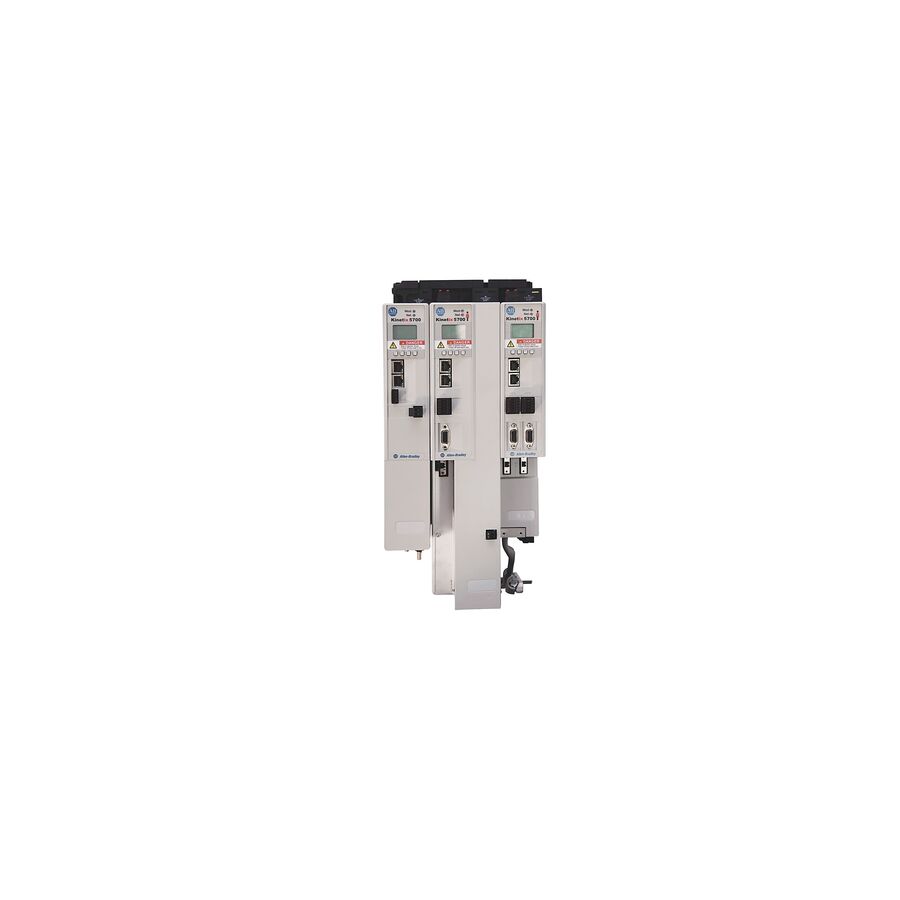
Australian manufacturing continues to evolve under Industry 4.0. From automated food processing lines to robotic welding cells and packaging systems, machine builders are under pressure to reduce cabinet size while improving dynamic performance. Space inside control panels is valuable. Efficiency and reliability are critical.
The traditional approach of installing separate drives for each motor is increasingly inefficient. A Dual Axis Inverter Module addresses this challenge by integrating two independent inverter stages into a single chassis. Both axes share a common rectifier and DC bus.
This architecture reduces panel width, simplifies wiring and improves energy performance. For OEMs and system integrators aligned with SCHNAP’s strategy of delivering smarter electrical solutions, dual-axis technology represents a practical upgrade in automation design.
The key technical advantage of a Dual Axis Inverter Module is the shared DC bus. In a standard drive, incoming AC power is rectified to DC and stored in a capacitor bank. The inverter stage then converts DC back into variable frequency AC for motor control.
In a dual-axis configuration, both inverter stages draw from the same DC reservoir. This enables regenerative energy sharing.
In many applications such as gantry loaders, winding machines or pick-and-place systems, one axis may be accelerating while the other is decelerating. When a motor decelerates, it behaves like a generator and feeds energy back into the DC link.
With standalone drives, this excess energy is dissipated through braking resistors as heat. In a shared DC bus system, that regenerated energy is redirected to the accelerating motor.
This internal recycling can reduce total power consumption significantly. It lowers heat generation and decreases operational expenditure. In energy-intensive Australian manufacturing environments, efficiency improvements directly impact profitability.
Control cabinet space is limited. Installing two separate drives requires duplicated rectifiers, DC capacitors and protective components.
A Dual Axis Inverter Module consolidates these elements into one chassis. This can reduce drive system width by up to 50 percent compared to two standalone units.
Reduced footprint allows OEMs to design smaller machines. Smaller panels reduce material cost and simplify installation.
For system builders sourcing components from SCHNAP Electric Products, compact solutions align with the demand for efficient and scalable automation infrastructure.
In multi-axis systems where two motors drive a single mechanical structure, synchronisation is critical. Examples include CNC gantries, overhead cranes and long-axis positioning systems.
Using separate drives introduces potential communication latency over fieldbus networks such as EtherCAT or Profinet. Even minor timing differences can cause skewing or mechanical stress.
A Dual Axis Inverter Module processes both control loops within the same processor cycle. This enables extremely tight synchronisation.
Accurate position tracking ensures the gantry moves evenly without binding or structural strain.
Improved synchronisation enhances product quality, reduces mechanical wear and extends machine life.
Concentrating two inverter stages into one chassis increases thermal density. Heat dissipation must be managed carefully.
Engineers must calculate total watt losses and ensure proper ventilation. Many dual-axis modules feature push-through or cold-plate heatsink designs. In this configuration, cooling fins extend outside the cabinet, allowing heat to dissipate into ambient air.
Internal air circulation remains necessary to protect DC capacitors and control electronics.
SCHNAP Electric Products filter fans and exhaust grilles support positive pressure airflow inside control panels. Proper thermal management prevents derating and ensures full performance under load.
Reliable cooling aligns with SCHNAP’s commitment to practical installation solutions that improve long-term durability.
Dual-axis drives switch high currents at high frequencies. Pulse Width Modulation generates electromagnetic noise. Proper EMC practices are essential.
Shielded motor cables must be terminated correctly to ensure 360-degree bonding at the drive chassis. EMC glands and cable clamps reduce interference and protect sensitive control circuits.
Input protection is also critical. A fault in the shared rectifier stage affects both axes. Motor Protection Circuit Breakers or high-speed semiconductor fuses isolate faults rapidly and protect downstream components.
Clear cable identification using numbered ferrules and markers simplifies commissioning and maintenance.
SCHNAP Electric Products supports installers with the accessories needed to maintain clean, compliant control panels.
Dual-axis modules often include safety functions such as Safe Torque Off. Proper distribution of 24V DC control power ensures reliable operation of safety circuits.
DIN rail terminals and cross-connection bridges simplify distribution of control voltage.
A clean and organised wiring layout reduces troubleshooting time and improves reliability.
For automation contractors, sourcing compatible accessories from a single supplier simplifies project logistics and ensures consistent quality.
Selecting a Dual Axis Inverter Module requires careful load analysis. Both motoring and regenerative loads must be considered.
Undersized modules may experience DC bus over-voltage trips during high-inertia deceleration. Proper sizing ensures stable operation across duty cycles.
Working with knowledgeable suppliers reduces specification errors. SCHNAP Electric Products supports trade professionals by providing reliable components and practical guidance for integration into Australian manufacturing systems.
Australian manufacturers seek faster machines, smaller footprints and lower energy consumption. Dual-axis inverter technology supports these goals.
By sharing DC bus energy and consolidating hardware, systems become more efficient and compact.
SCHNAP aligns with this shift by supporting electricians, automation contractors and OEMs with dependable supply and compatible panel accessories.
Our strategy focuses on practical solutions that help trade professionals complete projects efficiently while maintaining performance and compliance.
The Dual Axis Inverter Module represents a modern approach to multi-axis motion control. Through shared DC bus architecture, regenerative energy exchange and integrated synchronisation, it enhances efficiency and machine performance.
When combined with proper EMC practices, thermal management and robust protection devices, it delivers reliable operation in demanding Australian manufacturing environments.
At SCHNAP Electric Products, we support automation professionals with quality components that integrate seamlessly into advanced control systems. Smarter integration leads to better performance, reduced energy consumption and long-term reliability in modern industrial applications.
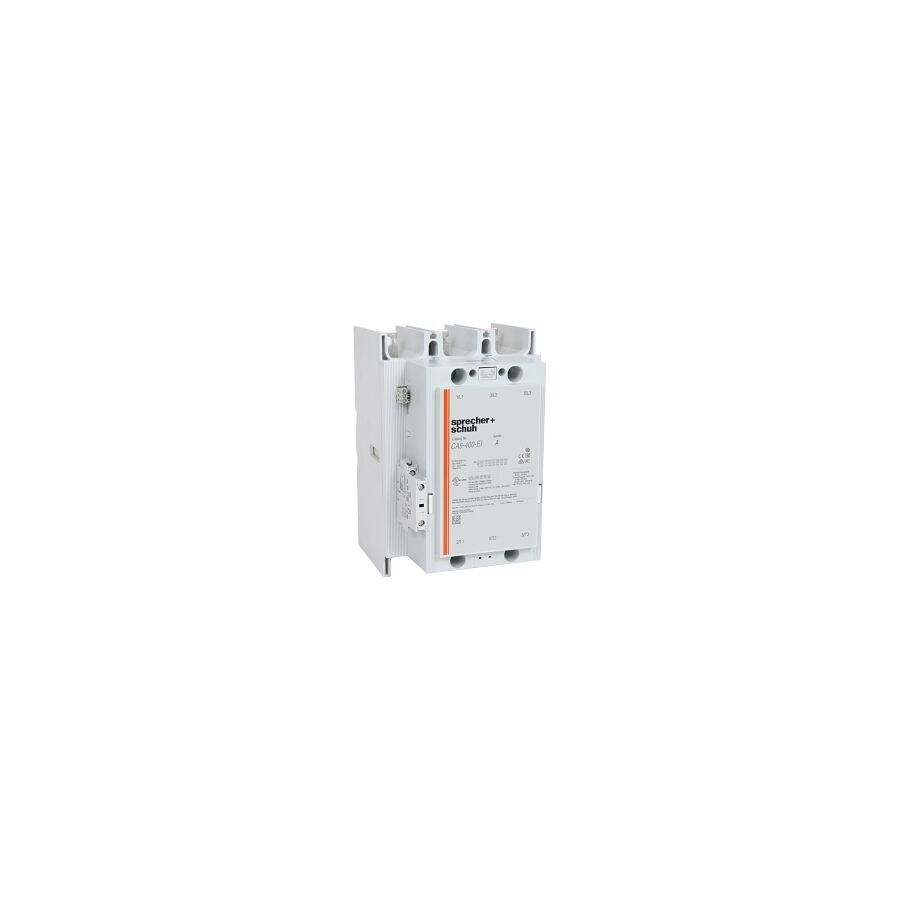
In Australian heavy industry, reliability is everything. From mining operations in the Hunter Valley to irrigation pumping stations along the Murray-Darling Basin, motor control systems operate under constant load. At the centre of these systems sits the contactor, the electromechanical device that connects control logic to high-current power circuits.
Contactors switch inductive loads such as three-phase motors thousands of times per day. Over time, internal components wear due to heat and arcing. Instead of replacing the entire unit, maintenance teams use a Contactor Kit to restore performance.
A Contactor Kit contains precision replacement parts including main contacts and springs. It allows facility managers to extend equipment life, reduce downtime and maintain compliance with AS/NZS 60947.4.1 for low-voltage switchgear and controlgear.
At SCHNAP Electric Products, we align with trade professionals who prioritise cost-effective maintenance without compromising safety. Contactor refurbishment is a smart operational strategy when done correctly.
Every time a contactor opens under load, the current does not stop instantly. As the contacts separate, a high-temperature plasma arc forms between them. This arc can exceed 3,000 degrees Celsius.
Each switching event erodes a microscopic layer of contact material. Over thousands of cycles, pitting and surface damage become visible. Electrical resistance increases, leading to heat build-up and potential failure.
Professional Contactor Kits use silver-based alloy contact tips. Historically, Silver Cadmium Oxide was common, but modern kits use Silver Tin Oxide or Silver Nickel to meet environmental regulations. These alloys resist welding and manage arc erosion more effectively.
A genuine kit replaces both fixed and moving contacts. Replacing only one side is poor practice. Uneven surfaces increase resistance and accelerate wear, leading to thermal runaway.
Correct metallurgy ensures safe switching and long service life.
Contact wear is not only about material erosion. Spring pressure plays a crucial role. When the electromagnetic coil energises, the contacts close at high speed.
If spring tension is insufficient, contact bounce occurs. This means the contacts briefly separate and reconnect several times before settling.
Each bounce creates additional arcing and increases wear. In severe cases, contacts may weld together. This can cause motors to remain energised unexpectedly, creating serious safety risks.
A complete Contactor Kit includes calibrated springs. Replacing springs restores factory-specified contact pressure. This reduces bounce and improves reliability.
Maintenance should always address both contact surfaces and spring assemblies together.
While the contact kit focuses on the power path, the coil system must also be considered. The electromagnetic coil drives the mechanical movement of the contactor.
Heat cycles can degrade insulation within the coil windings. Inter-turn shorts may develop, causing overheating and unreliable operation.
In AC contactors, shading rings stabilise the magnetic field at the zero-crossing point of the AC cycle. If these components fail, the contactor may chatter or hum excessively.
SCHNAP Electric Products supports maintenance teams with replacement coils compatible with standard contactor frames. Replacing a failed coil avoids unnecessary removal of the entire unit and simplifies service work.
A contactor rarely operates alone. It forms part of a motor starter assembly that includes overload protection and auxiliary signalling components.
When installing a Contactor Kit, associated devices should be inspected. Thermal overload relays may drift out of calibration over time. Worn auxiliary contacts can disrupt PLC feedback signals.
SCHNAP Electric Products provides compatible thermal overload relays and auxiliary contact blocks. These components integrate with standard contactor frames and restore system integrity.
Ensuring the complete starter assembly is maintained improves operational safety and reduces unexpected shutdowns.
One of the most common errors in the field is filing or sanding pitted contacts. This practice removes the hardened silver alloy surface and exposes softer copper beneath.
Copper has poor arc resistance and will weld quickly under load. Filing may temporarily improve appearance but significantly reduces lifespan.
If contacts are pitted or discoloured, replacement is the correct solution.
Maintenance procedures should include isolating supply, removing arc chutes and replacing contacts and springs in all three phases simultaneously. Balanced resistance across poles ensures even load distribution.
Following correct maintenance protocols supports compliance and protects equipment.
The market includes counterfeit contact kits made with inferior materials. Some use thin silver plating instead of solid alloy tips. These components can fail after minimal service, posing fire risk and operational disruption.
Professional maintenance teams should source verified parts from reputable suppliers.
SCHNAP Electric Products acts as a reliable supply partner for licensed electricians and industrial maintenance teams. We provide quality-assured components that meet Australian standards and integrate with recognised switchgear platforms.
Using genuine parts protects both equipment and reputation.
Industrial facilities operate under tight production schedules. Unexpected downtime affects profitability and project timelines.
Contactor Kits provide a cost-effective method of extending equipment life without full replacement. This aligns with sustainable maintenance practices and optimises operational expenditure.
At SCHNAP, our strategy focuses on supporting electricians and maintenance professionals with dependable products and responsive service. We understand that trade professionals require reliable stock availability and practical solutions that keep systems running.
By combining quality contact kits with compatible protection devices and accessories, we help ensure motor control centres remain safe and compliant.
The Contactor Kit is a practical and sustainable solution for industrial motor control maintenance. It recognises that contact surfaces are consumable while the mechanical chassis remains durable.
Through proper understanding of arc erosion, silver alloy metallurgy and spring tension, maintenance teams can restore switching performance safely.
Replacing worn contacts, springs and associated components ensures compliance with AS/NZS 60947 and protects valuable assets.
At SCHNAP Electric Products, we support Australia’s electricians and maintenance professionals with reliable, compliant components that extend equipment life and reduce downtime. In industrial switching, smart renewal ensures long-term endurance and operational confidence.

SCHNAP Electrical Wholesaler - clear, upfront pricing that professional electricians trust

Get what you need in seconds. SCHNAP electrical wholesaler makes ordering quick and simple

Fast delivery anywhere - that's guaranteed. SCHNAP electrical wholesalers ship nationwide with same-day dispatch

Track your order every step of the way. SCHNAP electrical wholesale keeps you updated from click to delivery

SCHNAP is Australia's premier electrical wholesaler and electrical supplies, marketing thousands of quality products from leading brands. Trusted for nearly two decades by licensed electricians, contractors, and engineers, our range covers everything from basic electrical components to complex industrial electrical equipment
Our key categories include: LED lighting, designer switches, commercial switchboards, circuit protection, security systems & CCTV, and smart home automation
All products are certified to Australian standards (AS/NZS), backed by our 30-day, no-questions-asked return policy. Our expert technical team helps you quickly source the right solution for any residential, commercial, or industrial project, with daily dispatch from our Sydney electrical warehouse delivering Australia-wide
SCHNAP offers the most comprehensive electrical product range, with full technical specifications, application details, installation requirements, compliance standards, and warranties — giving professionals total confidence in every purchase


