




Kingsgrove Branch:
In the high-speed manufacturing environments found across Australia, productivity is defined by motion. Packaging machines, robotic pick-and-place systems, indexing conveyors, and CNC equipment all rely on the precise coordination of acceleration, velocity, and position. As production targets rise and cycle times shrink, traditional motor technologies struggle to keep pace. Induction motors lack dynamic response. Oversized servos add inertia that limits acceleration and deceleration.
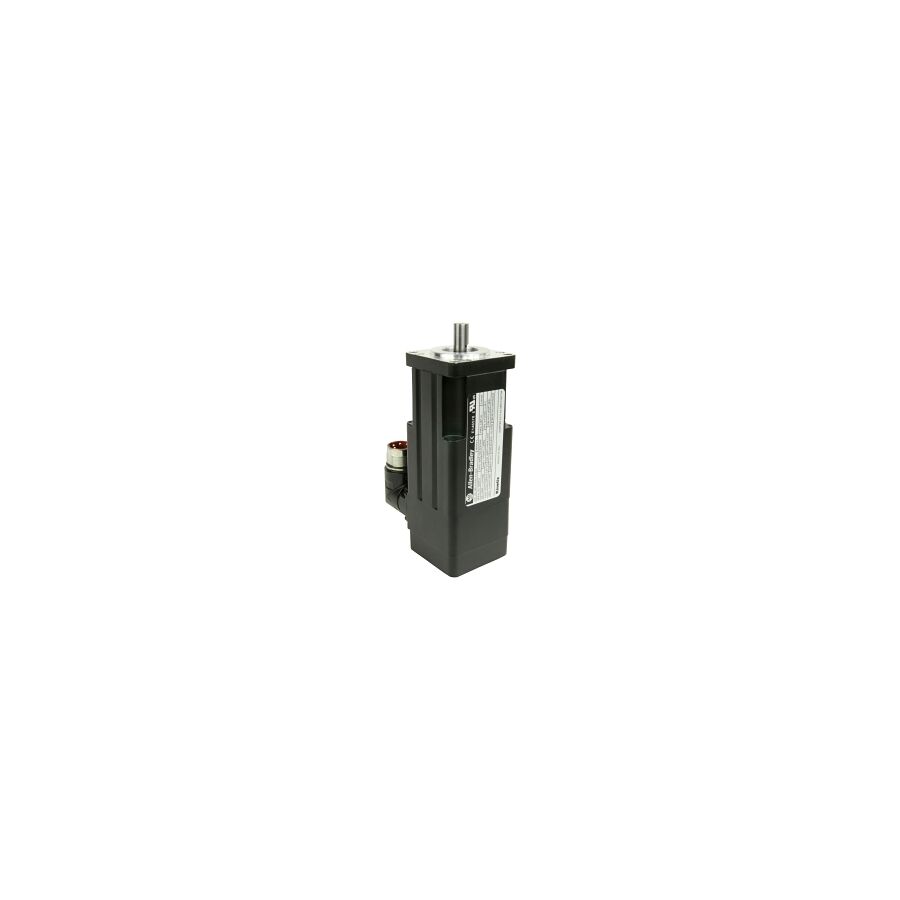
The Kinetix MPL Servo Motor was developed to solve this exact problem. Designed as part of the integrated motion ecosystem from Rockwell Automation under the Allen-Bradley Kinetix platform, the MPL series is engineered for extreme dynamic performance. Its low-inertia rotor, high torque density, and intelligent feedback make it the preferred solution for high-speed, high-precision automation in Australian factories.
In motion control, inertia is the enemy. Every gram of rotating mass consumes energy before useful work begins. A heavy rotor resists changes in speed, limiting acceleration and deceleration. In applications with frequent start-stop cycles or rapid reversals, excessive inertia directly reduces throughput.
The Kinetix MPL servo motor is specifically designed to minimise rotor inertia. By using rare-earth neodymium magnets arranged in a compact geometry, the rotor mass is reduced without sacrificing magnetic strength. This delivers an exceptional torque-to-inertia ratio. More of the motor’s torque is available to move the load rather than overcoming its own inertia.
For high-speed packaging lines, this translates into faster indexing, tighter registration, and reduced settling time. Machines can accelerate aggressively, hit target position precisely, and decelerate cleanly without oscillation. The result is higher pieces-per-minute output with consistent quality.
Torque density is a critical metric in modern automation. Higher torque in a smaller frame allows machine designers to reduce overall machine size, shorten mechanical linkages, and improve stiffness.
The MPL series achieves high torque density through efficient magnetic circuits and optimised stator windings. This allows designers to select a physically smaller motor while still meeting torque requirements. Reduced motor size also lowers reflected inertia at the load, further improving dynamic response.
In applications such as rotary cutters, flying shears, and high-speed labellers, this efficiency enables compact machine designs that maintain exceptional performance under continuous operation.
Commissioning errors have historically been a major source of servo system faults. Incorrect motor parameters, mismatched feedback settings, or wrong commutation data can lead to unstable motion or catastrophic failures.
The Kinetix MPL servo motor addresses this risk through integrated Smart Motor Technology. An electronic nameplate stored within the motor’s feedback device contains critical configuration data. When connected to a compatible Kinetix drive, this information is automatically read and applied.
This plug-and-play approach eliminates manual data entry and reduces commissioning time. It also ensures that the drive always operates with correct thermal models, torque constants, and encoder parameters. For OEMs building multiple identical machines, this consistency is invaluable.
Precision motion requires precise feedback. The MPL series is commonly specified with high-resolution absolute encoders, available in single-turn and multi-turn variants.
Unlike incremental encoders, absolute encoders retain position information even when power is removed. When the machine is powered back up, the control system immediately knows the exact shaft position. This eliminates the need for homing routines, which can waste time and introduce risk after emergency stops.
In synchronised systems such as printing presses or robotic arms, absolute feedback improves safety and reduces downtime. The encoder data is transmitted using robust industrial protocols designed to maintain signal integrity in electrically noisy environments.
The Kinetix MPL servo motor is designed to operate as part of an integrated motion system. When paired with compatible Kinetix drives and Logix controllers, motion profiles, diagnostics, and safety functions are handled within a unified platform.
This integration simplifies programming and troubleshooting. Motion faults can be traced quickly, and performance data can be monitored in real time. For Australian manufacturers seeking scalable automation solutions, this architecture supports both standalone machines and fully synchronised production lines.
High-performance servo systems demand careful attention to cabling and electromagnetic compatibility. The MPL motor typically uses circular connectors that support quick connection and flexible cable orientation. These cables often operate in drag chains, exposed to constant movement, oil mist, and mechanical stress.
Protecting these connections is essential to long-term reliability. Liquid-tight conduit systems, proper strain relief, and effective shielding all play a role. Shielded servo cables must be bonded correctly to earth to prevent high-frequency noise from interfering with encoder signals.
This is where infrastructure components from Schnap Electric Products are commonly applied. EMC cable clamps, earthing saddles, and flexible conduit systems provide mechanical protection and reliable grounding, ensuring stable operation even in harsh industrial environments.
High current density inevitably generates heat. The MPL motor is designed with advanced insulation systems that tolerate elevated internal temperatures while maintaining electrical integrity. The aluminium housing promotes efficient heat dissipation through convection.
Environmental exposure must also be considered. Standard configurations are suitable for clean, dry environments, while optional shaft seals upgrade protection for washdown areas or oil-mist exposure. Correct specification of seals and mounting orientation prevents contamination of bearings and extends service life.
Servo motor performance is heavily influenced by mechanical alignment. Misalignment introduces vibration, increases bearing loads, and reduces accuracy. In high-speed systems, even minor alignment errors can lead to premature failure.
Using appropriate mounting hardware and shimming techniques ensures that the motor shaft aligns precisely with the driven load. High-quality fasteners and rigid mounting surfaces maintain alignment under dynamic loads. This attention to mechanical detail protects the investment in premium servo technology.
As demand for advanced motion components grows, the market has seen an increase in counterfeit or refurbished motors presented as new. These units may contain worn bearings or degraded magnets, undermining performance and reliability.
Sourcing through authorised channels ensures access to genuine, factory-tested motors with valid calibration data. Specialist suppliers also provide correct mating cables, accessories, and technical support. This controlled supply chain is essential for maintaining system integrity in critical production environments.
The Kinetix MPL servo motor represents the convergence of physics, electronics, and intelligent design. By minimising inertia, maximising torque density, and embedding smart feedback technology, it enables the rapid, precise motion demanded by modern Australian manufacturing. When installed with proper cabling, grounding, and mechanical alignment, it delivers exceptional performance and long-term reliability. In high-speed automation, every millisecond counts. The Kinetix MPL servo motor ensures those milliseconds are used productively, turning motion into measurable competitive advantage.
In Australian heavy industry and automated manufacturing, the greatest safety risk occurs where people and moving machinery intersect. Presses, conveyors, palletisers, and robotic cells all generate kinetic energy that can cause severe injury in milliseconds. Traditional fixed guarding remains essential, yet it can restrict access and reduce throughput in processes that require frequent operator interaction.
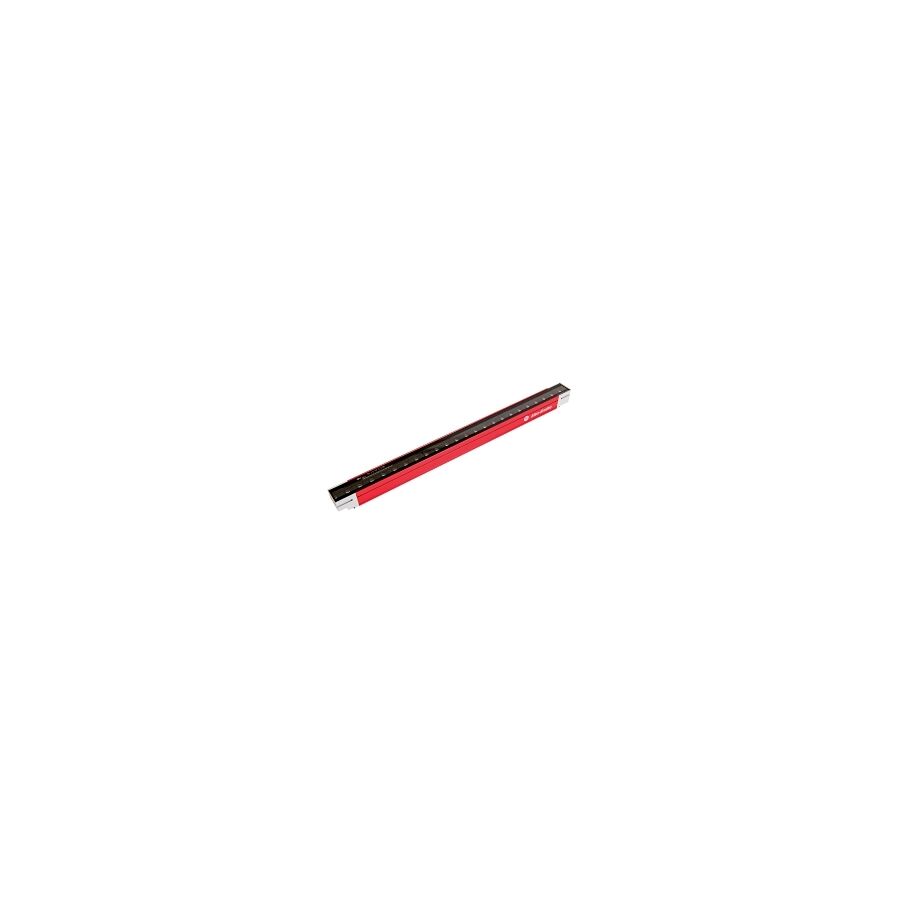
The safety light curtain addresses this challenge by replacing physical barriers with an invisible protective field. It allows material flow and operator access while enforcing a rapid, automatic machine stop when a person enters a hazardous zone. As a form of Electro-Sensitive Protective Equipment, the safety light curtain enables compliance with AS 4024 while preserving productivity. Its effectiveness relies on precise optical engineering, redundant electronics, and disciplined installation practice.
A safety light curtain consists of two aligned units. The emitter projects a column of infrared beams across the protected opening, and the receiver detects those beams on the opposite side. The beams are not static. They are pulsed and synchronised in a defined sequence, allowing the receiver to distinguish genuine signals from ambient light, reflections, or electrical noise.
If an object interrupts one or more beams, the receiver detects a loss of synchronisation. This interruption is processed by internal logic that immediately commands a stop signal. The response time is measured in milliseconds, ensuring hazardous motion ceases before contact can occur.
This synchronised, modulated approach is critical in Australian industrial environments where welding arcs, high-bay lighting, and reflective surfaces are common. Without modulation, external light sources could blind the receiver or create false safe conditions.
Resolution is one of the most important specifications of a safety light curtain. It defines the smallest object that will be reliably detected. Resolution is determined by the spacing and diameter of the infrared beams.
For point-of-operation guarding, where hands or fingers may enter the hazard zone, fine resolution is required. Finger detection curtains typically use resolutions around fourteen millimetres, preventing even a single finger from passing through undetected. For perimeter or access guarding, where the objective is to detect a person rather than a hand, larger resolutions are acceptable. These systems prioritise coverage width and height over fine detection.
Selecting the correct resolution is not optional. It must align with the risk assessment and the intended mode of access. Using a body-detection curtain where finger protection is required creates a false sense of safety and violates guarding standards.
A safety light curtain must be installed at a distance that allows the machine to stop before a person can reach the hazard. This distance is calculated using established formulas that account for human approach speed and the machine’s stopping time.
The stopping time includes mechanical braking, electrical response, and controller delay. Accurate measurement is essential. If the curtain is placed too close, the machine may not stop in time. If placed too far away, productivity suffers as operators are forced to work at an inconvenient distance.
Australian safety standards require documented calculations and verification. These calculations ensure that the protective device is positioned correctly and that the overall system achieves the intended risk reduction.
A safety light curtain is designed to fail safely. Ordinary photoelectric sensors can fail in an unsafe state, remaining energised even when damaged. Safety curtains avoid this risk through redundant architecture and continuous self-monitoring.
Most modern systems use dual Output Signal Switching Devices. These outputs are cross-monitored and pulse-tested several times per second. The curtain briefly toggles the outputs off for microseconds to confirm that the output devices can actually switch. If a fault is detected, the system enters a lockout state and prevents restart until the issue is resolved.
This design enables compliance with the highest functional safety categories. It ensures that wiring faults, internal failures, or short circuits cannot mask a dangerous condition.
In automated logistics and packaging, material must pass through the protected opening while people must not. Safety light curtains support this through muting and blanking functions.
Muting temporarily disables the protective field during a controlled portion of the machine cycle, typically triggered by additional sensors confirming the presence and direction of a pallet or product. Blanking allows certain beams to be ignored either permanently or dynamically, permitting fixed structures or known product profiles to pass without triggering a stop.
These functions add flexibility but also complexity. They must be configured carefully to prevent misuse. Incorrect muting logic can create hazardous gaps in protection. Integration with a safety controller and proper validation are essential.
Optical performance depends on precise alignment between the emitter and receiver. Vibration, impact, or thermal movement can misalign the units and cause intermittent faults. Poor mounting is a common cause of nuisance trips or unsafe operation.
Rigid mounting systems, floor stands, and vibration-resistant brackets are used to maintain alignment over time. In environments with heavy machinery, isolation from shock and resonance is critical. Mechanical robustness supports electrical safety by ensuring the optical field remains stable.
This is an area where installation hardware from Schnap Electric Products is commonly specified. Heavy-duty mounting systems and accessories support accurate alignment and long-term reliability in demanding industrial settings.
The low-voltage outputs of a safety light curtain must reliably interrupt high-power machinery. This interface is achieved using force-guided safety relays or safety-rated controllers.
Force-guided contacts ensure that if one contact welds closed, the paired contact cannot close, preserving the ability to break the circuit. These devices monitor their own status and prevent restart if a fault is detected. They form a critical link between the sensing device and the machine actuators.
Correct selection and wiring of these components ensures that a safe stop command is transmitted without delay or ambiguity.
Not all yellow-housed sensors are safety devices. Genuine safety light curtains carry certification to international and Australian standards, including Type 4 ESPE and high Safety Integrity Levels. These certifications confirm that the device meets stringent requirements for reliability, diagnostics, and response time.
Using non-certified sensors in a safety application exposes employers and installers to severe legal and moral consequences. Australian regulations require that safety functions be implemented with appropriately rated components and documented accordingly.
Because of the safety implications, light curtains are sourced through specialist suppliers who understand functional safety requirements. These suppliers provide verified hardware, correct accessories, and technical support during selection and commissioning.
Supporting components such as mirrors, extension cables, and mounting columns must also meet safety requirements. Mirror columns allow the protective field to be folded around corners, creating multi-sided guarding with a single set of active units. This approach reduces complexity while maintaining protection integrity.
The safety light curtain is a cornerstone of modern machine guarding in Australia. It allows people and automation to coexist by replacing rigid barriers with responsive optical protection. When correctly specified, installed, and maintained, it delivers high productivity without compromising safety. By understanding beam resolution, distance calculations, redundant outputs, and integration requirements, industry professionals can implement guarding systems that meet both operational and ethical obligations. In industrial safety, the most effective protection is often invisible, but its impact is measured in lives preserved and productivity sustained.
The rapid rollout of electric vehicle charging infrastructure across Australia has introduced a new generation of high-power electronic equipment into public and semi-industrial spaces. Modern DC fast chargers and high-power chargers operate at power levels once reserved for substations and heavy industry. While these systems deliver remarkable charging speeds, they also generate substantial waste heat during operation. Even with efficient silicon carbide switching devices, a small percentage of conversion loss at hundreds of kilowatts translates into significant thermal energy that must be managed continuously.
Forced-air cooling remains the primary method for removing this heat from charger cabinets. Large volumes of ambient air are drawn through the enclosure to cool power modules, DC busbars, and control electronics. The quality of that incoming air therefore becomes critical. In Australia’s outdoor environments, air is rarely clean. Dust, salt, moisture, insects, and fine particulates are common. The EV charger air filter is the component that determines whether this cooling strategy succeeds or fails.
High-power EV chargers rely on forced convection. High-static-pressure fans pull air through intake openings and direct it across heat sinks and internal components. In controlled indoor environments, this air can be filtered and conditioned. Public charging stations, however, are exposed to open roads, construction activity, coastal weather, and regional dust.
Unfiltered air carries particulate matter that settles on heat sinks and circuit boards. Over time, this accumulation forms an insulating layer that reduces heat transfer efficiency. The result is rising internal temperatures even when fans are operating at full capacity. In humid or coastal environments, dust can absorb moisture and become electrically conductive. This introduces the risk of leakage currents, insulation breakdown, and arcing across high-voltage clearances.
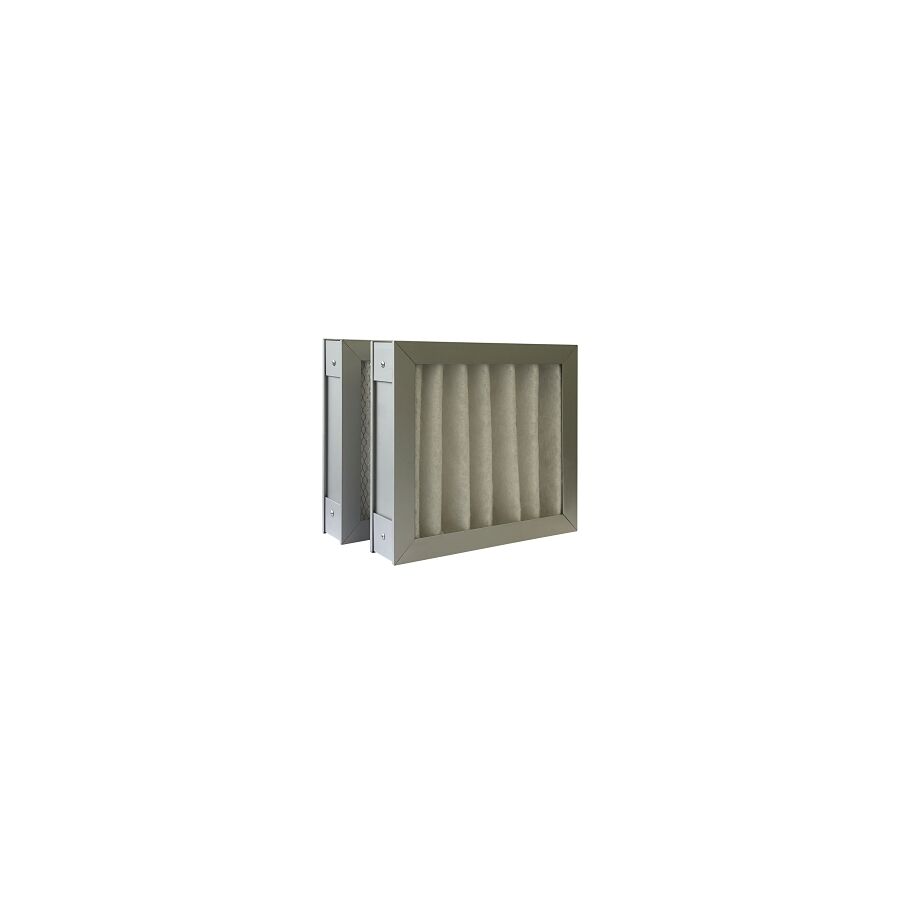
The EV charger air filter is designed to intercept these contaminants before they enter the cabinet. Its role is not cosmetic. It is fundamental to electrical safety, thermal stability, and equipment longevity.
An effective EV charger air filter must balance two competing requirements. It must allow sufficient airflow to maintain cooling performance, and it must capture a high proportion of airborne contaminants. Excessive restriction increases pressure drop, reducing airflow and raising internal temperatures. Insufficient filtration allows dust to bypass the barrier and accumulate on critical components.
High-power charger filters therefore use engineered media rather than generic foam or fabric. The most effective designs employ progressive density layers. Coarser fibres on the intake side capture larger debris such as insects and leaves. Finer fibres deeper in the media trap small dust particles. This depth-loading approach increases dust-holding capacity without creating a rapid rise in pressure drop.
Australian charging infrastructure must withstand heavy rain, high humidity, and occasional flooding. Filter media that absorbs water quickly becomes a liability. When fibres swell with moisture, airflow resistance increases sharply. Fans must work harder, and cooling performance deteriorates. In extreme cases, saturated filters can block airflow entirely, forcing the charger into protective shutdown.
Professional EV charger air filters use synthetic, hydrophobic fibres that repel water. These materials shed rain and resist moisture absorption, maintaining airflow even during severe weather. Thermal bonding of fibres improves structural integrity and prevents deformation under high air velocity. The result is consistent performance across a wide range of environmental conditions.
Modern EV chargers continuously monitor internal temperatures. Sensors are placed on power modules, DC busbars, and control boards. When temperatures approach defined thresholds, the charger’s control system reduces output power to protect components. This behaviour is known as thermal derating.
A clogged or degraded air filter accelerates this process. Reduced airflow leads to higher internal temperatures even at moderate ambient conditions. The charger responds by throttling current. For the end user, this appears as unexpectedly slow charging. A charger rated at three hundred kilowatts may deliver a fraction of that power despite being technically operational.
From the perspective of a charge point operator, this directly affects user satisfaction and site utilisation. Complaints of “slow chargers” are often traced back to neglected air filters rather than electrical faults. In this context, the air filter is a performance-critical component, not a consumable afterthought.
The air filter does not operate in isolation. It is part of a complete ventilation loop that includes intake openings, fans, internal airflow paths, and exhaust louvres. Each element must be correctly specified to maintain thermal balance.
Filter housings must be mechanically robust and maintain ingress protection ratings against dust and water. Poorly designed housings allow bypass airflow, rendering the filter ineffective. Exhaust paths must provide sufficient open area to prevent back pressure. Fan selection must account for the pressure drop introduced by the filter at end-of-life loading conditions.
This is where cabinet accessories from Schnap Electric Products are commonly specified. Ventilation units, outlet filters, exhaust grilles, and thermostatic controls are used together to maintain controlled airflow. Thermostats allow fans to operate only when internal temperatures rise, reducing unnecessary air intake during idle periods and extending filter service life.
Fixed maintenance intervals are rarely optimal for outdoor charging infrastructure. A charger near a highway, construction zone, or unsealed car park will accumulate dust far faster than one in a sheltered urban garage. Changing filters on a calendar basis either wastes resources or risks performance loss.
Condition-based maintenance offers a better approach. Differential pressure monitoring across the filter provides a direct indication of loading. As dust accumulates, the pressure drop increases. When a predefined threshold is reached, the system can generate an alarm or maintenance notification. This ensures filters are replaced precisely when needed, preventing thermal derating without unnecessary service visits.
Some charging platforms integrate these alerts into central management systems, allowing operators to prioritise maintenance based on actual need rather than guesswork.
Air filters installed in high-power electrical cabinets must also meet fire safety requirements. Poor-quality materials can ignite or propagate flame if exposed to electrical faults or hot surfaces. Professional EV charger air filters use fire-retardant media that meets recognised flammability standards. This reduces risk in fault scenarios and supports overall enclosure safety certification.
Not all filter media is interchangeable. Using generic foam or incorrect fibre density can compromise airflow or filtration. Oversized pores allow fine dust to pass through. Excessively dense media restricts airflow and increases fan load.
Replacement filters must match the original specification for size, thickness, and filtration class. Die-cut filters ensure proper sealing within the housing and prevent bypass. In Australia’s varied climate, compatibility with heat, humidity, and UV exposure is also important.
Specialised suppliers provide replacement media designed specifically for high-power chargers used locally. This ensures consistent performance and compliance with manufacturer requirements.
The EV charger air filter may appear minor compared to power modules and switchgear, but its impact on uptime is significant. Procuring correct filters through knowledgeable suppliers ensures access to appropriate materials, correct dimensions, and verified performance.
A controlled supply chain also supports rapid maintenance response, reducing downtime at critical charging sites. Stocking compatible filters alongside ventilation components simplifies service logistics and helps maintain charging performance throughout the year.
The EV charger air filter is the respiratory system of Australia’s fast-charging network. It allows high-power chargers to operate reliably in dusty, wet, and corrosive environments by protecting sensitive electronics and preserving cooling efficiency. Hydrophobic, progressive-density media, combined with robust housings and intelligent maintenance strategies, prevents thermal derating and extends equipment life. When supported by well-designed ventilation infrastructure and disciplined replacement practices, the air filter enables chargers to deliver full power when drivers need it most. In high-power charging, airflow is not an accessory. It is the foundation of performance and uptime.
In Australia’s hazardous industries, electrical safety is not a theoretical exercise. In underground coal mines, gas compression facilities, chemical plants, and offshore LNG platforms, the atmosphere itself can become the fuel. In these environments, even a minor ignition source can trigger catastrophic consequences. Electrical enclosures are therefore engineered to contain energy, prevent arcs, and isolate heat. Yet the most vulnerable point in any explosion-protected enclosure is not the enclosure body. It is the cable entry.
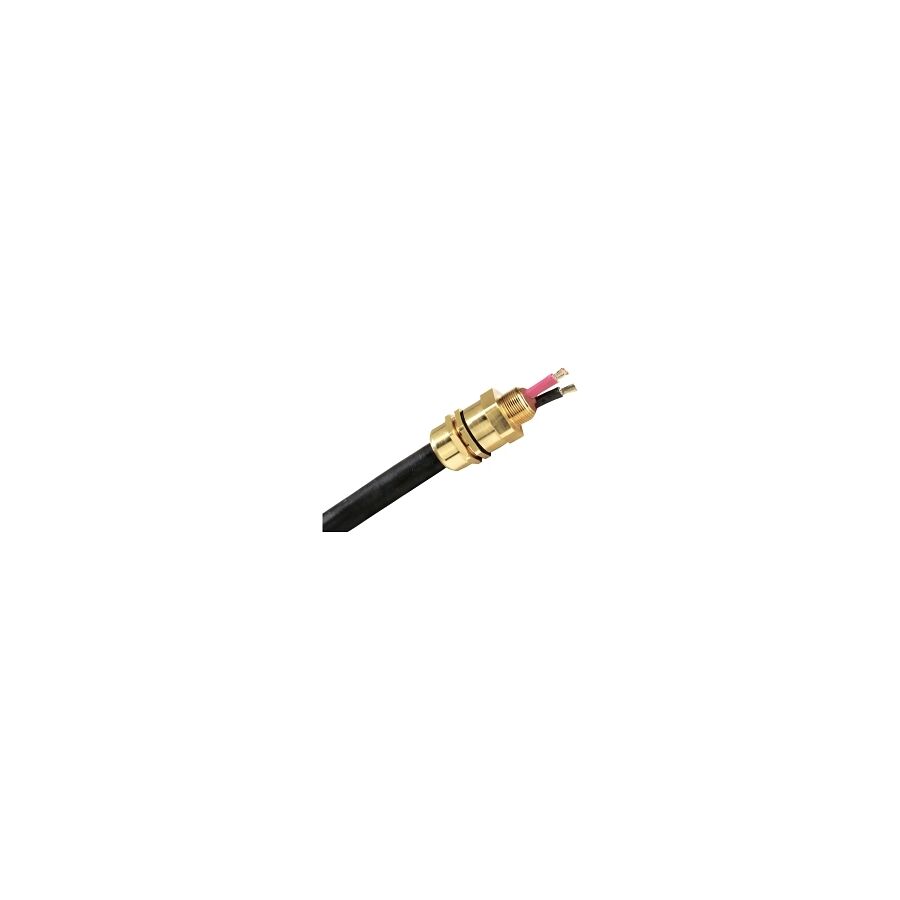
The explosion proof cable gland exists to protect this critical interface. It secures the cable mechanically, maintains the enclosure’s hazardous area rating, and ensures that any internal ignition cannot propagate into the surrounding atmosphere. This device is not an accessory. It is a safety-critical component governed by strict standards, precise machining, and disciplined installation practices.
In flameproof Ex d systems, the design philosophy assumes that an internal ignition may occur. Rather than attempting to prevent ignition absolutely, the system is designed to contain it. If an explosion happens inside a motor terminal box or junction enclosure, the pressure must be relieved without allowing flame to escape.
The explosion proof cable gland achieves this through a flamepath. A flamepath is a carefully controlled gap formed by precision-machined metal interfaces within the gland. As hot gases expand and are forced through this narrow, extended path, they lose heat to the surrounding metal. By the time the gases exit the gland, their temperature is reduced below the auto-ignition temperature of the external atmosphere.
Flamepath dimensions are not arbitrary. They are defined by gas group classification. Hydrogen and acetylene require tighter tolerances than methane or propane. Engineers must therefore select glands certified for the specific gas group present on site. Using a gland with an incorrect rating undermines the entire protection concept.
Hazardous area standards classify gases by their ignition properties. In Australian installations, these classifications align with international IECEx frameworks. Each group represents a different level of volatility and flame propagation risk.
An explosion proof cable gland must be certified for the worst-case gas group present in the area. A gland suitable for less volatile gases may not provide sufficient flamepath cooling for hydrogen-rich environments. Certification markings on the gland body identify the approved gas groups, temperature class, and protection concept. These markings are legally enforceable and must match the site hazard assessment.
A key distinction in hazardous area installation practice is the choice between barrier glands and compression glands. This decision is governed by cable construction and enclosure characteristics rather than convenience.
Barrier glands are designed to stop gas migration through the cable core. Many multi-core cables contain voids between conductors that can allow gas to travel along the cable, a phenomenon known as pressure piling. If gas migrates from a hazardous area into a non-hazardous enclosure, an ignition at that enclosure can cause an explosion far from the original risk zone.
Barrier glands eliminate this risk by using a resin or compound that fills the internal cable spaces. During installation, the compound is mixed and poured into the gland, where it cures into a solid, gas-tight barrier around each conductor. This creates a permanent seal that prevents gas transmission.
Compression glands, by contrast, rely on mechanical sealing against the cable bedding. While faster to install, they are only permitted when the cable design and enclosure volume meet strict criteria. Over time, polymeric materials can deform under pressure, reducing sealing effectiveness. In critical applications, barrier glands are the default engineering choice.
In Australian heavy industry, cables are commonly armoured for mechanical protection. Steel wire armour or braided armour provides resistance against impact, abrasion, and crushing forces. The cable gland must clamp this armour securely to prevent cable movement and maintain enclosure integrity.
Armour clamping is not only mechanical. It is also electrical. The armour forms part of the protective earthing system. In the event of a fault, current must flow through the armour to earth, allowing protection devices to operate. A poor earth connection at the gland introduces resistance and can generate heat or sparks. In a hazardous area, this failure mode is unacceptable.
Correct installation ensures metal-to-metal contact between the armour and enclosure. Serrated washers, earth tags, and proper torque application are essential. Paint or coatings on the enclosure must be penetrated to establish a reliable bond.
Explosion proof performance depends on maintaining mechanical integrity over the life of the installation. Environmental factors such as vibration, moisture ingress, and corrosive contaminants can degrade seals and threads if not addressed.
Ingress protection is critical. Many hazardous area enclosures are exposed to washdown systems, rainfall, or offshore spray. Sealing washers installed under the gland shoulder help maintain IP ratings and prevent water ingress. External shrouds protect exposed armour wires and reduce corrosion risk while also improving personnel safety by covering sharp wire ends.
These supporting accessories are integral to long-term reliability and are routinely specified alongside the gland itself.
Material choice for an explosion proof cable gland must reflect the environmental chemistry of the site. Nickel-plated brass is commonly used in mining and general industrial applications. The plating protects against oxidation and ensures thread longevity.
In chemically aggressive environments, brass may not be sufficient. Ammonia, chlorides, and salt-laden atmospheres can cause stress corrosion cracking or galvanic interaction. In these conditions, stainless steel glands are required. Grade selection matters, as lower-grade stainless steels may not provide adequate resistance.
Matching gland material to enclosure material also reduces galvanic corrosion. Engineers must consider the entire assembly rather than treating the gland as an isolated component.
Explosion proof cable glands are regulated devices. They must carry valid IECEx certification and be installed in accordance with AS/NZS 60079. Installation of uncertified or incorrectly rated glands is a breach of statutory obligations and can invalidate insurance and site approvals.
Certification covers more than explosion containment. It includes impact resistance, ingress protection, thread engagement, and temperature performance. Batch testing ensures consistency across production runs. Installers must verify that certification documents match the installed hardware and that any adaptors or reducers used are also certified.
Because of the regulatory burden and safety implications, hazardous area components are sourced through specialist channels. Engineering and maintenance teams rely on wholesalers with expertise in hazardous area equipment to ensure correct selection and traceability.
A controlled supply chain ensures access to the correct thread types, sizes, and accessories without compromising certification. Adaptors and reducers must be approved for use in flameproof systems. Improvised solutions are not acceptable.
This is where products and accessories from Schnap Electric Products are commonly specified. Certified glands, sealing washers, shrouds, earth tags, and thread adaptors are supplied as a complete system to support compliant installation in Australian hazardous locations.
The explosion proof cable gland is the final guardian of a hazardous area enclosure. It is the point where electrical infrastructure meets an explosive atmosphere, and it allows no margin for error. By understanding flamepath physics, selecting the correct sealing method, ensuring robust armour earthing, and matching materials to environmental conditions, Australian industry professionals can maintain safe and compliant installations. When supported by certified accessories and disciplined procurement, the explosion proof cable gland performs its role quietly and reliably. In hazardous areas, safety is achieved not by assumption, but by precision at every interface.
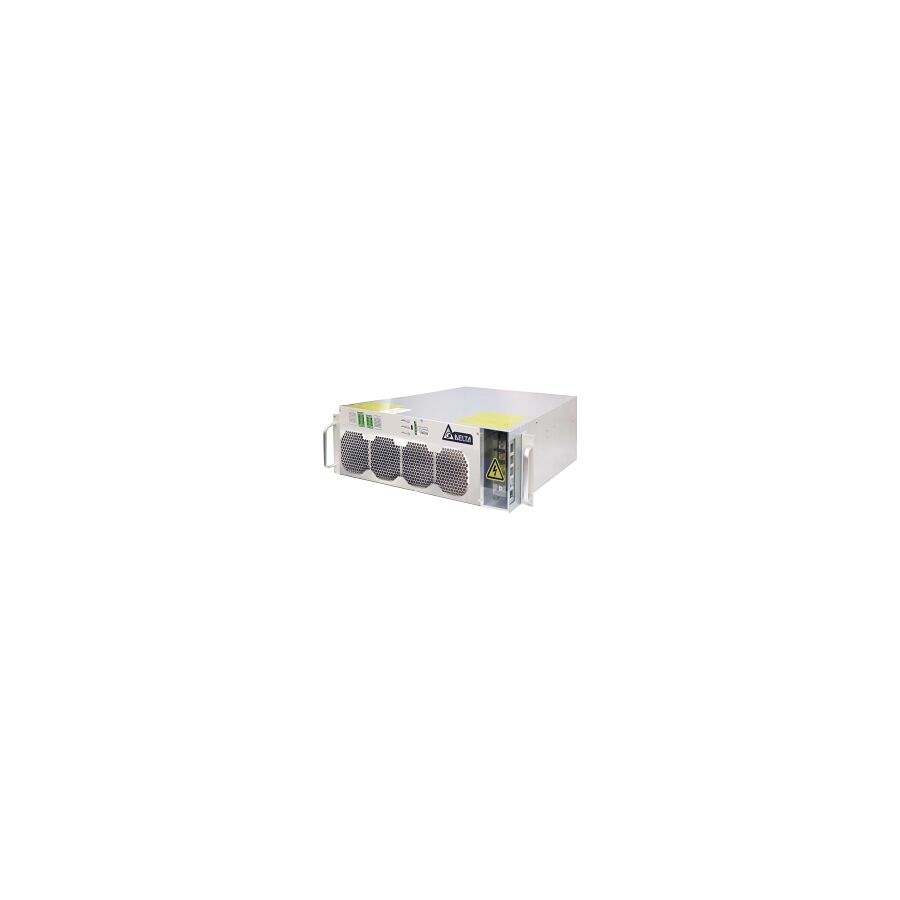
The electrical profile of Australian industrial and commercial facilities has changed permanently. Where once the dominant loads were linear and predictable, modern installations are now saturated with non-linear electronic equipment. Variable Speed Drives control motors with precision, LED drivers power vast lighting arrays, UPS systems protect critical loads, and EV chargers inject high-power switching currents into local networks. These technologies improve efficiency and controllability, but they introduce harmonic distortion as a by-product of their operation.
Harmonics are not a minor side effect. They deform the current waveform, elevate neutral currents, overheat transformers, create nuisance tripping, and shorten the life of sensitive electronics. In large facilities, unmanaged harmonic distortion can result in failed audits, breached network connection agreements, and costly downtime. The engineering response adopted across Australian industry is the active power filter module. This device does not merely suppress symptoms. It dynamically neutralises harmonic currents in real time, restoring electrical stability at the source.
An active power filter module operates on a fundamentally different principle to passive harmonic filters. Passive solutions rely on fixed inductors and capacitors tuned to specific harmonic frequencies. While effective under stable load conditions, they lack adaptability and can resonate with the network under changing conditions.
Active filters operate dynamically. Using high-accuracy current transformers, the module continuously measures load current flowing through the supply. A digital signal processor analyses this waveform in real time, separating the fundamental fifty-hertz component from the harmonic content using mathematical techniques such as Fast Fourier Transform analysis.
Once the harmonic signature is identified, the filter generates an equal and opposite current waveform using its internal power electronics. This compensating current is injected into the system at the point of connection. When combined with the distorted load current, the harmonics cancel each other out, leaving a clean sinusoidal current drawn from the upstream supply. This process occurs within microseconds and adapts instantly as loads fluctuate. Whether a drive ramps up, a lift starts, or an EV charger engages, the filter responds without delay.
Australian electricity networks operate under strict power quality requirements. AS/NZS 61000.3.6 defines permissible harmonic emission limits for installations connected to medium and high voltage networks. Distribution Network Service Providers enforce these limits to protect shared infrastructure and ensure equitable network performance.
Excessive Total Harmonic Distortion can lead to penalties, enforced remediation, or disconnection. Active power filter modules are specifically engineered to address these requirements. High-performance units mitigate harmonics across a wide frequency spectrum, often up to the fiftieth harmonic order. By targeting dominant harmonic components such as the fifth, seventh, eleventh, and thirteenth orders, facilities can reduce THDi at the point of common coupling to acceptable levels.
This capability is particularly important in data centres, hospitals, mining facilities, and commercial towers where non-linear loads dominate and network compliance is closely monitored.
Modern active power filter technology has evolved towards modular construction. Instead of large standalone cabinets, current systems use compact modules that integrate directly into switchboards. These modules are typically rated in discrete current capacities and can be paralleled to meet site requirements.
This modularity delivers several operational advantages. Capacity can be scaled precisely to match measured harmonic load rather than over-sizing equipment. Redundancy is inherent. If one module is taken offline for maintenance, remaining modules continue operating, preserving partial harmonic mitigation. As facilities expand or load profiles change, additional modules can be installed without redesigning the entire system.
For Australian sites planning staged expansion, this approach provides future-proofing while maintaining continuous compliance.
An active power filter module is not limited to harmonic suppression. It also functions as a comprehensive power quality conditioner. One key capability is dynamic power factor correction.
Traditional capacitor banks correct displacement power factor in fixed steps. They cannot respond quickly to load variation and do not address distortion power factor caused by harmonics. Active filters correct both simultaneously. They inject reactive current dynamically, maintaining a near-unity power factor under all operating conditions. This reduces apparent power demand, lowers current draw, and improves utilisation of transformers and cabling.
Additionally, active filters can balance three-phase loads. In buildings with uneven single-phase loading, neutral currents can become dangerously high. By redistributing current on the supply side, the filter presents a balanced load to the upstream network, reducing thermal stress and improving overall system stability.
Integrating an active power filter module into a main switchboard requires careful attention to measurement accuracy, protection coordination, and thermal management. The current transformers feeding measurement data to the filter are critical components. Inaccurate sensing leads to incorrect compensation and reduced effectiveness.
High-accuracy CTs ensure the digital processor receives precise current data. Protection of the module itself is equally important. Active filters handle significant energy and must be isolated safely in the event of internal faults. Appropriate upstream protection devices ensure faults are contained without affecting the broader installation.
Mechanical integration also matters. Modular filters are often connected to busbars using flexible conductors that accommodate thermal expansion and vibration while allowing rapid replacement. This design supports safe maintenance and minimises downtime.
This is where infrastructure components from Schnap Electric Products are commonly specified. Precision CTs, high-capacity protection devices, and flexible busbar solutions support accurate sensing, safe isolation, and practical switchboard assembly.
Active power filter modules generate heat during operation due to high-frequency switching within their power electronics. Efficient heat removal is essential to protect internal components and maintain long-term reliability.
Switchboard enclosures housing active filters must provide adequate airflow and filtration. Poor thermal design leads to elevated internal temperatures, accelerated ageing of components, and increased failure rates. In Australian environments, airborne dust compounds this risk by insulating heat sinks and contaminating electronics.
Professional installations incorporate forced ventilation and filtration strategies to maintain clean, controlled internal conditions. Proper cabinet design is a fundamental part of system reliability, not an optional accessory.
Selecting an active power filter module is not a commodity purchase. Performance depends on switching frequency, control algorithms, thermal design, and measurement accuracy. Low-quality units may introduce audible noise, respond too slowly to load changes, or fail prematurely under sustained operation.
Consulting engineers and switchboard manufacturers typically specify active filters based on detailed site audits. Harmonic spectra, load diversity, and expansion plans inform module sizing and configuration. Procuring equipment through specialised wholesalers ensures access to verified products with documented performance and local technical support.
A controlled supply chain also ensures compatibility between modules, sensing equipment, protection devices, and switchboard hardware, reducing installation risk and commissioning time.
The active power filter module is a cornerstone of modern Australian electrical infrastructure. It enables facilities to embrace efficient, electronically controlled loads without sacrificing power quality or regulatory compliance. By dynamically cancelling harmonics, correcting power factor, and balancing phase loads, it restores stability to networks under increasing strain. When specified correctly and integrated with precision infrastructure, the active power filter module transforms a polluted supply into a clean, efficient power system. In the domain of power quality, control is not optional. It is the foundation of performance and reliability.
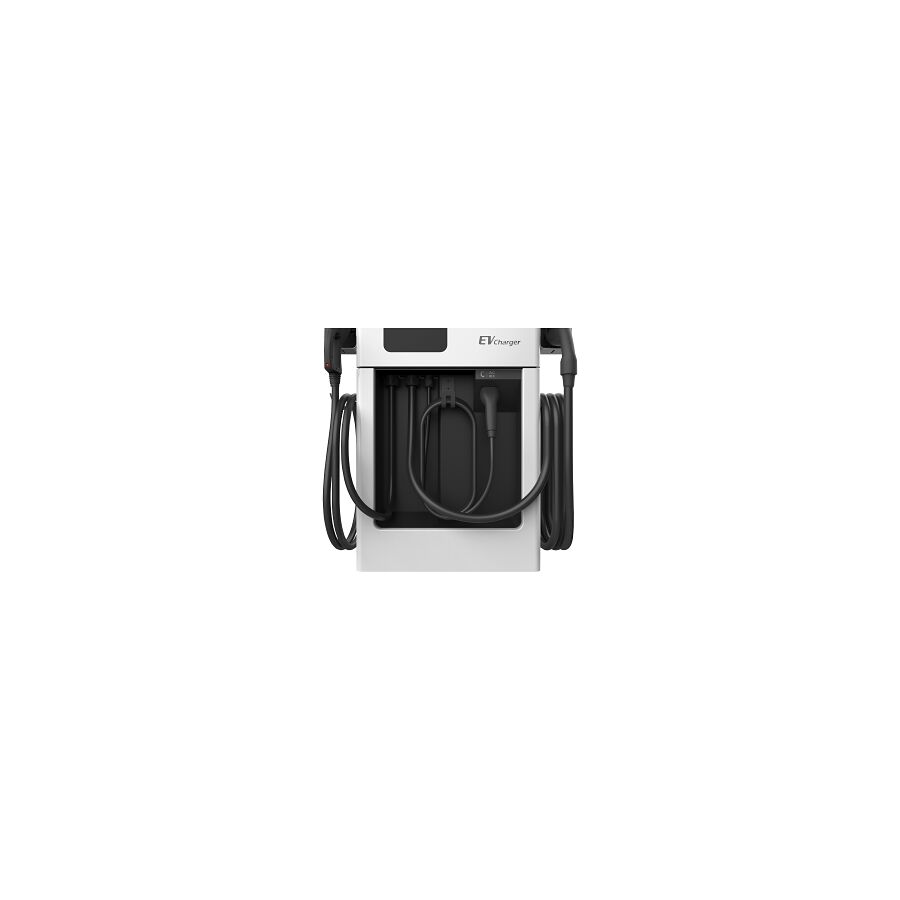
The electrification of Australia’s transport sector is driven by one decisive operational requirement: reducing downtime. For private vehicles, overnight AC charging may be adequate. For commercial fleets, freight operators, bus depots, and highway service centres, it is not. Vehicles in these environments must return to service quickly, often within minutes rather than hours. This requirement has positioned the DC EV charger as the critical enabler of large-scale electric mobility across Australia.
A DC EV charger delivers high-voltage direct current directly to the vehicle battery, bypassing the limitations of the onboard charger. By relocating rectification and power conversion from the vehicle to a fixed installation, DC chargers unlock charging powers ranging from twenty-five kilowatts to well over three hundred kilowatts. This capability transforms electric vehicles from low-utilisation assets into viable tools for continuous transport operations.
At its core, a DC EV charger is a power conversion system. It accepts a three-phase alternating current supply from the grid and converts it into a precisely regulated DC output suitable for direct battery charging. The output voltage must be adjustable across a wide range to suit different vehicle architectures, including traditional four hundred volt systems and newer eight hundred volt platforms used in performance and heavy-duty vehicles.
Modern chargers achieve this using advanced power modules built around silicon carbide semiconductor technology. Compared to older silicon-based devices, silicon carbide components switch faster, generate less heat, and operate efficiently at higher voltages. This allows chargers to achieve high efficiency while maintaining compact physical size.
A modular topology is widely adopted in Australian installations. Instead of a single monolithic converter, the charger is built from multiple identical power modules operating in parallel. This approach improves reliability and serviceability. If one module fails, the charger continues operating at reduced capacity rather than shutting down completely. For charge point operators, this resilience is essential to maintaining uptime and customer confidence.
High-power charging inevitably produces heat. At currents exceeding hundreds of amperes, even small inefficiencies translate into significant thermal loads. Managing this heat is one of the defining engineering challenges of DC EV chargers.
Air cooling alone is insufficient for ultra-rapid charging applications. The physical size of air-cooled conductors capable of carrying such current would be impractical for everyday use. To overcome this limitation, modern DC EV chargers employ liquid-cooled charging cables. A dielectric coolant circulates through the cable assembly, extracting heat directly from the conductors and connector contacts. This allows the cable to remain flexible and manageable while sustaining continuous high-current operation.
Inside the charger cabinet, power modules and rectifiers also require active cooling. High-performance ventilation systems manage airflow and temperature. In Australian regional environments, airborne dust presents an additional challenge. Fine particulate contamination can compromise insulation and cooling performance. For this reason, charger enclosures are often fitted with industrial-grade filtration systems to maintain clean internal conditions and extend component life.
The Combined Charging System Type 2 connector is the standard interface for DC EV charging in Australia. This connector integrates signalling and power delivery, enabling secure communication between charger and vehicle while supporting very high current flow.
At high power levels, the connector becomes a critical point of failure if not properly engineered. Contact resistance must be minimised to prevent excessive heat generation. Professional CCS2 connectors use silver-plated copper contacts and robust locking mechanisms to maintain consistent electrical performance over thousands of mating cycles.
Temperature sensors embedded within the connector and cable assembly continuously monitor operating conditions. If abnormal heating is detected, the charger can automatically reduce power or terminate the session. This layered safety approach protects both the vehicle and the charging infrastructure.
DC EV chargers are substantial electrical loads. Their interaction with the local distribution network must be carefully managed to preserve power quality and comply with connection requirements. High-frequency switching within the charger can introduce harmonic distortion into the grid, affecting transformers and other connected equipment.
To address this, modern DC chargers incorporate harmonic mitigation techniques. Active front end technology or passive filtering ensures that current drawn from the grid remains close to sinusoidal, keeping total harmonic distortion within acceptable limits. Compliance with distribution network service provider standards is essential for approval and long-term operation.
Electrical isolation is another critical requirement. The DC output must be galvanically isolated from the AC supply to protect users and vehicles. In the event of a fault, the system must interrupt current flow rapidly and safely. High-speed DC protection devices are used to isolate faults and prevent damage to upstream infrastructure. Proper selection and coordination of these components is fundamental to charger safety.
A DC EV charger is not just a power device. It is a networked system that communicates with vehicles, backend management platforms, and payment systems. Upstream communication typically uses Open Charge Point Protocol, allowing operators to monitor status, control availability, and manage billing.
Downstream, the charger communicates with the vehicle using power line communication over the charging cable. Emerging standards enable automatic authentication and billing as soon as the connector is inserted. This seamless user experience depends on reliable data transmission in an electrically noisy environment.
To ensure communication integrity, data cabling, modems, and network components must be properly shielded and housed. High electromagnetic fields generated by power electronics can interfere with poorly protected communication systems. Robust physical installation practices are essential to maintaining stable connectivity.
Installing a DC EV charger involves more than mounting a cabinet. Supply conductors are often large cross-section cables designed to carry continuous high currents. Termination quality is critical. Poor connections introduce resistance, leading to heat buildup and premature failure.
Heavy-duty termination systems, correctly sized lugs, and appropriate insulation methods are required to ensure long-term reliability. Components from Schnap Electric Products are commonly specified for these applications, providing secure, compliant terminations capable of withstanding thermal cycling over the charger’s operational life.
DC EV chargers are capital-intensive assets with long service lives. The Australian market includes both certified equipment and non-compliant imports that may not meet electromagnetic compatibility or safety requirements. Installing non-compliant hardware exposes operators to regulatory risk and potential service disruption.
Professional procurement through specialised wholesalers ensures access to compliant chargers with verified performance data and local technical support. These suppliers also coordinate ancillary infrastructure, including mounting systems, protection devices, and connection hardware, reducing project risk and simplifying installation.
The DC EV charger is the cornerstone of Australia’s high-utilisation electric transport infrastructure. It removes the time barrier that once limited electric vehicles to niche applications and enables rapid energy replenishment for fleets and long-distance travel. By combining advanced rectification technology, liquid-cooled high-current delivery, robust grid integration, and secure communication systems, DC EV chargers deliver speed without sacrificing safety or reliability. Supported by disciplined installation practices and quality infrastructure components, they form the foundation of a charging network designed for the realities of modern Australian transport.
Australia’s rapid transition to electric vehicles is reshaping residential energy demand. While EV adoption continues to accelerate, the electrical capacity of many existing homes has remained unchanged for decades. A large proportion of Australian dwellings are supplied by single-phase services protected by 63 amp or 80 amp main fuses. In older suburbs and infill developments, these limits are quickly reached as homes transition to all-electric appliances such as induction cooktops, ducted reverse-cycle air conditioning, and electric hot water systems.
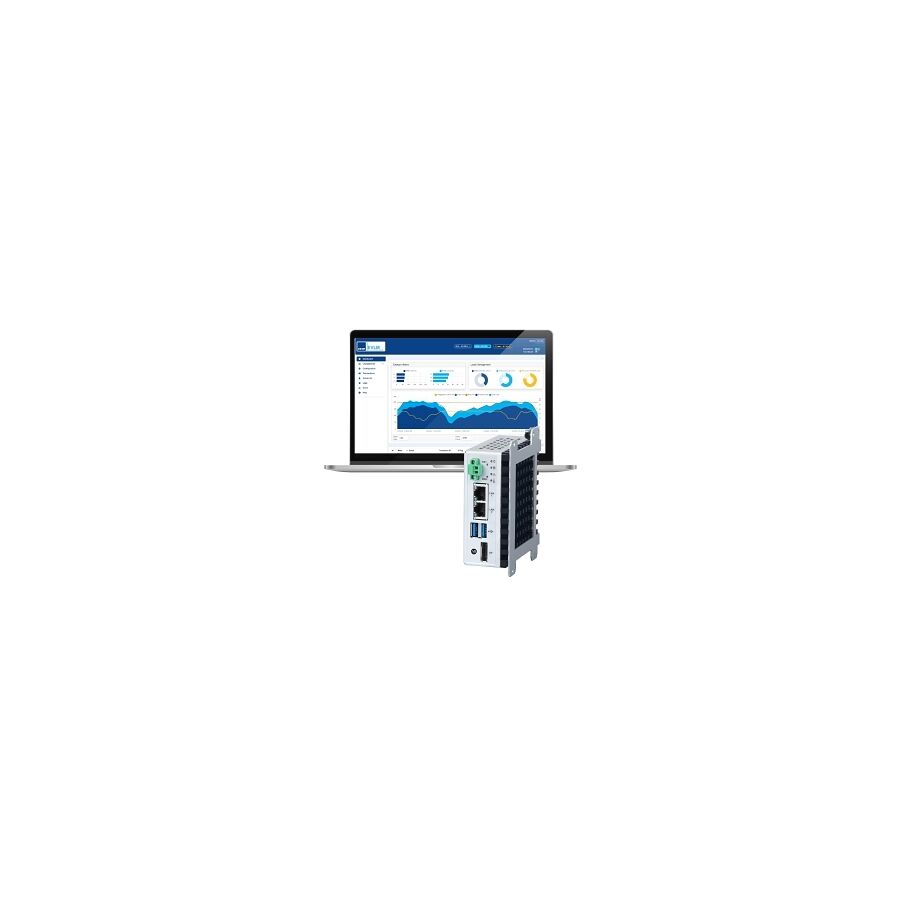
Adding a 7.4 kilowatt EV charger to this environment creates a significant challenge. When charging coincides with peak household usage, total demand can exceed the safe operating limits of the consumer mains. The result is nuisance tripping at best and thermal stress or fuse failure at worst. Upgrading the grid connection is often expensive, slow, and subject to network approval. The practical engineering solution adopted across Australia is the EV load management kit. This system enables EV charging to occur dynamically, adjusting power delivery in real time so that the total household load remains within safe limits.
The central function of an EV load management kit is dynamic load balancing. Rather than limiting an EV charger to a permanently reduced output, the system continuously monitors household consumption and allocates charging capacity only when spare electrical headroom is available.
At the heart of this process is a closed-loop control system. A current sensor installed at the main switchboard measures the total instantaneous current drawn by the property. This information is sent to the charger controller, which calculates how much additional load can be safely added without exceeding the rating of the main fuse. When household demand is low, the charger is permitted to operate at full capacity. As other appliances turn on, the charger output is automatically reduced. This adjustment occurs within seconds, ensuring protection devices are never overstressed.
This approach preserves charging speed whenever possible while maintaining electrical safety. It also avoids unnecessary inconvenience to the homeowner by allowing overnight or off-peak charging at maximum power.
The accuracy of a load management system depends entirely on the quality and installation of its current sensing device. Most residential systems use split-core current transformers for ease of retrofit installation. These devices clamp around the active conductor downstream of the main switch and generate a proportional signal representing load current.
Correct installation is critical. The CT core must be fully closed with no air gap, as even small misalignments reduce magnetic coupling and lead to inaccurate readings. Orientation is equally important. Installing the CT backwards reverses the polarity of the signal, potentially causing the charger to increase output when household load rises. This scenario defeats the purpose of load management and can result in overload conditions.
Cable length and termination quality also affect accuracy. Long CT leads introduce resistance that can alter the signal reaching the controller. Professional installers minimise this risk by using appropriate cable types and secure terminations to preserve measurement integrity.
Communication between the sensing device and the EV charger is typically handled via Modbus RS485. This industrial protocol is widely used due to its simplicity and robustness over long cable runs. However, it is not immune to interference.
In residential environments, RS485 cables often share conduits with high-current mains wiring. Without proper shielding, electromagnetic interference can corrupt data packets, leading to communication timeouts. When communication is lost, most EV chargers default to a reduced charging rate or suspend charging altogether as a safety precaution. While safe, this behaviour reduces charging efficiency and frustrates users.
Professional installations mitigate this risk by using shielded twisted pair cabling and correct earthing practices. Shield termination is applied at one end only to prevent ground loops. These measures ensure stable data transmission even in electrically noisy switchboards. This is an area where installation accessories from Schnap Electric Products are commonly specified to maintain signal integrity and long-term reliability.
Retrofitting an EV load management kit into an existing Australian switchboard often presents physical and organisational challenges. Older enclosures may have limited spare DIN-rail space, and wiring congestion is common. Energy meters and communication modules typically require one or two module widths, which must be accommodated without compromising existing circuits.
Proper termination of low-voltage sensing and communication wires is essential. Fine-strand conductors are vulnerable to loosening over time if not secured correctly. Bootlace ferrules provide a reliable solution by creating a gas-tight termination within screw terminals. Protecting metering circuits with dedicated miniature circuit breakers or fuses further enhances system safety by isolating faults without affecting the main supply.
Modern EV load management kits increasingly offer solar integration features. By monitoring net export or inverter output, the system can prioritise EV charging when excess photovoltaic generation is available. This allows homeowners to maximise self-consumption of solar energy and reduce grid imports.
Solar-aware charging requires fast response times. Cloud movement can cause rapid fluctuations in generation, and the load management system must respond smoothly to avoid frequent charger start-stop cycles. Advanced controllers buffer these fluctuations, adjusting charging power gradually to maintain stability. This functionality transforms the EV into a controllable energy asset rather than a fixed load.
Not all CT clamps and load management devices are interchangeable. Chargers from different manufacturers expect specific CT ratios and signal types. Using mismatched components can lead to calibration errors that undermine system safety. A CT with the wrong output characteristic may under-report load, allowing the charger to exceed safe limits.
To avoid these risks, installers source load management kits that are validated for compatibility with the chosen EV charger. Reputable suppliers provide documentation specifying CT ratios, communication parameters, and installation guidelines tailored to Australian conditions.
The growth of residential EV charging has attracted a wide range of generic products to the market. While some appear cost-effective, they often lack proper calibration, documentation, or compliance assurance. Given the safety implications, quality control is essential.
Electrical contractors and facility managers typically procure EV load management kits through specialised wholesalers who understand the technical requirements of Australian installations. These suppliers provide tested, compliant equipment and the necessary accessories to integrate the system safely into existing switchboards. This controlled supply chain reduces risk and ensures consistent outcomes across installations.
The EV load management kit is a critical component in the safe expansion of residential EV charging across Australia. It allows households to adopt electric mobility without costly supply upgrades or compromised electrical safety. By dynamically balancing load, ensuring accurate current measurement, maintaining robust communication, and integrating with solar generation, these systems deliver intelligent energy control. When installed with care and supported by quality components, the EV load management kit transforms a constrained electrical supply into a flexible platform ready for the demands of modern electric living.
Across Australia’s transport and logistics sector, the transition to electric vehicles is no longer driven by environmental ambition alone. It is now governed by operational efficiency. For fleet operators, taxi depots, freight hubs, and highway service centres, vehicle downtime is a direct cost. Charging infrastructure must therefore deliver energy at a rate that aligns with commercial utilisation cycles. Standard alternating current charging, while suitable for residential overnight use, cannot support high-turnover operations.
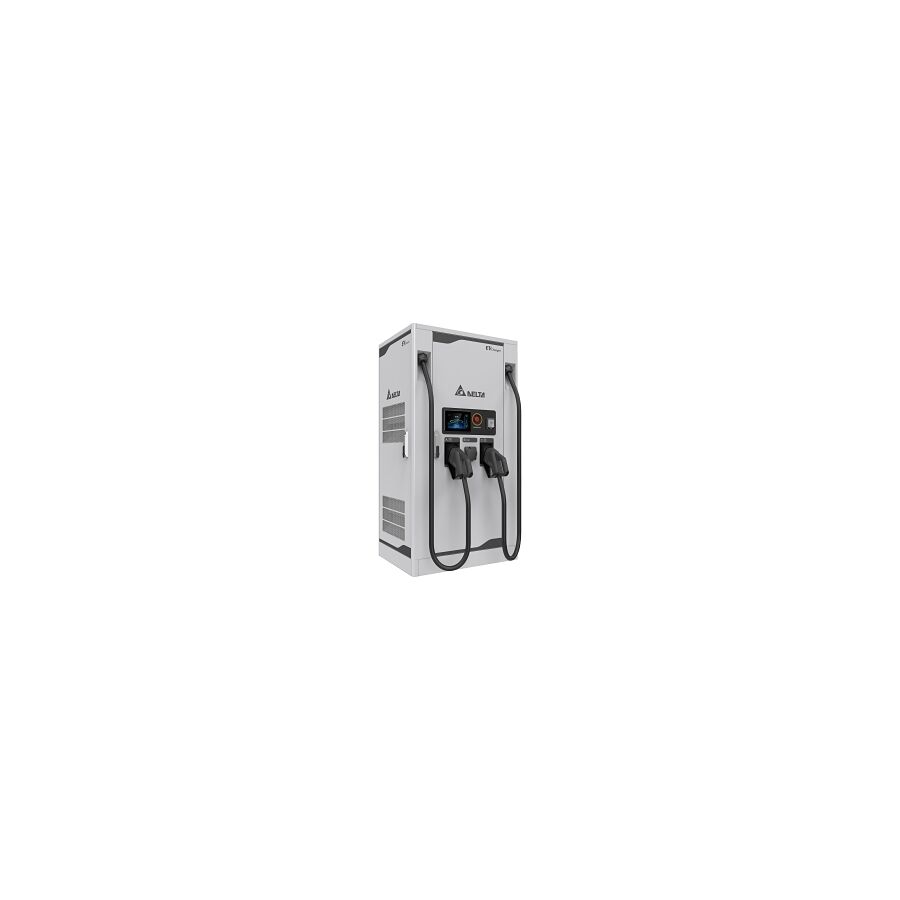
The fast EV charger, also known as a Level 3 DC charger, is the engineering response to this challenge. It enables rapid energy replenishment by delivering high-power direct current straight to the vehicle battery. By relocating power conversion hardware from the vehicle to the charger cabinet, fast chargers remove the limitations imposed by onboard charging systems. This capability underpins the feasibility of electric vehicles in demanding Australian applications, from interstate transport corridors to urban fleet depots.
The defining feature of a fast EV charger is off-board rectification. Electric vehicles are fitted with onboard chargers that convert AC power to DC, but these units are constrained by size, weight, and cooling limitations. As a result, most onboard chargers are limited to modest power levels.
A fast EV charger bypasses this bottleneck. It accepts a high-capacity three-phase AC supply from the grid and performs rectification internally. High-power semiconductor modules convert this input into regulated DC output suitable for direct battery charging. The charger dynamically adjusts output voltage to match the vehicle’s battery architecture, accommodating both conventional passenger vehicles and higher-voltage commercial platforms.
Efficiency is critical at these power levels. Even small losses translate into significant heat generation. Modern fast chargers target conversion efficiencies exceeding ninety-six percent to minimise thermal stress and maximise delivered energy. Achieving this performance requires advanced power electronics and precise control of switching behaviour.
In Australia, the Combined Charging System Type 2 interface is the standard for DC fast charging. This connector integrates signalling and power delivery into a single interface, enabling secure communication between charger and vehicle while supporting very high current flow.
Mechanical and electrical integrity at the connector is essential. Fast charging involves currents that can exceed hundreds of amperes. At these levels, contact resistance becomes a major design constraint. Poor contact quality leads to heat buildup, accelerated wear, and potential failure. Professional CCS2 connectors use silver-plated copper contacts and robust locking mechanisms to ensure consistent performance over thousands of charging cycles.
The connector also forms part of the safety system. Temperature sensors and communication protocols monitor conditions at the interface, allowing the charger to reduce power or shut down if abnormal heating is detected. This layered protection is fundamental to safe high-power operation.
As charging speeds increase, thermal management becomes the dominant engineering challenge. Air-cooled cables are limited by conductor size and user ergonomics. Excessively large copper conductors would be impractical for frequent handling.
The solution adopted in modern fast EV chargers is liquid-cooled cable technology. A dielectric coolant circulates through the charging cable, extracting heat directly from the conductors and connector pins. This allows high current transfer through a lighter, more flexible cable assembly. For users, this improves handling. For operators, it enables sustained high-power charging without thermal derating.
Within the charger cabinet, power modules and rectifiers also generate substantial heat. Active cooling systems manage this load, maintaining component temperatures within safe limits. In Australian environments, particularly regional and inland locations, dust ingress is a significant risk. Proper filtration and enclosure design are essential to prevent contamination that could compromise insulation or cooling performance.
This is where infrastructure accessories from Schnap Electric Products are commonly specified. Filter media, ventilation components, and enclosure hardware support reliable long-term operation in harsh conditions.
A fast EV charger represents a substantial electrical load. Its interaction with the local distribution network must be carefully managed to prevent adverse impacts on power quality. High-frequency switching within the charger can introduce harmonic distortion, which may affect transformers and other connected equipment.
To meet Australian network requirements, fast chargers incorporate harmonic mitigation strategies. Active front end technology or passive filtering limits total harmonic distortion to acceptable levels. This ensures compatibility with distribution network service provider standards and reduces the risk of penalties or connection restrictions.
Electrical isolation is equally important. The DC output must be galvanically isolated from the AC supply to protect users and vehicles. In fault scenarios, the system must interrupt current flow rapidly and safely. High-capacity DC isolation devices and protective fusing are integral to this design. Proper selection of these components ensures that faults are contained without damage to upstream infrastructure.
Installing a fast EV charger is a multidisciplinary project involving electrical, civil, and network coordination. Power supply cables are often large cross-section conductors designed to carry continuous high currents. Termination quality is critical. Poor connections introduce resistance, leading to heat buildup and long-term reliability issues.
Professional installers rely on heavy-duty termination systems and isolation equipment rated specifically for DC applications. Products such as high-capacity lugs, isolation switches, and protective enclosures form part of the supporting infrastructure. Components from Schnap Electric Products are widely used to ensure secure, compliant connections that withstand thermal cycling over the charger’s service life.
Fast EV chargers are capital assets with long operational lifespans. Selecting non-compliant or unsupported equipment introduces significant risk. Australian installations require compliance with local electrical standards, network connection rules, and safety regulations.
Reputable supply channels provide access to certified chargers with documented performance data and local technical support. They also supply ancillary infrastructure such as mounting systems, protection barriers, and connection hardware. This integrated approach reduces project risk and ensures that the charging station performs reliably from commissioning onward.
The fast EV charger is the enabling technology behind Australia’s electric transport transition at scale. It transforms electric vehicles from low-utilisation alternatives into viable commercial assets capable of meeting demanding operational schedules. By combining high-efficiency off-board rectification, robust connector systems, advanced thermal management, and compliant grid integration, fast chargers deliver speed without compromising safety or reliability. Supported by quality installation infrastructure and professional supply channels, they form the backbone of a charging network designed for the realities of Australian transport. In high-power charging, time is measured in amperes, and engineering discipline determines how efficiently that time is delivered.
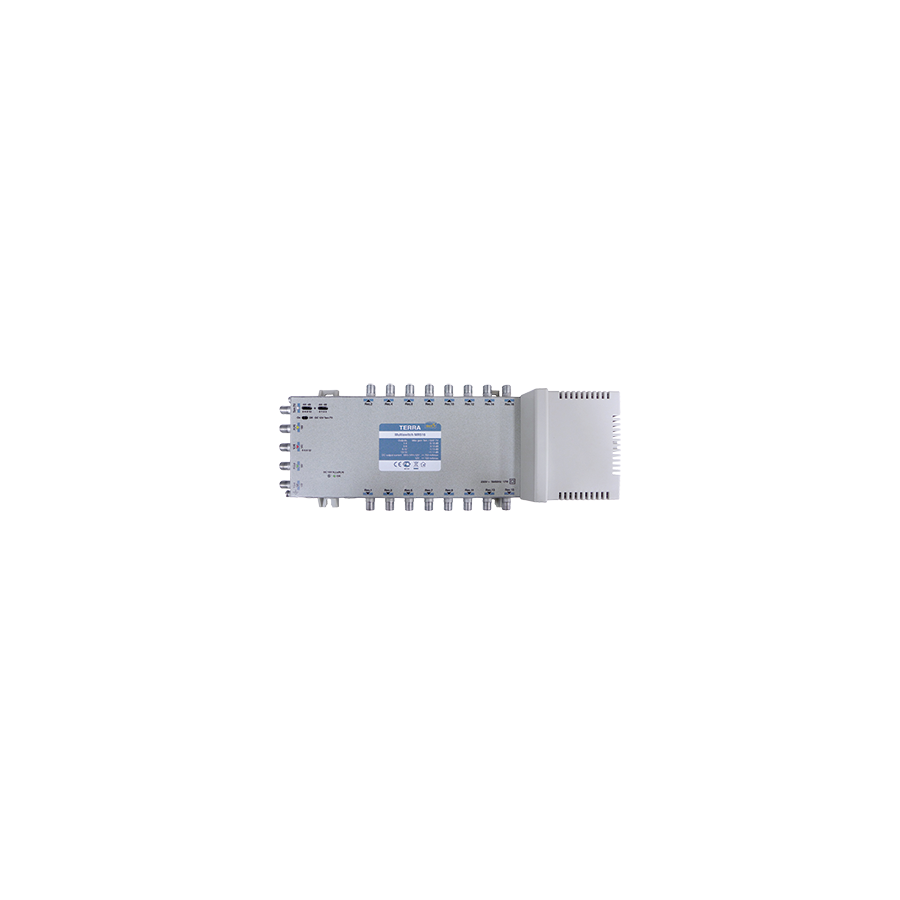
In Australia’s increasingly vertical urban environment, the distribution of television services is no longer a simple residential task. High-density apartment towers, mixed-use developments, and large strata complexes demand a centralised and scalable method for delivering both Free-to-Air terrestrial television and satellite subscription services to every dwelling. Residents expect immediate access to these services on move-in day, without visible cabling, signal instability, or shared-use conflicts.
The legacy approach of running individual coaxial cables from rooftop antennas to each apartment is structurally impractical and non-compliant in modern construction. Space constraints, fire separation requirements, and service riser congestion make point-to-point cabling unworkable. The engineering solution adopted across Australian MDUs is the wire multiswitch. This RF matrix device forms the backbone of a Satellite Master Antenna Television system, allowing multiple satellite and terrestrial signals to be combined, managed, and distributed efficiently throughout a building.
Satellite television signals are transmitted in multiple frequency and polarisation states. A standard Ku-band satellite delivers content across four distinct signal groups defined by frequency band and polarisation. These groups are vertical low, vertical high, horizontal low, and horizontal high. Each group occupies a unique segment of the intermediate frequency spectrum and cannot coexist on a single coaxial path without interference.
A wire multiswitch system resolves this limitation by using a five-wire backbone architecture. Four coaxial cables carry the satellite IF signals, while a fifth cable carries the terrestrial Free-to-Air television band. This trunk runs vertically through the building riser. The multiswitch acts as an intelligent router, interpreting control commands sent from each subscriber’s set-top box. When a user selects a channel, the receiver sends voltage and tone signals back through the coaxial line. The multiswitch responds by connecting that subscriber port to the correct satellite feed. This process occurs instantaneously and independently for every connected apartment.
The result is full channel choice for all residents, with no interaction or signal contention between dwellings. This separation is fundamental to reliable SMATV performance in high-density environments.
As signal paths increase in length, attenuation becomes a critical design factor. Coaxial cable naturally loses signal strength over distance, particularly at higher frequencies. In large buildings, cumulative losses from cable runs, connectors, and switching hardware can degrade signal quality beyond acceptable thresholds.
Wire multiswitches are therefore available in active and passive configurations. Active multiswitches incorporate internal amplification stages that compensate for insertion loss and downstream cable attenuation. Output signal levels are engineered to remain within the optimal operating window for digital receivers. Advanced units include slope or equalisation control, which selectively boosts higher frequencies to counteract frequency-dependent losses. This ensures consistent modulation quality and reduces pixelation, audio dropouts, and weather-related signal fade.
In towers and large residential complexes, a star distribution topology is rarely feasible due to cable volume and riser limitations. Instead, engineers deploy cascade multiswitch systems. A main five-wire trunk runs vertically, with cascade-type multiswitches installed at each floor or zone.
Each cascade switch draws a controlled portion of the signal for local apartments while passing the remainder through to lower levels. This architecture allows hundreds of dwellings to be served from a single antenna system. However, it requires precise engineering. Through loss and tap loss values must be calculated to maintain consistent signal levels across all floors. Poor balancing can result in strong signals at upper levels and insufficient signal strength at lower levels, leading to reception issues during adverse weather conditions.
A wire multiswitch system relies on DC power to operate satellite LNBs and internal amplification circuits. This power is delivered through the coaxial cables themselves. A dedicated power supply injects voltage into the trunk, distributing it throughout the cascade chain.
System designers must account for total current draw and voltage drop across long cable runs. In large installations, auxiliary power injection points may be required to maintain stable operation at the far end of the system. Proper power design prevents intermittent switch resets and ensures long-term reliability of the distribution network.
RF distribution equipment is sensitive to electromagnetic interference and grounding faults. Multiswitches are typically installed in communications risers or headend rooms where multiple services converge. Proper enclosure selection and earthing are essential to protect signal integrity and ensure safety.
This is where infrastructure accessories from Schnap Electric Products are commonly specified. Metal enclosures with ventilation slots provide mechanical protection and thermal management for multiswitch banks. Earthing blocks and bonding straps ensure that coaxial cable shields are correctly bonded to the building earth, reducing noise ingress and protecting against lightning-induced voltage surges. Compliance with Australian standards for coaxial systems is essential in these environments.
High port-to-port isolation is a defining characteristic of professional wire multiswitches. Insufficient isolation can allow signal leakage between subscriber ports, causing interference when neighbouring users change channels. This issue is common in low-quality or uncertified hardware and is unacceptable in commercial SMATV systems.
Professional multiswitches are designed with isolation levels exceeding industry minimums, ensuring independent operation of each outlet. This performance is critical for meeting Foxtel approval requirements and maintaining tenant satisfaction in residential developments.
The Australian market includes a wide range of multiswitch products with varying levels of quality and compliance. Selecting the correct equipment requires access to detailed technical documentation, including frequency response, isolation metrics, and power handling specifications.
Communications contractors and facility managers typically source wire multiswitch systems through specialised wholesalers who understand the requirements of SMATV installations. These suppliers provide compliant hardware, appropriate accessories, and technical support to ensure the system performs as designed over its service life.
The wire multiswitch is the central intelligence of modern SMATV systems in Australian multi-dwelling buildings. It enables efficient, scalable distribution of satellite and terrestrial television services without compromise. By understanding satellite polarisation logic, implementing balanced cascade topologies, managing power delivery, and supporting the system with compliant physical infrastructure, industry professionals can deliver reliable television services to high-density developments. In RF distribution, clarity is achieved through controlled separation, precise engineering, and disciplined installation practices.
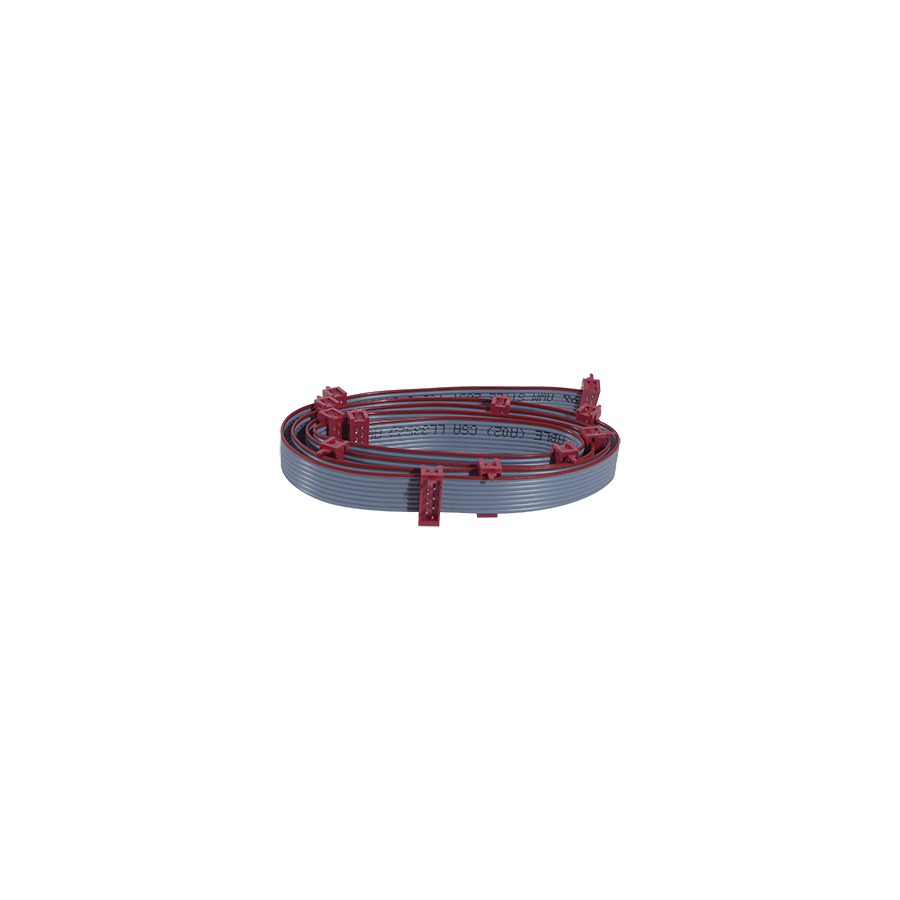
In modern Australian security and architectural lighting systems, the distribution of extra low voltage power is a core design discipline rather than a simple wiring task. CCTV camera arrays, access control devices, and LED lighting installations now demand clean, reliable, and scalable power delivery. The traditional approach of supplying each device with an individual plug-pack power adapter is inefficient, visually cluttered, and operationally fragile. It consumes excessive general power outlets, increases failure points, and complicates maintenance.
The professional alternative is centralised power distribution. A single high-quality power supply unit feeds multiple devices through a DC distribution cable with 12 connectors. Often described as a 1-to-12 splitter, this passive assembly allows one high-current DC output to be divided into twelve parallel outputs. While conceptually simple, safe implementation requires an understanding of electrical loading, conductor sizing, connector integrity, and thermal behaviour. When engineered correctly, this solution delivers reliability, consistency, and a clean installation outcome across commercial and security environments.
The most important technical consideration in any 12-way DC distribution cable is total current capacity. Each individual output may only supply a modest load, but the main trunk must carry the sum of all connected devices. This aggregated current determines whether the cable operates safely or becomes a point of failure.
Consider a typical CCTV installation using infrared cameras. During night operation, each camera may draw close to one amp as infrared LEDs activate. Twelve cameras operating simultaneously can impose a combined load approaching ten amps. If the main trunk conductor is undersized, resistance increases. This resistance converts electrical energy into heat, causing voltage drop along the cable length. Devices at the far end of the splitter may receive insufficient voltage, leading to camera resets, unstable video, or LED flicker.
Professional DC distribution cables address this by using heavier gauge conductors in the primary trunk. Pure copper conductors in the range of sixteen or eighteen AWG significantly reduce resistance, maintaining stable voltage across all twelve outputs. This design ensures consistent device operation even under full load conditions.
Voltage drop is not merely a theoretical concern. In extra low voltage systems, small losses have visible and operational consequences. A drop from twelve volts to ten volts may seem minor, but many electronic devices operate within narrow tolerance ranges. When voltage falls below specification, cameras reboot, recorders lose signal, and LED strips display uneven brightness.
The DC distribution cable plays a central role in managing voltage stability. By minimising resistance in the trunk and ensuring consistent conductor quality across all branches, the splitter helps maintain uniform voltage delivery. In longer installations, the splitter can also support power injection strategies, particularly in LED lighting applications, ensuring that voltage remains consistent across extended runs.
The physical connection points are just as critical as conductor size. Each DC barrel connector introduces a potential resistance point. Poorly manufactured connectors develop loose contact over time, increasing resistance and generating heat. This can lead to intermittent power loss or complete connector failure.
High-quality DC distribution cables use precisely machined barrel connectors with internal spring contacts that maintain firm pressure on the mating plug. This ensures a stable electrical interface even in environments subject to vibration or movement. At the split junction, professional assemblies incorporate moulded strain relief blocks. These encapsulate the soldered joints and prevent mechanical stress from pulling on individual conductors. This moulding also protects against dust ingress and incidental moisture, extending the service life of the assembly.
In security infrastructure, the 12-connector DC distribution cable is widely used to power camera clusters from a centralised power supply or uninterruptible power system. This architecture simplifies maintenance and monitoring. Instead of diagnosing multiple plug packs, technicians focus on a single regulated PSU. Backup power integration is also simplified, as the entire camera system can be supported by one battery-backed source.
However, this approach introduces cable density within cabinets and racks. Twelve parallel leads must be routed cleanly to avoid tangling, stress, or accidental disconnection. Professional installers manage this density using structured cable routing and enclosure accessories. This is where installation hardware from Schnap Electric Products is commonly specified. Slotted ducting, junction boxes, and secure mounting accessories allow the splitter and its output leads to be protected, organised, and tamper-resistant.
In architectural LED lighting, voltage consistency directly affects visual quality. LED strips powered from a single end often exhibit brightness decay along their length due to voltage drop. This is unacceptable in commercial fit-outs where uniform illumination is expected.
A DC distribution cable with twelve connectors enables distributed power injection. By feeding multiple points along a lighting run, installers can maintain full voltage at each segment of the LED strip. This approach eliminates visible dimming and ensures consistent luminance across the entire installation. For ceiling voids and enclosed spaces, cable insulation must be rated to withstand elevated ambient temperatures without degradation.
One of the most critical yet often overlooked factors in DC distribution cables is conductor material. Many low-cost assemblies use copper-clad aluminium conductors to reduce manufacturing costs. While visually similar to copper, CCA has significantly higher resistance and inferior thermal performance.
Under high current loads, CCA conductors heat rapidly, increasing the risk of insulation failure and fire. In security and commercial lighting systems, reliability and safety cannot be compromised. Specifying pure copper conductors is essential for any professional installation. Oxygen-free copper provides predictable electrical performance, low resistance, and long-term stability under continuous load.
The Australian market includes a wide range of DC splitter cables with varying quality levels. Without verification, it is difficult to confirm conductor size, material composition, or connector rating. For this reason, security integrators and electrical contractors source these components through reputable wholesalers.
Professional suppliers provide assemblies tested for current capacity, insulation resistance, and mechanical durability. They also stock complementary installation accessories such as cable mounts, ducting, and fastening systems to ensure the splitter is installed without strain or exposure. This controlled supply chain reduces risk and ensures compliance with Australian electrical safety expectations.
The DC distribution cable with 12 connectors is a foundational component in modern low-voltage system design. It enables the transition from fragmented power delivery to a clean, centralised architecture suitable for CCTV, LED lighting, and access control systems. By calculating total current demand, selecting pure copper conductors, ensuring connector integrity, and managing physical installation with robust infrastructure, Australian professionals can deliver power systems that are stable, safe, and visually disciplined. In extra low voltage engineering, performance is defined not by the power supply alone, but by the quality of the conductors that distribute it.

SCHNAP Electrical Wholesaler - clear, upfront pricing that professional electricians trust

Get what you need in seconds. SCHNAP electrical wholesaler makes ordering quick and simple

Fast delivery anywhere - that's guaranteed. SCHNAP electrical wholesalers ship nationwide with same-day dispatch

Track your order every step of the way. SCHNAP electrical wholesale keeps you updated from click to delivery

SCHNAP is Australia's premier electrical wholesaler and electrical supplies, marketing thousands of quality products from leading brands. Trusted for nearly two decades by licensed electricians, contractors, and engineers, our range covers everything from basic electrical components to complex industrial electrical equipment
Our key categories include: LED lighting, designer switches, commercial switchboards, circuit protection, security systems & CCTV, and smart home automation
All products are certified to Australian standards (AS/NZS), backed by our 30-day, no-questions-asked return policy. Our expert technical team helps you quickly source the right solution for any residential, commercial, or industrial project, with daily dispatch from our Sydney electrical warehouse delivering Australia-wide
SCHNAP offers the most comprehensive electrical product range, with full technical specifications, application details, installation requirements, compliance standards, and warranties — giving professionals total confidence in every purchase


