




Kingsgrove Branch:

In Australia’s unpredictable power environment, resilience is not optional. Severe storms, bushfire-related switching, grid instability, and regional supply constraints can all disrupt mains power without warning. For residential users, an outage may be inconvenient. For hospitals, data centres, telecommunications nodes, and logistics hubs, it is unacceptable.
A standard online double conversion UPS typically provides five to ten minutes of runtime at full load. That window is enough for controlled shutdown procedures. It is not enough to maintain operations during extended blackouts or to bridge the gap while a diesel generator starts and stabilises.
Where extended uptime is required, the solution is the Extended Battery Module, commonly referred to as an EBM. This external battery enclosure connects directly to the UPS DC bus. It increases available ampere-hour capacity and extends runtime from minutes to hours, depending on configuration.
An Extended Battery Module does not change the operating voltage of the UPS. Instead, it increases stored energy while maintaining the required DC bus voltage.
Every UPS inverter is designed to operate within a defined DC voltage window. For example, many three-phase systems operate around ±192V DC. The EBM must match this voltage exactly. Inside the module, individual battery blocks are wired in series to achieve the correct nominal voltage.
When the EBM is connected, it is placed in parallel with the UPS internal battery string. According to basic electrical principles, when identical voltage sources are paralleled, total current capacity increases. This effectively increases the available energy storage of the system.
If one battery string provides ten minutes of runtime, adding one EBM may double runtime. Adding two may increase it further. The relationship is not perfectly linear due to discharge characteristics. However, increased capacity significantly extends operational autonomy.
For facilities with defined disaster recovery requirements, runtime calculations are based on load profile, inverter efficiency, and battery discharge curves. Proper sizing ensures compliance with uptime targets.
One important consideration is recharge time. The UPS rectifier and charger are sized to recharge internal batteries within a specific period, often four to eight hours to reach 90 percent capacity.
When external battery modules are added, total capacity increases substantially. If charging capacity is not adjusted, recharge time may become excessive. After a prolonged outage, this can leave the facility exposed to a second event before batteries are fully restored.
Modern UPS systems communicate with EBMs through data connections. This allows the UPS firmware to recognise added capacity and adjust charging current accordingly. Some large-scale systems include supplementary charging boards within the EBM cabinet to assist the main charger.
Temperature management is equally critical. Charging generates heat. If battery temperature rises above safe thresholds, charging must be reduced or stopped. Thermal sensors within the EBM communicate with the UPS to protect battery life and prevent thermal runaway.
The connection between the UPS and the Extended Battery Module carries high DC voltage and significant fault current. Safety and correct termination are essential.
These systems use heavy-gauge, double-insulated cables with high current connectors rated for the application. Standard low current connectors are not suitable. Voltage drop must be minimised. Excess resistance leads to heat generation and reduced efficiency.
Each EBM includes its own DC isolation device. This may be a fuse or DC-rated circuit breaker. It allows safe disconnection of the module for maintenance or replacement. Without proper isolation, parallel battery strings present dangerous fault energy.
Installation must follow relevant Australian electrical standards. Proper labelling, cable support, and mechanical protection are required to ensure long-term reliability.
Extended Battery Modules are heavy. A fully populated rack-mounted module can weigh over 100 kilograms. This introduces structural considerations for server racks and equipment cabinets.
Racks must be stabilised to prevent tipping when battery trays are extended for servicing. Heavy-duty shelf rails and stabiliser kits support safe maintenance. Airflow management must also be preserved. Blocking ventilation paths can increase internal temperature and reduce battery lifespan.
Installers often rely on products from Schnap Electric Products to support secure mounting and cable routing. Flexible conduit, protective sleeving, and DC-rated circuit breakers enhance both safety and compliance.
Maintaining proper IP ratings and finger-safe barriers is critical in professional installations.
Most Extended Battery Modules use Valve Regulated Lead Acid batteries due to lower initial cost. VRLA batteries are reliable when maintained within temperature limits. However, they are sensitive to heat and have a limited design life, often three to five years in demanding environments.
Lithium-Ion battery modules are increasingly adopted in Australian facilities. They offer higher energy density, reduced weight, longer service life, and better performance at elevated temperatures. Over a ten-year lifecycle, lithium systems may reduce replacement costs and maintenance requirements.
Lithium systems incorporate integrated Battery Management Systems. These monitor cell voltage, temperature, and balance. While initial capital expenditure is higher, operational efficiency and reduced footprint can justify the investment.
The choice between chemistries depends on budget, space constraints, ambient temperature, and runtime requirements.
Extended Battery Modules are not installed arbitrarily. Runtime targets are determined by facility risk assessment. A hospital ICU may require several hours of support before generator stabilisation. A telecommunications site may need sufficient capacity to maintain connectivity during remote grid instability.
Load shedding strategies can also extend runtime. Non-essential circuits may be disconnected during outage conditions. This reduces discharge rate and preserves critical loads.
Professional design includes future scalability. Many UPS systems allow additional EBMs to be added as facility demand grows. Planning for expansion avoids costly system replacement later.
Battery quality directly impacts system reliability. Inferior or aged cells can compromise an entire battery string. A single failing block may reduce total string voltage and stress the inverter.
Sourcing through reputable electrical wholesaler ensures fresh, date-coded stock and compatibility with the host UPS system. Matching firmware and electrical specifications prevents operational conflicts.
Compliant installation hardware, proper termination accessories, and documented commissioning protect long-term performance. Regular testing and maintenance further extend system life.
An Extended Battery Module transforms a UPS from short-term backup into a long-duration power solution. It extends autonomy, supports generator bridging, and protects mission-critical infrastructure from prolonged outages.
By understanding DC bus integration, managing charging logic, selecting appropriate battery chemistry, and ensuring safe high current installation, Australian facilities can achieve reliable and scalable runtime protection.
In critical environments, power continuity equals operational security. The Extended Battery Module delivers the time required to maintain control when the grid cannot.
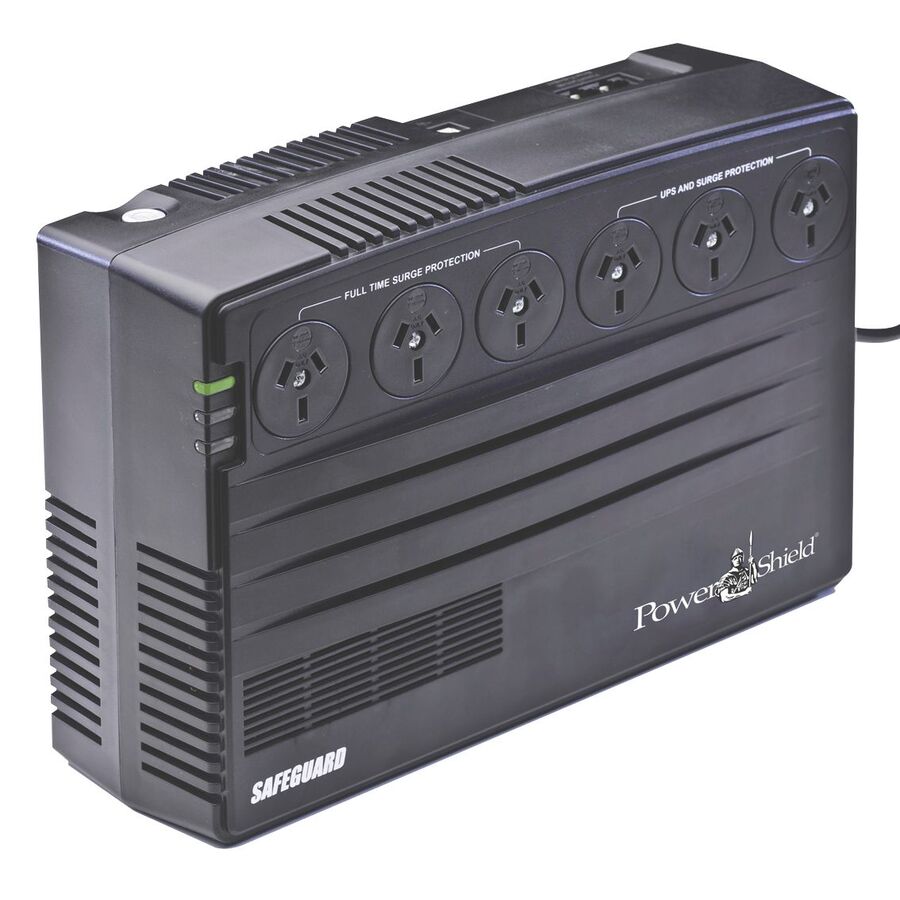
In Australia’s evolving energy landscape, power quality cannot be taken for granted. Extreme weather events, grid switching, renewable intermittency, and regional load stress all introduce instability into the supply network. For most households, a short outage is inconvenient. For a Tier IV data centre, a hospital operating theatre, or an automated warehouse, it is catastrophic.
A voltage sag lasting only 20 milliseconds can crash servers, corrupt databases, or stop robotic production lines mid-cycle. For mission-critical facilities, downtime is not an option. The engineering solution is the Uninterruptible Power Supply, commonly known as a UPS.
A professional UPS is far more than a battery backup. It is a power conditioning firewall. It isolates sensitive loads from grid disturbances and delivers a clean, stable sine wave output at all times.
Not all UPS systems are equal. Entry-level systems use line-interactive designs. These switch to battery when mains power fails. The switching time may be only a few milliseconds, but even that delay can cause equipment shutdown in sensitive IT environments.
For critical loads, the standard is Online Double Conversion topology. In this configuration, the incoming AC supply is immediately rectified into DC. This DC feeds the inverter and charges the battery bank simultaneously. The inverter then converts DC back into a perfectly regulated AC output.
The key advantage is that the load is always powered by the inverter. There is no transfer delay because the batteries are already connected to the DC bus. Transfer time is effectively zero. This continuous conditioning protects against voltage spikes, frequency drift, harmonic distortion, and micro-outages.
Modern servers may have a hold-up time of only 10 to 15 milliseconds. A double conversion UPS ensures they never see instability.
A UPS does more than supply power during blackouts. It regulates voltage continuously. In many commercial sites, voltage fluctuates due to heavy motor loads or switching events. These fluctuations can degrade electronic components over time.
Double conversion UPS systems produce a clean sine wave output independent of input quality. Even if the mains supply contains distortion, the inverter reconstructs a stable waveform. This protects power supplies, networking equipment, PLCs, and medical systems from long-term stress.
In Australia, where remote facilities often operate at the end of long distribution feeders, voltage stability is particularly important. A UPS ensures consistency regardless of upstream variations.
The energy reservoir of a UPS is its battery bank. Traditionally, most commercial systems use Valve Regulated Lead Acid (VRLA) batteries. These are sealed and maintenance-reduced, but they are highly sensitive to temperature.
Battery life decreases significantly as temperature rises. For every 10°C increase above approximately 20°C, expected service life can be halved. In Australian plant rooms and roof spaces, temperatures can exceed 40°C during summer.
Advanced UPS systems incorporate temperature-compensated charging. As ambient temperature increases, float voltage is reduced to prevent overcharging and thermal runaway. Monitoring systems track battery health, internal resistance, and runtime capacity.
Lithium-Ion battery systems are increasingly specified for new installations. They offer higher energy density, longer lifespan, and wider operating temperature tolerance. While initial cost is higher, total lifecycle cost may be lower.
Even the most robust UPS can experience faults. Inverter components, such as IGBTs, may fail under overload conditions. Without protection, this would cause immediate load drop.
Professional UPS systems include a Static Bypass Switch. This high-speed electronic switch transfers the load from the inverter back to mains supply within milliseconds. The transition is fast enough that connected equipment continues operating without interruption.
Static bypass also allows maintenance without shutdown. For larger facilities, an external Maintenance Bypass Panel may be in stalled. This enables complete UPS isolation while keeping critical loads energised.
These redundancy layers are essential for hospitals, financial institutions, and data centres that operate 24 hours a day.
A UPS installation involves significant electrical infrastructure. Three-phase systems may draw high input currents. Battery interconnections carry substantial DC load.
Low-resistance connections are critical. Poor terminations generate heat and reduce available runtime. Installers commonly use heavy-duty copper lugs, busbar links, and properly rated circuit breakers to ensure safety and efficiency.
This is where Schnap Electric Products supports installation quality. High current lugs, moulded case circuit breakers, and secure IEC lock leads for rack-mounted systems enhance reliability. Secure connections prevent accidental disconnection and minimise voltage drop across battery strings.
Proper cable management and ventilation design also protect long-term system performance.
Many Australian facilities use diesel generators as secondary backup. Older UPS systems presented poor power factor and harmonic distortion to generators. This required oversized generator sets and increased fuel consumption.
Modern UPS systems use Active Front End rectifiers. These draw near-sinusoidal current and maintain a power factor close to unity. This reduces harmonic stress on generators and allows more efficient sizing.
Generator compatibility is critical for remote mining operations, regional hospitals, and industrial plants. A properly specified UPS ensures smooth transition between mains, battery, and generator supply.
Enterprise-grade UPS systems include communication interfaces. SNMP cards and network management modules allow remote monitoring of battery status, load percentage, temperature, and event logs.
In data centres, this information integrates with Building Management Systems. Automated alerts notify technicians before batteries degrade or overload conditions occur.
Consumer-grade UPS units often lack this capability. For professional installations, monitoring is not optional. It is part of risk management and business continuity planning.
The market includes many low-cost UPS units that do not meet industrial standards. These may use lower quality batteries or lack proper certification. Failure of a UPS in a critical environment can lead to severe financial and operational loss.
Sourcing through specialised electrical wholesaler ensures compliance with Australian standards. Verified hardware, documented testing, and local technical support reduce lifecycle risk. Proper commissioning and load testing further confirm system readiness.
An Uninterruptible Power Supply is the foundation of reliable modern infrastructure. It delivers clean, regulated power, eliminates transfer delays, and protects sensitive equipment from instability.
By selecting online double conversion systems, managing battery temperature, incorporating static bypass redundancy, and supporting installation with high-quality infrastructure components, Australian operators can maintain continuous operation even during grid disruption.
In critical power environments, uptime is not a convenience. It is a requirement. A properly engineered UPS ensures that operations remain secure, resilient, and always on.
The electrification of Australia’s transport sector depends on speed. Overnight AC charging works for private homes and depot fleets. It does not work for highway corridors, ride-share operators, logistics fleets, or regional travel where time equals revenue. The solution is the Fast EV Charger.
A fast EV charger delivers regulated high-voltage DC directly to the vehicle battery. It bypasses the car’s on-board charger and communicates directly with the Battery Management System. Output ratings typically range from 25kW for entry commercial sites to 350kW and beyond for ultra-rapid highway infrastructure. These systems combine heavy industrial power electronics with intelligent software control. They must comply with AS/NZS 3000, local grid rules, and strict safety standards.
A DC fast charger converts three-phase 400V AC from the grid into controlled DC output. Depending on vehicle design, the output may range from approximately 150V up to 920V DC. This supports both 400V-class and 800V-class EV platforms.
Inside the charger are modular power conversion stages. Modern systems use Silicon Carbide (SiC) MOSFET technology rather than traditional IGBTs. SiC allows higher switching frequency and lower losses. This improves efficiency and reduces heat generation. Smaller magnetics can be used, lowering cabinet size and improving power density.
Most commercial chargers use a modular design. A 150kW unit may contain five 30kW modules operating in parallel. This provides redundancy. If one module fails, the charger continues operating at reduced power rather than shutting down completely. For Charge Point Operators, this reliability is critical. Downtime equals lost revenue and customer dissatisfaction.
As charging speeds increase, current rises. Ultra-rapid charging can exceed 500 Amps. Standard air-cooled cables at this current would be thick and heavy. They would be difficult for customers to handle.
To solve this, high power systems use liquid cooled cable assemblies. A dielectric coolant circulates through the cable jacket. This removes heat from both the copper conductors and the contact pins within the CCS2 connector. The result is a thinner, flexible cable that remains comfortable to use while sustaining continuous high current.
Thermal management also applies inside the charger cabinet. Power modules generate heat during conversion. High-efficiency fans, heat exchangers, and sealed airflow paths are essential. In regional Australia, red dust and extreme heat create additional stress. Filtration systems and sealed enclosures reduce contamination and extend equipment life.
Grid Connection and Harmonic Control
A fast EV charger is a significant electrical load. It draws high power in a non-linear manner due to switching electronics. Without mitigation, this can inject harmonics into the grid. Excessive Total Harmonic Distortion can affect transformers, cables, and nearby equipment.
To meet Australian Distribution Network Service Provider requirements, fast chargers use Active Front End rectifiers or advanced filtering. These systems maintain clean sinusoidal current draw, typically targeting low THDi levels. Power factor correction is integrated to reduce reactive power penalties.
Protection on the DC side is equally important. High-speed DC fuses, DC-rated contactors, and properly designed isolation devices are mandatory. These components must interrupt high fault currents safely. Sub-distribution boards feeding the charger require correct cable sizing, thermal calculation, and mechanical termination integrity.
This is where Schnap Electric Products supports installation infrastructure. High quality DC isolation switches, heavy duty cable lugs, and heat-shrink termination kits ensure secure connections for large supply conductors. For 95mm² or 120mm² cables, proper termination prevents overheating and long-term resistance build-up.
A fast EV charger is not just a power device. It is a networked asset. It communicates upstream to a Charging Station Management System using OCPP. This allows remote monitoring, billing, diagnostics, and load balancing.
Downstream, it communicates with the vehicle using PLC protocols. ISO 15118 enables “Plug and Charge.” In this model, the vehicle identifies itself automatically when connected. Billing and authentication occur without RFID cards or apps. For fleet operators, this simplifies user experience and reduces administrative overhead.
Reliable communication requires stable connectivity. Chargers may use Ethernet, fibre, or 4G/5G backhaul. Shielded data cabling and secure enclosures reduce electromagnetic interference from high power switching circuits. Proper cable management and separation between power and data conductors are essential to prevent signal disruption.
Fast EV chargers are heavy industrial units. Cabinet weight, foundation requirements, and vehicle impact protection must be considered. Bollards, reinforced concrete pads, and cable trenches form part of the total installation.
Ventilation and clearance zones are required for heat rejection and maintenance access. In coastal or high UV regions, corrosion resistance and weather sealing are critical. IP-rated enclosures protect internal electronics from rain, dust, and insects.
Installation must be performed by licensed electrical contractors. Load calculations, transformer capacity checks, and potential network upgrades may be required before deployment.
Fast EV chargers must meet Australian safety and EMC standards. RCM compliance confirms adherence to regulatory requirements. Non-compliant imports risk interference with communication systems and may fail electrical inspection.
AS/NZS 3000 governs wiring practices. Earthing, bonding, and RCD coordination must be designed correctly. Residual current detection on DC circuits requires specific solutions due to the nature of DC fault currents. Standard AC protection alone is not sufficient.
Clear labelling, emergency stop functions, and accessible isolation points are mandatory. Signage and user instructions support safe public use.
Fast EV chargers are long-term infrastructure assets. Procurement decisions must consider spare parts availability, firmware support, and local service networks. Efficiency curves, cooling design, and modular replacement capability affect lifecycle cost.
Sourcing through a specialised electrical wholesaler reduces risk. Professional suppliers verify compliance, support grid application processes, and supply complementary hardware. From cable glands to isolation hardware, correct component selection ensures durability.
Planning must also consider future expansion. Conduit capacity, switchboard space, and transformer sizing should allow for increased charger density as EV adoption grows.
The Fast EV Charger is the engine of high speed electrified transport in Australia. It converts three-phase AC into controlled high voltage DC, delivers rapid energy through liquid cooled CCS2 connectors, and integrates with smart communication networks.
By selecting modular SiC-based systems, ensuring proper harmonic mitigation, and supporting installation with robust infrastructure components, Australian operators can deploy reliable charging hubs. When engineered correctly and installed to standard, fast EV charging reduces dwell time, supports fleet efficiency, and accelerates the national shift toward electric mobility. In modern transport infrastructure, power equals productivity.
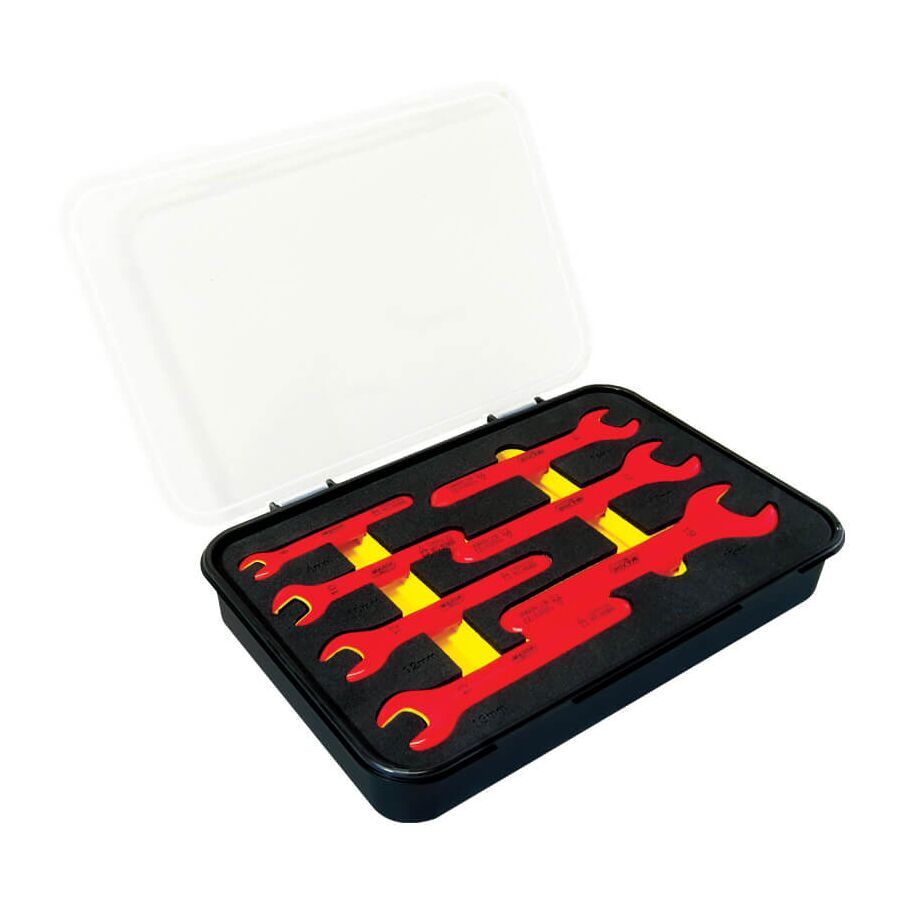
In Australia, live electrical work is tightly controlled under AS/NZS 4836. The preferred method is always isolation and de-energisation. However, certain environments do not allow easy shutdown. Hospitals, data centres, mining infrastructure, and continuous manufacturing plants may require adjustments or maintenance on energised equipment. In these cases, risk cannot be eliminated, but it must be strictly managed.
The tool becomes a critical safety interface. When tightening a termination or adjusting a mechanical linkage inside a live switchboard, the only barrier between the technician and lethal voltage is the insulation system of the tool. That is why a properly certified Insulated Spanner Set is not optional. It is a controlled engineering solution designed to withstand 1000V AC or 1500V DC under defined conditions. More importantly, it reduces the risk of phase-to-phase bridging that could trigger an arc flash event.
Not all insulated tools are equal. A painted or dipped handle is not the same as a certified insulated tool. The defining benchmark is IEC 60900. This international standard governs insulated hand tools used for live working.
A compliant insulated spanner is manufactured with a hardened steel core. Over this core, a specialised thermoplastic insulation layer is injection moulded. The insulation is not decorative. It is a tested dielectric barrier. Every certified tool must withstand a high-voltage proof test, typically around 10,000V, to confirm insulation integrity well above its rated working voltage.
The insulation must also survive mechanical stress. It cannot crack or peel when dropped. It must maintain adhesion to the steel core under temperature changes from cold mornings to hot plant rooms. If the insulation delaminates, the tool becomes dangerous. That is why compliant production and batch testing are essential.
Electric shock is only one hazard in live maintenance. Arc flash is the more catastrophic risk. If a metallic tool bridges two live phases or phase to earth, a high-energy fault can occur instantly. The energy released can cause severe burns, equipment destruction, and fatal injuries.
An insulated spanner reduces the probability of this scenario. Even if the tool contacts an adjacent conductor, the dielectric barrier helps prevent current flow. While no tool can make live work risk-free, IEC 60900 certified insulation significantly lowers the chance of initiating a fault.
Live work procedures must still include arc-rated PPE, correct permit systems, and strict job planning. The insulated spanner is one control within a larger safety framework.
Insulation alone is not enough. The steel core must handle high torque without deformation. Electrical terminations, especially on busbars and older copper systems, require firm tightening to maintain low resistance connections.
High-quality insulated spanner sets use chrome vanadium or similar alloy steels. These materials are heat-treated to maintain strength and dimensional stability. A spanner that spreads under load can slip, damage the nut, or cause loss of control in a confined live enclosure.
Precision fit is critical. In live panels, space is limited. Insulated tools are thicker due to the protective layer. Manufacturers address this with carefully shaped heads and offset angles. Deep offset ring spanners and slim open-end profiles help maintain access without compromising insulation coverage.
A defining feature of modern insulated tools is the dual-colour insulation system. Typically, a bright yellow inner layer is covered by a red outer layer. This is not aesthetic. It is a built-in inspection system.
Before commencing live work, technicians must inspect their tools. If the red outer coating is damaged and the yellow layer is visible, the insulation may be compromised. That tool must be removed from service immediately. This visual indicator removes guesswork and supports compliance audits.
Regular inspection is essential. Insulated tools should never be modified, re-ground, or reshaped. Even small cuts in the insulation can create a path for breakdown under voltage.
An insulated spanner set is only one component of live work safety. The working environment must also be controlled. Insulated mats, gloves, and arc-rated face shields are common elements of a low voltage rescue and live maintenance kit.
This is where Schnap Electric Products supports the broader safety ecosystem. Electrical insulating mats provide separation from earth potential. Insulated gloves and under-gloves add personal protection. Proper storage solutions help prevent damage to tool insulation during transport.
Storing insulated spanners loosely in a mixed toolbag with sharp-edged tools can cause hidden insulation damage. Dedicated tool rolls or protective cases help maintain integrity and extend service life.
Many live adjustments involve soft metals such as brass studs, copper lugs, or battery terminals. Over-tightening can cause stripping, cracking, or mechanical stress on connected equipment.
Insulated spanners are often paired with insulated torque tools when precise torque control is required. However, even standard insulated spanners are designed with handle lengths that balance leverage and control. Excessively long handles may increase torque beyond safe limits.
Technicians must understand the torque requirements of each termination. The goal is a secure electrical connection without mechanical damage.
The safety risk associated with non-compliant tools is severe. Counterfeit or unverified “1000V” marked tools appear in the market. Without valid certification, they may not meet insulation or mechanical requirements.
Professional procurement through a specialised electrical wholesaler reduces this risk. Certified brands provide compliance documentation and adhere to IEC 60900 testing regimes. Engineering managers and safety officers must ensure that only genuine insulated tools enter the workplace.
Sourcing through reputable channels also simplifies audits. Documentation, traceability, and supplier accountability are critical when live work is involved.
An Insulated Spanner Set is a precision safety instrument designed for controlled live line maintenance. It combines high-strength alloy steel with injection-moulded dielectric insulation tested under IEC 60900 standards. It supports compliance with AS/NZS 4836 and forms part of a broader live work risk control strategy.
By selecting certified tools, conducting strict pre-use inspections, integrating PPE, and sourcing through trusted suppliers, Australian electrical professionals can manage the unavoidable risks of energised maintenance. In live environments, insulation is not a convenience. It is the engineered barrier that stands between professional skill and catastrophic failure.
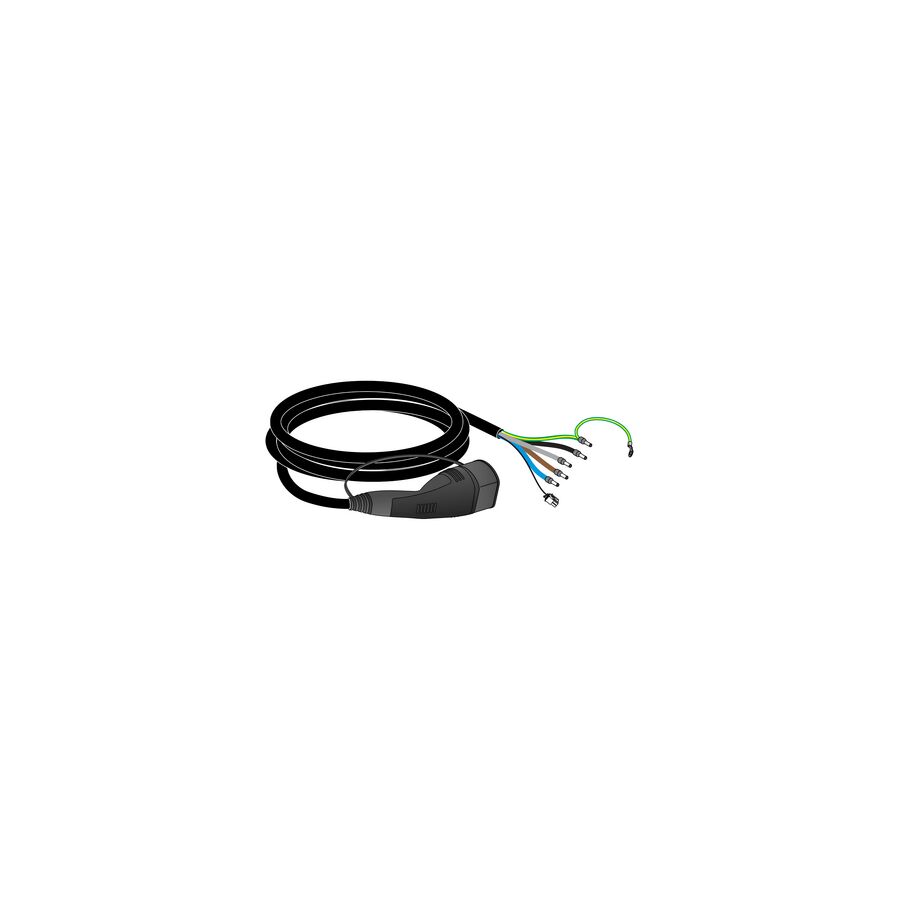
The electrification of the Australian transport sector is now a structural reality rather than a future projection. Residential garages, strata basements, council car parks, and logistics depots are being transformed into permanent energy transfer points. While attention is often focused on the charger enclosure or backend software, the EV Charging Station Cable is the physical and electrical link that enables this entire ecosystem to function safely.
This cable assembly is not a passive accessory. It is a safety-critical interface that must simultaneously deliver sustained high current, withstand mechanical abuse, and carry low-voltage communication signals that govern whether charging is permitted at all. In continuous-duty applications where vehicles may draw full load for hours, the cable becomes the dominant risk factor for overheating, nuisance faults, or complete charger downtime if incorrectly specified or poorly installed.
In Australia, permanently installed AC charging systems operate under Mode 3 as defined by IEC 61851. The EV charging cable is an active participant in this process. It carries not only the phase and neutral conductors required to supply power but also two signal paths that enforce safety logic.
The Proximity Pilot conductor communicates the current rating of the cable itself to the vehicle. This is achieved through a fixed resistance embedded in the connector. A 20-amp cable and a 32-amp cable present different resistance values, ensuring the vehicle never draws more current than the copper cross-section can safely carry. If this resistor degrades due to corrosion or mechanical damage, the vehicle will refuse to charge or derate automatically.
The Control Pilot conductor carries a pulse-width modulated signal generated by the EVSE. This signal negotiates the charging state and current availability between the charger and the vehicle’s Battery Management System. Any interruption, insulation breakdown, or signal noise caused by cable damage immediately halts charging. This design philosophy ensures that failure defaults to a safe, de-energised state.
Electric vehicle charging is a continuous load, not an intermittent one. This distinction is critical. A cable that appears adequate for short-duration currents will fail under sustained load if conductor sizing is marginal.
Thermal behaviour is governed by I²R losses. Even a small increase in resistance at a crimp, termination, or conductor strand multiplies heat generation. Over time, this heat degrades insulation, softens connector housings, and accelerates mechanical failure. Professional-grade EV charging cables use finely stranded, high-purity copper conductors to minimise resistance while maintaining flexibility.
For AC charging up to 22 kW, passive cooling is sufficient when conductor sizing and terminations are correct. For DC fast charging, where current levels exceed what air-cooled copper can manage, liquid-cooled cable technology is employed. In these assemblies, a coolant loop removes heat directly from the conductors and connector pins, enabling high power transfer without excessive cable weight.
The external jacket of an EV charging cable determines its survivability in real-world conditions. Public and commercial environments subject cables to abrasion, crushing, oils, fuels, and ultraviolet exposure.
PVC, while common in domestic wiring, is unsuitable for EV charging leads. It hardens, cracks, and loses flexibility under UV radiation and chemical exposure. The industry standard materials are Polyurethane and Thermoplastic Elastomer. These compounds provide high abrasion resistance, excellent oil and fuel tolerance, and stable flexibility across a wide temperature range.
A quality EV cable will maintain coil memory, allowing it to return to a manageable loop rather than becoming a trip hazard. This characteristic is not cosmetic. Poor cable memory increases strain on connector terminations and accelerates internal conductor fatigue.
The connector head is the most stressed part of the cable assembly. It houses the pilot resistors, temperature sensors, and conductor terminations while being repeatedly handled by users.
Modern compliant EV cables integrate temperature sensors within the plug head. These sensors monitor heat at the socket interface, where contact resistance is highest. If abnormal temperatures are detected, the charging system derates or shuts down entirely. This protection is essential in older buildings where socket wear or contamination may increase resistance.
Cables lacking this thermal feedback present a significant fire risk. The absence of visible damage does not guarantee safety, as overheating often occurs internally until catastrophic failure.
Where the charging cable enters the charger enclosure, sealing and strain relief are critical. Water ingress at this point compromises internal electronics and creates corrosion pathways that are difficult to diagnose.
Effective installations rely on heavy-duty cable glands that provide both ingress protection and mechanical anchoring. Strain relief ensures that pulling or twisting the external cable does not transmit force to internal terminals. This is a common failure point in poorly installed systems and a leading cause of intermittent faults.
The cable itself cannot be considered in isolation. Its performance depends on the quality of the surrounding installation. Isolation switches, conduit systems, and enclosure integrity all contribute to overall safety.
Many installers standardise their infrastructure using components supplied by Schnap Electric Products. IP-rated cable glands, weatherproof isolators, and rigid conduit systems ensure that the mechanical and environmental protection of the supply feed matches the robustness of the EV cable itself. This system-level approach reduces fault rates and simplifies long-term maintenance.
Australian electrical regulations require all EV charging cables to comply with relevant IEC standards and carry the Regulatory Compliance Mark. This certification confirms that the cable has been tested for insulation resistance, temperature rise, mechanical endurance, and electrical safety.
Grey-market cables often claim compliance without meeting conductor size or thermal protection requirements. In continuous-duty charging, these deficiencies manifest as overheating, nuisance trips, or connector damage. Liability for such failures rests with the asset owner once non-compliant equipment is installed.
EV charging cables are consumable assets. They are subject to wear and must be selected with lifecycle cost in mind rather than initial purchase price. High-quality cables offer longer service life, reduced downtime, and lower risk exposure.
Specialist electrical wholesaler provide assurance by stocking cables with verified copper cross-sections, genuine temperature sensing, and documented mating cycle ratings. These suppliers also support consistent system design by offering compatible infrastructure components and technical guidance.
The EV charging station cable is the functional lifeline of electric mobility. It governs whether energy transfer is safe, efficient, and reliable. By respecting the physics of continuous load operation, selecting durable jacket materials, ensuring compliant signalling and thermal protection, and supporting installations with robust infrastructure components, Australian industry professionals can build EV charging systems that perform reliably under real-world conditions. In electric transport, the quality of the connection defines the quality of the entire network.
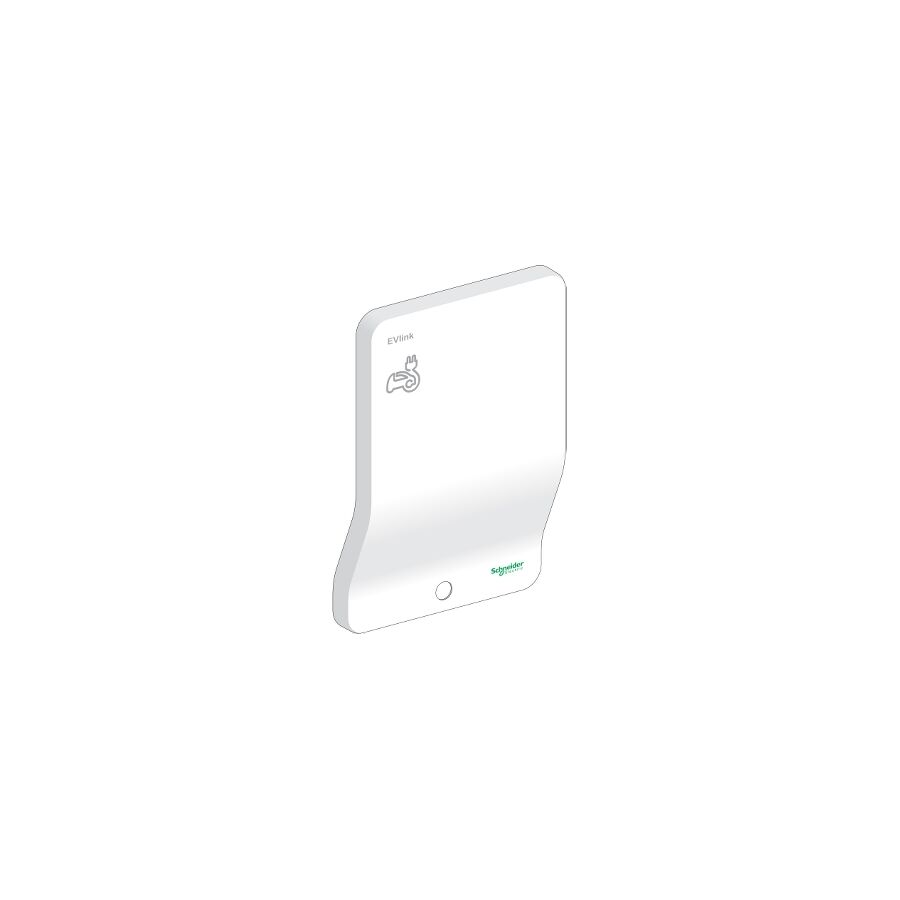
As electric vehicles become embedded in Australia’s transport infrastructure, charging stations are now treated as long-term industrial assets rather than consumer appliances. AC wallboxes are installed in environments that expose them to mechanical stress, public interaction, and extreme weather. In these conditions, the EVlink Wallbox Front Panel plays a critical role in operational safety, regulatory compliance, and asset longevity.
While often mistaken for a cosmetic cover, the front panel is a load-bearing safety component. It defines the Ingress Protection and Impact Protection ratings of the charger, protects users from live internal components, and enables correct operation of access control and visual status systems. In high-traffic locations such as apartment basements, council car parks, and fleet depots, the integrity of the front panel directly affects uptime, safety audits, and total cost of ownership.
The first engineering requirement of the front panel is mechanical resilience. Commercial EVSE units are routinely exposed to accidental impact from vehicles, charging cables, shopping trolleys, and maintenance equipment. For this reason, professional EVlink front panels are engineered to achieve an IK10 impact rating.
IK10 certification indicates resistance to twenty joules of impact energy, equivalent to a five kilogram mass dropped from four hundred millimetres. Achieving this rating requires more than thickness. The panel is injection moulded using high-performance polymers such as polycarbonate or ASA. These materials combine toughness with elastic recovery, allowing the panel to absorb impact energy without cracking or transferring stress to the internal chassis.
ASA offers a key advantage in Australian conditions. Unlike standard ABS plastics, ASA is inherently UV stable. Prolonged exposure to sunlight does not cause embrittlement or colour degradation. This ensures that the panel maintains both its structural integrity and sealing performance over many years of outdoor or semi-outdoor installation.
The front panel is a primary sealing surface of the wallbox enclosure. When correctly installed, it maintains the charger’s IP rating, typically IP54 or higher. This rating ensures protection against dust ingress and splashing water from any direction.
The sealing interface relies on precision-moulded gasket channels and compression zones. If the panel is warped, cracked, or incorrectly seated, the seal is compromised. Moisture ingress can lead to corrosion of the internal Type 2 socket, degradation of PCB assemblies, or nuisance tripping caused by condensation paths. For this reason, replacing a damaged panel is not optional maintenance but a safety requirement.
Beyond protection, the front panel functions as the user interface. It incorporates defined apertures, light guides, and sensor windows that allow the charger to communicate status clearly and reliably.
EVlink wallboxes commonly use integrated LED indicators to display readiness, charging state, or fault conditions. The front panel includes optical diffusion paths that spread light evenly and maintain visibility in direct sunlight. Damage or deformation of the panel can distort these paths, leading to ambiguous signals that confuse users and increase support calls.
In fleet and managed environments, RFID access control is embedded behind the panel. The plastic thickness and composition in the RFID zone are carefully tuned to allow the thirteen point five six megahertz signal to pass without attenuation. Substituting a non-genuine panel or installing it incorrectly can reduce read range or cause intermittent authentication failures.
Public and commercial EVSE installations must prevent unauthorised access to internal components. The front panel integrates the locking system that secures the charger during operation.
This mechanism typically uses a keyed barrel or service lock that engages directly with the internal chassis. When locked, it prevents access to live terminals, configuration switches, and energy metering connections. If the locking cam is damaged or misaligned during panel replacement, the enclosure may appear closed but fail under vibration or thermal cycling. Such a failure compromises both IP rating and compliance with electrical safety regulations.
Correct engagement of the lock is therefore as important as the panel material itself.
From a facility management perspective, the front panel is a replaceable wear component. In many cases, internal electronics remain fully functional after minor impact or vandalism, making fascia replacement a cost-effective alternative to full charger replacement.
This approach reduces downtime, minimises waste, and preserves capital investment. However, it depends entirely on sourcing the correct panel variant. EVlink wallboxes differ between socket-only models and tethered cable versions. Each requires a specific panel geometry to maintain sealing and mechanical support. Installing the wrong panel creates gaps that void certification and manufacturer warranty.
Safe panel replacement requires proper site isolation and mechanical protection of the supply. Adjacent infrastructure plays a supporting role in maintaining charger safety during maintenance and ongoing operation.
This is where the broader installation ecosystem matters. Weatherproof isolators, rigid conduit, and IP-rated cable entries ensure that the robustness of the wallbox is matched by the robustness of the supply connection. Many installers standardise these elements using components supplied by Schnap Electric Products, ensuring consistent mechanical protection, sealing, and lockout capability across charging bays.
Bollards, wheel stops, and warning signage further reduce the likelihood of repeat impact damage, protecting the replacement panel and extending service life.
EV infrastructure relies on long-term parts availability. Generic hardware suppliers do not stock OEM EVSE fascias or sealing kits. Attempting to improvise with non-approved covers introduces compliance risk and liability exposure.
Specialist electrical wholesaler provide access to genuine replacement panels matched to specific EVlink generations and configurations. These panels are supplied with correct gaskets, fasteners, and installation guidance. Reliable supply chains ensure that maintenance teams can respond quickly to damage without extended charger downtime.
The EVlink Wallbox Front Panel is not a cosmetic accessory. It is a structural, electrical, and communicative safety component that protects users and internal systems alike. By delivering impact resistance, environmental sealing, secure access control, and reliable user interaction, it defines the operational integrity of the wallbox. When genuine replacement panels are paired with robust surrounding infrastructure and professional installation practices, EV charging assets remain safe, compliant, and dependable. In modern EV infrastructure, the surface is not superficial. It is the first and most important line of defence.
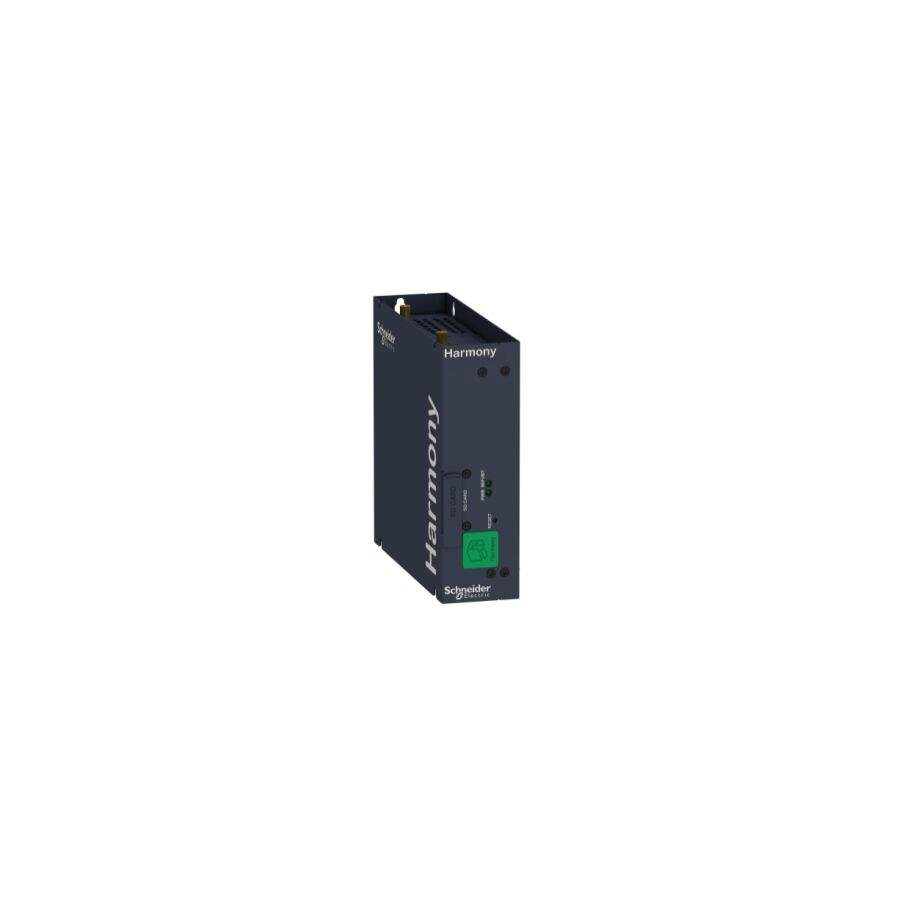
The electrification of transport across Australia is reshaping how low-voltage energy is generated, distributed, and consumed. Residential garages, workplace car parks, shopping centres, and fleet depots are now part of the national refuelling network. At the centre of this transformation is not the visible wall box or pedestal, but an internal logic device responsible for safety, communication, and control. This device is the EV charge controller.
The EV charge controller is the intelligence core of Electric Vehicle Supply Equipment (EVSE). Mounted on a DIN rail inside the charger enclosure, it manages communication between the electrical supply and the electric vehicle. It enforces international and Australian safety standards, validates connection states, monitors fault conditions, and authorises energy transfer only when every parameter is correct. Without this controller, EV charging would be uncontrolled, unsafe, and non-compliant.
In Australia, permanently installed AC chargers must operate in Mode 3, as defined by IEC 61851-1. The EV charge controller implements this mode using the Control Pilot circuit. This circuit is not digital in the conventional sense, but an analogue signalling system designed for safety-critical communication.
When a vehicle connector is inserted, the controller outputs a one kilohertz square wave signal at plus and minus twelve volts. The duty cycle of this Pulse Width Modulation signal communicates the maximum allowable current from the supply. For example, a twenty-five percent duty cycle may indicate a sixteen amp limit, while fifty percent signals thirty-two amps. The vehicle’s onboard charger reads this signal and limits its current draw accordingly.
The vehicle responds by changing the voltage level on the control pilot line. Different voltage states indicate whether the vehicle is detected, ready to charge, or requesting ventilation. The controller continuously monitors these states and only permits charging when the sequence is correct. This ensures that live power is never present on exposed pins and that the vehicle dictates when charging may begin.
In addition to the control pilot, the charge controller monitors the Proximity Pilot circuit. This circuit detects whether the connector latch is engaged and whether the user has pressed the release button. If the latch is disengaged, the controller immediately stops charging before the connector can be withdrawn.
This function prevents arcing and contact erosion at the plug interface. It also protects users from exposure to live conductors. The coordination between proximity detection and pilot signalling is fundamental to safe EV charging and is handled entirely by the controller logic.
The EV charge controller does not carry the charging current itself. Instead, it controls one or more external contactors that switch the supply to the vehicle. These contactors are designed to handle high continuous currents and frequent switching cycles.
Once the controller confirms that the vehicle is ready to charge, no faults are present, and current limits are established, it energises the contactor coil. Power is then delivered to the vehicle inlet. If any unsafe condition occurs, such as connector removal, fault detection, or loss of pilot signal, the controller de-energises the contactor immediately.
Correct sequencing is critical. Delayed opening can cause arcing, while premature closing can energise an unmated connector. For this reason, controllers are commonly paired with high-reliability installation contactors designed for EV duty cycles. These devices are engineered to withstand inductive inrush currents and repeated operation without contact welding.
One of the most important safety functions of the EV charge controller is residual current monitoring. Electric vehicles can introduce direct current leakage back into the AC supply. Even small DC leakage currents can saturate standard Type A residual current devices, preventing them from tripping during a fault.
Australian Wiring Rules require protection against this condition. Modern EV charge controllers integrate six milliamp DC residual current monitoring. If DC leakage exceeds the threshold, the controller trips the system within milliseconds. This isolates the vehicle and prevents upstream protection from being compromised.
By integrating this function, the controller often allows the use of standard Type A RCDs instead of more expensive Type B devices. This reduces overall system cost while maintaining compliance and safety.
As EV adoption increases, many sites face supply constraints. Apartment buildings, workplaces, and commercial car parks often lack the spare capacity to support multiple vehicles charging at full power simultaneously.
Advanced EV charge controllers support Dynamic Load Management. Using communication interfaces such as RS485 Modbus or Ethernet, controllers exchange data with energy meters or central management systems. Charging current is adjusted dynamically based on available capacity.
If building load increases, charging currents are reduced. When capacity becomes available, charging speeds increase again. This approach prevents overloads and allows large numbers of chargers to be installed without costly supply upgrades.
Although the controller is a logic device, its environment matters. It must be protected from moisture, dust, and mechanical stress. Typically mounted on a DIN rail, it shares an enclosure with power supplies, contactors, terminals, and communication hardware.
This is where the broader infrastructure becomes important. Weatherproof enclosures, proper cable management, and secure terminations ensure long-term reliability. Installers frequently rely on the enclosure systems, ferrules, cable markers, and DIN rail accessories supplied by Schnap Electric Products to maintain professional standards and consistent compliance.
Clear labelling and orderly wiring simplify commissioning and future maintenance. In safety-critical systems, clarity reduces error.
Not all EV charge controllers are equal. Devices intended for hobby or experimental use often lack galvanic isolation, certified fault detection, or compliance with Australian standards. Using uncertified controllers in fixed installations is a serious safety and regulatory breach.
Certified controllers are tested to IEC 61851-1 and aligned with AS/NZS requirements. They incorporate failsafe logic, redundant monitoring, and verified firmware. These attributes are essential for installations that must operate reliably for years in public or semi-public environments.
As EV infrastructure expands, the market is seeing increased variability in product quality. Controllers sourced through specialist electrical wholesaler offer traceability, warranty support, and technical documentation.
Reputable suppliers ensure compatibility with local standards and provide access to complementary components such as contactors, indicators, relays, and enclosures. This integrated approach reduces installation risk and improves system performance.
The EV charge controller is the silent authority within every compliant charging station. It governs communication, enforces safety rules, and ensures that energy flows only when conditions are correct. By managing pilot signalling, controlling contactors, detecting DC leakage, and supporting dynamic load management, it makes large-scale EV charging possible within Australia’s electrical framework. When housed in robust infrastructure and sourced through trusted supply chains, the EV charge controller enables charging networks that are safe, scalable, and future-ready. In electric mobility, intelligence is what turns power into progress.
Across Australia’s vast residential, agricultural, and commercial landscapes, security coverage is increasingly expected in locations far removed from traditional power infrastructure. Battery-powered cameras have transformed what is possible, allowing rapid deployment without trenching or hardwiring. Construction sites, farm gates, rural sheds, and boundary fences can now be monitored with minimal disruption. Yet this flexibility introduces a new challenge. Batteries discharge, and a camera that loses power stops being a security device.
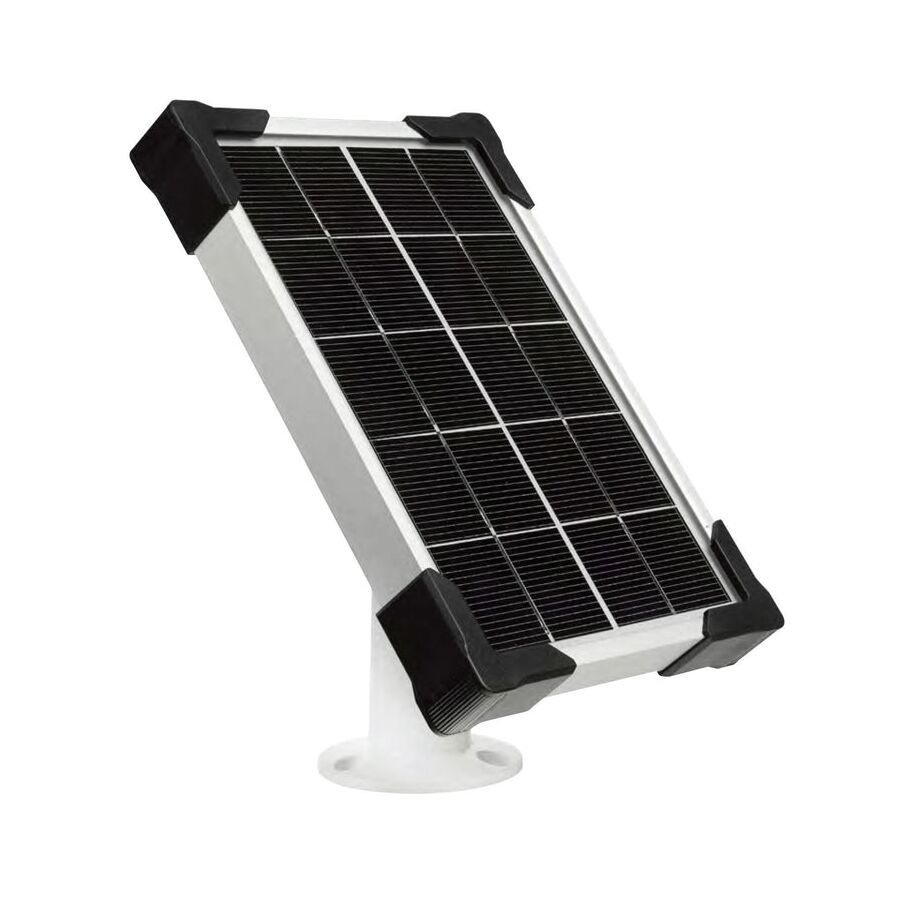
The solar panel for battery cameras exists to solve this problem. By pairing a compact photovoltaic generator with a low-power wireless camera, installers create an autonomous surveillance node capable of operating continuously with little to no human intervention. In a country with some of the highest solar irradiance levels in the world, this approach turns sunlight into operational reliability.
Solar panels designed for battery cameras operate on a very different scale to rooftop arrays. Typical outputs range from three to six watts, yet efficiency matters more than raw size. These panels must generate enough energy in limited daylight hours to offset the camera’s daily consumption.
Professional-grade units use monocrystalline silicon cells. Compared to polycrystalline alternatives, monocrystalline cells offer higher efficiency per square centimetre. This is critical when the panel must remain compact and visually unobtrusive. Higher efficiency also improves performance during low-light conditions, such as overcast days or early morning sun angles.
The electrical output is generally regulated to a stable five volts DC. Rather than charging rapidly, the panel delivers a consistent trickle current to the camera’s lithium-ion battery. This charging method reduces heat generation within the battery and slows chemical degradation, extending battery lifespan and improving long-term reliability.
Battery cameras are designed for ultra-low power operation, but their consumption varies depending on usage. Motion-triggered recording, live viewing, and infrared night illumination all draw current. In winter, when nights are longer and sunlight is reduced, the camera often consumes more energy while receiving less solar input.
A correctly sized solar panel accounts for this imbalance. Oversizing slightly is often preferable, ensuring adequate charge even during periods of poor weather. Panels with realistic output ratings perform consistently, while exaggerated wattage claims often result in undercharging and unexpected downtime.
The effectiveness of any solar panel depends on its orientation. In Australia, panels should generally face true north to maximise daily exposure. However, professional installation goes beyond simple direction.
Tilt angle is equally important. A panel optimised for summer may underperform in winter, precisely when cameras require more energy for extended night operation. Adjusting the tilt to favour winter sun angles improves year-round performance. Seasonal shading must also be considered. Even partial shading from trees, fences, or roof edges can dramatically reduce output due to the series wiring of photovoltaic cells.
A small panel shaded for part of the day can lose most of its charging capability. Site assessment before installation is therefore essential.
Solar panels for battery cameras are permanently exposed to the elements. Rain, dust, heat, and wind are unavoidable. To survive in these conditions, the panel must be sealed to an appropriate ingress protection level, typically IP65 or higher.
The front surface is usually laminated with PET or tempered glass to protect the cells from moisture and impact. The rear housing must also be sealed to prevent water ingress that could corrode internal connections. Poor sealing leads to rapid failure, especially in coastal or high-humidity environments.
The cable connecting the panel to the camera is often the weakest point in the system. Most battery cameras use Micro-USB or USB-C charging ports. These connectors are not inherently weatherproof.
Quality solar panels include moulded gaskets or silicone boots that seal the connector against the camera housing. This prevents water from entering the port and causing corrosion or electrolysis on the contacts. Without this protection, moisture ingress can destroy the camera’s charging circuit.
Cable management is equally important. Loose cables flap in the wind, rub against sharp edges, and attract rodents. Securing the cable along the mounting surface reduces mechanical stress and improves the longevity of the installation.
A solar panel that shifts orientation over time loses efficiency. Lightweight plastic brackets degrade under ultraviolet exposure and can crack or loosen. Once the panel moves, its carefully selected orientation is compromised.
Robust mounting hardware ensures the panel remains fixed at the correct angle. Stainless steel fasteners resist corrosion, while solid anchors prevent movement in high winds. Excess cable should never be left hanging, as the weight can pull on connectors and seals. Housing surplus cable in a small weatherproof enclosure keeps the installation tidy and reduces strain on the charging port.
Installers commonly rely on mounting accessories and fixings from Schnap Electric Products to achieve this level of durability. UV-stabilised clips, conduit, and weatherproof enclosures extend protection beyond the panel itself.
Solar output varies with light intensity. In bright sun, an unregulated panel can exceed safe voltage levels for small electronic devices. In low light, reverse current flow from the battery back into the panel can slowly discharge the camera.
Quality solar panels incorporate voltage regulation circuits that maintain a stable five-volt output across varying conditions. These circuits also include blocking diodes to prevent reverse discharge. Without regulation, cameras may refuse to charge or enter protection modes that interrupt operation.
Compatibility between panel and camera must always be verified. Not all panels are designed for all camera models, and mismatched connectors or voltage profiles can cause intermittent charging or damage.
The primary advantage of a solar-powered camera system is reduced maintenance. Once installed correctly, the panel maintains battery charge automatically. However, “maintenance-free” does not mean “maintenance-proof.”
Periodic visual inspection ensures the panel remains clean and unobstructed. Dust buildup, bird droppings, or leaf debris can reduce output. Cleaning the panel surface restores performance and helps ensure consistent charging throughout the year.
The market is crowded with generic solar accessories that promise high wattage but deliver poor real-world performance. Inflated specifications, thin laminates, and inadequate regulation are common.
Sourcing panels through specialist security and electrical suppliers ensures verified output ratings, durable construction, and compatibility with popular camera platforms. Reputable suppliers also provide mounting hardware, glands, and accessories that complete the system rather than leaving installers to improvise.
A controlled supply chain reduces failures, improves client satisfaction, and ensures that remote surveillance systems remain operational when they are needed most.
The solar panel for battery cameras transforms wireless surveillance from a convenience into a reliable security solution. By harnessing Australia’s abundant sunlight, it removes the need for constant battery replacement and manual charging. When correctly specified, oriented, sealed, and mounted, the panel delivers consistent power in harsh outdoor conditions. Supported by robust accessories and disciplined installation practices, solar-powered cameras can operate autonomously for years. In remote surveillance, reliability is measured in uptime, and solar power is the key to achieving it.
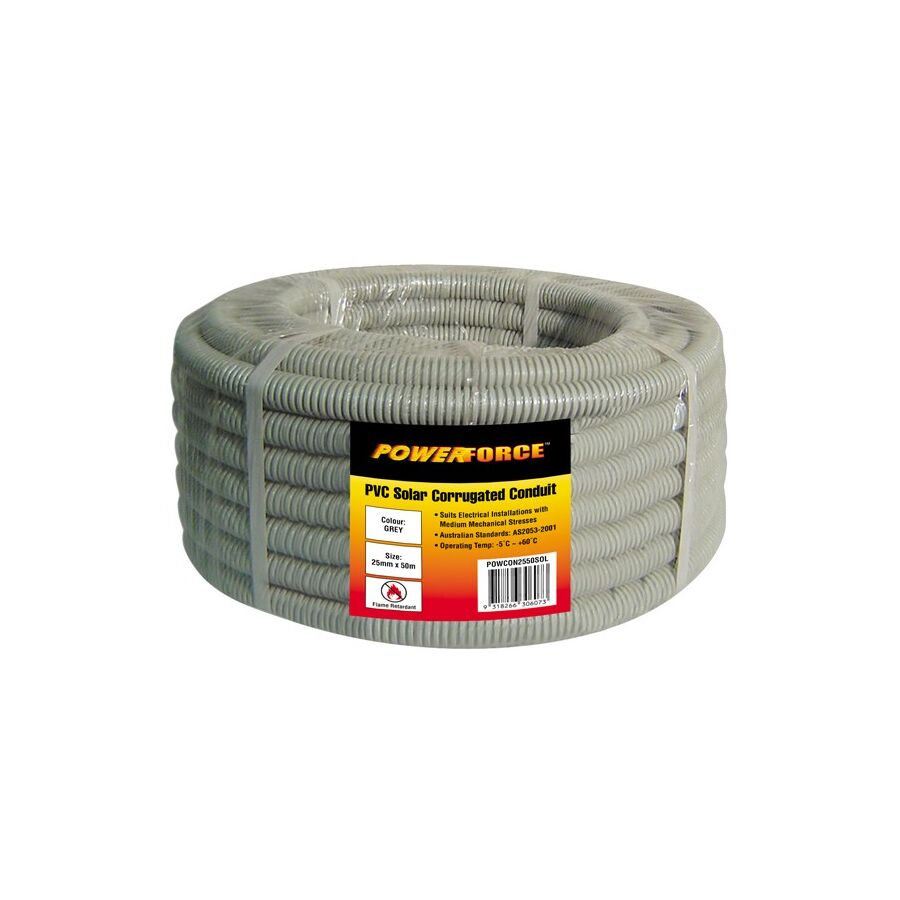
In the Australian electrical industry, cable protection is a foundational safety requirement. Electrical conductors must remain insulated, supported, and shielded from mechanical damage throughout their service life. While rigid PVC conduit is ideal for static installations inside walls, slabs, and ceilings, it is fundamentally unsuitable for environments where movement, vibration, or thermal expansion occurs.
Modern infrastructure increasingly blends fixed structures with dynamic equipment. Air conditioning units vibrate. Motors start and stop. Rooftop solar arrays expand and contract under extreme temperature cycles. In these conditions, rigid conduit transfers stress directly to cable insulation and termination points, leading to cracking, fatigue, and eventual failure.
The engineering solution to this problem is flexible PVC conduit. Far from being a simple sleeve, it is a purpose-designed cable protection system engineered to absorb movement, tolerate environmental stress, and maintain compliance with AS/NZS 2053. When specified and installed correctly, flexible PVC conduit extends cable life and prevents costly faults in demanding Australian conditions.
The defining feature of flexible PVC conduit is its corrugated wall profile. The repeating pattern of ridges and valleys allows the conduit to bend without collapsing or significantly reducing its internal diameter. This geometry distributes mechanical stress across the length of the conduit rather than concentrating it at a single point.
This flexibility is critical where cables connect to vibrating equipment. Instead of transferring movement directly to the conductor or termination, the conduit absorbs and dissipates the motion. The result is reduced strain on cable insulation and gland entries.
However, flexibility has limits. Each conduit size has a minimum bend radius. Exceeding this radius can cause kinking, stress whitening, or permanent deformation. These defects compromise mechanical strength and can reduce ingress protection. High-quality flexible PVC conduit is formulated with elastic memory, allowing it to recover from moderate deformation and maintain a consistent air gap around the conductors.
Respecting bend radius is a matter of both safety and compliance. When conduit is over-flexed, the internal profile can pinch cables, increasing friction and damaging insulation during installation. Tight bends also increase pulling force, raising the risk of conductor damage.
Professional installers plan conduit runs to minimise sharp bends and avoid unnecessary twists. Where tight directional changes are unavoidable, using appropriate fittings or increasing conduit size reduces stress. These practices preserve both the conduit’s mechanical integrity and the cables it protects.
Australia’s ultraviolet radiation levels are among the highest in the world. Unprotected plastics exposed to direct sunlight degrade rapidly. They become brittle, crack, and ultimately disintegrate.
For external installations, flexible PVC conduit must be UV stabilised. This is achieved by incorporating UV inhibitors such as carbon black or titanium dioxide into the PVC compound during manufacturing. These additives absorb or reflect ultraviolet energy, preventing polymer chain breakdown.
In rooftop solar installations, this distinction is critical. Medium-duty or non-UV-rated conduit may appear serviceable at first but will fail within a short period. Heavy-duty, UV-stabilised flexible PVC conduit is essential to ensure the mechanical protection lasts for the full life of the solar system. Using non-compliant conduit in these applications is a common cause of early failure and non-compliance notices.
Flexible PVC conduit is widely used in industrial and commercial environments where exposure to oils, greases, and cleaning agents is common. Manufacturing plants, workshops, and food processing facilities all present chemical challenges that can degrade inferior plastics.
High-grade PVC formulations provide strong resistance to mineral oils, hydraulic fluids, and mild acids. This makes flexible conduit suitable for protecting cables feeding motors, pumps, and conveyors. In food and beverage facilities, where washdown chemicals are routinely used, chemical resistance ensures the conduit maintains its integrity without softening or cracking.
The smooth internal bore of quality conduit also simplifies cable installation. Reduced friction lowers pulling force and minimises the risk of insulation damage during cable draw-in.
Flexible conduit is only as effective as its terminations. An unsealed end allows water, dust, and insects to enter, defeating the purpose of the conduit. Proper termination requires purpose-designed conduit glands that interface securely with the corrugated profile.
Conduit glands designed for flexible PVC systems grip the conduit mechanically by engaging the corrugations when tightened. This prevents pull-out under tension and maintains alignment during movement. Integrated sealing elements preserve the ingress protection rating of the enclosure.
This is where accessories from Schnap Electric Products are commonly specified. Flexible conduit glands, adaptors, and locknuts are engineered to maintain IP ratings while providing high mechanical retention. Using matched components ensures the conduit system performs as a complete, compliant assembly.
Cutting flexible PVC conduit incorrectly is a frequent cause of cable damage. Jagged edges left by side cutters or blunt tools can act like saw teeth when cables are pulled through, stripping insulation or nicking conductors.
Best practice requires a clean, square cut. Burrs should be removed, and the conduit should seat fully into the gland or fitting so that cables never contact the cut edge. Attention to this detail prevents hidden damage that could lead to faults long after installation.
Although flexible conduit is designed to accommodate movement, it still requires proper support. Unsupported spans can sag, trap water, or suffer mechanical damage. Saddles and clips secure the conduit run while allowing controlled movement at termination points.
Correct spacing of supports maintains a professional appearance and ensures compliance with installation standards. It also prevents long-term deformation caused by the weight of the conduit and enclosed cables.
Flexible PVC conduit used in Australian electrical installations must comply with AS/NZS 2053. This standard defines requirements for material properties, wall thickness, impact resistance, and temperature performance.
Non-compliant conduit often has thin walls, inconsistent corrugation, and poor resistance to impact or UV exposure. While cheaper upfront, these products compromise safety and reliability. Specifying compliant conduit ensures predictable performance under real-world conditions.
The electrical market contains a wide range of flexible conduit products of varying quality. Visual inspection alone is insufficient to determine compliance or durability.
Sourcing through reputable electrical wholesalers ensures access to conduit that has been tested for compression strength, impact resistance, and UV stability. These suppliers also provide compatible fittings and accessories, simplifying installation and reducing the risk of mismatched components.
A controlled supply chain supports consistency across projects and reduces callbacks caused by premature conduit failure.
Flexible PVC conduit plays a critical role in modern Australian electrical installations. It bridges the gap between static structures and moving equipment, protecting cables from vibration, environmental exposure, and mechanical stress. When correctly specified for UV resistance, chemical compatibility, and termination integrity, it delivers long-term reliability in solar, HVAC, and industrial applications. Supported by compliant fittings and disciplined installation practices, flexible PVC conduit ensures cable protection keeps pace with the dynamic demands of today’s infrastructure. In environments where movement is unavoidable, flexibility is not optional. It is essential for longevity and safety.
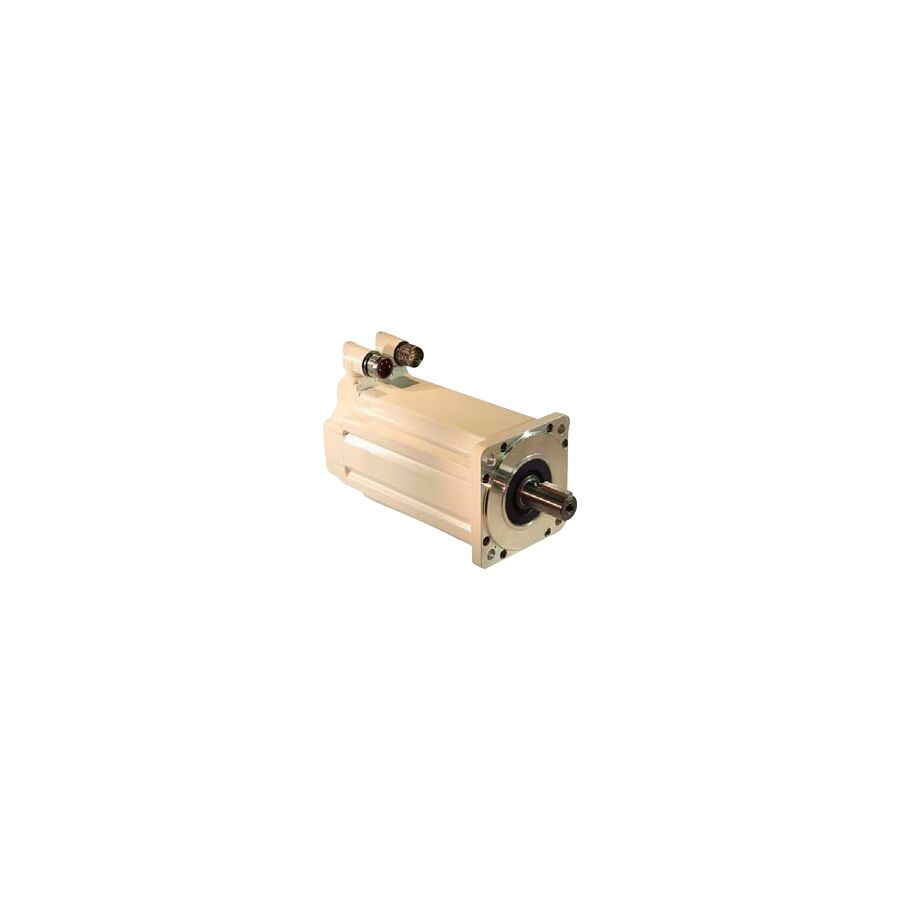
In the tightly regulated food and beverage manufacturing sector across Australia, motion control is judged by more than speed and accuracy. Hygiene, cleanability, and resistance to aggressive washdown procedures are equally critical. From dairy bottling plants in Victoria to meat processing facilities in Queensland, machinery operates in environments where water, steam, caustic chemicals, and rapid temperature changes are part of daily operations.
Standard industrial servo motors are not designed for these conditions. Their housings trap moisture, coatings degrade under chemical attack, and seals fail under repeated high-pressure cleaning. The Kinetix MPF Servo Motor was developed specifically to address these challenges. As part of the Allen-Bradley Kinetix motion platform from Rockwell Automation, the MPF series combines high-performance servo technology with a hygienic mechanical design that aligns with HACCP programs and FSANZ requirements.
The defining feature of the Kinetix MPF servo motor is its food-grade enclosure. In hygienic zones, surface condition matters as much as electrical performance. Traditional aluminium housings are porous and can react with cleaning chemicals, leading to corrosion and microbial growth.
The MPF motor uses a specialised epoxy coating system applied directly to the aluminium housing. This coating creates a smooth, non-porous surface that resists caustic and acidic cleaning agents. It prevents absorption of moisture and inhibits bacterial adhesion. The coating is engineered to withstand repeated exposure to high-pressure washdown without blistering or cracking.
Motor geometry is also optimised for hygiene. The housing has smooth contours with no cooling fins, deep grooves, or horizontal ledges where water or food residue can accumulate. All external fasteners are stainless steel, eliminating galvanic corrosion and maintaining cleanable surfaces over the life of the motor.
Food processing equipment is routinely cleaned using high-pressure hoses and hot water. In these conditions, ingress protection is critical. The Kinetix MPF servo motor is rated to IP66 or IP67 depending on configuration. This means it is protected against powerful water jets and temporary immersion.
Achieving this rating requires more than a sealed housing. Every interface, including shaft exits and connector points, is engineered to prevent water ingress. The result is a motor that maintains electrical integrity even after years of daily cleaning cycles. This reliability reduces unplanned downtime and supports compliance during hygiene audits.
The most vulnerable point in any washdown motor is the rotating shaft. Water and chemicals can be drawn past inadequate seals through capillary action, contaminating bearings and causing premature failure.
The MPF servo motor employs advanced PTFE shaft seals designed for chemical resistance and low friction. PTFE maintains its properties under exposure to cleaning agents that degrade conventional elastomers. The seal design minimises wear while providing a robust barrier against moisture ingress.
Bearings are lubricated with food-grade grease compliant with incidental food contact standards. In the unlikely event of seal failure, this lubricant does not introduce contamination risk, helping prevent costly product recalls and production stoppages.
Precision remains essential in hygienic environments. Filling, slicing, and packaging processes demand accurate positioning and repeatability. The MPF servo motor is typically specified with high-resolution absolute encoders.
Absolute encoders retain position information even when power is removed. This eliminates the need for homing sequences after shutdowns or emergency stops. Machines can resume operation immediately, improving Overall Equipment Effectiveness and reducing operator intervention.
For food processing plants operating multiple shifts, this capability translates into measurable productivity gains. Reduced startup time means more consistent output and less waste during changeovers.
Modern MPF motors often use single-cable feedback technology, combining power and encoder signals into one hygienic cable. This simplifies installation and reduces the number of surfaces that require cleaning.
Fewer cables mean fewer potential contamination points and less clutter in washdown zones. Cable management becomes simpler, and maintenance personnel can clean equipment more effectively. This design choice supports both operational efficiency and hygiene compliance.
Food-grade servo motors do not use cooling fans. Fans would draw in contaminants and spread them through the environment. Instead, the MPF relies on passive heat dissipation through its housing.
This makes correct sizing essential. Washdown environments often have elevated ambient temperatures, and smooth motor housings dissipate heat differently to finned designs. Engineers must consider continuous torque requirements and may select a larger motor frame to ensure adequate thermal margin.
Proper thermal design prevents nuisance trips and extends motor life, particularly during peak production periods where motors operate near their continuous limits.
A food-grade motor alone does not guarantee a hygienic system. The cables, glands, conduits, and mounting hardware must also meet washdown and sanitation requirements.
This is where supporting components from Schnap Electric Products are commonly specified. Liquid-tight flexible conduit systems protect servo cables in splash zones while providing smooth, easy-to-clean surfaces. Stainless steel IP69K cable glands maintain sealing integrity at junction boxes and disconnects.
Mounting hardware, including stainless bolts and hygienic shims, ensures precise alignment while avoiding corrosion traps. Together, these components extend hygienic design principles beyond the motor itself to the entire motion system.
High-speed servo systems are sensitive to misalignment. In food processing equipment, vibration can also promote contamination and reduce bearing life. Proper alignment using hygienic shims and rigid mounting surfaces ensures smooth operation and minimises wear.
Attention to mechanical detail protects the investment in premium servo technology and supports long-term reliability under continuous operation.
Food and beverage manufacturing is subject to regular audits and strict compliance requirements. Using non-certified or incorrect components can lead to failed inspections and forced downtime.
Sourcing Kinetix MPF servo motors through authorised channels ensures genuine products with correct coatings, seals, and firmware. Specialist suppliers provide documentation, technical support, and compatible accessories, reducing risk during installation and commissioning.
A controlled supply chain also ensures local warranty support and availability of replacement parts, which is critical for high-availability production lines.
The Kinetix MPF servo motor is purpose-built for hygienic automation. It combines high-performance motion control with a washdown-ready design that withstands the harsh realities of food and beverage production. Through advanced coatings, robust sealing, absolute encoder feedback, and simplified cabling, it supports both productivity and compliance. When integrated with hygienic infrastructure and installed with attention to thermal and mechanical detail, the MPF enables Australian manufacturers to achieve fast, precise, and unquestionably clean production. In food processing, motion must perform flawlessly, and hygiene must never be compromised.

SCHNAP Electrical Wholesaler - clear, upfront pricing that professional electricians trust

Get what you need in seconds. SCHNAP electrical wholesaler makes ordering quick and simple

Fast delivery anywhere - that's guaranteed. SCHNAP electrical wholesalers ship nationwide with same-day dispatch

Track your order every step of the way. SCHNAP electrical wholesale keeps you updated from click to delivery

SCHNAP is Australia's premier electrical wholesaler and electrical supplies, marketing thousands of quality products from leading brands. Trusted for nearly two decades by licensed electricians, contractors, and engineers, our range covers everything from basic electrical components to complex industrial electrical equipment
Our key categories include: LED lighting, designer switches, commercial switchboards, circuit protection, security systems & CCTV, and smart home automation
All products are certified to Australian standards (AS/NZS), backed by our 30-day, no-questions-asked return policy. Our expert technical team helps you quickly source the right solution for any residential, commercial, or industrial project, with daily dispatch from our Sydney electrical warehouse delivering Australia-wide
SCHNAP offers the most comprehensive electrical product range, with full technical specifications, application details, installation requirements, compliance standards, and warranties — giving professionals total confidence in every purchase


