




Kingsgrove Branch:
Australia’s rapid urban growth has driven the expansion of high-density residential developments. From coastal towers to large apartment complexes in metropolitan corridors, reliable broadband and digital television distribution is essential.
Hybrid Fibre Coaxial networks continue to serve as a backbone for NBN broadband and digital TV services in these environments. Within multi-dwelling units, structured RF distribution must be engineered carefully to maintain balanced signal levels across multiple floors and apartments.
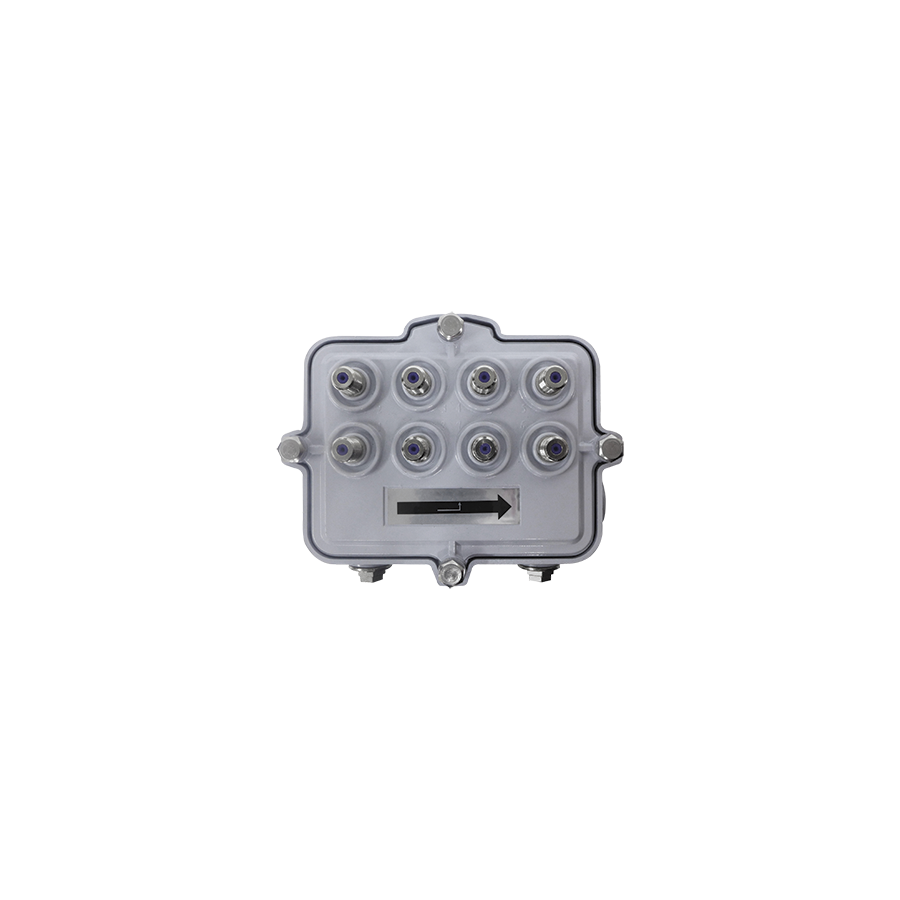
The 8 Way CATV Tap is a central component in these high-density networks. It enables controlled extraction of signal for eight subscriber outlets while preserving trunk integrity for further distribution.
At SCHNAP Electric Products, we support telecommunications professionals with compliant RF components and installation accessories built for long-term performance in Australian conditions.
An 8 Way CATV Tap differs significantly from a conventional splitter.
A standard 8-way splitter divides signal evenly across all ports. Each output experiences significant insertion loss, typically around 11dB to 12dB. In a multi-level building, cascading splitters would rapidly degrade signal strength.
The 8 Way CATV Tap uses directional coupler physics. It includes one input port, one low-loss through port and eight tap ports.
The through port carries most of the signal forward with minimal insertion loss, often between 1dB and 2dB.
Each tap port extracts a defined portion of signal according to its tap value. Engineers can select tap values to match network design requirements, ensuring balanced output at each subscriber drop.
This asymmetric design allows efficient trunk continuation while supplying multiple apartments from a single distribution point.
Designing HFC or MATV systems in multi-dwelling units requires precise link budgeting.
Coaxial cable attenuation increases with distance, and higher frequencies attenuate faster than lower frequencies. This creates frequency slope that must be compensated in network design.
Tap values are selected strategically depending on location within the riser.
Apartments closer to the headend amplifier may require higher tap values to prevent overload. Locations further from amplification may use lower tap values to maximise signal extraction.
The goal is consistent signal levels at every outlet, typically within 0dBmV to +10dBmV.
Proper balancing prevents pixelation, modem dropouts and reduced broadband performance.
Modern HFC systems operate bi-directionally. The return path carries upstream data from cable modems to network nodes.
In high-density buildings, multiple apartments connected to a single tap can introduce accumulated noise into the return path.
High-quality 8 Way CATV Taps provide strong port-to-port isolation, typically exceeding 25dB.
This isolation reduces cross-interference between subscriber drops and supports stable upstream communication.
Maintaining strong signal-to-noise ratio is critical for DOCSIS 3.1 networks delivering gigabit broadband speeds.
The Australian RF spectrum includes high-power LTE and 5G signals operating near CATV frequency ranges.
Inadequate shielding allows external interference to enter the distribution network, degrading signal quality.
Professional-grade taps feature die-cast metal housings designed to provide RFI shielding exceeding 100dB.
This shielding acts as a protective barrier against electromagnetic ingress.
For outdoor or semi-exposed installations, weather-resistant construction protects against moisture and corrosion.
SCHNAP Electric Products supports installations with sealing accessories and compliant mounting solutions suited to Australian environmental conditions.
An 8 Way CATV Tap requires management of multiple coaxial cables in confined riser spaces. Mechanical stress on connectors must be minimised.
Using right-angle adaptors and maintaining proper bend radius reduces strain and prevents impedance mismatch.
Compression connectors and calibrated torque tools ensure secure and gas-tight terminations.
SCHNAP Electric Products provides termination tools and compliant F-type connectors designed for reliable 75-ohm performance.
Unused tap ports must be fitted with 75-ohm terminators to prevent signal reflection and maintain network stability.
Attention to installation quality supports long-term performance and reduces service calls.
8 Way CATV Taps are commonly installed in apartment buildings, hotels and mixed-use developments.
They enable efficient distribution of broadband and television services from central risers to individual units.
In large residential complexes, they reduce hardware clutter by consolidating multiple drop connections into a single structured device.
Their directional design supports efficient signal management in dense network environments.
Across Australian metropolitan and regional developments, reliable RF infrastructure directly impacts tenant satisfaction.
Modern HFC systems operate across extended frequency ranges up to 1218MHz. Components must support full bandwidth and maintain flat frequency response.
Low-cost generic devices may not meet required specifications, leading to performance bottlenecks.
Professional procurement through a trusted electrical wholesaler ensures sweep-tested taps with verified insertion loss, isolation and shielding performance.
SCHNAP Electric Products supports telecommunications contractors with compliant passive components aligned with Australian carrier standards.
Selecting verified components protects long-term network reliability and performance.
Routine inspection of riser installations ensures connectors remain secure and enclosures remain intact.
Outdoor installations should be checked for weather seal integrity and cable strain relief.
Replacing worn connectors promptly prevents signal degradation and impedance imbalance.
Using durable components from SCHNAP Electric Products reduces maintenance frequency and enhances long-term stability.
The 8 Way CATV Tap is a critical distribution device in high-density HFC and MATV systems. Its directional coupler design enables controlled signal extraction while preserving trunk integrity.
Strong port isolation, low insertion loss and robust shielding ensure stable broadband and television performance across multiple subscriber outlets.
By sourcing taps and installation accessories through SCHNAP Electric Products, Australian telecommunications professionals build compliant, balanced and future-ready network infrastructure.
In high-density RF distribution systems, precision and control define performance.
In modern Australian telecommunications, digital broadcasting and broadband services rely on stable coaxial infrastructure. From suburban NBN connections to commercial MATV installations, every passive component in the RF chain influences signal quality.
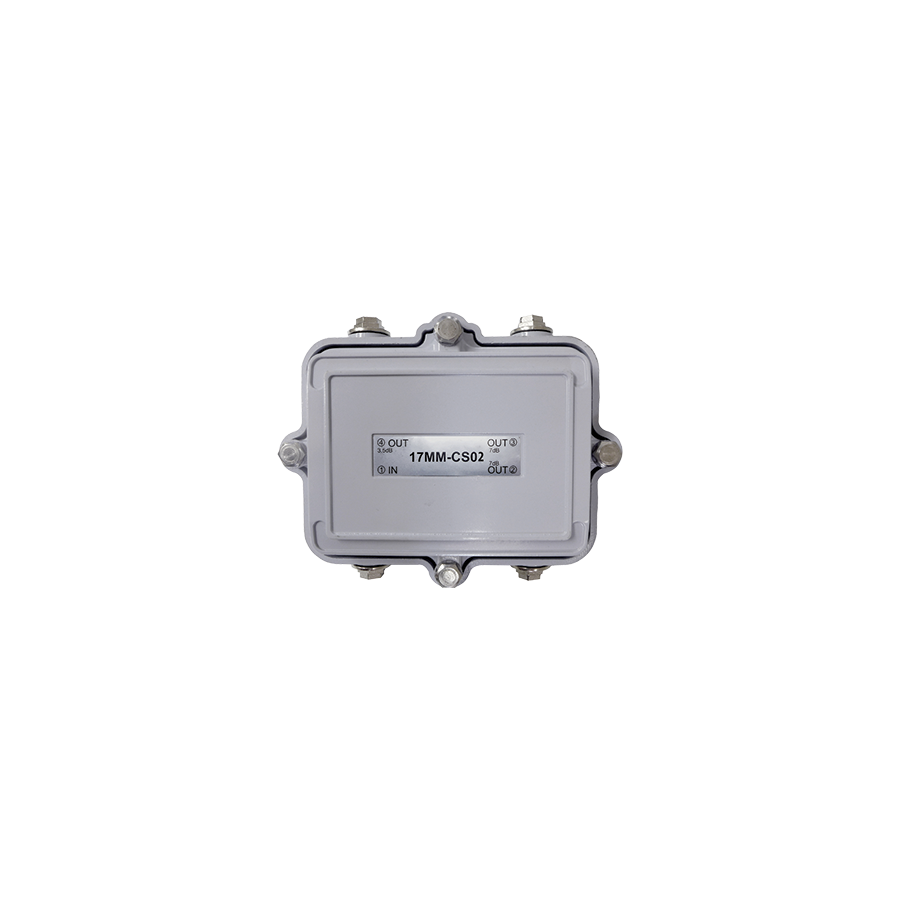
The 2 Way CATV Splitter is one of the most common yet critical devices in this network. While it appears simple, it is a precision-engineered component designed to divide signal evenly while maintaining 75-ohm impedance stability.
In digital systems using DVB-T2 and DOCSIS technologies, maintaining signal integrity is essential. Poor-quality splitters introduce loss, reflections and noise that can degrade both television and broadband performance.
At SCHNAP Electric Products, we support installers and contractors with compliant RF components and professional accessories aligned with Australian standards.
Splitting an RF signal always results in loss. In a 2-way configuration, the input signal is divided equally between two output ports.
A theoretical 50/50 division results in approximately 3dB loss on each leg. In real-world applications, internal transformer networks and material resistance add additional attenuation.
Professional-grade 2 Way CATV Splitters typically exhibit insertion loss between 3.5dB and 4.0dB across the operating frequency range.
This loss must be accounted for during link budget calculations. Installing a splitter on an already marginal signal may push it below acceptable thresholds, resulting in pixelation, signal dropouts or modem instability.
Accurate signal planning ensures consistent performance across connected devices.
Coaxial cable networks are designed around a 75-ohm impedance standard. Maintaining this impedance across all devices prevents signal reflections.
A poorly manufactured splitter may introduce impedance mismatch. This creates reflection points where RF energy is partially sent back toward the source.
Reflection issues are measured as Return Loss or Voltage Standing Wave Ratio. High VSWR leads to degraded signal clarity and increased bit error rates in digital systems.
A quality 2 Way CATV Splitter maintains consistent 75-ohm impedance across all ports. This ensures signal energy is absorbed by connected devices rather than reflected back into the network.
Stable impedance is fundamental to reliable RF performance.
Modern installations often connect multiple device types to a single splitter. One port may feed a television, while the other supplies a cable modem.
Electronic devices can emit RF noise back into the coaxial line. Without sufficient port-to-port isolation, this noise may transfer between outputs.
Professional splitters provide isolation typically exceeding 20dB to 25dB between ports.
This isolation prevents interference from affecting adjacent devices and maintains the signal-to-noise ratio required for high-speed broadband services.
Strong isolation improves overall network stability and user experience.
In many Australian installations, splitters are positioned downstream from masthead amplifiers requiring DC power.
Splitters may be designed with power passing on all ports, one port or none. Selecting the correct type is critical.
Improper selection may block required DC voltage or unintentionally feed power into sensitive equipment.
Professional installers use splitters with controlled power passing capabilities to ensure proper operation of amplifiers and active devices.
Careful configuration protects both equipment and users.
The Australian RF environment includes high-power LTE and 5G transmissions operating close to television frequencies.
If shielding is inadequate, external signals may penetrate the coaxial network.
High-quality 2 Way CATV Splitters feature die-cast metal housings that provide strong RFI shielding performance.
Shielding effectiveness exceeding 100dB helps prevent ingress and egress interference.
This protection ensures stable performance in both residential and commercial installations.
SCHNAP Electric Products supports installations with compliant shielding accessories and sealing solutions designed for Australian conditions.
The reliability of any RF system depends on connector integrity.
Loose or poorly terminated F-type connectors introduce signal leakage and impedance mismatch.
Professional installations use compression connectors and torque-controlled tools to ensure secure and gas-tight terminations.
SCHNAP Electric Products supplies quality termination tools and 75-ohm connectors suited for modern coaxial systems.
Unused ports must be fitted with 75-ohm terminators to prevent reflections and maintain balanced impedance.
Attention to installation detail reduces service faults and long-term performance issues.
2 Way CATV Splitters are widely used in residential NBN setups, small commercial offices and multi-room television installations.
They allow efficient signal distribution from a single feed to two devices while maintaining system balance.
In MATV systems, they may serve as final distribution points within apartments or office suites.
In commercial broadband installations, they support modem and television coexistence from a shared input feed.
Across all applications, proper splitter selection directly influences signal reliability.
Modern digital services operate across extended frequency ranges. Components must support broadband bandwidth while maintaining flat frequency response.
Low-cost generic splitters may not meet required specifications.
Professional procurement through a trusted electrical wholesaler ensures access to sweep-tested splitters with verified insertion loss and isolation characteristics.
SCHNAP Electric Products supports telecommunications professionals with compliant RF components aligned with Australian carrier standards.
Correct selection protects network integrity and performance.
Routine inspection of connectors and housings supports long-term performance.
Outdoor installations should be protected with weather boots and moisture barriers.
Replacing damaged connectors promptly prevents signal degradation and reflection issues.
Using durable components from SCHNAP Electric Products reduces maintenance frequency and enhances system stability.
The 2 Way CATV Splitter is a fundamental component in digital RF distribution networks. It divides signal evenly while preserving 75-ohm impedance and maintaining port isolation.
Understanding insertion loss, shielding performance and power passing requirements ensures reliable broadband and television services.
By sourcing splitters and installation accessories through SCHNAP Electric Products, Australian professionals build compliant and dependable RF infrastructure.
In digital signal distribution, precision and quality define performance.
Across Australia’s telecommunications infrastructure, signal distribution often begins at elevated or remote locations. Rooftop antennas, masthead amplifiers and remote distribution nodes must be powered reliably to overcome cable attenuation and maintain signal strength.
Running a dedicated 230V AC circuit to these locations is often impractical and introduces compliance and safety concerns. The engineering solution used across HFC and MATV systems is the CATV Power Inserter.
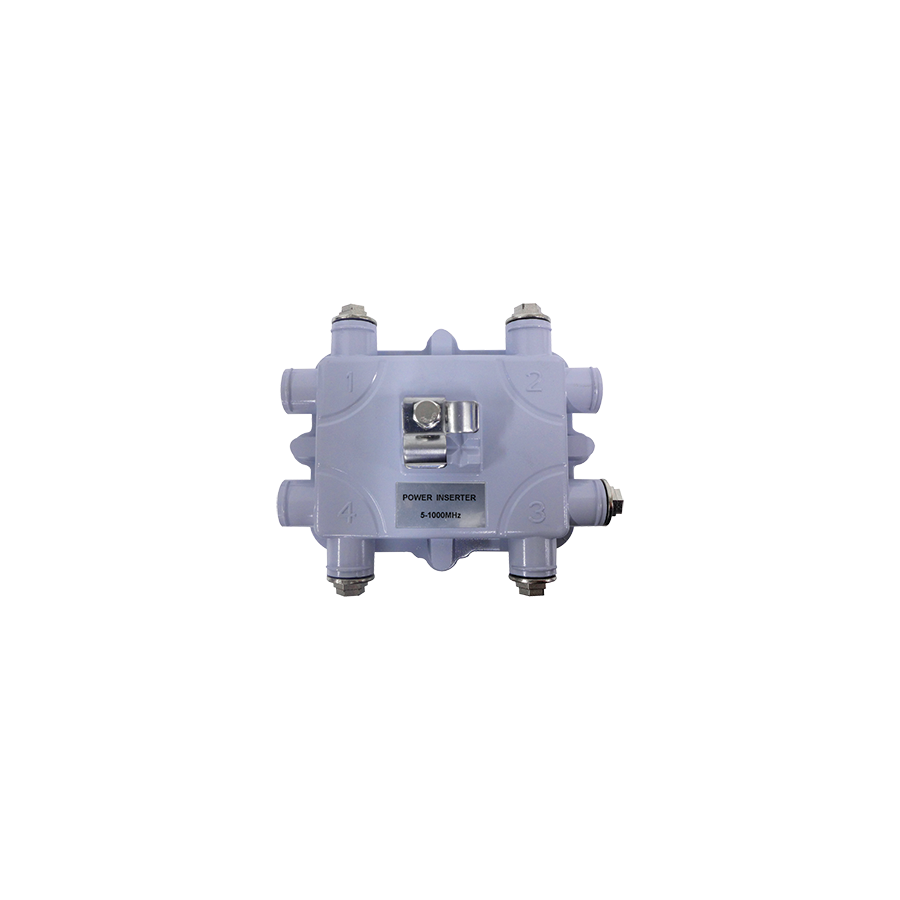
Also known as a bias tee, this compact device injects DC voltage onto a coaxial cable while allowing high-frequency RF signals to pass without distortion. It ensures that amplifiers receive stable power without compromising signal quality.
At SCHNAP Electric Products, we support installers with compliant RF components and robust installation accessories aligned with Australian broadcasting standards.
A CATV Power Inserter operates by combining DC power and RF signal onto a single coaxial conductor while keeping both electrically isolated.
Internally, the device uses an inductor and capacitor network. The inductor connects the DC input to the combined RF and DC output. It allows DC current to flow upstream to the amplifier while blocking RF frequencies from entering the power supply.
At the same time, a capacitor connects the RF output port to the receiver. The capacitor allows RF signals to pass while blocking DC voltage from entering sensitive tuner circuits.
This L-C filtering arrangement ensures power flows to the amplifier and signal flows to the television or modem without interference.
The result is efficient energising of remote devices without separate power wiring.
Signal strength in RF systems is measured in decibels. Every component in the signal chain contributes to insertion loss.
A poorly designed power inserter may introduce excessive loss, reducing the effective gain of a masthead amplifier.
Professional CATV Power Inserters maintain insertion loss below 1dB across operating frequencies.
Equally important is maintaining 75-ohm impedance throughout the device. Impedance mismatch causes signal reflection, measured as Return Loss or Voltage Standing Wave Ratio.
Reflections degrade signal quality, leading to pixelation in television reception and instability in broadband data streams.
High-quality inserters are engineered for flat frequency response and consistent impedance across the full operating band.
Australia’s RF environment includes strong LTE and 5G transmissions adjacent to broadcast television frequencies.
If a power inserter lacks adequate shielding, external interference may couple into the network.
Commercial-grade units feature die-cast metal housings that act as a Faraday cage, offering shielding effectiveness greater than 100dB.
Strong shielding protects against ingress and preserves modulation quality in digital systems.
Proper housing construction also reduces the risk of electromagnetic leakage from internal circuitry.
SCHNAP Electric Products supports installations with compliant enclosures and protective accessories suited for Australian conditions.
Not all CATV Power Inserters are rated for the same current.
A small masthead amplifier may draw minimal current, while larger distribution amplifiers require higher supply levels.
Using an undersized inserter can cause overheating and component failure.
Installers must verify current requirements and select an inserter with adequate amperage capacity.
Voltage drop over long coaxial runs must also be considered. In extended installations, higher supply voltage at the inserter may be necessary to ensure sufficient voltage reaches the remote amplifier.
Correct sizing supports stable and reliable operation.
The performance of a power inserter depends heavily on connector integrity.
Loose F-type connectors introduce impedance mismatch and intermittent faults.
Professional installations use compression connectors and torque-limiting tools to achieve secure and gas-tight terminations.
SCHNAP Electric Products provides quality termination tools and coaxial accessories designed to maintain 75-ohm system stability.
Unused ports should be terminated appropriately to prevent reflections and maintain network balance.
Proper installation ensures consistent performance and reduces service issues.
CATV Power Inserters are commonly used in residential NBN installations, commercial MATV systems and rural broadcast distribution networks.
They enable masthead amplifier operation without running separate mains supply to rooftop locations.
In multi-dwelling units, they support stable broadband and television reception across multiple apartments.
In regional installations, they provide a practical and compliant solution for powering remote signal equipment.
Across these applications, reliable DC injection ensures uninterrupted amplification.
Modern digital systems operate across wide frequency bands extending to satellite and broadband ranges.
Low-quality inserters may not support full bandwidth or provide adequate shielding.
Professional procurement through a trusted electrical wholesaler ensures sweep-tested devices with verified insertion loss and impedance characteristics.
SCHNAP Electric Products supports telecommunications professionals with compliant RF solutions aligned with Australian standards.
Selecting verified components protects system performance and longevity.
Routine inspection of power supplies and connectors ensures ongoing reliability.
Installers should verify stable DC output voltage and check for signs of overheating.
Outdoor installations should be protected against moisture ingress using appropriate sealing accessories.
Replacing worn connectors promptly prevents signal degradation and power instability.
Using durable components from SCHNAP Electric Products reduces maintenance frequency and supports long-term system stability.
The CATV Power Inserter is an essential device in modern RF distribution systems. It enables safe and efficient DC injection onto coaxial lines while preserving signal integrity.
Low insertion loss, stable impedance and strong shielding ensure consistent performance in both residential and commercial networks.
By sourcing power inserters and installation accessories through SCHNAP Electric Products, Australian professionals build compliant, durable and high-performance telecommunications infrastructure.
In RF distribution systems, power and signal must coexist without interference, and precision engineering ensures that balance is maintained.
Across Australia’s diverse and often harsh landscape, reliable cellular connectivity is no longer optional. In commercial facilities, industrial plants and regional infrastructure sites, mobile coverage supports safety systems, operations, logistics and emergency communication. However, modern building materials such as foil-backed insulation, Low-E glass and steel framing significantly reduce Radio Frequency penetration. These materials effectively create a shielded structure where strong rooftop signal can translate into zero indoor service.
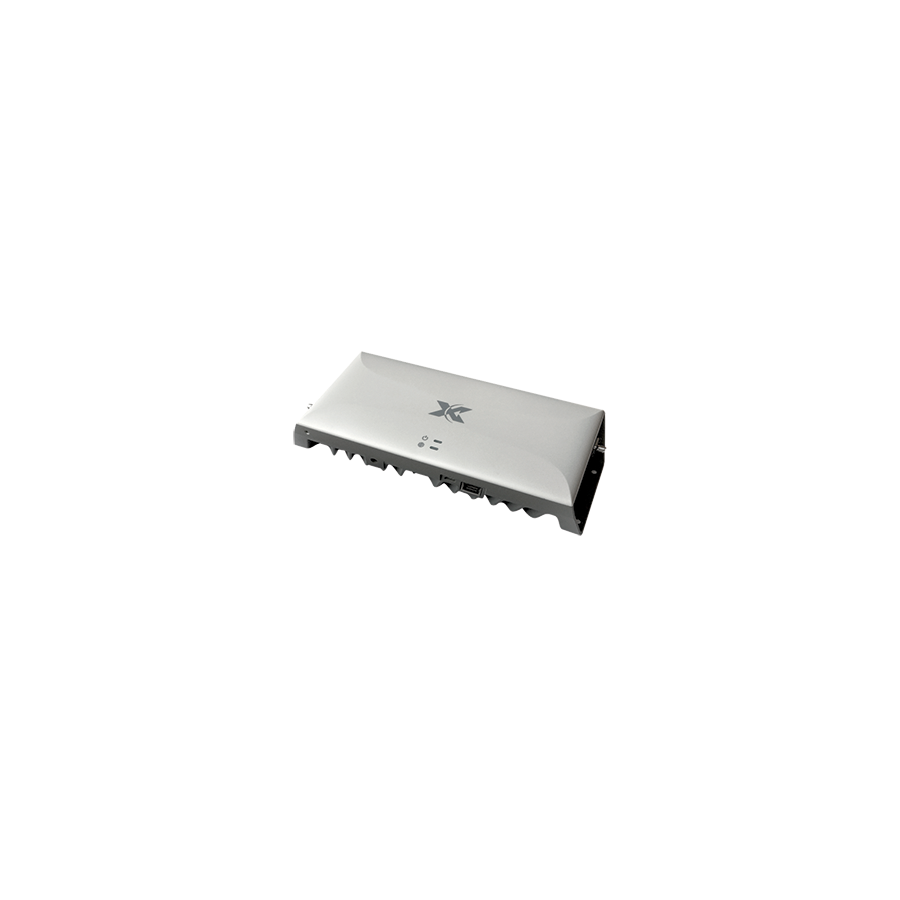
The professional engineering solution to this problem is the deployment of an ACMA approved Mobile Signal Repeater. It is critical to distinguish compliant smart repeaters from illegal wideband boosters. Under Australian regulations administered by the ACMA, only carrier-approved smart repeaters may be installed. Non-compliant devices can interfere with network infrastructure and expose operators to substantial penalties.
Smart repeaters are designed to amplify signal responsibly while protecting the integrity of the carrier network.
A Mobile Signal Repeater operates through controlled bi-directional amplification. The system consists of three primary components: an external donor antenna, a signal processing unit and one or more internal service antennas. The donor antenna captures signal from the nearest macro base station, the signal unit processes and amplifies the signal, and the internal antennas distribute it within the building.
Unlike passive systems, smart repeaters process the signal digitally. They analyse incoming signal strength, path loss and noise floor before amplification. The device dynamically adjusts gain levels to prevent network interference. If the repeater detects oscillation or excessive proximity to a tower, it automatically reduces output power. This adaptive gain control is what allows approved smart repeaters to operate legally within Australian telecommunications networks.
By amplifying clean signal rather than raw noise, the system improves indoor performance without degrading the external network.
The most critical design consideration in repeater installation is antenna isolation. Isolation refers to the electromagnetic separation between the donor antenna and the internal service antenna. If insufficient separation exists, a feedback loop forms. The service antenna signal is captured again by the donor antenna, amplified repeatedly and re-transmitted, creating oscillation.
Oscillation mirrors acoustic feedback in audio systems and renders the installation ineffective. To achieve maximum system gain, typically up to 100dB in compliant systems, the physical isolation between antennas must exceed the amplifier gain value. Installers achieve this through vertical separation using structural slabs or through sufficient horizontal distance.
If isolation is inadequate, smart repeater software reduces gain automatically, protecting both the network and the device. Proper antenna placement is therefore fundamental to achieving stable and effective coverage.
Professional installations rely on measurable network metrics rather than mobile phone signal indicators. Engineers assess RSRP, RSRQ and SINR to determine signal strength and quality. A strong RSRP with poor RSRQ indicates interference or competing base stations, leading to call drops and slow data throughput.
Directional donor antennas such as Yagi or log periodic designs are used to target a specific base station. This reduces unwanted interference and improves Signal-to-Interference-plus-Noise Ratio. Amplifying a clean and focused signal ensures consistent voice quality and stable high-speed data performance indoors.
Proper measurement during site surveys ensures the repeater enhances performance rather than amplifying existing network noise.
Australian carriers operate across multiple frequency bands including 700MHz, 850MHz, 1800MHz, 2100MHz and 2600MHz. Lower frequencies provide greater building penetration and wider coverage, while higher frequencies deliver higher data capacity with reduced range.
Advanced Mobile Signal Repeaters support multiple bands simultaneously and enable carrier aggregation. This allows compatible devices to combine frequency channels for improved throughput and performance. Correct band configuration requires knowledge of local tower allocations and carrier specifications, often verified through spectrum analysis during commissioning.
Selecting the correct frequency support ensures the installation remains aligned with network infrastructure and performance expectations.
Repeater installations often involve rooftop antenna mounting and extended coaxial cable runs. These installations introduce exposure to lightning, surge events and environmental wear. The coaxial feedline can act as a conductive path during electrical storms.
SCHNAP Electric Products supports compliant infrastructure by providing surge protection and protective installation components suited to Australian conditions. Surge-protected outlets and protective enclosures safeguard repeater units from grid instability. Proper bonding and earthing reduce transient voltage risks and enhance system reliability.
Cable routing must also be mechanically protected. Conduit systems and secure mounting hardware reduce damage from UV exposure and environmental stress. Attention to electrical safety ensures compliance and long-term system performance.
Installing non-compliant signal boosters is illegal in Australia and may result in regulatory penalties. Only ACMA approved smart repeaters should be deployed. Additionally, telecommunications systems require correct impedance matching. Using inappropriate cable types or connectors introduces mismatch and performance degradation.
Professional procurement through a specialised electrical wholesaler ensures access to compliant hardware and appropriate installation components. SCHNAP Electric Products supports telecommunications professionals with verified infrastructure accessories designed for commercial and industrial environments.
Selecting compliant equipment protects the integrity of both the installation and the carrier network.
Mobile Signal Repeaters are widely used in office towers, warehouses, underground car parks, hospitals and regional facilities. In energy-efficient or metal-clad buildings, they restore indoor coverage where macro signals cannot penetrate.
In safety-critical environments, reliable mobile coverage supports emergency response and operational communication. In commercial settings, improved indoor signal enhances productivity and customer experience. Properly engineered repeater systems deliver consistent connectivity without compromising network stability.
The Mobile Signal Repeater bridges the gap between the external cellular network and indoor coverage dead zones created by modern construction. Through smart amplification, controlled gain management and proper antenna isolation, compliant systems enhance signal quality without disrupting carrier infrastructure.
By adhering to ACMA regulations and supporting installations with protective infrastructure from SCHNAP Electric Products, Australian professionals can deliver reliable, compliant and durable mobile coverage solutions. In commercial and industrial environments, stable connectivity is essential infrastructure, and precision engineering ensures it is delivered responsibly and effectively.
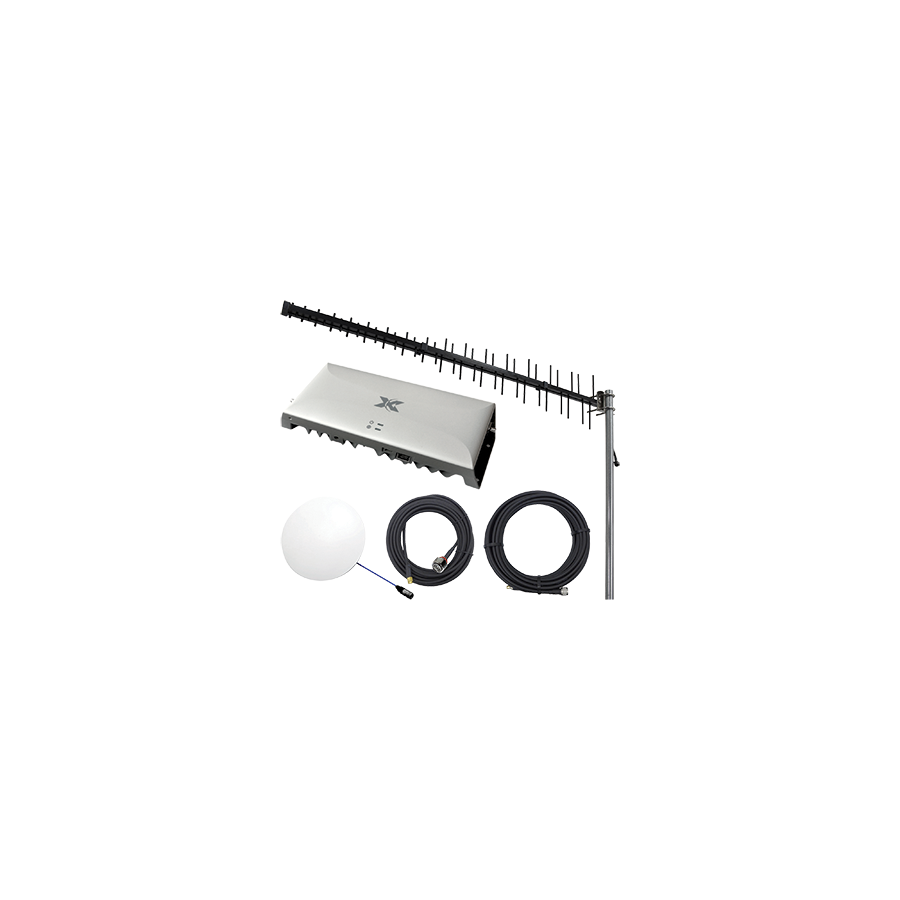
Across Australia’s expansive and often challenging terrain, reliable mobile coverage remains uneven. In outer metropolitan fringes, rural properties and remote commercial facilities, cellular blackspots limit communication, reduce productivity and create safety risks. Signal attenuation caused by distance from the base station, terrain obstruction and the shielding effect of modern metal-clad construction significantly weakens indoor reception.
The engineered solution to this challenge is a professionally configured Mobile Signal Repeater Kit. Unlike standalone components that risk impedance mismatch and compliance failure, a complete kit provides a matched ecosystem. It typically includes a donor antenna, an ACMA approved smart repeater unit, 50-ohm low-loss coaxial cable and an internal service antenna. All components are designed to operate together within Australian regulatory requirements and telecommunications standards.
A properly selected kit ensures reliable performance while protecting the integrity of carrier networks.
At the core of the Mobile Signal Repeater Kit is the active smart repeater unit. This device is not a simple amplifier but a controlled digital signal processor. It receives the weak RF signal captured by the external donor antenna, processes it, removes noise and then amplifies it before retransmitting indoors through the service antenna.
The amplification process must be intelligent. Blind amplification raises the network noise floor and can interfere with the base station. ACMA approved smart repeaters continuously monitor path loss, signal strength and interference levels. If oscillation or excessive feedback is detected, the device automatically reduces gain to protect the network.
This dynamic gain management is what distinguishes compliant smart systems from illegal wideband boosters. It ensures strong indoor coverage without degrading the carrier infrastructure.
One of the most common causes of installation failure is incorrect cabling. Mobile telecommunications systems operate at 50-ohm impedance, while television systems use 75-ohm cable. Substituting TV-grade cable introduces impedance mismatch and elevated Voltage Standing Wave Ratio.
High VSWR reflects RF energy back toward the amplifier rather than delivering it to the antenna. This not only reduces performance but may also overheat the repeater. Professional Mobile Signal Repeater Kits include LMR-400 or LMR-240 grade 50-ohm coaxial cable to minimise attenuation and maintain impedance stability.
At higher frequencies such as 2100MHz and 2600MHz, cable attenuation becomes significant. Excessive cable length using inferior materials can negate antenna gain entirely. Engineered kits account for these losses and ensure the link budget remains positive across operating bands.
The donor antenna determines how effectively the system captures external signal. Its selection depends on the surrounding RF environment.
In regional areas where the base station may be more than 20 kilometres away, high-gain directional antennas such as Yagi or log periodic arrays are required. These antennas focus reception in a narrow beam, increasing effective gain and improving signal clarity.
In suburban environments where signal is available outdoors but blocked by building materials, omni-directional antennas may be suitable. These capture signal from multiple directions and support carrier aggregation across several frequency bands.
Correct antenna selection ensures the repeater amplifies a clean and stable source signal rather than background interference.
Proper antenna isolation is critical to system stability. If the internal service antenna is placed too close to the external donor antenna, a feedback loop can occur. This oscillation mirrors acoustic feedback in sound systems and prevents the repeater from operating effectively.
Engineering best practice requires physical and electromagnetic separation between antennas greater than the system gain. Structural barriers such as concrete slabs, combined with vertical and horizontal distance, improve isolation. Smart repeater software will reduce output power if oscillation is detected, but correct placement ensures maximum performance.
A complete Mobile Signal Repeater Kit includes mounting hardware designed to support optimal antenna positioning.
Installing a repeater kit involves rooftop antenna mounting and routing coaxial cable into the building’s electrical environment. This introduces exposure to lightning and surge events.
SCHNAP Electric Products supports compliant installations by providing protective infrastructure components. Coaxial surge protectors divert high-voltage transients to earth, protecting the repeater unit. Surge-protected power outlets stabilise the 240V supply and shield sensitive electronics from grid disturbances.
Proper conduit systems and cable management accessories protect LMR cable from UV degradation and mechanical damage. Supporting infrastructure ensures the repeater system remains durable and compliant under Australian environmental conditions.
The Australian market contains many illegal and non-compliant booster devices sold through international platforms. Installing such equipment may result in substantial fines and network disruption.
Only ACMA approved smart repeater systems should be deployed. Professional procurement through a specialised electrical wholesaler ensures the kit supports the correct frequency bands for Telstra, Optus or Vodafone. It also ensures that connectors and cabling are correctly matched and certified.
SCHNAP Electric Products supports telecommunications professionals with compliant installation accessories and protective infrastructure components. Selecting verified hardware protects both the installer and the carrier network.
Mobile Signal Repeater Kits are widely deployed in agricultural stations, warehouses, office buildings, underground car parks and remote facilities. In regional areas, they restore communication where macro coverage is weak. In commercial buildings, they overcome the shielding effects of metal roofing and energy-efficient glazing.
Reliable indoor coverage improves operational efficiency, enhances safety communication and supports business continuity. When engineered correctly, repeater systems provide stable voice and data performance without compromising regulatory compliance.
The Mobile Signal Repeater Kit provides a complete and engineered solution for overcoming indoor cellular blackspots. Through intelligent amplification, correct impedance matching and proper antenna isolation, compliant systems deliver reliable coverage in challenging Australian environments.
By sourcing approved hardware and supporting infrastructure from SCHNAP Electric Products, professionals can install legal, durable and high-performance mobile coverage systems. In modern commercial and regional settings, dependable connectivity is essential infrastructure, and precision engineering ensures it is delivered responsibly and effectively.
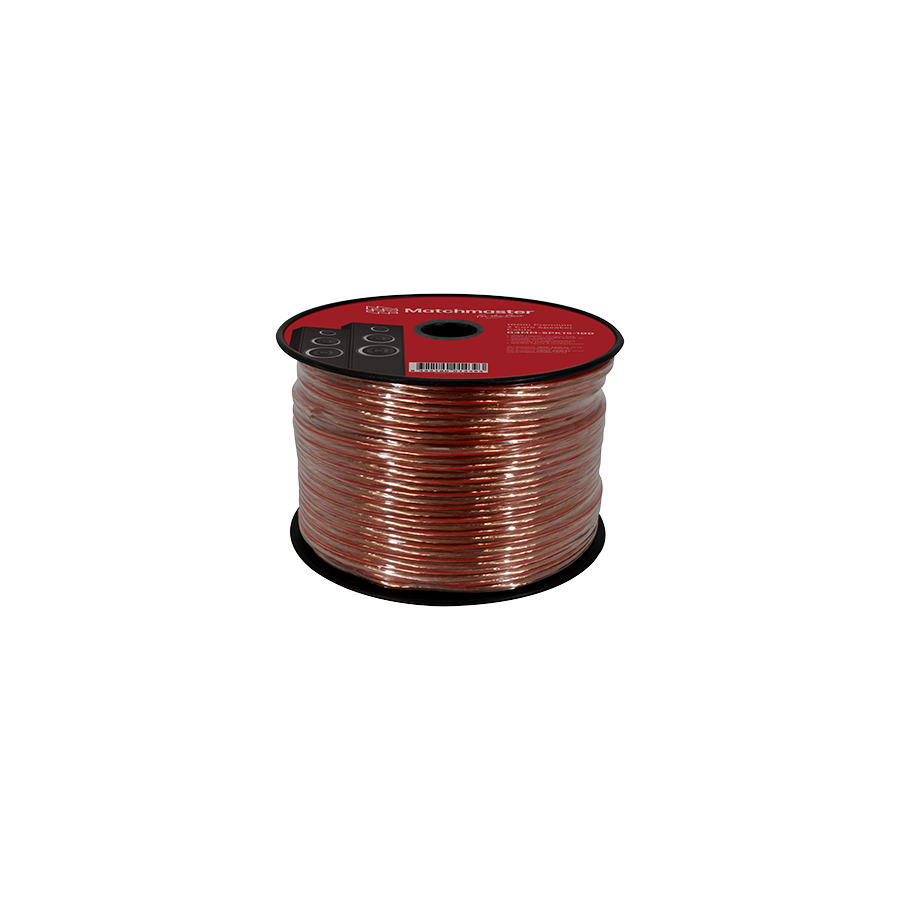
In professional audiovisual environments across Australia, the performance of a sound system depends not only on amplifiers and loudspeakers but also on the integrity of the cable connecting them. From residential home cinemas in Melbourne to large-scale public address systems in Queensland shopping centres, the physical transmission medium determines whether the amplified signal reaches the speaker accurately. The 2 Core Speaker Cable is the industry standard passive connection between amplifier and loudspeaker, engineered to preserve waveform integrity while minimising electrical losses.
Unlike general-purpose electrical wiring, speaker cable is designed with specific resistance, capacitance and inductance characteristics to ensure that alternating current audio signals are delivered cleanly. Poor cable selection results in voltage drop, reduced damping control and audible distortion. Properly specified cabling ensures that amplifier power translates into controlled speaker movement and accurate sound reproduction.
The conductivity of the conductor material is fundamental to speaker cable performance. In the Australian market, low-cost Copper Clad Aluminium cables are commonly available. While economical, CCA conductors have higher resistance than pure copper and are more prone to oxidation at termination points. Over time, this can degrade signal transfer and reliability.
Professional installations specify Oxygen-Free Copper conductors. OFC is refined to significantly reduce oxygen content, improving conductivity and long-term stability. High-purity copper is also more ductile, allowing fine stranding without brittleness. Fine-stranded construction increases flexibility, making the cable easier to route through wall cavities and conduits while reducing the risk of conductor fatigue.
Stranding also improves surface area, which supports consistent high-frequency performance and minimises resistive loss across the cable length. In professional audio installations, consistent copper mass and verified cross-sectional area are essential for predictable performance.
Selecting the correct cable gauge is governed by Ohm’s Law and the concept of damping factor. The damping factor represents the amplifier’s ability to control speaker cone movement, particularly at low frequencies. When cable resistance increases due to insufficient conductor size, the effective damping factor decreases. This results in less controlled bass response and reduced audio clarity.
For longer cable runs exceeding 15 metres, or when driving low-impedance speakers such as 4-ohm loads, heavier gauge cable is required. Cross-sectional areas of 2.5mm² or higher are typically specified to keep loop resistance below 5 percent of the speaker’s nominal impedance. Maintaining low resistance ensures minimal voltage drop and preserves amplifier control over driver excursion.
Correct gauge selection ensures efficient energy transfer and consistent audio performance across distributed systems.
The insulation material surrounding the conductors serves both electrical and mechanical functions. While dielectric properties may influence capacitance in extreme high-fidelity systems, practical installation durability is often the greater priority.
Professional 2 Core Speaker Cable uses flexible PVC or Low Smoke Zero Halogen jackets. LSZH compounds are particularly important in commercial installations where fire safety compliance is required. The outer sheath must withstand friction during installation and resist damage within ceiling spaces or conduits.
Clear polarity identification is equally important. Figure-eight construction with a ribbed or striped conductor ensures correct phase alignment. Reversed polarity wiring causes phase cancellation and weak bass response. Clear conductor marking reduces installation errors and protects system performance.
Termination quality significantly affects long-term reliability. Bare wire terminations are susceptible to oxidation and stray strand short circuits. Professional installations use secure and corrosion-resistant connectors to maintain consistent contact pressure.
SCHNAP Electric Products supports audio installations with compatible termination accessories and wall mounting solutions designed for commercial and residential environments. Binding post wall plates provide a clean architectural finish while maintaining signal continuity between in-wall cable and equipment connections.
Cable routing must also avoid interference from mains power circuits. Maintaining physical separation from 240V cabling reduces the risk of induced hum. Proper cable management and secure mounting practices improve reliability and reduce long-term service issues.
It is important to distinguish between low impedance speaker systems and 100V line public address systems. In low impedance installations, the amplifier drives speakers directly at 4 to 8 ohms. Cable resistance directly influences performance and must be minimised through appropriate gauge selection.
In 100V line systems used for commercial distributed audio, the signal voltage is stepped up to reduce current and enable longer cable runs. While thinner cable may be used compared to low impedance systems, copper loss still impacts efficiency. Undersized cable increases power loss and requires higher amplifier output to achieve the desired sound pressure level.
Correct cable specification ensures efficient performance in both system types.
The market contains speaker cable products that misrepresent conductor size or copper composition. Retail hardware store cables often lack sufficient copper mass for high fidelity or professional installations.
Procurement through a specialised electrical wholesaler ensures access to verified OFC cable with accurate cross-sectional area and compliant insulation standards. SCHNAP Electric Products supports contractors and integrators with quality infrastructure components suited for commercial and residential audio systems.
Selecting compliant and verified cable protects both system performance and long-term reliability.
The 2 Core Speaker Cable is a critical component in any audio system, acting as the conduit between amplifier energy and acoustic output. Proper conductor material, correct gauge selection and durable insulation ensure minimal power loss and accurate sound reproduction.
By specifying oxygen-free copper conductors and supporting installations with professional infrastructure from SCHNAP Electric Products, Australian installers can deliver audio systems that are reliable, compliant and acoustically accurate. In professional sound installations, performance begins with the integrity of the connection.
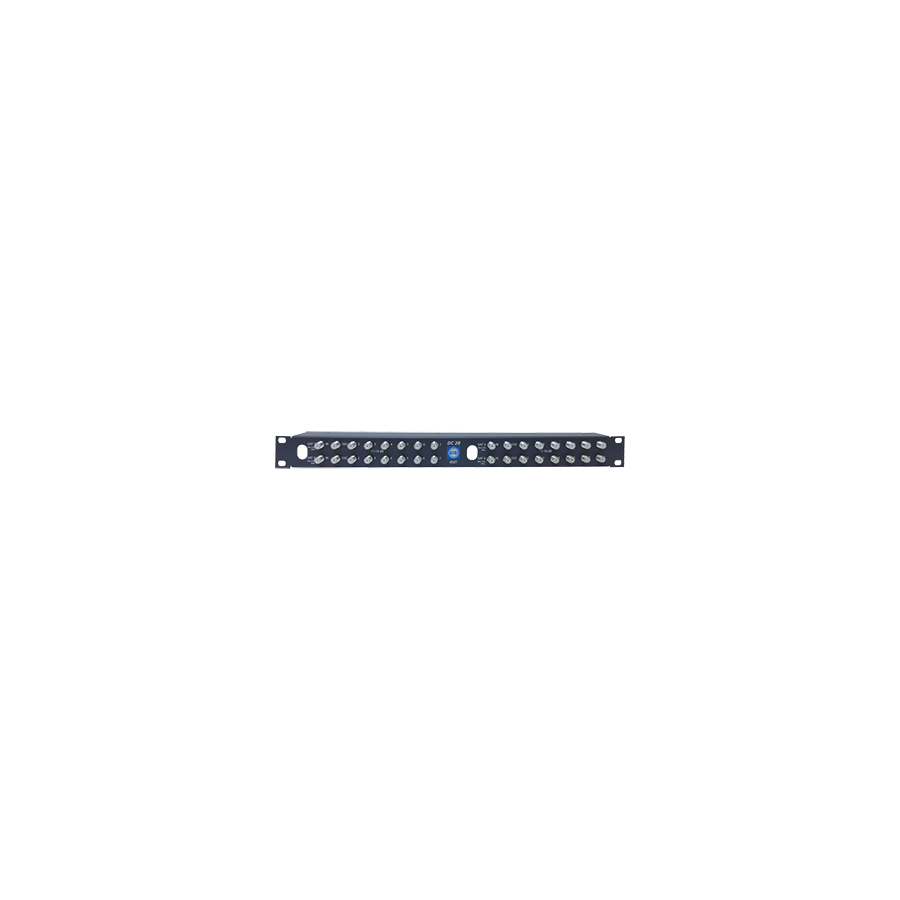
Across Australia’s expansive telecommunications landscape, satellite transmission remains essential for delivering television and broadcast content to both remote regions and dense urban developments. From regional VAST installations to complex Foxtel MATV systems in multi-dwelling buildings, the integrity of the Intermediate Frequency signal path is critical. Unlike terrestrial DVB-T services that operate below 694MHz, satellite signals are down-converted at the dish to an IF band typically ranging from 950MHz to 2150MHz, and in many systems up to 2400MHz.
Because of this high-frequency operation, standard terrestrial splitters cannot be used in satellite applications. Terrestrial splitters are effectively low-pass devices and will severely attenuate or block higher satellite transponders. The correct engineering solution is a purpose-built Satellite Signal Splitter designed specifically for gigahertz bandwidth performance and DC power management.
A properly specified splitter ensures stable IF distribution while maintaining safe and reliable power delivery to the Low Noise Block (LNB) at the dish.
The primary defining characteristic of a Satellite Signal Splitter is its bandwidth rating. Professional units are rated from 5MHz to 2400MHz, covering both return path requirements and the full satellite IF spectrum. Inferior or mislabelled splitters often show sharp attenuation beyond 1000MHz, resulting in missing channels or intermittent signal lock failures.
At higher frequencies, signal attenuation naturally increases due to skin effect and conductor losses. In a 2-way split, insertion loss at satellite frequencies can exceed 4.5dB to 5.0dB. This loss must be incorporated into the system link budget. If the incoming IF signal is already marginal, excessive insertion loss can push the level below the receiver’s sensitivity threshold, causing digital breakup or total signal loss.
Accurate component selection ensures that signal levels remain within acceptable operational limits across the full transponder range.
Satellite systems differ fundamentally from terrestrial antenna systems because the LNB is an active device. It requires DC voltage, typically 13V or 18V, supplied from the decoder via the coaxial cable. This voltage also selects polarisation between vertical and horizontal transponders.
A Satellite Signal Splitter must therefore support DC power passing. In multi-receiver configurations, voltage contention can occur if two decoders simultaneously send different voltages. Professional splitters incorporate diode-steered power passing to prevent back-feed between ports.
The diode allows DC current to travel upstream to the LNB while blocking reverse flow to adjacent receivers. This protects tuners and avoids damage from conflicting voltage outputs. However, it remains an engineering constraint that the higher voltage source will determine LNB polarisation in simple split configurations. For independent control, multiswitch systems are required.
Correct DC management is critical for safe and stable satellite operation.
Satellite IF signals operate in the microwave frequency range, where impedance matching becomes highly sensitive. The entire satellite distribution network is designed around a 75-ohm characteristic impedance.
Any mismatch at splitter ports introduces reflection. Reflected energy creates standing waves measured as Voltage Standing Wave Ratio. In digital modulation schemes such as QPSK or 8PSK, reflections degrade signal quality by increasing inter-symbol interference and reducing Modulation Error Ratio.
High-quality Satellite Signal Splitters are engineered with precision internal layouts and machined F-type connectors to maintain consistent impedance across the operating band. Return loss performance remains stable even at 2400MHz, ensuring efficient signal transfer to the receiver.
Stable impedance preserves both signal clarity and system reliability.
The most common failure point in satellite installations is not the splitter itself but the connector termination. High-frequency IF signals are sensitive to dielectric deformation and poor compression practices.
SCHNAP Electric Products supports compliant satellite installations with professional-grade termination accessories and grounding infrastructure. Compression F-connectors provide secure and impedance-stable termination on RG6 quad-shield cable. Proper torque application ensures gas-tight connections and reduces signal leakage.
Grounding is also mandatory. The splitter housing must be bonded to the building earth system in accordance with AS/NZS 3000 requirements. Earth bonding blocks and compliant earthing conductors protect occupants and equipment during lightning events.
Supporting infrastructure ensures long-term stability and safety in both residential and commercial installations.
In commercial MATV systems, splitters often operate within a backbone feeding multiple multiswitches. The four trunk lines from a satellite dish system may be divided and distributed across floors in a multi-dwelling building.
In these applications, current handling capacity becomes important. The splitter must pass sufficient DC current to support LNB operation and, in some cases, power active multiswitch equipment. Underrated splitters can overheat or fail due to excessive current load.
Professional-grade splitters designed for high current operation ensure safe distribution in large-scale systems.
The market contains many splitters marketed as wideband devices without verified performance curves. Using non-compliant components can result in intermittent channel loss or unpredictable behaviour across specific frequency bands.
Professional procurement through a specialised electrical wholesaler ensures access to sweep-tested components with verified insertion loss and return loss specifications. SCHNAP Electric Products supports installers with compliant accessories and reliable infrastructure components suited for satellite distribution systems.
Selecting verified equipment ensures balanced network performance and long-term reliability.
The Satellite Signal Splitter is a precision microwave component engineered for high-frequency IF distribution and controlled DC power passing. It must manage insertion loss, impedance stability and voltage control simultaneously to ensure consistent satellite reception.
By selecting 5–2400MHz rated splitters, ensuring diode-steered DC protection and supporting installations with compliant infrastructure from SCHNAP Electric Products, Australian professionals can deliver reliable satellite distribution across residential and commercial environments. In satellite systems, bandwidth integrity and correct power management define performance.

In Australia’s high-density telecommunications environment, network performance is defined by precision rather than transmission power alone. With 4G and 5G traffic increasing due to streaming, IoT devices and enterprise connectivity, the traditional omni-directional antenna model is no longer efficient in urban and high-demand zones. Broadcasting equally in all directions wastes spectrum and increases interference between adjacent cells.
The engineering solution for improving spectral efficiency and network capacity is the Sector Antenna. Unlike omni-directional antennas, sector antennas focus Radio Frequency energy into a defined angular coverage area, typically 60, 90 or 120 degrees. By dividing a cell site into multiple sectors, operators significantly increase user capacity without acquiring additional spectrum. This directional approach enables controlled coverage expansion and improved frequency reuse across Australia’s metropolitan and regional networks.
Properly selected sector antennas support scalable and interference-managed infrastructure.
The defining performance parameters of a sector antenna are its half-power beamwidth and front-to-back ratio. Internal reflector structures and phased dipole arrays concentrate RF energy forward while suppressing rearward radiation. This directional radiation pattern increases effective system gain compared to omni-directional antennas.
Typical omni antennas may provide gain around 6dBi, while sector panels commonly achieve gains between 16dBi and 21dBi. Higher gain increases Effective Isotropic Radiated Power, allowing improved signal penetration through urban construction materials such as brick and reinforced concrete.
However, high gain must be carefully controlled. Side lobes, which are unintended radiation outside the main beam, can cause interference with adjacent sectors. High-performance sector antennas are engineered to suppress side lobes and reduce pilot pollution, ensuring stable handovers and reduced dropped call rates.
Controlled beam shaping ensures that energy is delivered where required while minimising unwanted interference.
Controlling the vertical coverage footprint is as critical as horizontal beam shaping. If coverage extends too far beyond the intended service area, it interferes with neighbouring cells and reduces overall network efficiency.
Downtilt is used to direct the main beam toward the intended coverage zone. Mechanical tilt involves physically angling the antenna downward, but this method can distort the radiation pattern. Electrical tilt offers greater precision. By adjusting phase relationships between internal radiating elements, the beam can be electronically steered downward without altering horizontal performance.
Modern networks utilise Remote Electrical Tilt systems that allow network operators to adjust antenna parameters in real time. This enables dynamic traffic optimisation during peak usage events and improves load balancing across sectors. Electrical tilt management is essential for modern LTE and 5G deployment strategies.
High data throughput in 4G and 5G networks relies on Multiple Input Multiple Output technology. Sector antennas commonly contain cross-polarised arrays, typically oriented at +45 and -45 degrees. This configuration allows simultaneous transmission of multiple data streams on the same frequency band.
The isolation between polarised elements is critical. Poor cross-polar isolation reduces modulation efficiency and limits achievable data rates. High-quality sector antennas maintain strong isolation values to support advanced modulation schemes such as 256-QAM and beyond.
Integrated MIMO arrays enable improved spectral efficiency and higher capacity per sector.
Sector antennas are typically mounted on exposed towers and rooftops, where they are subjected to wind loading, thermal expansion and lightning exposure. Structural strength and mounting stability are critical for long-term reliability.
Feeder cables such as 7/8-inch or 1-5/8-inch coaxial lines must be secured correctly to prevent connector strain and vibration damage. Proper mounting and mechanical support reduce stress on RF connectors and prevent long-term degradation.
SCHNAP Electric Products supports compliant infrastructure installations with heavy-duty earthing components and cable management systems suitable for demanding Australian conditions. Robust installation practices protect both mechanical and electrical integrity.
As networks operate across multiple frequency bands, passive intermodulation becomes a serious concern. PIM occurs when non-linear junctions, such as loose connectors or corroded fittings, generate unwanted mixing products. These ghost signals can degrade receiver sensitivity and reduce uplink performance.
Avoiding PIM requires strict installation discipline. Connectors must be tightened using calibrated torque tools, and weatherproofing must be applied correctly to prevent moisture ingress. Proper sealing and corrosion prevention reduce long-term signal degradation.
Maintaining clean and secure RF connections ensures consistent network performance and minimal interference.
The installation of sector antennas introduces significant electrical safety requirements. Lightning strikes or induced surges can travel through feeder cables toward sensitive base station equipment.
SCHNAP Electric Products supports compliant installations with appropriate earthing infrastructure and protective components designed for telecommunications environments. Proper bonding of antenna structures and feeder shields ensures a low-impedance path to ground, reducing risk to network equipment.
Cable support systems, UV-stabilised mounting hardware and protective accessories ensure that heavy feeder lines remain secure under thermal and environmental stress. Supporting infrastructure enhances reliability and long-term performance.
Selecting a sector antenna involves evaluating operating frequency bands, gain requirements, beamwidth and tilt capability. Wideband generic antennas often perform poorly at band edges and may not meet carrier specifications.
Professional procurement through a specialised electrical wholesaler ensures access to carrier-grade antenna systems with verified radiation patterns and performance ratings. SCHNAP Electric Products supports telecommunications professionals with compliant infrastructure accessories suited to cellular deployments across Australia.
Verified equipment selection protects network capacity and ensures regulatory alignment.
The Sector Antenna is a precision instrument in modern cellular network design. By concentrating RF energy into defined coverage sectors, it increases capacity, improves spectral efficiency and supports advanced MIMO technologies.
Through careful beamwidth control, electrical tilt management and compliant installation practices supported by SCHNAP Electric Products infrastructure components, Australian network engineers can deliver stable and scalable 4G and 5G coverage. In high-capacity cellular systems, directional precision defines performance.
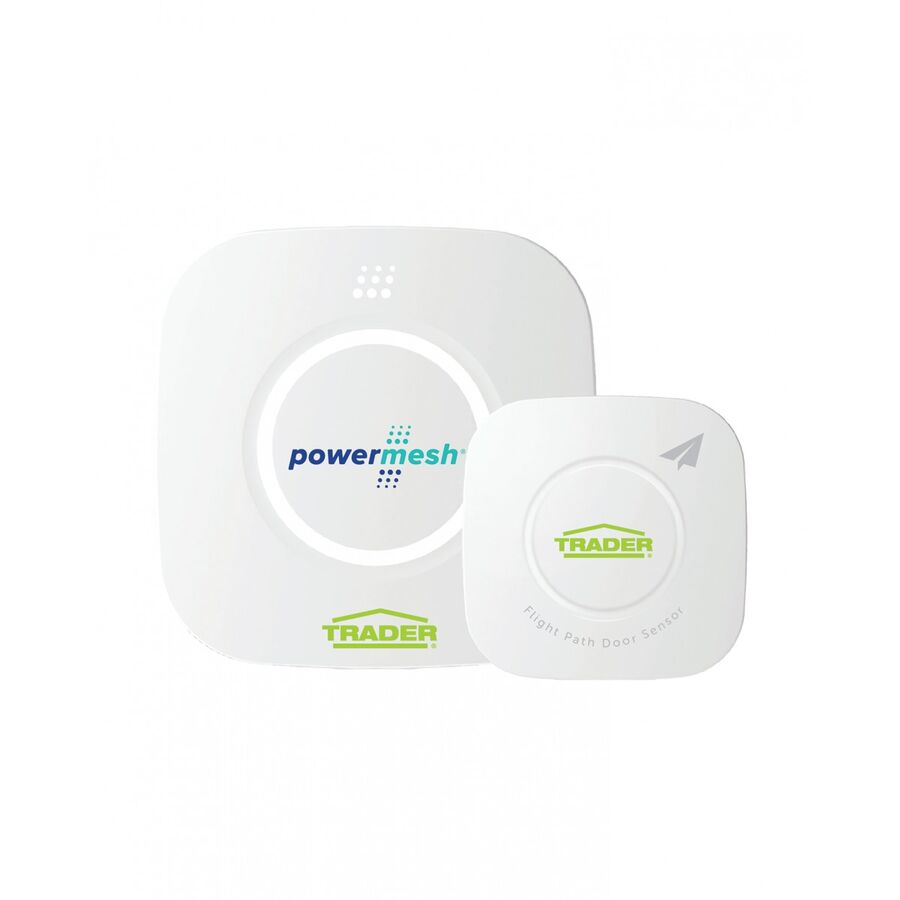
In modern Australian homes, the garage door has become the primary access point for daily entry and exit. As residential security and automation evolve, homeowners increasingly expect remote monitoring and control from their smartphones. Integrating legacy garage door motors into connected home ecosystems requires more than a simple remote upgrade. It demands a compliant and engineered solution.
The professional method of modernising existing drive units is through the installation of a smart Garage Door Controller & Sensor. This device bridges the motor’s low-voltage trigger circuit with the home network, enabling real-time status monitoring, remote actuation and integration with broader smart security platforms. Proper installation must comply with Australian electrical safety expectations and align with AS/NZS standards governing automated door drives.
A correctly specified controller transforms a standard motor into an intelligent access control node.
Most sectional and roller garage door motors include a terminal block for a manual wall switch. This low-voltage circuit operates using momentary contact closure. When the two terminals are briefly connected, the motor’s internal logic board registers a trigger and initiates the open, stop or close cycle.
A smart controller operates by paralleling this manual switch through an internal relay. The relay provides isolated dry contact switching, ensuring that the controller’s internal electronics remain electrically separated from the motor’s logic circuit. This prevents voltage feedback and protects both devices.
Correct pulse timing is essential. If the relay remains closed too long, some motors may interpret the signal as a programming command or continuous hold function. Professional-grade controllers allow adjustable pulse duration to match the requirements of different motor manufacturers.
Stable relay logic ensures predictable and safe actuation.
Remote operation requires reliable confirmation of door status. A controller that activates the motor without confirming whether the door is open or closed introduces security risks.
The standard solution is a magnetic reed switch sensor. A magnet is mounted to the moving door panel while the reed switch is fixed to a stationary structure such as the track or header. When the door closes, the magnet aligns with the switch, closing the circuit and confirming the closed state.
Correct alignment and secure mounting are critical. Mechanical vibration or misalignment can cause false open or closed readings. High-quality installations account for magnetic hysteresis and ensure stable sensor positioning to avoid nuisance alerts.
Accurate position feedback ensures reliable remote monitoring and prevents accidental misoperation.
Safety remains the highest priority in automated door systems. Under Australian best practice, any door capable of remote operation without direct line of sight should incorporate monitored safety protection.
Photoelectric safety beams provide this protection. A transmitter and receiver are installed across the door opening near floor level. If the infrared beam is interrupted while the door is closing, the controller must immediately stop and reverse movement.
Smart controllers often integrate with existing safety beam circuits to provide user notifications when obstructions occur. This ensures that doors are not left partially open and enhances overall home security.
Safety beam integration is non-negotiable in professional installations.
Smart controllers require stable 240V power. Electrical supply must be compliant and installed safely within the garage environment. Overloading existing outlets or using uncertified devices can create fire risks or void warranties.
SCHNAP Electric Products supports compliant installations with suitable socket outlets and mounting accessories designed for secure power supply. Dedicated outlets located near the motor unit reduce cable strain and improve reliability.
Proper power provisioning protects both the automation device and the motor drive system.
Sensor wiring is typically low-voltage and vulnerable to mechanical damage. Garage environments contain moving tracks, springs and rollers that can easily pinch or sever unprotected cables.
Professional installations route sensor wiring using protective trunking or conduit to shield cables from abrasion and vibration. SCHNAP Electric Products offers cable management solutions that ensure wiring remains secure and protected within demanding mechanical spaces.
Careful cable routing prevents intermittent faults and long-term system failure.
Garages often present challenging wireless conditions due to brick, concrete and steel construction. Reliable smart control requires stable connectivity on the 2.4GHz WiFi band, which provides better penetration than higher frequency alternatives.
If signal strength is weak, delayed command response or connectivity dropouts may occur. Installers may recommend mesh nodes or dedicated access points positioned within range of the controller.
Ensuring stable wireless connectivity is essential for consistent remote access and cloud-based control.
The Australian market contains uncertified smart switching devices that lack RCM approval or appropriate safety certification. Installing non-compliant products may void motor warranties and create insurance risks in the event of electrical faults.
Professional procurement through a specialised electrical wholesaler ensures access to compliant hardware designed for Australian conditions. SCHNAP Electric Products supports installers with certified accessories, junction boxes and terminal components required for safe integration.
Verified sourcing protects both installer reputation and homeowner safety.
The Garage Door Controller & Sensor system modernises the largest moving element of the home. Through dry contact relay control, accurate magnetic position detection and integrated safety beam compatibility, it transforms a conventional motor into a secure and connected access solution.
By combining compliant smart control hardware with safe installation practices supported by SCHNAP Electric Products infrastructure, Australian homeowners and professionals can achieve reliable automation without compromising safety. In modern residential security, status awareness and controlled access define peace of mind.
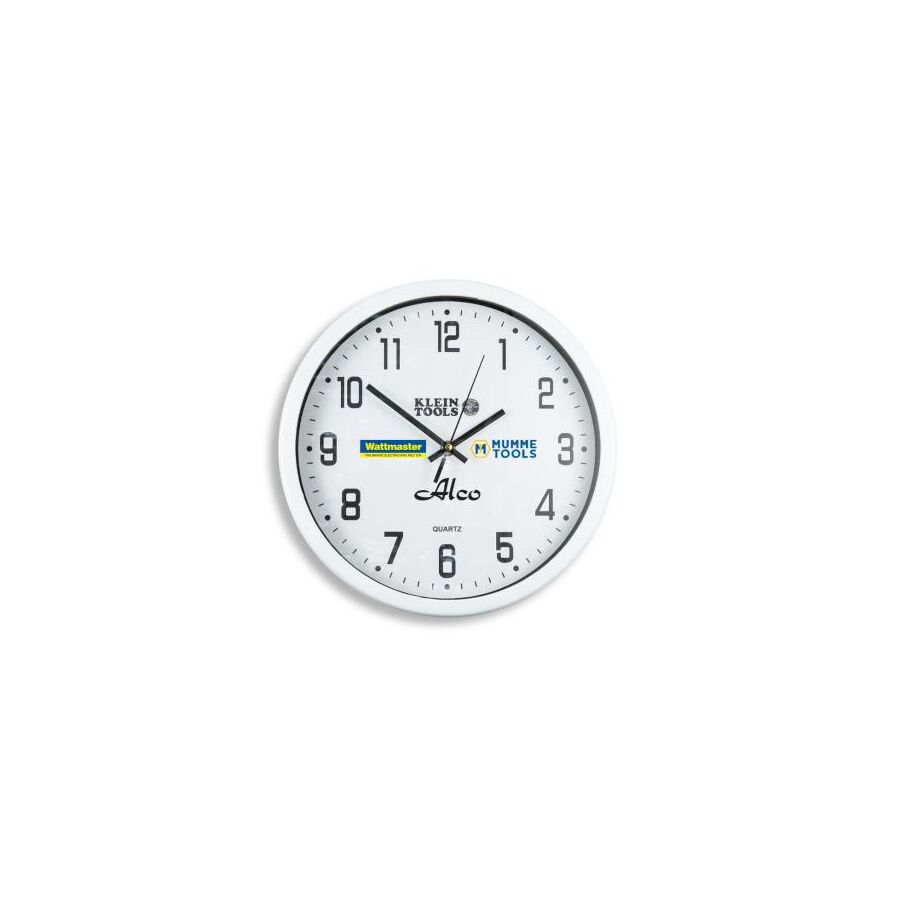
In high-precision Australian environments such as hospitals, logistics centres, transport terminals and educational institutions, accurate time display is an operational requirement rather than a decorative feature. In these facilities, even minor discrepancies can affect scheduling, compliance records and coordinated workflows. While residential timekeeping may tolerate minor variation, commercial infrastructure demands synchronised, traceable and maintenance-efficient systems.
The modern commercial Wall Clock is no longer a simple battery device. It has evolved into a network-connected endpoint that integrates with facility IT infrastructure. Using Network Time Protocol and often powered via Power over Ethernet, these clocks deliver synchronised time across entire buildings. Every clock in the facility references the same master time source, ensuring consistency across departments, floors and operational zones.
Reliable timekeeping supports safety, compliance and productivity.
Traditional standalone wall clocks rely on quartz crystal oscillators, typically vibrating at 32,768 Hz. Although quartz provides stable frequency under controlled conditions, environmental changes affect long-term accuracy. Temperature fluctuations common in warehouses or plant rooms can introduce measurable drift over time.
In critical environments such as healthcare facilities or transport control rooms, cumulative drift of several minutes per year is unacceptable. Network-synchronised clocks overcome this limitation by regularly polling Stratum-level NTP servers. The internal oscillator maintains short-term stability while network updates ensure alignment with Coordinated Universal Time. Daylight Saving Time adjustments and leap seconds are handled automatically without manual intervention.
Network synchronisation eliminates dependency on environmental stability and battery maintenance.
Modern commercial clocks often operate as PoE devices, receiving both data and power through a single Cat6 cable. Under IEEE 802.3af or 802.3at standards, 48V DC power is delivered directly from a compatible network switch or injector.
This design removes the need for ceiling-mounted 240V outlets and eliminates routine battery replacement. However, proper system design requires evaluation of switch power budgets. For example, if multiple LED display clocks are deployed on a single floor, total wattage demand must remain within switch capacity.
Professional installation ensures that PoE class ratings and load distribution are calculated correctly, preventing overload and maintaining network stability.
A networked wall clock becomes part of the facility’s IT ecosystem. Stable Ethernet connectivity is essential to prevent packet loss and synchronisation errors. Correct termination of Cat6 cabling maintains signal integrity and reduces data retransmission.
SCHNAP Electric Products supports structured cabling installations with suitable mounting accessories that protect terminations and maintain bend radius compliance. Proper cable management ensures long-term performance and reduces risk of mechanical strain or accidental disconnection.
Reliable infrastructure underpins synchronised time accuracy.
Clock selection must align with viewing distance and environmental conditions. In offices and classrooms, moderate display sizes may be sufficient. In warehouses or distribution centres with viewing distances exceeding 30 metres, larger digit displays are required for clarity.
Display type also matters. High-contrast LED displays often perform better in bright environments compared to LCD technology. Viewing angle must allow legibility from multiple approach points within a corridor or open workspace.
Selecting appropriate size and brightness ensures operational visibility across large facilities.
Commercial clocks are frequently installed in elevated or exposed locations. High mounting positions in corridors, production floors or gymnasiums require secure anchoring and compliant installation methods.
SCHNAP Electric Products provides mounting solutions and accessories that support stable installation on plasterboard, masonry or suspended structures. In industrial environments, protective conduit may be required to shield Ethernet cabling from mechanical impact or environmental exposure.
Secure installation prevents accidental displacement and ensures long-term reliability.
Consumer-grade radio-controlled clocks designed for overseas broadcast standards often fail to synchronise correctly within Australian buildings, especially in steel-framed structures. These devices may lose signal reception and drift unpredictably.
Professional procurement through a specialised electrical wholesaler ensures access to genuine NTP-capable clocks compatible with Australian IT networks. Selecting verified hardware protects compliance requirements in healthcare, education and industrial sectors.
SCHNAP Electric Products supports installers with compliant accessories that align with Australian electrical and structured cabling practices.
The commercial Wall Clock is a synchronisation tool that aligns human activity with digital systems. Through NTP integration, PoE infrastructure and compliant installation practices, facilities achieve consistent and traceable timekeeping across all operational zones.
By combining network-synchronised clock technology with structured installation supported by SCHNAP Electric Products, Australian professionals can ensure that their facilities operate with precision and reliability. In structured environments, accurate time is not optional; it is foundational.

SCHNAP Electrical Wholesaler - clear, upfront pricing that professional electricians trust

Get what you need in seconds. SCHNAP electrical wholesaler makes ordering quick and simple

Fast delivery anywhere - that's guaranteed. SCHNAP electrical wholesalers ship nationwide with same-day dispatch

Track your order every step of the way. SCHNAP electrical wholesale keeps you updated from click to delivery

SCHNAP is Australia's premier electrical wholesaler and electrical supplies, marketing thousands of quality products from leading brands. Trusted for nearly two decades by licensed electricians, contractors, and engineers, our range covers everything from basic electrical components to complex industrial electrical equipment
Our key categories include: LED lighting, designer switches, commercial switchboards, circuit protection, security systems & CCTV, and smart home automation
All products are certified to Australian standards (AS/NZS), backed by our 30-day, no-questions-asked return policy. Our expert technical team helps you quickly source the right solution for any residential, commercial, or industrial project, with daily dispatch from our Sydney electrical warehouse delivering Australia-wide
SCHNAP offers the most comprehensive electrical product range, with full technical specifications, application details, installation requirements, compliance standards, and warranties — giving professionals total confidence in every purchase


