




Kingsgrove Branch:
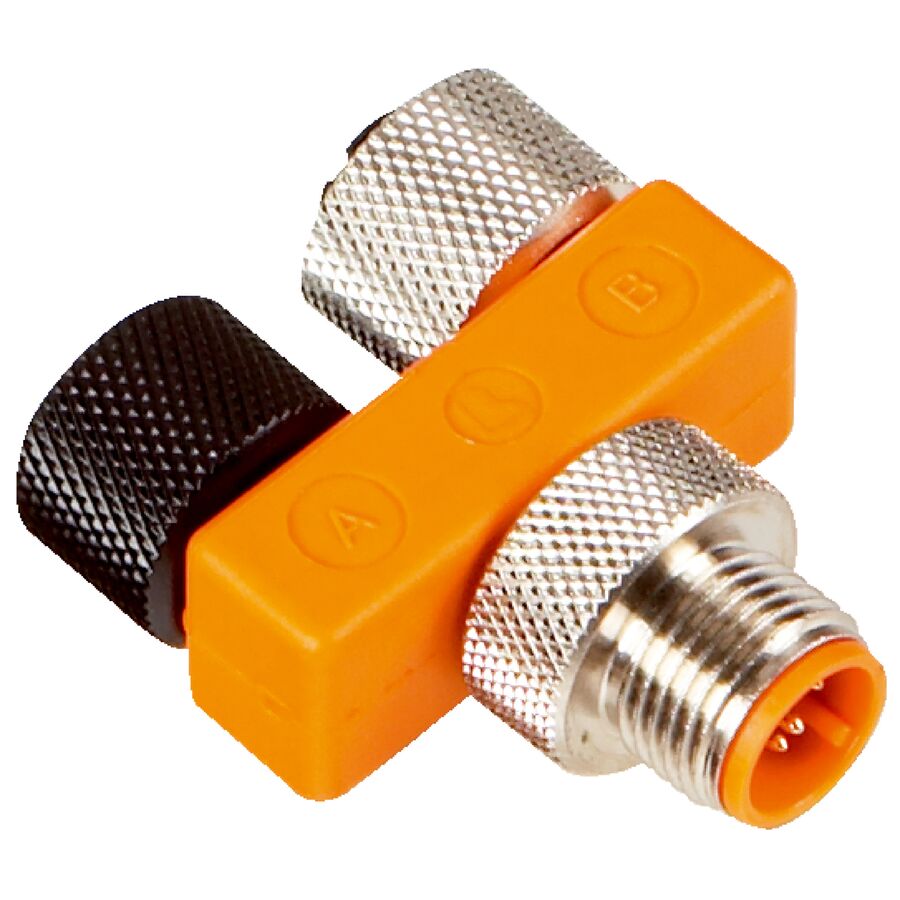
Across Australian industrial automation, the way field devices are connected has fundamentally changed. Traditional hard-wired terminations inside control cabinets are being replaced by modular, decentralised architectures that prioritise speed, reliability, and serviceability. From automated warehouses in Melbourne to mineral processing facilities in Western Australia, downtime is expensive and wiring errors are unacceptable. The M12 5 pin connector cable has emerged as a global standard interface that enables this shift toward plug-and-play automation.
Defined under IEC 61076-2-101, the M12 5 pin connector provides a compact, rugged, and environmentally sealed solution for transmitting power and signals between sensors, actuators, and controllers. Its adoption is driven by the need to reduce commissioning time, simplify maintenance, and ensure consistent performance in harsh industrial environments. Despite its small size, this connector plays a central role in Industry 4.0 systems where reliability at the interface defines overall system stability.
The strength of the M12 5 pin connector lies in its versatility, but that versatility requires strict adherence to coding standards. The connector body is mechanically keyed so that incompatible devices cannot be mated. This mechanical coding prevents incorrect connections that could otherwise damage equipment or disrupt communication networks.
The most common configuration in Australian industrial systems is the A-coded M12 5 pin connector. In this format, the connector is typically used for sensors, actuators, and low-voltage DC power distribution. The standard pin assignment follows an internationally harmonised colour code. Pin 1, brown, is usually 24 V DC positive. Pin 3, blue, is 0 V or common. Pins 2 and 4, white and black, are used for signal or data lines, while pin 5, grey, is often allocated to functional earth, analogue reference, or an additional signal channel.
Other coding variants exist for specialised applications. B-coded M12 connectors are reserved for fieldbus systems such as Profibus. In these networks, the 5 pin geometry supports differential data pairs alongside the power supply. Similarly, DeviceNet and CANopen networks use a 5 pin M12 interface with specific pin assignments and twisted pair requirements. Understanding and respecting these coding distinctions is essential. Attempting to interconnect differently coded M12 connectors can lead to immediate communication failure or permanent device damage.
One of the defining advantages of the M12 connector system is its environmental resilience. Industrial sites expose connectors to dust, oil mist, vibration, and aggressive wash-down procedures. The M12 5 pin connector cable is designed to survive these conditions without compromising electrical integrity.
A threaded coupling nut provides the mechanical interface. When tightened to the specified torque, typically around 0.6 Nm, the connector compresses an internal elastomer O-ring against the mating receptacle. This creates a seal rated to IP67 or higher, meaning the connection is dust-tight and protected against temporary immersion in water. In food processing and beverage facilities, where high-pressure cleaning is routine, this sealing capability is critical.
The connector body is commonly over-moulded with polyurethane or thermoplastic elastomer. These materials resist hydrolysis, oils, and cleaning chemicals far better than standard PVC. In Australian conditions, UV resistance is also essential. Inferior plastics degrade rapidly under sunlight, leading to cracking and loss of sealing performance. Industrial-grade M12 connectors are engineered to maintain mechanical and dielectric integrity throughout their service life.
Heavy machinery introduces constant vibration. Pumps, conveyors, and motors generate harmonic frequencies that can loosen traditional screw terminals over time. This is a common cause of intermittent faults in older installations.
The M12 5 pin connector addresses this issue through its threaded locking mechanism. Once tightened, the connector resists loosening even under severe vibration. Many designs incorporate anti-vibration features within the coupling nut that maintain clamping force throughout the life of the installation. This makes the M12 system particularly well suited to robotics, drag chain applications, and mobile equipment.
Internally, contact pins are typically gold-plated. Gold plating prevents oxidation and reduces fretting corrosion, which can occur when micro-movements are present at the contact interface. Low and stable contact resistance is essential for accurate sensor readings and reliable signal transmission.
As automation systems become denser, electromagnetic compatibility becomes increasingly important. Sensor and communication cables are often routed alongside high-current motor cables driven by variable speed drives. These drives generate significant electromagnetic noise that can couple into unprotected signal lines.
High-quality M12 5 pin connector cables incorporate full 360-degree shielding. A braided copper or foil shield surrounds the conductors and is terminated directly to the metal coupling nut. This creates a continuous shielding path from the control cabinet to the sensor, effectively extending the Faraday cage into the field. Proper termination of the shield ensures that induced noise is safely drained to earth.
Unshielded or poorly shielded cables may function during commissioning but often fail intermittently under real operating conditions. These faults are difficult to diagnose and can cause unpredictable machine behaviour. In noisy environments, shielded M12 cables are not optional; they are essential.
While the connector itself is robust, the cable must also withstand industrial abuse. Repeated bending, abrasion, and exposure to oils can quickly degrade low-quality cable jackets.
Polyurethane is the preferred jacket material for most industrial M12 5 pin cables. It offers excellent resistance to oils, cutting fluids, and mechanical wear while maintaining flexibility across a wide temperature range. For dynamic applications, conductors are often laid with a controlled twist and supported by fillers that reduce internal friction. This construction supports long service life in moving applications such as robotic arms or linear actuators.
In modern machine design, M12 cables are rarely run individually back to a central cabinet. Instead, decentralised IO architectures are used to reduce cabling complexity. Passive distribution boxes mounted on the machine frame collect multiple M12 connections and route them via a single trunk cable back to the controller.
This is where integration with the Schnap Electric Products ecosystem is common. M12 distribution boxes, flexible conduit systems, and cable management accessories protect connectors from mechanical damage and ensure minimum bend radii are respected. Inside the cabinet, structured termination and clear labelling translate field connections into the PLC logic cleanly and consistently.
The market contains many low-cost M12 cables that appear similar but use undersized conductors, poor shielding, or inferior moulding. These shortcuts result in voltage drop, signal attenuation, or premature failure. In high-value automation systems, a failed cable can halt production and incur significant costs.
Automation engineers and maintenance managers source M12 5 pin connector cables through specialised electrical wholesalers who verify compliance with IEC standards and provide traceable quality assurance. Factory-tested cordsets, correct coding, and appropriate jacket materials ensure predictable performance. Access to compatible field-wireable connectors also allows emergency repairs or custom cable fabrication when required.
The M12 5 pin connector cable is designed for low-voltage power and signal transmission. It should not be used for high-current motor supply or applications beyond its rated capacity. Separating power and signal functions, respecting coding standards, and ensuring correct shield termination are fundamental best practices.
Correct routing, mechanical protection, and documentation complete the installation. When treated as a precision component rather than a commodity, the M12 5 pin cable delivers exceptional reliability.
The M12 5 pin connector cable is a cornerstone of modern industrial automation. It enables modular, decentralised architectures that reduce downtime, simplify maintenance, and improve system resilience. By adhering to coding standards, prioritising environmental sealing and EMC shielding, and supporting installations with quality infrastructure from suppliers such as Schnap Electric Products, Australian industry professionals can build automation systems that are robust, scalable, and future-ready. In industrial connectivity, the reliability of the interface defines the reliability of the machine.
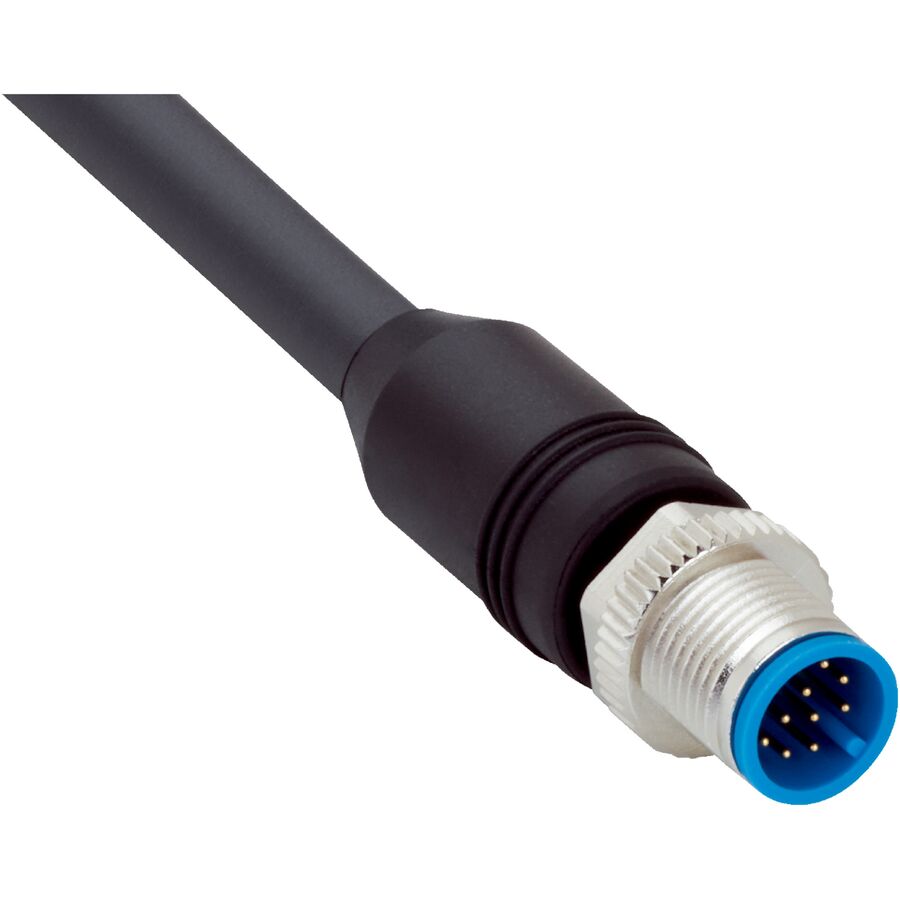
As Australian industrial automation continues to advance, machine builders and systems integrators are under constant pressure to extract more data from less physical space. Modern production lines demand precise motion control, real-time diagnostics, and dense sensor aggregation, all while reducing cabinet size, robot mass, and mechanical envelope. Traditional multi-pole connectors such as M23 or rectangular heavy-duty interfaces provide capacity but at the cost of bulk. In compact machinery and robotic tooling, that bulk is no longer acceptable.
The M12 12-pin sensor actuator cable addresses this challenge through intelligent connector densification. By accommodating twelve individual signal paths within the standard 12 mm circular M12 housing, it allows complex feedback and multi-signal transmission without increasing connector size. This capability has made the 12-pin M12 format the preferred interface for incremental encoders, servo feedback, advanced IO-Link sensor blocks, and compact automation devices across Australian manufacturing.
Packing twelve contacts into a connector originally designed for four or five pins introduces unavoidable electrical trade-offs. In low-pin-count M12 connectors, each contact is relatively large and can typically support currents up to 4 A. In a 12-pin configuration, contact size is reduced significantly to fit within the same shell diameter.
As a result, the current rating per pin is typically limited to 1.5 A or 2 A depending on the manufacturer and conductor size. This makes the M12 12-pin cable unsuitable for powering high-load actuators. Using it for motor power or solenoid supply is a critical design error that leads to overheating and premature failure. Instead, these cables are engineered for signal-level applications such as digital inputs, analogue feedback, serial communication, and encoder pulse trains.
The conductors themselves are correspondingly fine, often 0.14 mm² or 0.25 mm². This conductor size demands factory-moulded terminations. Manual field wiring is impractical due to the microscopic contact dimensions and the high risk of solder bridges or conductor damage.
With twelve cores inside a single jacket, correct identification is essential. Unlike simpler sensor cables that rely on basic colour sets, M12 12-pin cables typically follow the DIN 47100 colour coding standard. Each core is assigned a unique colour or colour combination, enabling consistent identification across devices and documentation.
This standardisation is critical during commissioning and troubleshooting. When used with pre-moulded cordsets, the colour logic is verified at the factory, ensuring pin-to-colour consistency. Attempting to terminate or re-terminate these cables in the field significantly increases the likelihood of wiring errors, particularly in environments where lighting, cleanliness, and time are constrained.
Professional automation projects therefore treat M12 12-pin cables as precision components rather than generic consumables.
One of the most common applications for M12 12-pin sensor actuator cables is encoder and resolver feedback in servo and variable speed drive systems. These signals are often low-voltage, high-frequency pulse trains that must be transmitted with absolute integrity.
In industrial environments, electromagnetic interference is a constant threat. Motors driven by PWM switching generate high-frequency noise that can couple into unshielded or poorly shielded cables. If encoder signals are corrupted, the drive loses position feedback, triggering faults or uncontrolled motion.
High-quality 12-pin M12 cables incorporate a braided copper shield with high optical coverage, typically above 85 percent. This shield is terminated 360 degrees to the connector coupling nut, providing a continuous path to earth through the device housing. This design prevents the cable from acting as an antenna and protects millivolt-level signals from external interference.
In many designs, specific signal pairs are twisted to further reduce crosstalk and improve noise rejection, particularly for differential encoder channels.
Although the internal conductors are fine, the cable must survive harsh mechanical conditions. Crushing, abrasion, and metal swarf are common hazards in automated machinery.
This is where integration with the Schnap Electric Products ecosystem becomes relevant. To protect M12 12-pin cables along machine frames and robot arms, engineers frequently route them through flexible industrial conduit systems. These conduits shield the jacket from impact and prevent metal debris from adhering to the cable surface.
Within control panels, the transition from M12 cables to PLC or drive terminals is managed using terminal blocks and structured cable identification. Clear labelling ensures the complex DIN 47100 colour scheme is translated accurately into the control logic, reducing commissioning time and future maintenance errors.
The external jacket material plays a decisive role in cable longevity. In static installations, PVC may be acceptable. However, many M12 12-pin applications involve motion, torsion, or exposure to oils and coolants.
Polyurethane is the preferred jacket material for these environments. PUR offers superior resistance to mineral oils, cutting fluids, and abrasion compared to PVC. It also maintains flexibility at low temperatures and resists cracking under repeated bending.
For robotic and drag-chain applications, internal construction is optimised to reduce mechanical stress. Conductors are often laid with a controlled twist length and separated by low-friction fleece fillers, allowing them to move relative to each other without fatigue. This construction supports long service life in continuous-motion systems.
M12 connectors are commonly specified to IP67, meaning they are dust-tight and protected against temporary immersion. Achieving this rating depends not only on connector design but also on moulding quality and sealing precision.
Cheap connectors often fail at this point. Inconsistent moulding tolerances lead to poor O-ring compression, allowing moisture ingress. Once water enters the connector, corrosion and insulation breakdown follow quickly, particularly in washdown or outdoor environments.
Professional-grade M12 12-pin cables use precision-moulded connectors with gold-plated contacts to maintain low contact resistance and corrosion resistance over repeated mating cycles.
Manufacturing tolerances for 12-pin M12 connectors are extremely tight. Pin misalignment of even a fraction of a millimetre can bend contacts or damage mating sockets on the device, leading to expensive repairs.
For this reason, automation engineers source these cables through specialised electrical wholesalers who verify quality, continuity, and insulation resistance. Reputable suppliers provide cordsets tested at the factory and offer compatible accessories such as bulkhead connectors and IP-rated distribution boxes. This approach ensures that high-density interconnects perform reliably throughout the life of the machine.
Best practice dictates using M12 12-pin cables strictly for signal and feedback applications. Power and high-current loads should be carried on separate connectors or hybrid cables designed specifically for that purpose. Maintaining separation between power and signal paths simplifies EMC management and improves system robustness.
Clear documentation, correct routing, and mechanical protection are essential to fully realise the benefits of high-density interconnects.
The M12 12-pin sensor actuator cable represents a sophisticated balance between mechanical compactness and electrical capability. It enables the transmission of complex data sets within a minimal footprint, supporting the increasing intelligence of modern automation systems. By respecting current limitations, prioritising EMC shielding, selecting durable PUR jackets, and protecting installations with robust infrastructure from suppliers such as Schnap Electric Products, Australian industry professionals can deploy high-precision interconnects with confidence. In advanced automation, density is not merely about saving space. It is about enabling capability without compromise.
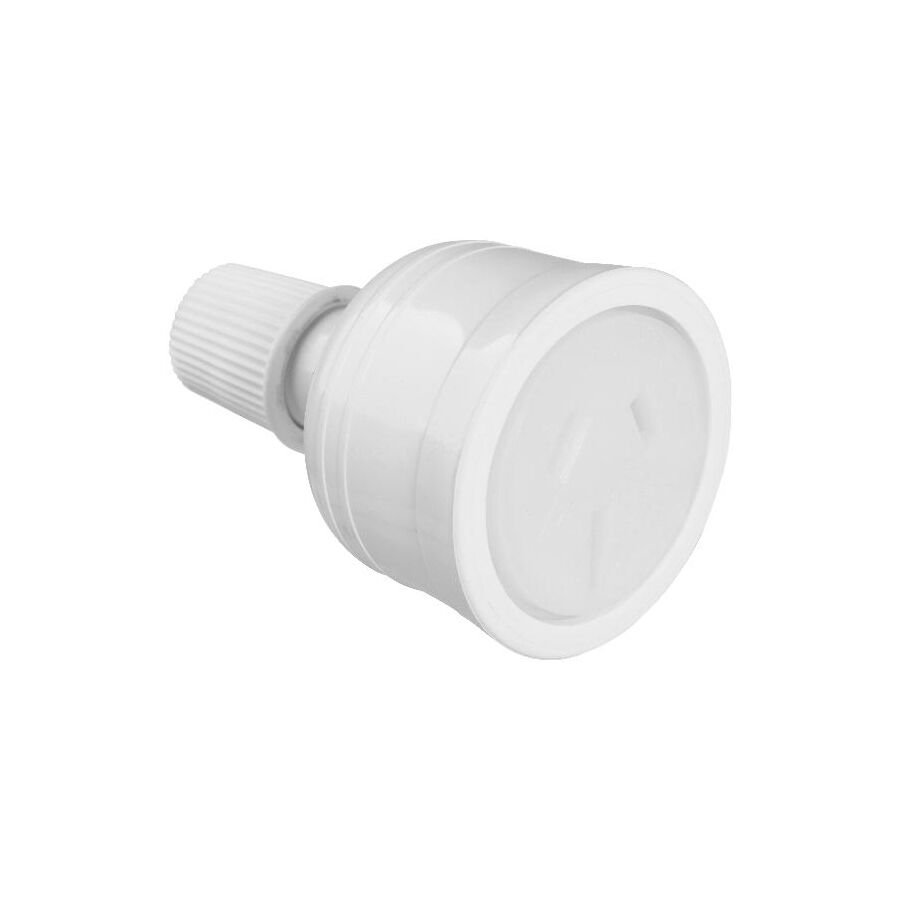
Across Australian construction sites, mining operations, and live event venues, electrical distribution must remain flexible without compromising safety. Fixed outlets rarely align with dynamic work zones, so temporary leads and portable power assemblies become essential. The critical interface at the end of every flexible lead is the extension socket. Although often treated as a low-cost accessory, this component is a safety device that must withstand mechanical abuse, environmental exposure, and sustained electrical loading while protecting users from shock and fire hazards.
Professional extension sockets are governed by AS/NZS 3120, which specifies construction, testing, and performance requirements for cord extension socket. Compliance with this standard is what differentiates industrial-grade connectors from domestic consumables. Correct selection and termination are therefore fundamental to workplace safety and reliability.
The service life of an extension socket begins with material science. On commercial worksites, connectors are dragged across concrete, dropped from ladders, and crushed under foot traffic. Materials that perform adequately in a household environment often fail under these conditions.
Industrial-grade extension sockets are manufactured from high-impact polycarbonate or heavy-duty polypropylene. These polymers absorb shock without cracking, maintaining insulation integrity even after repeated impacts. Inferior PVC housings can fracture, exposing live conductors and creating immediate electrocution risk. UV stabilisation is equally important. Australia’s high ultraviolet exposure rapidly degrades low-quality plastics, leading to embrittlement and loss of dielectric strength over time.
Ergonomics also matter. Ribbed or contoured housings allow secure handling with gloved hands. This reduces the likelihood of users pulling on the cable rather than gripping the body of the socket during disconnection, a common cause of strain damage.
Incorrect termination is a leading cause of extension lead failures. Loose screws, insufficient conductor insertion, or stray copper strands can create short circuits and overheating.
Clear-back extension sockets address this risk through transparency. A transparent rear housing allows immediate visual verification of termination quality without disassembly. Inspectors can confirm that the outer sheath is correctly clamped, conductors are fully seated in terminals, and no copper strands are bridging between contacts.
This design significantly reduces inspection time during test-and-tag procedures and improves confidence in ongoing safety. The approach is widely adopted in professional ranges, including those supplied by Schnap Electric Products, where crystal-clear polycarbonate backs provide unobstructed visibility of internal connections.
The most vulnerable point of any flexible lead is the cable entry. Without proper strain relief, normal handling forces are transferred directly to the electrical terminations. Over time, copper conductors fatigue, loosen, or pull free, creating high-resistance joints that overheat under load.
Professional extension sockets incorporate a screw-down cable clamp that grips the outer sheath of the cable. This mechanical anchoring ensures that tensile forces are absorbed by the sheath and housing rather than the terminals. Friction-only or labyrinth-style strain reliefs found in domestic products are inadequate for industrial use.
Correct stripping length is critical. The sheath must extend fully into the clamp so the compression acts on the cable jacket, not the individual cores. When terminated correctly, the electrical connections remain isolated from mechanical stress throughout the life of the lead.
Australian extension sockets are commonly available in 10A and 15A configurations. Understanding the distinction is essential for safe load management.
A 10A socket is designed for general-purpose loads such as hand tools and lighting. A 15A socket accommodates higher current equipment including welders, commercial kitchen appliances, and large compressors. The physical difference is the larger earth pin aperture on the 15A socket, which prevents a 15A plug from being inserted into a 10A outlet.
Internally, 15A sockets are engineered with heavier contacts and greater thermal mass to dissipate heat generated by higher currents. Using a 10A socket on a circuit that regularly approaches 15A leads to contact overheating, deformation, and eventual failure. Downward compatibility allows 10A plugs to be used in 15A sockets, but the reverse is intentionally impossible.
Professional termination goes beyond tightening screws. Conductors must be stripped to the correct length, twisted neatly, and fully inserted into tunnel terminals. Over-stripping exposes copper beyond the terminal, increasing the risk of shorts. Under-stripping reduces contact area, increasing resistance and heat.
Bootlace ferrules are recommended when terminating fine-stranded flexible cable. Ferrules consolidate strands, improve contact consistency, and reduce the risk of stray copper. This practice enhances long-term reliability, particularly in environments with vibration or frequent handling.
Extension sockets used outdoors or in industrial settings are exposed to dust, moisture, oils, and temperature extremes. While not typically weatherproof, professional sockets are designed to resist incidental moisture and contamination when used with appropriate cable management.
Continuous duty cycles also matter. Temporary power in events or construction often runs for extended periods. Contacts must maintain spring tension and conductivity under sustained load without annealing or losing grip. Compliance with AS/NZS 3120 includes testing for temperature rise, mechanical endurance, and dielectric strength under load.
Workplace health and safety regulations require that extension leads and sockets used in commercial environments are compliant, tested, and maintained. Non-compliant connectors without the Regulatory Compliance Mark expose employers to liability and can void insurance coverage.
Clear-back sockets support compliance by simplifying visual checks and fault identification. When combined with routine electrical testing, they form part of a defensible safety system that protects workers and assets.
The market includes many unbranded connectors that appear similar but lack verified compliance and material quality. These products often omit critical features such as robust strain relief or high-temperature contact materials.
Contractors and facility managers procure extension sockets through specialised electrical wholesaler who verify standards compliance and provide technical documentation. Access to compatible flexible cable, ferrules, and accessories allows electricians to fabricate custom extension leads that meet site-specific requirements while maintaining compliance.
Best practice involves selecting the correct rating, using impact-resistant clear-back sockets, terminating with proper strain relief, and matching cable size to load. Leads should be routed to minimise mechanical stress, kept off sharp edges, and inspected regularly. Damaged or cracked sockets must be replaced immediately rather than repaired in the field.
The extension socket is a critical component in temporary power systems, not a disposable accessory. It connects the fixed electrical infrastructure to the realities of mobile work and must perform reliably under harsh conditions. By choosing impact-resistant materials, clear-back designs for inspection, robust strain relief, and compliant ratings from trusted suppliers such as Schnap Electric Products, Australian professionals can deliver temporary power solutions that are safe, durable, and auditable. In electrical safety, visibility, material quality, and correct termination are the foundations of trust.
In Australian residential and commercial building design, mechanical ventilation is not simply an amenity. It is a regulated engineering system governed by the National Construction Code and Australian Standard AS 1668.2, which define how air must be removed from sanitary compartments, kitchens, and enclosed spaces. As buildings become denser and more airtight, natural ventilation is often insufficient or impossible. Windowless bathrooms, internal laundries, plant rooms, and commercial food preparation areas all rely on forced extraction to maintain hygiene, manage moisture, and control odours.
The vertical exhaust fan is the industry standard solution where air must be drawn vertically through duct risers and expelled safely above the roof line. Unlike basic ceiling-mounted axial fans, which are effective only for short, low-resistance duct runs, vertical exhaust fans are engineered to overcome significant static pressure and deliver reliable upward discharge. This makes them essential in multi-storey apartments, commercial facilities, and any application where horizontal discharge would risk recirculation or regulatory non-compliance.
The defining technical challenge of vertical ventilation is static pressure. Static pressure is created by gravity, duct wall friction, changes in duct diameter, and fittings such as bends or dampers. In vertical systems, the fan must generate enough pressure to lift a column of air upwards while maintaining sufficient velocity at the discharge point.
Standard axial fans move large volumes of air but generate very little pressure. When connected to long vertical ducting, they stall, resulting in poor extraction and condensation forming inside the duct. Vertical exhaust fans avoid this limitation by using centrifugal or mixed-flow impellers. These impellers accelerate air radially, converting rotational energy into pressure rather than relying solely on airflow volume.
The result is consistent extraction even with tall risers and complex duct layouts. Just as importantly, vertical discharge ensures that exhaust air is expelled upward at high velocity. This prevents short-circuiting, where stale air is blown across the roof surface and drawn back into nearby fresh air intakes or open windows. By projecting the exhaust plume upward, the air is rapidly diluted by ambient wind conditions, reducing odour nuisance and ensuring compliance with building and environmental regulations.
Because vertical exhaust fans are roof-mounted, they must be designed to survive Australia’s extreme climate. UV exposure, high temperatures, wind loading, and heavy rain all place stress on materials and fixings.
Professional units use UV-stabilised polymers or marine-grade aluminium cowls to resist degradation and corrosion. The external housing is shaped to shed water even when the fan is not operating. Integrated backdraft dampers, often butterfly or gravity-assisted designs, prevent rain, dust, and vermin from entering the duct when the fan is off. These dampers are a critical component. If they fail or stick closed, ventilation performance drops to zero.
The roof penetration itself must be sealed correctly. Flashing systems are selected to match the roof profile and fixed securely to prevent capillary water ingress. In high-wind regions, additional mechanical fixing is required to ensure the fan remains attached to the roof structure during storm events.
Modern vertical exhaust fans increasingly utilise electronically commutated motors. EC motors combine the efficiency of DC operation with precise electronic control. They allow the fan speed to be adjusted continuously via control signals rather than operating at a fixed speed.
This capability enables demand-based ventilation. Instead of running continuously at full speed, the fan output can be matched to actual conditions, such as humidity levels in a bathroom or occupancy in a commercial space. This reduces energy consumption, lowers noise levels, and extends bearing life. However, EC motors require proper electrical integration and protection to ensure reliability in rooftop environments.
Roof-mounted fans are classified as remote motors. Australian electrical standards require that maintenance personnel can safely isolate the fan without shutting down unrelated circuits. This is particularly important for residential apartments and commercial buildings where multiple systems may share supply circuits.
This is where integration with the Schnap Electric Products ecosystem becomes critical. Weatherproof lockable isolators installed adjacent to the fan provide a local means of disconnection. These isolators are rated to withstand UV exposure, rain, and heat, ensuring long-term safety. Local isolation allows technicians to service the fan, clean impellers, or inspect dampers without accessing internal switchboards or disrupting other services.
Inside the building, vertical exhaust fans are often paired with run-on timers. These devices keep the fan operating for a set period after the light is switched off, ensuring residual moisture is fully evacuated from the duct riser. Without this purge cycle, condensation can form inside the vertical duct and eventually drip back into the room below.
Noise control is a major consideration, particularly in residential applications where the fan may be located above sleeping areas. One advantage of roof-mounted vertical exhaust fans is that the primary noise source is outside the habitable envelope.
However, vibration can still transmit through the roof structure if not properly isolated. Professional installations use neoprene or rubber isolation mounts between the fan base and the roof flashing. Flexible duct connections between the ceiling grille and the fan further reduce vibration transmission and minimise turbulence noise.
Correct duct sizing is also essential. Undersized ducting increases air velocity and noise, while oversized ducting reduces extraction effectiveness. Balanced design ensures quiet operation without sacrificing performance.
In cyclone-prone regions of Australia, roof-mounted equipment must be mechanically secured to withstand extreme wind loads. Vertical exhaust fans installed in these areas require additional fixings that anchor the unit through the roof sheeting into the underlying battens or structure.
Manufacturers provide region-specific installation guidelines that must be followed to maintain warranty and compliance. Failure to secure the fan correctly can result in detachment during storms, posing a serious safety hazard.
Not all roof cowls marketed as exhaust fans provide true vertical discharge performance. Decorative or passive cowls may look similar but lack the impeller design and motor power required for effective extraction.
Professional vertical exhaust fans are supplied with performance curves that detail airflow versus static pressure. These curves allow designers and installers to verify that the fan will meet the calculated requirements of the duct system. Using verified data is essential for compliance with AS 1668.2 and for avoiding costly rectification works.
Quality ventilation outcomes depend on quality components. Inferior fans often suffer from water ingress, bearing failure, or insufficient pressure capability. These issues lead to poor indoor air quality and expensive remedial work.
Mechanical contractors and electricians source vertical exhaust fans through specialised electrical wholesaler who understand local standards and application requirements. Access to compatible flashing kits, duct accessories, isolators, and control modules ensures the entire system operates as a cohesive, compliant solution.
The vertical exhaust fan is a critical component in modern Australian building ventilation. It enables reliable extraction where gravity, duct resistance, and regulatory requirements would defeat simpler systems. By applying centrifugal pressure principles, ensuring robust weatherproof construction, integrating compliant electrical isolation, and supporting the system with quality infrastructure from suppliers such as Schnap Electric Products, professionals can deliver ventilation solutions that protect occupant health and building integrity. In engineered airflow, effective extraction is achieved by moving air decisively upward, away from the structure, and safely into the atmosphere.
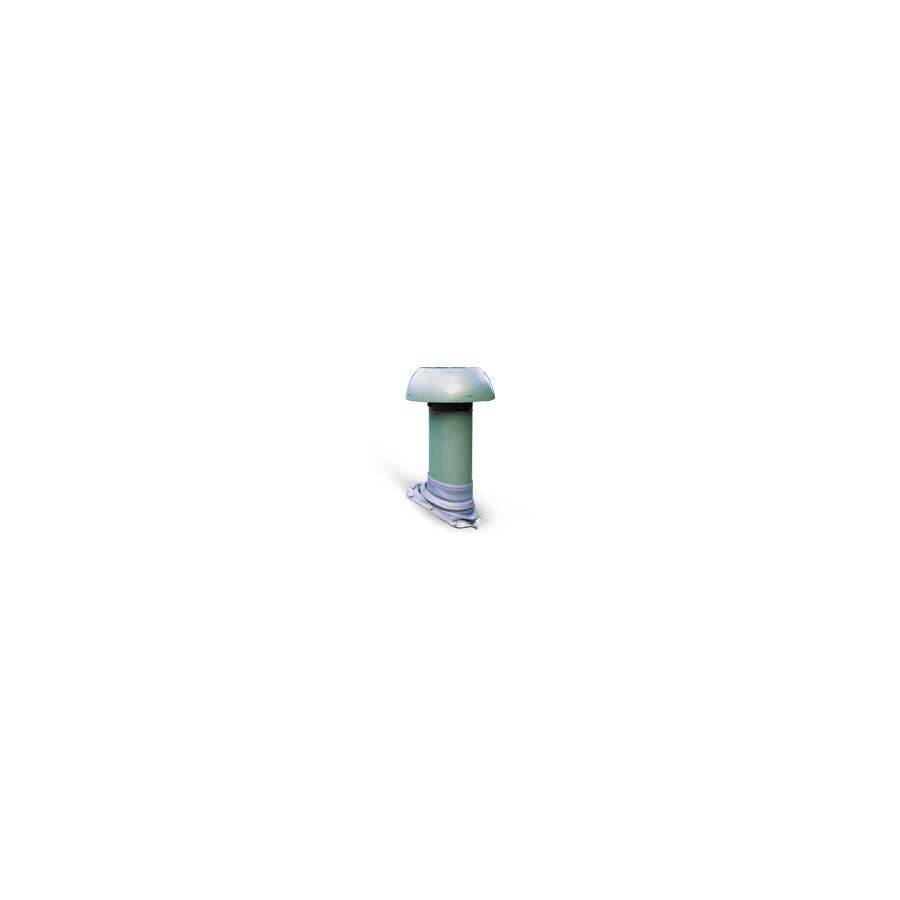
In the modern Australian residential environment, indoor air quality management is no longer optional. As building codes continue to prioritise energy efficiency, homes are becoming increasingly airtight. While this reduces heating and cooling losses, it also traps moisture generated from everyday activities such as showering, cooking, and laundry use. If this moisture is not extracted efficiently, it migrates into roof cavities, condenses on framing timbers, and creates ideal conditions for mould growth and structural decay.
The thru roof exhaust fan is the most aerodynamically efficient residential solution for removing humid air in single-storey homes, particularly those with metal roofing. By discharging air directly through the roof, this system avoids the airflow losses associated with long horizontal duct runs and uses the natural upward movement of warm air to accelerate moisture removal. When correctly specified and installed, it delivers faster extraction, quieter operation, and superior long-term protection of the building fabric.
Every ventilation system is governed by static pressure. Each bend, metre of ducting, and flexible section adds resistance that reduces actual airflow at the grille. In many residential installations, ceiling-mounted exhaust fans are connected to eave vents via long duct runs with multiple bends. While the fan may be rated at a certain airflow, the delivered extraction can be less than half once duct losses are accounted for.
A thru roof exhaust fan eliminates most of this resistance. The fan is either mounted directly above the room or connected via a short, rigid vertical riser. This straight vertical path significantly reduces static pressure losses. It also leverages the stack effect, where warm, moist air naturally rises. As a result, the fan does not need to work as hard to remove steam, improving efficiency and reducing motor strain.
High-quality thru roof systems often use mixed-flow or centrifugal impellers housed within the roof cowl itself. By positioning the motor and impeller outside the ceiling plane, noise is removed from the living space. This design also allows the fan to generate enough suction to actively pull moisture from the room rather than relying on passive diffusion.
Penetrating the roof introduces an obvious risk. In Australia’s climate, roofs are exposed to extreme UV, high temperatures, heavy rain, and wind-driven storms. Any weakness in sealing will eventually lead to leaks.
Professional thru roof installations rely on a flexible flashing system, commonly referred to as a Dektite. This polymer flashing cone is designed to conform to the specific roof profile, whether corrugated, Trimdek, or Klip-Lok. The flashing is secured with fasteners and sealed using neutral-cure silicone to prevent chemical reaction with metal roofing.
Above the flashing, the exhaust cowl is installed on a rigid riser. The cowl design is critical. It must prevent wind-driven rain from entering the duct while allowing unrestricted airflow. Quality designs use internal baffles, downward-facing discharge paths, and insect screens. These features block water, birds, and debris while ensuring moisture-laden air is expelled safely into the atmosphere.
Because the motor is located on or above the roof, a thru roof exhaust fan is classified as a remote motor installation. Australian Wiring Rules require a means of local isolation so the fan can be safely serviced.
This is where integration with the Schnap Electric Products ecosystem becomes essential. Lockable isolation switches are typically installed adjacent to the fan or within the ceiling space and within sight of the motor. These weatherproof isolators allow electricians or maintenance personnel to safely disconnect power before cleaning or servicing the fan. Without this local isolation, entire lighting circuits would need to be shut down, disrupting other areas of the home.
Weatherproof isolators used in roof spaces must withstand UV exposure, high heat, and moisture. IP-rated enclosures ensure long-term safety and compliance.
Effective moisture control does not end when the bathroom light is switched off. Steam lingers in the air and is absorbed by towels, tiles, and ceiling surfaces long after use.
Run-on timers are a standard enhancement in professional installations. These devices allow the fan to continue operating for a preset period after the light is turned off. This purge cycle ensures residual humidity is fully evacuated from the room. Typical run-on durations range from five to twenty minutes, depending on room size and usage.
More advanced systems incorporate humidity sensors. These hygrostats automatically activate the fan when relative humidity exceeds a set threshold. Once humidity returns to normal levels, the fan switches off. This automation provides consistent moisture control without relying on occupant behaviour, significantly reducing the risk of mould development over time.
In northern and coastal regions of Australia, wind loading is a serious design consideration. A roof-mounted fan that is not adequately secured can detach during extreme weather events, creating a major safety hazard.
Manufacturers provide specific installation guidelines for high-wind regions. These often include additional fixings, cyclone-rated fasteners, and washers that anchor the flashing plate through the roof sheet and into the underlying battens. The cowl itself must be constructed from UV-stabilised polymers or powder-coated aluminium to resist degradation from heat, salt spray, and airborne debris.
Correct fixing is not only about compliance but also about long-term durability. A securely mounted fan resists vibration, maintains its seal, and continues to operate reliably in harsh conditions.
Underpowered roof fans are a common cause of dissatisfaction. In windy conditions, insufficient motor torque can allow air to be forced back down the duct, reintroducing moisture and odours into the room.
Professional-grade thru roof exhaust fans are specified with enough static pressure capability to overcome headwinds and maintain outward airflow. Verified performance curves are essential when selecting a unit. Noise performance is also influenced by impeller balance and mounting integrity. Properly installed systems operate quietly, with most noise contained outside the living space.
The residential market contains many low-cost roof vents that appear similar but lack the performance and durability required for Australian conditions. These products often use lightweight motors and thin plastics that degrade rapidly under UV exposure.
Tradespeople and contractors source thru roof exhaust fans through electrical wholesaler who verify compliance, performance data, and warranty support. Access to compatible accessories such as isolators, timers, conduit, and rigid ducting ensures the entire system functions as intended.
The thru roof exhaust fan is the most direct and efficient method of moisture extraction in Australian single-storey homes. By minimising static pressure losses, leveraging natural airflow physics, and ensuring robust weatherproofing, it delivers superior ventilation performance. When combined with compliant electrical isolation, intelligent control logic, and quality infrastructure from suppliers such as Schnap Electric Products, it protects both occupant health and the long-term integrity of the building. In residential ventilation, the shortest path to the outside is also the most effective.
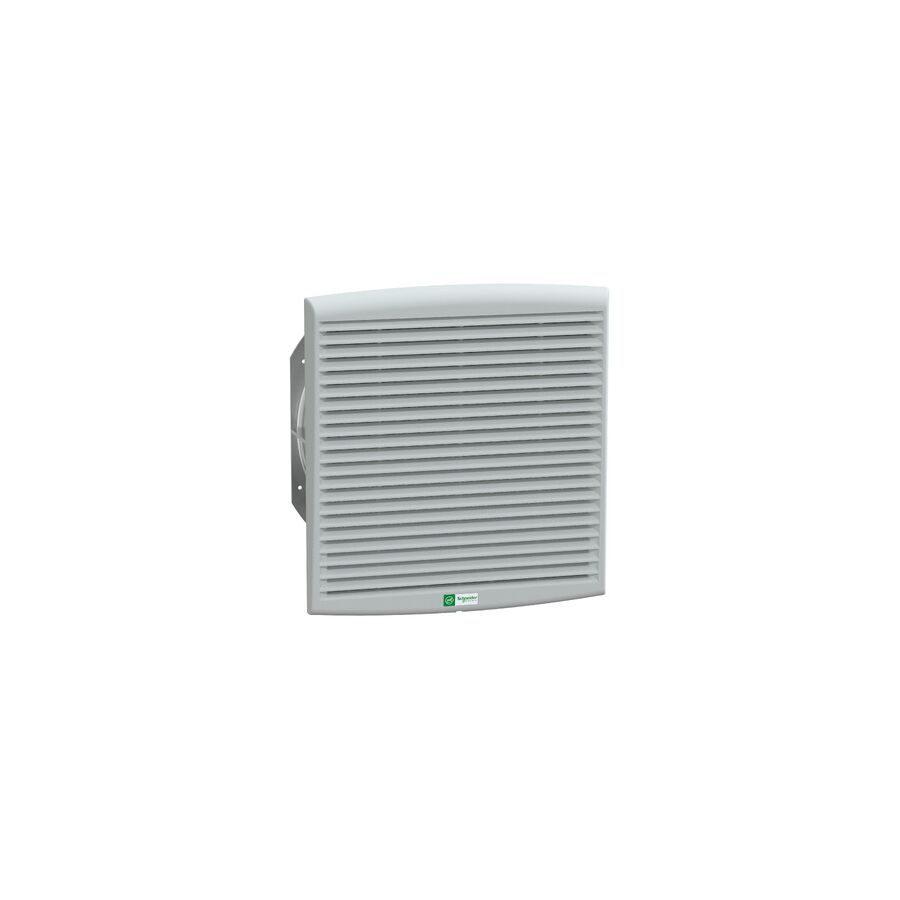
In Australian manufacturing, mining, and resources environments, air movement is a safety-critical system rather than a comfort feature. From fabrication workshops and food processing plants to smelters, grain terminals, and underground infrastructure, airborne contaminants and excess heat pose serious risks. Welding fumes, solvent vapours, combustible dust, and radiant thermal loads can accumulate rapidly if airflow stagnates. Left unmanaged, these conditions threaten worker health, damage equipment, and breach regulatory obligations.
The primary mechanical solution is the industrial ventilation fan. Unlike light commercial or residential air movers, industrial ventilation fan are engineered for continuous operation in harsh conditions. They are designed to move large volumes of air, often against resistance, while handling particulates, corrosive gases, or elevated temperatures. Their design and application must align with Australian Standards, particularly AS 1668.2, which governs mechanical ventilation in buildings. Correct selection is therefore a matter of engineering discipline, not brand preference.
The first design decision is airflow topology. Industrial ventilation systems generally fall into two categories based on resistance, or static pressure, within the airflow path.
Axial flow fans are selected for high-volume, low-pressure applications. They move air parallel to the motor shaft using aerofoil blades, similar to a propeller. Axial fans are well suited to general factory ventilation, smoke exhaust, and roof extraction where air travels a relatively straight path with minimal ducting. Their strength lies in moving very large volumes of air efficiently when resistance is low.
Centrifugal fans are chosen when the system includes ductwork, filtration banks, scrubbers, or bends that introduce significant resistance. These fans accelerate air radially using an impeller within a scroll housing, converting velocity into pressure. Backward-curved or backward-inclined impellers are common in industrial environments because they offer stable performance as filters load with dust. In processes such as fume extraction or dust collection, centrifugal fans maintain consistent airflow even as system impedance increases.
Selecting the wrong fan type leads to stalled airflow, excessive energy consumption, or premature mechanical failure. Matching the fan curve to the system curve is fundamental to reliable operation.
At the core of every industrial ventilation fan is its electric motor. In heavy engineering environments, single-phase motors are rarely adequate. The standard configuration is a three-phase induction motor operating at 415 volts and rated for S1 continuous duty. This rating ensures the motor can run indefinitely at its nominal load without overheating.
Motor construction is critical. Totally Enclosed Fan Cooled housings protect internal windings from dust and moisture. Insulation class also matters. In high-temperature environments, Class F or Class H insulation is required to withstand sustained thermal stress without degradation. Bearing selection must accommodate both radial loads from the impeller mass and axial thrust generated by airflow. Inadequate bearing specification is a common cause of unplanned downtime in ventilation systems.
Efficiency and reliability at the motor level directly influence operating costs and maintenance intervals across the life of the installation.
Many Australian industrial sites are classified as hazardous due to the presence of flammable gases or combustible dust. Grain handling facilities, petrochemical plants, and certain mining operations fall into this category. In these zones, a standard ventilation fan can become an ignition source.
Industrial ventilation fans used in hazardous areas must comply with IECEx certification requirements. This includes flameproof or increased safety motor designs and the use of non-sparking impeller materials. Aluminium bronze or anti-static polymer impellers are common choices. Critical clearances between impeller and casing are tightly controlled to prevent friction sparks. Installing non-certified equipment in a hazardous zone is a severe safety violation with potentially catastrophic consequences.
Correct classification of the area and selection of compliant equipment is therefore a non-negotiable step in system design.
Large ventilation fans impose significant electrical and mechanical stress during starting. Direct-on-line starting can draw high inrush current, stressing both the motor and the supply network. It can also shock mechanical components such as belts and bearings.
This is where integration with the Schnap Electric Products ecosystem becomes important. Motor control solutions typically include contactors, overload relays, and short-circuit protection housed within a motor control centre. For improved efficiency and reduced mechanical stress, variable speed drives are widely adopted. A VSD allows the fan speed to match actual demand, reducing energy consumption and noise while extending component life.
Local isolation is another critical requirement. Heavy-duty load-break switches installed adjacent to the fan allow maintenance personnel to lock out the power supply safely. This ensures the impeller cannot be energised during inspection or belt adjustment, meeting safety obligations and reducing risk.
Industrial ventilation fans generate noise and vibration as a natural consequence of moving air at scale. If unmanaged, these forces can propagate through building structures, causing fatigue, nuisance noise, and regulatory non-compliance.
Professional installations incorporate vibration isolation through spring mounts or neoprene pads that decouple the fan from structural steel. Flexible connectors between the fan and ductwork prevent vibration transmission into the duct system. In noise-sensitive environments, acoustic attenuators are installed on the inlet or discharge to reduce sound pressure levels to within acceptable limits.
Attention to vibration and acoustics not only protects personnel but also extends the service life of mechanical components.
An industrial ventilation fan is a rotating machine, and balance is critical. Poorly balanced impellers create excessive vibration that accelerates bearing wear and can lead to structural failure. Professional-grade fans are dynamically balanced to recognised standards such as ISO 1940-1.
Performance curves provided by reputable manufacturers detail airflow, pressure, and power consumption across the operating range. These curves are essential for confirming that the fan will perform as expected once installed. Deviations from published performance are often a sign of inferior construction or incorrect application.
The industrial ventilation market includes a wide range of imported equipment with varying quality. Fans built with poor-grade copper windings, thin casings, or unbalanced impellers pose serious safety risks. A mechanical failure at industrial speeds can be catastrophic.
Plant managers and mechanical contractors therefore source ventilation equipment through electrical wholesaler who verify compliance, performance data, and local warranty support. Access to compatible control gear, protection devices, and spares simplifies installation and long-term maintenance. A coordinated supply chain ensures the ventilation system operates as a unified, protected asset rather than a collection of mismatched components.
Even the best ventilation fan requires maintenance. Bearings need lubrication, belts require tension checks, and filters or ducting must be inspected for blockages. Designing the system with maintenance access in mind reduces downtime and improves safety. Condition monitoring, such as vibration analysis or current trending, can further extend asset life by identifying issues before failure occurs.
The industrial ventilation fan is the respiratory system of heavy engineering facilities. It safeguards worker health, preserves equipment, and underpins regulatory compliance. By selecting the correct axial or centrifugal topology, specifying robust three-phase motors, adhering to hazardous area requirements, and integrating reliable control infrastructure from suppliers such as Schnap Electric Products, Australian industry professionals can deliver ventilation systems that perform under pressure. In industrial environments, clean air is not a luxury. It is the foundation of safe and productive operations.

In Australian industrial automation, thermal management is not a secondary consideration. It is a primary determinant of system reliability, safety, and asset lifespan. From the dry heat of Pilbara mining operations to the humid processing floors of Queensland food plants, electrical enclosures operate in harsh ambient conditions. Inside these cabinets, Variable Speed Drives, power supplies, transformers, and Programmable Logic Controllers continuously convert electrical energy into waste heat. If this heat is not actively removed, internal temperatures can quickly exceed component ratings, leading to nuisance trips, accelerated ageing, or sudden catastrophic failure.
The professional engineering solution to this challenge is the cabinet cooling fan. This device is not a consumer-grade fan repurposed for industry. It is a purpose-built, ingress-protected air movement system designed to deliver reliable airflow through filter media while preserving enclosure integrity and compliance. When specified and installed correctly, a cabinet cooling fan maintains components within their Safe Operating Area and supports long-term compliance with Australian switchboard standards.
Selecting the correct cabinet cooling fan begins with thermodynamics rather than intuition. Every component inside an enclosure dissipates heat, typically specified in watts. The total heat load is the sum of all these losses, including drives, control power supplies, and even internal lighting or communication modules.
The required airflow is calculated based on the allowable temperature rise between the ambient environment and the desired internal maximum. In Australia, ambient temperatures can approach 45 degrees Celsius, while many industrial electronics are rated for maximum internal temperatures of 50 to 55 degrees. This narrow margin means airflow must be sufficient and continuous under peak load. The fan must move enough air, measured in cubic metres per hour, to carry the heat out of the enclosure without allowing temperatures to creep upward.
Under-sizing a fan results in thermal accumulation and repeated alarms. Over-sizing introduces unnecessary dust ingress, higher noise, and increased energy use. Correct sizing balances airflow with environmental protection and operational efficiency.
A persistent challenge in enclosure design is allowing airflow while excluding contaminants. Industrial environments often contain conductive dust, metal fines, fibres, or flour that can settle on circuit boards and cause failures.
Professional cabinet cooling fans address this through integrated filter fan assemblies. These units combine a fan, louvred grille, and filter mat into a single system. Filtration classes such as G3 or G4 capture coarse particles before they enter the enclosure. The louvre geometry is designed to shed water and resist direct ingress, typically achieving IP54 or IP55 ratings. This allows cooling air to enter while maintaining protection against dust and splashing water.
Maintenance is a critical part of this strategy. As filters load with dust, airflow decreases. If a filter is neglected, cooling effectiveness can drop to zero even while the fan continues to run. Regular inspection and replacement of filter mats is essential to maintain thermal performance and prevent overheating.
Professional switchboard builders consistently adopt a positive pressure cooling strategy. This involves installing the cooling fan in the lower portion of the enclosure and configuring it to blow filtered air into the cabinet. A separate exhaust grille with filter media is installed near the top, where hot air naturally rises.
This approach pressurises the interior slightly above ambient pressure. The positive pressure forces air to exit only through the intended exhaust path and prevents unfiltered air from being drawn in through cable glands, door seals, or small gaps in the enclosure. In contrast, an exhaust-only configuration creates negative pressure that actively sucks dust and moisture into every opening.
Positive pressure cooling is especially important in dusty or humid environments and is widely regarded as best practice in industrial panel design.
Running a cabinet fan continuously is inefficient and accelerates wear on bearings and filters. Intelligent control improves both reliability and energy efficiency.
This is where integration with the Schnap Electric Products ecosystem becomes important. Thermostats mounted on the DIN rail near the top of the enclosure sense the hottest internal air. When the temperature exceeds a set threshold, typically around 35 degrees Celsius, the thermostat closes and energises the fan. As the temperature drops, the fan switches off automatically.
This controlled operation reduces unnecessary runtime, limits dust intake, and extends the service life of the cooling system. It also provides predictable thermal behaviour that supports compliance and simplifies maintenance planning.
Industrial control panels operate with a variety of supply voltages. Cabinet cooling fans are therefore available in multiple configurations, including 24V DC, 115V AC, 230V AC, and higher voltages for large enclosures.
The choice of voltage is driven by the control architecture and safety requirements of the site. In safety-critical systems, 24V DC fans are often preferred. They can be supplied from the same control power system as PLCs and relays and can be backed up by an uninterruptible power supply. This ensures cooling continues during mains interruptions, protecting both the automation equipment and the backup power system itself from overheating.
Regardless of voltage, proper protection and termination are essential. Fans should be fused appropriately, and wiring should be routed to avoid electromagnetic interference with signal circuits.
A cabinet cooling fan must be mechanically secure and electrically compatible with the rest of the enclosure. Vibration can loosen fixings or transmit noise through the panel structure. Quality fan assemblies include mounting frames and gaskets that isolate vibration and ensure a tight seal against the enclosure cut-out.
Electromagnetic compatibility is another consideration. Fan motors generate magnetic fields that can interfere with sensitive analogue or communication wiring if poorly managed. Shielded housings, finger guards, and proper cable separation reduce the risk of interference and support reliable operation of control signals.
In continuous-duty industrial environments, bearing selection is critical. Sleeve-bearing fans are inexpensive but perform poorly at elevated temperatures and over long runtimes. As lubricant degrades, friction increases and fans seize without warning.
Professional cabinet cooling fans use ball-bearing motors rated for extended service life, often exceeding 50,000 hours at elevated temperatures. This reliability is essential where a single fan failure can cascade into drive faults or process shutdowns. Selecting proven bearing technology is a core requirement for industrial-grade installations.
Not all fans marketed for enclosures meet Australian industrial requirements. Consumer-grade units may lack flame-retardant materials, appropriate ingress protection, or Regulatory Compliance Mark certification.
Switchboard builders and facility managers source cabinet cooling fans through electrical wholesaler who verify compliance, airflow performance, and durability. These suppliers also provide replacement filter mats, thermostats, and accessories to support preventative maintenance programs. Access to consistent spare parts ensures that cooling performance can be maintained over the full life of the installation.
The cabinet cooling fan is the respiratory system of an industrial control panel. It manages heat, preserves component integrity, and underpins operational continuity. By calculating heat loads accurately, implementing positive pressure airflow, selecting appropriate filtration and voltage options, and controlling operation with quality components from suppliers such as Schnap Electric Products, Australian professionals can build enclosures that remain cool, clean, and compliant. In industrial automation, effective thermal management is not optional. It is the foundation of reliability and long-term performance.
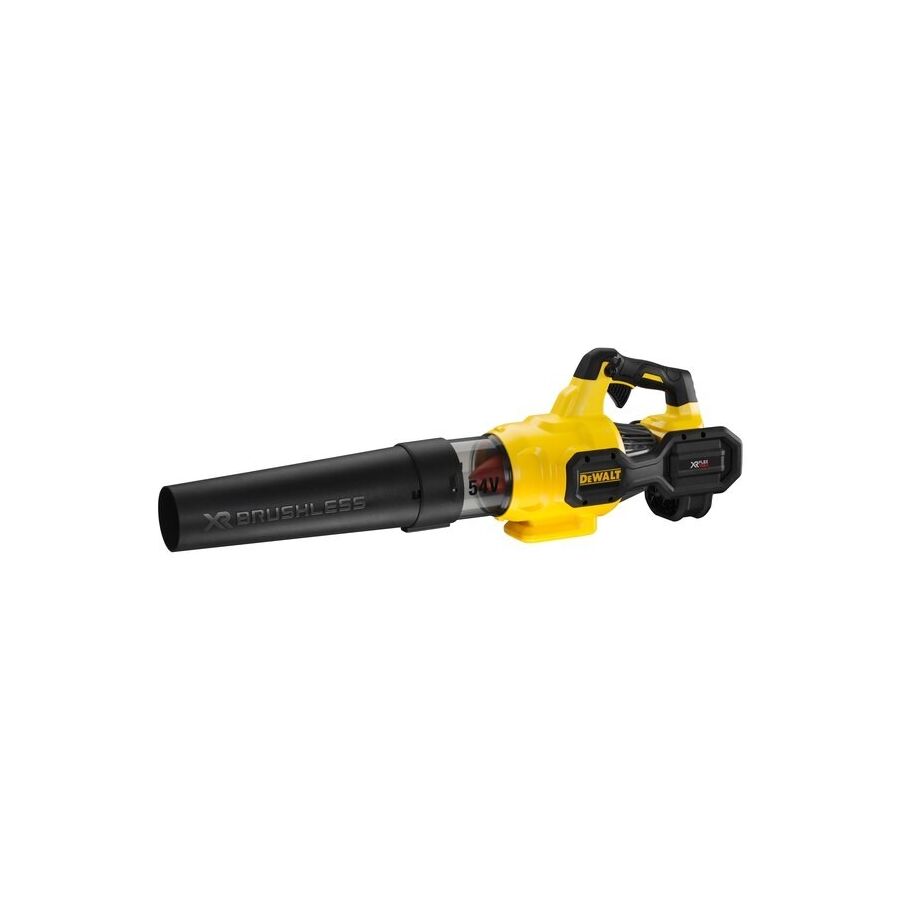
Across Australia’s data-driven economy, thermal management has become one of the most decisive factors in equipment reliability. From high-density colocation facilities in metropolitan Sydney to remote telecommunications cabinets exposed to extreme ambient temperatures, electronic systems are pushed closer to their thermal limits every year. Modern switches, routers, power supplies, and control modules generate significant heat in compact form factors. When this heat is not removed efficiently, components throttle performance, age prematurely, or fail outright.
Passive ventilation relies on natural convection and is rarely sufficient in modern installations. The professional engineering response is the axial blower kit. This is not a simple fan, but a complete airflow management assembly designed to move large volumes of air through racks and enclosures in a controlled, reliable, and safe manner. A properly specified axial blower kit extracts hot air, introduces cooler ambient air, and stabilises internal temperatures to protect mission-critical equipment.
The defining characteristic of an axial blower is the direction of airflow. Unlike centrifugal blowers, which generate high static pressure for ducted systems, axial blowers move air parallel to the motor shaft. This design is ideal for low-impedance environments such as server racks, communications cabinets, and electrical enclosures with perforated panels.
The primary performance metric is volumetric airflow, measured in cubic feet per minute or litres per second. In rack cooling applications, the objective is to move enough air to break up the hot air boundary layer that forms around heat sinks and power components. High-quality axial blower kits commonly deliver between 80 and 200 CFM depending on size and motor speed. This airflow flushes accumulated heat away from sensitive electronics and dramatically improves convective heat transfer.
Correct airflow direction is also critical. Axial blower kits are typically installed to support front-to-back or bottom-to-top airflow patterns that align with the cooling design of network and server hardware. Misaligned airflow can create recirculation zones that trap heat rather than removing it.
The service life of an axial blower kit is determined largely by its bearing system. In light-duty applications, sleeve bearings are sometimes used due to lower cost. However, in Australian commercial and industrial environments, sleeve bearings represent a reliability risk. High ambient temperatures accelerate lubricant evaporation, leading to increased friction, noise, and eventual seizure.
Professional axial blower kits use dual ball bearing motors. Ball bearings reduce friction through rolling contact and maintain consistent lubrication over time. They allow the fan to operate reliably in any orientation, whether mounted vertically in a rack door or horizontally on a cabinet roof. Dual ball bearing fans typically offer an L10 life expectancy exceeding 50,000 hours at elevated temperatures, making them suitable for continuous operation in mission-critical installations.
This level of durability is essential where a single fan failure could lead to cascading equipment shutdowns or costly downtime.
While airflow performance is essential, noise management is a practical consideration in many environments. Server rooms within offices, broadcast facilities, and AV racks often require cooling solutions that do not introduce excessive acoustic disturbance.
Fan noise is influenced by rotational speed, blade geometry, and turbulence. High-quality axial blower kits are engineered with optimised blade profiles that reduce vortex noise while maintaining airflow. Rubber isolation mounts or silicone gaskets are commonly included to decouple the fan frame from the enclosure, preventing vibration from being transmitted into steel panels that can act as sound amplifiers.
Another important safety feature is impedance-protected motor design. If the fan blades are obstructed, the motor is protected from overheating rather than burning out. This reduces fire risk and extends operational safety, particularly in unattended installations.
Running cooling fans continuously is inefficient and increases dust ingress. Intelligent thermal management requires control based on actual temperature conditions inside the enclosure.
This is where integration with the Schnap Electric Products ecosystem becomes valuable. Axial blower kits are often connected through DIN-rail mounted thermostats that activate the fan only when the internal temperature exceeds a predefined threshold. When the temperature drops, the fan switches off automatically. This approach reduces energy consumption, limits unnecessary airflow, and extends fan lifespan.
Power delivery within racks is equally important. Secure, surge-protected rack-mounted power distribution units provide stable supply to blower kits while maintaining compliance and neat cable management. In industrial cabinets, finger guards and protective grilles ensure that cables and personnel cannot come into contact with rotating blades.
Airflow brings contaminants with it. In industrial or roadside environments, airborne dust can be conductive or abrasive, posing a serious threat to electronic assemblies. An effective axial blower kit therefore includes filtration.
Filter assemblies typically use synthetic G3 or G4 filter media to trap particulates before air enters the enclosure. The filter housing must be designed for easy access, allowing maintenance staff to clean or replace filters without dismantling the installation. Tool-free snap-in filter frames are preferred for this reason.
It is important to understand that filters increase airflow resistance. The selected fan must have sufficient pressure capability to maintain airflow through the filter media. Reviewing the fan’s pressure versus flow curve ensures that performance does not collapse once filtration is added.
The effectiveness of an axial blower kit depends on correct installation. Poor mounting can create air leaks, vibration, or recirculation paths that reduce cooling efficiency. Kits designed for 19-inch racks or standard enclosure cut-outs simplify installation and ensure predictable airflow paths.
Cable routing must also be considered. Loose power leads can obstruct airflow and introduce turbulence. Proper cable management using straps and guides keeps airflow channels clear and maintains a professional finish that supports long-term reliability.
Not all fans marketed as blower kits are suitable for commercial infrastructure. Consumer-grade PC fans often lack flame-retardant housings, voltage tolerance, and certification required for Australian installations. Using non-compliant equipment can void insurance and introduce safety risks.
Facility managers and data centre operators source axial blower kits through specialised electrical wholesalers who verify Regulatory Compliance Mark requirements and industrial-grade construction. These suppliers provide components built with UL-rated plastics, robust motors, and appropriate mounting hardware. Access to compatible accessories and technical guidance ensures that the cooling solution integrates seamlessly with the broader infrastructure.
The axial blower kit is a critical component in modern thermal management strategy. It is a carefully engineered system that balances airflow physics, bearing durability, acoustic control, and filtration to protect high-value electronic equipment. By selecting dual ball bearing motors, implementing thermostatic control, and supporting installations with quality infrastructure components from suppliers such as Schnap Electric Products, Australian professionals can significantly extend equipment lifespan and maintain operational stability. In environments where heat is the silent adversary, effective airflow is the decisive defence.
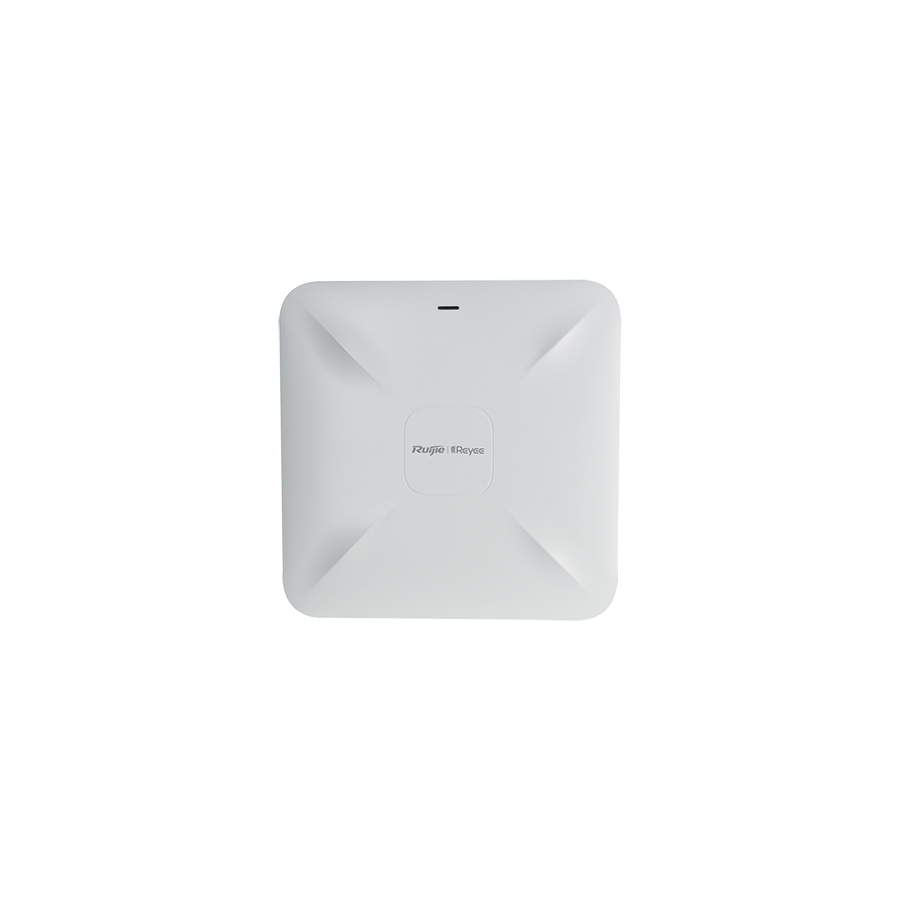
In the digital architecture of modern Australian commerce, wireless connectivity has become a core utility rather than a convenience. Offices, warehouses, retail centres, healthcare facilities, and education campuses now rely on uninterrupted WiFi in the same way they rely on power and water. Staff expect to roam freely with laptops and mobile devices, scanners and tablets drive logistics workflows, and cloud applications demand low latency and consistent throughput. In this environment, consumer-grade “all-in-one” routers are structurally inadequate. They are designed for a handful of devices in a home, not hundreds of concurrent users in a commercial space.
The professional solution is the dedicated WiFi Access Point. An access point is a purpose-built radio platform engineered for density, reliability, and manageability. It separates wireless coverage from routing and security functions, allowing networks to scale predictably. When deployed correctly, access points provide seamless roaming, stable performance under load, and the resilience required for mission-critical business operations.
The capabilities of a WiFi access point are defined by the IEEE 802.11 standard it supports. In contemporary enterprise deployments, WiFi 6 (802.11ax) and WiFi 6E represent the current benchmark.
Earlier generations focused on headline speed, but WiFi 6 is designed around efficiency in crowded environments. It introduces Orthogonal Frequency Division Multiple Access, which divides a channel into smaller resource units. This allows the access point to communicate with multiple devices at the same time rather than sequentially. The result is lower latency, smoother performance, and significantly better behaviour when dozens or hundreds of clients are active.
WiFi 6E extends these benefits into the 6GHz spectrum. This band is free from legacy WiFi devices and household interference sources, creating clean channels for high-bandwidth and low-latency applications. In offices running video conferencing, real-time collaboration tools, or immersive technologies, the additional spectrum provided by WiFi 6E can dramatically improve user experience.
Enterprise access points are rarely powered from a nearby wall outlet. Instead, they rely on Power over Ethernet, which delivers both data and DC power over a single structured cabling link. This simplifies installation and allows access points to be mounted in optimal RF locations such as ceilings or high walls without the need for additional electrical work.
Power planning is critical. Many modern access points use multiple radios, advanced processing, and high transmit power. These features often exceed the capacity of legacy PoE standards. While basic PoE provides up to 15.4 watts, PoE+ delivers up to 30 watts and PoE++ can provide even more. If insufficient power is supplied, the access point may disable radios, reduce performance, or reboot under load. Accurate power budgeting at the switch is therefore essential to ensure stable operation across the network.
Wireless performance is tightly coupled to the quality of the wired backhaul. An access point can only deliver the throughput that its copper or fibre link supports. Poor termination, substandard cable, or mechanical damage to the run will undermine even the most advanced radio technology.
This is where the Schnap Electric Products ecosystem becomes integral to professional deployment. Structured cabling to each access point is typically terminated using dedicated data mechanisms and faceplates to ensure compliance and mechanical integrity. In warehouses, factories, and open-ceiling environments, cabling is often routed through rigid conduit or heavy-duty communications duct to protect against physical impact, rodents, and electromagnetic interference from nearby power infrastructure.
At the ceiling or wall mount, proper mounting blocks and brackets ensure that the access point is fixed securely and that cable bend radius and strain relief are maintained. These details directly affect reliability and service life.
Access point placement is not arbitrary. Radio frequency behaviour is influenced by building materials, ceiling height, reflections, and absorption. Concrete cores, lift shafts, racking, and even tinted glass can significantly attenuate or distort signals.
Professional deployments begin with an RF site survey or predictive heat-mapping exercise. This modelling determines how many access points are required and where they should be installed to achieve consistent coverage without excessive overlap. Too few access points create dead zones. Too many create co-channel interference that degrades performance.
Mounting height, antenna orientation, and separation distance are all calculated to ensure smooth roaming and balanced cell sizes. In high-density areas such as conference rooms or training spaces, additional access points may be installed at lower power levels to increase capacity rather than coverage.
A key advantage of enterprise WiFi access points is their ability to manage roaming intelligently. In a commercial environment, users move constantly. Phones, tablets, and laptops should transition between access points without dropped connections or noticeable delays.
Modern access points support roaming assistance standards that allow the network to guide clients toward the most suitable access point. When signal quality drops below a defined threshold, the client is encouraged to move to a closer radio. This process occurs fast enough that real-time applications such as voice calls or barcode scanning continue uninterrupted. Effective roaming is essential in hospitals, warehouses, and large offices where mobility is central to operations.
Contemporary access points use beamforming to direct RF energy toward connected devices rather than broadcasting evenly in all directions. By adjusting the phase and timing of signals across multiple antennas, the access point focuses energy where it is needed, improving signal quality and reducing interference.
Multi-User Multiple Input Multiple Output technology builds on this by allowing the access point to transmit multiple independent data streams at the same time. Instead of serving devices one after another, the radio can communicate with several clients simultaneously. This dramatically increases aggregate throughput and ensures fair performance across many users.
Wireless networks are often the most exposed part of a business infrastructure. Access points must therefore support strong security and segmentation. Enterprise platforms allow multiple SSIDs to be mapped to separate logical networks. Staff devices, guest access, and Internet of Things equipment can be isolated from one another.
This segmentation prevents unauthorised access to sensitive systems and limits the impact of compromised devices. Encryption standards, authentication mechanisms, and centralised management further strengthen the wireless edge against intrusion.
The market includes many access points that appear similar on paper but differ significantly in reliability, compliance, and support. Grey-market hardware may lack Australian regulatory certification, local firmware support, or valid warranties.
Professional network integrators and facility managers source access points through specialised electrical wholesaler who verify compliance and provide long-term support pathways. These suppliers also stock compatible cabling, connectors, patch leads, and cable management accessories, enabling the entire wireless infrastructure to be delivered as a cohesive, standards-aligned system.
The WiFi access point is the cornerstone of modern commercial connectivity. It is where radio physics, power engineering, and data networking converge. By adopting WiFi 6 and 6E standards, designing accurate PoE power budgets, and supporting deployments with robust structured cabling and mounting systems from suppliers such as Schnap Electric Products, Australian organisations can build wireless networks that are fast, resilient, and scalable. In an economy driven by cloud services and mobility, the quality of the wireless edge defines the quality of the digital experience.
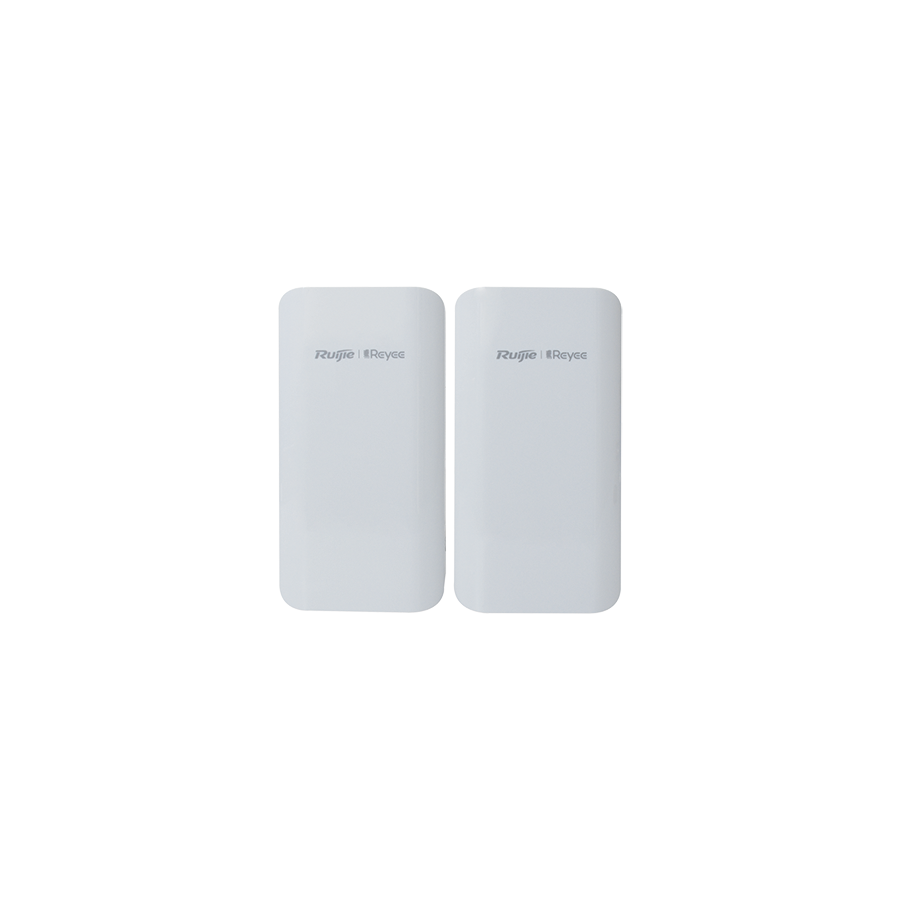
Across the wide geography of Australian commercial, industrial, and agricultural sites, extending data connectivity between physically separated buildings is a recurring engineering challenge. Linking a demountable site office to a permanent warehouse in Western Sydney or connecting a machinery shed to a homestead in regional New South Wales often reveals a harsh reality. The cost and disruption of trenching fibre or copper cabling through concrete driveways, sealed roads, or public easements can exceed the value of the network itself. In these scenarios, the professional wireless network bridge becomes the preferred solution.
A wireless network bridge is not a consumer WiFi extender. It is a purpose-built, point-to-point radio system designed to behave like a virtual Ethernet cable through the air. Using focused radio frequency energy and directional antennas, a matched pair of bridge radios can deliver stable, low-latency links over hundreds of metres or several kilometres. When engineered correctly, these links support gigabit throughput suitable for IP surveillance, VoIP telephony, building management systems, and full LAN extension between sites.
The foundation of any wireless bridge design is understanding radio propagation. Visual line of sight between the two endpoints is necessary but not sufficient. Engineers must also account for the Fresnel zone, an invisible three-dimensional volume surrounding the direct path between antennas.
The Fresnel zone resembles an elongated ellipse rather than a straight line. Objects intruding into this space cause diffraction and phase cancellation, reducing signal strength and stability. Trees, rooflines, silos, and even terrain can partially obstruct the Fresnel zone, leading to intermittent packet loss that is difficult to diagnose after installation. Best practice requires at least sixty percent clearance of the first Fresnel zone at the operating frequency. Achieving this often dictates antenna height and mast selection rather than simply aiming devices at each other.
Failure to respect Fresnel clearance is the most common reason poorly planned bridge links underperform, particularly in rural environments where vegetation growth changes over time.
Wireless bridges typically operate in either the 5GHz or 60GHz spectrum, each with distinct characteristics. The 5GHz band remains the most widely used due to its balance of range, throughput, and resilience. It can tolerate light foliage and moderate rainfall while supporting high data rates over several kilometres when paired with high-gain antennas.
The 60GHz band, by contrast, offers enormous bandwidth and fibre-like speeds but behaves very differently. Signals at this frequency are strongly absorbed by oxygen and attenuated by heavy rain. As a result, 60GHz links are generally limited to short distances, often under five hundred metres. In return, they provide exceptional throughput and minimal interference due to the narrow beamwidth and limited range. This makes them ideal for dense urban campuses or warehouse yards where short, ultra-fast links are required.
Choosing between these bands is a strategic decision that balances distance, required throughput, environmental conditions, and spectrum congestion at the site.
Wireless bridge radios are almost always mounted outdoors on masts, poles, or rooftops. Supplying power to these locations would be impractical without Power over Ethernet. PoE allows both data and DC power to be delivered over a single Ethernet cable, simplifying installation and reducing penetrations into the building envelope.
However, PoE introduces its own engineering considerations. Voltage drop becomes significant on long cable runs, particularly when radios draw higher current during peak transmission. For distances beyond fifty metres, solid core pure copper Cat6 cabling is essential. Inferior copper-clad aluminium cables can cause voltage sag, leading to radio instability or unexpected reboots under load.
The PoE source must also be correctly sized. Whether using an injector or a PoE-enabled switch, the available wattage must exceed the radio’s maximum draw with sufficient margin. Careful planning at this stage prevents hard-to-trace faults once the system is live.
The performance of a wireless bridge depends as much on physical protection as radio configuration. Outdoor cabling and mounting hardware are exposed to ultraviolet radiation, temperature extremes, wind load, and wildlife interference. In Australia, cockatoos, possums, and intense sunlight are notorious causes of premature cable failure.
This is where integration with the Schnap Electric Products ecosystem becomes critical. Professional installers route external Ethernet cables through UV-stabilised rigid conduit to prevent insulation breakdown and mechanical damage. Inspection elbows and junction points are used to manage cable transitions cleanly and safely.
At the building entry point, weatherproof enclosures house surge protection devices. These protect internal network equipment from voltage spikes induced by nearby lightning strikes or static discharge on elevated masts. Proper earthing of the radio mast and surge devices is essential for long-term reliability and safety.
A wireless bridge effectively projects a data link through open air, making security a primary concern. Unlike access points, bridge radios should not advertise a visible network to general WiFi clients. Instead, they operate using proprietary point-to-point protocols that are invisible to consumer devices.
Encryption is mandatory. Modern bridges use strong encryption standards to protect data in transit. In business environments, it is also standard practice to isolate the management interface of the radios from user traffic. By placing management access on a separate VLAN, administrators prevent unauthorised users from accessing radio configuration even if the data network is compromised.
These measures ensure that the bridge behaves as a transparent, secure extension of the wired network rather than an exposed wireless access point.
When engineered correctly, a wireless network bridge introduces minimal latency. For most applications, round-trip delay is measured in milliseconds, making the link suitable for time-sensitive services such as voice and real-time monitoring. Throughput depends on channel width, modulation rate, and environmental noise, but modern systems routinely deliver hundreds of megabits per second sustained, with some configurations exceeding one gigabit at short range.
This level of performance allows organisations to extend entire subnets across sites. File servers, security NVRs, access control panels, and even industrial automation systems can operate seamlessly across the link.
The market is crowded with consumer-grade devices marketed as long-range WiFi solutions. These products often lack the antenna gain, processing power, and regulatory compliance required for professional outdoor use. Using non-compliant radios can lead to interference issues, legal exposure, and unreliable performance.
For Australian installations, radio equipment must comply with ACMA regulations governing outdoor transmission power and spectrum use. Systems integrators and facility managers therefore procure wireless bridge hardware through specialised electrical wholesalers. These suppliers verify compliance, provide guidance on link planning, and stock accessories required for compliant mounting and earthing.
A reputable supplier will also ensure availability of mounting brackets, stainless steel banding, and grounding components, enabling the installer to deliver a mechanically stable installation capable of withstanding high wind loads and extreme weather.
The wireless network bridge is a critical enabler of modern campus and remote connectivity. It removes the need for disruptive and expensive civil works while delivering performance that rivals physical cabling. By respecting the physics of radio propagation, ensuring proper Fresnel zone clearance, selecting the correct frequency band, and protecting the installation with robust infrastructure from suppliers such as Schnap Electric Products, Australian professionals can deploy links that are stable, secure, and long-lived. In today’s distributed environments, the air has become a reliable transmission medium, and the wireless bridge is the tool that unlocks its potential.

SCHNAP Electrical Wholesaler - clear, upfront pricing that professional electricians trust

Get what you need in seconds. SCHNAP electrical wholesaler makes ordering quick and simple

Fast delivery anywhere - that's guaranteed. SCHNAP electrical wholesalers ship nationwide with same-day dispatch

Track your order every step of the way. SCHNAP electrical wholesale keeps you updated from click to delivery

SCHNAP is Australia's premier electrical wholesaler and electrical supplies, marketing thousands of quality products from leading brands. Trusted for nearly two decades by licensed electricians, contractors, and engineers, our range covers everything from basic electrical components to complex industrial electrical equipment
Our key categories include: LED lighting, designer switches, commercial switchboards, circuit protection, security systems & CCTV, and smart home automation
All products are certified to Australian standards (AS/NZS), backed by our 30-day, no-questions-asked return policy. Our expert technical team helps you quickly source the right solution for any residential, commercial, or industrial project, with daily dispatch from our Sydney electrical warehouse delivering Australia-wide
SCHNAP offers the most comprehensive electrical product range, with full technical specifications, application details, installation requirements, compliance standards, and warranties — giving professionals total confidence in every purchase


