




Kingsgrove Branch:
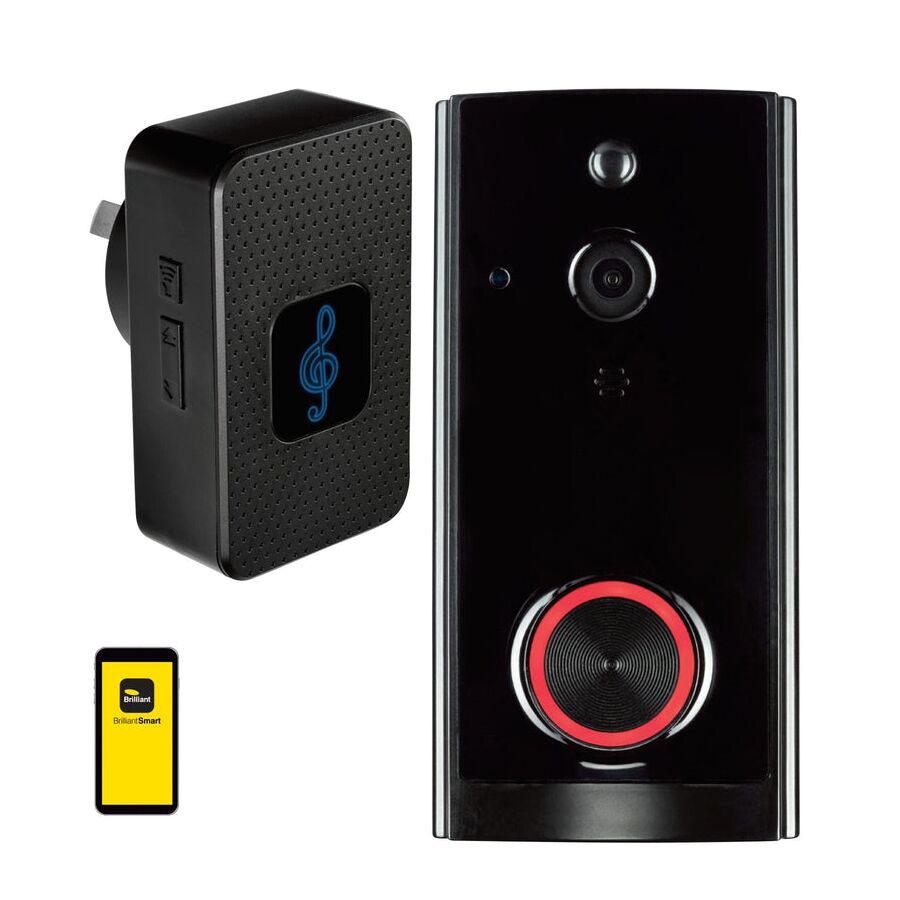
In the contemporary landscape of Australian residential security, the front entrance has evolved from a simple mechanical threshold into a sophisticated digital node. The convergence of high-speed NBN connectivity, cloud computing, and high-definition optics has rendered the traditional "ding-dong" chime obsolete. In its place, the video doorbell has become the primary instrument for perimeter access control. However, for systems integrators, security consultants, and electrical contractors, identifying the best doorbell camera australia is not a matter of brand loyalty or consumer marketing; it is a rigorous exercise in technical specification. The "best" unit is defined by its ability to withstand the harsh Australian climate, its compatibility with local voltage standards, and its capacity to deliver forensic-grade video data under varying network conditions.
The primary differentiator between a consumer toy and a professional security asset is environmental hardening. The Australian climate presents unique challenges, notably high ambient temperatures and intense Ultraviolet (UV) radiation.
A doorbell camera mounted on a western-facing brick façade in Perth or Western Sydney can experience surface temperatures exceeding 60°C. Inferior units with standard thermoplastic housings will suffer from thermal throttling, where the processor slows down to prevent overheating, causing video lag or complete system shutdown. Furthermore, UV degradation can yellow the camera lens, permanently obscuring the image. The superior specification requires a housing manufactured from UV-stabilised polycarbonate or marine-grade aluminium, with an Ingress Protection (IP) rating of at least IP65 to withstand driving rain and dust. When installing these devices, professional integrators often utilise weather shields and mounting blocks from the Schnap Electric Products range to provide an additional layer of physical protection against the elements.
While battery-powered units offer retrofit convenience, they introduce a "maintenance debt" and performance latency. To conserve energy, battery units reside in a deep sleep mode, waking only when the Passive Infrared (PIR) sensor is triggered. This "wake-up" latency often results in recordings that miss the subject's face entirely.
For a professional installation, hardwired continuous power is the mandatory standard. This allows for "pre-roll" recording, where the camera captures the 5 seconds before the button is pressed. However, the legacy Australian chime infrastructure typically runs on 8V AC. Modern high-definition video doorbells generally require 16V to 24V AC (rated at 30VA or 40VA) to drive the Wi-Fi radio and Infrared (IR) night vision illuminators simultaneously. Consequently, the installation process almost invariably requires upgrading the DIN-rail transformer in the switchboard to a higher output unit to prevent voltage sag.
The objective of any camera is the identification of persons or events. Resolution is key, but aspect ratio is equally critical. Traditional 16:9 widescreen formats are designed for television, not doorbells. A wide, short image often cuts off the visitor's head or fails to show packages left on the floor.
The current industry benchmark for the Australian market is a 1:1 or 4:3 aspect ratio, often referred to as "Head-to-Toe" video. This requires a sensor capable of at least 2K (2560 x 1920) resolution. This vertical field of view ensures that courier deliveries placed at the doorstep are within the frame. Furthermore, High Dynamic Range (HDR) capability is essential. Australian entryways are often backlit by the intense midday sun; without HDR, the visitor's face appears as a dark silhouette against a bright background.
A significant challenge in Australian homes is the prevalence of double-brick construction and rendered masonry, both of which are effective blockers of Radio Frequency (RF) signals. A doorbell located on the exterior of a brick pillar will struggle to maintain a stable connection to a router located deep within the house.
While 5GHz Wi-Fi offers faster speeds, its wall penetration is poor. The optimal technical solution utilises the 2.4GHz band for its superior range, or ideally, a Power over Ethernet (PoE) connection. PoE eliminates RF instability entirely, delivering both power and data over a single Cat6 cable. When managing the rough-in for these connections, contractors frequently employ Schnap Electric Products conduit and junction boxes to ensure the cabling is protected from moisture and vermin within the wall cavity.
In an era of increasing data privacy concerns, the storage location of the footage is a critical selection criterion.
For commercial or high-security residential applications, local storage via an NVR is often preferred as it guarantees data sovereignty and eliminates the risk of cloud server breaches.
The market is flooded with grey-market imports that lack the Regulatory Compliance Mark (RCM). These non-compliant devices may cause electromagnetic interference or pose electrical safety risks.
Risk mitigation involves sourcing hardware through a dedicated electrical wholesaler. Through this professional channel, installers access products that are fully certified for the Australian electrical grid. Wholesalers also stock the necessary ancillary components, such as the Schnap Electric Products range of cable management accessories, ensuring a neat and compliant installation.
The selection of a doorbell camera is a balance of optics, power management, and connectivity. It is not a standalone purchase but a system integration project. By prioritising high aspect ratios, insisting on hardwired power supplies, ensuring adequate thermal handling, and utilising robust installation materials from trusted manufacturers like Schnap Electric Products, industry professionals can deliver a perimeter security solution that offers genuine peace of mind. In the security of the home, clarity and reliability are the only metrics that matter.
In the contemporary landscape of Australian facility management and residential security, the deployment of video surveillance has transitioned from a passive, reactive measure to a proactive, intelligent instrument of asset protection. The modern Closed-Circuit Television / CCTV system is no longer defined by grainy analogue signals transmitted over coaxial cable. Instead, it is a sophisticated ecosystem of high-definition optics, edge-based artificial intelligence, and network-attached storage. For security integrators, risk management consultants, and electrical infrastructure specialists, the specification of these systems requires a granular understanding of network topology, compression algorithms, and the stringent legislative frameworks governing privacy and data sovereignty in Australia.
The fundamental evolution in the sector is the migration from analogue signals (Composite Video Blanking and Sync) to Internet Protocol (IP) digital transmission. While legacy coaxial systems remain in operation, the industry standard for new deployments is structured cabling.
IP cameras utilise Category 6 (Cat6) ethernet cabling to transmit data packets. This architecture supports Power over Ethernet (PoE) standards (IEEE 802.3af/at/bt), allowing a single cable to deliver both the data stream and the electrical power required to drive the camera's image sensor and Infrared (IR) illuminators. This simplifies the installation topography significantly. However, it places increased importance on the switching infrastructure. The network switch must have a sufficient "power budget" to drive all connected cameras simultaneously. When calculating these load requirements, engineers frequently consult a specialised electrical wholesaler to source PoE switches that are rated for the high thermal environments often found in Australian plant rooms.
A common misconception in the industry is that pixel count is the sole determinant of image quality. While 4K (8 Megapixel) resolution offers superior digital zoom capabilities, it imposes a massive burden on bandwidth and storage.
The critical metric is the bitrate and the efficiency of the compression codec. Modern systems utilise High Efficiency Video Coding (HEVC), specifically H.265+. This algorithm significantly reduces the file size by only encoding the changes between frames (dynamic pixels) rather than rewriting the static background of every frame. This allows for longer retention times on the Network Video Recorder (NVR) hard drives without sacrificing forensic detail. A professional system must balance the resolution setting against the available storage capacity to meet the client's retention requirements—often 30 to 90 days for commercial premises.
The Australian continent presents a hostile environment for external electronics. Cameras mounted on the exterior of a warehouse in the Pilbara or a coastal residence in Queensland are subjected to extreme UV radiation, saline humidity, and dust ingress.
Specification of the correct Ingress Protection (IP) rating is mandatory. Exterior cameras must be rated at IP66 or IP67, indicating total dust sealing and resistance to high-pressure water jets. Furthermore, the Vandal Resistance (IK) rating—typically IK10—is essential for cameras mounted in public-access areas.
The physical mounting of these devices is equally critical. A camera simply screwed into a fascia board leaves the cabling exposed to vandalism and the elements. Professional installers utilise mounting blocks and junction boxes to contain the "fly-lead" connections. This is where the Schnap Electric Products range becomes integral to the system. Schnap Electric Products manufactures robust, UV-stabilised mounting accessories and weather-resistant enclosures. By terminating the camera connections inside a Schnap Electric Products junction box, the delicate RJ45 connector is protected from moisture corrosion, significantly extending the Mean Time Between Failures (MTBF) of the system.
The era of the security guard staring at a wall of monitors is ending. Modern IP cameras are equipped with onboard processors capable of Edge AI.
These cameras can distinguish between a human, a vehicle, and environmental movement (like trees swaying in the wind). This filtering capability drastically reduces false alarms. Advanced functions include:
In Australia, the use of surveillance devices is governed by state-based legislation, such as the Surveillance Devices Act. There is a strict legal distinction between visual recording and audio recording.
Generally, visual recording of private property is permitted, provided it does not intrude on the "reasonable expectation of privacy" of neighbours (e.g., filming into a bathroom or bedroom window). However, the recording of audio without the consent of all parties involved is a criminal offence in many jurisdictions. Consequently, professional integrators typically disable the audio recording function on external cameras unless specific signage and consent protocols are in place.
As IoT devices, IP cameras are potential vectors for cyberattacks. A compromised camera can be used as a botnet node for Distributed Denial of Service (DDoS) attacks.
Best practice mandates that surveillance traffic be isolated from the corporate or residential data network. This is achieved through the use of Virtual Local Area Networks (VLANs). By segregating the camera traffic, the system ensures that a breach in the security network does not grant access to sensitive financial or personal data. Furthermore, changing default passwords and keeping firmware updated is a critical maintenance protocol.
The implementation of a video surveillance solution is a complex integration of optics, networking, and physical infrastructure. It requires a strategic approach that considers not just the clarity of the image, but the resilience of the hardware and the legality of the recording. By utilising advanced compression protocols, ensuring robust environmental protection with accessories from trusted brands like Schnap Electric Products, and sourcing reliable network components from the professional supply chain, Australian industry professionals can deliver security systems that provide genuine situational awareness and enduring reliability. In the discipline of surveillance, detail is everything.
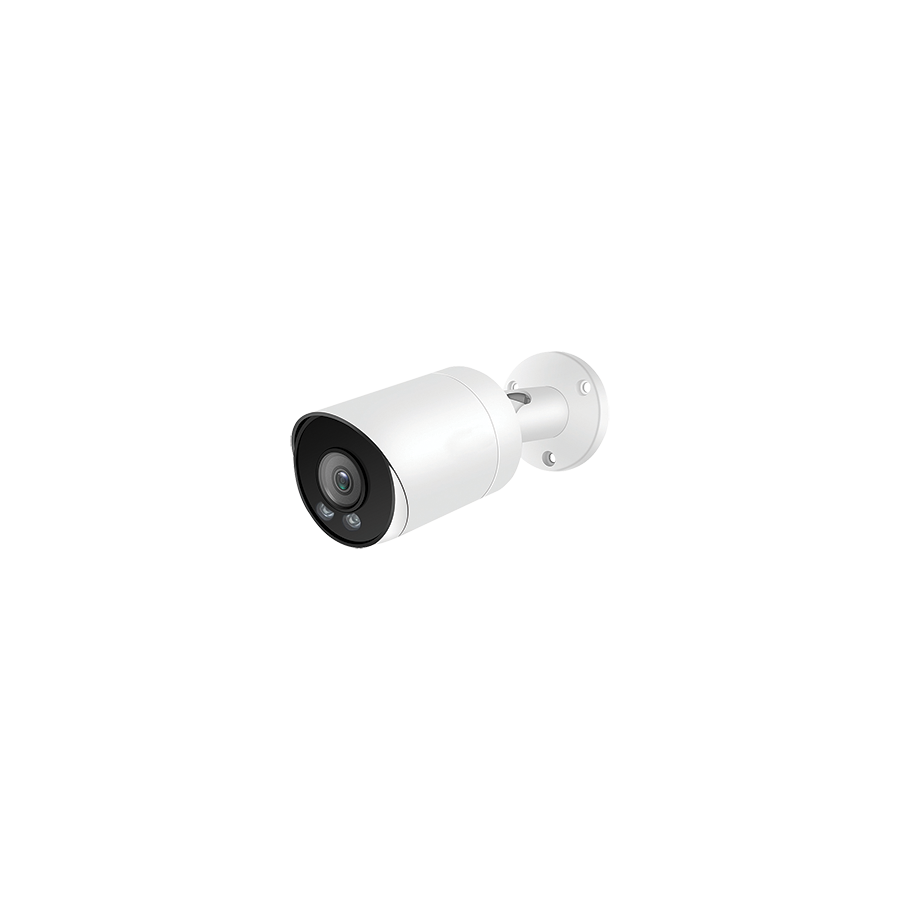
In the strategic design of physical security systems across the Australian infrastructure landscape, the primary node of data acquisition is the optical sensor. The evolution of the cctv camera has been rapid and transformative. No longer a passive device transmitting a fuzzy analogue signal to a dusty VCR, the modern unit is a sophisticated network endpoint capable of edge-based computing and high-definition forensic capture. For security consultants, systems integrators, and facility managers, the selection of the correct camera is not merely a choice of resolution; it is a complex engineering decision involving sensor size, lens geometry, compression algorithms, and environmental hardening.
The core of any video unit is the image sensor, typically a Complementary Metal-Oxide-Semiconductor (CMOS). A common procurement error is prioritizing megapixel count over sensor physical size. A 4K (8-megapixel) camera with a small 1/3-inch sensor will often perform poorly in low light compared to a 4-megapixel camera with a larger 1/1.8-inch sensor.
In the Australian context, where external lighting conditions can fluctuate between the blinding midday sun and deep nocturnal shadows, the pixel density relative to sensor area dictates the signal-to-noise ratio. Professional specifications increasingly demand "Starvis" or similar low-light technologies that can produce colour images in near-darkness (0.005 Lux) without relying solely on Infrared (IR) illumination, which is monochromatic and loses colour data essential for suspect identification.
The harsh contrast of the Australian climate presents a specific challenge known as "silhouetting." This occurs when a camera faces a bright entry point, causing the subject in the foreground to appear dark.
To counter this, professional cameras must feature True Wide Dynamic Range (WDR), measured in decibels (dB). A rating of 120dB or higher is the industry benchmark. Unlike digital WDR, which uses software to brighten shadows, True WDR takes multiple exposures of the same frame at different shutter speeds and combines them. This ensures that a person standing in a shadowed warehouse doorway is visible even if the background is flooded with bright sunlight.
The physical chassis of the camera dictates its suitability for the environment.
An electronic device mounted on an external façade in Australia must withstand extreme thermal cycling, UV radiation, and moisture ingress. An Ingress Protection rating of IP67 is the standard requirement, indicating the unit is dust-tight and capable of surviving temporary submersion.
However, the camera is only as robust as its mounting interface. A common failure point is the connection between the camera's "fly-lead" and the structured cabling. Professional installers utilise dedicated mounting accessories to protect these terminations. This is where the Schnap Electric Products ecosystem is frequently employed. Schnap electrical is manufactures a comprehensive range of UV-stabilised mounting blocks, rigid conduit, and weatherproof junction boxes. terminating the camera connections inside a sealed Schnap Electric Products enclosure ensures that the RJ45 jack is protected from the corrosive effects of humidity and salt spray, preventing intermittent signal loss.
Modern IP cameras do not require a local 240V power supply. They are powered via the Ethernet cable using Power over Ethernet (PoE) standards (IEEE 802.3af/at). This simplifies installation but places a significant load on the network infrastructure.
The network switch must be capable of delivering the required wattage to every port simultaneously. A Pan-Tilt-Zoom (PTZ) camera with long-range IR may draw up to 60 Watts (PoE++). When scoping a project, integrators must calculate the total power budget carefully. To ensure component compatibility and certified performance, trade professionals typically procure these critical network switches and high-grade Cat6 cabling through a reputable electrical wholesaler. This supply channel guarantees that the infrastructure driving the cameras meets the necessary Australian telecommunications standards (AS/CA S008).
The era of passive recording is ending. Modern cameras are equipped with onboard Artificial Intelligence (AI) chips. These processors perform analytics at the "edge" (on the camera itself) rather than overloading the central server.
Capabilities such as "Line Crossing," "Intrusion Detection," and "Human/Vehicle Classification" allow the system to filter out false alarms caused by rain, bugs, or swaying trees. This turns the camera into an active alarm sensor. For example, a camera can be programmed to trigger a strobe light or audio warning only if a human form breaches a virtual perimeter after hours.
The deployment of a video surveillance system is a balance of optics, physics, and data management. It requires a strategic approach that prioritizes the quality of the image sensor and the resilience of the physical installation. By selecting hardware with high WDR capabilities, ensuring robust environmental protection with accessories from trusted manufacturers like Schnap Electric Products, and sourcing reliable network components from the professional supply chain, Australian industry professionals can deliver security solutions that provide forensic clarity and enduring reliability. In the discipline of asset protection, the camera is the eye that never blinks.
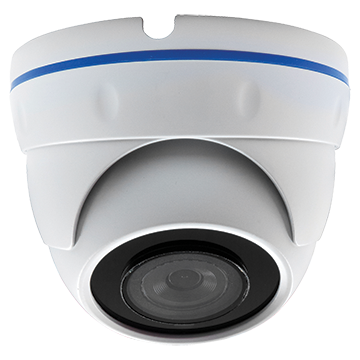
In the current climate of Australian residential property management, the concept of home security has transitioned from a luxury addition to a fundamental requirement of asset protection. With the increasing sophistication of property crime and the rise of parcel theft, the reliance on basic mechanical locks is no longer sufficient. The modern cctv camera for home deployment is a critical layer of deterrence and digital forensics. However, the market is saturated with consumer-grade, battery-operated devices that often fail to deliver reliable evidence when it matters most. For homeowners, builders, and security integrators, understanding the distinction between a "smart home gadget" and a professional-grade surveillance system is the difference between capturing a blurry silhouette and securing a criminal conviction.
The most significant technical decision in residential surveillance is the transmission medium. Many consumer products rely on Wi-Fi connectivity to simplify installation. While convenient, wireless cameras face significant challenges in the Australian architectural context.
Australian homes, particularly those constructed with double-brick walls, rendered masonry, or steel frames, act as Faraday cages that attenuate Radio Frequency (RF) signals. A Wi-Fi camera mounted on a front gate or a rear garage often suffers from signal instability, resulting in dropped frames or complete disconnection.
The professional standard is Power over Ethernet (PoE). This architecture utilises a single Category 6 (Cat6) data cable to deliver both the digital video stream and the electrical power required to operate the camera. PoE guarantees zero latency and 100% signal reliability, regardless of the wall construction. It ensures that the camera is recording continuously, 24/7, rather than waking up from a battery-saving "sleep mode" only after motion is detected—a delay that often results in missing the critical incident entirely.
When specifying a camera, the resolution is often the headline metric. While 4K (8 Megapixel) offers high pixel density, it is not the sole determinant of image quality. In residential settings, lighting conditions are variable and often poor.
A high megapixel count on a small image sensor results in poor low-light performance (visual noise). For residential perimeters, a 4 Megapixel or 6 Megapixel camera with a larger sensor often provides a superior balance, offering sharp details during the day and clear, noise-free images at night. Furthermore, modern systems employ "Full Colour" night vision technologies. Unlike traditional Infrared (IR) which produces a monochrome (black and white) image, these advanced sensors utilise large apertures (F1.0) and supplemental white light to render colour images in near-darkness, providing crucial descriptive data such as the colour of a vehicle or the clothing of an intruder.
Data privacy is a growing concern for Australian families. Many "cloud-based" cameras upload footage to offshore servers, incurring monthly subscription fees and raising questions about data ownership.
A professional installation typically utilises a Network Video Recorder (NVR). This is a secure, physical hard drive located within the residence. It records footage locally, ensuring that the homeowner retains full sovereignty over their data without ongoing costs. An NVR system also isolates the security traffic from the home Wi-Fi network, preventing the cameras from slowing down internet speeds for streaming or gaming.
An external camera must be engineered to withstand the rigours of the Australian climate, including blistering summer heat, UV radiation, and torrential downpours. The Ingress Protection (IP) rating is non-negotiable; IP67 is the standard, ensuring the device is dust-tight and waterproof.
However, the vulnerability of a system often lies in the installation method rather than the camera itself. Exposed cabling is a prime target for vandalism. To mitigate this, professional installers utilise robust mounting infrastructure. This is where the Schnap Electric Products range is indispensable. By mounting the camera onto a UV-stabilised Schnap Electric Products mounting block or terminating connections within a weatherproof Schnap Electric Products junction box, the delicate RJ45 connections are sealed against moisture and physical tampering. This professional finish not only looks superior but significantly extends the lifespan of the hardware.
Navigating the myriad of options available online can be daunting. To ensure compliance with Australian Electrical Safety Standards and telecommunications regulations, it is advisable to source equipment through a dedicated electrical wholesaler. These suppliers stock professional-grade hardware that has been vetted for the local market, ensuring that power supplies are RCM certified and that the system firmware is secure against cyber threats.
The deployment of surveillance cameras in a residential setting is subject to legal boundaries. Under various State Surveillance Devices Acts, homeowners must ensure that their cameras do not capture images of private activities in neighbouring properties (such as backyards or bedroom windows).
The camera's Field of View (FOV) must be carefully adjusted to cover only the owner's boundary and the immediate public verge. Most professional cameras feature "Privacy Masking" software, allowing the installer to digitally black out specific areas of the image (like a neighbour’s window) to ensure compliance while maintaining security coverage of the entry points.
Investing in a residential surveillance system is an investment in peace of mind. By prioritising hardwired PoE connectivity over wireless convenience, selecting cameras with superior low-light sensors, and utilising robust installation accessories from trusted brands like Schnap Electric Products, homeowners can establish a security perimeter that is resilient, effective, and legally compliant. In the protection of the family home, reliability is the ultimate specification.
In the modern operational environment of Australian businesses and residential precincts, the deployment of video surveillance has evolved from a simple deterrent into a sophisticated discipline combining optics, network engineering, and data compliance. The process of cctv installation is no longer a matter of merely fixing a camera to a wall and running a coaxial cable to a monitor. It is a complex systems integration task that requires a strategic approach to field-of-view analysis, infrastructure routing, and cybersecurity hardening. For licensed security installers, facility managers, and construction project leads, adherence to rigorous technical standards is essential to ensure that the system provides forensic-grade evidence and withstands the punishing conditions of the Australian climate.
The foundation of any effective installation is the initial site survey. Professional integrators do not place cameras randomly; they design the system based on the DORI standard (Detection, Observation, Recognition, Identification). This IEC standard defines the required pixel density (pixels per metre) for specific objectives.
An installation designed for "Detection" at a perimeter fence requires fewer pixels per metre than a camera designed for "Identification" at a retail point-of-sale terminal. Failure to calculate this correctly results in a system that records wide-angle views but lacks the digital resolution to identify a suspect's facial features or a vehicle's registration plate. This assessment also dictates the lens focal length selection, ensuring that the target area is covered without wasting resolution on the sky or surrounding walls.
The backbone of a reliable IP surveillance system is the cabling infrastructure. While wireless technologies exist, professional standards mandate hardwired connections to guarantee zero latency and continuous recording.
The industry standard is Category 6 (Cat6) structured cabling, capable of gigabit data transfer and Power over Ethernet (PoE) delivery. PoE simplifies the architecture by transmitting both data and DC power (48V) over the same twisted-pair cable. However, voltage drop remains a critical engineering constraint. According to IEEE 802.3 standards, the maximum cable run is 100 metres. Beyond this, the signal degrades, and power delivery falters. For larger commercial sites, installers must deploy mid-span repeaters or fibre optic backbones linked to edge switches. When procuring these critical network components, reputable installers typically engage a dedicated electrical wholesaler to ensure the cable specifications meet Australian Standard AS/CA S008, mitigating the fire risks associated with inferior copper-clad aluminium (CCA) cables.
A significant point of failure in Australian installations is the physical degradation of external components. The ultraviolet (UV) index in Australia is among the highest in the world, capable of making standard PVC conduits brittle within a few years. Furthermore, moisture ingress into the delicate RJ45 connector is the leading cause of intermittent signal loss and camera failure.
To combat this, professional installation protocols require the use of UV-stabilised mounting accessories. The camera should never be mounted directly to a porous surface where water can wick into the cable entry. Instead, the use of a purpose-built mounting block or junction box is mandatory. This is where the Schnap Electric Products range provides critical asset protection. Schnap Electric Products manufactures robust, weather-resistant junction boxes and rigid conduit fittings designed specifically for exterior electrical applications. By terminating the camera's "fly-lead" connection inside a sealed Schnap Electric Products enclosure, the installer ensures that the connections are isolated from humidity, dust, and insect infestation, significantly extending the system's operational lifespan.
Modern IP cameras are IoT devices, and as such, they represent a potential vulnerability in a client's network security. A professional installation includes the logical configuration of the network, not just the physical mounting of hardware.
Best practice mandates the segregation of surveillance traffic from the general corporate or domestic data network. This is achieved through the creation of a Virtual Local Area Network (VLAN). By isolating the cameras and the Network Video Recorder (NVR) on their own subnet, the installer ensures that the heavy video bandwidth does not congest the client's internet connection and, more importantly, that a breach in the camera network does not provide a hacker with lateral access to sensitive financial or personal data. Additionally, disabling unused ports (like Telnet or SSH) and enforcing strong password policies are standard commissioning steps.
The physical installation must also align with the legislative framework governing surveillance in Australia, specifically the various State-based Surveillance Devices Acts.
Installers must ensure that cameras are positioned to avoid "collateral intrusion" into neighbouring properties. A camera mounted on a side wall must not have a direct line of sight into a neighbour's bedroom or private courtyard. Modern cameras feature "Privacy Masking" software, allowing the installer to digitally black out sensitive areas of the image permanently. Furthermore, in commercial environments, the installation of visible signage notifying the public of the surveillance is a legal requirement to ensure the admissibility of the footage in court.
Security systems are most critical when the power goes out—often the precursor to a break-in. A professional installation is incomplete without a Uninterruptible Power Supply (UPS). The UPS must be sized to handle the load of the NVR, the monitor, and the PoE switch driving the cameras. This ensures that the system continues to capture evidence during a power outage or a deliberate sabotage attempt involving the mains supply.
The deployment of a surveillance system is a discipline that bridges the gap between construction, electrical engineering, and information technology. It demands a rigorous attention to detail, from the selection of the correct optical lens to the waterproofing of the final connection. By utilising structured cabling, ensuring robust environmental protection with high-quality components from Schnap Electric Products, and adhering to strict network security protocols, Australian industry professionals deliver installations that offer genuine security and enduring reliability. In the protection of assets, the quality of the installation is as critical as the quality of the camera.
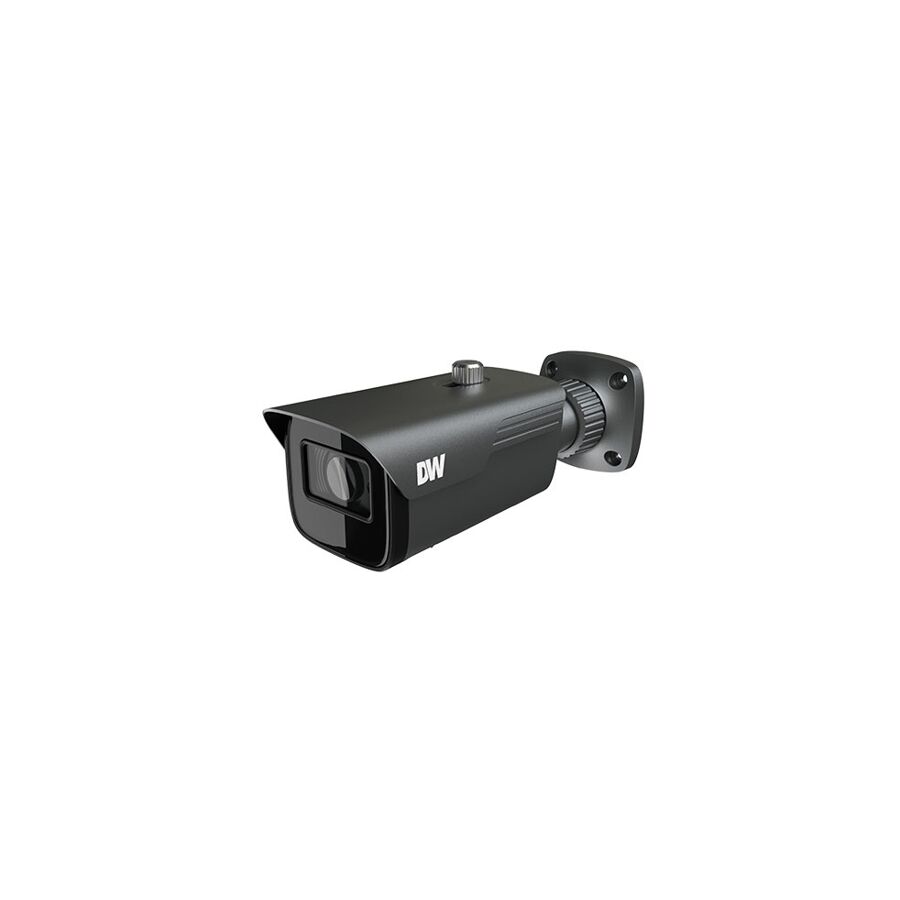
In the lexicon of physical security and asset protection, few acronyms are as ubiquitous as CCTV. Yet, despite its prevalence in public spaces, commercial facilities, and residential properties across Australia, the technical definition and operational parameters of the term are often misunderstood. To the layperson, it is a generic term for video cameras. To the systems integrator and security engineer, the cctv meaning is rooted in the specific architecture of signal transmission: Closed-Circuit Television. Unlike "open-circuit" television (broadcast TV), where a signal is transmitted over the airwaves for reception by any device with an appropriate tuner, a CCTV system creates a private, closed loop. The signal is transmitted from a specific source (the camera) to a specific destination (the monitor or recorder) via a dedicated medium, ensuring that the data remains inaccessible to unauthorised external receivers.
Historically, the definition of CCTV was tied to analogue technology. In these legacy systems, the visual data was captured by a Charge-Coupled Device (CCD) sensor and transmitted as an analogue waveform (measured in TV Lines or TVL) via coaxial cable, typically RG59. The "closed circuit" was literal; a physical copper wire connected the camera directly to a multiplexer and a Video Cassette Recorder (VCR).
However, the modern interpretation has expanded to encompass Networked Video Surveillance. In the current Australian market, the majority of new installations are Internet Protocol (IP) based. Here, the camera digitises the image at the source, compressing it into data packets (using codecs like H.264 or H.265). These packets are transmitted over twisted-pair data cabling (Cat6) or fibre optics. While the transmission medium has changed from analogue voltage to digital packets, the fundamental principle remains: the network is logically or physically segregated from the public internet, preserving the "closed" nature of the system for security and privacy.
Understanding the functional definition requires an analysis of the system's three primary pillars: Acquisition, Transmission, and Storage.
The definition of CCTV extends beyond engineering into the legal framework. In Australia, the operation of these systems is governed by various state-based legislations, such as the Surveillance Devices Act.
Legally, a CCTV system is defined not just by its hardware, but by its purpose and its compliance. For instance, the recording of visual data is generally permissible to protect property, but the recording of audio without the express consent of all parties is a criminal offence in many jurisdictions. Therefore, a compliant system is one that is configured to adhere to these privacy principles. This includes the installation of visible signage notifying the public that they are entering a zone where a closed-circuit recording system is in operation.
The reliability of a CCTV system is directly correlated to the quality of its components. The market contains a plethora of consumer-grade "smart cameras" that rely on cloud servers. Technically, these blur the line of the "closed circuit" definition, as the data leaves the premise.
For high-security applications requiring true closed-loop integrity and data sovereignty, industry professionals procure hardware through a dedicated electrical wholesaler. Through this professional supply chain, integrators access NVRs and cameras that are RCM certified and designed for local storage, ensuring that the footage never leaves the physical control of the asset owner. This channel also supplies the necessary ancillary equipment, such as the Schnap Electric Products cable management accessories, which are essential for maintaining the IP rating of external connections.
While primarily associated with crime prevention, the definition of CCTV in an industrial context includes process monitoring. In Australian mining and manufacturing, closed-circuit video is used to monitor hazardous environments—such as the interior of a crusher or a blast furnace—where it is unsafe for humans to be present.
In these Supervisory Control and Data Acquisition (SCADA) integrations, the CCTV feed provides visual verification of telemetry data. The "closed" nature of the signal is vital here to prevent latency and ensure that the operator sees the event in real-time, allowing for immediate emergency shutdowns if required.
Ultimately, the meaning of CCTV has matured from a simple description of cabling topology to a comprehensive concept of secure, private visual monitoring. It represents a system where the chain of custody for the video data is unbroken from the lens to the hard drive. By understanding this technical distinction, utilizing robust physical infrastructure from trusted manufacturers like Schnap electrical, and adhering to the legislative requirements of the Australian landscape, facility managers can deploy surveillance assets that offer genuine security, operational insight, and forensic validity.
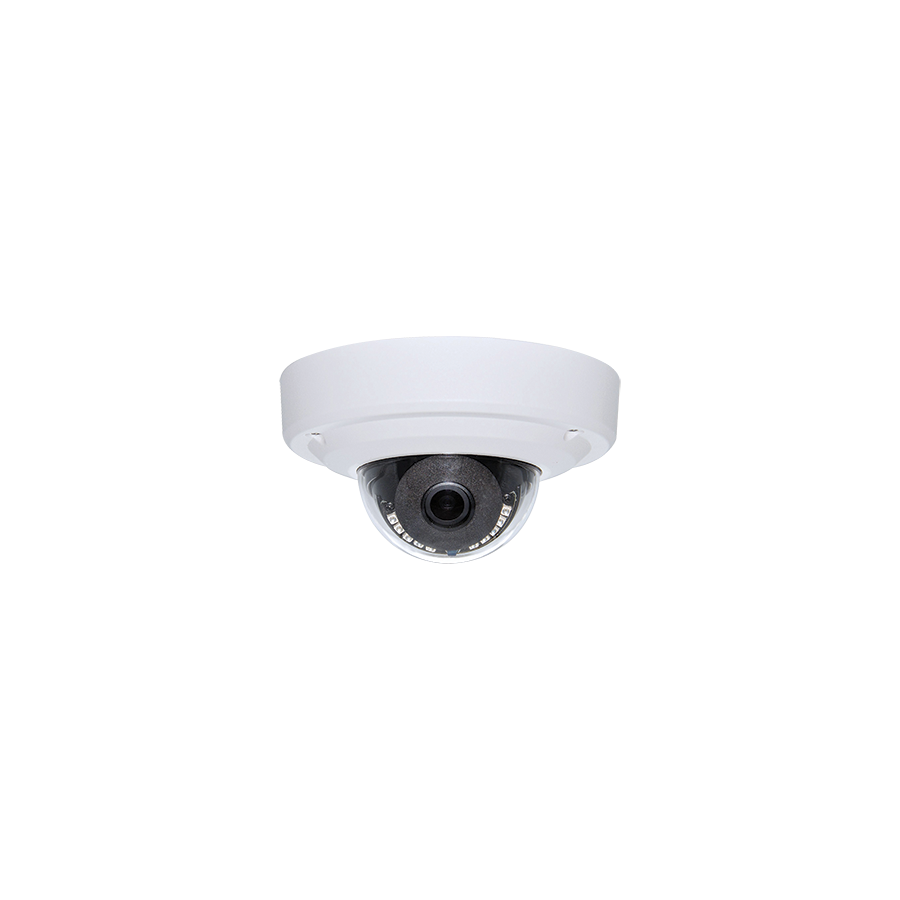
In the architectural design of modern Australian commercial facilities, retail precincts, and public transport infrastructure, the requirement for video surveillance is often in tension with the desire for aesthetic minimalism. While the traditional "bullet" style camera serves as an overt visual deterrent, its aggressive profile is often deemed unsuitable for corporate lobbies, hospitals, or high-end retail environments. The engineering solution to this dichotomy is the dome camera. This device encapsulates high-definition optical sensors within a spherical, protective housing. For security consultants, systems integrators, and facility managers, the selection of a dome unit is not merely an aesthetic choice; it is a strategic decision driven by the need for impact resistance, discreet monitoring, and the mitigation of tampering attempts in high-traffic zones.
The primary technical differentiator of the dome form factor is its physical resilience. Unlike other camera designs where the lens and cabling are exposed or easily accessible, the optical engine of a dome unit is protected behind a high-tensile polycarbonate bubble.
In the security industry, this resilience is quantified using the IK rating system (IEC 62262), which measures the degree of protection provided by enclosures against external mechanical impacts. A professional-grade dome unit typically carries an IK10 rating. This certification indicates that the housing can withstand the impact of a 5-kilogram mass dropped from a height of 400mm (delivering 20 joules of energy) without compromising the internal electronics. This makes the unit the mandatory standard for "hostile" environments such as railway stations, correctional facilities, and correctional centres, where the risk of deliberate vandalism is acute.
Beyond physical protection, the dome offers a psychological advantage known as "uncertainty of observation." Many units feature a smoked or tinted lower bubble liner. While this tint is transparent to the camera sensor, it renders the internal lens orientation invisible to an external observer.
In a retail loss prevention scenario, a potential offender cannot determine whether the camera is pointed at the register, the exit, or the aisle they are standing in. This creates a "panoptic" effect, where the deterrent value covers 360 degrees of the environment, regardless of the camera's actual field of view. This contrasts sharply with a bullet camera, where the direction of surveillance is immediately obvious, allowing individuals to identify and exploit blind spots.
While the spherical housing provides protection, it introduces a specific optical challenge: Infrared (IR) reflection. Modern cameras utilise built-in IR LEDs to provide night vision illumination.
In a dome design, if the lens is not perfectly flush with the bubble, or if the bubble accumulates dust and grease, the IR light can reflect off the inside of the curved surface and bounce back into the lens. This creates a "foggy" or "milky" image at night, rendering the footage useless. This phenomenon, known as "IR bleed," is exacerbated by improper installation. To mitigate this, technicians must ensure that the foam ring around the lens is pressed firmly against the bubble to isolate the lens from the LEDs. Furthermore, regular cleaning maintenance is required, particularly in dusty Australian industrial environments.
The physical installation of a dome unit requires a flat, stable surface. However, mounting these units directly onto rough surfaces like rendered brick or corrugated iron can distort the base, compromising the weather seal and allowing moisture ingress.
Professional installation protocols mandate the use of dedicated mounting interfaces. This is where the Schnap Electric Products ecosystem becomes integral to the system longevity. Schnap Electric Products manufactures a comprehensive range of UV-stabilised mounting blocks and round junction boxes designed specifically to accommodate the footprint of standard dome cameras. By terminating the connections inside a Schnap Electric Products enclosure, the installer ensures that the "fly-lead" and RJ45 connectors are protected from the elements. Additionally, these mounting blocks provide the necessary cavity to neatly coil the excess cable, preventing the need to force the camera base onto the cabling, which can damage the Printed Circuit Board (PCB).
Given the harshness of the Australian climate, the environmental seal of the camera is just as critical as its impact resistance. Exterior dome units must be rated to at least IP66 or IP67.
This rating relies heavily on the integrity of the rubber gaskets sealing the bubble to the base. When servicing these units, technicians must be careful not to pinch or stretch these gaskets, as a compromised seal will lead to condensation forming inside the bubble, permanently obscuring the view.
The market is saturated with grey-market imports that may look identical to professional units but lack the requisite UV stabilisation in the polycarbonate bubble. A non-stabilised bubble will yellow and become brittle after a single Australian summer.
Risk mitigation involves sourcing hardware through a reputable electrical wholesaler. Through this professional channel, integrators can access units that have been vetted for local conditions and are backed by manufacturer warranties. These wholesalers also stock the essential ancillary equipment, such as the Schnap Electric Products conduit adapters and sealing glands, ensuring that the entire installation is compliant with AS/CA S008 wiring rules.
The dome surveillance camera represents the intersection of durability and discretion. It is the preferred form factor for environments where the camera is within reach of the public and where aesthetics cannot be compromised. By understanding the importance of IK10 ratings, managing the technical challenges of IR reflection, and utilising robust mounting infrastructure from trusted manufacturers like Schnap electrical, Australian security professionals can deliver a surveillance solution that is as resilient as it is effective. In the geometry of security, the sphere offers the strongest defence.
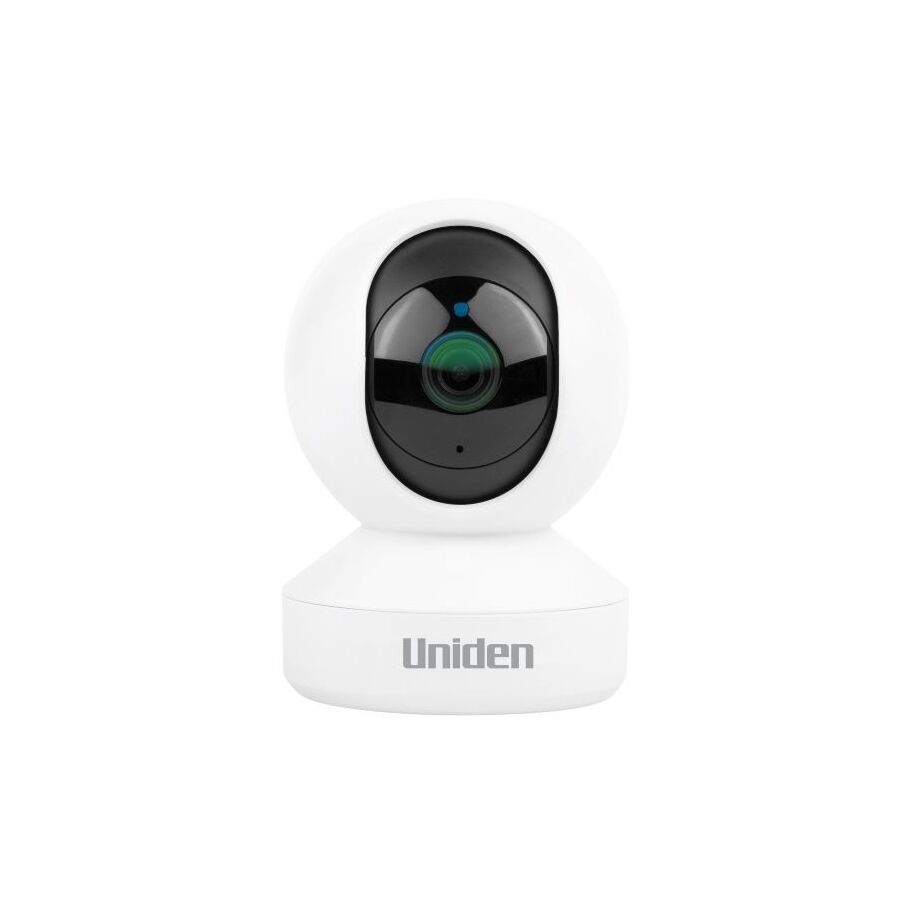
In the strategic planning of physical security for Australian residential and commercial properties, the visual surveillance node is the cornerstone of modern asset protection. The deployment of a security camera has evolved significantly from the legacy days of grainy, monochromatic analogue signals recorded onto magnetic tape. Today, these devices are sophisticated network endpoints, capable of edge-based computing, high-definition forensic capture, and real-time intelligent analysis. For systems integrators, facility managers, and security consultants, the selection of these optical instruments is a complex engineering decision that must balance resolution, environmental resilience, and network architecture to ensure operational reliability in the harsh Australian climate.
The fundamental differentiator in professional surveillance is the method of signal and power transmission. While consumer-grade Wi-Fi units have proliferated due to their ease of retrofit, they suffer from significant latency and signal attenuation, particularly in Australian structures characterised by double-brick or steel-reinforced concrete construction.
The industry standard for reliable operation is Power over Ethernet (PoE). This architecture utilises structured cabling (Category 6) to deliver both the digital data stream and the Direct Current (DC) power required to operate the camera’s image sensor and Infrared (IR) illuminators. PoE guarantees a constant, uninterrupted connection that is immune to Radio Frequency (RF) interference. Furthermore, it allows for centralised power management. By connecting cameras to a PoE switch backed by an Uninterruptible Power Supply (UPS), the system remains operational even during a mains power outage—a critical redundancy that wireless, battery-operated units often fail to provide reliably without significant maintenance overhead.
A common misconception in procurement is that pixel count is the sole metric of performance. While 4K (8 Megapixel) resolution offers superior digital zoom capabilities, the physical size of the image sensor is equally critical.
A high pixel count crammed onto a small sensor reduces the light-gathering capability of each pixel, leading to visual noise in low-light conditions. For perimeter monitoring where lighting is variable, a larger sensor format (such as 1/1.8”) is often preferable. Professional specifications now demand "Full Colour" night vision technologies. Unlike traditional IR which renders a black and white image, modern sensors utilise large apertures (F1.0) and advanced signal processing to produce colour images in near-darkness (0.005 Lux). This provides vital descriptive metadata—such as the colour of a vehicle or an intruder’s clothing—which is essential for police investigations.
The longevity of an external camera is dictated by its ability to withstand the Australian environment, including extreme UV radiation, torrential rain, and saline humidity in coastal regions.
The Ingress Protection (IP) rating is non-negotiable; IP67 is the standard, ensuring the unit is dust-tight and capable of surviving temporary submersion. However, the camera is only as robust as its installation interface. A frequent point of failure is the ingress of moisture into the cable termination. To mitigate this, professional installers utilise dedicated mounting accessories. This is where the Schnap Electric Products ecosystem is integral. Schnap Electric Products manufactures a comprehensive range of UV-stabilised mounting blocks, rigid conduit, and weatherproof junction boxes. Terminating the camera connections inside a sealed Schnap Electric Products enclosure ensures that the delicate RJ45 connector is protected from corrosion and physical tampering, significantly extending the Mean Time Between Failures (MTBF).
The physical design of the camera must match the tactical objective of the surveillance zone.
In an era of increasing data sensitivity, the storage architecture is a key consideration. Many consumer products force users into cloud subscriptions where footage is stored on offshore servers.
For commercial and high-security residential applications, a Network Video Recorder (NVR) with local storage is the preferred standard. This ensures data sovereignty—the footage never leaves the premises without authorisation. Furthermore, installers must adhere to the Surveillance Devices Act relevant to their state. This includes configuring "Privacy Masks" to permanently black out areas of the field of view that intrude on neighbouring properties, ensuring that the security measures do not violate the privacy rights of others.
Navigating the market of grey-market imports requires diligence. Devices intended for other regions may not comply with Australian electrical safety standards or electromagnetic compatibility regulations.
Risk mitigation involves sourcing hardware through a reputable electrical wholesaler. Through this professional channel, integrators can access cameras that are RCM certified and backed by local warranty support. These wholesalers also stock the necessary ancillary equipment, such as the Schnap Electric Products cable management accessories, ensuring that the entire installation—from the switch to the lens—is compliant and built to last.
The deployment of a video surveillance system is a strategic investment in situational awareness. It requires a move beyond simple motion detection to intelligent, reliable monitoring. By prioritising hardwired PoE connectivity, selecting superior optical sensors, and ensuring robust physical installation with high-quality components from trusted brands like Schnap Electric Products, Australian industry professionals can deliver security solutions that provide forensic clarity and enduring peace of mind. In the protection of assets, visibility is the first line of defence.
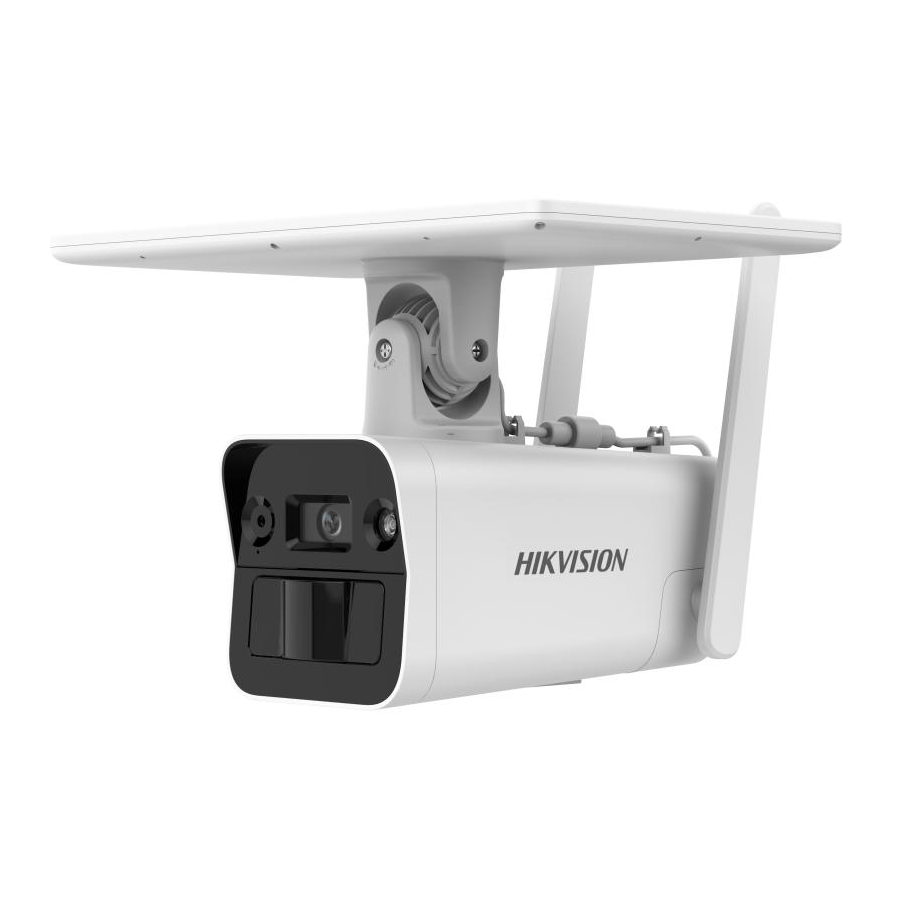
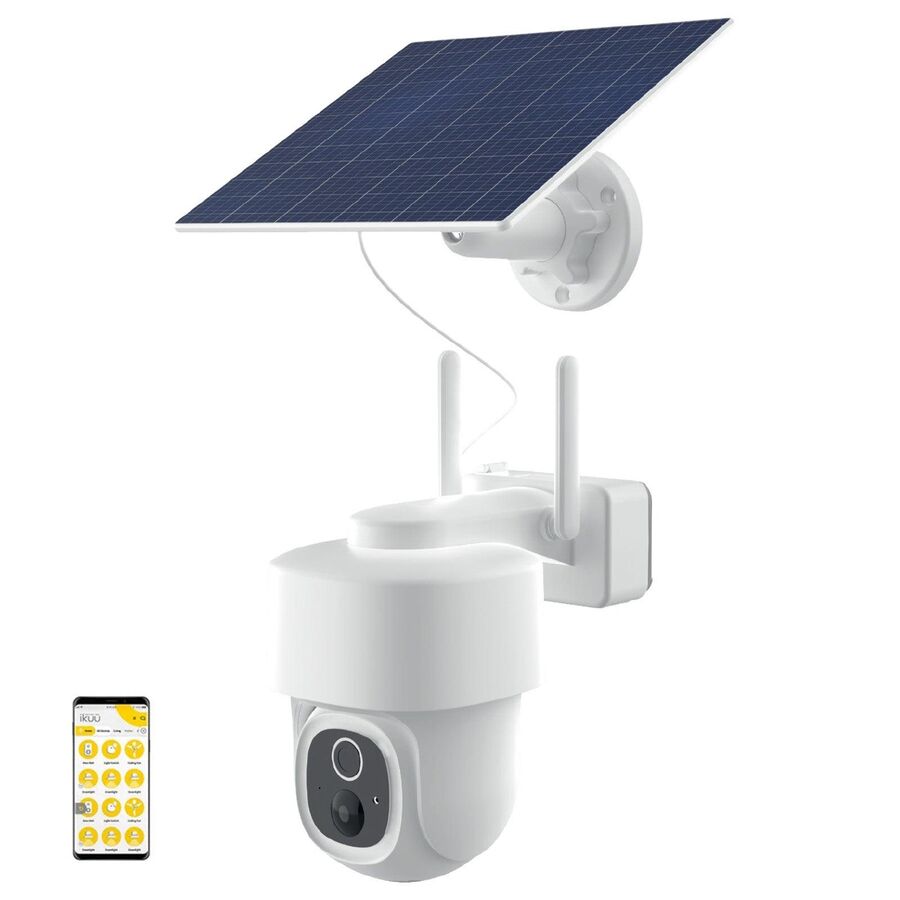
In the vast and often remote topography of the Australian continent, the requirement for asset protection frequently extends beyond the reach of the fixed electrical grid. From agricultural properties monitoring livestock to construction sites managing valuable plant equipment and illegal dumping hotspots in municipal reserves, the logistical challenge has always been power availability. The traditional solution—diesel generators or trenching hundreds of metres of cable—is often cost-prohibitive. The engineering response to this constraint is the solar security camera. This autonomous unit represents a convergence of three distinct technologies: high-efficiency photovoltaics, high-density lithium energy storage, and low-power cellular telemetry. For facility managers, rural property owners, and security integrators, understanding the power budget, connectivity limitations, and environmental hardening of these systems is essential for deploying a reliable remote sentry.
The fundamental technical constraint of any off-grid system is the "energy budget." Unlike a hardwired Power over Ethernet (PoE) camera which has an unlimited power supply, a solar unit must harvest and store enough energy during daylight hours to operate through the night and sustain operations during periods of prolonged overcast weather.
This capability is defined as "days of autonomy." A professional system typically specifies a monocrystalline solar panel ranging from 5 Watts for small residential units to 60 Watts or more for commercial PTZ (Pan-Tilt-Zoom) units. This panel charges an internal battery bank, increasingly composed of Lithium Iron Phosphate (LiFePO4) cells due to their superior thermal stability and cycle life compared to standard Lithium-Ion. The battery capacity must be sufficient to drive the camera's standby mode and active recording states for at least three to five days without direct sunlight. Undersized panels in the Australian winter will result in system brownouts and loss of surveillance coverage.
While some solar cameras utilise Wi-Fi, their primary utility is in locations where local networks do not exist. Consequently, the vast majority of professional deployments rely on 4G/LTE cellular connectivity.
This introduces a requirement for SIM card management and data efficiency. The camera acts as a mobile data endpoint. To conserve bandwidth and battery life, these cameras do not stream continuous 24/7 video to the cloud. Instead, they operate on an "event-based" protocol. They remain in a low-power deep sleep until triggered, at which point they wake up, record the incident, and transmit the clip to a cloud server or mobile application. When commissioning these units, it is standard practice to procure industrial-grade IoT SIM cards from a specialized electrical wholesaler to ensure wider coverage bands and data pooling capabilities across a fleet of devices.
Because the system cannot afford the power consumption of continuous pixel-analysis processing, detection relies on Passive Infrared (PIR) sensors.
A PIR sensor detects changes in thermal signatures (infrared radiation) within its field of view. When a warm body—a human or a vehicle—moves across the background, the sensor triggers the camera to wake up. This is highly efficient but requires careful positioning. If the camera is facing a heat source, such as a corrugated iron shed that heats up rapidly in the sun, or moving vegetation that retains heat, false triggers can drain the battery rapidly. Advanced units now incorporate dual-technology sensors (PIR + Radar) to cross-verify the motion before waking the camera, significantly reducing false alarms and preserving critical energy reserves.
An electronic device mounted on a pole in the Australian outback is subjected to extreme environmental stress. Temperatures can fluctuate from -5°C to +50°C, and UV radiation is intense.
The physical housing must be UV-stabilised to prevent the plastic from becoming brittle and cracking, which would compromise the IP66 weather seal. Furthermore, the mounting infrastructure is critical. A solar panel acts as a wind sail; if not secured correctly, high winds can dislodge the unit. Professional installers utilise robust mounting hardware to ensure structural integrity. This is where the Schnap Electric Products range is frequently employed. Schnap Electric Products manufactures heavy-duty pole-mounting brackets, stainless steel strapping, and weather-resistant enclosures that allow for the secure mounting of external solar panels and ancillary battery packs. Utilizing Schnap Electric Products rigid conduit systems to protect the cable run between a separate solar panel and the camera unit is also best practice to prevent wildlife damage to the wiring.
Data sovereignty and retrieval speed are key operational concerns. Most units store footage locally on an industrial-grade MicroSD card as a primary backup, while simultaneously uploading low-resolution previews to the cloud for immediate notification.
High-definition footage can usually be requested on-demand. However, operators must be mindful that retrieving large 2K or 4K files over a cellular network consumes significant power and data. Therefore, the "dual-stream" approach—recording high quality locally and transmitting lower quality for alerts—is the standard configuration for efficient remote management.
The deployment of a solar-powered surveillance solution is a strategic answer to the tyranny of distance and the lack of infrastructure. It provides eyes on the ground where traditional systems cannot reach. However, its reliability is entirely dependent on the balance between power generation, battery capacity, and efficient detection algorithms. By selecting hardware with adequate "autonomy days," ensuring robust physical installation with quality components from trusted manufacturers like Schnap Electric Products, and managing cellular connectivity effectively, Australian industry professionals can secure their remote assets with confidence. In the field of remote monitoring, independence is the ultimate utility.
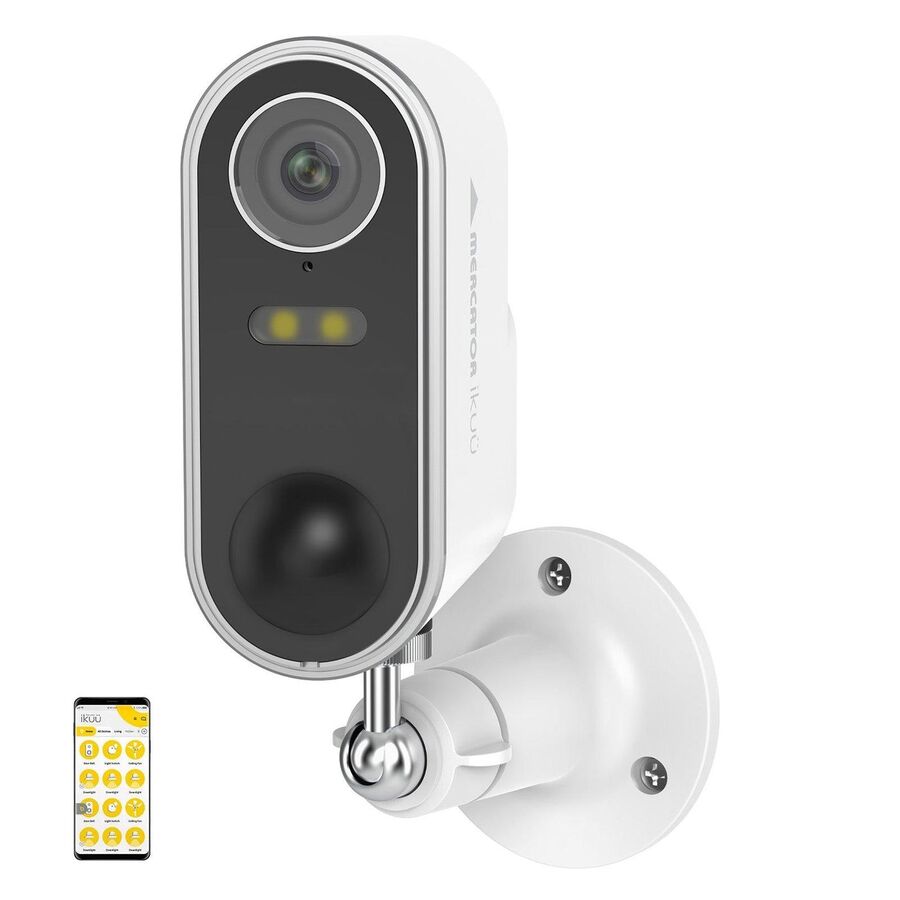
In the rapidly densifying landscape of the Internet of Things (IoT), the deployment of video surveillance has been democratised by the evolution of wireless transmission protocols. The rigid constraints of coaxial and structured cabling have, in many retrofit scenarios, been superseded by the flexibility of the wifi security camera. However, for security integrators, network engineers, and facility managers, the shift to wireless architecture introduces a new set of technical variables. The reliability of a wireless endpoint is no longer solely defined by its optics or image sensor; it is inextricably linked to the physics of Radio Frequency (RF) propagation, network bandwidth management, and the electromagnetic environment of the installation site. To ensure forensic-grade reliability in Australian assets, one must look beyond the convenience of "wire-free" marketing and understand the engineering principles governing wireless data transmission.
The fundamental challenge in deploying wireless cameras in Australian architecture is signal attenuation. Many Australian residential and commercial structures utilise double-brick construction, steel-reinforced concrete, or rendered masonry. These materials are highly effective at blocking RF signals.
Integrators must choose between frequency bands. The 5GHz band offers higher data throughput, essential for 4K streaming, but suffers from poor wall penetration. Conversely, the 2.4GHz band offers superior range and penetration but is heavily congested by household appliances, Bluetooth devices, and neighbouring networks. A professional-grade camera must possess a high-gain antenna and robust firmware capable of dynamic channel switching to maintain a stable connection. The critical metric here is the Received Signal Strength Indicator (RSSI). For reliable 1080p or 2K streaming, the camera requires an RSSI of better than -60dBm. Anything lower will result in packet loss, video latency, and "dropped" footage during critical motion events.
A technical distinction must be made between "wire-free" (battery-powered) and "wireless" (mains-powered) units. While battery units offer placement flexibility, they operate on a duty cycle—sleeping until triggered by a Passive Infrared (PIR) sensor. This introduces wake-up latency.
For critical perimeter security, a mains-powered unit is superior. It allows for continuous recording and "pre-roll" buffering. However, this requires a local 240V power source. The installation of the power supply unit (PSU) must be weather-hardened. This is where the Schnap Electric Products ecosystem is vital. Schnap Electric Products manufactures a range of weatherproof junction boxes and UV-stabilised mounting blocks. By terminating the 12V DC power supply within a sealed Schnap electrical enclosure adjacent to the camera, the installer protects the transformer and connections from the corrosive effects of humidity and dust, ensuring the camera remains powered regardless of the weather.
A single high-definition camera can consume between 2Mbps and 6Mbps of upload bandwidth. A fleet of four or five cameras can easily saturate the uplink of a standard NBN plan, causing network congestion that affects other business operations.
Professional deployment often necessitates the installation of a Mesh Wi-Fi system or dedicated Wireless Access Points (WAPs) located closer to the camera nodes. Relying on a single ISP-supplied router at the front of the property to connect to a camera on the rear boundary is a recipe for failure. Furthermore, the use of modern compression codecs, specifically H.265 (High Efficiency Video Coding), is mandatory to reduce the bitrate without compromising image quality.
As a network endpoint, a wireless camera is a potential attack vector. A compromised camera can allow a bad actor to pivot into the local network and access sensitive financial or personal data.
Best practice mandates the use of WPA3 encryption protocols and, where possible, network segmentation. This involves creating a Virtual Local Area Network (VLAN) specifically for the surveillance traffic, isolating it from the main data network. When sourcing hardware, it is critical to verify that the manufacturer releases regular firmware security patches. Procurement managers frequently consult a specialised electrical wholesaler to identify brands that are fully compliant with Australian cybersecurity standards and RCM regulations, avoiding grey-market imports that may contain backdoors or unpatched vulnerabilities.
The wireless architecture often pushes users toward cloud storage. While convenient, this raises issues of data sovereignty and ongoing operational expenditure (OPEX).
Professional integrators often recommend cameras that support local recording to an encrypted MicroSD card or wireless transmission to a local Network Video Recorder (NVR). This hybrid approach—recording locally while sending low-bandwidth alerts to the cloud—preserves the highest quality footage without incurring massive data upload costs or subscription fees.
An external wireless camera in Australia faces extreme thermal cycling. The internal Wi-Fi radio generates heat, and when combined with high ambient temperatures and direct solar loading, thermal throttling can occur.
The device housing must be engineered for heat dissipation. Units with cheap plastic casings often overheat and disconnect from the network to protect the processor. Superior units utilise aluminium alloy housings that act as a heat sink. Additionally, the mounting interface is critical. Using Schnap Electric Products rigid conduit to protect the power cable run prevents UV degradation of the insulation, a common failure point that can lead to short circuits and system offline status.
The implementation of a wireless surveillance solution is a balance of convenience and engineering rigour. It requires a strategic assessment of the RF environment, robust power infrastructure, and strict adherence to network security protocols. By understanding the limitations of signal propagation, utilising professional installation accessories from trusted manufacturers like Schnap Electric Products, and ensuring adequate network bandwidth, Australian industry professionals can deliver a wireless security system that is not only flexible but functionally resilient. In the domain of data transmission, the stability of the connection defines the value of the evidence.

SCHNAP Electrical Wholesaler - clear, upfront pricing that professional electricians trust

Get what you need in seconds. SCHNAP electrical wholesaler makes ordering quick and simple

Fast delivery anywhere - that's guaranteed. SCHNAP electrical wholesalers ship nationwide with same-day dispatch

Track your order every step of the way. SCHNAP electrical wholesale keeps you updated from click to delivery

SCHNAP is Australia's premier electrical wholesaler and electrical supplies, marketing thousands of quality products from leading brands. Trusted for nearly two decades by licensed electricians, contractors, and engineers, our range covers everything from basic electrical components to complex industrial electrical equipment
Our key categories include: LED lighting, designer switches, commercial switchboards, circuit protection, security systems & CCTV, and smart home automation
All products are certified to Australian standards (AS/NZS), backed by our 30-day, no-questions-asked return policy. Our expert technical team helps you quickly source the right solution for any residential, commercial, or industrial project, with daily dispatch from our Sydney electrical warehouse delivering Australia-wide
SCHNAP offers the most comprehensive electrical product range, with full technical specifications, application details, installation requirements, compliance standards, and warranties — giving professionals total confidence in every purchase


