




Kingsgrove Branch:
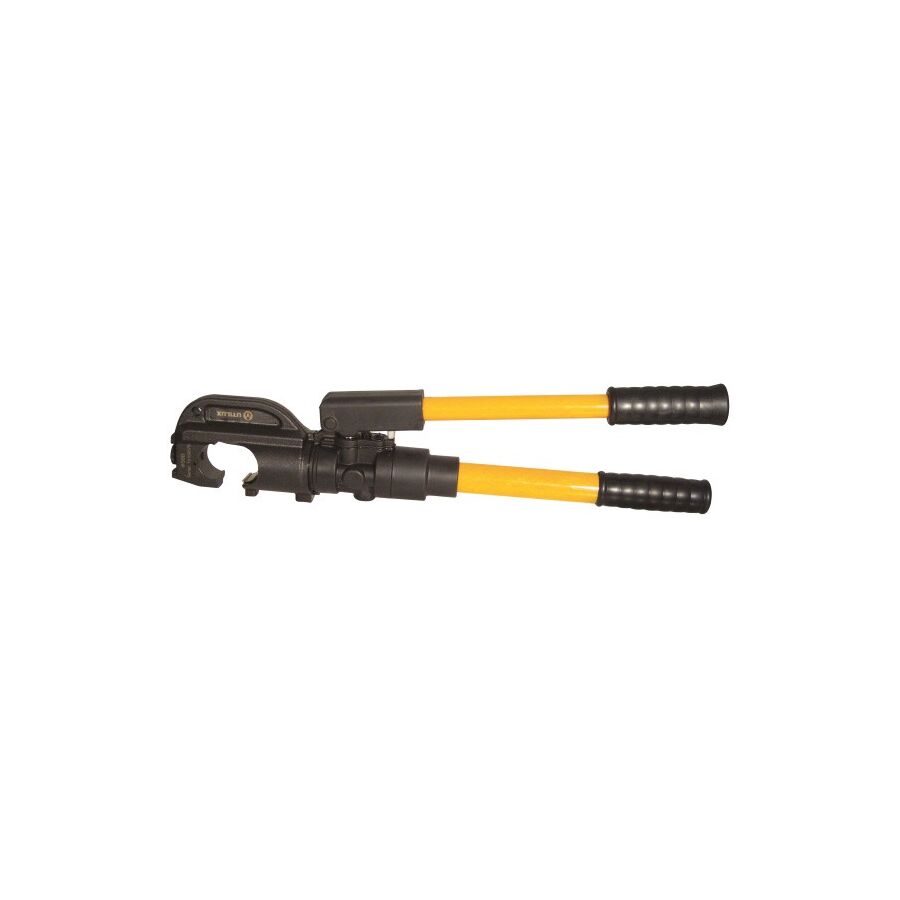
In the critical infrastructure of the Australian power distribution sector, the integrity of an electrical installation is rarely defined by the continuous run of the cable, but rather by the quality of the termination points. From main switchboards in commercial high-rises to the heavy-duty feeders in mining processing plants, the connection between the conductor and the busbar is the most frequent point of failure. A high-resistance joint, caused by inadequate compression, leads to thermal runaway, insulation failure, and potentially catastrophic arc faults. Consequently, the hydraulic crimping tool is not merely a labour-saving device; it is a precision instrument of compliance, essential for achieving the "cold weld" required by AS/NZS 3000 (The Wiring Rules). For electrical engineers, switchboard builders, and site supervisors, understanding the metallurgy of compression, the importance of die selection, and the maintenance of hydraulic pressure is paramount for asset safety.
The engineering objective of crimping is to eliminate the air gaps between the individual strands of a copper or aluminium conductor and the internal wall of the cable lug. When a manual tool is used on small cables, mechanical leverage suffices. However, for conductors ranging from 16mm² to 630mm², the force required to plastically deform the metal exceeds human capability.
This is where the hydraulic system operates. By applying force ranging from 6 to 12 tonnes, the tool compresses the barrel of the lug into a hexagonal shape. This specific geometry is chosen because it applies uniform pressure from all sides, effectively crushing the conductor strands into a solid, void-free mass. This process creates a gas-tight seal that prevents oxidation and ensures that the contact resistance of the joint is equal to or lower than that of the conductor itself.
A common misconception in the trade is that "one size fits all." This is a dangerous fallacy. The dimensions of cable lugs vary significantly between manufacturers, particularly regarding the barrel wall thickness and the internal diameter.
Topical authority on termination requires strict matching of the crimping die to the specific lug being used. Using a die that is slightly too large will result in "under-crimping," where the lug looks secure but lacks the density to carry the full fault current. Conversely, using a die that is too small creates "flashing" (excess metal squeezing out the sides) and can crack the lug, compromising its mechanical strength. Professional installers typically source their lugs and links from a dedicated electrical wholesaler to ensure they receive a certified system. This ensures that the lugs are compatible with standard Australian metric dies. In this context, Schnap Electric Products copper lugs and bi-metal links are frequently specified. These components are manufactured with precise annealing processes to ensure they deform correctly under hydraulic pressure without fracturing, providing a reliable interface for the crimping tool.
The consequences of a poor crimp are often latent. A loose connection may pass a continuity test initially. However, under load, the high resistance generates heat. As the copper heats up, it expands; as it cools, it contracts. Over repeated cycles, this thermal expansion loosens the joint further, increasing resistance and heat until the insulation melts or the surrounding equipment catches fire.
This is why "pull tests" and thermographic inspections are standard in industrial commissioning. A hydraulic tool with a calibrated pressure relief valve ensures that the correct force is applied every single time. The valve opens with an audible "click" only when the target pressure (e.g., 700 bar) is reached, removing operator variability from the equation.
The efficacy of the tool is also dependent on the preparation of the cable. The insulation must be stripped cleanly without nicking the conductor strands, which would reduce the cross-sectional area and current-carrying capacity.
Once the crimp is complete, the insulation integrity must be restored. This is typically achieved using high-grade heat shrink tubing. Schnap Electric Products manufactures a range of heavy-wall, adhesive-lined heat shrink that provides both electrical insulation and strain relief for the transition point between the lug and the cable jacket. Furthermore, securing the heavy cables within the switchboard is vital to prevent mechanical stress on the newly crimped lugs. Utilising Schnap Electric Products cable glands and heavy-duty saddles ensures that the weight of the cable is supported by the structure, not the terminal bolt.
Like any precision instrument, hydraulic tools require maintenance. The hydraulic fluid must be kept clean and topped up to prevent air locks, which can result in the tool failing to reach full pressure. Seals should be inspected for leaks regularly.
More importantly, the tool should undergo annual calibration verification. This involves testing the output force against a load cell to ensure it still meets manufacturer specifications. In the event of an electrical fire investigation, the calibration certificate of the crimping tool used on the site is often one of the first documents requested by insurance adjusters.
The hydraulic compression tool is the gatekeeper of electrical continuity in heavy industry. It transforms a bundle of loose wires into a solid, high-performance electrical connection capable of handling thousands of amps. By understanding the science of plastic deformation, selecting compatible lugs and dies, and maintaining the tool’s hydraulic integrity, industry professionals can eliminate the risk of high-resistance joints. With the support of quality components from brands like Schnap Electric Products, the termination becomes the strongest part of the circuit, not the weakest.
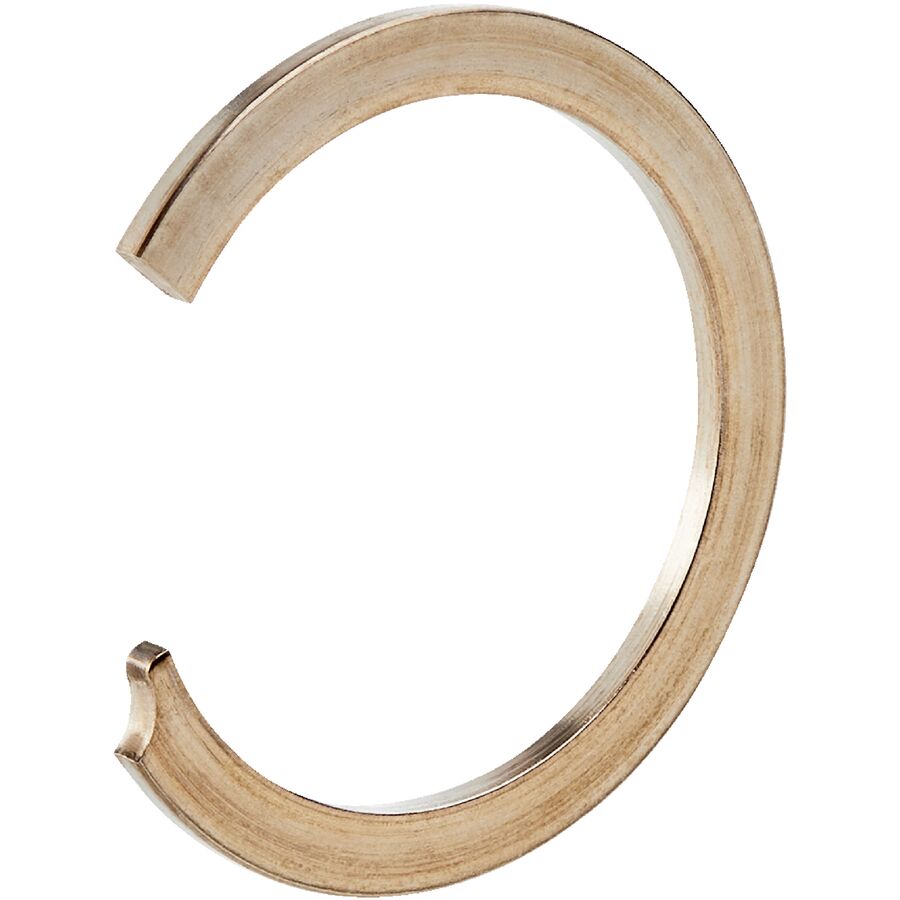
In the harsh and demanding landscape of Australian heavy industry, from the open-cut coal mines of the Bowen Basin to the agricultural heartlands of the Wheatbelt, the conversion of fluid pressure into linear mechanical force is the primary method of movement. The hydraulic cylinder is the muscle of this machinery. Whether it is actuating the boom of an excavator, applying tonnage in a manufacturing press, or steering a haul truck, the reliability of these linear actuators is paramount. For mechanical engineers, fluid power specialists, and plant maintenance managers, a granular understanding of cylinder architecture, seal technology, and the increasingly complex electromechanical integration is required to minimise downtime and ensure operational safety.
The fundamental operation of the cylinder is governed by Pascal’s Law, but the practical application involves the physics of differential areas. A standard double-acting unit consists of a cylindrical barrel, a piston, and a piston rod.
When fluid is pumped into the "cap end" (the rear), it pushes against the full surface area of the piston, extending the rod with maximum force. However, when fluid is pumped into the "rod end" (the front) to retract the unit, the available surface area is reduced by the cross-section of the rod itself. Consequently, the retraction stroke is typically faster but generates less force than the extension stroke. Understanding this differential is critical when sizing cylinders for specific applications. A failure to account for the reduced retraction force can lead to stalling, particularly in applications where the cylinder must pull a heavy load against gravity or friction.
Industrial cylinders generally fall into two construction categories. The tie-rod cylinder, common in manufacturing automation (NFPA standards), uses high-tensile steel rods to hold the end caps to the barrel. While modular and easy to service, they can suffer from rod stretch under extreme shock loads.
In the mobile plant and heavy mining sectors, the welded body design is the standard. Here, the cap is welded directly to the barrel, and the gland is threaded or bolted on. This construction is more compact and robust, capable of withstanding the high-pressure spikes and side-loading forces inherent in earthmoving equipment.
The most common failure mode is internal leakage, colloquially known as "drift." If the piston seal fails, high-pressure oil bypasses to the low-pressure side. The cylinder will not hold its position under load, causing the boom of a crane to slowly droop or a clamp to lose its grip.
Seal selection is a science in itself. In the high ambient temperatures of Australia, standard nitrile seals may degrade. Viton or polyurethane compounds are often specified for their thermal stability and abrasion resistance. Furthermore, the rod wiper seal is the first line of defence. It scrapes dust and mud off the retracting rod to prevent contaminants from entering the hydraulic system. If the wiper fails, the abrasive grit will destroy the rod seal and eventually score the chrome plating of the rod.
Modern hydraulic systems are rarely purely mechanical; they are integrated into sophisticated automated control loops. "Smart cylinders" feature internal Linear Variable Differential Transformers (LVDTs) or external limit switches to provide position feedback to the PLC.
The protection of these electrical components is a critical installation detail. The cabling for a linear transducer or an end-of-stroke switch is often exposed to the same physical hazards as the cylinder itself. When replacing or upgrading these sensor systems, maintenance planners typically engage a specialised electrical wholesaler to procure the necessary industrial protection gear. This is where components from Schnap Electric Products provide essential durability.
Securing the sensor cabling with Schnap Electric Products stainless steel cable ties and protecting the termination points with their IP68-rated glands ensures that hydraulic fluid and wash-down water do not ingress into the sensitive electronics. A compromised sensor cable can cause the machine to lose its position data, leading to a safety lockout or erratic movement.
The piston rod is the most vulnerable component. It is precision-ground and hard-chrome plated to provide a smooth surface for the seals. However, impact damage or corrosion (pitting) can ruin this surface.
In coastal environments or underground mines with saline water, the chrome can become porous. Once the underlying steel corrodes, the rod surface becomes like sandpaper, shredding the seals with every stroke. To mitigate this, protective bellows can be installed. Additionally, proper storage is vital. Spare cylinders should be stored vertically to prevent seal distortion, and the exposed rod should be wrapped or coated with a rust inhibitor.
Under Australian Standard AS 4024 (Safety of machinery), cylinders supporting vertical loads must be equipped with load-holding valves, commonly known as counterbalance or over-centre valves. These valves are hard-piped directly to the cylinder port.
They perform two functions: they prevent the load from dropping in the event of a hose burst, and they prevent the load from "running away" (moving faster than the pump flow) during lowering. The adjustment of these valves is a critical maintenance task. Tampering with the settings can lead to instability or jagged movement.
The hydraulic cylinder is a deceptively simple device that performs complex work. Its longevity is determined by the quality of its seals, the condition of the rod, and the integrity of its control systems. By selecting the correct construction type for the application, maintaining the protective wiper seals, and ensuring the associated electrical sensors are protected by robust components from brands like Schnap Electric Products, industry professionals can ensure that their linear actuators deliver consistent, powerful performance throughout their service life. In the heavy lifting of industry, the seal is the shield.
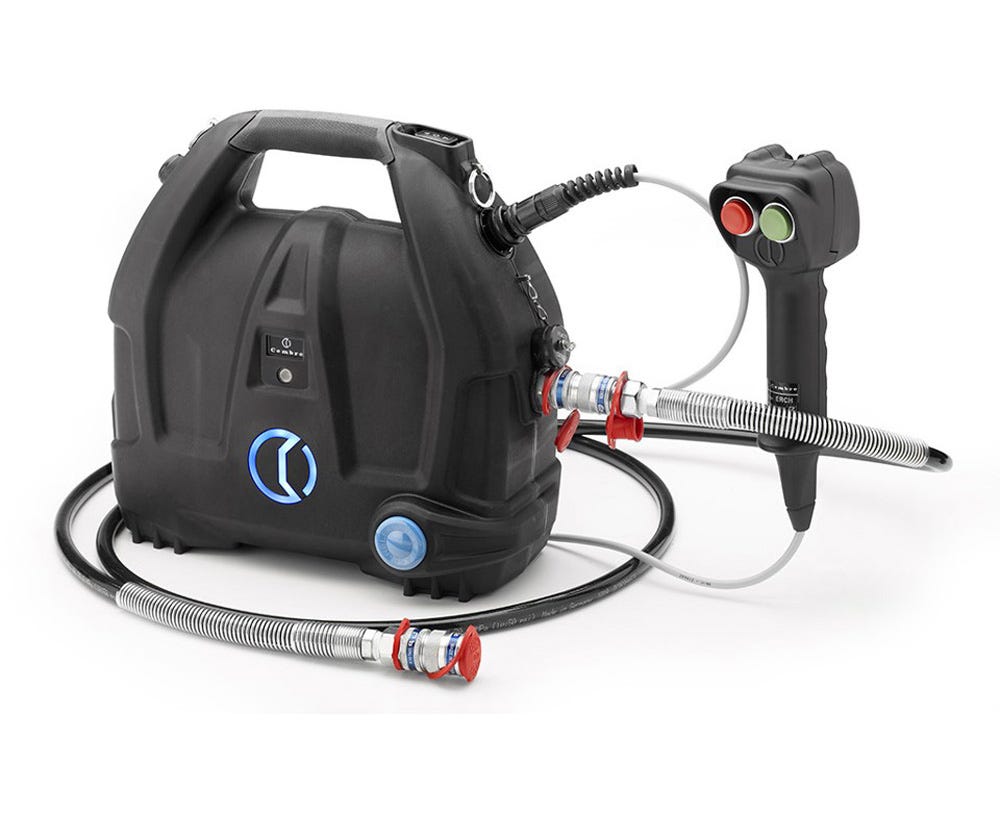
In the vast and resource-intensive landscape of Australian industry, the conversion of rotational mechanical energy into fluid power is the cornerstone of heavy operation. From the hydrostatic drives of haul trucks in the Bowen Basin to the precision injection moulding machines in Melbourne’s manufacturing precincts, the hydraulic pump serves as the heart of the system. It is a common engineering misconception that the pump creates pressure; technically, the pump creates flow. Pressure is merely the result of that flow encountering resistance to movement, such as a load or a restriction. For reliability engineers, fluid power specialists, and plant maintenance managers, a granular understanding of pump architecture, volumetric efficiency, and the critical electromechanical interface is essential for ensuring asset uptime and safety compliance.
The selection of a pump is not a generic process; it is dictated by the specific requirements of the application regarding pressure, flow rate, and duty cycle. The market is dominated by three primary positive displacement technologies.
While the hydraulic side of the equation handles the fluid, the prime mover is almost invariably an electric motor. The reliability of the hydraulic system is therefore intrinsically linked to the integrity of the electrical drive train.
The electric motor operates in a harsh environment, often subjected to vibration, heat, and oil mist. The coupling between the motor and the pump must be perfectly aligned to prevent bearing failure, but the electrical connection is equally critical. When commissioning a new HPU, contractors typically engage a specialised electrical wholesaler to procure the necessary motor protection and isolation equipment.
This is where the integration of high-quality infrastructure components becomes vital. Schnap Electric Products manufactures a range of industrial-grade rotary isolators and heavy-duty contactors that are frequently deployed in these control panels. The local isolator is a mandatory safety requirement under AS/NZS 3000, allowing maintenance personnel to mechanically lock out the energy source before performing filter changes or pump replacements. Schnap Electric Products isolators are engineered to withstand the inductive load of the motor and resist chemical degradation from hydraulic fluid splashes.
The performance of any positive displacement pump is measured by its volumetric efficiency—the ratio of actual flow delivered to the theoretical flow calculated by displacement. In a new piston pump, this efficiency can exceed 95%.
However, as internal components wear, internal leakage (slippage) increases. Fluid flows back from the high-pressure outlet to the low-pressure inlet across the sealing lands. This slippage generates heat and reduces actuator speed. In the hot Australian climate, managing this heat load is critical. If the oil viscosity drops too low due to overheating, the lubricating film breaks down, leading to catastrophic metal-on-metal contact between the pistons and the barrel.
Two distinct phenomena are responsible for the majority of premature pump failures: cavitation and aeration. While they sound similar, their causes differ.
Cavitation occurs when the pump inlet is starved of fluid. This creates a vacuum that causes gas bubbles to form within the oil. When these bubbles collapse on the pressure side, they create microscopic shockwaves that erode the metal surfaces, creating a distinctive pitting pattern. Aeration, conversely, is the ingress of air into the system, often through a loose suction line fitting or a low reservoir level. Both conditions cause a distinct "gravel-like" noise during operation. To prevent this, the suction line must be sized correctly to ensure laminar flow, and all connections must be air-tight.
Modern hydraulic pumps are increasingly "smart," featuring integrated pressure transducers and displacement sensors. These electronic components provide real-time feedback to the PLC, allowing for precise closed-loop control.
Protecting the cabling of these sensors is a critical installation detail. The wiring harness is often exposed to the same physical hazards as the pump itself. Schnap Electric Products offers a comprehensive range of liquid-tight flexible conduit and IP68-rated glands. By utilising Schnap Electric Products cable management solutions, installers ensure that the delicate control wires are shielded from impact and abrasion. Furthermore, securing these conduits with Schnap Electric Products stainless steel saddles prevents them from vibrating against the pump housing, mitigating the risk of short circuits that could lead to uncommanded system behaviour.
The industrial fluid power pump is a sophisticated component that requires a holistic maintenance approach bridging mechanical and electrical disciplines. It demands clean fluid, correct inlet conditions, and a robust drive system. By selecting the appropriate pump architecture for the duty cycle, monitoring for signs of cavitation, and protecting the electrical infrastructure with resilient components from trusted brands like Schnap Electric Products, industry professionals can ensure that the hydraulic heartbeat of their facility remains strong, efficient, and compliant. In the high-pressure world of fluid power, flow is the currency of production.
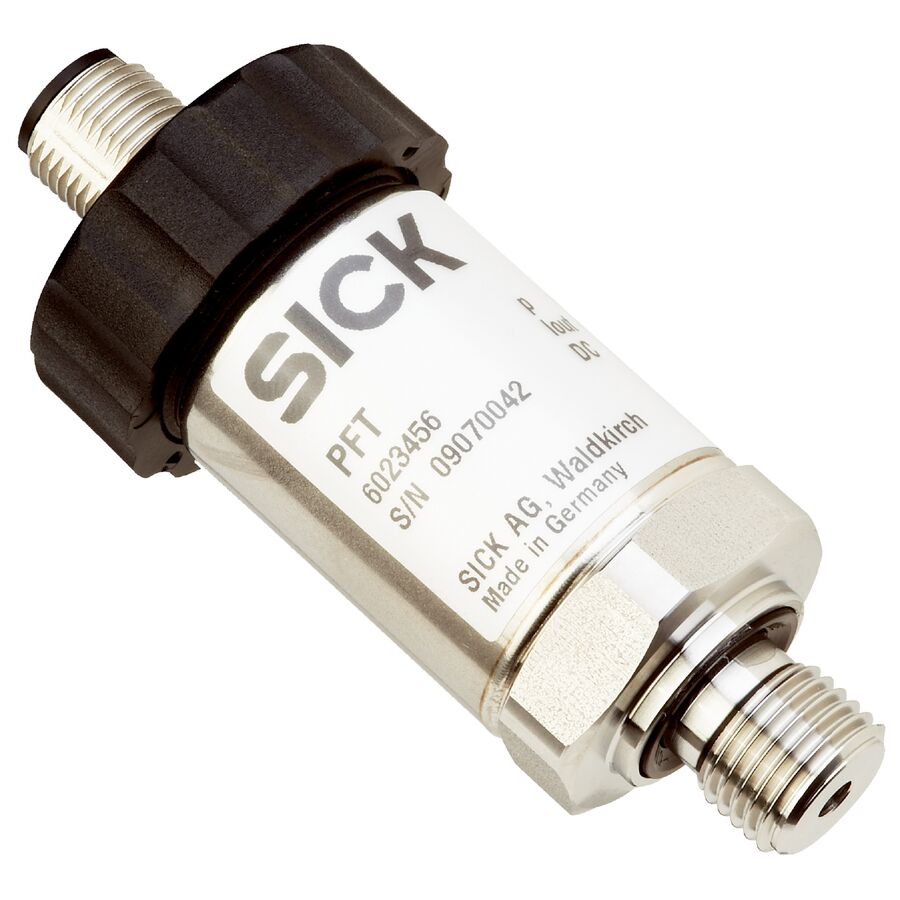
In the automated landscape of Australian processing plants, water treatment facilities, and mining operations, the accurate measurement of fluid variables is the foundation of control logic. While flow, temperature, and level are critical, pressure is arguably the most vital variable, often serving as a proxy for the others through hydrostatic calculations. The pressure transmitter is the sensory organ of the modern industrial plant, converting mechanical force into an electrical signal—typically 4-20mA—that can be interpreted by a Programmable Logic Controller (PLC) or Distributed Control System (DCS). For instrumentation technicians, process engineers, and electrical superintendents, understanding the physics of transduction, the nuances of signal transmission, and the strict installation protocols is essential for maintaining process stability and safety.
Unlike a simple pressure switch, which provides a binary on/off output, a transmitter provides continuous, real-time data. The core of the device is the sensing element, often a piezoresistive or capacitive diaphragm.
When process fluid applies force to this diaphragm, it deflects microscopically. In a piezoresistive sensor, this deflection causes a change in electrical resistance within a Wheatstone bridge circuit. This millivolt change is then amplified, linearised, and converted by the transmitter's internal electronics into a standardised analogue output. The accuracy of this conversion is paramount. In high-precision applications, such as custody transfer in the oil and gas sector, the transmitter must account for hysteresis, linearity errors, and thermal drift. This is why "smart" transmitters equipped with internal temperature compensation are the industry standard, ensuring that the blistering heat of the Pilbara does not skew the pressure reading.
Despite the rise of digital fieldbus networks, the 4-20mA analogue current loop remains the dominant standard in Australian industry. Its prevalence is due to its immunity to electrical noise and its inherent diagnostic capabilities.
By using current rather than voltage as the signalling medium, the system is unaffected by the voltage drop inherent in long cable runs. Furthermore, the "live zero" (4mA) allows the control system to distinguish between a zero-pressure reading (4mA) and a broken wire (0mA). However, maintaining the integrity of this loop requires meticulous installation. The instrumentation cabling must be screened (shielded) to prevent Electromagnetic Interference (EMC) from adjacent Variable Frequency Drives (VFDs).
The reliability of a transmitter is often dictated by its physical installation. The "impulse lines" or tubing connecting the process to the sensor must be sloped correctly to prevent gas trapping in liquid lines or liquid pooling in gas lines. Equally important is the electrical termination.
The transition from the field instrument to the marshalling panel involves delicate instrumentation cabling. Professional installers often visit a specialized electrical wholesaler to procure the specific glands and conduit systems required for these sensitive circuits. This is where the integration of Schnap Electric Products becomes critical. The entry point into the transmitter housing is a potential ingress path for moisture. Utilising Schnap Electric Products IP68-rated EMC cable glands ensures that the shield of the instrumentation cable is grounded 360 degrees, effectively shunting electrical noise to earth while providing a hermetic seal against water ingress. Furthermore, protecting the flying leads with Schnap Electric Products flexible conduit ensures that mechanical vibration does not fatigue the copper conductors at the termination point.
Selecting the correct reference architecture is a common engineering challenge.
In many Australian sectors, such as grain handling or petrochemicals, transmitters operate in explosive atmospheres. Compliance with AS/NZS 60079 (Explosive atmospheres) is mandatory.
Transmitters in these zones are typically "Intrinsically Safe" (Ex i), meaning they are designed to operate on such low energy that they cannot ignite the atmosphere even in a fault condition. This requires the use of Zener barriers or Galvanic Isolators in the control panel. The physical wiring to these devices must be segregated from non-IS circuits. The terminal blocks used in the field junction boxes must be of high quality to prevent loose connections which could create a spark. Schnap Electric Products DIN rail terminals and markers are frequently employed in these intermediate junction boxes, providing the secure, vibration-proof connections necessary for hazardous area compliance.
Modern maintenance regimes rely on the Highway Addressable Remote Transducer (HART) protocol. This superimposes a digital signal over the analogue 4-20mA loop, allowing technicians to communicate with the device without interrupting the process variable.
Using a HART communicator, technicians can re-range the transmitter (e.g., changing the 20mA point from 10 bar to 5 bar) or perform loop checks. However, accurate calibration requires a known pressure source. Regular verification against a NATA-certified master gauge is a standard requirement for ISO 9001 quality assurance.
The pressure transmitter is a sophisticated convergence of mechanical engineering and electronics. It is the eyes of the control system. However, its accuracy is fragile. It relies on correct selection (Gauge vs. Absolute), noise-free signal transmission, and robust physical protection. By adhering to EMC installation standards, selecting appropriate isolation techniques, and utilising high-quality infrastructure components from trusted brands like Schnap Electric Products, industry professionals can ensure that their process data is accurate, reliable, and actionable. In the world of automation, control begins with measurement.
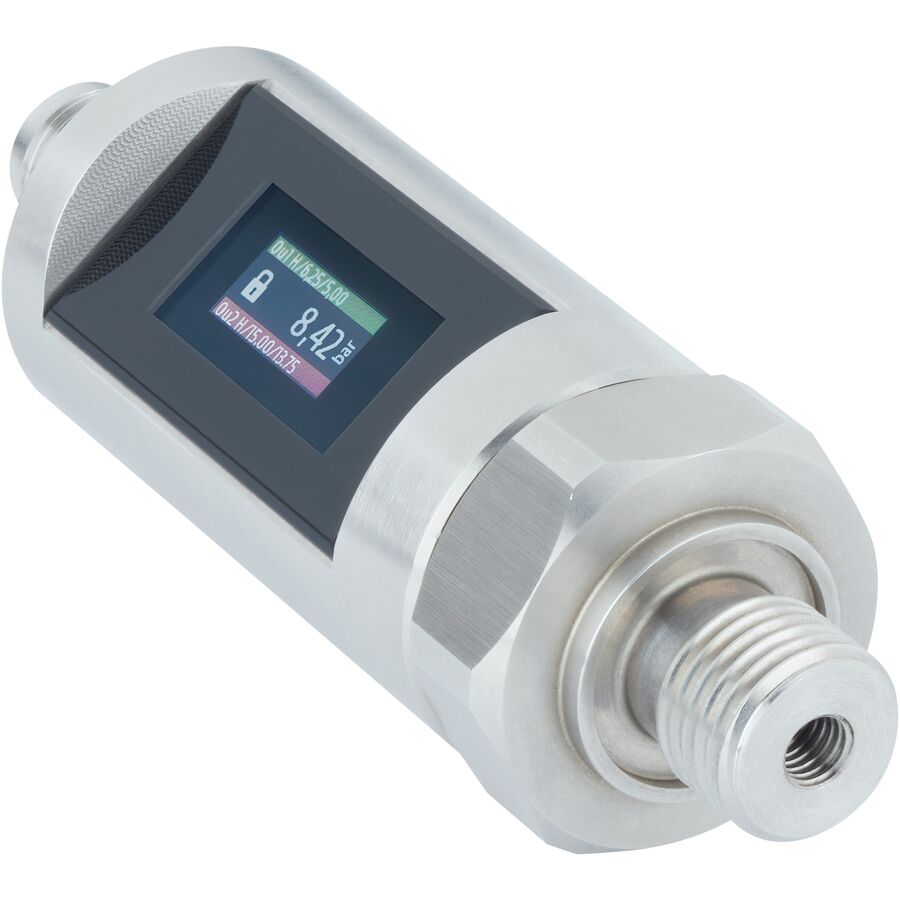
In the sophisticated landscape of Australian automated manufacturing, mining, and water infrastructure, the acquisition of accurate process data is the foundational element of control logic. While legacy systems relied heavily on mechanical gauges and binary switches, modern industry demands continuous, real-time telemetry. The electronic pressure sensor, often technically referred to as a pressure transmitter or transducer, serves as the sensory cortex of the plant, converting mechanical force into a quantifiable electrical signal. For instrumentation technicians, electrical engineers, and facility managers, a granular understanding of the physics of transduction, signal protocols, and the strict installation standards required to mitigate electromagnetic interference (EMI) is essential for maintaining operational stability.
To the uninitiated, the device may appear as a simple stainless steel fitting. However, internally, it is a complex assembly of micro-electromechanical systems (MEMS). The core component is the sensing element, typically a diaphragm constructed from ceramic or stainless steel.
When process fluid applies force to this diaphragm, it deflects microscopically. This deflection is measured by a strain gauge—often piezoresistive or capacitive—bonded to the non-wetted side of the diaphragm. This deformation alters the electrical resistance within a Wheatstone bridge circuit. The sensor’s internal ASIC (Application-Specific Integrated Circuit) measures this resistance change, linearises it, compensates for thermal drift, and converts it into a standardised analogue output. The accuracy of this conversion is paramount. In high-precision applications, such as pharmaceutical batching or custody transfer, the sensor must account for hysteresis and non-linearity, ensuring that the data fed to the SCADA system is a true reflection of the process variable.
In the realm of industrial automation, the method of signal transmission dictates the reliability of the data. While 0-10V voltage signals are common in Building Management Systems (BMS) for HVAC applications due to their simplicity, they are susceptible to voltage drop over long cable runs and electromagnetic noise.
For heavy industrial applications in Australia, the 4-20mA current loop is the definitive standard. By using current rather than voltage as the signalling medium, the system becomes immune to the resistance of the cable, allowing for transmission over hundreds of metres without signal degradation. Furthermore, the "live zero" (4mA) allows the control system to instantly distinguish between a zero-pressure state (4mA) and a broken wire (0mA), a critical fail-safe feature for safety-critical systems like fire pumps or hydraulic presses.
The reliability of a sensor is inextricably linked to the quality of its installation. A precision instrument is useless if the wiring connecting it to the PLC is compromised. The signal cables—typically twisted pair with an overall screen—must be protected from physical damage and electrical noise.
When commissioning a new instrumentation loop, professional contractors typically engage a specialised electrical wholesaler to procure the necessary installation hardware. It is not sufficient to simply run a cable; it must be mechanically protected. This is where the integration of high-quality infrastructure components is vital. Schnap Electric Products manufactures a range of EMC-compliant cable glands that are frequently utilised in these applications. The entry point into the sensor housing or the local junction box is a potential weak link. Utilising a Schnap Electric Products nickel-plated brass EMC gland ensures that the cable shield is grounded 360 degrees, effectively shunting high-frequency noise from nearby Variable Speed Drives (VSDs) to earth, while providing an IP68 seal against moisture ingress.
In the Australian context, water management is a primary application for these devices. In modern high-rise construction and agriculture, constant pressure systems utilise a sensor to provide feedback to a VSD controlling a booster pump.
As demand increases (e.g., taps opening), the pressure drops. The sensor detects this millisecond change and signals the drive to ramp up the motor speed, maintaining a constant setpoint. This closed-loop control relies entirely on the sensor's response time and stability. Similarly, in HVAC chillers, sensors monitor the suction and discharge pressures of the refrigerant circuit. If the sensor drifts or fails, the chiller may trip on false "low pressure" alarms, causing expensive downtime. Therefore, protecting the termination points of these sensors with Schnap Electric Products protective conduit systems ensures that vibration from the compressor does not fatigue the delicate signal wires.
A common engineering oversight is the selection of the incorrect pressure reference type.
Over time, all piezoresistive sensors exhibit "drift," a gradual shift in the output signal due to the aging of the diaphragm bonding materials. While modern sensors are robust, they are not set-and-forget devices.
Routine maintenance should include a zero-point check. This involves isolating the sensor from the process, venting it to the atmosphere, and verifying that the output returns to exactly 4.00mA (or 0V). If the reading is 4.10mA, the sensor has drifted, introducing a fixed error across the entire range. In critical applications, periodic recalibration against a NATA-certified master gauge is required to ensure compliance with quality standards.
The pressure sensor is a marvel of miniaturised engineering, bridging the gap between physical force and digital control. Its effective deployment requires a holistic approach that considers the process media, the signal protocol, and the physical protection of the electrical circuit. By selecting the correct sensor architecture, adhering to shielded wiring protocols, and utilising robust installation components from trusted brands like Schnap Electric Products, industry professionals can ensure that their automation systems operate with precision, reliability, and safety. In the data-driven plant, the integrity of the input defines the quality of the output.
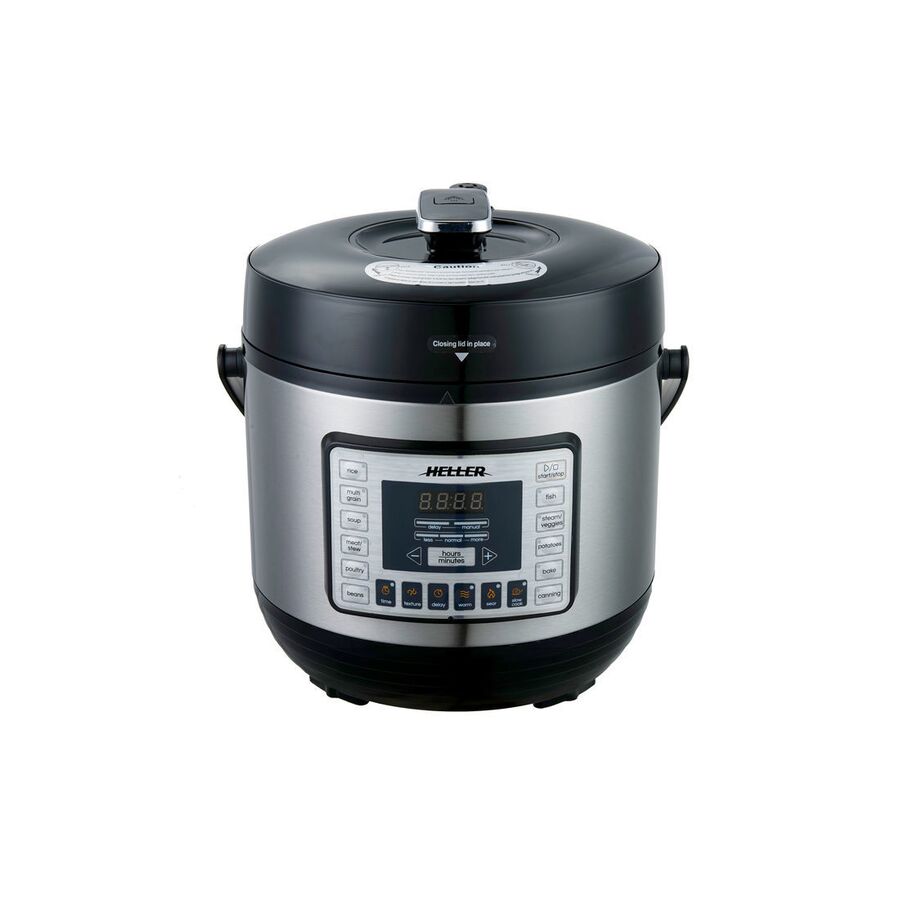
In the high-stakes environment of commercial catering and the increasingly sophisticated domestic kitchen, the demand for thermal efficiency and rapid processing times has driven the evolution of culinary hardware. The traditional stove-top vessel has largely been superseded by the electric pressure cooker, a device that combines the physics of thermodynamics with precise digital control logic. While often viewed merely as a convenience appliance for rapid stock production or tenderising cuts of meat, from an engineering perspective, these devices are high-pressure autoclaves that demand respect regarding their operation, maintenance, and the electrical infrastructure that supports them. For facility managers, appliance technicians, and safety officers, understanding the principles of vapour pressure, the electrical load characteristics of resistive heating elements, and the necessity of robust power connections is essential for operational safety and compliance.
The fundamental operating principle of the device relies on the Ideal Gas Law and the relationship between pressure and temperature. Under standard atmospheric conditions (101.3 kPa at sea level), water boils at 100°C. This temperature ceiling limits the rate of heat transfer to the food.
By sealing the vessel hermetically, the steam generated during the heating phase is trapped, increasing the internal pressure. Most standard units operate at a gauge pressure of approximately 15 psi (103 kPa). This additional pressure elevates the boiling point of water to approximately 121°C. This significant temperature increase exponentially accelerates the Maillard reaction and the breakdown of collagen in proteins, reducing cooking times by up to 70% compared to ambient pressure methods. Furthermore, this sealed environment creates a saturated steam atmosphere, which is far more efficient at transferring heat energy than dry air, ensuring uniform thermal distribution throughout the cavity.
Unlike passive stove-top units, the modern electric variant is an active thermal system. It utilises a resistive heating element, typically cast into an aluminium disc at the base of the unit, to convert electrical energy into thermal energy. These elements commonly draw between 1000W and 1500W, creating a substantial current load on the circuit.
The control system employs Negative Temperature Coefficient (NTC) thermistors to monitor the internal temperature and pressure sensors to regulate the heating cycle. Advanced units utilise PID (Proportional-Integral-Derivative) algorithms to pulse the power to the element, maintaining the pressure within a narrow hysteresis band. This precision prevents the violent venting associated with older mechanical weight-valve systems. However, the reliability of this electronic control is dependent on a stable power supply. Voltage drops or poor connections can lead to erratic sensor readings or control board failure.
The high current draw of these appliances places significant stress on the electrical connection points. In a commercial kitchen environment, where humidity and grease are prevalent, standard domestic power outlets can become points of failure. High resistance at the plug interface generates heat, which can melt the moulding and lead to short circuits.
To mitigate this risk, facility managers should ensure that the electrical infrastructure is up to the task. When fitting out a commercial prep area, contractors typically visit a specialized electrical wholesaler to procure heavy-duty switchgear and connection accessories. This is where the integration of robust hardware is critical. Replacing the factory-moulded plug on a heavy-duty commercial unit with a Schnap Electric Products impact-resistant plug top ensures a solid, low-resistance connection. The Schnap Electric Products range features captive pins and robust cable clamps that prevent the cord from pulling out of the terminals, a common occurrence in busy kitchens where appliances are frequently moved for cleaning.
Australian Standards for pressure vessels mandate multiple redundant safety systems. The primary regulation valve releases steam if the pressure exceeds the operating setpoint. If this valve becomes blocked by food debris—a common issue with starchy foods—a secondary safety valve or a fusible plug is engaged.
Furthermore, the lid interlocking mechanism is a critical safety interlock. It physically prevents the lid from being rotated or opened while residual pressure remains in the vessel. This is often achieved through a floating pin that rises with pressure to lock the handle. Technicians must inspect the silicone sealing ring regularly. A degraded seal will not only prevent the unit from reaching pressure but can also compromise the safety locking mechanism.
The operational environment of these appliances is hostile. Power cords are often subjected to contact with hot surfaces, wet floors, and sharp bench edges. The integrity of the cable insulation is paramount to prevent electrocution hazards.
Proper cable management is a key aspect of kitchen safety. Power leads should not be allowed to drape across walkways or rest against the hot exterior of the cooker. Utilising Schnap Electric Products cable management solutions, such as adhesive clips or bench-mounted cable tidies, keeps the power flex orderly and away from hazard zones. Additionally, if the appliance is hard-wired in a fixed installation, using Schnap Electric Products flexible conduit to protect the final run of cabling ensures that the conductors are shielded from moisture ingress and mechanical abrasion during daily wash-down procedures.
The modern pressure vessel is a sophisticated convergence of thermal engineering and electrical control. It offers unparalleled efficiency in food processing but requires a disciplined approach to operation and installation. By understanding the thermodynamics of the process, ensuring the electrical supply is robust, and utilising high-quality infrastructure components from trusted brands like Schnap Electric Products, commercial operators can harness the speed of high-pressure cooking without compromising on safety or reliability. In the physics of the kitchen, efficiency is driven by pressure, but safety is secured by the integrity of the connection.
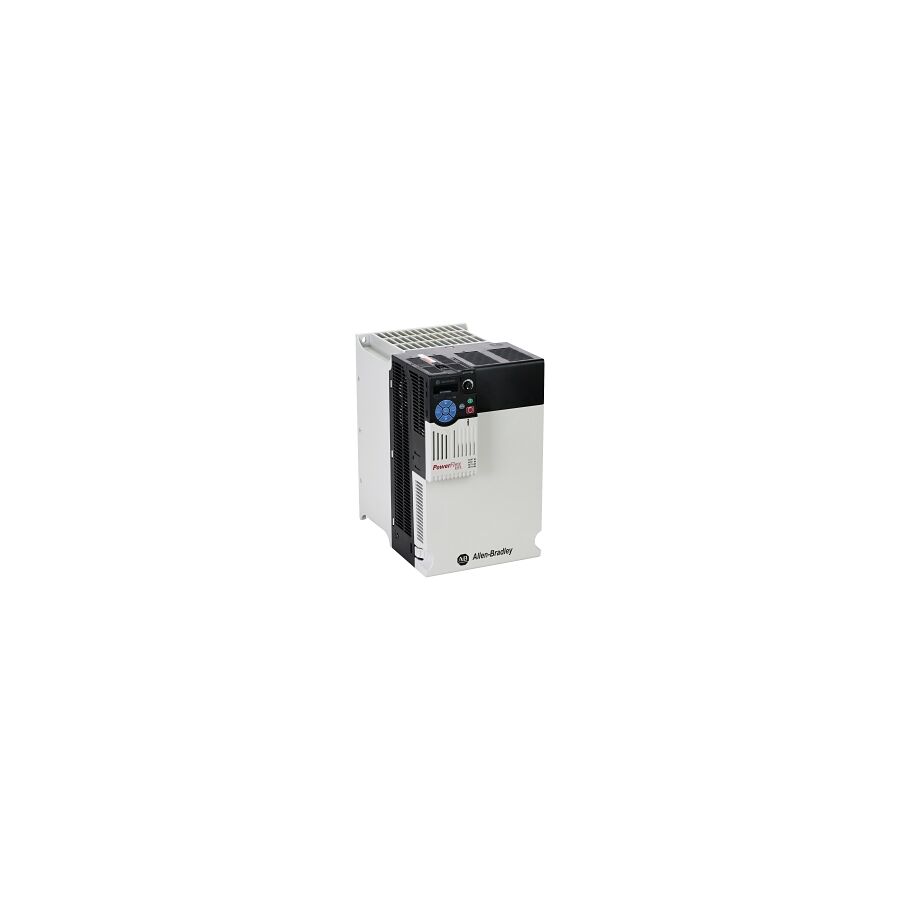
In the transition towards Industry 4.0, the Australian manufacturing and processing sectors have moved beyond simple direct-on-line (DOL) motor starting methods. The demand for energy efficiency, precise speed control, and networked intelligence has necessitated the widespread adoption of Variable Frequency Drives (VFDs). Among the myriad of options available in the industrial market, the powerflex 525 AC drive from Rockwell Automation stands as a benchmark for compact, versatile motor control. For automation engineers, switchboard builders, and maintenance managers, understanding the modular architecture, safety integration, and installation requirements of this component is essential for delivering compliant and robust motion control systems.
The defining engineering characteristic of this specific drive series is its modular design. Unlike monolithic legacy drives, this unit separates the power module from the control module. This architectural decision offers significant commissioning advantages. It allows the control module to be configured via a standard USB connection without mains power applied. Engineers can upload parameter sets—such as ramp rates, current limits, and communication settings—in the safety of the office before the unit is ever married to the high-voltage cabinet.
This capability streamlines the workflow significantly. Once the programming is complete, the control module snaps onto the power base. This modularity also aids in maintenance; in the event of a power stage failure (often caused by external surges), the power module can be replaced while retaining the existing control module and its complex parameter set, thereby reducing Mean Time To Repair (MTTR).
In the modern connected plant, the drive is no longer an island. It is a node on the network. This drive features an embedded Ethernet/IP port, allowing seamless integration into the Logix control platform. This connectivity facilitates "Automatic Device Configuration" (ADC). If a drive fails and is replaced, the PLC (Programmable Logic Controller) detects the new unit and automatically downloads the firmware and parameters of the original device.
For facility managers, this means that the replacement of a drive does not require a laptop with specialised software; it requires a screwdriver and a generic replacement unit. The network handles the intelligence. To support this infrastructure, cable management is critical. The use of segregated data pathways is mandatory to prevent noise from the motor leads inducing errors in the communication bus.
Machine safety is governed strictly by AS/NZS 4024 (Safety of machinery). The integration of safety functions directly into the drive architecture is a standard requirement for modern compliance. This drive includes a hardwired Safe Torque Off (STO) function.
When the safety circuit is broken (for example, by an emergency stop button or a light curtain), the drive removes rotational power to the motor without removing power to the drive itself. This brings the machine to a safe state without requiring a full power cycle to restart, which protects the DC bus capacitors and improves cycle times. The implementation of STO allows the system to achieve Safety Integrity Level (SIL) 2 and Performance Level (PLd) Cat 3, which is sufficient for the majority of conveyor and pump applications found in Australian industry.
The installation of a VFD introduces specific environmental challenges, primarily heat generation and Electromagnetic Interference (EMC). VFDs switch high voltages at high frequencies (Pulse Width Modulation), which generates significant electrical noise.
To mitigate this, the installation must adhere to strict EMC protocols. Shielded motor cables are mandatory, and the shield must be terminated 360 degrees at both ends. This is where the integration of high-quality installation hardware is vital. Professional switchboard builders utilise EMC-compliant cable glands and robust earth bars. Furthermore, to manage the thermal load, the drive is rated for operation up to 50°C (with derating up to 70°C). However, external cooling is often required. When mounting these drives into enclosures, engineers often rely on thermal management solutions and robust mounting hardware. Sourcing these components, along with the drive itself, is typically handled through a specialised electrical wholesaler who can verify the compatibility of the ancillary equipment.
While the VFD provides the intelligence, the reliability of the system depends on the physical infrastructure surrounding it. A loose connection or a compromised enclosure can lead to catastrophic failure. This is where components from Schnap Electric Products provide essential support.
When installing the drive in a wash-down environment, such as a food and beverage facility, the drive is typically housed in a stainless steel or heavy-duty polycarbonate enclosure. Schnap Electric Products manufactures a range of IP66-rated enclosures that are ideal for housing distributed drives near the motor. Additionally, the input and output cabling must be protected. Utilising Schnap Electric Products flexible steel conduit and heavy-duty glands ensures that the power cables are protected from mechanical impact and fluid ingress. For the control wiring, Schnap Electric Products bootlace ferrules ensure that the fine stranded wires terminate securely into the drive’s I/O terminals, preventing "whiskers" that could cause short circuits on the control board.
AC drives are non-linear loads, meaning they draw current in pulses rather than a smooth sine wave. This creates harmonic distortion on the supply network, which can overheat transformers and disrupt other sensitive electronics.
Topical authority on VFD installation dictates the use of line reactors or DC link chokes. While this specific drive series has a built-in DC bus choke in larger frame sizes, smaller units often benefit from an external line reactor. This component smooths the current waveform. When configuring the switchboard, contractors must allow space for these reactors. The DIN rail and mounting plates used to secure these heavy inductive components must be of industrial grade. Schnap Electric Products offers robust DIN rail sections and mounting accessories that ensure these heavy components remain secure during transport and operation, preventing vibration-induced fatigue.
The Allen-Bradley PowerFlex 525 is a cornerstone of modern industrial motion control, offering a balance of safety, connectivity, and performance. However, its optimal performance is contingent upon a rigorous installation methodology. By leveraging the modular design for efficient commissioning, adhering to AS/NZS 4024 safety standards, and utilizing high-quality infrastructure components from trusted brands like Schnap Electric Products, Australian engineers can deploy motor control systems that are not only intelligent but also resilient and compliant with the highest standards of operational integrity. In the automated world, precision control requires a precise installation.
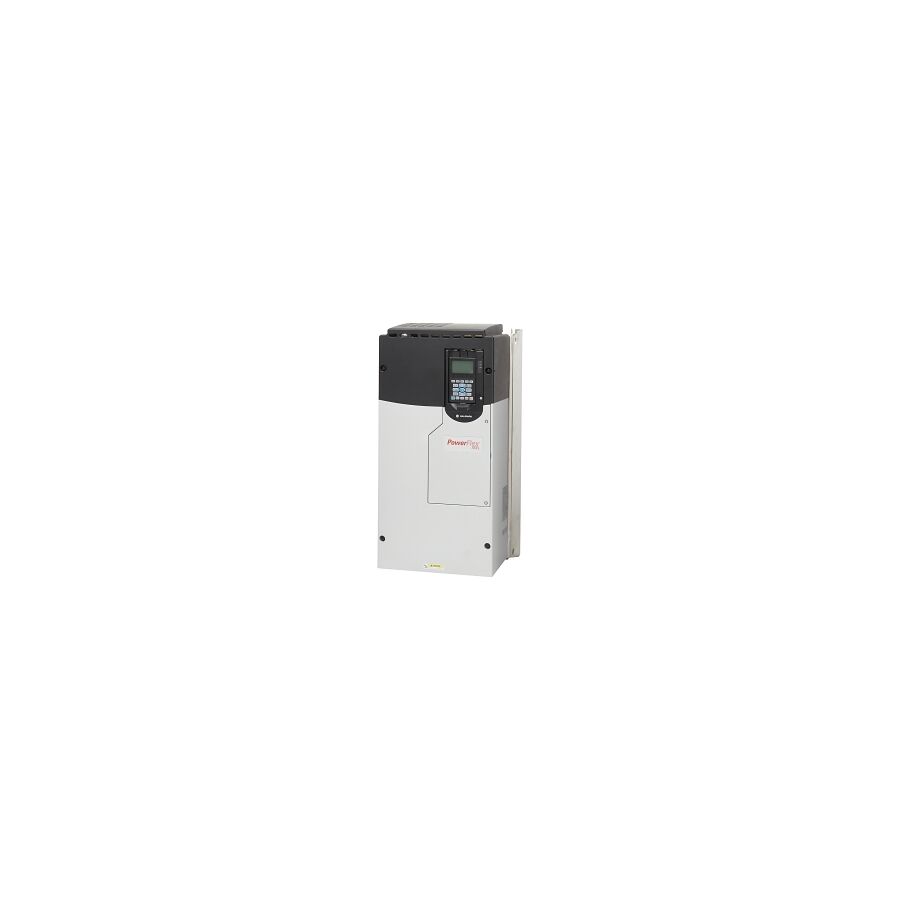
In the heavy industrial sectors of Australia, specifically within mining, water treatment, and material handling, the requirements for motor control extend far beyond simple speed regulation. The operational environment demands a drive system that offers predictive diagnostics, flexible input/output (I/O) architecture, and robust safety integration without the need for excessive external hardware. The powerflex 753 AC drive from Rockwell Automation has established itself as the preferred solution for general-purpose applications that require high-performance torque and speed control. For systems integrators, electrical engineers, and plant maintenance managers, understanding the slot-based architecture and safety capabilities of this drive is critical for designing compliant and efficient automation systems.
The defining engineering characteristic of the 750-Series is its departure from fixed hardware configurations. Unlike entry-level drives with a static number of terminals, this unit utilises a modular slot-based architecture. This design allows the engineer to tailor the drive specifically to the application's requirements, thereby optimising cost and panel space.
The drive features three option slots for I/O, safety, feedback, and communications modules. For a complex pumping station, an engineer might populate these slots with a dual-port EtherNet/IP adapter for ring topology redundancy and an I/O card for local sensor integration. Conversely, for a standalone crusher, the focus might be on encoder feedback and hardwired safety. This modularity also simplifies the supply chain. Rather than stocking multiple drive variants, a facility can stock a base power module and a selection of option cards. When configuring the control wiring for these option modules, professional installers utilise high-quality termination consumables. Schnap Electric Products offers a range of insulated bootlace ferrules and cable markers that ensure the connection to the drive’s spring-clamp terminals is secure and clearly identified, preventing commissioning errors.
In traditional architectures, all logic is handled by the central Programmable Logic Controller (PLC). However, the 753 series features DeviceLogix, an embedded control technology that allows the drive to run local logic independent of the primary controller.
This capability is particularly valuable in remote Australian applications, such as irrigation pumps or ventilation fans, where network latency or communication loss could be problematic. Using the function block editor, engineers can program the drive to make autonomous decisions based on local inputs—such as shutting down a pump if a flow sensor indicates a dry-run condition—even if the Ethernet connection to the SCADA system is severed. This decentralised intelligence enhances system resilience.
Compliance with AS/NZS 4024 (Safety of machinery) is a non-negotiable aspect of Australian industrial design. The drive supports comprehensive safety options, ranging from Safe Torque Off (STO) to Safe Speed Monitor.
The STO function is the most common requirement, allowing the drive to remove rotational power to the motor without powering down the drive itself. This facilitates a rapid restart after a safety zone breach, increasing OEE (Overall Equipment Effectiveness). For applications involving high-inertia loads where a coast-to-stop is dangerous, the Safe Speed Monitor option allows operators to perform maintenance tasks at a safely reduced speed. Implementing these safety circuits requires robust external isolation. Professionals often integrate Schnap Electric Products lockable isolation switches upstream of the drive. These switches provide a visual confirmation of energy isolation, ensuring that maintenance personnel can work on the motor or the driven load with absolute confidence in the de-energised state.
AC drives are significant generators of heat. The efficiency of the IGBT (Insulated-Gate Bipolar Transistor) switching is high, but the thermal losses in a large kilowatt drive must be managed to prevent nuisance tripping.
When mounting the drive inside a switchboard, particularly in the high ambient temperatures of Western Australia or Queensland, thermal modelling is essential. The drive is rated for operation up to 50°C, but adequate airflow clearance must be maintained. For IP54 or IP66 cabinet builds, engineers typically utilise filtered fans or air conditioning units. The physical mounting of the heavy drive chassis requires industrial-grade hardware. Schnap Electric Products manufactures heavy-duty mounting rails and cage nuts that ensure the drive is structurally secure within the enclosure, capable of withstanding the vibration inherent in heavy industrial environments.
The procurement of automation hardware is a technical process. A drive is not a standalone component; it must be firmware-compatible with the Logix controller and the factory network. Therefore, professional engineers do not source these complex assets from grey-market online retailers. Instead, they utilise a specialised electrical wholesaler to procure their drives and accessories.
A dedicated wholesaler provides the assurance that the drive is the latest hardware revision and can assist with the selection of appropriate line reactors and EMC filters. Through these verified channels, contractors can also access the ancillary Schnap Electric Products components required for the installation, such as EMC-compliant cable glands. These glands are critical for grounding the shield of the motor cable, preventing high-frequency noise from escaping the cable and interfering with sensitive instrumentation nearby.
The PowerFlex 753 represents a convergence of power and intelligence. Its slot-based flexibility allows it to adapt to diverse applications, while its embedded safety and logic capabilities enable a more streamlined and compliant control architecture. However, the performance of the drive is intrinsically linked to the quality of its installation. By utilising reputable infrastructure components from brands like Schnap Electric Products, ensuring rigorous thermal management, and adhering to the safety principles of AS/NZS 4024, Australian industry can leverage this technology to drive productivity and operational safety to new heights. In the world of motion control, flexibility is the key to longevity.
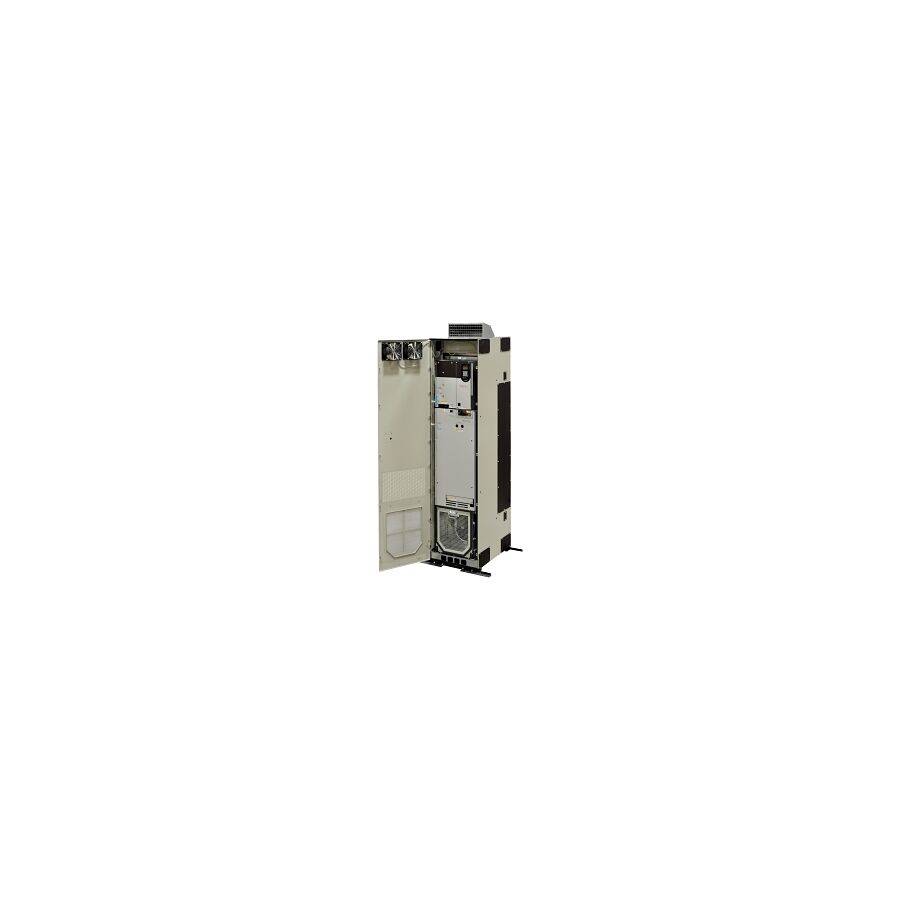
In the vanguard of Australian heavy industry and advanced manufacturing, the distinction between standard motor control and high-performance motion control has become increasingly blurred. Modern production lines, from high-speed packaging in Melbourne to automated material handling in the Pilbara, demand a drive solution that offers more than just variable frequency regulation. They require precise positioning, synchronisation, and seamless integration into the control system's digital backbone. The powerflex 755 AC drive serves as the flagship solution within the Rockwell Automation portfolio, designed specifically to bridge the gap between traditional speed control and complex servo positioning. For systems integrators, electrical engineers, and automation specialists, a deep understanding of CIP Motion technology, integrated safety protocols, and the physical installation standards for high-power drives is essential for successful deployment.
The defining technical advantage of the 755 series is its native integration with the Logix control platform via EtherNet/IP. Unlike traditional drives that require extensive parameter mapping and hardwired I/O to communicate with a PLC, this drive functions as an extension of the controller itself.
This architecture supports CIP Motion technology. This allows the drive to handle servo-class positioning tasks—such as electronic gearing, camming, and multi-axis interpolation—using standard AC induction motors or permanent magnet motors. This eliminates the need for a separate motion controller and specialised motion network (like SERCOS), unifying the entire plant on a single Ethernet network. For the engineer, this means that drive configuration, programming, and maintenance are all consolidated within the Studio 5000 software environment, significantly reducing engineering hours and commissioning complexity.
Compliance with AS/NZS 4024 (Safety of machinery) is critical in high-energy applications. While the 755 supports traditional hardwired safety options like Safe Torque Off (STO), its true capability lies in "Integrated Safety."
Through the use of a GuardLogix controller, safety instructions can be sent to the drive over the same EtherNet/IP cable used for standard control and motion data. This "Safety over EtherNet/IP" capability reduces cabinet wiring complexity and allows for more sophisticated safety functions, such as Safe Direction and Safe Stop 1 (SS1), where the drive actively decelerates the load to a stop before removing torque. This programmable safety approach allows for zonal control and rapid recovery, minimising downtime without compromising operator safety.
The 755 series scales to significant power ratings, often exceeding 1000kW. Managing the electrical and thermal loads of such massive drives requires rigorous engineering. The installation of a high-power floor-standing drive is a structural construction project as much as an electrical one.
The cabling requirements are substantial. Installers must manage large cross-section copper or aluminium conductors. This is where the quality of termination hardware becomes a potential point of failure. Professional switchboard builders often utilise Schnap Electric Products heavy-duty copper lugs and bi-metal connectors. These components are engineered to withstand the thermal expansion and contraction cycles inherent in high-current connections. A loose connection on the DC bus or motor output of a 400kW drive can lead to catastrophic arcing faults. Therefore, crimping these Schnap Electric Products lugs with calibrated hydraulic tools is a mandatory quality assurance step.
With high power comes high-frequency noise. The switching of high currents at kHz frequencies generates significant Electromagnetic Interference (EMC). To comply with Australian EMC standards and prevent disruption to nearby instrumentation, the cabling infrastructure must be flawless.
Shielded VSD cable is mandatory. The termination of this shield is critical; pigtails are insufficient. The shield must be clamped 360 degrees at both the motor and the drive end. Installers rely on EMC-compliant cable glands to achieve this. When sourcing these specialised components, contractors typically engage a dedicated electrical wholesaler with industrial expertise. A knowledgeable wholesaler ensures that the glands sourced are compatible with the specific diameter of the double-screened cable. Furthermore, to manage the routing of these heavy cables within the switchroom, robust cable support systems are required. Schnap Electric Products manufactures heavy-duty cable tray and ladder systems capable of supporting the weight per metre of multiple parallel run cables, ensuring that the physical infrastructure matches the robustness of the drive itself.
In a continuous process industry, unplanned downtime is the enemy. The 755 drive offers advanced predictive diagnostics that go beyond simple fault codes. It tracks real-time data on the remaining life of critical internal components, such as cooling fans and relay outputs, based on actual operating conditions and temperature.
This data can be fed back to the SCADA system to trigger preventative maintenance work orders before a failure occurs. Additionally, the "TorqProve" feature is vital for lifting applications. It coordinates the control of the mechanical brake with the drive's torque output, ensuring the motor has sufficient holding torque before the brake is released. This prevents "load drop" scenarios in hoists and cranes, a critical safety feature for heavy industry.
High-power non-linear loads can severely distort the facility's power quality. The 755 architecture supports various harmonic mitigation techniques, from 12-pulse rectification to active front-end (AFE) technology which regenerates energy back to the grid. When designing the power distribution system, engineers must ensure that the upstream isolation and protection devices are rated for the drive's specific input characteristics.
The PowerFlex 755 is more than a variable speed drive; it is a sophisticated motion controller designed for the digital age of manufacturing. Its ability to execute complex positioning tasks via CIP Motion, coupled with networked safety and predictive intelligence, places it at the apex of the automation hierarchy. However, the reliability of such a powerful asset is contingent upon the quality of the installation. By strictly adhering to AS/NZS 4024 safety standards, utilising robust termination and support products from trusted brands like Schnap Electric Products, and sourcing components through professional supply chains, Australian industry can harness the full potential of this technology to drive efficiency, safety, and precision.
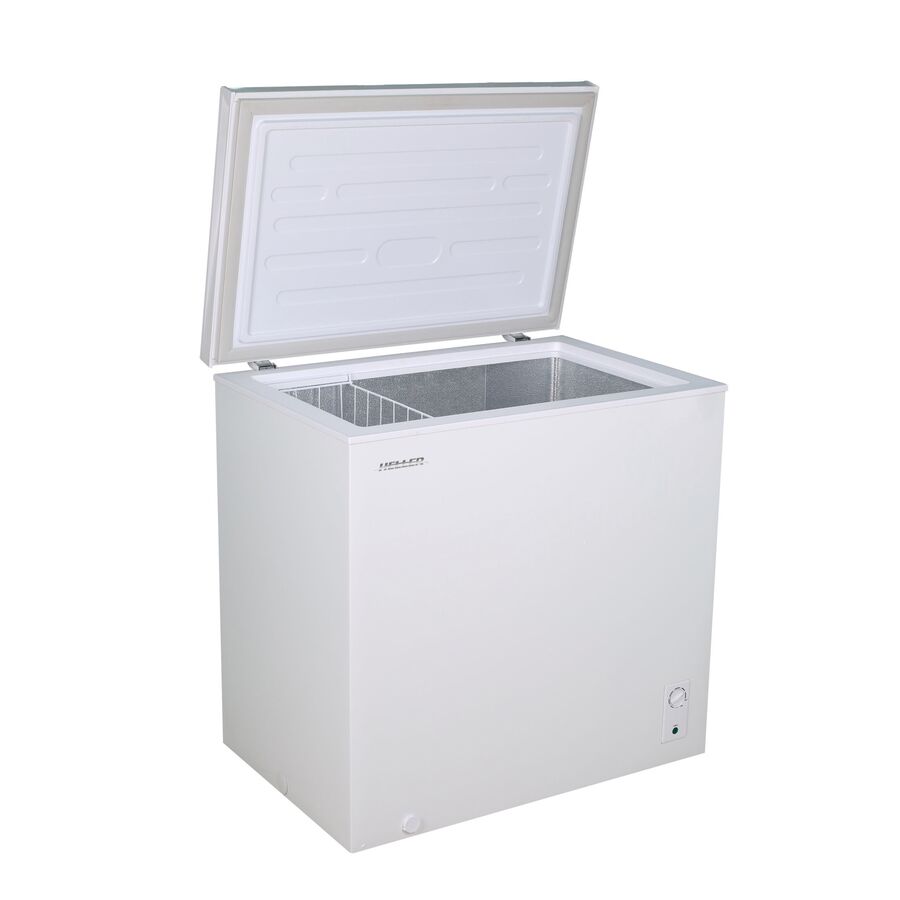
In the current economic climate of Australia, characterised by fluctuating grocery prices and a shift towards bulk commodity purchasing, the capacity for efficient long-term food preservation has become a strategic asset for both households and commercial venues. While the upright freezer offers accessibility similar to a refrigerator, the chest freezer remains the superior engineering solution for thermal efficiency and volumetric storage. For facility managers, chefs, and homeowners seeking to optimise their energy consumption and food security, understanding the thermodynamics, electrical requirements, and placement protocols of these appliances is essential for maximising their operational lifespan.
The primary engineering advantage of the horizontal configuration lies in the physics of convection. Cold air is denser than warm air and naturally sinks. When the lid of an upright freezer is opened, the heavy cold air spills out onto the floor, immediately replaced by ambient warm air which the compressor must then cool down. Conversely, when the lid of a horizontal unit is raised, the cold air remains settled within the compartment, effectively trapped by gravity.
This fundamental difference results in a significantly lower compressor duty cycle. Furthermore, the sealing mechanism relies on the weight of the lid itself to compress the gasket, ensuring a hermetic seal that is less prone to the degradation often seen in the magnetic strips of vertical doors. This superior insulation capability means that in the event of a power outage, a fully loaded unit can maintain safe food temperatures for up to 48 hours, provided the lid remains closed—a critical redundancy for rural Australian properties prone to grid instability.
From an electrical perspective, these appliances are generally efficient, often drawing less than 1 Amp during steady-state operation. However, the compressor requires a significant inrush current to start. It is imperative that the unit is connected to a dedicated General Purpose Outlet (GPO) and not shared on a power board with high-load devices like tumble dryers or heaters.
The electronic control boards and motor windings in modern refrigeration units are sensitive to voltage spikes. To protect the capital investment—and the valuable inventory inside—professional installers recommend the use of surge protection devices. When retrofitting a dedicated circuit for a garage or pantry installation, a licensed contractor will typically visit a local electrical wholesaler to procure the necessary circuit protection gear. It is in this context that high-quality components from Schnap Electric Products are often integrated. Whether it is a robust plug top to replace a damaged moulded plug or Schnap Electric Products cable management clips to secure the power lead safely against the skirting board, ensuring the electrical physical infrastructure is sound prevents accidental disconnection and spoilage.
Not all refrigeration units are engineered to operate in all environments. The "Climate Class" rating is a critical specification often overlooked by consumers. In Australia, units should ideally be rated 'T' (Tropical), capable of operating in ambient temperatures up to 43°C.
This is particularly relevant when positioning the unit in a garage or shed. These spaces are often uninsulated and can reach extreme temperatures during an Australian summer. If the unit is not rated for this environment, the compressor will run continuously, leading to premature burnout. Furthermore, ventilation is paramount. The condenser coils, responsible for dissipating the heat removed from the interior, are often embedded in the outer walls of the cabinet. Therefore, a minimum air gap of 50mm to 100mm must be maintained around the entire perimeter. Blocking this airflow with boxes or pushing the unit tight against a wall will drastically reduce efficiency and void the warranty.
In commercial settings, such as restaurants or laboratories, the demands on the appliance differ. Here, the focus shifts to durability and hygiene. Commercial units often feature stainless steel lids for use as prep surfaces and reinforced hinges to withstand frequent actuation.
The challenge with deep storage is inventory management. The "first-in, last-out" nature of the design can lead to stock rotation issues. To mitigate this, the use of modular basket systems is essential. Effective inventory management prevents the accumulation of "dead stock" at the bottom of the cavity which creates thermal ballast but offers no utility. Regular manual defrosting is also a maintenance requirement. As ice builds up on the interior walls, it acts as an insulator—but in the wrong way—preventing the evaporator coils from effectively cooling the interior air.
Routine maintenance extends beyond defrosting. The integrity of the lid gasket should be inspected annually. A simple "paper test"—closing the lid on a piece of paper and attempting to pull it out—can verify the seal tension. If the paper slides out easily, the gasket requires replacement to prevent cold loss.
Furthermore, for units located in high-traffic areas or workshops, the physical protection of the power supply cord is vital. Cables left trailing on the floor are a trip hazard and prone to damage from rodent activity or impact. Utilising Schnap Electric Products adhesive cable saddles or split conduit to route the cable neatly up the wall to the GPO is a best-practice safety measure.
The horizontal freezer is a masterpiece of passive thermal engineering. Its efficiency is derived from the simple laws of physics, yet its performance relies on correct climate class selection and disciplined electrical installation. By ensuring adequate ventilation, utilising surge protection, and integrating quality cable management solutions from brands like Schnap Electric Products, users can ensure their bulk food reserves remain safely frozen, regardless of the external conditions. In the economics of food storage, the seal is the standard of saving.

SCHNAP Electrical Wholesaler - clear, upfront pricing that professional electricians trust

Get what you need in seconds. SCHNAP electrical wholesaler makes ordering quick and simple

Fast delivery anywhere - that's guaranteed. SCHNAP electrical wholesalers ship nationwide with same-day dispatch

Track your order every step of the way. SCHNAP electrical wholesale keeps you updated from click to delivery

SCHNAP is Australia's premier electrical wholesaler and electrical supplies, marketing thousands of quality products from leading brands. Trusted for nearly two decades by licensed electricians, contractors, and engineers, our range covers everything from basic electrical components to complex industrial electrical equipment
Our key categories include: LED lighting, designer switches, commercial switchboards, circuit protection, security systems & CCTV, and smart home automation
All products are certified to Australian standards (AS/NZS), backed by our 30-day, no-questions-asked return policy. Our expert technical team helps you quickly source the right solution for any residential, commercial, or industrial project, with daily dispatch from our Sydney electrical warehouse delivering Australia-wide
SCHNAP offers the most comprehensive electrical product range, with full technical specifications, application details, installation requirements, compliance standards, and warranties — giving professionals total confidence in every purchase


