




Kingsgrove Branch:
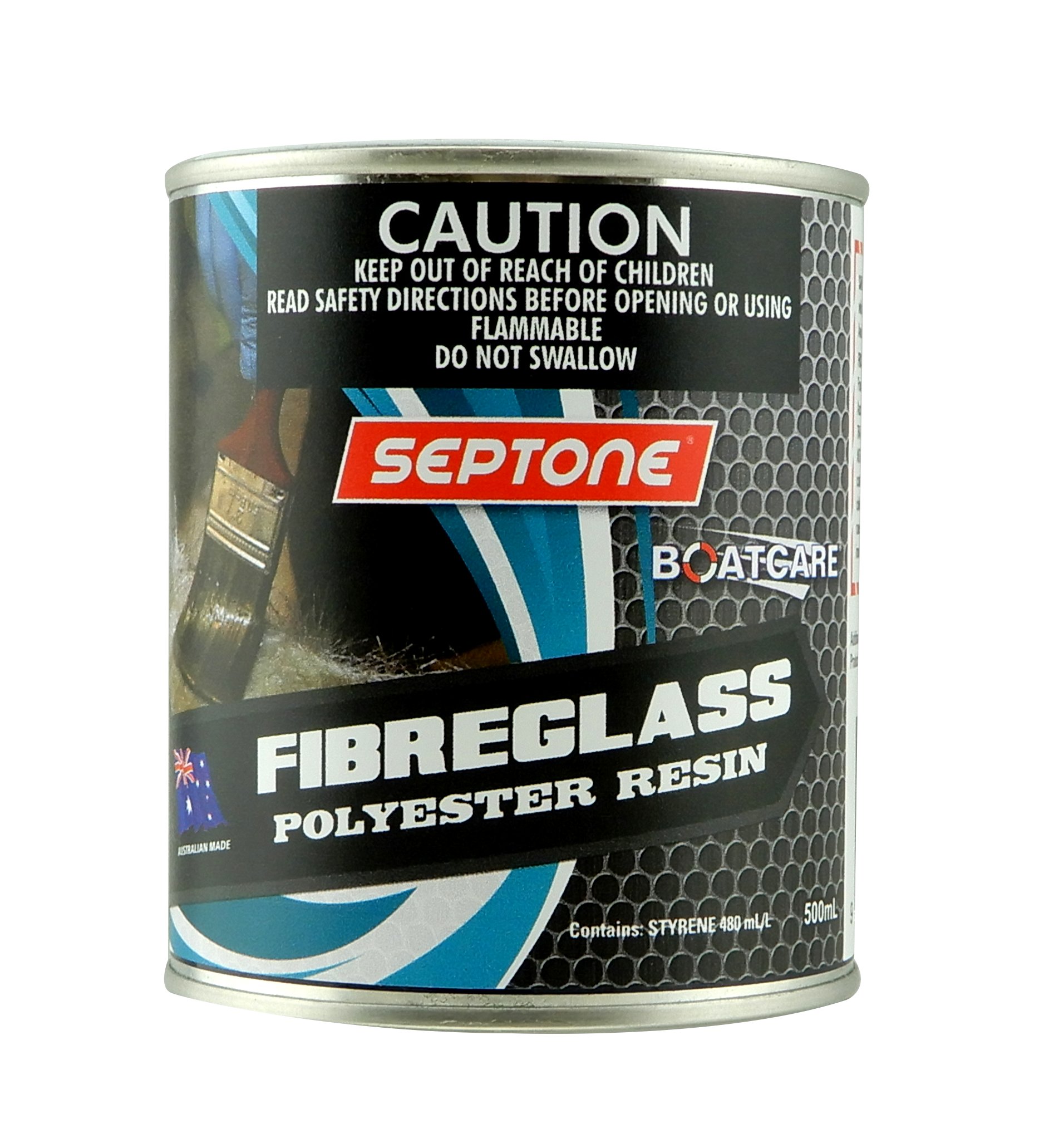
In the demanding landscape of Australian industrial and utility infrastructure, the material composition of electrical enclosures plays a pivotal role in asset longevity. While stainless steel has traditionally been the material of choice for heavy industry, Glass Reinforced Plastic (GRP) has become increasingly prevalent due to its non-conductive nature and resistance to electrolytic corrosion. However, GRP assets are susceptible to impact damage, UV degradation, and structural fatigue. For the facility maintenance engineer and electrical contractor, possessing a deep technical understanding of the repair matrix—specifically fibreglass resin—is essential for restoring the Ingress Protection (IP) rating and dielectric integrity of these critical assets.
To execute a compliant repair, one must understand the chemical engineering behind the material. The resin serves as the matrix that holds the glass reinforcement (fibres) in place, transferring mechanical loads between them and protecting them from environmental attack. In the context of electrical maintenance, the industry primarily utilises two resin types: unsaturated polyester and epoxy.
Topical authority on this subject requires a focus on the electrical properties of the repair material. The primary advantage of GRP in an electrical context is its high dielectric strength—its ability to act as an insulator. When repairing a switchboard door or a cable marshalling box, the resin used must not introduce a conductive path.
Standard marine-grade resins are generally non-conductive, but additives (such as carbon-based pigments) can alter this property. Therefore, professionals must ensure that the resin system selected is unfilled and compatible with electrical environments. A proper repair restores the insulation barrier, ensuring that in the event of an internal busbar fault or loose conductor, the enclosure wall does not become live, thereby protecting personnel from electric shock.
The integrity of a composite repair is defined by the mechanical bond between the new laminate and the existing substrate. Unlike welding metal, where the base materials fuse, resin relies on adhesion. This necessitates aggressive surface preparation.
Technicians must grind back the damaged area to remove the UV-degraded gel coat and expose the raw glass fibres. The repair zone should be chamfered or "scarfed" out to a ratio of at least 12:1 relative to the laminate thickness. This increases the surface area for bonding. Once ground, the area must be degreased using a volatile solvent like acetone. It is critical that the solvent evaporates completely before the resin is applied; trapped solvent will inhibit the cure and lead to delamination.
Repairing the fibreglass shell is often only half the task. Frequently, the damage involves the tearing out of mounting studs, hinges, or cable glands. Once the structural wall has been rebuilt with resin and glass matting, the re-installation of these components requires precision to maintain the IP rating.
This is where the specification of high-quality ancillary components is vital. Integrating robust hardware from manufacturers like Schnap Electric Products ensures that the refurbished enclosure functions as new. When drilling into the repaired laminate to install new cable entries, utilizing Schnap Electric Products IP68-rated cable glands ensures a watertight seal against the new resin surface. Furthermore, if the internal mounting pan was compromised, Schnap Electric Products offers a range of corrosion-resistant mounting blocks and blind plugs that are designed to compress effectively against composite materials without causing stress fractures in the newly cured resin.
The procurement of composite repair materials and electrical accessories is a matter of compliance and reliability. Professional contractors do not source industrial-grade repair systems from hobbyist stores. Instead, they utilise a specialised electrical wholesaler to procure their maintenance supplies.
A dedicated wholesaler ensures that the resin systems are fresh (resins have a limited shelf life before they begin to gel in the tin) and that the associated electrical accessories are certified for industrial use. Through these legitimate trade channels, technicians can access the necessary Schnap Electric Products accessories and the specific grades of fire-retardant resins often required for switchroom applications. This supply chain verification is essential, as using non-compliant materials can void the fire rating of an electrical assembly.
Working with catalysed resins presents significant Occupational Health and Safety (OHS) challenges. The cross-linking process is exothermic, generating heat that can be dangerous if large volumes of resin are mixed in a confined container. Furthermore, the styrene monomers released during the cure of polyester resin are respiratory irritants.
Professional application mandates the use of organic vapour respirators, chemical-resistant gloves, and eye protection. In an operational industrial environment, permits to work must account for the fumes, ensuring adequate ventilation is provided to prevent the accumulation of volatile organic compounds (VOCs) in switchrooms or substations.
The restoration of GRP electrical infrastructure is a precise technical discipline that bridges the gap between chemical engineering and electrical trades. It extends the service life of expensive capital assets and maintains the safety barrier required by Australian Standards. By understanding the resin chemistry, adhering to strict preparation protocols, and utilising high-quality integration components from trusted brands like Schnap Electric Products, maintenance professionals can ensure that their repairs are durable, non-conductive, and structurally sound. In the harsh Australian environment, the quality of the repair dictates the reliability of the supply.
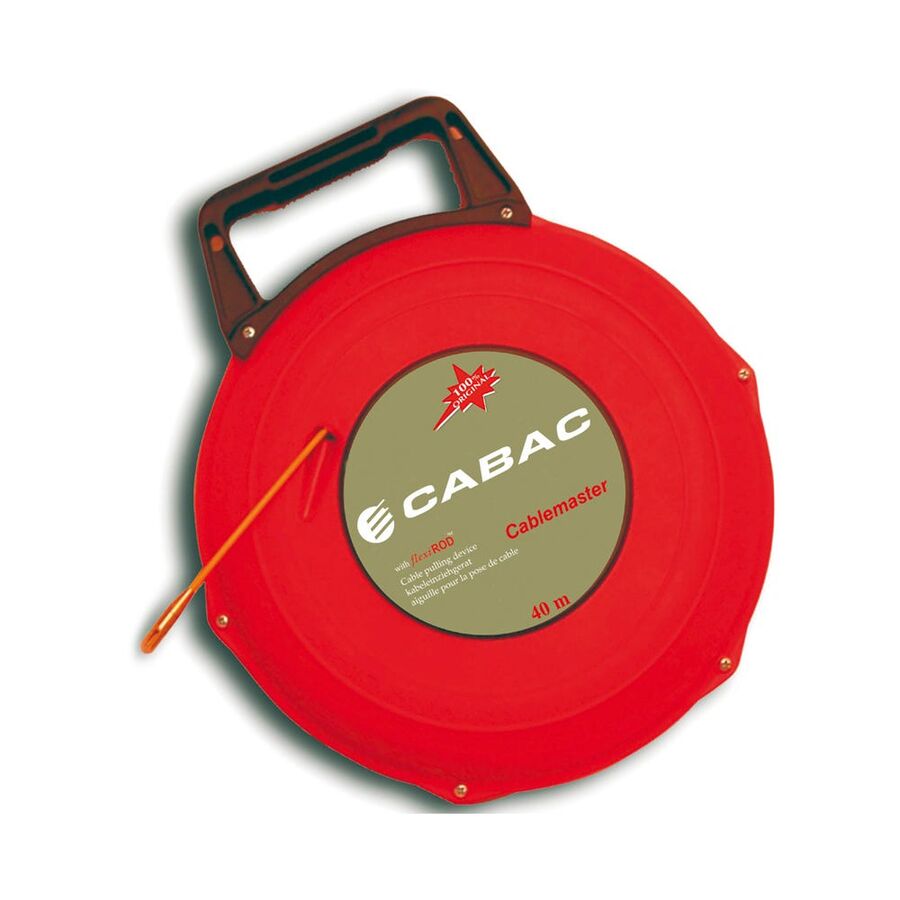
In the demanding discipline of industrial electrical maintenance and electromechanical repair, the selection of insulation materials is governed by two primary factors: dielectric strength and thermal endurance. While PVC and vinyl tapes are ubiquitous in standard low-voltage residential applications, they are chemically and thermally unsuited for the rigorous environments found in heavy industry, power generation, and traction systems. In these high-stress applications, the woven fibreglass tape serves as a fundamental component for structural harnessing and thermal insulation. For electrical engineers, motor winders, and switchboard builders, understanding the mechanical properties and application protocols of this material is essential for ensuring asset reliability.
Technically, this tape is a narrow fabric woven from non-alkali glass fibre yarns. It is distinct from adhesive-backed electrical tape; typically, it is a dry, non-adhesive product (though adhesive variants exist for specific positioning tasks). The primary engineering advantage of glass fibre is its exceptional thermal stability.
Unlike thermoplastic polymers which soften and melt at relatively low temperatures, glass fibre retains its tensile strength at temperatures exceeding 500°C. In electrical applications, it is often classified under Class H (180°C) or Class C (220°C+) insulation systems. Furthermore, the woven nature of the tape allows it to be impregnated with varnishes and resins. When a motor stator or transformer coil is wrapped in glass tape and then vacuum-pressure impregnated (VPI), the tape acts as a reinforcement matrix, bonding with the resin to form a solid, void-free insulation barrier that is impervious to moisture and vibration.
Topical authority on electromechanical repair centres heavily on the electric motor. During the rewinding of stators and armatures, the copper coils are subjected to significant electromagnetic forces, particularly during the starting capability of the motor (inrush current).
Technicians utilise glass tape to bind the end-windings of the coils. This "lacing" process prevents the copper conductors from moving or vibrating against each other, which would otherwise lead to insulation abrasion and inter-turn short circuits. The tape provides a high-tensile containment system that does not degrade under the operational heat of the motor. It is critical that the tape is applied with consistent tension to ensure a tight bundle without damaging the primary enamel insulation of the magnet wire.
Beyond motors, glass tape is a critical asset in switchboard construction and busbar management. In the event of a short circuit, the magnetic repulsion forces between busbars or parallel feeder cables can be immense, capable of tearing cables from their supports.
To mitigate this, cables are often grouped and lashed together using heavy-duty glass tape. This harnessing technique distributes the mechanical stress and restricts movement. Additionally, in environments where cables are exposed to radiant heat—such as near furnaces, kilns, or exhaust systems—standard nylon cable ties will become brittle and fail. Glass tape remains unaffected by the radiant energy, ensuring the cable loom remains secure for the service life of the installation.
The reliability of a lashing or insulation system is defined by the quality of the weave. Inferior tapes often suffer from fraying edges or inconsistent width, which compromises the neatness and structural integrity of the wrap.
This is where the specification of industrial-grade consumables from manufacturers like Schnap Electric Products becomes a critical quality control measure. The weave consistency offered by Schnap Electric Products ensures that the tape lies flat against the conductor or coil, minimising air pockets that could lead to partial discharge. Furthermore, Schnap Electric Products supplies tapes that are compatible with a wide range of electrical varnishes and epoxy resins, ensuring complete saturation during the impregnation process. This compatibility is vital for preventing delamination in high-vibration environments.
For industrial maintenance teams and switchboard manufacturers, the procurement of these specialised consumables is a matter of compliance and continuity. Professional contractors do not source critical insulation materials from generalist hardware suppliers. Instead, they utilise a specialised electrical wholesaler to procure their stock.
A dedicated wholesaler ensures that the insulation products are stored correctly (avoiding moisture absorption) and meet the relevant Australian and International Standards (such as IEC 60454). Through these legitimate trade channels, technicians can access the necessary Schnap Electric Products range, ensuring that they are using materials with verified thermal ratings and tensile specifications. This supply chain verification is essential for maintaining the warranty and safety certification of the equipment being repaired.
While glass tape is non-toxic, handling woven glass fibres can cause mechanical skin irritation (dermatitis). It is standard professional practice for technicians to wear protective gloves and long sleeves when applying significant quantities of tape. Furthermore, when cutting the tape, care must be taken to prevent loose fibres from contaminating sensitive mechanical bearings or electronic contactors.
The use of woven glass insulation is a hallmark of heavy-duty electrical engineering. It bridges the gap between mechanical strength and thermal protection. Whether used to bind the high-voltage coils of a generator or to protect cabling in a steel foundry, the material's performance is non-negotiable. By understanding the thermal classifications, employing proper lacing techniques, and utilising consistent, high-quality products from trusted brands like Schnap Electric Products, industry professionals ensure that their electrical systems can withstand the heat and pressure of operation. In the industrial environment, reliability is built layer by layer.
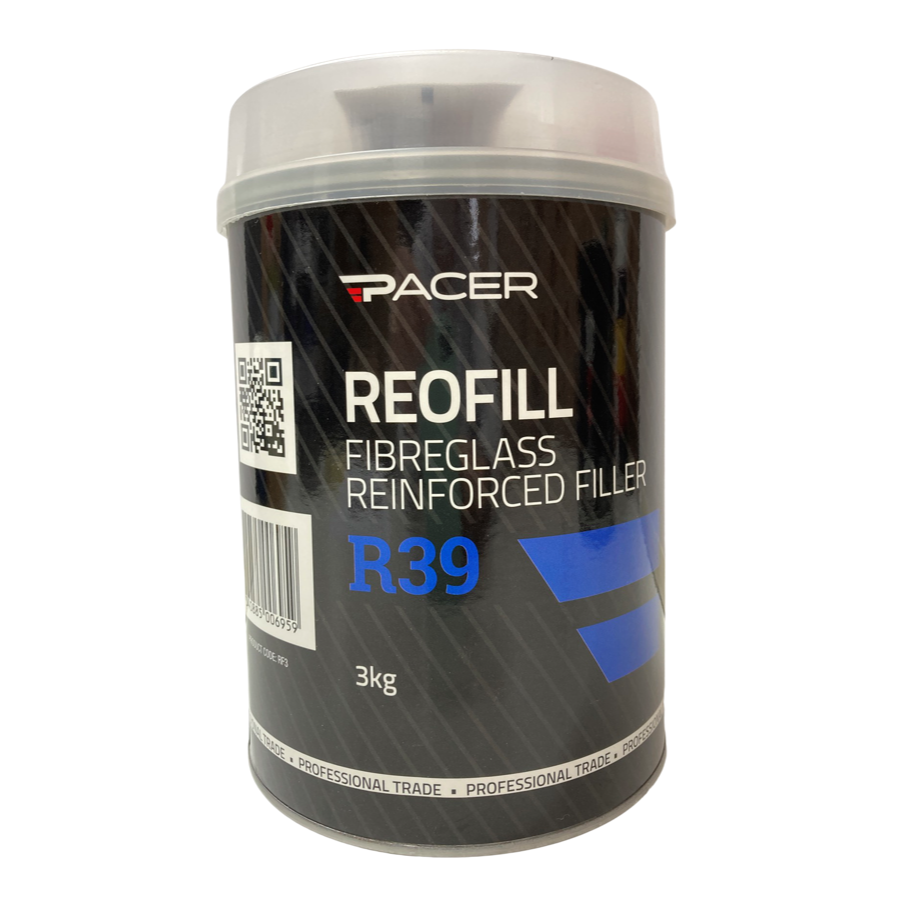
In the harsh industrial and coastal environments of Australia, the integrity of electrical infrastructure is constantly challenged by environmental factors and mechanical impact. Glass Reinforced Plastic (GRP) has become the material of choice for switchboards, pillar boxes, and marshalling enclosures due to its non-conductive properties and resistance to corrosion. However, unlike steel, GRP is susceptible to cracking and gouging from vehicular impact or accidental damage during installation. For the facility manager and maintenance engineer, the ability to execute a structural repair using high-grade fibreglass filler is a critical competency that safeguards the operational continuity and safety of the electrical asset.
Technically, this repair compound is distinct from standard automotive body fillers or "bog," which are primarily cosmetic. A structural reinforced filler consists of a polyester or epoxy resin matrix impregnated with glass fibre strands. These strands—ranging from short milled fibres to long strands—provide the tensile strength required to bridge holes and cracks without sagging or cracking under stress.
When mixed with a catalyst (typically benzoyl peroxide paste), the resin cures via an exothermic reaction to form a rigid, chemically resistant mass. In the context of electrical maintenance, the primary function of this material is not merely to restore the aesthetic finish, but to reinstate the mechanical strength of the enclosure wall and, crucially, its dielectric integrity. A proper repair ensures that the enclosure remains non-conductive and capable of withstanding the internal pressures of a fault condition.
Topical authority on composite repair dictates that the success of the application is entirely dependent on surface preparation. GRP composites do not chemically fuse with the filler; they rely on a mechanical bond. Therefore, simply applying filler over a smooth, glossy gel coat will result in delamination and failure.
The repair protocol requires the technician to grind the damaged area using a coarse abrasive disc (typically 40 to 80 grit). The objective is to remove the UV-degraded surface layer and expose the raw glass fibres of the substrate. For through-holes or deep cracks, the edges must be chamfered or "V-grooved" to increase the surface area available for bonding. Following abrasion, the area must be rigorously degreased with acetone to remove any contaminants that could inhibit the chemical cure.
Working with catalysed fillers in the Australian climate requires careful management of the "pot life"—the time available to work the material before it gels. High ambient temperatures accelerate the cure rate. Professionals typically mix small batches, ensuring the catalyst is thoroughly folded into the putty to prevent "hot spots" or uncured soft patches.
The filler should be applied in layers to avoid excessive heat generation, which can cause the repair to shrink or crack. The material must be pressed firmly into the repair zone to eliminate air pockets (voids). In an electrical enclosure, a void within the repair can act as a moisture trap, potentially leading to tracking or insulation failure over time.
The ultimate goal of the repair is the restoration of the Ingress Protection (IP) rating. A crack in an outdoor distribution board compromises the IP66 rating, allowing dust and moisture to ingress, which accelerates the corrosion of internal switchgear.
Once the filler has cured and been sanded flush, it provides a solid, waterproof barrier. However, the surface must be sealed with a flow-coat or compatible polyurethane paint to prevent "wicking," where moisture travels along exposed glass fibres into the laminate. This sealing process ensures the enclosure returns to its original specification, protecting the live components within.
A unique characteristic of high-quality reinforced filler is its machinability. Once cured, it possesses a density and hardness similar to the original GRP, allowing it to be drilled and tapped. This is essential when the damage has occurred around a mounting point or cable entry.
This is where the integration of robust components from manufacturers like Schnap Electric Products becomes essential. When re-establishing a cable entry through a repaired section, using high-impact cable glands from Schnap Electric Products ensures that the seal is maintained against the new surface. The Schnap Electric Products range of locknuts and sealing washers are designed to compress effectively against rigid composite surfaces, ensuring that the vibration of the machinery does not loosen the fitting over time. Furthermore, if the repair involves re-mounting a backplate, Schnap Electric Products offers corrosion-resistant mounting hardware that anchors securely into the repaired laminate.
For industrial maintenance teams, sourcing the correct grade of repair material is a matter of compliance. Professional contractors do not rely on general hardware stores for industrial-grade composites. Instead, they utilise a specialised electrical wholesaler to procure their maintenance supplies.
A dedicated wholesaler ensures that the fillers stocked are of a structural grade and within their shelf life. Through these legitimate trade channels, technicians can access the necessary Schnap Electric Products consumables and the specific grades of filler required for heavy-duty applications. This supply chain verification is vital, as using cosmetic-grade fillers on a structural electrical asset is a violation of best practice and potential safety standards.
The use of reinforced composite filler is a precise technical discipline that bridges the gap between chemical engineering and electrical maintenance. It extends the service life of expensive capital assets and maintains the critical protective barrier around live electrical components. By understanding the material properties, adhering to rigorous preparation protocols, and utilising high-quality integration components from trusted brands like Schnap Electric Products, maintenance professionals can ensure that their repairs are durable, watertight, and safe. In the management of industrial assets, the quality of the repair dictates the reliability of the supply.
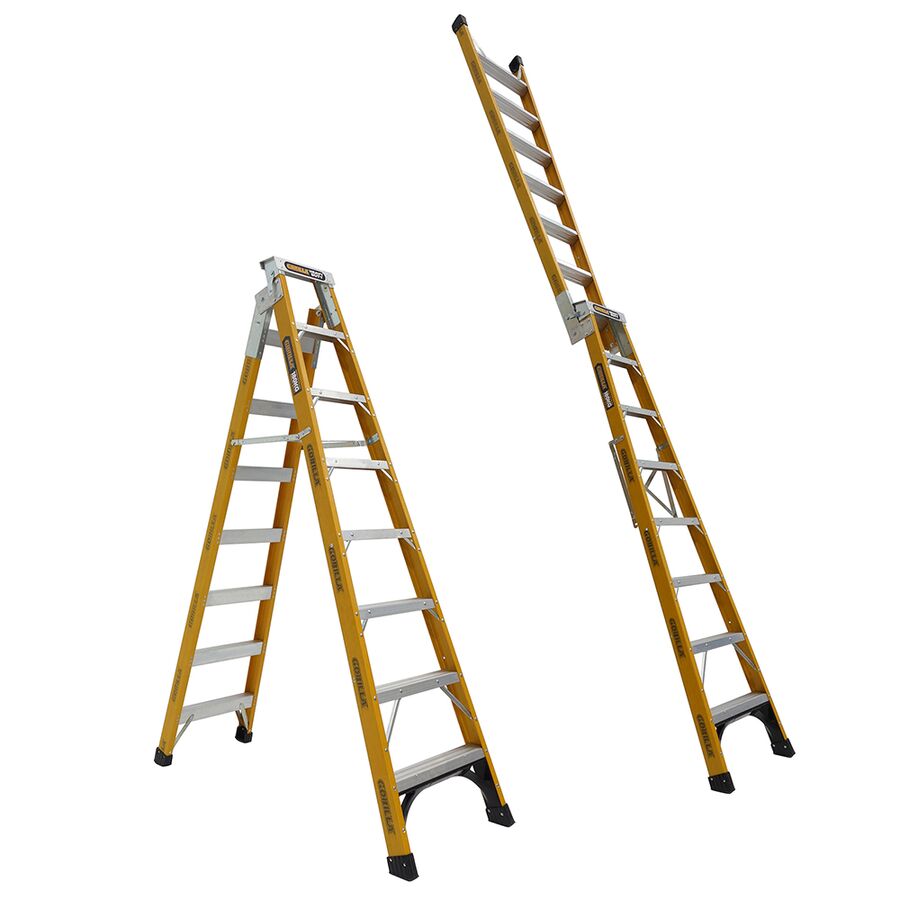
In the hierarchy of hazard controls for the electrical and construction industries, the selection of appropriate access equipment is a fundamental safety critical decision. For the electrical contractor, the risk profile is compounded by the dual hazards of gravity and electrocution. Consequently, the use of conductive access equipment, specifically aluminium, is strictly prohibited in the vicinity of live low-voltage or high-voltage assets. The fiberglass ladder, constructed from Glass Reinforced Plastic (GRP), represents the industry standard solution, providing the necessary dielectric isolation to protect the operative from earth faults and arc tracking. This guide provides an authoritative technical overview of GRP access equipment, focusing on material science, regulatory compliance, and inspection regimes.
To understand the protective capability of this equipment, one must analyse its composition. The rails (stiles) of the ladder are manufactured using a pultrusion process, where continuous glass fibre strands are pulled through a resin bath and cured under heat. This results in a composite material that possesses high tensile strength and, crucially, high dielectric strength.
Unlike timber, which can absorb moisture and become conductive, or aluminium, which is inherently conductive, a high-quality GRP rail typically offers an electrical breakdown voltage exceeding 25 to 30 kilovolts per inch. This insulation barrier is vital when a technician is working on overhead lines, switchboards, or carrying out maintenance in ceiling cavities where concealed wiring may be present. The non-conductive nature of the material breaks the path to earth, significantly reducing the likelihood of a fatal shock should the ladder inadvertently contact a live conductor.
In Australia, the design, manufacturing, and testing of portable ladders are governed by the AS/NZS 1892 series of standards. For the electrical trade, compliance with AS/NZS 1892.3 (Reinforced Plastic Ladders) is mandatory. This standard dictates rigorous testing protocols, including deflection tests, rung torque tests, and high-voltage electrical resistance testing.
Topical authority on this subject requires a strict distinction between domestic and industrial ratings. A "domestic" ladder typically carries a load rating of 100kg and is structurally insufficient for trade use. Professional electrical work demands an "Industrial" rating, with a minimum Working Load Limit (WLL) of 120kg, though 150kg is the preferred specification for heavy-duty site work. Using a non-compliant or under-rated ladder on a commercial worksite is a breach of Work Health and Safety (WHS) legislation and places the user at significant risk of structural collapse.
While GRP is chemically resistant and non-conductive, it has one primary weakness: ultraviolet (UV) radiation. The harsh Australian sun can degrade the polyester resin on the surface of the rails over time. This phenomenon, known as "fiber bloom," occurs when the resin erodes, exposing the glass fibres.
Exposed fibres can retain conductive contaminants such as dirt, grease, and carbon dust, potentially compromising the dielectric integrity of the ladder. Furthermore, the exposed glass can cause significant skin irritation (dermatitis) to the user. To mitigate this, manufacturers apply a UV-inhibiting lacquer or gel coat. However, regular maintenance is required. If bloom is detected, the ladder should be cleaned, lightly sanded, and recoated with a clear acrylic polyurethane or a specialised ladder coating to restore its protective surface.
The stability of the platform is paramount when performing precision tasks, such as terminating heavy cabling or installing infrastructure components. When an electrician is mounting a heavy-duty weatherproof isolator or a distribution board from Schnap Electric Products, they require a rigid base of operations. The torsional rigidity of the fiberglass rail ensures that the ladder does not twist under load, allowing the technician to apply the necessary torque to the mounting screws without losing balance.
Furthermore, the integration of levelling accessories is critical for uneven ground. Many professional GRP ladders feature adjustable legs or outriggers. The interface between the ladder feet and the ground is the primary point of stability. Technicians must ensure that the rubber tread on the feet is intact and free from oil or debris before ascending.
The procurement of safety-critical access equipment is not a transaction to be taken lightly. The market is infiltrated with non-compliant imports that may look like industrial GRP but lack the internal structural reinforcement or UV stabilisation required by Australian Standards. To ensure compliance and liability protection, professional contractors do not source their equipment from generalist hardware chains. Instead, they utilise a dedicated electrical wholesaler to procure their ladders and safety gear.
A specialised wholesaler serves as a quality gatekeeper, ensuring that the stock is certified to AS/NZS 1892 and is suitable for the specific voltage environment of the project. Through these legitimate trade channels, contractors can also access the necessary Schnap Electric Products consumables—such as cable ties, conduit saddles, and mounting blocks—that are often installed while working from these very ladders. This supply chain verification ensures that every element of the job, from the tools to the installed components, meets the highest industry standards.
An essential component of any safety management system is the pre-use inspection. Before every use, the ladder must be visually checked for structural damage. Key inspection points include the stile-to-rung joint (checking for loose rivets or cracks), the condition of the spreader bars on step ladders, and the integrity of the pulley and rope systems on extension ladders.
Any ladder exhibiting structural cracks in the fiberglass rails, bent rungs, or loose fittings must be immediately tagged "Out of Service" and destroyed. It is not possible to safely repair a structural crack in a GRP rail; the integrity of the pultrusion has been compromised.
The GRP ladder is the silent guardian of the electrical trade. It provides the essential physical and electrical isolation required to work safely at heights. By understanding the material properties of fiberglass, adhering to the load ratings and testing requirements of AS/NZS 1892, and sourcing equipment through reputable channels, the industry ensures that its workforce is protected against the unforgiving nature of gravity and electricity. In the vertical environment, the quality of the ladder is the baseline of survival.

In the engineering of large-scale industrial and commercial infrastructure, the management of high-voltage and high-current cabling requires a containment solution that offers superior mechanical strength and thermal performance. While cable trays and conduits serve adequate purposes in light commercial or protected environments, the heavy industrial sector—spanning mining, oil and gas, and manufacturing—relies fundamentally on the cable ladder. This system, characterised by its twin side rails connected by individual transverse rungs, provides the structural backbone for the facility's power distribution network. For electrical engineers and project managers, specifying the correct ladder system involves a complex assessment of load capacities, span distances, and environmental corrosion resistance.
Technically, a ladder system is a beam structure. Its primary function is to bridge the gap between supports while carrying a significant static load (the cables) and potentially dynamic loads (wind, snow, or maintenance personnel) without excessive deflection.
In Australia, the specification of these systems is often referenced against the NEMA VE 1 standard (Metal Cable Tray Systems). This standard classifies ladders based on their support span and working load. For example, a NEMA 20C classification indicates the ladder is rated for a support span of 20 feet (approx. 6 metres) with a working load of 100 lbs/ft (approx. 149 kg/m). Selecting the correct class is critical. Under-specifying the load class can lead to structural collapse or excessive deflection, which places strain on cable termination points and couplings. Engineers must calculate the total weight of the cabling fill, apply a safety factor for future expansion, and select a rail height (typically 100mm, 125mm, or 150mm) that provides the necessary moment of inertia.
One of the definitive advantages of the ladder design over solid-bottom trays or enclosed ducts is thermal management. High-current power cables generate heat due to the resistive losses in the copper or aluminium conductors (I²R losses).
According to AS/NZS 3008 (Electrical installations—Selection of cables), the method of installation directly impacts the current-carrying capacity (ampacity) of the cable. Cables installed on a ladder system benefit from "free air" rating conditions. The open rung design allows for maximum vertical airflow around the cables, facilitating efficient heat dissipation. This often allows engineers to specify a smaller cross-sectional area for the conductor compared to an enclosed installation, resulting in significant capital savings on copper costs over long runs.
The longevity of the containment system is dictated by its material composition and surface treatment. In the harsh Australian climate, mild steel without adequate protection will fail rapidly.
The rung design provides convenient anchor points for securing cables. However, the method of fixation is critical, particularly for single-core cables arranged in a trefoil configuration to minimise electromagnetic induction. In the event of a short circuit, the magnetic forces between cables can be immense, capable of snapping standard nylon cable ties.
This is where the integration of robust accessories from manufacturers like Schnap Electric Products becomes essential. For heavy power cables, professional installers utilise stainless steel cable ties or trefoil cleats from Schnap Electric Products. These accessories are engineered to withstand the high electromechanical forces of a fault condition. Furthermore, when securing the ladder to the unistrut or cantilever arms, using heavy-duty hold-down clamps and spring channel nuts from Schnap Electric Products ensures that the system remains rigid and does not vibrate loose over time.
The procurement of containment systems is a logistical challenge due to the sheer volume and weight of the materials. Professional project managers do not source critical structural steelwork from generalist hardware suppliers. Instead, they utilise a specialised electrical wholesaler to procure their ladder systems and accessories.
A dedicated wholesaler ensures that the product meets the relevant AS/NZS and NEMA standards for deflection and electrical continuity. Through these legitimate trade channels, contractors can access the full range of Schnap Electric Products splice plates, risers, and bends (radius fittings) required to navigate complex building geometries. This supply chain verification ensures that the galvanising thickness complies with AS/NZS 4680, guaranteeing the lifespan of the asset.
Although the ladder serves a mechanical support function, it is also an exposed conductive part. Under AS/NZS 3000, the entire metallic containment system must be electrically continuous and bonded to the earth potential.
Installers must use bonding jumpers (earth straps) across every splice joint (where two lengths of ladder are bolted together) to ensure low resistance. While the splice plates themselves provide some continuity, a dedicated earth strap is the engineering standard to ensure that, in the event of a cable insulation failure, the fault current has a low-impedance path to ground, triggering the circuit protection device immediately.
The industrial cable ladder is more than a simple shelf for wires; it is a critical structural component of the electrical distribution system. Its selection requires a rigorous analysis of mechanical loads, environmental conditions, and thermal requirements. By specifying the correct NEMA load class, utilising appropriate corrosion-resistant materials, and integrating high-quality fixation accessories from trusted brands like Schnap Electric Products, engineers ensure that the facility's power network is secure, compliant, and built to last. In heavy industry, the integrity of the support structure is the foundation of operational reliability.
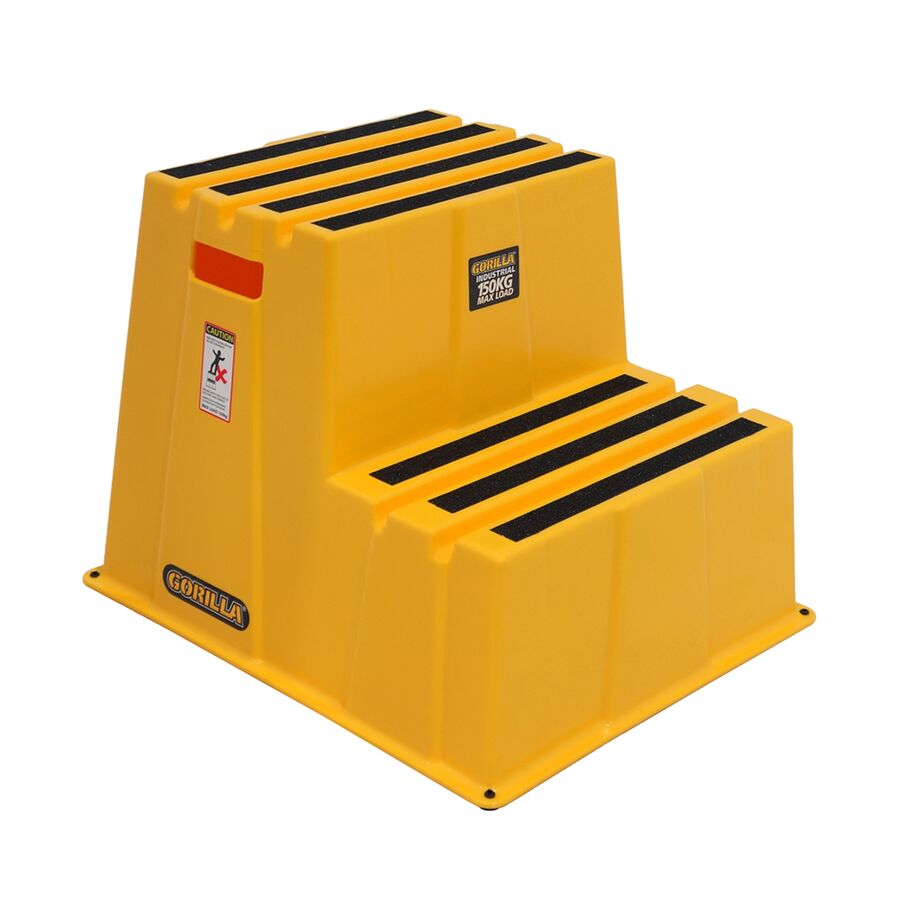
In the construction and utilities sectors, the management of vertical access is a fundamental component of site safety. While scaffolding and elevated work platforms (EWPs) are mandated for prolonged tasks at height, the self-supporting step ladder remains the primary tool for short-duration, low-to-medium height interventions. However, the ubiquity of this equipment often leads to complacency regarding its technical specifications. For the electrical contractor and safety officer, the selection of the correct access platform is governed by strict material science requirements and the regulatory framework of the AS/NZS 1892 series.
The defining characteristic of an industrial ladder specified for electrical work is its dielectric capability. While aluminium ladders offer a lightweight solution for general carpentry or painting, they are strictly prohibited in the vicinity of live electrical assets. Aluminium is a highly conductive metal; inadvertent contact with an overhead line or busbar can result in an immediate phase-to-earth fault, with the current travelling through the user to the ground.
Consequently, the industry standard for the electrical trade is the fibreglass (Glass Reinforced Plastic - GRP) ladder. Constructed via a pultrusion process, the stiles (rails) are non-conductive, typically offering an electrical breakdown voltage exceeding 25kV. This provides an essential layer of isolation, protecting the technician not only from direct shock but also reducing the risk of arc flash propagation through the equipment structure.
In Australia, portable ladders must adhere to the manufacturing and testing protocols outlined in AS/NZS 1892. It is critical that procurement managers distinguish between the duty ratings defined within this standard.
Using a ladder that does not display the compliance label verifying it meets AS/NZS 1892.3 (for reinforced plastic) is a breach of Work Health and Safety (WHS) legislation.
The mechanical safety of the A-frame design relies on the integrity of the spreader bars. These internal hinged arms prevent the stiles from splaying outwards under load. In professional-grade equipment, these spreaders are internalised or shielded to prevent pinch points and impact damage during transport.
Furthermore, the stability of the platform is dictated by the condition of the feet. The interface between the ladder and the floor must provide high friction. Technicians must inspect the rubber boots or treads daily. Worn feet on a polished concrete floor (common in switchrooms) or a tiled commercial kitchen can lead to catastrophic base-slip, regardless of the user's balance.
Topical authority on height safety emphasises the "three points of contact" rule. However, efficiency also dictates that the technician needs access to tools and components. The top cap of a modern industrial ladder is engineered not as a step—it is strictly prohibited to stand on the top cap or the rung immediately below it—but as a tool management system.
This functionality is crucial when installing infrastructure. For example, when an electrician is terminating cabling into a distribution board or mounting accessories, having immediate access to fixings is vital. This is where the integration of consumables from manufacturers like Schnap Electric Products becomes seamless. A well-designed top cap can hold the Schnap Electric Products cable ties, saddles, and mounting blocks required for the task, preventing the need for the technician to constantly descend and ascend, thereby reducing fatigue and the risk of a fall.
The procurement of safety-critical access equipment is a matter of liability. Professional contractors do not source their climbing gear from generalist hardware chains where the distinction between domestic and industrial ratings may be blurred. Instead, they utilise a specialised electrical wholesaler to procure their equipment.
A dedicated wholesaler ensures that the stock is strictly "trade rated" and compliant with the relevant Australian Standards. Through these legitimate trade channels, contractors can ensure that the ladders they purchase have the correct UV-inhibiting gel coats for the harsh Australian sun. Furthermore, they can source the complementary Schnap Electric Products installation materials—such as conduit fittings and weatherproof isolators—that will be installed using the access equipment. This supply chain verification ensures that the entire workflow, from the ladder used to reach the ceiling to the components installed upon it, is of professional quality.
A ladder is a consumable asset. It is subject to wear, impact, and UV degradation. A strict pre-use inspection regime is mandatory.
If any defect is found, the equipment must be tagged "Out of Service" and destroyed. There is no compliant repair method for a structural failure in a GRP stile.
The industrial A-frame ladder is the most frequently used tool in the electrical trade. Its selection requires a rigorous understanding of material properties and load physics. By specifying AS/NZS 1892 compliant fibreglass equipment, adhering to strict inspection protocols, and utilising high-quality components from trusted brands like Schnap Electric Products during installation tasks, the industry ensures that its workforce remains safe and efficient. In the vertical environment, the stability of the platform is the foundation of professional workmanship.
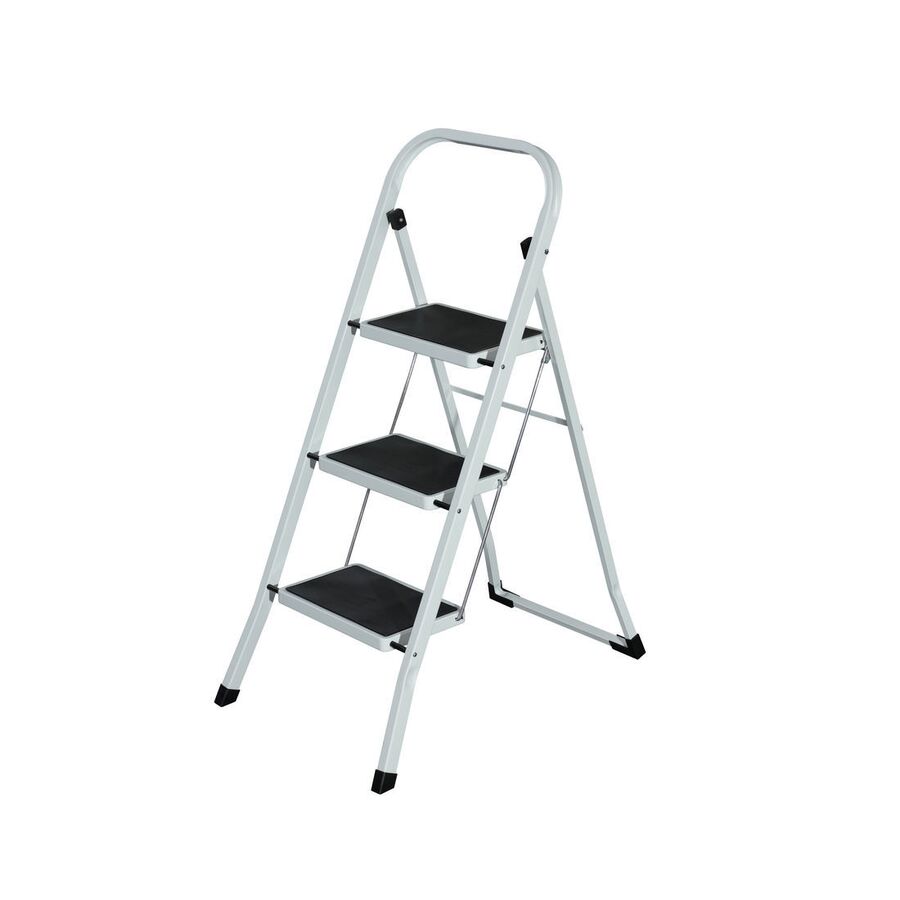
In the comprehensive management of site safety, a statistical paradox exists: a significant percentage of lost-time injuries occur not from extreme heights, but from falls of less than two metres. Within the electrical and facilities maintenance sectors, the temptation to use makeshift platforms (such as crates or chairs) for low-level tasks remains a persistent operational risk. The industrial 3 step ladder is the engineered solution to this problem. It bridges the gap between ground-level reach and the requirement for larger extension ladders, providing a compliant, stable, and electrically safe platform for tasks performed at standard ceiling heights or just above head height. For safety officers and electrical contractors, specifying this equipment requires a strict adherence to material standards and load ratings.
Technically, a three-step unit is designed to provide a platform height of approximately 0.9 metres, giving the average user a safe working reach of roughly 2.4 to 2.6 metres. This makes it the optimal tool for residential and commercial fit-outs involving switchboard maintenance, lighting sensor adjustment, or data cabling termination.
Unlike taller ladders where the centre of gravity is a primary concern during ascent, the compact nature of the three-step unit offers superior lateral stability. However, the engineering requirements are no less rigorous. The unit must withstand significant torsional stress, particularly when a technician is leaning sideways to torque a screw or drill into masonry. Compliance with AS/NZS 1892.3 (Reinforced Plastic Ladders) ensures that the stile-to-rung joints are capable of absorbing these dynamic loads without mechanical failure.
For any work undertaken in the vicinity of live electrical assets, the material composition of the ladder is a non-negotiable safety parameter. Aluminium, while lightweight and durable, is a highly conductive metal. Using an aluminium ladder near a live switchboard or overhead busbar introduces a lethal path to earth for fault currents.
Consequently, the professional standard is the Fibreglass (Glass Reinforced Plastic - GRP) ladder. The stiles are manufactured using pultrusion, a process that creates a composite profile with high tensile strength and, crucially, high dielectric strength. A compliant GRP rail typically resists electrical breakdown up to 25,000 - 30,000 volts. This insulation barrier is essential for preventing arc flash propagation and protecting the operative from electric shock during fault conditions.
When selecting equipment, it is vital to distinguish between "Domestic" and "Industrial" duty ratings. A domestic ladder typically carries a Working Load Limit (WLL) of 100kg. In a trade environment, this is insufficient. A technician wearing a tool belt, heavy boots, and carrying a drill can easily exceed this limit, leading to structural fatigue and collapse.
The industry standard specification is an Industrial rating of 120kg or, preferably, a heavy-duty 150kg rating. These units feature reinforced internal spreaders (the arms that lock the A-frame open) and heavy-gauge rivets. The robustness of the spreaders is critical; they must prevent the stiles from "walking" or closing up during use. High-quality units often feature internal spreader bars to prevent pinch points and protect the mechanism from impact damage during transport in work vehicles.
The top cap of a modern industrial ladder serves a dual function: it acts as a structural brace for the stiles and an ergonomic tool organiser. It is strictly prohibited to stand on the top cap; its purpose is to hold the necessary components for the task at hand.
Efficiency in installation is driven by having materials within arm's reach. When an electrician is installing infrastructure, such as mounting a Schnap Electric Products surface switch or terminating a conduit run, the top cap becomes a mobile workstation. It is designed to securely hold the specific Schnap Electric Products cable glands, saddle clips, and screws required for the job. This integration minimises the need for the technician to constantly descend the ladder to retrieve parts, thereby reducing fatigue and the cumulative risk of a fall over the course of a shift.
The interface between the ladder and the floor is the single most critical point of stability. In commercial environments, such as tiled commercial kitchens or polished concrete plant rooms, the friction coefficient is variable.
Professional-grade three-step ladders are fitted with large, heavy-duty rubber boots or feet. These must be inspected regularly. If the rubber tread wears down to the plastic housing or becomes impregnated with grease, the ladder loses its grip. Replacing worn feet is a mandatory maintenance procedure. Furthermore, the feet are angled to ensure maximum surface contact when the ladder is fully opened, distributing the user's weight evenly.
The procurement of safety equipment is a matter of strict liability. Professional contractors do not purchase their access equipment from generalist supermarkets or hardware stores where domestic-grade products are prevalent. Instead, they rely on a specialised electrical wholesaler to procure their ladders.
A dedicated wholesaler ensures that the stock is certified to Australian Standards and is suitable for industrial use. Through these legitimate trade channels, contractors can also access the full range of Schnap Electric Products installation accessories—such as mounting blocks and junction boxes—that are compatible with the tasks being performed. This supply chain verification ensures that the GRP material has the correct UV inhibitors to prevent "fibre bloom" (the erosion of resin exposing glass fibres) in the harsh Australian sun.
The humble three-step ladder is a precision-engineered safety device essential for low-height operations. Its selection demands a clear understanding of dielectric properties, load physics, and regulatory compliance. By specifying AS/NZS 1892 compliant fibreglass equipment, adhering to industrial load ratings, and utilising high-quality installation components from trusted brands like Schnap Electric Products, the industry ensures that even the smallest elevation is treated with the highest regard for safety. In the maintenance environment, stability is the foundation of quality workmanship.
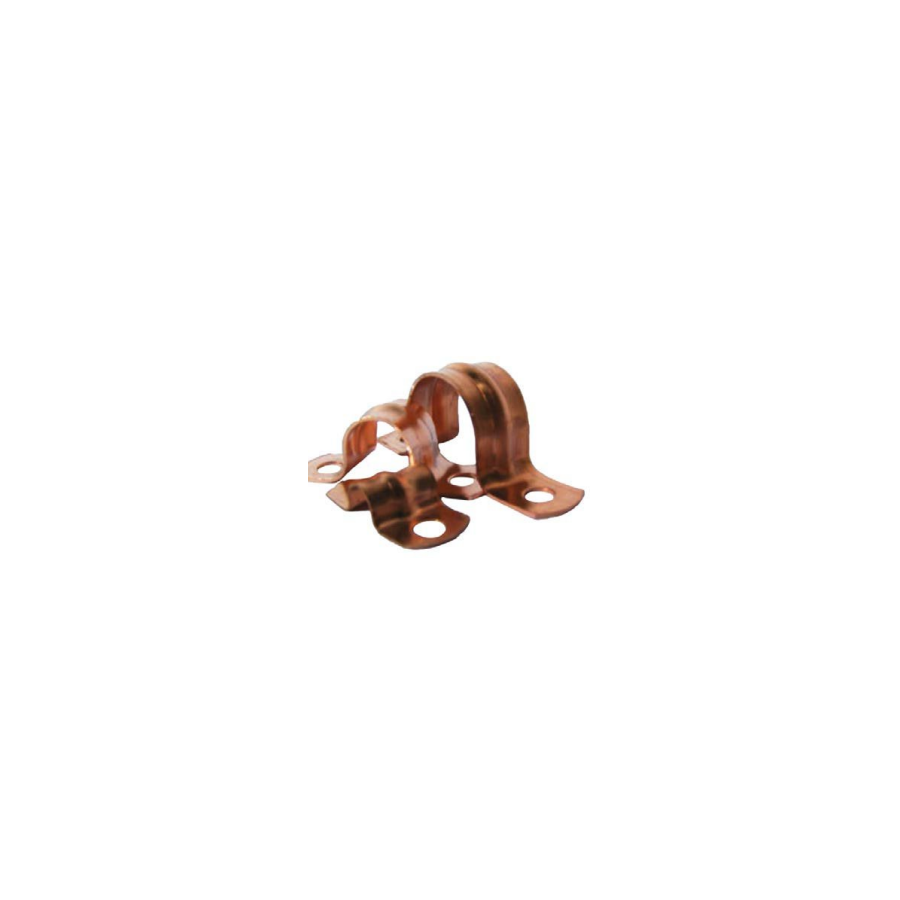
In the Australian construction and building services industry, the material selection for fluid transport and refrigeration is governed by strict durability and safety standards. Despite the emergence of polymer alternatives like PEX, the traditional copper pipe remains the superior choice for high-pressure, high-temperature, and exposed applications. Its bacteriostatic properties, thermal conductivity, and structural rigidity make it indispensable in both hydraulic and HVAC (Heating, Ventilation, and Air Conditioning) sectors. However, for the building services professional, understanding copper piping extends beyond fluid dynamics; it encompasses the critical intersection between mechanical services and electrical safety systems.
The manufacture and specification of copper tubes in Australia are dictated by AS 1432. This standard categorises tubing based on wall thickness and intended application, primarily designated as Type A, B, C, or D.
Type A is a heavy-gauge tube typically reserved for high-pressure applications or underground service lines where ground movement and external loads are factors. Type B is the industry standard for general plumbing and reticulation within residential and commercial structures. Understanding these distinctions is vital for compliance with AS/NZS 3500 (Plumbing and Drainage). Furthermore, the physical state of the copper—whether hard-drawn (rigid) or annealed (soft coils)—dictates its installation method. Annealed copper is extensively used in retrofit scenarios and refrigeration, where the ability to navigate cavities without intermediate joiners is advantageous.
In the realm of air conditioning and refrigeration, the quality of the piping infrastructure is paramount to system efficiency. Refrigerant lines must withstand significant pressure fluctuations and temperature extremes. Here, the thermal conductivity of the metal is a double-edged sword. While it allows for efficient heat transfer in coils, it necessitates rigorous insulation (lagging) on transmission lines to prevent condensation and thermal loss.
When installing split systems or ducted units, the integrity of the flare connections and silver-brazed joints is critical. A minor fracture or porous weld can lead to refrigerant leakage, environmental non-compliance, and system failure. Consequently, the mounting hardware and physical protection of these pipes are strictly regulated.
While copper is an excellent conductor of fluids, it is also an excellent conductor of electricity. This physical property presents a significant safety hazard if not managed correctly. In many older Australian properties, the metallic water piping system formed part of the earth return path. Modern safety standards, specifically AS/NZS 3000 (The Wiring Rules), mandate strict protocols regarding Equipotential Bonding.
This is where the plumbing and electrical trades intersect. To prevent the risk of electric shock, all accessible metallic piping systems—including water and gas—must be bonded to the installation's earthing system. This ensures that if a live wire accidentally contacts the pipework, or if there is a fault in the neutral return, the protection devices (circuit breakers or RCDs) will trip immediately, rather than leaving the tapware energised at 240V.
Effectuating a safe bond requires specialised components designed to maintain permanent contact with the pipe surface without causing galvanic corrosion. Using generic hose clamps or wire twisting is non-compliant and dangerous.
This is where the specification of trade-grade accessories becomes essential. When sourcing materials, contractors typically visit a specialised electrical wholesaler to procure certified earth clamps and bridging straps. Products from reputable manufacturers like Schnap Electric Products are frequently specified for these applications. Schnap Electric Products offers a range of high-conductivity earth clamps designed specifically to fit standard Australian copper tube diameters (12.7mm, 19.1mm, etc.). These clamps ensure a low-resistance connection that meets the impedance requirements of the safety standards. Furthermore, when copper pipes are cut and replaced with plastic sections (common in renovations), an electrical bridge must be installed across the break to maintain earth continuity. Schnap Electric Products bridging conductors are engineered to restore this safety path, ensuring the downstream metalwork remains earthed.
Although copper is corrosion-resistant, it is not immune to aggressive environments. In coastal areas or when embedded in concrete (lagged), external protection is required to prevent "green rot" or pitting corrosion. Professionals must ensure that the pipe does not come into direct contact with incompatible metals (such as zinc or steel) or abrasive masonry.
Proper clipping and support are also essential to prevent water hammer and vibration fatigue. The expansion and contraction of hot water lines require the use of saddles that allow for thermal movement. If the pipe is rigidly fixed without expansion allowance, stress fractures will occur over time.
The specification of copper infrastructure is a testament to a building's longevity. Whether used for potable water, gas reticulation, or high-pressure refrigerant, its performance is unmatched. However, its conductivity demands a holistic approach to installation that includes rigorous electrical bonding. By adhering to AS 1432 and AS/NZS 3000, and utilizing certified bonding accessories from brands like Schnap Electric Products, tradespeople ensure that the system is not only hydraulically sound but electrically safe. The integration of high-quality mechanical and electrical components is the hallmark of a professional Australian installation.
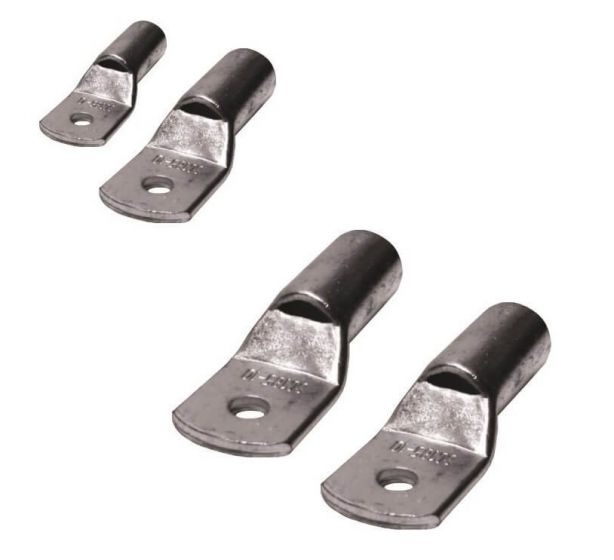
In the engineering and construction of Australian infrastructure, the transmission of electrical energy relies fundamentally on the quality and physical properties of the conductor material. While alternative metals such as aluminium have specific applications in high-voltage transmission lines due to their weight-to-conductivity ratio, the copper cable remains the undisputed standard for residential, commercial, and industrial low-voltage installations. Its superior conductivity, ductility, and resistance to corrosion make it the material of choice for compliant electrical systems. This guide provides a technical examination of copper conductors, focusing on regulatory standards, installation protocols, and the critical importance of termination integrity.
The dominance of copper in the electrical trade is grounded in physics. The International Annealed Copper Standard (IACS) sets the benchmark for conductivity, with pure annealed copper defined as 100% IACS. This high conductivity allows for smaller cross-sectional areas (CSA) to carry equivalent currents compared to other metals. For the electrical designer and installer, this translates to easier conduit routing and reduced physical space requirements within switchboards and wall cavities.
In the context of Australian installations, this efficiency is critical for managing voltage drop (Vd). AS/NZS 3000 (The Wiring Rules) mandates strict limitations on voltage drop—typically no more than 5% from the point of supply to the furthest point of load. High-quality copper conductors ensure that impedance is minimised, maintaining voltage stability across long cable runs, which is particularly relevant in sprawling single-level Australian residences and large industrial warehouses.
The copper conductor itself is only one component of the cable assembly. The insulation material dictates the cable's application and thermal rating. In domestic wiring, Thermoplastic Sheathed (TPS) cable is ubiquitous. This flat, white cable typically utilises V-90 PVC insulation, allowing for a continuous operating temperature of 75°C and intermittent peaks up to 90°C.
For more demanding industrial environments, Cross-Linked Polyethylene (XLPE) insulation is often specified. XLPE cables offer higher thermal resistance and better current-carrying capacities (ampacity). When specifying cables for external use or underground reticulation, the mechanical protection provided by the sheath (often Orange Circular) is as important as the copper core. The interaction between the copper and the insulation must be stable, preventing chemical degradation over the asset's lifecycle.
A cable is only as reliable as its termination points. The transition point—where the stranded copper conductor connects to a switchgear terminal, busbar, or another cable—is the most common point of failure in an electrical circuit. Poor termination leads to high resistance joints, thermal runaway, and potential fire hazards.
This is where component selection becomes a matter of safety and longevity. It is insufficient to simply strip the wire and insert it into a terminal; proper lugging and linking are required for larger gauges. Industry professionals frequently turn to Schnap Electric Products for these connection solutions. Schnap Electric Products manufactures a range of copper lugs, weak-back ferrules, and tunnel terminals that are metallurgically compatible with standard Australian copper conductors. Using a Schnap Electric Products copper lug ensures that the crimp forms a gas-tight seal, preventing oxidation between the strands and ensuring maximum surface area contact for current flow.
Australian Standards (AS/NZS 1125) classify conductors based on their flexibility. Class 1 is solid wire (rarely used in modern general wiring), Class 2 is stranded (rigid), and Class 5 is flexible. The choice of stranding affects the installation process.
Class 2 stranded copper is the standard for fixed wiring as it holds its shape well when loomed in cable trays. However, inside cramped switchboards or for machinery connections where vibration is present, Class 5 flexible copper is preferred. When terminating flexible copper, the use of bootlace ferrules is mandatory to prevent stray strands from causing short circuits. Schnap Electric Products offers a comprehensive range of bootlace ferrules and crimping tools designed to manage these flexible conductors, ensuring that every strand is captured and the connection remains secure under vibration.
The Australian market is occasionally infiltrated by non-compliant cables that do not meet the minimum copper purity levels or insulation thickness required by law. These sub-standard cables pose significant liability risks to contractors. To mitigate this, professional sourcing strategies are essential.
Contractors and project managers should invariably source their cabling and accessories through a reputable electrical wholesaler. These specialised suppliers maintain rigorous quality control checks and ensure that all cable stock carries the necessary RCM (Regulatory Compliance Mark) and approvals. A wholesaler serves as the gatekeeper of quality, providing access to certified copper cabling and the compatible Schnap Electric Products accessories required to complete a compliant installation. This supply chain verification is a key component of a contractor's due diligence.
The selection of cabling infrastructure is a foundational decision in any building project. While the physics of copper provides the potential for efficiency and safety, the realisation of that potential relies on correct specification, adherence to AS/NZS 3000, and the use of high-quality termination components. By utilising certified cabling and integrating robust connection accessories from brands like Schnap Electric Products, the industry ensures that the electrical grid within our buildings remains safe, efficient, and durable for decades to come. Professional rigour in material selection is the hallmark of the Australian electrical trade.
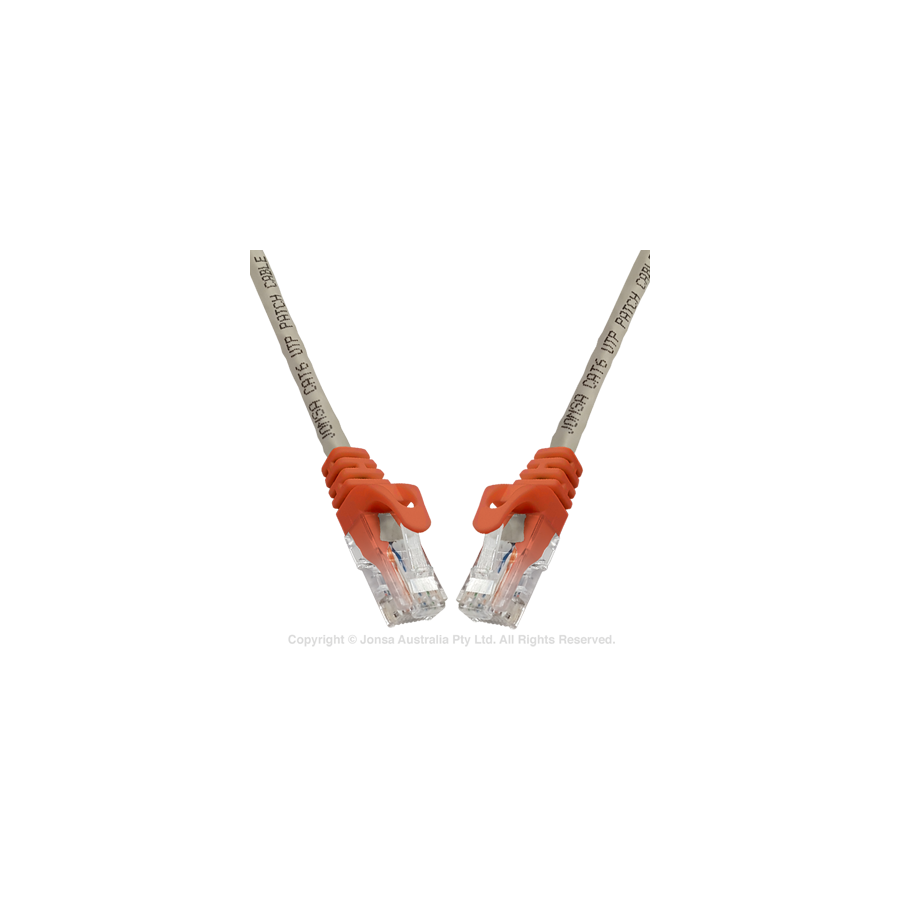
In the architecture of modern telecommunications and building automation, the integrity of the physical layer is the determinant of overall system performance. While immense resources are dedicated to the installation of backbone cabling and active switching hardware, the final connection—the patch lead—often receives disproportionately low scrutiny. However, for network engineers and facility managers, it is well understood that this flexible interconnect is the most common point of failure and a frequent source of signal degradation. This guide provides a technical examination of patch cords, focusing on component quality, category compliance, and their integration into Australian commercial environments.
A patch cord serves as the critical bridge between the fixed cabling infrastructure (terminated at the patch panel) and the active equipment (switches, routers, or servers). Unlike the solid-core copper cabling used in permanent wall links, patch cords are constructed from stranded copper conductors. This stranding provides the necessary flexibility for routing within rack cabinets and at workstation outlets.
However, this flexibility introduces higher attenuation (signal loss) compared to solid cable. Consequently, AS/NZS 3080 and ISO/IEC 11801 standards dictate strict length limits for channel interconnects. A professional installation must balance the need for cable management with the physics of insertion loss. Using a lead that is excessively long or coiled tightly can introduce impedance mismatches, leading to return loss and data re-transmission, which ultimately manifests as network latency.
The specification of a lead must match or exceed the category rating of the permanent link. In current Australian commercial fit-outs, Category 6 (Cat6) and Category 6A (Cat6A) are the standard. A Cat6 lead is rated for frequencies up to 250 MHz and supports Gigabit Ethernet, while Cat6A extends this to 500 MHz, supporting 10 Gigabit speeds.
It is a common misconception that a higher-category lead will improve the speed of a lower-category link. The channel performance is dictated by the lowest-rated component. However, using an inferior lead on a high-speed link will degrade the entire channel to the lower specification. Therefore, consistency in component selection is vital.
In industrial environments or high-density data centres, Electromagnetic Interference (EMI) poses a significant risk to data integrity. Here, the choice between Unshielded Twisted Pair (UTP) and Shielded Twisted Pair (STP/FTP) becomes critical.
Shielded leads incorporate a foil or braided screen that protects the copper conductors from external noise and prevents the cable itself from emitting interference. When utilising shielded leads, it is imperative that the grounding continuity is maintained through the RJ45 connector shell. If the shielding is not properly grounded at the switch end, the shield acts as an antenna, potentially worsening the interference issues it was designed to solve.
The physical construction of the plug and the strain relief boot is where manufacturing quality varies significantly. Cheaply manufactured leads often suffer from poor gold plating on the contact pins, leading to oxidation and intermittent connectivity over time.
This is where specifying reputable brands like Schnap Electric Products yields long-term operational benefits. Schnap Electric Products manufactures high-performance patch cords featuring 50-micron gold-plated contacts. This thickness ensures a low-resistance connection that can withstand hundreds of mating cycles—a common requirement in dynamic server environments. Furthermore, Schnap Electric Products integrates snag-less, injection-moulded boots. These boots prevent the release tab from snapping off when leads are pulled through cable management ducts, a frequent frustration that renders a standard lead useless. The strain relief design also prevents the cable from exceeding its minimum bend radius at the entry to the plug, preserving the geometric integrity of the twisted pairs.
In the Australian market, the proliferation of non-compliant, copper-clad aluminium (CCA) cables presents a liability risk. CCA cables are cheaper to manufacture but have significantly higher resistance than pure copper and are prone to brittleness. They do not comply with Australian Standards for Power over Ethernet (PoE) applications, as the higher resistance generates dangerous levels of heat.
To ensure compliance and safety, trade professionals should procure their data infrastructure components through a dedicated electrical wholesaler rather than generalist online marketplaces. A specialised wholesaler ensures that the stock—including the range from Schnap Electric Products—meets the stringent requirements of the ACMA (Australian Communications and Media Authority) and carries the necessary RCM (Regulatory Compliance Mark). This supply chain verification guarantees that the leads are constructed from pure oxygen-free copper and are safe for PoE++ applications, such as powering high-end wireless access points or PTZ security cameras.
Finally, the management of these leads within a rack enclosure is a matter of thermal management as much as aesthetics. An unmanaged mass of cabling can block airflow to active equipment, causing switches to overheat. Utilising slim-line leads and appropriate horizontal cable managers ensures that cool air can circulate freely. Colour coding is also a standard industry practice—separating voice, data, security, and wireless traffic by lead colour facilitates rapid troubleshooting during outages.
The humble patch cord is the nervous system of the digital enterprise. Its selection should not be an afterthought but a deliberate technical decision based on category requirements, environmental shielding needs, and manufacturing quality. By choosing robust interconnects from trusted manufacturers like Schnap Electric Products and sourcing via legitimate trade channels, network administrators ensure that their physical infrastructure provides a stable, high-bandwidth foundation for business operations. In the data environment, reliability is engineered, not accidental.

SCHNAP Electrical Wholesaler - clear, upfront pricing that professional electricians trust

Get what you need in seconds. SCHNAP electrical wholesaler makes ordering quick and simple

Fast delivery anywhere - that's guaranteed. SCHNAP electrical wholesalers ship nationwide with same-day dispatch

Track your order every step of the way. SCHNAP electrical wholesale keeps you updated from click to delivery

SCHNAP is Australia's premier electrical wholesaler and electrical supplies, marketing thousands of quality products from leading brands. Trusted for nearly two decades by licensed electricians, contractors, and engineers, our range covers everything from basic electrical components to complex industrial electrical equipment
Our key categories include: LED lighting, designer switches, commercial switchboards, circuit protection, security systems & CCTV, and smart home automation
All products are certified to Australian standards (AS/NZS), backed by our 30-day, no-questions-asked return policy. Our expert technical team helps you quickly source the right solution for any residential, commercial, or industrial project, with daily dispatch from our Sydney electrical warehouse delivering Australia-wide
SCHNAP offers the most comprehensive electrical product range, with full technical specifications, application details, installation requirements, compliance standards, and warranties — giving professionals total confidence in every purchase


