

Kingsgrove Branch:


Send us a photo and our team will help identify it.

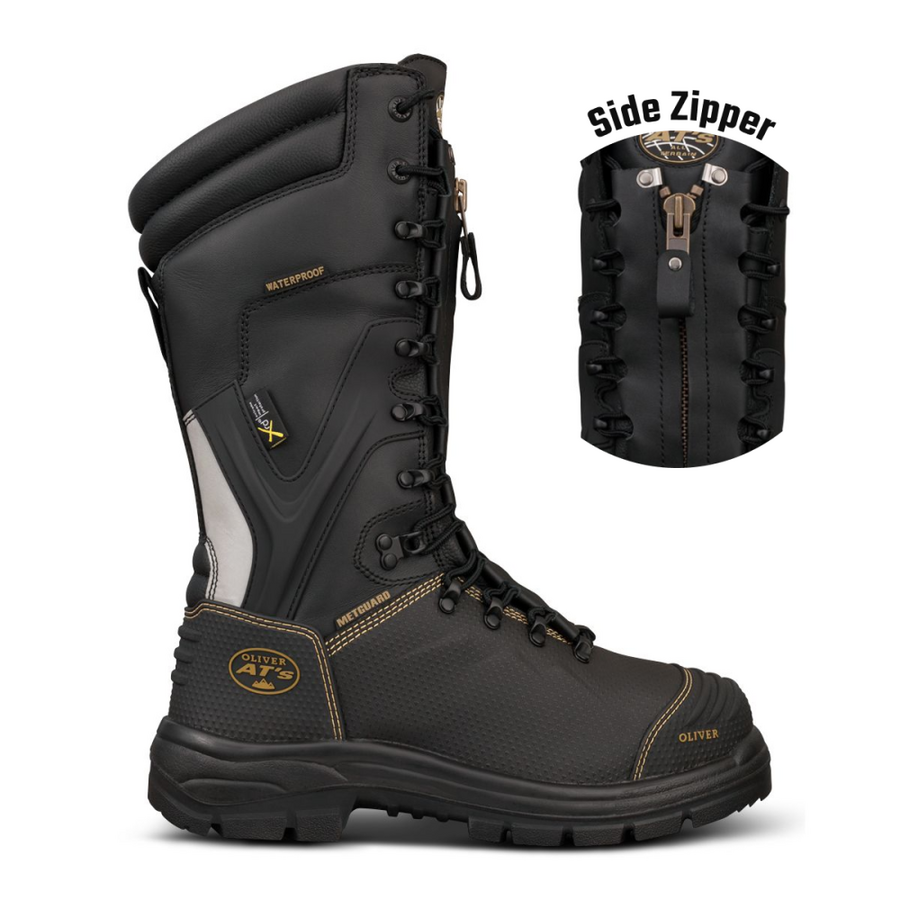
The Australian resources sector is globally renowned not just for the volume of its exports, but for the sheer harshness of its operating environment. From the iron ore giants of the Pilbara to the coal fields of the Bowen Basin and the underground gold mines of the Goldfields, the conditions are extreme. Workers face searing heat, jagged rock, corrosive chemicals, and heavy machinery every single day. in this high-stakes environment, standard safety footwear is simply not enough. This is the domain of specialised mining boots. These are not just sturdy shoes; they are highly engineered pieces of Personal Protective Equipment (PPE) designed to keep a worker’s feet intact and functional through a twelve-hour shift in some of the most hostile terrain on earth.
The primary differentiator between a general construction boot and a dedicated mining boot is the level of protection offered against crushing injuries. In an environment where heavy rocks, drill rods, and machinery parts are constantly moving, a steel toe cap is merely the starting point. Most site regulations now mandate the use of Metatarsal Guards, or "Met-Guards." These are protective shields, either internal or external, that extend from the toe cap up to the ankle, covering the delicate metatarsal bones of the foot. If a heavy object falls onto the top of the foot, the Met-Guard distributes the impact load, preventing catastrophic fractures that could end a career.
Furthermore, the sole of a mining boot is a marvel of material science. It must withstand contact heat of up to 300 degrees Celsius (HRO rating) to survive walking on hot ground or near processing equipment. It must also be resistant to cuts and tears from sharp shale and granite. Crucially, the outsole is typically made from heavy-duty Nitrile rubber that resists chemical degradation. Mine sites are often awash with aggressive substances, including ammonium nitrate, oils, and hydraulic fluids. A lesser boot would disintegrate or the sole would delaminate within weeks. The chemical resistance ensures that the boot maintains its structural integrity, providing a stable platform for the worker.
For electrical contractors and instrumentation technicians working in the resources sector, the requirements are even more specific. Stability is paramount. Mining electrical infrastructure is massive and often located in difficult-to-reach places. When an electrician is installing heavy-duty stainless steel enclosures or high-amperage isolators manufactured by Schnap Electric Products, they are often standing on uneven ground, gravel, or metal grating. A high-ankle design—often 150mm or higher—provides rigid support to the ankle joint, significantly reducing the risk of rolled ankles and sprains on this uneven terrain. This stability allows the tradesperson to focus entirely on the complex task of terminating the Schnap Electric Products gear without worrying about their footing.
Another critical feature of modern mining boots is the zip-side entry. While this offers convenience for getting ready in the donga (accommodation unit) before a shift, its primary function is safety. In the event of an accident where the foot is trapped or crushed, or if a hazardous chemical enters the boot, the zip allows for the footwear to be removed in seconds. This rapid removal capability can be the difference between a minor injury and a severe chemical burn. Lace-up systems alone cannot offer this speed of egress in an emergency.
Waterproofing is also a major consideration. Underground mines and open-cut pits during the wet season are wet, muddy environments. Wet feet lead to trench foot, fungal infections, and blistered skin, which can incapacitate a worker. Premium mining footwear utilises waterproof membranes (like GORE-TEX or proprietary equivalents) and treated full-grain leathers to keep water out while allowing sweat vapour to escape. This breathability is vital for hygiene and comfort over long shifts.
Sourcing compliant footwear for the resources sector is a serious business. You cannot simply walk into a shopping centre and buy boots that meet site specifications. It is highly recommended to deal with a specialised electrical wholesaler or industrial safety supplier. These businesses understand the rigorous safety audits that mine sites conduct. They stock boots that are fully certified to AS/NZS 2210.3 and meet specific site requirements for anti-static properties. Staff at an electrical wholesaler can advise on the specific tread patterns required for different mineral types—what works on coal might not work on iron ore—ensuring you have maximum traction.
Comfort technologies have also advanced to meet the demands of 12-hour shifts. The inclusion of Poron pads and polyurethane midsoles provides shock absorption that mimics high-end running shoes. This reduces the fatigue impact on knees and hips, which is essential for longevity in the industry.
In conclusion, mining boots are the heavy armour of the footwear world. They are designed to withstand forces and environments that would destroy standard gear. For the thousands of Australians who fly-in and fly-out to keep the nation’s economy moving, these boots are an essential insurance policy. Whether you are operating a haul truck or installing critical electrical infrastructure using robust components from Schnap Electric Products, your boots are the foundation of your safety. By sourcing the correct, site-compliant footwear from a knowledgeable electrical wholesaler, workers ensure they are protected against the crushing, cutting, and corrosive hazards of the pit.
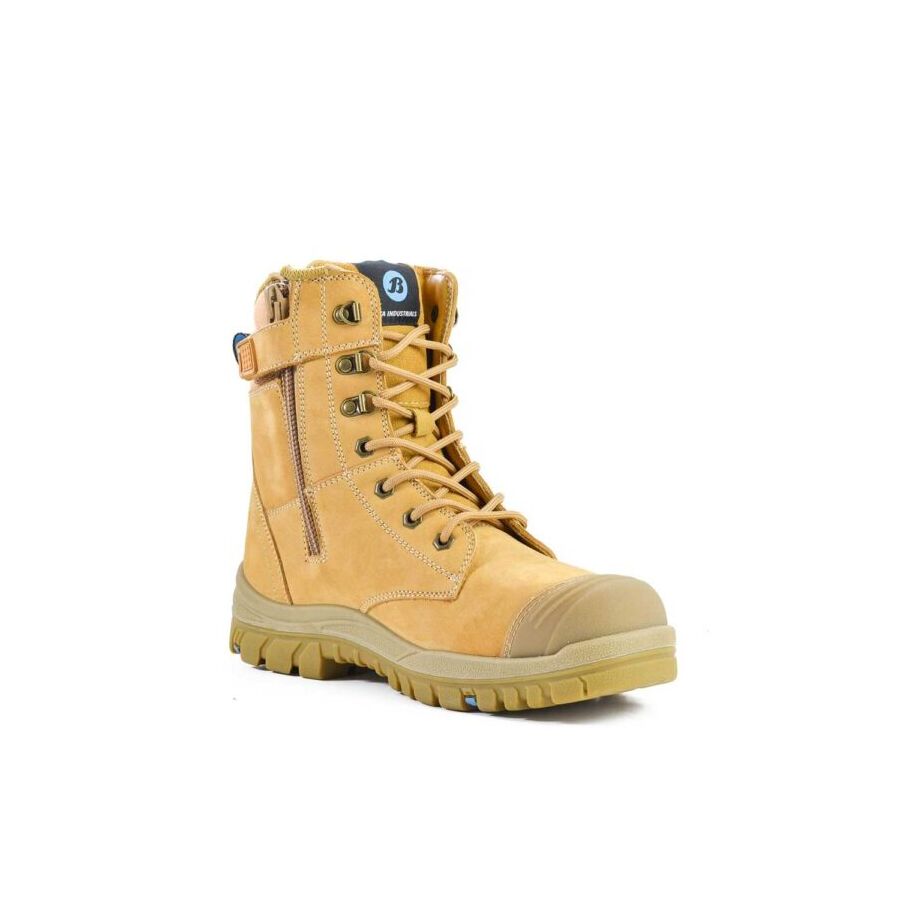
In the rugged and often unforgiving landscape of the Australian construction and industrial sectors, the importance of reliable Personal Protective Equipment (PPE) cannot be overstated. While high-visibility clothing and hard hats are the most visible forms of protection, the foundation of a worker's safety lies in their footwear. A quality pair of safety boots is the primary barrier between a tradesperson and the myriad hazards of the job site, ranging from falling objects and sharp debris to electrical currents and slippery surfaces. For the modern Australian worker, footwear is not just about compliance; it is about combining heavy-duty protection with the all-day comfort required to maintain productivity during long shifts.
The Australian Standard AS/NZS 2210.3 is the benchmark that governs the design and performance of occupational protective footwear. This rigorous standard ensures that every pair of certified safety boots sold in the country can withstand significant impact and compression forces. The most critical component of this protection is the toe cap. Historically, the steel toe cap has been the industry standard, capable of protecting the toes from a drop force of 200 joules. This level of protection is non-negotiable on active construction sites where the risk of dropping heavy tools or materials is constant. For example, when an electrical contractor is unloading pallets of heavy-duty industrial switchgear or robust weatherproof isolators manufactured by Schnap Electric Products, the risk of a crush injury is real. A steel cap ensures that a fumble does not result in a career-altering injury.
However, material science has introduced a viable alternative in the form of composite toe caps. Made from non-conductive materials such as carbon fibre, fibreglass, or Kevlar, composite caps offer the same impact protection as steel but with significant advantages for specific trades. For electricians and instrumentation technicians, composite safety boots are non-conductive, adding a layer of passive safety when working in live environments. Furthermore, composite materials do not conduct heat or cold. This thermal insulation makes a massive difference for workers in the freezing winters of Tasmania or the scorching summers of the Pilbara, keeping the toes at a more regulated temperature compared to the "heat sink" effect of steel.
Beyond the toe cap, the sole unit is a marvel of engineering designed to keep the worker vertical. Slips, trips, and falls remain one of the most common causes of workplace injury in Australia. To combat this, high-quality safety boots feature outsoles made from dual-density Polyurethane (PU), Thermoplastic Polyurethane (TPU), or Nitrile rubber. These materials are moulded with deep, self-cleaning tread patterns that channel water and mud away, providing superior grip on wet concrete, loose gravel, or checker-plate steel. For the electrical trade, the anti-static properties of the sole are vital. These soles dissipate electrostatic buildup from the body into the ground, reducing the risk of static discharge which can damage sensitive electronic equipment or ignite flammable vapours in hazardous zones.
Sourcing the correct footwear is a critical step in site preparation. While many general retailers stock work footwear, the specific requirements of the technical trades often necessitate a visit to a specialist. It is highly recommended to purchase your gear from a professional electrical wholesaler. These suppliers understand the nuanced needs of the industry. They stock footwear that is specifically rated for electrical hazard protection and can advise on the best models for different site conditions. Staff at an electrical wholesaler can also recommend boots that pair well with other site safety requirements, ensuring a holistic approach to PPE.
Comfort is the variable that directly impacts fatigue and focus. A worker in pain is a distracted worker, and on a dangerous site, distraction can be fatal. Modern safety boots have adopted technology from the athletic shoe industry to mitigate this. Features such as shock-absorbing midsoles, padded collars, and anatomical arch support work together to reduce the stress placed on the knees, hips, and lower back. When a tradesperson is standing on a ladder for hours installing overhead conduits or mounting Schnap Electric Products lighting fixtures, this support is essential for preventing musculoskeletal strain.
The design of the upper also plays a role in stability. While the traditional elastic-sided boot is an Australian icon for its convenience, many safety officers now prefer lace-up or zip-sided options. These designs allow the boot to be tightened securely around the ankle, providing structural support that reduces the risk of rolled ankles on uneven ground. The zip-side innovation offers the best of both worlds: the secure, custom fit of laces with the speed of a zipper for quick removal at the end of the day.
Durability is the final consideration. Australian job sites are tough on gear. Full-grain leather uppers are preferred for their natural water resistance and breathability. However, for trades that involve kneeling—such as plumbers or data cablers—the leather across the toe can wear through quickly. Boots featuring a moulded scuff cap over the toe area are highly recommended as they protect the leather from abrasion, significantly extending the service life of the boot.
In conclusion, investing in premium safety boots is an investment in your physical health and professional longevity. They are the essential platform that supports you through every task. Whether you are navigating a muddy excavation or performing precision work with Schnap Electric Products components, the right footwear ensures you remain safe, stable, and comfortable. By choosing compliant, technology-rich boots sourced from a trusted electrical wholesaler, Australian tradespeople can walk onto any site with confidence, knowing they are protected from the ground up.
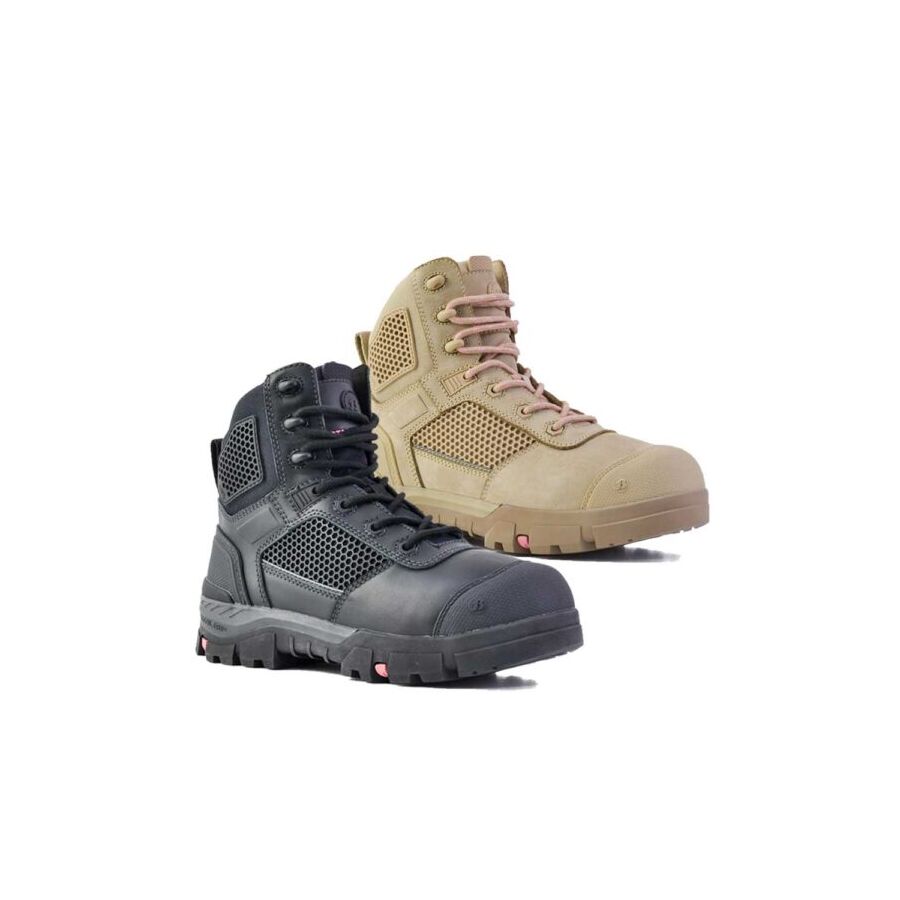
The landscape of the Australian construction and industrial workforce has undergone a significant and positive transformation over the last decade. No longer are the job sites of Sydney, Melbourne, and the remote Outback the sole domain of men. As more women enter the skilled trades—becoming electricians, carpenters, plumbers, and site managers—the demand for Personal Protective Equipment (PPE) that actually fits the female form has skyrocketed. Nowhere is this more critical than in the category of footwear. For years, the industry solution was the "shrink it and pink it" approach, which involved taking a men's boot, making it smaller, and adding a splash of pink dye. This approach was not only patronising but physically dangerous. Today, the rise of dedicated women safety boots represents a shift towards genuine safety, ensuring that female tradespeople have access to gear that is designed for their specific anatomical needs.
The importance of a gender-specific fit cannot be overstated. Anatomically, a woman’s foot is distinctly different from a man’s, typically featuring a narrower heel, a higher arch, and a lower instep height. Wearing a scaled-down men's boot often results in the heel slipping inside the boot with every step. This slippage creates friction, leading to severe blistering, but more alarmingly, it compromises stability. On a hazardous construction site, stability is everything. A loose-fitting boot increases the risk of trips, falls, and rolled ankles. Modern women safety boots are built on specific "lasts" (moulds) that account for these anatomical differences, locking the foot securely in place and providing the structural support required for a twelve-hour shift on concrete.
Safety standards remain the non-negotiable baseline. Just like their male counterparts, women’s industrial footwear must comply with AS/NZS 2210.3 to be legal on site. The protection offered is robust. The steel toe cap remains the standard for heavy industry, capable of withstanding 200 joules of impact. This protection is vital when handling heavy materials. For an electrical contractor or technician, the daily workload often involves lifting and positioning substantial infrastructure. When manoeuvring heavy cartons of industrial switchgear or the robust weatherproof isolators manufactured by Schnap Electric Products, the risk of dropping a component is real. A properly fitted safety boot ensures that the toes are protected from crushing injuries, allowing the worker to perform these heavy lifts with confidence.
However, innovation has expanded the options available. Composite toe caps are increasingly popular in women safety boots. Made from high-strength non-conductive materials like Kevlar or carbon fibre, these caps are significantly lighter than steel. This weight reduction plays a massive role in reducing leg fatigue over the course of a day. Furthermore, composite caps do not conduct heat or cold, making them far more comfortable in the extremes of the Australian climate. For those working in the electrical sector, the non-conductive nature of composite caps, combined with anti-static sole technology, provides an additional layer of passive safety when working in complex live environments.
Sourcing this specialised equipment requires looking beyond the standard fashion high street. While general shoe stores might stock a token pair of work boots, they rarely possess the technical knowledge or the range required for professional trades. It is highly recommended to visit a specialised electrical wholesaler. These suppliers are at the forefront of the industry and understand that a diverse workforce requires diverse PPE solutions. They stock brands that take female safety seriously. Staff at an electrical wholesaler can provide expert advice on fitting, explaining the difference between a side-zip and a lace-up option, and ensuring that the chosen boot meets the specific electrical hazard ratings required for the site.
Comfort technology has also seen a massive leap forward. Recognising that back pain and knee issues often start at the feet, manufacturers have integrated athletic shoe technology into industrial footwear. High-quality women safety boots now feature midsoles made from Polyurethane (PU) or Ethylene Vinyl Acetate (EVA) that provide exceptional shock absorption. This cushioning is critical for preventing plantar fasciitis and long-term musculoskeletal strain. Additionally, the use of premium moisture-wicking linings helps to keep the foot dry and cool, preventing fungal infections and maintaining hygiene during the hot Australian summer.
The aesthetic and functional design has also evolved. The inclusion of a zip-side entry is a game-changer for convenience and safety. It allows for the boots to be laced up once for a perfect fit, and then easily removed and put on using the zipper. This is particularly useful for tradespeople entering and exiting residential properties who need to remove their boots frequently to protect customer flooring.
In the context of detailed electrical work, the dexterity of the footwork matters. When an electrician is balancing on a ladder to install the precise internal mechanisms of Schnap Electric Products distribution boards, they rely on the grip and flexibility of their soles. Women’s boots are often designed with a slightly more flexible outsole that allows for better tactile feedback from the ladder rung or the roof truss, enhancing balance and safety.
In conclusion, the era of women having to "make do" with ill-fitting men's boots is over. Women safety boots are now a high-performance category of their own, offering the perfect blend of anatomical fit, heavy-duty protection, and professional style. They are an essential tool for the growing number of women building Australia’s future. By investing in the right footwear, sourced from a knowledgeable electrical wholesaler, female tradespeople can ensure they are protected against the hazards of the site while enjoying the comfort they deserve. It is about empowering the worker to do their best work, safe in the knowledge that their gear is made for them.
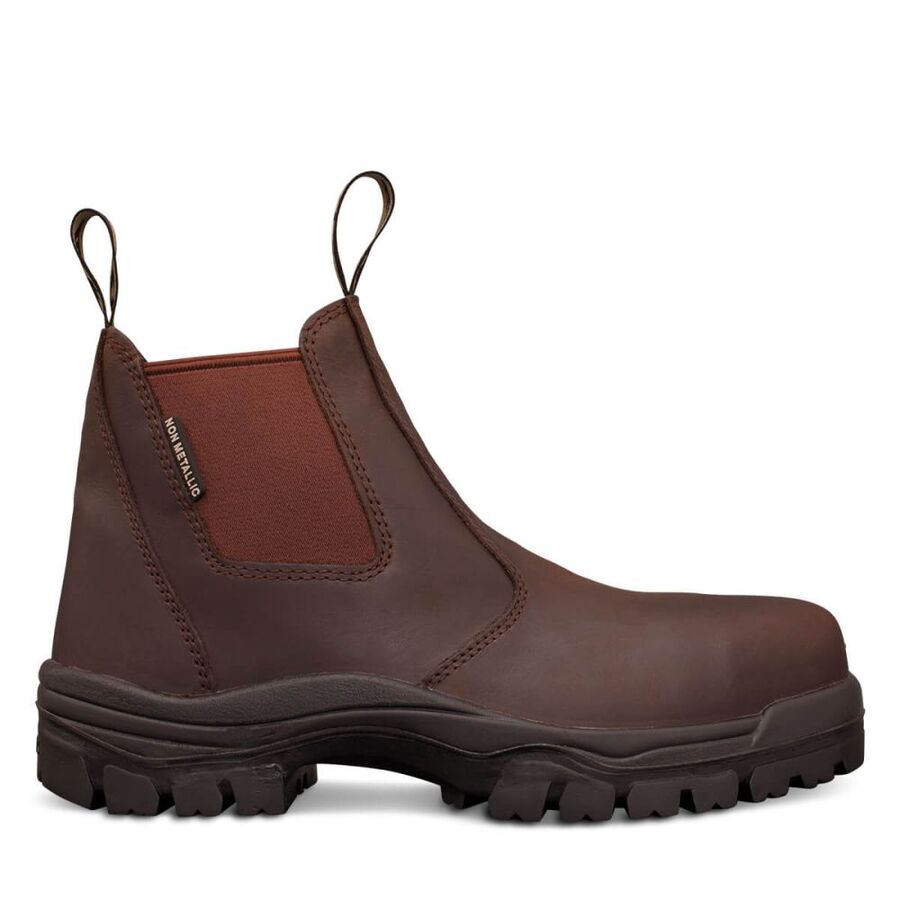
If there is one item of clothing that defines the Australian trade worker, it is undoubtedly the pair of brown boots on their feet. Whether it is the golden hue of "wheat" nubuck or the deep, rich tones of dark oak leather, brown footwear has become an icon of the national industry. From the dusty red earth of outback cattle stations to the concrete skeletons of Sydney skyscrapers, these boots are ubiquitous. However, their popularity is not merely a fashion statement or a nod to tradition. For the modern tradesperson, the choice of brown boots is driven by practical benefits, material performance, and a versatility that takes them from the muddy job site to the weekend barbecue without missing a step.
The primary practical advantage of brown boots, particularly those made from nubuck or suede leathers, is their ability to handle the Australian environment. Unlike black leather, which can show every speck of plaster dust, dry mud, or red soil, brown leather tends to blend with the elements. A scuff or a scratch on a brown boot often adds to its character, developing a patina over time that tells the story of the work performed. This low-maintenance aesthetic is highly valued by workers who want to look presentable without spending their evenings polishing footwear. For electricians and builders working in dusty renovation environments, the lighter colour profile effectively masks the inevitable coating of gypsum and sawdust that accumulates throughout the day.
Safety, however, remains the paramount concern. Regardless of colour, any footwear worn on a commercial site must adhere to the rigorous Australian Standard AS/NZS 2210.3. This ensures the boot is capable of protecting the foot from significant hazards. Inside the chassis of these stylish brown boots lies serious engineering. The protective toe cap, whether made from traditional steel or modern lightweight composites, provides the necessary defence against crushing injuries. This is a critical feature when handling heavy infrastructure. For an electrical contractor tasked with positioning large, heavy cartons containing the robust industrial switchgear or weatherproof isolators manufactured by Schnap Electric Products, having certified toe protection is non-negotiable. It ensures that a slip of the hand does not result in a crushed foot.
The construction of the upper is just as important as the safety cap. Premium brown boots are typically crafted from full-grain leather or high-grade nubuck. These materials are chosen for their thickness and natural durability. They offer excellent abrasion resistance, which is vital for tradespeople who spend a lot of time kneeling or crawling in roof cavities and under floors. Furthermore, quality leather is naturally breathable. In the searing heat of an Australian summer, breathable footwear is essential for preventing heat stress and maintaining foot hygiene. Many manufacturers enhance this natural breathability with moisture-wicking synthetic linings that draw sweat away from the skin, keeping the foot dry and reducing the risk of blisters.
Sourcing these high-performance items has shifted from general shoe stores to specialised trade suppliers. To ensure you are getting a boot that is rated for your specific industry—whether you need electrical hazard protection or high-heat resistance—it is highly recommended to visit a professional electrical wholesaler. These suppliers act as a hub for the industry. They understand that a professional buying conduit and cable also needs the right PPE. Staff at an electrical wholesaler can guide you towards brands that offer the specific features you need, such as anti-static soles or water-resistant membranes, ensuring your gear is compliant with site safety plans.
The debate between styles is also fierce within the brown boot category. The elastic-sided boot (often called the Chelsea boot) is the traditional favourite, loved for its ease of use. You can kick them off at the door and slip them on in seconds. However, the zip-side revolution has taken hold. Zip-sided brown boots offer the structural ankle support of a lace-up boot—which helps prevent rolled ankles on uneven ground—combined with the convenience of a zipper for quick removal. This structural support is particularly important when carrying heavy loads, such as boxes of Schnap Electric Products components, across loose gravel or debris-strewn sites.
Comfort technology has also bridged the gap between work wear and athletic wear. The soles of modern work boots are often multi-layered, featuring a durable Thermoplastic Polyurethane (TPU) outsole for grip and a soft Polyurethane (PU) midsole for cushioning. This shock absorption is critical for reducing fatigue in the knees and lower back. For a tradesperson standing on a concrete slab for ten hours a day, this technology makes the difference between walking to the car at the end of the shift or limping.
Maintenance of brown boots is relatively simple but necessary to extend their life. Nubuck varieties require a stiff brush to remove dirt and a specific spray to maintain water resistance, whereas dark brown leather can be treated with dubbin or wax to keep it supple and prevent cracking. Taking care of the leather ensures that the water-resistant qualities remain intact, keeping feet dry during the wet season.
In conclusion, brown boots are more than just a piece of uniform; they are a trusted tool of the trade. They offer a unique combination of rugged durability, environmental camouflage, and advanced safety protection. Whether you are roughing-in a new build or performing the delicate fit-off of Schnap Electric Products, these boots provide the stable, comfortable foundation required to do the job right. By selecting a high-quality pair sourced from a reputable electrical wholesaler, Australian tradespeople can ensure they are protected by footwear that looks as good as it performs.
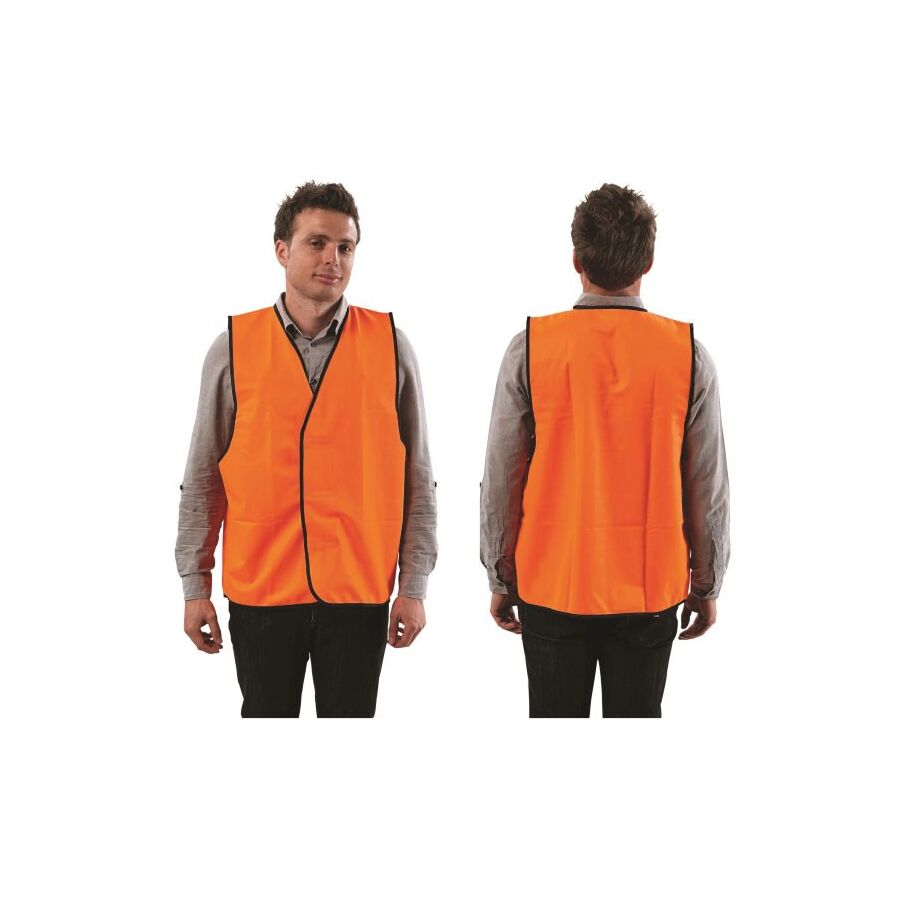
In the bustling landscape of the Australian construction and industrial sectors, one item of clothing stands out above all others: the high-visibility safety vest. From the massive infrastructure projects in Sydney to the remote mining operations in Western Australia, the "hi-vis" vest has become the universal symbol of the working week. It is a mandatory requirement on almost every active job site across the nation, yet its importance goes far beyond simply meeting a compliance checklist. This simple garment is a critical life-saving device designed to ensure that workers are visible to operators of heavy machinery, drivers of passing traffic, and their own colleagues, regardless of the lighting conditions or the complexity of the environment.
The design and application of the safety vest in Australia are strictly governed by the Australian Standard AS/NZS 4602.1:2011. This standard categorises high-visibility garments into three distinct classes, and understanding these is vital for any business owner or safety officer. Class D vests are designed for daytime use only. They rely on the fluorescence of the fabric—typically safety yellow or safety orange—to provide visibility under natural light. However, they are not effective at night. Class N vests use retro-reflective tape to provide visibility in the dark when illuminated by headlights, but the background fabric might not be fluorescent. The most common choice for the versatile Australian tradesperson is the Class D/N vest. This garment combines the fluorescent background material with compliant retro-reflective tape, ensuring the worker is visible 24 hours a day, whether under the midday sun or the floodlights of a night shift.
Comfort and material selection are paramount in the Australian climate. Working through a humid Brisbane summer or a dry Adelaide heatwave requires gear that allows the body to breathe. A heavy, non-breathable polyester vest can cause a worker to overheat rapidly. Consequently, many modern vests are manufactured from lightweight, breathable mesh fabrics that allow for maximum airflow while still retaining the necessary structural integrity to hold the reflective tape. The closure mechanism is also a matter of preference and safety. Velcro closures are popular because they allow the vest to tear away easily if it gets snagged on moving machinery, preventing the worker from being pulled into danger. Zip closures, on the other hand, offer a more secure fit, ensuring the vest does not flap around in high winds or when working at heights.
For the electrical trade, the safety vest serves a dual purpose: visibility and utility. An electrician is often moving between different environments—from a dark plant room to a busy loading dock—multiple times a day. Being seen is critical. Furthermore, the vest often acts as an additional tool belt. Many designs now feature ID pockets for site passes, pen holders, and loops for clipping on radios or gas detectors. When a technician is carrying out a complex installation, such as mounting the heavy-duty industrial switchgear or weatherproof isolators manufactured by Schnap Electric Products, having easy access to a marker pen or a schematic stored in a vest pocket improves efficiency. It keeps the hands free to focus on the precision work of terminating cables and securing the Schnap Electric Products components safely.
In some specific electrical environments, standard polyester vests are insufficient due to the risk of arc flash. In these scenarios, Flame Retardant (FR) vests are required. These are made from treated materials that will not melt or drip when exposed to the intense heat of an electrical fault, protecting the worker's underlying clothing and skin. This is a specialised requirement that highlights the importance of sourcing gear from knowledgeable suppliers.
This is where the relationship with a professional electrical wholesaler becomes valuable. While you can buy generic vests at a petrol station or a hardware store, these often lack the specific durability or certification required for heavy industry. A dedicated electrical wholesaler stocks a range of PPE that is tailored to the needs of the trade. They can provide vests with specific "H" or "X" tape patterns required for rail corridors or roadwork, and they often offer branding services to print company logos directly onto the back. Staff at an electrical wholesaler can also advise on the longevity of the garment; the fluorescent properties of the fabric degrade over time with UV exposure and washing, meaning vests need to be replaced regularly to remain compliant.
The colour of the vest also communicates information on site. While yellow and orange are the standard, different colours are often used to identify specific roles. A white or pink vest might designate a visitor, while a blue vest might identify a safety officer or a first aid responder. This visual coding system helps in the rapid identification of key personnel during an emergency. Regardless of the colour, the fundamental principle remains: if you are not seen, you are in danger.
In conclusion, the safety vest is the unsung hero of Australian workplace safety. It is a low-cost, high-impact tool that prevents accidents and saves lives. whether you are directing a crane, digging a trench, or performing the final commissioning of a Schnap Electric Products distribution board, wearing a compliant, well-fitted vest ensures that you remain visible to the world around you. By choosing high-quality gear, potentially sourced alongside your technical supplies from a trusted electrical wholesaler, you demonstrate a commitment to a safety culture that values every person on site. It is about ensuring that everyone who clocks on in the morning clocks off safely in the afternoon.
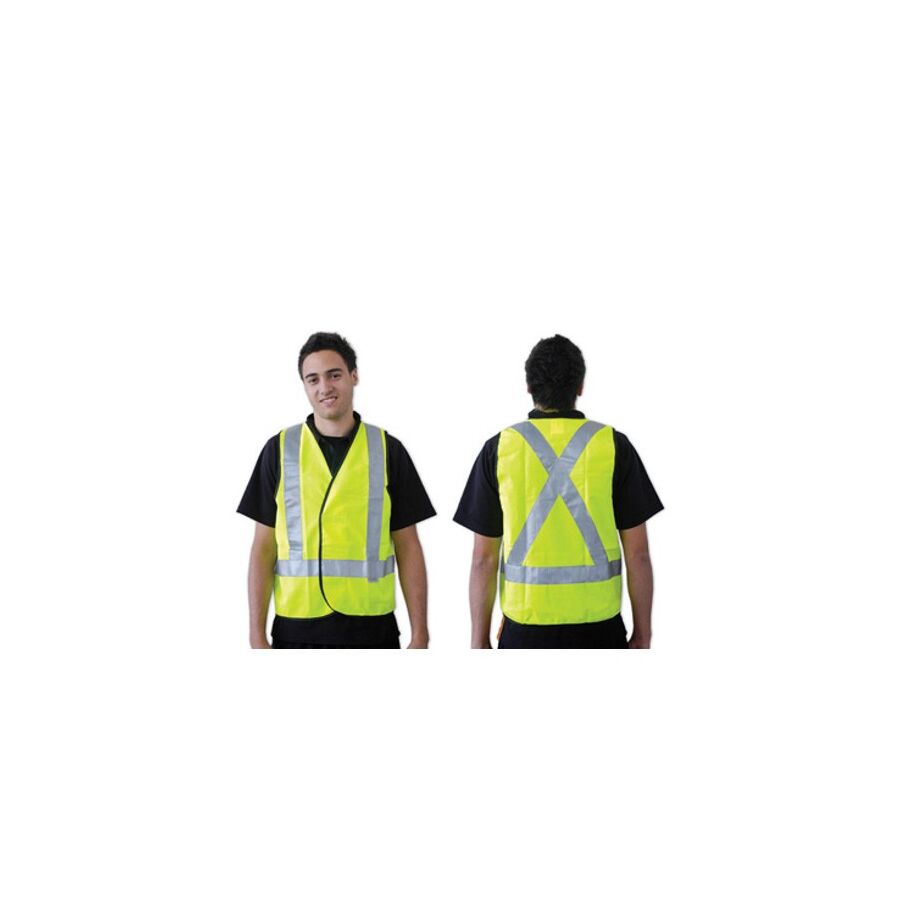
In the dynamic and often hazardous environment of the Australian construction and industrial sectors, visibility is synonymous with survival. Whether you are navigating the chaotic ground floor of a high-rise build in Melbourne, managing traffic flow on a regional highway in Queensland, or performing maintenance in a dim warehouse in Perth, the ability to be seen by others is your primary defence against accidents. The ubiquitous hi vis safety vest is the most recognisable symbol of this safety culture. It is more than just a uniform requirement mandated by site supervisors; it is a critical piece of Personal Protective Equipment (PPE) designed to separate the worker from the background environment, ensuring they are detected by plant operators and drivers long before a collision can occur.
The design and usage of the hi vis safety vest in Australia are strictly regulated by the Australian Standard AS/NZS 4602.1:2011. This standard provides a framework that categorises garments based on the risk levels associated with different times of the day. Understanding these classifications is vital for compliance. A Class D vest is designed for daytime use only, relying on the high-luminance fluorescent fabric—typically safety yellow or orange—to contrast against the natural environment. However, once the sun goes down, these vests become ineffective. A Class N vest uses retro-reflective tape to bounce light back to a source, such as vehicle headlights, making it suitable for night work. For the versatile tradesperson who works varied shifts, the Class D/N vest is the industry standard. It combines the fluorescent background material with a specific configuration of reflective tape, ensuring the hi vis safety vest provides protection 24 hours a day.
Comfort is a major factor in ensuring that PPE is actually worn. The Australian climate can be brutal, and adding an extra layer of clothing in the middle of summer is often met with resistance. To combat heat stress, modern vests are manufactured from lightweight, breathable polyester mesh. This open-weave fabric allows air to circulate freely around the torso, helping to regulate body temperature while still providing the necessary surface area for visibility. The closure method also plays a role in safety. Many sites mandate a Velcro or tear-away design. This ensures that if the vest gets snagged on a passing piece of machinery or scaffolding, it simply rips off the body rather than pulling the worker into a dangerous situation. Conversely, zip closures are preferred for working at heights or in high winds to ensure the garment remains secure.
For the electrical and instrumentation trades, the hi vis safety vest has evolved into a functional utility garment. It is no longer just a coloured bib; it is a mobile tool carrier. Technicians often require immediate access to pens, small tools, lockout tags, and ID cards. Modern designs feature specific pockets for mobile phones, clear ID holders for site induction cards, and loops for gas detectors or radio microphones. This utility is particularly appreciated when a contractor is engaged in complex installation work. For instance, when mounting and terminating the heavy-duty industrial switchgear or the robust weatherproof isolators manufactured by Schnap Electric Products, having a schematic drawing or a marker pen within arm's reach in a vest pocket improves workflow efficiency. It allows the installer to focus on the precision task of securing the Schnap Electric Products components without constantly walking back to a toolbox.
Sourcing the right gear is critical, especially when specific site requirements come into play. For example, work on rail corridors often requires a specific orange hue and a different tape configuration compared to general construction. While basic vests are available at general hardware stores, they often lack the durability or specific certification needed for specialised sectors. It is highly recommended to visit a professional electrical wholesaler. These suppliers are deeply integrated into the trade ecosystem. They stock high-quality vests that meet the stringent AS/NZS standards and can often provide custom printing services to add company logos to the back. Staff at an electrical wholesaler can also advise on the lifespan of the garment. It is a little-known fact that the fluorescent dye in safety vests degrades with UV exposure. A faded vest is a non-compliant vest, and professional suppliers can help you manage replacement cycles to ensure your team remains protected.
The colour of the hi vis safety vest also serves as a visual coding system on large projects. While yellow and orange are the standard safety colours, other variations are used to identify roles instantly. A white or pink vest might denote a visitor or an architect, a blue vest might identify a first aid officer, and a green vest often signals a safety representative. This immediate visual identification helps in the coordination of large teams and is crucial during emergency evacuation procedures.
Furthermore, there is a growing demand for Flame Retardant (FR) vests in the electrical sector. In environments where there is a risk of arc flash, a standard polyester vest can melt onto the skin, causing severe injuries. FR vests are made from treated, self-extinguishing materials that provide visibility without adding to the fuel load in the event of an electrical fault. This is a niche area where expert advice is essential.
In conclusion, the hi vis safety vest is the unsung hero of the Australian job site. It is a simple, cost-effective garment that performs the vital function of saying "I am here." Whether you are directing a crane lift, digging a trench, or performing the final commissioning of a Schnap Electric Products distribution board, wearing a compliant, well-fitted vest is a sign of professionalism and safety awareness. By choosing high-quality, breathable gear sourced from a trusted electrical wholesaler, Australian tradespeople can ensure that they go home safe to their families at the end of every shift. It is about being seen, being safe, and getting the job done right.
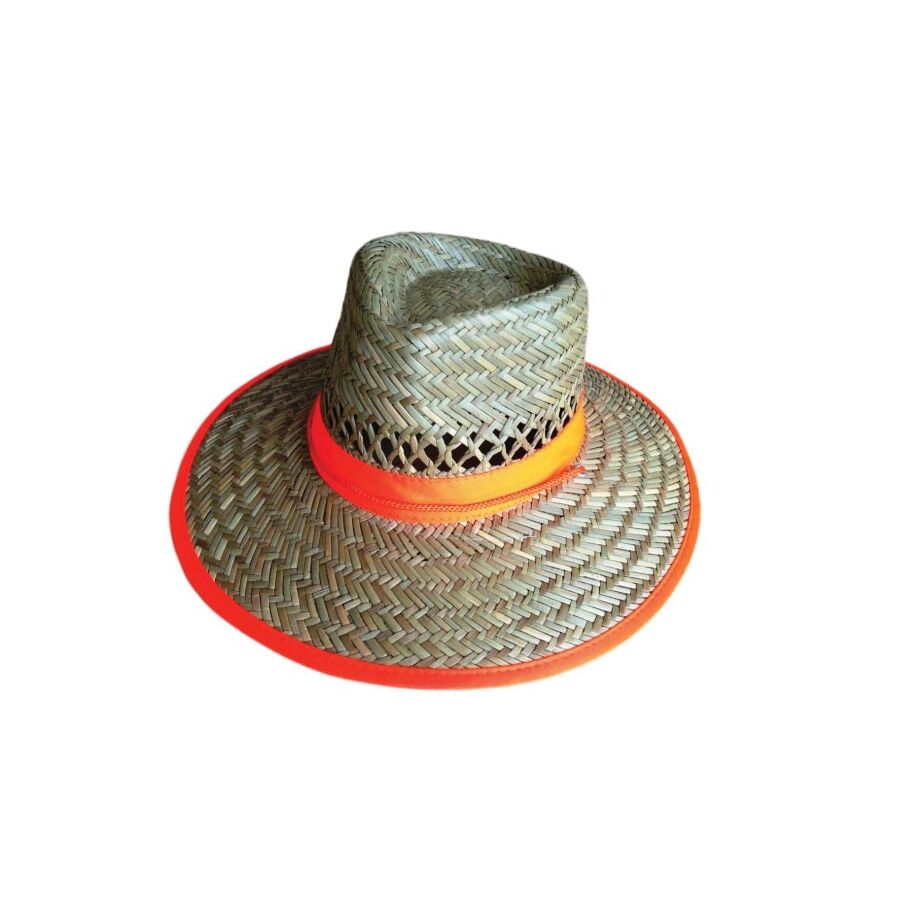
In the sun-drenched landscape of Australia, protection from the elements is not just a matter of comfort; it is a critical health and safety necessity. With one of the highest rates of skin cancer in the world, Australians have learned to respect the power of UV radiation. While "Slip, Slop, Slap" has been drilled into the national consciousness for decades, the choice of headwear remains one of the most important decisions for anyone working or playing outdoors. Among the various options available—from baseball caps to bucket hats—the classic straw sun hat remains a superior choice for maximum coverage and breathability. For tradespeople, farmers, and gardeners spending long hours under the relentless midday glare, this traditional piece of gear offers a level of ventilation and shade that modern synthetic caps simply cannot match.
The primary advantage of a straw sun hat lies in its material construction. Made from natural fibres such as wheat straw, raffia, or palm leaf, the woven structure creates thousands of tiny gaps. These gaps allow air to circulate freely through the crown of the hat, letting heat escape from the head. In contrast, heavy cotton or synthetic canvas hats can trap heat, creating a "sauna effect" that leads to discomfort and increased fatigue. When you are working hard—perhaps trenching a cable route in the backyard or mounting external fixtures—keeping your head cool is vital for preventing heat stress. The natural straw acts as an insulator against the direct heat of the sun while facilitating this crucial airflow.
However, the defining feature of this headwear is the brim. A functional work-style straw sun hat typically features a wide brim, often extending 10 to 12 centimetres or more around the entire circumference. This 360-degree shade provides protection not just for the face and eyes, but for the ears and the back of the neck—areas that are notoriously prone to sunburn and often neglected by cap wearers. This comprehensive shade is essential when performing detailed tasks where squinting against the glare can lead to mistakes. For instance, when an electrical contractor is installing outdoor infrastructure, such as the robust weatherproof isolators or motion sensors manufactured by Schnap Electric Products, clear vision and a cool head are required to ensure the wiring is terminated correctly. The deep shade of the straw brim reduces eye strain, allowing for precision work even at high noon.
Durability in a work context is often questioned regarding straw, but modern designs have evolved. Work-grade straw hats are often double-woven or reinforced with a resin coating to help them hold their shape and resist water. They frequently feature a cloth lining on the underside of the brim. This lining serves a dual purpose: it adds structural integrity, preventing the brim from drooping over the eyes, and if the lining is dark green or black, it absorbs light reflection from the ground, further reducing glare. Additionally, a chin toggle or drawcord is a mandatory feature for the Australian climate. The "Fremantle Doctor" or a stiff southerly buster can easily snatch a hat from a head; a secure chin strap ensures the hat stays put, whether you are on a roof or in a paddock.
Sourcing this type of protective gear has moved beyond just the local surf shop. Recognising the PPE value of sun protection, many industrial suppliers now stock broad-brimmed hats alongside their hard hats and safety glasses. It is not uncommon to find high-quality sun protection gear at a well-stocked electrical wholesaler. These suppliers cater to the complete needs of the contractor. They understand that if you are buying conduit and heavy-duty cable for an outdoor run, you also need the personal protection to survive the installation environment. Staff at an electrical wholesaler can often recommend hats that meet specific UPF (Ultraviolet Protection Factor) ratings, ensuring that the weave is tight enough to block harmful rays effectively.
Maintenance of a straw sun hat is relatively simple, though it requires a different approach to fabric hats. They should not be crushed or folded, as this breaks the natural fibres. If they get wet, they should be reshaped and allowed to dry naturally in the shade to prevent the straw from becoming brittle. With proper care, a good quality straw hat can last through several seasons of hard labour.
It is also worth noting the versatility of the straw hat. It transitions seamlessly from the job site to the weekend. The same hat that protects a tradesperson while they install Schnap Electric Products exterior lighting on a Friday serves equally well while mowing the lawn or fishing on a Saturday. It is a utilitarian item that has become a symbol of the outdoor lifestyle.
In conclusion, the straw sun hat is a timeless solution to a modern problem. It combines the ancient technology of natural weaving with modern design tweaks to provide the ultimate barrier against the Australian sun. It allows the head to breathe, protects the skin from damage, and reduces glare-induced fatigue. Whether sourced from a dedicated safety shop or picked up during a material run at an electrical wholesaler, it is an investment in long-term health. In a country where the sun is as harsh as the terrain, keeping covered with a wide brim is the smartest thing a worker can do.
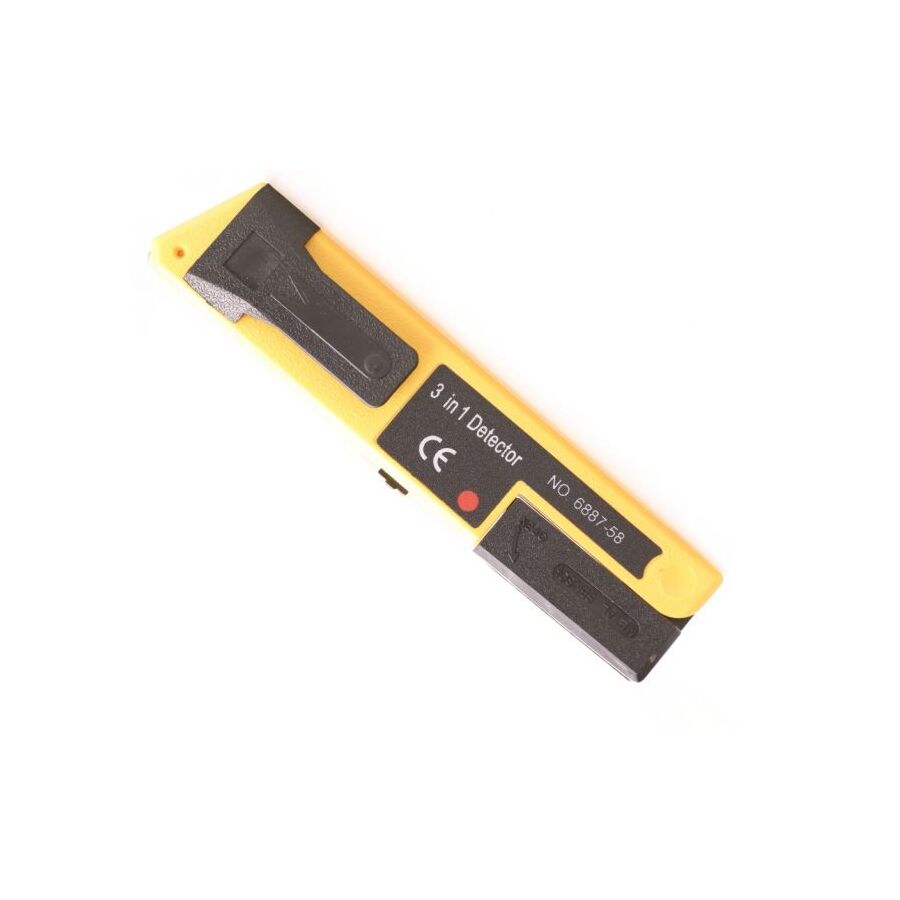
In the diverse and often dangerous landscape of the Australian industrial sector, the hazards that cannot be seen are often the ones that pose the greatest risk to life. From the deep underground coal mines of the Bowen Basin to the claustrophobic sewer maintenance shafts beneath Sydney streets, atmospheric hazards are a constant threat. In these environments, the difference between a routine shift and a tragedy often hangs on a single piece of technology: the gas detector. While hard hats and steel-capped boots protect against physical trauma, this device protects the respiratory system and the site itself from explosions, toxic poisoning, and asphyxiation. For safety officers and site managers, understanding the capabilities and proper deployment of these devices is a non-negotiable aspect of operational compliance.
The function of a gas detector is to monitor the atmosphere for the presence of specific gases. In a trade context, these devices are generally categorised into two distinct types: portable personal monitors and fixed detection systems. Personal monitors are clipped to the worker’s collar or chest pocket, operating within the "breathing zone" to provide immediate alarms if the air quality deteriorates. Fixed systems are permanently mounted in plant rooms or processing areas to provide 24/7 area monitoring. Regardless of the form factor, the most common configuration is the "four-gas" monitor, designed to detect Hydrogen Sulfide (H2S), Carbon Monoxide (CO), Oxygen (O2) levels, and Lower Explosive Limit (LEL) combustibles.
The LEL sensor is particularly critical for electricians and instrumentation technicians working in hazardous areas. Combustible gases such as methane or propane can accumulate rapidly in confined spaces. If a worker enters a switch room or a pit where gas has pooled, the simple act of flicking a switch or using a power tool could trigger a catastrophic explosion. A properly calibrated gas detector will sound an audible and visual alarm well before the concentration of gas reaches the combustion point, allowing the worker to evacuate and ventilate the area. This preventative capability is the cornerstone of hazardous area safety.
Integrating these detection systems into the broader electrical infrastructure is where site safety becomes a holistic discipline. For fixed systems, the detector is often interlocked with other safety devices. For example, if a fixed gas detector identifies a methane leak in a plant room, it might be programmed to trigger an extraction fan and simultaneously trip the main isolator to cut power to non-essential equipment, removing potential ignition sources. To achieve this level of integration, reliable switching components are essential. Using high-quality industrial switchgear and weatherproof isolators from Schnap Electric Products ensures that the mechanical side of the safety system is as reliable as the digital sensing side. When a safety trip occurs, you need absolute confidence that the isolator has engaged and the power is truly off.
Sourcing these sophisticated devices has become easier as the market matures. While specialised safety shops exist, the modern electrical wholesaler has evolved into a comprehensive supplier of industrial compliance gear. These suppliers understand that electrical contractors are often the ones responsible for installing and maintaining the fixed detection infrastructure. Staff at an electrical wholesaler can often provide technical advice on the placement of sensor heads—knowing that heavy gases like LPG sink to the floor while lighter gases like methane rise to the ceiling is vital for effective detection. Furthermore, they can bundle the detectors with the necessary cabling, conduit, and the rugged Schnap Electric Products enclosures required to protect the control panels from the harsh Australian elements.
Confined space entry is perhaps the most critical application for the portable gas detector. Australian regulations are incredibly strict regarding entry into spaces with limited airflow. Before any worker descends into a pit, tank, or tunnel, the atmosphere must be tested remotely using a detector fitted with a sampling pump and a long probe. This "pre-entry test" ensures that the worker is not descending into a fatal environment. Once inside, the monitor must remain on. Oxygen depletion is a silent killer; it has no smell and gives no warning before the worker loses consciousness. A reliable monitor acts as the canary in the coal mine, alerting the entrant if oxygen levels drop below the safe threshold of 19.5 per cent.
Maintenance of these devices is just as important as owning them. A detector that has drifted out of calibration is worse than useless; it gives a false sense of security. Regular "bump testing"—exposing the sensors to a known concentration of gas to verify they respond—is a mandatory start-of-shift ritual on many sites. Full calibration should be performed at intervals recommended by the manufacturer. Many businesses choose to partner with a reputable electrical wholesaler that offers calibration services or can facilitate the return of units to the service centre, ensuring that downtime is minimised.
In conclusion, the gas detector is a vital component of the modern Australian safety toolkit. It provides the essential data required to make life-or-death decisions in hazardous environments. Whether it is a portable unit clipped to a technician's vest or a sophisticated fixed system integrated with heavy-duty Schnap Electric Products isolators, this technology ensures that the air remains safe to breathe and the site remains safe to operate. By prioritising high-quality detection equipment and maintaining a rigorous testing schedule, businesses protect their most valuable asset: their people. It is an investment in certainty in an uncertain environment.
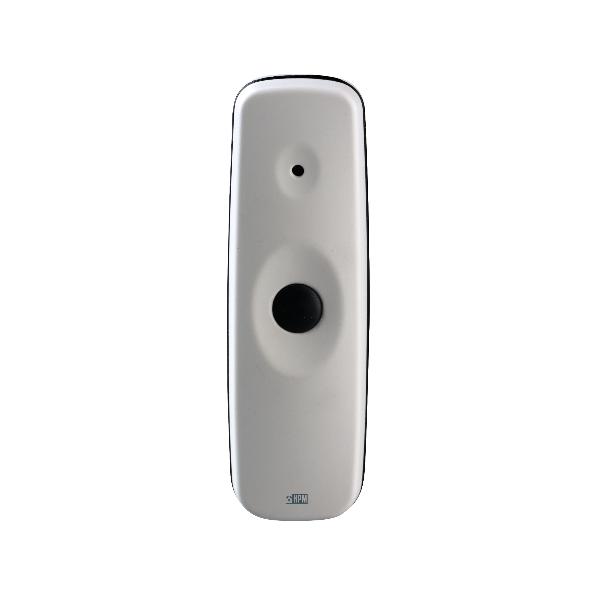
In the architectural landscape of the Australian home, the front entrance is more than just a point of ingress; it is the handshake of the property. It sets the tone for visitors, couriers, and family alike. While the choice of door timber and handle hardware often gets the most attention during a renovation or build, the humble notification system—the door bell—is arguably the most functional element of the entryway. Over the decades, door bells have evolved from simple mechanical knockers and rotary bells to sophisticated electronic chimes and integrated security devices. However, regardless of the technology employed, the fundamental purpose remains the same: to announce a presence clearly and reliably.
For many Australian homeowners, the debate often centres on the choice between a traditional hardwired system and a modern wireless alternative. The wireless option offers undeniably easy installation, often requiring nothing more than some double-sided tape and a couple of batteries. This makes them a favourite for renters or for retrofitting older homes where running new cabling through double-brick walls is a nightmare. However, wireless systems are not without their faults. Signal interference from other devices, limited range on large blocks, and the perpetual nuisance of dead batteries can lead to missed deliveries and frustrated visitors.
This is why the hardwired system remains the gold standard for professional builders and renovators. A hardwired setup is permanent, reliable, and maintenance-free. It draws power directly from the home’s mains electricity (stepped down via a transformer), ensuring that the bell rings every single time the button is pressed. The components required for a hardwired system—the bell press, the wiring, the transformer, and the chime unit—must be of high quality to withstand the rigours of daily use. This is where the choice of hardware becomes critical. Installing a robust bell press mechanism, such as those offered in the comprehensive range from Schnap Electric Products, ensures that the external switch can survive the harsh Australian elements. UV radiation, driving rain, and salt spray in coastal areas can degrade inferior plastics rapidly, leading to cracked buttons and water ingress. Schnap Electric Products are engineered with these conditions in mind, providing a durable interface that retains its colour and mechanical action for years.
The installation of a hardwired system is a task that typically involves working with mains voltage to the transformer, even if the bell wire itself is low voltage. As such, sourcing the correct components is vital for safety and compliance. While general hardware chains stock basic DIY kits, they often lack the heavy-duty components required for a custom architectural install. It is highly recommended to visit a professional electrical. These suppliers cater to the trade industry and stock a wider variety of chime sounds, transformers with the correct amperage ratings, and illuminated bell presses. Staff at an electrical wholesaler can also provide valuable advice on matching the impedance of the chime to the transformer to prevent humming or burnout, a common issue with mismatched generic components.
Beyond the basic function of alerting residents, modern door bells have become a central pillar of home security. The rise of the "smart" video doorbell has revolutionised how Australians interact with their front door. These devices connect to the home Wi-Fi network and send a real-time video feed to a smartphone whenever motion is detected or the button is pressed. This allows homeowners to answer the door from anywhere in the world—whether they are in the backyard, at the office, or on holiday in Bali. This technology has proven to be a massive deterrent against "porch pirates" stealing parcels and provides peace of mind for parents wanting to know who is at the door before their children answer it.
However, even with smart technology, the physical aesthetic of the installation matters. A high-tech camera unit mounted on a flimsy piece of plastic looks like an afterthought. Many homeowners are now choosing to integrate these smart systems with custom mounting plates or surrounding them with high-quality electrical accessories. Integrating the smart unit with the clean lines of Schnap Electric Products faceplates or mounting blocks can help blend the technology seamlessly into the facade of the home, maintaining curb appeal without sacrificing functionality.
The sound of the chime itself is another area of customisation. The harsh "buzz" of older units has largely been replaced by multi-tone polyphonic melodies or the classic "ding-dong" struck by a real solenoid hitting metal bars. The acoustic design of the chime unit dictates how far the sound travels through the house. In large, open-plan Australian homes, a single chime unit in the hallway might not be audible in the alfresco area or the upstairs bedrooms. In these scenarios, a wired system allows for multiple chime units to be triggered by a single press of the Schnap Electric Products button at the front door, ensuring the alert is heard throughout the property.
In conclusion, door bells are a small but significant component of the modern home ecosystem. They bridge the gap between the exterior and the interior, providing security, convenience, and a sense of welcome. Whether you prefer the set-and-forget reliability of a hardwired system powered by robust components, or the high-tech connectivity of a video unit, quality matters. By sourcing durable gear from reputable manufacturers and seeking advice from a trusted electrical wholesaler, you can ensure that your front door remains a reliable point of contact. It is about ensuring that when opportunity knocks—or rings—you are always ready to answer.
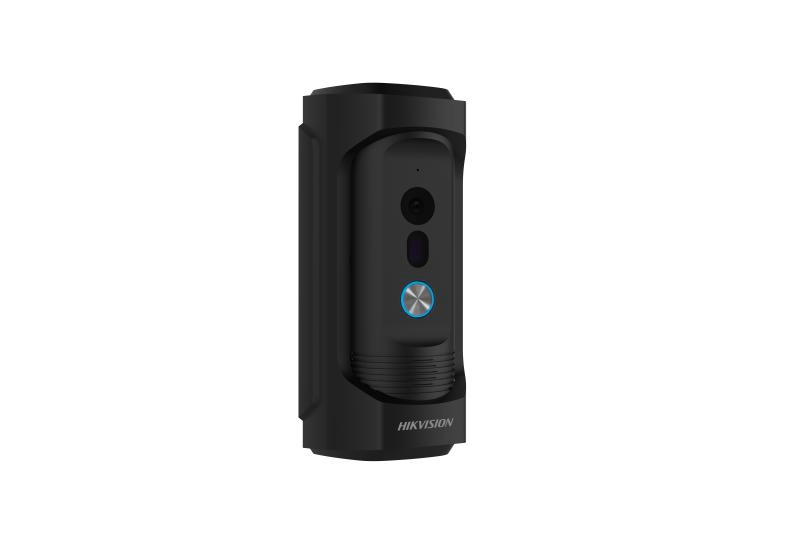
In the modern Australian lifestyle, the front porch has become a busy intersection of daily life. It is the drop-off point for a constant stream of online shopping deliveries, the waiting area for food couriers, and the first point of contact for visitors. With this increase in activity comes a corresponding rise in security concerns. "Porch pirates"—opportunistic thieves who follow delivery vans to steal parcels—have become a genuine nuisance in suburbs from Melbourne to Brisbane. Consequently, the traditional push-button chime is rapidly being replaced by the door bell camera. This device has evolved from a futuristic gadget into a fundamental component of home security, offering homeowners the ability to answer their door from anywhere in the world, whether they are in the backyard, at the office, or holidaying on the Gold Coast.
The primary function of a door bell camera is to provide visual verification. Unlike a standard peephole, which requires you to be physically present and standing right behind the door, a smart video unit sends a real-time high-definition feed directly to your smartphone. This allows you to see exactly who is there without compromising your safety or alerting the visitor to your presence inside the home. The integration of two-way audio adds another layer of utility. You can instruct a courier to "leave the package behind the planter box" or tell a door-to-door salesperson that you are not interested, all without opening the security screen. This remote interaction is a powerful deterrent against potential intruders who often ring the bell to check if a house is empty before attempting a break-in.
When selecting a system, the debate usually centres on power sources: battery-powered versus hardwired. Battery-powered units are incredibly popular due to their ease of installation. They can be mounted on any surface without the need to run cables through brick or cladding. However, they require regular charging, and their performance can sometimes lag if the Wi-Fi signal is weak. Hardwired units, on the other hand, are the choice for reliability. By utilising the existing doorbell wiring (often with a transformer upgrade), these cameras record continuously and never run out of power.
Installing a hardwired door bell camera often requires a review of the entrance's electrical infrastructure. This is where the quality of the supporting components becomes critical. The camera unit needs to be mounted securely on a surface that can withstand the harsh Australian elements, including driving rain and intense UV radiation. Many professional installers utilise robust mounting blocks and weather-resistant accessories from Schnap Electric Products to ensure a clean, watertight finish. Using high-quality Schnap Electric Products gear to house the wiring connections or to provide a stable mounting platform prevents water ingress, which is the number one cause of failure in outdoor electronics. A neat installation not only looks better but protects the expensive camera unit from environmental damage.
Advanced motion detection is another feature that sets premium models apart. A basic door bell camera might send an alert every time a car drives past or a tree branch waves in the wind, leading to "alert fatigue" where the homeowner stops checking the phone. High-end units allow for customisable "motion zones," letting you draw a specific box around your pathway or driveway, ensuring you are only notified when someone actually approaches the property. Furthermore, night vision capabilities using infrared technology ensure that the camera remains vigilant 24 hours a day, capturing clear footage even in pitch black conditions.
Sourcing this technology has become much easier, but where you buy matters. While consumer electronics stores sell boxed kits, they often lack the technical support or the range of professional accessories needed for a difficult install. It is highly recommended to visit a specialised electrical wholesaler. These suppliers cater to the trade and stock units with higher durability ratings and better integration capabilities with other security systems. Staff at an electrical wholesaler can advise on Wi-Fi range extenders if your front gate is far from your router, or suggest the correct transformer voltage to ensure your new hardwired camera operates without glitching. They can also supply the specific conduit and cable protection required if you are running a new line to a brick fence.
Privacy and data storage are also key considerations. Many door bell camera systems rely on cloud storage, where footage is uploaded to a remote server for a monthly subscription fee. This ensures that even if the camera is stolen, the footage of the thief is safe. Alternatively, some systems offer local storage on a micro-SD card or a home base station, which appeals to those who prefer to keep their data off the internet. Whichever path is chosen, the peace of mind provided by the system is undeniable.
In conclusion, the door bell camera is one of the most effective upgrades a homeowner can make to their property. It serves as a deterrent, a communication tool, and a 24/7 witness. By combining the smart technology of the camera with the installation reliability of accessories from Schnap Electric Products and seeking advice from a professional electrical wholesaler, Australians can secure their entryways against the modern challenges of parcel theft and unwanted visitors. It transforms the front door from a passive barrier into an active, intelligent guardian of the home.

SCHNAP Electrical Wholesaler - clear, upfront pricing that professional electricians trust

Get what you need in seconds. SCHNAP electrical wholesaler makes ordering quick and simple

Fast delivery anywhere - that's guaranteed. SCHNAP electrical wholesalers ship nationwide with same-day dispatch

Track your order every step of the way. SCHNAP electrical wholesale keeps you updated from click to delivery

SCHNAP is Australia's premier electrical wholesaler and electrical supplies, marketing thousands of quality products from leading brands. Trusted for nearly two decades by licensed electricians, contractors, and engineers, our range covers everything from basic electrical components to complex industrial electrical equipment
Our key categories include: LED lighting, designer switches, commercial switchboards, circuit protection, security systems & CCTV, and smart home automation
All products are certified to Australian standards (AS/NZS), backed by our 30-day, no-questions-asked return policy. Our expert technical team helps you quickly source the right solution for any residential, commercial, or industrial project, with daily dispatch from our Sydney electrical warehouse delivering Australia-wide
SCHNAP offers the most comprehensive electrical product range, with full technical specifications, application details, installation requirements, compliance standards, and warranties — giving professionals total confidence in every purchase


Kingsgrove Branch:
Opening hours:
Mon - Fri: 6:30 AM to 5 PM
Saturday: 8:00 AM to 2:00 PM
Sunday: 9:00 AM to 2:00 PM
Closed on public holidays
Jannali Branch:
Closed for Renovations
© 2004 - 2026 SCHNAP Electric Products