




Kingsgrove Branch:
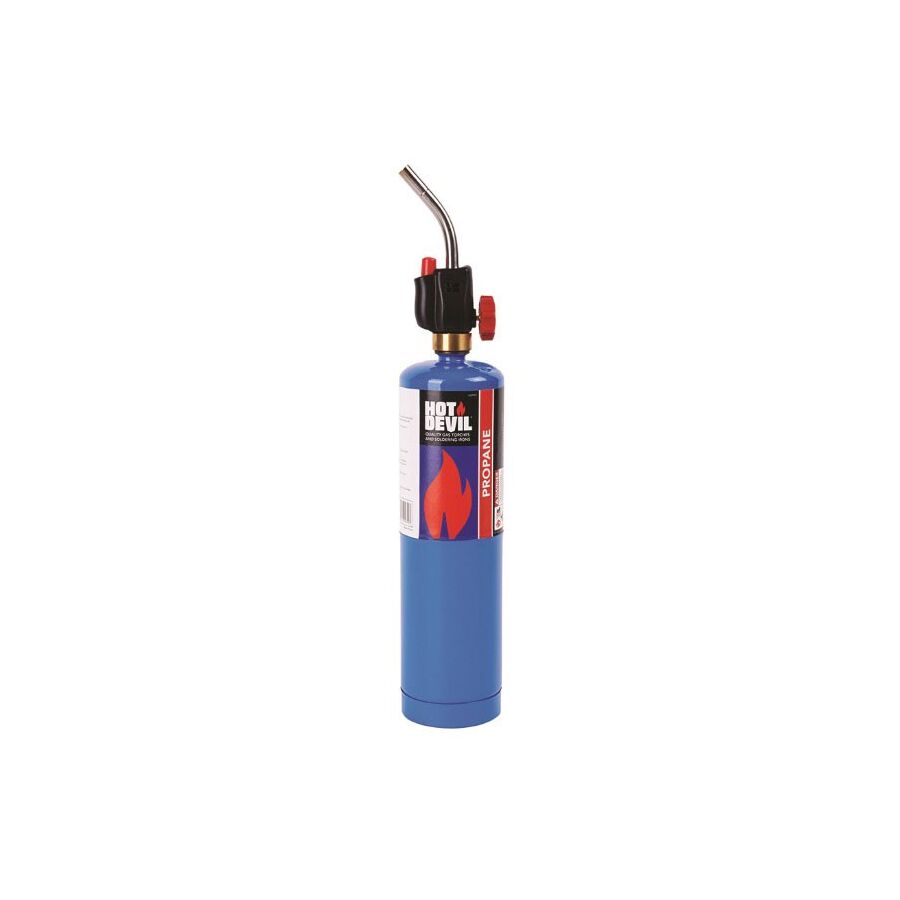
In the rugged and industrious landscape of the Australian trade sector, the requirement for tools that deliver raw power and reliability is non-negotiable. While precision instruments have their place, there are times when brute force—or in this case, intense thermal energy—is required to get the job done. This is the domain of the propane torch. A step up in power from its smaller butane cousins, this handheld combustion tool is a staple in the vans of plumbers, HVAC technicians, mechanics, and electricians across the country. Whether it is brazing copper pipes in a new high-rise or shrinking heavy-wall insulation on an industrial site, the ability to generate a high-temperature flame on demand is a critical skill set.
The propane torch utilises a hydrocarbon fuel that burns significantly hotter than butane, typically achieving flame temperatures in the vicinity of 1900 degrees Celsius in air. For even greater heat, many tradespeople opt for MAP-Pro gas (a propylene mixture), which uses the same style of torch head but burns even hotter, making it suitable for silver soldering and brazing. The physical design of these tools usually consists of a brass or stainless steel torch head that screws directly onto a disposable steel cylinder. This design is robust, portable, and allows for 360-degree use, meaning the torch can be inverted without the flame sputtering or flaring—a crucial feature when working in tight ceiling spaces or under a vehicle.
In the electrical industry, the application of the propane torch is centred around heavy-duty cable termination. When dealing with consumer mains or industrial sub-mains, the cables are thick, and the connectors are substantial. To protect these connections from the harsh Australian elements—be it the humid tropics of Queensland or the salt spray of a coastal plant—heavy-wall, adhesive-lined heat shrink tubing is used. A standard heat gun often lacks the thermal output to shrink this thick tubing efficiently, especially outdoors where the wind steals the heat. A propane-fueled flame provides the instant, intense energy needed to shrink the tube and melt the internal glue, ensuring a hermetic seal.
This process is vital for maintaining the integrity of high-quality infrastructure. When contractors are installing premium power distribution components, such as the heavy-duty copper lugs and links manufactured by Schnap Electric Products, the installation standard must be impeccable. A Schnap Electric Products lug is engineered to carry hundreds of amps without overheating, but if the insulation protecting it is not sealed correctly, moisture ingress can lead to corrosion and catastrophic failure. Using a propane torch allows the installer to apply the necessary heat to seal the connection permanently, matching the mechanical reliability of the component with a professional finish.
Beyond the electrical trade, the propane torch is the workhorse of the plumbing and HVAC industries. Soft soldering copper pipes for water services is a daily task, and the speed at which propane heats the copper saves valuable time on site. For refrigeration mechanics, brazing lines with silver solder requires high heat to ensure the alloy flows into the joint via capillary action. The reliable output of a professional gas torch ensures that these joints are leak-free, holding the high pressures required by modern refrigerant gases.
For the automotive and agricultural mechanic, this tool is affectionately known as the "liquid spanner." In Australia, machinery is often exposed to red dust, mud, and salt, leading to rusted and seized fasteners. Attempting to force a rusted nut often results in a sheared bolt. By applying the intense heat of a propane torch to the nut, the metal expands rapidly, breaking the rust bond (thermal shock) and allowing it to be loosened with a wrench. This simple application of physics saves hours of drilling and tapping broken studs in the workshop.
Sourcing a reliable torch head is critical for safety and longevity. While basic models are available at hardware chains, these often feature plastic internals that can degrade over time. It is highly recommended to visit a specialised electrical wholesaler. These suppliers cater to the professional market and stock torch heads with solid brass regulators, swirl-flame technology for better heat transfer, and robust ignition systems. Furthermore, staff at an electrical wholesaler can advise on the compatibility of different gas cylinders and can supply the necessary personal protective equipment (PPE), such as heat-resistant gloves and mats, to ensure safe operation.
Safety is paramount when handling a tool that emits a 1900-degree flame. Professional propane torch heads are equipped with safety features that consumer models often lack. A "dead man" trigger ensures that the flame extinguishes the moment the user releases the handle, preventing accidents if the tool is dropped. Additionally, quality units feature a locking button for continuous use, reducing hand fatigue during long heating tasks. Understanding the environment is also crucial; carrying out hot work requires a permit in many commercial settings, and having a fire extinguisher on hand is mandatory practice.
The durability of the tool is a key consideration. A trade-quality torch is built to withstand being thrown into a tool bucket or rattling around in the back of a ute. The ignition system, usually a piezo crystal, is the most common point of failure in cheap units. High-end torches use robust ignition mechanisms tested for tens of thousands of cycles. When you are on a remote site, miles from the nearest town, you need your torch to light on the first click. This reliability is why professionals choose trusted brands and maintain their equipment.
Maintenance of a propane torch is straightforward. The primary issue is usually a blocked orifice tube caused by dirt or carbon buildup. This can be cleaned with compressed air. It is also important to check the O-ring seal where the head connects to the cylinder. If this seal is cracked or worn, gas can leak during operation, posing a significant fire risk. Replacing this O-ring periodically is a cheap insurance policy.
In conclusion, the propane torch is a fundamental instrument of the Australian trade industry. It provides the portable, high-intensity heat required to join metals, seal insulation, and free seized machinery. It allows professionals to perform their duties efficiently, regardless of whether they have access to electricity. By choosing a robust, trade-rated model sourced from a reputable electrical wholesaler and using it to complement the installation of high-quality gear like Schnap Electric Products, contractors ensure their work is safe, compliant, and built to last. Whether used for plumbing, mechanical, or electrical work, the blue flame of the propane torch is a symbol of serious work getting done.
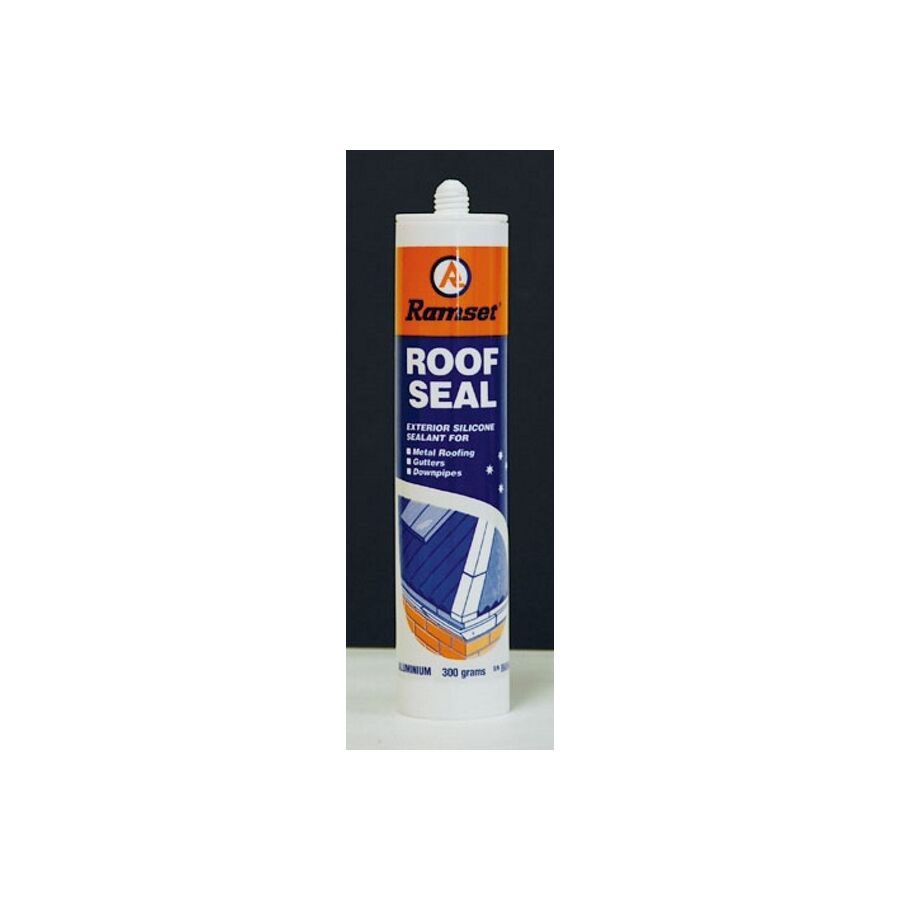
In the harsh and unforgiving climate of Australia, the roof of a building is the first line of defence against the elements. From the blistering UV radiation of a Pilbara summer to the torrential downpours of a tropical wet season in Queensland, roofing materials are subjected to extreme thermal expansion and contraction. While the sheets of corrugated iron or tiles do the heavy lifting, the integrity of the entire system often relies on the chemical bonds that hold it all together and seal the gaps. The humble roof sealant is the unsung hero of the construction industry, preventing water ingress that can lead to structural rot, mould growth, and costly interior damage.
When we discuss roof sealant in the context of Australian trade, we are generally referring to high-performance elastomeric compounds designed to remain flexible over a long service life. The most common mistake made by DIY enthusiasts is assuming that all silicones are created equal. They are not. For metal roofing, which is ubiquitous in Australia (such as Colorbond or Zincalume), it is critical to use a "neutral cure" silicone. Cheaper "acid cure" silicones release acetic acid as they cure, which smells like vinegar and, more importantly, aggressively corrodes metal surfaces and screws. A professional neutral cure sealant reacts with moisture in the air to form a durable rubber seal without attacking the substrate it is protecting.
The application of roof sealant is not limited to plumbers and roofers. In the modern construction environment, electrical contractors are frequently required to work on rooftops. The boom in renewable energy has seen millions of Australian homes fitted with solar panels. Installing these systems involves drilling hundreds of holes into the roof to attach mounting rails and cable penetrations. Every single one of these holes is a potential leak point. This is where the intersection of electrical infrastructure and waterproofing becomes vital. When an electrician installs a rooftop isolator or runs heavy-duty conduit from the array to the inverter, using high-quality sealant around the mounting screws and entry glands is mandatory for compliance and safety.
This is why the relationship between the contractor and their supplier is so important. While general hardware stores stock consumer-grade tubes, a professional electrical wholesaler is the preferred source for trade-rated sealants. These suppliers understand that an electrician picking up a range of Schnap Electric Products—such as UV-stabilised conduits, junction boxes, and weatherproof isolators—also needs the correct chemical consumables to install them properly. A wholesaler will stock industrial-grade roofing sealants that are compatible with the polymers used in Schnap Electric Products enclosures, ensuring that the chemical does not degrade the plastic over time.
One of the most critical areas for sealing is the "penetration," where a service passes through the roof sheet. This is typically managed with a rubber boot (often called a Dektite) and a liberal application of roof sealant. The technique is specific: the surfaces must be perfectly clean and dry. In the dusty Australian environment, a thin layer of red dust can prevent the silicone from adhering to the metal. A quick wipe with a solvent cleaner is often required. Once cleaned, the sealant acts as a gasket between the rubber boot and the roof sheet, and importantly, it is often used to cap the screws that hold the boot down. This attention to detail prevents water from tracking down the thread of the screw and entering the roof cavity.
UV stability is the defining characteristic of a quality product. Australia has some of the highest UV levels in the world. Inferior sealants will "chalk," crack, and shrink after just a few summers, breaking the seal. A high-quality roof sealant is formulated with UV blockers that allow it to maintain its elasticity for decades. This is crucial for maintenance-free infrastructure. If you are installing a premium solar system using robust DC isolators from Schnap Electric Products, you do not want the system to fail because a five-dollar tube of silicone degraded and allowed water to enter the switch mechanism. The longevity of the sealant must match the longevity of the electrical components.
Beyond solar, the HVAC (Heating, Ventilation, and Air Conditioning) industry relies heavily on these products. Installing a split system air conditioner often involves running pipes and cables through the roof or eaves. The "rough-in" stage requires these penetrations to be sealed immediately to prevent pests and water from entering the building envelope. Polyurethane-based sealants are often used in these larger joints because they offer superior adhesion and can be painted over, unlike silicone. However, they generally have lower UV resistance than silicone and need to be protected by paint or flashing. Understanding the chemistry of the product is essential for the tradesperson to make the right choice.
Gutter maintenance is another massive application area. Over time, the joins in guttering can succumb to thermal movement and start to drip. A dedicated gutter and roof sealant is used to lap these joints. These sealants are often thixotropic, meaning they are thick and non-slump, allowing them to be applied vertically without running. For emergency repairs during a storm, there are even specific co-polymer sealants available that can be applied to wet surfaces, displacing the water to form an instant seal. These are invaluable items to have in the van during the wet season.
Sourcing these specialised chemical products requires a supplier with depth of stock. An electrical wholesaler is increasingly becoming a "one-stop-shop" for site consumables. Instead of making two stops—one for the cable and switches, and one for the glue—contractors can pick up their Schnap Electric Products conduits and the necessary roofing silicone in a single visit. This efficiency is vital in the trade. Furthermore, wholesalers often stock "sausage" packs (600ml foil packs) which are more economical for large jobs compared to the standard 300ml cartridges, reducing plastic waste on site.
Surface preparation remains the key to success. No sealant can bond to rust or peeling paint. In remedial work, where an old roof is being patched, the tradesperson must scrub the area with a wire brush to get back to sound material. If the metal is rusted, a primer may be required before the roof sealant is applied. It is these small steps of preparation that differentiate a professional leak repair from a temporary patch job that will fail in six months.
In conclusion, roof sealant is a vital component in the protection of Australian buildings. It bridges the gap between different trades, sealing the work of plumbers, electricians, and air conditioning technicians. It ensures that the building envelope remains watertight despite the extreme thermal expansion experienced in our climate. By choosing high-quality, UV-stable products, often sourced alongside premium infrastructure components from Schnap Electric Products at a trusted electrical wholesaler, contractors can ensure that their installations are secure, compliant, and weatherproof. It is the final, flexible barrier that keeps the Australian home dry and safe.
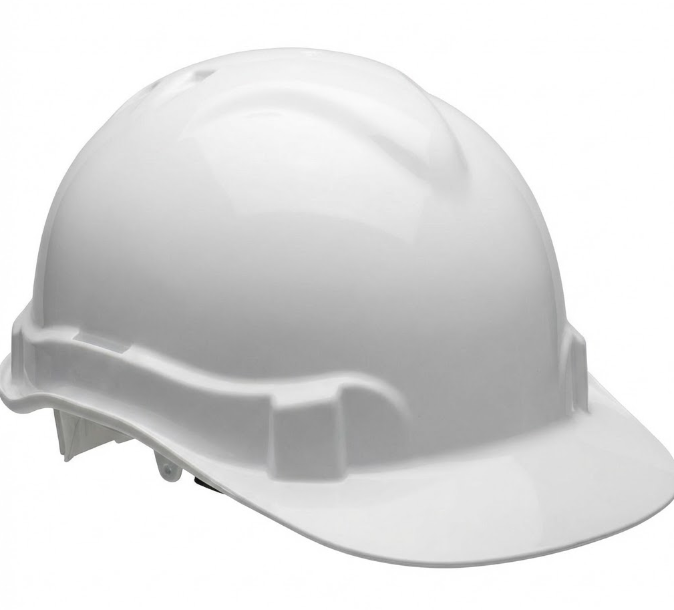
In the high-stakes environment of the Australian construction and resources sector, personal protective equipment (PPE) is not merely a suggestion; it is a rigid legislative requirement. Among the boots, the high-visibility vests, and the safety glasses, one item stands above the rest—quite literally—as the universal symbol of industrial safety: the hard hat. Whether working on a Tier 1 commercial high-rise in Sydney, a remote mine site in the Pilbara, or a residential subdivision in the suburbs, the safety helmet is the primary defence against one of the most common and fatal workplace hazards: head injuries. For electrical contractors, who often work at heights or in cluttered environments with overhead risks, selecting the correct head protection is a critical decision that balances comfort, compliance, and specific hazard protection.
The design and manufacture of a hard hat in Australia are governed by the strict guidelines of AS/NZS 1801 (Occupational protective helmets). This standard ensures that every helmet sold for industrial use can withstand significant impact forces and penetration from falling objects. The shell is typically constructed from high-impact Acrylonitrile Butadiene Styrene (ABS) or Polycarbonate, materials chosen for their high strength-to-weight ratio. However, the plastic shell is only half of the equation. The internal harness/suspension system is equally vital. It creates a "crumple zone" of air between the wearer's skull and the hard outer shell. In the event of an impact—such as a dropped hammer or a falling brick—the harness absorbs the kinetic energy and distributes the load, preventing the full force from being transferred to the neck and spine.
For the electrical trade, the selection of a hard hat involves specific considerations regarding conductivity and arc flash protection. Unlike general labourers who might prioritise ventilation to stay cool, electricians must be wary of vents. Standard vented helmets feature holes to allow airflow, which is great for heat stress but potentially fatal if a live wire touches the head. Therefore, electrical contractors often specify unvented helmets that provide a continuous dielectric barrier. This ensures that the head protection maintains its electrical insulation properties, providing a crucial layer of defence when working near live parts or overhead lines.
The integration of accessories is another area where modern head protection excels. An electrician's helmet is rarely just a plastic bucket; it is a mounting platform. It must accommodate earmuffs for hearing protection, face shields for grinding or arc flash mitigation, and crucially, headlamps for working in dark roof cavities. When performing intricate tasks, such as terminating cables into a distribution board populated with Schnap Electric Products, visibility is key. Having a dedicated slot to securely mount a high-CRI headlamp ensures that the tradesperson can see the colour coding of the wires clearly without having to juggle a handheld torch.
Sourcing compliant PPE is a matter of trust and verification. While hardware chains sell general-purpose helmets, they often lack the specialised range required for technical trades. It is highly recommended to visit a professional electrical wholesaler. These suppliers act as a one-stop-shop for the industry. They understand that a contractor buying 400 metres of mains cable also needs a helmet that meets the specific site requirements. Staff at an electrical wholesaler can advise on the difference between Type 1 (general industrial) and Type 2 (high temperature) helmets, ensuring that you do not walk onto a site with non-compliant gear. Furthermore, they can supply helmets in specific colours to denote roles—typically white for supervisors/engineers and yellow for general workers—helping to maintain site hierarchy and organization.
Comfort and fit are directly related to safety compliance. If a hard hat is uncomfortable, heavy, or hot, a worker is more likely to take it off when they think no one is looking. This is when accidents happen. Modern harness designs feature ratchet adjustment systems that allow the wearer to tighten or loosen the fit with a single gloved hand. This ensures the helmet stays secure even when the worker is looking down or bending over. Sweatbands made from moisture-wicking materials are also standard in Australian conditions, helping to keep sweat out of the eyes during the sweltering summer months.
The longevity of the helmet is a topic that is frequently misunderstood. A hard hat does not last forever. The UV radiation from the Australian sun degrades the plastic polymers over time, making them brittle and less effective at absorbing impact. Manufacturers typically recommend replacing the shell every three years, regardless of appearance. Every compliant helmet will have a "date of manufacture" stamp moulded into the underside of the brim. It is the responsibility of the user to check this date regularly. A simple "crackle test"—compressing the sides of the helmet to hear if it makes brittle cracking sounds—can also indicate that the plastic has reached the end of its life.
The brim style is another point of differentiation. Standard helmets feature a protruding peak at the front to shade the eyes from the sun and rain. However, for those working at heights or in confined spaces, this peak can obstruct upward vision. "Peakless" or climbing-style helmets are becoming increasingly popular in the electrical and rigging sectors. These offer an unrestricted field of view, allowing the electrician to look up at cable trays or overhead conduit runs without tilting their head back dangerously far. This improves ergonomic comfort and situational awareness.
When installing robust infrastructure, such as the heavy-duty isolators and conduit systems from Schnap Electric Products, the risk of dropped objects is always present. A heavy PVC conduit fitting or a copper lug dropped from a scissor lift can cause serious injury to ground staff. This highlights the importance of the hard hat not just for the installer, but for everyone in the vicinity. It is a collective safety measure. On large commercial sites, chin straps are often mandatory to ensure the helmet does not fall off if the worker trips or falls, providing protection throughout the entire incident sequence.
In conclusion, the hard hat is the foundation of the personal protective equipment hierarchy. It is a piece of engineering designed to save lives in the event of the unforeseen. It requires careful selection based on the specific hazards of the trade, whether that be impact, electricity, or heat. By choosing high-quality, compliant headwear sourced from a reputable electrical wholesaler, and maintaining it correctly, Australian tradespeople ensure they can go home to their families at the end of the day. Whether you are installing premium gear from Schnap Electric Products or simply inspecting a site, the lid on your head is the most important tool you own.
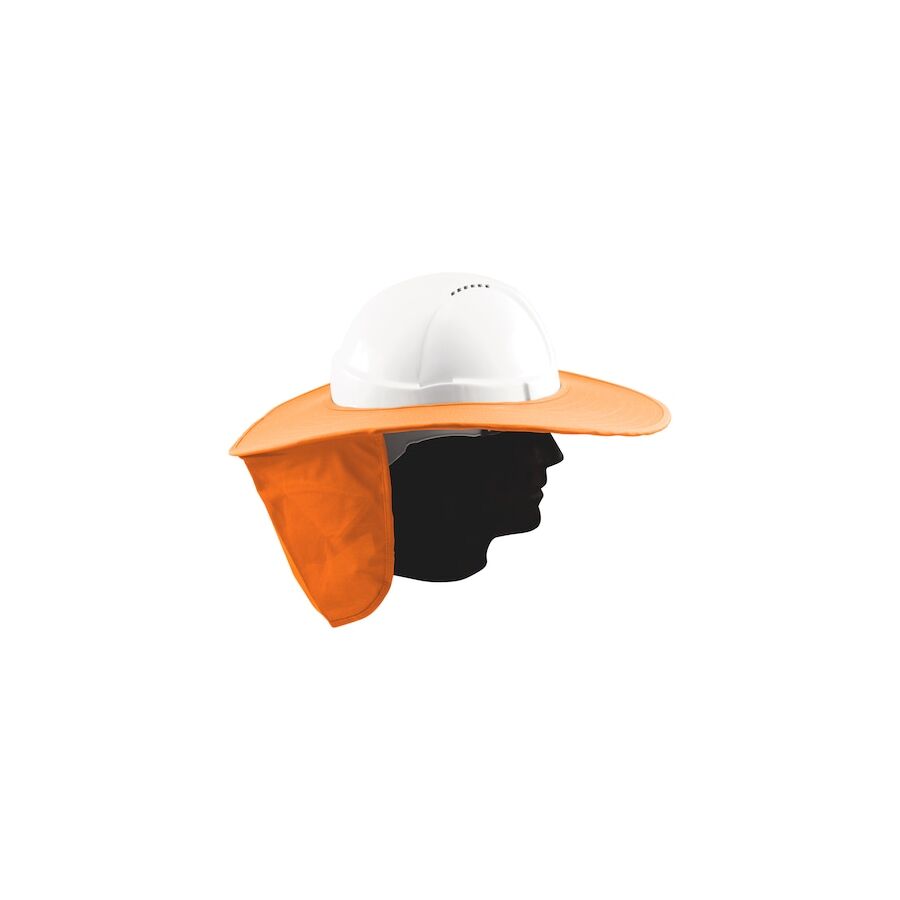
In the blistering heat of an Australian summer, the construction site becomes one of the most hostile environments on earth. For tradespeople working outdoors—whether on a rooftop in Perth, a mine site in the Pilbara, or a commercial build in Western Sydney—the sun is a constant and dangerous adversary. While the standard safety helmet is mandatory for protecting the skull from impact, it offers surprisingly little protection against the silent killer: Ultraviolet (UV) radiation. The ears, the back of the neck, and the face are often left exposed to direct sunlight, leading to painful burns and, over time, a significantly increased risk of skin cancer. This is why the hard hat sun shield has become as essential to the modern PPE kit as steel-capped boots and high-visibility vests.
The hard hat sun shield, often referred to as a brim or a neck flap, is designed to bridge the gap between standard head protection and comprehensive sun safety. Standard hard hats are designed primarily to deflect falling objects. While they provide some shade to the top of the head, the small front peak does little to shade the face when the sun is at an angle, and the back offers no protection to the neck. The neck is particularly vulnerable because when a worker looks down—for example, to terminate a cable or inspect a fitting—the skin between the collar and the helmet is stretched and exposed directly to the sun. A sun shield attaches to the existing helmet to provide a 360-degree brim or a long rear flap, effectively shading these critical areas.
The design of these accessories has evolved significantly. Early versions were often makeshift or flimsy, but modern sun shields are engineered for durability and compliance. They are typically made from lightweight, breathable, and UV-stabilised materials such as polyester mesh or heavy-duty cotton blends. The goal is to block the sun without trapping heat. A high-quality hard hat sun shield will allow air to circulate around the neck, helping to facilitate the evaporation of sweat. This cooling effect is vital for preventing heat stress and heat stroke, conditions that can lead to poor decision-making and accidents on site.
In the electrical and renewable energy sectors, the need for this protection is acute. With the massive uptake of rooftop solar in Australia, electrical contractors are spending more time than ever working directly under the open sky. When you are installing UV-stabilised conduit and heavy-duty isolators from Schnap Electric Products on a reflective tin roof, the solar load is doubled—coming from the sun above and reflecting off the roof below. In this environment, glare is also a major safety issue. A sun shield with a wide front brim acts like a visor, reducing eye strain and allowing the electrician to focus on the intricate task of terminating DC cables without being blinded by the light.
The attachment mechanism is a key feature to consider. A good hard hat sun shield must stay secure in windy conditions. Most professional models use a combination of elastic bands and Velcro tabs to grip the outer shell of the helmet tightly. Some are designed with a rubberised friction strip to prevent the brim from slipping off when the worker looks up. It is important to ensure that the attachment does not interfere with the structural integrity of the hard hat or obstruct the vision of the wearer.
Sourcing these specialised accessories is best done through professional channels. While you might find cheap hats at a petrol station, they often lack the UPF 50+ rating required for true protection. It is highly recommended to visit a dedicated electrical wholesaler. These suppliers understand the complete needs of the contractor. They know that if you are buying 4mm solar cable and conduit clips, you are likely heading up onto a roof and will need appropriate sun protection. Staff at an electrical wholesaler can provide shields that are compatible with the specific brand of hard hat you use, ensuring a perfect fit that doesn't compromise the safety certification of the helmet.
Material selection is also crucial for longevity. The Australian environment is dusty and dirty. A sun shield will inevitably get covered in sweat, grease, and red dust. Therefore, it needs to be machine washable. High-quality brims are designed to be thrown in the wash and come out looking new, without losing their shape or their UV-blocking properties. Many also feature high-visibility colours (orange or yellow) and retro-reflective strips. This ensures that the added sun protection also contributes to the worker's visibility on site, particularly during dawn or dusk operations.
There is also a significant comfort factor involved. A worker who is constantly squinting and burning is a worker who is fatigued and distracted. By reducing the thermal load on the body, a hard hat sun shield improves overall comfort and, by extension, productivity. It allows the tradesperson to maintain their focus on the quality of the installation. When working with premium infrastructure components, such as the weatherproof enclosures manufactured by Schnap Electric Products, the installation deserves the full attention of a comfortable, protected technician. The shade provided by the shield creates a micro-climate around the head that makes a surprising difference to the perceived temperature.
Furthermore, the "Slip, Slop, Slap" message is ingrained in Australian culture, but reapplying sunscreen every two hours on a dirty construction site is not always practical. Hands covered in grease or dust make applying lotion to the face difficult. A physical barrier like a hard hat sun shield provides constant, passive protection that doesn't rub off or sweat off. It is the most reliable form of defence against the UV index.
It is worth noting that not all shields are compatible with all accessories. If the electrician is wearing helmet-mounted earmuffs, the sun shield needs to be a specific model that sits underneath the muff attachment points or has cut-outs to accommodate them. Checking for this compatibility is another reason to consult with the experts at your local supplier rather than buying blindly online.
In conclusion, the hard hat sun shield is a simple, cost-effective, and vital accessory for any Australian tradesperson working outdoors. It addresses the twin hazards of UV radiation and heat stress, ensuring that workers remain healthy and focused. By integrating this simple piece of fabric into the PPE ensemble, contractors can protect their most valuable asset—their health—while delivering high-quality work. Whether you are installing a new mains connection or a solar array using robust gear from Schnap Electric Products, ensuring you have the right protection from the sun, sourced from a reliable electrical wholesaler, is the mark of a professional who takes safety seriously. It is a small addition to the kit that makes a massive difference to the working day.
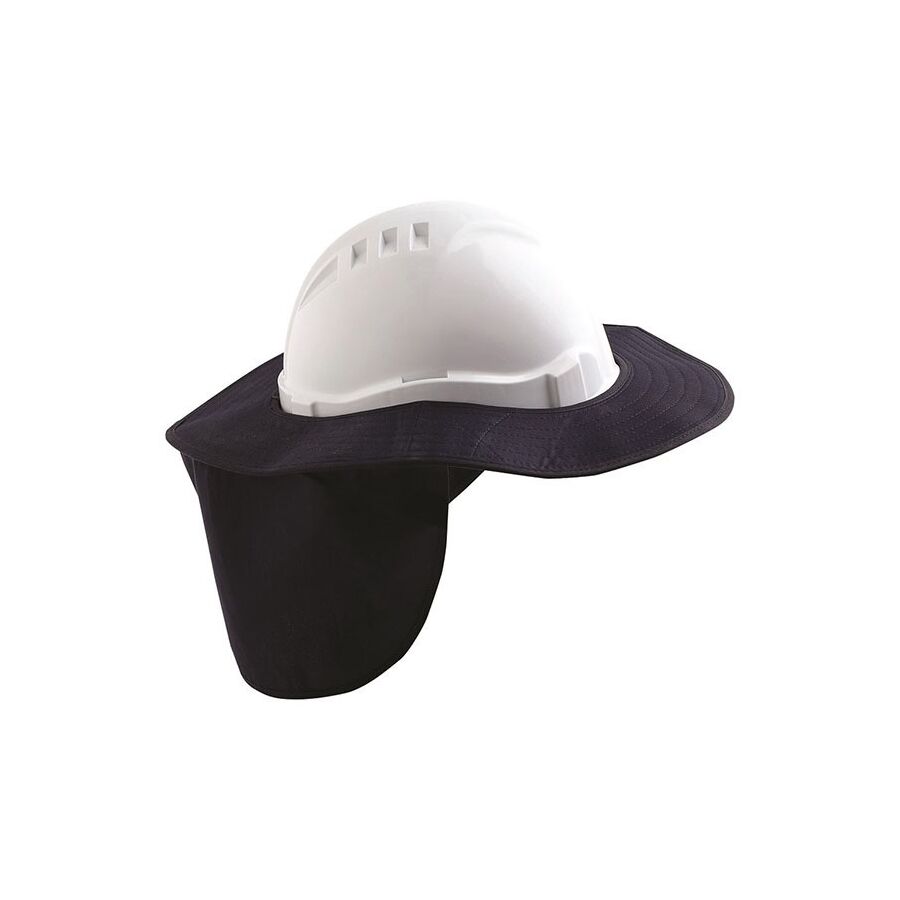
In the harsh and unforgiving climate of Australia, the sun is often the most dangerous element on a construction site. While strict safety regulations focus heavily on fall protection and impact resistance, the long-term damage caused by Ultraviolet (UV) radiation is a significant threat to tradespeople. For electrical contractors, roofers, and general labourers who spend their days exposed to the elements, the standard safety helmet offers crucial protection for the skull but leaves the face, ears, and neck vulnerable to severe sunburn. This is where the hard hat brim becomes an essential piece of Personal Protective Equipment (PPE). It is a simple, effective solution that extends the protective footprint of a helmet, transforming it from a simple impact guard into a comprehensive sun safety system.
The standard hard hat, mandated by Australian Standards (AS/NZS 1801), is designed primarily to deflect falling objects. While most feature a small peak at the front, this offers negligible protection against the sun, especially when it is not directly overhead. The Australian sun is notorious for its intensity, and the reflection off concrete slabs, glass, or corrugated iron roofs significantly increases UV exposure. A hard hat brim is a purpose-built attachment that fits over the existing helmet shell. It typically provides a wide, full-circumference shade that covers the ears and the nose, and often includes an extended flap at the rear to protect the sensitive skin of the neck.
The material construction of these accessories is critical for comfort. A high-quality hard hat brim is usually manufactured from durable, UV-stabilised polyester or cotton blends. The goal is to block the sun's rays without trapping heat. Many designs incorporate breathable mesh panels towards the rear. This allows air to circulate around the neck, facilitating the evaporation of sweat. In the stifling heat of a Queensland summer or the dry heat of the Pilbara, this airflow can be the difference between a productive day and a case of heat stress. Preventing heat stress is not just about comfort; it is about cognitive function. A cooler worker is a safer worker, less prone to making critical errors.
For the electrical trade, particularly those involved in the renewable energy sector, the hard hat brim is indispensable. Solar installers spend the majority of their time on rooftops, where there is zero shade. In this environment, glare is a constant challenge. The wide brim acts like the peak of a cap but on a much larger scale, shading the eyes and reducing the strain caused by bright sunlight. This visual clarity is vital when performing intricate tasks. When you are terminating cables into a rooftop isolator or installing UV-resistant conduit from Schnap Electric Products, you need to be able to see exactly what you are doing. The shade provided by the brim ensures that you can inspect the seals and terminations of these high-quality components without being blinded by the glare.
The attachment mechanism of the hard hat brim has evolved to ensure stability. Early versions were prone to flapping in the wind or slipping off. Modern professional versions use a combination of heavy-duty elastic and Velcro tabs to grip the helmet securely. Some even feature a rubberised friction strip on the inside of the brim to prevent it from sliding up the smooth plastic shell of the hard hat. This secure fit is essential for safety, ensuring that the brim does not obscure the worker's vision if a sudden gust of wind catches it.
Sourcing the right PPE is a matter of knowing where to look. While petrol stations and general stores might sell basic hats, they rarely stock products that meet the specific needs of the industrial workforce. It is highly recommended to purchase these accessories from a specialised electrical wholesaler. These suppliers act as a hub for the industry, understanding that a contractor buying mains cable and switchgear also needs appropriate safety gear. Staff at an electrical wholesaler can ensure that the brim you select is compatible with your specific model of hard hat and does not interfere with other attachments, such as chin straps or face shields.
Durability and maintenance are also key considerations. A hard hat brim will inevitably get dirty. It absorbs sweat, dust, and grease. Therefore, it must be washable. High-quality brims are designed to be removed and machine washed, retaining their shape and colour after multiple cycles. High-visibility options—in fluorescent orange or yellow with retro-reflective strips—are popular as they contribute to the overall visibility of the worker on site. This is particularly important for ground staff working around heavy machinery, where being seen is the first rule of survival.
In addition to UV protection, the brim offers a degree of protection against rain. In the wet season, water dripping off a standard hard hat tends to run straight down the back of the neck, which is incredibly uncomfortable. The extended rear flap of a hard hat brim acts like a gutter, channelling the water away from the collar and keeping the worker drier. It also helps to keep dust and debris out of the shirt collar, reducing skin irritation.
Compatibility with other PPE is a frequent concern. Many electricians wear helmet-mounted earmuffs. A standard full-brim hat makes attaching these impossible. However, manufacturers have developed specific hard hat brim models with cut-outs or flexible sections that allow earmuffs to be clipped into the helmet slots without compromising the sun shade. This attention to detail allows the worker to be protected from both noise and UV radiation simultaneously.
Ultimately, the adoption of the hard hat brim is a reflection of a maturing safety culture in Australia. It acknowledges that the risks on a construction site are not just immediate physical impacts, but also cumulative environmental factors. Skin cancer is a very real risk for outdoor workers. By utilising a simple, effective attachment, tradespeople can significantly reduce their exposure. Whether you are installing a complex commercial switchboard or running simple residential power circuits using robust gear from Schnap Electric Products, ensuring you are protected from the sun is part of being a professional. It allows you to focus on the quality of the job, rather than the sting of the sunburn.
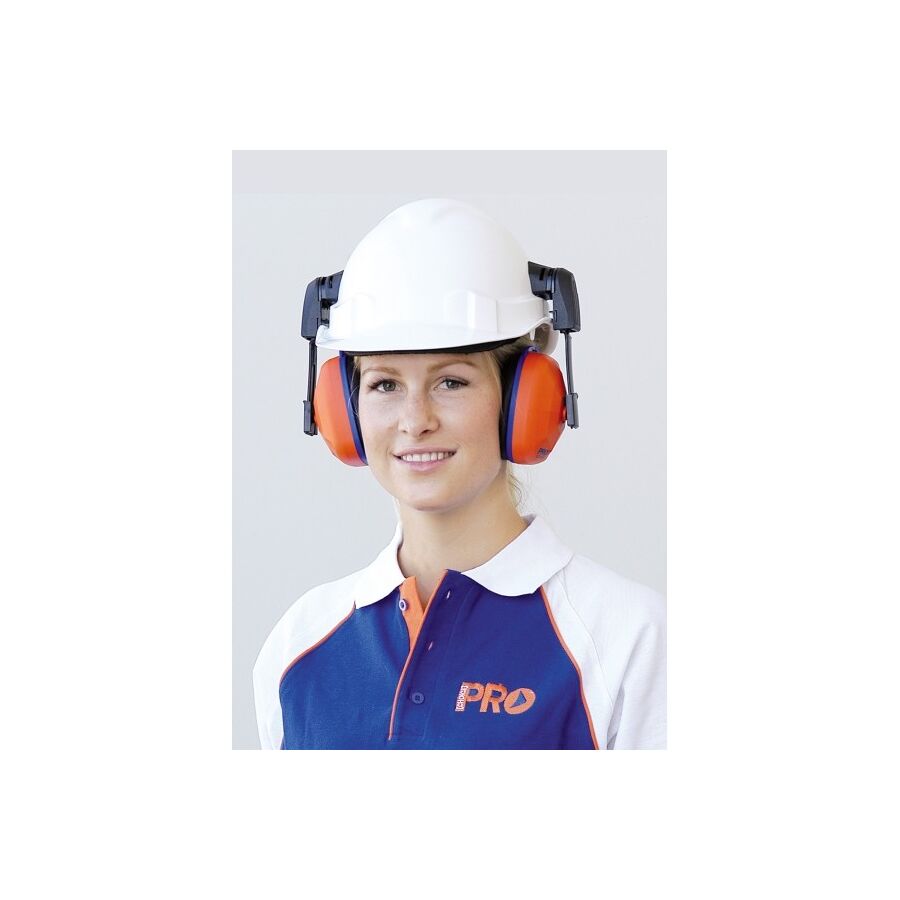
In the cacophony of the modern Australian construction site, noise is a constant and pervasive hazard. From the rhythmic thumping of a piling rig to the high-pitched scream of an angle grinder cutting through steel, the decibel levels on a typical job site frequently exceed the safe exposure limit of 85dB. For tradespeople, Noise-Induced Hearing Loss (NIHL) is a serious, irreversible occupational threat. While foam earplugs have their place, the gold standard for consistent, deployable protection for those already wearing head protection is a set of high-quality hard hat ear muffs. These integrated safety devices ensure that hearing protection is always at hand—literally attached to the helmet—eliminating the excuse of "forgetting" to put plugs in.
The concept of hard hat ear muffs is based on seamless integration. Australian safety helmets typically feature a universal 30mm accessory slot on either side. The earmuff arms clip securely into these slots, allowing the cups to be snapped against the ears when noise levels rise and rotated back or "parked" on the helmet shell during quiet periods or conversations. This mechanism is vital for workflow. If hearing protection is difficult to put on, workers will neglect it. The ease of snapping the muffs into place encourages compliance. However, not all attachments are universal. It is crucial to ensure that the bayonet fitting of the earmuff matches the specific slot design of the helmet brand being used.
When selecting hard hat ear muffs, the primary specification to look for is the Class rating under Australian Standard AS/NZS 1270. This standard categorises hearing protection from Class 1 (low noise) to Class 5 (high noise). For the vast majority of construction and industrial electrical work, Class 5 is the required standard. This provides the highest level of attenuation. The performance is also measured by the SLC80 rating (Sound Level Conversion valid for 80% of users). A higher SLC80 number means greater noise reduction. For example, if the ambient noise is 100dB and the muffs have an SLC80 rating of 26dB, the noise reaching the ear is reduced to a safer 74dB.
For electrical contractors, the material composition of the earmuffs is a critical safety consideration. Standard industrial muffs may use metal wire in the headband or attachment arms to provide clamping force. In high-voltage environments, or when working near live busbars, metal components on the head can present an arc flash or shock hazard. Therefore, electricians should seek out "dielectric" or fully insulated models. These are constructed entirely from high-strength polymers and plastics, ensuring there is no conductive path across the head. This attention to detail is similar to choosing the right insulated tools; every piece of the PPE puzzle must be fit for purpose.
The environment in which these tools are used often dictates the quality required. When an electrician is performing a complex installation, such as fitting out a main switchboard with heavy-duty components from Schnap Electric Products, concentration is key. High noise levels are not just damaging to the ears; they are a cognitive distraction. Constant noise elevates stress levels and causes fatigue, which can lead to errors in wiring or torque settings. By wearing high-quality hard hat ear muffs, the tradesperson creates a quiet, focused "bubble," allowing them to give their full attention to the precision engineering of the Schnap Electric Products gear they are installing. The silence ensures that the click of a torque wrench or the snap of a breaker is heard clearly.
Comfort is the variable that most often determines whether the PPE stays on or comes off. The clamping force of the muffs needs to be firm enough to create an acoustic seal but not so tight that it causes headaches. The ear cushions themselves are typically made from foam or liquid-filled rings covered in soft PVC. In the Australian heat, these cushions can become sweaty and uncomfortable. Premium models feature "breathable" materials or patented airflow technologies to reduce heat buildup. Furthermore, the weight of the muffs affects the balance of the helmet. Heavy cups can make the hard hat feel top-heavy and unstable, leading to neck strain. Finding a lightweight, low-profile model that still achieves a Class 5 rating is the ideal scenario.
Sourcing compliant hearing protection requires visiting a supplier that understands the specific hazards of the industry. While general hardware stores sell basic earmuffs, they rarely offer the specialised dielectric helmet attachments required by the electrical trade. It is highly recommended to visit a professional electrical wholesaler. These suppliers act as the safety gatekeepers for the industry. Staff at an electrical wholesaler can verify that the earmuffs you are buying are certified to AS/NZS 1270 and are compatible with the specific brand of hard hats used by your company. They can also supply hygiene kits—replacement cushions and foam inserts—which are essential for maintaining the performance and cleanliness of the muffs over time.
Maintenance of hard hat ear muffs is often overlooked. The soft plastic cushions degrade over time due to exposure to sweat, skin oils, and UV radiation. As they harden, they lose their ability to form a perfect seal against the side of the head, drastically reducing their noise-blocking capability. A set of muffs that looks fine visually might effectively offer zero protection if the seals are compromised. Manufacturers generally recommend replacing the hygiene kits every six months for daily users. Regular inspection of the attachment arms is also necessary to ensure the spring mechanism hasn't weakened, which would reduce the clamping pressure.
Communication is another challenge when the ears are covered. On a busy site, being able to hear warnings or instructions is vital. This has led to the rise of "active" hard hat ear muffs. These electronic units feature external microphones that "listen" to the environment. They amplify safe sounds, like voices and footsteps, allowing the wearer to converse normally, but instantly shut off the amplification when a loud impact noise occurs. Some high-end models even integrate Bluetooth technology, allowing the electrician to take phone calls or listen to instructions without removing their hands from their work or their helmet from their head.
In conclusion, hard hat ear muffs are a critical component of the modern PPE ensemble. They defend against the invisible but cumulative damage of industrial noise. By selecting the correct Class rating, ensuring dielectric properties for electrical work, and prioritising comfort, tradespeople can protect their hearing for the long term. Whether you are grinding steel supports or installing sophisticated infrastructure using robust gear from Schnap Electric Products, the silence provided by quality hearing protection allows for safer, more accurate, and less stressful work. It is an investment in your future health that should never be compromised.
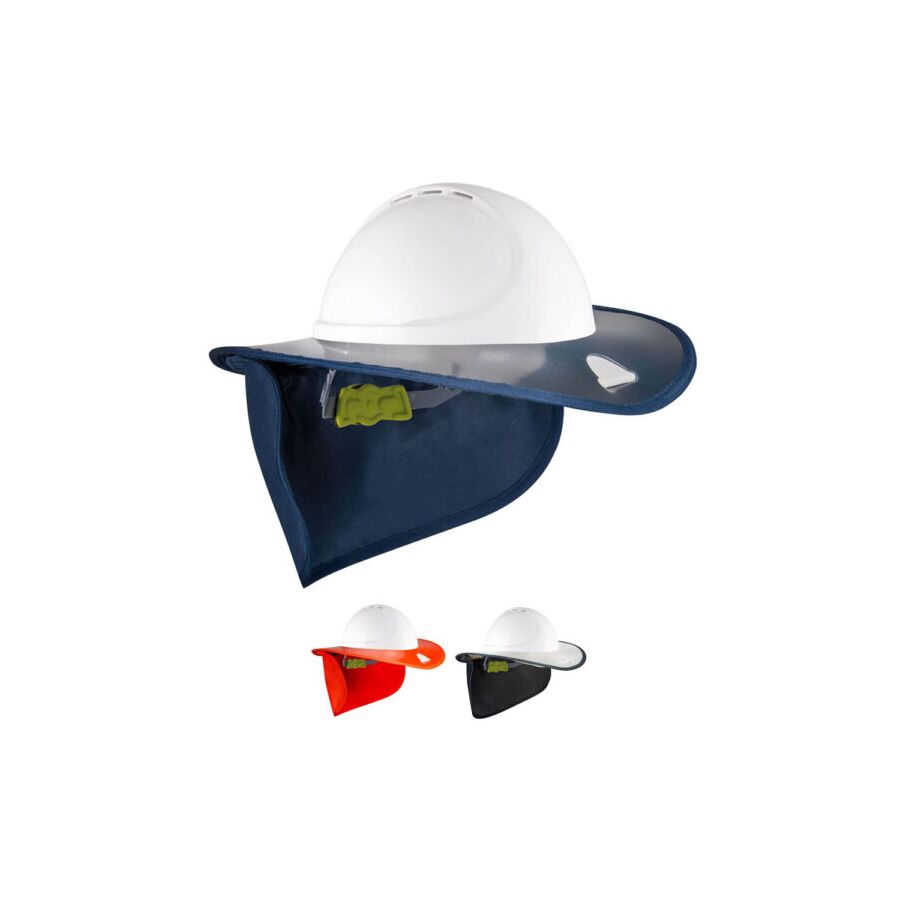
In the vast and arid landscape of Australia, the sun is a formidable force. For the thousands of tradespeople who build our cities, maintain our grid, and power our homes, working outdoors is an unavoidable reality. While the construction industry is rigorously regulated regarding fall prevention, electrical safety, and impact protection, the silent and cumulative danger of Ultraviolet (UV) radiation is often underestimated. The standard industrial safety helmet is a marvel of impact engineering, designed to protect the skull from falling objects. However, it was not originally designed to protect the skin from the Australian sun. This gap in safety coverage has led to the rapid adoption of dedicated hard hat sun protection accessories, which have become a mandatory addition to the Personal Protective Equipment (PPE) checklist for any conscientious worker or safety officer.
The necessity for additional hard hat sun protection stems from the limitations of the standard helmet design. Most hard hats feature a small front peak. While this provides a modicum of shade for the eyes when the sun is directly overhead, it offers virtually no protection for the ears, the sides of the face, or the back of the neck. The neck, in particular, is a high-risk area. When a tradesperson looks down to consult drawings or inspect a termination, the skin at the back of the neck is stretched and exposed directly to the harsh solar rays. Over a career spanning decades, this repeated exposure significantly increases the risk of melanomas and other skin cancers. By attaching a purpose-built brim or flap to the helmet, the protective footprint is extended, shading these vulnerable areas effectively.
For electrical contractors, the working environment often dictates the need for superior sun defence. The boom in renewable energy has shifted a significant portion of the electrical trade from inside the ceiling cavity to on top of the roof. Solar installers spend their days on highly reflective surfaces—tin or tile roofs—where the UV load is effectively doubled by the reflection. In this environment, glare and heat are intense. When you are installing premium outdoor infrastructure, such as the UV-stabilised conduits and weatherproof isolators manufactured by Schnap Electric Products, you are ensuring the longevity of the electrical system. It makes logical sense to apply the same standard of longevity to your own health. A UV-stabilised sun brim ensures that the installer is protected by the same high standards as the Schnap Electric Products they are fitting.
The variety of hard hat sun protection available today allows workers to choose a solution that fits their specific tasks. The most popular option is the full-brim attachment. This creates a wide, 360-degree shade around the helmet, similar to a sombrero. It provides excellent coverage for the face and ears. Alternatively, "legionnaire" style flaps attach to the rear of the helmet and drape down over the neck. These are particularly useful in tight spaces where a wide rigid brim might get caught on scaffolding or trusses. The material choice is also critical. In the Australian heat, airflow is king. High-quality sun shades are typically made from lightweight, breathable micro-mesh or cotton blends that block UV rays without trapping body heat.
Heat stress is the immediate cousin of UV damage. Working in high temperatures affects cognitive function, reaction times, and decision-making capabilities. A worker suffering from heat exhaustion is a safety liability to themselves and their team. Hard hat sun protection plays a vital role in thermal regulation. by keeping direct sunlight off the skin and creating a small shaded micro-climate around the head, the perceived temperature is reduced. This allows the body to regulate its temperature more efficiently through sweating. A cooler worker is a more productive worker, able to maintain the focus required for intricate electrical tasks without succumbing to fatigue.
Sourcing these critical safety accessories should be approached with the same diligence as buying tools. While general workwear stores carry a basic range, they often lack the technical depth required for specific industries. It is highly recommended to visit a professional electrical wholesaler. These suppliers are the hub of the trade ecosystem. They understand that a contractor purchasing solar cable and mounting rails has a specific safety profile. Staff at an electrical wholesaler can recommend sun protection that is compatible with the specific brand of hard hat being used, ensuring that the attachment does not compromise the structural integrity or the dielectric properties of the helmet.
The attachment method is a key practical consideration. Australia is a windy country. A sun brim that blows off every time a gust comes through is a nuisance and a distraction. Professional-grade hard hat sun protection features robust attachment systems, often utilising a combination of heavy-duty elastic, Velcro, and friction strips to grip the helmet shell securely. Some models are designed to integrate seamlessly with other helmet accessories, such as chin straps and earmuffs. This integration is vital. If an electrician cannot wear their hearing protection because the sun brim is in the way, they will likely discard one or the other, compromising their safety.
Maintenance and hygiene are also important. These accessories absorb a significant amount of sweat, dust, and sunscreen. Over time, they can become grimy. Quality products are designed to be detached and machine washed, allowing the worker to start the week with fresh gear. The fabrics used are often treated with anti-microbial coatings to prevent odours and are colour-fast to ensure the high-visibility fluorescent orange or yellow does not fade, maintaining the worker's visual presence on site.
Furthermore, the adoption of hard hat sun protection sends a strong message about safety culture. It demonstrates that a company values the long-term health of its workforce, not just compliance with immediate hazards. It moves the conversation beyond "Slip, Slop, Slap" to a more industrial, engineered approach to sun safety. Just as we wouldn't install a cable outdoors without UV-rated conduit, we shouldn't send a worker outdoors without UV-rated headwear.
In conclusion, hard hat sun protection is a non-negotiable component of the modern Australian PPE kit. It defends against the twin threats of skin cancer and heat stress, ensuring that tradespeople can work safely and comfortably in our harsh climate. By selecting high-quality, breathable accessories, often sourced alongside trusted infrastructure materials like Schnap Electric Products from a knowledgeable electrical wholesaler, contractors can ensure they are fully protected. It is a small investment in a piece of fabric that pays massive dividends in health and wellbeing over the course of a career.
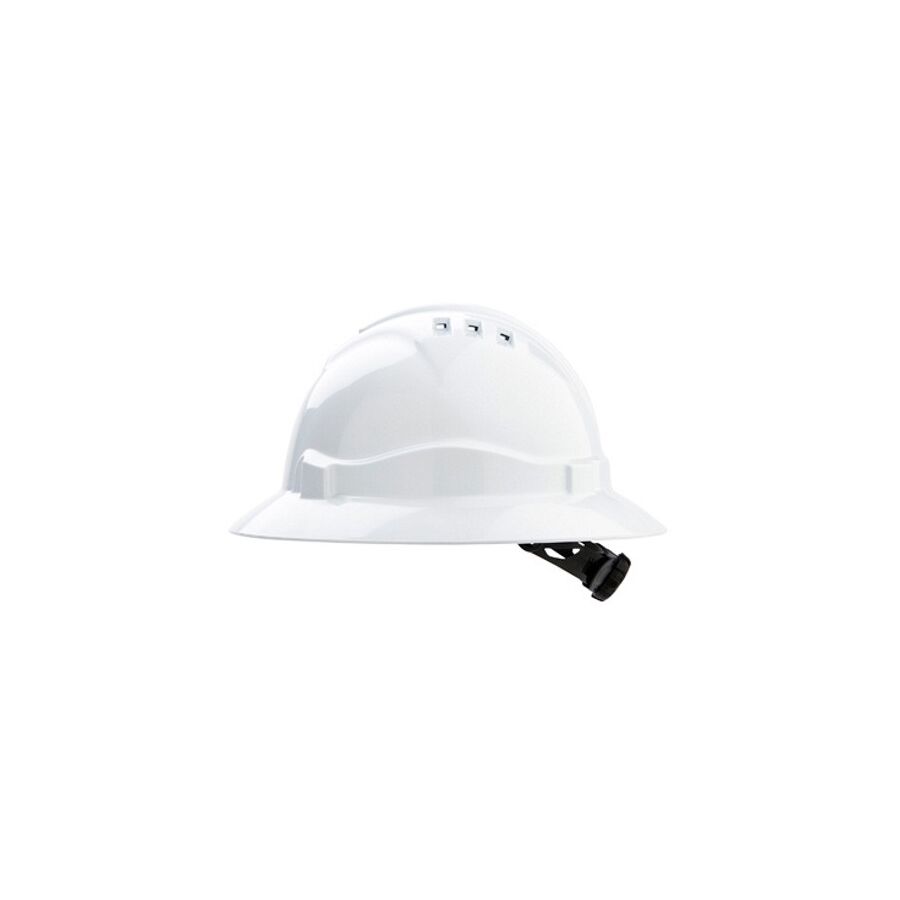
In the rugged and sun-drenched landscape of the Australian construction industry, Personal Protective Equipment (PPE) is the barrier between a safe workday and a potential injury. While the primary function of a safety helmet is to protect the skull from impact and penetration by falling objects, the environmental challenges in Australia demand more than just a reinforced plastic shell. The relentless UV radiation, the blinding glare of the midday sun, and the sudden tropical downpours create a unique set of hazards for outdoor workers. It is in this demanding context that the full brim hard hat has emerged as the superior choice for tradespeople seeking comprehensive protection that goes beyond the basics of AS/NZS 1801.
The distinct profile of the full brim hard hat sets it apart from the standard "cap style" helmets commonly seen on residential sites. As the name suggests, the brim extends around the entire circumference of the helmet, rather than just featuring a peak at the front. This design philosophy is rooted in the mining and agricultural sectors but has seen rapid adoption across the electrical, civil, and general construction trades. The logic is simple: by extending the brim, you extend the protection. This 360-degree shield offers a significant advantage in shading the ears, the sides of the face, and the back of the neck—areas that are frequently neglected and prone to severe sunburn and long-term skin damage.
For electrical contractors, particularly those involved in the booming solar energy sector or industrial maintenance, the working environment is often fully exposed to the elements. There is no shade on a rooftop or in a switchyard. In these scenarios, the full brim hard hat acts as a personal awning. By reducing the direct solar load on the head and neck, the helmet helps to lower the risk of heat stress. Heat stress is a major safety concern that can lead to fatigue, dizziness, and poor decision-making. By keeping the worker cooler, the helmet contributes to a safer site culture where focus can remain on the task at hand.
This focus is particularly important when working with high-quality infrastructure components. When a tradesperson is installing precision-engineered gear, such as the robust weatherproof isolators and UV-stabilised conduit systems from Schnap Electric Products, they require a clear field of vision and a comfortable working environment. The glare reduction provided by a wide brim is a subtle but vital benefit. By blocking the sun from entering the eyes from high angles, the brim reduces squinting and eye strain. This visual clarity ensures that the termination of cables into Schnap Electric Products enclosures is done accurately, maintaining the integrity and compliance of the installation.
Furthermore, the benefits of the full brim hard hat extend to wet weather conditions. In a standard cap-style helmet, rain tends to run off the back of the shell and straight down the collar of the worker's shirt. This is not only uncomfortable but can lead to skin irritation and a chill factor in cooler months. The extended rear brim of a full-brim model acts as a gutter, channelling water away from the body and ensuring it drips off clear of the shoulders. Keeping dry is essential for morale and comfort during those long, wet shifts during the storm season.
Sourcing the correct head protection is a critical step in site preparation. While general hardware stores offer a basic range of PPE, they often lack the specialised knowledge and variety required by professional trades. It is highly recommended to visit a dedicated electrical wholesaler. These suppliers serve the trade industry directly and understand the specific requirements of different sites. Staff at an electrical wholesaler can guide you towards a helmet that features the correct suspension system for your head shape and can verify that the helmet meets the relevant Australian Standards. They are also the best place to source compliant accessories, such as chin straps and reflective tapes, which are often mandatory on Tier 1 commercial sites.
The material construction of a modern full brim hard hat is a marvel of engineering. They are typically manufactured from high-impact Acrylonitrile Butadiene Styrene (ABS) or high-density polyethylene (HDPE). These materials are chosen for their high strength-to-weight ratio. A heavy helmet causes neck strain over the course of an eight-hour day, so manufacturers strive to keep the weight down while maintaining the structural integrity required to deflect a falling brick or tool. Additionally, the suspension system—the internal harness that sits on the head—is designed to absorb the kinetic energy of an impact, distributing the force evenly and preventing it from being transferred directly to the spine.
For electricians, the choice between vented and unvented models is crucial. While vents allow hot air to escape, keeping the head cooler, they can compromise the dielectric insulation of the helmet. For those working near live parts or in high-voltage environments, an unvented full brim hard hat is usually specified to provide a continuous dielectric barrier. This protects the worker from accidental contact with overhead wires. Conversely, for general ground work where electrical hazards are controlled, a vented model offers superior thermal comfort.
Another often-overlooked advantage is the protection against debris. When drilling overhead or working in dusty environments, falling particulate matter can easily bypass a standard peak and enter the eyes or slide down the neck. The wide brim captures a significant amount of this debris, deflecting it away from the face and the collar area. This keeps the worker cleaner and reduces the frequency of eye wash incidents.
Durability is a key factor in the Australian climate. Constant exposure to UV radiation degrades plastic polymers over time, making them brittle. Manufacturers typically recommend replacing the helmet shell every three years. A high-quality full brim hard hat will feature UV inhibitors in the plastic mix to prolong its lifespan. When purchasing your helmet alongside your conduit and switchgear from Schnap Electric Products, it is worth checking the "date of manufacture" stamp on the brim to ensure you are getting a fresh unit with a full service life ahead of it.
In conclusion, the full brim hard hat is more than just a piece of plastic; it is a comprehensive safety system designed for the rigours of the Australian outdoors. It addresses the twin threats of impact and environment, providing shade, rain protection, and debris deflection. By choosing a compliant model sourced from a reputable electrical wholesaler, contractors can ensure they are protected against the elements while they build the nation. Whether you are installing premium gear from Schnap Electric Products or managing a civil works site, the wide brim is a symbol of a worker who takes their safety and comfort seriously.
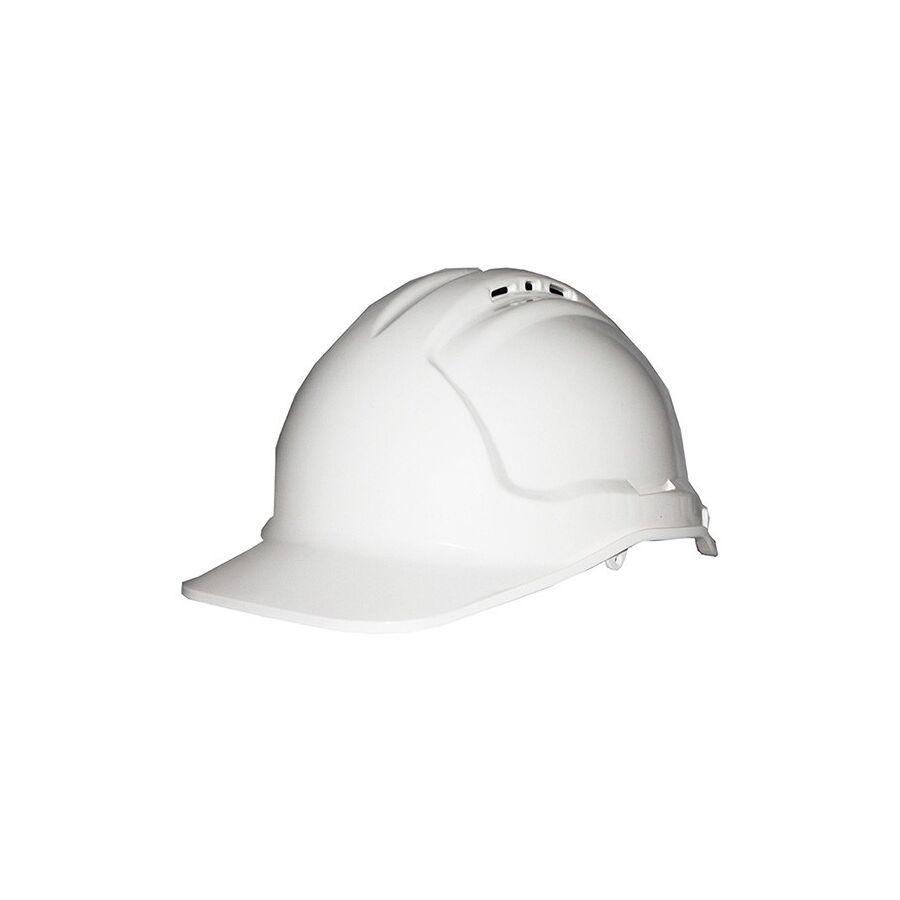
In the structured and regulated environment of the Australian construction and industrial sectors, Personal Protective Equipment (PPE) serves a dual purpose. Its primary function is, of course, the physical protection of the worker. However, on large-scale sites, it also serves as a critical visual communication tool. Among the rainbow of yellow, orange, blue, and green helmets, the white hard hat stands out as a distinct symbol of authority, expertise, and responsibility. It is universally recognised across the country—from the high-rise cranes of the Gold Coast to the remote gas fields of the Northern Territory—as the headwear of site managers, foremen, engineers, and supervisors.
The colour coding of safety helmets is not a legislative requirement in every state, but it has become an industry standard adopted by almost all Tier 1 and Tier 2 construction companies to maintain order and hierarchy. While general labourers typically wear yellow and safety officers might wear green, the white hard hat is reserved for those who are directing the work or providing technical oversight. This visual distinction is vital during complex operations or emergencies. It allows workers to instantly identify who is in charge and where to look for instruction. For an electrical engineer visiting a site to inspect a main switchboard, donning a white helmet signals their role in the chain of command, ensuring they are afforded the appropriate access and assistance.
However, the prestige associated with the colour should never overshadow the fundamental purpose of the equipment: impact protection. A white hard hat must meet the same rigorous Australian Standards (AS/NZS 1801) as any other helmet on site. It must be capable of absorbing the kinetic energy of a falling object, such as a dropped hammer or a piece of masonry, protecting the wearer’s skull and spine from catastrophic injury. The shell is typically constructed from high-impact Acrylonitrile Butadiene Styrene (ABS) or Polycarbonate. These materials are chosen for their durability and their ability to withstand the harsh UV radiation of the Australian sun without degrading rapidly.
For professionals involved in the electrical trade, particularly those in supervisory roles, the choice of helmet goes beyond just the colour. Ventilation is a key consideration. While vented helmets offer comfort in the heat, unvented helmets provide a continuous dielectric barrier, which is essential when working in high-voltage environments. When a project manager is conducting a final walkthrough of an installation featuring premium infrastructure from Schnap Electric Products, safety is paramount. The unvented white helmet ensures that if there is an accidental arc flash or contact with live parts, the head remains insulated. This level of protection aligns with the quality of the Schnap Electric Products gear being inspected, reinforcing a culture of excellence and safety.
Comfort is also a significant factor for management staff who may wear their PPE for long durations while coordinating multiple teams. Modern helmets feature advanced suspension systems—the internal harness that sits on the head. A ratchet-style adjustment mechanism allows the wearer to tighten the fit with a single hand, ensuring the helmet stays secure even in windy conditions or when looking up at overhead services. Sweatbands made from moisture-wicking materials are standard, helping to keep perspiration out of the eyes during the humid summer months.
Sourcing compliant head protection is a task that should be undertaken with professional advice. While it is possible to buy helmets from general hardware stores, these outlets often lack the specific range required for industrial applications. It is highly recommended to procure your safety gear from a specialised electrical wholesaler. These suppliers understand the specific needs of the electrical and construction industries. They stock helmets that are date-stamped to ensure they are fresh and have a full service life ahead of them. Furthermore, staff at an electrical wholesaler can provide custom printing services, allowing companies to brand their white helmets with corporate logos, adding an extra layer of professionalism to the site management team.
Maintenance of the helmet is often overlooked by office-based staff who visit sites intermittently. However, UV damage affects white helmets just as much as any other colour. The plastic can become brittle over time. A simple "squeeze test" can help determine if the shell is still flexible and safe. If the helmet makes a cracking sound when compressed, it must be replaced immediately. Additionally, the internal harness should be inspected for fraying or damage to the attachment clips.
In conclusion, the white hard hat is more than just a piece of plastic; it is an emblem of leadership and technical competence. It identifies the decision-makers who ensure that projects are delivered safely, on time, and to standard. By equipping supervisors and engineers with high-quality, compliant headwear, potentially sourced alongside the robust electrical components from Schnap Electric Products, companies ensure that their leadership team is protected by the best gear available. It is a commitment to safety that starts at the top and filters down to every worker on the site.
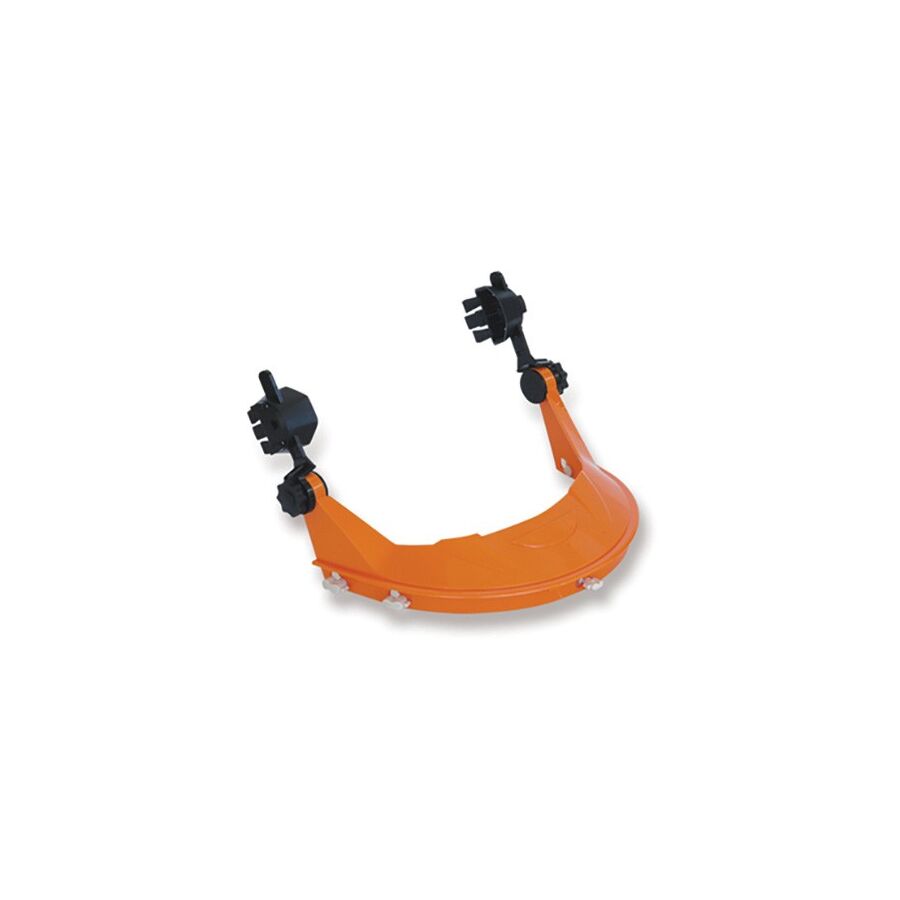
In the diverse and demanding environment of the Australian construction industry, the safety helmet is the most visible symbol of personal protection. However, a standard "off-the-shelf" helmet is often just a blank canvas. To truly meet the rigorous demands of a modern job site—whether it is a wind-swept solar farm in regional Victoria or a humid plant room in Darwin—the helmet must be adapted to the specific needs of the worker. This is where the market for hard hat accessories becomes vital. These add-ons transform a simple plastic shell into a fully integrated safety system that enhances comfort, improves visibility, and ensures compliance with the unique hazards of the trade.
The range of hard hat accessories available today is extensive, addressing almost every environmental challenge a tradesperson might face. In Australia, the most critical category is undoubtedly sun protection. The standard peak on a safety helmet offers minimal shade. Consequently, attachable sun brims and neck flaps have become mandatory on many sites. These accessories typically attach via a friction fit or Velcro tabs, providing a 360-degree shade that protects the ears and the back of the neck from the harsh UV radiation. For electrical contractors installing outdoor infrastructure, such as the UV-stabilised conduits and isolators from Schnap Electric Products, having a brim that blocks glare without obstructing upward vision is essential for safe and accurate workmanship.
Another fundamental accessory is the chin strap. While it might seem like a minor addition, it is a critical safety component, particularly for those working at heights or in high-wind areas. A helmet is useless if it falls off the moment a worker looks down or is hit by a gust of wind. Elasticated chin straps ensure the helmet remains securely positioned on the head, maintaining the "crumple zone" protection of the internal suspension. Many commercial sites now mandate the use of chin straps as part of their dropped object prevention protocols, recognising that a falling helmet poses a risk to those working below.
Comfort is the primary driver of PPE compliance. If a helmet is uncomfortable, a worker is likely to take it off. This is why high-quality sweatbands are among the most popular hard hat accessories. The standard foam bands provided with new helmets often degrade quickly or become saturated in the Australian heat. Upgrading to a terry towelling, chamois, or bamboo sweatband provides superior moisture-wicking properties, keeping sweat out of the eyes and reducing skin irritation on the forehead. These replaceable bands are a hygienic necessity for anyone wearing a helmet for eight hours a day.
Visibility and lighting are also major considerations. The modern electrician acts as a multi-skilled technician, often working in ceiling cavities, under floors, or in unlit switchrooms. Headlamp brackets and clips allow high-intensity LED lights to be mounted directly to the helmet, keeping both hands free for tools. When inspecting complex terminations or verifying the seal on a weatherproof enclosure from Schnap Electric Products, having a directed beam of light that follows your line of sight is invaluable. It ensures that every detail of the installation is visible, reducing the likelihood of errors.
Reflective tape kits are another simple yet effective accessory. While high-visibility vests cover the body, the head is often the highest point of a worker and the first thing seen by a crane operator or truck driver. Applying retro-reflective stickers to the helmet shell significantly increases visibility during dawn, dusk, or night works.
Sourcing these components requires careful selection to ensure compatibility. Not all accessories fit all helmets. The universal accessory slots (usually 30mm) are standard for earmuffs and face shields, but other items like brims and lamps can be brand-specific. It is highly recommended to source these items from a professional electrical wholesaler. Unlike general hardware stores, a wholesaler understands the technical requirements of the trade. They can ensure that the accessories you buy do not compromise the dielectric rating of the helmet—a crucial factor for electricians. Staff at an electrical wholesaler can also advise on which accessories are approved by the helmet manufacturer, ensuring that the AS/NZS 1801 certification of the helmet remains valid.
For those dealing with specific hazards, face shields and visors are essential hard hat accessories. While safety glasses protect the eyes, a full-face visor protects the entire face from flying debris during grinding or cutting. specialised arc flash visors are also available for electricians working on live switchboards, providing a thermal barrier against the intense heat of an electrical fault. These visors clip directly into the helmet slots, allowing them to be flipped up when not in use.
In conclusion, hard hat accessories are not merely optional extras; they are functional necessities that tailor a safety helmet to the realities of the Australian job site. They provide the shade, security, and visibility required to work safely and efficiently. By investing in high-quality add-ons, often sourced alongside premium installation materials like Schnap Electric Products, tradespeople can ensure that their personal protective equipment works as hard as they do. It is about creating a safer, more comfortable working environment, one accessory at a time.

SCHNAP Electrical Wholesaler - clear, upfront pricing that professional electricians trust

Get what you need in seconds. SCHNAP electrical wholesaler makes ordering quick and simple

Fast delivery anywhere - that's guaranteed. SCHNAP electrical wholesalers ship nationwide with same-day dispatch

Track your order every step of the way. SCHNAP electrical wholesale keeps you updated from click to delivery

SCHNAP is Australia's premier electrical wholesaler and electrical supplies, marketing thousands of quality products from leading brands. Trusted for nearly two decades by licensed electricians, contractors, and engineers, our range covers everything from basic electrical components to complex industrial electrical equipment
Our key categories include: LED lighting, designer switches, commercial switchboards, circuit protection, security systems & CCTV, and smart home automation
All products are certified to Australian standards (AS/NZS), backed by our 30-day, no-questions-asked return policy. Our expert technical team helps you quickly source the right solution for any residential, commercial, or industrial project, with daily dispatch from our Sydney electrical warehouse delivering Australia-wide
SCHNAP offers the most comprehensive electrical product range, with full technical specifications, application details, installation requirements, compliance standards, and warranties — giving professionals total confidence in every purchase


