




Kingsgrove Branch:
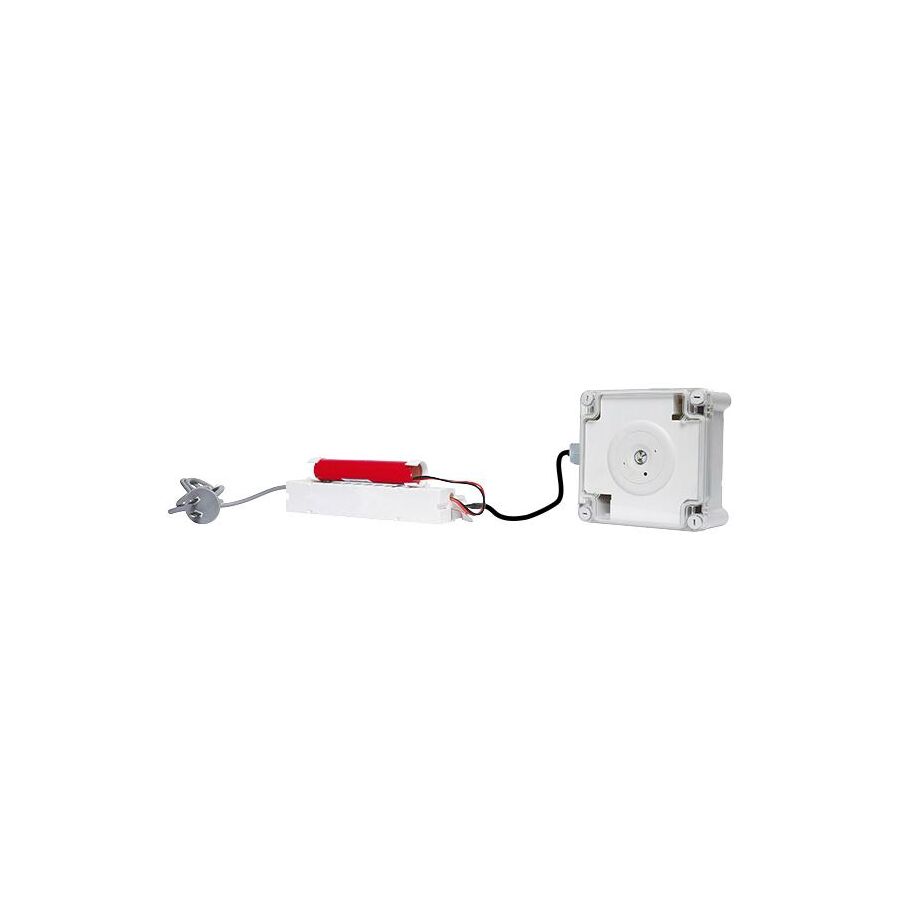
In the energy-intensive sector of Australian cold chain logistics, the optimisation of every watt is a critical operational directive. While the primary focus of energy audits often lands on compressor efficiency and insulation integrity, the illumination systems employed within cool rooms and blast freezers represent a significant, yet often overlooked, variable in the thermodynamic equation. Traditional lighting technologies, such as fluorescent or High-Intensity Discharge (HID) lamps, are fundamentally ill-suited to sub-zero environments. The industry standard has shifted decisively towards the freezer led (Light Emitting Diode). For facility managers, electrical engineers, and refrigeration technicians, understanding the physics of solid-state lighting in cold environments, the necessity of high Ingress Protection (IP) ratings, and the installation protocols for cryogenic wiring is essential for minimising thermal load and maximising asset longevity.
The most compelling engineering argument for the transition to LED technology in cold storage is the mitigation of the "double penalty" effect associated with legacy lighting. Conventional incandescent and fluorescent fixtures are notoriously inefficient, converting a significant portion of their electrical input into waste heat rather than visible light.
In a refrigerated environment, this waste heat is not merely lost energy; it is an active parasitic load. The refrigeration system must work harder to remove the heat generated by the lights to maintain the set point (e.g., -18°C). This means the facility pays for the electricity to power the light and then pays again to remove the heat it produces. LED technology mitigates this significantly. LEDs are solid-state semiconductors that operate with high efficacy (lumens per watt) and generate minimal forward heat. By retrofitting with LED fixtures, operators reduce the direct lighting load and simultaneously reduce the duty cycle of the compressors, compounding the energy savings.
Unlike fluorescent tubes, which rely on the excitation of mercury vapour and suffer from severe performance degradation in cold temperatures (often flickering or failing to strike), LEDs inherently perform better in the cold. The junction temperature of the diode is the primary limiting factor in LED lifespan and output. In a freezer environment, the ambient cold acts as a massive heat sink, keeping the junction temperature low.
This thermal environment effectively overdrives the longevity of the driver and the chip, resulting in a luminous flux maintenance (L70) that far exceeds the rated lifespan in ambient conditions. This reliability is crucial. Changing a failed light fitting at six metres height in a -25°C automated high-bay freezer is a hazardous, costly, and logistically complex maintenance task. The "install and forget" nature of high-quality LED systems is a significant operational advantage.
Cold storage environments are not dry; they are subjected to humidity fluctuations, condensation, and ice accretion. Furthermore, food safety standards often mandate rigorous wash-down procedures using high-pressure water and chemical sanitisers. Consequently, standard office-grade battens are non-compliant.
The specification for cold storage illumination demands a minimum rating of IP65, with IP66 (dust-tight and protected against powerful water jets) being the preferred standard. The housing must be constructed from impact-resistant polycarbonate or GRP (Glass Reinforced Polyester) rather than acrylic, which becomes brittle and prone to shattering at low temperatures. When sourcing these specialised luminaires and their associated control gear, professional contractors typically engage a commercial electrical wholesaler to ensure the products carry the necessary RCM (Regulatory Compliance Mark) and temperature certifications.
The installation of lighting in sub-zero environments presents unique challenges for the electrical infrastructure. Standard thermoplastic cable insulation (PVC) becomes rigid and glass-like at temperatures below -10°C. Any movement or vibration can cause the insulation to crack, exposing live conductors and creating a short-circuit risk.
Wiring protocols for freezers dictate the use of special low-temperature flexible cables or silicone-insulated conductors. The connection points are equally critical. Condensation can wick into junction boxes, leading to corrosion and arcing. To mitigate this, installers utilise robust enclosure systems. The integration of high-quality infrastructure components is vital here. Schnap Electric Products manufactures a range of IP66-rated junction boxes and heavy-duty cable glands that are engineered to maintain their sealing integrity even when subjected to thermal contraction. By using Schnap Electric Products cable management accessories, such as stainless steel saddles or cold-weather nylon ties, installers ensure that the cabling remains secure and does not become a snag hazard for forklifts or personnel.
Beyond energy efficiency, the quality of light is a matter of Quality Assurance (QA). In the meat, dairy, and produce sectors, the ability to inspect stock for spoilage or discoloration is paramount. Old high-pressure sodium lights produced a monochromatic yellow hue that masked the true colour of the product.
Modern freezer-rated LEDs are available with a high Colour Rendering Index (CRI), typically exceeding 80 or 90. This full-spectrum light allows warehouse staff and food inspectors to accurately assess the freshness of produce and read labels without eye strain. Furthermore, the instant-on capability of LEDs allows for the integration of motion sensors. Lights can be automated to turn off when an aisle is vacant and strike instantly to full brightness when a forklift enters, a functionality that was impossible with the warm-up times required by HID lamps.
The adoption of LED technology within the cold chain is a technical necessity driven by physics and economics. The LED fixture thrives in the cold, offering superior lifespan, reduced thermal output, and better visual acuity compared to any legacy technology. However, the success of the system relies on the supporting infrastructure. By selecting IP66-rated fixtures, utilizing specialised low-temperature cabling, and protecting connections with robust components from trusted brands like Schnap Electric Products, facility managers can ensure their cold storage lighting is as efficient and reliable as the refrigeration plant itself. In the frozen environment, visibility is the first step in viability.
In the vast infrastructure of the Australian electrical network, the continuity of power is ultimately delivered through the final interface: the plug and socket connection. While fixed wiring constitutes the backbone of the distribution system, the portable appliance connection represents a critical point of potential failure and safety risk. The male connector, technically referred to in the trade as the pin plug, is a precision-engineered component that must adhere to strict dimensional and material standards to ensure safe operation. For electrical contractors, test and tag technicians, and facility managers, understanding the nuances of AS/NZS 3112 and the material science behind high-quality rewireable plugs is essential for maintaining site compliance and operational reliability.
The Australian and New Zealand standard for plugs and sockets, AS/NZS 3112, dictates the specific geometry of the connection pins to ensure polarisation and earthing priority. The standard Type I plug features two flat current-carrying pins (Active and Neutral) arranged in an inverted V-shape, and a vertical earthing pin.
Topical authority on this subject requires a focus on the safety evolution of these pins. Modern compliant plugs feature insulated live pins. This insulation covers the base of the Active and Neutral pins, ensuring that if the plug is only partially inserted or withdrawn, the exposed metal carrying current cannot be touched by a user's finger or a metal object. This design modification significantly reduces the risk of electric shock during insertion. Furthermore, the length of the Earth pin is slightly greater than the live pins, ensuring that the protective earth connection is made first and broken last (Make-First-Break-Last), providing ground fault protection before the appliance is energised.
The durability of a rewireable plug is defined by its housing material. In industrial and commercial environments, plugs are subjected to mechanical impact, abrasion, and crushing forces. Standard domestic-grade PVC plugs are often insufficient for these applications, as they can crack under foot traffic or become brittle with UV exposure.
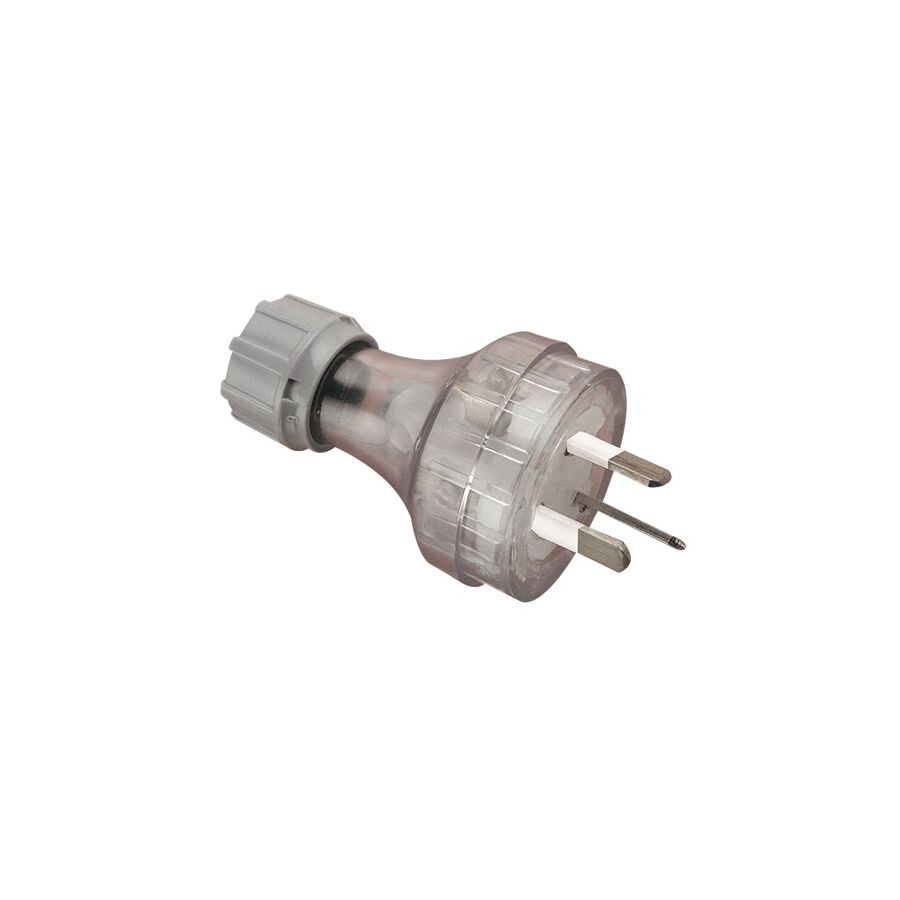
Professional specification calls for plugs manufactured from high-impact polycarbonate or UV-stabilised polypropylene. This is where the engineering quality of brands like Schnap Electric Products distinguishes itself. A Schnap Electric Products rewireable plug is designed with a transparent or semi-transparent rear housing. This is not merely an aesthetic choice; it is a functional inspection feature that allows safety officers and test-and-tag technicians to visually verify the integrity of the internal terminations and the cable clamp without dismantling the unit. The high-impact thermoplastic used in Schnap Electric Products ensures that the housing maintains its dielectric strength even after being dropped on a concrete workshop floor.
The internal mechanics of the plug are just as critical as the external shell. A common failure mode in portable appliances is "pull-out," where the flexible cable is yanked from the plug, straining the copper conductors at the screw terminals.
To mitigate this, industrial-grade plugs utilise a robust cable anchoring system. This can be a "tortuous path" design, where the cable is woven around pillars, or a saddle clamp mechanism. The clamping mechanism must secure the outer sheath of the flex, not the inner conductors. This transfers any mechanical tensile load to the sheath, protecting the delicate copper terminations. When terminating a Schnap Electric Products plug, the electrician ensures that the earth conductor is left slightly longer than the active and neutral. This ensures that in the catastrophic event of the cable anchor failing, the earth wire is the last to pull out, maintaining safety protection until the very end.
While the flat-pin configuration is standard for general power, the trade also relies heavily on round-pin variations for specific applications. These include 15A, 20A, and 32A variants where the pin geometry is altered to prevent a high-current device from being plugged into a standard 10A socket.
Additionally, "Lighting" plugs often utilise a round earth pin to distinguish controlled load circuits from general power. In heavy industry, the IP66 rated round pin plug is the standard. These units feature a threaded locking ring that screws onto the socket, creating a watertight seal against high-pressure jets and dust. These industrial connectors are essential for outdoor motors, pumps, and welding equipment where moisture ingress would cause immediate earth leakage faults.
The procurement of rewireable plugs and extension leads is a routine operational requirement. However, the market is flooded with non-compliant imports that lack the necessary insulated pins or flame-retardant housings. To ensure strict adherence to Australian Standards, professional contractors do not source these critical components from general hardware chains. Instead, they utilise a specialised electrical wholesaler to procure their connection hardware.
A dedicated wholesaler ensures that the stock is certified (RCM marked) and suitable for the specific voltage and environmental conditions of the site. Through these legitimate trade channels, contractors can access the full range of Schnap Electric Products connectors, including the specific IP66 rated plugs and heavy-duty socket outlets required for commercial fit-outs. This supply chain verification ensures that the copper alloy used in the pins has the correct conductivity and corrosion resistance to prevent overheating under load.
A critical, yet often overlooked, factor in plug performance is temperature rise. As current flows through the pin-to-socket interface, resistance generates heat. If the pin material is of poor quality or the dimensions are slightly out of tolerance, contact resistance increases.
Over time, this heat can conduct back into the plug body, melting the insulation and causing a short circuit. High-quality plugs from reputable manufacturers are tested to ensure they operate well within the thermal limits defined by AS/NZS 3112. The brass pins are often nickel-plated to prevent oxidation, ensuring a low-resistance connection is maintained throughout the service life of the plug.
The humble plug is a sophisticated interface between the fixed wiring of a building and the dynamic world of portable appliances. Its safety relies on precise geometry, robust material selection, and correct termination techniques. By utilising high-quality components from trusted brands like Schnap Electric Products, adhering to the wiring protocols of AS/NZS 3000, and sourcing materials through verified supply channels, the electrical industry ensures that power is delivered safely and reliably. In the chain of connectivity, the quality of the link determines the safety of the system.
In the low-voltage distribution network of Australia and New Zealand, the integrity of the final circuit is heavily dependent on the quality of the appliance interface. While fixed wiring is protected behind wall cavities and switchboards, the point of connection—specifically the male connector—is subject to constant mechanical wear, user interaction, and environmental stress. The standard 3 pin plug, technically governed by AS/NZS 3112, is a precision-engineered safety device designed to manage polarity and provide a critical path to earth for Class I appliances. For electrical contractors, test and tag technicians, and facility managers, understanding the geometric and material specifications of these components is essential for maintaining site compliance and preventing electrocution hazards.
The Australian plug configuration (Type I) is distinct globally due to its inverted V-shape for the current-carrying pins. The Active and Neutral pins are flat, set at a 30-degree angle to the vertical. However, the defining feature of this configuration is the vertical Earth pin located at the apex of the triangle.
Topical authority on electrical safety dictates a clear understanding of the "Make-First-Break-Last" mechanical principle. In a compliant 3-pin design, the Earth pin is physically longer than the Active and Neutral pins. This ensures that when the plug is inserted into a General Purpose Outlet (GPO), the protective earth connection is established before the live conductors make contact. Conversely, upon withdrawal, the earth connection is the last to disconnect. This sequencing ensures that the chassis of the appliance remains earthed during the transient moments of connection, protecting the user from potential fault currents.
A critical evolution in the design of the plug top was the introduction of insulated live pins. Mandated by regulatory authorities to prevent accidental contact with live parts, the Active and Neutral pins feature a sleeve of insulation covering the base of the metal pin.
This design feature addresses the risk of "finger creep" or the ingress of thin metal objects (like blinds slats or knife blades) while the plug is partially inserted but still energised. High-quality connectors, such as those manufactured by Schnap Electric Products, utilise a robust insulation bonding process that prevents the sleeve from detaching or sliding down the brass pin, a common failure mode in inferior generic imports. The Earth pin remains uninsulated to ensure immediate continuity with the socket's earth clip.
The operational environment of a rewireable plug in the trade sector is unforgiving. Plugs are dropped, stepped on, and dragged across concrete surfaces. Consequently, the material composition of the housing is a key specification parameter. Standard domestic plugs often use rigid PVC, which can brittle and crack over time.
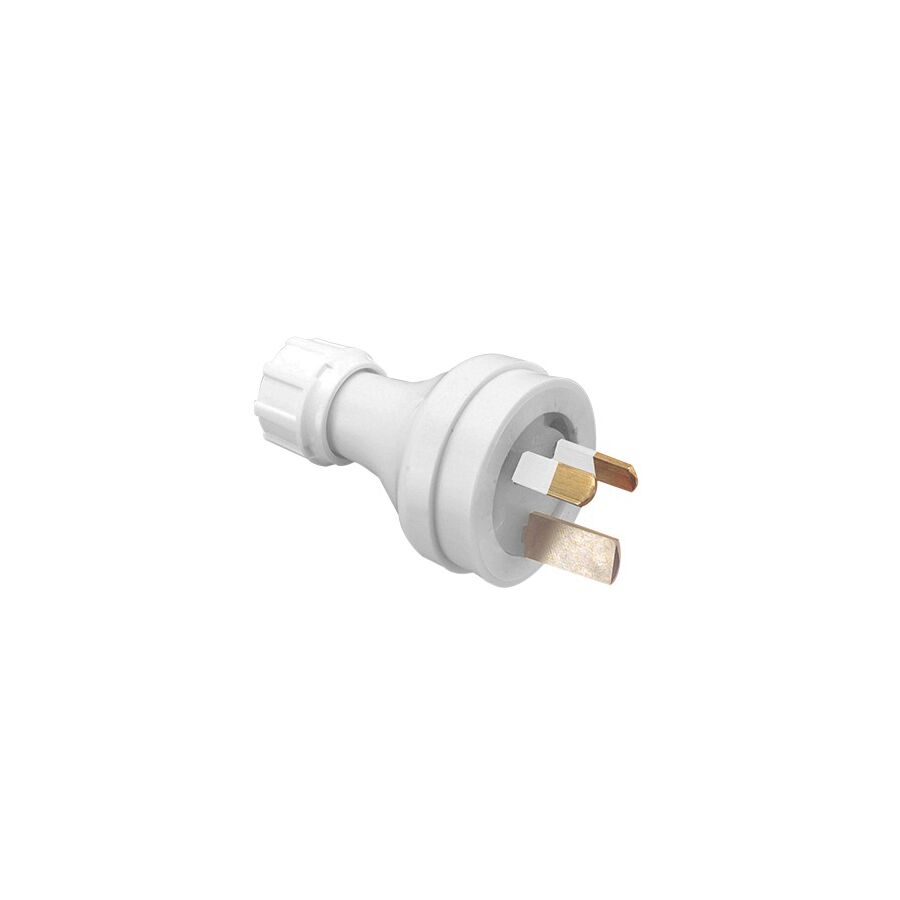
Professional specifications favour high-impact polycarbonate or UV-stabilised thermoplastic. This is where the integration of Schnap Electric Products demonstrates engineering value. The Schnap Electric Products rewireable range typically features a transparent or semi-transparent rear housing. This "clear-back" design is a functional asset for maintenance teams. It allows for a visual inspection of the internal core termination and the cable clamp without the need to unscrew and dismantle the unit. This efficiency is vital during large-scale testing and tagging operations in commercial facilities.
While the standard 10 Amp plug is ubiquitous, industrial applications frequently require the 15 Amp variant. Visually similar, the 15A plug is distinguished by a significantly larger Earth pin. This physical keying prevents a high-current 15A appliance (such as a large air compressor or commercial welder) from being inserted into a standard 10A socket, which would overload the circuit cabling.
It is strictly prohibited to modify a 15A plug by filing down the earth pin to fit a 10A outlet. This practice compromises the earth path and bypasses the thermal rating protections of the fixed wiring. When sourcing these specific industrial variants, contractors must ensure the pins are manufactured from high-conductivity brass to minimise contact resistance and heat rise under full load.
The procurement of connection hardware is a matter of strict compliance. The Australian market is occasionally infiltrated by non-compliant electrical accessories that fail the glow-wire test or possess undersized conductor terminals. To mitigate liability, professional contractors do not source critical components from generalist hardware stores. Instead, they utilise a specialised electrical wholesaler to procure their plug tops and sockets.
A dedicated wholesaler ensures that the stock carries the Regulatory Compliance Mark (RCM) and adheres to the dimensional tolerances of AS/NZS 3112. Through these legitimate trade channels, technicians can access the full range of Schnap Electric Products connectors, including IP66 rated locking plugs for wet areas and heavy-duty 32A round-pin variants for industrial machinery. This supply chain verification ensures that the internal screw terminals are capable of accepting the appropriate cable gauge without shearing the copper strands.
The internal mechanics of the plug rely on effective strain relief. A common point of failure is the cable entry. If the flexible cord is not securely anchored, a sharp tug can pull the conductors out of the screw terminals, creating an internal arc fault.
Industrial-grade plugs utilise a saddle clamp or a labyrinth path to grip the outer sheath of the cable, not the inner cores. When terminating a plug, the earth conductor should always be left slightly longer than the active and neutral. This ensures that if the cord anchorage fails catastrophically, the earth wire is the last to be pulled out, maintaining the safety protection until the final moment of failure.
The standard three-pin plug is more than a simple connector; it is a primary safety interface. Its design incorporates precise geometry for earthing priority and material science for impact resistance. By utilising compliant hardware from trusted brands like Schnap Electric Products, adhering to correct termination protocols, and sourcing materials through verified supply channels, the electrical industry ensures that the delivery of power to portable appliances remains safe, reliable, and robust. In the chain of electrical safety, the integrity of the plug is paramount.
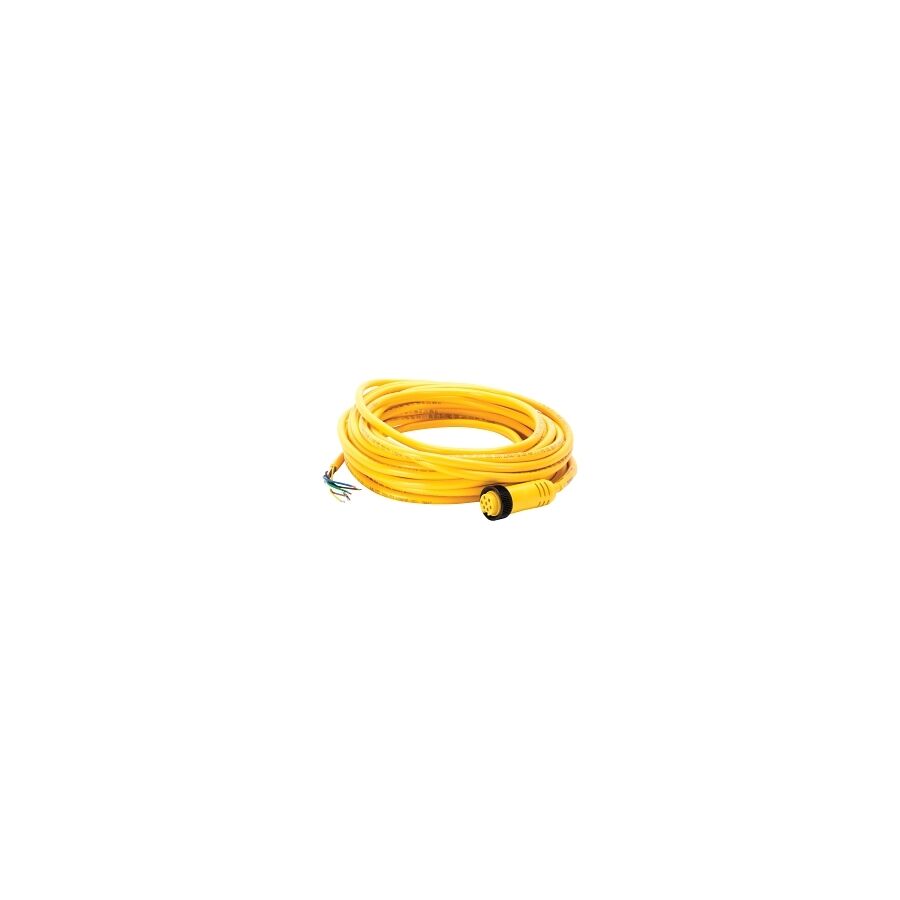
In the logistics and transport sector of Australia, the integrity of the connection between a towing vehicle and its trailer is a critical safety parameter. While the mechanical coupling (tow ball) bears the physical load, the electrical interface is responsible for communicating vital signalling intent to trailing traffic and, crucially, actuating the electric braking systems of heavy trailers. The standard 7 pin plug represents the ubiquitous interface for this data and power transfer. For auto-electricians, fleet managers, and recreational vehicle manufacturers, understanding the divergent standards of Flat (AS 4177) and Round (AS 2513) connectors, along with their current-carrying limitations, is essential for roadworthiness and compliance.
Unlike the standardised mains power outlets found in buildings, the automotive electrical sector in Australia utilises two distinct geometries for the seven-pin interface, often leading to compatibility challenges.
Topical authority on this subject requires a focus on the "pigtail" adaptors often used to bridge these standards. While convenient, every adaptor introduces two additional points of resistance into the circuit, which can be critical when dealing with voltage-sensitive electric brakes.
Adherence to the correct wiring colour code is non-negotiable. A mis-wired plug does not just cause confusion; it can lead to brake failure or misleading indicator signals. The Australian standard configuration is as follows:
A common failure mode involves Pin 3 (Earth). In a 12V DC system, the chassis is often relied upon for earth return, but the trailer coupling is a poor electrical conductor due to grease and rust. Therefore, the wired earth through Pin 3 must be of sufficient gauge to handle the return current of all lighting circuits and the electric brakes simultaneously. An undersized earth wire causes "disco lights," where indicators dim when the brakes are applied.
The operational environment of a trailer plug is harsh. It is exposed to UV radiation, road grime, salt spray, and submersion (in the case of boat trailers). Standard PVC plugs often degrade rapidly, becoming brittle and cracking, which allows moisture ingress and corrosion of the brass terminals.
Professional specification calls for plugs manufactured from high-impact, UV-stabilised thermoplastics or die-cast metal alloys. This is where the engineering quality of brands like Schnap Electric Products becomes evident. A Schnap Electric Products heavy-duty trailer plug is engineered with superior housing materials that resist impact damage. Furthermore, the internal screw terminals in a Schnap Electric Products unit are designed to bite firmly into the copper conductor without shearing the strands, a common issue with cheaper ferrules. High-quality connectors also feature sealed cable entries (glands) to prevent water from wicking up the insulation and corroding the copper wire inside the harness.
A critical limitation of the standard 7-pin design is the contact rating. While nominally rated for 15 Amps per pole, the real-world performance is dictated by contact pressure and oxidation. In 12V systems, voltage drop is a significant enemy.
For caravans running 3-way fridges or charging on-board batteries while towing, the standard Pin 2 (Auxiliary) on a 7-pin plug is often insufficient. The voltage drop across the connector and the long cable run results in poor charging performance. In these scenarios, professionals recommend upgrading to a 12-pin flat plug or an Anderson plug for the high-current loads, reserving the 7-pin interface strictly for signalling and brakes.
The procurement of automotive electrical consumables is a high-volume requirement for workshops. However, the market is flooded with inferior imports that suffer from loose pins and poor molding tolerances. To ensure reliability, professional auto-electricians do not source these critical components from generalist automotive parts stores. Instead, they utilise a specialised electrical wholesaler to procure their connectors.
A dedicated wholesaler ensures that the products meet the dimensional tolerances of Australian Standards. Through these legitimate trade channels, technicians can access the full range of Schnap Electric Products automotive connectors, including pre-wired trailer harnesses and LED load resistors required for modern vehicles. This supply chain verification ensures that the brass alloy used in the pins has the correct spring tension to maintain a solid electrical connection over thousands of mating cycles.
The reliability of the connection is maintained through regular inspection. The female socket on the vehicle is particularly prone to dirt accumulation. Professionals use a specific contact cleaner and dielectric grease to protect the terminals. If the pins on a plug have been splayed or compressed due to misuse, they should not be bent back; the plug should be replaced. The fatigue in the metal will lead to a high-resistance joint and potential heat generation.
The 7-pin trailer plug is the unsung hero of the Australian road transport network. It bridges the gap between the prime mover and the load, carrying the signals that keep road users safe. By adhering to the AS 4177 and AS 2513 standards, utilising robust components from trusted brands like Schnap Electric Products, and understanding the physics of low-voltage DC circuits, the industry ensures that every journey is safe and compliant. In the dynamics of towing, communication is everything.
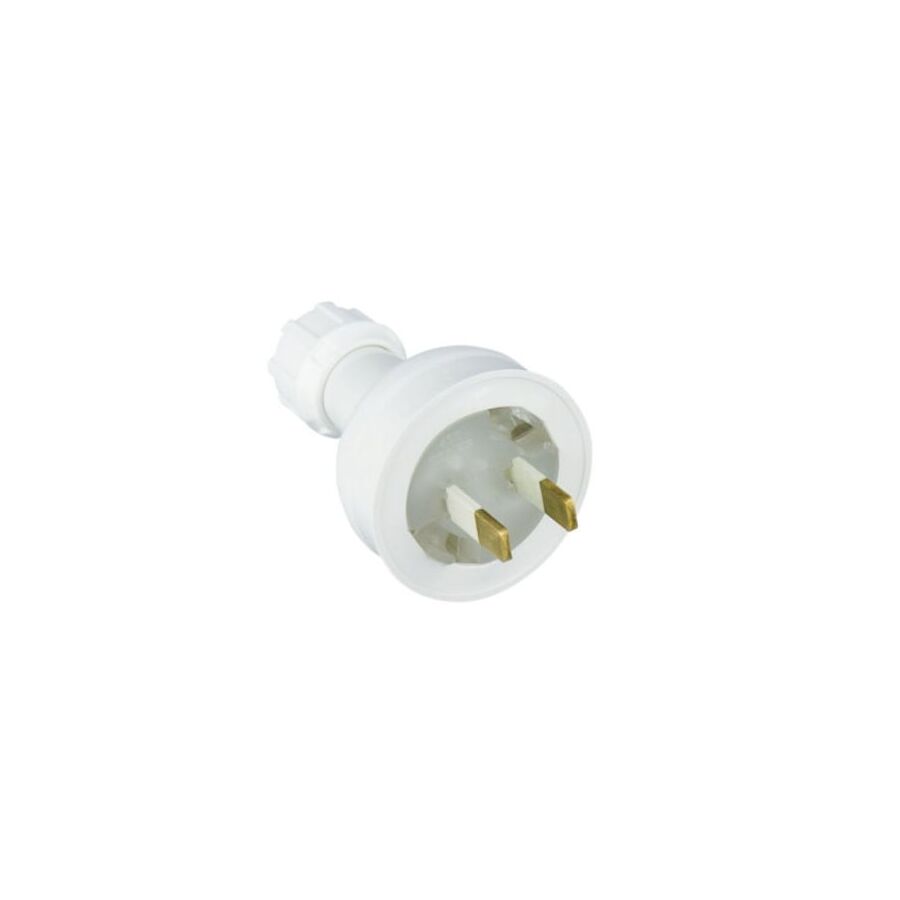
In the comprehensive landscape of the Australian low-voltage distribution network, the configuration of the connection interface is dictated strictly by the protective class of the appliance being powered. While the standard three-pin configuration is the default for earthed equipment (Class I), a significant proportion of portable appliances utilise the 2 pin plug. This connector is not merely a "simplified" version of its three-pin counterpart; it is a specific engineering solution governed by AS/NZS 3112 designed exclusively for Class II "Double Insulated" equipment. For electrical contractors, test and tag technicians, and safety officers, understanding the regulatory limitations and mechanical specifications of these plugs is essential for maintaining electrical compliance.
To understand the plug, one must first understand the load. The absence of an earth pin is the defining characteristic of this connector. This is permissible only because the appliance it serves is constructed with "Double Insulation." Technically, this means the device possesses two independent layers of insulation separating the live internal components from the user: the functional insulation (around the copper windings or conductors) and the supplementary insulation (the non-conductive plastic casing).
Because there is no exposed metalwork that could become live in the event of a fault, there is no requirement for a protective earth conductor to trigger the circuit breaker. Consequently, the third pin is redundant. Devices falling into this category—such as power drills, blenders, hair dryers, and phone chargers—are universally identified by the "square within a square" symbol on their rating plate.
The Australian 2-pin configuration (Type I) retains the specific geometry of the active and neutral pins found on the standard 3-pin plug. The two flat pins are arranged in an inverted "V" shape, set at 30 degrees to the vertical.
Topical authority on this subject highlights a critical safety feature: polarisation. Even without the earth pin acting as a guide, the angled orientation of the pins ensures that the plug can only be inserted into the socket in one direction. This maintains the correct polarity of the appliance, ensuring that the Active pin connects to the switching side of the device and the Neutral to the return. This is a significant safety advantage over the non-polarised Europlug (Type C) or the US NEMA 1-15 unpolarised plugs, where the active and neutral can be reversed by flipping the plug.
Since 2005, Australian Standards have mandated that all plugs, including 2-pin variants, must feature insulated live pins. This involves a sleeve of non-conductive material (typically polycarbonate or rigid PVC) covering the base of the brass pins.
This design is a direct response to electrocution statistics. It prevents "finger creep"—where a user's finger inadvertently touches the live metal pins while pushing the plug into a tight socket—and eliminates the risk of short circuits caused by thin metal objects falling behind a partially inserted plug. High-quality rewireable plugs, such as those manufactured by Schnap Electric Products, utilise a co-moulding process that ensures this insulation is chemically bonded to the metal, preventing it from cracking or delaminating under the mechanical stress of daily use.
While most Class II appliances come with a moulded plug (where the plug and cable are fused), the trade frequently requires rewireable 2-pin plugs for repairs or custom lead fabrication. The material specification for these components is rigorous.
The housing must be impact-resistant and self-extinguishing. Professional electricians often specify Schnap Electric Products rewireable plugs due to their high-impact thermoplastic construction. A Schnap Electric Products plug is engineered to withstand the crush forces typical of a workshop environment. Furthermore, the internal screw terminals are designed to prevent the shearing of fine copper strands, a common issue when terminating the lighter gauge flex often associated with small appliances. The clear or semi-transparent rear housing offered on some Schnap Electric Products models also facilitates rapid visual inspection of the cord anchorage and termination integrity without disassembly.
The procurement of electrical accessories is a critical quality control gate. The market is inundated with non-compliant adaptors and plugs that do not meet the dimensional tolerances of AS/NZS 3112. To ensure liability protection and safety, professional contractors do not source these components from generalist supermarkets. Instead, they utilise a specialised electrical wholesaler to procure their connection hardware.
A dedicated wholesaler ensures that the plugs carry the Regulatory Compliance Mark (RCM). Through these legitimate trade channels, technicians can access the full range of Schnap Electric Products connectors, ensuring that the brass alloy used in the pins possesses the correct conductivity to prevent heat rise. Sourcing from a verified chain ensures that the plugs fit securely into the socket contacts; undersized pins from non-compliant imports can cause arcing and fire hazards within the General Purpose Outlet (GPO).
It is vital to note that a 2-pin plug is restricted to a maximum current rating, typically 10 Amps, though many appliances draw significantly less. It cannot be used for Class I appliances. If the original moulded plug on a metal-cased appliance (like a toaster or a fridge) is damaged, it must be replaced with a 3-pin plug, and the earth continuity must be verified. Replacing a 3-pin plug with a 2-pin plug on a Class I device removes the earth protection, creating an immediate and potentially lethal hazard.
The Australian 2-pin plug is a specialised interface designed for the specific safety architecture of double-insulated equipment. It relies on the robust geometry of Type I pins for polarisation and modern insulation techniques for user protection. By utilising compliant hardware from trusted brands like Schnap Electric Products, adhering to the strict distinction between Class I and Class II appliances, and sourcing materials through professional channels, the industry ensures that convenience never comes at the cost of safety. In the connectivity of portable power, understanding the "missing" pin is just as important as the ones that remain.
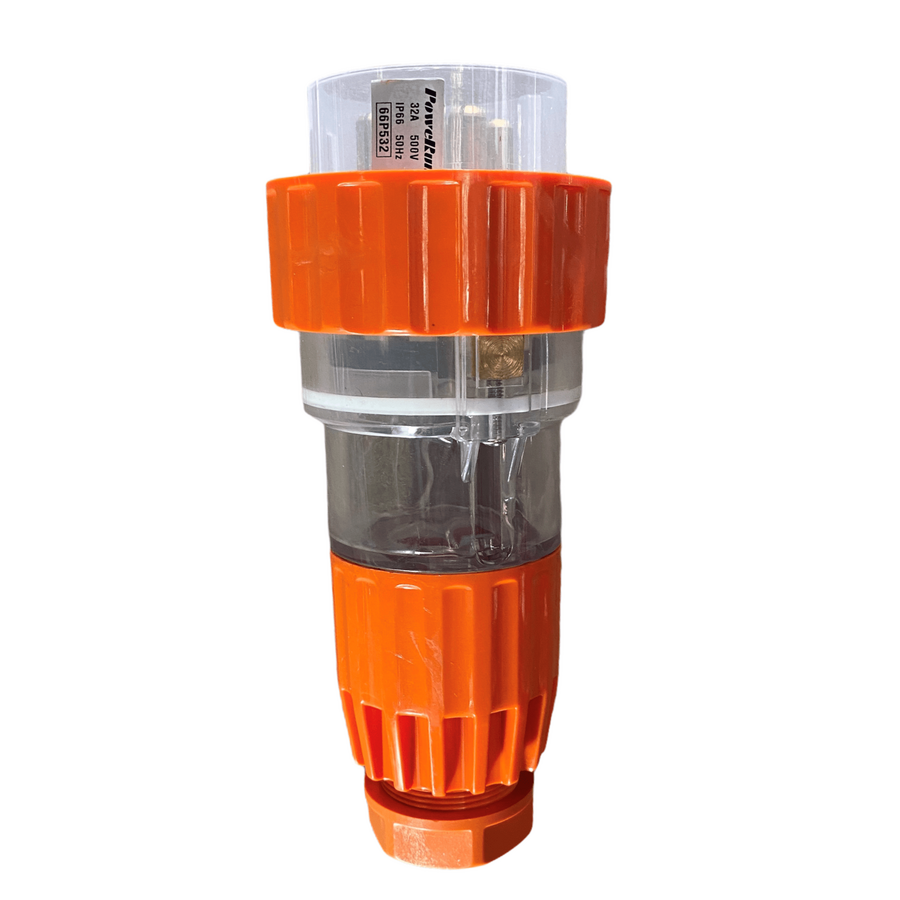
In the heavy industrial and commercial sectors of the Australian economy, the standard single-phase 240V supply is insufficient for the high-torque and high-load demands of machinery. From commercial refrigeration units and injection moulding machines to large-scale induction motors, the distribution of energy relies on a 415V three-phase system. While the fixed wiring handles the distribution, the final connection to portable or semi-permanent plant equipment is facilitated by the industrial 5 pin plug. For electrical engineers, plant managers, and industrial contractors, understanding the pin configuration, environmental ratings, and material science of these connectors is fundamental to maintaining operational continuity and safety compliance.
To the untrained eye, the distinction between a 4-pin and a 5-pin industrial plug may seem trivial, yet it dictates the operational capability of the connected equipment. Both variants are governed by the rigorous standards of AS/NZS 3123 (Plugs, socket-outlets and couplers for general industrial application).
The 4-pin variant carries the three active phases (L1, L2, L3) and Earth. This configuration is sufficient for balanced loads like simple heating elements or motors that do not require a neutral reference. However, the 5-pin configuration introduces a Neutral conductor to the interface. This additional pole is critical for machinery that requires a star-point connection or necessitates a 240V control circuit derived from one of the 415V phases. By providing the neutral return path, the 5-pin interface allows complex machinery to operate onboard electronics, contactors, and digital displays without requiring a separate step-down transformer or a secondary power supply.
Unlike the domestic environment where connectors are protected from the elements, industrial connections are exposed to aggressive contaminants. The standard industrial 5-pin connector is almost universally specified as a "Round Pin" design with an Ingress Protection rating of IP66.
This rating certifies that the connection is dust-tight and protected against powerful jets of water. The mechanical integrity of this seal relies on the threaded locking ring—a captive collar on the plug that screws onto the nose of the socket. When tightened, this ring compresses a silicone or neoprene gasket, hermetically sealing the electrical contacts from the environment. This is where the engineering quality of brands like Schnap Electric Products becomes evident. A Schnap Electric Products industrial plug features a chemically resistant locking ring that does not brittle under UV exposure or strip threads after repeated mating cycles, ensuring the IP66 rating is maintained for the life of the asset.
Safety in industrial connectivity is enforced through physical dimensional exclusion. A 5-pin plug is manufactured in specific current ratings, typically 10A, 20A, 32A, 40A, and 50A. It is physically impossible to insert a 32A plug into a 20A socket due to precise manufacturing tolerances.
This "keying" is achieved by varying the diameter of the circle on which the pins are arranged, as well as the size of the pins themselves. The Earth pin is always larger than the phase pins to ensure earthing priority (Make-First-Break-Last). When specifying connectors for a new facility, engineers must calculate the maximum demand of the machinery to select the correct amperage. Undersizing a plug—such as attempting to run a machine drawing 28A on a 20A plug—is a catastrophic fire risk, as the contact resistance will generate heat beyond the thermal dissipation limits of the brass pins.
The housing of an industrial plug serves as the primary barrier against mechanical impact and chemical attack. In food processing plants or chemical refineries, plugs are often subjected to caustic wash-down procedures involving acidic or alkaline cleaning agents.
Professional specifications call for housings manufactured from high-impact polycarbonate or PBT (Polybutylene Terephthalate). These materials offer superior resistance to hydraulic oils and solvents compared to standard PVC. Schnap Electric Products connectors are engineered with UV-stabilised thermoplastics that withstand the harsh Australian sun without chalking or cracking. Furthermore, the transparent rear housing available on select Schnap Electric Products models allows maintenance teams to inspect the cable termination and gland compression visually, ensuring no strands have escaped the terminal tunnel which could cause an internal short circuit.
The procurement of three-phase consumables is a critical compliance checkpoint. The market has seen an influx of non-compliant industrial plugs that fail glow-wire testing or possess undersized brass terminals. To ensure the integrity of the electrical installation, professional contractors do not source these components from general online marketplaces. Instead, they utilise a specialised electrical wholesaler to procure their industrial switchgear.
A dedicated wholesaler ensures that the products carry the RCM (Regulatory Compliance Mark) and are tested to Australian voltage conditions. Through these legitimate trade channels, technicians can access the full range of Schnap Electric Products extension sockets and wall-mounted outlets. This supply chain verification ensures that the cable glands supplied with the plug are capable of sealing around the heavy-duty circular orange cable typically used in these applications, preventing moisture ingress at the cable entry point.
A critical aspect of terminating a 5-pin plug is observing the correct phase rotation. In a three-phase motor, the direction of rotation is determined by the sequence of the phases (L1, L2, L3). If two phases are swapped within the plug, the motor will run in reverse.
For pumps and fans, reverse operation can cause immediate mechanical damage to impellers and couplings. Professional electricians utilise a phase rotation meter during the termination process to ensure that the clockwise field is maintained. The Schnap Electric Products terminals are clearly marked to facilitate correct termination. Additionally, the cable anchorage must be tightened to torque specifications. The heavy gauge copper conductors used in three-phase cables exert significant force; if the cable clamp is loose, the conductors will twist within the housing, potentially causing a phase-to-phase short circuit or pulling the active conductors out of their terminals.
The 5-pin industrial plug is the lifeline of Australian heavy industry. It enables the versatile delivery of 415V power with the added utility of a neutral return. Its selection demands a rigorous assessment of current ratings, environmental conditions, and mechanical durability. By utilising robust, IP66-rated hardware from trusted brands like Schnap Electric Products, adhering to AS/NZS 3123 standards, and sourcing materials through verified trade suppliers, facility managers ensure that their machinery operates safely, efficiently, and without interruption. In the high-voltage environment, the quality of the connection defines the reliability of the plant.
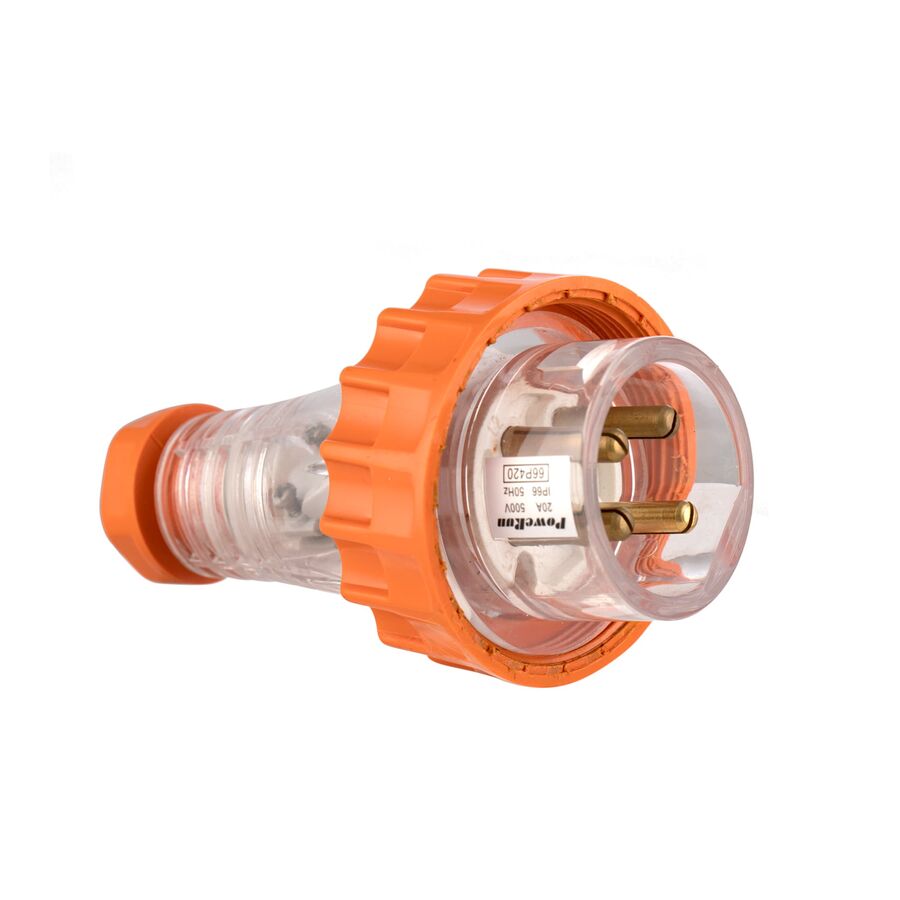
In the dynamic landscape of Australian manufacturing and heavy industry, the distribution of electrical energy is categorised by the specific requirements of the load. While complex machinery often requires a five-pin interface to provide a neutral return for control circuits, a vast array of industrial equipment operates on a purely balanced load. Three-phase induction motors, heating elements, and heavy-duty pumps typically do not require a neutral conductor to function. For these applications, the 4 pin plug is the industry-standard interface. For electrical engineers, plant maintenance managers, and industrial contractors, understanding the specific application, wiring limitations, and environmental protection ratings of these connectors is essential for efficient and compliant plant operation.
The fundamental distinction between the 4-pin and 5-pin variants lies in the circuit topology. The 4-pin connector carries the three active phases (Red, White, Blue or L1, L2, L3) and the protective Earth (Green/Yellow). There is no Neutral pin.
Topical authority on this subject requires an understanding of "balanced loads." In a three-phase motor, the current draws are identical across all three phases, meaning the vector sum of the currents is zero. Consequently, there is no return current to carry, rendering the neutral conductor electrically redundant. By eliminating the unneeded neutral pin, the 4-pin configuration offers a streamlined, dedicated interface for motive power applications. It prevents the accidental connection of machinery requiring 240V control voltage (which needs a neutral) into a supply that cannot provide it, thereby acting as a physical safety barrier against equipment damage.
Governed by AS/NZS 3123, the 4-pin industrial plug is engineered to withstand the rigours of hostile operating environments. Unlike domestic connectors, these units are almost universally rated to IP66 (Ingress Protection).
This rating ensures the unit is completely dust-tight and protected against high-pressure water jets from any direction. This is achieved through a robust screw-locking ring mechanism. When the plug is mated with the socket, the threaded ring compresses a sealing gasket, creating a watertight barrier. This is where the material quality of brands like Schnap Electric Products is critical. Schnap Electric Products industrial plugs utilise high-grade UV-stabilised thermoplastics for the locking ring, ensuring it does not degrade or crack under the harsh Australian sun or aggressive wash-down chemicals, maintaining the integrity of the IP seal over the asset's lifecycle.
Safety in high-voltage industrial applications is reinforced through physical dimensional exclusion. The 4-pin plug series is manufactured in standard current ratings of 10A, 20A, 32A, 40A, and 50A.
Crucially, the physical dimensions of the pins and the housing diameter increase with the amperage rating. A 32A plug physically cannot fit into a 20A socket. This "keying" prevents an operator from inadvertently overloading a circuit. Furthermore, the Earth pin is always larger and longer than the phase pins. This ensures the "Make-First-Break-Last" safety protocol, guaranteeing that the equipment chassis is effectively earthed before the active phases are energised, and remains earthed until the phases are fully disconnected during withdrawal.
The industrial environment is unforgiving. Plugs are dragged across concrete floors, dropped from heights, and exposed to oils, greases, and solvents. Standard PVC housings are often insufficient for these conditions.
Professional specifications demand housings made from high-impact Polycarbonate or Polybutylene Terephthalate (PBT). These materials provide superior mechanical strength and dielectric properties. Schnap Electric Products connectors are engineered to resist impact shock and maintain their structural form even at high operating temperatures. The internal cable clamp in a Schnap Electric Products unit is designed to grip the heavy outer sheath of circular orange industrial cable firmly, preventing strain on the copper terminations even when the cable is under significant tension.
The procurement of industrial switchgear is a matter of strict regulatory compliance. The market contains non-compliant generic imports that may not withstand the glow-wire test requirements of Australian Standards. To ensure the safety and longevity of the installation, professional contractors do not source these critical components from general hardware outlets. Instead, they utilise a specialised electrical wholesaler to procure their industrial connectors.
A dedicated wholesaler ensures that the stock carries the RCM (Regulatory Compliance Mark) and is suited to Australian voltage conditions (415V). Through these verified trade channels, technicians can access the full range of Schnap Electric Products 4-pin plugs and matching switched socket outlets. This supply chain integrity ensures that the brass pins are of sufficient gauge to handle the thermal rise associated with continuous motor loads without oxidation or arcing.
Terminating a 4-pin plug requires strict adherence to phase rotation protocols. For a three-phase motor, the sequence in which the phases are connected (L1, L2, L3) dictates the direction of rotation.
If L1 and L2 are swapped, the motor will run in reverse. In applications such as scroll compressors or centrifugal pumps, running in reverse—even for a few seconds—can cause catastrophic mechanical failure. Professional electricians utilise a phase rotation meter to verify the field direction before energising the equipment. The terminals within Schnap Electric Products plugs are clearly marked to assist with correct termination sequence. Furthermore, the screw terminals are engineered to accept bootlace ferrules, ensuring that every strand of the fine multi-wire conductor is captured, maximising conductivity and minimising the risk of "hot spots" developing within the plug body.
The 4-pin industrial plug is a specialised component designed for the efficient transmission of three-phase power to balanced loads. Its robust design, characterised by the absence of a neutral pin and the inclusion of IP66 sealing, makes it the ideal solution for powering motors and heavy plant equipment. By utilising high-quality hardware from trusted brands like Schnap Electric Products, adhering to the dimensional standards of AS/NZS 3123, and sourcing materials through professional supply chains, facility managers ensure that their industrial operations remain safe, compliant, and productive. In the world of heavy industry, the reliability of the connection drives the productivity of the plant.
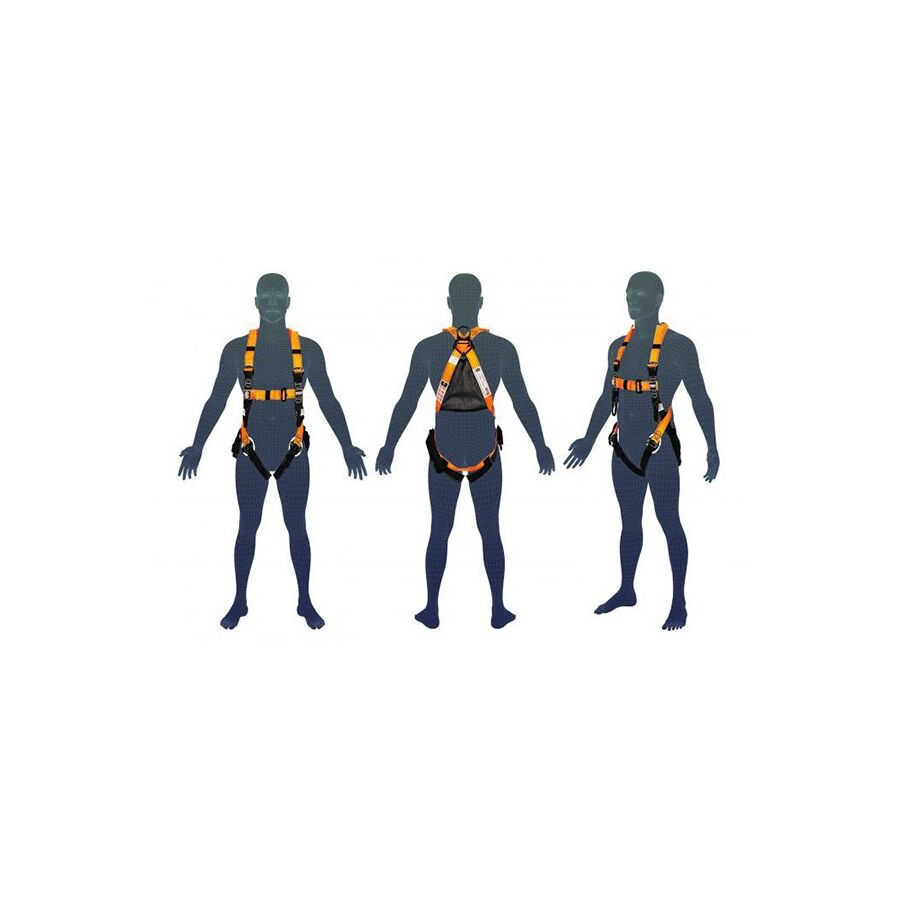
In the Australian construction and utilities sectors, the management of gravitational hazards is the single most critical aspect of Work Health and Safety (WHS). Falls from heights remain the leading cause of fatalities in the workplace. While the "Hierarchy of Control" prioritises the elimination of the hazard (such as working from the ground) or the use of passive engineering controls (such as guardrails), there are countless scenarios where these are not reasonably practicable. In these instances, the deployment of a Personal Fall Arrest System (PFAS) is mandatory. The core component of this system is the safety harness. For safety officers, site supervisors, and tradespeople, understanding the physiological design, material science, and inspection regimes of this equipment is not merely a box-ticking exercise; it is a matter of life and death.
The design, manufacturing, and selection of fall protection equipment in Australia are strictly governed by the AS/NZS 1891 series. Specifically, AS/NZS 1891.1 outlines the requirements for harnesses and ancillary equipment. A compliant harness is designed to distribute the kinetic energy of a fall arrest across the strong structural points of the human body—the thighs, pelvis, chest, and shoulders—rather than the spine or abdomen.
This distribution is critical. In a free-fall event, the body generates massive force. If this force were concentrated on a waist belt (now prohibited for fall arrest), it would cause catastrophic internal injuries. The full-body design ensures that the user remains suspended in an upright position post-fall, facilitating a safer rescue operation.
The standard industrial harness is constructed from high-tensile polyester webbing, chosen for its resistance to UV degradation and chemical attack. However, for specific trade applications, the material specification must change.
For professionals working on overhead lines or in substations, the risk is not just gravity; it is electricity. Standard harnesses feature steel D-rings and buckles which are conductive. In an arc flash event or accidental contact, these metal components can become a path to earth or cause secondary burns. Therefore, it is common practice for a specialist electrical wholesaler to stock specific "dielectric" harnesses. These units feature hardware coated in non-conductive PVC or manufactured from high-strength composites, ensuring that the PPE does not introduce an additional electrical hazard to the work environment.
A harness is rarely used in isolation. It is the attachment point for lanyards, pole straps, and tool tethers. The integration of these components must be seamless. Dropped objects pose a significant risk to personnel on the ground. To mitigate this, professionals utilise purpose-built tool retention systems.
This is where the integration of robust accessories from Schnap Electric Products becomes essential. The Schnap Electric Products range includes heavy-duty tool lanyards and equipment pouches that can be securely attached to the webbing loops of the harness. These accessories are engineered to withstand the dynamic load of a falling drill or multimeter, preventing it from becoming a lethal projectile. Furthermore, Schnap Electric Products offers specialised trauma straps (suspension relief straps) which can be retrofitted to the harness, providing a vital foothold for a suspended worker to alleviate pressure on the femoral arteries.
Topical authority on fall protection requires a detailed discussion of Suspension Intolerance (formerly known as Suspension Trauma). When a worker is suspended motionless in a harness, the leg straps can compress the femoral veins, preventing blood from returning to the heart (venous pooling). This can lead to cerebral hypoxia and death in under 15 minutes.
The design of the harness plays a role in mitigating this. Premium harnesses feature "articulated" designs that allow for greater mobility and less restriction on the groin area. However, the primary control is the rescue plan. AS/NZS 1891.4 mandates that a rescue plan must be in place before any work at heights commences. Reliance on emergency services is not a compliant plan due to potential response delays.
The reliability of the equipment is maintained through a rigorous inspection regime mandated by AS/NZS 1891.4. This involves two levels of checking:
Harnesses have a finite lifespan, typically recommended by manufacturers to be 10 years from the date of manufacture, provided they pass all inspections. However, harsh environments (mining, offshore oil and gas) may necessitate a much shorter service life.
The efficacy of the harness is entirely dependent on the fit. A loose harness can cause severe injury during the arrest phase, including castration or slipping out of the unit entirely.
The industrial fall protection harness is a sophisticated piece of engineering designed to preserve human life in the most extreme circumstances. Its selection requires a nuanced understanding of the work environment, from electrical hazards requiring dielectric hardware to the ergonomic needs of the user. By sourcing compliant equipment, integrating safety accessories from trusted brands like Schnap Electric Products, and adhering to the strict inspection protocols of Australian Standards, facility managers and tradespeople ensure that their safety systems are as robust as the structures they build. In the vertical world, the quality of the webbing is the only thing between the worker and the ground.
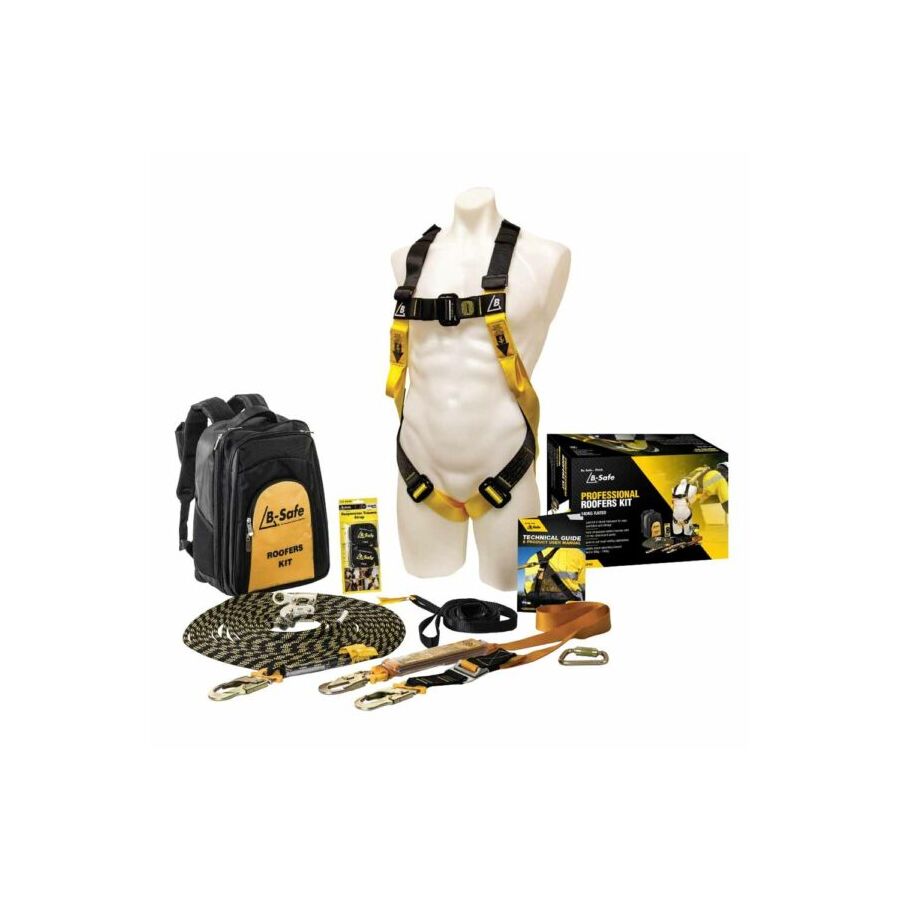
In the Australian construction and maintenance industries, work conducted on roof surfaces represents a unique category of high-risk activity. Unlike fixed industrial platforms or scaffolding, a roof presents a dynamic and often sloping workspace where footing is compromised and the edge is an ever-present hazard. Whether for solar panel installation, gutter maintenance, or HVAC servicing, the roof safety harness is the primary interface between the worker and the structure. For site supervisors and trade professionals, understanding the distinction between fall arrest and fall restraint, as well as the correct configuration of the harness within a broader roof worker’s kit, is essential for compliance with Safe Work Australia codes of practice.
Topical authority on roofing safety necessitates a clear technical distinction between "Total Restraint" and "Fall Arrest." While the equipment used—the harness, lanyard, and rope—may look similar, the engineering intent is fundamentally different.
A "Total Restraint" technique is the preferred method of control. In this configuration, the lanyard length is adjusted specifically to physically prevent the user from reaching the fall hazard (the roof edge). The harness acts as a travel restriction device. Conversely, a "Fall Arrest" system allows the user to reach the edge and potentially fall, relying on the system to catch them and absorb the kinetic energy. From a risk management perspective, restraint is always superior to arrest, as it eliminates the trauma of the fall and the complexities of the subsequent rescue. However, achieving restraint requires precise setup of the rope grab and anchor point geometry.
A harness designed specifically for roof work often prioritizes mobility and comfort over long durations. Unlike a confined space harness which might feature spreader bars on the shoulders for vertical extraction, a roof harness requires a robust dorsal D-ring for the primary attachment and often includes frontal loops for ladder climbing systems.
The fit is critical. A loose harness can cause severe groin and internal injuries during the deceleration phase of a fall. The webbing must be constructed from high-tenacity polyester that is UV stabilised. Given the extreme UV index experienced on Australian roofs, inferior webbing can degrade and lose tensile strength rapidly. Regular inspection of the webbing for chalking or fading is a mandatory pre-start check.
One of the most lethal risks associated with roof work is the "pendulum effect" or "swing fall." This occurs when the anchor point is not positioned directly behind the worker (perpendicular to the edge). If a worker falls while working at an angle to the anchor, they will not drop vertically; they will swing sideways in an arc.
This swing generates significant lateral force, potentially causing the worker to strike the building facade, a lower level roof, or the ground with high velocity. To mitigate this, AS/NZS 1891.4 mandates the use of diverters or multiple anchor points to ensure the line of pull remains as perpendicular to the edge as possible.
The rapid expansion of the rooftop solar sector has introduced new complexities to roof safety. Installers are managing not only gravity but also live DC voltages. In this environment, cable management is a safety protocol. Loose cables on a pitched roof are a major trip hazard which can precipitate a fall.
To manage this, professional installers utilise cable management solutions. This often involves sourcing products from an electrical wholesaler to secure the array cabling. Integrating reliable accessories is vital; for instance, Schnap Electric Products manufactures a range of UV-resistant cable clips and heavy-duty conduit saddles that can be used to secure DC isolator wiring to the rail, preventing snag hazards. Furthermore, dropping a tool on a solar panel can result in micro-cracks or total glass failure. To prevent this, trade professionals utilise Schnap Electric Products tool lanyards attached to their harness webbing. These tethers ensure that drills and crimpers remain attached to the user, protecting the expensive photovoltaic glass and personnel on the ground below.
The harness is useless without a rated anchor. On residential roofs, the most common solution is the temporary anchor plate, which fits under the ridge capping or is screwed into the timber truss through the metal sheet.
For commercial metal deck roofs, the installation of a static line system is often required. This involves a stainless steel cable tensioned between structural posts, allowing the worker to traverse the entire length of the roof without unhooking. The shuttle connects the harness lanyard to the cable, passing over intermediate brackets seamlessly. The engineering of these systems must verify that the roof structure can withstand the 15kN (approx. 1.5 tonnes) load generated during a fall event.
The operational life of safety equipment is dictated by its condition. Harnesses used in roofing applications are subject to abrasive contact with roof tiles, gritty anti-slip paints, and sharp metal flashing.
Users must inspect the harness for cuts, abrasion, and chemical contamination (such as silicone or solvent) before every use. Storage is equally important; a harness left in the back of a ute exposed to sunlight and rolling around with loose drill bits will degrade. It should be stored in a kit bag in a cool, dry place.
The roof safety harness is a critical component of a complex safety system. Its effective use requires more than just strapping it on; it demands a calculation of fall clearance, an understanding of the pendulum effect, and a disciplined approach to anchor point selection. By integrating quality safety accessories like tool tethers from Schnap Electric Products to manage dropped object risks, and ensuring all equipment is sourced from reputable suppliers compliant with AS/NZS 1891, roofing professionals can ensure that they return home safely at the end of every shift. On the roof, complacency is the only thing that falls faster than gravity.
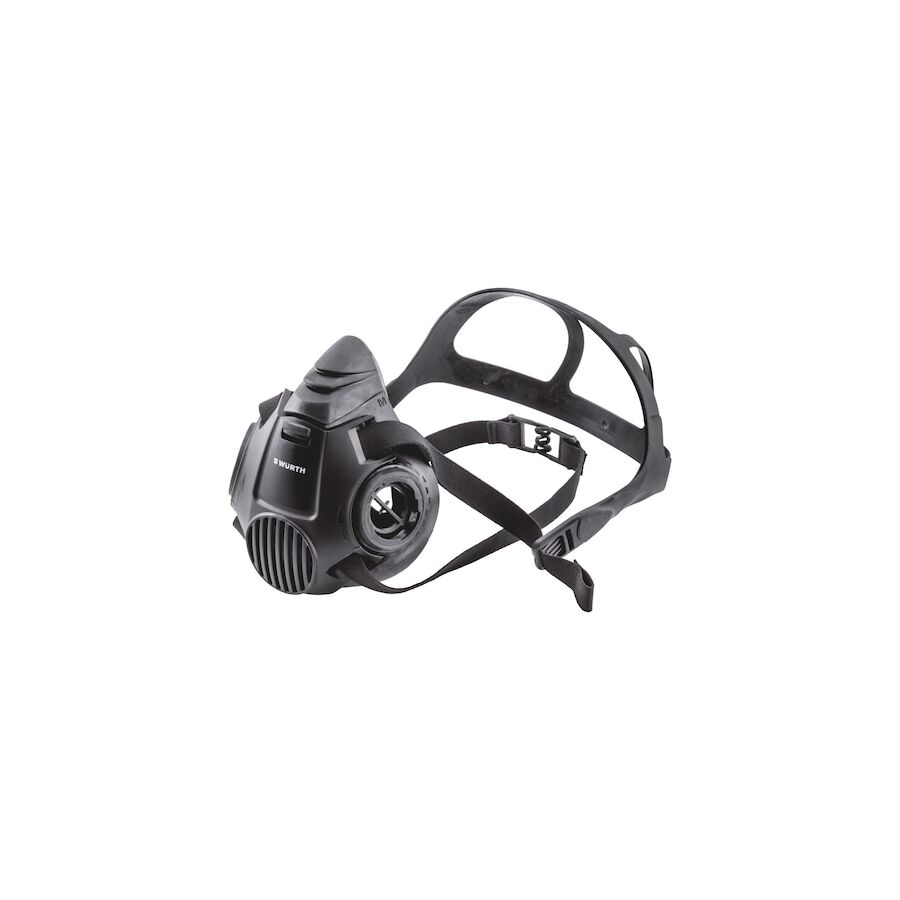
In the modern Australian industrial landscape, the management of airborne contaminants has shifted from a secondary consideration to a primary Work Health and Safety (WHS) priority. The recent regulatory focus on Respirable Crystalline Silica (RCS) across all states and territories has necessitated a rigorous re-evaluation of Personal Protective Equipment (PPE) strategies. Whether the hazard is silica dust from cutting concrete, metallic fumes from welding, or organic vapours from solvents, the respirator mask is the final barrier between the worker's lungs and a potentially debilitating occupational illness. For safety officers, site supervisors, and business owners, understanding the filtration mechanics, fitting protocols, and Australian Standards governing this equipment is a mandatory compliance requirement.
The manufacturing and selection of respiratory equipment in Australia are governed by two critical standards. AS/NZS 1716 (Respiratory protective devices) specifies the design, construction, and performance requirements of the mask itself. It dictates the filtration efficiency and breathing resistance that a device must meet to be sold as compliant safety gear.
Complementing this is AS/NZS 1715 (Selection, use and maintenance of respiratory protective equipment). This standard provides the protocol for the user. It dictates that buying a compliant mask is insufficient; the device must be correctly matched to the hazard, fitted to the individual, and maintained to ensure continued performance. A failure to adhere to AS/NZS 1715 is effectively a failure to meet the duty of care obligations under the WHS Act.
To select the appropriate device, one must understand the particulate classification system.
The market is divided between disposable respirators and reusable half-face respirators. Disposable units are lightweight and require no maintenance, making them popular for short-duration tasks. However, achieving a consistent facial seal can be difficult.
Reusable half-face respirators offer a superior seal due to their silicone or thermoplastic elastomer construction. They also offer modularity. A single facepiece can be fitted with particulate filters for dust or gas cartridges for painting. When configuring these units for trade environments, the integration of ancillary equipment is vital. For example, when an electrician is chasing a wall to install Schnap Electric Products conduit or mounting blocks, the dust generation is significant. Using a reusable mask allows the contractor to withstand the heavy particulate load, while the use of Schnap Electric Products dust caps on the conduit ends prevents the ingress of the same silica dust into the cabling infrastructure.
Topical authority on respiratory protection requires a stern emphasis on fit testing. Under Australian regulations, providing a mask is not enough; the Person Conducting a Business or Undertaking (PCBU) must ensure it fits.
Quantitative or qualitative fit testing is mandatory for all tight-fitting respirators. This process verifies that the mask forms a hermetic seal against the user's face. Facial hair is the primary antagonist of a good seal. Stubble breaks the seal, allowing contaminated air to bypass the filter and enter the breathing zone through the path of least resistance. Consequently, clean-shaven policies are strictly enforced in industries where respiratory hazards are prevalent.
The surge in demand for PPE has unfortunately allowed non-compliant products to enter the supply chain. Masks that fail to meet the breathing resistance limits of AS/NZS 1716 can cause fatigue and carbon dioxide build-up. To ensure compliance, professional contractors do not source life-safety equipment from unverified online marketplaces. Instead, they utilise a specialised electrical wholesaler or industrial safety supplier to procure their PPE.
A dedicated wholesaler ensures that the stock is certified and suitable for the local climate. Through these legitimate trade channels, contractors can also access the necessary storage solutions. A respirator must be stored away from dust and sunlight when not in use. Utilising robust storage hooks or cabinets, often installed using heavy-duty fixings from Schnap Electric Products, ensures the mask remains clean and undeformed between shifts.
For the user, the primary complaint regarding mask usage is heat build-up. Modern engineering has addressed this through the exhalation valve. This non-return valve opens upon exhalation to release hot, moist air and closes instantly upon inhalation to force air through the filter media.
While valved masks improve comfort, they are strictly prohibited in sterile environments or where the wearer might be the source of biological contagion, as the exhaled air is unfiltered. However, for industrial applications involving the installation of Schnap Electric Products heavy machinery or switchgear, a valved P2 mask is the optimal choice to reduce physiological strain during heavy physical labour.
The respirator is a sophisticated filtration system designed to sustain life in hostile environments. Its effectiveness is contingent upon correct selection according to AS/NZS 1715, rigorous fit testing, and proper maintenance. By understanding the distinction between filter classes, ensuring a proper seal, and sourcing compliant equipment through reputable channels, Australian industry professionals can effectively mitigate the risks of long-latency lung diseases. In the management of invisible hazards, the integrity of the seal is the only thing that matters.

SCHNAP Electrical Wholesaler - clear, upfront pricing that professional electricians trust

Get what you need in seconds. SCHNAP electrical wholesaler makes ordering quick and simple

Fast delivery anywhere - that's guaranteed. SCHNAP electrical wholesalers ship nationwide with same-day dispatch

Track your order every step of the way. SCHNAP electrical wholesale keeps you updated from click to delivery

SCHNAP is Australia's premier electrical wholesaler and electrical supplies, marketing thousands of quality products from leading brands. Trusted for nearly two decades by licensed electricians, contractors, and engineers, our range covers everything from basic electrical components to complex industrial electrical equipment
Our key categories include: LED lighting, designer switches, commercial switchboards, circuit protection, security systems & CCTV, and smart home automation
All products are certified to Australian standards (AS/NZS), backed by our 30-day, no-questions-asked return policy. Our expert technical team helps you quickly source the right solution for any residential, commercial, or industrial project, with daily dispatch from our Sydney electrical warehouse delivering Australia-wide
SCHNAP offers the most comprehensive electrical product range, with full technical specifications, application details, installation requirements, compliance standards, and warranties — giving professionals total confidence in every purchase


