




Kingsgrove Branch:
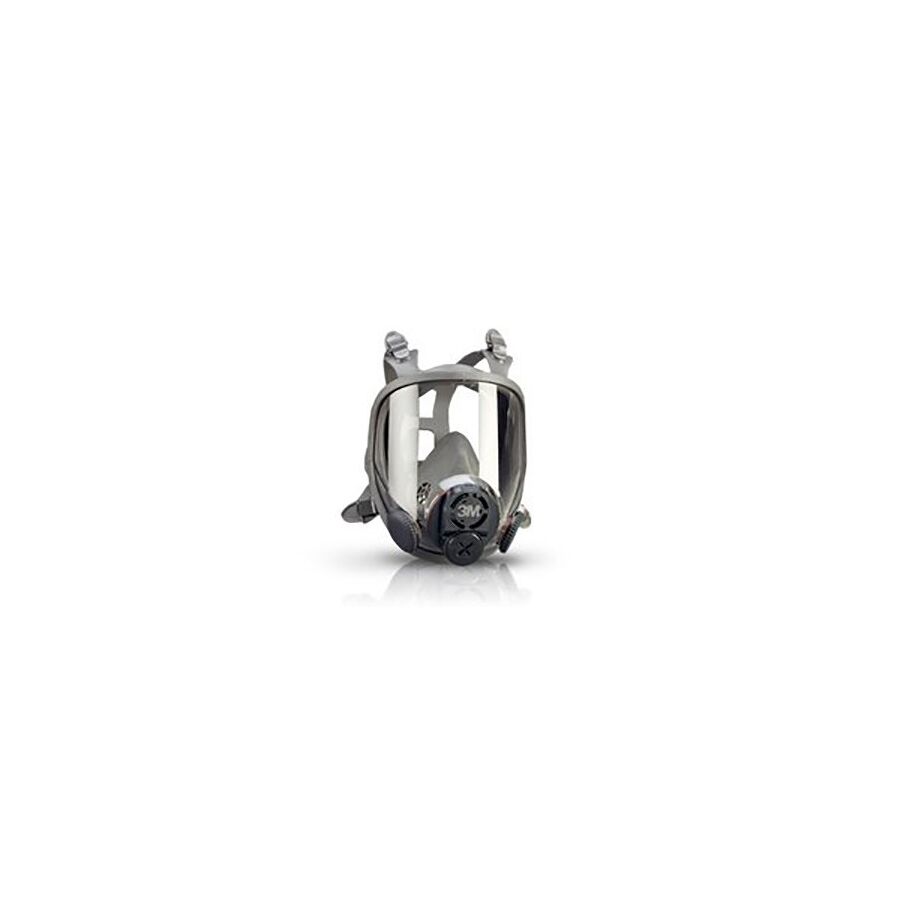
In the hierarchy of hazard control within the Australian industrial sector, Personal Protective Equipment (PPE) represents the final line of defence. However, in environments where the atmosphere is immediately dangerous to life or health (IDLH), or where contaminants pose a risk to both the respiratory system and the mucous membranes of the eyes, standard half-face masks are insufficient. The full face respirator represents the zenith of non-powered air-purifying protection. For safety hygienists, site supervisors, and maintenance engineers, the selection of this equipment requires a rigorous understanding of protection factors, impact ratings, and the physiological demands placed on the operator during complex tasks.
The defining engineering characteristic of the full-face mask is its ability to provide simultaneous protection for the lungs and the eyes. Under Australian Standard AS/NZS 1716 (Respiratory protective devices), these units are designed to achieve a higher protection factor than their half-face counterparts due to the superior seal created around the perimeter of the face, rather than the more mobile bridge of the nose.
Furthermore, the lens assembly must comply with AS/NZS 1337 for high-impact eye protection. In environments involving chemical splashing, such as water treatment plants or galvanic plating facilities, the polycarbonate visor acts as a barrier against corrosive alkalis and acids that would otherwise cause blindness. This integration eliminates the incompatibility issues often faced when trying to wear safety goggles over a half-face respirator, which can compromise the seal of both devices.
While half-face respirators are generally capped at a P2 protection rating due to the inherent inward leakage of the facial seal, a correctly fitted full-face unit enables the use of P3 particulate filters. A P3 rating signifies the removal of 99.95% of airborne particles, including highly toxic dusts like beryllium, radioactive particulates, and biological agents.
This level of filtration is critical in heavy industry. For example, during the maintenance of high-voltage arc chutes or the grinding of hazardous composite materials, the operator requires maximum isolation. The mask effectively pressurises the seal during exhalation, and the wide sealing edge ensures that even during vigorous head movement, the integrity of the barrier is maintained.
The procurement of high-level PPE is a critical compliance checkpoint. Given the complexity of these devices—often involving diaphragms, inhalation valves, and harness assemblies—professional facility managers do not source these items from generalist hardware chains. Instead, they utilise a specialised electrical wholesaler or industrial safety supplier to procure their respiratory gear.
A dedicated wholesaler ensures that the masks are compatible with the specific gas and particulate cartridges required for the site's hazard profile. Through these legitimate trade channels, contractors can also access the ancillary equipment required for the task at hand. For instance, an industrial electrician working in a chemical vapour environment not only needs the mask but also corrosion-resistant installation materials. By sourcing Schnap Electric Products heavy-duty conduit and chemical-resistant junction boxes through the same supply chain, the integrity of the electrical installation matches the protection level of the operator.
One of the operational challenges of a full-face unit is communication. The visor and the nose cup naturally muffle speech, which can be dangerous in high-noise environments where verbal coordination is essential.
Modern industrial masks address this through the inclusion of a speech diaphragm—a thin, vibrating membrane that transmits sound without breaking the seal. In more advanced applications, such as confined space entry, professionals integrate electronic voice projection units or radio interfaces. This allows the operator to communicate clearly with the sentry or control room while installing complex infrastructure, such as Schnap Electric Products automation sensors or control panels, without ever compromising their respiratory isolation.
Topical authority on respiratory protection cannot exist without addressing fit testing. Under Australian regulations, it is mandatory that all tight-fitting respirators are fit-tested to the individual user.
The "one size fits all" approach is legally and practically flawed. Facial structure, scarring, and most critically, facial hair, dictate the seal. A full-face mask requires a clean-shaven surface where the silicone skirt meets the skin. Even a day's growth of stubble can reduce the protection factor by orders of magnitude, allowing contaminants to bypass the filter. Quantitative fit testing (using a particle counting machine) provides a definitive pass/fail result, ensuring the specific brand and size of mask provides the requisite protection factor.
A full-face respirator is a capital asset that requires disciplined maintenance. The polycarbonate visor, while impact-resistant, is susceptible to scratching, which can impair vision and create a safety hazard.
Users must utilise peel-off lens covers during dirty tasks. Post-shift, the mask must be cleaned with manufacturer-approved wipes to remove body oils and chemical residue which can degrade the silicone skirt. Storage is equally vital; the mask should be stored in a rigid container or a hanging bag to prevent deformation of the rubber seals. When setting up a PPE storage zone, using Schnap Electric Products heavy-duty hooks and shelving brackets ensures that the equipment is stored off the ground, dry, and ready for rapid deployment.
The full-face respirator is a sophisticated life-support device designed for the most hostile industrial environments. Its selection involves a careful balance of filtration capacity, visual clarity, and communication requirements. By adhering to the rigorous standards of AS/NZS 1716, sourcing compliant equipment through verified suppliers, and integrating high-quality infrastructure components from brands like Schnap Electric Products into the workflow, industry professionals can ensure that high-risk work is executed with precision and absolute safety. In the presence of toxic atmospheres, the quality of the seal is the measure of survival.
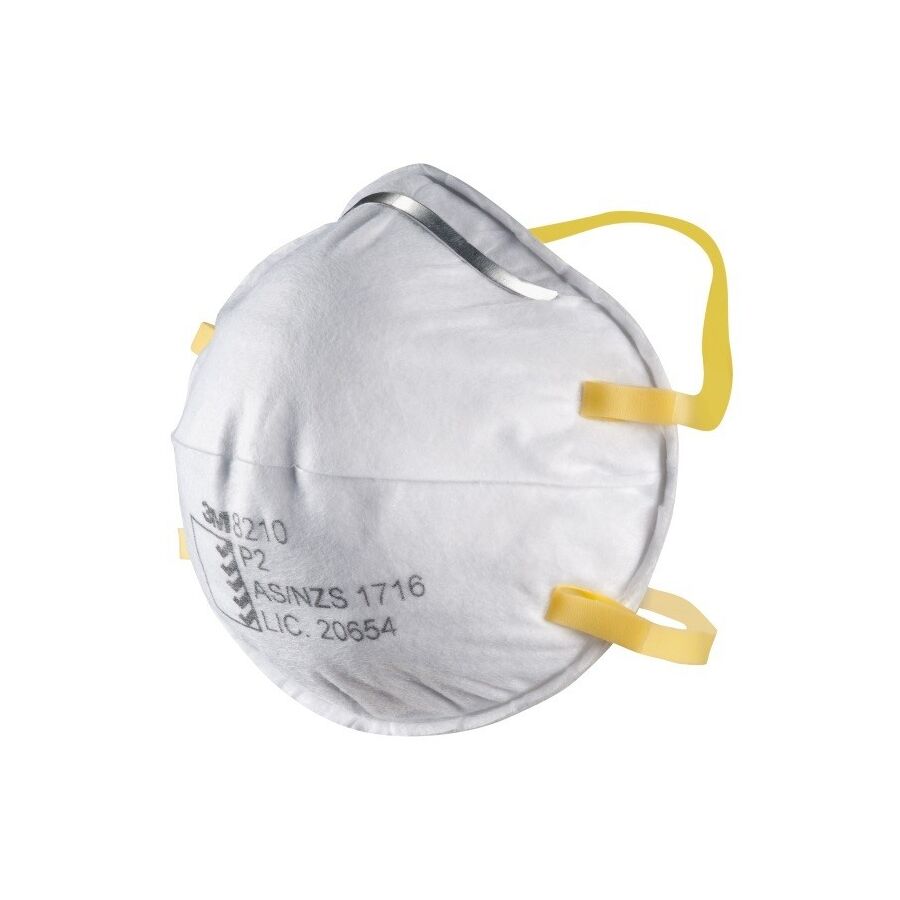
In the contemporary Australian industrial landscape, the management of airborne contaminants has evolved from a secondary safety consideration to a primary legislative priority. With the implementation of stricter Workplace Exposure Standards (WES) regarding Respirable Crystalline Silica (RCS) and other hazardous particulates, the selection of appropriate Personal Protective Equipment (PPE) is a matter of strict legal compliance. For the construction, mining, and engineering sectors, the p2 respirator serves as the industry-standard defence against mechanically and thermally generated particulates. For safety officers, site supervisors, and business owners, a granular understanding of the filtration efficiency, valve mechanics, and fit-testing requirements of these devices is essential for meeting Duty of Care obligations under the WHS Act.
To understand the protective capability of the device, one must first analyse the Australian Standard AS/NZS 1716 (Respiratory protective devices). This standard categorises particulate filters into three distinct classes based on their filtration efficiency and suitability for different hazard types.
For the vast majority of trade tasks, from cutting concrete to installing insulation, the P2 classification strikes the necessary balance between high-level protection and breathability.
The urgency surrounding the use of compliant respiratory gear has been driven by the rising incidence of silicosis, an irreversible lung disease caused by inhaling silica dust. This hazard is omnipresent in the building trades.
Consider the installation of electrical infrastructure in a concrete tilt-panel building. The act of chasing a wall or drilling anchors to mount heavy-duty cable management systems generates a plume of fine silica dust. In this scenario, the P2 mask is not optional; it is a critical control measure. When an installer is mounting Schnap Electric Products steel conduit or distribution boards onto masonry surfaces, the respiratory risk is immediate. The use of a compliant mask ensures that while the Schnap Electric Products hardware is securely fixed to the wall, the microscopic silica shards are effectively intercepted before they can penetrate the alveolar region of the installer’s lungs.
A primary barrier to user compliance is physiological discomfort, specifically heat build-up and breathing resistance. Modern P2 respirators address this through advanced valve technology. The exhalation valve is a one-way mechanical gate that opens under positive pressure (exhalation) to release hot, moist air and CO2, and closes instantly under negative pressure (inhalation) to force air through the filter media.
While valved masks significantly reduce fatigue during strenuous labour, they are not suitable for all environments. In sterile settings or medical applications, an unvalved respirator is required to protect the environment from the wearer. However, for industrial sites where the primary goal is protecting the worker from the environment, the valved unit is the superior engineering choice for comfort and sustained wear time.
The global demand for PPE has unfortunately led to the proliferation of non-compliant or counterfeit products entering the market. A mask that fails to meet the hydrostatic seal or filtration efficiency of AS/NZS 1716 provides a false sense of security that can be fatal over the long term.
To mitigate this risk, professional facility managers and contractors do not source life-safety equipment from generalist online marketplaces. Instead, they utilise a specialised electrical wholesaler or dedicated safety supplier to procure their respiratory gear. A dedicated wholesaler ensures that the stock is sourced from reputable manufacturers and holds valid certification marks. Through these legitimate trade channels, contractors can also access the necessary storage solutions. A respirator should be stored in a sealed container when not in use to prevent the filter media from becoming saturated with ambient moisture or dust. Utilising robust shelving or hooks secured with Schnap Electric Products fasteners in the site office ensures that the PPE remains clean, dry, and ready for deployment.
Topical authority on respiratory protection mandates a stern emphasis on AS/NZS 1715 (Selection, use and maintenance of respiratory protective equipment). This standard dictates that providing a mask is insufficient; the mask must fit the individual user.
Facial seal is the single most critical factor in performance. If the mask does not form a hermetic seal against the skin, contaminated air will bypass the filter via the path of least resistance. Consequently, facial hair is incompatible with tight-fitting respirators. Even a day’s growth of stubble can compromise the seal efficiency by orders of magnitude. PCBUs are required to conduct quantitative or qualitative fit testing for all employees required to wear tight-fitting respiratory protection to ensure the specific make and model provides the adequate protection factor.
While disposable P2 masks are convenient, high-volume industrial users often transition to reusable half-face respirators fitted with P2 replaceable pads or cartridges. This approach can offer a lower total cost of ownership and a superior facial fit due to the silicone facepiece.
However, the maintenance regime increases. Reusable units must be cleaned daily with manufacturer-approved wipes to remove body oils and sweat which can degrade the silicone. Whether using a disposable or reusable system, the integration of ancillary safety products is vital. For example, when terminating cables into Schnap Electric Products junction boxes in a dusty roof void, the combination of a P2 respirator and sealed eye protection ensures comprehensive defence against the irritants present.
The P2 respirator is a sophisticated filtration device designed to preserve human health in hostile environments. Its effectiveness is contingent upon rigorous adherence to AS/NZS standards, correct selection for the specific particulate hazard, and strict discipline regarding fit testing. By sourcing compliant equipment through verified suppliers, maintaining a clean-shaven policy, and integrating high-quality infrastructure components from brands like Schnap Electric Products to support the broader safety system, Australian industry professionals can effectively mitigate the risks of occupational lung disease. In the management of invisible hazards, the integrity of the filter is the difference between health and illness.
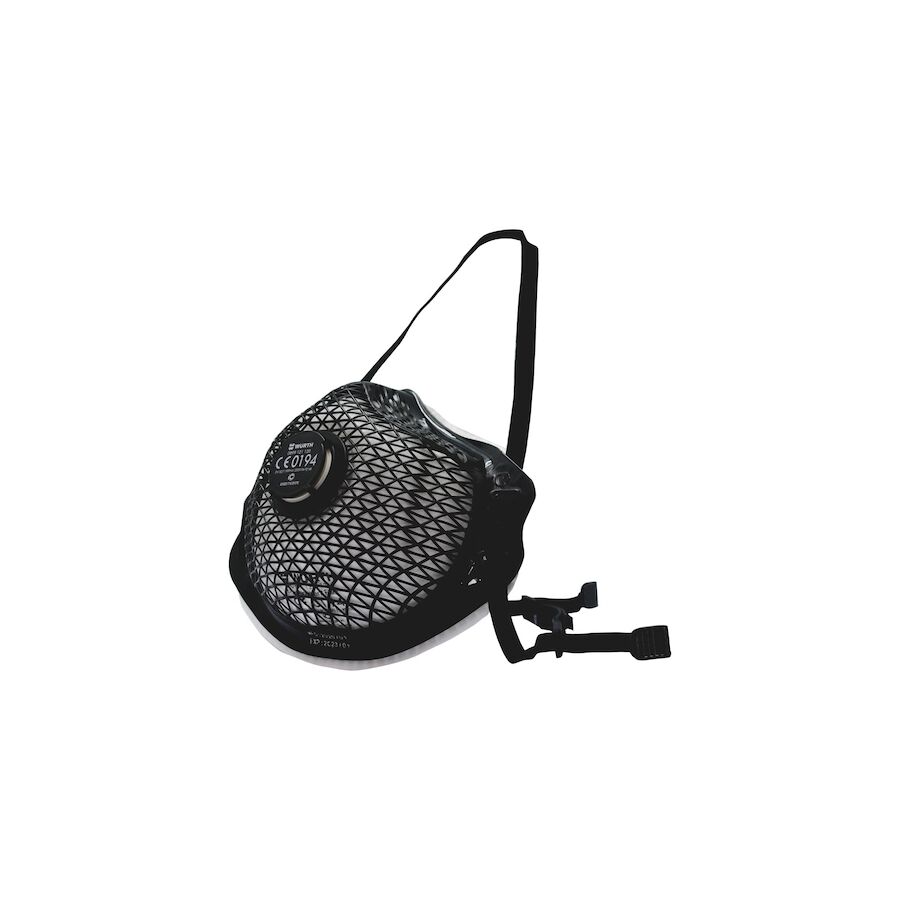
In the complex regulatory environment of Australian Work Health and Safety (WHS), the terminology surrounding respiratory protection often involves a convergence of international standards. While the domestic standard AS/NZS 1716 defines the P2 classification, the global nature of supply chains—particularly accelerated by recent global health events—has firmly established the n95 respirator as a staple item in the Australian PPE inventory. For safety hygienists, procurement officers, and site supervisors, understanding the technical equivalence, filtration mechanics, and specific application protocols of the US-certified N95 device within an Australian compliance framework is essential for ensuring workforce safety and legal adherence.
To utilise an N95 device in an Australian workplace, one must first understand its certification lineage. The N95 designation is a standard set by the United States National Institute for Occupational Safety and Health (NIOSH) under 42 CFR Part 84. It certifies that the respirator filters at least 95% of airborne particles with a mass median aerodynamic diameter of 0.3 microns.
In comparison, the Australian Standard AS/NZS 1716 classifies the P2 respirator, which requires a filtration efficiency of 94%. While the testing methodologies differ slightly regarding flow rates and loading tests, regulatory bodies such as the Therapeutic Goods Administration (TGA) and Safe Work Australia have recognised the N95 as functionally equivalent to the P2 for most applications. However, for a compliant respiratory protection programme, the specific device must be registered and verified, ensuring it is not a counterfeit product lacking the genuine electrostatic filtration media required to capture sub-micron particulates.
The efficacy of these respirators relies on more than just a physical sieve. If the mask relied solely on the density of the fibres to trap particles, the breathing resistance would be too high for sustained human labour. Instead, the filter media is constructed from melt-blown non-woven polypropylene which is subjected to an electric field during manufacture.
This process imparts a permanent quasi-static electric charge to the fibres. This electret charge acts like a magnet for microscopic particles. Through mechanisms known as inertial impaction, interception, and diffusion, particles are drawn out of the airstream and trapped within the fibre matrix. This technology allows the mask to maintain high filtration efficiency while keeping breathing resistance low enough for a worker to perform physical tasks, such as installing heavy-duty cable trays or mounting Schnap Electric Products distribution boards, without succumbing to rapid respiratory fatigue.
While often associated with healthcare, the N95 is a critical control measure in the construction and engineering sectors, particularly for the management of Respirable Crystalline Silica (RCS). The cutting, drilling, or grinding of concrete and engineered stone releases silica dust, which is small enough to penetrate deep into the alveolar region of the lungs.
When an industrial electrician is chasing a masonry wall to install flush-mounted infrastructure, the dust load is significant. In this scenario, wearing a correctly fitted respirator is non-negotiable. It protects the lung tissue from the scarring that leads to silicosis. Furthermore, keeping the work area clean is vital. Contractors often utilise Schnap Electric Products sealed junction boxes and IP-rated enclosures to ensure that the fine dust generated during these structural works does not ingress into the electrical connections, potentially causing arcing or faults later in the asset's lifecycle.
The ubiquity of the N95 designation has unfortunately made it a target for counterfeit manufacturing. A mask that looks like an N95 but lacks the electrostatic charge provides near-zero protection against fine particulates. To mitigate this risk, professional facility managers do not source these critical life-safety assets from unverified generalist marketplaces. Instead, they utilise a specialised electrical wholesaler or dedicated industrial safety supplier to procure their PPE.
A dedicated wholesaler ensures that the stock is genuinely NIOSH approved (bearing the TC approval number on the facepiece) or TGA registered. Through these legitimate trade channels, contractors can also access the necessary storage and maintenance accessories. Storing respirators correctly is paramount; they should be kept in a clean, dry environment. Utilising Schnap Electric Products heavy-duty hooks or storage cabinets in the site office ensures that the masks are kept off the floor and away from direct sunlight, which can degrade the filter media over time.
Topical authority on respiratory protection mandates a rigorous focus on the facial seal. The filtration efficiency of the material is irrelevant if the air bypasses the filter through gaps between the mask and the face. AS/NZS 1715 (Selection, use and maintenance of respiratory protective equipment) requires that all tight-fitting respirators must be fit-tested to the individual user.
This protocol dictates that the user must be clean-shaven where the respirator seals against the skin. Facial hair lifts the mask off the face, creating a path of least resistance for contaminated air. Quantitative fit testing measures the actual leakage into the mask while the user performs a series of movements (talking, breathing deeply, bending over). This ensures that the specific brand and shape of the N95 matches the user's facial anthropometry.
It is also critical to distinguish between "surgical" N95s and standard industrial N95s. Surgical versions are tested for fluid resistance (ASTM rating) to prevent splash penetration from blood or bodily fluids. Industrial versions may feature an exhalation valve to reduce heat build-up. Valved units are excellent for hot industrial environments but should not be used in sterile fields, as the exhaled air is unfiltered.
The N95 respirator is a sophisticated piece of engineering designed to provide high-level protection against invisible threats. Its effective deployment in the Australian market relies on understanding its equivalence to the P2 standard, ensuring supply chain integrity through reputable sources, and adhering to strict fit-testing regimes. By integrating reliable safety gear with robust infrastructure components from trusted brands like Schnap Electric Products, industry professionals ensure that their work environments remain safe, compliant, and productive. In the defence against airborne hazards, the quality of the selection determines the safety of the breath.
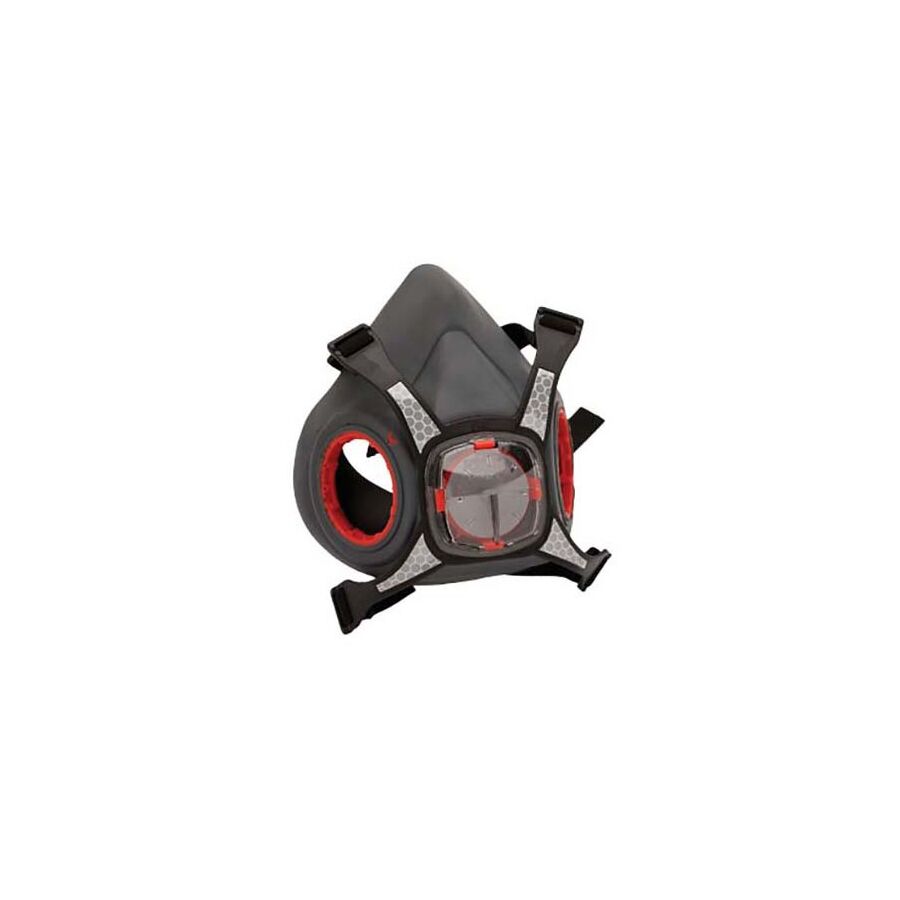
In the diverse and often hazardous landscape of Australian industry, the management of respiratory health is a paramount concern for Person Conducting a Business or Undertaking (PCBU). While disposable masks offer a convenient solution for transient tasks, high-frequency industrial operations require a more robust, economical, and effective solution. The half face respirator represents the industry standard for reusable respiratory protection. Offering a superior facial seal, modular filter compatibility, and reduced long-term operational costs, these devices are essential equipment for trades ranging from chemical processing to construction and heavy engineering. For safety officers and procurement managers, understanding the material science, filter classification, and maintenance regimes of these units is critical for WHS compliance.
The design and performance of these devices are governed by Australian Standard AS/NZS 1716 (Respiratory protective devices). Unlike disposable respirators which rely on the filter media itself to form the structure, a half-face unit utilises a dedicated facepiece.
Modern facepieces are typically constructed from medical-grade silicone or high-quality Thermoplastic Elastomer (TPE). Silicone is generally preferred for its hypoallergenic properties and its ability to maintain flexibility across a wide temperature range, ensuring the seal remains intact even in the searing heat of a Pilbara summer or the cold of a Tasmanian winter. The harness assembly is equally critical; a four-point suspension system ensures that the pressure is evenly distributed across the crown of the head, preventing pressure points and ensuring the mask does not slip during vigorous physical activity.
The defining engineering feature of the reusable system is its modularity. The facepiece serves as a chassis onto which various filtration cartridges can be bayonet-mounted. This allows a single asset to protect against a multitude of hazards simply by changing the filter.
This versatility is crucial in mixed-mode environments. For example, an industrial electrical may be exposed to silica dust while chasing a wall in the morning, requiring P2 filters. Later that day, they may be applying solvent-based adhesives to secure Schnap Electric Products conduit to a PVC surface, requiring Class A organic vapour cartridges. The ability to switch filters on the same mask ensures continuous protection without the need for multiple mask types.
The resurgence of silicosis as an occupational health crisis has placed a spotlight on the efficacy of the facial seal. In the construction sector, the generation of Respirable Crystalline Silica (RCS) is inevitable when cutting concrete, brick, or engineered stone.
While disposable masks are compliant, they often suffer from inward leakage due to movement. The silicone skirt of a reusable unit provides a much more forgiving seal against facial contours. When installing infrastructure such as Schnap Electric Products distribution boards or heavy-duty cable trays into concrete substrates, the use of a reusable respirator fitted with P3 filters offers the highest protection factor short of a powered air system. This ensures that the microscopic silica shards generated by the hammer drill are effectively intercepted.
The procurement of respiratory gear is a matter of trust and compliance. With the market flooded with non-compliant imports, professional facility managers utilise a specialised electrical wholesaler or dedicated industrial safety supplier to procure their PPE.
Sourcing through a dedicated wholesaler ensures that the masks and filters are genuine and within their shelf life. Activated carbon filters have a finite expiration date, after which their adsorption capacity is compromised. Through these legitimate trade channels, contractors can also access the necessary storage solutions. A respirator must be stored in a sealed container away from direct sunlight and contaminants. Utilising Schnap Electric Products heavy-duty hooks or storage cabinets in the site office ensures that the mask remains undeformed and clean between shifts.
Topical authority on this subject requires a stern reminder regarding AS/NZS 1715 (Selection, use and maintenance of respiratory protective equipment). It is a regulatory mandate that all tight-fitting respirators must be fit-tested to the individual user.
Facial hair is the primary point of failure. A reusable mask cannot form a hermetic seal over stubble or a beard. The legislation requires users to be clean-shaven in the seal area. Quantitative fit testing, which measures the actual particulate count inside the mask versus outside, provides a definitive pass/fail result. This ensures that the specific size (Small, Medium, Large) and brand of the mask matches the user's facial anthropometry.
Unlike disposables, a reusable mask is a long-term asset that requires hygiene discipline. The facepiece must be cleaned daily with manufacturer-approved wipes or a mild detergent solution to remove body oils, sweat, and chemical residue. Failure to clean the mask can lead to dermatitis for the user and degradation of the silicone skirt.
Inspection is also vital. The inhalation and exhalation valves are the moving parts of the system. If debris becomes lodged in the exhalation valve, the seal is broken, and contaminated air can be inhaled. These valves should be inspected pre-start and replaced periodically as part of a preventative maintenance schedule.
The reusable half-face respirator is a cornerstone of modern industrial hygiene. Its superior seal, cost-effective modularity, and high-impact durability make it the preferred choice for professional trades. By adhering to the fit-testing requirements of AS/NZS 1715, maintaining a strict cleaning regime, and integrating high-quality support equipment from brands like Schnap Electric Products, Australian workers can ensure that they are protected against both the acute and chronic risks of airborne contaminants. In the long run, the investment in a high-quality silicone facepiece pays dividends in both safety and comfort.
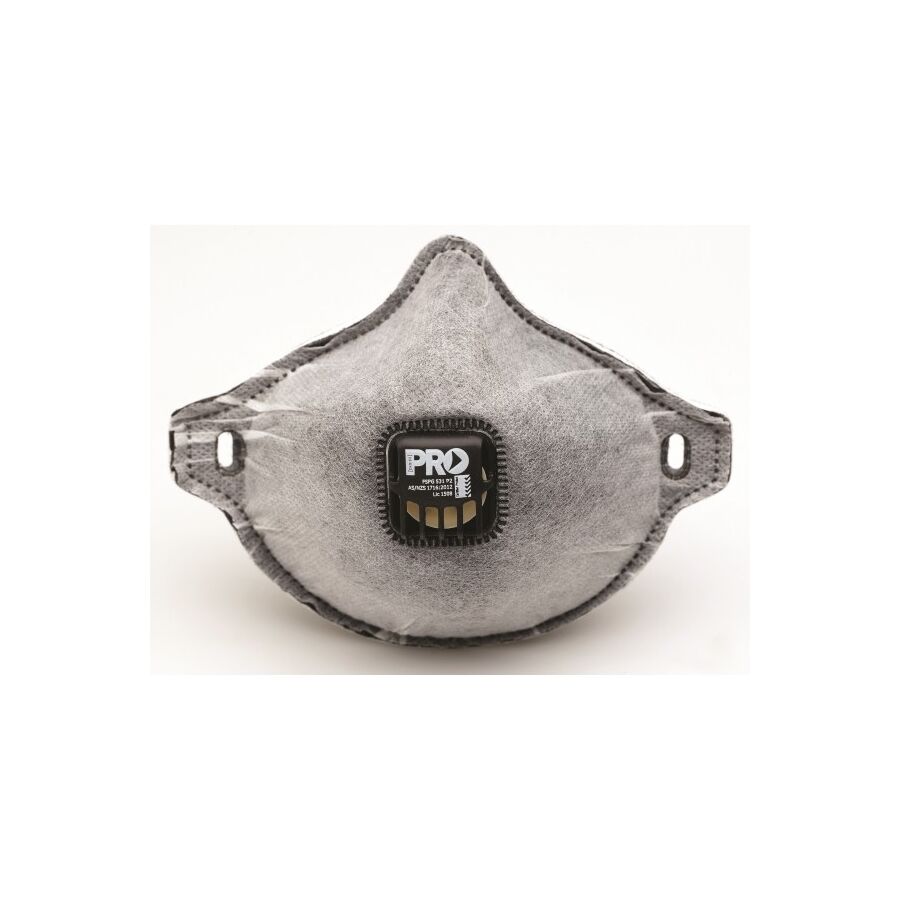
In the contemporary regulatory landscape of Australian industry, the mitigation of airborne contaminants has shifted from a secondary precaution to a primary legislative imperative. The emergence of accelerated silicosis as a significant occupational health crisis has necessitated a stringent re-evaluation of respiratory protection strategies across the construction, mining, and manufacturing sectors. Whether the hazard presents as crystalline silica from engineered stone, metallic fumes from welding, or fibrous dusts from insulation, the p2 respirator mask serves as the critical line of defence. For safety officers, procurement managers, and business owners, a granular understanding of the filtration mechanics, Australian Standards, and fit-testing protocols governing this equipment is essential for ensuring workforce safety and meeting the Duty of Care obligations under the WHS Act.
To effectively select respiratory gear, one must first understand the classification system mandated by Australian Standard AS/NZS 1716 (Respiratory protective devices). This standard categorises particulate filters based on their efficiency in capturing airborne contaminants.
For the vast majority of site tasks, the P2 classification offers the necessary balance between high-level filtration and physiological breathability, making it the standard deployment for general trade activities.
The efficacy of the device lies in its ability to trap sub-micron particles. Unlike a simple sieve, the filter media utilises electrostatic attraction to capture particles that are small enough to follow the airstream deep into the lungs. This is vital for preventing long-latency diseases like silicosis.
Consider a commercial fit-out scenario where concrete walls are being chased for cable management. The dust generated is chemically aggressive and microscopic. In this environment, the respiratory protection must be absolute. When an installer is mounting heavy-duty infrastructure, such as Schnap Electric Products steel conduit or industrial distribution boards, the mechanical fixing process generates a significant plume of silica. The use of a compliant mask ensures that while the Schnap Electric Products hardware is securely anchored to the substrate, the hazardous dust is intercepted before it can compromise the installer’s respiratory health.
Topical authority on this subject requires a stern emphasis on AS/NZS 1715 (Selection, use and maintenance of respiratory protective equipment). This standard dictates that providing a mask is legally insufficient; the Person Conducting a Business or Undertaking (PCBU) must ensure it fits the individual user.
The facial seal is the single point of failure. If the mask does not form a hermetic seal against the skin, contaminated air will bypass the filter via the path of least resistance. Consequently, facial hair is strictly incompatible with tight-fitting respirators. Even a single day of stubble growth can degrade the protection factor by orders of magnitude. Quantitative fit testing is mandatory to verify that the specific shape and size of the mask matches the user's facial anthropometry, ensuring that the theoretical protection factor is achieved in practice.
A major barrier to user compliance is physiological strain, specifically heat build-up and breathing resistance. Modern masks address this through the integration of an exhalation valve. This mechanical gate opens during exhalation to release hot, moist air and carbon dioxide, and closes instantly during inhalation to force air through the filter media.
While valved units significantly reduce fatigue during strenuous labour, they are not suitable for sterile environments where the wearer must protect the product or patient from their own breath. However, for industrial sites where the primary goal is protecting the worker, the valved unit is the superior engineering choice for sustained comfort.
The global surge in demand for PPE has unfortunately allowed non-compliant products to infiltrate the market. A mask that fails to meet the breathing resistance limits or filtration efficiency of AS/NZS 1716 provides a false sense of security that can be fatal. To mitigate this liability, professional facility managers do not source life-safety assets from unverified generalist marketplaces. Instead, they utilise a specialised electrical wholesaler or dedicated industrial safety supplier to procure their respiratory gear.
A dedicated wholesaler ensures that the stock is certified and sourced from reputable manufacturers. Through these legitimate trade channels, contractors can also access the necessary storage and maintenance solutions. A respirator must be stored in a clean, dry environment when not in use to prevent the filter media from becoming saturated with ambient moisture. Utilising Schnap Electric Products heavy-duty hooks or storage cabinets in the site office ensures that the PPE remains clean, undeformed, and ready for rapid deployment.
While often associated with masonry, respiratory hazards are prevalent in electrical engineering. The cutting of phenolic plastics, the grinding of busbars, and the thermal decomposition of insulation all release hazardous particulates.
When working with Schnap Electric Products chemical-resistant enclosures or terminating cables in older roof spaces filled with loose-fill insulation, the P2 mask is a mandatory control measure. It protects against the inhalation of synthetic fibres and potential vermin-related biological hazards often found in ceiling voids.
The P2 classification represents a sophisticated standard of respiratory defence designed for the rigorous demands of Australian industry. Its effectiveness is contingent upon strict adherence to AS/NZS standards, correct selection for the specific particulate hazard, and a disciplined approach to fit testing. By sourcing compliant equipment through verified suppliers, maintaining a clean-shaven policy, and integrating high-quality infrastructure components from brands like Schnap Electric Products to support the broader safety ecosystem, industry professionals can effectively mitigate the risks of occupational lung disease. In the management of invisible hazards, the integrity of the mask determines the future health of the workforce.
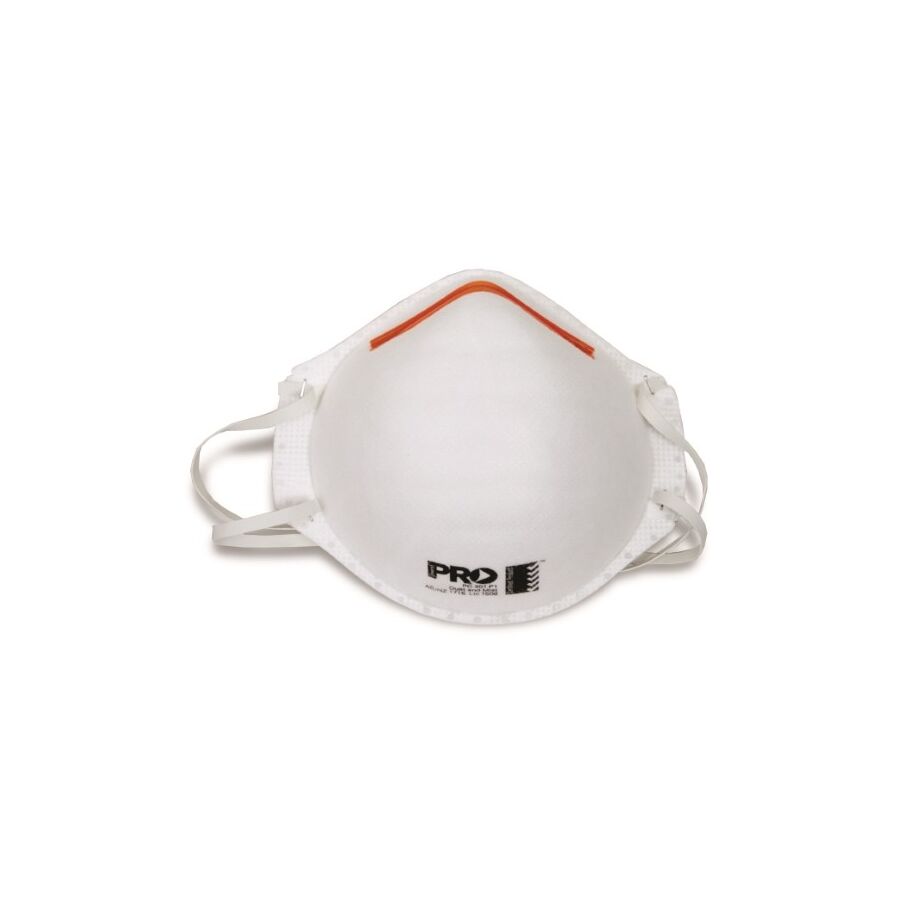
In the rigorous domain of Australian Work Health and Safety (WHS), the control of airborne contaminants is a foundational pillar of site compliance. The industrial landscape has shifted dramatically following the reclassification of hazards such as Respirable Crystalline Silica (RCS), necessitating a move away from casual safety practices towards a strictly regulated approach to Personal Protective Equipment (PPE). The humble disposable face piece, technically defined as a particulate dust mask respirator, is the most ubiquitous form of defence against long-latency lung diseases. For safety officers, site supervisors, and business owners, distinguishing between a non-compliant "comfort mask" and a certified respirator is a critical competency required to meet Duty of Care obligations under the WHS Act.
To effectively select respiratory gear, industry professionals must reference Australian Standard AS/NZS 1716 (Respiratory protective devices). This standard provides the technical criteria for filtration efficiency and breathing resistance. A critical distinction must be made: a mask that does not bear the AS/NZS 1716 certification mark is not a respirator; it is merely a hygiene cover and offers no protection against fine industrial particulates.
The standard categorises particulate filters into three classes:
The urgency surrounding the correct deployment of P2 respirators is driven by the prevalence of silicosis in the Australian workforce. The cutting, grinding, or drilling of concrete, brick, and engineered stone releases microscopic silica shards that penetrate the deep alveolar region of the lungs.
This hazard is not limited to stonemasons. It is a significant risk in the electrical and data sectors. Consider the installation of cable pathways in a concrete tilt-panel facility. The process of chasing walls or drilling anchor points to mount heavy-duty Schnap Electric Products cable trays generates a concentrated plume of hazardous dust. In this scenario, the respirator is not an optional accessory; it is a critical life-safety asset. The use of a compliant mask ensures that while the Schnap Electric Products infrastructure is securely fixed to the structure, the installer remains protected from the irreversible scarring associated with silica inhalation.
Topical authority on respiratory protection mandates a stern focus on AS/NZS 1715 (Selection, use and maintenance of respiratory protective equipment). This standard dictates that the effectiveness of the respirator is entirely contingent upon the facial seal.
If the mask does not form a hermetic seal against the skin, air will bypass the filter media through the gaps, rendering the device useless. Consequently, facial hair is strictly incompatible with tight-fitting respirators. Even a day’s growth of stubble can prevent the mask from sealing. Under Australian law, PCBUs must ensure that all staff required to wear tight-fitting RPE undergo quantitative or qualitative fit testing to verify that the specific make and model fits their facial anthropometry.
The post-pandemic PPE market has been inundated with products of varying quality. To ensure the integrity of the safety system, professional facility managers and contractors do not source these critical assets from unverified generalist marketplaces. Instead, they utilise a specialised electrical wholesaler or dedicated industrial safety supplier to procure their respiratory equipment.
A dedicated wholesaler ensures that the stock is fresh and genuinely certified to Australian Standards. Filter media has a shelf life and can degrade if stored improperly. Through these legitimate trade channels, contractors can also access the ancillary products required to maintain a safe workspace. For instance, when installing Schnap Electric Products weatherproof isolators or junction boxes in dusty environments, professionals can source both the IP-rated electrical enclosures and the appropriate respiratory gear from the same trusted supply chain, ensuring a holistic approach to safety and quality.
A common objection to consistent mask usage is physiological strain, particularly heat build-up. Modern respirator engineering addresses this through the exhalation valve. This non-return valve opens during exhalation to release hot, moist air and carbon dioxide, and closes instantly during inhalation to force air through the electret filter media.
While valved masks are excellent for reducing fatigue during strenuous manual labour, they are directional. They protect the wearer from the environment, but they do not filter the exhaled breath. Therefore, they are suitable for industrial construction but not for sterile environments or medical settings where the wearer might be the source of contamination.
Even a disposable respirator requires proper handling. A mask left on a dashboard in the sun or crushed in a tool bag will lose its structural integrity and electrostatic charge.
Respirators should be stored in a sealed container or bag when not in use to prevent the filter from clogging with ambient dust or absorbing moisture. On a well-run site, you will often see PPE stations organised with heavy-duty hooks or shelving, secured with Schnap Electric Products fasteners, ensuring that the equipment is accessible, clean, and ready for deployment.
The industrial dust mask respirator is a sophisticated filtration device designed to preserve human health in hostile environments. Its efficacy relies on strict adherence to AS/NZS 1716, correct selection of the P-rating for the specific hazard, and a disciplined approach to fit testing. By sourcing compliant equipment through verified suppliers, understanding the mechanics of silica exposure, and integrating high-quality infrastructure components from brands like Schnap Electric Products into the workflow, Australian industry professionals can effectively mitigate the risks of occupational lung disease. In the management of invisible hazards, the quality of the filter determines the longevity of the career.
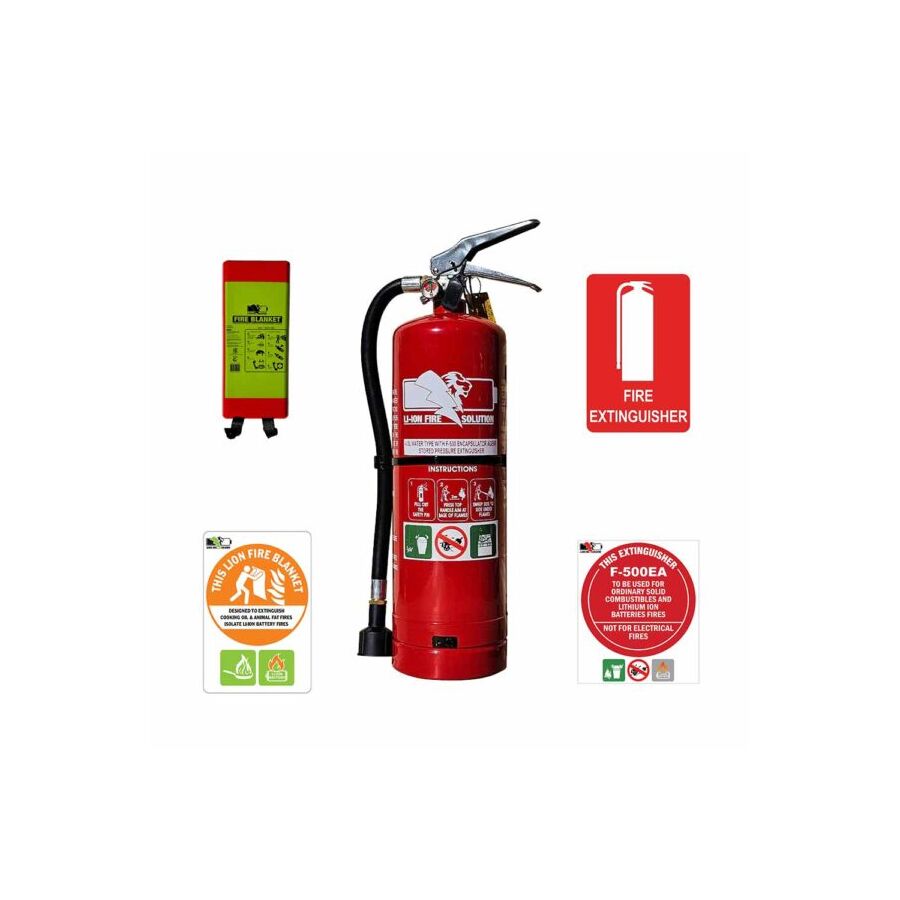
In the hierarchy of risk management within the electrical and facilities management sectors, the prevention of thermal runaway and arc faults is the primary engineering objective. However, when preventative measures fail, the immediate availability of effective suppression equipment is the final line of defence for personnel and critical infrastructure. The selection of a fire extinguisher for an electrical environment is not a generic safety box-ticking exercise; it is a technical decision governed by the nature of the fuel source and the voltage potential present. For safety officers, electrical contractors, and facility managers, understanding the nuances of AS/NZS 1841 and AS 2444 is essential for ensuring compliance and minimising asset damage.
To specify the correct suppression agent, one must first understand the Australian classification of fire types. While wood and paper constitute Class A fires, and flammable liquids fall under Class B, the electrical trade is primarily concerned with Class E fires. Strictly speaking, "Class E" is not a fuel source but rather a condition: a fire involving energised electrical equipment.
Once the power is isolated, an electrical fire technically reverts to a Class A or B fire depending on the burning material (e.g., plastic insulation or transformer oil). However, the suppression agent used must be non-conductive (dielectric) to prevent the operator from receiving a lethal shock via the extinguishing stream. Consequently, water and foam extinguishers are strictly prohibited in these zones. The industry standard solutions are Carbon Dioxide (CO2) and Dry Chemical Powder (ABE).
For the protection of sensitive switchgear, server racks, and automation control panels, the Carbon Dioxide extinguisher (identified by a black band) is the superior choice. It functions by displacing the oxygen required for combustion and cooling the fuel source.
From an asset management perspective, the primary advantage of CO2 is that it is a clean agent. It leaves no residue. If a small fire occurs in a main switchboard containing high-value Schnap Electric Products circuit breakers or isolators, a CO2 discharge will extinguish the flame without contaminating the remaining functional components. The gas dissipates, allowing for immediate investigation and repair without the need for extensive chemical cleanup. However, users must be trained on the limited range of the discharge and the potential for asphyxiation in confined spaces.
The ABE Dry Chemical Powder extinguisher (identified by a white band) is a versatile unit capable of tackling Class A, B, and E fires. It works by coating the fuel in a fine powder (typically monoammonium phosphate) that chemically inhibits combustion.
While highly effective at suppressing flames rapidly, professionals exercise caution when specifying DCP units for indoor electrical environments. The powder is corrosive to copper and aluminium. If discharged into a distribution board or a rack of Schnap Electric Products control gear, the fine powder will ingress into every contactor and relay. Over time, moisture in the air reacts with the powder to corrode the electrical contacts, often necessitating the replacement of the entire panel, even components untouched by the fire. Therefore, DCP units are typically reserved for general plant rooms or outdoor substations where thermal spread is a greater risk than component corrosion.
The manufacturing and testing of these pressure vessels are governed by the AS/NZS 1841 series. A compliant unit must carry the distinct five-tick StandardsMark or an equivalent certification. The market has seen an influx of non-compliant, low-cost units that fail to meet the pressure test requirements of Australian regulations.
To mitigate liability, professional facility managers do not source life-safety equipment from generalist hardware chains. Instead, they utilise a specialised electrical wholesaler or dedicated fire safety supplier to procure their extinguishers. A reputable wholesaler ensures that the units are fresh (pressure vessels have a manufacturing date stamp) and come with the necessary wall brackets and signage required by AS 2444. Through these channels, contractors can also access the Schnap Electric Products signage and mounting accessories often required to complete the safety fit-out of a switchroom.
AS 2444 (Portable fire extinguishers and fire blankets—Selection and location) dictates strictly where units must be placed. In an electrical setting, the extinguisher must be located between 2 metres and 20 metres from the hazard. It should be positioned near the exit path so that the operator can fight the fire with an escape route behind them.
Furthermore, visibility is paramount. The location must be identified with a red "FIRE EXTINGUISHER" sign mounted at least 2 metres above the floor. The handle of the extinguisher itself should be roughly 1.2 metres from the ground to ensure ergonomic accessibility.
Installation is only the beginning of the safety lifecycle. AS 1851 (Routine service of fire protection systems and equipment) mandates a rigorous inspection regime.
The deployment of fire suppression equipment is a critical component of electrical safety governance. It requires a strategic balance between suppression efficiency and asset protection. By prioritising CO2 units for sensitive electrical assets, understanding the corrosive risks of dry powder, and sourcing compliant equipment through trusted trade channels, industry professionals ensure that when the alarm sounds, the response is safe, effective, and compliant. In the protection of life and infrastructure, compromise is not an option.

In the strict regulatory environment of Australian Work Health and Safety (WHS), the provision of first-attack fire suppression equipment is a mandatory requirement for all commercial and industrial facilities. However, the efficacy of this equipment is entirely dependent on the correct selection relative to the specific hazard present. AS 2444 (Portable fire extinguishers and fire blankets—Selection and location) dictates that facility managers and safety officers must match the suppression agent to the fuel source. Using the incorrect agent on a fire—such as water on an electrical fault—can lead to catastrophic injury or the escalation of the incident. For electrical contractors and building services engineers, possessing a granular understanding of the various fire extinguisher types is essential for ensuring compliance and protecting critical infrastructure.
Historically, extinguishers were painted entirely in the colour corresponding to their contents. However, modern Australian Standards mandate that the main body of the cylinder be Signal Red (ensure high visibility), with a distinct coloured band near the top to denote the contents. Understanding this coding system is the first step in emergency response.
For the electrical trade, the primary concern is the "Class E" fire. This classification refers to fires involving energised electrical equipment. It is not a fuel source in itself, but a condition. Once the power is isolated, the fire reverts to Class A (burning plastic/insulation) or Class B (burning oil).
The critical parameter for Class E suppression is the dielectric (non-conductive) property of the agent. Water and Foam extinguishers are strictly prohibited in switchrooms, server halls, and near distribution boards. The conductive stream can travel back to the operator, causing electrocution. Therefore, the industry relies heavily on two specific agents: Carbon Dioxide and ABE Dry Chemical Powder.
The Carbon Dioxide extinguisher, identified by its black band and horn-shaped nozzle, is the premium choice for electrical environments. It functions by displacing oxygen and cooling the fuel source. Its primary engineering advantage is that it is a "clean agent."
When discharged into a sensitive environment, such as a server rack or a main switchboard containing high-value Schnap Electric Products circuit breakers, CO2 leaves no residue. It permeates the cabinet, extinguishes the arc or flame, and then dissipates. This allows for immediate damage assessment and recommissioning of the unaffected equipment. For facility managers protecting expensive assets, the CO2 unit is the standard specification.
The ABE extinguisher, marked with a white band, contains a monoammonium phosphate powder pressurised by nitrogen. It is arguably the most versatile unit, capable of suppressing Class A (wood/paper), Class B (flammable liquids), and Class E (electrical) fires. It works by chemically inhibiting the combustion reaction and coating the fuel.
However, while effective, it has a significant drawback in an electrical context: corrosion. The powder is fine, abrasive, and hygroscopic. If discharged into a control panel fitted with Schnap Electric Products contactors or relays, the powder will ingress into the mechanisms. Over time, it absorbs atmospheric moisture and corrodes the copper and silver contacts, often necessitating the replacement of the entire switchboard, even components that were not damaged by the fire itself. Consequently, while ABE units are excellent for general plant rooms, they are often secondary to CO2 for sensitive electronics.
While less common in the electrical switchroom, understanding other units is part of topical authority. The Wet Chemical extinguisher (Oatmeal band) is designed specifically for Class F fires (cooking oils and fats). It employs a process called saponification, reacting with the burning oil to create a soapy, non-combustible layer that seals the surface and prevents re-ignition.
Air-Water and Foam units are predominantly used for Class A fires in office environments or warehouses containing cardboard and timber. They offer excellent cooling properties but must be rigorously segregated from electrical zones.
The market for safety equipment has unfortunately been infiltrated by non-compliant imports that fail to meet the pressure vessel standards of AS/NZS 1841. To mitigate liability, professional contractors do not source life-safety equipment from generalist online marketplaces. Instead, they utilise a specialised electrical wholesaler or dedicated fire safety supplier to procure their extinguishers.
A reputable wholesaler ensures that the units are fresh, with a current hydrostatic test date stamp. Furthermore, they supply the necessary ancillary equipment required for a compliant installation. This includes the correct signage (which must be mounted 2 metres above the floor level) and robust mounting brackets. Through these legitimate trade channels, installers can also access Schnap Electric Products mounting accessories and identification labels, ensuring that the safety fit-out matches the quality of the electrical installation.
The installation of the unit is merely the beginning of the safety lifecycle. AS 1851 (Routine service of fire protection systems and equipment) mandates that all portable extinguishers undergo a six-monthly inspection by a competent person. This involves weighing the unit, checking the pressure gauge, and inspecting the hose for blockages. Dry powder units must also be inverted and agitated to prevent the powder from compacting into a solid brick, which would render the unit useless in an emergency.
The selection of a fire extinguisher is a technical decision that balances suppression capability with asset protection. For the electrical industry, the distinction between CO2 and Dry Chemical Powder is critical. By adhering to the colour coding standards of AS/NZS 1841, understanding the corrosive implications of powder agents on components from brands like Schnap Electric Products, and sourcing equipment through verified channels, facility managers can ensure that their fire safety strategy is robust, compliant, and effective. In the protection of life and property, the correct tool is the only option.
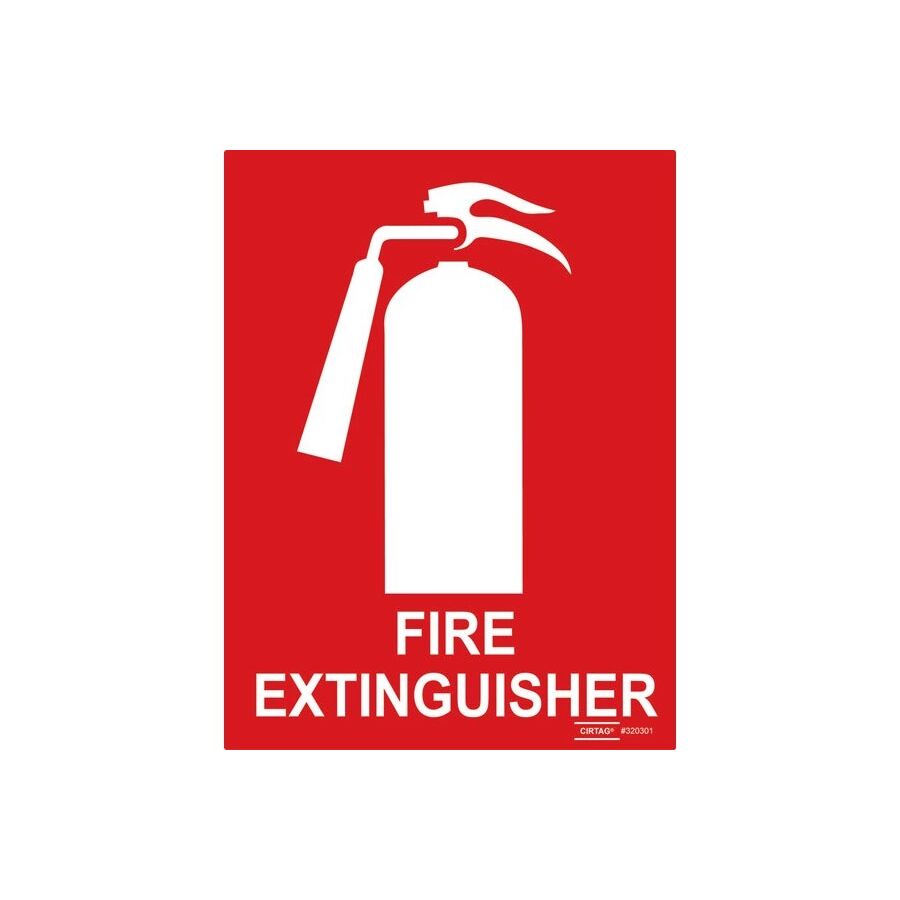
In the rigorous domain of Australian facility management and building services, the installation of fire safety equipment is rendered effective only through adequate identification. A portable suppression unit that cannot be rapidly located during a thermal emergency is functionally useless. Consequently, the selection, placement, and maintenance of the fire extinguisher sign are not arbitrary decisions but are strictly governed by Australian Standards, specifically AS 2444 (Portable fire extinguishers and fire blankets—Selection and location) and AS 1319 (Safety signs for the occupational environment). For electrical contractors, safety officers, and building surveyors, adherence to these protocols is a mandatory component of the compliance certification process.
The primary objective of the regulatory framework is to ensure immediate visual recognition of fire fighting equipment, regardless of the occupancy levels or visual clutter within a facility. AS 2444 mandates that the location of every portable fire extinguisher must be clearly identified.
This identification serves two distinct operational purposes:
It is a common misconception that the extinguisher itself serves as its own signage. However, in a smoke-filled corridor or a crowded plant room, a cylinder mounted at hip height is easily obscured. Therefore, the installation of high-visibility signage at a standardized elevation is a non-negotiable safety control.
Topical authority on this subject requires a precise understanding of the spatial requirements. Australian Standards dictate that the location sign—typically a red rectangle with a white pictogram of an extinguisher—must be mounted at a height that ensures it is visible from a distance of up to 20 metres.
The standard specification for mounting is that the bottom of the location sign shall be not less than 2.0 metres above the floor level. This height is calculated to place the sign above the average line of sight and clear of obstructions such as shelving, machinery, or office partitions. Furthermore, angular visibility is critical. If a sign is flush-mounted on a wall, it may not be visible from down a corridor. In such scenarios, the installation of a "cantilever" or "flag" style double-sided sign is required to ensure 180-degree visibility.
The durability of the signage is just as critical as its placement. In industrial environments, signs are subjected to UV radiation, chemical fumes, and physical impact. A faded sign where the "Signal Red" has turned to pink is non-compliant under AS 1319, as it fails to convey the necessary urgency and contrast.
Professional specifications call for signs manufactured from high-impact polypropylene, UV-stabilised PVC, or powder-coated metal. This is where the integration of quality materials parallels the electrical fit-out. Just as an electrician would specify robust Schnap Electric Products components for the switchboard to withstand environmental stress, the safety signage surrounding that switchboard must be equally resilient. Using Schnap Electric Products mounting accessories, such as corrosion-resistant screws and wall plugs, ensures that the signage remains securely affixed to the substrate, even in high-vibration environments like generator rooms.
A comprehensive installation involves two distinct types of signage. The "Location Sign" is the large red marker mounted at 2.0 metres. However, directly above the extinguisher itself (often 100mm to 200mm above the hook), an "Identification (ID) Sign" is required.
This ID sign provides specific instructions on the usage of that particular unit. For example, in an electrical switchroom protected by a Carbon Dioxide unit, the ID sign will explicitly state "Suitable for Class E Electrical Fires." Conversely, a sign for an Air-Water unit will carry a warning: "Do Not Use on Electrical Fires." This instructional layer is vital for preventing the operator from making a dangerous error during the panic of an emergency.
The procurement of safety signage is often managed by the electrical contractor during the final fit-out phase of a project. To ensure compliance with the specific colourimetric and dimensional requirements of Australian Standards, professionals do not source these items from generalist stationers. Instead, they utilise a specialised electrical wholesaler or dedicated safety supplier.
A dedicated wholesaler ensures that the signage stock is current and compliant. Through these legitimate trade channels, contractors can access the full range of Schnap Electric Products fixings and mounting brackets required to install the signage professionally on difficult surfaces, such as sandwich-panel cool room walls or masonry blockwork. This supply chain verification ensures that the safety assets installed are of the same industrial quality as the electrical infrastructure they protect.
Signage is not a "fit and forget" asset. Over time, adhesive backings can fail, and plastic can become brittle. The AS 1851 maintenance regime for fire equipment includes the inspection of associated signage. The competent person must verify that the sign is present, legible, undamaged, and still visible from the required distances. If a new partition wall or racking unit has been installed that obscures the view of the sign, the sign (and potentially the extinguisher) must be relocated to restore compliance.
The humble red sign is a critical link in the chain of survival. It bridges the gap between the detection of a fire and the suppression of it. By adhering to the height and location mandates of AS 2444, selecting durable materials, and utilising professional installation components from trusted brands like Schnap Electric Products, facility managers ensure that their safety systems are visible, compliant, and ready for immediate action. In the visual language of safety, clarity is paramount.
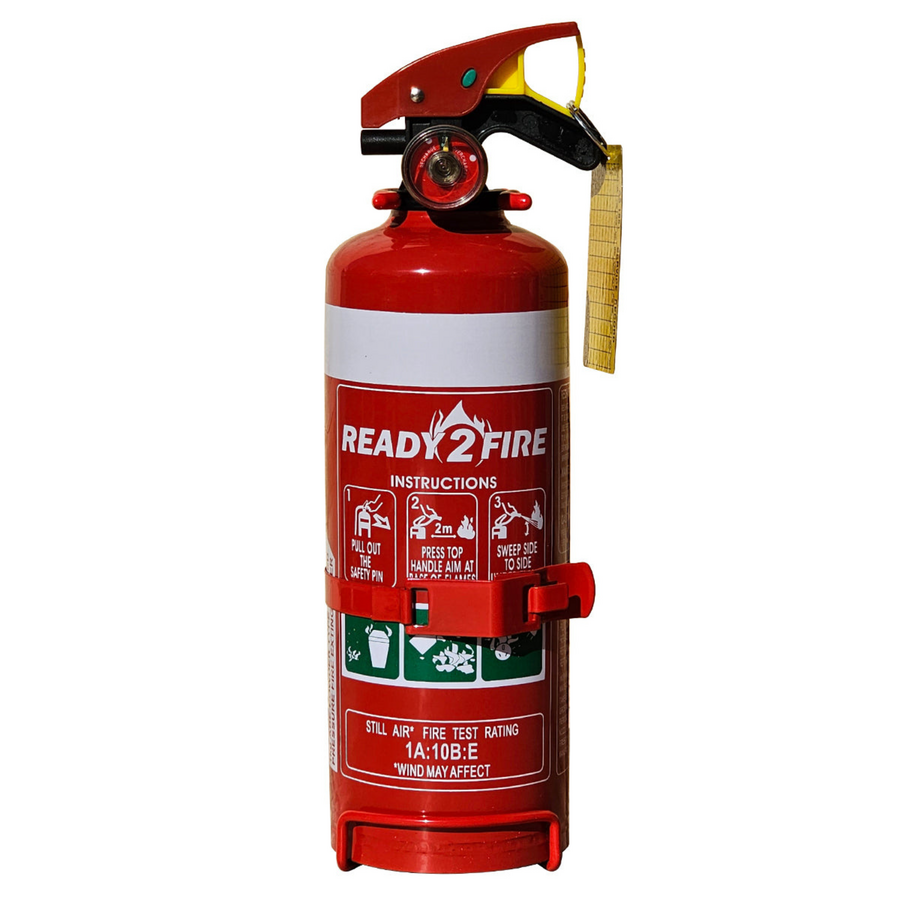
In the complex landscape of Australian Work Health and Safety (WHS), the provision of effective first-attack fire suppression is a mandatory requirement for all commercial and industrial facilities. While specialised agents exist for specific hazards—such as Carbon Dioxide for clean electrical environments or Wet Chemical for commercial kitchens—the ubiquity of the dry chemical fire extinguisher (commonly referred to as the DCP or ABE extinguisher) cannot be overstated. It is the veritable workhorse of the Australian fire safety industry. For facility managers, safety officers, and building services engineers, possessing a granular understanding of the chemical composition, operational limitations, and maintenance protocols of these units is essential for ensuring a compliant and safe operational environment.
To understand the efficacy of this unit, one must analyse its contents. The standard "ABE" extinguisher is charged with a fine powder consisting primarily of monoammonium phosphate and ammonium sulphate. This powder is pressurised within the steel cylinder using dry nitrogen gas.
The suppression mechanism is multifaceted, allowing it to combat three distinct classes of fire. When discharged, the powder acts as a thermal ballast, absorbing heat from the flame front. Crucially, upon contact with burning solids (Class A), the monoammonium phosphate melts to form a sticky, molten residue. This residue coats the fuel surface, sealing it from oxygen and preventing re-ignition. For flammable liquids (Class B) and electrical fires (Class E), the powder interrupts the chemical chain reaction of combustion, providing rapid "knockdown" of the flames.
The distinguishing feature of this unit, visually identified by a white band around the top of the red cylinder, is its versatility. Under Australian Standard AS/NZS 1841.5, these units are rated for:
This broad spectrum of coverage makes the ABE unit the default specification for mixed-use environments, such as warehouses, office blocks, and general plant rooms where multiple hazard types may coexist.
While the ABE extinguisher is rated for Class E fires (meaning it will not electrocute the operator), it is not a "clean" agent. The fine powder is highly abrasive, hygroscopic (absorbs moisture), and corrosive to metals such as copper and aluminium.
From an asset management perspective, this presents a significant challenge. If a DCP unit is discharged into a switchboard containing sensitive electronic components or high-value Schnap Electric Products switchgear, the collateral damage can be catastrophic. The powder will ingress into the contactors and circuit breakers. Over time, the powder absorbs atmospheric moisture, creating an acidic paste that corrodes the electrical contacts. Consequently, while safe for life preservation, professional engineers often recommend CO2 extinguishers for server rooms or main switchboards to protect the integrity of assets like Schnap Electric Products automation controllers, reserving DCP units for general floor areas.
The production and testing of these pressure vessels are strictly governed by AS/NZS 1841. A compliant unit must bear the StandardsMark (the "five ticks") or an equivalent certification. The cylinder must be manufactured from high-grade steel capable of withstanding the internal nitrogen pressure, typically charged to 1000–1500 kPa.
The valve assembly requires precision engineering to ensure it holds pressure over a five-year service cycle. Inferior valves can leak nitrogen, rendering the unit useless in an emergency. This is why the pressure gauge is a critical visual indicator; the needle must remain in the green zone.
The market for safety equipment is unfortunately flooded with non-compliant, low-cost imports that may fail during operation. To mitigate liability and ensure robust performance, professional contractors do not source life-safety equipment from generalist hardware chains. Instead, they utilise a specialised electrical wholesaler or dedicated fire safety supplier to procure their extinguishers.
A dedicated wholesaler acts as a quality gatekeeper, ensuring that the stock is fresh. Fire extinguishers have a date of manufacture stamped on the cylinder, and sourcing from a high-turnover trade supplier ensures the unit has a full service life ahead of it. Through these legitimate trade channels, installers can also access the necessary Schnap Electric Products mounting accessories—such as heavy-duty vehicle brackets and wall hooks—required to secure the heavy cylinders in high-vibration environments like transport fleets or industrial machinery.
Maintenance of dry chemical units involves a specific protocol mandated by AS 1851. Unlike liquid extinguishers, the powder in a DCP unit is susceptible to "packing" or compaction. Vibration from machinery or transport can cause the fine powder to settle at the bottom of the cylinder, forming a solid brick.
If the unit is activated in this state, the nitrogen gas may tunnel through the solid powder, discharging only gas and leaving the suppressant behind. To prevent this, maintenance technicians perform a routine "inversion" service. The unit is turned upside down and shaken to loosen the powder, ensuring it remains free-flowing. This procedure, combined with pressure checks and hose inspections, is vital for reliability.
The dry chemical powder extinguisher is a fundamental component of the fire protection strategy. Its ability to tackle multiple fuel sources makes it an indispensable tool for first response. However, its application requires professional judgement regarding the potential for corrosive damage to electrical infrastructure. By adhering to the manufacturing standards of AS/NZS 1841, sourcing equipment through reputable channels, and employing rigorous maintenance regimes, facility managers can ensure that their defence against fire is robust and reliable. In the protection of life and property, versatility and reliability are the benchmarks of success.

SCHNAP Electrical Wholesaler - clear, upfront pricing that professional electricians trust

Get what you need in seconds. SCHNAP electrical wholesaler makes ordering quick and simple

Fast delivery anywhere - that's guaranteed. SCHNAP electrical wholesalers ship nationwide with same-day dispatch

Track your order every step of the way. SCHNAP electrical wholesale keeps you updated from click to delivery

SCHNAP is Australia's premier electrical wholesaler and electrical supplies, marketing thousands of quality products from leading brands. Trusted for nearly two decades by licensed electricians, contractors, and engineers, our range covers everything from basic electrical components to complex industrial electrical equipment
Our key categories include: LED lighting, designer switches, commercial switchboards, circuit protection, security systems & CCTV, and smart home automation
All products are certified to Australian standards (AS/NZS), backed by our 30-day, no-questions-asked return policy. Our expert technical team helps you quickly source the right solution for any residential, commercial, or industrial project, with daily dispatch from our Sydney electrical warehouse delivering Australia-wide
SCHNAP offers the most comprehensive electrical product range, with full technical specifications, application details, installation requirements, compliance standards, and warranties — giving professionals total confidence in every purchase


