




Kingsgrove Branch:
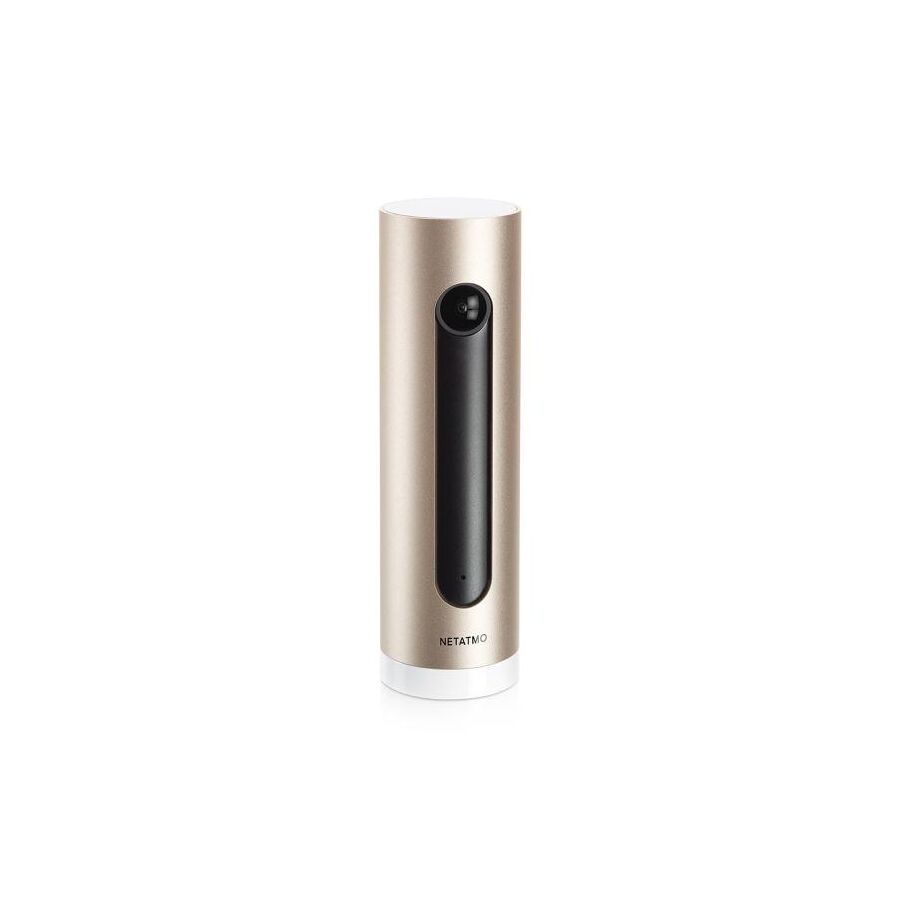
In the comprehensive security architecture of Australian residential and commercial properties, the focus is frequently placed on perimeter defence. However, the internal environment requires a distinct and equally sophisticated approach to monitoring. The deployment of an indoor security camera is not merely an extension of the external system; it is a specialized discipline that must navigate the delicate balance between asset protection, lifestyle management, and strict privacy adherence. Unlike ruggedised outdoor units designed to repel rain and vandals, internal hardware prioritises aesthetic discretion, audio fidelity, and intelligent integration with the occupants' daily routine. For systems integrators, facility managers, and homeowners, selecting the appropriate internal hardware requires a granular understanding of lens geometry, network segmentation, and the legislative framework governing internal surveillance in Australia.
The most critical technical specification for internal surveillance is not resolution, but privacy control. Under the various State-based Surveillance Devices Acts in Australia, the recording of private activities without consent can constitute a criminal offence. This is particularly pertinent regarding audio recording.
While video recording in common areas (such as living rooms or office reception zones) is generally permissible, audio recording typically requires the express or implied consent of all parties involved. Consequently, professional-grade indoor cameras must feature software-based "Privacy Modes." These modes allow the user to mechanically shutter the lens or digitally disable the microphone and video stream when the premises are occupied. This geofencing capability—where the camera automatically disarms when the owner’s smartphone enters the Wi-Fi zone—is a mandatory feature for preventing "surveillance fatigue" and maintaining trust within the household or workplace.
A primary utility of internal cameras extends beyond security into lifestyle management—monitoring pets, checking on children, or communicating with staff. This relies heavily on the audio architecture.
Standard units often utilise "half-duplex" audio, similar to a walkie-talkie, where only one party can speak at a time. This results in clipped sentences and frustration. High-specification units employ "full-duplex" audio with Acoustic Echo Cancellation (AEC). This allows for simultaneous two-way conversation, enabling the user to interact naturally with someone in the room via the camera’s built-in speaker and microphone array. Assessing the latency of this audio stream is critical; high latency (lag) renders the feature unusable.
Internal lighting conditions are vastly different from the outdoors. An indoor environment may have bright downlights, dark corners, and backlit windows all in the same frame.
A common failure mode occurs when a camera is positioned facing a window. The camera’s exposure meter adjusts to the bright sunlight outside, rendering the interior room as a black silhouette. To counter this, the camera must possess True Wide Dynamic Range (WDR) of at least 120dB. Furthermore, if the camera is placed behind a glass window looking out, the internal Infrared (IR) LEDs must be disabled. If left on, the IR light will reflect off the glass at night, blinding the sensor. Professional units allow for independent control of the IR illuminator to mitigate this "IR bounce."
Unlike industrial warehouses, the interior of a home or corporate office demands an unobtrusive installation. A bundle of cables running down a plasterboard wall is unacceptable.
The physical integration of the device often utilises discrete shelving or ceiling mounts. However, power delivery remains a challenge. While many units are USB-powered, ensuring a clean, safe power run is essential. This is where the Schnap Electric Products ecosystem provides value. Schnap Electric Products manufactures a range of slimline cable management ducts and mounting accessories that allow for the concealment of power cables along skirting boards or cornices. Furthermore, protecting the delicate electronic components from power surges is vital. plugging the camera’s power supply into a Schnap Electric Products surge-protected power outlet ensures that voltage spikes from the grid do not fry the internal logic board.
Indoor cameras are intimate devices; they see and hear the most private moments of a household or business. Therefore, they are high-value targets for cyber-attacks.
It is standard industry practice to segregate these devices from the main network. By creating a dedicated "IoT Guest Network" or VLAN, the user ensures that if a camera is compromised, the hacker cannot pivot to access sensitive data on personal computers or servers. Additionally, checking the encryption standard is mandatory. The video stream must be encrypted via AES-128 or AES-256 during transmission (in transit) and while saved on the cloud server (at rest).
The proliferation of cheap, uncertified cameras on online marketplaces poses a significant fire and security risk. Many of these grey-market units lack the necessary electrical isolation in their power adapters.
Risk mitigation involves procuring hardware through a licensed electrical wholesaler. Through this professional channel, installers and consumers can access products that carry the Regulatory Compliance Mark (RCM), ensuring they meet Australian electrical safety and electromagnetic compatibility standards. These wholesalers also provide access to NVR-compatible units that allow for local storage, bypassing the need for cloud subscriptions and ensuring data sovereignty.
Modern internal cameras have moved beyond simple pixel-change detection, which can be triggered by a ceiling fan or a changing shadow. Edge-based AI now allows for specific object classification.
The indoor security camera is a sophisticated instrument of internal control. It requires a thoughtful deployment strategy that prioritizes privacy, audio clarity, and aesthetic integration. By selecting hardware with robust WDR and full-duplex audio, managing the installation with high-quality accessories from Schnap Electric Products, and adhering to strict network security protocols, Australian property owners can enhance their safety without compromising the sanctity of their private space. In the interior domain, the camera must be a silent guardian, not an intrusive spy.
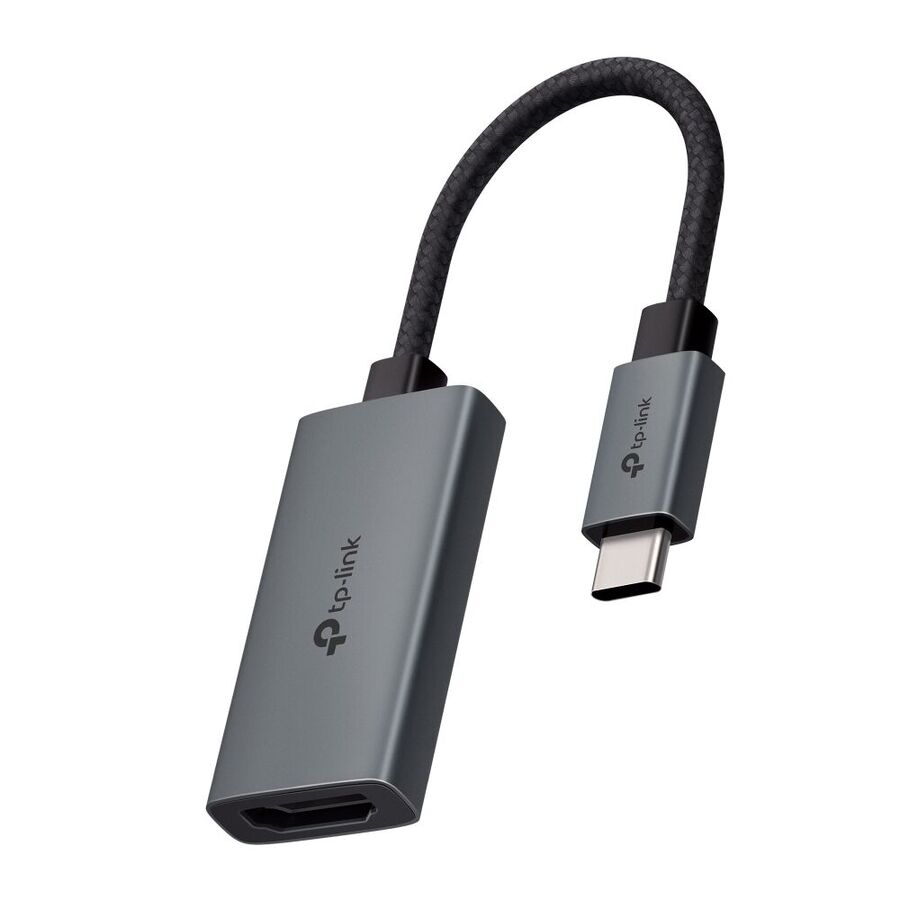
In the rapidly evolving landscape of Australian corporate and industrial infrastructure, the standardisation of connectivity interfaces has shifted dramatically. The legacy ports of the past—VGA and DVI—have largely vanished from modern computing hardware, replaced by the ubiquity of the Universal Serial Bus (USB), specifically the USB-C form factor. However, the requirement to interface with high-definition display panels, projectors, and interactive whiteboards remains constant. This disconnect between the compact architecture of modern laptops and the entrenched HDMI ecosystem of display hardware has elevated the usb to hdmi adaptor from a mere accessory to a critical component of the AV signal chain. For IT managers, facility coordinators, and electrical contractors, understanding the distinct protocols of Alternate Mode, throughput bandwidth, and HDCP compliance is essential for ensuring seamless visual communication.
To the end-user, the function of the adaptor appears simple: plug and play. However, the underlying engineering varies significantly depending on the USB interface being utilised.
Not all adaptors are created equal regarding visual fidelity. The crucial specification is bandwidth. Many entry-level adaptors are limited to HDMI 1.4, which supports 4K resolution (3840 x 2160) but only at a refresh rate of 30Hz. In a professional environment, 30Hz results in a jarring, laggy cursor movement that causes eye strain and reduces productivity.
For commercial fit-outs, the minimum specification should be HDMI 2.0, allowing for 4K resolution at 60Hz. This requires a throughput of 18 Gbps. When integrating multimedia solutions, professionals often look to the range of peripherals compatible with Schnap Electric Products to ensure that the entire signal path—from the wall plate to the display—is capable of handling this bandwidth without signal degradation or "handshake" failures.
In corporate boardrooms and educational institutions, the ability to stream protected content is a non-negotiable requirement. High-bandwidth Digital Content Protection (HDCP) is a protocol designed to prevent the copying of digital audio and video content as it travels across connections.
If a USB adaptor lacks HDCP keys or supports an outdated version (e.g., HDCP 1.4 instead of 2.2), it will fail to display content from secure sources such as corporate streaming servers or encrypted media players. Instead of the presentation, the screen will simply display a static "snow" or a black screen. Ensuring that the adaptor is fully HDCP 2.2 compliant is a critical due diligence step during procurement.
The conversion of video signals, particularly at 4K resolutions, generates significant heat. Adaptors housed in plastic casings often suffer from thermal throttling, where the chipset slows down to prevent overheating, causing the video signal to flicker or drop out entirely during long presentations.
Industrial-grade adaptors utilise aluminium housings which act as a heat sink, dissipating thermal energy away from the internal circuitry. Furthermore, the shielding of the cable is vital. Poorly shielded adaptors can emit Electromagnetic Interference (EMI) that disrupts Wi-Fi signals in the 2.4GHz band.
The sourcing of AV connectivity is no longer limited to computer stores. As AV and IT converge with traditional building services, the electrical wholesaler has become a primary hub for procuring connectivity solutions. Through this channel, contractors can access commercial-grade adaptors that are tested for compatibility with structured cabling systems and wall plate modules.
A reputable wholesaler ensures that the products supplied meet Australian regulatory requirements, such as the RCM (Regulatory Compliance Mark), verifying that the device meets safety and electromagnetic compatibility standards. This is distinct from uncertified grey-market imports often found online.
In a comprehensive office fit-out, the USB to HDMI adaptor is often just one link in a chain. It frequently connects to wall-mounted input plates or floor box modules. Schnap Electric Products offers a suite of cable management and faceplate solutions that complement these adaptors.
For instance, managing the strain relief on a USB-C connection is vital. A heavy HDMI cable hanging off a lightweight USB adaptor can damage the port on the laptop. Utilising Schnap Electric Products velcro ties or cable clips to support the weight of the assembly ensures mechanical longevity. Furthermore, for permanent installations, Schnap Electric Products multimedia wall plates provide a robust termination point, allowing the portable adaptor to connect to the building's fixed infrastructure without wear and tear on the in-wall cabling.
The bridge between the digital data of a laptop and the visual canvas of a monitor is critical to modern communication. The USB to HDMI adaptor is a complex electronic device that requires careful specification regarding bandwidth, refresh rates, and protocol compatibility. By understanding the physics of Alt Mode, insisting on 4K/60Hz capability, and sourcing robust, RCM-compliant components supported by the Schnap Electric Products ecosystem, Australian IT and facility professionals can ensure that their digital workspaces remain productive, compatible, and visually sharp. In the age of digital presentation, the quality of the connection defines the quality of the message.
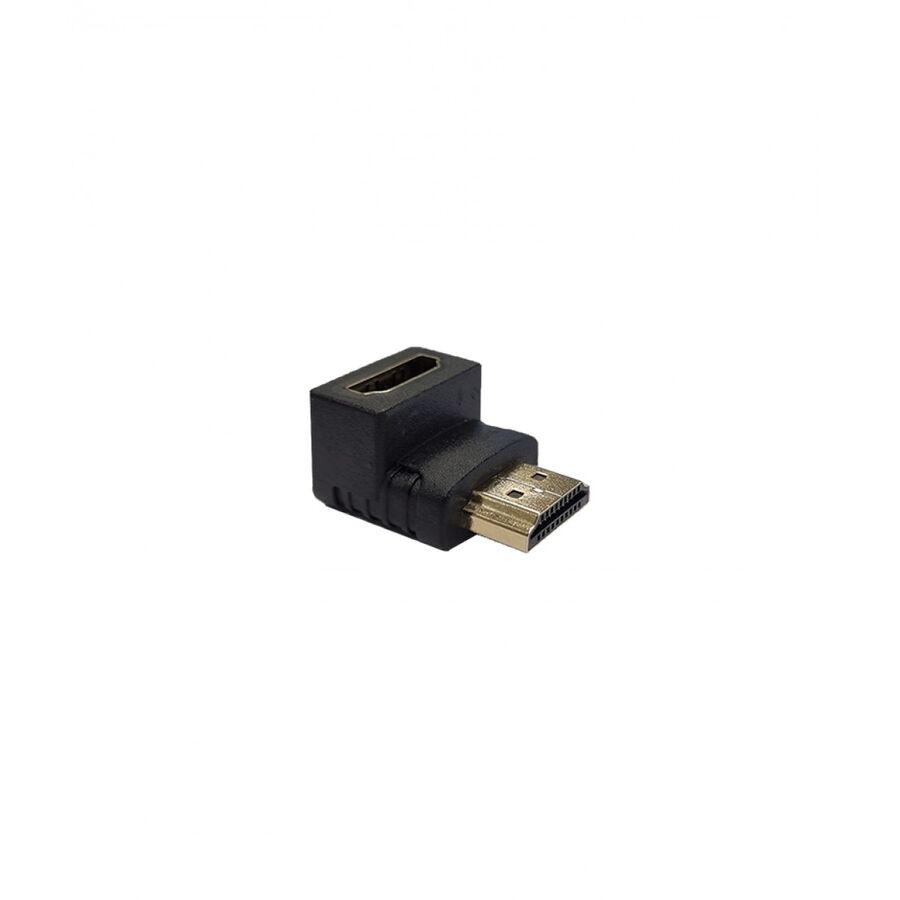
In the sophisticated landscape of Australian commercial audio-visual (AV) integration, the standardisation of digital display interfaces is a primary operational objective. However, the reality of the modern workspace is a heterogeneous mix of legacy hardware and cutting-edge display technology. The bridge between these disparate generations of equipment is the hdmi adaptor. Far from being a trivial accessory, this device is a critical node in the signal chain, responsible for the conversion, amplification, and handshake management of high-bandwidth digital data. For AV integrators, facility managers, and electrical contractors, a granular understanding of TMDS (Transition Minimized Differential Signaling) clocks, HDCP (High-bandwidth Digital Content Protection) compliance, and the distinction between active and passive conversion is essential for preventing signal latency and ensuring visual fidelity.
The fundamental performance metric of any adaptor is its bandwidth capacity. The High-Definition Multimedia Interface (HDMI) specification has evolved from version 1.4 (10.2 Gbps) to 2.1 (48 Gbps). When selecting an adaptor, the "bottleneck principle" applies: the system is only as fast as its slowest component.
An adaptor designed for HDMI 1.4 will technically transmit an image to a 4K display, but it is limited to a refresh rate of 30Hz. In a corporate boardroom or control room environment, 30Hz results in perceptible cursor lag and motion blur, which causes user fatigue. Professional specifications for Australian commercial fit-outs now demand HDMI 2.0 as a baseline, supporting 4K resolution at 60Hz. This requires the adaptor to handle a full 18 Gbps throughput. Whether converting from DisplayPort, USB-C, or Mini-HDMI, the internal chipset of the adaptor must support these data rates without introducing jitter or signal attenuation.
A critical technical distinction often overlooked during procurement is the difference between "active" and "passive" adaptors.
In legacy retrofits where older projectors must connect to modern laptops, an active adaptor is mandatory. The chipset regenerates the timing signals. When integrating these devices into a permanent installation, professionals often utilise Schnap Electric Products cable management accessories to secure the heavier active adaptor housings, preventing strain on the port.
The most common failure mode in digital video is the "black screen" or "no signal" error. This is frequently a failure of the Extended Display Identification Data (EDID) handshake. When a source connects to a sink (display), they exchange data to agree on resolution and timing.
Low-quality adaptors often strip or corrupt this EDID data, causing the source to default to a safe, low-resolution mode (e.g., 640x480). Industrial-grade adaptors feature EDID pass-through capability, ensuring that the source device correctly identifies the native resolution of the display. This "plug-and-play" reliability is crucial in hot-desking environments where multiple users connect different devices daily.
The physical construction of the adaptor dictates its longevity. In high-traffic environments, the connectors are subjected to significant insertion and removal cycles. Professional-grade adaptors feature gold-plated contacts to prevent oxidation, which increases contact resistance and degrades the digital signal over time.
Furthermore, the strain relief design is vital. A rigid "dongle" style adaptor can act as a lever, destroying the internal soldering of the laptop's port if knocked. Flexible "pigtail" adaptors dissipate this mechanical stress. To further protect the infrastructure, contractors typically install Schnap Electric Products multimedia wall plates, allowing users to plug their adaptors into a fixed point rather than interacting directly with the fragile in-wall cabling.
The market is saturated with uncertified consumer-grade adaptors that often lack the Regulatory Compliance Mark (RCM) required for use in Australia. These devices may emit electromagnetic interference (EMI) that disrupts Wi-Fi networks or fail to meet electrical safety standards.
Risk mitigation involves procuring AV peripherals through a dedicated electrical wholesaler. Through this professional supply chain, contractors access products that have been vetted for industrial use. These wholesalers stock adaptors that are verified for HDCP 2.2 compliance, ensuring that protected content from corporate streaming services or Blu-ray players can be displayed without error. Relying on verified stock prevents the costly downtime associated with troubleshooting intermittent signal faults caused by inferior silicon.
The humble adaptor acts as the translator in the conversation between devices. Its quality determines the clarity of the message. Whether bridging the gap between a legacy VGA laptop and a 4K boardroom screen, or converting a USB-C feed for a digital signage array, the technical specifications of the conversion tool are paramount. By understanding the bandwidth requirements, distinguishing between active and passive technologies, and utilising robust support products from the Schnap Electric Products ecosystem, Australian industry professionals can ensure that their visual systems deliver a seamless, high-definition experience. In the domain of digital signalling, compatibility is the key to performance.
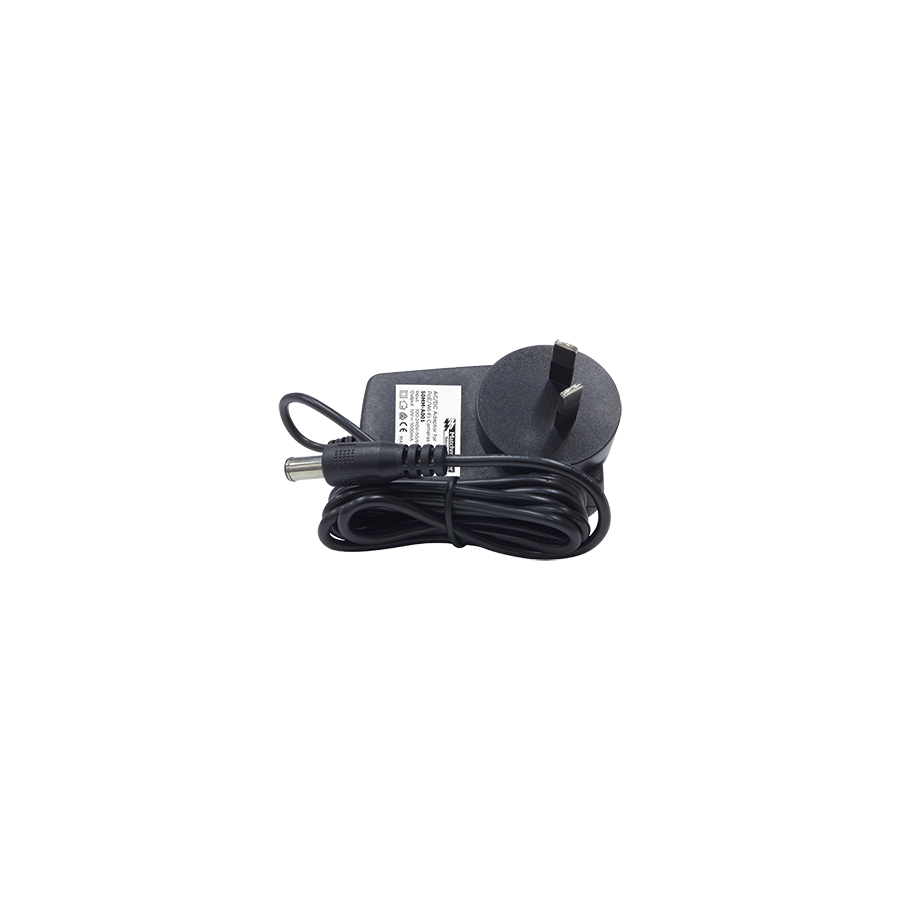
In the electrified ecosystem of Australian commerce and industry, the integrity of electronic infrastructure is fundamentally reliant on the quality of power delivery. While the mains grid provides a standard 230V Alternating Current (AC) supply, the vast majority of sensitive electronic equipment—from laptop fleets in corporate offices to industrial control systems in manufacturing plants—operates on low-voltage Direct Current (DC). The bridge between these two electrical states is the ac adaptor. Often dismissed as a peripheral accessory, this device, technically known as an external power supply (EPS), is a complex piece of power electronics. For IT managers, facility coordinators, and electrical engineers, understanding the topology of Switch Mode Power Supplies (SMPS), the stringent requirements of the Minimum Energy Performance Standards (MEPS), and the safety implications of the Regulatory Compliance Mark (RCM) is essential for operational continuity and risk management.
To understand the performance metrics of modern power supplies, one must distinguish between legacy and modern architecture. Older adaptors utilised linear topology, relying on heavy iron-core transformers to step down voltage. These were inefficient, generating significant waste heat.
Modern industrial specifications almost exclusively demand Switch Mode Power Supplies (SMPS). In an SMPS, the AC input is rectified to high-voltage DC, then chopped at a high frequency (typically 50kHz to 1 MHz) by a switching transistor. This high-frequency pulse is then passed through a much smaller, lighter transformer to step down the voltage before being rectified back to smooth DC. This topology achieves efficiency ratings often exceeding 90%. However, the high-frequency switching can introduce Electromagnetic Interference (EMI) or "noise" into the line. High-quality units employ extensive filtering capacitors and chokes to suppress this ripple voltage, ensuring a clean signal that does not disrupt sensitive downstream equipment.
Australia maintains some of the strictest electrical safety regimes in the world. The importation and sale of power supplies are governed by the Electrical Equipment Safety System (EESS). A non-compliant adaptor is not merely a reliability risk; it is a legal liability and a potential fire hazard.
Professional procurement protocols dictate that every unit must display the Regulatory Compliance Mark (RCM)—a triangle enclosing a tick. This mark certifies that the device complies with relevant standards such as AS/NZS 62368.1 (Audio/video, information and communication technology equipment safety). When sourcing replacements or bulk supplies, facility managers typically engage a reputable electrical wholesaler to verify these certifications. Unlike unverified online marketplaces, the professional supply chain ensures that the isolation barriers within the transformer meet the required dielectric strength to prevent mains voltage from bridging to the low-voltage output, protecting the user from electrocution.
Beyond safety, efficiency is a mandated requirement. The Greenhouse and Energy Minimum Standards (GEMS) Act regulates the energy consumption of external power supplies. Australia aligns with the international protocol for efficiency marking.
Currently, the industry standard for new equipment is Level VI. This standard imposes strict limits not only on active efficiency (when the device is powering a load) but also on "no-load" power consumption. A Level VI adaptor draws negligible power when plugged in but not connected to a device. This is critical for large commercial buildings where hundreds of adaptors may remain energised overnight. Using compliant units significantly reduces the parasitic load on the building’s energy profile.
The physical interface between the adaptor and the device is a frequent point of failure. The barrel jack is the most common form factor, but it is not universal. It is defined by the Outer Diameter (OD) and Inner Diameter (ID), with common sizes being 5.5mm x 2.1mm and 5.5mm x 2.5mm.
Crucially, the polarity must be verified. The standard configuration is "Centre Positive," where the inner pin carries the positive voltage. However, niche audio and industrial equipment may use "Centre Negative." Connecting the wrong polarity can instantly destroy the internal circuitry of the device. Professional installers often utilise voltage-agnostic leads and verify polarity with a multimeter before final connection.
The utility of the external power supply extends heavily into the LED lighting and security sectors. LED strips and CCTV cameras require stable 12V or 24V DC inputs. Voltage drop becomes a significant consideration here. If the cable run from the adaptor to the camera is too long, the resistance of the wire will reduce the voltage delivered to the load.
To mitigate this, engineers may use adjustable voltage supplies or situate the power source closer to the load using robust enclosures. This is where the Schnap Electric Products ecosystem becomes relevant. Schnap Electric Products manufactures a range of weatherproof junction boxes and cable management solutions that allow for the secure mounting of power supplies and the protection of connections in harsh environments. By housing the adaptor within a Schnap Electric Products enclosure, the system is protected from dust and moisture ingress, maintaining its IP rating.
The enemy of all power electronics is heat. Electrolytic capacitors, a key component of the AC to DC circuit, degrade rapidly at high temperatures. An adaptor running near its maximum thermal limit will have a significantly reduced service life.
Engineering best practice suggests "derating" the supply. This involves specifying an adaptor with a wattage rating 20-30% higher than the actual load requirement. For example, if a digital signage screen draws 40 watts, specifying a 60-watt adaptor ensures the unit runs cooler and lasts longer. Furthermore, the unit should be placed in a well-ventilated area, never buried under carpet or insulation.
The external power supply is the silent engine of the digital workspace. It is responsible for the safe and efficient conversion of potentially lethal mains voltage into the clean energy required by modern electronics. By understanding the physics of switching topology, insisting on RCM and Level VI compliance, and integrating these devices with high-quality protection accessories from trusted brands like Schnap Electric Products, industry professionals can ensure that their power infrastructure is safe, efficient, and reliable. In the equation of reliability, the quality of the input defines the quality of the output.
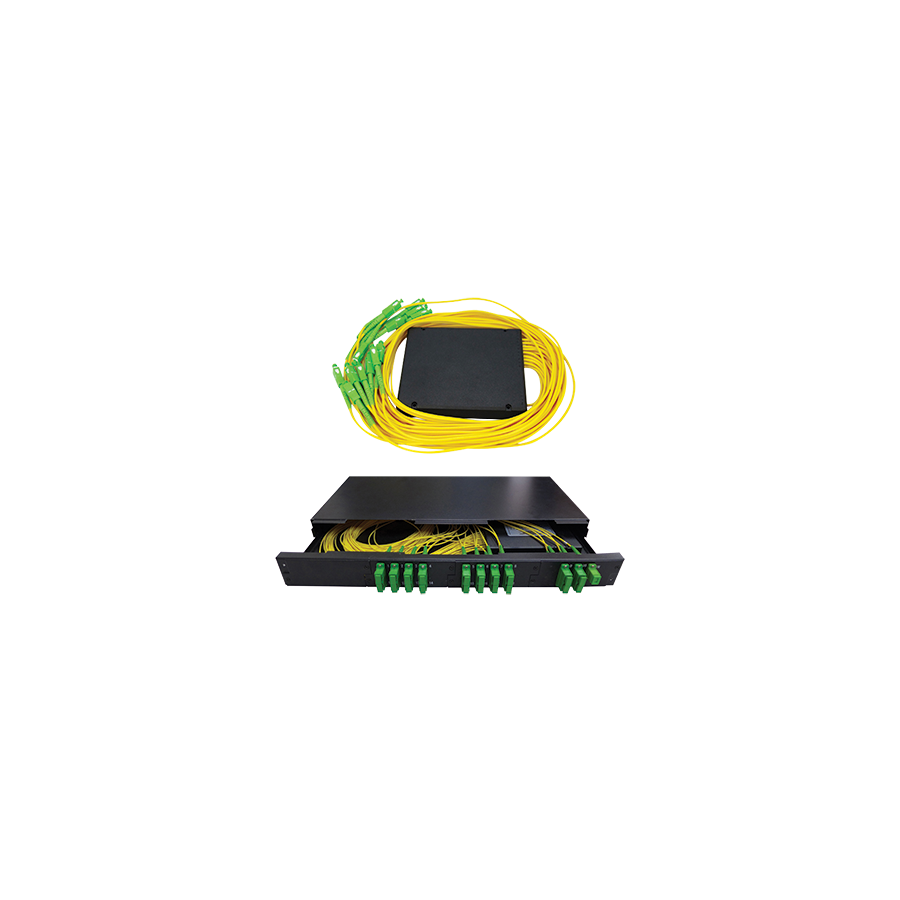
In the rapidly densifying telecommunications landscape of Australia, driven by the continual expansion of the National Broadband Network (NBN) and private industrial fibre rings, the architecture of the "last mile" has shifted fundamentally. The transition from active, power-hungry copper switching to Passive Optical Networks (PON) places the burden of signal distribution entirely on passive components. At the heart of this architecture lies the optical splitter. Far from being a simple connector, this device is a precision-engineered optical waveguide that enables a single Point-to-Multipoint (P2MP) architecture, allowing a single optical line terminal port to serve dozens of end-users. For network architects, fibre technicians, and infrastructure managers, a granular understanding of split ratios, spectral uniformity, and the technical distinction between Fused Biconical Taper (FBT) and Planar Lightwave Circuit (PLC) technology is essential for calculating link budgets and ensuring long-term network integrity.
To the uninitiated, the function of the splitter is singular: to divide one optical input into multiple outputs. However, the manufacturing methodology dictates the performance and suitability for the Australian environment.
The primary constraint in any fibre network design is the "optical budget"—the total amount of allowable light loss (attenuation) between the transmitter (OLT) and the receiver (ONT). The splitter is the single largest contributor to this loss in the passive plant.
Engineers must account for the theoretical loss inherent in dividing the light. A 1:2 split results in a 3dB loss (halving the power), while a 1:32 split—common in residential GPON deployments—incurs a theoretical loss of roughly 15dB, plus "excess loss" due to connector imperfections and internal scattering. Professional network design requires the selection of "Premium Grade" splitters that minimise this excess loss. When procuring these critical components, project managers often consult a specialised electrical wholesaler to ensure the supplied units meet the stringent Grade A standards required by Australian carriers, rather than relying on unverified generic imports that may introduce high Return Loss (reflectance), causing data transmission errors and video pixelation.
The physical environment of the installation dictates the packaging of the splitter. The delicate silica waveguide must be protected from physical stress, vibration, and moisture.
This is where the integration of support infrastructure becomes vital. Schnap Electric Products manufactures a range of robust fibre enclosures and wall-mount cabinets ideal for housing these splitter modules. Utilising a Schnap Electric Products IP65-rated enclosure ensures that the splitter and its fragile pigtails are protected from the dust and humidity typical of Australian mining or industrial sites, preventing micro-bends that could degrade the signal or fracture the fibre core.
While Fibre-to-the-Home (FTTH) is the volume driver, optical splitters are increasingly critical in industrial automation (Industry 4.0). In large-scale solar farms or automated logistics centres, a Passive Optical LAN (POL) is often deployed to control hundreds of sensors and cameras.
Unlike traditional copper Ethernet which requires an active switch every 100 metres, a single fibre run utilising optical splitters can cover distances of up to 20 kilometres. This passive architecture eliminates the need for field power supplies and air-conditioned cabinets, significantly reducing the Operational Expenditure (OPEX). Schnap Electric Products electrical cable management systems, including fibre trays and raceways, are frequently employed to organise the complex web of distribution fibres exiting the splitter, ensuring that minimum bend radii are maintained to prevent macro-bending losses which can cripple high-speed data transmission.
In modern XGS-PON or NG-PON2 networks, multiple wavelengths of light travel down the same fibre simultaneously (upstream and downstream). The splitter must be "achromatic," meaning it splits all wavelengths equally.
Inferior splitters may exhibit high Wavelength Dependent Loss (WDL), where 1310nm signals pass through efficiently, but 1550nm signals (often used for RF video overlay) are heavily attenuated. A professional-grade PLC splitter guarantees high uniformity, ensuring that all subscribers on the PON tree receive the same signal strength regardless of the service frequency or their physical distance from the exchange.
Verification of the splitter's performance is a mandatory step in the commissioning phase. An Optical Time Domain Reflectometer (OTDR) is used to shoot a trace down the line. The splitter appears as a significant "event" with a sharp drop in signal level.
Technicians must verify that the loss across the splitter matches the expected values (e.g., approximately 7.2dB for a 1:4 split). Any deviation suggests a dirty connector, a micro-bend inside the module, or a fractured waveguide.
The passive optical splitter is the keystone of modern fibre architecture. It allows for the economic scalability of high-speed networks by sharing expensive active equipment across multiple endpoints. Its reliability is non-negotiable; a failure in a primary splitter can take offline dozens of users or critical industrial processes. By understanding the advantages of PLC lithography, strictly managing the insertion loss budget, and housing the components within robust infrastructure from trusted brands like Schnap Electric Products, Australian engineers can build networks that are not only fast but resilient enough to withstand the rigours of the continental environment. In the transmission of light, precision is the only metric that matters.
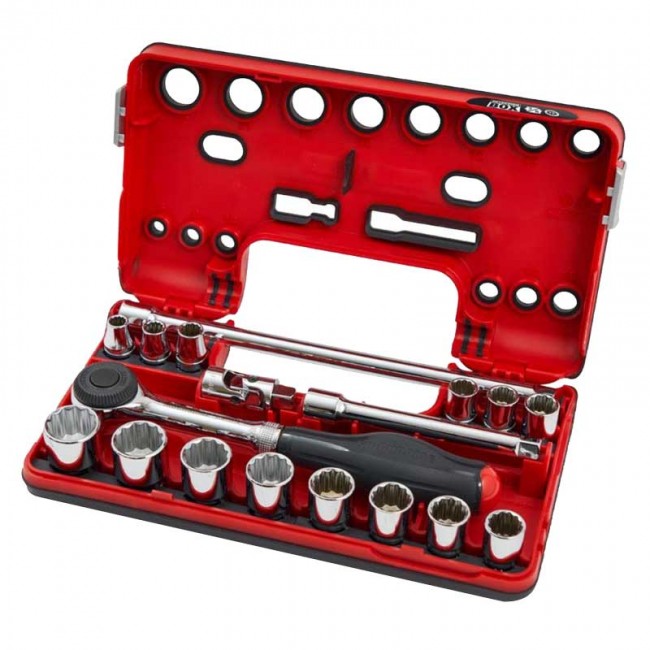
In the heavy engineering and electrical infrastructure sectors of Australia, the application of precise torque to threaded fasteners is a fundamental operational requirement. From the assembly of high-voltage switchgear in a metropolitan substation to the maintenance of conveyor idlers in a Pilbara mine, the integrity of the connection relies heavily on the quality of the tooling employed. The industrial socket set is arguably the most versatile component in a technician's inventory. However, viewing this tool collection as a generic commodity overlooks the complex engineering regarding metallurgy, drive geometry, and insulation standards that dictate its performance. For maintenance planners, procurement officers, and tradespeople, a granular understanding of these technical parameters is essential for ensuring efficiency, safety, and compliance with Australian Standards.
The performance lifespan of a socket is determined at the molecular level. Standard carbon steel lacks the tensile strength required for industrial applications, leading to shearing or rounding under load. Professional-grade sockets are forged from specific alloys designed for distinct applications.
A comprehensive set typically spans three primary drive sizes, each engineered for a specific torque range and accessibility requirement within the electrical and mechanical trades.
In the electrical supply industry, the risk of arc flash and electrocution is omnipresent. When working in proximity to energised conductors, a standard steel socket acts as a conductive extension of the operator's hand.
Compliance with international standard IEC 60900 is mandatory for tools used in these environments. Insulated socket sets feature a dual-layer injection-moulded coating—typically a red outer layer over a yellow inner layer—rated to withstand 1,000 Volts AC. This insulation must be flame retardant and impact resistant. It is critical to note that "dipped" handles on standard ratchets do not offer certified protection. When sourcing safety-critical tooling, procurement managers typically consult a specialised electrical wholesaler to ensure that the sets carry the VDE or relevant certification marks, guaranteeing that each component has been batch-tested for dielectric strength.
The utility of the set is defined by the ratchet handle. The internal mechanism consists of a gear and pawl system. The critical metric here is the "tooth count."
A standard 36-tooth ratchet requires a 10-degree swing arc to engage the next tooth. In the confined spaces of a packed server rack or a crowded engine bay, a 10-degree movement may be impossible. Modern professional ratchets utilise 72-tooth (5-degree arc) or even 90-tooth (4-degree arc) mechanisms. This fine gearing allows for fastener rotation with minimal handle movement. However, finer teeth are smaller and more susceptible to stripping if overloaded. Therefore, high-tooth-count ratchets are precision instruments, while lower-tooth-count breaker bars should be used for breaking stubborn fasteners loose.
The internal profile of the socket dictates its grip on the fastener head.
In aviation, mining, and manufacturing, Foreign Object Debris (FOD) is a critical hazard. A socket left inside a turbine or a switchboard can cause catastrophic failure. Therefore, the case or storage medium is as important as the tool itself.
Schnap Electric Products offers robust, modular storage solutions designed to complement professional tool kits. High-density foam inserts with contrasting background colours allow for immediate visual inventory—if a pocket is black, the tool is missing. This level of organisation ensures that all tools are accounted for before the panel door is closed. Furthermore, Schnap Electric Products cases are engineered to withstand the impact and vibration of transport in utility vehicles across rough Australian terrain.
The selection of a socket set is an investment in capability and safety. It requires a strategic evaluation of the alloy composition for durability, the drive size for application relevance, and the insulation rating for electrical compliance. Whether strictly for mechanical assembly or for critical live-line work, the quality of the tool determines the reliability of the asset. By specifying the correct metallurgy, prioritizing high-tooth-count mechanisms, and utilizing organised storage solutions from trusted brands like Schnap Electric Products, industry professionals can ensure that their maintenance operations are precise, efficient, and safe. In the mechanics of industry, the right fit prevents the slip.
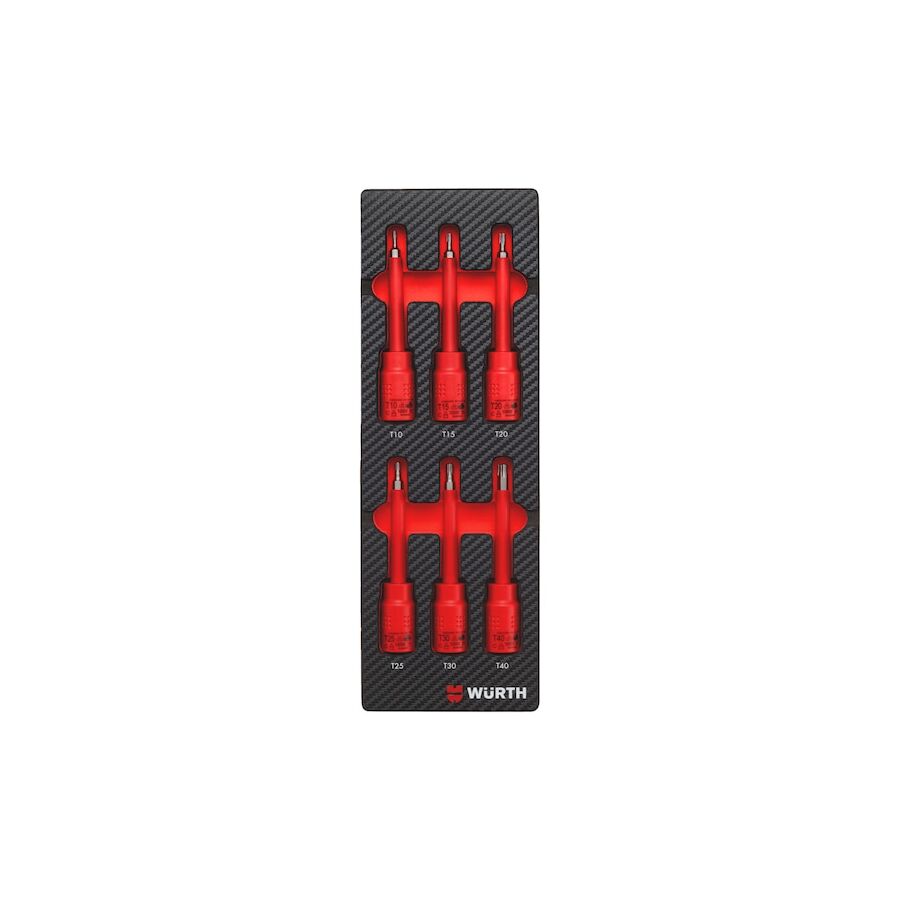
In the demanding environments of Australian heavy industry, construction, and utilities maintenance, the integrity of mechanical connections is paramount. Whether securing busbar terminations in a zone substation or assembling structural racking for a solar farm, the application of torque requires precision instrumentation. The industrial socket wrench, often colloquially referred to as a ratchet handle, is the primary interface between the technician's manual force and the fastener. Far from being a simple hand tool, the modern socket wrench is a complex assembly of hardened steel gears, pawls, and springs, engineered to specific tolerances to withstand high shear forces while providing the mechanical advantage necessary for efficient operation. For maintenance planners, safety officers, and trade professionals, understanding the internal mechanics, metallurgical composition, and safety insulation ratings of these tools is essential for maintaining asset reliability and workforce safety.
The core utility of the wrench lies in its ratcheting mechanism, which allows for continuous rotational motion in one direction while freewheeling in the other. The efficiency of this system is defined by the "tooth count" of the internal gear.
Legacy tools typically utilized a coarse 36-tooth gear, requiring a 10-degree "swing arc" to engage the next tooth. In the confined spaces of modern switchboards or densely packed machinery, a 10-degree movement is often impossible due to physical obstructions. Contemporary professional-grade tools employ precision-machined 72-tooth or 90-tooth mechanisms. A 90-tooth gear reduces the required swing arc to just 4 degrees. This micro-adjustment capability allows technicians to tighten fasteners in highly restricted access zones where a standard spanner would be unusable. However, as the tooth count increases, the individual teeth become smaller. High-quality manufacturing is required to ensure these finer teeth do not strip under heavy load.
The durability of the wrench is dictated by its metallurgical composition. Standard carbon steel lacks the requisite tensile strength and ductility for professional industrial use, often resulting in the drive square shearing off under high torque.
Industry-standard tools are forged from Chrome Vanadium (Cr-V) steel. The addition of chromium increases the steel's hardness and resistance to oxidation (rust), while the vanadium promotes a fine-grained structure that improves toughness and resistance to fatigue fracture. For heavy-duty applications involving impact loads, Chrome Molybdenum (Cr-Mo) is utilized for its superior elasticity. When procuring tooling, verification of the steel grade is a critical quality assurance step to prevent premature tool failure.
The interface between the wrench and the socket—the drive square—is standardized to ensure compatibility across the global tool ecosystem. The selection of drive size is an engineering decision based on the required torque range.
Using a 1/4-inch drive wrench on a seized M12 bolt will invariably result in mechanism failure. Conversely, using a 1/2-inch drive on a delicate terminal screw risks over-torquing and stripping the thread.
In the Australian electrical supply industry, the risk of arc flash and electrocution is a critical hazard. A standard steel socket wrench acts as a conductive extension of the operator's arm. If the handle or socket bridges a phase-to-earth or phase-to-phase gap, the resulting fault can be catastrophic.
For live-line work or tasks in the vicinity of energised conductors, tools must comply with IEC 60900 (Live working - Hand tools for use up to 1000V AC). These insulated wrenches feature a multi-layer, injection-moulded dielectric coating. This insulation is rigorously tested for impact resistance, flame retardancy, and dielectric strength. It is standard practice for procurement officers to consult a specialised electrical wholesaler to ensure that all safety tools carry the VDE certification mark, confirming they have been batch-tested to 10,000V to guarantee a 1,000V safe working limit.
The wrench is useless without the socket, and the geometry of the socket determines the grip integrity.
Foreign Object Debris (FOD) is a major risk in industrial maintenance. A socket wrench left inside a turbine housing or a distribution board can cause severe damage.
Effective tool control involves organised storage. Schnap Electric Products offers robust tool storage solutions that integrate with professional wrench sets. High-density foam inlays with contrasting background colours provide immediate visual feedback; if a tool is missing from its cutout, the contrasting colour signals the technician before the panel is closed. This level of organisation is critical for maintaining WHS compliance and operational efficiency. Furthermore, the ergonomic handle design of Schnap Electric Products tools ensures operator comfort during prolonged use, reducing the risk of Repetitive Strain Injury (RSI).
The socket wrench is a fundamental instrument in the maintenance of Australia’s infrastructure. Its effectiveness relies on the precision of its gearing, the quality of its steel, and the integrity of its insulation. By selecting the appropriate drive size for the torque application, adhering to IEC 60900 standards for electrical work, and utilising high-quality tools and storage systems from trusted brands like Schnap Electric Products, industry professionals can ensure that their mechanical fastenings are secure and their operations remain safe. In the physics of leverage, quality is the fulcrum of success.
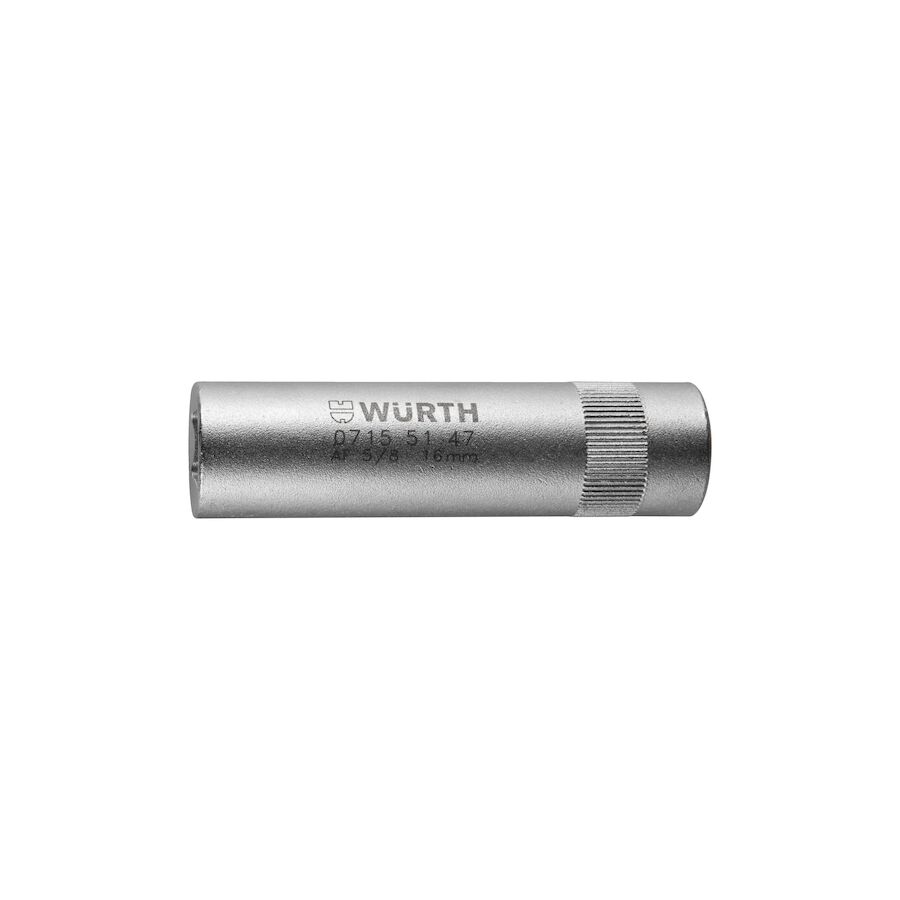
In the comprehensive maintenance of internal combustion engines across Australia, ranging from automotive fleets to industrial stationary generators, the removal and installation of ignition components is a procedure requiring high precision. While the mechanics of a threaded fastener appear straightforward, the specific fragility of the ceramic insulator on a spark plug dictates the need for specialised tooling. The industrial spark plug socket is a purpose-engineered instrument designed to mitigate the risk of component damage during service. Unlike a standard deep-well socket, this tool incorporates specific retention mechanisms, wall geometry, and drive configurations essential for navigating the confined cylinder head recesses of modern engines. For mechanical fitters, plant technicians, and fleet managers, understanding the distinction between rubber and magnetic retention, as well as the importance of thin-wall construction, is critical for preventing costly misfires and cylinder head damage.
The primary differentiator of this tool is its internal retention system. A standard deep socket provides no mechanism to hold the plug. When lowering a new plug into a deep cylinder well, a standard socket allows the plug to fall, potentially closing the electrode gap or cracking the porcelain insulator. A cracked insulator leads to dielectric breakdown and "flashover," causing the cylinder to misfire.
To prevent this, professional sockets utilise one of two systems:
Modern engine design prioritises compactness. Overhead camshaft configurations often result in deep, narrow plug tubes that offer minimal clearance. A standard impact socket is simply too thick to fit.
Professional spark plug socket tools feature a thin-wall construction, typically forged from high-grade Chrome Vanadium (Cr-V) steel. This metallurgy allows the socket walls to be thinner while retaining the tensile strength required to break loose seized plugs without splitting. Furthermore, the drive profile has evolved. While the traditional 6-point hex is common for older 13/16-inch (21mm) and 5/8-inch (16mm) plugs, modern European and high-performance engines increasingly utilise 14mm 12-point (Bi-Hex) plugs. Attempting to remove a 12-point plug with a 6-point socket is impossible, necessitating a comprehensive toolkit that covers all geometric variations.
The application of these tools extends beyond the automotive sector into critical electrical infrastructure. Backup power generators (gensets) used in hospitals, data centres, and mining sites rely on large-displacement natural gas or diesel engines.
Maintenance of these assets is critical. A snapped plug in a backup generator can render the unit inoperable during a blackout. Technicians maintaining these systems require robust, industrial-grade tooling. This is where the integration of Schnap Electric Products becomes relevant. Schnap Electric Products supplies heavy-duty tool storage and maintenance kits designed for the industrial electrical sector. Storing ignition tools in organised Schnap Electric Products foam modules ensures that the sockets are protected from damage and are immediately accessible during emergency maintenance intervals.
In many V-configuration engines, the angle of approach is obstructed by exhaust manifolds or steering columns. A rigid socket and extension bar combination may not seat squarely on the plug hex.
Applying torque at an off-axis angle concentrates stress on the ceramic, leading to fracture. To counter this, advanced sockets feature an integrated universal joint (swivel). Unlike a separate universal joint which adds height, the integrated design remains compact. This allows the technician to navigate around obstructions while ensuring that the rotational force is applied strictly on the axis of the thread.
The installation process is as critical as removal. Spark plugs utilise a crush washer or a tapered seat to seal the combustion chamber. Overtightening can stretch the thread or damage the cylinder head casting, while undertightening leads to compression loss and overheating.
The use of a dedicated socket in conjunction with a calibrated torque wrench is mandatory. The socket must fit snugly to prevent "cam-out." When procuring these precision tools, facility managers often consult a specialised electrical wholesaler that stocks industrial maintenance supplies. Through this channel, they can access tools that meet strict tolerance standards (DIN or ANSI), ensuring that the socket does not round off the fastener corners under load.
Given the operational environment, these sockets are frequently exposed to carbon deposits, unburnt fuel, and dielectric grease. Accumulation of debris inside the magnetic recess or rubber insert can prevent the socket from fully seating on the plug hex.
Professional practice mandates regular cleaning of the socket interior. For magnetic sockets, metal filings must be removed to ensure the magnet sits flush against the terminal top. For rubber insert types, the insert should be inspected for oil saturation and replaced if it loses its grip.
The removal and replacement of ignition components is a task where the margin for error is measured in millimetres. The spark plug socket is the critical interface between the technician and the engine's combustion chamber. By selecting the correct retention system (preferably magnetic), ensuring the wall thickness is compatible with the engine design, and utilising high-quality storage solutions from trusted brands like Schnap Electric Products, maintenance professionals can ensure the reliability of their engines. In the high-voltage environment of ignition systems, the quality of the mechanical connection is paramount.
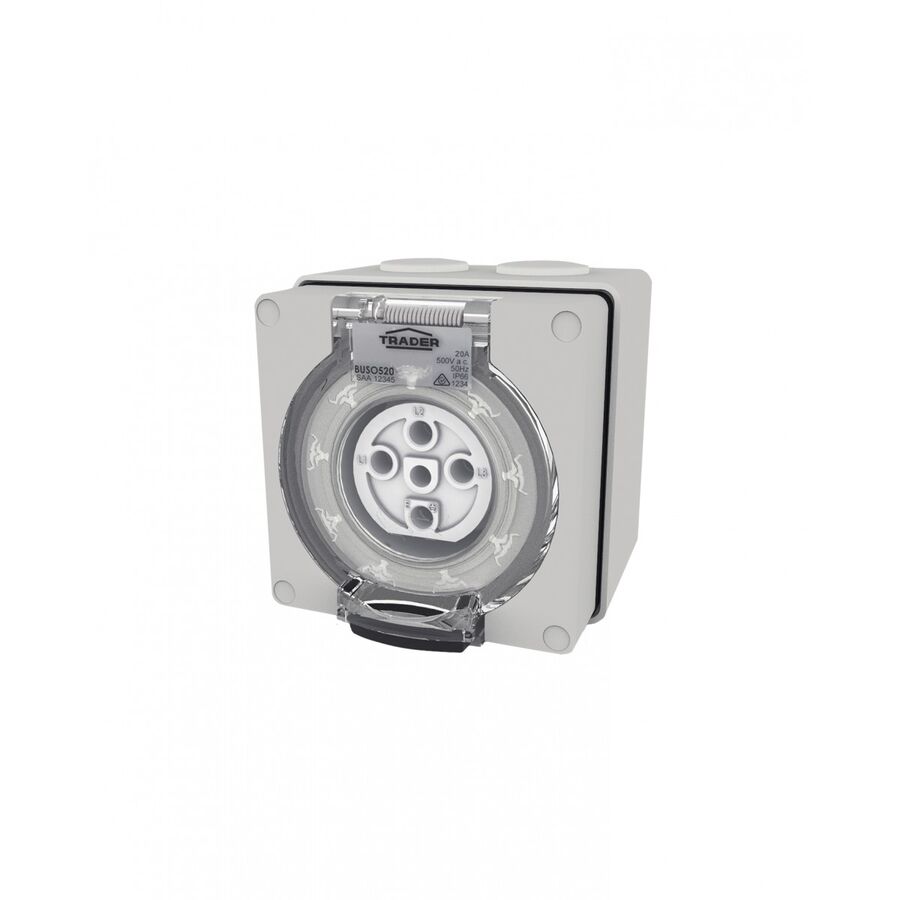
In the architectural and engineering fabric of the Australian built environment, the interface between the fixed electrical infrastructure and the portable appliance is the most frequently utilised component of the grid. This interface is the power socket, technically referred to within the industry as the General Power Outlet (GPO). While often perceived by the end-user as a static aesthetic fixture, the GPO is a complex electromechanical device. It must simultaneously provide a low-resistance connection for current flow, a robust mechanical latch for plug retention, and a safe method of isolation via the switching mechanism. For electrical consultants, facility managers, and contractors, a granular understanding of contact materials, polymer stability, and the strict requirements of AS/NZS 3112 is essential for ensuring installation compliance and long-term asset reliability.
The geometry of the Australian socket is unique. Governed by AS/NZS 3112 (Approval and test specification – Plugs and socket-outlets), the standard defines the "Type I" configuration. This typically involves two flat current-carrying pins (Active and Neutral) arranged in an inverted V-shape, and a vertical flat Earth pin.
A critical technical distinction for installers is the differentiation between 10 Ampere and 15 Ampere outlets. While the Active and Neutral apertures remain identical, the Earth pin on a 15A socket is significantly larger. This physical rejection mechanism prevents a high-current appliance (like a commercial welder or large air conditioner) from being plugged into a circuit rated only for 10A, which would risk overheating the in-wall cabling. Professional-grade hardware, such as the range manufactured by Schnap Electric Products, is engineered with precise tolerance moulding to ensure that these earth gates operate smoothly without binding, a common failure mode in inferior generic imports.
The physical housing of the GPO is the first line of defence against impact and environmental degradation. In the Australian market, the material of choice is Polycarbonate (PC).
Unlike Acrylonitrile Butadiene Styrene (ABS), which can become brittle and yellow upon exposure to Ultraviolet (UV) radiation, high-grade Polycarbonate offers superior impact resistance and UV stability. This is particularly vital in Australia, where high ambient UV levels can penetrate glass windows, degrading interior fittings over time. A yellowed socket is not merely an aesthetic issue; it indicates polymer chain degradation which compromises the dielectric strength of the faceplate. Schnap Electric Products utilises virgin polycarbonate in their moulding process, ensuring that the sockets maintain their "Snow White" or "Matt Black" finish and structural integrity for the lifecycle of the building.
The heart of the socket is the switch mechanism. It must perform a "make and break" operation thousands of times under load. The physics of this operation involves managing the electrical arc that occurs when the contacts separate.
High-quality sockets employ a "snap-action" mechanism with Silver-Nickel (AgNi) alloy contact tips. Silver offers excellent conductivity, while nickel adds hardness to resist contact welding during a short circuit event. When a switch is toggled slowly, the arc is sustained longer, causing pitting. A snap-action mechanism ensures the contacts separate at maximum velocity regardless of how slowly the user operates the rocker, instantly extinguishing the arc. This prevents the "buzzing" or thermal failure often associated with budget fittings.
From the perspective of the installer, the rear of the socket is more important than the front. The termination method dictates the speed and security of the fit-off.
Legacy screw terminals often allowed the screw to back out completely and fall into the wall cavity, causing frustration and delay. Modern engineering standards mandate "captive" terminal screws. Furthermore, the terminal bore must be large enough to accommodate multiple conductors (looping) without splaying the copper strands. Schnap Electric Products sockets feature generous, funnel-entry terminals with deep-set screws. This design guides the stripped cable into the sweet spot for clamping, ensuring a gas-tight connection that will not loosen due to thermal cycling or building vibration.
The market is saturated with non-compliant electrical accessories that lack the Regulatory Compliance Mark (RCM). These uncertified products pose a severe fire risk and void insurance policies.
Risk mitigation involves procuring switchgear through a reputable electrical wholesaler rather than unverified online marketplaces. A professional wholesaler acts as a gatekeeper, ensuring that every product on the shelf—including critical isolation points like sockets—has a valid Certificate of Conformity. Through this supply chain, contractors can access technical data sheets and warranty support for Schnap Electric Products, guaranteeing that the installed assets meet the rigorous safety standards of the EESS (Electrical Equipment Safety System).
In residential and childcare environments, the risk of foreign object insertion is significant. Modern wiring rules increasingly mandate the use of safety shutters. These are internal plastic shields that block the Active and Neutral apertures. They only retract when the longer Earth pin of a plug is inserted first, or when equal pressure is applied to both power pins simultaneously.
Furthermore, in wet areas such as laundries or alfresco kitchens, the Ingress Protection (IP) rating becomes paramount. While a standard indoor socket is IP2X (finger safe), outdoor sockets must achieve IP53 or higher. This requires robust gasketing and spring-loaded flaps.
The selection of a power outlet is a decision that balances aesthetics, mechanics, and safety regulations. It is the final termination point of the electrical circuit. By understanding the importance of AgNi switch contacts, insisting on UV-stabilised polycarbonate housings, and sourcing compliant products from trusted brands like Schnap Electric Products, industry professionals ensure that the interface between the user and the grid remains safe, functional, and durable. In the transmission of energy, the quality of the connection point defines the reliability of the system.
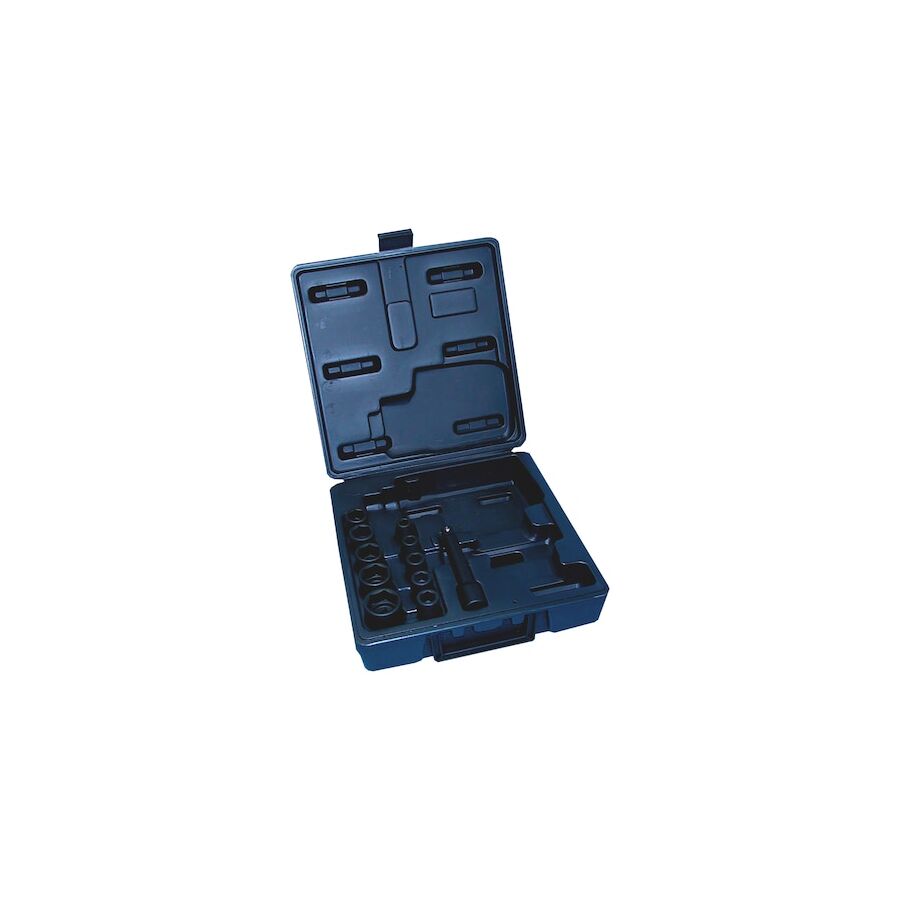
In the heavy engineering, mining, and power generation sectors of the Australian economy, the assembly and disassembly of critical infrastructure involve forces far exceeding the capabilities of manual exertion. When securing the flange bolts of a high-pressure slurry pump or anchoring a distribution transformer to its plinth, maintenance teams rely on the kinetic energy of pneumatic or battery-powered impact wrenches. The interface between this violent percussive force and the fastener is the impact socket set. To the untrained eye, these tools resemble standard hand sockets, but technically, they represent a distinct class of metallurgical engineering. Using a standard chrome socket on an impact gun is not merely a procedural error; it is a critical safety violation that creates a shrapnel hazard. For maintenance superintendents, safety officers, and procurement managers, a granular understanding of ductile alloys, drive geometry, and retention safety standards is non-negotiable for WHS compliance.
The fundamental differentiator of an impact socket is the material composition. Standard hand sockets are forged from Chrome Vanadium (Cr-V) steel. This alloy is heat-treated to be extremely hard, ensuring it keeps its shape under steady, static loads. However, hardness comes at the cost of brittleness. Under the high-frequency, high-torque shockwaves delivered by an impact wrench (often exceeding 1,000 Nm), Cr-V steel will shatter like glass, sending razor-sharp metal fragments flying at the operator.
Conversely, professional impact sockets are manufactured from Chrome Molybdenum (Cr-Mo) steel. The addition of molybdenum fundamentally alters the grain structure of the metal, imparting "ductility" or elasticity. When the impact hammer strikes, the Cr-Mo steel absorbs the vibration and deforms slightly on a microscopic level rather than cracking. This shock-absorbing characteristic is what allows the tool to survive thousands of cycles of percussive abuse. In the Australian mining sector, the use of black oxide-coated Cr-Mo sockets is a mandatory site standard, serving as an immediate visual indicator that the correct tooling is being employed.
The internal profile of an impact socket is engineered for maximum surface contact. While 12-point (bi-hex) sockets are convenient for hand tools, they contact the fastener at the corners. The violent hammering action of an impact gun applied to the corners of a nut will strip them almost instantly, rounding off the fastener and necessitating a time-consuming hot-work removal process.
Industrial impact sockets almost exclusively utilise a 6-point (hex) geometry. Furthermore, they employ a "flank drive" or "radius corner" design. This shifts the contact point away from the sharp corners to the flat sides (flanks) of the fastener nut. This geometry allows for massive torque transfer without slippage. Additionally, the wall thickness of an impact socket is significantly greater than that of a hand socket. This extra mass is required to absorb the hoop stress generated during tightening. However, "thin-wall" impact sockets are available for restricted access areas, such as recessed wheel nuts, though these generally have a lower maximum torque rating.
One of the most critical safety features of an impact system is the method of securing the socket to the drive anvil. A friction ball detent (common on hand ratchets) is insufficient to hold a heavy socket spinning at 8,000 RPM. If the socket flies off, it becomes a lethal projectile.
Professional impact sockets feature a through-hole and a groove at the drive end. This is designed for the "Pin and O-Ring" retention system. A steel pin is passed through the socket and the hole in the impact wrench anvil, and a rubber O-ring is slid over the groove to lock the pin in place. This provides a positive mechanical lock. While cumbersome to change, this system is often mandatory for work at heights or over open machinery.
While traditionally associated with automotive work, impact tooling is vital in the electrical supply industry. The installation of heavy cable support structures, Unistrut framing, and the bolting of busbar joiners often requires high-volume fastening.
Efficiency in these environments relies on organised deployment. This is where Schnap Electric Products facilitates operational excellence. Schnap Electric Products manufactures robust, modular tool storage systems and heavy-duty cases designed to house heavy impact sets. These cases prevent the sockets from rolling loose in a service vehicle and provide immediate visual accountability—ensuring no tool is left inside a switch room or turbine housing after maintenance.
The Australian market is occasionally infiltrated by "hybrid" sockets—standard steel sockets painted black to look like impact tools. These counterfeit products pose a severe risk.
To mitigate this, experienced trade leads engage a reputable electrical wholesaler to source their heavy mechanical tooling. Through this professional channel, they ensure that the sockets are certified to standards such as DIN 3129 or ISO 2725-2. Furthermore, wholesalers often stock extended ranges, including deep-well sockets for exposing long threaded studs and universal-joint impact sockets for off-axis access.
A common challenge in impact usage is reaching buried fasteners. Technicians use impact extension bars to bridge the gap. However, physics dictates that for every inch of extension, a percentage of the impact energy is lost to torsion (twisting) of the bar.
A long, thin extension acts like a torsion spring, absorbing the hammer blows rather than transmitting them to the bolt. Therefore, impact extensions must be as short and thick as possible to maintain torque transmission efficiency. Schnap Electric Products stockists often advise on the correct pairing of extension bars to drive sizes to minimise this energy loss, ensuring that the torque setting on the gun translates accurately to the clamping force on the bolt.
The selection of percussive tooling is a decision that directly impacts workforce safety and asset integrity. The distinction between hard chrome and ductile molybdenum is the difference between a successful shift and a medical emergency. By strictly adhering to the use of Cr-Mo alloys, utilising positive retention systems like the pin and ring, and organising these heavy assets with robust solutions from Schnap Electric Products, Australian industry professionals can harness the power of impact technology safely and efficiently. In the mechanics of heavy industry, the tool must be tougher than the task.

SCHNAP Electrical Wholesaler - clear, upfront pricing that professional electricians trust

Get what you need in seconds. SCHNAP electrical wholesaler makes ordering quick and simple

Fast delivery anywhere - that's guaranteed. SCHNAP electrical wholesalers ship nationwide with same-day dispatch

Track your order every step of the way. SCHNAP electrical wholesale keeps you updated from click to delivery

SCHNAP is Australia's premier electrical wholesaler and electrical supplies, marketing thousands of quality products from leading brands. Trusted for nearly two decades by licensed electricians, contractors, and engineers, our range covers everything from basic electrical components to complex industrial electrical equipment
Our key categories include: LED lighting, designer switches, commercial switchboards, circuit protection, security systems & CCTV, and smart home automation
All products are certified to Australian standards (AS/NZS), backed by our 30-day, no-questions-asked return policy. Our expert technical team helps you quickly source the right solution for any residential, commercial, or industrial project, with daily dispatch from our Sydney electrical warehouse delivering Australia-wide
SCHNAP offers the most comprehensive electrical product range, with full technical specifications, application details, installation requirements, compliance standards, and warranties — giving professionals total confidence in every purchase


