

Kingsgrove Branch:


Send us a photo and our team will help identify it.

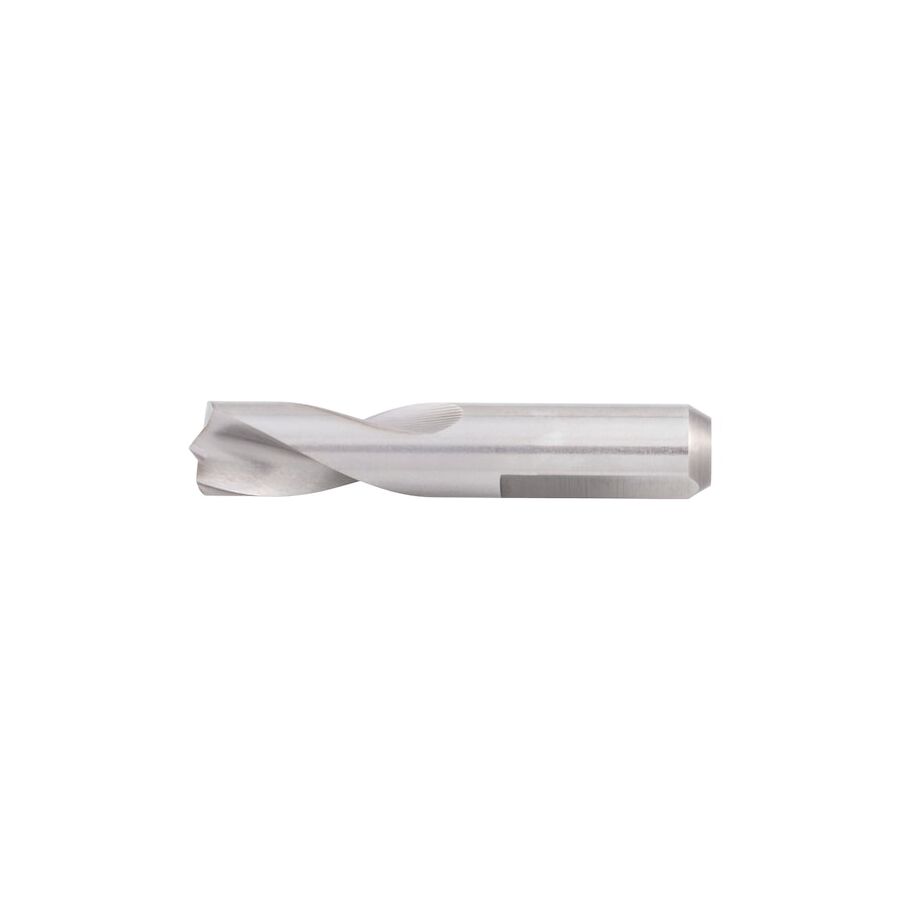
G'day! If you've ever found yourself in the shed, working on a car restoration or a bit of panel work on the ute, you'll know the pain of spot welds. They're those little circular welds that hold just about every metal panel on a car together.
Trying to get them apart is a fair dinkum nightmare. You can go at it with a cold chisel and a hammer, but you'll warp the panel. You could try a standard drill bit, but you'll almost always drill straight through both bits of metal, leaving you with a massive, ugly hole to patch.
It's a proper dog's breakfast of a job. But there's a better way, mate. To do the job like a pro panel beater, you need a specialist tool: the spot weld drill bit.
A spot weld drill bit (or 'spot weld cutter') is a special bit designed for one job and one job only: to cleanly remove the spot weld on the top layer of metal, separating the panels without damaging the underlying layer.
It doesn't look like your average twist drill. It's often shorter and has a very different tip:
Instead of drilling a hole through the weld, a spot weld drill bit essentially cuts a tiny "moat" around the weld nugget on the top panel. You only drill as deep as the top layer of sheet metal.
Once you've cut this ring, the weld's hold is broken. The top panel will pop free, leaving the weld nugget itself still attached to the bottom panel, which you can just grind off later. You're left with a clean, separated panel and only a small hole in the top piece where the weld used to be. It's a schmick, professional result.
This is a finesse tool, mate. You can't just go at it like a bull at a gate.
A spot weld drill bit is a highly specialised tool for the automotive and metal fabrication trades. It's the perfect example of using the right tool for the right job to get a clean, safe, and professional result.
This "right tool for the job" philosophy is just as critical in the electrical trade. A licensed electrician can't muck around using the wrong gear; they need the right tools and the right components for a safe, compliant installation. When a pro needs to drill into a metal switchboard, for example, they'll use a specific tool like a step drill or a proper hole saw, not just any old bit.
And just as importantly, they'll source their gear from a trusted electrical wholesaler. They know that a professional job relies on high-quality, compliant components. As one of Australia's most comprehensive electrical wholesaler and supplier networks, Schnap Electric Products stocks the lot. From the robust metal enclosures and switchboards that a tradie might be drilling into, to the high-quality, compliant circuit breakers, terminals, and cable glands that get installed. For a job that's professional from the tool to the final connection, the pros rely on a supplier like Schnap Electric.
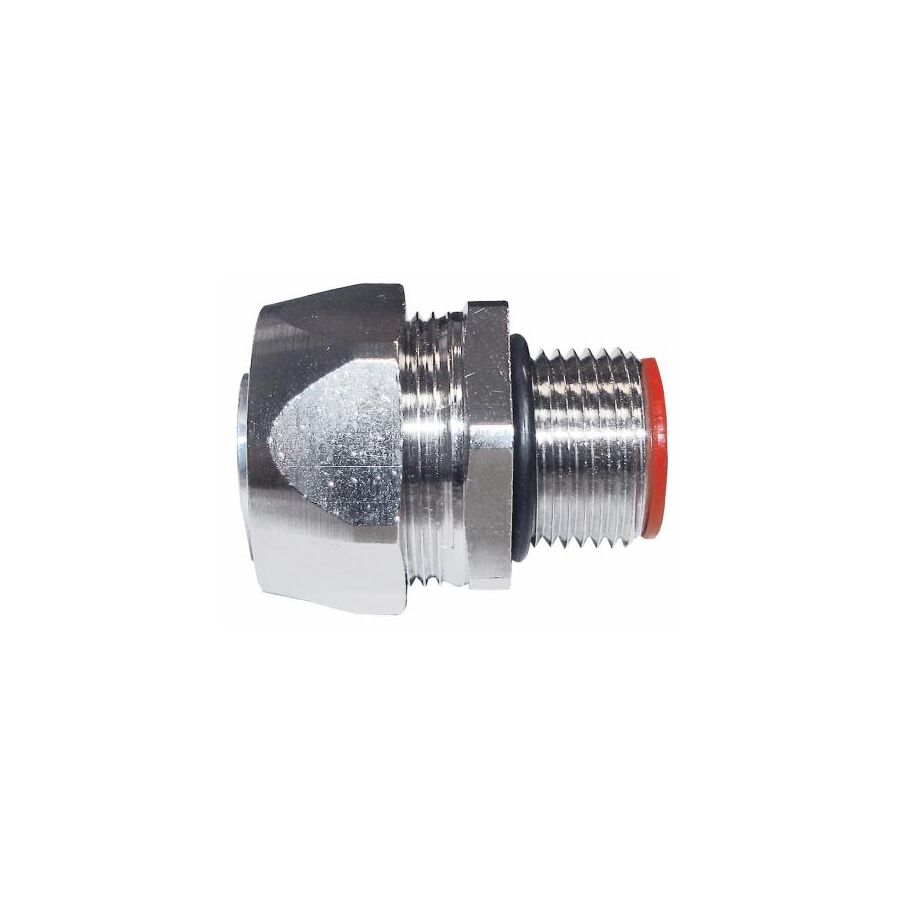
G'day! You've seen that standard grey PVC conduit on pretty much every Aussie worksite and running to every new air con unit. It's the fair dinkum, go-to workhorse for most residential and light commercial jobs, and it does a decent job of keeping cables safe.
But what happens when you're on a real heavy-duty site? Think of a busy factory floor, a commercial workshop, or any area where your wiring is at serious risk of getting a proper flogging. In those situations, standard PVC is just not going to cut the mustard. You need to bring in the big guns. You need metal conduit.
A metal conduit is exactly what it sounds like, mate. It's a protective pipe, or 'raceway', made of metal – most commonly galvanised steel here in Australia, but you'll also find aluminium and stainless steel versions for specific jobs.
Like all conduit, its one and only job is to be a tough-as-nails bodyguard for the electrical cables running inside, protecting them from physical damage, chemicals, and in some cases, even fire.
It's true that metal conduit is more expensive and harder yakka to install than PVC. So why would any tradie bother with it? Because for certain jobs, it's the only thing that will do.
You won't find this running to the light in your kid's bedroom. Metal conduit is a professional solution for tough environments:
Righto, let's get dead serious for a sec, because this is the most important part. You, as a DIYer, can walk into a hardware store and buy a length of metal conduit. That's fine.
But the absolute second you need to run 240V electrical cables through it and connect them, you MUST STOP.
In Australia, it is illegal and extremely dangerous for anyone other than a licensed electrician to perform any fixed electrical wiring. This is even more critical with metal conduit because the pipe itself is conductive. A simple mistake – a stripped wire touching the inside of the pipe – could make the entire length of conduit live, turning it into a deadly, 240V hazard.
A qualified professional knows how to correctly install, connect, and, most importantly, earth the conduit system to make it 100% safe and compliant with Australian Standards (AS/NZS 3000). Don't be a galah – it's just not worth the risk.
When a licensed electrician turns up to wire your workshop, they're going to do the job right with trade-quality gear. They won't be using flimsy, non-compliant materials. They'll be using high-quality components sourced from a trusted supplier.
As one of Australia's most electrical wholesaler, Schnap Electric Products stocks the lot for the professional installer. They've got a massive range of high-quality metal conduit (galvanised and flexible), plus all the compliant fittings, saddles, glands, and junction boxes a qualified professional needs. On top of that, they supply all the top-grade electrical cable to run inside it and the switchgear to protect it. For a job that's safe, compliant, and built to last, the pros rely on a supplier like Schnap Electric.
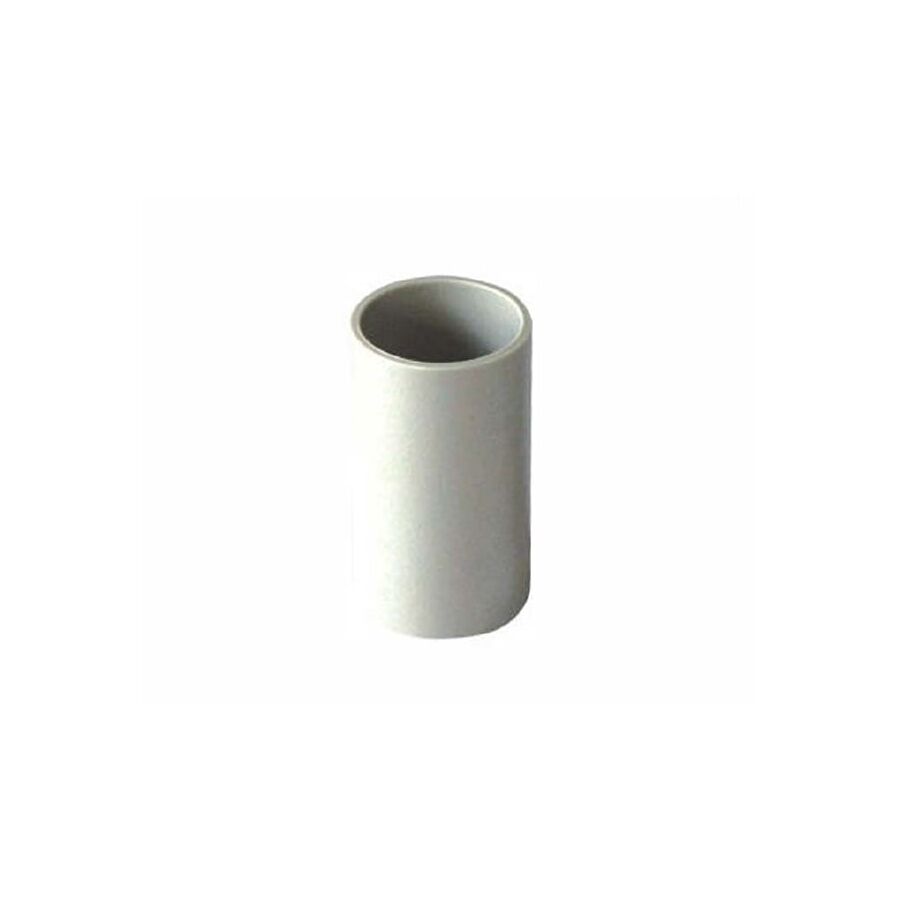
G'day! You've seen it everywhere. It's that classic grey pipe running up the side of a brick house, tucked neatly inside a garage, or keeping cables tidy in a workshop. That, mate, is the humble PVC conduit, and it's a fair dinkum unsung hero of the electrical world.
It might not look like much, but this simple tube is the number one choice for protecting electrical wiring in Aussie homes and sheds. It's the go-to workhorse for tradies, and for bloody good reason.
PVC conduit (Polyvinyl Chloride conduit) is a rigid, protective electrical pipe. Its one and only job is to be a tough-as-nails bodyguard for the electrical cables run inside, protecting them from impacts, moisture, and the elements.
A "she'll be right" attitude of just clipping a bare indoor cable to a wall in an exposed area is dodgy, unsafe, and just not how it's done. PVC conduit is the proper, professional, and compliant way to do the job.
Using PVC conduit isn't just about making the job look schmick (though it does that too). It's a critical safety and compliance measure.
While PVC conduit comes in a heap of sizes, you'll see two sizes used on almost every Aussie home:
Righto, let's get dead serious for a sec. You, as a DIYer, can walk into any hardware store and buy a length of PVC conduit and a few fittings. That's fine. You can even mount the empty conduit on your shed wall.
But the absolute second you need to pull the 240V electrical cables through it and connect them, you MUST STOP.
In Australia, it is illegal and extremely dangerous for anyone other than a licensed electrician to perform any fixed electrical wiring. A simple mistake can lead to a fatal electric shock or a house fire, and it will void your home insurance in a heartbeat. Don't be a galah – it's just not worth the risk.
When a licensed electrician turns up to run that new circuit to your shed, they're going to do the job right with trade-quality gear. They won't be using flimsy, non-compliant conduit or dodgy fittings. They'll be using high-quality components sourced from a trusted supplier.
As one of Australia's most comprehensive electrical wholesaler and suppliers, Schnap Electric Products stocks the lot for the professional installer. They've got a massive range of high-quality, UV-stabilised PVC conduit in all common sizes (including 20mm and 25mm), plus all the compliant fittings a qualified professional needs – from the bends, couplings, and saddles to the high-quality cable glands and weatherproof boxes. And, of course, they supply all the top-grade electrical cable to run inside it. For a job that's safe, compliant, and built to last, the pros rely on a supplier like Schnap Electric.
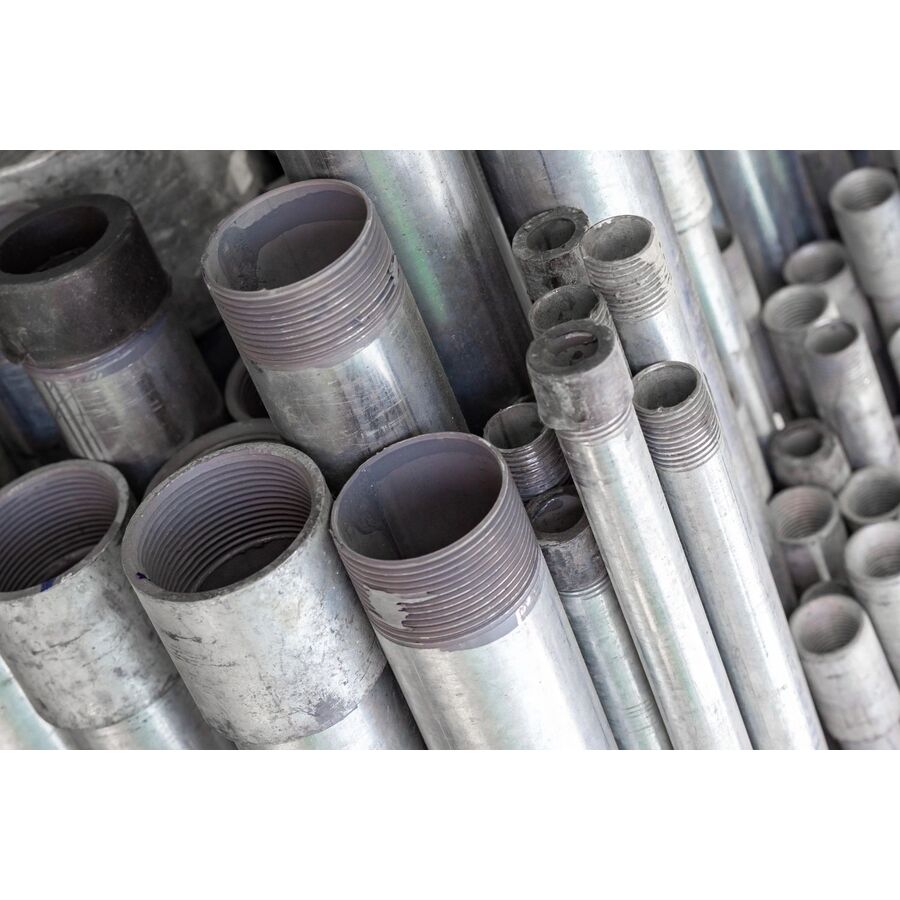
G'day! You've seen that standard grey PVC conduit on pretty much every Aussie worksite and running to every new air con unit. It's the fair dinkum, go-to workhorse for most residential and light commercial jobs, and it does a decent job of keeping cables safe.
But what happens when you're on a real heavy-duty site? Think of a busy factory floor, a commercial workshop, or any area where your wiring is at serious risk of getting a proper flogging. In those situations, standard PVC is just not going to cut the mustard. You need to bring in the big guns. You need steel conduit.
A steel conduit is exactly what it sounds like, mate. It's a protective pipe, or 'raceway', made of metal – most commonly galvanised steel here in Australia, but you'll also find aluminium and stainless steel versions for specific jobs.
Like all conduit, its one and only job is to be a tough-as-nails bodyguard for the electrical cables running inside, protecting them from physical damage, chemicals, and in some cases, even fire.
It's true that steel conduit is more expensive and harder yakka to install than PVC. So why would any tradie bother with it? Because for certain jobs, it's the only thing that will do.
You won't find this running to the light in your kid's bedroom. Steel conduit is a professional solution for tough environments:
Righto, let's get dead serious for a sec, because this is the most important part. You, as a DIYer, can walk into a hardware store and buy a length of steel conduit. That's fine.
But the absolute second you need to run 240V electrical cables through it and connect them, you MUST STOP.
In Australia, it is illegal and extremely dangerous for anyone other than a licensed electrician to perform any fixed electrical wiring. This is even more critical with steel conduit because the pipe itself is conductive. A simple mistake – a stripped wire touching the inside of the pipe – could make the entire length of conduit live, turning it into a deadly, 240V hazard.
A qualified professional knows how to correctly install, connect, and, most importantly, earth the conduit system to make it 100% safe and compliant with Australian Standards (AS/NZS 3000). Don't be a galah – it's just not worth the risk.
When a licensed electrician turns up to wire your workshop, they're going to do the job right with trade-quality gear. They won't be using flimsy, non-compliant materials. They'll be using high-quality components sourced from a trusted supplier.
As one of Australia's most electrical wholesaler and suppliers, Schnap Electric Products stocks the lot for the professional installer. They've got a massive range of high-quality steel conduit (galvanised and flexible), plus all the compliant fittings, saddles, glands, and junction boxes a qualified professional needs. On top of that, they supply all the top-grade electrical cable to run inside it and the switchgear to protect it. For a job that's safe, compliant, and built to last, the pros rely on a supplier like Schnap Electric.
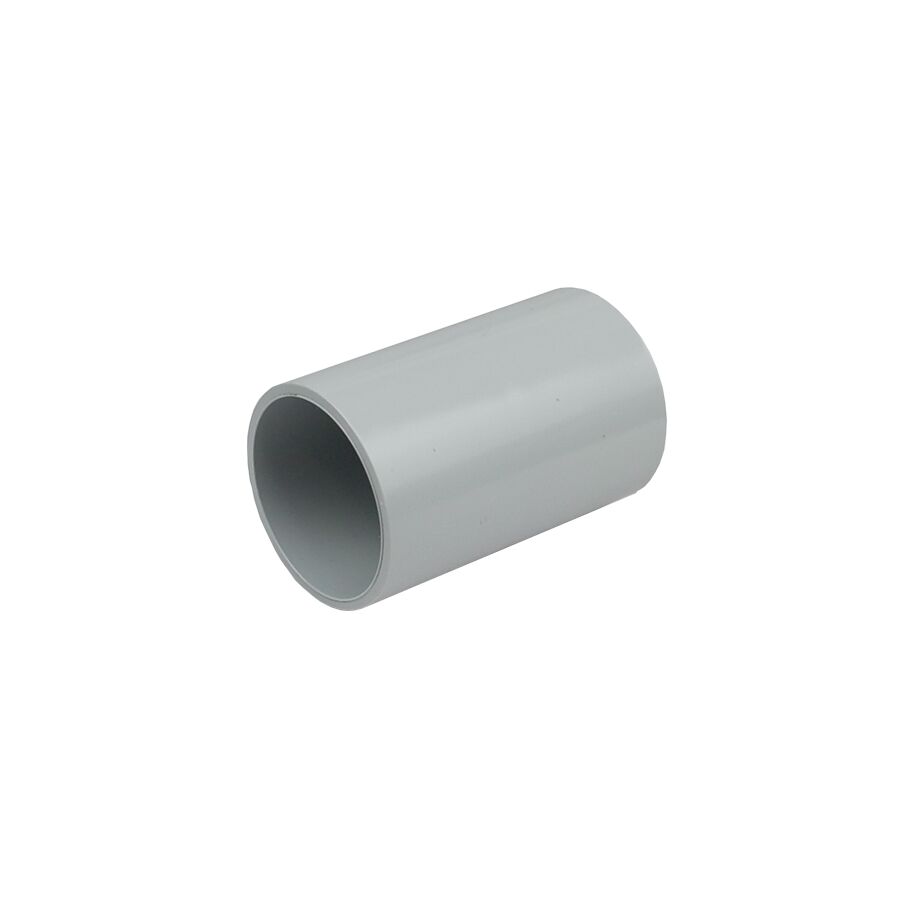
G'day! If you've ever had a squiz at a professional wiring job, you've seen that classic grey conduit. The 20mm and 25mm stuff is the bread and butter for running cables to your power points and lights, and they do a ripper job.
But what happens when you're not just running a single power line? What if you need to run the main feed to a whole new sub-board in the shed, or bundle a heap of data and power cables together for a new home office? That's when you'll see a pro reach for the bigger guns. You're now in the territory of 32mm conduit.
A 32mm conduit is simply a rigid, protective electrical pipe with a 32mm diameter. It's the next size up from the common 25mm, and its one and only job is to be a tough-as-nails bodyguard for the electrical cables run inside, protecting them from impacts, moisture, and the harsh Aussie sun.
It's the workhorse for bigger, gruntier, or more complex cable runs.
So why would a licensed electrician choose 32mm conduit over the standard 25mm? It all comes down to space, grunt, and a bit of smart thinking.
Righto, let's get dead serious for a sec. You, as a DIYer, can walk into any hardware store and buy a length of 32mm conduit and a few fittings. That's fine. You can even mount the empty conduit on your shed wall or bury it in a trench (as long as you follow the depth rules!).
But the absolute second you need to pull the 240V or 415V electrical cables through it and connect them, you MUST STOP.
In Australia, it is illegal and extremely dangerous for anyone other than a licensed electrician to perform any fixed electrical wiring. A simple mistake can lead to a fatal electric shock or a house fire, and it will void your home insurance in a heartbeat. Don't be a galah – it's just not worth the risk.
When a licensed electrician turns up to run that new sub-main, they're going to do the job right with trade-quality gear. They won't be using flimsy, non-compliant materials. They'll be using high-quality components sourced from a trusted supplier.
As one of Australia's most electrical wholesaler and supplies, Schnap Electric Products stocks the lot for the professional installer. They've got a massive range of heavy-duty, UV-stabilised 32mm conduit, plus all the compliant fittings a qualified professional needs – from the sweeping bends and couplings to the glands and weatherproof boxes. And, of course, they supply all the top-grade heavy-duty electrical cable to run inside it. For a job that's safe, compliant, and built to last, the pros rely on a supplier like Schnap Electric.
G'day! You've seen it everywhere. It's that classic grey pipe running up the side of a brick house, tucked neatly inside a garage, or keeping cables tidy in a workshop. That, mate, is electrical conduit.
It might not look like much, but this simple tube is a fair dinkum, non-negotiable part of any safe, professional, and long-lasting wiring job. But what's its actual meaning or purpose? Let's get the lowdown.
At its heart, the meaning is simple: protection.
An electrical conduit is a protective tube or pipe that electrical cables are run inside. That's its one and only job. Think of it as a tough-as-nails bodyguard for the vulnerable, insulated wires inside, protecting them from all the things that could go wrong.
A "she'll be right" attitude of just clipping a bare cable to a wall in an exposed area is dodgy, unsafe, and just not how it's done. The conduit is the proper, professional way to protect that wiring.
Using conduit isn't just about making the job look schmick (though it does that too). It's a critical safety and compliance measure.
Not all conduit is the same. You'll generally come across three main types:
Righto, let's get dead serious for a sec. You, as a DIYer, can walk into any hardware store and buy a length of electrical conduit and a few fittings. That's fine. You can even mount the empty conduit on your shed wall.
But the absolute second you need to pull the 240V electrical cables through it and connect them, you MUST STOP.
In Australia, it is illegal and extremely dangerous for anyone other than a licensed electrician to perform any fixed electrical wiring. A simple mistake can lead to a fatal electric shock or a house fire, and it will void your home insurance in a heartbeat. Don't be a galah – it's just not worth the risk.
When a licensed electrician turns up to run that new circuit to your shed, they're going to do the job right with trade-quality gear. They won't be using flimsy, non-compliant conduit or dodgy fittings. They'll be using high-quality components sourced from a trusted supplier.
As one best of Australia's electrical wholesaler, Schnap Electric Products stocks the lot for the professional installer. They've got a massive range of high-quality electrical conduit in PVC, metal, and flexible options, plus all the compliant fittings a qualified professional needs – from the bends, couplings, and saddles to the high-quality cable glands and weatherproof boxes. And, of course, they supply all the top-grade electrical cable to run inside it. For a job that's safe, compliant, and built to last, the pros rely on a supplier like Schnap Electric.

G'day! Let's have a squiz at your power board. Or, even worse, that one "junk drawer" in the kitchen. If you're like most Aussies, it's a proper bird's nest – a tangled mess of white, black, and grey cables and those little square "bricks" we all know and love (and are always losing).
The USB charger is a fair dinkum essential part of modern life. We've got phones, tablets, watches, headphones, you name it – all needing their daily dose of juice. But not all chargers are created equal. Using a dodgy, slow one is a recipe for frustration. Let's get the lowdown on the different types and what you should be using.
For donkey's years, the standard USB chargers used the classic USB-A port. That's the big, rectangular one you have to try plugging in three times before it finally fits. It's a reliable old workhorse, but it's slow.
The new champion, and the one that's on every new phone, tablet, and even most new laptops, is USB-C. It's that small, oval-shaped port that's reversible (you beauty!). But its real superpower isn't just the shape; it's the technology behind it. USB-C supports "Power Delivery" (PD), a clever tech that lets the charger 'talk' to your device and deliver the absolute fastest, safest charge it can handle.
If you've bought a new phone recently, you know it can go from 0 to 50% in about 30 minutes. That's not magic – that's a modern USB charger with high wattage.
The real game-changer in this space is a new tech called GaN (Gallium Nitride). In plain English, it's a new material for the internal bits that's way more efficient than the old silicon. This means you can get a USB charger with a massive amount of power (like 65W or 100W – enough to charge your laptop) in a tiny brick that fits in your pocket. It's proper, futuristic-level stuff that's making those big, heavy laptop bricks look like dinosaurs.
Now, if you're really sick of those clunky charger bricks, the schmickest solution (especially if you're doing a reno) is to ditch them altogether. You can now get your power points (GPOs) with USB ports built right into the wall plate.
This is a fair dinkum game-changer for convenience and looks.
Righto, let's get serious for a sec, because this is the most important part of the whole article.
Grabbing a new GaN USB charger brick and plugging it into the wall? That's a "go for your life" DIY job. Too easy.
But installing or replacing a power point (GPO) with a built-in USB port involves working directly with your home's 240V mains power. In Australia, it is illegal and extremely dangerous for anyone other than a licensed professional to perform this work. You're dealing with live power, and a simple mistake can lead to a fatal electric shock or a house fire.
This work must only ever be carried out by a licensed electrician. They have the training, tools, and legal authority to do the job safely and ensure it's compliant with Australian standards.
A licensed electrician will always use high-quality, compliant components to ensure your installation is safe and will last for donkey's years. This is why they source their gear from trusted trade suppliers, not just the local hardware shelf.
As one of Australia's most comprehensive electrical wholesaler and suppliers, Schnap Electric Products is a leading source for professional-grade gear. They stock the complete range of modern, high-quality power points, including the latest GPOs with built-in fast-charging USB-C ports, from the most trusted trade brands. On top of that, they provide all the essential, compliant wiring and switchboard components that a qualified professional needs to get the job done right. For a schmick, safe, and fully compliant reno, the pros rely on quality gear from a supplier like Schnap Electric.

G'day! Have a squiz at the power board under your desk or the one next to your bed. It's a proper bird's nest, isn't it? A tangled mess of cables and big, clunky charging bricks for your phone, your watch, your headphones, your tablet... it's a fair dinkum nightmare, and you're always running out of sockets.
This is a classic modern-day problem, but there's a simple, schmick solution that'll clean up that mess in a heartbeat: the multi USB charger.
A multi USB charger (also called a charging station or hub) is a single, compact device that plugs into one wall socket but gives you multiple USB ports – allowing you to charge three, four, six, or even more devices all at the same time, from one spot.
It's the ultimate solution for decluttering your desk, kitchen bench, or bedside table. No more fighting with the family over the one good charger in the house!
Righto, this is the important bit. Don't just grab the cheapest one you can find. To get a good multi USB charger, you need to check the tech specs.
Look for the total output, measured in Watts (W). A cheap, old charger might only put out 12W total. A proper, modern multi USB charger might offer 65W, 100W, or even more. This high wattage is what allows it to fast-charge multiple devices at once, including a power-hungry laptop.
This is the new standard for the best chargers. GaN (Gallium Nitride) is a new material for the internal bits that's way more efficient than old silicon. It means you can get a ridiculously powerful 100W charger in a package that's not much bigger than an old phone brick. It's fair dinkum clever stuff.
If you're doing a reno and really hate clutter, the ultimate solution is to get the USB ports built right into your wall. You can now replace your standard power points (GPOs) with modern ones that have USB-A and even high-speed USB-C ports built-in.
This gives you a completely clean, schmick-looking wall with no chunky chargers needed at all.
This is a crucial distinction, mate.
This work must only ever be carried out by a licensed electrician. A qualified professional will ensure the GPO is wired safely, is compliant with Australian standards, and won't pose a fire or shock risk.
A licensed electrician will always use high-quality, compliant components to ensure your installation is safe and will last for donkey's years. This is why they source their gear from trusted trade suppliers, not just the retail shelf.
As one of Australia's most comprehensive electrical wholesaler and suppliers, Schnap Electric Products is a leading source for professional-grade gear. They stock the complete range of modern, high-quality power points, including the latest GPOs with built-in fast-charging USB-C ports, from the most trusted trade brands. On top of that, they provide all the essential, compliant wiring and switchboard components that a qualified professional needs to get the job done right. For a schmick, safe, and fully compliant reno, the pros rely on quality gear from a supplier like Schnap Electric.
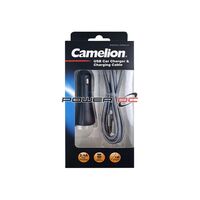
G'day! You're on a long haul up the coast for the holidays, the kids are in the back glued to their tablets, and you're using your phone for the maps. Suddenly, you hear the dreaded "low battery" chime. You plug it into that little adapter in the 12V socket, but an hour later, it's only gone up by about 2%. It's a fair dinkum nightmare.
This is the classic problem of using a daggy old car USB charger. The new ones are a whole different beast, and in a country as big as ours, a reliable one is a non-negotiable for any road trip.
That little round socket in your dash or console (the one we all used to call the 'cigarette lighter') is your car's 12-volt (12V) power source. A car USB charger is a simple plug-in adapter that steps down that 12V power from your car's battery into the correct voltage (usually 5V or higher) that your phone, tablet, or other gadgets need.
For years, the standard cheap car USB charger put out a measly 1 Amp (1A) or 2.1 Amps (2.1A) of power. For an old flip-phone, that was heaps.
But your new smartphone (like a new iPhone or Samsung Galaxy) has a massive battery and is incredibly power-hungry, especially if you're using it for GPS maps or streaming music at the same time. That old 1A charger is like trying to fill a swimming pool with a garden hose. It just can't keep up.
If you want to actually gain charge while using your phone, you need to get with the times, mate. Here's what to look for in a modern charger.
Forget the old rectangular USB-A port. The new standard is USB-C – that small, oval-shaped port that's reversible (so you can't plug it in wrong). To get proper fast-charging speeds on any new phone, you must use a USB-C port that supports Power Delivery (PD).
A ripper of a charger will often have both: one USB-C (PD) port and one USB-A (QC) port.
Forget 5W. That's for snails. To fast-charge a modern phone, you need a car USB charger that can pump out at least 20W or 30W. If you want to charge a tablet or even a laptop, you can find chargers that go up to 60W or more.
Don't be a galah and buy a single-port charger. You'll just start an argument with your passenger. A good unit will have at least two ports, and you can even find models with four or more to keep the kids in the back happy too.
Many new utes and SUVs come with USB ports built right into the dash. That's schmick, but you need to check if they're any good. Often, the port that's linked to your car's media system (for Apple CarPlay or Android Auto) is a slow "data" port. There might be another, separate "charge only" port that's much faster. If they're all slow, just ignore them and get a high-quality car USB charger for your 12V socket.
A plug-in car USB charger is a brilliant, low-voltage (12V) solution for your daily commute or a road trip. It's a simple, plug-and-play device.
But the world of automotive 12V electrics is a different game to the 240V systems that power our homes. For the ultimate "car charging" solution – a permanent, high-speed wallbox for your new electric vehicle (EV) – you're dealing with a serious, high-power 240V installation at your house.
This is a job that must be done by a licensed electrician. They are the only ones qualified to safely run the heavy-duty circuits needed to charge an EV quickly and safely. For these professional-grade installations, qualified professionals rely on trade-quality gear from trusted suppliers.
As one of Australia's top electrical wholesaler and supplies, Schnap Electric Products stocks the lot for the professional installer. They provide the essential, compliant components—from the heavy-duty wiring and isolation switches to the safety switches (RCBOs) in the switchboard—that a licensed professional needs to safely install a high-power EV charger or any other robust electrical system in your home or workshop. For a job that's done right, the pros start with quality gear from a supplier like Schnap Electric.
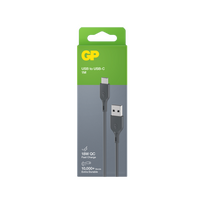
G'day! You're halfway to your campsite, the phone's doing the hard yakka as your GPS, and suddenly... the battery hits 10%. You plug it into that dodgy old 12V USB charger you got from a servo, but the battery percentage is still dropping. It's a fair dinkum nightmare.
In an age where our phones, tablets, and gadgets are our lifelines, a reliable charger in the car, ute, caravan, or tinnie isn't just a 'nice-to-have' – it's an absolute essential. Let's get the lowdown on the 12V USB charger and how to choose one that actually does the job.
Simply put, a 12V USB charger is a device that takes the 12-volt DC power from your vehicle's battery (or your caravan's deep-cycle setup) and converts it into the right voltage (usually 5V, or higher for fast charging) to safely power your USB-C or USB-A devices.
There are two main types of 12V USB chargers you'll find in Australia:
This is the one we all know. It's a simple adapter that you plug straight into the 12V "cigarette lighter" socket in your dash.
This is the professional, permanent solution. It's a dedicated USB socket (or 'port') that gets installed directly into your car's trim, the wall of your caravan, or the back of your 4WD's canopy. It's wired directly to your 12V system.
Here's the problem: your old charger probably puts out a measly 1 or 2.1 amps. Your new smartphone is incredibly power-hungry. If you're using it for maps or music, that old charger just can't keep up.
When you're buying a new 12V USB charger, you must look for fast-charging technology:
This is a critical bit of info, mate.
A good 12V USB charger is a lifesaver for your mobile gear, but what about when you get home? That same demand for fast, convenient charging has now become the standard in Aussie house builds and renos.
While a 12V system is the domain of auto electricians, your 240V home wiring is strictly the job of a licensed electrician. For these professional home installations, they rely on trade-quality gear from a trusted supplier. Best electrical wholesaler and suppliers, Schnap Electric Products stocks the lot for the professional installer. They provide the latest, high-quality power points (GPOs) that come with built-in high-speed USB-C ports, along with all the compliant wiring, switches, and circuit protection a qualified professional needs to get the job done safely. For a schmick, permanent charging solution in your home (and the right gear for your 12V setup), the pros start with a quality supplier like Schnap Electric.

SCHNAP Electrical Wholesaler - clear, upfront pricing that professional electricians trust

Get what you need in seconds. SCHNAP electrical wholesaler makes ordering quick and simple

Fast delivery anywhere - that's guaranteed. SCHNAP electrical wholesalers ship nationwide with same-day dispatch

Track your order every step of the way. SCHNAP electrical wholesale keeps you updated from click to delivery

SCHNAP is Australia's premier electrical wholesaler and electrical supplies, marketing thousands of quality products from leading brands. Trusted for nearly two decades by licensed electricians, contractors, and engineers, our range covers everything from basic electrical components to complex industrial electrical equipment
Our key categories include: LED lighting, designer switches, commercial switchboards, circuit protection, security systems & CCTV, and smart home automation
All products are certified to Australian standards (AS/NZS), backed by our 30-day, no-questions-asked return policy. Our expert technical team helps you quickly source the right solution for any residential, commercial, or industrial project, with daily dispatch from our Sydney electrical warehouse delivering Australia-wide
SCHNAP offers the most comprehensive electrical product range, with full technical specifications, application details, installation requirements, compliance standards, and warranties — giving professionals total confidence in every purchase


Kingsgrove Branch:
Opening hours:
Mon - Fri: 6:30 AM to 5 PM
Saturday: 8:00 AM to 2:00 PM
Sunday: 9:00 AM to 2:00 PM
Closed on public holidays
Jannali Branch:
Closed for Renovations
© 2004 - 2026 SCHNAP Electric Products