

Kingsgrove Branch:


Send us a photo and our team will help identify it.

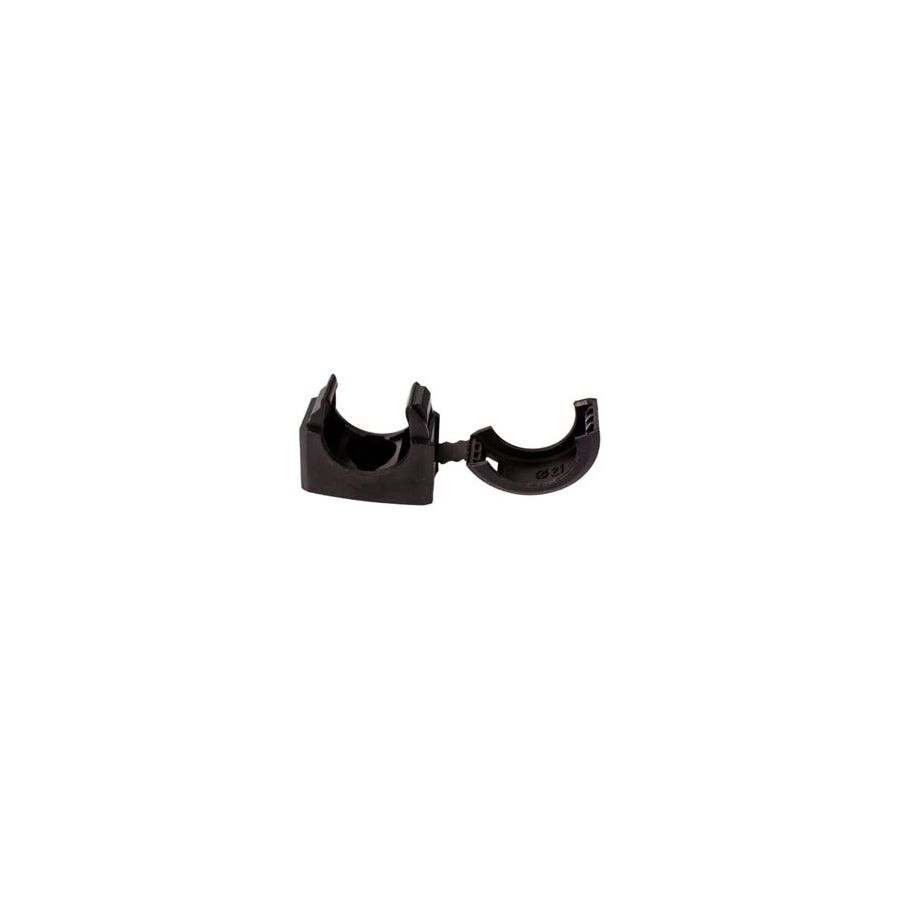
G'day! You've probably seen that standard grey, rigid pipe used for electrical wiring on houses. That's your standard conduit. But if you've ever had a squiz under the bonnet of a 4WD, seen a professional solar installation on a roof, or looked at the wiring on a bit of machinery, you'll see a different beast altogether: black conduit.
This flexible, (usually) corrugated tubing is the fair dinkum hero for protecting wires in tough, exposed, or mobile environments. It's a staple in every Aussie auto-electrician's van and every serious 4WD enthusiast's shed.
So, why would you use black conduit instead of the rigid grey stuff? It all comes down to a few key advantages for specific jobs.
Righto, let's get dead serious for a sec, because this is the most important part.
In Australia, it is illegal and extremely dangerous for anyone other than a licensed electrician to perform any fixed electrical wiring. A professional will use the correct type of conduit (often the rigid grey PVC) installed to strict Australian standards (AS/NZS 3000) for 240V. Don't be a galah – it's just not worth the risk.
When a licensed electrician turns up to run a permanent 240V circuit, they're going to do the job right with trade-quality gear. They won't be using flimsy, non-compliant materials. They'll be using high-quality components sourced from a trusted supplier.
As one of Australia's best electrical wholesaler, Schnap Electric Products stocks the lot for the professional installer. They've got a massive range of high-quality conduit, including UV-stable black conduit (both split and solid) for solar and data, and the heavy-duty rigid grey conduit required for mains power. On top of that, they provide all the compliant fittings, glands, and the top-grade electrical cable to run inside it. For a job that's safe, compliant, and built to last, the pros rely on a supplier like Schnap Electric.
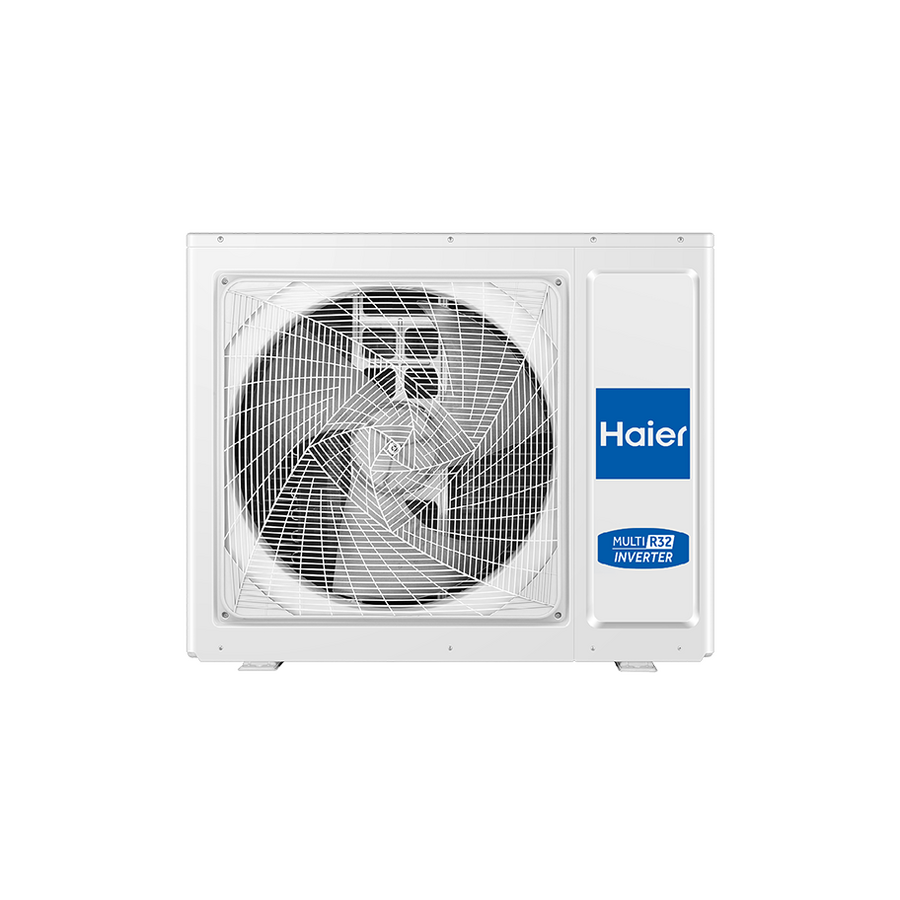
G'day! With another stinking hot Aussie summer just around the corner, you've probably (and wisely) decided it's time to get that new split system air conditioner installed. You've looked at brands, you've figured out where it'll go on the wall... but then you hit the big one: what size split system do I need?
You're faced with a wall of numbers – 2.5kW, 3.5kW, 5kW, 7kW... It's bloody confusing. It's tempting to just go for the biggest one you can afford, or maybe the cheapest small one, but this is the one decision where a "she'll be right" attitude will come back to bite you.
Getting the size wrong is the number one mistake Aussies make, and it's a costly one.
This isn't just about the price tag. The size of an air conditioner (its power, measured in kilowatts or 'kW') needs to be perfectly matched to your room. It's a Goldilocks situation: it has to be just right.
Righto, so how do you figure out the magic number? While a professional installer is the only one who can give you a 100% accurate answer, you can get a bloody good idea using this simple, old-school rule of thumb.
Allow 120 to 150 Watts (W) of power for every square metre (m²) of your room.
For most standard homes, using 150W is a good, safe bet.
Step 1: Get your room's area: Length of room (m) x Width of room (m) = Area (m²)
Step 2: Get the power needed: Area (m²) x 150 Watts = Total Watts
Step 3: Convert to kilowatts: Total Watts / 1000 = Your kW Size
Example: Your Average Aussie Lounge Room
5m x 6m = 30m²30m² x 150W = 4500 Watts4500W / 1000 = 4.5kWYour Answer: For this room, you'd start looking for a unit that's around 4.5kW to 5.0kW. You beauty!
This rule of thumb is just a start. You need to tell your installer about these things, as they can change the maths:
At the end of the day, a "she'll be right" guess on "what size split system do I need" is a recipe for a bad time. The only way to be 100% sure is to get a licensed air conditioning installer to come to your house, measure up properly, and give you a professional recommendation. They do this all day, every day.
And remember, installing a split system is 100% not a DIY job. It's illegal and dangerous. The installation must be done by a licensed air conditioning technician (with an ARCtick licence) to handle the refrigerant gas, and a licensed electrician to run the high-voltage power circuit.
A high-quality installation needs high-quality, professional-grade components. As one of Australia's most comprehensive electrical wholesaler & supplies, Schnap Electric Products stocks all the essential, compliant gear that a qualified professional needs for the job. From the heavy-duty wiring and circuit breakers for your switchboard to the robust, weatherproof isolator switches for the outdoor unit, they provide the trade-quality components that ensure your new air conditioner is installed safely and reliably, and will keep you cool for years to come. For a job done right, the pros use quality gear from a supplier like Schnap Electric.
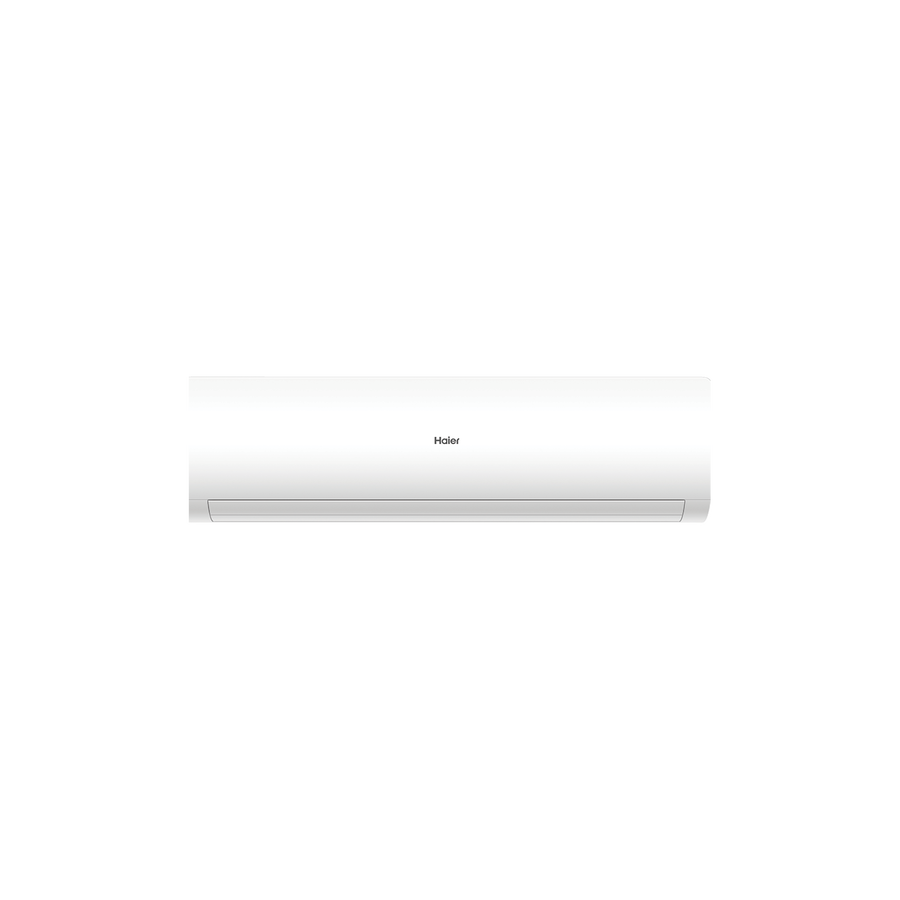
G'day! You've done it. You've braved the shops, scored a ripper deal on a new split system air con, and you're ready to beat the stinking hot Aussie summer. You're feeling pretty schmick until you remember... you've still got to get the bloody thing installed.
So, the big question that's probably on your mind is: how much to install split system air conditioning? It's a fair dinkum important question, as the installation can cost just as much as the unit itself. Let's break down the costs so you know what to expect.
Let's get straight to the brass tacks. For a standard, straightforward installation of a new split system (a unit up to about 7kW) in a single-storey Aussie home, you can expect to pay:
Between $700 and $1,200.
This price generally covers the labour for the two tradespeople required, as well as the basic materials like copper piping (usually up to 3 metres), cabling, and the wall bracket or slab for the outdoor unit.
You'll hear every tradie in the business use the term "back-to-back." This is the cheapest, simplest, and most common type of installation. It means:
This setup requires the shortest possible run of piping and cabling, which means less time and less material, saving you a motza.
If your quote comes in higher than the ballpark, it's almost certainly because your job isn't a simple back-to-back. The price will climb if:
Don't be a galah. A "she'll be right" attitude to air con installation is illegal, extremely dangerous, and will void your warranty.
Installing a split system involves two high-risk, regulated trades:
When you're asking, "how much to install split system," a proper quote will always include the cost of both of these qualified professionals.
A top-notch installation that lasts for donkey's years relies on the pro's skill and the quality of the components they use. The electrical side is especially critical for safety and performance. This is why professional installers and licensed electricians only use trade-quality gear from trusted suppliers. As one of Australia's most comprehensive electrical wholesaler and suppliers, Schnap Electric Products stocks all the essential, compliant gear that a qualified professional needs for the job. From the heavy-duty wiring and circuit breakers (like RCBOs) for your switchboard to the robust, weatherproof isolator switches for the outdoor unit, they provide the trade-quality components that ensure your new air con is installed safely, reliably, and to Australian standards. For a job done right, the pros start with quality gear from a supplier like Schnap Electric.
G'day! With another stinking hot Aussie summer just around the corner, we're all thinking about how to keep the house cool. You hear the term "split system" chucked around all the time by tradies, in ads, and at the hardware store. It's by far the most popular type of air con in the country.
But if you've ever found yourself nodding along while wondering, What is Split System Air Conditioning actually?, you're not alone. Let's break down this essential bit of Aussie home tech.
A split system air conditioner is exactly what it says on the tin. It's an air conditioning system that is split into two main parts:
These two units are connected by a set of insulated copper pipes (which carry the refrigerant gas) and electrical wiring, which all run through a small, neat hole in the wall.
Without getting too technical, it’s a fair dinkum clever process. It's basically a "heat pump" – it moves heat from where you don't want it (inside) to where you don't mind it (outside).
In summer, the indoor unit sucks in the hot air from your room. The super-cold refrigerant gas running through the pipes inside this unit absorbs all that heat, like a sponge. This heat is then carried through the pipes to the outdoor unit, which has the important job of dumping all that unwanted heat into the outside air. The now-cool, dehumidified air is then blown back into your room, making it a comfortable oasis on a 40-degree arvo. You beauty!
There's a reason split systems are the number one choice for most Australian homes.
Because a split system air conditioner involves both high-voltage electricity and high-pressure refrigerant gases, it is illegal and unsafe to install one yourself in Australia.
The job requires two licensed professionals: a licensed air conditioning technician (who holds an ARCtick licence) to handle the refrigerant gas and pipework, and a licensed electrician to run the dedicated power circuit from your switchboard.
The electrical installation is a critical part of ensuring your new air conditioner runs safely and efficiently for years to come. This is why professional installers and licensed electricians only use trade-quality gear from trusted suppliers. As one of Australia's most comprehensive electrical wholesaler and suppliers, Schnap Electric Products stocks all the essential, compliant gear that a qualified professional needs for the job. From the heavy-duty wiring and circuit breakers for your switchboard to the robust, weatherproof isolator switches for the outdoor unit, they provide the trade-quality components that ensure your new air con is installed safely and reliably. For a top-notch result, the pros start with quality gear from a supplier like Schnap Electric.
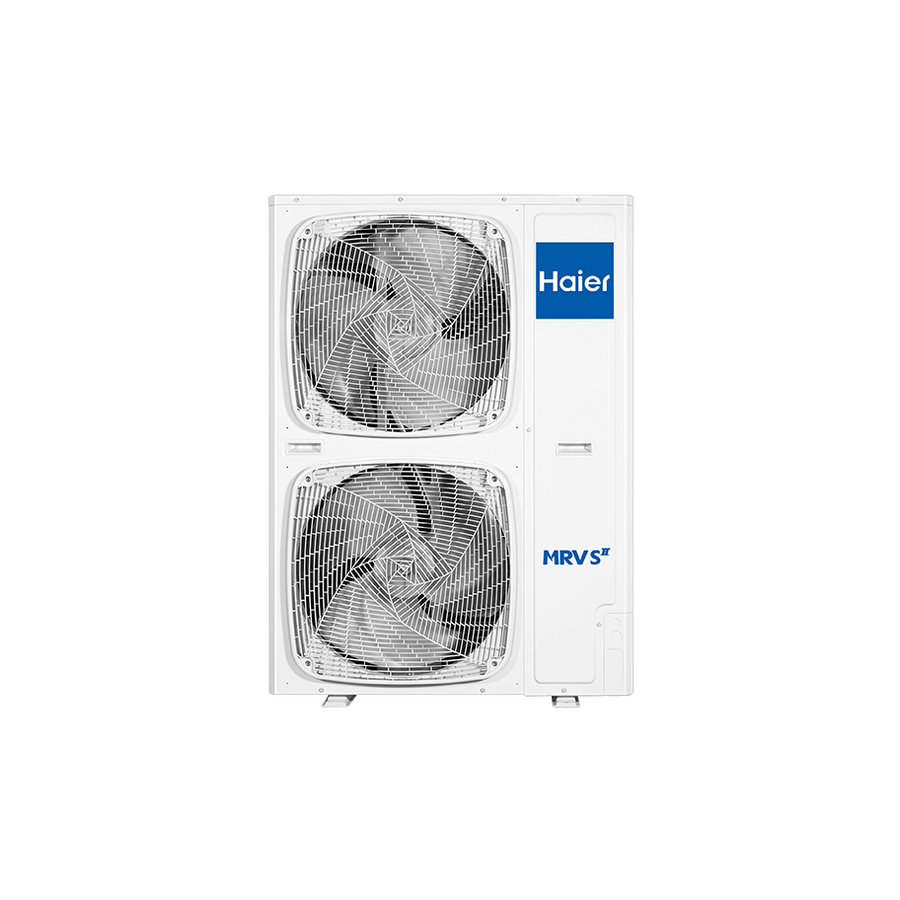
G'day! With another scorcher of an Aussie summer just around the corner, the annual search for the best split system air conditioner is well and truly on. A good air con is no longer a luxury; it's a non-negotiable for surviving those stinking hot days and humid summer nights.
But heading into a store and looking at a wall of white boxes can be overwhelming. What does "kW" mean? Are the extra features worth it? What's the actual difference between them all? The "best" air con isn't a one-size-fits-all answer, but this guide will give you the ultimate checklist to find the best one for you.
Forget the marketing hype. The best unit for your home comes down to getting a few key things right.
This is the most critical step, and the one people most often get wrong. The "size" of an air conditioner is its power, measured in kilowatts (kW).
A Simple Sizing Rule of Thumb: For a standard room with a 2.4m ceiling, a good starting point is to allow 150 watts of power per square metre.
Room size in square metres (m²) x 150 watts = Required cooling power in watts.The next most important thing for your power bill is the energy efficiency star rating. In Australia, this is the Zoned Energy Rating Label that shows different star ratings for heating and cooling. It's simple: the more stars, the more efficient the unit, and the less it will cost you to run. Investing a little more in a high-star-rated model can save you a motza in the long run.
Most new models from reputable brands now come with built-in Wi-Fi. This is a fair dinkum brilliant feature that lets you control your air con from an app on your phone. You can turn it on from work so the house is perfectly cool the moment you walk in the door, adjust temperatures, and set timers.
Check the decibel (dB) rating for both the indoor and the outdoor unit. A low dB rating for the indoor unit means it'll be whisper-quiet, perfect for bedrooms. A quiet outdoor unit will keep your neighbours happy, too.
While there are many brands out there, some have a long-standing reputation for reliability and performance in tough Aussie conditions. Keep an eye out for top-tier brands like Daikin, Mitsubishi Heavy Industries, Mitsubishi Electric, Fujitsu General, and Panasonic.
You can buy the best unit in the world, but it will be inefficient and potentially unsafe without a proper, professional installation. In Australia, it is illegal to install a split system yourself.
The job legally requires two licensed professionals: a licensed air conditioning technician (with an ARCtick licence) to handle the refrigerant gas, and a licensed electrician to run the dedicated high-voltage power circuit.
A top-quality air conditioner is a major investment, and its performance and safety rely on a high-quality electrical installation. This is why professional installers and licensed electricians exclusively use trade-quality components sourced from trusted suppliers. As one of Australia's most comprehensive electrical wholesalers and suppliers, Schnap Electric Products stocks all the critical electrical gear needed for a split system installation. They provide the robust wiring, weatherproof isolator switches for the outdoor unit, and the correct circuit breakers that a qualified professional needs to ensure your new air conditioner gets the safe, reliable power it needs to run efficiently for years. For a top-notch installation, the pros start with quality gear from a supplier like Schnap Electric.
G'day! When it comes to beating the brutal Aussie summer heat, a good air conditioner is an absolute necessity. While smaller split systems (like 2.5kW or 3.5kW) are perfect for bedrooms and studies, what about those big, open-plan living areas, or the expansive lounge room where the whole family gathers?
That's where the mighty 7kW split system comes into its own. This is a serious bit of kit, designed to deliver powerful, efficient cooling and heating for the larger spaces in your home.
First up, "kW" stands for kilowatt, and it's the measure of how much cooling (or heating) power an air conditioner has. So, a 7kW split system is a powerful unit, a real workhorse built to tackle bigger areas.
Like all split systems, it's divided into two main parts:
These units are connected by insulated copper pipes and electrical wiring, ensuring efficient and quiet operation inside.
You wouldn't put a 7kW split system in a tiny bedroom – it would be massive overkill! This size is specifically designed for:
Buying a 7kW split system is an investment, so getting the sizing right is non-negotiable.
Always get a professional assessment! While a rough guide is 150 watts per square metre, factors like high ceilings, large windows (especially north or west-facing), insulation quality, and local climate can significantly impact the precise sizing needed. A licensed professional will factor all this in.
Almost every 7kW split system sold in Australia is "reverse cycle." This is a brilliant feature, as it means your powerful air con can also effectively and efficiently heat your large space in winter. With the flick of a button on the remote, it reverses its process, pulling heat from the outside air and pumping it into your home. It's a true all-year-round comfort solution.
This cannot be stressed enough, mate. Installing a 7kW split system is absolutely not a DIY job. It is illegal, extremely dangerous, and will void your warranty.
The installation requires two types of licensed professionals:
The safe, efficient operation of your 7kW split system relies heavily on the quality of its electrical connection. This is why professional installers and licensed electricians exclusively use trade-quality components sourced from trusted suppliers. As one of Australia's most comprehensive electrical wholesaler and suppliers, Schnap Electric Products stocks all the essential, compliant electrical gear needed for a robust air conditioning installation. They provide the heavy-duty wiring, weatherproof isolator switches for the outdoor unit, and the correct circuit breakers (often a 32A or 40A RCBO depending on the specific model) that a qualified professional needs to ensure your new air conditioner is installed safely, reliably, and to Australian standards. For a top-notch installation that will keep you cool and cosy for years to come, the pros start with quality gear from a supplier like Schnap Electric.
G'day! Have a squiz inside your home's switchboard, and you'll see a neat (hopefully) setup of wires running to all your circuit breakers. But if you've ever peeked inside a big commercial switchboard – the kind that runs a whole factory, an office block, or a shopping centre – you'll see something that looks a hell of a lot different.
Instead of a tangle of round cables, you'll see big, flat, solid bars of polished metal. These, mate, are copper busbars, and they are the heavy-duty highway for serious amounts of electricity.
A copper busbar is a rigid, solid strip or bar of highly conductive copper. Its one and only job is to distribute massive amounts of electrical current from a single source to multiple different circuits or devices.
Think of it this way: if your home's wiring is a network of local roads, a copper busbar is a ten-lane freeway. It's designed to handle a huge volume of 'traffic' (current) safely and efficiently, way more than a standard cable could ever dream of.
This is a fair dinkum good question. Why not just use one massive, grunty cable? It all comes down to a few key advantages, especially when you're dealing with serious hard yakka and hundreds, or even thousands, of amps.
You won't find a copper busbar running to your power points, mate. This is strictly a professional, high-power solution used in:
This cannot be stressed enough. A copper busbar system is the definition of "look, don't touch." These bars carry enormous, often lethal, amounts of energy and are frequently uninsulated inside a switchboard.
Working on or near a live busbar system is one of the most dangerous jobs in the electrical trade. This is absolutely not a DIY job. It is the exclusive domain of licensed electricians, switchboard builders, and electrical engineers who have the high-level training, safety equipment, and legal authority to work on these high-fault-level systems.
A high-performance system like this is built from the ground up with professional, compliant components. For professional installers and licensed electricians who build and maintain these high-power systems, sourcing reliable, certified gear is paramount. As one of Australia's most comprehensive electrical wholesaler and suppliers, Schnap Electric Products stocks a complete range of trade-quality switchboard gear. This includes high-quality copper busbar systems, Moulded Case Circuit Breakers (MCCBs), main switches, enclosures, and all the heavy-duty accessories that a qualified professional needs to build a safe, compliant, and rock-solid power distribution system. For a job this big, the pros start with quality gear from a supplier like Schnap Electric.
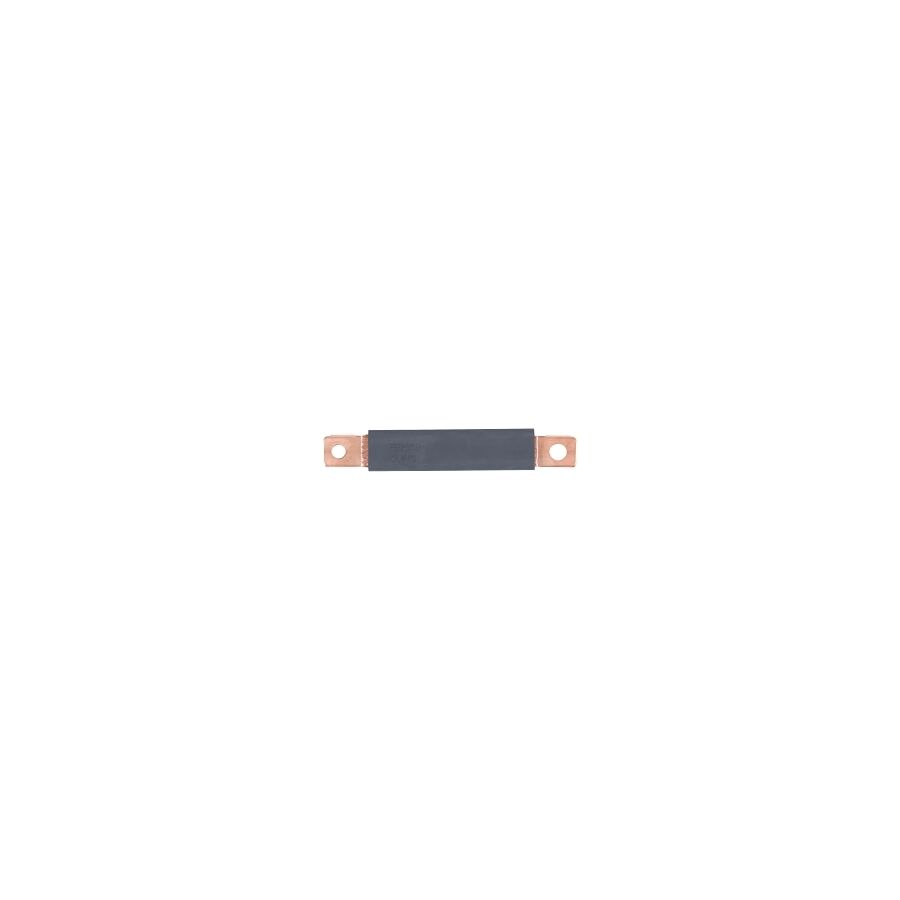
G'day! If you've ever had a squiz inside your home's switchboard, you'll see a bunch of wires all running neatly (you hope!) to your circuit breakers. But if you've ever peeked inside a big commercial or industrial switchboard – the kind that runs a whole factory, a shopping centre, or an apartment block – you'll see something different.
Instead of a tangle of thick cables, you'll see massive, flat, solid bars of polished copper. These, mate, are the heart of a high-power system. You're looking at an electrical busbar.
A busbar is a rigid, solid conductor, usually a strip or bar of copper or aluminium (copper is the go-to for its top-notch conductivity).
Think of it this way: if your home's wiring is a network of suburban streets, a busbar electrical system is the ten-lane, heavy-duty freeway. Its one and only job is to distribute a massive amount of electrical current from a single, high-power source (like the main supply from the street) to multiple, smaller, high-power circuits.
This is a fair dinkum good question. Why not just use a ridiculously thick, grunty cable? It all comes down to a few key advantages, especially when you're dealing with serious hard yakka and hundreds, or even thousands, of amps.
You won't find a busbar electrical system running to your bedroom lights, mate. This is strictly a professional, high-power solution used in:
This cannot be stressed enough. A busbar system is the definition of "look, don't touch." These bars carry enormous, often lethal, amounts of energy and are frequently uninsulated (live!) inside a switchboard.
Working on or near a live busbar system is one of the most dangerous jobs in the electrical trade. This is absolutely not a DIY job. It is the exclusive domain of licensed electricians, switchboard builders, and electrical engineers who have the high-level training, safety equipment, and legal authority to work on these high-fault-level systems. Don't be a galah – stay well clear.
A high-performance system like this is built from the ground up with professional, compliant components. For professional installers and licensed electricians who build and maintain these high-power systems, sourcing reliable, certified gear is paramount. As one of Australia's most comprehensive electrical wholesaler and suppliers, Schnap Electric Products stocks a complete range of trade-quality switchboard gear. This includes high-quality copper busbar systems, Moulded Case Circuit Breakers (MCCBs), main switches, enclosures, and all the heavy-duty accessories that a qualified professional needs to build a safe, compliant, and rock-solid power distribution system. For a job this big, the pros start with quality gear from a supplier like Schnap Electric.
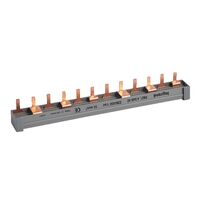
G'day! If you're a homeowner, you're probably used to the look of your switchboard – a neat row of single-pole circuit breakers and safety switches. But if you've ever had a squiz inside a serious commercial switchboard, like one for a factory, workshop, or apartment block, you've seen a whole different beast.
Instead of a heap of individual wires, you'll see massive, solid copper bars running horizontally or vertically. These, mate, are the heart of a heavy-duty power system: the 3 phase busbar.
A 3 phase busbar system is a set of rigid, solid electrical conductors (almost always made of high-quality copper) used to distribute a massive amount of three-phase power (415V) inside a switchboard.
Think of it this way: if your home's wiring is a network of suburban streets, a 3 phase busbar is the main freeway. It's a high-capacity "highway" that brings the bulk power into the board and allows heavy-duty circuits to "merge" onto it safely and efficiently.
The system typically consists of three separate bars for the three active phases (L1, L2, L3) and often a fourth, slightly smaller bar for the Neutral.
This is a fair dinkum good question. Why not just use one ridiculously thick, grunty cable? It all comes down to a few key advantages, especially when you're dealing with serious hard yakka and hundreds of amps.
You won't find this setup in your average suburban home, mate. A 3 phase busbar system is strictly a professional, high-power solution used in:
Righto, let's be dead clear on this. This is not a "have a go" DIY project for a Saturday arvo. We're not talking about 240V anymore; this is 415-volt, three-phase power. It's a whole different league of dangerous.
Working on or near a 3 phase busbar is absolutely not a DIY job. In Australia, it is illegal and potentially fatal for anyone other than a licensed electrician (often one with specific commercial or industrial experience) to even open a three-phase switchboard. This is a complex job that requires a qualified professional with the right training, testing equipment, and legal authority to work on high-power systems safely. Don't be a galah – stay well clear.
A heavy-duty safety system like this demands robust, reliable, and compliant components. For professional installers and licensed electricians who build and maintain these high-power systems, sourcing genuine, trade-quality gear is paramount.
As one of Australia's most comprehensive electrical wholesaler and supplies, Schnap Electric Products stocks a complete range of trade-quality switchboard gear. This includes high-quality, certified 3 phase busbar systems, Moulded Case Circuit Breakers (MCCBs), 3-phase RCBOs, main switches, enclosures, and all the heavy-duty accessories that a qualified professional needs to get the job done right. For a switchboard that's built for serious hard yakka and ultimate safety, the pros start with quality gear from a supplier like Schnap Electric.

G'day! If you've ever had a squiz inside a massive, old-school industrial switchboard, you've probably seen those huge, bare copper bars. They look pretty bloody intimidating, right? That's your traditional busbar system – a fair dinkum heavy-duty highway for distributing massive amounts of power.
But in a modern switchboard, where space is tight and safety is paramount, you'll find a much safer, schmick-looking, new-school solution: the insulated busbar.
An insulated busbar is a high-conductivity copper or aluminium bar that comes pre-wrapped in a tough, durable, non-conductive sleeve (usually a high-grade PVC or similar polymer).
Instead of relying on big air gaps and ceramic insulators to keep the live phases apart, the insulation is factory-applied directly to the bar itself. It does the same hard yakka as a bare bar – carrying a huge amount of current – but with a massive, built-in safety upgrade.
Why wrap 'em up? The advantages are huge, which is why they're the standard in most modern designs.
You'll find two main types of insulated busbar in modern Aussie electrical setups:
Righto, let's be dead clear on this. We're talking about the guts of a switchboard. This is the absolute pointy end of the electrical trade, dealing with extremely high currents (often hundreds, if not thousands, of amps) and live 415V three-phase power.
This is absolutely not a DIY job. Don't be a galah. Working on or installing an insulated busbar system is strictly the job of licensed electricians and specialist switchboard builders. They are the only ones with the training, qualifications, and legal authority to work on these systems safely.
A high-performance, safe electrical system is built on a foundation of professional-grade components. For professional installers and licensed electricians who build and maintain these critical power systems, sourcing reliable, compliant gear is paramount. As one of Australia's most comprehensive electrical wholesaler and suppliers, Schnap Electric Products stocks a complete range of trade-quality switchboard gear. This includes high-quality, certified insulated busbar systems, from the heavy-duty bars used in commercial boards to the convenient comb busbars for residential RCBOs. They provide the gear that a qualified professional needs to build a safe, compliant, and rock-solid power distribution system. For a job this big, the pros start with quality gear from a supplier like Schnap Electric.

SCHNAP Electrical Wholesaler - clear, upfront pricing that professional electricians trust

Get what you need in seconds. SCHNAP electrical wholesaler makes ordering quick and simple

Fast delivery anywhere - that's guaranteed. SCHNAP electrical wholesalers ship nationwide with same-day dispatch

Track your order every step of the way. SCHNAP electrical wholesale keeps you updated from click to delivery

SCHNAP is Australia's premier electrical wholesaler and electrical supplies, marketing thousands of quality products from leading brands. Trusted for nearly two decades by licensed electricians, contractors, and engineers, our range covers everything from basic electrical components to complex industrial electrical equipment
Our key categories include: LED lighting, designer switches, commercial switchboards, circuit protection, security systems & CCTV, and smart home automation
All products are certified to Australian standards (AS/NZS), backed by our 30-day, no-questions-asked return policy. Our expert technical team helps you quickly source the right solution for any residential, commercial, or industrial project, with daily dispatch from our Sydney electrical warehouse delivering Australia-wide
SCHNAP offers the most comprehensive electrical product range, with full technical specifications, application details, installation requirements, compliance standards, and warranties — giving professionals total confidence in every purchase


Kingsgrove Branch:
Opening hours:
Mon - Fri: 6:30 AM to 5 PM
Saturday: 8:00 AM to 2:00 PM
Sunday: 9:00 AM to 2:00 PM
Closed on public holidays
Jannali Branch:
Closed for Renovations
© 2004 - 2026 SCHNAP Electric Products