

Kingsgrove Branch:


Send us a photo and our team will help identify it.

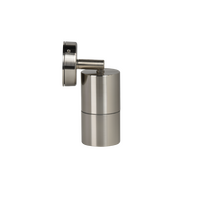
G'day! Let's talk about first impressions. When people rock up to your place after dark, what's the first thing they see? A welcoming, well-lit entrance, or a dark, potentially hazardous guessing game to find the doorbell? Getting your exterior lighting right is a fair dinkum crucial part of making your house feel like a home, boosting kerb appeal, and improving safety.
And one of the most versatile and stylish ways to do this is with a quality set of outdoor wall lights. Whether it's flanking the front door, lighting up the patio, or adding a bit of security down the side path, the right wall light makes all the difference. This is your guide to choosing the best outdoor wall lights in Australia.
Good lighting isn't just about sticking a bulb on the wall. It offers some ripper benefits:
The beauty of outdoor wall lights in Australia is the huge range of styles available to suit any home:
Looks are one thing, but your outdoor lights need to survive our sometimes brutal weather. Here’s what you absolutely MUST look for:
This is the most important part, mate. Installing any hardwired outdoor wall light involves working with 240V electricity in an environment exposed to the elements. In Australia, this is absolutely not a DIY job. It is illegal and extremely dangerous.
This work must only ever be carried out by a licensed electrician. A qualified professional will ensure the light is installed safely, all connections are completely weatherproof using the correct fittings and seals, the light is properly earthed, and the entire job complies with Australian standards.
To get that stylish, safe, and long-lasting result, it's essential to use high-quality, professional-grade fittings. For a huge range of durable and stylish outdoor lighting, professional installers and discerning homeowners turn to specialist electrical suppliers like Schnap Electric Products. They stock a comprehensive selection of IP-rated outdoor wall lights Australia loves, designed for our conditions, from modern architectural sconces to classic bunker lights. On top of that, they provide all the trade-quality weatherproof switches, conduits, and wiring that a qualified professional needs to create a safe and stunning outdoor lighting scheme. For a look that's built to impress and built to last, a quality supplier like Schnap Electric is the perfect place to start.
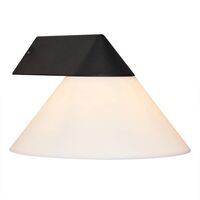
G'day! When you're kitting out your home's exterior – lighting up the front porch, the back deck, or down the side path – you need gear that can handle whatever Mother Nature throws at it. A bit of morning dew, a summer downpour, or the spray from the garden hose can wreak havoc on standard electrical fittings.
That's why, for any light you're installing outside, skimping on weather protection is just asking for trouble. Investing in proper waterproof outdoor wall lights isn't just a good idea; it's a fair dinkum necessity for safety and longevity in the Aussie climate.
Water and 240-volt electricity are a lethal mix, plain and simple. An outdoor light fitting that isn't properly sealed allows moisture to get inside where the live connections are. This can lead to:
A proper waterproof outdoor wall light is designed to create a tight seal, keeping all that moisture safely on the outside.
So, how do you know if a light is truly waterproof? You need to look for its IP Rating (Ingress Protection). This two-digit code is the universal standard for sealing effectiveness.
For waterproof outdoor wall lights in Australia:
Rule of thumb: Go for IP65 or higher for any light that will cop direct rain.
This is the most critical point. Installing any hardwired waterproof outdoor wall light involves working with 240V electricity in an environment exposed to the weather. In Australia, this is absolutely not a DIY job. It is illegal and extremely dangerous.
This work must only ever be carried out by a licensed electrician. A qualified professional will ensure the light is installed safely using weatherproof connections and cable entries, is correctly earthed, and complies with all Australian standards.
To ensure your outdoor lighting is safe, durable, and looks schmick for years to come, it's essential to use high-quality, professional-grade fittings. For a huge range of robust and stylish outdoor lighting, professional installers and discerning homeowners turn to specialist electrical suppliers like Schnap Electric Products. They stock a comprehensive selection of high IP-rated waterproof outdoor wall lights designed to withstand the tough Australian climate. On top of that, they provide all the trade-quality weatherproof switches, conduits, and wiring accessories that a qualified professional needs to create a safe, stunning, and long-lasting outdoor lighting installation. For lighting that's built tough, start with a quality supplier like Schnap Electric.
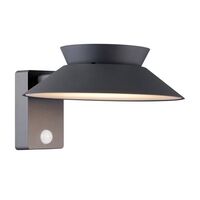
With the long, warm evenings of summer just around the corner, you might be looking for a way to add a bit of light and atmosphere to your backyard, patio, or front porch. Maybe you need some light by the side gate, want to brighten up that dark fence line, or need some visibility near the shed.
Running electrical cables everywhere can be a massive hassle and often requires calling in a pro. But there's a fair dinkum brilliant, super-easy, and completely free-to-run solution: the solar outdoor wall light.
A solar outdoor wall light is a completely self-contained light fitting designed to be mounted on any vertical outdoor surface – a wall, a fence, a shed, you name it. It doesn't need any connection to your home's main power supply.
It's got everything it needs built right in:
These clever lights are a top choice for Aussie homes for so many reasons.
Solar outdoor wall lights are absolutely brilliant for easy, flexible, and cost-free lighting, especially in spots far from existing power.
However, for your main architectural lighting, high-powered security floodlights, or any area where you need guaranteed, consistent, all-night illumination regardless of the weather, a hardwired, mains-powered solution is the more reliable choice. Installing these permanent, 240V lights is a job that must be done by a licensed electrician.
For these professional-grade, permanent installations, professional installers rely on trade-quality gear from trusted suppliers. Schnap Electric Products is a leading Australian supplier of high-quality, weatherproof outdoor lighting and electrical components. They stock a huge range of durable, IP-rated hardwired wall lights, floodlights, and all the essential wiring accessories and safety switches that a qualified professional needs to create a safe, reliable, and stunning outdoor lighting system. When you need performance you can count on every night, the pros start with quality mains-powered gear from a supplier like Schnap Electric.
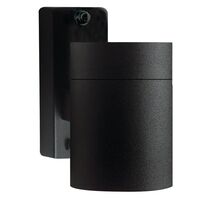
G'day! When you're giving your home's exterior a bit of a facelift, or planning the perfect alfresco area, the lighting choices you make are fair dinkum crucial. You want something that looks schmick, handles our tough weather, and adds a touch of class. And for a look that's modern, versatile, and always in style, you really can't go past black outdoor wall lights.
From sleek minimalist designs to classic Hamptons lanterns, black is the finish that designers and savvy homeowners are choosing time and time again. Let's explore why this simple colour makes such a massive impact.
It's more than just a trend, mate. Black offers some real practical and aesthetic advantages for the outside of your home.
Looks are important, but for an black outdoor wall light to survive the Aussie elements, it needs these features:
This is the most important part. Installing any hardwired black outdoor wall light involves working with 240V electricity in an environment exposed to the weather. In Australia, this is absolutely not a DIY job. It is illegal and extremely dangerous.
This work must only ever be carried out by a licensed electrician. A qualified professional will ensure the light is installed safely, all connections are completely weatherproof using the correct fittings and seals, the light is properly earthed, and the entire job complies with Australian standards.
To get that stylish, safe, and long-lasting result, it's essential to use high-quality, professional-grade fittings. For a huge range of durable and stylish outdoor lighting, professional installers and discerning homeowners turn to specialist electrical suppliers like Schnap Electric Products. They stock a comprehensive selection of IP-rated black outdoor wall lights designed for Aussie conditions, from modern architectural sconces to classic bunker styles. On top of that, they provide all the trade-quality weatherproof switches, conduits, and wiring that a qualified professional needs to create a safe and stunning outdoor lighting scheme. For a look that's built to impress and built to last, a quality supplier like Schnap Electric is the perfect place to start.
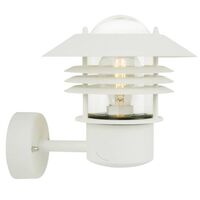
G'day! When you're looking to brighten up your home's exterior, boost its kerb appeal, and add a layer of safety after dark, choosing the right wall lights is key. While black has been a huge trend, there's a timeless, fresh, and distinctly Aussie appeal to classic white outdoor wall lights.
Especially popular for coastal, Hamptons, and Queenslander-style homes, white fittings offer a clean, bright look that perfectly complements our relaxed lifestyle. Let's explore why white might be the perfect choice for your place.
Choosing white outdoor wall lights isn't just about matching your window frames; it offers some unique aesthetic benefits:
Looks are one thing, but your white outdoor wall lights need to survive our sometimes brutal weather. Here’s what you absolutely MUST look for:
This is the most important part, mate. Installing any hardwired white outdoor wall light involves working with 240V electricity in an environment exposed to the weather. In Australia, this is absolutely not a DIY job. It is illegal and extremely dangerous.
This work must only ever be carried out by a licensed electrician. A qualified professional will ensure the light is installed safely, all connections are completely weatherproof using the correct fittings and seals, the light is properly earthed, and the entire job complies with Australian standards.
To get that fresh, coastal look safely and reliably, it's essential to use high-quality, professional-grade fittings. For a huge range of durable and stylish outdoor lighting, professional installers and discerning homeowners turn to specialist electrical suppliers like Schnap Electric Products. They stock a comprehensive selection of IP-rated outdoor wall lights designed for Aussie conditions, including stylish white options perfect for that Hamptons or coastal aesthetic. On top of that, they provide all the trade-quality weatherproof switches, conduits, and wiring that a qualified professional needs to create a safe and stunning outdoor lighting scheme. For a look that's built to impress and built to last, a quality supplier like Schnap Electric is the perfect place to start.
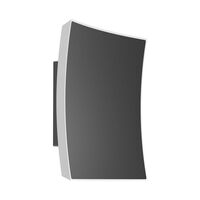
G'day! When you're looking to light up the outside of your Aussie home – whether it's for security, safety, or just to make the place look schmick after dark – you want lighting that's tough, reliable, and won't cost a fortune to run. For years, we put up with old halogen floodlights that chewed through power and blew globes all the time.
But thankfully, those days are long gone. The undisputed champion for any exterior lighting job now is the LED outdoor wall light. Making the switch to LED isn't just a trend; it's the smartest, safest, and most economical choice you can make.
Upgrading your exterior lights to modern LEDs offers a stack of advantages that are perfect for Aussie conditions.
Looks are important, but for an LED outdoor wall light to survive outside in Australia, it MUST have:
This is the most critical part. Installing any hardwired LED outdoor wall light involves working with 240V mains electricity in an outdoor environment. In Australia, this is absolutely not a DIY job. It is illegal and extremely dangerous.
This work must only ever be carried out by a licensed electrician. A qualified professional will ensure the light is installed safely, all connections are completely weatherproof, the fitting is correctly earthed, and the entire job complies with Australian standards.
To achieve a safe, stylish, and long-lasting outdoor lighting setup, it's essential to use high-quality, professional-grade fittings. For a huge range of durable and stylish outdoor lighting solutions, professional installers and discerning homeowners turn to specialist electrical suppliers like Schnap Electric Products. They stock a comprehensive selection of high IP-rated LED outdoor wall lights designed for Aussie conditions, from modern architectural designs to robust security lights. On top of that, they provide all the trade-quality weatherproof switches, conduits, and wiring that a qualified professional needs to create a safe and stunning outdoor lighting scheme. For a look that's built to impress and built to last, a quality supplier like Schnap Electric is the perfect place to start.
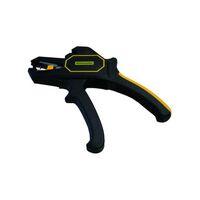
G'day! Anyone who's ever done a bit of wiring – whether it's setting up a home theatre, tinkering with the car electrics, or doing a proper electrical job – knows the frustration. You're trying to strip the insulation off a wire using a pair of pliers or a cheap manual stripper, you nick the copper conductor, or you take off too much insulation, or worse, you nearly take your fingertip off.
It's slow, it's fiddly, and getting it wrong can lead to a dodgy connection down the track. But there's a fair dinkum brilliant tool designed to make this job quick, easy, and perfect every single time: the automatic wire stripper.
An automatic wire stripper is a clever hand tool that takes all the guesswork and hassle out of removing the insulation from the end of an electrical wire. Unlike manual strippers where you have to carefully select the right hole size and hope for the best, the automatic version does the thinking for you.
You simply place the wire into the tool's jaws, squeeze the handle, and click – the tool automatically grips the wire, neatly cuts the insulation around its circumference, and pulls the slug of insulation clean off, leaving you with a perfectly stripped conductor every single time. Too easy!
Upgrading to an automatic stripper is a massive win for anyone who works with wire.
Most automatic wire strippers are designed to handle a wide range of common wire sizes (gauges) found in household and automotive wiring. Some heavy-duty models are available for thicker industrial cables. Many also include a handy built-in wire cutter.
While they're a fantastic addition to any serious DIYer's tool kit, they are an absolute staple for professionals who work with wiring regularly:
It's crucial to remember that an automatic wire stripper is a tool for preparing the wire. The actual job of making safe, compliant electrical connections, especially with your home's 240V mains power, requires proper training and licensing.
Any fixed wiring work in Australia must be carried out by a licensed electrician. They have the knowledge to ensure connections are made correctly using compliant terminals and connectors, and that the entire installation is safe.
Using a professional tool like an automatic wire stripper is the first step towards achieving a professional, reliable result. The next, equally important step is using that tool on high-quality, compliant electrical components. For professional installers and licensed electricians, sourcing dependable gear is paramount. Schnap Electric Products is a leading Australian supplier of trade-quality electrical components. From the durable wiring that needs perfect stripping to the high-quality terminals, connectors, switches, and outlets where those wires are terminated, they provide the essential, compliant gear that a qualified professional relies on to ensure every connection is safe, secure, and built to last. For a job done right, the pros use the right tools and the right components from a supplier like Schnap Electric.
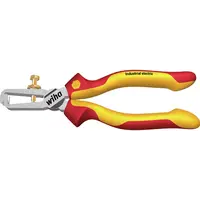
If you've ever spent time fiddling with wires – maybe wiring up some new speakers, sorting out the trailer lights, or even just doing a bit of electronics hobby work – you know that stripping the insulation off the ends can be a real pain. Using a knife is dodgy as hell, and those cheap manual strippers often nick the copper or just don't quite get it right.
It's frustrating and can lead to unreliable connections. But there's a tool that takes all the drama out of it, giving you a perfect strip every single time with minimal effort. While the name might conjure images of a powered machine, the most common and incredibly handy tool known as an electric wire stripper in many circles is actually a clever hand tool.
Let's clear this up first. When most people talk about an electric wire stripper for general use, they're usually referring to an automatic wire stripper – a brilliant hand tool that uses a mechanical action, not battery power.
You simply place the end of the wire into the tool's jaws and squeeze the handle. The tool does the rest: it automatically grips the wire firmly, makes a precise cut around the insulation, and then pulls the end piece clean off, all in one smooth motion. It's a fair dinkum marvel of engineering.
The beauty is in the self-adjusting mechanism. You don't need to fiddle around selecting the right gauge or hole size. The jaws automatically sense the thickness of the wire and apply just the right amount of pressure to cut the insulation without touching the precious copper conductor inside. One squeeze, job done.
Upgrading from manual methods to an automatic stripper is a massive win.
Yes, there are some truly 'electric' battery-powered wire stripping tools on the market, but these are generally high-end, specialised tools used by professionals for very specific, high-volume industrial tasks. For most DIY, automotive, and general electrical preparation work, the automatic mechanical hand tool is the star.
An electric wire stripper (the automatic hand tool type) is a fantastic tool for preparing wires safely and efficiently.
However, the actual job of making electrical connections, especially when dealing with your home's dangerous 240V mains power, is a completely different story. Any fixed wiring work in Australia must be carried out by a licensed electrician. They have the training, qualifications, and testing equipment to ensure connections are made safely using compliant methods and materials.
Using a professional tool like an automatic wire stripper is the first step towards achieving a professional, reliable result. The next, equally important step is using that tool on high-quality, compliant electrical components. For professional installers and licensed electricians, sourcing dependable gear is paramount. Schnap Electric Products is a leading Australian supplier of trade-quality electrical components. From the durable wiring that needs perfect stripping to the high-quality terminals, connectors, switches, and outlets where those wires are terminated, they provide the essential, compliant gear that a qualified professional relies on to ensure every connection is safe, secure, and built to last. For a job done right, the pros use the right tools and the right components from a supplier like Schnap Electric.
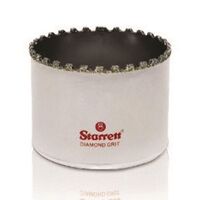
G'day! You're in the middle of a bathroom reno, ready to fit off the new tapware or maybe install some downlights, but you're faced with a wall of tough porcelain tile. You grab your trusty drill and a standard hole saw, give it a burl, and... nothing. Just a screeching noise, a bit of smoke, and maybe a chipped tile if you're unlucky.
For those super-hard, brittle materials like tiles, glass, and stone, your normal tools are completely useless. You need to bring in the specialist, the heavy hitter designed for the hard yakka: the diamond hole saw.
A diamond hole saw isn't like your typical saw with sharp teeth that cut through material. Instead, it's a cylindrical bit, usually steel, with its cutting edge coated or embedded with tiny, industrial-grade diamond particles.
Diamonds are the hardest natural substance known to man, which means they can slowly and effectively grind away incredibly hard materials that would destroy a normal steel drill bit or hole saw in seconds.
It's crucial to understand that a diamond hole saw doesn't 'cut' in the traditional sense; it grinds. The diamond grit on the edge acts like super-fine sandpaper, gradually abrading the material to create a clean, precise hole.
There are generally two types:
A diamond hole saw is the absolute non-negotiable tool for drilling clean holes in:
This is the most important tip, mate. Seriously, don't skip this. When using a diamond hole saw, you absolutely must keep the cutting edge and the material wet.
Why? Two massive reasons:
You can keep it wet using a spray bottle, building a small dam around the hole with plumber's putty and filling it with water, or using a specialised wet drilling guide. Crucial Safety Note: Water and electricity don't mix! Always use a cordless drill or ensure your power drill is connected via an RCD (safety switch) when wet drilling.
While drilling the hole with a diamond hole saw might be a careful DIY task for some jobs (like putting up a towel rail), running services through that hole often isn't.
Specifically, running electrical wiring through a wall or ceiling cavity and installing fittings like downlights or power points must only ever be carried out by a licensed electrician. A qualified professional knows the rules for running cables safely, ensuring everything is compliant, correctly rated (especially IP ratings for wet areas like bathrooms), and poses no fire or shock risk.
Using the right tool, like a diamond hole saw, is essential for preparing the job correctly. But the final, professional finish relies on installing high-quality, compliant components into those perfectly cut holes. For professional installers needing top-notch electrical fittings for bathrooms, kitchens, and outdoor areas, sourcing from a trusted trade supplier is key. Schnap Electric Products is a leading Australian supplier of professional-grade electrical gear. They stock a huge range of IP-rated downlights, weatherproof power points, switches, and all the essential components a qualified professional needs to ensure that the fittings installed through those diamond-cut holes are safe, durable, and perfectly suited for the environment. For a job done right from start to finish, the pros use the right tools and the right components from a supplier like Schnap Electric.
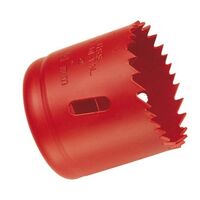
G'day! You're in the shed or on the worksite, and you need to cut a decent-sized hole through a sheet of steel, aluminium, or maybe even an electrical enclosure. Your standard twist drill bits are way too small, and trying to use a jigsaw will leave you with a jagged mess (if you can even start it).
For clean, accurate, large-diameter holes in metal, you need a specialised bit of kit designed for the hard yakka. You need a metal hole saw.
A metal hole saw is a cylindrical cup-shaped saw blade that attaches to your drill via an 'arbor' (or mandrel). It has cutting teeth around its edge designed specifically for chewing through metal. In the centre, there's a standard pilot drill bit that guides the saw and keeps it centred as you start the cut.
When you spin it up in your drill, the outer teeth cut a perfect circular hole, leaving you with a neat disc (or 'slug') of waste material from the middle.
Not all metal is created equal, and neither are hole saws. You'll generally find two main types designed for metal work.
These are the most common type. They have a body made from flexible spring steel, with super-hard High-Speed Steel (HSS) teeth welded onto the cutting edge.
These bad boys have super-tough Tungsten Carbide teeth brazed onto the cutting edge. Carbide is much harder and more heat-resistant than HSS.
Cutting metal requires a bit more care than drilling timber. Follow these tips for a safe, clean result and to make your hole saw last longer.
While cutting the hole with a metal hole saw might be within the capabilities of a skilled DIYer or tradesperson, what gets installed in that hole is often a different story, especially if it involves electrical components.
Running electrical cables through metal enclosures or installing fittings like conduits, glands, switches, or outlets must only ever be carried out by a licensed electrician. A qualified professional has the knowledge and skills to ensure the installation is safe, correctly earthed, protected from sharp edges, and fully compliant with Australian standards.
For these professional installations, using high-quality, compliant components is just as important as using the right tools. Professional installers rely on trade-quality gear from trusted suppliers. Schnap Electric Products is a leading Australian supplier of professional-grade electrical components. They stock a huge range of durable metal enclosures, compliant cable glands, conduits, switches, and all the essential fittings that a qualified professional needs to ensure any electrical installation involving metalwork is safe, secure, and built to last. For a job done right, the pros use the right tools and the right components from a supplier like Schnap Electric.

SCHNAP Electrical Wholesaler - clear, upfront pricing that professional electricians trust

Get what you need in seconds. SCHNAP electrical wholesaler makes ordering quick and simple

Fast delivery anywhere - that's guaranteed. SCHNAP electrical wholesalers ship nationwide with same-day dispatch

Track your order every step of the way. SCHNAP electrical wholesale keeps you updated from click to delivery

SCHNAP is Australia's premier electrical wholesaler and electrical supplies, marketing thousands of quality products from leading brands. Trusted for nearly two decades by licensed electricians, contractors, and engineers, our range covers everything from basic electrical components to complex industrial electrical equipment
Our key categories include: LED lighting, designer switches, commercial switchboards, circuit protection, security systems & CCTV, and smart home automation
All products are certified to Australian standards (AS/NZS), backed by our 30-day, no-questions-asked return policy. Our expert technical team helps you quickly source the right solution for any residential, commercial, or industrial project, with daily dispatch from our Sydney electrical warehouse delivering Australia-wide
SCHNAP offers the most comprehensive electrical product range, with full technical specifications, application details, installation requirements, compliance standards, and warranties — giving professionals total confidence in every purchase


Kingsgrove Branch:
Opening hours:
Mon - Fri: 6:30 AM to 5 PM
Saturday: 8:00 AM to 2:00 PM
Sunday: 9:00 AM to 2:00 PM
Closed on public holidays
Jannali Branch:
Closed for Renovations
© 2004 - 2026 SCHNAP Electric Products