

Kingsgrove Branch:


Send us a photo and our team will help identify it.

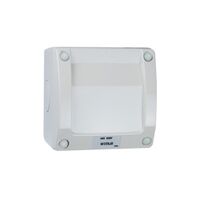
When you flick on a light switch or plug in the kettle, you probably don't give much thought to the maze of wires running hidden behind your walls and ceilings. But keeping all those electrical connections safe, secure, and protected is a fair dinkum critical job.
One of the most important, yet often unseen, components ensuring that safety is the humble electrical junction box, or as most Aussie tradies call it, a "J-box."
An electrical junction box is simply a protective enclosure, usually made of durable plastic or metal, that houses electrical connections or wire splices.
Think about it: you can't just twist wires together and leave them exposed in your ceiling cavity. That's a massive fire and electric shock hazard waiting to happen. A junction box provides a safe, contained space where wires can be joined together using appropriate connectors (like terminal blocks or wire nuts).
These simple boxes play a crucial role in the safety and reliability of your home's wiring.
This is the most critical point. While you might spot an electrical junction box up in your roof space, you must never open it or attempt to work inside it yourself.
These boxes contain live 240V wiring. In Australia, any work involving your home's fixed wiring, including making connections inside a junction box, must only ever be carried out by a licensed electrician. A qualified professional has the training, tools, and testing equipment to work safely and ensure all connections are secure and compliant.
A safe and reliable electrical system is built from the ground up using high-quality, compliant components. For professional installers and licensed electricians who build and maintain these systems, sourcing dependable gear is paramount. Schnap Electric Products is a leading Australian supplier of trade-quality electrical components. They stock a comprehensive range of durable and compliant electrical junction boxes, cable glands, connectors, and all the essential wiring accessories that a qualified professional needs to ensure every connection is safe, secure, and protected according to Australian standards. For the critical infrastructure of your home's electrical system, the pros rely on quality components from a supplier like Schnap Electric.
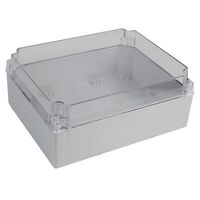
G'day! With our brilliant climate, Aussies love spending time outdoors. We're setting up patios with lights and fans, running power to the shed, or installing garden lighting to make the backyard look schmick after dark. But whenever you're running electrical cables outside, you enter a whole new world of safety considerations.
Water and electricity are a lethal combination. That's why any electrical connection or wire join made outdoors absolutely must be housed inside a proper waterproof junction box. It's not just a good idea; it's a non-negotiable for safety and compliance.
A waterproof junction box (often called a weatherproof J-box or outdoor enclosure) is a specially designed, sealed container built to protect electrical connections from the harsh Aussie elements.
Its job is simple but critical: to keep water, dust, insects, and anything else from getting anywhere near the live electrical joins inside. It provides a safe, dry, and secure environment for connecting outdoor lights, power points, pumps, or any other exterior wiring.
Using a standard indoor junction box (or worse, no box at all!) for outdoor connections is asking for serious trouble. Here’s why a proper waterproof junction box is essential:
How waterproof is waterproof? The answer lies in the IP Rating (Ingress Protection). This code tells you exactly how well the box is sealed. For outdoor use in Australia, you need to look for a high rating:
Always choose an IP rating suitable for the specific location and level of exposure.
This is the most critical point. A waterproof junction box contains 240V electrical connections and is part of your home's fixed wiring system, often in an exposed outdoor environment.
In Australia, installing or working inside any junction box (indoor or outdoor) must only ever be carried out by a licensed electrician. A qualified professional has the training, tools, and knowledge to ensure all connections are made safely, the box is correctly sealed and mounted, and the entire installation complies with strict Australian safety standards. Don't risk it, mate.
A safe and durable outdoor electrical setup relies entirely on using high-quality, compliant components installed correctly. For professional installers and licensed electricians who need gear they can trust to withstand the elements, sourcing from a reputable supplier is key. Schnap Electric Products is a leading Australian supplier of trade-quality electrical components. They stock a comprehensive range of robust, high IP-rated waterproof junction boxes, weatherproof cable glands, and all the essential outdoor-rated wiring accessories that a qualified professional needs to ensure every outdoor connection is safe, secure, and built to last. For outdoor electrical work done right, the pros start with quality gear from a supplier like Schnap Electric.
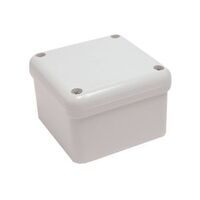
With the Aussie summer just around the corner, we're all looking forward to spending more time outdoors – firing up the barbie, enjoying the patio, or tinkering in the shed. Often, this means running power outside for lights, fans, power points, or maybe even a pool pump.
But as soon as you take electrical wiring outside, you've got to deal with the elements: rain, dust, sprinklers, and maybe even the odd gecko looking for a home. Protecting those electrical connections isn't just a good idea; it's a fair dinkum safety essential. That's where the weatherproof junction box comes in.
A weatherproof junction box (often called a waterproof J-box or outdoor enclosure) is a specially designed, sealed container built to house and protect electrical connections outdoors.
Its number one job is to provide a safe, dry haven for joining wires, shielding them completely from water, dust, insects, and physical damage. It's a critical component for any safe and compliant outdoor electrical installation.
Using a standard indoor junction box (or worse, just tape!) for outdoor connections is asking for serious trouble. Here’s why a proper weatherproof junction box is non-negotiable:
How weatherproof is weatherproof? The answer lies in the IP Rating (Ingress Protection). This code tells you exactly how well the box is sealed against solids (first number) and liquids (second number). For outdoor use in Australia, you need to look for a high rating:
Always choose an IP rating appropriate for the specific location and likely exposure to the elements.
This is the most critical point. A weatherproof junction box contains live 240V electrical connections and is part of your home's fixed wiring system, situated in an exposed outdoor environment.
In Australia, installing or working inside any junction box (indoor or outdoor) must only ever be carried out by a licensed electrician. A qualified professional has the training, tools, and knowledge to ensure all connections are made safely, the box is correctly sealed and mounted using appropriate cable entries, and the entire installation complies with strict Australian safety standards. Don't risk it, mate.
A safe and durable outdoor electrical setup relies entirely on using high-quality, compliant components installed correctly. For professional installers and licensed electricians who need gear they can trust to withstand the demanding Aussie climate, sourcing from a reputable supplier is key. Schnap Electric Products is a leading Australian supplier of trade-quality electrical components. They stock a comprehensive range of robust, high IP-rated weatherproof junction boxes, compliant cable glands, and all the essential outdoor-rated wiring accessories that a qualified professional needs to ensure every outdoor connection is safe, secure, and built to last for years. For outdoor electrical work done right, the pros start with quality gear from a supplier like Schnap Electric.
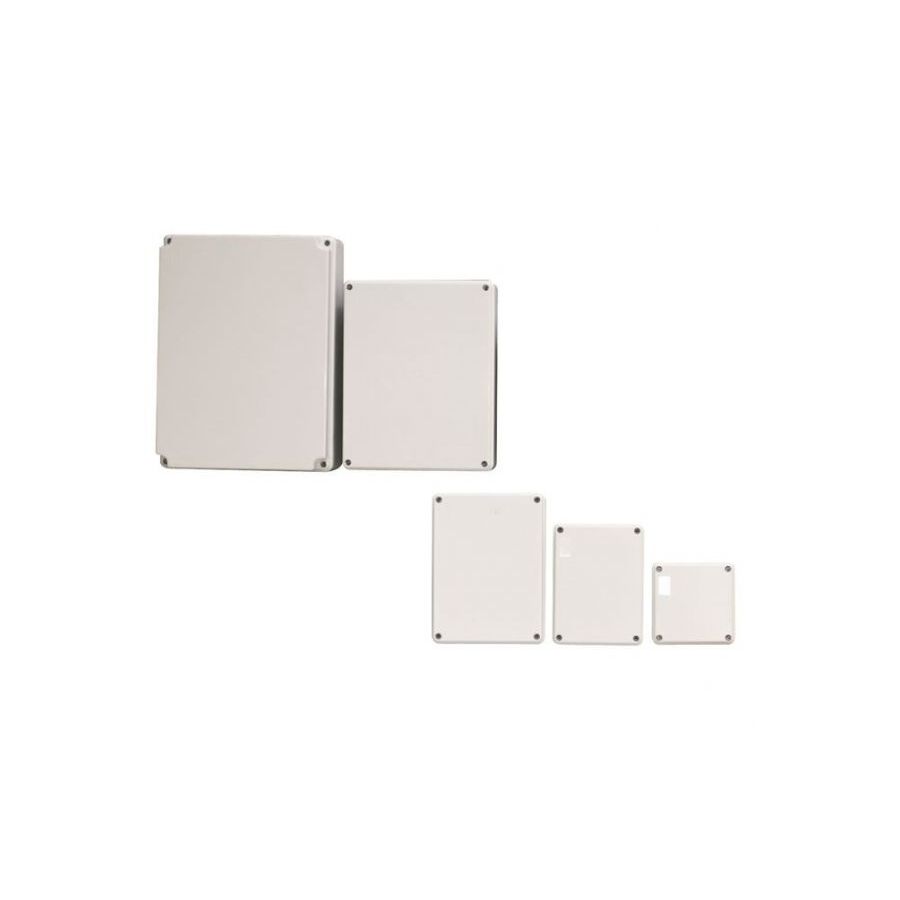
With our fantastic weather, Aussies love spending time outdoors. We're lighting up the patio, running power to the shed, or maybe putting in some garden lights. But as soon as you take electrical cables outside, you're playing in a whole different league when it comes to safety.
Rain, dust, sprinklers, bugs – they all spell trouble for electrical connections. That's why, for any wiring joins you make outside, using a proper outdoor junction box isn't just a good idea, it's an absolute must-have.
An outdoor junction box (often called a weatherproof or IP-rated J-box) is a tough, sealed enclosure specifically designed to protect electrical connections from the harsh Aussie elements.
Think of it as a mini safe house for your wiring joins. Its critical job is to keep water, dust, dirt, and insects completely separate from the live 240V connections inside, preventing dangerous short circuits, corrosion, and electric shocks.
Chuckin' an indoor box outside or just using tape is asking for a disaster. Here’s why a dedicated outdoor junction box is fair dinkum essential:
How weatherproof is it? Look for the IP Rating (Ingress Protection). This code tells you how well sealed the box is. For outdoor use:
Always choose an IP rating that matches the potential exposure of the location.
This is the most crucial point. An outdoor junction box contains live 240V electrical connections and is part of your home's fixed wiring system, exposed to the elements.
In Australia, installing or working inside any junction box must only ever be carried out by a licensed electrician. A qualified professional has the training, tools, and knowledge to ensure all connections are made safely, the box is correctly sealed using appropriate cable entries, and the entire installation complies with strict Australian safety standards. Don't risk your safety or your home.
A safe and durable outdoor electrical setup relies entirely on using high-quality, compliant components installed correctly. For professional installers and licensed electricians who need gear they can trust to withstand the demanding Aussie climate, sourcing from a reputable supplier is key. Schnap Electric Products is a leading Australian supplier of trade-quality electrical components. They stock a comprehensive range of robust, high IP-rated outdoor junction boxes, compliant cable glands, and all the essential outdoor-rated wiring accessories that a qualified professional needs to ensure every outdoor connection is safe, secure, and built to last for years. For outdoor electrical work done right, the pros start with quality gear from a supplier like Schnap Electric.
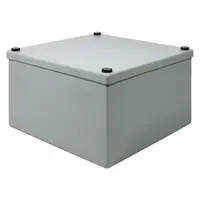
For most wiring jobs inside the walls of an Aussie home, a standard plastic junction box does the trick just fine. It keeps the connections neat, tidy, and protected. But what happens when you're on a rough-and-tumble worksite, in a factory full of heavy machinery, or dealing with wiring that needs serious, heavy-duty protection?
In those situations, a flimsy plastic box is asking for trouble. You need something built like a brick dunny, something that can handle some serious hard yakka. You need a steel junction box.
A steel junction box, often called a metal J-box or enclosure, is a heavy-duty container designed to house and protect electrical connections in more demanding environments. As the name suggests, it's typically made from robust galvanised steel or, for ultimate corrosion resistance, stainless steel.
Like any junction box, its main job is to provide a safe, secure space for joining wires, but its tough metal construction offers a whole extra level of protection compared to standard plastic.
Opting for a steel junction box over a plastic one gives you some fair dinkum significant benefits, especially in commercial or industrial settings.
You won't typically see steel junction boxes used for standard light switches in a suburban home. They are the go-to choice for more demanding applications:
This is critical. A steel junction box contains 240V (or higher voltage in industrial settings) electrical connections and is part of the fixed wiring infrastructure.
In Australia, installing or working inside any junction box must only ever be carried out by a licensed electrician. A qualified professional has the training, tools, and knowledge to ensure all connections are made safely, the box is correctly earthed (absolutely essential for metal enclosures), uses the right cable entries (glands or conduits), and the entire installation complies with strict Australian safety standards.
For industrial, commercial, and heavy-duty electrical installations, using robust, compliant components is non-negotiable. For professional installers and licensed electricians who need gear they can rely on in demanding environments, sourcing from a reputable trade supplier is key. Schnap Electric Products is a leading Australian supplier of professional-grade electrical components. They stock a comprehensive range of durable steel junction boxes (in various sizes and IP ratings), alongside high-quality conduits, cable glands, terminals, and all the essential gear a qualified professional needs to ensure every heavy-duty connection is safe, secure, and built to last. For industrial-strength solutions, the pros start with quality gear from a supplier like Schnap Electric.
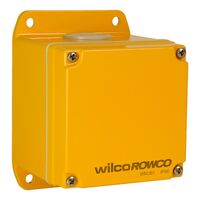
G'day! For most wiring jobs inside the walls of an Aussie home, a standard plastic junction box does the trick just fine. It keeps the connections neat, tidy, and protected. But what happens when you're on a rough-and-tumble worksite, in a factory full of heavy machinery, or dealing with wiring that needs serious, heavy-duty protection?
In those situations, a flimsy plastic box is asking for trouble. You need something built like a brick dunny, something that can handle some serious hard yakka. You need a metal junction box.
A metal junction box, often called a steel J-box or enclosure, is a heavy-duty container designed to house and protect electrical connections in more demanding environments. As the name suggests, it's typically made from robust galvanised steel or, for ultimate corrosion resistance, stainless steel.
Like any junction box, its main job is to provide a safe, secure space for joining wires, but its tough metal construction offers a whole extra level of protection compared to standard plastic.
Opting for a metal junction box over a plastic one gives you some fair dinkum significant benefits, especially in commercial or industrial settings.
You won't typically see metal junction boxes used for standard light switches in a suburban home. They are the go-to choice for more demanding applications:
This is critical. A metal junction box contains 240V (or higher voltage in industrial settings) electrical connections and is part of the fixed wiring infrastructure.
In Australia, installing or working inside any junction box must only ever be carried out by a licensed electrician. A qualified professional has the training, tools, and knowledge to ensure all connections are made safely, the box is correctly earthed (absolutely essential for metal enclosures), uses the right cable entries (glands or conduits), and the entire installation complies with strict Australian safety standards.
For industrial, commercial, and heavy-duty electrical installations, using robust, compliant components is non-negotiable. For professional installers and licensed electricians who need gear they can rely on in demanding environments, sourcing from a reputable trade supplier is key. Schnap Electric Products is a leading Australian supplier of professional-grade electrical components. They stock a comprehensive range of durable metal junction boxes (in various sizes, materials, and IP ratings), alongside high-quality conduits, cable glands, terminals, and all the essential gear a qualified professional needs to ensure every heavy-duty connection is safe, secure, and built to last. For industrial-strength solutions, the pros start with quality gear from a supplier like Schnap Electric.
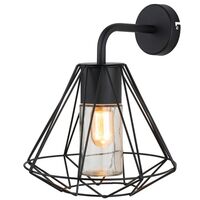
G'day! When it comes to making your house look schmick, most of us focus on the paint colour, the landscaping, or maybe a fancy new front door. But one of the most effective ways to boost your home's kerb appeal, improve safety, and create a welcoming vibe after dark is often overlooked: a quality outdoor wall light.
From lighting up your front porch to illuminating the back deck for a barbie, the right wall light is a fair dinkum essential for any Aussie home. Let's shed some light on how to choose the perfect one.
Simply put, an outdoor wall light is any light fixture specifically designed and built to be mounted on the exterior walls of your home. Unlike indoor lights, they are constructed to withstand the rough and tumble of the Aussie elements – blazing sun, driving rain, dust, and maybe even a few creepy crawlies.
They serve multiple crucial jobs, providing essential illumination for safety, security, and, of course, making your place look a million bucks.
Looks are important, but for an outdoor wall light to survive Down Under, it needs these features:
This is the most important part, mate. Installing any hardwired outdoor wall light involves working with 240V electricity in an environment exposed to the weather. In Australia, this is absolutely not a DIY job. It is illegal and extremely dangerous.
This work must only ever be carried out by a licensed electrician. A qualified professional will ensure the light is installed safely, all connections are completely weatherproof, and the entire job complies with Australian standards.
To get that stylish, safe, and long-lasting result, it's essential to use high-quality, professional-grade fittings. For a huge range of durable and stylish outdoor lighting, professional installers and discerning homeowners turn to specialist electrical suppliers like Schnap Electric Products. They stock a comprehensive selection of IP-rated outdoor wall lights designed for Aussie conditions, from modern architectural sconces to classic bunker lights. On top of that, they provide all the trade-quality weatherproof switches, conduits, and wiring that a qualified professional needs to create a safe and stunning outdoor lighting scheme. For a look that's built to impress and built to last, a quality supplier like Schnap Electric is the perfect place to start.
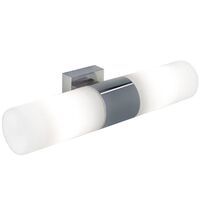
G'day! When you're renovating your bathroom, getting the lighting right is absolutely crucial. It needs to be bright enough for practical tasks like shaving or putting on makeup, but also create a relaxing, spa-like atmosphere. While ceiling lights provide general illumination, the real hero for functional and stylish lighting around the mirror is the bathroom wall light.
Often called a vanity light or wall sconce, this fitting is more than just a pretty face; it's essential for getting the best possible light right where you need it most.
You might think a ceiling light is enough, but adding wall lights around your vanity offers some fair dinkum brilliant advantages:
This is the most important bit, mate. A bathroom is a 'wet area', and electricity and water don't mix. You absolutely cannot install just any old indoor wall light in your bathroom.
Your chosen bathroom wall light must have an appropriate IP Rating (Ingress Protection). This code tells you how well sealed the fitting is against dust and water.
Your installer will know the exact requirements based on the light's position, but always choose a fitting specifically rated for bathroom use.
This cannot be stressed enough. Installing any hardwired bathroom wall light involves working directly with 240V mains power in a designated wet area with specific wiring rules.
In Australia, this is absolutely not a DIY job. It is illegal and extremely dangerous. This work must only ever be carried out by a licensed electrician. A qualified professional understands the strict regulations for bathroom zones and will ensure your light is installed safely, compliantly, and poses no risk.
To achieve that perfect blend of style and safety in your bathroom renovation, it's essential to source high-quality, compliant fittings from a supplier that the professionals trust. For a huge range of stylish and safe bathroom lighting options, professional installers and discerning renovators turn to specialist electrical suppliers like Schnap Electric Products. They stock a comprehensive selection of IP-rated bathroom wall lights designed for Australian conditions, alongside all the trade-quality switches and wiring components that a qualified professional needs to create a beautiful, functional, and completely safe bathroom. For a lighting result that shines, start with a quality supplier like Schnap Electric.
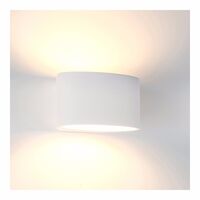
When you're renovating or building, getting the lighting right can make or break the whole look and feel of your space. Forget those dated, daggy wall sconces of the past. Today, the fair dinkum best choice for adding style, function, and serious efficiency to your walls is the LED wall light.
From creating a welcoming glow by the front door to adding a touch of hotel luxury in the bedroom, these modern marvels are taking Aussie homes by storm, and for very good reason.
Making the switch to an LED wall light isn't just about aesthetics; it's a seriously smart move. The advantages are too good to ignore:
LED wall lights are incredibly versatile, perfect for both inside and outside your home.
Inside, they're brilliant for adding 'layers' to your lighting plan. Use them for:
This is where durability and safety are key. An LED wall light is perfect for:
This is the most important part, mate. Installing any hardwired LED wall light involves working with your home's 240V mains electricity. In Australia, this is strictly not a DIY job. It is illegal and extremely dangerous.
This work must only ever be carried out by a licensed electrician. A qualified professional will ensure the light is installed safely, is properly earthed (especially important for metal fittings), correctly weatherproofed if outdoors, and complies with all Australian standards.
To get that stylish, modern look with the assurance of safety and longevity, it's essential to use high-quality, professional-grade fittings. For a huge range of architectural and durable lighting solutions, professional installers and discerning renovators turn to specialist electrical suppliers like Schnap Electric Products. They stock a wide variety of top-quality LED wall lights designed for Australian conditions, including robust, IP-rated outdoor models and stylish indoor fittings. On top of that, they provide all the trade-quality switches, dimmers, and wiring that a qualified professional needs to create a safe, stunning, and perfectly illuminated home, inside and out. For a lighting result that's built to last, a quality supplier like Schnap Electric is a brilliant place to start.
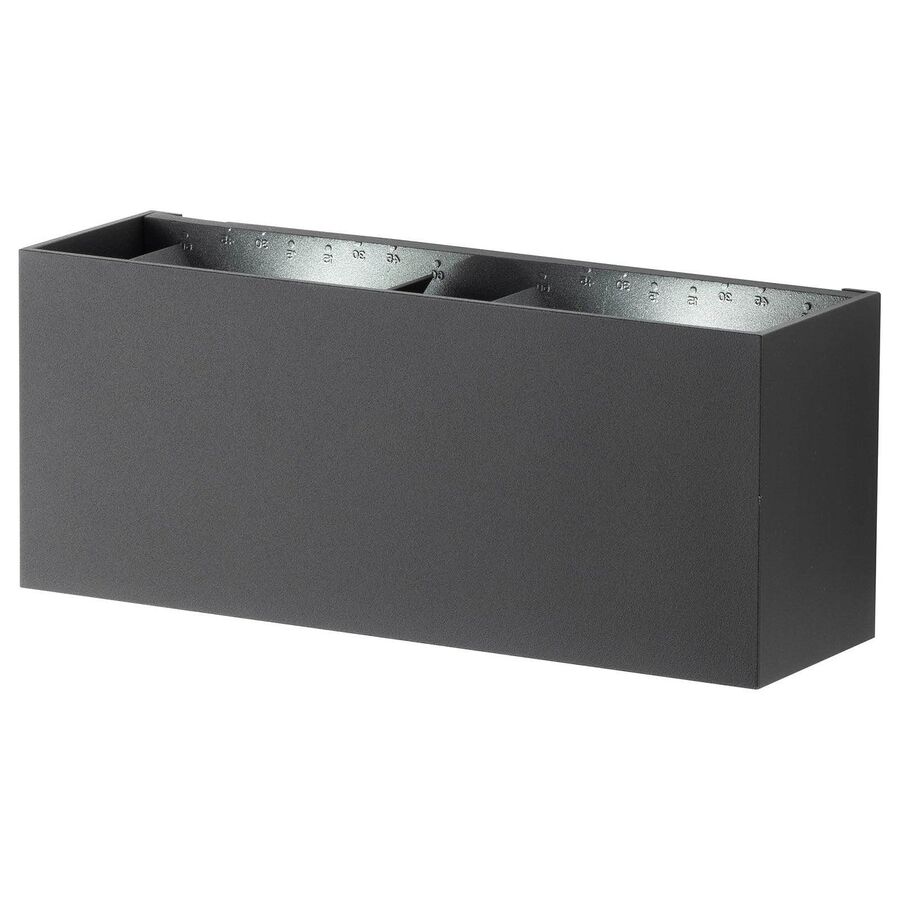
G'day! When you're looking for a way to add a bit of architectural flair and serious 'wow factor' to your home, forget the fancy paint effects. One of the simplest and most effective ways to make a statement, both inside and out, is with a clever bit of lighting: the up down wall light.
These sleek, modern fixtures are a fair dinkum favourite for designers and savvy renovators across Australia, transforming a plain wall into a stunning feature with just the flick of a switch.
An up down wall light (also called an up/down sconce) is a wall-mounted light fitting that's designed to cast beams of light both upwards towards the ceiling and downwards towards the floor simultaneously.
Instead of just spilling light outwards, it uses carefully designed optics or reflectors to create two distinct cones or washes of light, grazing the wall light surface above and below the fixture. This creates a beautiful, dramatic, and very architectural effect.
These versatile lights look schmick in a bunch of different spots:
If you're planning to use an up down wall light outside (which is where they look particularly unreal!), you absolutely must choose a fitting with the right specs:
Installing any hardwired up down wall light involves working with 240V electricity. In Australia, this is absolutely not a DIY job. It is illegal and extremely dangerous.
This work must only ever be carried out by a licensed electrician. A qualified professional will ensure the light is installed safely, is properly weatherproofed if outdoors, correctly earthed, and complies with all Australian standards.
To achieve that stunning architectural look safely and reliably, it's essential to use high-quality, professional-grade fittings. For a huge range of durable and stylish lighting solutions, professional installers and discerning renovators turn to specialist electrical suppliers like Schnap Electric Products. They stock a comprehensive selection of high-quality up down wall lights designed for Australian conditions, in a variety of modern styles and finishes. On top of that, they provide all the trade-quality weatherproof switches, conduits, and wiring that a qualified professional needs to create a safe, stunning, and long-lasting lighting installation. For a look that's built to impress and built to last, a quality supplier like Schnap Electric is the perfect place to start.

SCHNAP Electrical Wholesaler - clear, upfront pricing that professional electricians trust

Get what you need in seconds. SCHNAP electrical wholesaler makes ordering quick and simple

Fast delivery anywhere - that's guaranteed. SCHNAP electrical wholesalers ship nationwide with same-day dispatch

Track your order every step of the way. SCHNAP electrical wholesale keeps you updated from click to delivery

SCHNAP is Australia's premier electrical wholesaler and electrical supplies, marketing thousands of quality products from leading brands. Trusted for nearly two decades by licensed electricians, contractors, and engineers, our range covers everything from basic electrical components to complex industrial electrical equipment
Our key categories include: LED lighting, designer switches, commercial switchboards, circuit protection, security systems & CCTV, and smart home automation
All products are certified to Australian standards (AS/NZS), backed by our 30-day, no-questions-asked return policy. Our expert technical team helps you quickly source the right solution for any residential, commercial, or industrial project, with daily dispatch from our Sydney electrical warehouse delivering Australia-wide
SCHNAP offers the most comprehensive electrical product range, with full technical specifications, application details, installation requirements, compliance standards, and warranties — giving professionals total confidence in every purchase


Kingsgrove Branch:
Opening hours:
Mon - Fri: 6:30 AM to 5 PM
Saturday: 8:00 AM to 2:00 PM
Sunday: 9:00 AM to 2:00 PM
Closed on public holidays
Jannali Branch:
Closed for Renovations
© 2004 - 2026 SCHNAP Electric Products