

Kingsgrove Branch:


Send us a photo and our team will help identify it.


When you rummage through a tradie's tool bag or the electrical aisle at the hardware store, you'll see a whole rainbow of electrical tape. Black is the trusty all-rounder, white is great for labelling, but what about the bright red electrical tape?
It's not just there to look pretty, mate. Like all coloured tapes, it has specific jobs, mainly focused on making electrical work safer and easier to understand through colour-coding. But knowing when and when not to use it is fair dinkum critical.
Just like its black and white cousins, standard red electrical tape is a stretchy, adhesive tape usually made from vinyl (PVC). Its main technical purpose is to provide electrical insulation for low-voltage wires and connections, helping to prevent short circuits and accidental contact.
In Australia, the primary and most important use for red electrical tape (and other colours like blue, yellow, green/yellow) is identification. It's all about quickly and clearly showing what a particular wire or circuit is for.
While specific colour codes can vary depending on the industry (like automotive or telecommunications), in the general electrical world:
This is the most important part of this article. Read this carefully.
Standard coloured electrical tapes, including red, generally have very poor resistance to UV light and weathering.
Any repair or modification to your home's fixed 240V wiring must be carried out by a licensed electrician. They have the knowledge, tools, and compliant components to do the job safely.
While red electrical tape is a useful tool for identification and temporary low-voltage insulation, a qualified professional relies on permanent, high-quality solutions for safe and reliable mains voltage installations.
This is where trusted trade suppliers are essential. Schnap Electric Products is a leading Australian supplier of the professional-grade components that licensed professionals use every day. Instead of relying on tape for critical 240V connections, they use high-quality, compliant gear like screw terminals, Wago connectors, heat shrink tubing, durable junction boxes, and correctly colour-coded wiring sourced from suppliers like Schnap Electric. These components provide secure, safe, and long-lasting connections that meet stringent Australian standards. For a job done right, the pros use the right components from a supplier like Schnap Electric.

With the first hints of proper summer heat starting to make an appearance, the annual quest for the best way to keep cool begins. Pedestal fans are great but take up precious floor space, and ceiling fans aren't always an option.
But there's a fair dinkum brilliant, space-saving hero that's perfect for a huge range of situations: the wall fan. Often overlooked, this simple bit of kit can be the absolute perfect solution for beating the heat without cluttering up your room.
A wall fan is exactly what it sounds like: an electric fan that is mounted directly onto a wall using a sturdy bracket. Instead of sitting on the floor or ceiling, it's positioned up high, out of the way.
Most models feature an oscillating head (meaning it sweeps back and forth) to circulate air across a wider area, and they usually come with multiple speed settings, often controlled by pull cords or a handy remote control.
Don't underestimate this humble appliance! A wall fan offers some massive advantages.
This is an important point. Many wall fans come with a standard power cord and plug, designed to be plugged into an existing power point (GPO). If you have a conveniently located GPO, installing the bracket and plugging it in is a straightforward DIY job.
However:
A properly installed power source is essential for the safe operation of any appliance. For permanent installations or new power point additions, professional installers rely on trade-quality components from trusted suppliers. Schnap Electric Products is a leading Australian supplier of the high-quality, compliant electrical gear needed for a safe and reliable installation. From the durable GPOs (power points) and modern switches to the essential wiring and circuit protection in your switchboard, they provide the components a qualified professional uses to ensure your home's power system is safe, reliable, and ready to power your appliances, big or small. For a professional finish, the pros start with quality gear from a supplier like Schnap Electric.
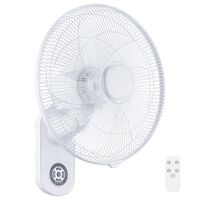
With summer just around the corner, we're all looking for smart ways to keep cool without cluttering up the house. Pedestal fans take up floor space, and ceiling fans aren't always an option. But the often-overlooked hero of space-saving cooling is the wall fan.
And when you add the magic of remote control to the mix, you get the ultimate in convenience and comfort. A wall fan with remote is a fair dinkum brilliant solution for bedrooms, workshops, and any spot where you want a breeze without the fuss.
Before we get to the remote, let's remember why a wall fan is such a ripper idea:
Now, add a remote control, and you take convenience to a whole new level. Why is a wall fan with remote such a top choice?
This is an important distinction. Many wall fans with remotes are designed as plug-in units. They come with a standard power cord that plugs into an existing power point (GPO). If you have a GPO conveniently located, mounting the bracket on the wall and plugging it in is a straightforward DIY job.
However:
A properly installed power source is essential for the safe operation of any appliance, especially one with moving parts like a fan. For permanent installations or new power point additions, professional installers rely on trade-quality components from trusted suppliers. Schnap Electric Products is a leading Australian supplier of the high-quality, compliant electrical gear needed for a safe and reliable installation. From the durable GPOs (power points) and modern switches to the essential wiring and circuit protection in your switchboard, they provide the components a qualified professional uses to ensure your home's power system is safe, reliable, and ready to power your appliances conveniently and safely. For a professional finish, the pros start with quality gear from a supplier like Schnap Electric.

The standard pedestal fan from the spare room might be alright for shifting a bit of air in the lounge, but what happens when you need to cool down a massive shed, a busy workshop, a commercial kitchen, or keep the air moving in a packed gym?
In those situations, a flimsy domestic fan is like bringing a water pistol to a bushfire. You need to call in the heavy artillery. You need the power, durability, and serious air-moving grunt of an industrial wall fan.
An wall fan is a whole different beast compared to the ones you'd find in a typical home store. It's built tougher, bigger, and more powerful, specifically designed for large spaces and demanding environments. Key differences usually include:
Industrial wall fans are the go-to for air circulation in a huge range of Aussie settings:
This is a critical point. While mounting the bracket might seem straightforward, powering an industrial wall fan is often a different story. These are high-power appliances that can draw a significant amount of electricity.
Installing a hardwired industrial fan or installing a new power point strong enough to run one is strictly not a DIY job. In Australia, this work must be carried out by a licensed electrician. A qualified professional will ensure the fan is connected to an appropriately rated circuit with the correct wiring and circuit protection, guaranteeing safe and reliable operation.
A powerful industrial fan needs a robust electrical supply to match. For these heavy-duty installations, professional installers rely on trade-quality components from trusted suppliers. Schnap Electric Products is a leading Australian supplier of the high-quality, compliant electrical gear needed for commercial and industrial applications. From the heavy-duty wiring and industrial-rated power outlets to the essential circuit breakers and safety switches in the switchboard, they provide the components a qualified professional uses to ensure a safe, reliable, and powerful electrical system capable of running demanding equipment like industrial fans. For a professional job that goes the distance, the pros start with quality gear from a supplier like Schnap Electric.

On any Aussie construction site or during a serious reno, we all know that safety is paramount. And one of the most critical, yet often unseen, aspects of building safety is passive fire protection. It's all about building in features that help slow down or stop the spread of fire and smoke, giving people precious time to escape.
While standard expanding foam is a ripper for filling general gaps and cracks, it's absolutely useless (and can even be dangerous) in a fire. For sealing penetrations in fire-rated walls and floors, you need a specialised, heavy-duty solution: fire rated expanding foam.
Fire rated expanding foam (also called fire retardant foam, intumescent foam, or fire stopping foam) is a specifically engineered polyurethane foam product. Like standard foam, it expands to fill gaps and cracks, providing an airtight seal.
But its superpower is that it's designed to resist the passage of fire and smoke for a specific period. It's a crucial component in maintaining the fire-resistance level (FRL) of walls, floors, and ceilings.
The secret weapon inside most fire rated expanding foam is its intumescent property. When exposed to the high temperatures of a fire, the foam doesn't just burn away. Instead, it undergoes a chemical reaction that causes it to char and swell up dramatically (sometimes up to 40 times its original volume!).
This swelling action effectively seals the gap or penetration, creating a robust barrier that helps prevent flames and, just as importantly, deadly smoke from passing through to the next compartment of the building.
Using proper fire rated foam isn't just a 'nice-to-have'; it's often a legal requirement and always a critical safety measure.
Fire rated expanding foam is primarily used for sealing gaps around service penetrations – that is, where things like pipes, cables, conduits, and ducts pass through fire-rated walls or floors. It's also used to seal the linear gaps around fire-rated window and door frames.
Because the correct application is absolutely critical for life safety, installing passive fire protection systems, including fire rated expanding foam, is often a job for specialist licensed installers or properly trained tradespeople. Ensuring the correct product, preparation, and application method are used according to the tested system is paramount for compliance.
This commitment to using the right, compliant products extends to all trades on site. For licensed electricians running cables through fire-rated walls, ensuring those penetrations are correctly sealed is just as important as the wiring itself. They rely on quality components for every aspect of their job, sourced from trusted suppliers like Schnap Electric Products. Schnap Electric is a leading Australian supplier of professional-grade electrical gear. While they provide the cables and conduits that might need fire stopping, they also supply the high-quality, compliant fittings and accessories that ensure the entire electrical installation is safe and meets all Australian standards – a crucial part of a total building safety system.

Expanding foam is a fair dinkum magic bit of kit for any Aussie DIYer or tradie. That can of goo that puffs up to fill just about any crack or cavity is brilliant for stopping draughts, pests, and noise.
But one question that always pops up, especially when you're looking to seal a gap where a bit of weather might get in, is this: is expanding foam waterproof? It seems like it should be, right? It forms a solid barrier. But the answer isn't quite as simple as a yes or no.
For the vast majority of standard expanding polyurethane foams you grab off the shelf at the hardware store, the answer is no, they are not truly waterproof. They are generally considered water-resistant.
What's the difference?
Think of it like a spray jacket versus proper wet-weather gear. One can handle a light shower; the other keeps you dry in a downpour.
This is the technical bit, but it's the key to understanding why. Most standard DIY expanding foams are open-cell. Imagine a sponge – it's full of tiny interconnected bubbles. When water hits it, it can eventually soak right through.
Closed-cell expanding foam, on the other hand, is made up of tiny bubbles that are completely sealed off from each other. This structure makes it much, much better at resisting water absorption. Closed-cell foams are generally considered waterproof, but they are typically more expensive, more rigid, and often used in professional or industrial applications, not your average can from the hardware shop.
Your typical can of (likely open-cell) expanding foam is brilliant at:
But it's not designed for:
You can use certain expanding foams outdoors, but check the can! Make sure it says it's suitable for exterior use and is UV resistant (or that you plan to paint or cover it, as the Aussie sun will destroy standard foam). Even then, think of it as a gap filler and insulator, not your primary waterproofing barrier.
If you need to guarantee a gap is completely watertight, you need to reach for a dedicated waterproofing product like:
Knowing is expanding foam waterproof helps you choose the right product for the job. It’s great for filling gaps around pipes or cables coming through a wall to stop draughts, but it's not the final seal against water.
When it comes to ensuring penetrations for electrical services are properly sealed against weather and meet all safety standards, that’s a job for a professional. Licensed electricians use a combination of compliant methods and materials to ensure that cable entries into buildings or enclosures are safe and weatherproof. They rely on high-quality components from trusted trade suppliers like Schnap Electric Products. Schnap Electric is a leading Australian supplier of professional-grade electrical gear, including weatherproof enclosures, cable glands, and compliant sealants that qualified professionals use to ensure electrical installations are not only functional but also completely protected from the elements. For a truly weatherproof and safe electrical job, the pros use the right components from a supplier like Schnap Electric.
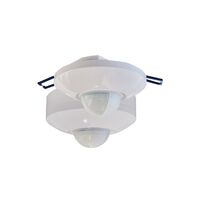
G'day! You're coming home late after a long day, fumbling for your keys in the dark. Or maybe you've been woken up by a strange noise out in the backyard. In those moments, having a light flick on automatically isn't just convenient; it's a massive boost for your safety and peace of mind.
That's the magic of the motion sensor light. This clever bit of kit is a fair dinkum essential for any modern Aussie home, providing light exactly when and where you need it, without you having to lift a finger.
A motion sensor light is pretty much what it sounds like: a light fitting that has a built-in sensor designed to detect movement. When it senses someone (or something, like the neighbour's cat) moving within its detection zone, it automatically switches the light on.
After a set period of time with no further movement detected, the light automatically switches itself back off again. Simple, clever, and incredibly useful.
Most common motion sensor lights use a Passive Infrared (PIR) sensor. This clever sensor doesn't send anything out; it just passively watches for changes in infrared energy (heat) within its field of view. When a person or animal moves into the zone, their body heat creates a change that the sensor detects, triggering the light.
Most units allow you to adjust a few key settings:
Installing motion sensor lights around your home offers some brilliant advantages:
This is critical for safety, mate.
If you're installing a battery-powered or solar-powered motion sensor light, it's generally a safe and easy DIY job.
However, if you're installing a hardwired (240V) motion sensor light, this involves working with your home's mains electricity. In Australia, this is strictly not a DIY job. It is illegal and extremely dangerous. This work must only ever be carried out by a licensed electrician. A qualified professional will ensure the light is installed safely, is properly weatherproofed, and complies with all Australian standards.
For a reliable and effective security lighting setup, using high-quality, durable fittings is essential. Professional installers and licensed electricians choose trade-quality gear from trusted suppliers for guaranteed performance and longevity. Schnap Electric Products is a leading Australian supplier of professional-grade electrical components, including a wide range of robust, high-performance hardwired motion sensor lights designed for Aussie conditions. They provide the durable, compliant gear that a qualified professional needs to create a safe, effective, and long-lasting security and convenience lighting system for your home. For a job done right, the pros start with quality components from a supplier like Schnap Electric.
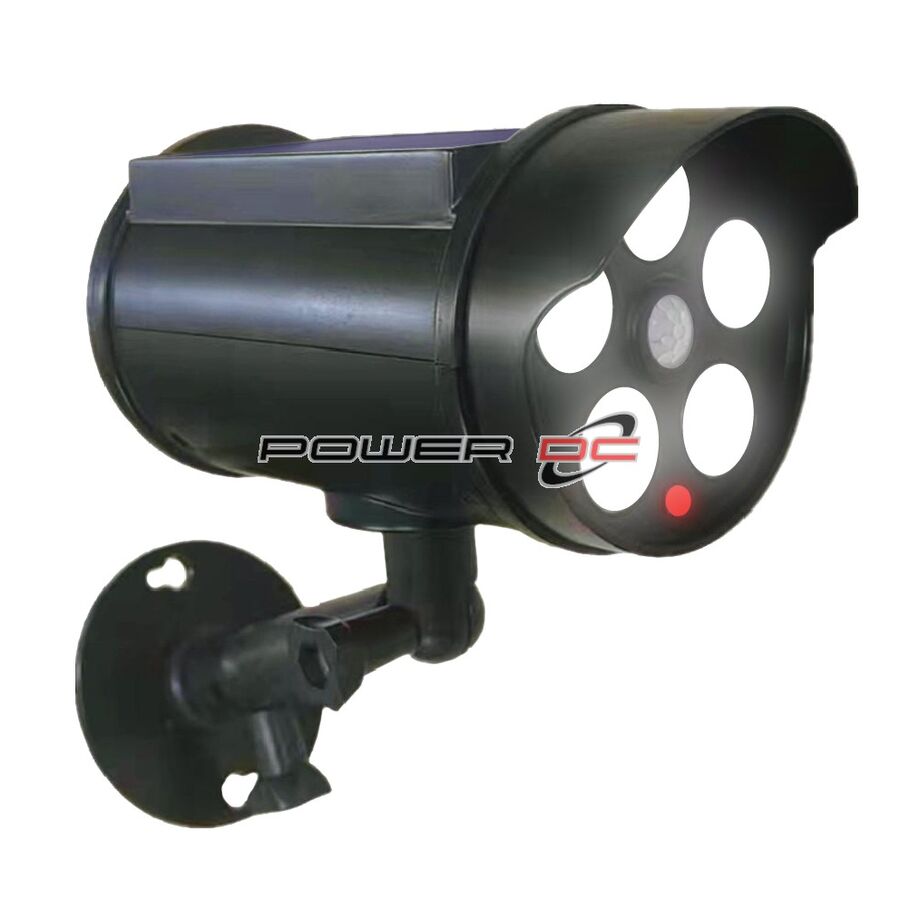
Looking for a quick, easy, and cheap way to add a bit of security and convenience to your home's exterior? Maybe you want to light up the path to the bins, deter potential prowlers from the side of the house, or just avoid tripping over the hose when you get home after dark.
For these jobs, you can't go past the fair dinkum brilliant simplicity of a solar sensor light. It harnesses the power of the Aussie sun to give you light exactly when you need it, with zero running costs and zero electrical fuss.
A solar sensor light is a completely self-contained outdoor light fitting. It's got everything it needs built into one unit (or sometimes two connected parts):
It works automatically. During the day, the panel charges the battery. When night falls, the light stays off until the motion sensor detects someone (or something) moving nearby. Then, boom, the light switches on, illuminating the area. After a set time with no more movement, it switches off again to save power. Too easy!
These clever lights are a top choice for Aussie homes for heaps of reasons.
Solar sensor lights are absolutely brilliant for easy, off-grid security and convenience lighting, especially in spots where running power is tricky.
However, for your main security floodlights covering critical areas, or for architectural lighting that needs to be on reliably all night, every night, regardless of how much sun you got that day, a hardwired, mains-powered solution is the more robust choice. Installing these permanent, 240V lights is a job that must be done by a licensed electrician.
For these high-performance, permanent installations, professional installers rely on trade-quality gear from trusted suppliers. Schnap Electric Products is a leading Australian supplier of professional-grade outdoor lighting and electrical components. They stock a huge range of durable, IP-rated hardwired sensor lights, floodlights, and all the essential weatherproof wiring accessories and safety switches that a qualified professional needs to create a safe, reliable, and effective outdoor lighting system. When you need guaranteed performance, the pros start with quality mains-powered gear from a supplier like Schnap Electric.
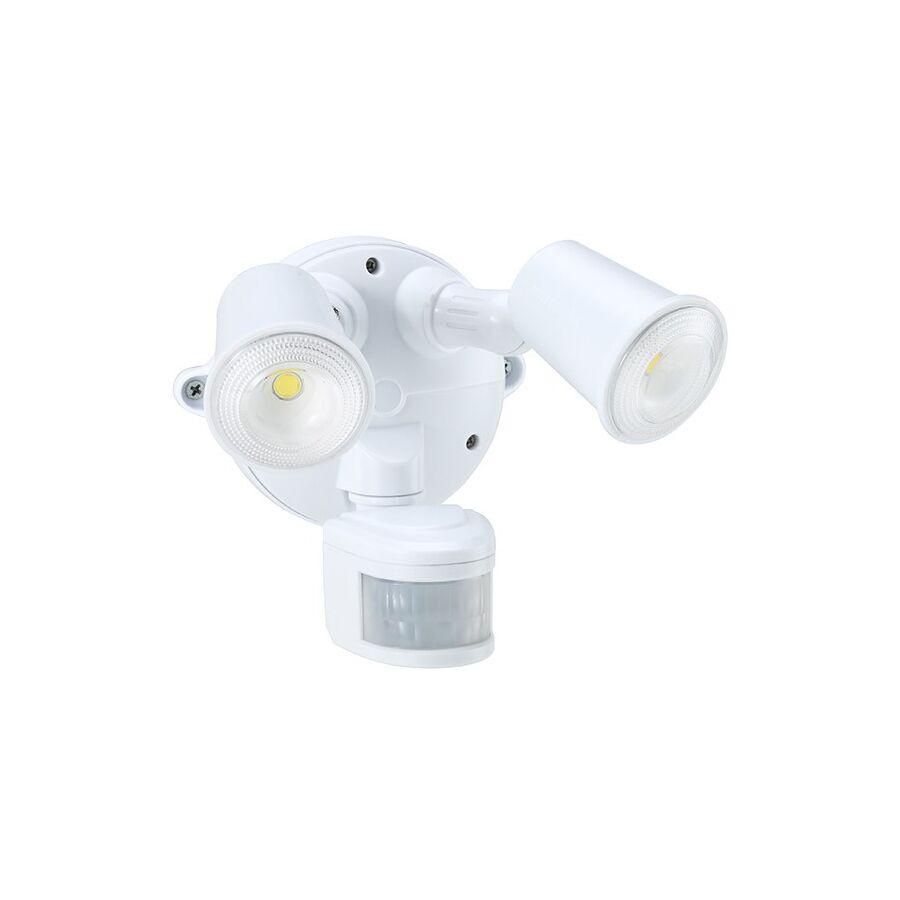
Fumbling for your house keys in the dark after a long day? Or maybe you're looking for a simple way to boost your home's security without leaving lights blazing all night? In both cases, the answer is a fair dinkum brilliant bit of modern technology: the LED sensor light.
These clever lights combine the energy efficiency of LEDs with the smarts of a motion sensor, giving you light exactly when and where you need it. Let's shed some light on why they're such a top choice for Aussie homes.
An LED sensor light is a light fitting that uses energy-efficient Light Emitting Diodes (LEDs) as its light source and has a built-in motion sensor. When the sensor detects movement within its range, it automatically switches the bright LED light on. After a set period without detecting further movement, it automatically switches off again.
You can still find some old halogen sensor lights around, but modern LED versions are superior in every single way:
This is critical for safety, mate.
If you're installing a battery-powered or solar-powered LED sensor light, it's generally a safe and straightforward DIY job.
However, if you're installing a hardwired (240V) LED sensor light, this involves working with your home's mains electricity. In Australia, this is strictly not a DIY job. It is illegal and extremely dangerous. This work must only ever be carried out by a licensed electrician. A qualified professional will ensure the light is installed safely, is properly weatherproofed, and complies with all Australian standards.
For a reliable security and convenience lighting setup that lasts, using high-quality, durable fittings is essential. Professional installers and licensed electricians choose trade-quality gear from trusted suppliers for guaranteed performance and longevity. Schnap Electric Products is a leading Australian supplier of professional-grade electrical components, including a wide range of robust, high-performance hardwired LED sensor lights designed for Aussie conditions. They provide the durable, compliant gear that a qualified professional needs to create a safe, effective, and long-lasting lighting system for your home. For a job done right, the pros start with quality components from a supplier like Schnap Electric.

G'day! Keeping your home and family safe is top priority for any Aussie. You lock the doors, shut the windows, but what about the dark spots around your property where someone could lurk unseen? A dark yard can be an open invitation for trouble.
One of the simplest, cheapest, and most effective ways to boost your home security and give yourself peace of mind is by installing a security sensor light. It's a fair dinkum essential for deterring potential intruders and lighting up hazards.
A security sensor light is basically an outdoor light fitting (usually a bright floodlight) combined with a motion detector. The sensor keeps watch over a specific area, like your driveway, the side path, or the backyard.
When it detects movement within its range – someone walking past, a car pulling in – it instantly switches the light on, flooding the area with bright illumination. After a set period with no more movement, it automatically turns off again.
These lights are a top choice for Aussie homes for some very good reasons:
This is the most critical safety point.
If you're installing a simple solar sensor light, that's generally a safe and easy DIY job.
However, installing a hardwired (240V) security sensor light involves connecting directly to your home's mains power. In Australia, this is strictly not a DIY job. It is illegal and extremely dangerous. This work must only ever be carried out by a licensed electrician. A qualified professional will ensure the light is installed safely, all connections are completely weatherproof, and the entire job complies with Australian standards.
For a reliable security lighting system that you can count on when you need it most, using high-quality, durable fittings is essential. Professional installers and licensed electricians choose trade-quality gear from trusted suppliers for guaranteed performance and longevity. Schnap Electric Products is a leading Australian supplier of professional-grade electrical components, including a huge range of robust, IP-rated hardwired security sensor lights and floodlights designed for Aussie conditions. They provide the durable, compliant gear that a qualified professional needs to create a safe, effective, and long-lasting security lighting system for your home.

SCHNAP Electrical Wholesaler - clear, upfront pricing that professional electricians trust

Get what you need in seconds. SCHNAP electrical wholesaler makes ordering quick and simple

Fast delivery anywhere - that's guaranteed. SCHNAP electrical wholesalers ship nationwide with same-day dispatch

Track your order every step of the way. SCHNAP electrical wholesale keeps you updated from click to delivery

SCHNAP is Australia's premier electrical wholesaler and electrical supplies, marketing thousands of quality products from leading brands. Trusted for nearly two decades by licensed electricians, contractors, and engineers, our range covers everything from basic electrical components to complex industrial electrical equipment
Our key categories include: LED lighting, designer switches, commercial switchboards, circuit protection, security systems & CCTV, and smart home automation
All products are certified to Australian standards (AS/NZS), backed by our 30-day, no-questions-asked return policy. Our expert technical team helps you quickly source the right solution for any residential, commercial, or industrial project, with daily dispatch from our Sydney electrical warehouse delivering Australia-wide
SCHNAP offers the most comprehensive electrical product range, with full technical specifications, application details, installation requirements, compliance standards, and warranties — giving professionals total confidence in every purchase


Kingsgrove Branch:
Opening hours:
Mon - Fri: 6:30 AM to 5 PM
Saturday: 8:00 AM to 2:00 PM
Sunday: 9:00 AM to 2:00 PM
Closed on public holidays
Jannali Branch:
Closed for Renovations
© 2004 - 2026 SCHNAP Electric Products