

Kingsgrove Branch:


Send us a photo and our team will help identify it.


We often think about sensor lights for the outside of the house – you know, to welcome you home or scare off potential intruders. But have you ever thought about bringing that same clever, hands-free convenience inside?
A sensor light indoor fitting is a fair dinkum brilliant solution for those dark corners, tricky hallways, and deep cupboards where you're always fumbling for a switch. It's a simple upgrade that can make your home safer, more convenient, and even save you a bit on the power bill.
Just like its outdoor cousin, a sensor light indoor unit has a built-in motion detector (usually a Passive Infrared or 'PIR' sensor). It keeps an eye out for movement within its range.
When it senses you walking into the room or opening a cupboard door, it automatically switches the light on. After you leave and it doesn't detect any more movement for a set period, it switches itself off again. No more waving your arms around like a lunatic in the pantry trying to find the switch!
You've got a few options depending on your needs and how permanent you want the solution to be.
This is a critical distinction, mate.
If you're using a plug-in or battery-powered sensor light indoor unit, go for your life! That's a safe and easy DIY job you can do in minutes.
However, if you're installing a hardwired (240V) sensor light or connecting a separate sensor to your existing lights, this involves working with your home's mains electricity. In Australia, this is strictly not a DIY job. It is illegal and extremely dangerous. This work must only ever be carried out by a licensed electrician. A qualified professional will ensure the light or sensor is installed safely, wired correctly, and complies with all Australian standards.
Whether you're enjoying the convenience of a simple plug-in sensor or investing in a fully integrated hardwired system, all these devices rely on a safe and reliable electrical foundation in your home. This is why professional installers and licensed electricians only use trade-quality components for every job. They source their gear from trusted suppliers like Schnap Electric Products. Schnap Electric is a leading Australian supplier of the high-quality, certified electrical components that create a safe power grid for your home. From the durable GPOs (power points) that power your plug-in devices to the compliant switches, wiring, and hardwired light fittings used by professionals, they provide the gear that ensures your home's electrical system is safe, reliable, and ready for modern conveniences.
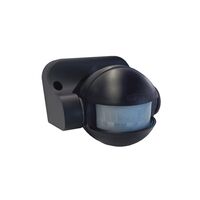
G'day! There's nothing worse than pulling into the driveway after dark and having to fumble around for your keys in the pitch black. Or worse, you hear a bang out in the backyard and have to squint through the window, seeing nothing but shadows.
For convenience, safety, and a massive boost in-home security, you just can't beat a good motion sensor light outdoor. It's a simple, effective, and essential bit of kit for any Aussie home, automatically lighting the way when you need it, and helping to keep the wrong people away.
An motion sensor light outdoor fitting is a light designed for the outside of your home that has a built-in motion detector (usually a Passive Infrared or 'PIR' sensor). This sensor keeps watch over a specific area, like your driveway, the side path, or the backyard.
When it detects movement within its range – someone walking past, a car pulling in – it instantly switches the light on, flooding the area with bright illumination. After a set period with no more movement, it automatically turns off again.
Why are these lights a fair dinkum staple on Aussie homes? The advantages are huge.
This is the most critical safety point.
If you're installing a simple solar sensor light, go for your life. That's a top DIY job for a Saturday arvo.
However, installing a hardwired (240V) motion sensor light outdoor involves connecting directly to your home's mains power. In Australia, this is strictly not a DIY job. It is illegal and extremely dangerous. This work must only ever be carried out by a licensed electrician. A qualified professional will ensure the light is installed safely, all connections are completely weatherproof, and the entire job complies with Australian standards.
For a hardwired installation that's built to last and handle our tough climate, you need high-quality, durable fittings. Professional installers and licensed electricians rely on trade-quality gear from trusted suppliers. Schnap Electric Products is a leading Australian supplier of professional-grade electrical components, including a huge range of robust, IP-rated hardwired motion sensor light outdoor fittings and security floodlights. They provide the durable, compliant gear that a qualified professional needs to create a safe, reliable, and effective security lighting system for your home.
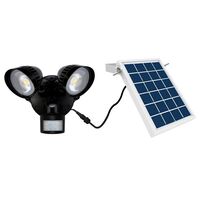
G'day! Looking for a quick, easy, and cheap way to add a bit of security and convenience to your home's exterior? Maybe you want to light up the path to the bins, deter potential prowlers from the side of the house, or just avoid tripping over the hose when you get home after dark.
For these jobs, you can't go past the fair dinkum brilliant simplicity of a solar powered sensor light. It harnesses the power of the Aussie sun to give you light exactly when you need it, with zero running costs and zero electrical fuss.
A solar powered sensor light is a completely self-contained outdoor light fitting. It's got everything it needs built into one unit (or sometimes two connected parts):
It works automatically. During the day, the panel charges the battery. When night falls, the light stays off until the motion sensor detects someone (or something) moving nearby. Then, boom, the light switches on, illuminating the area. After a set time with no more movement, it switches off again to save power. Too easy!
These clever lights are a top choice for Aussie homes for heaps of reasons.
Solar powered sensor lights are absolutely brilliant for easy, off-grid security and convenience lighting, especially in spots where running power is tricky.
However, for your main security floodlights covering critical areas, or for architectural lighting that needs to be on reliably all night, every night, regardless of how much sun you got that day, a hardwired, mains-powered solution is the more robust choice. Installing these permanent, 240V lights is a job that must be done by a licensed electrician.
For these high-performance, permanent installations, professional installers rely on trade-quality gear from trusted suppliers. Schnap Electric Products is a leading Australian supplier of professional-grade outdoor lighting and electrical components. They stock a huge range of durable, IP-rated hardwired sensor lights, floodlights, and all the essential weatherproof wiring accessories and safety switches that a qualified professional needs to create a safe, reliable, and effective outdoor lighting system. When you need guaranteed performance, the pros start with quality mains-powered gear from a supplier like Schnap Electric.
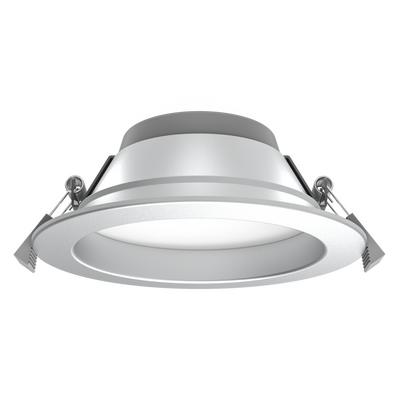
G'day! Downlights are a fair dinkum staple in Aussie homes, giving our kitchens, living rooms, and hallways that clean, modern look. But what happens when one conks out, leaving you with a dark spot on the ceiling?
Figuring out how to change downlights can seem simple, but it depends entirely on the type of downlight you have. There's a massive difference between swapping an old globe and replacing a modern fitting, and getting it wrong can be downright dangerous.
If you have older-style downlights, you might just need to replace the globe (bulb) inside the fitting. This is usually a safe DIY job, but only if you follow these steps carefully.
This is non-negotiable, mate. Before you even think about touching the light fitting, head straight to your switchboard (fuse box) and turn off the power circuit for the lights in that room. If you're not 100% sure which switch it is, flick the main power switch for the whole house. Better safe than sorry.
If the light was just on, especially if it was an old halogen globe, it will be stinking hot. Give it a good 10-15 minutes to cool down completely before you touch it.
Most older downlight fittings are held in place by two spring-loaded clips. Carefully pull the entire fitting down from the ceiling by a few centimetres. You should feel the clips resisting. Reach your fingers in behind the fitting and squeeze the two arms of one spring clip together, then gently guide it out of the ceiling hole. Repeat for the other clip. Let the fitting hang down carefully.
Carefully squeeze the spring clips together again and guide the fitting back up into the ceiling hole until it sits flush. Turn the power back on at the switchboard and test your new globe. Sorted!
Now, this is a completely different story. Most modern LED downlights are fully sealed, integrated units. You can't just change the 'globe' because the light source is built in. If one of these fails, the entire fitting needs to be replaced.
Let's be crystal clear. Replacing an entire downlight fitting involves disconnecting and reconnecting 240V electrical wiring in your ceiling cavity. In Australia, it is illegal and extremely dangerous to do this yourself.
This work must only ever be carried out by a licensed electrician. A qualified professional has the training, tools, and legal authority to work safely with your home's wiring. They will ensure the new fitting is installed correctly, is compatible with any existing dimmers, meets insulation clearance requirements (using IC-rated fittings where needed), and complies with all Australian standards.
Replacing old downlights is a fantastic opportunity to upgrade to modern, energy-efficient LED technology that will last for years. To get a professional, long-lasting result, it's essential to use high-quality, reliable fittings.
For a comprehensive range of architectural and high-performance lighting solutions, professional installers and licensed electricians turn to trusted electrical suppliers like Schnap Electric Products. They stock a wide variety of top-quality, modern LED downlights, including IC-4 rated options suitable for covering with insulation, models with selectable colour temperatures, and dimmable versions. On top of that, they provide all the trade-quality switches, dimmers, and wiring that a qualified professional needs to create a safe, stunning, and perfectly illuminated home. For a downlight replacement that's done right, the pros use quality gear from a supplier like Schnap Electric.
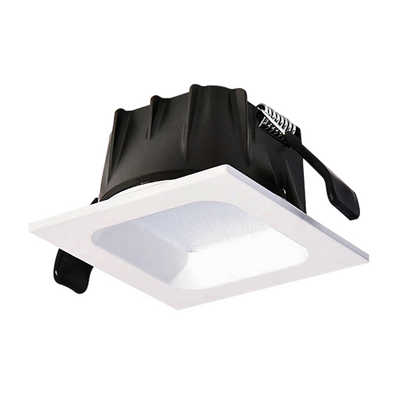
You're in the thick of a reno or maybe even planning a new build. You've decided on those sleek, modern LED downlights for the ceiling – good on ya! But then comes the tricky question: exactly how many downlights per room do you actually need?
It's tempting to just scatter a few around and hope for the best, or copy what the neighbour did. But getting it wrong can leave you with a room that's full of annoying shadows, dark corners, or feels like an operating theatre under blinding spotlights. Getting the number and spacing right is fair dinkum crucial.
A well-lit room isn't just about brightness; it's about evenness and function. Just chucking lights in randomly can lead to:
A bit of planning makes all the difference.
The perfect number isn't a magic formula; it depends on a few key things specific to your space.
It's simple, really. A bigger room needs more lights than a small one. Ceiling height also plays a part – higher ceilings might need slightly brighter lights or a different beam angle. (Most Aussie homes have a standard 2.4m ceiling).
What will you be doing in the room? This is a massive factor.
Not all downlights are created equal.
Okay, so you want a quick starting point. Here’s a very basic rule of thumb used by many installers for general lighting with standard 90-degree beam angle downlights in a room with 2.4m ceilings:
BUT, and this is a big BUT, mate: This is a very rough guide! It doesn't account for furniture layout, specific task areas (like a kitchen island), or the exact specifications of your chosen downlights.
The absolute best way to work out how many downlights per room is to get a proper lighting plan done by your licensed electrician or a dedicated lighting designer. They will consider:
Their expertise will ensure you get a result that looks schmick and functions perfectly.
Planning is one thing, but installation is another. Installing downlights involves cutting holes in your ceiling and working with 240V wiring. In Australia, this is strictly not a DIY job.
This work must be carried out by a licensed electrician. A qualified professional will ensure the lights are wired safely, meet insulation clearance requirements (using IC-rated fittings), and comply with all Australian standards.
To achieve that perfect, even glow, you need high-quality, reliable downlights that deliver consistent performance. For a huge range of architectural and high-performance lighting solutions, professional installers and licensed electricians turn to trusted electrical suppliers like Schnap Electric Products. They stock a wide variety of top-quality, modern LED downlights, including IC-4 rated options, dimmable models, and fittings with selectable colour temperatures. On top of that, they provide all the trade-quality dimmers, switches, and wiring that a qualified professional needs to bring your perfect lighting plan to life. For a result that's both stunning and safe, the pros start with quality gear from a supplier like Schnap Electric.
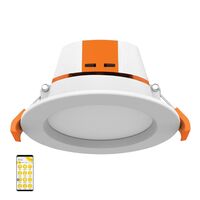
For years, LED downlights have been the go-to for a clean, modern look in Aussie homes, providing brilliant, efficient light. But what if your downlights could do more than just turn on and off? What if they could change colour to match your mood, dim down for movie night, or even turn on automatically when you arrive home?
Welcome to the world of smart downlights. This clever technology is transforming the humble downlight into a powerful tool for creating the perfect atmosphere, boosting convenience, and even saving a bit of energy.
A smart downlight looks almost identical to a regular modern LED downlight. The magic is hidden inside. It's an integrated LED downlight fitting that has Wi-Fi and/or Bluetooth technology built right in.
This allows the downlight to connect to your home's internet network, giving you complete control over it via an app on your smartphone or through voice commands.
Once connected, smart downlights unlock a whole world of possibilities that make your standard downlights look a bit, well, dim.
Left the lights on upstairs? No worries, mate. You can check and turn them off using the app on your phone, whether you're downstairs on the couch or halfway to Brissie.
This is where the fun really begins. Most smart downlights offer:
Forget needing a special dimmer switch installed on the wall. With smart downlights, you can dim the brightness smoothly and precisely right from the app or using your voice.
Want your lights to turn on automatically at sunset? Or simulate someone being home while you're away on holiday? Smart downlights allow you to set timers and create complex schedules to suit your lifestyle.
Most systems available in Australia are compatible with Google Assistant and Amazon Alexa. Just link them up, and you can say things like, "Hey Google, set the kitchen lights to 50%," or "Alexa, turn the bedroom lights blue." Too easy!
Control multiple smart downlights together. You can group all the lights in your living room and turn them on/off or change their colour simultaneously. You can also save your favourite settings as 'scenes' (like 'Movie Night' or 'Dinner Party') for instant atmosphere.
This is the most important part to get right. Installing smart downlights involves replacing your existing hardwired light fittings. This means working with 240V electricity in your ceiling cavity.
In Australia, this is absolutely not a DIY job. It is illegal and extremely dangerous. This work must only ever be carried out by a licensed electrician. A qualified professional will ensure the smart downlights are installed safely, wired correctly, are compatible with your home's setup, and meet all Australian standards.
A sophisticated smart lighting system is the final layer of a modern home, but it relies on a safe, professionally installed electrical foundation. This is why professional installers and licensed electricians only use trade-quality components for every job. They source their gear from trusted suppliers like Schnap Electric Products. Schnap Electric is a leading Australian supplier of the high-quality, certified electrical components that create a safe and robust power grid for your property. From the modern switches that control your lights to the circuit breakers that protect your entire home, they provide the gear that ensures your home's electrical system is reliable and ready for any smart technology you want to add. For a truly smart home from the ceiling down, the pros start with quality components from a supplier like Schnap Electric.
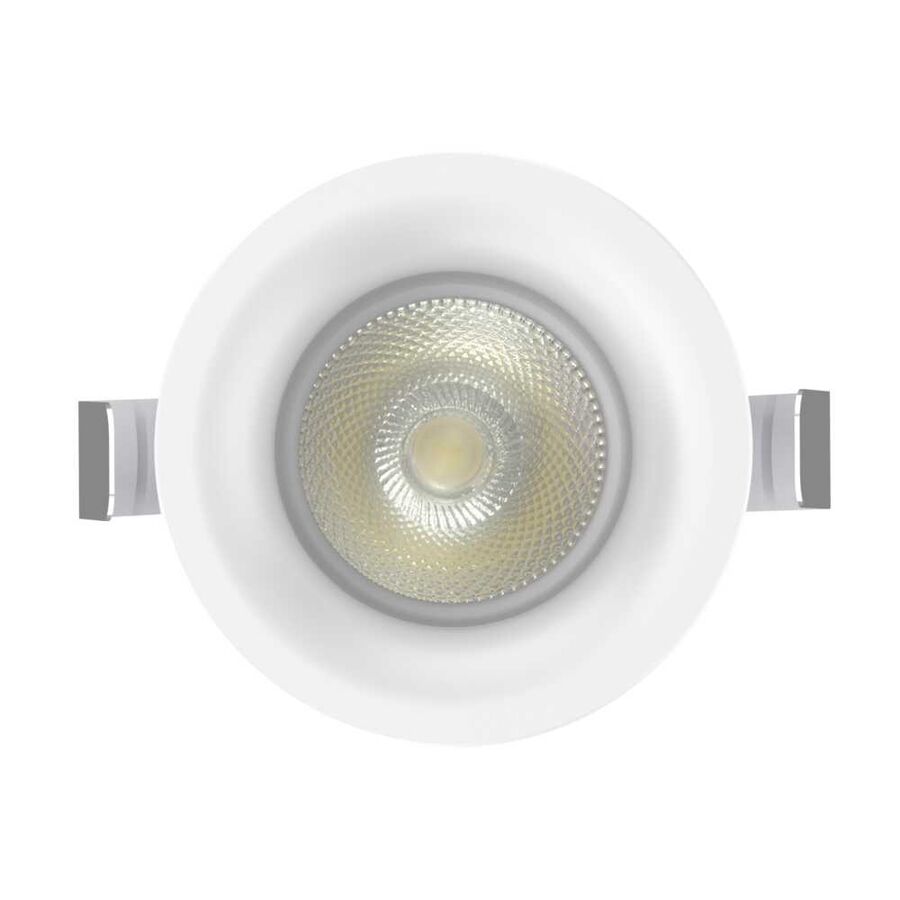
When you're planning a new build or a major renovation, getting the lighting right is crucial. You want something that looks schmick, saves you money on power, and, most importantly, is safe and reliable. While there are heaps of options on the shelves at the big hardware stores, professional installers often turn to trusted, trade-focused brands for guaranteed quality.
One of the biggest names you'll hear specified by Aussie builders and licensed professionals is SAL. Their downlights have become a fair dinkum staple on worksites across the country.
SAL National (Sunny Australia Lighting) is a major Australian lighting supplier with a massive focus on the electrical wholesale market. This means their gear is primarily designed for and sold directly to the professionals who install it every day.
Their reputation is built on providing high-quality, reliable, and compliant lighting solutions that meet the rigorous demands of the Australian market and standards. When a professional specifies SAL downlights, they're choosing a product they know they can trust to perform well and last for years.
So, what makes SAL a go-to for the pros? It comes down to a few key things that are essential for a top-notch installation.
SAL products are engineered with the professional installer in mind. This means robust construction, quality components (like reliable LED chips and drivers), and designs that are straightforward for a qualified professional to install correctly.
This is non-negotiable in Australia. SAL downlights are rigorously tested to meet or exceed all relevant Australian standards. Crucially, many of their popular downlights have an IC-4 or IC-F rating. This is a critical safety feature that means the fitting is designed so that your ceiling insulation can safely cover it without posing a fire risk. Always look for this rating!
This is a brilliant feature found on many modern SAL downlights. A small switch on the back of the fitting (often called "Tri-Colour" or "Multi-CCT") allows the installer to choose the colour temperature of the white light during installation. This means you can have a cosy Warm White (3000K) in the living room, a crisp Cool White (4000K) in the kitchen, or a bright Daylight (5000K+) in the laundry, all using the same type of fitting.
SAL focuses on providing good quality light. Many of their downlights boast a high Colour Rendering Index (CRI), usually 80 or 90+. In simple terms, this means the light shows colours more accurately, making your interiors look their best.
Installing downlights involves cutting holes in your ceiling, working in potentially tight roof spaces, and connecting to your home's 240V mains power. In Australia, this is strictly not a DIY job.
This work must be carried out by a licensed electrician. A qualified professional will ensure the SAL downlights are installed safely, meet all insulation clearance requirements, are compatible with your dimmers and switches, and comply with all national standards.
To get that perfect, professional lighting finish, it's essential to use high-quality fittings sourced from a supplier the professionals trust. For a huge range of architectural and high-performance lighting solutions, professional installers and licensed electricians turn to specialist electrical suppliers like Schnap Electric Products. They stock a comprehensive selection of top-quality LED downlights from leading trade brands, including the reliable and compliant SAL downlights range. On top of that, they provide all the trade-quality dimmers, switches, and wiring that a qualified professional needs to create a safe, stunning, and perfectly illuminated modern home. For a lighting result that's built to professional standards, a quality supplier like Schnap Electric is the place to start.

For us Aussies, the alfresco area is more than just a patio; it's our second living room, the spot for countless barbies, family get-togethers, and quiet evenings enjoying the breeze. To make the most of this brilliant space after dark, you need lighting that's both functional and stylish.
While wall lights are great, if you're after that clean, modern, and seamless look that mirrors your indoor living space, then you can't go past a set of outdoor downlights.
Outdoor downlights are essentially the weatherproof, tough-as-nails cousins of the recessed LED downlights you have inside your home. They are designed to be installed flush into the ceiling of your covered outdoor areas, like:
They provide excellent, even illumination while maintaining that clean, architectural look, making your outdoor area feel like a true extension of your indoor living space.
This is non-negotiable, mate. You absolutely cannot just install a standard indoor downlight outside, even if it looks covered. Our weather is too unpredictable, and moisture will find its way in, creating a serious safety hazard.
Any outdoor downlights you choose must have an appropriate IP Rating (Ingress Protection). This code tells you how well the fitting is sealed against dust and water.
Like all modern lighting, LED is the undisputed champion for the outdoors.
Installing any hardwired lighting outdoors involves working with 240V electricity in an environment exposed to the elements. In Australia, this is strictly not a DIY job.
This work must be carried out by a licensed electrician. A qualified professional will ensure the outdoor downlights are wired safely, all connections are completely weatherproof, and the installation complies with all Australian standards.
To achieve a safe, stylish, and long-lasting outdoor entertaining area, it's crucial to use high-quality, professional-grade fittings and components. For a huge range of high-performance, weatherproof lighting, professional installers and discerning homeowners turn to specialist electrical suppliers like Schnap Electric Products. They stock a comprehensive selection of IP-rated outdoor downlights designed for Aussie conditions, alongside all the trade-quality weatherproof switches, conduits, and wiring that a qualified professional needs to create a safe and stunning outdoor space. For a lighting result that's built to handle our climate, start with a quality supplier like Schnap Electric.
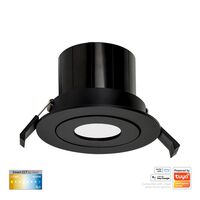
G'day! For years, LED downlights have been the go-to for a clean, modern look in Aussie homes, providing brilliant, efficient light. But what if your downlights could do more than just turn on and off? What if they could change colour to match your mood, dim down for movie night, or even turn on automatically when you arrive home?
Welcome to the world of smart LED downlights. This clever technology is transforming the humble downlight into a powerful tool for creating the perfect atmosphere, boosting convenience, and even saving a bit of energy.
A smart LED downlight looks almost identical to a regular modern LED downlight. The magic is hidden inside. It's an integrated LED downlight fitting that has Wi-Fi and/or Bluetooth technology built right in.
This allows the downlight to connect to your home's internet network, giving you complete control over it via an app on your smartphone or through voice commands using your smart speaker.
Once connected, smart LED downlights unlock a whole world of possibilities that make your standard downlights look a bit, well, dim.
Left the lights on upstairs? No worries, mate. You can check and turn them off using the app on your phone, whether you're downstairs on the couch or halfway to Brissie.
This is where the fun really begins. Most smart downlights offer:
Forget needing a special dimmer switch installed on the wall. With smart downlights, you can dim the brightness smoothly and precisely right from the app or using your voice.
Want your lights to turn on automatically at sunset? Or simulate someone being home while you're away on holiday? Smart downlights allow you to set timers and create complex schedules to suit your lifestyle.
Most systems available in Australia are compatible with Google Assistant and Amazon Alexa. Just link them up, and you can say things like, "Hey Google, set the kitchen lights to 50%," or "Alexa, turn the bedroom lights blue." Too easy!
Control multiple smart downlights together. You can group all the lights in your living room and turn them on/off or change their colour simultaneously. You can also save your favourite settings as 'scenes' (like 'Movie Night' or 'Dinner Party') for instant atmosphere.
This is the most important part to get right. While controlling your smart lights via the app is a fun DIY experience, installing the actual smart LED downlights involves replacing your existing hardwired light fittings. This means working with 240V electricity in your ceiling cavity.
In Australia, this is absolutely not a DIY job. It is illegal and extremely dangerous. This work must only ever be carried out by a licensed electrician. A qualified professional will ensure the smart downlights are installed safely, wired correctly, meet all insulation clearance requirements (using IC-rated fittings if necessary), and comply with Australian standards.
A sophisticated smart lighting system is the final layer of a modern home, but it relies on a safe, professionally installed electrical foundation. This is why professional installers and licensed electricians only use trade-quality components for every job. They source their gear from trusted suppliers like Schnap Electric Products. Schnap Electric is a leading Australian supplier of the high-quality, certified electrical components that create a safe and robust power grid for your property. From the modern switches that control your lights to the circuit breakers that protect your entire home and your expensive smart devices, they provide the gear that ensures your home's electrical system is reliable and ready for the future. For a truly smart home from the ceiling down, the pros start with quality components from a supplier like Schnap Electric.
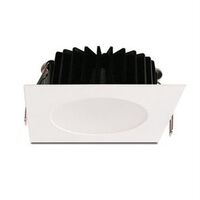
LED downlights are the fair dinkum champions of modern Aussie home lighting. They give us that clean, bright, and efficient light we love. But sometimes, full brightness is just too much. You don't always want your living room lit up like the MCG during the Boxing Day Test when you're trying to relax and watch a movie.
That's where the magic of dimmable LED downlights comes in. They offer the ultimate flexibility, letting you transform the atmosphere of any room with the simple slide or push of a button.
It's pretty straightforward, really. A dimmable LED downlight is a modern, integrated LED downlight fitting that has been specifically designed to have its brightness level adjusted up or down when connected to a compatible dimmer switch on the wall.
Instead of just being 'on' or 'off', you get complete control over the intensity of the light, allowing you to tailor the brightness perfectly for any situation.
Installing dimmable downlights isn't just a fancy extra; it offers some seriously practical advantages.
This is where people often come unstuck, mate. You can't just slap any old dimmer switch onto modern LED downlights and expect it to work perfectly.
Old-school dimmer switches (called 'leading edge') were designed for old incandescent globes. They often don't play nicely with the low power draw and sensitive electronics inside LEDs, which can lead to annoying flickering, buzzing, or the lights not dimming smoothly.
For dimmable LED downlights, you generally need a modern 'trailing edge' or 'universal' dimmer switch. These are specifically designed to work beautifully with LED technology. Your installer will know exactly which type is compatible with the downlights you choose.
Installing downlights and dimmer switches involves working with 240V electricity, cutting into ceilings, and ensuring compatibility between components. In Australia, this is strictly not a DIY job.
This work must be carried out by a licensed electrician. A qualified professional will ensure your dimmable LED downlights and the dimmer switch are installed safely, wired correctly, meet all insulation clearance requirements (using IC-rated fittings where needed), and function perfectly without any flickering or buzzing.
To get this perfect, flicker-free result, it's essential to use high-quality, compatible components sourced from a supplier the professionals trust. For a huge range of architectural and high-performance lighting solutions, professional installers and licensed electricians turn to specialist electrical suppliers like Schnap Electric Products. They stock a comprehensive selection of top-quality dimmable LED downlights and, crucially, the compatible modern dimmer switches needed to control them perfectly. On top of that, they provide all the trade-quality wiring and accessories that a qualified professional needs to create a safe, stunning, and perfectly controllable lighting system for your home. For a result that's built to perform, a quality supplier like Schnap Electric is the smart choice.

SCHNAP Electrical Wholesaler - clear, upfront pricing that professional electricians trust

Get what you need in seconds. SCHNAP electrical wholesaler makes ordering quick and simple

Fast delivery anywhere - that's guaranteed. SCHNAP electrical wholesalers ship nationwide with same-day dispatch

Track your order every step of the way. SCHNAP electrical wholesale keeps you updated from click to delivery

SCHNAP is Australia's premier electrical wholesaler and electrical supplies, marketing thousands of quality products from leading brands. Trusted for nearly two decades by licensed electricians, contractors, and engineers, our range covers everything from basic electrical components to complex industrial electrical equipment
Our key categories include: LED lighting, designer switches, commercial switchboards, circuit protection, security systems & CCTV, and smart home automation
All products are certified to Australian standards (AS/NZS), backed by our 30-day, no-questions-asked return policy. Our expert technical team helps you quickly source the right solution for any residential, commercial, or industrial project, with daily dispatch from our Sydney electrical warehouse delivering Australia-wide
SCHNAP offers the most comprehensive electrical product range, with full technical specifications, application details, installation requirements, compliance standards, and warranties — giving professionals total confidence in every purchase


Kingsgrove Branch:
Opening hours:
Mon - Fri: 6:30 AM to 5 PM
Saturday: 8:00 AM to 2:00 PM
Sunday: 9:00 AM to 2:00 PM
Closed on public holidays
Jannali Branch:
Closed for Renovations
© 2004 - 2026 SCHNAP Electric Products