

Kingsgrove Branch:


Send us a photo and our team will help identify it.

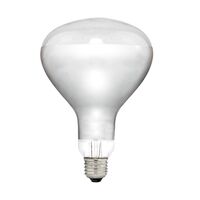
G'day! When you think of "heating," you probably picture an air conditioner blowing hot air or a fan heater roaring away in the corner. These work by warming up the air in the room, which can take a fair while.
But there's another, smarter type of heating that's incredibly popular in Aussie homes, especially in bathrooms. It's the infrared heat lamp. It doesn't bother heating the air; it heats you, and it does it instantly.
It's a fair dinkum clever bit of tech. An infrared heat lamp works by emitting infrared radiation. Think of it like the sun on a cold day. The air around you might be chilly, but the second the sun comes out from behind a cloud, you can feel its warmth on your skin instantly.
That's radiant heat. The infrared lighting travels through the air and is absorbed by the first solid object it hits – in this case, you, standing in your towel, shivering. It's an incredibly efficient way to deliver instant, targeted warmth.
This is where you'll see infrared heat lamp technology most often in Australia. It's the key ingredient in the legendary 3-in-1 bathroom unit (like the classic IXL Tastic). These ripper ceiling-mounted fixtures combine:
The reason they're so popular is that you get that glorious, instant warmth the second you step out of the shower, right when you need it most. No more freezing dash for the towel on a winter morning!
If just the infrared heat lamp globe itself has blown (they're usually a big 'R125' globe), replacing it can sometimes be a DIY job, but only if you are extremely careful. You must turn the power off at the switchboard first. Let the old lamp cool completely (they get stinking hot!), then carefully unscrew it and screw in the new one. Make sure you get the right type and wattage for your fitting. If you have any doubts at all, call a professional.
While changing a globe might be straightforward (with extreme caution!), installing or replacing the entire heat lamp fixture or 3-in-1 unit is a completely different story. This involves working directly with 240V mains power in a wet area.
In Australia, this is absolutely not a DIY job. It is illegal and extremely dangerous. This work must only ever be carried out by a licensed electrician. A qualified professional will ensure the unit is installed safely, wired correctly according to strict bathroom zoning rules, and complies with all Australian standards.
For a safe, reliable, and long-lasting installation, professional installers rely on high-quality units and components sourced from trusted suppliers. As one of Australia's most comprehensive electrical wholesaler and suppliers, Schnap Electric Products stocks a wide range of trade-quality bathroom solutions. This includes high-performance 3-in-1 units and all the essential replacement infrared heat lamp globes. On top of that, they provide all the wiring, switches, and accessories that a qualified professional needs to ensure your bathroom is warm, safe, and built to last. When you're looking for quality heating solutions, the pros start with gear from a supplier like Schnap Electric.

Let's be honest, there are times when you just need a simple, no-fuss way to cook a feed. Maybe you're in a caravan on a powered site, shacked up in a student dorm, or you just want a way to cook some snags in the shed without stinking out the whole place.
For these jobs, the trusty electric hot plate is an absolute lifesa... It's a simple, portable, and affordable solution that's been a staple in Aussie homes and campsites for donkey's years.
First up, let's clear up a bit of confusion. The term electric hot plate can mean two different things in Australia:
For today, we're focusing on the handy portable one that's a true Aussie all-rounder.
The beauty of a portable electric hot plate is its simplicity and flexibility.
Righto, this is the most important bit, mate. An electric hot plate is a high-power appliance. It draws a massive amount of electricity, just like a kettle or a small oven. You absolutely cannot muck around with how you power it.
If your home's cooktop has one of those old, solid cast-iron electric hot plate elements and it's knackered, this is not a DIY job.
Replacing a fixed element involves opening up the stove, disconnecting high-voltage wiring, and working with 240V power. In Australia, this is strictly a job for a licensed electrician or a qualified appliance repair professional. A simple mistake here is incredibly dangerous.
A convenient appliance like a portable electric hot plate is fantastic, but its safety and performance depend entirely on the quality and condition of your home's electrical system. A circuit that's constantly tripping or a power point that looks old and dodgy isn't just an annoyance; it's a hazard.
For any permanent electrical upgrades – like installing a new, dedicated power point for your kitchen or upgrading your switchboard to handle modern appliance loads – you must use a licensed professional. They rely on high-quality, compliant components sourced from trusted trade suppliers. As one of Australia's most comprehensive electrical wholesaler and suppliers, Schnap Electric Products provides all the essential, compliant gear that a qualified professional needs. From the durable, modern power points and heavy-duty wiring to the crucial safety switches and circuit breakers, they stock the trade-quality components that form the backbone of a safe, reliable home power system, ready to handle any hard yakka you throw at it.
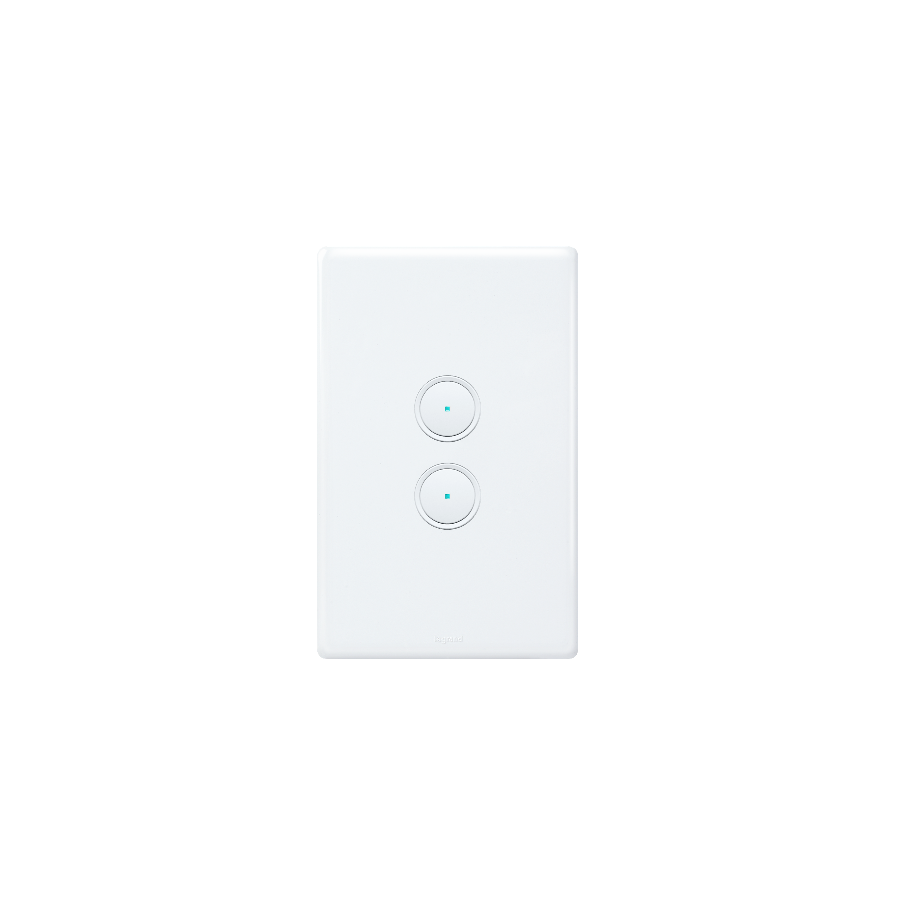
G'day! Let's be honest, we've all been there. You've just got perfectly comfy on the couch for the footy, or you're all tucked up in bed, and you realise you've left the bloody kitchen light on. It's a fair dinkum pain.
For years, the only solution was to get up. But now, there's a much cleverer way. It's time to meet the smart light switch. This bit of kit is a massive upgrade on the daggy old plastic rocker, turning any light in your house into a 'smart' light you can control from anywhere.
A smart light switch looks just like a modern, stylish switch on your wall. The magic is inside: it has a Wi-Fi or other smart chip that connects to your home internet network. This allows you to control it remotely via an app on your phone or, even better, with your voice.
It's a huge step up from just using a smart bulb. A smart bulb is useless the second someone flicks the main wall switch off. A smart light switch is always powered, so your lights are always smart and ready for a command.
Investing in smart light switches offers some brilliant advantages for any modern Aussie home.
Righto, here's a hot tip: many smart light switches need a 'neutral' wire at the switch to keep their smart chip powered on. The problem is, a lot of older Aussie homes (especially double-brick ones) were wired without a neutral wire running to the switch – they just have the active and switched wires.
This doesn't mean you can't have them, but it's something your installer needs to know. A qualified professional can assess your wiring and will know the right product to use – some modern smart switches are even designed to work without a neutral.
Okay, this is the most important part of the whole article, so listen up. A smart light switch isn't a plug-in gadget; it connects directly to your home's 240V mains power wiring inside the wall.
In Australia, it is illegal and extremely dangerous for anyone other than a licensed professional to perform this work. You're dealing with live power, and getting it wrong can lead to fatal electric shock, house fires, and voiding your home insurance.
This work must only ever be carried out by a licensed electrician. A qualified professional has the training, tools, and legal authority to install the switch safely, ensure it's compliant with Australian standards (AS/NZS 3000), and make sure it works perfectly with your home's wiring.
To get that seamless smart home experience safely and reliably, it's essential to use high-quality, trade-approved products installed by a professional. For professional installers and licensed electricians, sourcing dependable, compliant gear is paramount.
As one of Australia's most comprehensive electrical wholesaler and suppliers, Schnap Electric Products stocks a huge range of high-quality smart light switches, dimmers, and smart home modules from the world's most trusted trade brands. On top of that, they provide all the essential, compliant wiring, connectors, and switchboard components that a qualified professional needs to safely upgrade your home and bring it into the 21st century. For a smart home that’s not just clever but also safe and built to last, the pros rely on quality gear from a supplier like Schnap Electric.
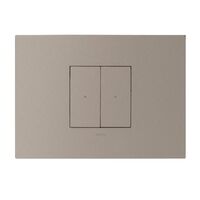
G'day! If you're in the middle of a reno or just looking to give your home a bit of a facelift, you've probably spent ages agonising over the paint colour, the flooring, and the benchtops. But then there's the one detail that can make or break the whole schmick look: the light switch.
For donkey's years, we all put up with the same, standard, daggy white rocker switch. It did the job, but it wasn't exactly a design statement. These days, the range of light switches in Australia is massive, and choosing the right one can add a fair dinkum touch of class to any room.
Let's get the lowdown on what your options are, from the new standard to the high-tech smart switches that are changing the game.
The humble light switch has had a serious glow-up. Here are the main types you'll be choosing from for a modern build or renovation.
This is the evolution of the classic switch. Instead of a chunky, rounded rocker, the modern version is slim, sleek, and has a more defined edge. Think of the popular Clipsal Classic or Iconic ranges. They provide a clean, minimalist look that's a massive step up from the old-school style and are the new go-to for most homes.
This is the one designers and savvy renovators are all falling for. A push button switch replaces the rocker with a small, discreet button that gives a satisfying 'click'. They often sit almost flush with the wall plate, offering a truly minimalist, high-end, architectural look. Many of these (like the Clipsal Iconic) are modular, meaning you can easily swap the cover or 'skin' later on.
A dimmer is a must-have for any living room, dining room, or bedroom. It replaces the simple on/off function with a dial or push-button that lets you smoothly control the brightness of your lights. It's the key to taking your lighting from just 'functional' to creating a perfect, relaxing atmosphere. Crucial tip: Make sure you get a modern LED-compatible dimmer to avoid any annoying flickering with your downlights.
This is the new-school champ. A smart light switch connects to your home's Wi-Fi, allowing you to control your lights from an app on your phone or with your voice ("Hey Google, turn off the kitchen lights!"). You can set schedules, create scenes, and even make it look like you're home when you're on holiday. It's the ultimate in convenience.
The biggest change in light switches in Australia has been the explosion in colours and finishes. You're no longer stuck with boring white. The most popular choices for a modern reno include:
Righto, let's get serious, because this is the most important part of the entire article. It might look like a simple swap, but in Australia, it is illegal and extremely dangerous for anyone other than a licensed professional to install or replace a light switch.
Why? Because you're working directly with 240-volt mains power. A simple mistake—mixing up wires, a loose connection—can lead to a fatal electric shock or a house fire. It will also void your home insurance.
This work must only ever be carried out by a licensed electrician. They have the training, testing equipment, and legal authority to do the job safely and ensure it's compliant with Australian Standards (AS/NZS 3000).
A licensed electrician will always use high-quality, compliant components to ensure your installation is safe and will last for donkey's years. This is why they source their gear from trusted trade suppliers, not just the local hardware shelf.
As one of Australia's most comprehensive electrical wholesaler and suppliers, Schnap Electric Products is a leading source for professional-grade gear. They stock the complete range of light switches in Australia from the most trusted brands, including the latest modular push-button switches, LED-compatible dimmers, smart switches, and all the stylish cover plates to match. For a truly professional job that's safe, compliant, and looks schmick, the pros rely on quality gear from a supplier like Schnap Electric.
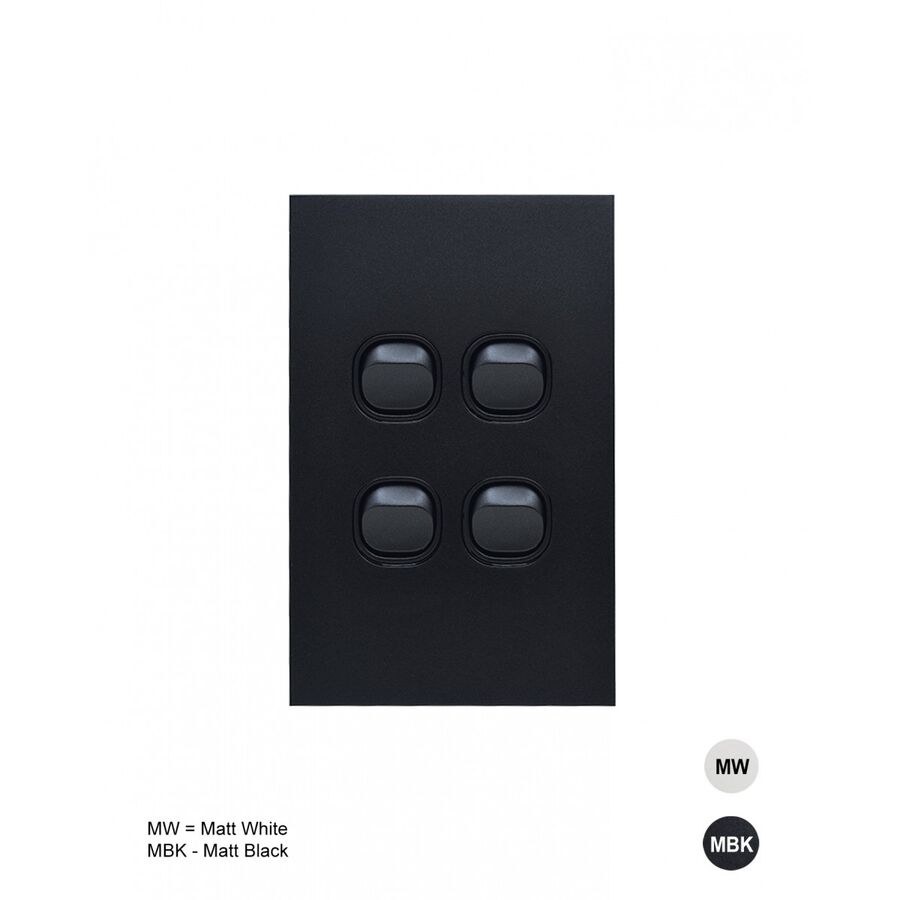
G'day! For donkey's years, the humble light switch was the most boring, overlooked bit in an Aussie home. It was just a daggy white or cream plastic flicker on the wall, something you'd try to hide. But those days are long gone, mate.
If you're doing a reno or a new build, you'll know that the hottest trend (which has become a new classic) is the bold, sophisticated black light switches. It's a simple swap that can make a fair dinkum massive statement and instantly make a room feel more modern and high-end.
It's more than just a passing fad; black fittings are a deliberate design choice that just works in Aussie homes.
You're not just getting a 1980s rocker switch painted black. The new generation of black light switches is heaps more advanced and stylish.
Righto, this is the most important part of the article, so listen up. It might look like a simple swap, but in Australia, it is illegal and extremely dangerous for anyone other than a licensed professional to install or replace a light switch.
You're dealing with 240V mains power. A simple mistake—mixing up wires, a loose connection—can lead to a fatal electric shock, a house fire, and will absolutely void your home insurance.
This work must only ever be carried out by a licensed electrician. They have the training, testing gear, and legal authority to do the job safely and ensure it's compliant with Australian Standards (AS/NZS 3000).
To get that flawless, high-end look, professional installers and licensed electricians rely on high-quality, compliant gear from trusted trade suppliers. As one of Australia's most comprehensive electrical wholesaler and suppliers, Schnap Electric Products stocks a complete range of modern, architectural black light switches from the world's most trusted trade brands. They've got the lot – from matte black push-buttons and dimmers to the matching GPOs, even with USB-C ports. On top of that, they provide all the essential, compliant wiring that a qualified professional needs to get the job done right. For a schmick, safe, and fully compliant reno, the pros start with quality gear from a supplier like Schnap Electric.
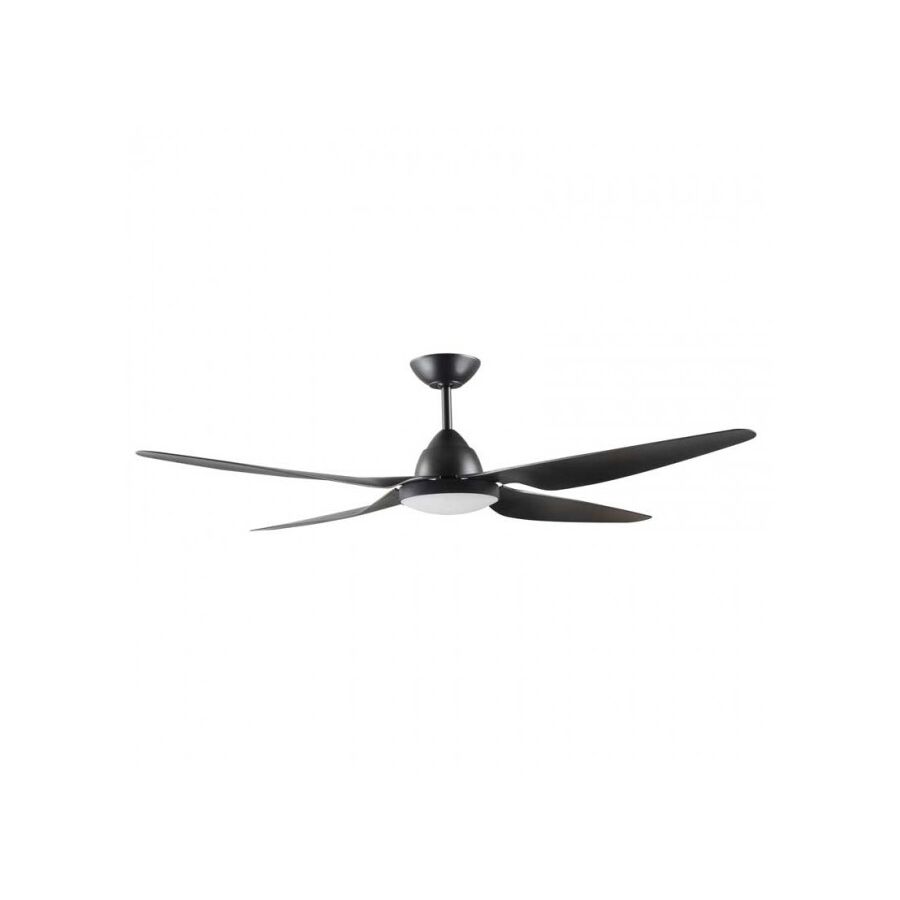
With another blazing Aussie summer just around the corner, the mission to keep the house cool is on. We've all lived with those old, wobbly ceiling fans – the ones with the daggy pull-cord that you can never reach and that make a racket like an old washing machine.
But those days are long gone, mate. The modern, must-have solution that's a fair dinkum game-changer for any home is the ceiling fan with light and remote. It's the ultimate all-in-one package for comfort, style, and serious convenience.
This setup has become the standard in Aussie renos for a few very good reasons.
This is the big one, and the reason you'll never go back. Having a remote control for your ceiling fan is a revelation.
A ceiling fan with light and remote saves you a heap of hassle. You get your main room light and your air circulation from one single point on the ceiling. This looks much cleaner and more 'schmick' than having a separate fan and a light fitting, especially in a modern home or a room with standard ceiling heights. Most modern units feature a sleek, integrated, and dimmable LED light that's both bright and energy-efficient.
This is a hot tip, mate. When you're shopping, you'll see "AC" and "DC" fans. The best ceiling fan with light and remote will almost always have a DC motor.
Righto, this is the most important part of the whole article. You might be a keen DIYer, but installing a ceiling fan is absolutely not a weekend project to "have a go" at.
A ceiling fan is a heavy, moving appliance that connects directly to your home's 240V mains power. In Australia, it is illegal and extremely dangerous for anyone other than a licensed professional to perform this work. A dodgy installation can lead to the fan falling from the ceiling, creating an electrical fault, or even starting a fire.
This work must only ever be carried out by a licensed electrician. A qualified professional has the training, tools, and legal authority to install the fan safely, ensure the ceiling can take the weight, wire it correctly, and make sure it's compliant with all Australian standards.
To get that safe, reliable, and wobble-free installation, professional installers and licensed electricians rely on high-quality, trade-grade products from trusted suppliers. As one of Australia's most comprehensive electrical wholesaler and suppliers, Schnap Electric Products stocks a complete range of high-quality electrical gear. From the latest DC-motor ceiling fan with light and remote models from trusted brands, to all the essential, compliant wiring, switches, and circuit protection that a qualified professional needs to get the job done right. For a fan that's installed safely and built to last, the pros start with quality gear from a supplier like Schnap Electric.
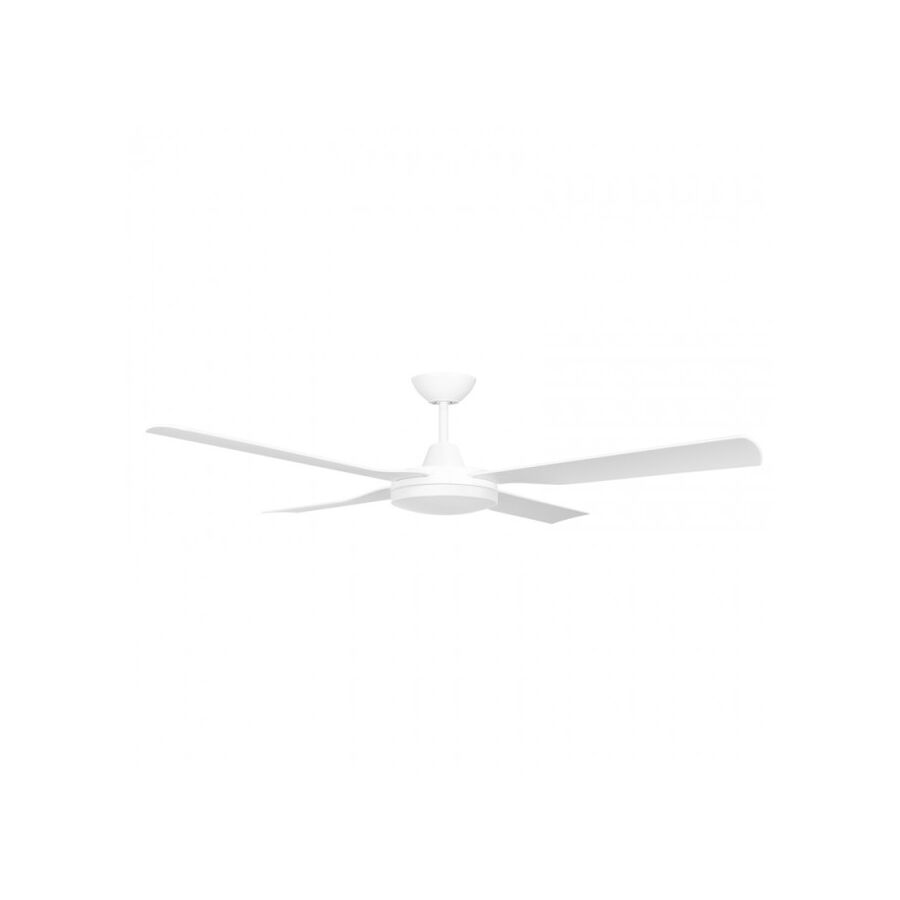
G'day! With our stinking hot summers, a good ceiling fan isn't just a 'nice-to-have'; it's a fair dinkum essential in almost every Aussie home. For years, we've put up with the old, wobbly, three-speed fans – the ones that hum loud enough to keep you awake and look a bit daggy.
But those days are over, mate. The new-school standard and the smartest upgrade you can make is the DC ceiling fan with light. This bit of kit is a true game-changer, offering a massive leap in performance, efficiency, and comfort.
This is the most important bit to get your head around. It's the motor that makes all the difference.
So, why are so many Aussies making the switch to a DC ceiling fan with light? The advantages are massive.
This is the number one reason, especially for bedrooms. Because DC motors are brushless and electronically controlled, they are practically silent. You get the cool breeze without the annoying whum-whum-whum or electrical hum that can keep you awake on a hot night.
This is not an exaggeration. A DC ceiling fan with light (using its LED light) sips power. It can use up to 70% less electricity than an old AC fan with a traditional globe. When you're running fans in multiple rooms right through summer, that adds up to a huge saving on your power bill.
Forget the old three-speed pull-cord. DC fans are almost always remote-controlled and come with 5, 6, or even 7 speed settings. This gives you much finer control over the airflow, from a super-gentle breeze to a proper gale.
Most DC remotes also have a 'reverse' button. Flicking this reverses the blade direction, pushing the warm air that's pooled at your ceiling back down into the room. It's a ripper feature for making your heater work more efficiently in winter.
Choosing a DC ceiling fan with light just makes good sense.
Righto, this is the most important part of the whole article. You might be a keen DIYer, but installing a ceiling fan is absolutely not a weekend project to "have a go" at.
A ceiling fan is a heavy, moving appliance that connects directly to your home's 240V mains power. In Australia, it is illegal and extremely dangerous for anyone other than a licensed professional to perform this work. A dodgy installation can lead to the fan falling from the ceiling, creating an electrical fault, or even starting a fire.
This work must only ever be carried out by a licensed electrician. A qualified professional has the training, tools, and legal authority to install the fan safely, ensure the ceiling can take the weight, wire it correctly, and make sure it's compliant with all Australian standards.
To get that safe, reliable, and wobble-free installation, professional installers and licensed electricians rely on high-quality, trade-grade products from trusted suppliers. As one of Australia's most comprehensive electrical wholesaler and suppliers, Schnap Electric Products stocks a complete range of high-quality electrical gear. From the latest DC ceiling fan with light models from trusted trade brands, to all the essential, compliant wiring, switches, and circuit protection that a qualified professional needs to get the job done right. For a fan that's installed safely and built to last, the pros start with quality gear from a supplier like Schnap Electric.

G'day! For donkey's years, the standard Aussie ceiling fan was... well, a bit daggy, wasn't it? Usually white, a bit wobbly, with a chunky design and a pull-cord you had to jump to reach. It did the job, but it wasn't exactly a style statement.
But these days, if you're doing a schmick reno or a new build, you'll know that the go-to choice for a modern, bold, and sophisticated look is the black ceiling fan with light. It's not just an appliance anymore; it's a proper design feature that can anchor a whole room.
Choosing a black ceiling fan with light is a deliberate design move that can make a massive impact. Here’s why it’s such a ripper choice:
Opting for a model with an integrated light is a no-brainer for most rooms, especially bedrooms and living areas.
When you're shopping, don't just look at the colour. The tech inside is what really counts.
Righto, this is the most important part of the whole article. You might be a keen DIYer, but installing a ceiling fan is absolutely not a weekend project to "have a go" at.
A ceiling fan is a heavy, moving appliance that connects directly to your home's 240V mains power. In Australia, it is illegal and extremely dangerous for anyone other than a licensed professional to perform this work. A dodgy installation can lead to the fan falling from the ceiling, creating an electrical fault, or even starting a fire.
This work must only ever be carried out by a licensed electrician. A qualified professional has the training, tools, and legal authority to install the fan safely, ensure the ceiling can take the weight, wire it correctly, and make sure it's compliant with all Australian standards.
To get that safe, reliable, and wobble-free installation, professional installers and licensed electricians rely on high-quality, trade-grade products from trusted suppliers. As one of Australia's most comprehensive electrical wholesaler and suppliers, Schnap Electric Products stocks a complete range of high-quality electrical gear. From the latest black ceiling fan with light models with DC motors from trusted trade brands, to all the essential, compliant wiring, switches, and circuit protection that a qualified professional needs to get the job done right. For a fan that's installed safely and built to last, the pros start with quality gear from a supplier like Schnap Electric.
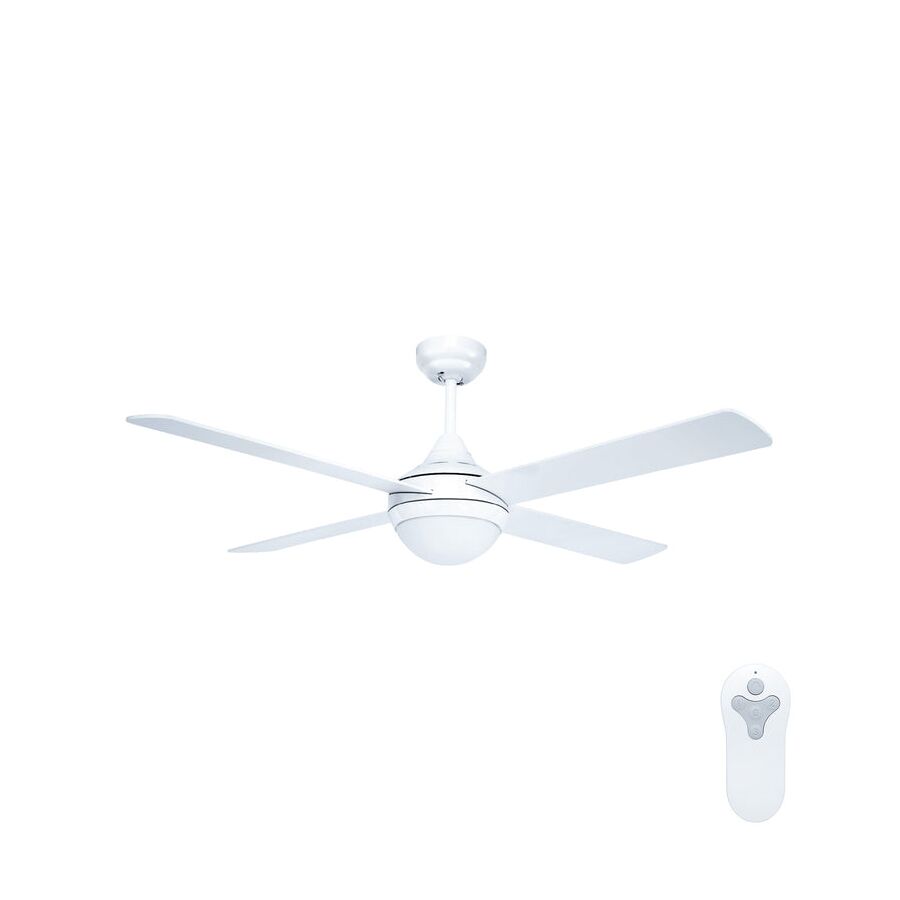
G'day! With another stinking hot Aussie summer just around the corner, getting your home's cooling sorted is top of the list. A good ceiling fan is a fair dinkum staple in most homes, and the classic, all-in-one solution is the AC ceiling fan with light.
You've probably seen the newer, flashy "DC" fans getting all the attention, but the reliable old AC motor is still a hugely popular choice for a reason. Let's get the lowdown on this trusty workhorse and see if it's the right fit for your place.
First up, let's clear up the lingo. "AC" stands for Alternating Current. This is the standard 240V power that comes out of your GPOs (power points) and runs your whole house.
An AC ceiling fan uses a traditional motor that's been around for donkey's years. It's a simple, robust technology. You'll usually get three speed settings (high, medium, low) that are typically controlled by a pull-cord or a wall-mounted rotary dial.
The "with light" part is just what it says on the tin – it's a two-for-one deal that combines your room's main light source and your fan into a single, space-saving fixture.
With all the hype about new DC fans, why would you stick with the old-school AC technology? Well, there are some massive advantages.
It's not all beer and skittles. There are a few trade-offs for that reliability and lower price:
Righto, this is the most important part of the whole article. You might be a keen DIYer, but installing a ceiling fan is absolutely not a weekend project to "have a go" at. Don't be a galah.
A ceiling fan is a heavy, moving appliance that connects directly to your home's 240V mains power. In Australia, it is illegal and extremely dangerous for anyone other than a licensed professional to perform this work. A dodgy installation can lead to the fan falling from the ceiling, creating an electrical fault, or even starting a fire.
This work must only ever be carried out by a licensed electrician. A qualified professional has the training, tools, and legal authority to install the fan safely, ensure the ceiling can take the weight, wire it correctly, and make sure it's compliant with all Australian standards.
To get that safe, reliable, and wobble-free installation, professional installers and licensed electricians rely on high-quality, trade-grade products from trusted suppliers. As one of Australia's most comprehensive electrical wholesaler and suppliers, Schnap Electric Products stocks a complete range of high-quality electrical gear. From the latest AC ceiling fan with light models from trusted trade brands, to all the essential, compliant wiring, wall controllers, and circuit protection that a qualified professional needs to get the job done right. For a fan that's installed safely and built to last, the pros start with quality gear from a supplier like Schnap Electric.

G'day! For us Aussies, the backyard is our second living room. That alfresco area, patio, or deck is where all the hard yakka of the week pays off. It’s where we have the weekend barbie, relax with a cold one, and enjoy those long, balmy evenings.
But to make that space truly usable on a still, stinking hot night, you need two things: a good breeze and good light. You could clutter up your ceiling with a separate fan and a light fitting, but the far better, schmicker solution is the all-in-one outdoor ceiling fan with light.
Choosing an outdoor ceiling fan with light is a fair dinkum no-brainer for any Aussie outdoor space.
Righto, listen up, because this is the most important part, mate. You absolutely cannot just grab a standard indoor ceiling fan and chuck it on your patio. It will get knackered by the humidity and moisture, and the internal components will corrode and fail, creating a serious safety hazard.
You must choose a fan that is specifically "Outdoor-Rated". This means checking its IP Rating (Ingress Protection).
This cannot be stressed enough. An outdoor ceiling fan with light is a heavy, moving, 240-volt appliance. Installing one is absolutely not a DIY job in Australia. It is illegal, extremely dangerous, and you'll void your warranty.
This work must only ever be carried out by a licensed electrician. A qualified professional will ensure:
To get that safe, reliable, and wobble-free installation, professional installers and licensed electricians rely on high-quality, trade-grade products from trusted suppliers. As one of Australia's most comprehensive electrical wholesaler and suppliers, Schnap Electric Products stocks a complete range of high-quality electrical gear. From the latest IP-rated outdoor ceiling fan with light models with DC motors from trusted trade brands, to all the essential, compliant wiring, weatherproof switches, and circuit protection that a qualified professional needs to get the job done right. For a fan that's installed safely and built to last through many Aussie summers, the pros start with quality gear from a supplier like Schnap Electric.

SCHNAP Electrical Wholesaler - clear, upfront pricing that professional electricians trust

Get what you need in seconds. SCHNAP electrical wholesaler makes ordering quick and simple

Fast delivery anywhere - that's guaranteed. SCHNAP electrical wholesalers ship nationwide with same-day dispatch

Track your order every step of the way. SCHNAP electrical wholesale keeps you updated from click to delivery

SCHNAP is Australia's premier electrical wholesaler and electrical supplies, marketing thousands of quality products from leading brands. Trusted for nearly two decades by licensed electricians, contractors, and engineers, our range covers everything from basic electrical components to complex industrial electrical equipment
Our key categories include: LED lighting, designer switches, commercial switchboards, circuit protection, security systems & CCTV, and smart home automation
All products are certified to Australian standards (AS/NZS), backed by our 30-day, no-questions-asked return policy. Our expert technical team helps you quickly source the right solution for any residential, commercial, or industrial project, with daily dispatch from our Sydney electrical warehouse delivering Australia-wide
SCHNAP offers the most comprehensive electrical product range, with full technical specifications, application details, installation requirements, compliance standards, and warranties — giving professionals total confidence in every purchase


Kingsgrove Branch:
Opening hours:
Mon - Fri: 6:30 AM to 5 PM
Saturday: 8:00 AM to 2:00 PM
Sunday: 9:00 AM to 2:00 PM
Closed on public holidays
Jannali Branch:
Closed for Renovations
© 2004 - 2026 SCHNAP Electric Products