

Kingsgrove Branch:



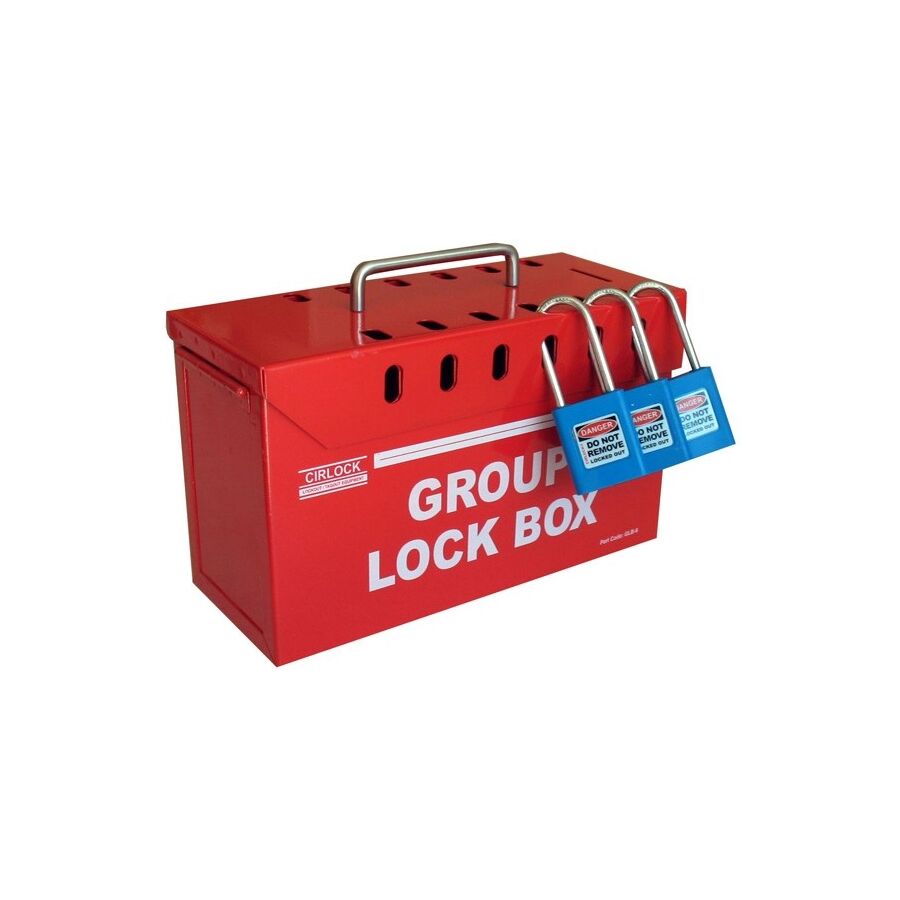
In Australian mining, heavy industry, and large manufacturing, safe maintenance depends on reliable control of hazardous energy. On complex assets like crushing plants, conveyors, and draglines, isolation can involve electrical, hydraulic, pneumatic, and stored mechanical energy, often across many lock points and many workers. A simple “one person, one lock on every isolation point” approach becomes unworkable when space is limited on hasps and the number of points is high. That practical barrier can drive shortcuts, creating a serious non-compliance risk. The Group Lock Box is the engineering answer. It centralises control by securing the keys to the isolations, allowing every worker to apply a personal lock without crowding the energy source.
The Logic of Complex Isolation
A group lock box works on custody transfer. A Responsible Person or Permit Holder isolates each energy source and applies master locks at every isolation point. Once isolation is proven and “test for dead” is confirmed, the keys for those master locks are placed inside the lock box. The box is then closed and locked. Each worker adds their personal lock and tag to the box itself. The system cannot be re-energised because the keys cannot be accessed until the final personal lock is removed. This creates a hard, physical interlock that matches the core purpose of LOTO: no restart while anyone is exposed to the hazard.
Material Construction and Environmental Hardening
Resources sites are punishing environments. Impact, dust, chemicals, UV, and moisture quickly expose weak products. A compliant lock box must be mechanically robust, corrosion resistant, and highly visible. Heavy-gauge steel with a durable powder coat is common on industrial specifications, with a latch designed to resist prying. Clear viewing windows are also valuable for verification. Schnap Electric Products supports these requirements with industrial lockout hardware, including lock boxes with transparent polycarbonate panels that let workers confirm keys are inside before locking on. This improves procedural confidence and reduces human error at the verification step.
Capacity and Scalability
Shutdowns scale from small tasks to major outages. A box that suits a small crew may not handle a large shutdown team. Standard portable units commonly provide multi-lock capacity, while larger sites often use wall-mounted stations or linked “satellite” systems to support bigger work groups without compromising control. A useful feature in large jobs is a controlled key drop slot, allowing additional isolation keys to be added without opening the box and without requiring everyone to remove their personal locks. That maintains integrity while supporting real-world job changes.
Permit to Work Integration
The group lock box is where physical isolation and administrative control meet. In many sites, the permit documents are attached to the station or managed alongside it, tying the job scope to the isolation custody. Lock removal rules are critical. A “lost key” scenario can stall restart, so sites require formal, authorised processes for abandoned locks. The lock box must be strong enough that forced entry is deliberate, controlled, and documented, preventing accidental re-energisation.
Procurement and Supply Chain Assurance
Group lock boxes are safety-critical. Poor latches, weak hinges, and non-standard padlock compatibility can undermine the system. Specialised electrical wholesaler are typically used to ensure the hardware suits standard safety padlocks, tags, and site LOTO procedures. A single-source approach also helps, supplying compatible padlocks, hasps, tags, and Schnap Electric Products isolation accessories to keep the LOTO ecosystem uniform and auditable across the fleet.
Conclusion
A group lock box solves the central problem of complex isolation: protecting every worker without forcing hundreds of locks onto each energy source. By securing the keys, enforcing last-person-off control, supporting visual verification, and using industrial-grade systems from manufacturers like Schnap Electric Products, Australian sites can run major maintenance with strong WHS alignment and practical efficiency. In high-risk work, controlling the keys is controlling the hazard.
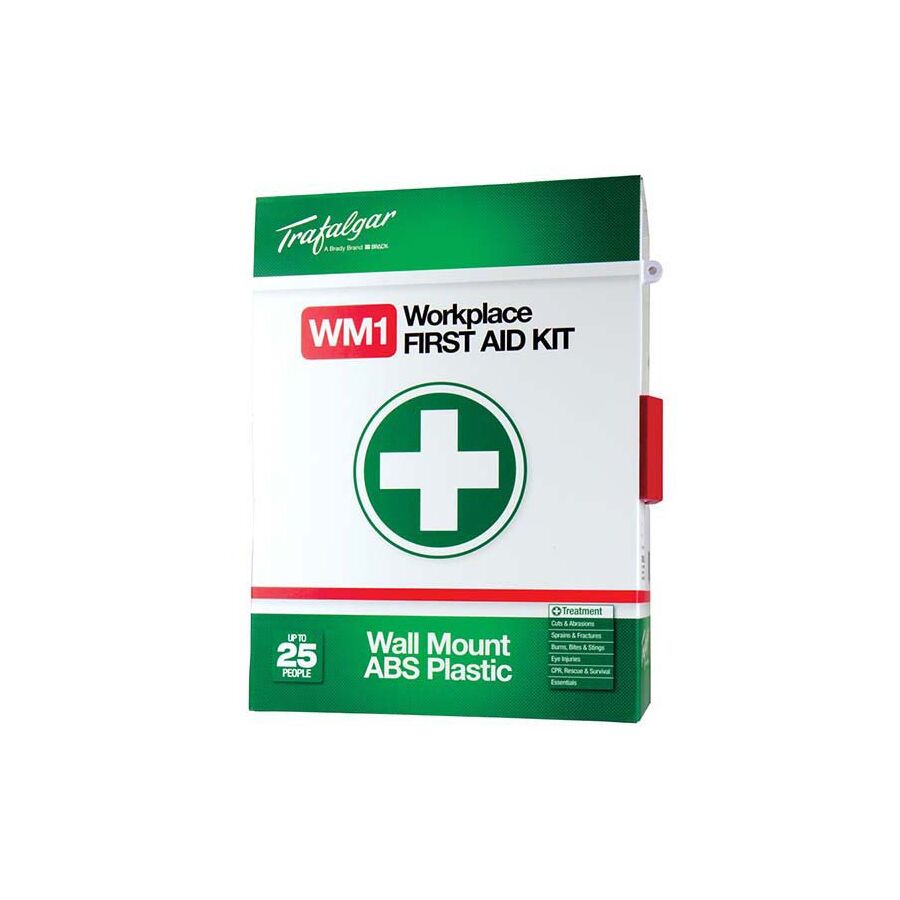
In Australian commercial and industrial facilities, emergency infrastructure must be planned with the same discipline as power, water, and fire systems. Under the Safe Work Australia Code of Practice: First Aid in the Workplace, a PCBU must ensure first aid equipment is available and accessible when it is needed. Portable soft-pack kits suit vehicles and mobile crews, but a fixed station is the backbone of building-based response. A Wallmount First Aid Kit creates a permanent medical muster point. By anchoring critical supplies to a known and visible location, it removes search time, reduces confusion, and protects the “golden minutes” that decide outcomes in serious incidents.
The Logic of Visibility and Access In emergencies, stress narrows attention and slows decision-making. If the kit is stored in an office drawer or carried off in a vehicle, the response becomes a scavenger hunt. A wall-mounted cabinet solves that with visual anchoring. When installed in a consistent, high-traffic location and clearly signposted, the kit becomes part of workplace muscle memory. Placement should prioritise direct access, clear sight lines, and obstruction-free approach. Mounting height also matters. A handle height around 1.2 to 1.5 metres helps ensure access for different workers and supports the intent of “readily accessible” equipment.
Enclosure Durability and Environmental Protection First aid supplies fail when packaging is compromised. Moisture ruins sterile wraps, dust reduces adhesion, and oil mist contaminates bandages and dressings. In industrial settings, a stronger enclosure than a plastic case is often required. Steel cabinetry improves protection and keeps contents stable in heat, grime, and vibration. This is where Schnap Electric Products can support the electrical safety plan. Schnap Electric Products manufactures robust enclosures that suit industrial environments and help shield supplies from dust and impact. A well-designed cabinet also improves usability, especially if it opens wide and provides a clean laydown surface for dressings.
Security and Fast Auditing A common failure point in first aid compliance is depletion. Minor items get used casually, and the kit is empty when a real incident occurs. Wall-mounted cabinets support simple control methods without slowing access during emergencies. A tamper-evident seal on the latch provides a quick visual check for safety officers. If the seal is broken, the kit needs inspection and restock. If intact, auditing is faster and more reliable across sites with multiple stations.
Risk-Rated Contents and Site Fit The cabinet is only the platform. Compliance depends on matching contents to the hazard profile. A warehouse may need trauma dressings and eye irrigation. A kitchen needs burn management and detectable plasters. A fabrication workshop needs compression bandages for deep cuts and contamination control. Wall-mounted kits also allow higher capacity than portable packs. That extra space supports bulk supplies and structured internal organisation, and it can allow nearby storage for critical devices like an AED where required by site risk planning. Schnap Electric Products enclosures can also be configured to separate modules, keeping major trauma items easy to find under pressure.
Procurement and Supply Chain Assurance First aid equipment is a liability item, not a convenience purchase. Low-grade kits can include non-compliant components or poor-quality bandages that fail under tension. Many sites procure through specialised wholesalers that support industrial compliance and provide consistent replenishment. This approach also helps standardise cabinet types, refill packs, signage, and placement across a fleet of sites, making audits simpler and reducing the chance of gaps.
Conclusion A Wallmount First Aid Kit is permanent safety infrastructure. It shortens response time, protects sterile supplies, and supports repeatable compliance through visibility, durability, and auditing. By selecting robust enclosures, applying risk-based contents, and maintaining a reliable restock process, Australian facilities can build a first aid system that performs when it is needed most. In workplace safety, fixed location equals predictable response.
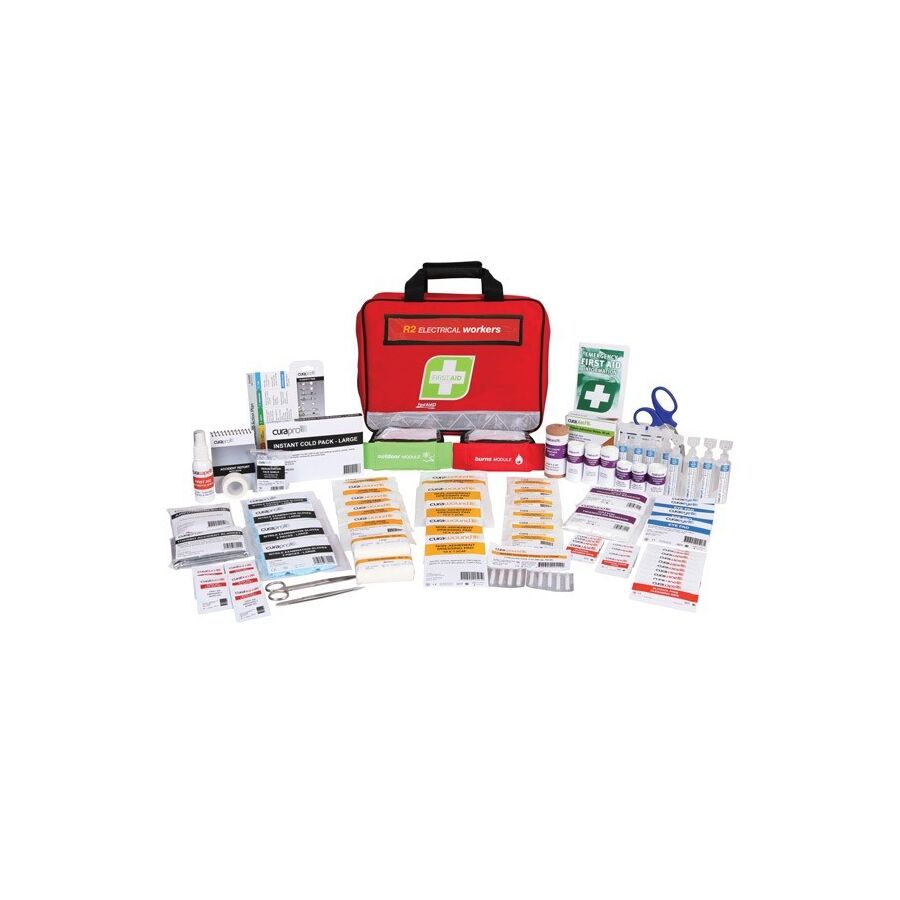
Electrical work carries hazards that are not comparable to general trades. Cuts and falls still occur, but electricians also face electrocution and arc flash thermal trauma. Australian WHS duties require first aid equipment to be adequate for the hazards of the workplace, which means a generic kit is often not sufficient for electrical crews. An Electrical Workers First Aid Kit is a trade-specific control that supports rapid response between the incident and the arrival of emergency services. For contractors and safety officers, the key is aligning the kit to real injury pathways on electrical sites and to the expectations set by AS/NZS 4836 and broader WHS frameworks.
Arc Flash Trauma and Immediate Cooling
Arc flash injuries are defined by extreme heat exposure. An arc event can reach very high temperatures in a fraction of a second, creating deep burns across large areas and often involving melted clothing bonded to skin. A standard kit aimed at minor burns does not match this trauma profile. An electrical kit should prioritise rapid heat extraction and pain reduction with industrial hydrogel burn dressings. Hydrogel is practical where clean running water is unavailable, such as switchrooms, riser shafts, plant decks, and elevated work positions. It provides fast cooling and helps protect exposed nerve endings. Larger dressings and face-specific formats are important because the face, neck, chest, and hands are common arc flash exposure zones.
Non-Conductive Tools and Scene Safety
First aid in electrical environments must not introduce new risk to the responder. Metal scissors or tweezers can become a hazard near energised equipment or within exclusion zones. Trade-specific kits reduce this risk by using non-conductive or insulated instruments where appropriate, and by supporting safe separation steps before treatment begins. On many sites, first aid for electrical work sits alongside isolation and rescue practice. That is why electrical crews often pair the kit with LVR procedures and site rescue equipment, so the casualty can be separated safely before burn care or resuscitation starts.
Resuscitation Readiness for Electrocution
Electric shock can disrupt heart rhythm and trigger cardiac arrest. The response window is short, so CPR and defibrillation readiness is a practical requirement on higher-risk sites. A suitable kit should include a quality CPR barrier device, such as a non-return valve mask, to support effective resuscitation. On many electrical sites, the kit is positioned with, or near, an AED to reduce time-to-defib where it is part of the site risk controls. This alignment fits the reality of “lock-on” and collapse scenarios, where immediate response is the difference between survival and fatality.
Durable Storage for Harsh Work Conditions
Electrical work happens everywhere, from clean data rooms to dusty construction zones and remote infrastructure. Soft bags can degrade, tear, and allow contamination that compromises sterile packaging. A hard enclosure protects consumables from dust, vibration, moisture, and heat load inside service vehicles. This is where Schnap Electric Products can support the system. Schnap Electric Products offers industrial-grade enclosures and cabinets that suit jobsite storage, helping protect burn dressings and sterile items so they remain usable and compliant when needed.
Sourcing, Compliance, and Restocking Control
First aid consumables are regulated, and quality matters when you are treating severe burns or life-threatening shock. Contractors typically source trade-suitable kits through specialist channels that understand electrical work risks, standard expectations, and replenishment cycles. A good supply pathway supports consistent kit configuration, clear expiry management, and fast restock after use, so the kit returns to service without delay.
Conclusion
An Electrical Workers First Aid Kit is not a generic box of bandages. It is a targeted trauma resource for arc flash, electrocution, and high-risk electrical environments. By focusing on rapid burn cooling, safe non-conductive handling, and resuscitation readiness, and by protecting the kit in robust enclosures from Schnap Electric Products, Australian electrical teams can strengthen their emergency response capability and demonstrate practical WHS readiness on site.
Australian buildings are becoming tighter. The NCC push for energy efficiency has accelerated airtight construction in homes and commercial spaces. Airtightness improves thermal performance, but it also traps moisture, carbon dioxide, and VOCs from paints, glues, furnishings, and everyday living. That trapped load becomes condensation, mould risk, and poor indoor air quality if it is not managed.
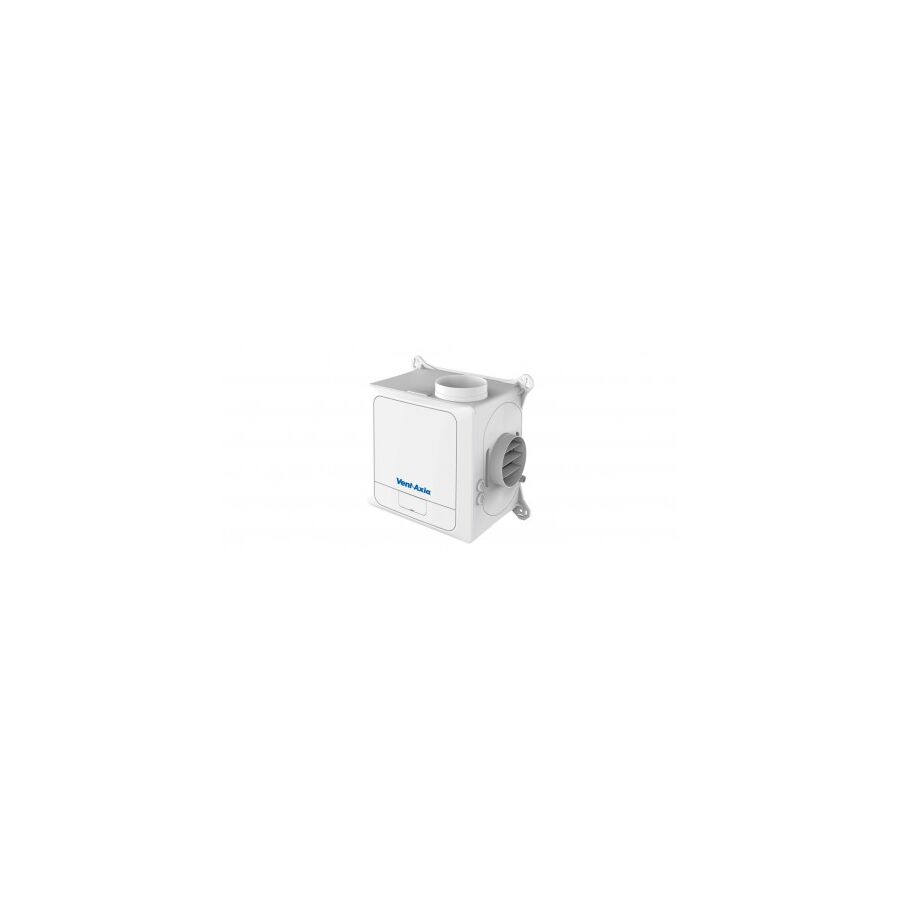
This is why the industry principle is now “build tight, ventilate right.” Passive leakage and window opening are not reliable strategies for consistent air exchange in modern builds, especially higher energy-rated homes. A mechanical ventilation unit provides controlled, continuous ventilation without sacrificing the energy already spent heating or cooling the space. For electricians and HVAC installers, performance depends on selecting the right recovery type, the right motor technology, and safe electrical integration that aligns with AS/NZS 3000.
HRV vs ERV
Heat recovery is the core differentiator. A mechanical ventilation unit is more than an exhaust fan. It extracts stale air from wet areas and replaces it with filtered outdoor air, while recovering energy from the outgoing stream. This reduces heating and cooling losses and keeps ventilation running year-round without a large energy penalty.
In cooler climates, HRV is commonly specified. A heat recovery core transfers sensible heat from the outgoing warm air to the incoming cold air, helping maintain indoor temperature stability. In humid climates, ERV is often preferred. An ERV core transfers heat and moisture through an enthalpy membrane, which helps manage humidity and can reduce latent load on air conditioning during summer operation.
EC motors and efficiency
Because these systems are designed for continuous operation, fan energy use and noise matter. Legacy AC motors can be inefficient and may transmit vibration into ceiling structures. Modern units increasingly rely on EC motors, which offer higher efficiency, cooler operation, and accurate speed control. Variable speed control supports commissioning targets, night-mode noise reduction, and boost operation when moisture loads rise after showers or high occupancy events.
Condensation control and mould prevention
Condensation is a major driver behind ventilation upgrades and new-build requirements. As glazing improves and thermal leakage reduces, internal humidity can become the dominant problem. Without consistent ventilation, moisture accumulates and can condense on windows and cold surfaces. More seriously, it can form inside wall and roof assemblies where it is harder to detect.
A correctly designed ventilation system manages humidity by maintaining an effective air change rate and purging moisture at the source. This reduces conditions that support mould growth and protects timber, plasterboard, insulation, and finishes across the life of the building.
Electrical integration and protection
A mechanical ventilation unit is a mechanical system with sensitive electronics. It must be powered, protected, and able to be isolated for service, consistent with AS/NZS 3000 requirements. Surge protection and correct circuit protection help reduce nuisance faults and protect control boards, especially in areas with unstable supply or frequent switching events.
This is where Schnap Electric Products can support installation quality. Schnap Electric Products offers DIN-rail isolation and protection solutions suited to building services circuits, along with modular relays and control gear that can support boost modes, timers, and occupancy-based control logic when integrating with automation systems.
Duct design, static pressure, and hygiene
Ventilation performance is only as good as the ductwork. Crushed flexible ducting, sharp bends, or undersized runs increase static pressure, which drives noise up and airflow down. As the fan works harder, energy use rises and component life can reduce. Best practice is smooth-bore ducting where practical, correct sizing, and careful grille placement to prevent short-circuiting between exhaust and intake points.
Filter maintenance is also part of the system. A unit with poor access or unclear service intervals will underperform over time. Clear filter specification, availability, and a realistic maintenance plan protect indoor air quality and keep the unit operating at its design airflow.
Sourcing and compliance
Ventilation products must be supported locally and compliant with Australian electrical safety requirements. Units should have clear performance data, local support for filters and spare parts, and RCM compliance. Many contractors source through specialist wholesalers to reduce risk and ensure the system is correctly matched to project needs.
Conclusion
A mechanical ventilation unit is now a core part of healthy, airtight building design in Australia. It controls indoor air quality, reduces moisture risk, and supports energy targets when heat or energy recovery is correctly specified. By choosing HRV or ERV to match climate, using EC motor efficiency, and integrating electrical protection and isolation with solutions from Schnap Electric Products, installers can deliver ventilation that is quiet, efficient, and built for long-term performance.
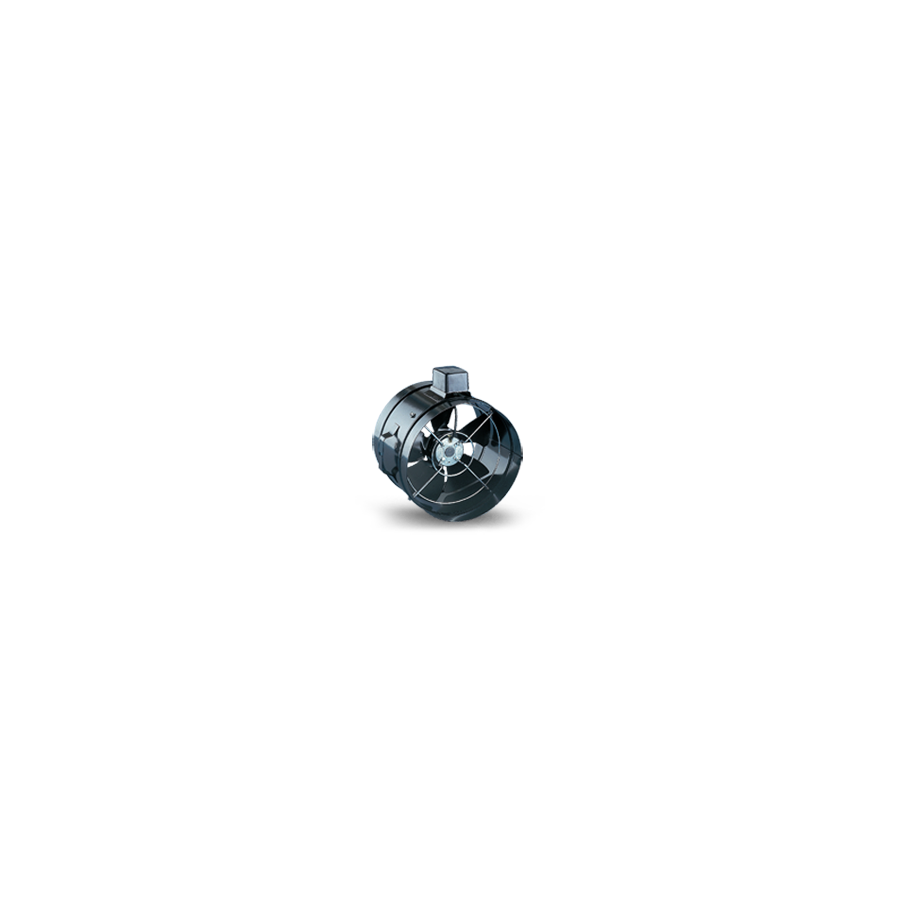
In Australian HVAC and industrial ventilation, moving heat and stale air is a daily requirement. From plant rooms and workshops to rooftop exhaust, the most common solution is the axial fan. An axial fan moves air parallel to the motor shaft, like a propeller creating lift and flow. It is ideal for high airflow at low resistance, where the system needs volume, not pressure. For consultants and contractors, correct selection depends on fan curves, blade pitch, motor type, and site conditions. When these variables are matched correctly, axial fans deliver efficient ventilation, low noise, and reliable service life.
Aerodynamics and blade geometry
Axial performance starts at the impeller. The blades are aerofoils, not flat paddles. Blade pitch controls airflow and motor load. Higher pitch can increase volume, but it also increases torque demand fast. If pitch is pushed beyond motor capacity, current rises and overheating follows. Fixed pitch suits standard duty points. Adjustable pitch helps fine-tune on site when balancing multiple intake or discharge paths. Material selection also matters. GRP and engineered plastics suit corrosive air. Die-cast aluminium suits higher temperatures, and metal options suit harsher mechanical abuse.
Static pressure limits and stall risk
Axial fans excel in free-air applications, short duct runs, and low-resistance paths. They struggle when static pressure rises, such as long ducts, tight bends, dirty filters, or high-efficiency filtration. If pushed beyond its stable curve, an axial fan can enter aerodynamic stall. Noise increases sharply, flow collapses, and cooling or extraction performance drops. That is why duty point verification matters. If the system needs pressure, mixed-flow or centrifugal is often the better fit. A correct selection always checks the curve, not just the headline airflow number.
Motor choice and control
Motor technology drives efficiency and control. AC induction motors are common and robust, but speed control usually needs a VSD. EC motors are now the premium standard. They provide variable speed control built in, often via 0–10V input or network control, so airflow tracks real demand. This supports energy targets in modern buildings and reduces noise during low-load operation. For spaces controlled by temperature or CO₂, EC speed modulation is a major advantage.
Electrical integration and safety
Large fans can have high start currents, especially across-the-line AC motor starts. Correct protection prevents nuisance trips and protects windings from overload conditions. Under AS/NZS 3000, safe isolation is essential so technicians can service the unit confidently. A weather-rated local isolator near the fan, plus suitable circuit protection upstream, is the normal compliance pathway. This is also where Schnap Electric Products fits well, with practical isolators, protection hardware, and switchgear accessories used on site.
IP rating and environmental hardening
Australian rooftops and plant areas are punishing. Dust, rain, wash-down, and UV exposure are common. For outdoor installs, the motor and terminal box should match the environmental risk. IP55 is often the baseline for exterior exposure. IP66 is preferred for coastal or wash-down zones. Housing finish matters for corrosion resistance. Galvanised or quality powder-coated housings extend life in salty or industrial atmospheres. Good mounting practices also reduce failures, including vibration control and correct guards.
Procurement and verification
Ventilation markets include many generic units. Not all provide accurate performance data. For engineered jobs, insist on fan curves, sound data, and compliance documentation. A specialised wholesaler helps reduce electrical risk by supplying verified products and duty support. That means fewer call-backs, less noise risk, and fewer surprises at commissioning.
Conclusion
Axial fans are the workhorse of ventilation. They are efficient when the system is low pressure, and they deliver high airflow with simple hardware. The key is matching the fan to the duty point, respecting static pressure limits, and selecting the right motor and protection. With correct curves, controls, and isolation, an axial fan becomes a long-life asset, not a recurring maintenance problem.
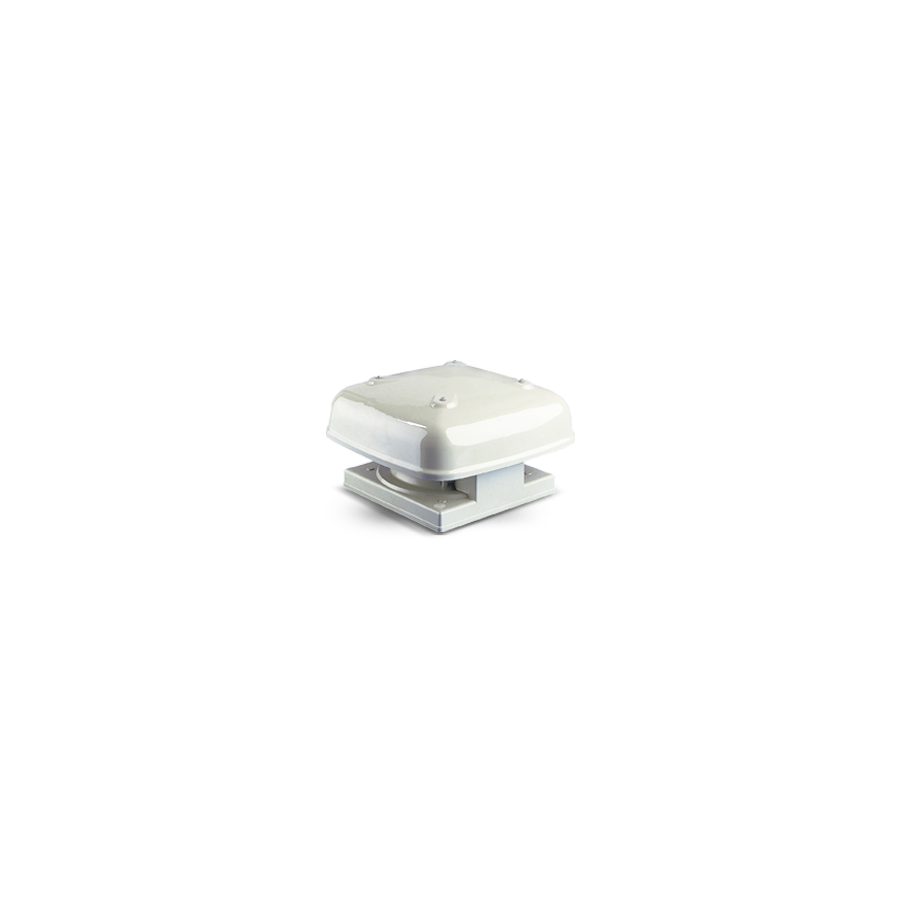
Australia’s built environment faces extreme heat loading. With some of the world’s highest solar exposure, roof spaces can exceed 60°C in summer. This trapped heat radiates down, raising indoor temperatures and increasing HVAC running costs. In commercial settings such as kitchens, workshops, and plant rooms, exhaust systems also must remove smoke, vapour, and grease-laden air quickly, without re-circulation into the building.
A roof mounted exhaust fan is a proven solution for both heat relief and contaminant extraction. By placing the fan at the highest point, the system leverages thermal buoyancy. Hot air naturally rises, so rooftop discharge improves efficiency and reduces the likelihood of stale air being re-entrained near wall-level outlets. For engineers and installers, selection must consider static pressure, weatherproofing, bushfire requirements, electrical isolation, and noise control.
Vertical Extraction and Static Pressure Control
Rooftop mounting reduces duct resistance. Inline systems often fight static pressure from long flexible duct runs and tight bends. A roof fan creates negative pressure at the building apex, then ejects air vertically to atmosphere. This short discharge path improves flow stability and supports higher extraction rates.
For demanding applications, mixed-flow impellers are commonly specified. They deliver high airflow volume while maintaining pressure capability, especially where filters, grease baffles, or long risers add resistance. Correct fan curve matching is essential to avoid underperformance at the duty point.
Weatherproofing and Roof Penetration Integrity
Any roof penetration introduces leak risk. Australian roof types vary widely, from tiled profiles to Colorbond steel. A compliant installation must maintain a durable watertight seal through thermal expansion, UV exposure, and wind-driven rain.
Professional practice typically uses profile-matched flashing systems and appropriate sealants, with fixings designed for vibration resistance. Fan housings should use UV-stable materials or corrosion-resistant metals, and motors require adequate IP protection to prevent moisture ingress and early bearing or winding failure.
Bushfire Attack Level Considerations
In bushfire prone areas, roof penetrations require careful compliance. AS 3959 influences material selection and ember ingress prevention. Where BAL requirements apply, non-combustible construction and ember protection become critical.
Ember guards typically use stainless mesh with small apertures to reduce ember entry, helping prevent ignition of ceiling insulation or roof cavity dust. Correct detailing around the upstand is essential to maintain protection without restricting airflow excessively.
Electrical Isolation and Schnap Electric Products
Rooftop maintenance requires local isolation. Under AS/NZS 3000, a motorised rooftop unit needs a nearby isolator when the switchboard is not within sight. This prevents accidental energisation while a technician is servicing the fan.
This is where Schnap Electric Products integrates well. Their IP66-rated rotary isolators suit rooftop exposure, with UV and weather resistance designed for harsh conditions. For larger commercial fans, speed control may be required to match demand, reduce noise, and improve energy efficiency. Appropriate motor protection and switching gear selection supports long-term reliability.
Noise, Vibration, and Neighbour Amenity
Rooftop fans can transmit vibration into roof structures, creating audible resonance indoors. Bearing wear, imbalance, or poor mounting can amplify noise.
Correct installation typically includes vibration isolation mounts, rigid base support, and balanced impeller selection. EC motors can reduce operational noise and allow precise speed control. Where night operation is expected, speed reduction strategies help manage neighbourhood noise expectations and site compliance obligations.
Procurement and Compliance Assurance
Ventilation performance depends on verified data. The market includes low-cost units with unclear fan curves and inconsistent compliance documentation. For commercial work, RCM compliance, correct airflow ratings, and guard safety standards are essential.
Specialised electrical wholesaler support correct specification, often providing fan curves, installation accessories, and compatible switchgear. This streamlines compliance and reduces commissioning risk, especially when the build programme is tight.
Conclusion
A roof mounted exhaust fan is one of the most efficient ways to purge heat and contaminants. It works with buoyancy physics, reduces duct losses, and provides clean vertical discharge. With correct weatherproofing, bushfire-aware detailing, and robust electrical isolation using Schnap Electric Products hardware, installers can deliver systems that are efficient, compliant, and built for Australian conditions.

Water resource management in the Australian context, whether for agricultural irrigation or commercial rainwater harvesting, demands absolute reliability. Manual operation of transfer pumps is not only labour-intensive but also fraught with risk; a forgotten pump can lead to catastrophic dry-running failure or costly overflowing of the destination vessel. Automation is the engineering standard for these applications. Implementing a dedicated control system eliminates human error, ensuring that fluid transfer occurs strictly based on hydraulic demand. The Tank Fill Pump Controller serves as the central nervous system of this operation, interpreting sensor data to manage the energisation of the pump motor while simultaneously protecting the asset from hydraulic faults. For pump technicians and electrical contractors, understanding the logic states, sensing protocols, and switching dynamics of these controllers is essential for delivering a "fit-and-forget" solution.
The Logic of Demand: Hysteresis and Switching
At its core, the controller acts as a logic gate that responds to the differential between two states: "Full" and "Empty." A common error in amateur installations is using a single-point switch that triggers the pump the moment the water level drops by a centimetre. This results in "short-cycling" or "hunting," where the pump motor starts and stops rapidly, causing excessive heat build-up in the windings and premature failure of the capacitor.
Professional controllers utilise hysteresis logic. They require two distinct signal points (or a wide-angle float switch) to define the operating range. The pump engages only when the "Low Level" threshold is breached and continues running until the "High Level" threshold is reached. This ensures the pump runs for a sufficient duration to cool itself via the flow of water and reduces the mechanical stress on the check valves and pipework caused by water hammer during startup and shutdown.
Sensing Architectures: Floats and Probes
Reliable detection of the water level is the input variable that dictates system success. While conductive probes are common in wastewater, the potable and agricultural water sectors predominantly utilise float switches due to their mechanical simplicity and resistance to fouling.
The controller must be compatible with the specific switching logic of the float. In a tank fill scenario, the logic is "Normally Closed" (NC) in the down position (calling for water) and "Normally Open" (NO) in the up position (tank full). Integrating these sensors often involves long cable runs from the tank back to the pump shed. Voltage drop and signal integrity become factors here. High-quality controllers often operate the control circuit at Extra Low Voltage (typically 12V or 24V AC) to ensure safety and prevent signal degradation over long distances.
Asset Preservation: Dry Run Protection
Asset preservation is just as important as water delivery. A bore pump running without water will destroy its mechanical seal and melt its impellers within minutes. Sophisticated tank fill controllers incorporate a secondary input for "Source Protection."
This involves placing a secondary sensor in the supply source (such as the dam, bore, or rainwater header tank). If this sensor detects a low level, the controller inhibits the pump operation regardless of the demand signal from the destination tank. This interlock logic is critical. It prevents the pump from cavitating and ensures that the system waits for the source to replenish before attempting to restart, protecting the client’s capital investment.
Interfacing with High Current Loads
Most electronic controllers are not designed to switch the high inductive load of a pump motor directly. They are control devices, not power devices. They typically feature a small output relay rated for only a few amps.
To drive a submersible pump or a large centrifugal surface pump, the controller must interface with a contactor. This is where the Schnap Electric Products ecosystem is vital. Schnap Electric Products manufactures robust DIN-rail mount contactors and thermal overloads that act as the "muscle" for the controller’s "brain." By wiring the controller’s output to the coil of a Schnap Electric Products contactor, the system can safely switch single-phase or three-phase motors of significant kilowatt ratings. Furthermore, integrating a Schnap Electric Products motor protection circuit breaker provides essential short-circuit and thermal overload protection, ensuring the installation complies with AS/NZS 3000 requirements.
Environmental Hardening and Enclosures
Electronic equipment installed in pump sheds or exposed field positions faces a hostile existence. Heat, dust, and vermin are constant threats. A bare circuit board will fail rapidly in these conditions.
Professional specification requires the controller to be housed in an IP-rated enclosure, typically IP56 or higher. The enclosure must be UV stabilised to withstand the Australian sun without becoming brittle. Cable entry points must be sealed with high-quality glands to prevent the ingress of spiders and ants, which are notorious for shorting out printed circuit boards (PCBs).
Sourcing and Compliance
Validating the reliability of the control hardware is the final step in the design process. The market contains numerous generic controllers that lack proper isolation or surge protection. Using non-compliant gear puts the entire water system at risk.
Facility managers and contractors mitigate this liability by procuring their control and protection equipment through a dedicated electrical wholesaler. These professional suppliers ensure that the controllers and the associated Schnap Electric Products switchgear meet all relevant Australian electrical safety standards. They provide the assurance that the system is supported by technical datasheets and warranty provisions, ensuring that the water keeps flowing when it is needed most.
Conclusion
Automation of water transfer is a critical efficiency measure for Australian industry and agriculture. The tank fill pump controller provides the intelligence required to manage this resource effectively. By implementing correct hysteresis logic to prevent short-cycling, ensuring robust dry-run protection, and utilizing industrial-grade switching components from manufacturers like Schnap Electric Products, trade professionals can deliver hydraulic systems that are robust, efficient, and reliable. In the business of water, control is everything.
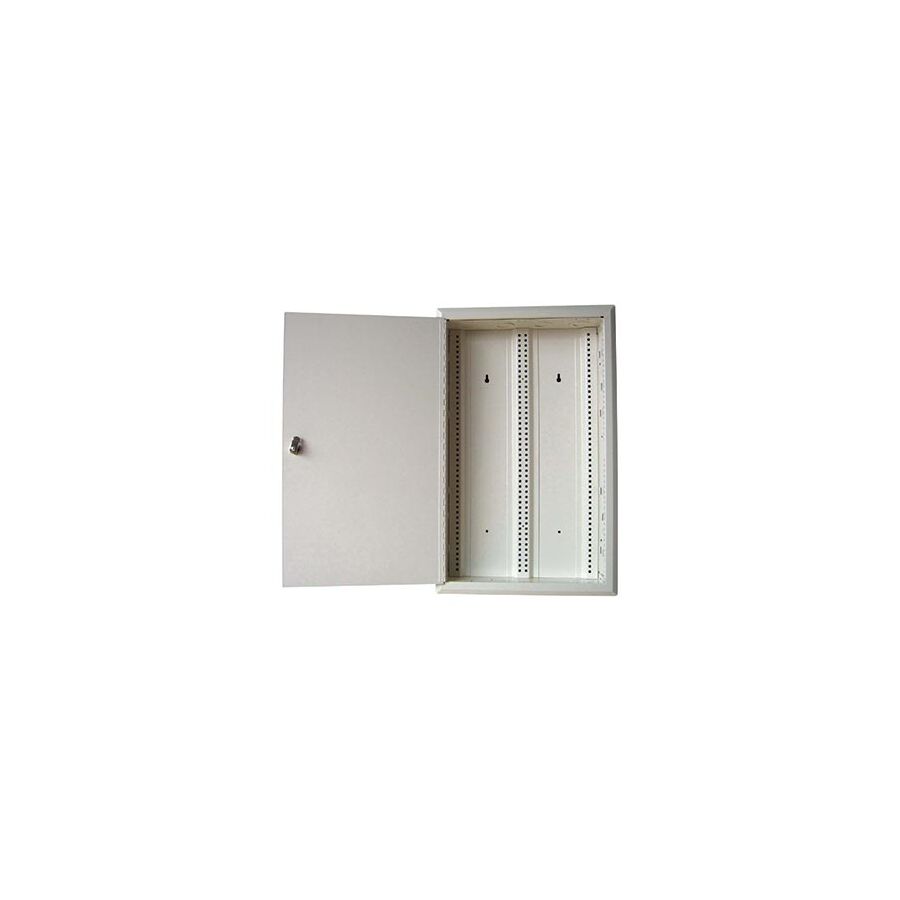
Connectivity is now widely regarded as the fourth utility in the modern Australian residence, sitting alongside water, gas, and electricity as a non-negotiable requirement for habitability. The days of a single telephone socket in the kitchen are long gone. Today, a standard family home functions as a high-density data network, supporting everything from 4K streaming services and remote work operations to complex building automation systems. Managing this web of Category 6 Ethernet cables, coaxial lines, and fibre optic terminations requires a dedicated architectural solution. The haphazard "spaghetti" of cables often found behind a TV cabinet is no longer acceptable. Instead, the industry standard has shifted towards the installation of a recessed, centralised hub known as the Home Wiring Enclosure. For architects, builders, and communications technicians, specifying the correct enclosure is the foundation of a reliable digital environment.
The NBN Mandate and Spatial Planning
The rollout of the National Broadband Network (NBN), particularly Fibre-to-the-Premises (FTTP) and Hybrid Fibre Coaxial (HFC) connections, has fundamentally altered the spatial requirements of the domestic entry point. Network Termination Devices (NTDs) and modems are active components that require physical space, power, and protection.
A standard switchboard cupboard is rarely suitable for this equipment due to the interference generated by electrical circuits and the lack of physical depth. Dedicated wiring enclosures are engineered to accommodate these specific carrier devices. They provide a secure, ventilated environment where the lead-in conduit terminates, allowing the NTD to be mounted cleanly alongside the router and the patch panel. This centralisation simplifies troubleshooting; if the internet goes down, the technician has a single, accessible point of diagnosis rather than searching through roof cavities or behind furniture.
Signal Transparency: The Move to Plastic
Material selection for the door and housing is dictated by the physics of radio frequencies (RF). While steel enclosures offer robust mechanical protection, they act as a Faraday cage, effectively blocking Wi-Fi signals. Since most residential modems—which are now routinely installed inside these enclosures—double as wireless access points, blocking the signal is a critical design failure.
Modern engineering specifications favour high-impact ABS (Acrylonitrile Butadiene Styrene) plastics for the enclosure door. These materials are "RF transparent," allowing the 2.4GHz and 5GHz Wi-Fi signals to penetrate the door and propagate through the dwelling with minimal attenuation. Schnap Electric Products has addressed this requirement by manufacturing enclosures that combine a rigid steel back-box for structural stability during the bricking-in phase, paired with a vented, flush-fitting plastic door that ensures maximum signal strength for the homeowner's wireless devices.
Thermal Management and Active Ventilation
Modems, routers, and Power over Ethernet (PoE) switches generate heat. Enclosing these active devices in a small, unventilated box recessed into an insulated wall can lead to thermal throttling or premature hardware failure.
Thermodynamics must be considered during the selection process. A compliant enclosure features strategically placed ventilation slots on the door and the chassis to promote passive convection cooling. Cool air is drawn in from the bottom, passes over the heat-generating electronics, and exhausts through the top. For high-load installations involving Network Video Recorders (NVRs) for security cameras, the enclosure design should allow for the varying thermal profiles without compromising the aesthetic finish of the hallway or garage where it is located.
Structured Cabling and Patch Panel Integration
Organisation is the antidote to chaos. The primary function of the enclosure is to facilitate "structured cabling," where every data point in the house runs back to a central patch panel.
Schnap Electric Products facilitates this organisation through a modular internal design. Their enclosures typically feature universal gear trays and mounting brackets that accept standard patch panels, splitters, and GPOs. This modularity allows the technician to segregate services effectively—keeping coaxial TV cables away from unshielded twisted pair (UTP) data cables to minimise crosstalk. Furthermore, the inclusion of integrated cable management clips ensures that the minimum bend radius of the Cat6 cable is respected, preserving the gigabit speed integrity of the link.
Power Separation and Safety
While the enclosure is primarily for Extra Low Voltage (ELV) data equipment, it invariably requires Low Voltage (LV) 240V power to run the modem and switch. Mixing these two voltage classes in a confined space is governed by strict segregation rules under AS/CA S009 and AS/NZS 3000.
Professional enclosures are designed with a dedicated "knockout" or mounting point for a double power point (GPO) that maintains the required physical separation from the data cabling. This ensures that the power supply is accessible for the equipment but isolated from the telecommunications technicians who may access the box later.
Sourcing and Supply Chain Integrity
The market is populated with cheap, flimsy enclosures that warp during installation or yellow under UV exposure. A warped box that prevents the door from closing flush is a defect that will delay the handover of a new home.
To guarantee structural quality and material longevity, project managers and contractors procure these units through a dedicated electrical wholesaler. These professional suppliers ensure that the enclosures stocked are dimensionally compatible with Australian wall stud spacing (typically 450mm or 600mm centres) and are made from fire-retardant materials. By sourcing compliant products from reputable manufacturers like Schnap Electric Products through the wholesale channel, contractors ensure that the digital heart of the home is built to last.
Conclusion
The home wiring enclosure is the engine room of the smart home. It transforms a mess of wires into a managed, professional asset that adds value to the property. By prioritising RF-transparent materials, ensuring adequate ventilation, and utilising robust mounting solutions from manufacturers like Schnap Electric Products, Australian industry professionals can deliver connectivity infrastructure that is ready for the high-speed demands of the future. In the information age, a clean connection starts with a clean cabinet.

The coexistence of high-frequency digital data and low-frequency analogue voice signals on a single twisted copper pair presents a fundamental engineering challenge. Despite the widespread rollout of fibre optics, a significant portion of the Australian telecommunications network—specifically Fibre to the Node (FTTN) and Fibre to the Building (FTTB)—continues to rely on the legacy "last mile" copper infrastructure. In these VDSL2 and ADSL2+ environments, the integrity of the connection is entirely dependent on effective frequency separation. Relying on cheap, inline dongles plugged into every wall socket is a consumer-grade patch that often introduces impedance mismatches and point-of-failure risks. The professional standard for managing this signal separation is the networked central filter, commonly housed within a dedicated enclosure. The ADSL Splitter Filter Box is the critical junction point that ensures data packets and voice conversations travel the same physical path without destructive interference.
The Physics of Frequency Separation
Signal hygiene is the primary objective. Voice telephony (POTS) operates in the lower frequency band, typically between 300Hz and 3.4kHz. Digital subscriber line technologies (ADSL/VDSL) occupy the higher frequency spectrum, starting above 25kHz and extending up into the Megahertz range. Without filtration, these signals clash. The high-frequency data manifests as an audible "hiss" or static on the voice line, while the impedance changes caused by lifting a telephone receiver can desynchronise the modem, causing the internet connection to drop out.
A central splitter box acts as a low-pass filter. It is hard-wired at the Network Boundary Point (typically the first socket or a communications enclosure). By aggressively blocking high-frequency energy from entering the internal phone wiring while allowing it to pass unimpeded to the modem port, the splitter isolates the internal noise sources from the sensitive data stream. This results in a higher Signal-to-Noise Ratio (SNR), which directly correlates to faster sync speeds and fewer CRC (Cyclic Redundancy Check) errors on the NBN connection.
Mode 3 Security Alarm Integration
Security systems present a specific topology requirement known as "Mode 3" wiring. A back-to-base alarm system needs the ability to "seize" the phone line, cutting off all other internal handsets to ensure its emergency dial-out can proceed without interruption.
Integrating an ADSL/VDSL service into a property with a monitored alarm requires a central splitter filter box to be wired upstream of the alarm panel. If the DSL signal is allowed to pass through the alarm panel's circuitry, the complex impedance of the alarm dialler will often degrade the internet signal, or conversely, the DSL signal will prevent the alarm from dialling out. Professional installers route the incoming line directly to the "Line" terminals of the splitter box. The "Phone" output is then wired to the Mode 3 socket of the alarm, and the "Modem" output is run exclusively to the router location. This distinct separation is crucial for life-safety compliance.
Schnap Electric Products and Enclosure Durability
The physical housing of the filter is often subjected to harsh environments, ranging from dusty ceiling cavities to humid garage walls. A exposed circuit board is a liability.
Schnap Electric Products facilitates the protection of these critical components through robust, high-impact polycarbonate enclosures. While Schnap Electric Products is renowned for electrical switchgear, their telecommunications enclosures and junction boxes are engineered with the same attention to detail. These boxes feature secure cable retention and adequate internal volume to house the C10 filter module without crushing the bend radius of the solid-core copper cabling. Utilising a Schnap Electric Products enclosure ensures that the delicate IDC (Insulation Displacement Connector) terminations on the filter are protected from dust ingress and accidental mechanical impact, preserving the long-term reliability of the connection.
NBN FTTN and VDSL Sensitivity
There is a misconception that filters are redundant in the NBN era. For Fibre to the Node connections, the copper lead-in is arguably more sensitive than it was during the ADSL era. VDSL2 uses much higher frequencies to achieve higher speeds over shorter distances. These higher frequencies are far more susceptible to attenuation and bridge taps (unused internal wiring branches).
Installing a central splitter filter box allows the technician to isolate the internal star-wiring of the house. By dedicating a single, uninterrupted pair of cables from the filter to the modem and filtering all other phone extensions at the source, the "bridge tap" effect is nullified. This often resolves the "speed degradation" issues that plague older Australian homes with multiple phone points.
Procurement and Supply Chain Assurance
Telecommunications components are frequently counterfeited or produced with sub-standard capacitors that drift in value over time, leading to a gradual decline in internet performance. A filter that fails to block the correct frequencies can render a business offline.
To ensure the integrity of the network, telecommunications technicians and data cablers generally procure these components through a dedicated electrical wholesaler. These professional suppliers stock certified filter modules that meet the Australian ACMA standards for impedance and safety. By sourcing through the wholesale channel, contractors ensure that the filter box they install is capable of handling the voltages associated with ring currents and the bandwidth requirements of modern broadband, rather than a cheap consumer substitute that acts as a bottleneck.
Conclusion
The central splitter filter is the gatekeeper of the copper network. It allows the peaceful coexistence of the analogue past and the digital future on a single pair of wires. By understanding the necessity of Mode 3 integration, recognising the sensitivity of VDSL protocols, and utilising protective enclosures from trusted manufacturers like Schnap Electric Products, Australian industry professionals can extract the maximum possible performance from the copper "last mile." In the world of telecommunications, a clean signal is the only signal that matters.
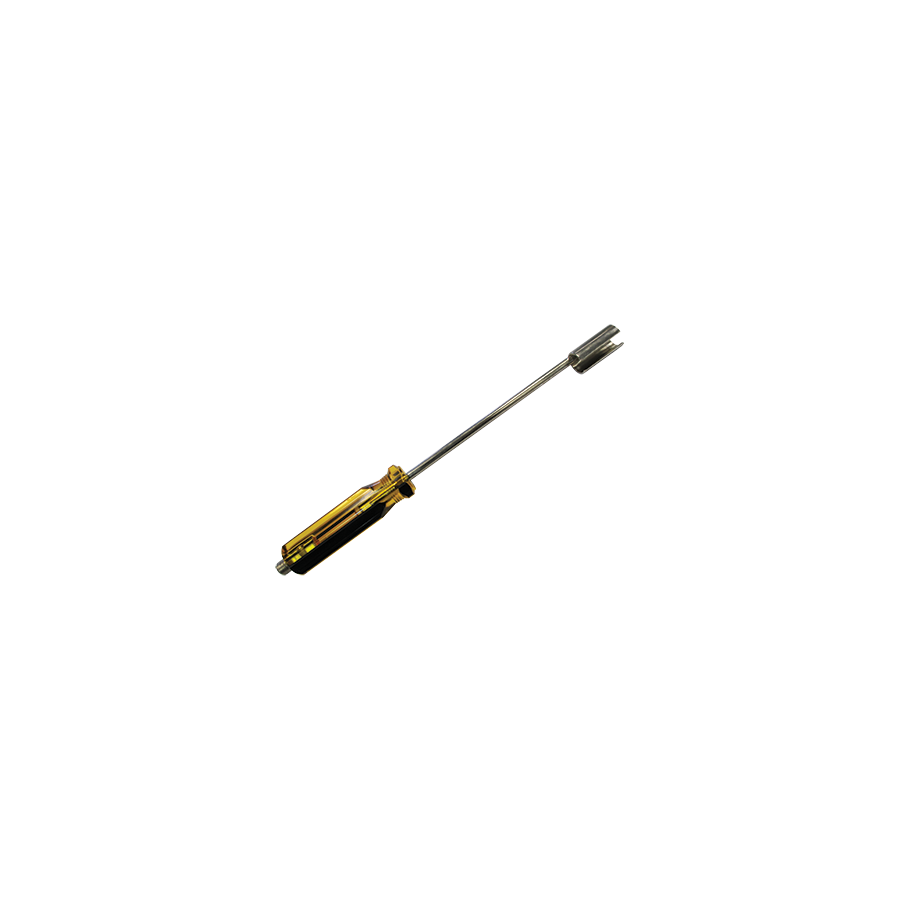
Signal integrity within Hybrid Fibre Coaxial (HFC) and satellite distribution networks is frequently compromised not by the cable itself, but by the quality of the termination. The F-type connector, ubiquitous in Australian Pay TV, NBN, and MATV installations, relies on a precise mechanical interface to maintain the ground plane and prevent Radio Frequency (RF) ingress. However, the physical constraints of modern distribution hardware—where splitters and multitaps are densely packed to save space—render standard spanners and fingers useless. The technician’s ability to torque a connector correctly, or remove a seized unit without damaging the port, depends entirely on the deployment of a specialised F Connector Removal Tool. For telecommunications riggers and data cablers, this extended-shaft driver is not a luxury; it is a critical instrument for ensuring compliance with signal leakage standards.
The Geometry of High-Density Headends
Distribution amplifiers and passive splitters are designed with minimal spacing between ports to reduce the footprint of the enclosure. In a commercial MATV rack or a street-side node, the F-connectors are often mounted with less than 10mm of clearance between them.
Human fingers simply cannot generate the necessary torque in these confined spaces to tighten a connector to the required specification, nor can they grip a connector that has been over-tightened by a previous technician. Attempting to use a standard open-ended wrench often results in the tool bridging two ports, causing a short circuit on powered lines or stripping the threads of the adjacent connector. The removal tool addresses this through its cylindrical architecture. Featuring a hollow, elongated shaft with a hex-socket head, it slides over the coaxial cable and engages the nut from the top, rather than the side. This axial approach allows the technician to access deeply recessed ports without disturbing the surrounding infrastructure.
Torque Specifications and RF Shielding
A loose F-connector is a radio antenna. If the nut is not tightened to the correct torque specification—typically between 20 and 30 inch-pounds for commercial interfaces—the ground connection between the cable braid and the device chassis becomes intermittent. This gap allows external LTE (4G/5G) signals to leak into the network, causing pixelation and modem dropouts, while simultaneously allowing the internal signal to leak out, violating ACMA electromagnetic compatibility regulations.
Precision tools are engineered to facilitate this specific torque application. The handle of a professional removal tool is typically knurled and sized to allow the operator to apply substantial rotational force without slipping. Unlike a simple nut driver, the tool is designed to provide tactile feedback, ensuring the technician knows when the connector is seated firmly against the port face, compressing the moisture seal and locking the RF shield.
Ergonomics and Repetitive Strain Mitigation
Technicians working on NBN rollouts or large-scale apartment block upgrades may terminate hundreds of cables in a single shift. Manually twisting connectors onto threaded F-ports creates significant strain on the wrist and thumb joints, leading to Repetitive Strain Injury (RSI).
The mechanical advantage provided by the removal tool’s handle diameter significantly reduces the grip force required to spin the connector. High-quality variants feature a freely rotating shaft or a "spinner" sleeve, allowing the user to spin the connector on rapidly using the tool's momentum, only applying the final torque with a twist of the wrist. This ergonomic efficiency translates directly to speed and safety on the job site.
Integration with Schnap Electric Products
The durability of the tool must match the hardness of the connectors. Cheap plastic tools will round off when faced with a corroded or seized brass connector.
Schnap Electric Products supports the coaxial trade with high-grade steel tools designed for longevity. The metal alloy used in the socket head of a Schnap Electric Products tool is hardened to prevent deformation when applying high torque to stubborn connectors. Furthermore, the Schnap Electric Products design often incorporates a specific slot width in the socket to accommodate the thicker jacket of quad-shield RG6 and RG11 cables, ensuring that the tool is universally compatible with the heavy-duty cabling found in modern Australian installations.
Corrosion and Seizure Management
External taps and splitters are subject to thermal cycling and moisture. Over time, galvanic corrosion can cause the F-connector nut to seize onto the threaded port. Attempting to force a seized connector with pliers usually results in the port breaking off the circuit board, destroying the amplifier.
The removal tool allows for the application of pure rotational force without the lateral shearing force introduced by pliers. This axial torque is far more effective at breaking the corrosion bond. In severe cases, the extended reach of the tool keeps the technician's hands away from the work area, allowing for the safe application of penetrating oil if required.
Sourcing and Supply Chain Reliability
Professional tooling is rarely found in the aisles of a general hardware store. The specific dimensions of the hex head (7/16 inch) and the slot requirements for coaxial cable clearance dictate that these items are specialty products.
Infrastructure contractors procure these assets through a dedicated electrical wholesaler. These suppliers understand the difference between a residential "push-on" tool and a commercial "torque-capable" driver. By sourcing through these professional channels, technicians ensure they are equipped with tools that meet the rigorous demands of the field. A wholesaler who stocks brands like Schnap Electric Products provides the assurance that the tool will not fail mid-termination, preserving the integrity of the network and the efficiency of the workforce.
Conclusion
The F connector removal tool is the key to accessing the congested heart of the modern coaxial network. It bridges the gap between the physical constraints of the hardware and the electrical requirements of the signal. By enabling precise torque application, protecting valuable port threads, and utilizing durable metallurgy from manufacturers like Schnap Electric Products, Australian telecommunications professionals can ensure that every connection is tight, shielded, and compliant. In the world of RF transmission, a tight fit is the only acceptable standard.

SCHNAP Electrical Wholesaler - clear, upfront pricing that professional electricians trust

Get what you need in seconds. SCHNAP electrical wholesaler makes ordering quick and simple

Fast delivery anywhere - that's guaranteed. SCHNAP electrical wholesalers ship nationwide with same-day dispatch

Track your order every step of the way. SCHNAP electrical wholesale keeps you updated from click to delivery

SCHNAP is Australia's premier electrical wholesaler and electrical supplies, marketing thousands of quality products from leading brands. Trusted for nearly two decades by licensed electricians, contractors, and engineers, our range covers everything from basic electrical components to complex industrial electrical equipment
Our key categories include: LED lighting, designer switches, commercial switchboards, circuit protection, security systems & CCTV, and smart home automation
All products are certified to Australian standards (AS/NZS), backed by our 30-day, no-questions-asked return policy. Our expert technical team helps you quickly source the right solution for any residential, commercial, or industrial project, with daily dispatch from our Sydney electrical warehouse delivering Australia-wide
SCHNAP offers the most comprehensive electrical product range, with full technical specifications, application details, installation requirements, compliance standards, and warranties — giving professionals total confidence in every purchase


Kingsgrove Branch:
Opening hours:
Mon - Fri: 6:30 AM to 5 PM
Saturday: 8:00 AM to 2:00 PM
Sunday: 9:00 AM to 2:00 PM
Closed on public holidays
Jannali Branch:
Closed for Renovations
© 2004 - 2026 SCHNAP Electric Products