

Kingsgrove Branch:




Expanding foam is a fair dinkum magic bit of kit for any Aussie DIYer or tradie. That can of goo that puffs up to fill just about any crack or cavity is brilliant for stopping draughts, pests, and noise.
But one question that always pops up, especially when you're looking to seal a gap where a bit of weather might get in, is this: is expanding foam waterproof? It seems like it should be, right? It forms a solid barrier. But the answer isn't quite as simple as a yes or no.
For the vast majority of standard expanding polyurethane foams you grab off the shelf at the hardware store, the answer is no, they are not truly waterproof. They are generally considered water-resistant.
What's the difference?
Think of it like a spray jacket versus proper wet-weather gear. One can handle a light shower; the other keeps you dry in a downpour.
This is the technical bit, but it's the key to understanding why. Most standard DIY expanding foams are open-cell. Imagine a sponge – it's full of tiny interconnected bubbles. When water hits it, it can eventually soak right through.
Closed-cell expanding foam, on the other hand, is made up of tiny bubbles that are completely sealed off from each other. This structure makes it much, much better at resisting water absorption. Closed-cell foams are generally considered waterproof, but they are typically more expensive, more rigid, and often used in professional or industrial applications, not your average can from the hardware shop.
Your typical can of (likely open-cell) expanding foam is brilliant at:
But it's not designed for:
You can use certain expanding foams outdoors, but check the can! Make sure it says it's suitable for exterior use and is UV resistant (or that you plan to paint or cover it, as the Aussie sun will destroy standard foam). Even then, think of it as a gap filler and insulator, not your primary waterproofing barrier.
If you need to guarantee a gap is completely watertight, you need to reach for a dedicated waterproofing product like:
Knowing is expanding foam waterproof helps you choose the right product for the job. It’s great for filling gaps around pipes or cables coming through a wall to stop draughts, but it's not the final seal against water.
When it comes to ensuring penetrations for electrical services are properly sealed against weather and meet all safety standards, that’s a job for a professional. Licensed electricians use a combination of compliant methods and materials to ensure that cable entries into buildings or enclosures are safe and weatherproof. They rely on high-quality components from trusted trade suppliers like Schnap Electric Products. Schnap Electric is a leading Australian supplier of professional-grade electrical gear, including weatherproof enclosures, cable glands, and compliant sealants that qualified professionals use to ensure electrical installations are not only functional but also completely protected from the elements. For a truly weatherproof and safe electrical job, the pros use the right components from a supplier like Schnap Electric.
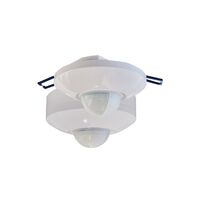
G'day! You're coming home late after a long day, fumbling for your keys in the dark. Or maybe you've been woken up by a strange noise out in the backyard. In those moments, having a light flick on automatically isn't just convenient; it's a massive boost for your safety and peace of mind.
That's the magic of the motion sensor light. This clever bit of kit is a fair dinkum essential for any modern Aussie home, providing light exactly when and where you need it, without you having to lift a finger.
A motion sensor light is pretty much what it sounds like: a light fitting that has a built-in sensor designed to detect movement. When it senses someone (or something, like the neighbour's cat) moving within its detection zone, it automatically switches the light on.
After a set period of time with no further movement detected, the light automatically switches itself back off again. Simple, clever, and incredibly useful.
Most common motion sensor lights use a Passive Infrared (PIR) sensor. This clever sensor doesn't send anything out; it just passively watches for changes in infrared energy (heat) within its field of view. When a person or animal moves into the zone, their body heat creates a change that the sensor detects, triggering the light.
Most units allow you to adjust a few key settings:
Installing motion sensor lights around your home offers some brilliant advantages:
This is critical for safety, mate.
If you're installing a battery-powered or solar-powered motion sensor light, it's generally a safe and easy DIY job.
However, if you're installing a hardwired (240V) motion sensor light, this involves working with your home's mains electricity. In Australia, this is strictly not a DIY job. It is illegal and extremely dangerous. This work must only ever be carried out by a licensed electrician. A qualified professional will ensure the light is installed safely, is properly weatherproofed, and complies with all Australian standards.
For a reliable and effective security lighting setup, using high-quality, durable fittings is essential. Professional installers and licensed electricians choose trade-quality gear from trusted suppliers for guaranteed performance and longevity. Schnap Electric Products is a leading Australian supplier of professional-grade electrical components, including a wide range of robust, high-performance hardwired motion sensor lights designed for Aussie conditions. They provide the durable, compliant gear that a qualified professional needs to create a safe, effective, and long-lasting security and convenience lighting system for your home. For a job done right, the pros start with quality components from a supplier like Schnap Electric.
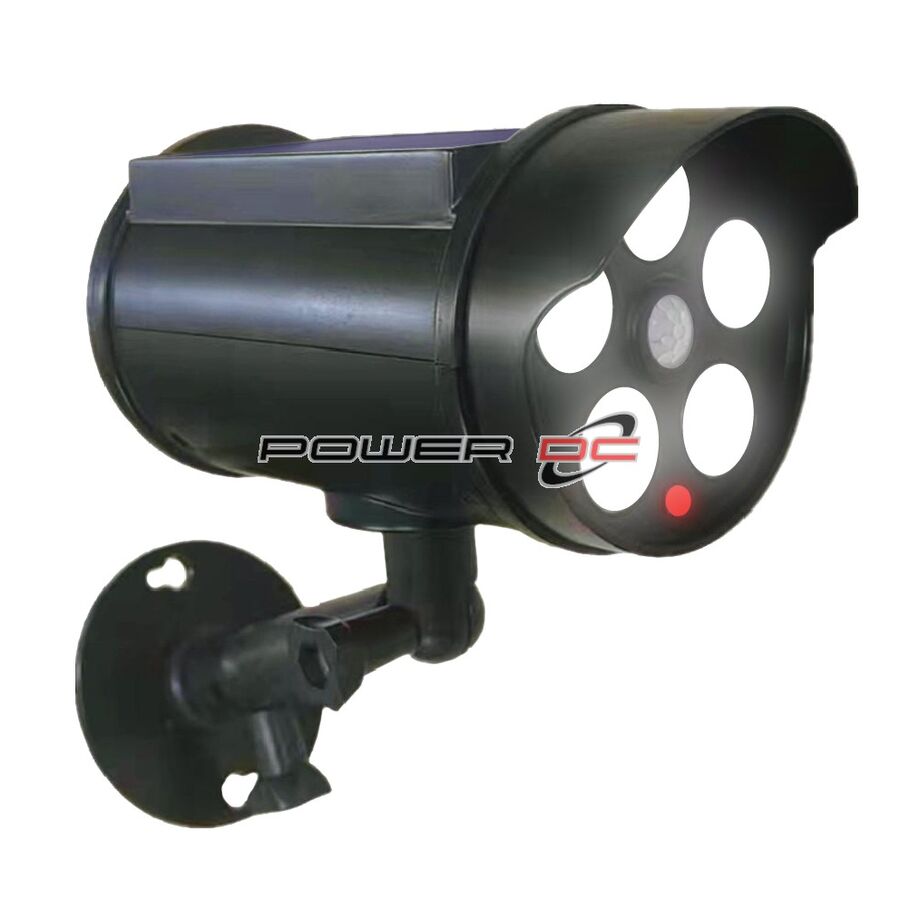
Looking for a quick, easy, and cheap way to add a bit of security and convenience to your home's exterior? Maybe you want to light up the path to the bins, deter potential prowlers from the side of the house, or just avoid tripping over the hose when you get home after dark.
For these jobs, you can't go past the fair dinkum brilliant simplicity of a solar sensor light. It harnesses the power of the Aussie sun to give you light exactly when you need it, with zero running costs and zero electrical fuss.
A solar sensor light is a completely self-contained outdoor light fitting. It's got everything it needs built into one unit (or sometimes two connected parts):
It works automatically. During the day, the panel charges the battery. When night falls, the light stays off until the motion sensor detects someone (or something) moving nearby. Then, boom, the light switches on, illuminating the area. After a set time with no more movement, it switches off again to save power. Too easy!
These clever lights are a top choice for Aussie homes for heaps of reasons.
Solar sensor lights are absolutely brilliant for easy, off-grid security and convenience lighting, especially in spots where running power is tricky.
However, for your main security floodlights covering critical areas, or for architectural lighting that needs to be on reliably all night, every night, regardless of how much sun you got that day, a hardwired, mains-powered solution is the more robust choice. Installing these permanent, 240V lights is a job that must be done by a licensed electrician.
For these high-performance, permanent installations, professional installers rely on trade-quality gear from trusted suppliers. Schnap Electric Products is a leading Australian supplier of professional-grade outdoor lighting and electrical components. They stock a huge range of durable, IP-rated hardwired sensor lights, floodlights, and all the essential weatherproof wiring accessories and safety switches that a qualified professional needs to create a safe, reliable, and effective outdoor lighting system. When you need guaranteed performance, the pros start with quality mains-powered gear from a supplier like Schnap Electric.
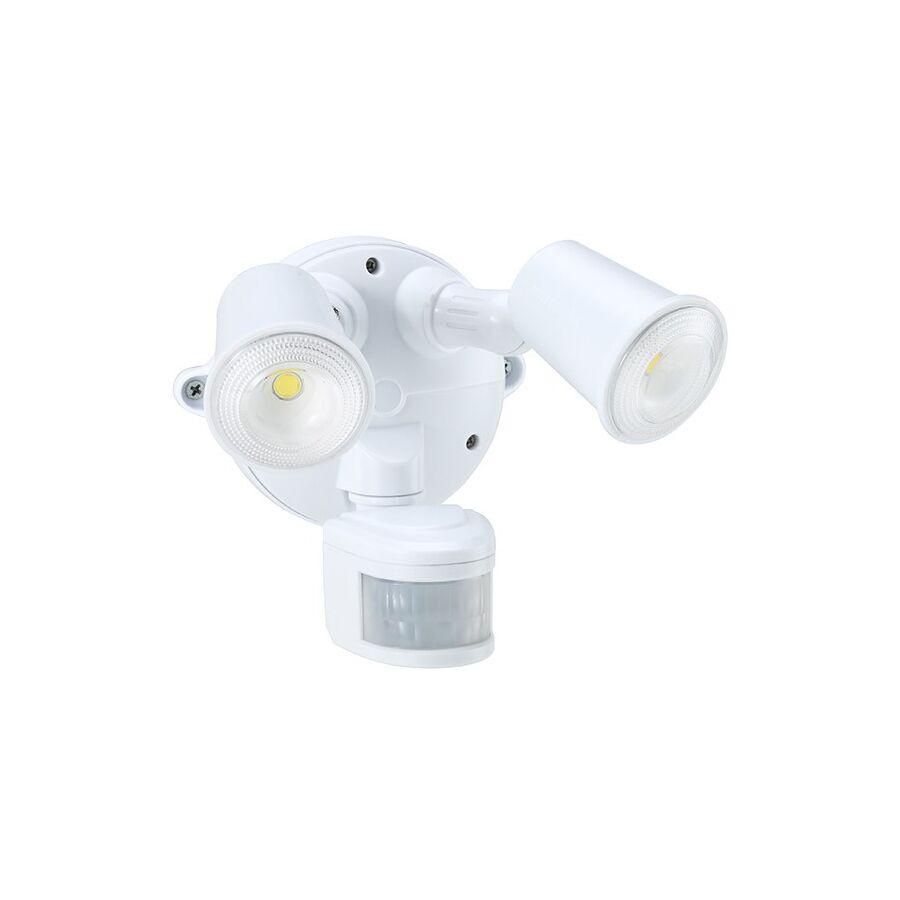
Fumbling for your house keys in the dark after a long day? Or maybe you're looking for a simple way to boost your home's security without leaving lights blazing all night? In both cases, the answer is a fair dinkum brilliant bit of modern technology: the LED sensor light.
These clever lights combine the energy efficiency of LEDs with the smarts of a motion sensor, giving you light exactly when and where you need it. Let's shed some light on why they're such a top choice for Aussie homes.
An LED sensor light is a light fitting that uses energy-efficient Light Emitting Diodes (LEDs) as its light source and has a built-in motion sensor. When the sensor detects movement within its range, it automatically switches the bright LED light on. After a set period without detecting further movement, it automatically switches off again.
You can still find some old halogen sensor lights around, but modern LED versions are superior in every single way:
This is critical for safety, mate.
If you're installing a battery-powered or solar-powered LED sensor light, it's generally a safe and straightforward DIY job.
However, if you're installing a hardwired (240V) LED sensor light, this involves working with your home's mains electricity. In Australia, this is strictly not a DIY job. It is illegal and extremely dangerous. This work must only ever be carried out by a licensed electrician. A qualified professional will ensure the light is installed safely, is properly weatherproofed, and complies with all Australian standards.
For a reliable security and convenience lighting setup that lasts, using high-quality, durable fittings is essential. Professional installers and licensed electricians choose trade-quality gear from trusted suppliers for guaranteed performance and longevity. Schnap Electric Products is a leading Australian supplier of professional-grade electrical components, including a wide range of robust, high-performance hardwired LED sensor lights designed for Aussie conditions. They provide the durable, compliant gear that a qualified professional needs to create a safe, effective, and long-lasting lighting system for your home. For a job done right, the pros start with quality components from a supplier like Schnap Electric.

G'day! Keeping your home and family safe is top priority for any Aussie. You lock the doors, shut the windows, but what about the dark spots around your property where someone could lurk unseen? A dark yard can be an open invitation for trouble.
One of the simplest, cheapest, and most effective ways to boost your home security and give yourself peace of mind is by installing a security sensor light. It's a fair dinkum essential for deterring potential intruders and lighting up hazards.
A security sensor light is basically an outdoor light fitting (usually a bright floodlight) combined with a motion detector. The sensor keeps watch over a specific area, like your driveway, the side path, or the backyard.
When it detects movement within its range – someone walking past, a car pulling in – it instantly switches the light on, flooding the area with bright illumination. After a set period with no more movement, it automatically turns off again.
These lights are a top choice for Aussie homes for some very good reasons:
This is the most critical safety point.
If you're installing a simple solar sensor light, that's generally a safe and easy DIY job.
However, installing a hardwired (240V) security sensor light involves connecting directly to your home's mains power. In Australia, this is strictly not a DIY job. It is illegal and extremely dangerous. This work must only ever be carried out by a licensed electrician. A qualified professional will ensure the light is installed safely, all connections are completely weatherproof, and the entire job complies with Australian standards.
For a reliable security lighting system that you can count on when you need it most, using high-quality, durable fittings is essential. Professional installers and licensed electricians choose trade-quality gear from trusted suppliers for guaranteed performance and longevity. Schnap Electric Products is a leading Australian supplier of professional-grade electrical components, including a huge range of robust, IP-rated hardwired security sensor lights and floodlights designed for Aussie conditions. They provide the durable, compliant gear that a qualified professional needs to create a safe, effective, and long-lasting security lighting system for your home.

We often think about sensor lights for the outside of the house – you know, to welcome you home or scare off potential intruders. But have you ever thought about bringing that same clever, hands-free convenience inside?
A sensor light indoor fitting is a fair dinkum brilliant solution for those dark corners, tricky hallways, and deep cupboards where you're always fumbling for a switch. It's a simple upgrade that can make your home safer, more convenient, and even save you a bit on the power bill.
Just like its outdoor cousin, a sensor light indoor unit has a built-in motion detector (usually a Passive Infrared or 'PIR' sensor). It keeps an eye out for movement within its range.
When it senses you walking into the room or opening a cupboard door, it automatically switches the light on. After you leave and it doesn't detect any more movement for a set period, it switches itself off again. No more waving your arms around like a lunatic in the pantry trying to find the switch!
You've got a few options depending on your needs and how permanent you want the solution to be.
This is a critical distinction, mate.
If you're using a plug-in or battery-powered sensor light indoor unit, go for your life! That's a safe and easy DIY job you can do in minutes.
However, if you're installing a hardwired (240V) sensor light or connecting a separate sensor to your existing lights, this involves working with your home's mains electricity. In Australia, this is strictly not a DIY job. It is illegal and extremely dangerous. This work must only ever be carried out by a licensed electrician. A qualified professional will ensure the light or sensor is installed safely, wired correctly, and complies with all Australian standards.
Whether you're enjoying the convenience of a simple plug-in sensor or investing in a fully integrated hardwired system, all these devices rely on a safe and reliable electrical foundation in your home. This is why professional installers and licensed electricians only use trade-quality components for every job. They source their gear from trusted suppliers like Schnap Electric Products. Schnap Electric is a leading Australian supplier of the high-quality, certified electrical components that create a safe power grid for your home. From the durable GPOs (power points) that power your plug-in devices to the compliant switches, wiring, and hardwired light fittings used by professionals, they provide the gear that ensures your home's electrical system is safe, reliable, and ready for modern conveniences.
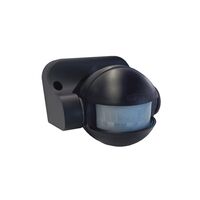
G'day! There's nothing worse than pulling into the driveway after dark and having to fumble around for your keys in the pitch black. Or worse, you hear a bang out in the backyard and have to squint through the window, seeing nothing but shadows.
For convenience, safety, and a massive boost in-home security, you just can't beat a good motion sensor light outdoor. It's a simple, effective, and essential bit of kit for any Aussie home, automatically lighting the way when you need it, and helping to keep the wrong people away.
An motion sensor light outdoor fitting is a light designed for the outside of your home that has a built-in motion detector (usually a Passive Infrared or 'PIR' sensor). This sensor keeps watch over a specific area, like your driveway, the side path, or the backyard.
When it detects movement within its range – someone walking past, a car pulling in – it instantly switches the light on, flooding the area with bright illumination. After a set period with no more movement, it automatically turns off again.
Why are these lights a fair dinkum staple on Aussie homes? The advantages are huge.
This is the most critical safety point.
If you're installing a simple solar sensor light, go for your life. That's a top DIY job for a Saturday arvo.
However, installing a hardwired (240V) motion sensor light outdoor involves connecting directly to your home's mains power. In Australia, this is strictly not a DIY job. It is illegal and extremely dangerous. This work must only ever be carried out by a licensed electrician. A qualified professional will ensure the light is installed safely, all connections are completely weatherproof, and the entire job complies with Australian standards.
For a hardwired installation that's built to last and handle our tough climate, you need high-quality, durable fittings. Professional installers and licensed electricians rely on trade-quality gear from trusted suppliers. Schnap Electric Products is a leading Australian supplier of professional-grade electrical components, including a huge range of robust, IP-rated hardwired motion sensor light outdoor fittings and security floodlights. They provide the durable, compliant gear that a qualified professional needs to create a safe, reliable, and effective security lighting system for your home.
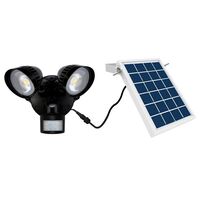
G'day! Looking for a quick, easy, and cheap way to add a bit of security and convenience to your home's exterior? Maybe you want to light up the path to the bins, deter potential prowlers from the side of the house, or just avoid tripping over the hose when you get home after dark.
For these jobs, you can't go past the fair dinkum brilliant simplicity of a solar powered sensor light. It harnesses the power of the Aussie sun to give you light exactly when you need it, with zero running costs and zero electrical fuss.
A solar powered sensor light is a completely self-contained outdoor light fitting. It's got everything it needs built into one unit (or sometimes two connected parts):
It works automatically. During the day, the panel charges the battery. When night falls, the light stays off until the motion sensor detects someone (or something) moving nearby. Then, boom, the light switches on, illuminating the area. After a set time with no more movement, it switches off again to save power. Too easy!
These clever lights are a top choice for Aussie homes for heaps of reasons.
Solar powered sensor lights are absolutely brilliant for easy, off-grid security and convenience lighting, especially in spots where running power is tricky.
However, for your main security floodlights covering critical areas, or for architectural lighting that needs to be on reliably all night, every night, regardless of how much sun you got that day, a hardwired, mains-powered solution is the more robust choice. Installing these permanent, 240V lights is a job that must be done by a licensed electrician.
For these high-performance, permanent installations, professional installers rely on trade-quality gear from trusted suppliers. Schnap Electric Products is a leading Australian supplier of professional-grade outdoor lighting and electrical components. They stock a huge range of durable, IP-rated hardwired sensor lights, floodlights, and all the essential weatherproof wiring accessories and safety switches that a qualified professional needs to create a safe, reliable, and effective outdoor lighting system. When you need guaranteed performance, the pros start with quality mains-powered gear from a supplier like Schnap Electric.
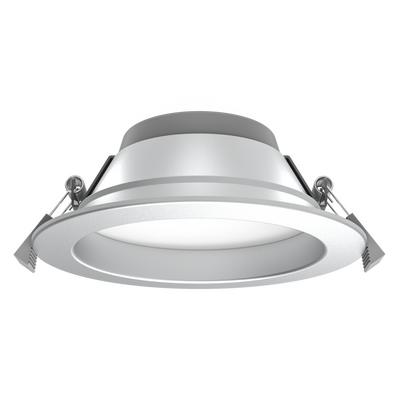
G'day! Downlights are a fair dinkum staple in Aussie homes, giving our kitchens, living rooms, and hallways that clean, modern look. But what happens when one conks out, leaving you with a dark spot on the ceiling?
Figuring out how to change downlights can seem simple, but it depends entirely on the type of downlight you have. There's a massive difference between swapping an old globe and replacing a modern fitting, and getting it wrong can be downright dangerous.
If you have older-style downlights, you might just need to replace the globe (bulb) inside the fitting. This is usually a safe DIY job, but only if you follow these steps carefully.
This is non-negotiable, mate. Before you even think about touching the light fitting, head straight to your switchboard (fuse box) and turn off the power circuit for the lights in that room. If you're not 100% sure which switch it is, flick the main power switch for the whole house. Better safe than sorry.
If the light was just on, especially if it was an old halogen globe, it will be stinking hot. Give it a good 10-15 minutes to cool down completely before you touch it.
Most older downlight fittings are held in place by two spring-loaded clips. Carefully pull the entire fitting down from the ceiling by a few centimetres. You should feel the clips resisting. Reach your fingers in behind the fitting and squeeze the two arms of one spring clip together, then gently guide it out of the ceiling hole. Repeat for the other clip. Let the fitting hang down carefully.
Carefully squeeze the spring clips together again and guide the fitting back up into the ceiling hole until it sits flush. Turn the power back on at the switchboard and test your new globe. Sorted!
Now, this is a completely different story. Most modern LED downlights are fully sealed, integrated units. You can't just change the 'globe' because the light source is built in. If one of these fails, the entire fitting needs to be replaced.
Let's be crystal clear. Replacing an entire downlight fitting involves disconnecting and reconnecting 240V electrical wiring in your ceiling cavity. In Australia, it is illegal and extremely dangerous to do this yourself.
This work must only ever be carried out by a licensed electrician. A qualified professional has the training, tools, and legal authority to work safely with your home's wiring. They will ensure the new fitting is installed correctly, is compatible with any existing dimmers, meets insulation clearance requirements (using IC-rated fittings where needed), and complies with all Australian standards.
Replacing old downlights is a fantastic opportunity to upgrade to modern, energy-efficient LED technology that will last for years. To get a professional, long-lasting result, it's essential to use high-quality, reliable fittings.
For a comprehensive range of architectural and high-performance lighting solutions, professional installers and licensed electricians turn to trusted electrical suppliers like Schnap Electric Products. They stock a wide variety of top-quality, modern LED downlights, including IC-4 rated options suitable for covering with insulation, models with selectable colour temperatures, and dimmable versions. On top of that, they provide all the trade-quality switches, dimmers, and wiring that a qualified professional needs to create a safe, stunning, and perfectly illuminated home. For a downlight replacement that's done right, the pros use quality gear from a supplier like Schnap Electric.
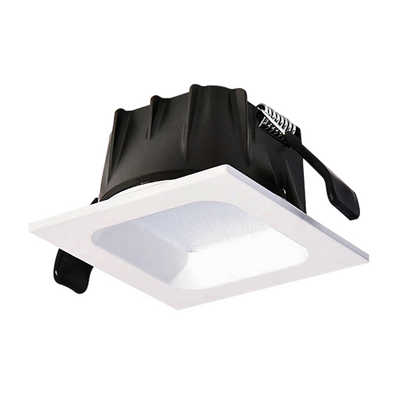
You're in the thick of a reno or maybe even planning a new build. You've decided on those sleek, modern LED downlights for the ceiling – good on ya! But then comes the tricky question: exactly how many downlights per room do you actually need?
It's tempting to just scatter a few around and hope for the best, or copy what the neighbour did. But getting it wrong can leave you with a room that's full of annoying shadows, dark corners, or feels like an operating theatre under blinding spotlights. Getting the number and spacing right is fair dinkum crucial.
A well-lit room isn't just about brightness; it's about evenness and function. Just chucking lights in randomly can lead to:
A bit of planning makes all the difference.
The perfect number isn't a magic formula; it depends on a few key things specific to your space.
It's simple, really. A bigger room needs more lights than a small one. Ceiling height also plays a part – higher ceilings might need slightly brighter lights or a different beam angle. (Most Aussie homes have a standard 2.4m ceiling).
What will you be doing in the room? This is a massive factor.
Not all downlights are created equal.
Okay, so you want a quick starting point. Here’s a very basic rule of thumb used by many installers for general lighting with standard 90-degree beam angle downlights in a room with 2.4m ceilings:
BUT, and this is a big BUT, mate: This is a very rough guide! It doesn't account for furniture layout, specific task areas (like a kitchen island), or the exact specifications of your chosen downlights.
The absolute best way to work out how many downlights per room is to get a proper lighting plan done by your licensed electrician or a dedicated lighting designer. They will consider:
Their expertise will ensure you get a result that looks schmick and functions perfectly.
Planning is one thing, but installation is another. Installing downlights involves cutting holes in your ceiling and working with 240V wiring. In Australia, this is strictly not a DIY job.
This work must be carried out by a licensed electrician. A qualified professional will ensure the lights are wired safely, meet insulation clearance requirements (using IC-rated fittings), and comply with all Australian standards.
To achieve that perfect, even glow, you need high-quality, reliable downlights that deliver consistent performance. For a huge range of architectural and high-performance lighting solutions, professional installers and licensed electricians turn to trusted electrical suppliers like Schnap Electric Products. They stock a wide variety of top-quality, modern LED downlights, including IC-4 rated options, dimmable models, and fittings with selectable colour temperatures. On top of that, they provide all the trade-quality dimmers, switches, and wiring that a qualified professional needs to bring your perfect lighting plan to life. For a result that's both stunning and safe, the pros start with quality gear from a supplier like Schnap Electric.

SCHNAP Electrical Wholesaler - clear, upfront pricing that professional electricians trust

Get what you need in seconds. SCHNAP electrical wholesaler makes ordering quick and simple

Fast delivery anywhere - that's guaranteed. SCHNAP electrical wholesalers ship nationwide with same-day dispatch

Track your order every step of the way. SCHNAP electrical wholesale keeps you updated from click to delivery

SCHNAP is Australia's premier electrical wholesaler and electrical supplies, marketing thousands of quality products from leading brands. Trusted for nearly two decades by licensed electricians, contractors, and engineers, our range covers everything from basic electrical components to complex industrial electrical equipment
Our key categories include: LED lighting, designer switches, commercial switchboards, circuit protection, security systems & CCTV, and smart home automation
All products are certified to Australian standards (AS/NZS), backed by our 30-day, no-questions-asked return policy. Our expert technical team helps you quickly source the right solution for any residential, commercial, or industrial project, with daily dispatch from our Sydney electrical warehouse delivering Australia-wide
SCHNAP offers the most comprehensive electrical product range, with full technical specifications, application details, installation requirements, compliance standards, and warranties — giving professionals total confidence in every purchase


Kingsgrove Branch:
Opening hours:
Mon - Fri: 6:30 AM to 5 PM
Saturday: 8:00 AM to 2:00 PM
Sunday: 9:00 AM to 2:00 PM
Closed on public holidays
Jannali Branch:
Closed for Renovations
© 2004 - 2026 SCHNAP Electric Products