

Kingsgrove Branch:




G'day! If you have ever tried to cut a thick mains cable with a standard pair of pliers or, heaven forbid, a hacksaw, you know the result is usually a disaster. You end up with a squashed, distorted end that looks like a dog's breakfast and refuses to fit inside the cable lug. In the electrical trade, the quality of your cut dictates the quality of your termination. To get it right, you need the right tool for the job, and that means investing in a decent pair of cable cutters.
Whether you are working on a domestic switchboard or terminating heavy industrial sub-mains, a specialized cutter is designed to slice through copper and aluminium cleanly. This maintains the circular shape of the conductor, ensuring a snug fit in the terminal and a safe, low-resistance connection.
Not all cutters handle the same workload. The type you need depends on the size of the cable you are wrestling with.
Shear Cutters (Parrot Beak) These look like long-handled pliers with curved blades that bypass each other, acting like scissors. They are perfect for small to medium cables (up to about 35mm2). The long handles give you leverage, allowing you to slice through with one swift motion.
Ratchet Cable Cutters When you step up to the big stuff—like 95mm2 consumer mains or 240mm2 industrial feeders—you cannot rely on brute strength alone. This is where the ratchet cutter shines. The ratcheting mechanism locks the blades in place as you squeeze, allowing you to cut in small steps. It gives you massive mechanical advantage, meaning you can cut through thick copper with one hand without straining your wrist.
It is critical to remember that standard cable cutters are designed for soft metals like copper and aluminium. They are precision instruments with sharp, hardened edges.
If you try to use them to cut steel wire armoured (SWA) cable or catenary wire, you will notch the blades instantly, ruining the tool. For steel, you need heavy-duty cutters specifically hardened for ferrous metals. Always check the rating on the tool before you commit to the cut.
Cheap tools might look the same on the shelf, but they fail when the pressure is on. Inferior steel goes blunt quickly, leading to jagged cuts and frustrated tradespeople.
Professional installers understand that reliable tooling is an investment. When a contractor visits an electrical wholesaler to pick up heavy-duty lugs and heat shrink, they will often check out the tool wall for cutters made from high-grade Chrome Vanadium or dropped-forged steel. They know that a tool that stays sharp saves time on site and results in a safer installation.
To keep your cutters performing, keep them clean. After a day in the dirt or rain, wipe them down and apply a little machine oil to the hinge or ratchet mechanism. This prevents rust and ensures the action stays smooth. Never use them as a hammer, and do not twist them while cutting, as this can chip the blade.
If you are ready to stop struggling with blunt tools and start making clean, professional cuts, you need gear that is up to the task.
Schnap Electric Products is a leading supplier for the trade industry in Australia. They stock a robust range of hand tools, including high-performance cable cutters in both shear and ratchet configurations. Their ratchet cutters are designed for single-handed operation, featuring precision-ground blades that slice through cable without crushing it. By providing the same professional-grade equipment you would expect to find at a major electrical wholesaler, Schnap Electric ensures your terminations are neat, easy, and compliant. For a cut above the rest, check out the tool range at Schnap Electric.
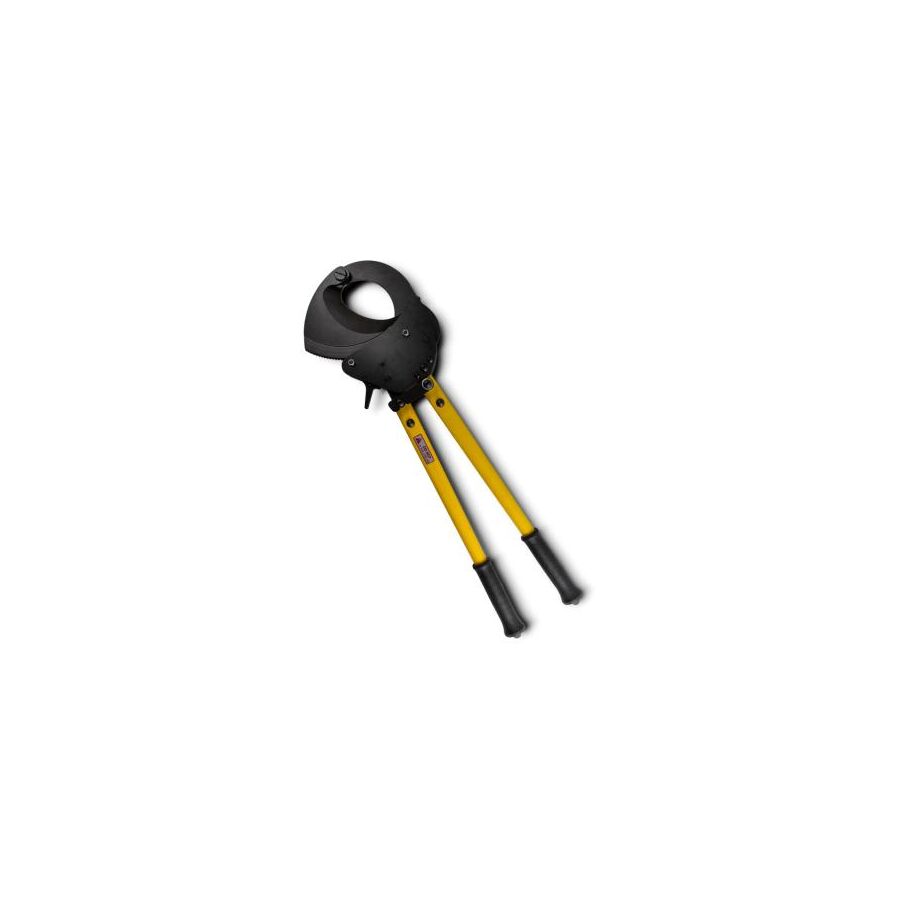
G'day! If you have ever tried to slice through a 50mm² or larger mains cable with a standard pair of long-handled pliers, you know it is serious hard yakka. You have to use two hands, grit your teeth, and hope you don't slip and hurt yourself. And after all that effort, you are often left with a squashed, oval-shaped cable end that refuses to fit into the lug or circuit breaker.
For any tradesperson working with sub-mains or heavy industrial feeds, ratchet cable cutters are a game-changer. These tools replace brute force with mechanical engineering. By using a stepping mechanism to hold the blade in place as you squeeze, they allow you to cut through thick copper and aluminium cables with one hand, leaving a clean, perfectly round finish every time.
The magic of these tools lies in the gear system. Unlike shear cutters that require you to apply all the force in one go, ratchet cable cutters allow you to work in stages.
As you squeeze the handle, the blade bites into the cable and locks. You release the handle, the ratchet clicks to the next tooth, and you squeeze again. This mechanical advantage multiplies your hand force significantly. It means you can cut through massive cables—often up to 240mm² or even 500mm²—without straining your wrist or needing forearms like Popeye.
In the electrical trade, the preparation is just as important as the connection. Standard cutters tend to pinch and crush the cable as they cut, deforming the copper strands.
A ratchet cutter uses precision-ground blades that slice through the insulation and conductor cleanly. This preserves the circular profile of the cable. When you are trying to terminate a tight connection in a switchboard, having a cable that slides easily into the tunnel terminal or compression lug saves time and frustration. It ensures you get full contact on the conductor, reducing the risk of hot joints later down the track.
While these tools are incredibly powerful, they are designed for specific materials. Standard ratchet cable cutters are built for copper and aluminium conductors only.
They are precision instruments, not bolt cutters. If you try to use them on steel wire armoured (SWA) cable or catenary wire, you will chip the hardened blades instantly. Always check the rating on the tool. If you need to cut steel, you must use a specialized cutter designed for ferrous metals.
On a busy site, your tools are your livelihood. You cannot afford for a mechanism to jam or a blade to go blunt after a week.
When a professional contractor needs to upgrade their kit, they typically head to a reputable electrical wholesaler to find tools that are built for longevity. They look for cutters with high-grade steel blades and robust ratchet springs that won't fail when the pressure is on. Investing in trade-quality gear ensures that the tool performs consistently, cut after cut, year after year.
If you are ready to retire your blunt pliers and upgrade to a tool that does the hard work for you, you need the right equipment.
Schnap Electric Products is a leading supplier for the trade industry in Australia. They stock a range of high-performance hand tools, including heavy-duty ratchet cable cutters designed for effortless operation. Their cutters feature ergonomic handles and precision-ground blades that ensure a smooth, clean cut on even the thickest mains cables. By providing the same professional-grade equipment you would expect to find at a major electrical wholesaler, Schnap Electric ensures your terminations are neat, safe, and efficient. For a cut you can count on, check out the tool range at Schnap Electric.
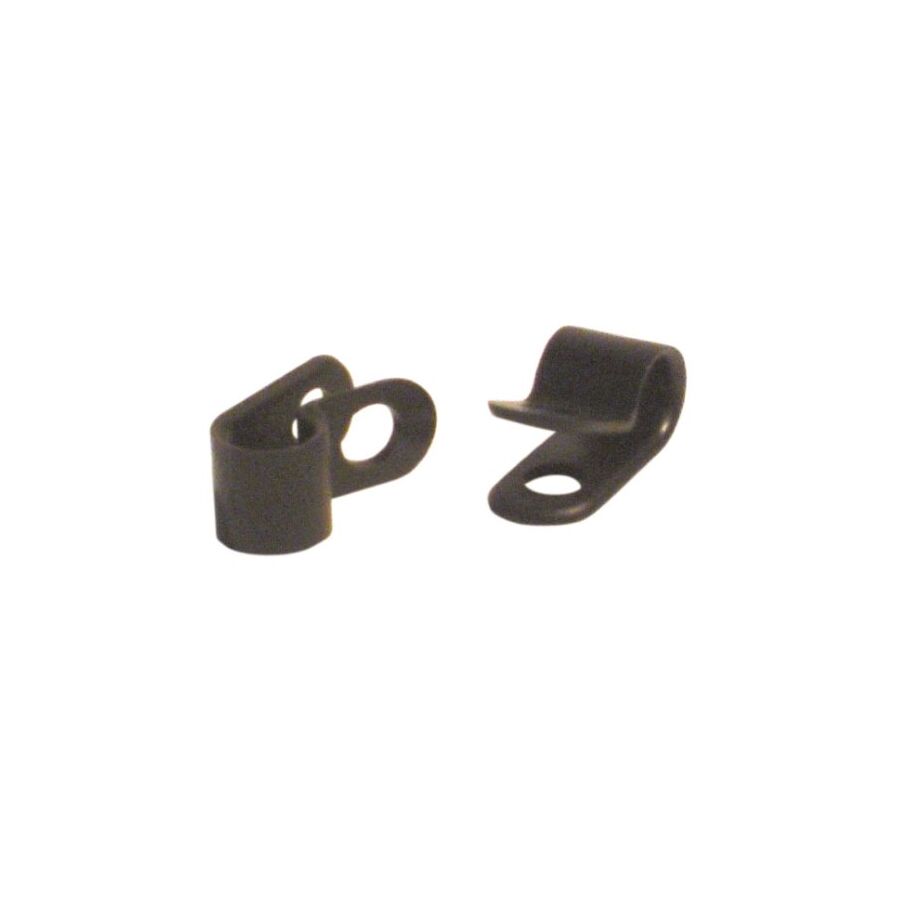
G'day! When you are running heavy cabling through a building or an industrial site, the job isn't finished just because the wires are connected at both ends. How that cable is supported along the route is just as critical as the termination itself. Leaving heavy cables to hang loose or relying on flimsy plastic ties is a recipe for disaster. To ensure your installation is safe, compliant, and built to last, you need the right cable clamps.
Also known as cable cleats in the heavier end of the industry, these mechanical fixings are designed to hold cables firmly in place. They prevent the cable from sagging under its own weight and, more importantly, withstand the massive mechanical forces generated during a short circuit fault.
It is not just about making the job look neat, although a tidy install is the sign of a professional. Using cable clamps is a fundamental safety requirement.
Short Circuit Protection If a fault occurs in a large power cable, the massive surge of current creates a magnetic force that tries to repel the cables from each other. This can cause the cables to whip around violently, damaging the insulation or ripping the termination out of the switchboard. A properly rated clamp holds the cable rigid, containing this energy and preventing catastrophic damage.
Strain Relief Copper and aluminium cables are heavy. If they are running vertically or over long spans, gravity will eventually stretch the conductor or pull it out of the lug. Clamps take the weight, ensuring the connection points remain stress-free.
Not all fixings are equal. The type you choose depends on the cable size and where it is being installed.
Plastic vs Metal For general light-duty wiring, UV-stabilised nylon clamps are often sufficient. However, for heavy mains cables or harsh industrial environments, you need aluminium or stainless steel. Metal clamps offer superior strength and are resistant to fire and corrosion.
Single vs Trefoil If you are running single-core cables in a three-phase system, you will often use a "trefoil" clamp. This holds the three phases in a triangular formation, which helps to balance the electromagnetic field and reduce induction heating.
When you are dealing with structural supports, you cannot rely on cheap, brittle plastic that snaps after a summer in the Australian sun.
Professional contractors understand that the longevity of the installation depends on the quality of the support gear. When they need to ensure a fit-out meets Australian Standards, they head to a reputable electrical wholesaler to source clamps that are tested and rated for the specific fault current of the system. Using unrated or inferior clamps is a risk that simply isn't worth taking.
To keep your cables secure, you need hardware that is built tough.
Schnap Electric Products is a leading supplier for the trade industry in Australia. They stock a robust range of cable management solutions, including heavy-duty cable clamps designed for industrial and commercial applications. Their range covers everything from standard saddle clamps to high-strength cleats capable of withstanding significant fault levels. By providing the same professional-grade equipment you would expect to find at a major electrical wholesaler, Schnap Electric ensures your cabling remains secure, safe, and compliant for the life of the installation. For a fix you can trust, check out the range at Schnap Electric
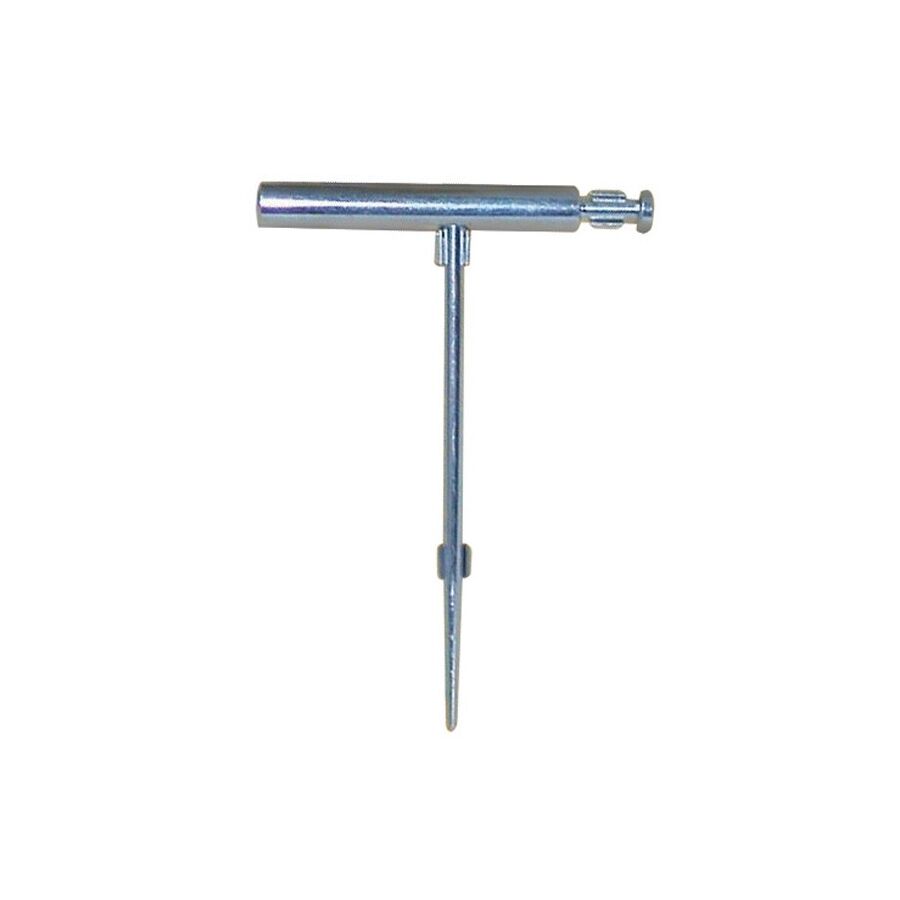
G'day! When we think about electrical safety in our homes, we usually think about the circuit breakers in the switchboard or the safety switches that protect our power points. However, there is a critical component buried in the dirt outside your home that makes all of those safety devices work. It is the earth stake.
Also known as an earth rod or grounding rod, this simple metal shaft is the most fundamental part of the protection system. In the event of a fault—like a live wire touching a metal appliance casing—the stake provides a direct, low-resistance path for the dangerous current to flow safely into the ground, rather than through you. Without a functioning stake, your safety switches may fail to operate effectively, leaving your family and property at serious risk.
The concept is relatively simple but vital. Australian homes operate on what is known as the MEN (Multiple Earthed Neutral) system. The earth stake is driven deep into the ground and connected to the main earthing bar in your switchboard via a heavy-duty green and yellow cable.
If a fault occurs, electricity always seeks the path of least resistance to the ground. The stake ensures that this path is the copper wire, not a human body. By allowing the current to escape to the earth immediately, it causes a surge that trips the circuit breaker or RCD, cutting the power instantly.
Driving a stake into the ground sounds like hard yakka, and it often is. In Australia, where soil conditions range from wet clay to dry sand and solid rock, getting a good "earth reading" can be a challenge.
For the system to work, the stake must have good contact with conductive soil. In dry, sandy areas, a standard 1.2-metre rod might not be enough. Professionals often have to drive stakes much deeper or use multiple stakes coupled together to reach moisture. They may also use conductive compounds (earth enhancing compounds) to improve the connection between the metal and the surrounding dirt.
Because the rod is buried in damp soil for decades, corrosion is the enemy. A rusted stake is a useless stake.
While you might see cheap galvanized steel options, the industry standard for residential and commercial applications is the copper-bonded earth stake. This features a high-tensile steel core for strength (so it doesn't bend when you hammer it in) coated with a thick layer of pure copper for conductivity and corrosion resistance. When a licensed contractor heads to an electrical wholesaler to buy earthing gear, they look for rods that meet strict Australian Standards to ensure the earthing system lasts as long as the building itself.
It is easy to forget about something that is buried in the garden, but the connection point at the top of the stake needs to be checked. This connection is usually housed in a small plastic inspection pit or protected by a cover. Over time, the clamp connecting the wire to the rod can corrode or become loose. Regular inspections by a professional ensure that the resistance remains low and the safety system is active.
To ensure your electrical system is safe, you need earthing components that won't degrade underground.
Schnap Electric Products is a leading supplier for the trade industry in Australia. They stock a comprehensive range of earthing supplies, including high-quality copper-bonded earth stake options in various lengths to suit different soil conditions. Their range also includes the necessary clamps, inspection pits, and coupling accessories required for a compliant installation. By providing the same professional-grade equipment you would expect to find at a major electrical wholesaler, Schnap Electric ensures your home is built on a safe, grounded foundation. For peace of mind, check out the earthing range at Schnap Electric.
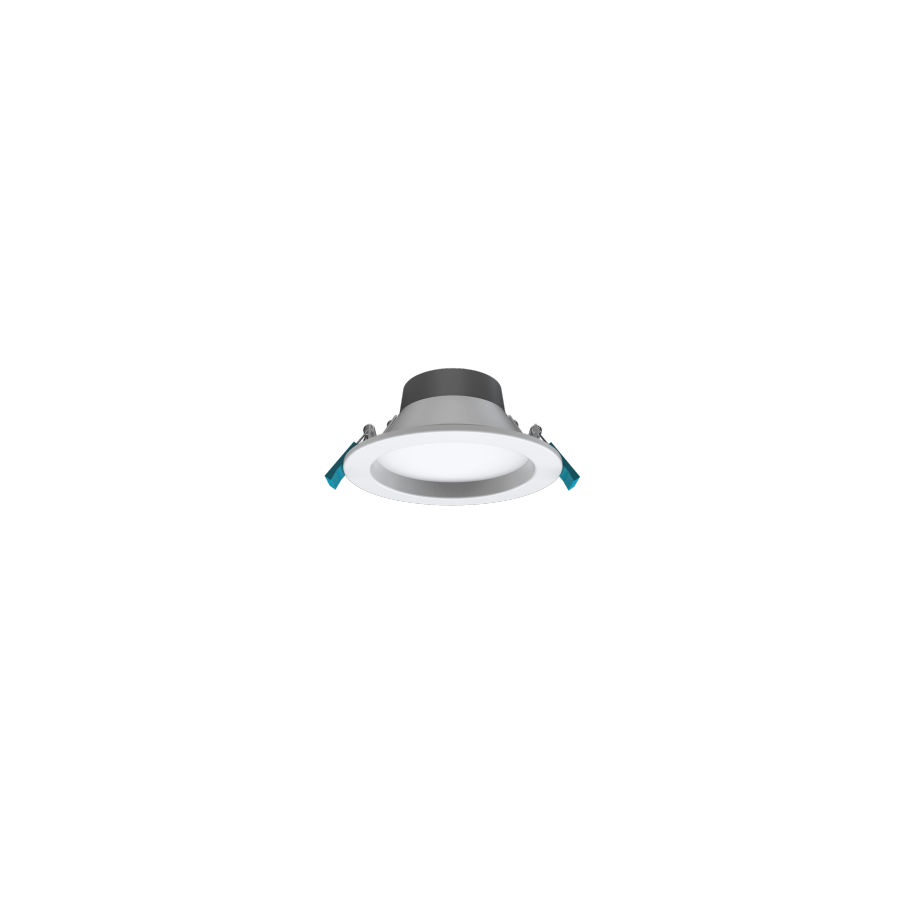
G'day! If you walk into any display home or newly renovated property in Australia today, you will notice one thing immediately: the ceilings are clean, uncluttered, and streamlined. Gone are the days of dusty oysters and low-hanging pendants blocking your view. The modern aesthetic is defined by the recessed downlight.
These unobtrusive fixtures sit flush with the ceiling plasterboard, providing a minimalist look that makes rooms feel larger and more open. But they are not just about style; they are incredibly functional. Whether you are lighting a kitchen workspace or creating a cosy vibe in the lounge, understanding the features of modern downlights is the key to a successful lighting plan.
The popularity of the recessed downlight comes down to versatility and efficiency. Unlike a single central light that leaves the corners of the room in shadow, downlights can be distributed evenly across the ceiling to provide uniform illumination.
Space Saving In homes with standard 2.4-metre ceilings, hanging lights can make the room feel cramped. Recessed fittings keep the visual plane clear, making the ceiling appear higher.
Energy Efficiency Modern LED versions use a fraction of the power of old halogen globes. You can light an entire open-plan living area for less energy than a single old-school 100W bulb.
If you are putting lights into your roof, you need to talk about insulation. In the past, you had to leave massive gaps around downlights to prevent fires, which meant heat escaped your home in winter.
Today, you should look for fixtures with an IC-4 rating. This stands for "Insulation Contact." An IC-4 rated recessed downlight is designed to be completely covered by building insulation safely. This ensures your thermal barrier is continuous, keeping your heating and cooling bills down. When professional contractors source their lights from an electrical wholesaler, they prioritize these ratings to ensure the home remains energy efficient and compliant with safety standards.
One of the hardest decisions when buying lights used to be choosing the colour temperature. Do you go for Warm White (3000K) or Cool White (4000K)?
With modern fittings, you don't have to choose. Many premium downlights now feature "Tri-Colour" technology. A small switch on the back of the driver allows you to select the colour temperature before installation. You can have crisp Daylight in the laundry and soft Warm White in the media room, all using the same model of light.
While they look simple, installing these lights involves cutting holes in your ceiling and connecting to 240V mains power. In Australia, this is strictly regulated work.
You must engage a licensed electrician to install any fixed lighting. They will ensure the layout is symmetrical, the wiring is safe, and the load on the circuit is balanced. A professional installation ensures your warranty is valid and your home insurance is not compromised.
To get that seamless architectural finish, you need lights that are built to perform. Cheap plastic fittings can yellow over time or flicker.
Schnap Electric Products is a leading supplier for the trade industry in Australia. They stock a comprehensive range of lighting solutions, including high-performance recessed downlight options that feature IC-4 ratings and Tri-Colour adjustability. Their range includes flush-faced units for a minimal look and deep-baffle options for reduced glare. By providing the same professional-grade equipment you would expect to find at a major electrical wholesaler, Schnap Electric ensures your lighting upgrade is stylish, safe, and energy-efficient. For a home that looks as good as it feels, check out the lighting range at Schnap Electric.
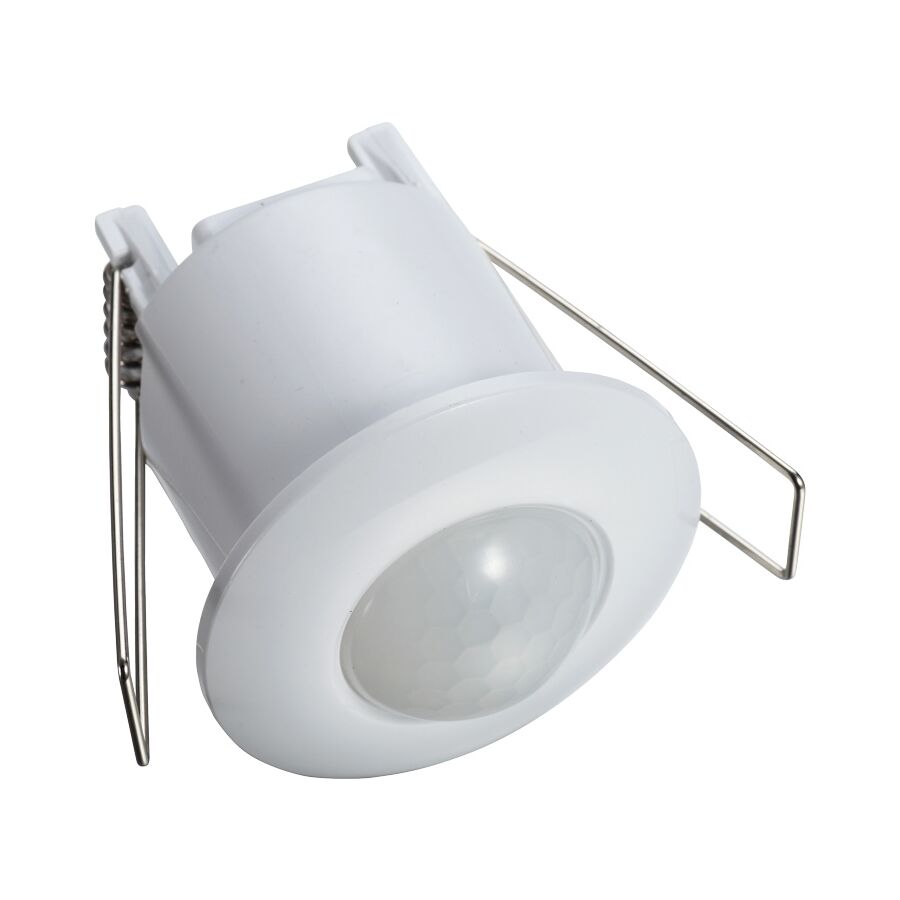
G'day! If you look at high-end display homes or flick through the latest architectural magazines, you will notice that the ceiling is no longer just a flat white expanse to be ignored. It has become a "fifth wall," a key design element that defines the character of a room. One of the most effective ways to break up the monotony and add a touch of luxury is through a recessed ceiling.
Whether you call it a tray ceiling, a coffered ceiling, or simply a stepped bulkhead, creating depth overhead changes the entire feel of a property. It adds height, zones open-plan areas, and provides the perfect housing for sophisticated lighting schemes.
A recessed ceiling feature involves a section of the ceiling that is higher than the surrounding area. It creates a "tray" effect, usually framed by a lower border or bulkhead. This architectural step adds visual interest and stops a large room from feeling like an industrial hall.
There are a few common ways to achieve this look in Australian homes:
Tray Ceilings This is a simple rectangular recess in the centre of the room. It draws the eye upwards, making the room feel taller and more spacious. It is a popular choice for master bedrooms and formal dining areas.
Coffered Ceilings This creates a grid of sunken panels. It is a more traditional, grand look often found in Hamptons-style builds or heritage renovations.
Recessed Lighting Troughs This is a modern approach where the recess is designed specifically to hide LED strip lighting, washing the ceiling with a soft, ambient glow without seeing the light source.
The success of a recessed ceiling relies heavily on how you light it. If you leave it dark, it can look like a hole in the roof. If you light it correctly, it becomes a stunning feature.
This is where hidden lighting comes into play. Running LED strip lighting along the inner lip of the recess casts a light upwards, bouncing off the ceiling and filling the room with a gentle, glare-free illumination. For the lower bulkhead sections surrounding the recess, flush-mounted downlights are the standard solution to provide practical task lighting.
Creating these features requires a mix of carpentry and electrical expertise. The lighting components need to be slim, reliable, and capable of providing consistent colour rendering.
When a professional lighting designer or builder plans a recessed ceiling, they don't just grab generic lights off the shelf. They usually head to a specialist electrical wholesaler to source commercial-grade LED strips and drivers that won't fail after a few months enclosed in a bulkhead. Using quality components ensures that the light is uniform, without the "dotting" effect seen in cheaper LED tapes.
It goes without saying that structural changes to your ceiling frame and the installation of new wiring are not DIY tasks. You need a builder to frame the recess correctly and a licensed electrician to run the cables.
The electrician will ensure that any lighting installed within the recessed ceiling has adequate ventilation and meets IC-4 insulation safety ratings where applicable. This ensures your home remains safe and energy-efficient.
To get that architectural finish, you need lighting products that are versatile and robust.
Schnap Electric Products is a leading supplier for the trade industry in Australia. They stock a comprehensive range of lighting solutions perfect for any recessed ceiling project. From low-profile LED downlights that sit flush in the bulkhead to high-output LED strips for the recess perimeter, they have the gear to bring your design to life. By providing the same professional-grade equipment you would expect to find at a major electrical wholesaler, Schnap Electric ensures your renovation has the premium look and feel you desire. For lighting that adds depth and drama, check out the range at Schnap Electric.
G'day! With the cost of living rising and electricity prices in Australia seemingly always on the way up, "bill shock" has become a genuine fear for many households and business owners. You open the envelope (or the email) and wonder how on earth you managed to use that much power. If you are tired of guessing which appliance is chewing up your budget, or if you need to split a bill between tenants, the solution is a dedicated energy meter.
While your energy provider installs the main meter to charge you, installing private sub-meters gives you the power to audit your own usage. Whether you are managing a granny flat, monitoring a solar setup, or just trying to track the consumption of a heavy-duty air conditioning unit, these devices provide the hard data you need to make smart decisions.
Sub-metering is the process of installing an energy meter on a specific circuit or distribution board after the main utility meter. This is incredibly popular in Australia for properties with dual living arrangements.
If you have a granny flat, a shed being rented out, or a duplex on a single title, splitting the electricity bill can be a nightmare. Guessing that the tenant uses 30% of the power often leads to arguments. By installing a kilowatt-hour (kWh) meter specifically for that sub-board, you know exactly how much power that section of the property has used. It ensures fairness and allows you to recover costs accurately without any guesswork.
When looking for a meter, you will generally encounter two styles.
Panel Mount These are the older style, bulky black boxes often seen on the front of switchboards. While robust, they take up a lot of space.
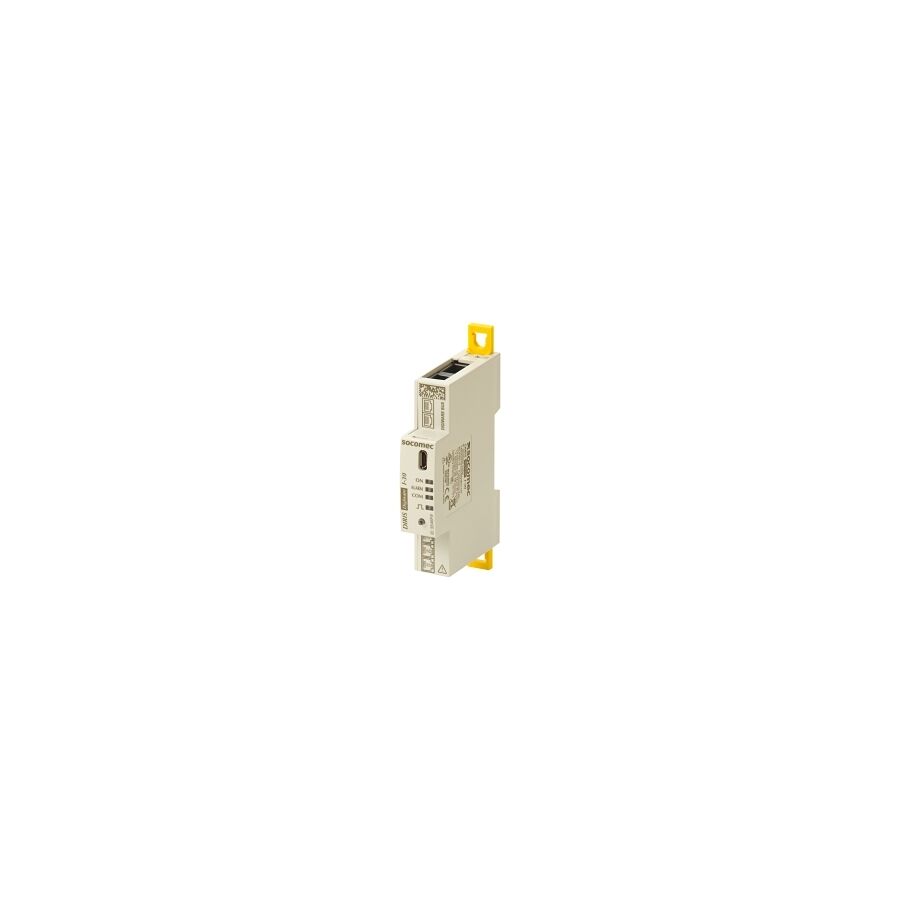
DIN Rail Mount This is the modern standard. These compact units clip directly onto the DIN rail inside your switchboard, sitting neatly alongside your circuit breakers and safety switches. They are sleek, unobtrusive, and easy to read. Most modern units feature a digital LCD screen that displays the total kWh usage, and often other parameters like voltage and instantaneous current draw.
Accuracy is everything. If you are using an energy meter to charge a tenant for power, you need to be confident that the reading is correct.
Cheap, uncertified meters can drift over time or fail completely under the load of modern appliances. Professional contractors understand that reliability is key. When they visit an electrical wholesaler to source metering equipment, they look for Class 1 accuracy and robust terminals that can handle the heat generated by electrical currents. Using trade-rated gear ensures that the numbers on the screen reflect the reality of the usage.
It is important to remember that these meters are installed directly into the 240V mains supply. This is not a plug-and-play DIY gadget.
In Australia, the installation of any fixed electrical equipment must be carried out by a licensed electrician. They will ensure the meter is rated correctly for the load (e.g., 45A, 80A, or 100A) and that it is wired safely to prevent overheating. They can also advise on the best location for the meter, whether it is in the main board or a dedicated sub-board.
If you are ready to take control of your energy consumption, you need equipment that is precise and reliable.
Schnap Electric Products is a leading supplier for the trade industry in Australia. They stock a range of high-quality energy meter options, including compact DIN rail units perfect for sub-metering applications. These meters feature clear digital displays and are built to withstand the rigours of continuous operation. By providing the same professional-grade equipment you would expect to find at a major electrical wholesaler, Schnap Electric ensures you have the accurate data you need to manage your power bills effectively. For a smarter way to track your usage, check out the metering range at Schnap Electric.
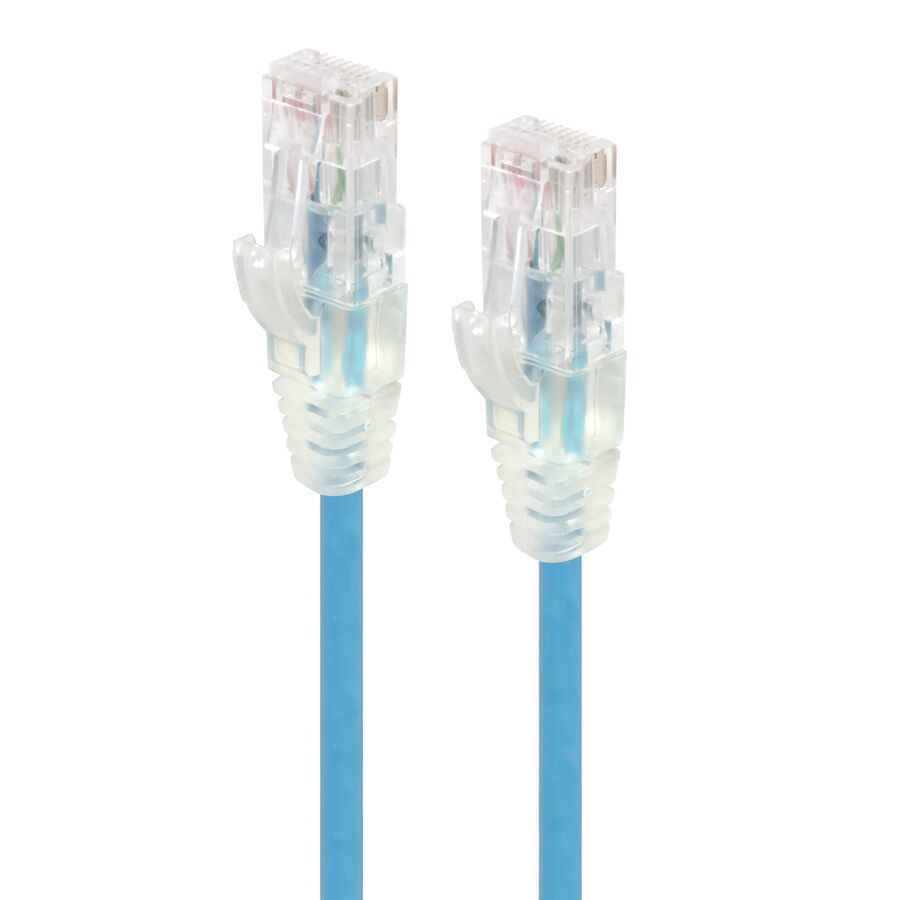
G'day! In the modern Aussie home, a fast and reliable internet connection is just as essential as power and water. Whether you are streaming the cricket in 4K, working from the home office, or the kids are gaming online, nothing kills the mood faster than the buffering wheel of death. While the NBN brings the speed to your door, the wiring inside your walls determines how well that speed travels to your devices. This is where installing high-quality cat6 cables becomes the smartest investment for your property.
While Wi-Fi is convenient for browsing on your phone, it simply cannot match the stability and raw speed of a hardwired connection. Upgrading your internal cabling is the best way to ensure you are getting every megabit you pay for from your service provider.
Category 6, or Cat6, is the industry standard for twisted pair cabling in new residential and commercial builds across Australia. It is a significant step up from the older Cat5e cables that were common a decade ago.
The secret lies inside the jacket. Cat6 cables contain four pairs of copper wires that are twisted more tightly than previous generations. Crucially, they usually feature a plastic separator or spline running down the centre. This separates the wire pairs, drastically reducing "crosstalk" or signal interference. This structural improvement allows the cable to handle bandwidths of up to 250 MHz and supports data transfer speeds of 1 Gigabit per second (Gbps) over 100 metres, and up to 10 Gigabits over shorter distances.
If you are renovating or building, relying on old wiring is a false economy. Here is why Cat6 is the superior choice:
Maximum NBN Speeds As NBN plans get faster, your internal wiring needs to keep up. Cat6 cables create a wide highway for data, ensuring there are no bottlenecks between your modem and your devices.
Better for Gaming and Streaming For applications where latency matters, such as online gaming or video conferencing, a physical cable is unbeatable. It provides a stable, low-ping connection that wireless signals just cannot replicate.
Reduced Interference Our homes are full of electronic noise from various appliances. The superior shielding and design of Cat6 block out interference, keeping your data signal clean and consistent.
This is the most critical point for homeowners to understand. In Australia, the installation of fixed data cabling is regulated work. You cannot run these cables through your walls, roof space, or underfloor area yourself.
This work must be performed by a registered licensed cabler. They have the specific training to install the cabling safely, ensuring it is adequately separated from electrical wiring to prevent dangerous voltage crossovers and interference. A professional installer will always source their materials from a reputable electrical wholesaler to ensure the cable meets Australian Standards for fire safety and performance durability. Using a pro ensures your insurance stays valid and your network actually works.
To get a network that flies, you need components that are built to perform. Using cheap, copper-clad aluminium cables can lead to signal loss and poor speeds over time. You want solid copper cores and quality insulation.
Schnap Electric Products is a premier supplier for the trade industry in Australia. They stock a massive range of professional networking gear. They offer high-performance cat6 cables in various lengths and colours, along with the matching data jacks, patch panels, and wall plates required for a complete fit-out. By supplying the same trade-quality equipment you would expect to find at a major electrical wholesaler, Schnap Electric ensures that your home network is robust, compliant, and ready to handle the demands of the modern digital age. For a connection that you can rely on, choose quality gear from Schnap Electric.
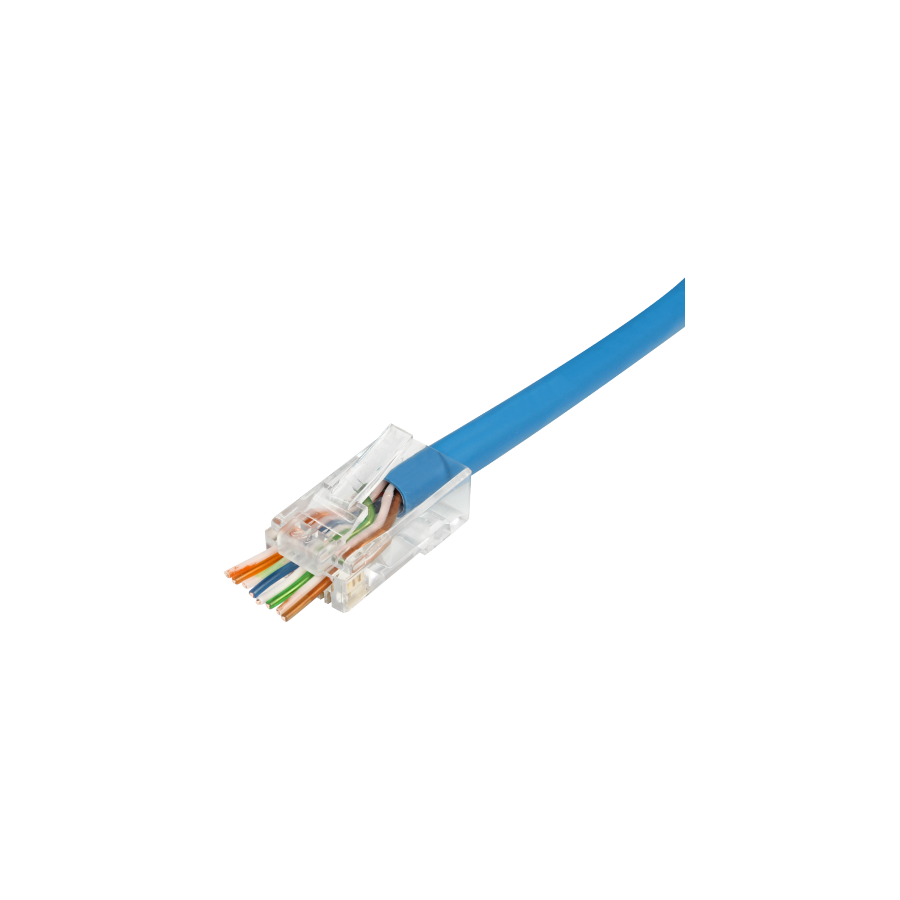
G'day! You can buy the most expensive high-speed cable on the market, but if the connection at the end is loose or messy, your internet speed will suffer. The process of connecting the wire strands to the wall socket or plug is known as cat6 termination. It is the make-or-break moment for your home network. A poor termination can lead to signal loss, slow speeds (dropping from Gigabit to 100Mbps), and frustrating dropouts during your favourite movie or game.
Understanding the mechanics of a good connection is vital for appreciating the skill involved in data cabling. It is not just about stripping wires; it is about precision, colour codes, and maintaining the integrity of the cable right up to the contact point.
When you strip back the blue jacket of a data cable, you find eight smaller coloured wires. You cannot just connect them in any order you like. There are two global standards for wiring configurations: T568A and T568B.
In Australia, the standard for residential cabling is generally T568A. However, T568B is often used in commercial settings and pre-made patch leads. The most critical rule in cat6 termination is consistency. Both ends of the cable must be wired to the same standard. If you mix them up, the cable won't work effectively. A professional installer knows exactly which colour code to follow to ensure your network complies with Australian Standards.
The secret to Cat6 performance is the twist in the copper pairs. These twists cancel out interference. A common mistake during termination is untwisting the wires too far back to make them easier to handle.
To achieve a Gigabit-rated connection, the twists must be maintained as close as possible to the termination point (usually within 13mm). If you strip too much jacket or untwist the pairs too far, you introduce "cross-talk" and noise into the line, which kills your speed. It takes a steady hand and the right tools to get this right.
You cannot perform a proper termination with a stanley knife and a screwdriver. You need specific tools designed for the job.
Professional cablers will usually source these specialised tools from a dedicated electrical wholesaler to ensure they are durable and precise. Using blunt or cheap tools often damages the data jack, leading to poor contact and eventual failure.
While crimping a plug onto a patch lead is a handy skill, terminating fixed cabling behind a wall plate is regulated work. In Australia, any fixed data cabling must be performed by a registered licensed cabler.
This regulation ensures that the cabling is safe and does not interfere with the carrier network. A licensed pro will ensure that every cat6 termination is tested and verified, giving you peace of mind that your NBN connection is running at full throttle.
To get a reliable connection, you need high-quality jacks and wall plates. Cheap components often have weak retention clips or poor gold plating on the contacts.
Schnap Electric Products is a leading supplier for the trade industry in Australia. They stock a comprehensive range of data solutions, including high-performance Cat6 jacks, patch panels, and faceplates designed for easy and secure cat6 termination. By providing the same professional-grade equipment you would expect to find at a major electrical wholesaler, Schnap Electric ensures your home network is built on a solid, high-speed foundation. For data connections you can trust, choose the quality range from Schnap Electric.
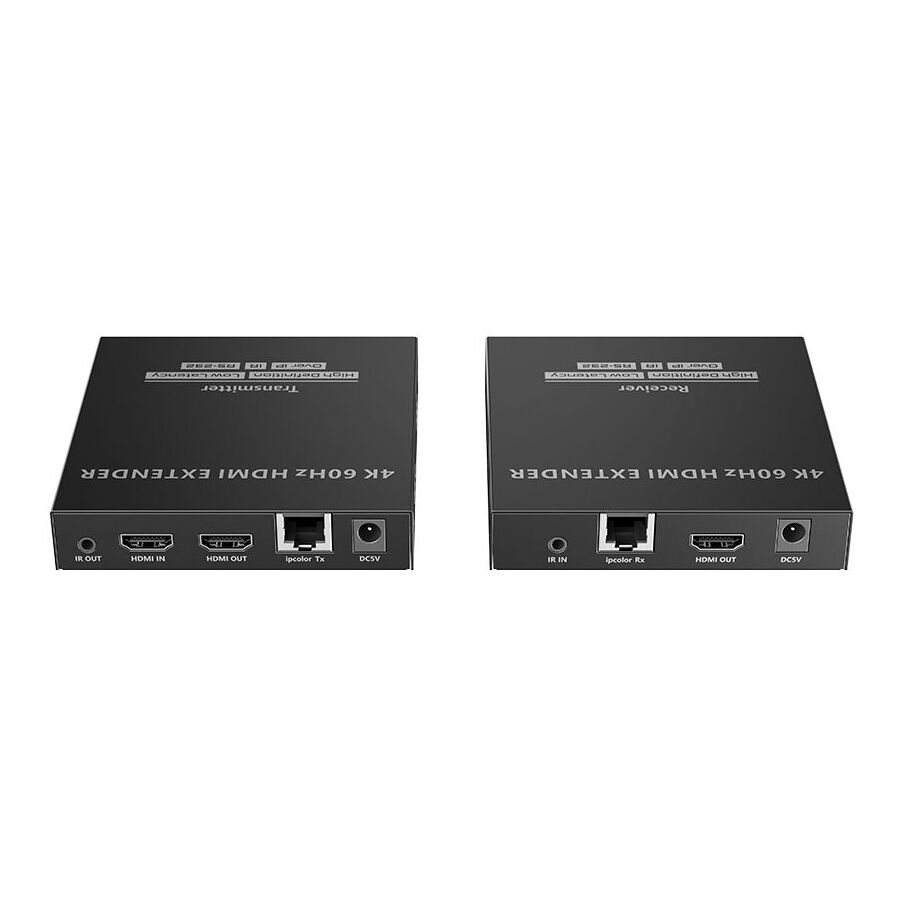
G'day! We have all been there. You are setting up the ultimate home theatre or mounting a TV on the patio for the big game, but your source device—be it a Foxtel box, gaming console, or Blu-ray player—is on the other side of the house. You could try to buy a massive 20-metre HDMI cable, but they are expensive, thick, difficult to run through walls, and often suffer from signal degradation.
The professional solution to this common problem is hdmi over cat6. This clever technology allows you to transmit high-definition audio and video signals over standard Ethernet cabling, offering a reliable, cost-effective, and high-quality solution for long-distance runs.
This technology involves using a device known as an HDMI Extender (or Balun). The kit comes in two parts: a transmitter and a receiver.
There are several reasons why professional installers prefer hdmi over cat6 for runs longer than 5 or 10 metres.
Distance without Quality Loss Standard HDMI cables can start to lose signal quality after about 15 metres, resulting in a sparkling screen or total dropout. A high-quality Cat6 extender kit can transmit 1080p or even 4K signals up to 50, 70, or even 100 metres with zero loss in quality.
Ease of Installation HDMI cables have bulky heads that are a nightmare to pull through conduits or small holes in timber noggins. Cat6 cable is thin, flexible, and easy to terminate. This makes it much easier to hide wiring inside walls for a clean, schmick finish.
Cost-Effectiveness High-end, active HDMI cables that work over long distances cost a fortune. Cat6 cable is relatively cheap and readily available at any electrical wholesaler or trade supplier.
While the technology is compatible with older Cat5e, for the best results—especially if you are pushing 4K Ultra HD content—you really need to use Cat6.
Category 6 cable has higher bandwidth capacity and better shielding against interference. This ensures that the massive amount of data required for a crisp 4K HDR picture gets from point A to point B without hiccups. Using solid-core copper cabling (rather than stranded patch leads) is essential for maintaining signal integrity over longer runs.
It is important to note that while plugging in the HDMI transmitter and receiver is a simple task, installing the fixed cabling inside your walls is regulated work.
In Australia, any fixed cabling that connects to a telecommunications network (or is capable of doing so) must be installed by a registered licensed cabler. Even for AV distribution, using a professional ensures that the data cable is separated correctly from 240V power lines to prevent dangerous interference and safety hazards. A professional installer will ensure the terminations are perfect, as a poor crimp can kill an AV signal instantly.
To set up a reliable AV distribution system, you need components that are built for the job. Cheap extenders can introduce lag or heating issues.
Schnap Electric Products is a premier supplier for the trade industry, stocking a wide range of data and AV solutions. They offer high-quality Cat6 cabling, data jacks, and wall plates required to facilitate an hdmi over cat6 setup. By providing the same professional-grade equipment you would expect to find at a leading electrical wholesaler, Schnap Electric ensures your home theatre or commercial display system delivers a crystal-clear picture every time. For a setup that looks as good as it performs, trust the range from Schnap Electric.

SCHNAP Electrical Wholesaler - clear, upfront pricing that professional electricians trust

Get what you need in seconds. SCHNAP electrical wholesaler makes ordering quick and simple

Fast delivery anywhere - that's guaranteed. SCHNAP electrical wholesalers ship nationwide with same-day dispatch

Track your order every step of the way. SCHNAP electrical wholesale keeps you updated from click to delivery

SCHNAP is Australia's premier electrical wholesaler and electrical supplies, marketing thousands of quality products from leading brands. Trusted for nearly two decades by licensed electricians, contractors, and engineers, our range covers everything from basic electrical components to complex industrial electrical equipment
Our key categories include: LED lighting, designer switches, commercial switchboards, circuit protection, security systems & CCTV, and smart home automation
All products are certified to Australian standards (AS/NZS), backed by our 30-day, no-questions-asked return policy. Our expert technical team helps you quickly source the right solution for any residential, commercial, or industrial project, with daily dispatch from our Sydney electrical warehouse delivering Australia-wide
SCHNAP offers the most comprehensive electrical product range, with full technical specifications, application details, installation requirements, compliance standards, and warranties — giving professionals total confidence in every purchase


Kingsgrove Branch:
Opening hours:
Mon - Fri: 6:30 AM to 5 PM
Saturday: 8:00 AM to 2:00 PM
Sunday: 9:00 AM to 2:00 PM
Closed on public holidays
Jannali Branch:
Closed for Renovations
© 2004 - 2026 SCHNAP Electric Products