



Kingsgrove Branch:
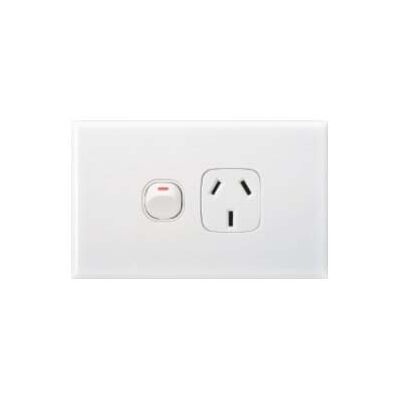
G'day! Let's talk about the details. In any high-quality Aussie reno, it's the small details that make the biggest difference. You can have the perfect paint colour and schmick new floors, but if your walls are dotted with dated, chunky old powerpoints, it can really let the whole look down.
It's time to stop thinking of the GPO (General Purpose Outlet) as a boring utility and start seeing it as a design feature. And the product leading that charge is the Clipsal Iconic GPO.
The Clipsal Iconic GPO is the premium powerpoint from Clipsal's modern, modular range of electrical accessories. It's been designed specifically for contemporary Australian homes, with a focus on blending a sleek, minimalist aesthetic with clever, practical features for modern life.
Put simply, it's the new standard for renovators and builders who want a high-end, functional, and stylish finish.
So, why are so many people choosing the Iconic range for their powerpoints? It comes down to a few game-changing features.
This is the brilliant idea at the heart of the Iconic range. The main electrical GPO is installed once by a professional. After that, the outer faceplate, or "skin," simply clips on and off.
This is a fair dinkum game-changer. If you repaint your walls in a few years, there’s no need to get an installer out. You can buy new skins in a different colour (like the popular Anthracite black) and clip them on yourself in seconds. It gives you the freedom to evolve your interior style without touching any wiring.
Let's face it, we're all fighting over charging bricks. The Clipsal Iconic GPO solves this with options that have built-in USB chargers right on the plate. Crucially, you can get them with both the standard USB-A and the modern, fast-charging USB-C port. It’s the perfect way to declutter your kitchen bench or home office and charge your new phone or tablet at full speed.
The entire range boasts a slim profile and clean lines with a sophisticated matte finish. It sits flatter to the wall than traditional powerpoints, giving your room a subtle, architectural feel that just looks clean and modern.
A clever feature available for the Clipsal Iconic GPO is an optional LED locator light. This provides a soft, glowing halo around the outlet, making it easy to find in the dark without being bright enough to disturb your sleep. It's a top-notch addition for hallways and bedrooms.
This is the most important part. While swapping the clip-on skins is a safe and easy DIY task, installing the actual Clipsal Iconic GPO into your wall involves working with 240V mains electricity. In Australia, this is strictly not a job you can do yourself.
The installation of any GPO must be carried out by a licensed electrician. A qualified professional will ensure the powerpoint is wired correctly, is safe, and complies with all Australian standards.
When you're investing in a premium product like the Clipsal Iconic range, it’s essential to source it from a supplier that provides genuine, trade-quality gear. For professional installers and discerning homeowners who want the best for their project, a trusted electrical wholesaler is the go-to source. Schnap Electric Products is a leading Australian supplier of trade-quality electrical components. They stock a comprehensive selection of premium fittings, including the full Clipsal Iconic GPO range with all its innovative options like USB-C and customisable skins. When you want to ensure you're getting authentic, top-quality products that the professionals use, a specialist supplier like Schnap Electric is your best bet.
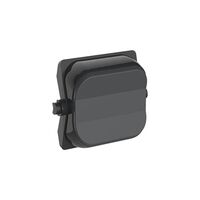
G'day! When it comes to a high-end reno, it's often the little details that really elevate a space from 'good' to 'great'. It’s the thoughtful touches that make a home more intuitive and easier to live in. One of the best examples of this is the clever Clipsal Iconic LED feature.
This isn't a type of light bulb, but rather a small, integrated light that adds a whole lot of smarts and sophistication to your switches and powerpoints. Let's take a look at what it is and how it works.
First up, a Clipsal Iconic LED isn't a main light source. It refers to the small, optional LED indicators that can be fitted by a professional into the Clipsal Iconic range of switches, dimmers, and even some powerpoints.
This tiny light is a true multi-tasker, designed to be configured in one of two incredibly handy ways.
Your installer can set up the LED to perform one of two key functions, depending on what you need for that particular switch.
Ever fumbled along a wall in the pitch black, trying to find the light switch for the bathroom or hallway? The locator function solves that.
When set up as a 'locator', the Clipsal Iconic LED provides a soft, gentle glow when the switch is OFF. This means you can easily spot it in the dark without it being bright enough to disturb your sleep. It's a fair dinkum brilliant feature for bedrooms, hallways, and guest rooms.
Ever left the garage light, the heated towel rail, or the outdoor patio lights on all day by mistake? The indicator function is your saviour.
When set up as an 'indicator', the Clipsal Iconic LED is on when the switch is ON. This gives you a clear, visual confirmation that a remote or out-of-sight appliance is currently running. It’s perfect for saving power and for peace of mind.
The Iconic range also uses this LED technology in another clever way: the GPO (powerpoint) with a night light. This feature provides a gentle, downward-facing halo of light from the powerpoint itself, perfect for safely navigating a dark hallway or a child's bedroom at night without the need for a separate, clunky plug-in night light.
This is the most crucial part. Adding an LED indicator or installing any Clipsal Iconic product involves working with your home's 240V wiring. This is absolutely not a DIY job in Australia.
This work must be carried out by a licensed electrician. A qualified professional can correctly and safely install the switch and configure the Clipsal Iconic LED to work as either a locator or an indicator, ensuring the entire installation is compliant with Australian standards.
Achieving these high-end, thoughtful details in your renovation starts with sourcing genuine, professional-grade products. For professional installers and discerning renovators who want access to the latest electrical innovations, a trusted electrical wholesaler is the best place to go. Schnap Electric Products is a leading Australian supplier of trade-quality electrical gear. They stock the complete Clipsal Iconic range, including all the components needed to add the clever Clipsal Iconic LED functionality to your switches and GPOs. When you want to ensure you're getting authentic, top-quality products to create a truly modern and functional home, a specialist supplier like Schnap Electric has you covered.
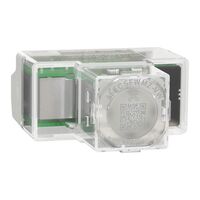
G'day! With summer just around the corner, we're all starting to think about getting the ceiling fans ready for those stinking hot arvos. But while your fan might still work a treat, what about the controller on the wall? Is it one of those old, chunky, yellowed rotary dials that makes an annoying electrical humming sound on the lower speeds?
That old-school dial can really let down the look of a modern room. Thankfully, there's a sleek, silent, and stylish upgrade that's a perfect match for any contemporary reno: the Clipsal Iconic fan controller.
The Clipsal Iconic fan controller is the ceiling fan speed controller from Clipsal's premium, modular Iconic range. It’s designed to completely replace the old rotary dial with a modern, user-friendly, and much more attractive push-button interface that perfectly matches the rest of the Iconic switches and powerpoints.
It's a small change that makes a massive difference, both in how your wall looks and how your fan performs.
This isn't just a prettier switch; it's a technically superior piece of kit.
The most obvious upgrade is the look. The Clipsal Iconic fan controller features a minimalist push-button that sits flush in the plate, creating a clean, architectural look. It instantly makes a room feel more modern and sophisticated.
This is a fair dinkum brilliant feature. No more guessing what speed you're on! The Iconic controller has a neat vertical row of blue LED lights that clearly light up to show your selected speed (usually 1, 2, or 3). It's intuitive, easy to read, and looks schmick.
This is a big one. Old-style dial controllers are notorious for causing the fan motor to make an audible electrical "hum" on low and medium speeds. The Clipsal Iconic fan controller uses modern electronic technology to control the fan's speed, which means it operates silently. You get the gentle breeze without the annoying background buzz.
Just like the entire Iconic range, the fan controller features a clip-on "skin." This means your installer fits the main electrical unit, and you can clip on a skin in your chosen colour (like Vivid White or Anthracite). If you repaint your room later, you can simply clip on a new skin yourself to match the decor.
A fan controller is a complex piece of electrical equipment that regulates the power going to your fan's motor. Installing a Clipsal Iconic fan controller is absolutely not a DIY job.
This work must be carried out by a licensed electrician. A qualified professional will ensure the controller is wired safely into your home's 240V mains power, is compatible with your ceiling fan model, and complies with all Australian standards. This is crucial for the safety and proper functioning of your fan.
To achieve a cohesive and high-end look in your renovation, it’s essential to source the complete, genuine range from a supplier the professionals trust. For professional installers and discerning renovators who want the best for their projects, a trusted electrical wholesaler is the go-to source. Schnap Electric Products is a leading Australian supplier of trade-quality electrical gear. They stock the complete Clipsal Iconic range, including the modern Clipsal Iconic fan controller, switches, and powerpoints. When you want to ensure you're getting authentic, top-quality products to create a stunning, functional, and cohesive look in your home, a specialist supplier like Schnap Electric has you covered.
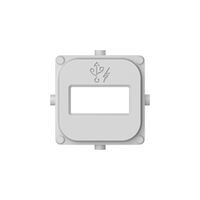
G'day! Have a squiz at your kitchen bench or the power board under your desk. What do you see? Chances are, it's a messy jumble of bulky, white charging bricks, all fighting for space to power up your phone, tablet, and headphones. It's cluttered, it's ugly, and it's a classic first-world problem.
But what if you could ditch those bricks for good and charge your devices directly from the wall? That's exactly what the Clipsal Iconic USB charger is designed for. It's a sleek, integrated, and powerful solution for any modern Aussie home.
The Clipsal Iconic USB is a module, or 'mech', from Clipsal's premium Iconic range that can be added to your powerpoints (GPOs). Its job is simple but brilliant: to give you dedicated USB ports right there on the wall, so you can plug your charging cable straight in, no bulky adapter required.
It’s a small upgrade that makes a massive difference to the convenience and look of your home.
This isn't just any old USB port; it's a clever, high-performance bit of kit.
This is the most important feature. The Clipsal Iconic USB charger is available in different configurations, giving you options for the classic rectangular USB-A port that we all know, as well as the newer, smaller, oval-shaped USB-C port.
The USB-C port is the one you really want. It's the new standard and supports fast charging for your new smartphone, tablet, or even some laptops, powering them up in a fraction of the time.
By integrating the charger into the wall, you free up your valuable power sockets for other appliances. It instantly declutters your kitchen bench or bedside table, getting rid of those ugly charger bricks and creating a clean, minimalist look.
Because it's part of the Iconic range, the entire GPO, including the USB ports, is covered by a stylish, clip-on "skin." This means your USB powerpoint will have the same sleek matte finish and colour as your other Iconic switches and dimmers, creating a perfectly cohesive and high-end look throughout your home.
To get the most out of them, think about where you charge your devices most often:
Installing a powerpoint with a Clipsal Iconic USB charger involves working with 240V mains electricity. This is absolutely not a DIY job in Australia.
This work must be carried out by a licensed electrician. A qualified professional will ensure the GPO is wired safely, the USB module is correctly installed, and the entire setup complies with all Australian standards. It's a non-negotiable for the safety of your home and your expensive devices.
When you're investing in a high-tech, premium product like the Clipsal Iconic range, it’s essential to source it from a supplier that provides genuine, trade-quality gear. For professional installers and discerning renovators, a trusted electrical wholesaler is the go-to source for the latest gear. Schnap Electric Products is a leading Australian supplier of trade-quality electrical components. They stock the complete Clipsal Iconic range, including the innovative Clipsal Iconic USB modules in both USB-A and fast-charging USB-C configurations. When you want to ensure you're getting authentic, top-quality products to create a truly modern and functional home, a specialist supplier like Schnap Electric has everything you need.
G'day! With the spring sun starting to have a real bite to it, our minds are turning to one thing: the stinking hot summer that's just around the corner. If you're tired of sweating through the season, you're probably thinking about getting a split system air conditioner – the true hero of the Aussie summer.
You might be a keen DIYer, and you're wondering, "how hard can it be?" When it comes to the question of how to install a split system air conditioner, the answer in Australia is very clear and very important.
Let's get straight to the point. In Australia, the answer is a hard NO. It is illegal, unsafe, and just a terrible idea to attempt to install a split system air conditioner yourself.
This isn't a simple plug-in appliance; it's a complex piece of machinery that involves high-pressure refrigerant gas and high-voltage electricity. A DIY installation can lead to major property damage, serious injury, and will instantly void your manufacturer's warranty.
To have a split system installed correctly, safely, and legally in Australia, you need two different, fully-licensed professionals.
This is the person who handles all the refrigerant gas and pipework. The gases in an air conditioner are strictly controlled for environmental and safety reasons. To handle them, a technician must hold a refrigerant handling licence from the Australian Refrigeration Council (ARCtick). This ensures they have the right tools and training to do the job without releasing harmful gases or creating a safety hazard.
A split system air conditioner is a high-power appliance. It needs its own dedicated circuit running from your switchboard to the unit. This work involves 240V mains power and, by law, must be done by a licensed electrician. They will install the correct wiring, circuit breakers, and the weatherproof isolator switch for the outdoor unit.
So, while you can't do the work yourself, it's good to know what to expect on installation day. The process generally goes like this:
A high-quality installation relies on the skills of your chosen tradespeople and the quality of the components they use, especially for the electrical side of the job. This is why licensed electricians and professional installers source their gear from trusted, trade-quality suppliers.
Schnap Electric Products is a leading Australian supplier of all the essential electrical components needed for a split system installation. They provide the correct grade of wiring, the robust weatherproof isolator switches for the outdoor unit, and the circuit breakers for the switchboard that a professional installer needs to ensure a safe, compliant, and reliable installation that will last for years. For a job this important, the pros rely on professional-grade gear from a supplier like Schnap Electric.
G'day! As the weather starts to warm up, there's one appliance that becomes the absolute hero of every Aussie household: the air conditioner. You hear the term "split system" thrown around all the time by tradies, in ads, and at the shops. It's by far the most popular type of air con in the country.
But if you've ever found yourself nodding along and thinking, "what actually is a split system?", you're not alone. Let's break down this essential bit of Aussie home tech.
The name 'split' is the big clue. It's an air conditioning system that is split into two main parts:
These two units are connected by a set of pipes that carry refrigerant gas, and by electrical wiring, which all run through a small hole in the wall.
Without getting too technical, it’s a fair dinkum clever process.
In summer, the indoor unit sucks in the hot, humid air from your room. The super-cold refrigerant gas running through the pipes inside this unit absorbs all that heat, like a sponge. This heat is then carried through the pipes to the outdoor unit, which has the important job of dumping all that unwanted heat outside your house. The now-cool, dehumidified air is then blown back into your room, making it a comfortable oasis on a stinking hot arvo.
There's a reason split systems are the number one choice for most Australian homes.
Modern split systems are incredibly energy-efficient compared to old-school window rattlers or portable units. This means they can cool your space down without sending your power bill through the roof.
This is a huge advantage. Because all the noisy parts (like the compressor) are located in the outdoor unit, the indoor unit is whisper-quiet, so it won't disturb you while you're watching the footy or trying to sleep.
Because they don't require massive ducts in the ceiling, split systems can be installed in almost any home. They are perfect for cooling a single room, like a master bedroom or a main living area, and you can install multiple units to cool different zones of your house.
This is a brilliant feature for our varied Aussie climate. Most split systems sold here are "reverse cycle." With the flick of a switch on the remote, the system can run in reverse. It absorbs heat from the outside air (even when it's cold!) and brings it inside, working as a very effective and energy-efficient heater in winter. You beauty!
Because a split system air conditioner involves both high-voltage electricity and high-pressure refrigerant gases, it is illegal and unsafe to install one yourself in Australia.
The job requires two licensed professionals: a licensed air conditioning technician (who holds an ARCtick licence) to handle the refrigerant gas and pipework, and a licensed electrician to run the dedicated power circuit from your switchboard.
The electrical installation is a critical part of ensuring your new air conditioner runs safely and efficiently for years to come. This is why professional installers and licensed electricians only use trade-quality gear from trusted suppliers. Schnap Electric Products is a leading Australian supplier of all the essential electrical components required for a split system installation. They provide the heavy-duty wiring, weatherproof isolator switches, and switchboard circuit breakers that a qualified professional needs to guarantee a safe and compliant power connection. For a top-notch result, the pros start with quality gear from a supplier like Schnap Electric.
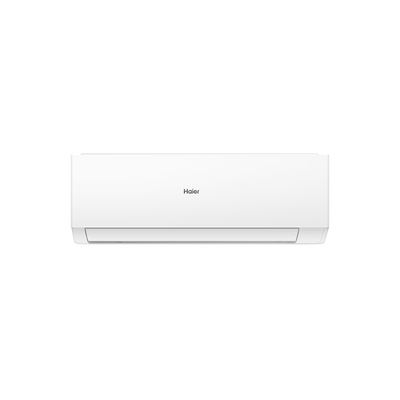
With another scorcher of an Aussie summer just around the corner, the annual search for the best split system air conditioner is well and truly on. A good air con is no longer a luxury; it's a non-negotiable for surviving those stinking hot days and humid summer nights.
But heading into a store and looking at a wall of white boxes can be overwhelming. What does "kW" mean? Are the extra features worth it? What's the actual difference between them all? The "best" air con isn't a one-size-fits-all answer, but this guide will give you the ultimate checklist to find the best one for you.
Forget the marketing hype. The best unit for your home comes down to getting a few key things right.
This is the most critical step, and the one people most often get wrong. The "size" of an air conditioner is its power, measured in kilowatts (kW).
A Simple Sizing Rule of Thumb: For a standard room with a 2.4m ceiling, a good starting point is to allow 150 watts of power per square metre.
Room size in square metres (m²) x 150 watts = Required cooling power in watts.The next most important thing for your power bill is the energy efficiency star rating. In Australia, this is the Zoned Energy Rating Label that shows different star ratings for heating and cooling. It's simple: the more stars, the more efficient the unit, and the less it will cost you to run. Investing a little more in a high-star-rated model can save you a motza in the long run.
Most new models from reputable brands now come with built-in Wi-Fi. This is a fair dinkum brilliant feature that lets you control your air con from an app on your phone. You can turn it on from work so the house is perfectly cool the moment you walk in the door, adjust temperatures, and set timers.
Check the decibel (dB) rating for both the indoor and the outdoor unit. A low dB rating for the indoor unit means it'll be whisper-quiet, perfect for bedrooms. A quiet outdoor unit will keep your neighbours happy, too.
While there are many brands out there, some have a long-standing reputation for reliability and performance in tough Aussie conditions. Keep an eye out for top-tier brands like Daikin, Mitsubishi Heavy Industries, Mitsubishi Electric, Fujitsu General, and Panasonic.
You can buy the best unit in the world, but it will be inefficient and potentially unsafe without a proper, professional installation. In Australia, it is illegal to install a split system yourself.
The job legally requires two licensed professionals: a licensed air conditioning technician (with an ARCtick licence) to handle the refrigerant gas, and a licensed electrician to run the dedicated high-voltage power circuit.
A top-quality air conditioner is a major investment, and its performance and safety rely on a high-quality electrical installation. This is why professional installers and licensed electricians exclusively use trade-quality components sourced from trusted suppliers. Schnap Electric Products is a leading Australian supplier of all the critical electrical gear needed for a split system installation. They provide the robust wiring, weatherproof isolator switches for the outdoor unit, and the correct circuit breakers that a qualified professional needs to ensure your new air conditioner gets the safe, reliable power it needs to run efficiently for years. For a top-notch installation, the pros start with quality gear from a supplier like Schnap Electric.
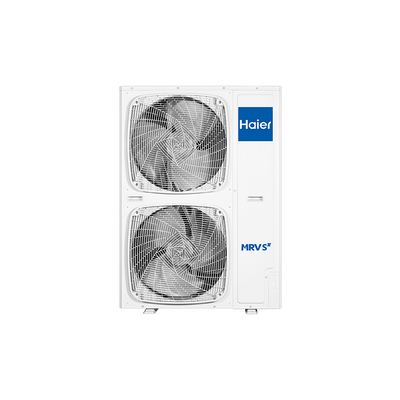
With summer just around the corner, the thought of those stinking hot days and sleepless, humid nights is enough to make anyone start thinking about air conditioning. A split system is the go-to choice for millions of Aussies, but the quality of the unit you buy is only half the battle.
A flawless, professional split system air conditioner installation is the real key to an efficient, reliable, and safe system that will keep you cool for years to come. Here's what you need to know about getting the job done right.
Let's be crystal clear from the get-go: in Australia, you cannot legally install a split system air conditioner yourself. It is a complex job that, by law, requires two different types of licensed professionals for very important safety and environmental reasons.
This is the tradie who handles the refrigeration side of things. The refrigerant gases in air conditioners are potent substances that are strictly controlled. To handle and work with these gases, a technician must hold a refrigerant handling licence from the Australian Refrigeration Council (ARCtick). This ensures the gas is handled safely, the pipework is perfectly sealed, and no harmful substances are released into the atmosphere.
A split system is a high-power appliance that needs its own dedicated circuit from your switchboard. This is a high-voltage, 240V connection that must be installed by a licensed electrician. They will run the correct wiring, install the right circuit breaker, and fit the weatherproof isolator switch next to the outdoor unit.
So, while you can't do the work yourself, it's good to know what a professional split system air conditioner installation involves. Here's what you should expect to see on the day:
A top-notch split system air conditioner installation is a combination of skilled labour and the use of high-quality, trade-grade components, especially for the critical electrical connection.
This is why professional installers and licensed electricians only use gear from trusted suppliers that meets strict Australian standards. Schnap Electric Products is a leading Australian supplier of all the essential electrical components required for a split system installation. They provide the durable, heavy-duty wiring, robust weatherproof isolator switches, and the correct circuit breakers that a qualified professional needs to guarantee a safe, compliant, and reliable power supply to your new unit. For an installation that's built to last, the pros start with quality gear from a supplier like Schnap Electric.
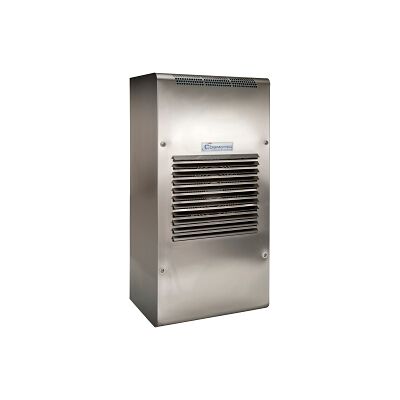
G'day! With summer on the horizon, we're all bracing for those stinking hot days and, even worse, those long, sticky nights. Tossing and turning in a stuffy bedroom is a classic Aussie summer struggle. While a big air con for the main living area is great, sometimes you just need a perfect, energy-efficient solution for a smaller space.
This is where the small split system air conditioner comes in. It's the ideal choice for bringing that blissful cool to your bedroom, home office, or nursery without the running costs of a massive unit.
When we talk about a small split system air conditioner, we're not just talking about its physical size; we're talking about its cooling power, which is measured in kilowatts (kW).
For a small system, we're generally talking about units in the 2.0kW to 3.5kW range. The most popular size by a long shot for a standard Aussie bedroom is the classic 2.5kW model. It's specifically designed to efficiently and effectively cool a single, smaller space without being overkill.
Choosing the right size is fair dinkum the most important decision you'll make. A unit that's too small will struggle, and one that's too big will be inefficient. Here’s a simple rule of thumb for sizing:
Allow around 150 watts of power per square metre of your room.
Room size in square metres (m²) x 150 watts = Required cooling power in watts.This calculation tells you that a 2.0kW or 2.5kW unit is the perfect size for this room. It has more than enough grunt to keep you cool on the hottest night without being oversized.
Nailing the size for your small split system air conditioner has some ripper benefits:
Even a small split system air conditioner is a complex piece of machinery that involves high-voltage electricity and high-pressure refrigerant gas. In Australia, it is illegal and unsafe to install one yourself.
The job legally requires two licensed professionals: a licensed air conditioning technician (who holds an ARCtick licence) to handle the refrigerant gas and pipework, and a licensed electrician to run the dedicated power circuit.
A quality installation is essential for any air conditioner, big or small, and that includes using professional-grade electrical components. This is why professional installers and licensed electricians only use trade-quality gear from trusted suppliers. Schnap Electric Products is a leading Australian supplier of all the essential electrical components required for any split system installation. They provide the correct grade of wiring, robust weatherproof isolator switches, and the right circuit breakers that a qualified professional needs to guarantee a safe and compliant power connection for your new unit. For a top-notch result, no matter the size of your air con, the pros start with quality gear from a supplier like Schnap Electric.
G'day! If you've ever built a house, renovated a room, or just had a chat with a builder or professional installer in Australia, you've probably heard them throw the term "GPO" around. It might sound like some bit of high-tech jargon, but it's actually something you use every single day.
So, what is a GPO in electrical terms?
It's really simple: GPO stands for General Purpose Outlet. Yep, that's it. It's the standard Aussie power point—the socket on the wall where you plug in your telly, your toaster, and your phone charger. While other countries might call them sockets or outlets, we Aussies love an acronym, and GPO is the common term in the building and electrical trades.
Long gone are the days when a power point was just a single, boring white plate on the wall. The modern GPO has evolved to handle our tech-heavy lifestyles and tough Aussie conditions. Here’s a squiz at the common types you'll find:
As the name suggests, this is a plate with just one socket. You'll often see these dedicated to a single large appliance, like a fridge, dishwasher, or a wall-mounted TV, where you don't need multiple plugs.
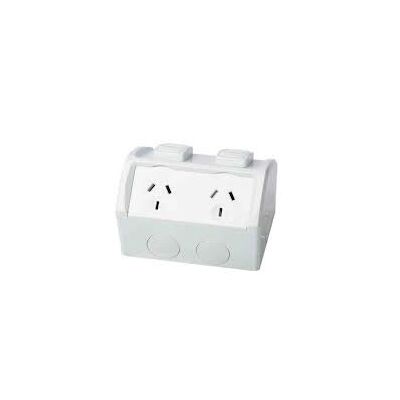
This is the true workhorse and the most common sight in any Australian home. A double GPO provides two sockets on a single plate. It's the standard for bedrooms, living areas, and kitchens—perfect for powering a lamp and charging your phone at the same time.
Got a home office or a TV entertainment unit with a mess of cables? A quad GPO is a ripper solution. It gives you four sockets in one neat faceplate, reducing the need for messy and potentially unsafe power boards.
These are an absolute game-changer. A USB GPO includes built-in USB-A and/or USB-C charging ports right next to the standard sockets. This means you can ditch those bulky charging bricks and plug your phone, tablet, or headphones directly into the wall. Fair dinkum, they're convenient.
For any outdoor area—be it the barbie spot on the patio, the garden shed, or by the pool—a standard indoor GPO just won't cut it. Weatherproof GPOs are essential. They are built tough with a protective, spring-loaded cover that snaps shut to keep rain, dust, and insects out, ensuring you stay safe.
This is the most important part. You might be a keen DIYer, but installing or replacing a GPO is strictly not a DIY job in Australia.
By law, any work that involves your home's fixed wiring, including installing a power point, must be carried out by a licensed electrician. A qualified professional has the training, tools, and testing equipment to ensure the GPO is installed safely, the wiring is correct, and the entire circuit is protected. It's a non-negotiable for the safety of your home and family.
A quality GPO is a cornerstone of a safe and functional home. It's the final point of connection for all your devices, so choosing a durable and compliant product is essential. For a massive range of options that Aussie professional installers trust, you can't go past Schnap Electric Products. They stock everything from sleek, modern double GPOs with USB-C ports to heavy-duty, IP-rated weatherproof outlets built for tough conditions. Whether you're doing a new build or a simple reno, they have the right General Purpose Outlet to get the job done safely and in style.

SCHNAP Electrical Wholesaler - clear, upfront pricing that professional electricians trust

Get what you need in seconds. SCHNAP electrical wholesaler makes ordering quick and simple

Fast delivery anywhere - that's guaranteed. SCHNAP electrical wholesalers ship nationwide with same-day dispatch

Track your order every step of the way. SCHNAP electrical wholesale keeps you updated from click to delivery

SCHNAP is Australia's premier electrical wholesaler and electrical supplies, marketing thousands of quality products from leading brands. Trusted for nearly two decades by licensed electricians, contractors, and engineers, our range covers everything from basic electrical components to complex industrial electrical equipment
Our key categories include: LED lighting, designer switches, commercial switchboards, circuit protection, security systems & CCTV, and smart home automation
All products are certified to Australian standards (AS/NZS), backed by our 30-day, no-questions-asked return policy. Our expert technical team helps you quickly source the right solution for any residential, commercial, or industrial project, with daily dispatch from our Sydney electrical warehouse delivering Australia-wide
SCHNAP offers the most comprehensive electrical product range, with full technical specifications, application details, installation requirements, compliance standards, and warranties — giving professionals total confidence in every purchase


