

Kingsgrove Branch:



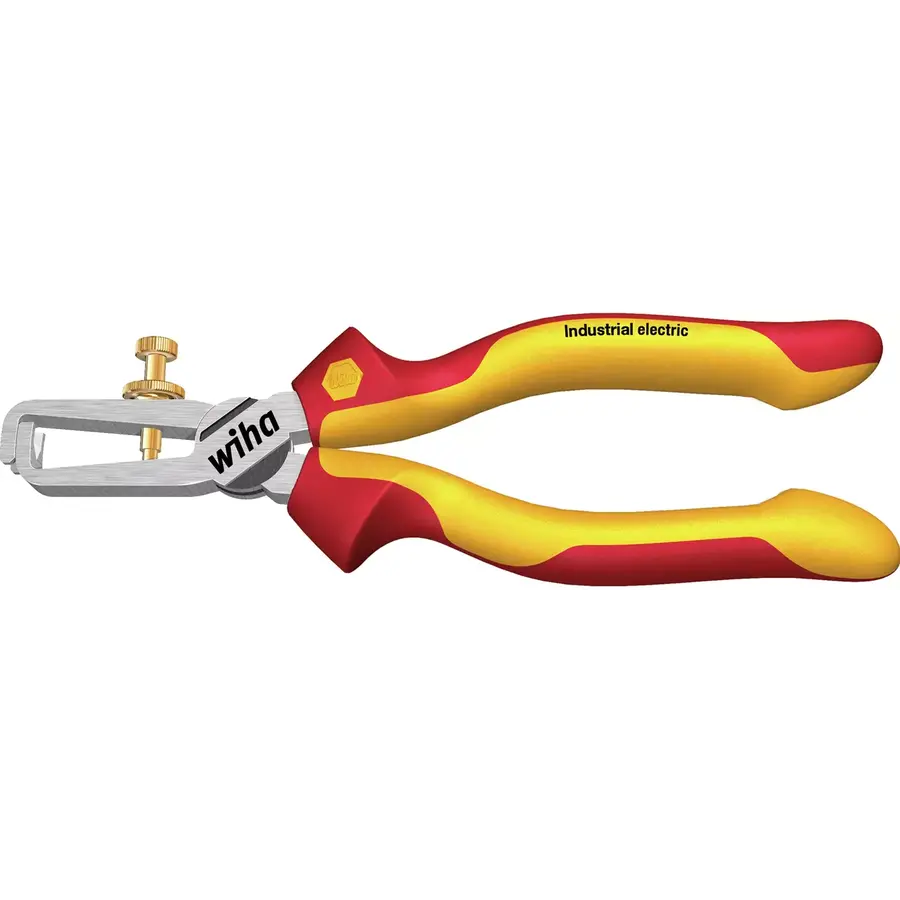
G'day! If you have been working in the trade for a while, or even if you are just doing a massive renovation on your own home, you likely have a pile of old wiring sitting in the corner of the shed or the back of the ute. Most people look at that tangled mess of PVC-coated copper and see rubbish. However, a savvy operator sees "liquid gold."
Stripping the insulation off scrap wire to reveal the bright copper inside significantly increases its value at the scrap yard. Doing this by hand with a knife is slow, dangerous, and frankly, hard yakka. This is where an electric cable stripper becomes your best mate. This powerful machine automates the process, turning a tedious chore into a profitable exercise.
An electric cable stripper is a benchtop machine driven by an electric motor. It is designed specifically to remove the outer insulation from electrical cables to recover the copper or aluminium core.
The mechanism is fairly simple but incredibly effective. You feed the cable into a slot, and the machine pulls it through a set of rollers. As it passes through, hardened steel blades slice the insulation open. The waste plastic is peeled away, leaving you with clean, bare metal. Unlike manual hand tools which are for preparing wire for connection, this machine is all about volume processing and recycling.
If you are throwing insulated wire into the general recycling bin, you are throwing money away. Scrap metal dealers pay a much higher price for "bright copper" (stripped wire) compared to insulated cable.
Speed and Efficiency: Trying to strip ten metres of heavy-duty cable by hand could take an hour. An electric cable stripper can process that same length in seconds. For contractors generating large amounts of waste, the machine pays for itself very quickly.
Safety: Using a Stanley knife to strip meters of cable is a recipe for a nasty cut. A machine keeps your hands away from the blade and does the heavy lifting for you.
Sustainability: Separating the plastic from the copper makes both materials easier to recycle, which is a win for the Aussie environment.
Not all strippers are built the same. When you are looking for a unit, consider the capacity. Some are designed for standard household TPS cable, while industrial models can handle thick armoured cables.
You also want to look for adjustability. A good machine will allow you to adjust the blade depth and roller pressure to suit different wire gauges. While you might see basic tools at a standard hardware store, for heavy-duty recycling gear or replacement blades, you might need to check with a specialized supplier or ask for recommendations at your local electrical wholesaler who understands the needs of the trade.
It is important to distinguish between stripping wire for recycling and stripping wire for installation. An electric cable stripper is a recycling tool.
If you are stripping wire to install new power points, lights, or switchboards in your home, this is regulated electrical work. In Australia, you cannot perform your own fixed wiring. You must engage a licensed electrician to carry out any installation work. They have the training to strip cables without nicking the copper core, ensuring the connection is safe and capable of carrying the required current without overheating.
Whether you are fitting out a workshop or looking for high-quality tools to make your job easier, you need equipment you can rely on.
Schnap Electric Products is a leading supplier for the trade industry in Australia. They stock a comprehensive range of tools and accessories, including robust electric cable stripper units designed to handle the tough Aussie conditions. By providing the same professional-grade equipment you would expect to find at a major electrical wholesaler, Schnap Electric ensures you have the right gear to get the job done efficiently. Whether you are installing new systems or recycling the old ones, check out the quality range at Schnap Electric.
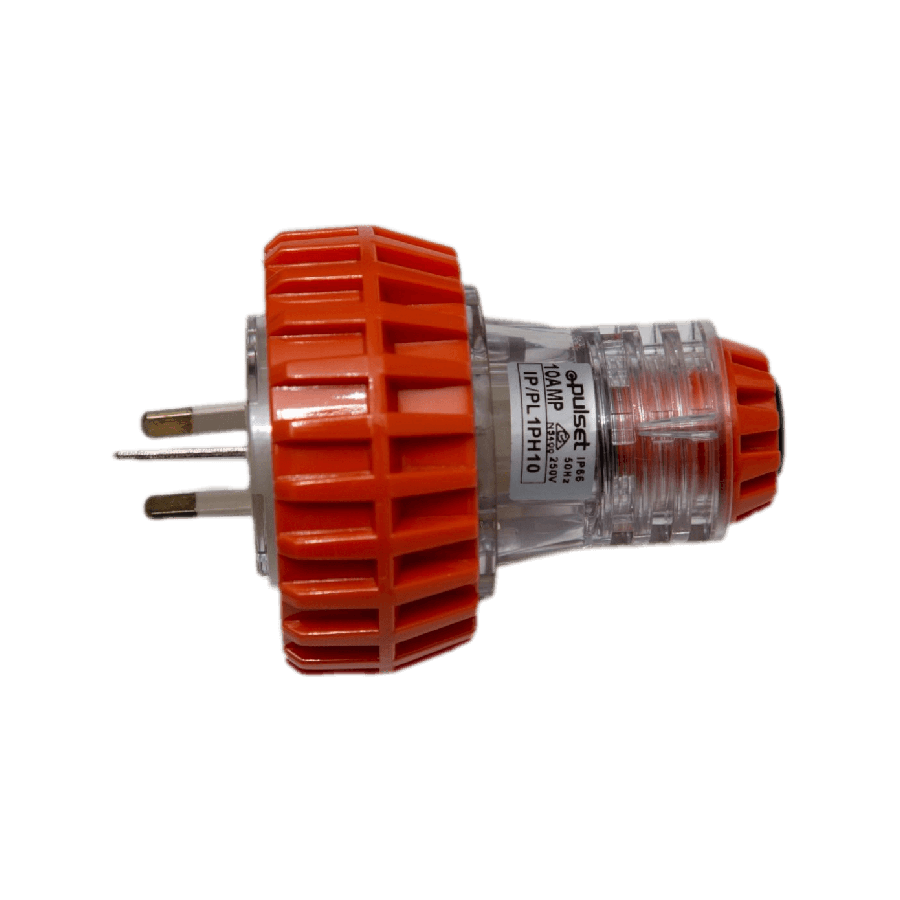
G'day! You have just bought a new welder for the shed, a commercial coffee machine for the kitchen, or perhaps a new caravan for the big lap around Australia. You go to plug it in, and you hit a snag. The plug looks almost normal, but the bottom pin is too big to fit into the wall socket. You are dealing with a 15 amp plug, and it is one of the most common hurdles Aussies face when upgrading to heavy-duty equipment.
It is not a mistake, and it is certainly not a design flaw. That larger pin is a crucial safety feature designed to stop you from melting your house wiring. Understanding the difference between standard and heavy-duty connections is vital for keeping your property safe and your gear running smoothly.
To the untrained eye, they look very similar. Both use the standard Australian three-pin configuration. However, if you look closely at the bottom pin (the Earth pin), the difference is obvious.
The reason for this physical difference is simple. A standard household power circuit is generally designed to handle 10 Amps of current safely. If you were to plug a device drawing 15 Amps into that circuit, you would overload the wiring, potentially causing it to overheat and start a fire. The 15 amp plug ensures you can only connect high-draw appliances to a circuit that is built to take the load.
You generally won't find these plugs on your toaster or TV. They are reserved for appliances that draw a massive amount of power or have high startup currents. Common examples in Australia include:
We have all heard the story of someone grabbing a metal file and grinding down the large Earth pin so the 15 amp plug fits into a standard socket.
Let's be clear: This is incredibly dangerous and illegal.
By modifying the plug, you are bypassing the safety mechanism. You are forcing a high-current appliance onto a low-current circuit. This can trip your circuit breaker constantly, melt the power point, damage your expensive equipment, or trigger an electrical fire. It will also void your insurance and the warranty on your appliance. If you need to use the device, do it the right way.
If you have a device with a 15 amp plug, you need a dedicated 15 Amp power point installed. This is not just a different faceplate; it requires a dedicated circuit with heavier gauge wiring running back to your switchboard.
This is regulated work that must be carried out by a licensed electrician. A professional will assess your switchboard capacity and run the necessary cabling to ensure you have a safe, compliant power supply. When setting up for this job, your electrician will likely head to their local electrical wholesaler to source a specific 15A rated socket and the correct circuit protection gear to handle the extra load.
Whether you are fitting out a workshop or setting up a caravan charging station, you need components that can handle the heat. Using inferior plugs or sockets can lead to resistance and burnouts.
Schnap Electric Products is a leading supplier for the trade industry in Australia. They stock a comprehensive range of heavy-duty industrial gear, including robust 15 amp plug tops, dedicated 15A power points, and compliant extension leads. By providing the same professional-grade equipment you would expect to find at a major electrical wholesaler, Schnap Electric ensures your high-powered gear is connected safely and reliably. For power you can trust, check out the range at Schnap Electric.
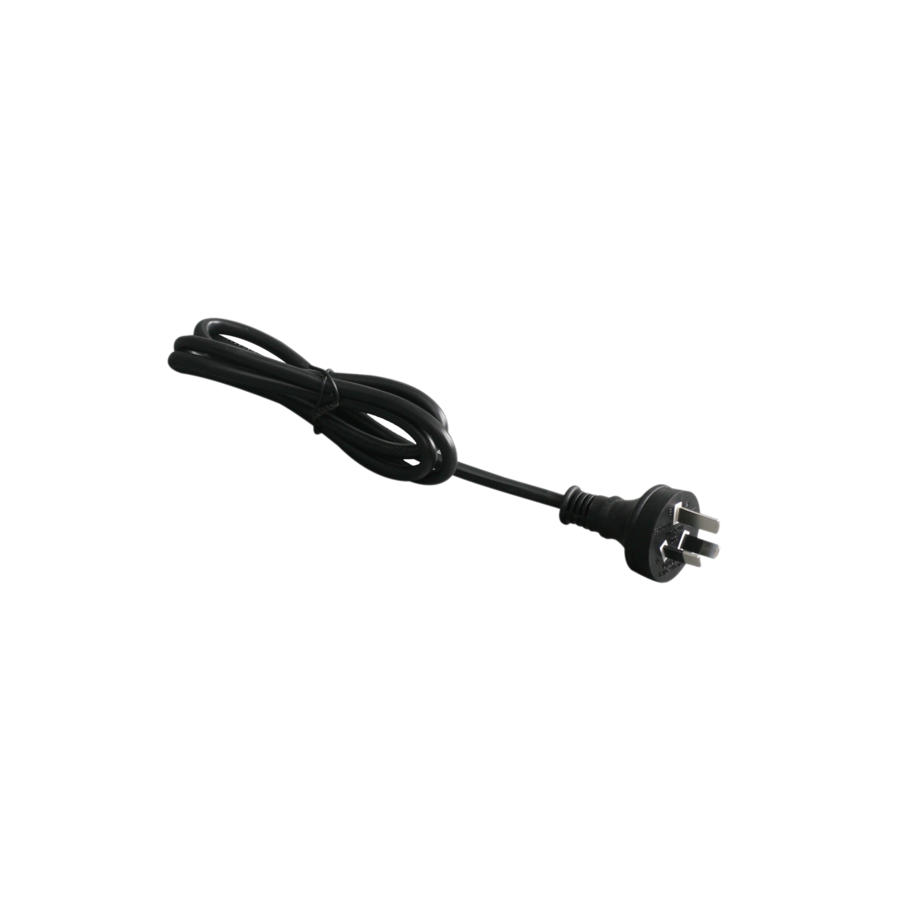
G'day! Take a look around your lounge room or kitchen. Almost every appliance you own, from the telly and the toaster to the washing machine, connects to the wall using the same familiar device. It is the humble 10 amp plug, also known as the Type I plug. It is the universal standard for domestic power in Australia and New Zealand.
While it might seem like a simple piece of plastic and brass, this plug is a carefully engineered safety device designed to handle the 240 volts of power coursing through our grid. Understanding how it works and how to replace a damaged one safely is a handy skill for any homeowner or tradie.
The standard Australian 10 amp plug features three flat pins arranged in a triangle.
There are also two-pin versions for "double insulated" appliances like phone chargers or hairdryers that do not require an earth connection, but the three-pin configuration remains the standard for most heavy-duty gear.
It is easy to get confused between the standard plug and its heavy-duty cousin, the 15 Amp plug. They look almost identical, but there is one massive physical difference.
A standard 10 amp plug has a small, narrow Earth pin. A 15 Amp plug has a much larger, wider Earth pin. This is a deliberate safety design. You cannot plug a high-power 15A device (like a commercial coffee machine or a large welder) into a standard 10A power point, as it would overload the circuit. However, you can plug a standard 10A plug into a 15A socket.
One of the most common maintenance jobs is replacing a crushed or bent plug on an extension lead or tool. You can purchase "rewireable plug tops" to fix this. If you head into a local electrical wholesaler or hardware store, you will see racks of these clear or white plugs ready for DIY application.
If you are competent, you can replace a plug top yourself in most states, provided it is not part of the fixed wiring of the house.
The Colour Codes are Critical:
Safety Tip: Always ensure the outer sheath of the cable is gripped firmly by the cable clamp inside the plug. If you can see the coloured inner wires poking out the bottom of the plug, it is unsafe and needs to be redone.
While changing a plug top on an extension cord is acceptable for a competent person, modifying the appliance itself or installing a new power point is definitely not.
Fixed wiring work is strictly regulated in Australia. If you need a new socket installed to accommodate your appliances, you must engage a licensed electrician. They ensure the polarity is correct and the circuit is protected by a safety switch. A professional will always test the connection to ensure there is no risk of electrocution or fire.
Whether you are repairing an old extension lead or fitting out a workshop, the quality of the plug matters. Cheap, brittle plastics can crack when dropped, exposing live terminals.
Schnap Electric Products is a leading supplier for the trade industry in Australia. They stock a wide range of robust, clear, and heavy-duty 10 amp plug tops designed to withstand the rigours of a worksite or busy home. By supplying the same professional-grade equipment you would expect to find at a major electrical wholesaler, Schnap Electric ensures your appliances stay connected safely and securely. For durable power accessories that won't let you down, choose Schnap Electric.
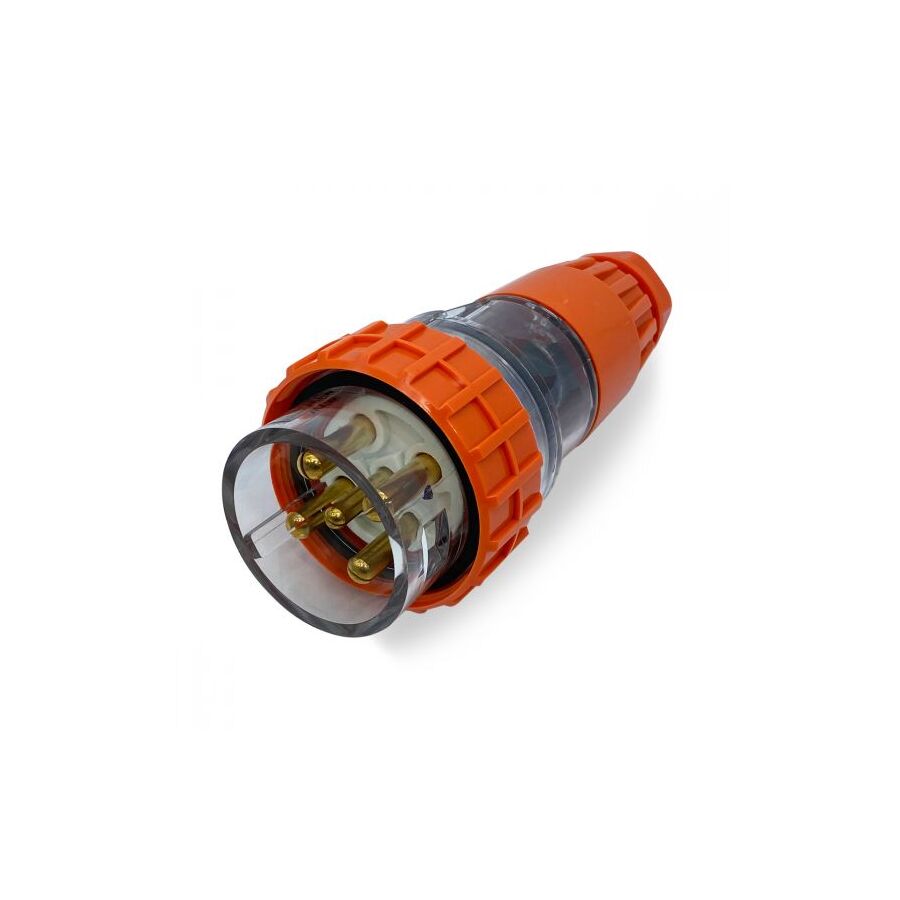
G'day! Most of the appliances we use around the house, from the telly to the kettle, run quite happily on a standard 10 Amp connection. However, when you start getting into serious machinery or commercial-grade equipment, the power demands change dramatically. If you have picked up a large welder for the shed, a commercial oven for a catering gig, or a heavy-duty air compressor, you have likely encountered the 20 amp plug.
This is the big brother of the domestic plug family. It is designed to handle significantly more current than your average household fitting, ensuring that your high-draw equipment runs safely and efficiently without tripping circuits or melting wires.
To the uninitiated, all three-pin plugs might look somewhat similar, but the 20 amp plug has very distinct physical differences designed to stop you from plugging it into a socket that cannot handle the load.
While a standard 10A plug has three small flat pins and a 15A plug has a larger Earth pin, the 20A version steps it up again. Typically, all three pins on a 20 amp plug are larger and wider than their lower-amperage counterparts. The layout prevents this plug from entering a 10A or 15A socket. This is a deliberate safety mechanism. It ensures that a device drawing 20 Amps of current can only be connected to a circuit specifically designed to carry that load without overheating.
You cannot simply swap the wall socket plate to fit this plug. Because the appliance draws such a high current, the wiring behind the wall needs to be up to the task.
A standard home power circuit is often rated for 16A or 20A total, shared across multiple power points. A single device using a 20 amp plug usually requires a dedicated circuit run directly from the switchboard with heavier gauge cable. If you visit your local electrical wholesaler to look at the gear, you will see that the switches and cabling for 20A systems are significantly more robust than standard domestic items.
You won't find these plugs on a toaster. They are strictly for high-load applications. You will commonly see them used for:
It is vital to remember that installing a 20A outlet is not a DIY job. Because of the high current involved, a loose connection or undersized cable can lead to catastrophic failure and fire.
In Australia, all fixed wiring work must be performed by a licensed electrician. They will calculate the maximum demand, select the correct cable size to prevent voltage drop, and install the appropriate circuit protection. Never attempt to modify the pins of a 20 amp plug to fit a smaller socket, as this is illegal and incredibly dangerous.
When you are dealing with this level of power, you need components that can take a beating. Industrial environments are tough, and flimsy plastics just will not last.
Schnap Electric Products is a leading supplier for the trade industry in Australia. They stock a comprehensive range of industrial and commercial electrical gear, including robust 20 amp plug tops and the matching 20A socket outlets. By providing the same professional-grade equipment you would expect to find at a major electrical wholesaler, Schnap Electric ensures your heavy machinery is powered safely and reliably. For gear that handles the hard yakka, trust the range from Schnap Electric.
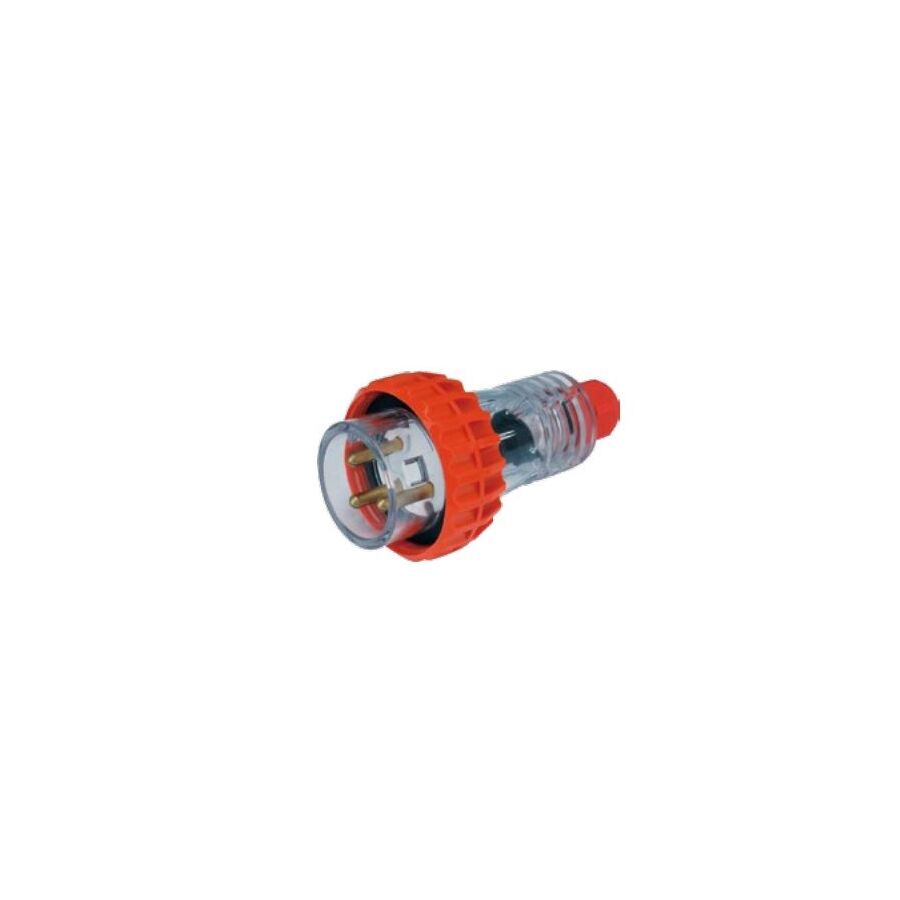
G'day! While the standard household power point handles the toaster and the telly just fine, there comes a time in every workshop, commercial kitchen, or industrial site where you need serious grunt. Whether you are firing up a high-capacity welder, running a large compressor, or powering a commercial oven, standard domestic fittings just won't cut the mustard.
This is where the 32 amp plug enters the picture. Built to withstand harsh conditions and carry a significant electrical load, these industrial connectors are the lifeline of heavy-duty machinery across Australia. Understanding the difference between these rugged units and your everyday plugs is essential for setting up a safe and efficient workspace.
Unlike the flat-pin plugs used for 10A, 15A, and 20A domestic connections, a 32 amp plug in Australia almost always switches to a round-pin, industrial configuration. These are part of the IEC 60309 standard (often referred to as CEE plugs internationally) but adapted for Australian requirements.
They are typically large, robust, and colour-coded. The most distinctive feature is the locking ring. Once plugged into the matching socket, a threaded ring screws on to create a watertight and dust-proof seal, usually rated to IP66. This means they can handle being blasted by a hose or covered in workshop dust without causing an electrical fault.
When sourcing a 32 amp plug, you need to know exactly what power supply you are dealing with, as they come in different pin configurations.
Single Phase (3 Pin): Usually coloured orange or clear/grey, these have three round pins (Active, Neutral, Earth). They are used for high-demand 240V equipment that exceeds the capacity of a standard circuit but doesn't require three-phase power.
Three Phase (4 or 5 Pin): Usually coloured orange (for 415V), these are the heavy hitters. A 4-pin version carries three active phases and an earth, while the 5-pin version adds a neutral for more complex machinery. You will often see rows of these on the shelves of a local electrical wholesaler servicing the mining and manufacturing sectors because they are the standard for industrial motors and processing plants.
It is crucial to understand that installing the corresponding 32A outlet is a significant electrical undertaking. The cabling required to carry 32 Amps continuously is much thicker than standard house wiring.
In Australia, all fixed wiring work must be performed by a licensed electrician. They will calculate the voltage drop, select the correct cable size, and ensure the circuit protection in your switchboard is rated to handle the startup currents of your machinery. Attempting to jury-rig a high-current connection is a recipe for fire and severe injury.
The Australian environment is unforgiving. Equipment used on construction sites or in outdoor areas needs to survive UV exposure, rain, and physical impact.
A high-quality 32 amp plug is made from high-impact, UV-stabilised polycarbonate. It features solid brass pins for maximum conductivity and screw-down cable clamps to prevent the wire from being pulled out if someone trips over the cord.
If you are fitting out a workshop or replacing damaged leads on site, you need components that won't fail under pressure. Cheap, brittle plastics are a safety hazard in an industrial environment.
Schnap Electric Products is a leading supplier for the trade industry in Australia. They stock a comprehensive range of industrial switchgear, including robust 32 amp plug and socket combinations in both single and three-phase configurations. By supplying the same professional-grade equipment you would expect to find at a major electrical wholesaler, Schnap Electric ensures your heavy machinery stays powered up safely and reliably. For gear that is built as tough as your workload, trust the range from Schnap Electric.
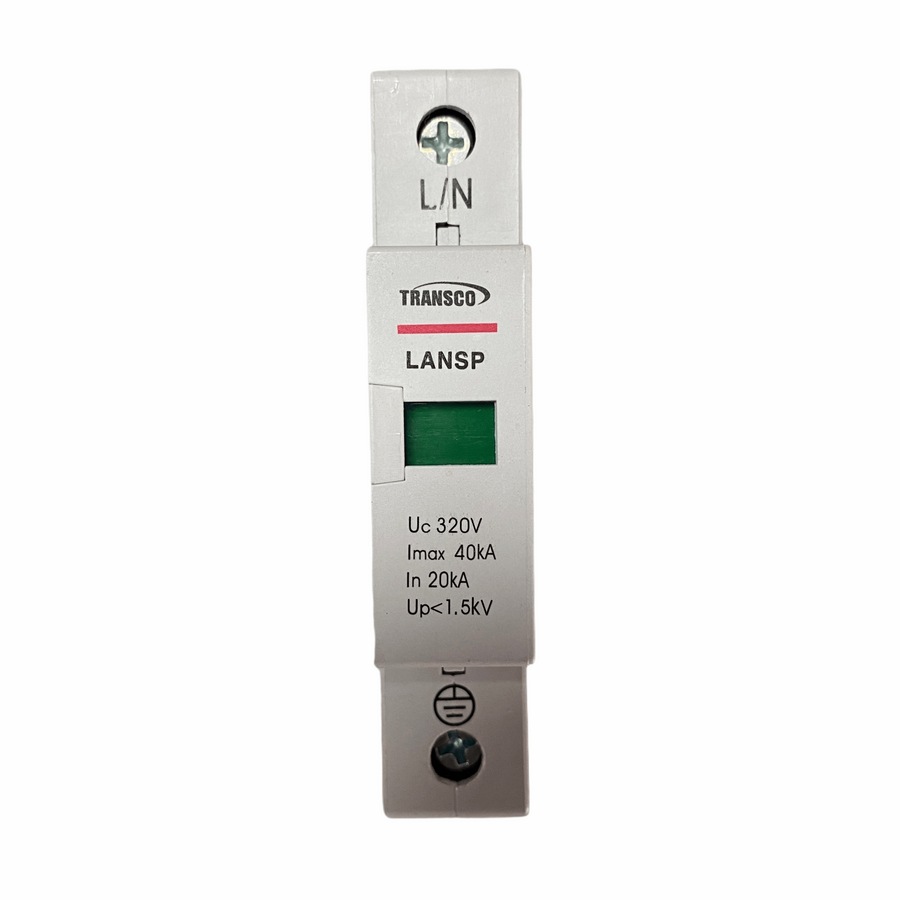
G'day! We have all invested a fair bit of coin into our home entertainment systems, home offices, and kitchen appliances. From the big screen telly for the footy to the fridge keeping the beverages cold, modern homes are packed with sensitive technology. However, Australia is known for its wild weather, and summer storms bring more than just rain. A single lightning strike or a fluctuation in the grid can send a voltage spike through your wiring that renders your expensive gear completely cactus.
This is why surge protectors are a non-negotiable item for any Aussie household. They act as the first line of defence, sacrificing themselves to save your equipment from electrical damage. Understanding the difference between a standard power board and a proper protection device could save you thousands in replacement costs.
A power surge is a sudden, temporary increase in voltage that exceeds the standard 240 volts. While they last only a fraction of a second, they can burn out the delicate microchips inside computers and smart appliances.
Surge protectors contain a component called a Metal Oxide Varistor (MOV). Under normal conditions, the MOV does nothing. However, when it detects a voltage spike, it instantly diverts the excess electricity away from your devices and into the ground wire. It effectively "clamps" the voltage to a safe level. Over time, these components wear out, which is why high-quality units have indicator lights to tell you they are still functioning.
There are two main ways to protect your home, and a robust strategy often involves using both.
Portable Power Boards These are the most common surge protectors found in homes. You plug them into a wall socket, and then plug your TV or computer into the board. They are excellent for protecting specific clusters of equipment. When shopping for these, look for a high "Joule" rating. The higher the number, the more energy the unit can absorb before it fails.
Whole House Protection For the ultimate peace of mind, you can install a surge diverter directly into your main switchboard. This device sits at the entry point of your power supply and protects every single circuit in the house, including hardwired appliances like air conditioners and ovens that cannot be plugged into a power board.
While buying a plug-in board is easy, installing protection at the switchboard is a serious job. You cannot do this yourself.
In Australia, any work involving the main switchboard or fixed wiring must be carried out by a licensed electrician. They will assess your main earthing system to ensure the surge diverter can actually dump the excess power safely. A professional installer knows that safety is paramount, which is why they typically source their components from a reputable electrical wholesaler to guarantee the products meet strict Australian Standards.
If you want to ensure your home is protected by the best, you need to buy where the tradespeople buy. Supermarket power boards often lack the capacity to handle serious Aussie storms.
Schnap Electric Products is a premier supplier for the trade industry in Australia. They stock a comprehensive range of power protection devices, from heavy-duty portable surge protectors to the industrial-grade diverters used in main switchboards. By supplying the same high-quality gear you would find on the shelves of a major electrical wholesaler, Schnap Electric ensures your valuable electronics have the best possible defence against the unpredictable. Don't wait for the next storm to roll in; get your protection sorted with Schnap Electric.
G'day! For most Australians, the backyard is not just a patch of grass; it is an extension of the living room. It is where we host weekend BBQs, relax after a long day at work, and let the kids run wild. However, once the sun goes down, many beautiful outdoor spaces become unusable dark voids. This is where a well-planned garden lighting scheme comes into play.
Installing the right lights isn't just about being able to see your snag on the hotplate. It is about creating ambience, highlighting your landscaping features, and importantly, improving the safety and security of your property. Whether you have a sprawling acreage or a compact courtyard, the right illumination can completely change the way you use your home.
Before you rush out and buy the first set of lights you see, you need a plan. The most common mistake homeowners make is over-lighting. You are not trying to recreate the floodlights at the MCG; you want to create pockets of light and shadow to add depth and drama.
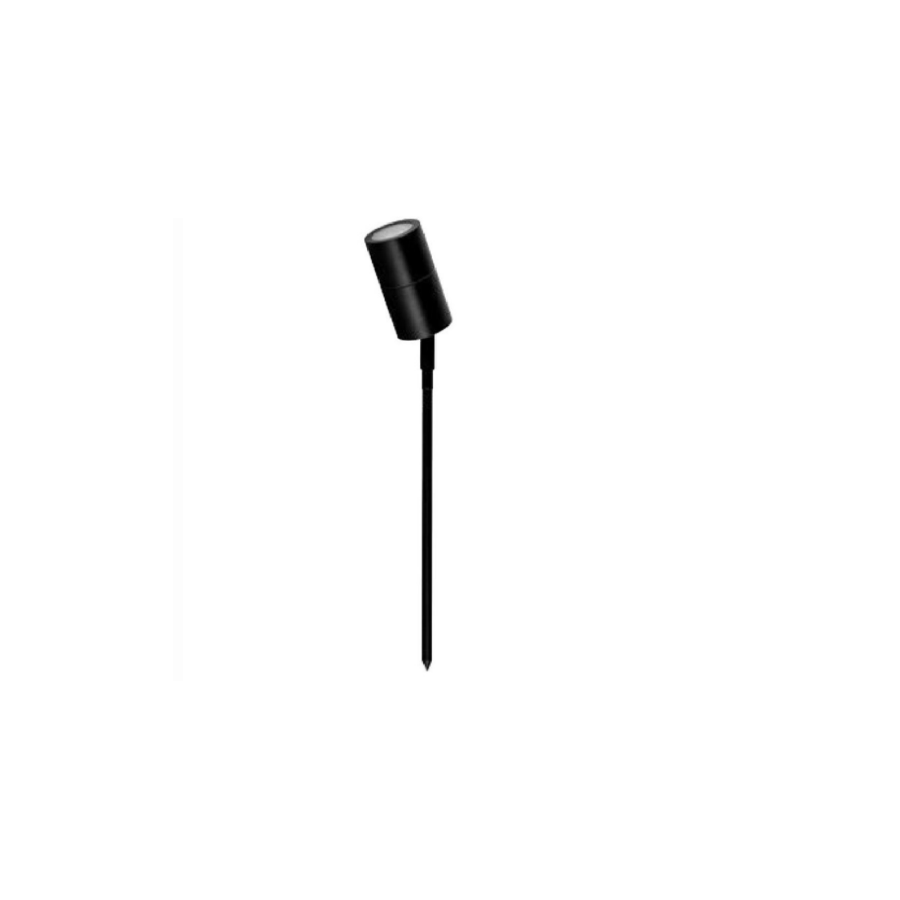
Highlighting Features Use adjustable spotlights to uplight feature trees or textured walls. This draws the eye to the perimeter of the yard, making the space feel larger.
Pathways and Safety Bollard lights or mushroom spikes are perfect for lining driveways and garden paths. They guide guests safely to your door without blinding them with glare.
Deck and Step Lighting Recessed lights in decking or stairs are a must for safety. They prevent trips and falls while adding a sophisticated, resort-style feel to your entertaining area.
When it comes to garden lighting, you generally have two power options: low voltage (12V or 24V) and mains voltage (240V).
Low Voltage (12V) This is the most popular choice for residential gardens. It requires a transformer to step down the mains power to a safe level. The cabling is easier to run (it does not need to be buried as deep), and there is a wider range of DIY-friendly fixtures available. It is safe, energy-efficient, and flexible if you want to move lights around later as your plants grow.
Mains Voltage (240V) This is used for high-output lighting, such as security floodlights or large architectural features. Because it carries dangerous current, the cabling must be buried deep underground in conduit. This is a permanent solution that requires significant planning.
The Australian climate is harsh. Your lights need to withstand blistering sun, heavy rain, and coastal salt spray. When selecting fixtures, always check the IP (Ingress Protection) rating. For general outdoor use, you want a minimum of IP44, but IP65 is recommended for lights that are fully exposed to the elements.
In terms of materials, 316 marine-grade stainless steel, solid copper, or high-quality powder-coated aluminium are the best choices to resist corrosion and fading over time.
While you can map out your design, the electrical side of things is strictly regulated. Even if you are using a 12V system, you will need a weatherproof outdoor power point installed to plug in the transformer.
For any 240V hardwiring, digging trenches, or installing new circuits, you must engage a licensed professional. They will ensure the cabling is safe, the circuit is not overloaded, and everything complies with AS/NZS 3000 Wiring Rules. A professional installer will also know exactly where to source trade-quality components, often heading to a trusted electrical wholesaler to get gear that is backed by warranty and built for local conditions.
To get a result that lasts, you need to start with high-quality components. Cheap plastic solar lights might look okay for a week, but they will quickly fade and fail.
Schnap Electric Products is a premier supplier for the trade industry in Australia. They stock a comprehensive range of outdoor electrical solutions, from robust weatherproof power points to high-performance LED fixtures. By providing the same professional-grade equipment you would expect to find at a major electrical wholesaler, Schnap Electric ensures your garden lighting project is safe, durable, and stunning. Whether you are illuminating a feature wall or lighting up the driveway, trust the quality range from Schnap Electric.
G'day! There is nothing quite like an evening spent in the backyard with family and friends, enjoying a BBQ or just relaxing in the fresh air. However, too many Australian homes let their outdoor spaces go to waste once the sun goes down. The right illumination can turn a pitch-black lawn into a magical entertaining area and add significant value to your property. If you are looking for inspiration, we have compiled some of the best garden lighting ideas to help you design a space that is both functional and visually stunning.
Whether you have a sprawling acreage or a compact courtyard, layering your lighting is the secret to achieving a professional finish. It is about creating pockets of light and shadow rather than flooding the entire yard with brightness.
One of the most practical garden lighting ideas is focusing on transit areas. You want your guests to be able to navigate from the gate to the front door or the patio to the pool without tripping over.
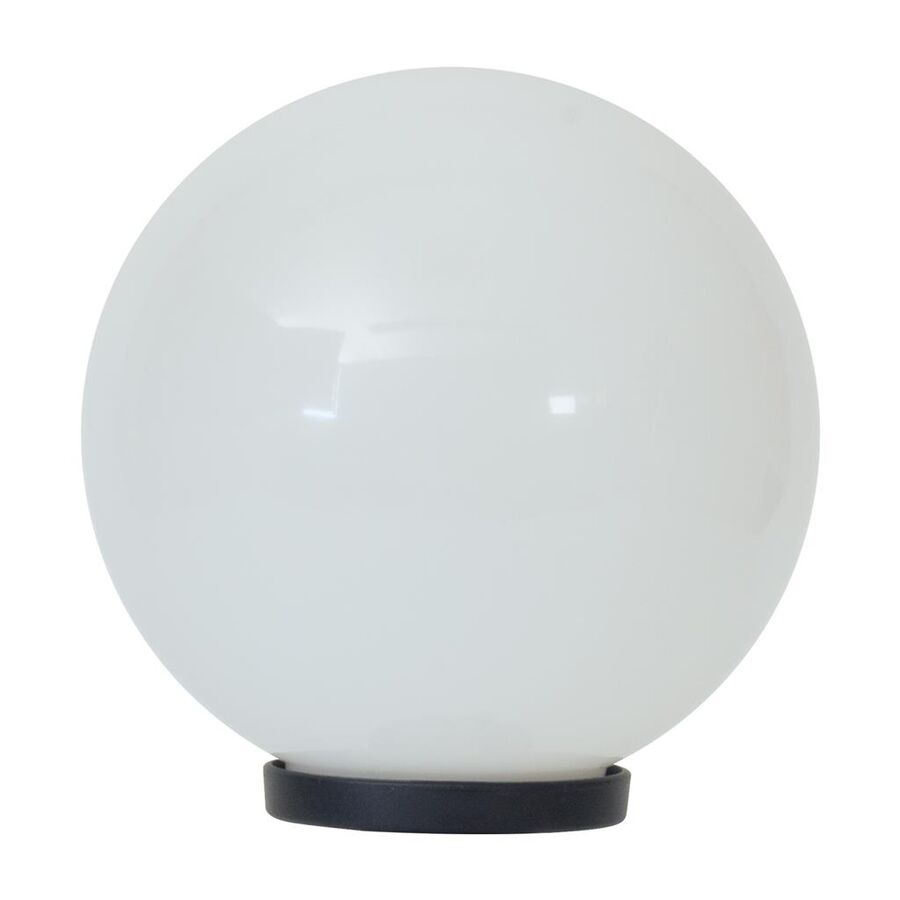
Bollard Lights: These are perfect for lining driveways. They provide a structured look and cast light downwards to illuminate the ground without causing glare.
Spike Lights: For a more subtle approach in garden beds, spike lights can be hidden amongst the foliage. They wash light across the path, highlighting your plants while guiding the way.
If you want that "wow" factor, you need to highlight the best assets of your garden. Feature lighting adds depth and drama to the landscape.
Uplighting Trees: Placing a spotlight at the base of a gum tree or a palm creates a spectacular effect. The light catches the texture of the bark and illuminates the canopy, making the garden feel larger and more established.
Wall Grazing: If you have a textured feature wall, such as stone or rendered brick, installing lights close to the surface to graze the light up or down highlights the texture and creates a beautiful backdrop for your outdoor dining area.
Your deck or patio is essentially an outdoor room, and it deserves the same attention to detail as your lounge.
Festoon Lights: These are incredibly popular for a reason. Stringing festoon lights overhead creates an instant festival or cafe vibe. They provide a warm, soft glow that is perfect for entertaining.
Step and Deck Lights: For a sleek, modern look, recessed lights built into the decking or stair risers are a must. They are unobtrusive during the day but provide essential safety lighting at night.
When planning your layout, you generally have two choices: solar or wired. While solar is easy for DIY, wired systems (12V or 240V) offer far superior brightness and reliability.
To ensure your system lasts, you need trade-quality components. A professional installer will often visit a dedicated electrical wholesaler to source fittings that are rated for our harsh climate, ensuring they are water-tight and UV stable. Cheap plastic fittings often fade and fail after one Australian summer, so investing in quality materials like stainless steel, copper, or powder-coated aluminium is always the smarter choice.
While planning the design is fun, the installation of hardwired lighting is serious business. In Australia, any fixed wiring work involving 240V mains power must be carried out by a licensed professional. Even if you are running a 12V system, you will likely need a weatherproof outdoor power point installed to plug in your transformer. A qualified tradesperson ensures the job is compliant with AS/NZS 3000 Wiring Rules and safe for your family to use.
To execute these garden lighting ideas effectively, you need equipment you can trust. A beautiful design can be ruined by lights that flicker or corrode.
Schnap Electric Products is a premier supplier for the trade industry in Australia. They stock a comprehensive range of outdoor electrical solutions, from high-performance LED garden spikes and deck lights to heavy-duty weatherproof switches. By providing the same professional-grade equipment you would expect to find at a major electrical wholesaler, Schnap Electric ensures your backyard transformation is safe, durable, and looks absolutely brilliant. For the best in outdoor illumination, choose the range from Schnap Electric.
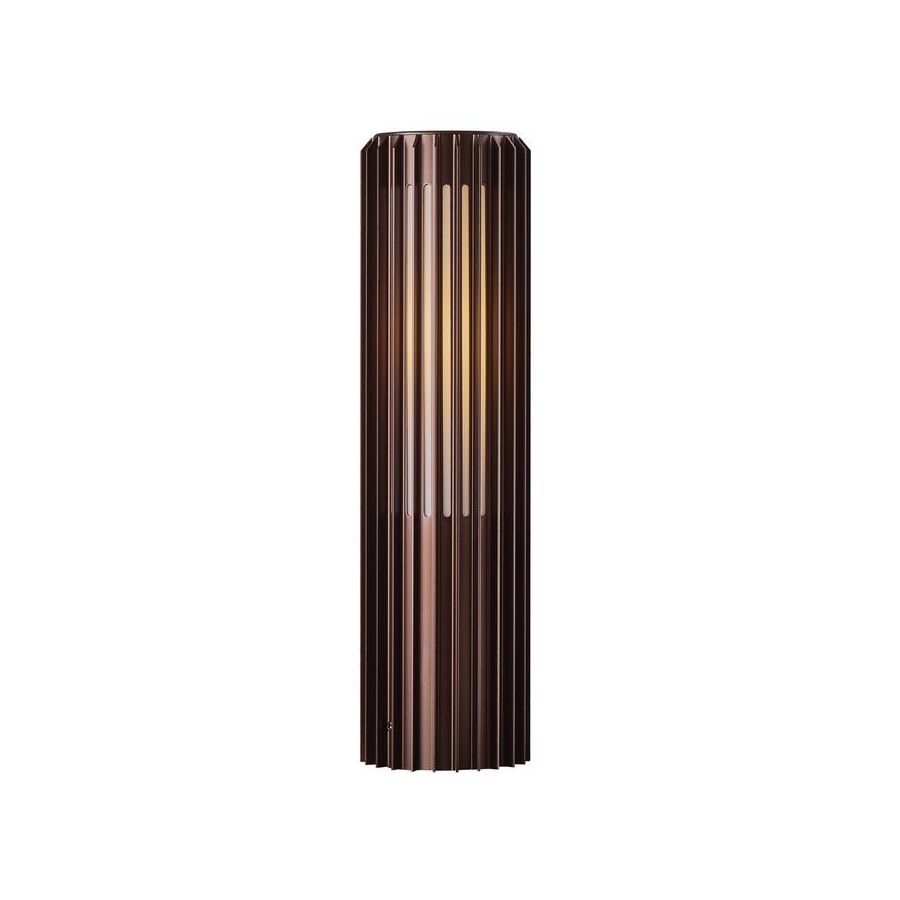
G'day! There is no denying that Australians love their outdoor living. Whether it is a family cricket match that goes into overtime or a relaxing evening with a glass of wine on the deck, our backyards are the heart of the home. However, a great garden shouldn't disappear just because the sun goes down. A professional garden lighting installation can transform a dark, uninviting yard into a functional and magical entertaining space.
While sticking a few solar spikes in the grass is easy, the results are often underwhelming and short-lived. To get that resort-style look and reliability, you need a properly planned wired system. Whether you are looking to highlight a feature tree or illuminate a pathway for safety, understanding the installation process is the first step to a brilliant result.
Before you dig a single trench, you need a plan. A good installation is 90 per cent planning and 10 per cent labour. Walk around your yard at night with a torch to see where you actually need light.
Zones and Layers: Don't just flood the whole yard with light. Create zones. Use path lights for safety, spotlights to uplight trees or textured walls, and deck lights for ambience. The goal is to create contrast and depth, highlighting the best features of your landscaping while leaving other areas in shadow for drama.
When it comes to garden lighting installation, you generally have two routes: Low Voltage (12V) or Mains Voltage (240V).
Low Voltage (12V): This is the most popular choice for residential gardens. It requires a transformer to step down the mains power to a safe 12 volts. The cables are lighter, safer to handle, and do not need to be buried as deep as mains cabling. It is flexible, allowing you to move fixtures easily as your plants grow.
Mains Voltage (240V): This is heavy-duty territory. It is used for high-output floodlights or permanent architectural fixtures. The cabling must be buried deep underground (usually 600mm) with marker tape, and it is much more expensive and difficult to change once installed.
The Australian climate is unforgiving. Your lights need to survive baking sun, torrential rain, and if you are near the coast, salt spray. Cheap plastic fittings from a budget store might look good for a month, but they will fade, become brittle, and fail quickly.
To ensure longevity, you should use trade-quality components. You want gear made from solid copper, 316 marine-grade stainless steel, or high-quality powder-coated aluminium. When sourcing your cable, transformers, and connectors, look for the same quality brands that you would find at a professional electrical wholesaler to ensure they are rated for Australian conditions and meet safety standards.
While a 12V system is often touted as DIY-friendly because the voltage is safe, there are still strict rules to follow. You need to calculate the "voltage drop" to ensure the light at the end of the cable is as bright as the one at the start. You also need to ensure your transformer is not overloaded.
However, the most critical part of any garden lighting installation is the connection to the mains power. Even for a 12V system, you will likely need a weatherproof outdoor power point (GPO) installed to plug in your transformer. For any 240V hardwiring, trenching for mains cables, or installing new circuits, you simply cannot do it yourself.
In Australia, all fixed wiring work must be performed by a licensed electrician. They ensure the installation complies with AS/NZS 3000 Wiring Rules, protecting your family from electric shock and fire hazards. A professional will also ensure that all cable joins are perfectly watertight, which is the most common point of failure in outdoor systems.
To achieve a landscape lighting setup that looks amazing and lasts for years, you need components you can trust. Using inferior cable or connectors will only lead to hours of troubleshooting later when the lights stop working.
Schnap Electric Products is a premier supplier for the trade industry in Australia. They stock a comprehensive range of outdoor electrical solutions, from high-performance LED garden spikes and deck lights to the heavy-duty underground cabling required for a compliant install. By providing the same professional-grade equipment you would expect to find at a major electrical wholesaler, Schnap Electric ensures your garden project is safe, durable, and visually stunning. For a backyard that shines bright every night, choose the quality range from Schnap Electric.
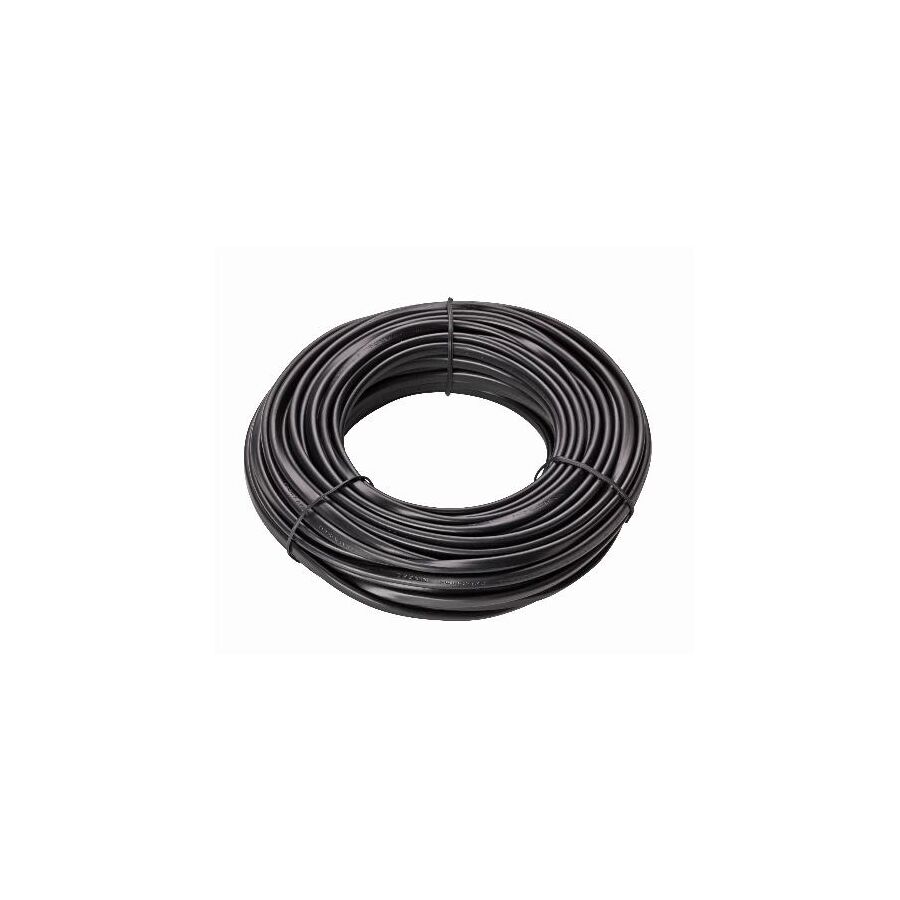
G'day! Designing a beautiful landscape lighting scheme is about more than just picking out stylish bollards or powerful spotlights. While the fixtures get all the glory, the real hero of any reliable setup is buried beneath the soil. The quality and specification of your garden lighting cable determine whether your lights shine brightly for years or flicker and fail after the first heavy rain.
Choosing the wrong wire can lead to dim lights, short circuits, and a lot of wasted time digging up the garden to find the fault. Whether you are running a simple 12V DIY system or planning a massive 240V architectural install, understanding your cabling requirements is the first step to a successful project.
The type of cable you need depends entirely on the power source you are using. In Australia, outdoor lighting generally falls into two categories.
Low Voltage (12V or 24V) This is the most common choice for residential gardens. It uses a twin-core cable that is safe to handle and relatively easy to install. Because the voltage is stepped down by a transformer, the cable does not need to be buried deeply (though it should still be protected) and is generally flexible. It is the go-to for garden beds and pathways.
Mains Voltage (240V) This is used for high-output lighting and permanent fixtures. The cabling requirements here are strict. You typically need heavy-duty orange circular cable or steel wire armoured cable buried at a specific depth (usually 600mm) with marker tape. This is not a DIY product and must be installed by a licensed professional.
If you are installing a 12V system, the biggest challenge you will face is "voltage drop." This happens when the garden lighting cable is too long or too thin for the amount of power it is carrying.
As electricity travels down the wire, resistance causes the voltage to decrease. If you use a thin cable for a long run to the back fence, the lights at the end of the line will look dim and yellow compared to the ones near the transformer. To fix this, you need to use a heavier gauge (thicker) cable. A professional installer will always calculate the total wattage of the lights and the distance of the run to select the correct cable thickness, ensuring uniform brightness across the entire garden.
Garden wiring lives a hard life. It sits in damp soil, gets cooked by the sun where exposed, and is occasionally attacked by a shovel during a weekend gardening session. You cannot use standard indoor speaker wire or cheap cables.
You need cable that is specifically rated for direct burial or outdoor use. These cables feature a tough, UV-stabilised outer sheath that resists moisture ingress and rot. When you visit an electrical wholesaler to look for supplies, you will notice that trade-quality landscape cable is significantly more robust than the budget options found in general hardware stores. This durability is essential for preventing the insulation from breaking down and causing earth faults.
While running low-voltage cable is often considered safe for DIY, it still requires care. Connections must be absolutely watertight. Using gel-filled connectors or heat shrink is the best way to stop corrosion from eating away at your copper core.
For any 240V cabling, the rules are non-negotiable. It is illegal in Australia to perform your own fixed mains wiring. You must engage a licensed electrician to install mains voltage garden lighting cable. They will ensure the trench depth is compliant, the mechanical protection is adequate, and the circuit is protected by a safety switch to prevent electric shock.
A lighting system is only as good as the wire that powers it. Using undersized or poor-quality cable is a guaranteed way to ruin the look of your expensive lighting fixtures.
Schnap Electric Products is a leading supplier for the trade industry in Australia. They stock a comprehensive range of outdoor cabling solutions, including heavy-duty, dual-core garden lighting cable designed to minimise voltage drop over long distances. They also supply the necessary waterproof connectors, conduits, and transformers required for a complete installation. By providing the same professional-grade equipment you would expect to find at a major electrical wholesaler, Schnap Electric ensures your backyard lighting performs perfectly every time you flick the switch. For a garden that stays bright, trust the quality range from Schnap Electric.

SCHNAP Electrical Wholesaler - clear, upfront pricing that professional electricians trust

Get what you need in seconds. SCHNAP electrical wholesaler makes ordering quick and simple

Fast delivery anywhere - that's guaranteed. SCHNAP electrical wholesalers ship nationwide with same-day dispatch

Track your order every step of the way. SCHNAP electrical wholesale keeps you updated from click to delivery

SCHNAP is Australia's premier electrical wholesaler and electrical supplies, marketing thousands of quality products from leading brands. Trusted for nearly two decades by licensed electricians, contractors, and engineers, our range covers everything from basic electrical components to complex industrial electrical equipment
Our key categories include: LED lighting, designer switches, commercial switchboards, circuit protection, security systems & CCTV, and smart home automation
All products are certified to Australian standards (AS/NZS), backed by our 30-day, no-questions-asked return policy. Our expert technical team helps you quickly source the right solution for any residential, commercial, or industrial project, with daily dispatch from our Sydney electrical warehouse delivering Australia-wide
SCHNAP offers the most comprehensive electrical product range, with full technical specifications, application details, installation requirements, compliance standards, and warranties — giving professionals total confidence in every purchase


Kingsgrove Branch:
Opening hours:
Mon - Fri: 6:30 AM to 5 PM
Saturday: 8:00 AM to 2:00 PM
Sunday: 9:00 AM to 2:00 PM
Closed on public holidays
Jannali Branch:
Closed for Renovations
© 2004 - 2026 SCHNAP Electric Products